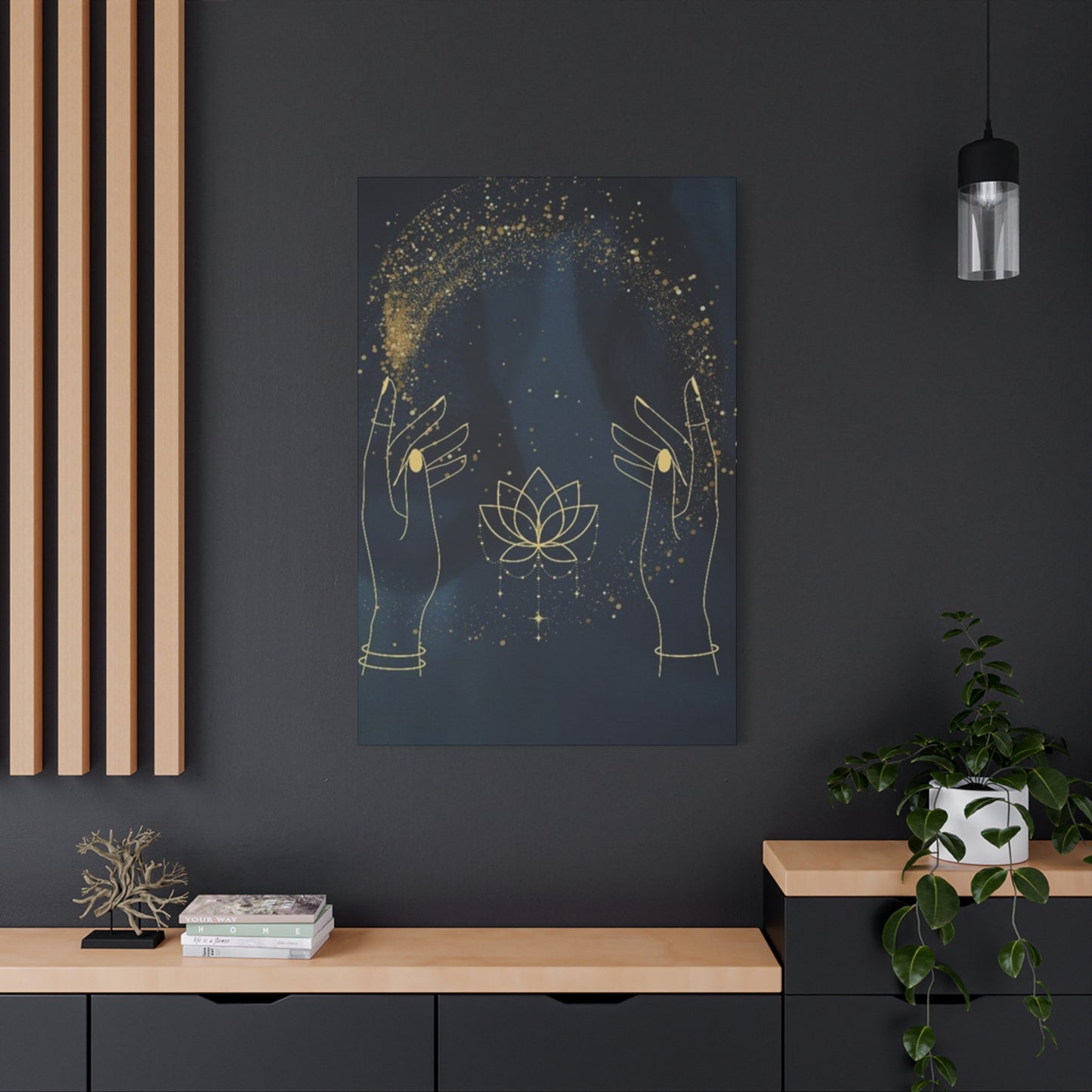
Hand Sprinkling Stars Wall Art & Canvas Prints
Hand Sprinkling Stars Wall Art & Canvas Prints
Couldn't load pickup availability
Celestial Beauty Through Manual Star Distribution: Hand Sprinkling Stars Wall Art Designs That Illuminate Your Living Spaces
The concept of adorning interior spaces with cosmic imagery has captivated humanity since ancient times, and among the most enchanting expressions of this fascination lies the artistry of hand sprinkling stars wall art. This distinctive decorative approach transforms ordinary walls into mesmerizing celestial landscapes, capturing the ethereal beauty of night skies within the confines of residential and commercial environments. Unlike mass-produced printed materials, manually applied stellar decorations possess an authentic, unrepeatable quality that resonates with individuals seeking genuine artistic expression within their personal domains.
The fundamental allure of hand sprinkling stars wall art stems from its inherent uniqueness—each scattered constellation, every carefully positioned luminous point creates a narrative distinct from any other composition. Artists and homeowners alike have discovered that this medium offers unprecedented freedom to interpret the heavens according to individual aesthetic sensibilities, cultural backgrounds, and emotional connections to the cosmos. The manual process itself becomes meditative, transforming the act of decoration into a meaningful ritual that imbues spaces with personal significance far beyond conventional ornamentation.
Contemporary interior design movements have witnessed a remarkable resurgence in handcrafted decorative elements, with stellar motifs emerging as particularly compelling choices for individuals seeking to establish atmospheric ambiance within their dwellings. The delicate interplay between darkness and illumination, the scattered randomness that paradoxically creates visual harmony, and the timeless symbolism associated with celestial bodies combine to make hand sprinkling stars wall art an enduring choice across diverse design philosophies, from minimalist Scandinavian aesthetics to maximalist bohemian expressions.
Creating Luminous Constellations Through Deliberate Randomness: The Artistic Philosophy Behind Scattered Stellar Decorations
The conceptual foundation underlying hand sprinkling stars wall art rests upon a fascinating paradox: achieving aesthetic coherence through intentional disorder. Unlike geometric patterns or symmetrical arrangements, stellar scattering demands that creators embrace unpredictability while maintaining subtle control over compositional balance. This delicate equilibrium between chaos and structure mirrors the actual distribution of stars throughout the observable universe, where apparent randomness conceals underlying gravitational relationships and cosmic architecture.
Practitioners of this decorative art form must cultivate an intuitive understanding of spatial relationships, density variations, and visual weight distribution. The most successful implementations avoid both excessive regularity, which produces artificial appearance, and complete randomness, which risks creating visual confusion or unbalanced compositions. Master artisans develop proprietary techniques for achieving what might be termed "controlled spontaneity"—methods that guide the scattering process without eliminating the organic irregularity essential to authentic stellar representation.
The philosophical dimensions of hand sprinkling stars wall art extend beyond mere aesthetic considerations into realms of metaphysical contemplation. Each star becomes a potential symbol: representing distant possibilities, commemorating significant life moments, embodying aspirations, or simply celebrating the mysterious grandeur of existence itself. This symbolic richness allows viewers to project personal meanings onto the compositions, transforming passive decorative elements into active catalysts for reflection, inspiration, and emotional resonance.
Cultural anthropologists have documented humanity's universal fascination with celestial imagery across virtually every civilization throughout recorded history. From Paleolithic cave paintings depicting astronomical phenomena to contemporary digital art exploring cosmic themes, stars have consistently served as powerful symbols transcending linguistic and cultural boundaries. Hand sprinkling stars wall art participates in this ancient tradition while employing distinctly modern materials and sensibilities, creating a bridge between primordial human experiences and contemporary aesthetic expression.
Material Selection Strategies for Achieving Optimal Visual Impact in Manually Applied Stellar Compositions
The foundation of successful hand sprinkling stars wall art begins with thoughtful consideration of the materials employed in the creative process. Artists and decorators must evaluate numerous factors including luminosity characteristics, adhesion properties, longevity expectations, environmental impact, and compatibility with underlying surface materials. The expanding marketplace for artistic supplies now offers an unprecedented array of specialized products designed specifically for celestial-themed decorative applications, yet navigating these options requires both knowledge and discernment.
Phosphorescent compounds represent perhaps the most popular choice for creating glowing stellar effects, as these materials absorb light energy during daylight hours and release it gradually throughout darkness, mimicking the apparent luminosity of actual stars. Quality variations among phosphorescent products significantly affect both brightness intensity and glow duration, with premium formulations maintaining visible illumination for eight to twelve hours following adequate light exposure. Discerning creators prioritize non-toxic, environmentally responsible phosphorescent materials, particularly when designing spaces intended for children or individuals with chemical sensitivities.
Metallic pigments offer alternative aesthetic possibilities, creating reflective stellar points that capture and redirect ambient light throughout the day while producing subtle shimmer effects during evening hours. Gold, silver, copper, and bronze metallics each impart distinct emotional qualities to compositions, with cooler tones suggesting distant, ancient stars while warmer hues evoke closer, younger celestial bodies. Combining multiple metallic shades within single compositions creates depth perception and dimensional complexity, suggesting varying distances between stellar objects and the viewer.
Acrylic-based mediums provide versatile carriers for both phosphorescent and metallic pigments, offering excellent adhesion to diverse surface types including painted drywall, wood paneling, textured plaster, and certain fabric applications. High-quality acrylic formulations maintain flexibility after curing, reducing the likelihood of cracking or flaking as building materials naturally expand and contract with temperature and humidity fluctuations. Water-based acrylic options facilitate easy cleanup during the creation process and emit minimal odors, making them particularly suitable for occupied residential spaces where strong chemical smells would prove objectionable.
Specialized adhesive dots and three-dimensional embellishments constitute another material category worthy of consideration. These products enable creators to achieve varied surface textures and shadow effects impossible with flat pigment applications. Raised stellar elements cast subtle shadows that shift throughout the day as natural light angles change, introducing dynamic qualities to otherwise static compositions. However, three-dimensional elements require more substantial adhesion mechanisms and may prove less durable in high-traffic areas where physical contact could dislodge decorative components.
Surface Preparation Protocols That Ensure Lasting Adhesion and Visual Clarity in Celestial Wall Compositions
The longevity and visual quality of hand sprinkling stars wall art depend fundamentally upon proper surface preparation prior to applying decorative elements. Inadequate preparation frequently results in premature failure, with stellar components detaching prematurely, pigments appearing uneven or blotchy, or unwanted texture variations disrupting the intended aesthetic effect. Professional decorators recognize that investing time in thorough surface preparation invariably produces superior outcomes compared to rushing through preliminary steps in eagerness to begin the creative process itself.
Initial assessment of wall conditions provides essential information guiding subsequent preparation decisions. Surfaces exhibiting significant texture variations, previous water damage, excessive porosity, or unstable existing coatings require remedial attention before receiving decorative treatments. Gently washing walls with mild detergent solutions removes accumulated dust, cooking residues, and other contaminants that interfere with proper adhesion. Following washing, surfaces must dry completely—typically requiring twenty-four to forty-eight hours depending upon environmental humidity levels—before proceeding with further preparation steps.
Many decorators apply primer coatings specifically formulated to create optimal surfaces for subsequent artistic applications. Quality primers seal porous substrates, provide uniform color bases, and enhance adhesion characteristics of topical decorative materials. For hand sprinkling stars wall art, darker primer shades—particularly deep blues, purples, blacks, and charcoal grays—create dramatic backgrounds that maximize the visual impact of lighter-colored stellar elements. Some practitioners prefer gradient primer applications, transitioning from deeper shades near floor level to lighter tones approaching ceiling height, subtly mimicking atmospheric effects observed in natural night skies.
Surface smoothness considerations vary according to the specific aesthetic goals of individual projects. While perfectly smooth surfaces facilitate crisp, well-defined stellar points, subtly textured backgrounds can enhance organic qualities and create interesting light-interaction effects. Artisans sometimes intentionally introduce controlled texture through specialized painting techniques, strategic sanding, or application of textured primers. However, excessive surface irregularity may complicate the application of small stellar elements and create unwanted visual distractions competing with the primary decorative intent.
Temperature and humidity conditions during surface preparation and subsequent artistic application significantly influence material performance and final results. Most acrylic-based products specify optimal application temperatures between sixty and eighty degrees Fahrenheit with relative humidity below sixty-five percent. Applying materials outside recommended environmental parameters may result in extended drying times, compromised adhesion, altered color characteristics, or other undesirable outcomes. Serious practitioners monitor environmental conditions and postpone work when circumstances fall outside acceptable ranges rather than risk inferior results through proceeding under suboptimal conditions.
Compositional Approaches That Balance Spontaneity With Deliberate Design Principles in Scattered Stellar Arrangements
Creating visually compelling hand sprinkling stars wall art requires balancing spontaneous application techniques with thoughtful compositional planning. Unlike rigidly structured decorative schemes where every element occupies predetermined positions, stellar scattering embraces controlled randomness as its defining characteristic. However, truly random distribution rarely produces aesthetically satisfying results; instead, successful compositions employ subtle guiding principles that create visual coherence while preserving organic irregularity.
The concept of density variation serves as a fundamental compositional tool in stellar scattering. Rather than distributing stars uniformly across entire surfaces, skilled practitioners create regions of varying stellar concentration, establishing visual rhythm and directing viewer attention. Areas of higher stellar density suggest galactic arms, nebular regions, or Milky Way representations, while sparser zones evoke deep space voids between stellar clusters. These density variations prevent monotonous uniformity while simultaneously establishing focal points and visual pathways that guide the eye through the composition.
Scale diversity among individual stellar elements contributes significantly to perceptual depth and dimensional illusion. Incorporating stars of multiple sizes—from barely visible pinpoints to more prominent focal stars—mimics the appearance of celestial objects at varying distances from the observer. Larger stellar elements naturally attract more visual attention, functioning as anchor points around which smaller stars cluster. Thoughtful distribution of scale variations throughout compositions prevents any single region from overwhelming others while creating subtle hierarchies that organize visual information without resorting to rigid geometric structures.
Color temperature variations introduce additional sophistication to hand sprinkling stars wall art compositions. Astronomy enthusiasts recognize that actual stars exhibit diverse colors corresponding to their surface temperatures, ranging from cool reddish hues through yellow-white middle temperatures to intensely hot blue-white appearances. Incorporating this chromatic diversity into wall art compositions enhances realism while simultaneously enriching visual interest. Cooler-toned stars might concentrate toward composition peripheries, suggesting greater distance, while warmer tones cluster in central regions, creating implied depth through color psychology.
Directional flow represents another subtle compositional consideration. While stars themselves appear stationary, viewers naturally seek visual pathways through complex compositions. Strategic placement of stellar elements can suggest gentle sweeping curves reminiscent of galactic spirals, establish diagonal rhythms that activate negative space, or create radiating patterns suggesting expansion from central points. These directional cues operate below conscious perception thresholds for most viewers yet significantly influence overall aesthetic impression and emotional impact.
Negative space management proves equally important as positive element placement in successful stellar compositions. The darkness between stars provides essential visual relief, prevents overwhelming density, and allows individual stellar elements to maintain distinct identities rather than merging into indistinct clusters. Amateur creators frequently err toward excessive star density, motivated by desires to maximize decorative coverage, yet this approach typically diminishes rather than enhances overall impact. Professional artisans understand that judicious restraint often produces more powerful aesthetic effects than abundant application.
Application Methods Ranging From Traditional Brushwork to Innovative Splatter Techniques for Stellar Distribution
The physical process of applying stellar elements to prepared surfaces encompasses numerous techniques, each producing characteristic visual qualities and requiring particular skill sets. Selecting appropriate application methods depends upon desired aesthetic outcomes, available tools, personal dexterity levels, and project scale considerations. Many practitioners develop hybrid approaches combining multiple techniques within single compositions to achieve varied effects across different compositional zones.
Direct painting with fine-tipped brushes offers maximum control over individual star placement, size, and shape characteristics. This meticulous approach suits creators who prefer deliberate decision-making regarding every compositional element and enjoy the meditative qualities of detailed handwork. Quality artist brushes with synthetic or natural bristles maintain sharp points capable of producing crisp stellar dots ranging from barely visible specks to more substantial focal points. The brush-painting method facilitates incorporating varied star shapes—pointed, circular, or irregular—and permits easy execution of multi-colored compositions requiring precise color placement.
Sponge daubing techniques accelerate the application process while introducing pleasing organic irregularities difficult to achieve through controlled brushwork. Natural sea sponges or synthetic alternatives loaded with diluted pigment create spontaneous stellar clusters when pressed against surfaces. The random porosity patterns inherent in sponge structures produce naturally varied star sizes and shapes, eliminating the artificial uniformity sometimes evident in brush-painted compositions. Practitioners can modulate stellar density by adjusting pigment concentration, sponge pressure, and application frequency, creating smooth transitions between dense and sparse compositional regions.
Splatter methods employ loaded brushes, toothbrushes, or specialized splatter tools to propel fine pigment droplets across surfaces, generating spontaneous stellar distributions impossible to replicate through controlled placement. This energetic technique produces authentic randomness while requiring minimal technical skill, making it accessible to novice creators. However, splatter methods offer limited control over individual element placement, necessitating careful masking of areas intended to remain free from stellar elements. Adjusting pigment consistency, tool selection, and application force allows practitioners to influence general splatter characteristics—droplet size, distribution density, and projection distance—while accepting that precise outcomes remain unpredictable.
Stenciling techniques utilize pre-cut templates to create consistent stellar shapes across large surfaces efficiently. Commercial stencil products offer convenient starting points, while custom-cut stencils enable completely unique designs tailored to specific compositional visions. Layering multiple stencil applications with varied positioning and color selections builds complex, multi-dimensional stellar fields suggesting depth and spatial relationships. Stenciling particularly suits creators uncomfortable with freehand application methods or situations requiring reproducible stellar patterns across multiple surfaces.
Transfer methods employ temporary adhesive decals, stamps, or printing techniques to position stellar elements. Pre-cut vinyl stars with adhesive backing enable rapid application and facilitate experimental composition development, as elements can be repositioned before final commitment. Stamp-based approaches use foam, rubber, or carved material stamps loaded with pigment to reproduce consistent stellar shapes across surfaces. While transfer methods sacrifice some spontaneity characteristic of hand-scattered approaches, they offer precision and repeatability valuable in certain compositional contexts.
Combination techniques strategically integrate multiple application methods within single compositions to leverage the strengths of each approach. For example, practitioners might establish major stellar groupings through controlled brush painting, then embellish with subtle splatter-applied background stars, and finally accent focal regions with three-dimensional adhesive elements. This layered methodology produces visual complexity and dimensional richness exceeding what any single technique could achieve independently, though it demands careful planning to prevent conflicting aesthetic qualities among technique layers.
Color Theory Considerations That Enhance Atmospheric Depth and Emotional Resonance in Celestial Wall Compositions
Strategic color selection profoundly influences the aesthetic impact and emotional qualities of hand sprinkling stars wall art. Beyond simple decorative preferences, color choices affect perceived spatial depth, emotional atmosphere, and psychological responses among viewers. Understanding fundamental color theory principles and their specific applications to stellar compositions enables creators to craft intentional aesthetic experiences rather than leaving crucial design elements to chance.
Background color selection establishes the foundational mood and spatial context for all subsequent stellar elements. Deep, saturated hues—particularly blues, purples, and blacks—create dramatic contrasts that maximize stellar visibility while evoking nighttime atmospheres. Navy blue backgrounds suggest twilight conditions with residual atmospheric illumination, while true black creates the infinite void of deep space. Purple backgrounds introduce mysterious, dreamlike qualities, while deep teal or emerald tones offer unconventional alternatives that maintain dramatic contrast while introducing unique atmospheric character.
Gradient background treatments add sophistication and naturalistic depth to stellar compositions. Smoothly transitioning from darker lower regions to lighter upper zones mimics atmospheric perspective effects observed in actual night skies, where terrestrial light pollution or atmospheric scattering creates luminous horizons beneath darker overhead expanses. Alternatively, radial gradients emanating from central points suggest glowing celestial objects—nebulae, galaxies, or distant supernovae—surrounded by darker cosmic voids. Executing smooth, professional-quality gradients requires practice and proper technique, but the resulting atmospheric depth justifies the additional effort.
Stellar element coloration offers opportunities for both realistic astronomical representation and imaginative artistic interpretation. White and pale yellow stars suggest our sun and similar main-sequence stars, while subtle blue tints indicate hotter stellar classes. Orange and red hues represent cooler stars or aging giants approaching their lifecycle conclusions. For strictly decorative rather than educational purposes, creators might employ fantastical color schemes—pink, turquoise, lavender, or metallic gold stars—prioritizing aesthetic impact over astronomical accuracy.
Complementary color relationships create visual dynamism and energy within stellar compositions. Positioning warm-toned stars against cool backgrounds, or vice versa, generates vibrant optical interactions that enhance perceived luminosity and visual interest. Orange stars against deep blue backgrounds exhibit particularly powerful complementary effects, as do purple backgrounds with golden stellar elements. Understanding these relationships allows creators to maximize visual impact through strategic color selections rather than relying solely on density and distribution patterns.
Analogous color harmonies produce gentler, more cohesive aesthetic effects compared to complementary schemes. Composing stellar fields using closely related hues—blues with purples, or oranges with yellows—creates serene, unified atmospheres lacking the visual tension characteristic of complementary approaches. Analogous schemes suit spaces intended for relaxation and contemplation, where dramatic visual stimulation might prove counterproductive to desired atmospheric qualities. Subtle variations within narrow color ranges generate interest without introducing jarring contrasts that disrupt peaceful ambiance.
Metallic accents introduce reflective qualities that interact dynamically with changing light conditions throughout daily cycles. Gold, silver, copper, and bronze stellar elements capture and redirect ambient light, creating subtle shimmer effects visible during daytime hours. These reflective properties complement phosphorescent materials, which dominate visual presence during darkness. Combining metallic and phosphorescent elements within single compositions ensures continuous visual interest regardless of lighting conditions, preventing compositions from appearing lifeless during daylight hours.
Color saturation levels significantly affect perceived distance and atmospheric perspective. Highly saturated, vibrant stellar colors appear closer to viewers, while desaturated, grayed tones recede into apparent distance. Deliberately varying saturation across compositional regions—placing more saturated stars in foreground areas and progressively desaturating background elements—enhances three-dimensional illusion and spatial depth perception. This subtle technique operates largely below conscious awareness yet substantially influences overall aesthetic impression.
Scale Variation Strategies That Create Compelling Dimensional Illusions in Two-Dimensional Stellar Representations
Manipulating the apparent size of individual stellar elements constitutes a powerful compositional tool for generating perceived depth and dimensional complexity in hand sprinkling stars wall art. While actual stars vary tremendously in physical size, their apparent sizes from Earth depend primarily upon distance rather than intrinsic dimensions. Artistically representing this phenomenon through deliberate scale variation transforms flat wall surfaces into illusionistic windows opening onto infinite cosmic expanses.
Establishing clear hierarchies among stellar sizes guides viewer perception through compositional space. Large, prominent stars naturally function as focal points, attracting initial attention and serving as entry points into deeper compositional exploration. Medium-sized stellar elements form transitional layers between foreground anchors and background textures, while tiny pinpoint stars create atmospheric depth suggesting distances beyond immediate focal regions. Distributing these scale categories thoughtfully prevents visual confusion while maintaining the organic irregularity essential to authentic stellar representation.
Gradual size diminishment from central regions toward composition peripheries mimics atmospheric perspective effects, where objects appear smaller as they recede into distance. This technique proves particularly effective in compositions suggesting galactic centers or stellar nurseries, where dense central regions gradually disperse into surrounding cosmic voids. The progressive size reduction occurs subtly enough that viewers perceive spatial depth without consciously recognizing the specific technique producing that impression, creating sophisticated illusionistic effects through simple scale manipulation.
Clustered size variations produce interesting focal regions resembling actual astronomical phenomena. Grouping several larger stars with numerous smaller companions suggests globular clusters, open star clusters, or multiple star systems. These concentrated stellar groupings break compositional monotony while introducing narrative elements—viewers might imagine these regions as celestial landmarks, focal points for navigation, or centers of gravitational activity drawing surrounding stellar populations. The storytelling potential embedded in such arrangements enriches viewer engagement beyond purely aesthetic appreciation.
Isolated large stars scattered throughout compositions serve as visual anchors preventing compositions from dissolving into undifferentiated backgrounds. These prominent elements establish reference points that organize surrounding smaller stars into perceptual groupings, much as actual bright stars—Sirius, Vega, Arcturus—serve as navigational reference points in Earth's night sky. The judicious placement of these anchor elements influences overall compositional balance and prevents any single region from dominating viewer attention inappropriately.
Extreme scale contrasts between the largest and smallest stellar elements amplify dimensional illusion intensity. When compositions include both substantial focal stars and barely visible background pinpoints, the scale differential suggests vast spatial depths separating foreground and background elements. However, maintaining smooth scale transitions between these extremes prevents jarring discontinuities that might disrupt aesthetic coherence. Successful practitioners develop intuitive understanding of appropriate scale progressions that maximize dimensional suggestion while preserving visual harmony.
Luminosity Enhancement Techniques Employing Phosphorescent Materials and Strategic Lighting Design
The ethereal glow characteristic of the most captivating hand sprinkling stars wall art results from thoughtful combination of phosphorescent materials with strategic environmental lighting design. Understanding the chemical properties of phosphorescent compounds and their interaction with various light sources enables creators to maximize nocturnal luminosity while accommodating practical illumination requirements in inhabited spaces.
Phosphorescent materials function through photoluminescence, absorbing photons from external light sources and slowly releasing that energy as visible light over extended periods. The intensity and duration of phosphorescent glow depend upon several factors including compound composition, particle concentration, pigment loading density, light exposure duration, and light source spectrum. High-quality phosphorescent pigments achieve dramatically superior performance compared to economy alternatives, justifying premium pricing through enhanced visual impact and extended glow persistence.
Charging phosphorescent elements requires adequate light exposure prior to viewing in darkness. Natural daylight provides excellent charging capabilities due to its full-spectrum characteristics and sufficient intensity. However, artificial lighting varies considerably in charging effectiveness. Incandescent and halogen sources containing substantial ultraviolet wavelengths charge phosphorescent materials efficiently, while standard LED and fluorescent lighting often proves less effective due to narrow emission spectra lacking UV components. Installing dedicated UV charging fixtures—blacklights or specialized LED strips emitting UV wavelengths—dramatically enhances phosphorescent performance in spaces lacking adequate natural light exposure.
Layering phosphorescent applications builds intensity and extends glow duration beyond what single-coat applications achieve. Initial base layers establish foundational luminosity, while subsequent coats concentrate pigment density and increase total light storage capacity. However, excessive layering eventually produces diminishing returns as deeper pigment layers receive insufficient light penetration for effective charging. Most practitioners find that two to four phosphorescent coats strike optimal balance between luminosity enhancement and material economy.
Combining phosphorescent elements with supplementary reflective materials creates multi-phase visual experiences throughout daily lighting cycles. Metallic pigments provide daytime visual interest through light reflection when phosphorescent components appear inert, then recede into subtlety during darkness as phosphorescent glows activate. This dynamic interplay ensures compositions maintain aesthetic presence regardless of ambient lighting conditions, preventing the daytime dullness characteristic of purely phosphorescent applications that appear lackluster until darkness falls.
Strategic ambient lighting design significantly influences phosphorescent effectiveness and overall compositional impact. Dimmer switches enabling gradual light reduction create extended transition periods during which viewers experience both reflected light effects and emerging phosphorescent glows simultaneously. This transitional phase often produces the most magical atmospheric effects as compositions transform from passive decorative elements into active light sources. Completely eliminating ambient light maximizes phosphorescent visibility but prevents viewers from appreciating non-luminous compositional elements that contribute aesthetic value beyond simple glowing effects.
Directional lighting from specific angles enhances three-dimensional effects and surface texture qualities in hand sprinkling stars wall art. Grazing light sources positioned parallel to wall surfaces accentuate subtle relief elements and cast shadows that emphasize dimensional qualities. Conversely, frontal lighting minimizes shadows and emphasizes color relationships and overall compositional patterns. Adjustable lighting systems enable viewers to alter visual characteristics according to preferences and occasions, transforming static artwork into dynamic experiences responding to environmental manipulation.
Ceiling Applications That Transform Overhead Spaces Into Immersive Nocturnal Sky Experiences
While wall surfaces receive primary attention in most decorative discussions, ceiling applications of hand sprinkling stars wall art offer uniquely immersive experiences that transform bedrooms, meditation spaces, and entertainment rooms into enchanting nocturnal environments. The overhead perspective mimics the natural stargazing position, triggering primal associations with outdoor astronomical observation and creating powerful atmospheric effects impossible through vertical wall treatments alone.
Preparing ceiling surfaces presents particular challenges compared to vertical walls. Working overhead requires specialized equipment—sturdy ladders or scaffolding—and physical endurance, as extended periods with arms raised above head level cause rapid fatigue. Despite these complications, the resulting aesthetic impact justifies additional effort, particularly in spaces specifically designated for relaxation, sleep, or contemplative activities where occupants frequently assume reclined positions offering sustained ceiling views.
Ceiling compositions benefit from modified density distributions compared to vertical wall applications. Since viewers typically observe ceilings from directly below rather than at angles, stellar density can increase without creating overwhelming visual congestion. However, maintaining varied density zones remains important for preventing monotonous uniformity. Many practitioners concentrate stellar elements more densely in central ceiling regions, creating implied Milky Way bands or galactic cores, while leaving peripheral areas relatively sparse.
Architectural ceiling features—beams, coffers, medallions, or textured surfaces—present both challenges and opportunities for stellar applications. Beams can be treated as compositional dividers separating distinct stellar regions, or integrated seamlessly within continuous distributions. Coffered ceilings offer opportunities for creating varied density zones within individual recessed sections, treating each as a miniature composition contributing to larger unified effects. Textured ceilings require assessment regarding whether existing texture enhances or detracts from intended stellar aesthetics; sometimes smooth skim-coating proves worthwhile for optimal results.
Bedroom ceiling applications create intimate nocturnal environments conducive to relaxation and sleep. Viewing phosphorescent stars while lying in bed provides meditative focal points that distract from stressful thoughts and encourage mental quietude. Many individuals report that stellar ceiling installations improve sleep quality by creating calming atmospheric effects and providing gentle illumination that eases anxiety around complete darkness while remaining subtle enough to permit normal sleep cycles.
Children particularly delight in ceiling-mounted stellar displays, which transform ordinary bedrooms into magical realms stimulating imagination and providing comforting nighttime illumination. Parents appreciate that phosphorescent ceiling stars offer anxiety-reducing benefits for children fearful of darkness while avoiding the sleep-disrupting effects of electric nightlights. The gentle, gradually diminishing glow naturally accompanies the transition into sleep, then fades as children enter deeper sleep stages, unlike artificial lighting that persists throughout night hours.
Entertainment and media room ceiling installations enhance atmospheric immersion during movie viewing or gaming sessions. Dimming lights to watch films activates phosphorescent stellar elements, surrounding viewers with subtle cosmic ambiance that enriches science fiction or fantasy content particularly effectively. Home theater enthusiasts sometimes coordinate ceiling stellar arrangements with thematic content from favorite films, creating personalized environments celebrating specific cinematic experiences.
Accent Wall Strategies That Establish Focal Points Within Broader Interior Design Schemes
Rather than treating entire rooms uniformly, contemporary design approaches often designate single walls as accent surfaces receiving distinctive decorative treatments that establish focal points and visual hierarchy. Hand sprinkling stars wall art proves particularly effective for accent wall applications, creating dramatic features that dominate spatial perception while complementing rather than overwhelming surrounding design elements.
Selecting appropriate accent wall candidates requires consideration of spatial geometry, natural light patterns, furniture arrangement, and traffic flow. Walls facing primary entry points naturally attract immediate attention, making them powerful accent candidates. Walls behind beds in sleeping quarters, behind sofas in living areas, or opposite doorways in hallways offer excellent visibility ensuring decorative investments receive appropriate appreciation. Conversely, walls interrupted by numerous doors, windows, or architectural features may prove less suitable due to reduced continuous surface area.
Accent wall stellar compositions frequently employ higher density distributions compared to full-room applications, creating concentrated visual impact within limited spatial extent. The intensified stellar presence transforms accent walls into luminous features that anchor surrounding design elements. However, practitioners must balance dramatic impact against potential visual overwhelming, ensuring accent walls enhance rather than dominate spaces. Gradual density fading near accent wall boundaries creates softer transitions into adjacent neutral surfaces, preventing jarring compositional edges.
Complementary relationships between accent wall stellar treatments and surrounding color schemes require thoughtful planning. Accent walls with dark, saturated backgrounds supporting luminous stellar elements create maximum contrast against lighter surrounding walls. This dramatic approach suits spaces where bold design statements align with occupant preferences and functional requirements. Alternatively, more subtle accent wall treatments employing analogous color relationships with surrounding surfaces integrate more gently into overall design schemes while still providing distinctive focal qualities.
Furniture placement relative to accent walls significantly influences viewer experiences and practical spatial functionality. Positioning primary seating to face stellar accent walls maximizes viewing opportunities and creates intentional orientation within spaces. Conversely, placing tall furniture against accent walls obscures decorative investments and undermines their purpose. Thoughtful furniture planning ensures stellar compositions remain visible from primary viewing positions while accommodating necessary functional elements.
Accent wall stellar compositions offer opportunities for thematic storytelling unavailable in purely decorative full-room treatments. Creators might arrange stellar elements to suggest specific constellations meaningful to occupants—zodiac signs, mythological figures, or personally significant celestial landmarks. These narrative layers transform decorative elements into personalized expressions celebrating individual identities, cultural heritage, or significant life experiences. The hidden meanings embedded within seemingly random stellar scatters enrich psychological connections between occupants and their environments.
Lighting design for accent walls requires particular attention to optimize both daytime aesthetic qualities and nocturnal phosphorescent effects. Directional accent lighting from track fixtures or wall-mounted sconces enhances dimensional qualities and creates dramatic shadow play during evening hours before ambient light reduction activates phosphorescent elements. Programmable lighting systems can automate transitional sequences, gradually reducing accent lighting while increasing overall room dimming to create theatrical reveals of phosphorescent stellar elements.
Spatial Considerations for Small Rooms Versus Expansive Areas in Stellar Distribution Planning
The physical dimensions and proportions of spaces receiving hand sprinkling stars wall art significantly influence appropriate compositional approaches, density calculations, and scale selections. Strategies effective in expansive great rooms or commercial lobbies may overwhelm intimate powder rooms or compact bedrooms, while approaches suitable for small spaces risk appearing sparse or tentative when applied to large areas. Successful practitioners modify techniques according to spatial contexts rather than employing uniform approaches regardless of environmental conditions.
Compact spaces benefit from restrained stellar densities that avoid visual claustrophobia while still creating atmospheric presence. Excessive decoration in small rooms produces overwhelming sensations contributing to spatial discomfort. Instead, judicious stellar placement creates visual interest without crowding limited surface areas. Emphasizing quality over quantity—fewer but more carefully positioned stellar elements—often produces superior outcomes in confined spaces compared to dense distributions appropriate for larger areas.
Vertical emphasis proves particularly effective in rooms with limited floor area but substantial ceiling height. Drawing viewer attention upward through vertically oriented stellar distributions creates perceived spatial expansion, counteracting feelings of confinement common in narrow rooms. Gradually increasing stellar density from lower wall regions upward toward ceilings guides the eye vertically, psychologically enlarging perceived room volume despite unchanging physical dimensions.
Expansive spaces accommodate and often require higher overall stellar densities to prevent compositions from appearing tentative or incomplete. Large walls with sparse decoration risk seeming unfinished or neglected rather than intentionally minimal. Increased stellar populations fill substantial surface areas while maintaining the delicate balance between presence and overwhelming excess. However, even in large spaces, varied density zones remain crucial for preventing monotonous uniformity across extensive surfaces.
Architectural articulation within large spaces—columns, alcoves, level changes, or distinct functional zones—provides natural organizational structure for stellar compositions. Treating architecturally defined regions as distinct compositional units creates visual variety while establishing coherent relationships among zones. Stellar densities, color emphases, or scale distributions might vary among architectural zones while maintaining unifying elements—consistent color palettes or recurring design motifs—that tie disparate areas into cohesive wholes.
Sightline considerations differ substantially between compact and spacious environments. Small rooms allow viewers to simultaneously perceive multiple surfaces from single vantage points, necessitating careful coordination among walls to prevent conflicting visual messages. Conversely, large spaces often permit viewing only one or two surfaces simultaneously, enabling greater independence among wall treatments. However, transitions between spaces require attention ensuring compositions relate harmoniously as viewers move through environments rather than creating jarring disconnections.
Acoustic properties correlate with spatial dimensions and may influence surface treatment decisions. Large rooms with hard surfaces sometimes suffer from excessive sound reverberation. While stellar wall art alone provides minimal acoustic dampening, incorporating it within broader strategies including fabric panels, acoustic tiles, or sound-absorbing materials allows aesthetic and functional considerations to complement rather than conflict. Small rooms rarely present acoustic challenges requiring remediation, permitting purely aesthetic decision-making.
Conclusion
While many hand sprinkling stars wall art installations embrace purely aesthetic randomness, incorporating recognizable constellation patterns adds narrative depth and personal significance that resonates with astronomy enthusiasts and individuals seeking meaningful connections between decoration and broader cosmic realities. Skillfully integrating authentic stellar arrangements within otherwise organic compositions requires knowledge of astronomical patterns and thoughtful compositional planning.
Constellation selection typically emphasizes personally meaningful star groupings rather than attempting comprehensive sky mapping. Zodiac constellations corresponding to occupant birth dates offer obvious choices with inherent personal relevance. Circumpolar constellations visible throughout year from viewer latitudes—Ursa Major, Cassiopeia, Draco—provide reliable navigation references familiar to amateur stargazers. Prominent seasonal constellations—Orion, Scorpius, Cygnus—might commemorate significant life events occurring during their visibility periods.
Accurate constellation reproduction demands reliable reference materials depicting stellar positions, magnitudes, and color characteristics. Astronomy software, star charts, and constellation guides provide necessary information, though translating spherical celestial coordinates onto flat wall surfaces requires geometric understanding. Most practitioners employ simplified projection methods prioritizing recognizability over strict cartographic accuracy, accepting minor distortions as acceptable compromises enabling practical implementation.
Scale decisions significantly affect constellation recognizability within larger compositions. Oversized constellation representations dominate compositional focus, clearly announcing their presence to viewers. However, such explicit emphasis may sacrifice the discovery pleasure inherent in recognizing subtly embedded patterns within apparently random distributions. Alternatively, constellations rendered at more modest scales integrate naturally within broader stellar fields, rewarding attentive viewers who detect familiar patterns while remaining unobtrusive to casual observers unversed in astronomical knowledge.
Magnitude representation adds realism and aids pattern recognition. Actual constellations exhibit varied stellar brightness, with prominent stars outshining dimmer companions. Replicating these luminosity relationships through varied dot sizes, pigment concentrations, or phosphorescent intensities enhances constellation legibility and astronomical authenticity. Primary constellation stars receive emphasis matching their celestial prominence, while secondary stars provide connecting context without overwhelming dominant pattern elements.
Multiple constellation inclusion within single compositions requires spatial planning preventing overlapping patterns that confuse rather than clarify. Adequate separation among constellation groups maintains individual pattern integrity while creating overall stellar field richness. Some practitioners position major constellations as compositional anchors with surrounding random stellar populations filling intervening spaces, establishing clear hierarchical relationships between astronomically accurate elements and purely decorative components.
Mythological narratives associated with constellations offer opportunities for expanded thematic development beyond simple stellar placement. Artists might incorporate subtle visual references to mythological figures represented by constellation patterns—suggesting Orion's raised club or Scorpius's curved tail through carefully arranged stellar clusters. These narrative enhancements remain subtle enough to avoid overt illustration while adding interpretive layers for viewers familiar with constellation mythology.
Share