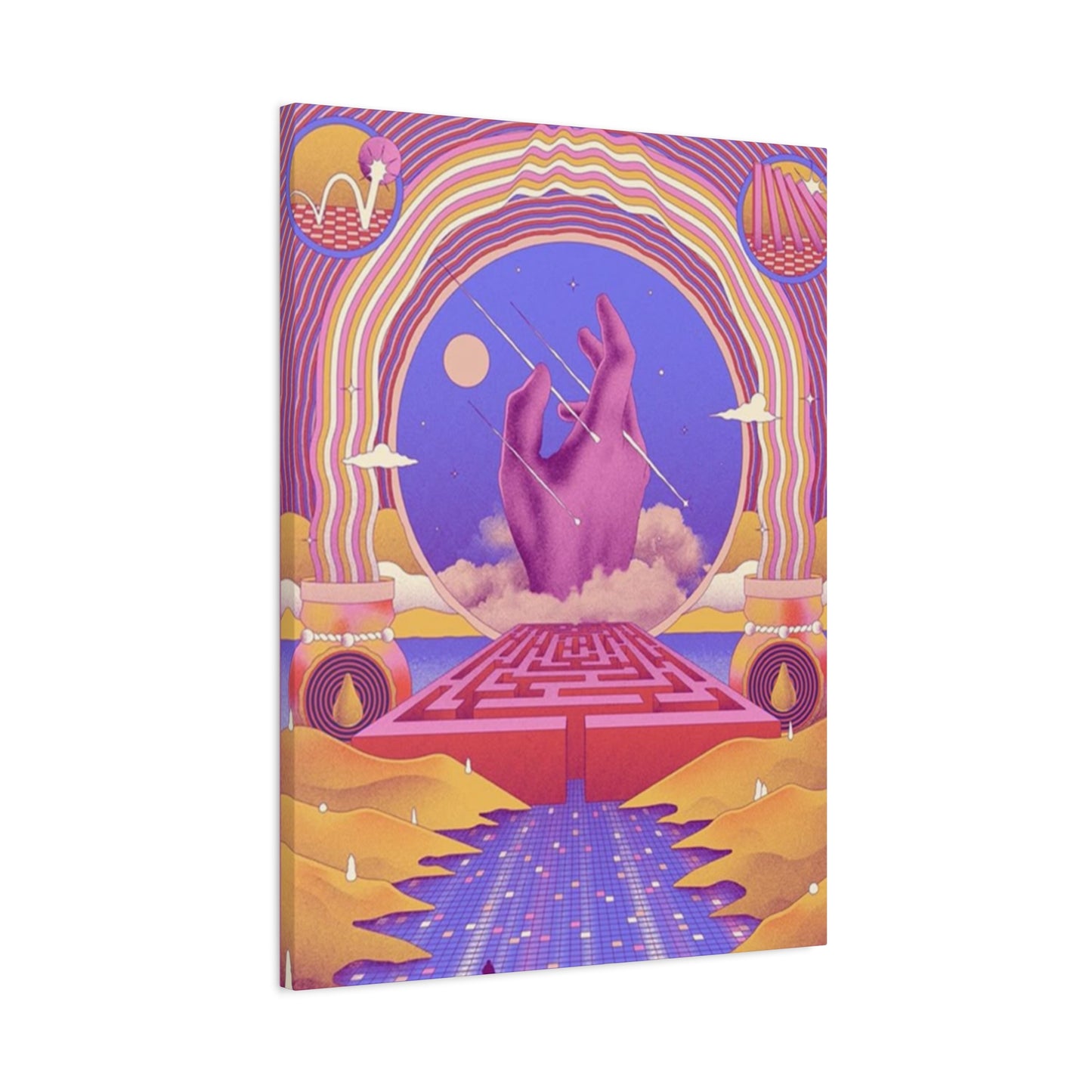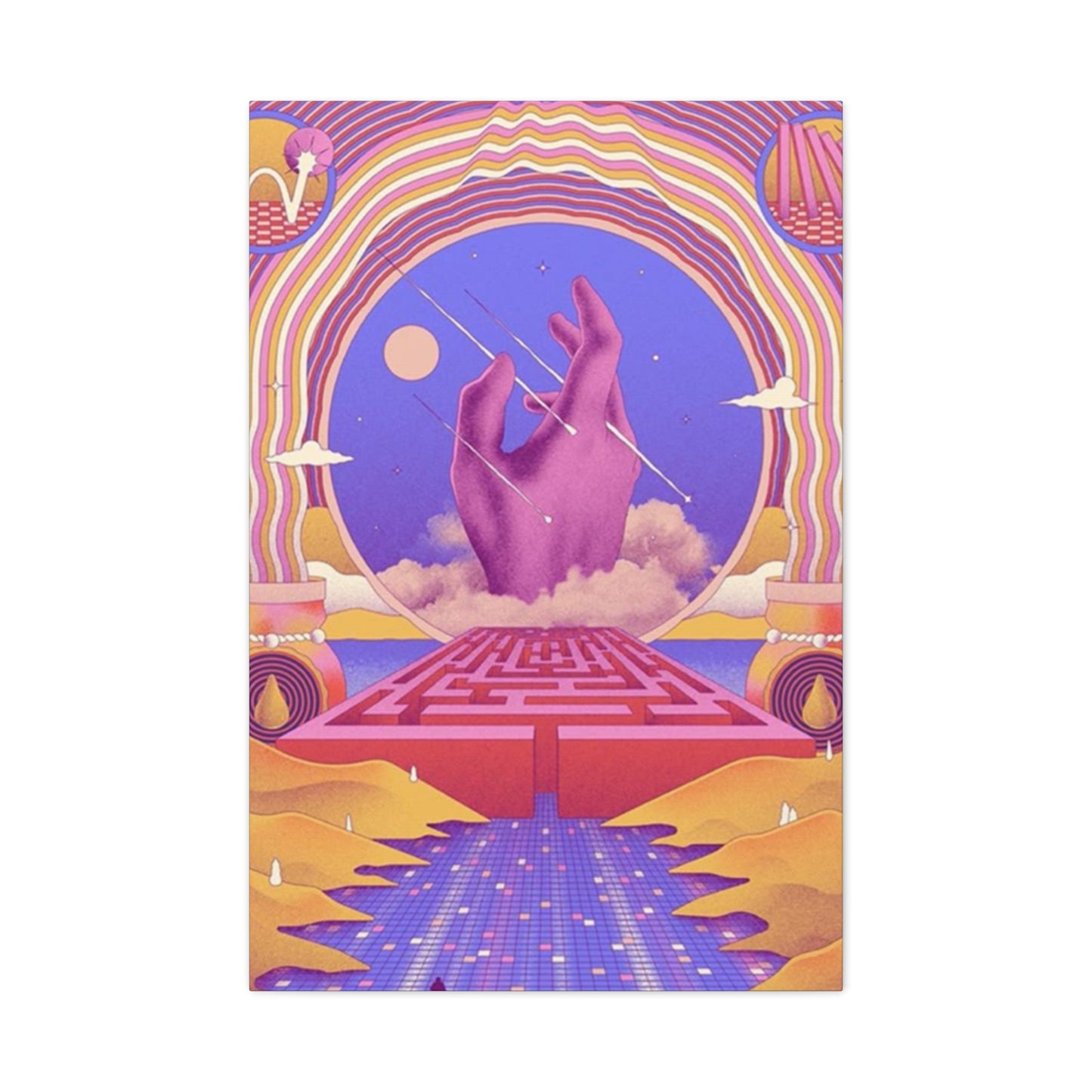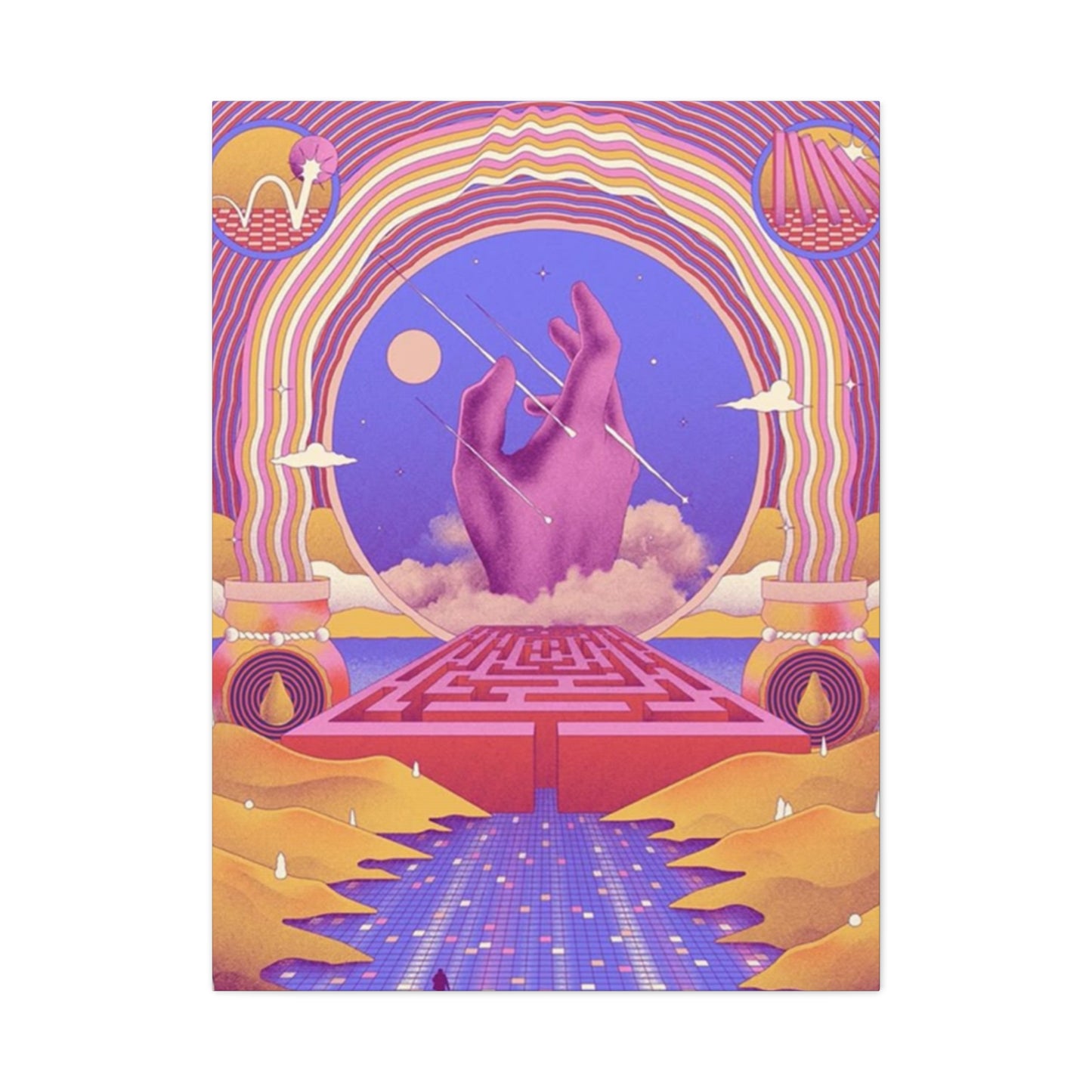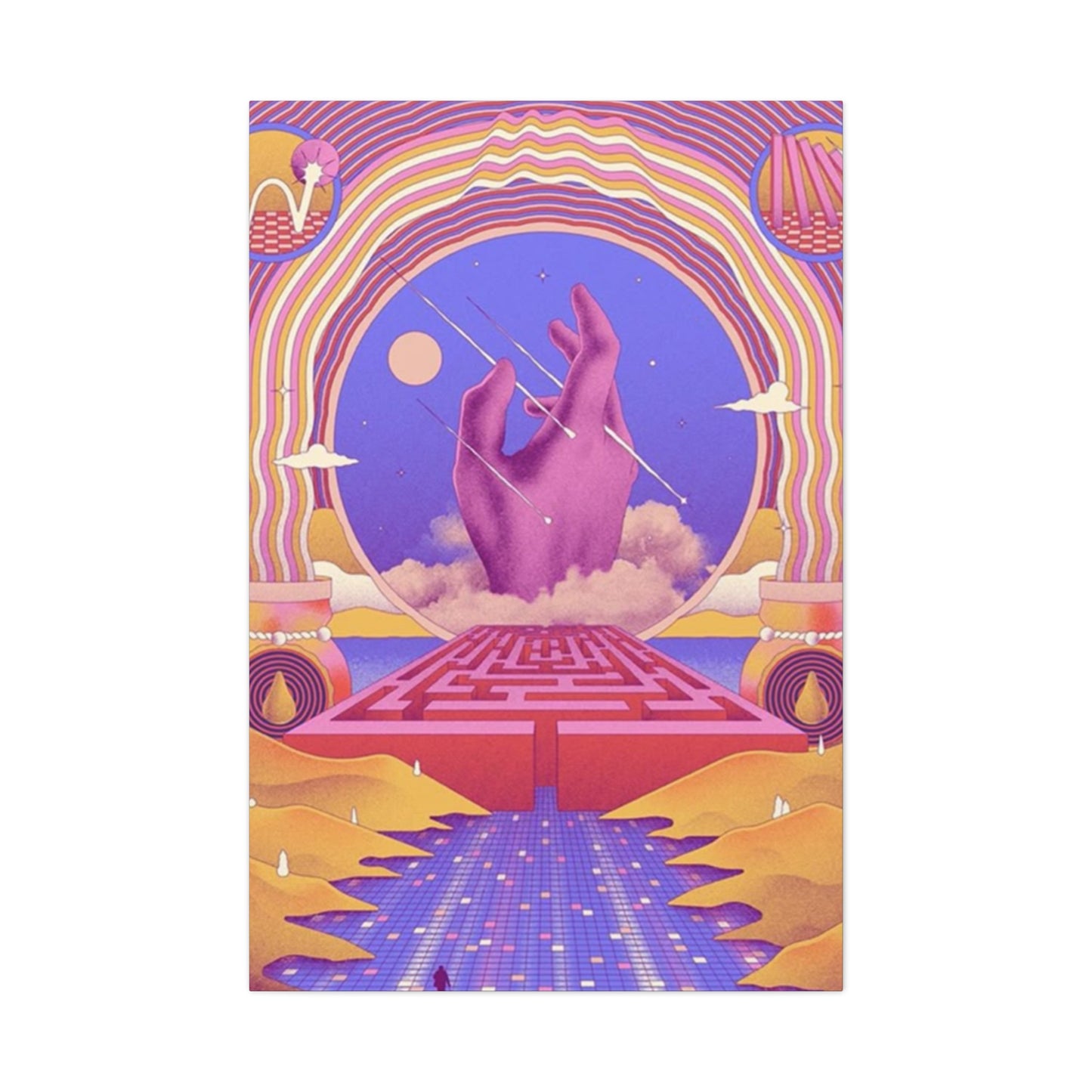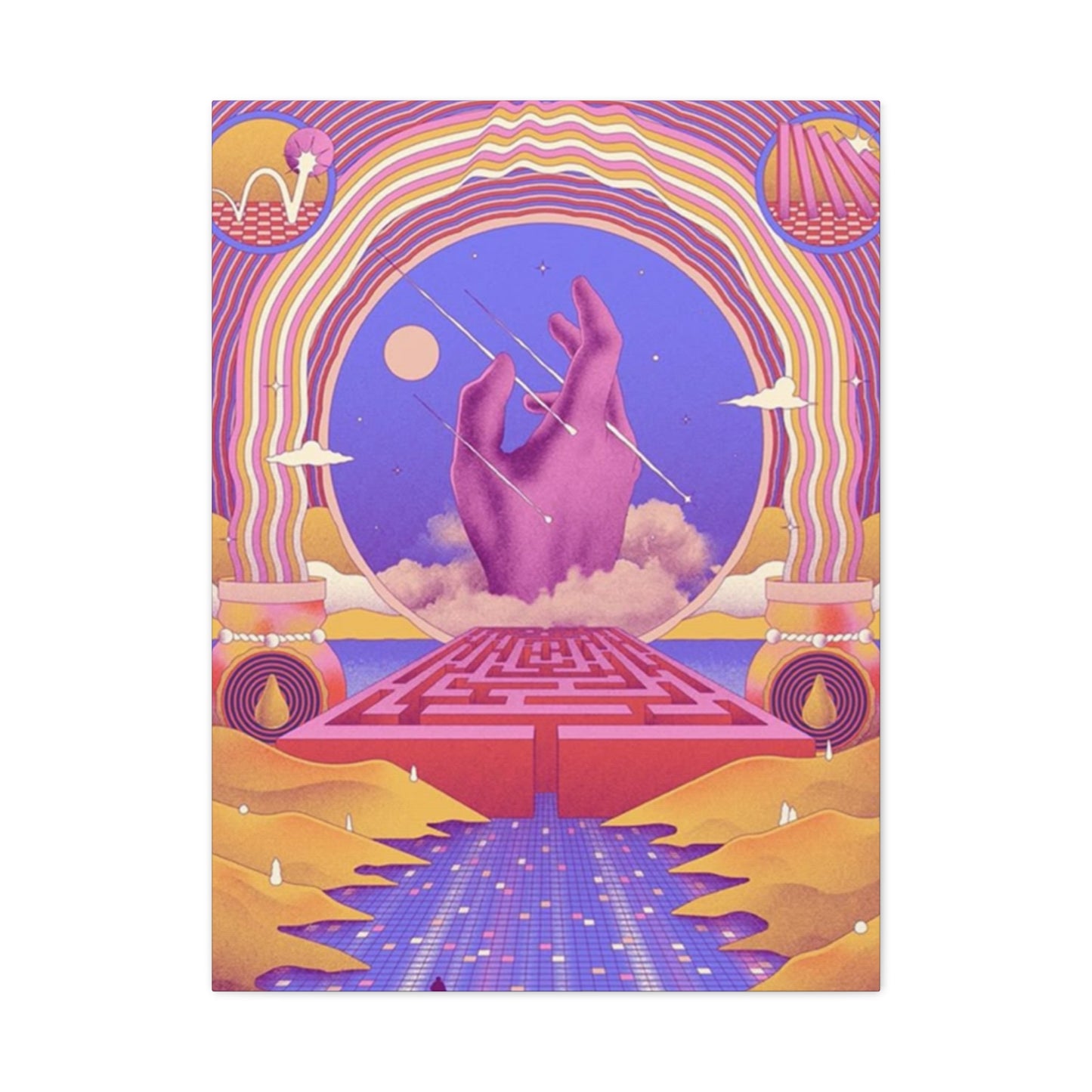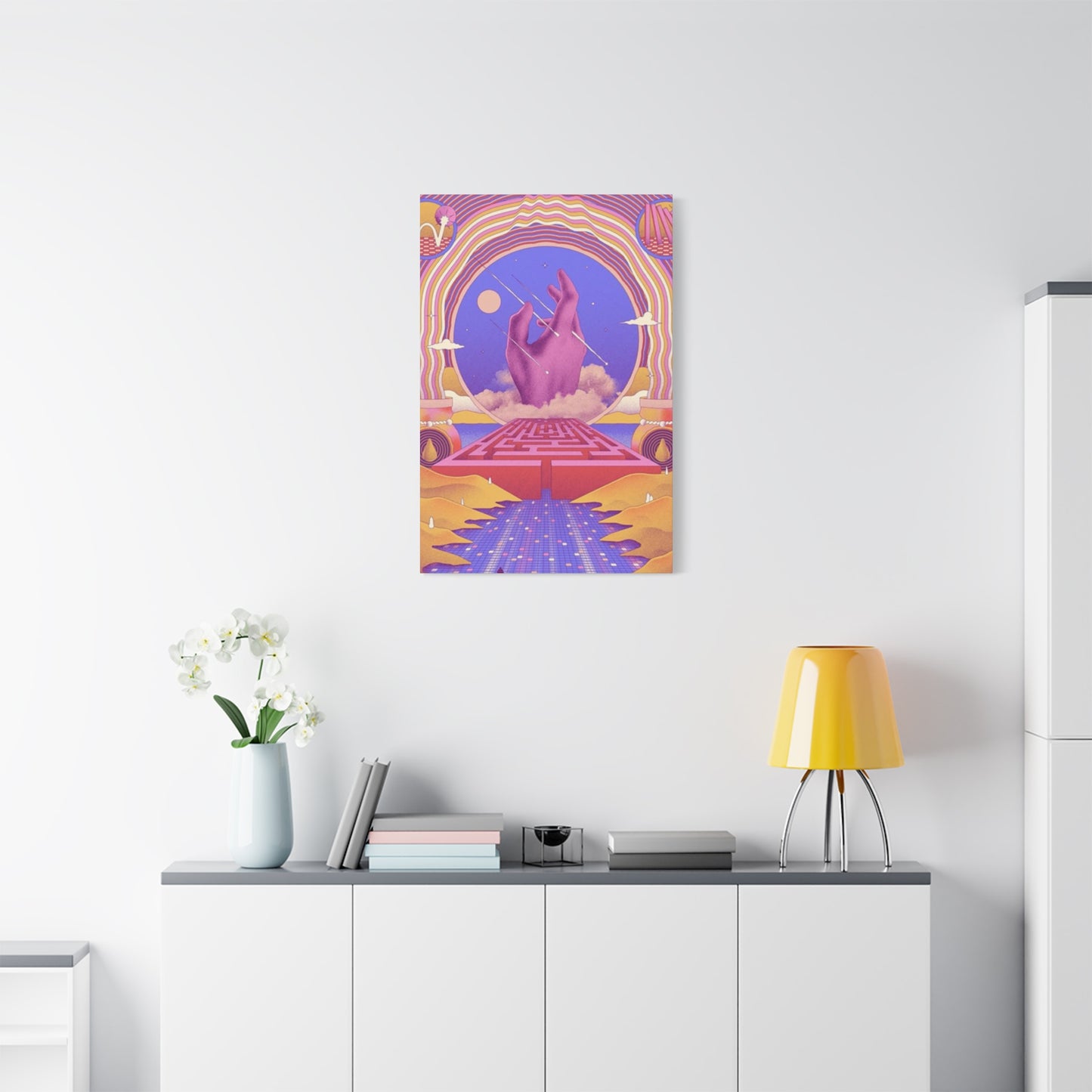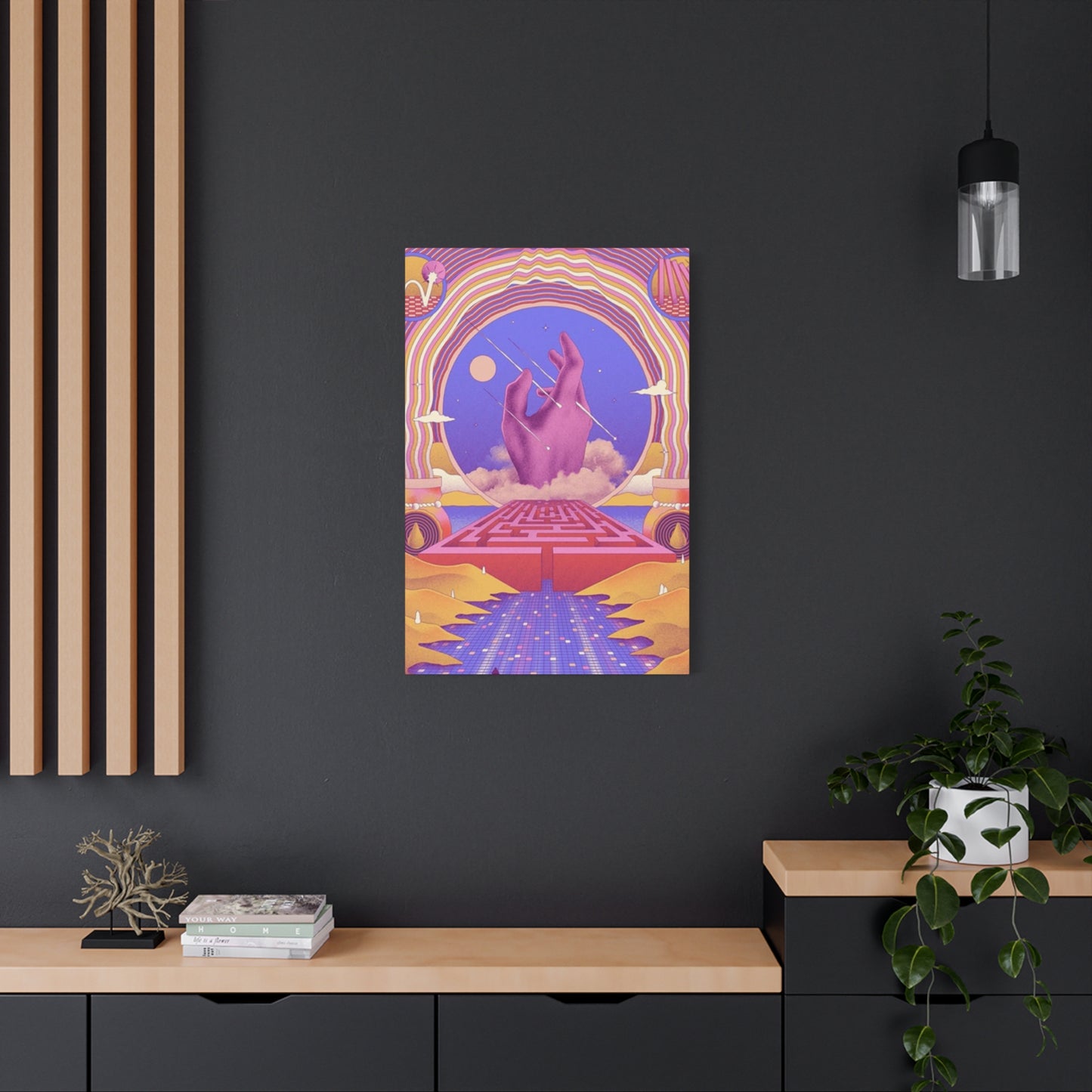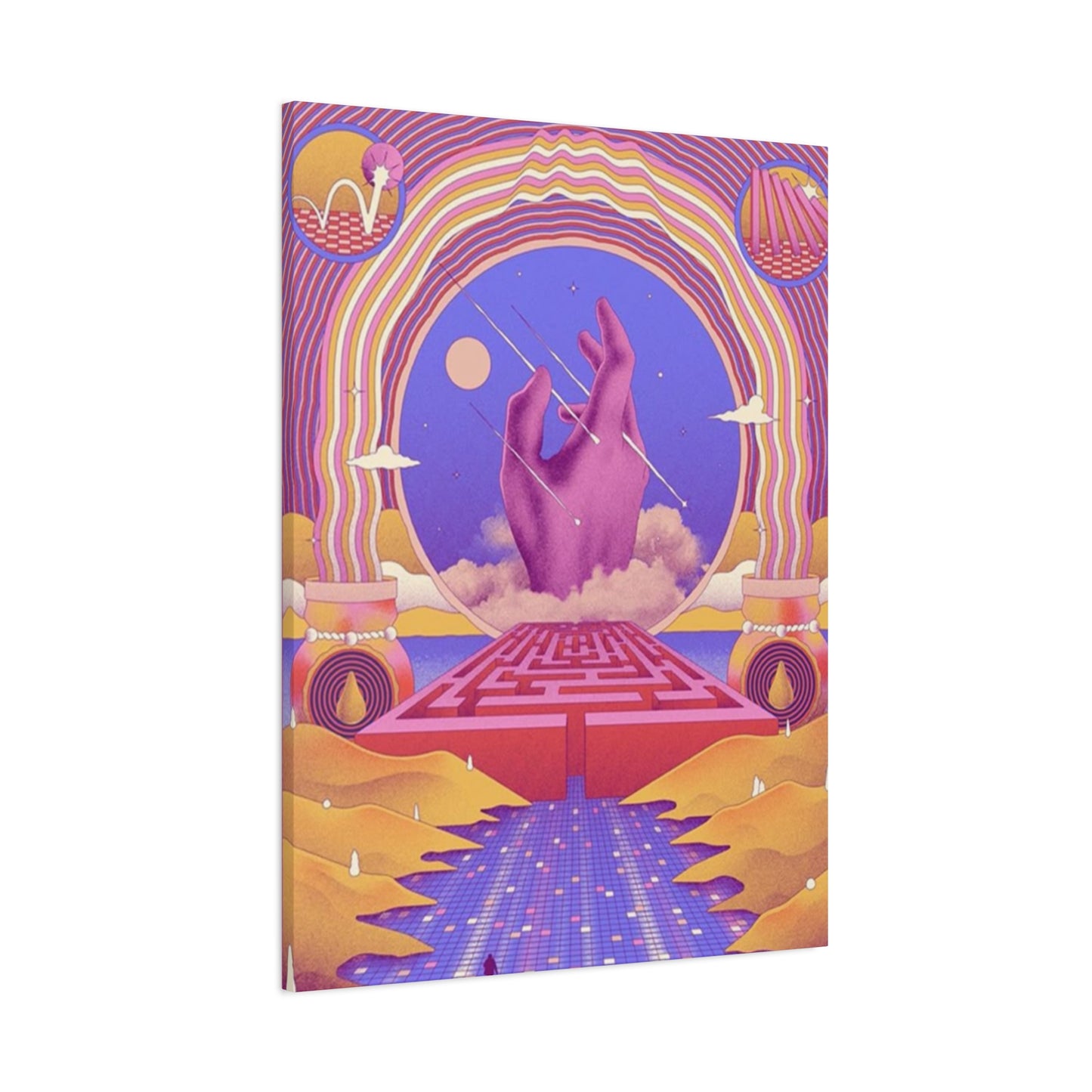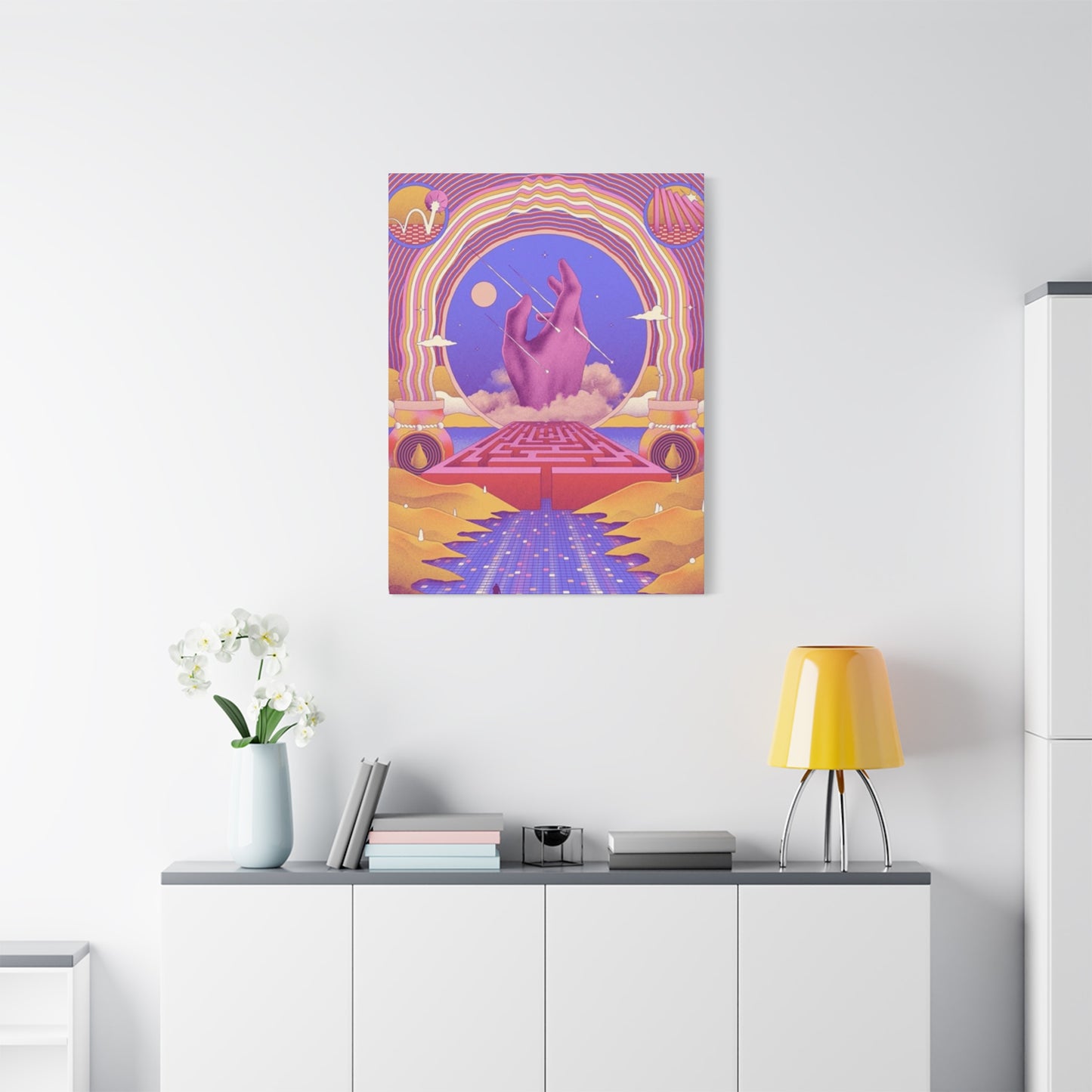


Hand Colorful Wall Art & Canvas Prints
Hand Colorful Wall Art & Canvas Prints
Couldn't load pickup availability
Discover the Magic of Hand Colorful Wall Art: Creative Expression Through Vivid Manual Painting for Your Living Spaces
Hand colorful wall art represents a magnificent form of creative expression that transforms ordinary living spaces into extraordinary visual experiences. This timeless craft involves the meticulous process of manually applying pigments, dyes, and various coloring mediums to create stunning visual compositions that captivate viewers and breathe life into residential and commercial environments. The practice has evolved dramatically over centuries, yet it maintains its fundamental connection to human creativity and the innate desire to beautify surroundings through personalized artistic endeavors.
The Ancient Origins and Evolution of Manual Pigment Craft Through Human Civilization
The journey of hand colorful wall art begins in prehistoric times when early humans first discovered their ability to create lasting visual impressions on cave walls. These ancient artisans utilized natural pigments derived from minerals, charcoal, and organic materials to document their experiences, beliefs, and observations of the world around them. The Lauves Cave in France, dating back approximately 17,000 years, showcases remarkably preserved examples of early manual painting that demonstrate sophisticated understanding of color mixing and artistic composition.
As civilizations flourished across different continents, the practice of manually decorating walls evolved into increasingly complex forms. Ancient Egyptian tombs reveal intricate murals that employed carefully prepared pigments from ground minerals such as malachite for green hues and azurite for blue tones. These craftspeople developed elaborate techniques for preparing surfaces and binding pigments that ensured their creations would endure for millennia. The vibrant colors still visible in these ancient tombs testify to the remarkable skill and knowledge possessed by these early practitioners of hand colorful wall art.
The Roman Empire contributed significantly to the advancement of manual painting practices, particularly through the development of fresco techniques. Pompeii and Herculaneum, preserved by volcanic ash, offer extraordinary glimpses into Roman domestic decoration. These remarkably detailed compositions demonstrate sophisticated understanding of perspective, shading, and color harmony. Roman artists created elaborate scenes depicting mythology, landscapes, and daily life using pigments applied to fresh plaster, allowing the colors to become permanently integrated into the wall surface itself.
Medieval European monasteries became centers for preserving and advancing manual painting skills during periods when literacy remained limited. Monks meticulously created illuminated manuscripts while also decorating chapel walls with sacred imagery. The Byzantine tradition particularly emphasized the spiritual significance of color and form, developing distinctive stylistic conventions that influenced religious art across Eastern Europe and beyond. These practitioners viewed their craft as a form of devotion, investing countless hours in creating works that would inspire contemplation and reverence.
The Renaissance period marked a revolutionary transformation in how artists approached manual wall decoration. Masters such as Michelangelo, Raphael, and Leonardo da Vinci pushed boundaries of what could be achieved through manual painting. The Sistine Chapel ceiling stands as perhaps the most celebrated example of hand colorful wall art from this era, demonstrating unprecedented mastery of human anatomy, spatial composition, and narrative complexity. These Renaissance innovators developed new pigment formulations and refined techniques that dramatically expanded the expressive possibilities available to artists.
Exploring the Diverse Range of Manual Painting Styles and Artistic Approaches for Interior Decoration
Contemporary practitioners of hand colorful wall art draw from an extraordinarily rich palette of stylistic traditions and innovative approaches. Abstract expressionism offers one compelling direction, emphasizing spontaneous gesture, bold color relationships, and emotional immediacy. Artists working in this mode prioritize intuitive mark-making and the physical act of painting itself, creating dynamic compositions that engage viewers through their raw energy and visual complexity. The resulting works often feature dramatic contrasts between different hues, textures, and compositional elements that command attention and stimulate contemplation.
Geometric abstraction presents an alternative approach that emphasizes precision, mathematical relationships, and carefully planned compositions. Practitioners of this style create hand colorful wall art featuring crisp lines, perfectly balanced shapes, and harmonious color arrangements that evoke feelings of order and tranquility. This approach often incorporates repeated patterns, symmetrical arrangements, and carefully calibrated proportions that create visual rhythms throughout a space. The resulting artworks complement contemporary architectural environments while introducing carefully controlled bursts of color that enliven minimalist interiors.
Naturalistic representation remains perennially popular among those commissioning hand colorful wall art for residential and commercial spaces. This approach encompasses everything from photorealistic botanical illustrations to impressionistic landscape scenes that capture the essence of natural environments. Artists specializing in naturalistic manual painting possess exceptional observational skills and technical proficiency, enabling them to recreate the subtle color variations, textural qualities, and atmospheric effects found in nature. These works often serve to bring outdoor beauty into interior spaces, creating peaceful sanctuaries that offer respite from urban environments.
Narrative and figurative compositions represent another significant category within hand colorful wall art, telling stories through carefully orchestrated scenes featuring human figures, animals, or mythological beings. Contemporary artists working in this tradition often reinterpret classical themes through modern sensibilities, creating fresh dialogues between past and present. These complex compositions require exceptional drawing skills, understanding of anatomy and perspective, and ability to orchestrate multiple elements into coherent visual narratives that engage viewers intellectually and emotionally.
Cultural and folk traditions provide rich inspiration for manual wall painting across diverse communities worldwide. Mexican muralism, for instance, developed as a powerful social and political force in the twentieth century, with artists creating massive public works that celebrated indigenous heritage while addressing contemporary social issues. Similarly, Indian artists continue centuries-old traditions of creating intricate hand colorful wall art for temples and homes, employing distinctive regional styles that incorporate symbolic imagery, vibrant colors, and elaborate decorative patterns. These culturally rooted practices maintain vital connections to community identity and shared values.
Street art and urban muralism have emerged as tremendously influential forces within contemporary visual culture, bringing hand colorful wall art into public spaces where it engages diverse audiences. This movement challenges traditional distinctions between fine art and popular culture, often incorporating bold graphics, typography, and imagery drawn from contemporary life. Many practitioners combine spray paint techniques with traditional brush work, creating hybrid approaches that synthesize different artistic traditions. These large-scale works transform urban landscapes, generating conversations about public space, community identity, and the role of art in everyday life.
Essential Materials and Tools Required for Creating Stunning Manual Wall Paintings
Successful execution of hand colorful wall art depends fundamentally upon selecting appropriate materials and tools suited to specific artistic visions and environmental conditions. Acrylic paints have become extraordinarily popular among contemporary practitioners due to their versatility, quick drying time, and durability. These water-based polymers offer excellent color stability, resist fading when properly applied, and adhere well to various surface types. Artists appreciate acrylics for their ability to be diluted for transparent washes or used straight from the container for thick, opaque applications. High-quality acrylic formulations contain superior pigment concentrations that deliver vibrant, saturated colors requiring fewer coats for complete coverage.
Oil-based paints provide an alternative medium favored by artists seeking specific working properties and visual qualities. These traditional pigments suspended in linseed oil or synthetic binders offer extended working times that allow for sophisticated blending and subtle color gradations. The resulting surfaces develop characteristic depth and luminosity as they cure, though the drying process requires significantly more time than water-based alternatives. Oil paints work particularly well for creating hand colorful wall art featuring complex figurative compositions or naturalistic scenes requiring nuanced tonal relationships. However, their use requires careful attention to ventilation and surface preparation to ensure proper adhesion and longevity.
Specialty muraling paints represent a category specifically formulated for large-scale exterior and interior wall projects. These products typically feature enhanced durability, weather resistance, and coverage characteristics that make them ideal for ambitious hand colorful wall art projects. Manufacturers optimize these formulations for efficient application across large surfaces while maintaining color consistency from can to can, an essential consideration when projects require multiple containers of the same hue. Many muraling paints incorporate UV inhibitors that protect against color fading and anti-microbial additives that resist mold and mildew growth in humid environments.
Brush selection profoundly impacts the character and quality of manual wall paintings. Flat brushes with squared-off bristle arrangements excel at covering large areas efficiently and creating crisp, straight edges. Round brushes featuring pointed tips enable artists to execute detailed work, fine lines, and intricate decorative elements with precision. Fan brushes create distinctive textural effects useful for depicting foliage, clouds, or other natural phenomena. The highest quality brushes feature carefully selected natural or synthetic bristles that maintain their shape through repeated use, hold appropriate amounts of paint, and release color smoothly onto surfaces. Serious practitioners typically maintain extensive brush collections spanning various sizes and configurations to address diverse artistic needs.
Roller application tools dramatically accelerate coverage of large expanses while creating characteristically smooth, even surfaces. High-density foam rollers work particularly well with acrylic paints, leaving minimal texture while efficiently transferring color from tray to wall. Textured roller covers can introduce interesting surface variations that add visual interest to hand colorful wall art. Painters often use rollers for establishing base colors or filling large shapes before adding details with brushes. Extension poles attached to roller handles enable artists to reach elevated areas without constantly repositioning ladders, significantly improving workflow efficiency during large projects.
Spray equipment offers additional possibilities for certain types of hand colorful wall art, particularly when artists seek smooth gradations or specific atmospheric effects. Airbrush systems deliver extremely fine, controlled mist that enables seamless blending and photorealistic rendering. Larger spray systems equipped with HVLP (high volume, low pressure) or LVLP (low volume, low pressure) technology efficiently cover substantial areas while minimizing overspray. Many contemporary artists incorporate spray techniques into their practice, often combining them with traditional brush work to achieve unique visual effects impossible through either method alone.
Surface preparation materials constitute another critical category of supplies required for successful manual wall painting. High-quality primers create uniform, properly sealed surfaces that accept paint evenly and enhance adhesion. Different primer formulations address specific surface conditions: stain-blocking primers prevent discoloration from bleeding through finish coats, bonding primers enable painting over previously problematic surfaces like glazed tile or laminate, and tinted primers reduce the number of topcoats required when covering dark existing colors with lighter hues. Proper priming represents an often-underestimated factor that dramatically influences the final appearance and longevity of hand colorful wall art.
Sealants and protective coatings applied after completing manual painting preserve artwork and facilitate cleaning. Clear acrylic varnishes available in matte, satin, or glossy finishes protect against dust, moisture, and physical abrasion while potentially intensifying colors and providing consistent sheen across the entire composition. Some formulations incorporate UV inhibitors that slow photochemical degradation caused by light exposure. Exterior murals particularly benefit from protective topcoats that shield against weathering, though these require periodic renewal to maintain effectiveness. The application of appropriate sealants can extend the lifespan of hand colorful wall art by decades when combined with proper surface preparation and quality pigments.
Comprehensive Process for Planning and Executing Professional-Quality Manual Wall Paintings
Creating exceptional hand colorful wall art begins long before brush touches wall, requiring thoughtful planning and systematic preparation. The initial conceptualization phase involves clarifying artistic intentions, considering the specific architectural context, and understanding how the finished work will interact with its environment. Artists typically engage in extensive dialogue with property owners or stakeholders to understand their vision, preferences, and any practical constraints. This collaborative process ensures the final artwork aligns with expectations while allowing the artist to contribute creative insights drawn from their expertise and experience.
Environmental analysis constitutes a crucial early step in planning any significant manual wall painting project. Artists must carefully evaluate lighting conditions throughout the day, noting how natural and artificial light sources affect color perception and visibility of different wall areas. Architectural features such as windows, doors, built-in cabinetry, and molding influence compositional decisions and may be incorporated into the overall design or worked around as necessary. Existing color schemes, furniture, and decorative elements within the space inform color palette selections to ensure the hand colorful wall art harmonizes with rather than clashes against its surroundings.
Scale and proportion considerations profoundly impact how manual wall paintings read from different viewing distances and positions within a space. Artists typically create preliminary sketches exploring various compositional arrangements, testing how different design elements relate to the wall's dimensions and architectural features. Some practitioners employ thumbnail sketches that quickly capture multiple concepts, allowing rapid comparison between alternative approaches. Others develop more detailed preparatory drawings that precisely map out the intended composition, particularly when creating complex figurative or narrative works requiring accurate proportional relationships between multiple elements.
Color studies represent another valuable planning tool that helps artists refine their palette selections before committing to the final wall surface. These exploratory paintings executed on paper or canvas allow experimentation with different color combinations, value relationships, and saturation levels. Artists can test how specific hues interact, ensuring sufficient contrast between adjacent areas while maintaining overall color harmony. Creating color studies proves especially valuable when working with clients who may struggle to visualize how described color schemes will appear at full scale, providing tangible references that facilitate decision-making and build confidence in the proposed direction.
Digital mockups have become increasingly common tools for planning hand colorful wall art, particularly for commercial projects or complex residential commissions. Artists photograph the actual wall surface, then use digital painting software to overlay proposed designs, creating realistic previews showing how the finished artwork will appear in context. This approach enables rapid exploration of multiple design variations and color schemes without consuming time and materials required for physical mockups. Clients appreciate the ability to visualize proposed designs in situ, reducing uncertainty and streamlining the approval process.
Surface preparation represents perhaps the most critical phase determining the ultimate quality and longevity of manual wall paintings. Artists must thoroughly clean walls to remove dust, grease, and any contaminants that could compromise paint adhesion. Repairs to cracks, holes, or other surface imperfections ensure smooth, even surfaces that won't telegraph defects through finish layers. Proper priming creates ideal conditions for paint application, enhancing coverage, promoting adhesion, and ensuring color accuracy. Experienced practitioners never rush this preparatory work, recognizing that time invested in careful preparation pays substantial dividends through superior finished results.
The actual painting process typically proceeds systematically, often beginning with establishing the composition's overall structure through preliminary drawing or underpainting. Many artists sketch their design directly onto the prepared wall surface using pencils, charcoal, or diluted paint, creating guidelines that inform subsequent color application. This preparatory drawing phase allows for adjustments and refinements before committing to irreversible paint layers. Some practitioners employ grid systems, projectors, or other transfer methods to accurately scale up smaller preparatory sketches onto full-size wall surfaces, ensuring proportional accuracy particularly important for representational work.
Underpainting or blocking in represents the next phase, where artists establish the composition's major color areas and value relationships. This stage focuses on covering the wall surface efficiently while setting the foundation for subsequent refinement. Artists typically work from general to specific, first addressing large shapes and broad color zones before progressively adding detail and nuance. This systematic approach prevents artists from becoming prematurely focused on small details before establishing the composition's overall structure and relationships. The underpainting stage often employs somewhat thinned paint applied in relatively loose, gestural strokes that will be refined and elaborated in subsequent layers.
Progressive refinement constitutes the longest phase of most hand colorful wall art projects, as artists gradually develop their composition toward completion. This process involves building up paint layers, refining edges, adjusting colors, and adding increasingly specific details. Artists continuously assess their work from various distances and angles, ensuring the composition reads effectively from different viewpoints. The most skilled practitioners maintain awareness of the entire composition even while working on specific areas, ensuring all elements cohere into unified wholes rather than collections of disconnected parts.
Detailing and finishing touches represent the final painting phase where artists add their most precise, carefully considered marks. Highlights that suggest dimensional form, shadows that create depth, and accent colors that enliven specific areas receive attention during this crucial stage. Artists often step back repeatedly to evaluate their work from typical viewing distances, making subtle adjustments that enhance overall impact. The completion point represents a subjective judgment where the artist determines that additional work would not meaningfully improve the composition, recognizing that continuing beyond this point risks overworking and diminishing freshness.
Mastering Color Theory Principles to Create Harmonious and Impactful Visual Compositions
Understanding color relationships forms the foundation for creating compelling hand colorful wall art that engages viewers and enhances environments. The color wheel, organizing hues in circular arrangement, provides the fundamental framework for comprehending how different colors relate to one another. Primary colors consisting of red, yellow, and blue cannot be created by mixing other hues, while secondary colors of orange, green, and purple result from combining adjacent primaries. Tertiary colors emerge from mixing primary and secondary hues, creating intermediate shades that expand the available color vocabulary. Mastery of these basic relationships enables artists to make informed decisions about palette selections and color combinations.
Complementary color schemes pair hues positioned opposite each other on the color wheel, creating maximum contrast and visual vibration when juxtaposed. Red and green, blue and orange, yellow and purple represent the three primary complementary pairs. When used in hand colorful wall art, these high-contrast combinations generate dynamic tension that commands attention and creates energetic, lively compositions. However, complementary schemes require careful handling to avoid overwhelming spaces, with many artists using one hue dominantly while employing its complement as accent color rather than in equal proportions. The optical phenomenon where complementary colors appear to intensify each other when placed in close proximity has been exploited by painters for centuries to create luminous, vibrant effects.
Analogous color schemes employ hues positioned adjacent to each other on the color wheel, creating harmonious relationships that feel naturally coherent and peaceful. A palette based on blue, blue-green, and green or on yellow, yellow-orange, and orange typically produces unified compositions with subtle variations rather than dramatic contrasts. Hand colorful wall art utilizing analogous schemes often evokes particular moods or times of day: cool blue-violet-blue ranges suggest twilight or moonlight, while warm yellow-orange-red combinations evoke sunrise or autumn. These harmonious palettes work particularly well in residential spaces where creating restful, relaxing atmospheres represents a primary goal.
Triadic color schemes employ three hues equally spaced around the color wheel, such as the primary triad of red, yellow, and blue or the secondary triad of orange, green, and purple. These balanced arrangements offer more variety than analogous schemes while maintaining greater harmony than complementary pairs. Successful triadic compositions typically establish one color as dominant, using the other two in supporting roles. This approach prevents visual confusion that can result from using three strong colors in equal measure. Many celebrated works of hand colorful wall art throughout history have employed triadic schemes, appreciating their ability to create rich, complex color interactions while maintaining overall unity.
Value relationships referring to the relative lightness or darkness of colors profoundly influence how hand colorful wall art reads from a distance and affects the perceived space. High-contrast value schemes with dramatic differences between lights and darks create bold, graphic compositions with strong visual impact. Low-contrast approaches employing similar values produce subtle, nuanced effects that reward close viewing. Artists manipulate value to create focal points, establish spatial depth, and guide viewers' eyes through compositions. A well-conceived value structure often matters more than color selection itself, with successful paintings typically exhibiting clear value patterns that read coherently even when viewed in black and white.
Color temperature distinguishes between warm hues (reds, oranges, yellows) and cool hues (blues, greens, purples), with each category evoking distinct psychological and spatial effects. Warm colors appear to advance toward viewers while cool colors seem to recede, creating illusions of depth that artists exploit to suggest three-dimensional space on flat walls. Color temperature also influences emotional responses, with warm palettes generally feeling energizing and welcoming while cool schemes often evoke calm, contemplative moods. Most successful hand colorful wall art balances warm and cool elements rather than relying exclusively on either temperature range, creating dynamic interplay that maintains visual interest.
Saturation or intensity refers to a color's purity and brightness, with highly saturated hues appearing vivid and intense while desaturated versions approach gray. Artists modulate saturation to create emphasis, with the most saturated colors naturally drawing attention and functioning effectively as focal points. Compositions employing primarily muted, low-saturation colors punctuated by small areas of pure, intense hue create sophisticated, controlled effects. Conversely, predominantly saturated palettes convey exuberance and vitality, though they risk overwhelming spaces if not carefully balanced with neutral or desaturated areas that provide visual rest.
Diverse Subject Matter and Thematic Approaches for Personalized Manual Wall Paintings
Botanical and nature-inspired imagery represents one of the most enduringly popular subject categories for hand colorful wall art across residential and commercial contexts. Oversized floral compositions featuring meticulously rendered blooms create stunning focal points that bring natural beauty indoors while maintaining year-round vitality. These works range from scientifically accurate botanical illustrations showcasing individual species to fantastical, imaginative interpretations that prioritize decorative impact over literal accuracy. Tropical foliage has become particularly fashionable, with large-scale depictions of monstera leaves, banana plants, and palm fronds creating lush, exotic atmospheres. Many homeowners commission garden-inspired murals that transform entire rooms into verdant sanctuaries offering respite from urban environments.
Landscape and scenic compositions transport viewers to distant locations or idealized natural settings through the power of visual representation. Coastal scenes featuring beaches, waves, and seaside vistas create peaceful, vacation-inspired atmospheres particularly popular in bathrooms and bedrooms. Mountain ranges, forests, and pastoral countryside views connect interior spaces with natural world, often evoking nostalgia for specific places holding personal significance. Urban landscapes depicting city skylines, historic districts, or architectural landmarks celebrate human-built environments while demonstrating artists' mastery of perspective and architectural rendering. These scenic works often employ atmospheric perspective and carefully calibrated detail distribution to create convincing illusions of depth and distance.
Abstract and non-representational compositions offer limitless creative possibilities for hand colorful wall art unbound by requirements to depict recognizable subjects. Purely abstract works emphasize formal relationships between colors, shapes, textures, and compositional structures, inviting open-ended interpretation rather than presenting defined narratives. Geometric abstractions featuring crisp shapes, precise edges, and mathematical relationships create ordered, contemplative atmospheres that complement contemporary interiors. Organic abstractions with flowing forms, gestural marks, and intuitive compositions evoke natural processes and biological growth patterns. Many collectors appreciate abstract hand colorful wall art for its ability to harmonize with diverse decorative styles while maintaining visual interest through extended viewing.
Cultural and symbolic imagery connects hand colorful wall art to specific traditions, belief systems, or shared community identities. Mandala patterns incorporating concentric circular designs and radial symmetry derive from Buddhist and Hindu spiritual practices, representing cosmic unity and serving as meditation aids. Celtic knotwork with its intricate interlacing patterns references ancient European traditions while creating visually mesmerizing effects. African-inspired designs incorporating bold patterns, earth tones, and symbolic imagery celebrate cultural heritage and artistic traditions. Contemporary artists often reinterpret traditional motifs through modern sensibilities, creating dialogues between past and present that honor cultural roots while speaking to contemporary audiences.
Trompe l'oeil techniques create hand colorful wall art that deceives the eye, presenting convincing illusions of three-dimensional objects, architectural features, or extended spaces. These technically demanding works require exceptional observational skills, understanding of perspective and light, and meticulous attention to detail. Classic trompe l'oeil subjects include windows or doorways opening onto imaginary vistas, bookshelves filled with realistically rendered volumes, or architectural elements like columns and moldings. These illusionistic paintings transform spaces by apparently expanding their dimensions or introducing impossible architectural features. While demanding significant skill and time investment, successful trompe l'oeil hand colorful wall art never fails to amaze viewers and generate conversation.
Whimsical and playful imagery particularly suits children's spaces, playrooms, and family-oriented commercial environments. Fantastical creatures, storybook characters, and imaginative scenes stimulate creativity and wonder while creating joyful atmospheres. Hand colorful wall art for younger children often features bright primary colors and simplified forms, while works intended for older youth may incorporate more sophisticated color palettes and detailed rendering. Many parents commission custom narrative murals depicting favorite stories or inventing unique fantasy worlds personalized to their children's interests. These works create magical environments that nurture imagination and create lasting memories extending far beyond the years when children actively occupy the spaces.
Strategic Placement and Spatial Considerations for Maximizing Visual Impact of Manual Wall Paintings
Focal wall selection represents perhaps the most crucial decision determining how effectively hand colorful wall art integrates into and enhances interior spaces. The chosen surface typically represents the first wall visible upon entering a room or the surface against which key furniture pieces like beds, sofas, or dining tables are positioned. This prominent location ensures the artwork receives appropriate attention while creating visual hierarchy within the space. Interior designers often recommend limiting elaborate manual painting to a single focal wall, using more subdued treatments on remaining surfaces to prevent visual competition and maintain compositional clarity. This approach concentrates visual interest while preserving enough neutral space to prevent rooms from feeling overwhelming or visually chaotic.
Scale relationships between hand colorful wall art and surrounding architectural elements dramatically influence perceived impact and compositional success. Works scaled appropriately to their walls create balanced, harmonious relationships, while undersized paintings may appear insignificant within large spaces and oversized compositions risk overwhelming modest rooms. A useful guideline suggests artwork should occupy roughly two-thirds to three-quarters of available wall space, leaving margins on all sides that prevent pieces from appearing cramped or poorly proportioned. Ceiling height also influences appropriate scale, with higher ceilings accommodating more vertical development and elaborate compositions while lower ceilings favor more restrained, horizontally-oriented designs that don't compress perceived room height.
Viewing distance considerations inform decisions about detail density, mark size, and compositional structure in hand colorful wall art. Paintings intended for viewing primarily from across rooms can employ bolder, simpler forms and broader mark-making that read clearly from a distance. Conversely, works positioned where viewers will approach closely reward detailed elaboration and subtle nuances discoverable through extended observation. Many skilled practitioners design their compositions to function effectively at multiple viewing distances, establishing clear overall structure readable from afar while incorporating engaging details that emerge upon closer inspection. This multi-scalar approach creates rich viewing experiences that maintain interest through repeated encounters.
Lighting dramatically affects how hand colorful wall art appears and should factor significantly into placement decisions and compositional planning. Natural light varies throughout the day and across seasons, with morning light possessing different color temperature than afternoon sun and overcast conditions creating diffused, even illumination. Artists often photograph proposed wall locations at different times to understand light patterns before finalizing designs. Artificial lighting requires equal consideration, with warm incandescent sources, cool fluorescent lamps, and neutral LED fixtures all affecting color perception differently. Strategic accent lighting can dramatically enhance hand colorful wall art, with carefully positioned spots highlighting key compositional elements while adding dimensional depth through controlled shadows.
Architectural features including windows, doors, built-in cabinetry, fireplaces, and moldings present both challenges and opportunities for hand colorful wall art placement and design. Skilled practitioners incorporate these existing elements into their compositions rather than fighting against them, using doors as natural boundaries or allowing windows to function as compositional elements. Crown molding, chair rails, and baseboards can frame manual paintings or be integrated into continuous designs that flow across multiple surfaces. Challenging architectural features like electrical outlets, switches, and thermostats require creative problem-solving, with artists often incorporating them into designs, painting around them to maintain compositional integrity, or arranging compositions to position them in less visually critical areas.
Multiple wall treatments within single spaces require careful orchestration to maintain coherent visual environments rather than creating disjointed collections of competing elements. When hand colorful wall art appears on multiple walls, successful schemes typically vary visual intensity, with one surface receiving the most elaborate treatment while others feature simpler, supporting designs. Color palettes should relate across different walls, employing shared hues even when compositions differ significantly in subject matter or style. Maintaining consistent visual weight and stylistic coherence prevents spaces from feeling confused or overwhelming. Some ambitious projects treat entire rooms as unified compositions, wrapping designs continuously across multiple walls and even ceilings to create immersive environmental experiences.
Furniture placement relative to hand colorful wall art requires thoughtful consideration to prevent practical conflicts and ensure optimal viewing. Ideally, significant furniture pieces should complement rather than obstruct manual paintings, positioned to allow clear sightlines from primary viewing positions. Tall furniture like bookcases or armoires placed directly in front of elaborate wall paintings wastes artistic effort while creating frustrating viewing obstructions. Conversely, appropriate furniture positioning can actually enhance hand colorful wall art, with sofas, beds, or tables creating visual bases that anchor and ground wall compositions. Some artists collaborate closely with interior designers during furniture selection and arrangement, ensuring all elements work together to create unified, harmonious spaces.
Practical Care and Preservation Strategies to Ensure Longevity of Manual Wall Paintings
Regular dusting represents the simplest yet most important maintenance practice for preserving hand colorful wall art over extended periods. Accumulated dust not only dulls colors and obscures details but can also trap moisture that promotes mold growth or contributes to paint degradation. Soft, clean microfiber cloths or specialized dusting tools remove surface particles without abrading paint films. Gentle vacuum attachments with soft brush heads work well for textured surfaces where dust accumulates in crevices. This routine cleaning should occur monthly or more frequently in particularly dusty environments, preventing buildup that becomes progressively more difficult to remove.
Spot cleaning addresses localized soiling without requiring treatment of entire surfaces. For unvarnished acrylic or latex-based hand colorful wall art, lightly dampened soft cloths can remove most marks and smudges. Water should be used sparingly, with cloths wrung nearly dry to prevent excessive moisture exposure. Gentle blotting rather than rubbing prevents paint disturbance and avoids creating shiny spots where friction burnishes surfaces. Stubborn marks may respond to extremely diluted mild soap solutions, though any cleaning agent should be tested in inconspicuous areas first to ensure it doesn't affect paint appearance. Oil-based works and varnished surfaces generally tolerate slightly more aggressive cleaning but still demand gentle handling.
Environmental control significantly influences how well hand colorful wall art withstands time. Excessive humidity promotes mold and mildew growth while potentially softening binders and compromising adhesion. Conversely, extremely dry conditions can cause paint films to become brittle and prone to cracking. Maintaining relative humidity between forty and sixty percent creates ideal conditions for most manual wall paintings. Dramatic temperature fluctuations also stress painted surfaces, with rapid changes causing expansion and contraction that can lead to cracking or delamination. Stable environmental conditions extending year-round best preserve hand colorful wall art, with gradual seasonal variations proving less problematic than sudden swings.
UV protection prevents photochemical damage that gradually fades colors and degrades binders in hand colorful wall art. Direct sunlight represents the most significant threat, with unprotected works losing vibrancy and saturation over years of exposure. Window treatments including UV-filtering films, sheer curtains, or blinds reduce harmful radiation while still admitting natural light. Some protective varnishes incorporate UV inhibitors that shield underlying paint layers, though these coatings require periodic renewal as inhibitors eventually break down. When possible, positioning hand colorful wall art away from direct sun exposure provides the most reliable protection, particularly for works employing fugitive pigments especially susceptible to light damage.
Physical protection guards against accidental damage from impacts, abrasion, or other mechanical forces. Strategic furniture placement creates buffer zones between painted walls and high-traffic areas where contact seems likely. Wall-mounted artwork hung over hand colorful wall art should be positioned carefully to prevent frames from rubbing against painted surfaces. Protective guards or barriers prove valuable in commercial settings where painted walls endure heavy use, particularly near doorways or in corridors. When moving furniture or conducting other activities that might threaten painted surfaces, temporary protective coverings prevent costly damage requiring repair.
Professional conservation assessment provides valuable documentation and guidance for significant hand colorful wall art requiring specialized care. Qualified conservators can evaluate works, identifying vulnerabilities and recommending specific preservation strategies addressing particular materials and conditions. Some older or historically significant manual wall paintings may warrant periodic professional cleaning or treatment to address age-related deterioration. Conservators also document works through detailed photography and written reports, creating valuable records useful for insurance purposes or should restoration become necessary following damage. For museum-quality hand colorful wall art or irreplaceable historic works, establishing relationships with conservation professionals represents prudent planning.
Repair and restoration of damaged hand colorful wall art requires careful assessment to determine appropriate interventions. Minor damage like small scratches or chips may be addressable through careful touch-up using closely matched paints. Artists who created works often retain custom-mixed colors or detailed records enabling accurate matching for repairs. More extensive damage including large cracks, delamination, or substantial paint loss may require professional conservation expertise to address properly without causing further harm. Documentation through photographs taken before, during, and after repair work proves valuable for insurance claims and maintains records of interventions made to works.
Conclusion
Project scale represents the single most significant factor influencing costs for custom hand colorful wall art, with pricing typically calculated based on square footage. A small accent wall measuring eight feet by ten feet requires substantially less time, materials, and labor than an expansive great room featuring multiple painted walls or elaborate ceiling treatments. Most professional muralists establish base rates per square foot that vary based on design complexity, with simple geometric patterns commanding lower prices than detailed figurative compositions requiring extensive drawing skills and painting time. Clients should recognize that doubling a project's size typically more than doubles costs due to increased complexity of executing and coordinating larger compositions.
Design complexity dramatically affects pricing beyond simple square footage calculations. Simple, bold geometric hand colorful wall art employing limited colors and clean edges requires less time and skill than intricate realistic scenes with numerous figures, elaborate landscapes, or architectural details. Trompe l'oeil effects demanding photorealistic rendering, precise perspective, and meticulous attention to lighting substantially increase costs. Multiple revision rounds or significant design changes during execution inflate budgets through wasted materials and duplicated labor. Commissioning clients receive better value by investing adequate time in planning and design development before painting commences, minimizing expensive mid-project changes.
Artist experience and reputation significantly influence commission rates for hand colorful wall art. Emerging artists building portfolios often offer competitive rates as they establish themselves, while renowned practitioners with extensive experience and strong reputations command premium prices reflecting their proven abilities and high demand. The quality differential often justifies price disparities, with accomplished professionals delivering superior results through refined techniques, better problem-solving abilities, and deeper artistic sensibilities. Clients must balance budget constraints against quality expectations, recognizing that the most affordable option rarely proves most cost-effective when considering longevity, aesthetic impact, and ultimate satisfaction with results.
Material costs constitute a smaller but still significant component of overall hand colorful wall art budgets. Premium paints from reputable manufacturers cost substantially more than bargain alternatives but deliver superior color richness, coverage, and durability. Specialty products like metallic paints, iridescent mediums, or texture additives increase material expenses. Surface preparation products including primers, fillers, and sealants add to total outlays. Complex projects requiring scaffolding rental or specialized equipment incur additional costs. Artists typically either incorporate material expenses into quoted rates or bill them separately, with clients funding paint and supplies purchases. Understanding what material costs include prevents surprise budget overruns.
Geographic location influences hand colorful wall art pricing, with artists in major metropolitan areas typically charging more than practitioners in smaller markets. Higher living costs in cities like New York, Los Angeles, or San Francisco translate into elevated rates for creative services. However, urban areas also offer more artists to choose from, creating competitive dynamics that can moderate prices. Rural areas may offer fewer choices but potentially lower rates. Travel expenses become significant when commissioning artists from distant locations, with transportation, lodging, and per diem costs potentially adding thousands to project budgets. Local artists eliminate these expenses while supporting community practitioners.
Timeline considerations affect project costs, with rushed schedules commanding premium rates. Artists asked to prioritize a project over other committed work or to work extended hours meeting tight deadlines justifiably charge more. Standard timelines allowing artists to work efficiently without sacrificing quality deliver better value. Seasonal factors also influence scheduling and potentially pricing, with some artists experiencing busier periods commanding higher rates while slow seasons might offer modest discounts. Clients with flexible timing who accommodate artists' schedules often negotiate more favorable terms than those requiring work during specific compressed windows.
Share