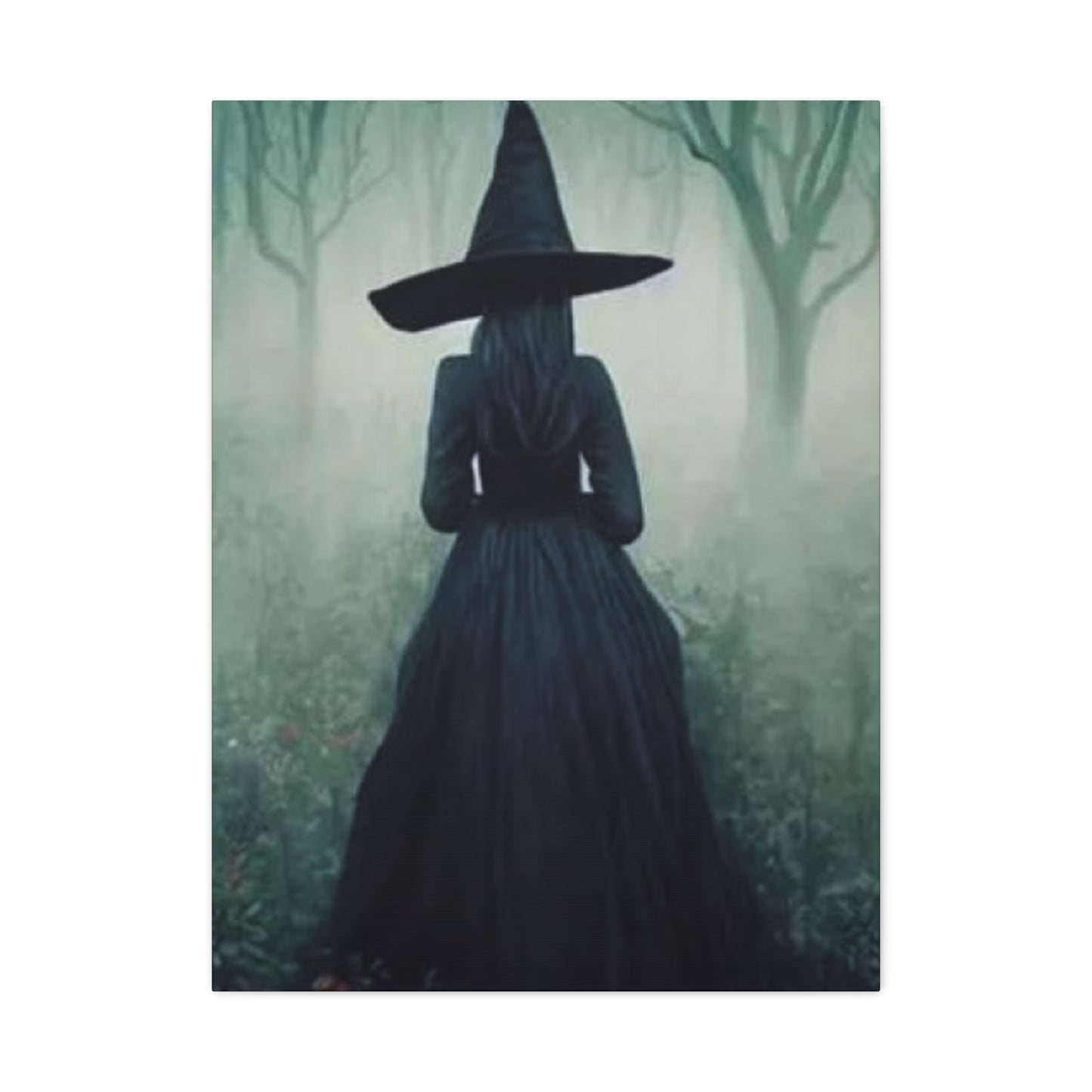
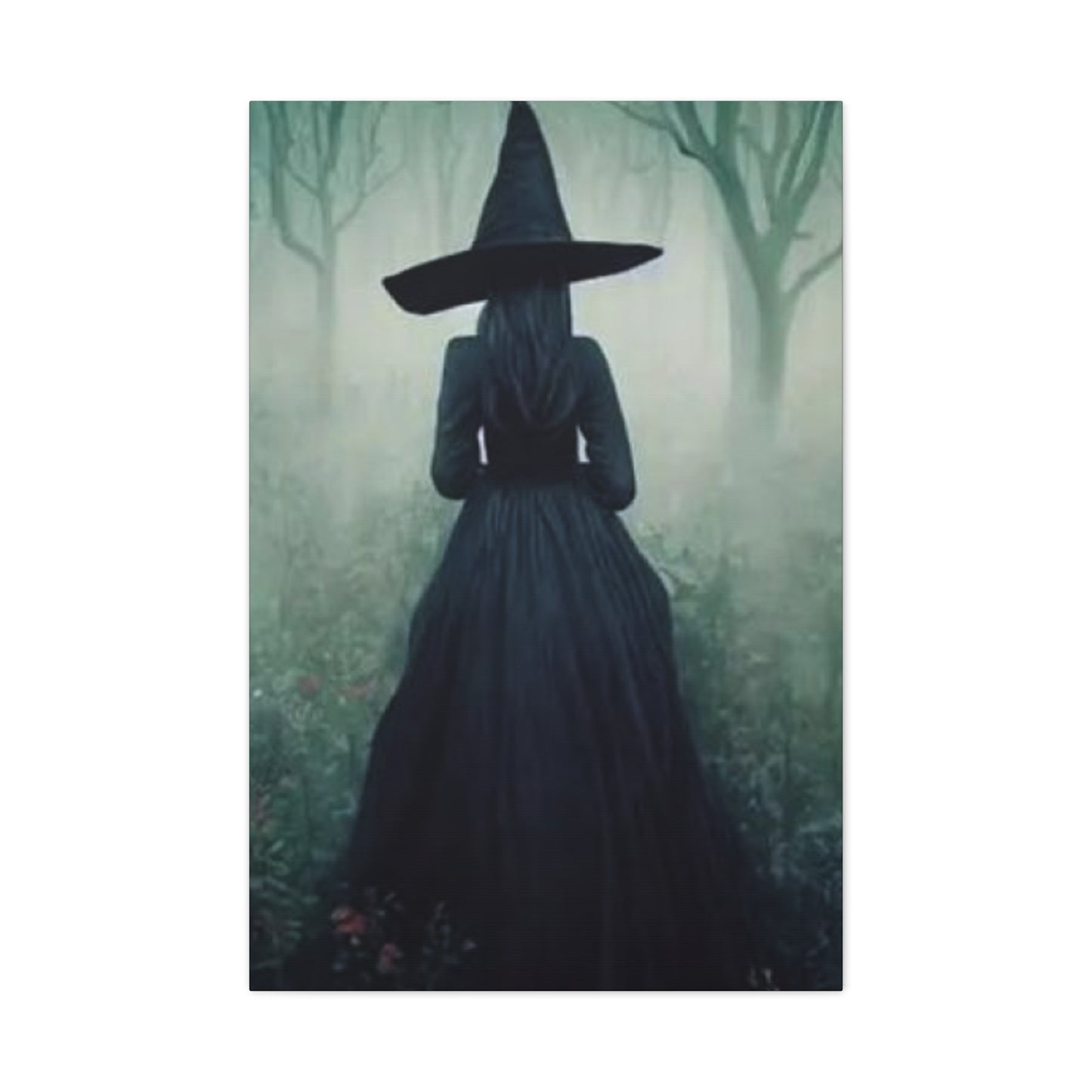
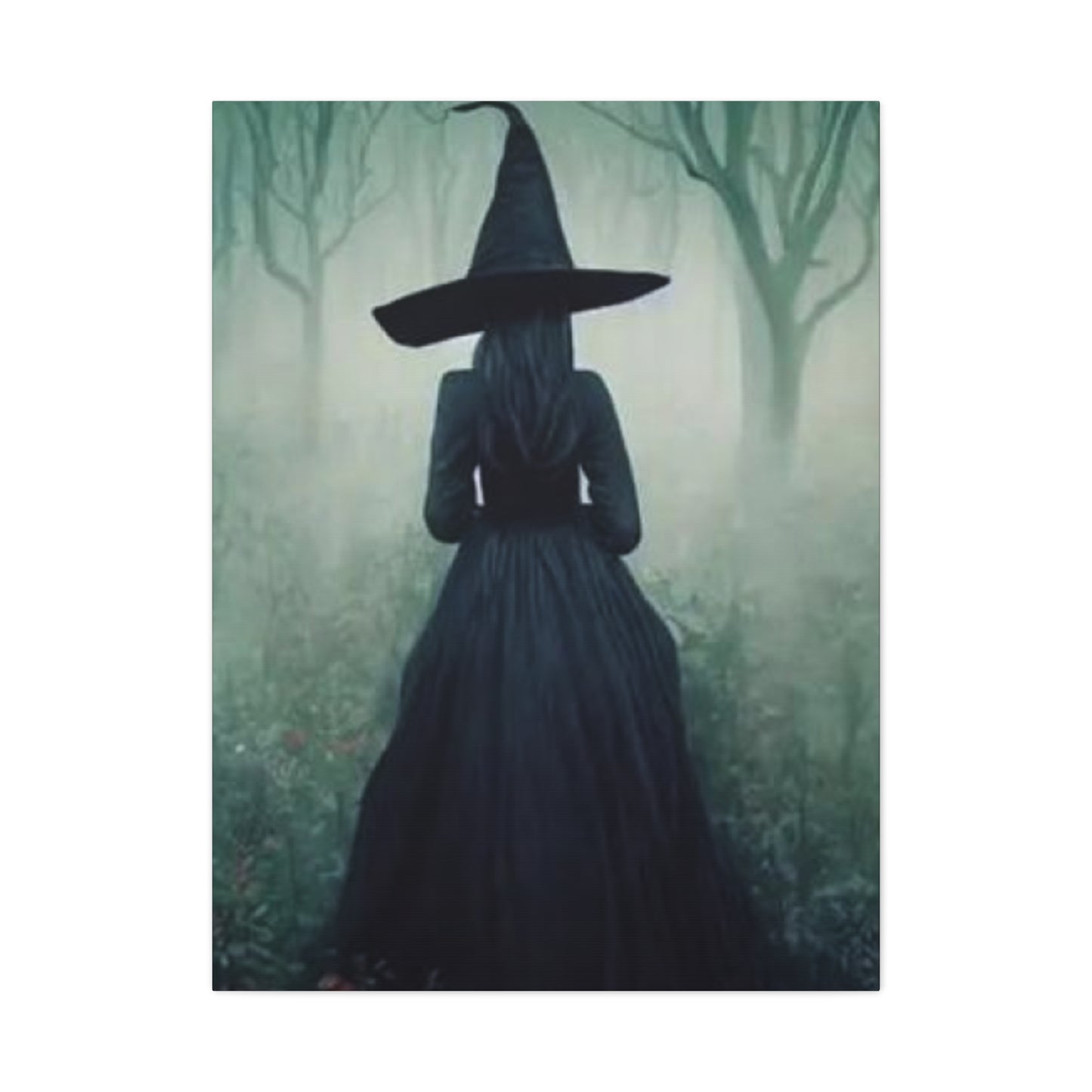
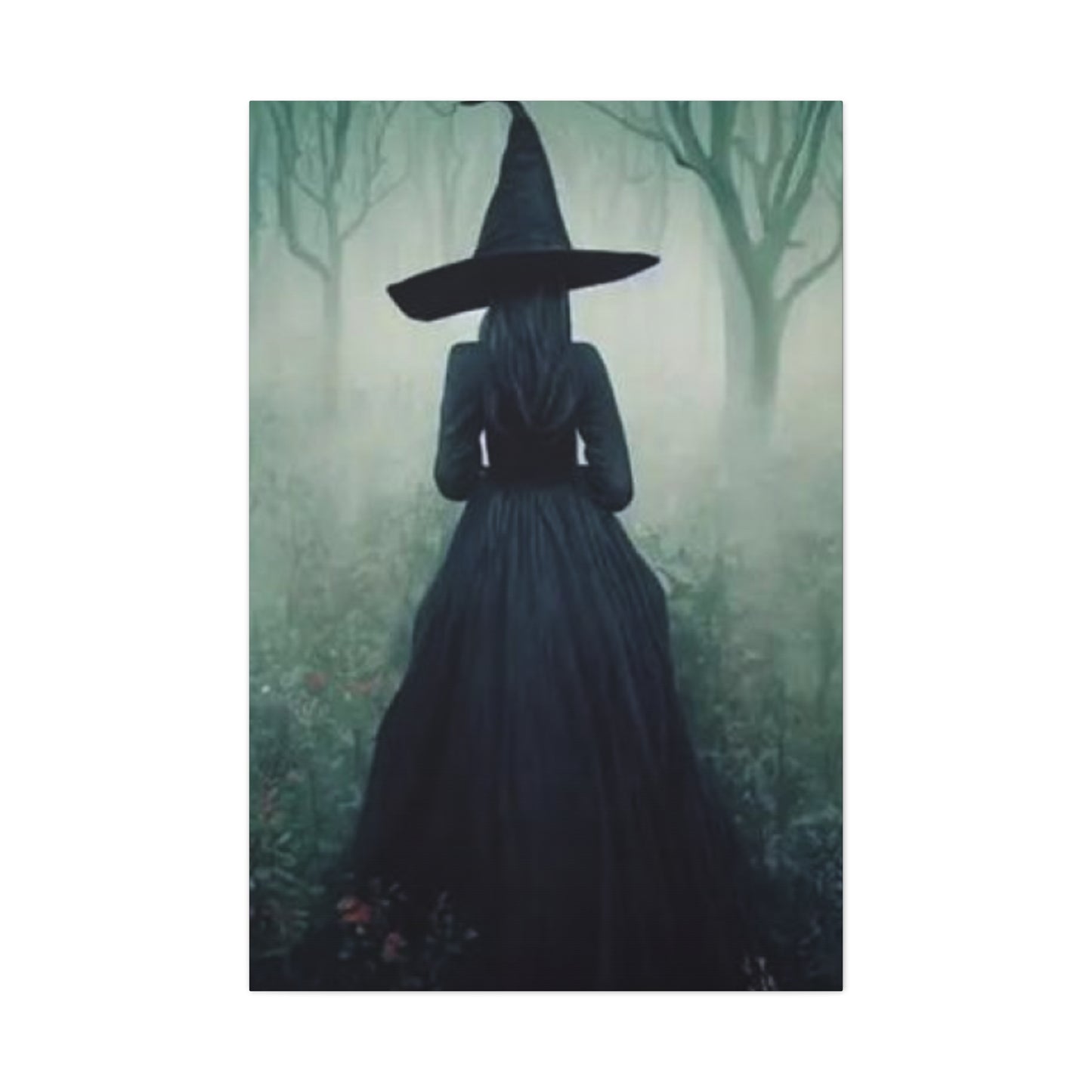
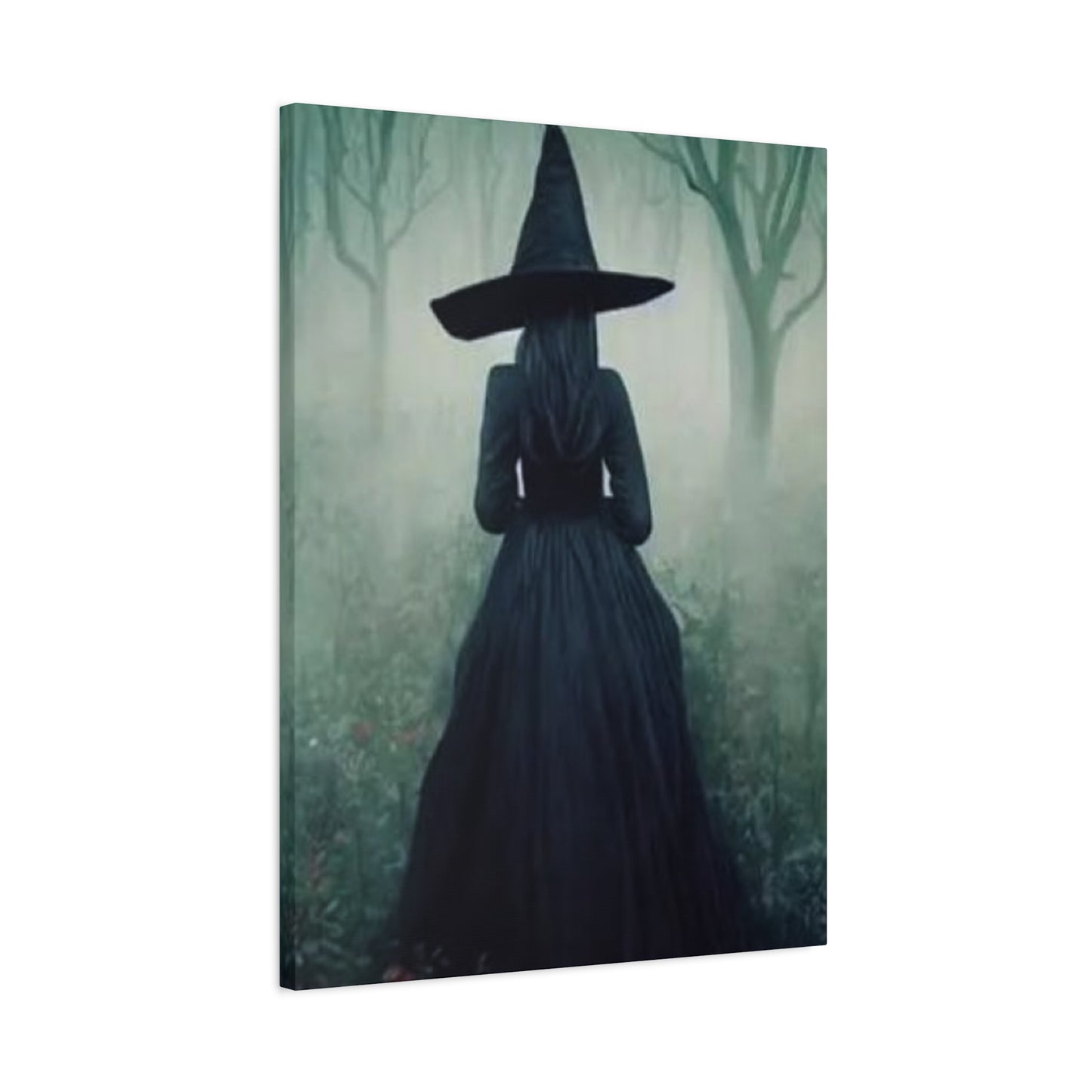
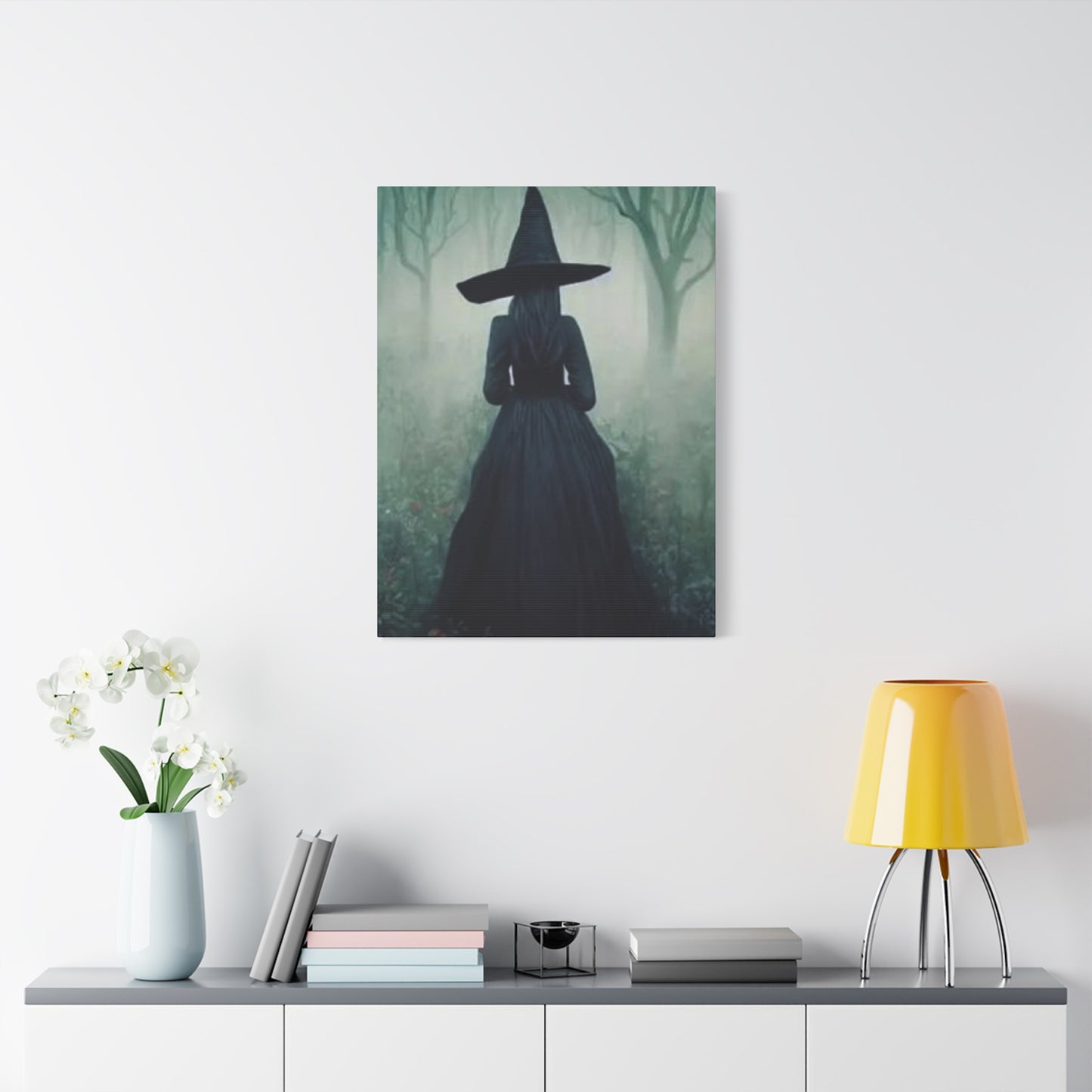
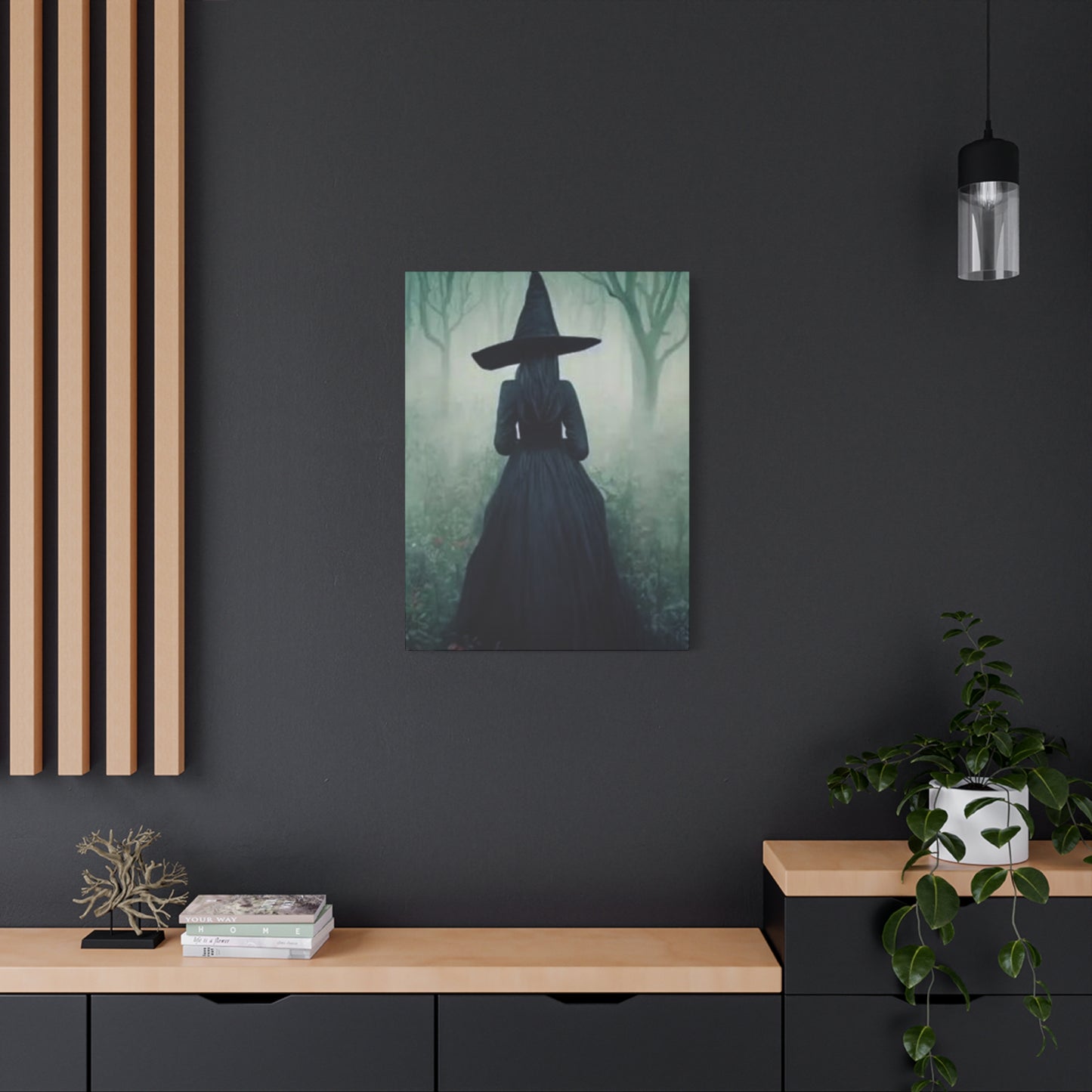
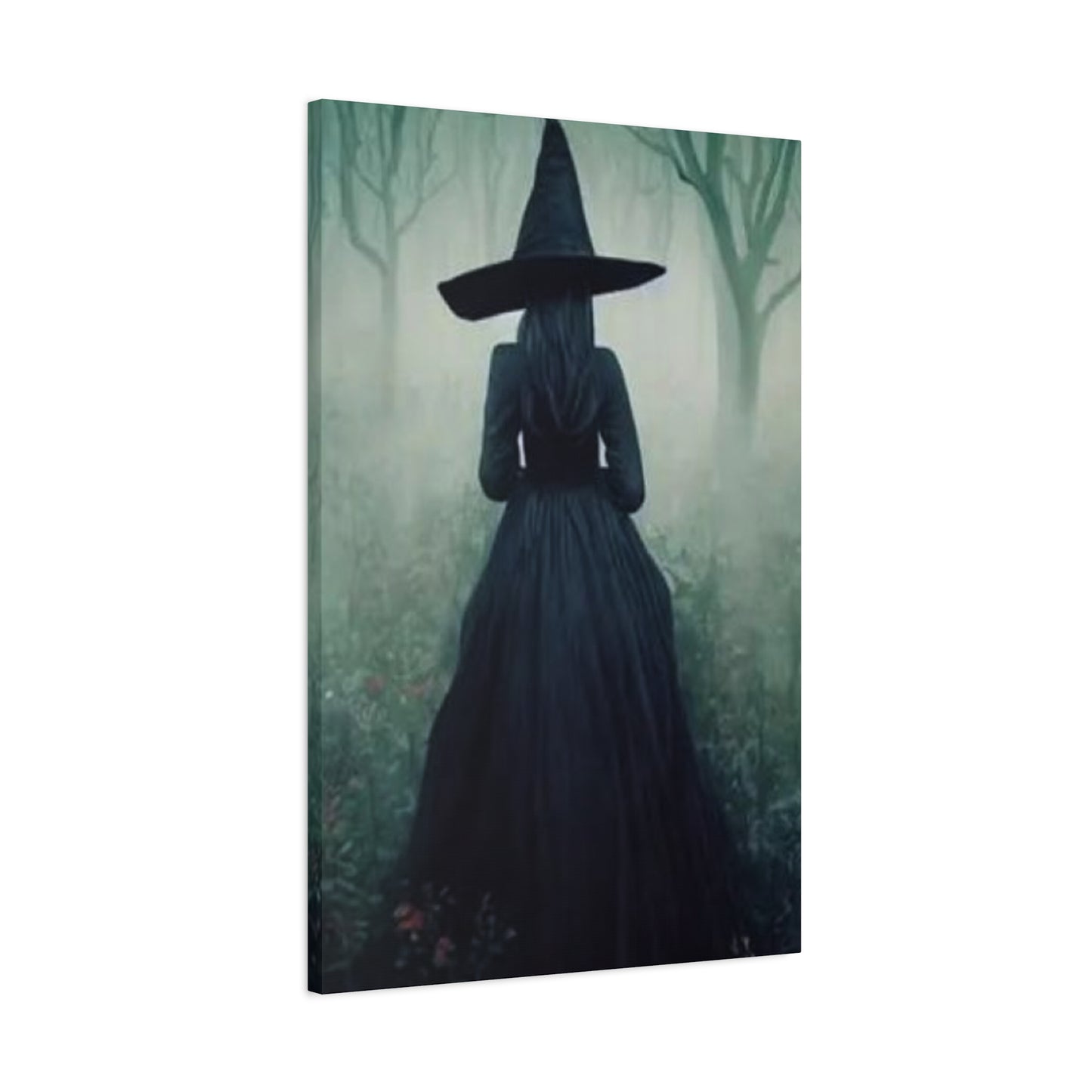
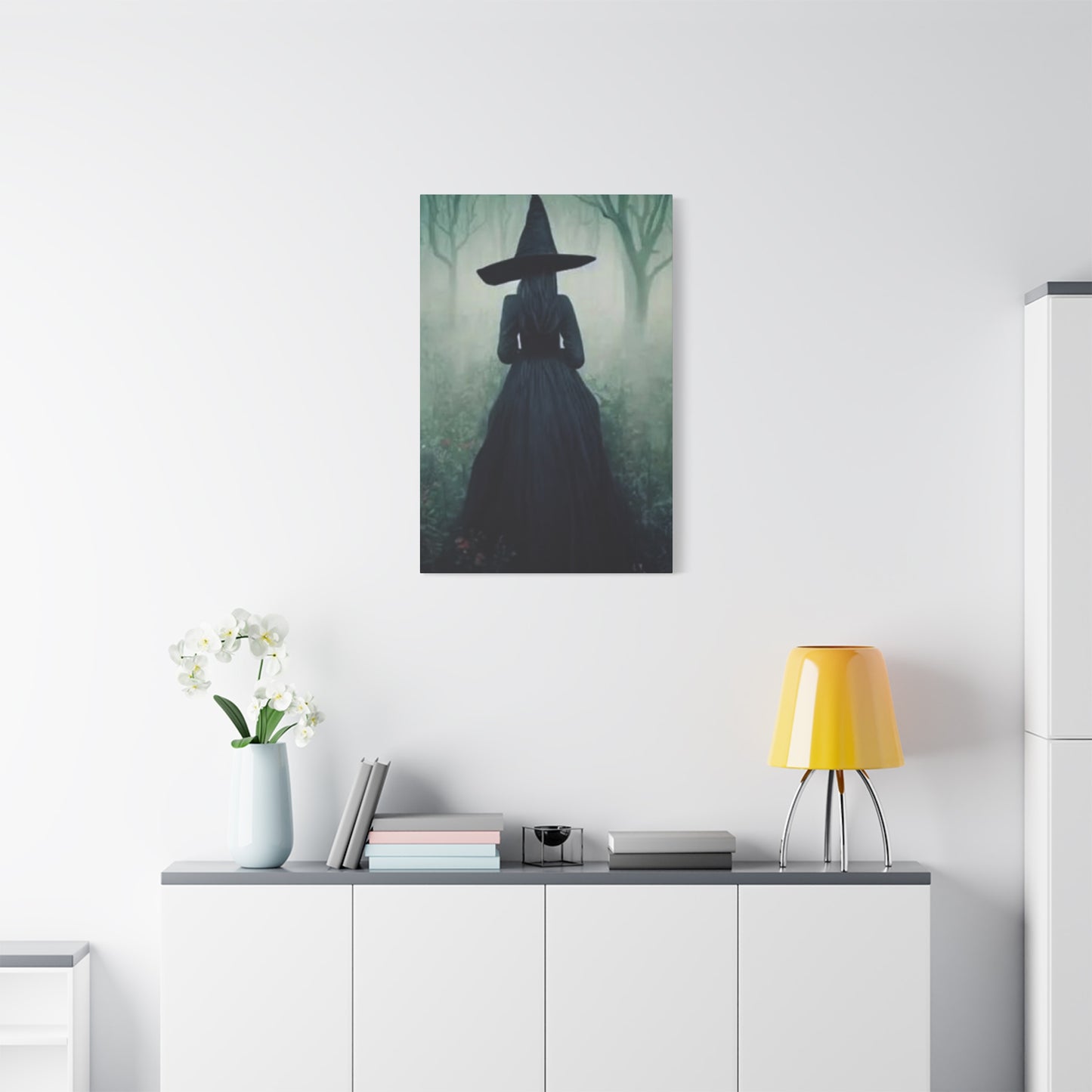
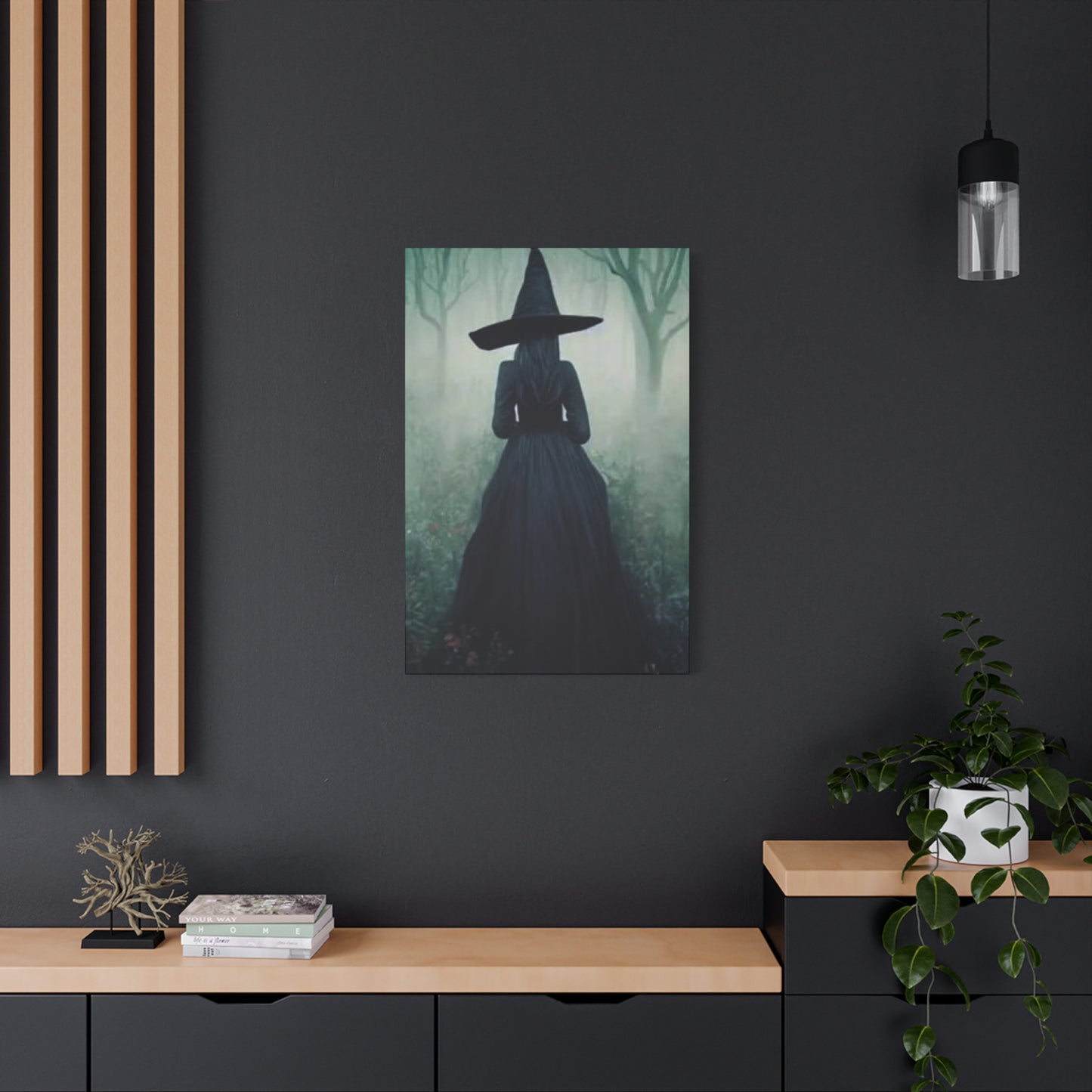
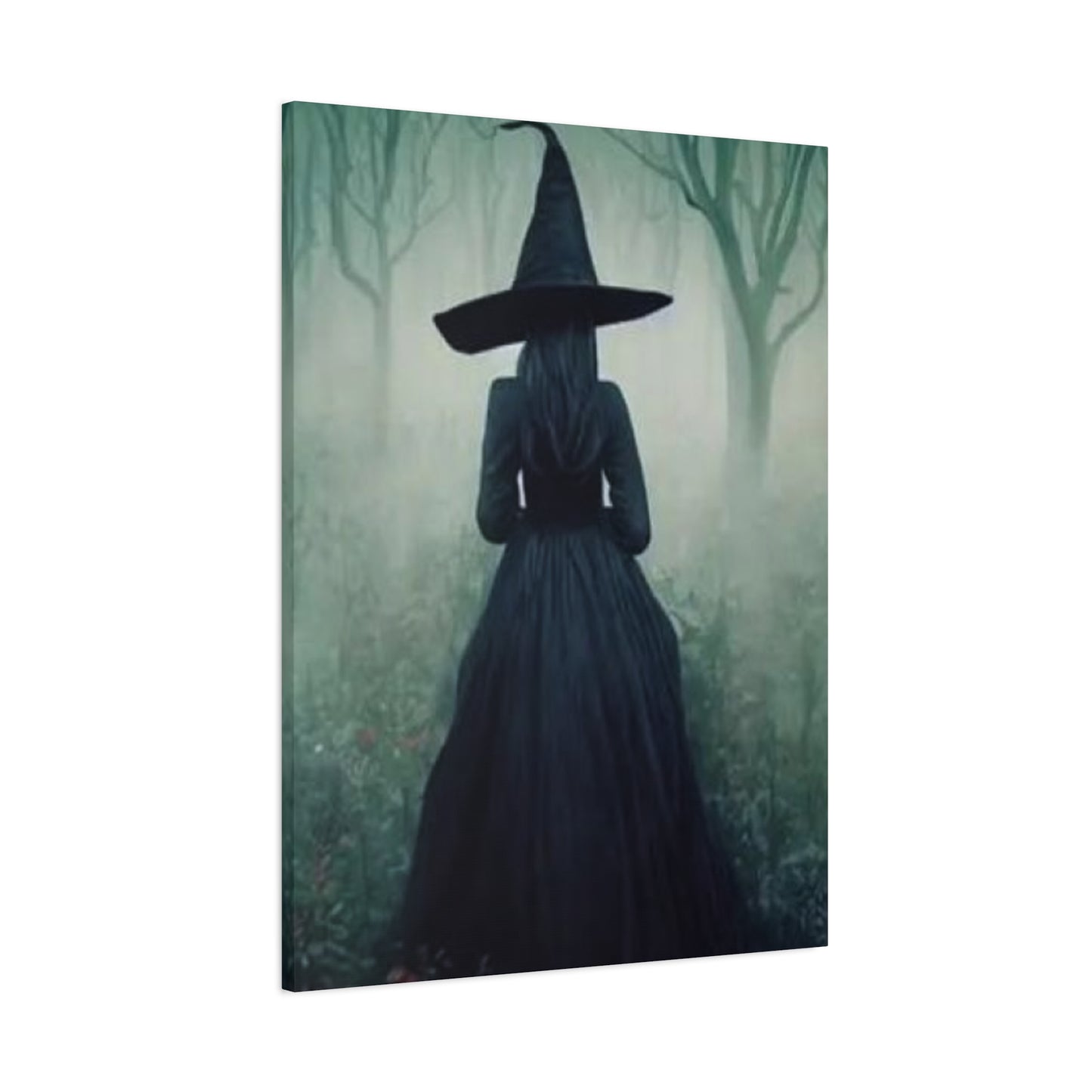
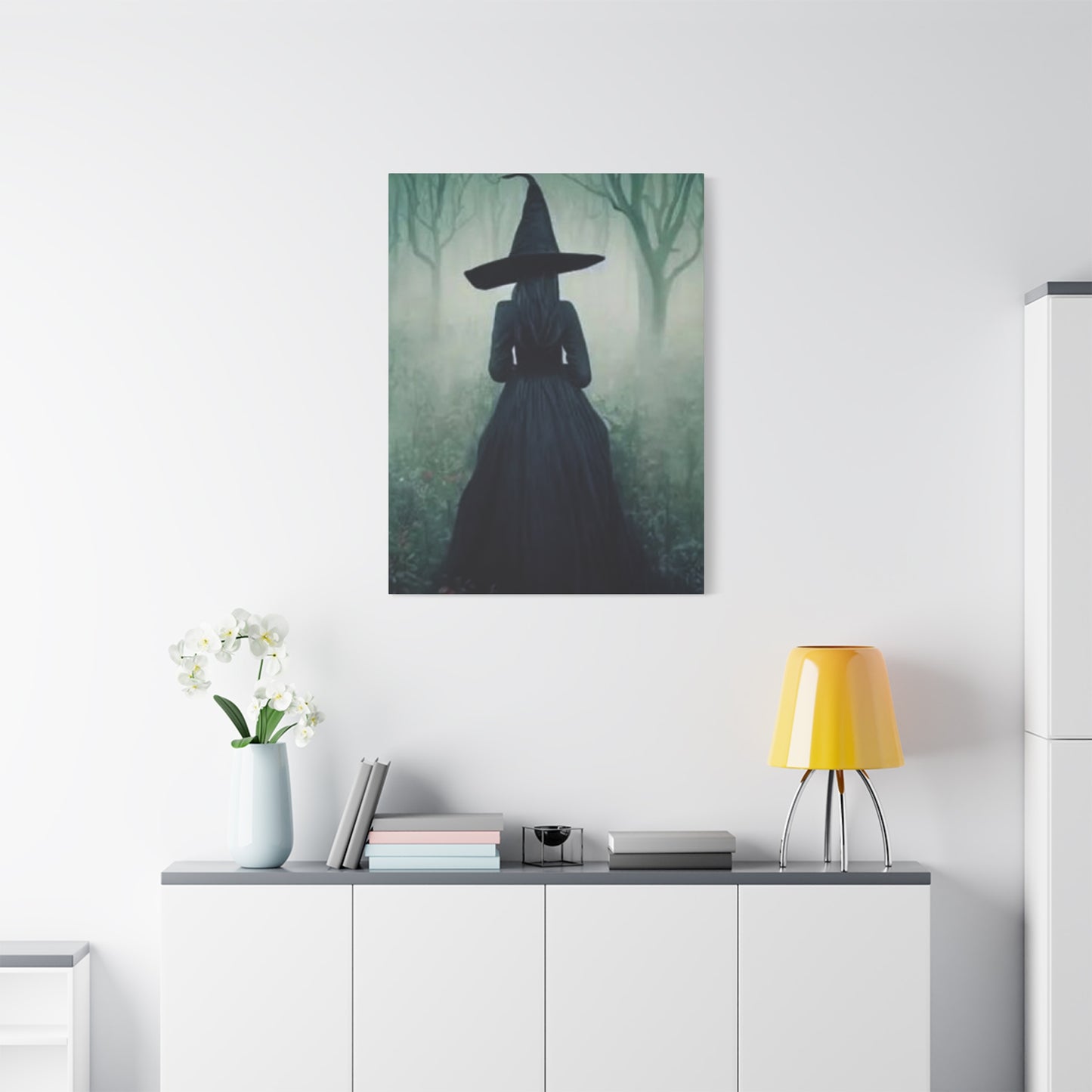
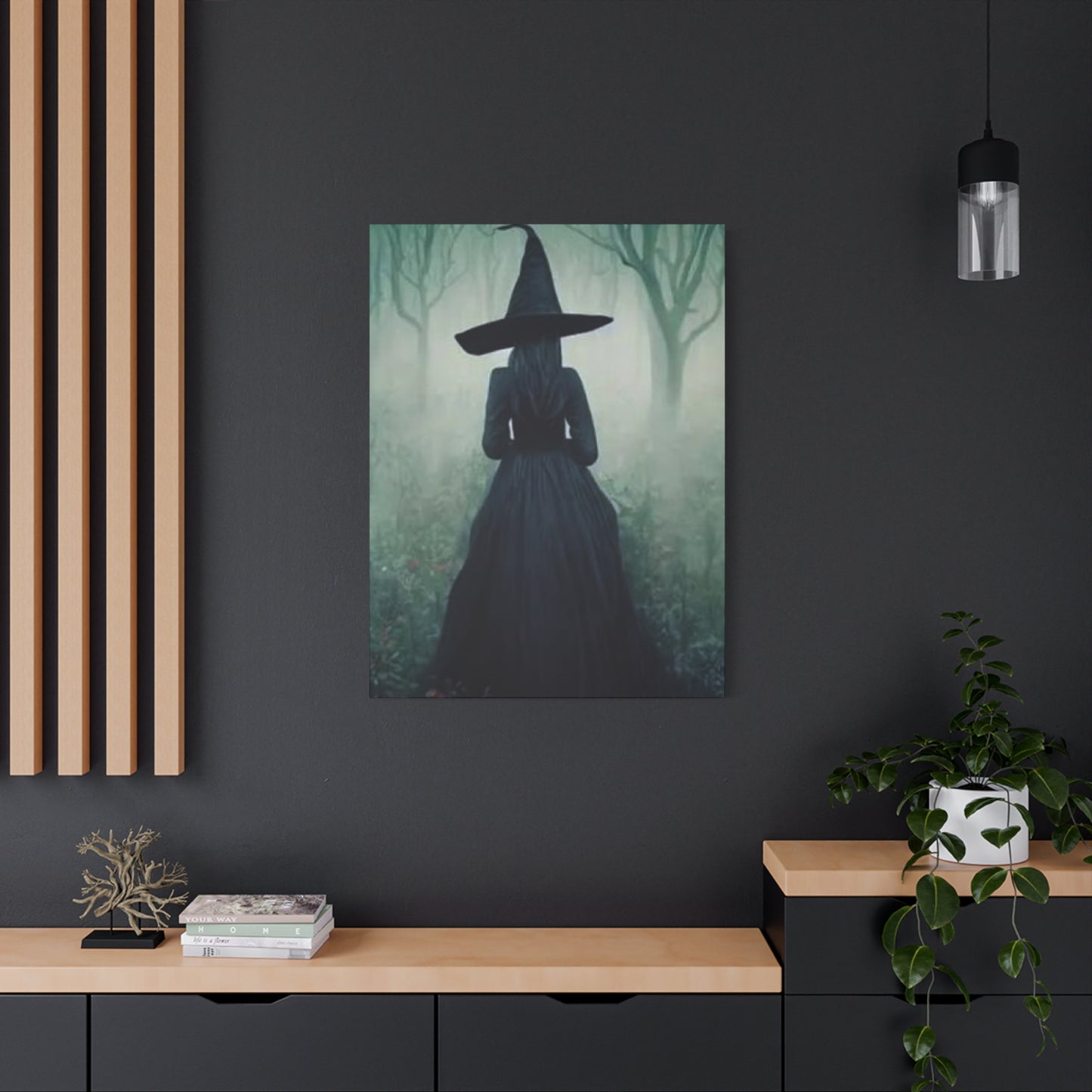
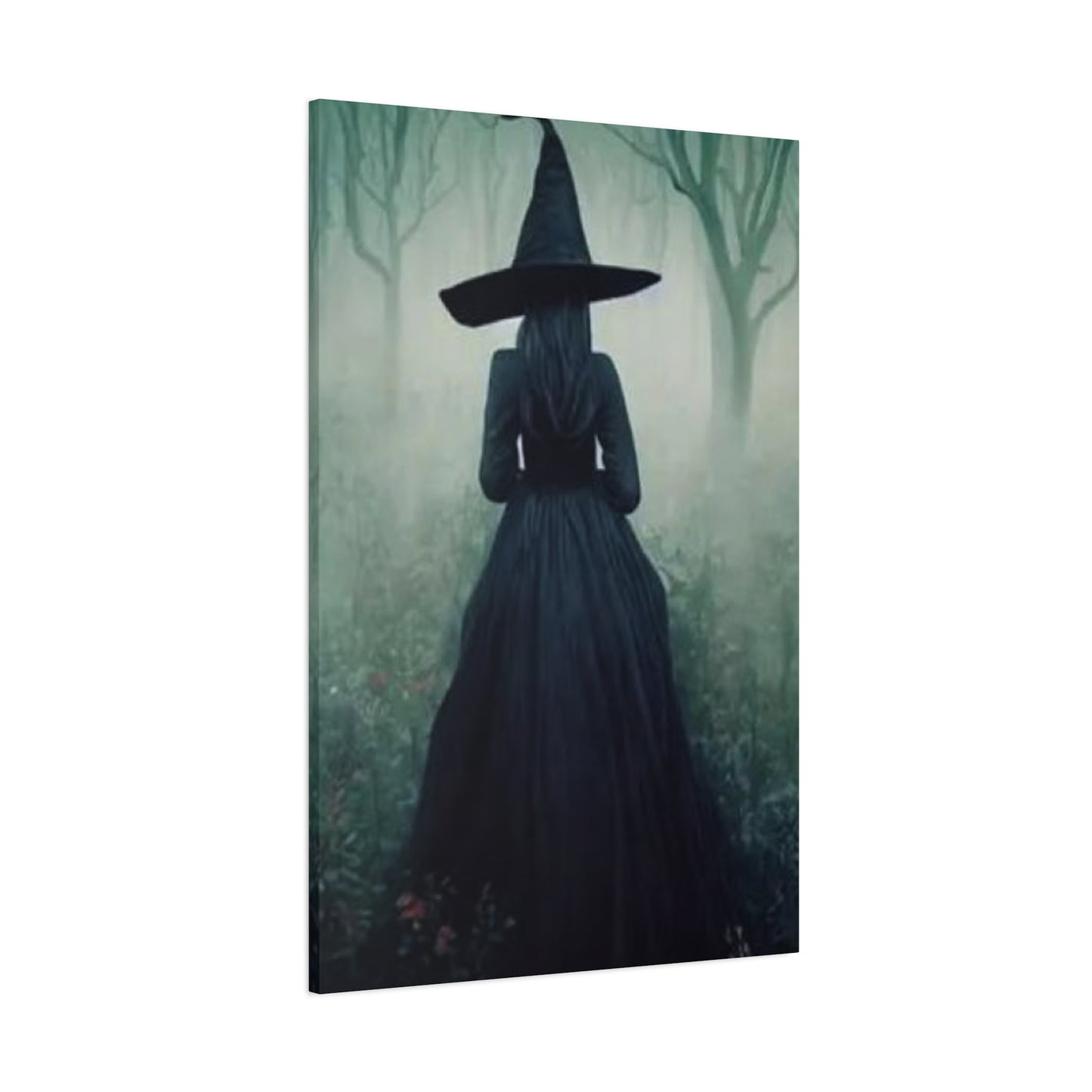
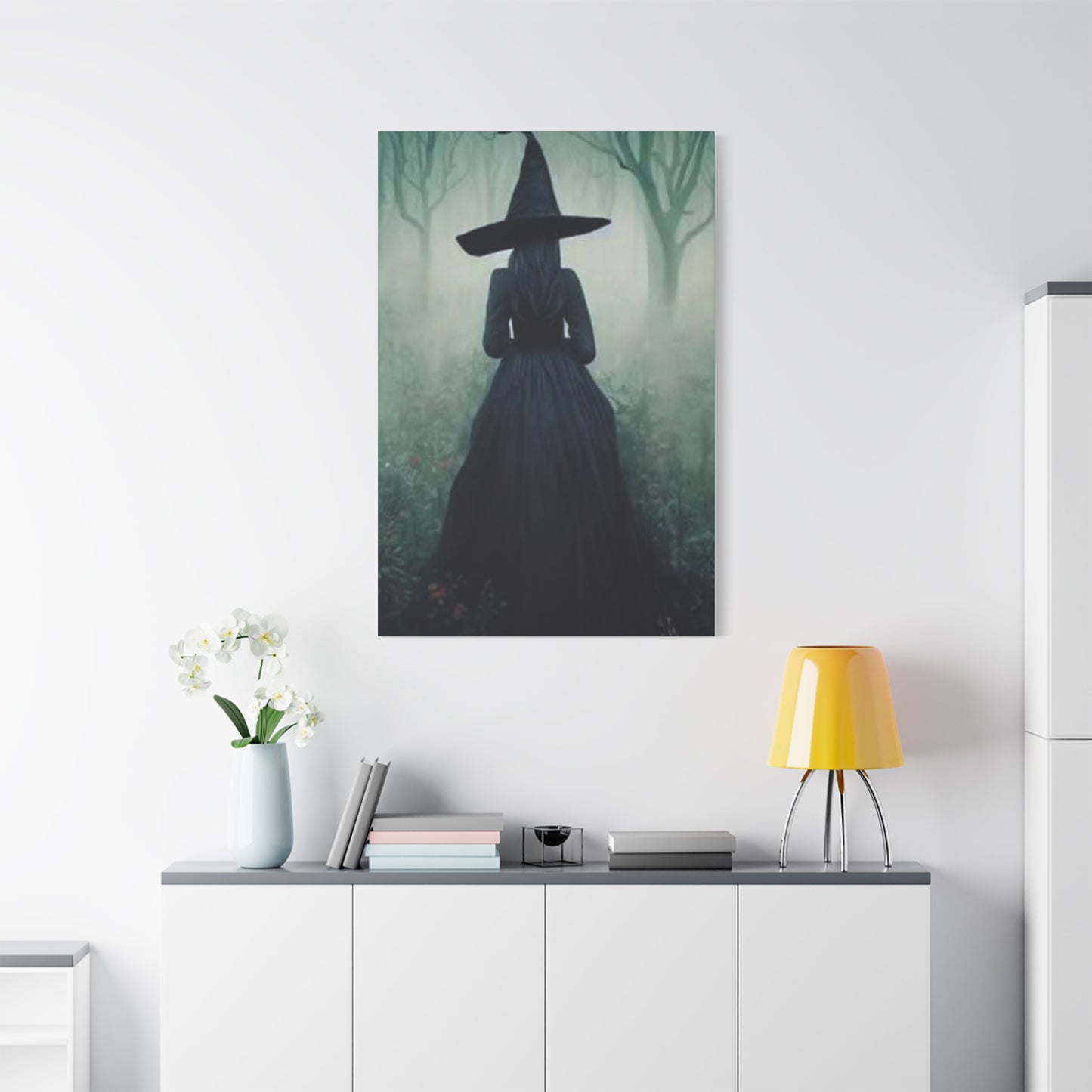
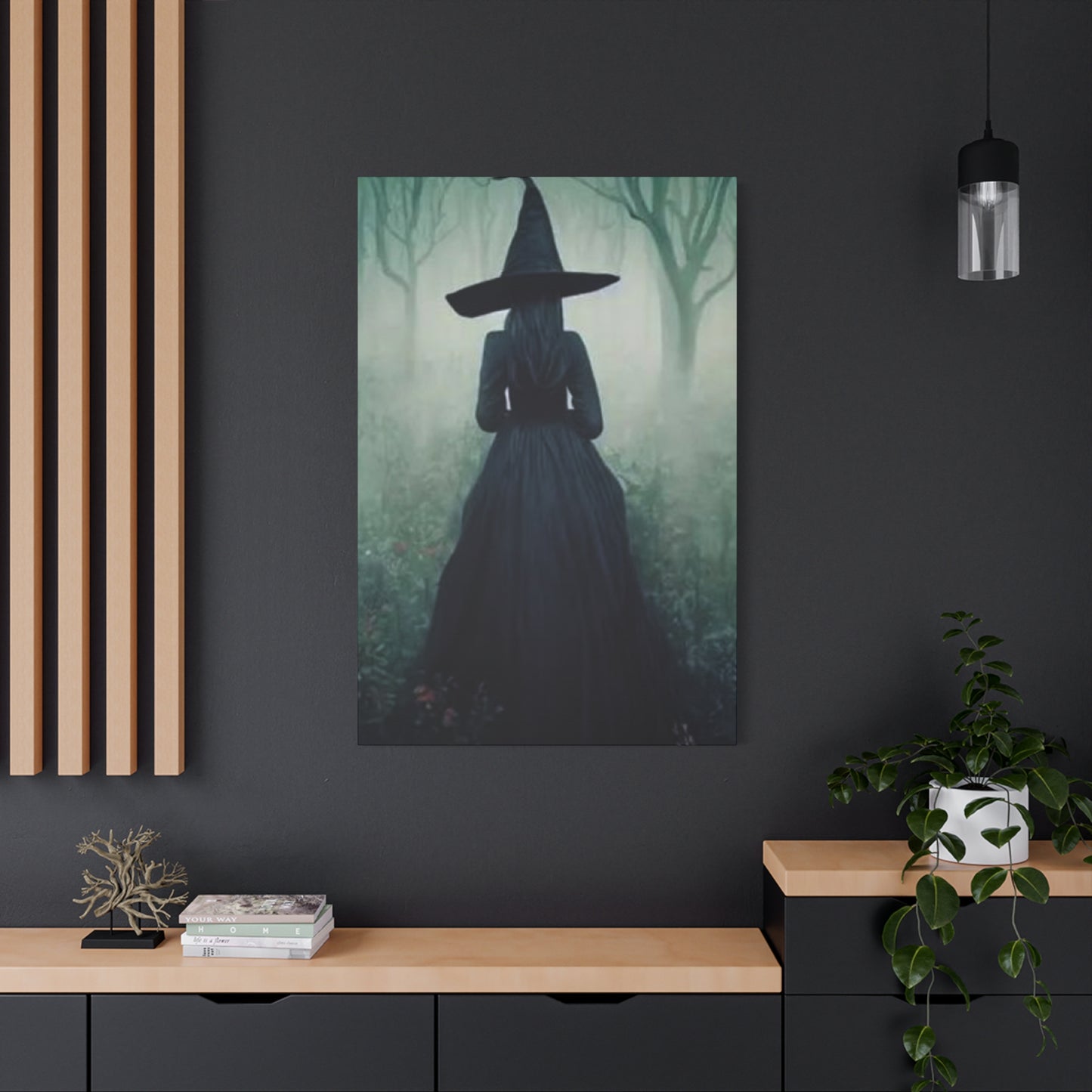
Halloween Witch Painting Wall Art & Canvas Prints
Halloween Witch Painting Wall Art & Canvas Prints
Couldn't load pickup availability
Captivating Halloween Witch Painting Wall Art: Enchanting Your Living Spaces with Mystical Decorative Pieces
The allure of mystical imagery has captivated homeowners and interior design enthusiasts for centuries, with Halloween witch painting wall art emerging as one of the most sought-after decorative elements in contemporary living spaces. These bewitching visual representations transcend seasonal boundaries, offering year-round aesthetic appeal that combines folklore, artistic expression, and atmospheric ambiance. The growing fascination with supernatural themes has propelled these artistic creations into mainstream consciousness, transforming them from mere Halloween decorations into sophisticated statement pieces that reflect personal style and cultural appreciation.
Within the realm of interior decoration, the incorporation of witch-themed artwork represents a bold departure from conventional design paradigms. These pieces embody centuries of storytelling, mythology, and artistic interpretation, creating focal points that spark conversation and ignite imagination. The resurgence of interest in occult aesthetics, gothic styling, and vintage Halloween imagery has positioned witch paintings as versatile decorative elements suitable for various architectural styles and design philosophies. From minimalist modern apartments to rustic farmhouse interiors, these enchanting artworks adapt seamlessly, offering both visual intrigue and thematic depth.
The craftsmanship involved in creating authentic witch painting wall art encompasses numerous artistic disciplines, from traditional oil painting techniques to contemporary digital rendering methods. Artists worldwide dedicate themselves to capturing the essence of witchcraft folklore through visual mediums, producing works that range from historically accurate depictions to fantastical reimaginings. Each piece carries its own narrative, whether portraying the stereotypical crone stirring her cauldron, the elegant enchantress communing with nature, or the misunderstood healer practicing ancient wisdom. This diversity ensures that collectors and decorators can discover artwork that resonates with their personal interpretation of witchcraft mythology.
Discovering the Mesmerizing World of Witch-Themed Artistic Expressions for Your Home
The journey into witch-themed artistic expressions begins with understanding the multifaceted nature of these captivating creations. Unlike generic Halloween decorations that serve temporary purposes, quality witch paintings function as permanent art installations that enhance spatial aesthetics throughout the calendar year. These works draw inspiration from various cultural traditions, including European folklore, American colonial history, Slavic mythology, and contemporary witchcraft practices. The visual vocabulary employed in these paintings often incorporates symbolic elements such as broomsticks, black cats, bubbling cauldrons, pointed hats, moon phases, crystal balls, spell books, and botanical specimens associated with herbalism and potion-making.
Contemporary artists approach witch painting with remarkable creativity, diverging from conventional representations to explore themes of feminine empowerment, environmental consciousness, spiritual awakening, and social justice. Modern interpretations frequently portray witches as symbols of resistance against patriarchal oppression, celebrating the historical persecution of women who challenged societal norms. This evolution in thematic content has attracted diverse audiences who appreciate the layers of meaning embedded within these artworks, transforming them from simple decorative objects into vehicles for cultural commentary and personal expression.
The aesthetic spectrum of witch painting wall art spans numerous artistic movements and stylistic approaches. Traditional gothic representations emphasize dramatic lighting, somber color palettes, and atmospheric tension, creating scenes that evoke mystery and intrigue. Conversely, whimsical interpretations employ vibrant colors, playful compositions, and lighthearted narratives that celebrate the magical aspects of witchcraft without invoking fear or darkness. Vintage-inspired pieces replicate the visual language of early 20th-century Halloween postcards and advertising, offering nostalgic charm that appeals to collectors of Americana and ephemera enthusiasts.
Photorealistic witch portraits demonstrate technical mastery, capturing intricate details of costume, facial expression, and environmental setting with stunning precision. These works often blur the line between painting and photography, showcasing the artist's ability to render textures, lighting effects, and atmospheric conditions with extraordinary fidelity. Abstract and impressionistic approaches, meanwhile, distill the essence of witchcraft into compositional elements, color relationships, and gestural marks that communicate mood and energy rather than literal representation. This stylistic diversity ensures that witch painting wall art accommodates every taste preference and design sensibility.
Exploring Various Styles and Artistic Interpretations Available in Witch Painting Collections
The marketplace for witch painting wall art presents an overwhelming array of stylistic choices, each offering distinct visual characteristics and emotional resonances. Victorian-era aesthetics dominate one segment of this market, featuring ornate frames, sepia-toned color schemes, and compositions that mirror the theatrical sensibilities of 19th-century portraiture. These pieces often depict witches in elaborate period costumes, surrounded by antique furnishings and occult paraphernalia that evoke the parlor séances and spiritualist movements of that historical period. The attention to period-appropriate details creates an immersive viewing experience that transports observers to another era.
Folk art interpretations bring a distinctly rustic quality to witch imagery, employing simplified forms, flattened perspective, and decorative patterns reminiscent of traditional crafts. These paintings often incorporate elements of American primitive art, Pennsylvania Dutch motifs, and Scandinavian design principles, resulting in works that feel simultaneously ancient and contemporary. The naïve quality inherent in folk art styles lends witch paintings an accessibility and warmth that contrasts sharply with more sinister or sophisticated representations, making them particularly suitable for family-oriented spaces and casual gathering areas.
Surrealistic witch paintings venture into dreamlike territories where conventional logic dissolves and symbolic imagery reigns supreme. These works might feature witches with multiple arms stirring cosmic cauldrons, flying through impossible architectural spaces, or merging with natural elements like trees, water, and sky. The surrealist approach taps into subconscious associations and archetypal imagery, creating visually arresting compositions that reward prolonged contemplation. Such pieces function particularly well in creative workspaces, meditation areas, and environments dedicated to imaginative pursuits.
Contemporary street art aesthetics have also infiltrated the witch painting genre, with artists employing graffiti techniques, stenciling methods, and urban imagery to reimagine traditional witchcraft iconography. These works often juxtapose medieval symbols with modern urban landscapes, creating provocative commentaries on the persistence of ancient beliefs in contemporary society. The raw, unpolished quality of street-art-inspired witch paintings appeals to younger demographics and collectors who favor edgier, more rebellious decorative elements. The cultural crossover between underground art movements and mainstream Halloween aesthetics has produced some of the most innovative witch paintings currently available.
Botanical witch paintings emphasize the herbalist aspects of witchcraft, featuring detailed renderings of medicinal plants, poisonous specimens, and mystical flowers alongside witch figures. These works often incorporate scientific illustration techniques, presenting flora with taxonomic precision while simultaneously imbuing them with magical properties through compositional arrangements and symbolic associations. The convergence of natural history illustration and supernatural themes creates intellectually stimulating artworks that appeal to nature enthusiasts, gardeners, and anyone interested in the historical connections between botany and folk medicine.
Selecting the Perfect Dimensions and Proportions for Your Wall Space Requirements
Determining appropriate dimensions for Halloween witch painting wall art requires careful consideration of multiple spatial factors, viewing distances, and compositional relationships within the intended environment. Oversized statement pieces measuring four feet or larger dominate architectural features, transforming entire walls into immersive visual experiences that command attention and establish room hierarchy. These monumental works function optimally in spaces with high ceilings, expansive wall surfaces, and minimal competing visual elements, such as formal living rooms, grand entryways, or dedicated gallery walls. The scale of such pieces creates dramatic impact, allowing viewers to appreciate intricate details while also experiencing the artwork's overall emotional presence.
Medium-format paintings, typically ranging between two to four feet in their longest dimension, offer versatility suitable for most residential and commercial environments. These proportions accommodate detailed compositional elements without overwhelming moderate-sized rooms or competing excessively with furniture arrangements. Medium pieces work exceptionally well above sofas, fireplace mantels, dining room buffets, and in bedroom settings where they provide visual interest without dominating the restful atmosphere. The balanced scale allows for comfortable viewing from typical conversation distances while maintaining sufficient detail to reward closer inspection.
Smaller witch paintings, measuring under two feet in any direction, excel in creating curated gallery walls, filling narrow wall segments, and adding accent points in unexpected locations. These compact works prove particularly effective in powder rooms, narrow hallways, stairwell landings, and above bedside tables where larger pieces would feel disproportionate. Collections of small witch paintings arranged in grid patterns or organic clusters create cohesive visual narratives that tell stories through sequential imagery or thematic variations. The affordability and manageability of smaller pieces also enable collectors to rotate displays seasonally or experiment with different arrangement configurations.
Vertical orientations naturally complement doorways, narrow wall sections between windows, and spaces with pronounced vertical architectural elements. Portrait-oriented witch paintings emphasize the figure itself, drawing the eye upward and creating a sense of height that can make rooms feel more spacious. These proportions suit hallway displays, bathroom walls, and any location where horizontal space is limited but vertical real estate remains underutilized. The vertical format also aligns with traditional portraiture conventions, lending a classical sensibility to witch imagery.
Horizontal or landscape-oriented pieces work beautifully above horizontal furniture lines, along corridors, and in spaces where width exceeds height. These formats accommodate narrative scenes, environmental settings, and compositions featuring multiple figures or extensive background details. Panoramic witch paintings depicting coven gatherings, moonlit flights, or elaborate ritual scenes benefit from horizontal formats that allow the eye to travel across the composition, discovering sequential details and spatial relationships. Such pieces create strong anchoring effects when positioned above substantial furniture pieces like console tables, credenzas, or long benches.
Square format witch paintings offer balanced versatility, working equally well in isolation or as components of modular arrangements. The democratic proportions of square canvases create visual stability and modern sensibility, particularly when displayed in grid formations or symmetrical groupings. Contemporary witch paintings frequently employ square formats to emphasize compositional centrality, focusing attention on the witch figure or primary symbolic element without the directional bias inherent in rectangular formats. These pieces integrate seamlessly into both traditional and contemporary interior schemes.
Understanding Color Palettes and Chromatic Schemes in Witch Painting Artwork
Color selection within witch painting wall art profoundly influences emotional response, spatial perception, and stylistic cohesion within decorated environments. Traditional gothic palettes emphasize deep purples, midnight blacks, blood reds, and murky greens, creating atmospheres of mystery, danger, and supernatural power. These chromatic choices align with cultural associations linking darkness to the occult, establishing immediate thematic clarity while evoking visceral emotional responses. The psychological impact of these saturated, shadowy hues creates dramatic focal points that anchor room color schemes and provide counterbalance to lighter surrounding elements.
Autumnal color harmonies featuring burnt oranges, golden yellows, russet browns, and harvest golds connect witch imagery specifically to Halloween seasonality and natural cycles of decay and transformation. These warm earth tones reference falling leaves, harvest moons, and the transitional period between summer abundance and winter dormancy that has historically been associated with heightened supernatural activity. Paintings employing these palettes integrate beautifully with seasonal decorating schemes while maintaining sufficient visual interest for year-round display. The warmth inherent in these colors creates inviting, cozy atmospheres particularly suited to living spaces and gathering areas.
Monochromatic schemes utilizing variations of single hues demonstrate sophisticated restraint while maintaining thematic intensity. Black-and-white witch paintings evoke vintage photography, woodcut prints, and early Halloween imagery, offering timeless aesthetic appeal that transcends temporary trends. These high-contrast compositions emphasize form, gesture, and compositional structure rather than relying on chromatic variety for visual impact. Monochromatic works pair exceptionally well with minimalist interiors, modern farmhouse aesthetics, and spaces where neutral palettes predominate. The absence of color allows these paintings to complement virtually any existing color scheme without creating visual discord.
Jewel-toned palettes featuring sapphire blues, emerald greens, amethyst purples, and ruby reds elevate witch paintings into luxurious decorative objects that radiate opulence and mystical sophistication. These rich, saturated hues reference precious gemstones, royal regalia, and the sumptuous color preferences of Victorian and Art Nouveau periods. Witch paintings employing jewel tones work particularly well in formal spaces, eclectic bohemian interiors, and maximalist decorating schemes that embrace visual abundance. The luminous quality of these colors creates paintings that seem to glow from within, particularly effective in spaces with dramatic lighting.
Muted, desaturated color schemes create vintage, weathered appearances that suggest age and historical authenticity. These faded palettes might employ dusty roses, sage greens, cloudy grays, and antiqued creams to evoke the appearance of aged paintings or reproductions of historical artworks. The softened chromatic intensity reduces visual aggression, making these pieces suitable for bedrooms, reading nooks, and contemplative spaces where calm atmospheres take precedence over dramatic statements. The vintage quality appeals to collectors of antiques and anyone cultivating shabby chic, cottage core, or French country aesthetics.
Unconventional color choices challenge traditional witch iconography by employing pastels, neons, or unexpected chromatic combinations that subvert expectations. Contemporary artists experimenting with pink witches, lime-green cauldrons, or electric blue moonlight create provocative works that comment on tradition while establishing fresh visual vocabularies. These bold chromatic choices appeal to younger audiences, trend-forward decorators, and anyone seeking to distinguish their spaces from conventional Halloween aesthetics. The unexpected color relationships create memorable visual experiences that spark conversation and demonstrate decorative confidence.
Examining Material Substrates and Canvas Options for Lasting Quality
The substrate upon which Halloween witch painting wall art is created significantly impacts durability, appearance, texture, and overall artistic quality. Traditional stretched canvas remains the most prevalent surface for witch paintings, offering painters a receptive, slightly yielding surface that accommodates various paint application techniques. Canvas constructed from cotton fibers provides economical accessibility while maintaining adequate durability for most residential display contexts. The natural texture of canvas weave contributes visual interest and tactile dimension that distinguishes hand-painted works from mechanical reproductions. Properly primed and stretched canvas accepts paint readily, allowing artists to achieve desired effects ranging from smooth, photorealistic rendering to heavily textured impasto applications.
Linen canvas represents a premium substrate choice prized by serious artists and discerning collectors for its superior strength, longevity, and refined surface characteristics. The tighter weave of linen produces smoother painting surfaces ideal for detailed work while maintaining the durability necessary for large-scale installations. Linen's resistance to environmental degradation ensures that witch paintings created on this substrate maintain color integrity and structural stability across decades of display. The investment in linen-based artworks reflects commitment to quality and long-term value retention, particularly important for collectors acquiring works by established or emerging artists.
Rigid panel supports, including wood, hardboard, and composite materials, offer alternatives to traditional canvas that provide completely stable, non-yielding painting surfaces. These substrates eliminate concerns about canvas sagging, stretcher bar impressions, or fabric degradation over time. Witch paintings on panels can be displayed unframed, showcasing painted edges that extend imagery around the artwork's perimeter. The solid construction of panels protects paintings during shipping and handling, reducing vulnerability to punctures or tears that threaten canvas works. Many contemporary artists favor panels for their ability to support experimental techniques and mixed media applications.
Metal printing surfaces have emerged as modern alternatives that combine photographic reproduction with metallic substrates to create luminous, dimensionally stable artworks. Witch imagery printed directly onto aluminum panels achieves extraordinary color vibrancy, sharp detail resolution, and remarkable durability resistant to fading, moisture, and physical damage. The reflective quality of metal surfaces adds distinctive visual character, causing images to shimmer subtly as lighting conditions change throughout the day. These contemporary presentations suit modern and industrial interior aesthetics while offering practical advantages for high-traffic or environmentally challenging display locations.
Paper and illustration board serve as traditional substrates for witch paintings executed in watercolor, gouache, ink, or mixed media. These surfaces accommodate delicate rendering techniques and fluid media applications unsuitable for canvas or panels. Witch paintings on paper typically require protective framing behind glass or acrylic glazing to shield delicate surfaces from environmental damage, handling, and ultraviolet degradation. The archival quality of paper substrates varies dramatically, with acid-free, museum-grade materials essential for preservation-minded collectors seeking artworks that will retain their integrity across generations.
Textile substrates beyond traditional canvas, including silk, burlap, and specialty fabrics, offer artists unique surface characteristics that contribute distinctive aesthetic qualities. Witch paintings on silk achieve luminous, ethereal effects particularly suited to mystical subject matter, while burlap provides rustic texture appropriate for folk art interpretations. These unconventional substrates require specialized preparation and handling but reward adventurous collectors with truly unique artworks that stand apart from standard canvas paintings. The tactile and visual properties of specialty fabrics become integral components of artistic expression rather than mere supports for pigment.
Navigating Framing Choices and Presentation Methods for Maximum Visual Impact
Framing decisions dramatically influence how Halloween witch painting wall art integrates within interior environments, affecting perceived value, stylistic alignment, and physical protection of artworks. Traditional wooden frames with ornate carved details and gilded finishes complement vintage and gothic witch paintings, enhancing period authenticity while adding substantial visual weight. These elaborate frames transform paintings into architectural elements that command attention and communicate cultural refinement. The craftsmanship evident in quality wooden frames reflects investment in presentation, signaling to viewers that the enclosed artwork merits serious consideration. Antique frames sourced from estate sales or specialty dealers can be repurposed for witch paintings, adding genuine historical character that new frames cannot replicate.
Sleek, minimal frames constructed from narrow metal profiles or simple wood moldings suit contemporary witch paintings and modern interior aesthetics. These understated presentations direct focus entirely toward artwork rather than competing for visual attention through elaborate ornamentation. Black metal frames provide crisp definition while maintaining neutrality, allowing witch paintings to establish room color schemes without framing interference. The clean lines of minimal frames create gallery-quality presentations appropriate for serious art collections while remaining accessible to budget-conscious decorators.
Floating frames create the illusion that paintings hover within frame openings, revealing painted canvas edges and establishing sophisticated visual separation between artwork and wall surfaces. This presentation method works particularly well with contemporary witch paintings on deep-profile canvases where visible edges contribute to overall composition. The spatial separation achieved through floating frames adds dimensional intrigue and allows ambient lighting to create subtle shadow play around artworks. This mounting approach suits modern and transitional interiors where clean presentation takes precedence over decorative embellishment.
Shadow box frames accommodate dimensional elements, offering recessed display chambers that protect three-dimensional witch paintings or mixed-media works incorporating found objects, dried botanicals, or sculptural components. The increased depth of shadow boxes allows artists to layer imagery, creating complex visual narratives that reward close examination. These frames work exceptionally well for assemblage pieces that combine painting with collage, textural elements, or small artifacts related to witchcraft themes. The containment provided by shadow boxes protects delicate protruding elements while creating museum-quality presentations.
Gallery wrap presentation eliminates frames entirely, displaying witch paintings with imagery extending around canvas edges to create finished appearances on all visible surfaces. This frameless approach suits casual, contemporary environments and emphasizes the handmade quality of original paintings. Gallery-wrapped canvases can be hung immediately without additional investment in framing, offering economical advantages alongside aesthetic benefits. The informal character of unframed presentations works particularly well in creative studios, casual family spaces, and bohemian interiors where formal presentation would feel incongruous.
Matting options for framed witch paintings on paper provide opportunities for color coordination, visual breathing room, and enhanced focus on central imagery. Decorative mats in complementary or contrasting colors can amplify chromatic themes within paintings while adding substantial visual presence to modestly sized works. Multiple mat layers create depth and luxury, elevating simple witch illustrations into substantial decorative statements. Museum-quality matting materials protect paper artworks from direct frame contact while providing archival stability that preserves color and paper integrity over extended periods.
Investigating Original Hand-Painted Pieces Versus Reproduction Print Options
The marketplace for Halloween witch painting wall art encompasses both original hand-painted artworks and various reproduction formats, each offering distinct advantages depending on collector priorities, budget parameters, and decorative objectives. Original paintings represent unique creations bearing direct evidence of artistic process through visible brushstrokes, paint texture, and occasional pentimenti where artists revised compositional elements. These singular works carry inherent value as irreplaceable objects, attracting collectors who appreciate direct connection to creative acts and artists' hands. Original witch paintings often command premium prices reflecting material costs, artistic labor, skill development, and market positioning, but they provide ownership of authentic art objects rather than mechanically produced copies.
Limited edition prints bridge the gap between original paintings and mass-produced reproductions, offering affordability while maintaining collectible status through restricted production runs. Artists typically sign and number limited edition witch prints, documenting each impression's position within the total edition size. These prints allow multiple collectors to enjoy compositions while preserving scarcity that supports value retention. Sophisticated printing technologies, including giclée processes utilizing archival inks and premium substrates, produce reproductions that rival originals in color fidelity, detail resolution, and longevity. Limited edition witch prints appeal to collectors seeking quality artworks at accessible price points without sacrificing aesthetic impact.
Open edition prints manufactured in unlimited quantities maximize accessibility, allowing decorators to acquire witch painting imagery at minimal cost. These mass-produced items serve primarily decorative functions rather than investment purposes, offering temporary or changeable displays suitable for rental properties, temporary spaces, or budget-conscious projects. The ubiquity of open edition prints diminishes exclusivity but democratizes access to witch imagery, enabling anyone to incorporate these themes regardless of financial constraints. Quality variations in open edition prints span from cheap poster reproductions to respectable printing on decent substrates, requiring careful evaluation to ensure satisfactory results.
Print-on-demand services enable custom production of witch painting reproductions at varied sizes, substrate options, and finishing treatments tailored to specific requirements. These platforms provide flexibility for decorators with unusual spatial constraints or particular presentation preferences, generating single copies without requiring minimum order quantities. The personalized nature of print-on-demand accommodates experimental arrangements, seasonal rotations, and exploratory purchases without substantial financial commitment. However, quality control in print-on-demand varies significantly between providers, necessitating research into printing standards, material quality, and production practices before commissioning reproductions.
Digital reproductions displayed through electronic picture frames or projection systems represent emerging alternatives for presenting witch painting imagery without physical artworks. These technological approaches enable unlimited image rotation, seasonal customization, and space conservation impossible with traditional displays. Digital presentation suits contemporary minimalist interiors and tech-forward environments while offering practical advantages for renters unable to make permanent installations. The intangible nature of digital displays eliminates concerns about physical storage, damage, or deterioration, though some traditionalists find these presentations lack the gravitas and permanence of physical artworks.
Commissioning custom witch paintings from working artists provides ultimate personalization, allowing collectors to specify subjects, styles, dimensions, and compositional elements aligned precisely with their visions. Custom commissions ensure complete uniqueness while supporting living artists and participating directly in creative processes. Collaborative relationships between collectors and artists often yield unexpected creative directions that exceed initial concepts, producing artworks with personal significance beyond generic market offerings. Commission timelines typically extend weeks or months depending on artwork complexity and artist availability, requiring patience but rewarding participants with truly bespoke creations.
Positioning and Hanging Considerations for Achieving Professional-Looking Results
Successful presentation of Halloween witch painting wall art depends critically upon thoughtful positioning that accounts for sightlines, lighting conditions, furniture relationships, and architectural features within display environments. Optimal hanging height positions artwork centers approximately sixty inches above floor level, aligning with average eye height for standing viewers and creating comfortable viewing angles that neither strain necks nor force downward gazes. This standard gallery height works effectively in most residential contexts, though adjustments may be necessary in spaces with unusually high ceilings, predominant furniture arrangements, or specific architectural features that establish alternative visual baselines.
When hanging witch paintings above furniture pieces, maintaining appropriate clearance prevents visual crowding while establishing clear relationships between artworks and supporting elements. Six to eight inches of vertical space between furniture tops and frame bottoms generally creates balanced compositions without excessive separation that disconnects related elements. Larger furniture pieces can accommodate correspondingly larger artworks, with painting widths ideally measuring approximately two-thirds the width of underlying furniture to maintain proportional harmony. These guidelines prevent common errors where oversized paintings dwarf furniture or undersized works appear lost above substantial pieces.
Lighting dramatically influences how witch painting wall art appears within spaces, affecting color perception, detail visibility, and atmospheric mood. Natural daylight streaming through windows illuminates artworks with full-spectrum light that renders colors accurately but introduces fading risks from ultraviolet exposure. Positioning witch paintings on walls perpendicular to windows balances illumination benefits while minimizing direct sun exposure that degrades pigments over time. Artificial lighting solutions, including picture lights, track systems, or adjustable spotlights, provide controlled illumination that highlights artworks while protecting them from environmental damage. Warm-toned bulbs complement traditional gothic witch paintings, while neutral or cool lighting suits contemporary interpretations.
Creating gallery wall arrangements with multiple witch paintings requires careful planning to achieve cohesive visual compositions rather than haphazard collections. Laying out arrangements on floors before installation allows experimentation with spacing, orientation, and compositional balance without creating unnecessary wall damage. Maintaining consistent spacing between frames, typically two to three inches, creates unified presentations despite varied frame sizes or painting styles. Anchoring arrangements around central pieces or establishing horizontal baselines provides organizational logic that guides eye movement and creates satisfying visual rhythms across assembled works.
Architectural features including crown molding, chair rails, built-in shelving, and fireplace mantels establish natural hanging positions that integrate witch paintings into structural frameworks. Aligning frame tops with horizontal architectural elements creates crisp, organized appearances that respect spatial divisions and architectural intent. Conversely, deliberately breaking these alignments can create dynamic tension and draw attention to particular artworks designated as focal points. Understanding existing spatial organization allows decorators to work harmoniously with architectural character or strategically subvert it for dramatic effect.
Weight considerations and proper hanging hardware prevent accidents that damage walls and potentially destroy valuable artworks. Substantial witch paintings on heavy wooden frames require sturdy mounting systems including wall anchors rated for appropriate weights or installation into wall studs capable of supporting loads indefinitely. Wire hanging systems remain popular for their adjustment flexibility, though D-rings or sawtooth hangers provide alternative mounting approaches with specific advantages. Professional-grade hanging systems including French cleats offer exceptional security for valuable works while enabling easy removal and reinstallation when rearrangement desires arise.
Caring for and Preserving Your Witch Painting Collection Across Time
Proper stewardship of Halloween witch painting wall art ensures these cherished decorative pieces maintain their visual integrity and structural stability across years or decades of display. Environmental conditions within display spaces profoundly impact artwork longevity, with temperature fluctuations, humidity variations, and light exposure representing primary threats to paint stability and substrate integrity. Maintaining consistent room temperatures between sixty-five and seventy-five degrees Fahrenheit prevents expansion and contraction cycles that stress canvas, crack paint films, and degrade adhesive bonds. Similarly, controlling relative humidity within forty to fifty percent ranges prevents moisture-related damage including mold growth, canvas warping, and paint delamination.
Dust accumulation on witch painting surfaces dulls colors, obscures details, and provides habitat for microorganisms that digest organic materials within paints and canvases. Regular gentle dusting using soft, clean brushes or microfiber cloths removes particulate matter without abrading delicate paint surfaces. Feather dusters should be avoided as their stiff quills can scratch or snag textured paint applications. Dusting should proceed in gentle, directional strokes that follow painting contours rather than circular motions that might catch on raised paint ridges. Frames require similar attention, with accumulated dust in ornate carvings requiring soft brushes to reach recessed areas without damaging gilding or decorative finishes.
Protecting witch paintings from direct sunlight prevents catastrophic fading that irreversibly alters color relationships and diminishes visual impact. Ultraviolet filtration through window films, UV-filtering glazing in frames, or strategic positioning away from sun exposure pathways safeguards pigments against photochemical degradation. Even indirect natural light contains sufficient UV radiation to cause gradual fading over years of exposure, making protection advisable for all valued artworks regardless of immediate sun exposure. Recognizing that damage accumulates invisibly over time encourages proactive protection rather than reactive measures after fading becomes apparent.
Handling witch paintings during cleaning, relocation, or storage requires careful attention to vulnerable areas including frame corners, canvas edges, and protruding decorative elements. Lifting paintings by frames rather than stretcher bars or canvases prevents structural stress that could separate components or tear fabric supports. When moving multiple pieces, wrapping each individually in acid-free tissue or soft cloth prevents surface-to-surface contact that might transfer paint or create abrasions. Avoiding touching painted surfaces with bare hands prevents oil transfer that attracts dirt and potentially alters paint chemistry over extended contact periods.
Professional conservation assessment benefits valuable witch paintings showing age-related deterioration including cracked paint films, loose canvas, discolored varnish layers, or structural frame damage. Trained conservators possess specialized knowledge and materials for reversing degradation while respecting original artistic intent and maintaining historical integrity. DIY restoration attempts risk causing irreversible damage that destroys both aesthetic value and market worth, making professional consultation advisable for artworks with monetary or sentimental significance. Preventive conservation measures implemented early in ownership prevent minor issues from escalating into major restoration projects requiring substantial intervention.
Storage practices for witch paintings during seasonal rotations or extended periods between displays protect artworks from environmental hazards and physical damage. Wrapping paintings in acid-free materials prevents chemical interactions that discolor or degrade surfaces, while sturdy outer packaging shields against impacts and punctures. Storing paintings vertically rather than stacking horizontally prevents weight-induced warping and allows air circulation that discourages mold growth. Climate-controlled storage areas maintain stable conditions that preserve artwork integrity better than attics, basements, or garages subject to temperature extremes and humidity fluctuations.
Exploring Where to Acquire Authentic and High-Quality Witch Painting Artwork
The search for exceptional Halloween witch painting wall art leads through diverse acquisition channels, each offering particular advantages for collectors with specific priorities regarding authenticity, price, selection, and convenience. Local art galleries specializing in representational painting, genre works, or Halloween-themed exhibitions provide opportunities to view artworks personally before purchase while building relationships with gallery professionals who offer expertise and ongoing support. Gallery purchases include authentication documentation, condition reports, and sometimes artist introductions that enrich collecting experiences beyond mere transactions. The curated nature of gallery inventories ensures quality standards while limiting selection to pieces meeting professional criteria, potentially excluding unconventional or experimental works.
Artist studios and personal websites enable direct purchases that eliminate intermediary markups while establishing connections with creators themselves. Buying directly from artists maximizes financial support for creative practitioners while providing opportunities for customization, commission discussions, and insights into creative processes. Many artists maintain online portfolios showcasing available works, completed commissions, and stylistic evolutions that help collectors understand artistic trajectories and make informed acquisition decisions. The intimacy of direct artist relationships often yields unexpected benefits including early access to new works, studio visits, and invitations to private exhibitions unavailable through commercial channels.
Online marketplaces dedicated to handmade goods aggregate independent artists producing witch paintings alongside countless other craft categories. These platforms facilitate comparison shopping across numerous creators while providing buyer protection policies, standardized shipping, and customer review systems that reduce transaction risks. The sheer volume of available witch paintings on these sites can overwhelm decision-making, requiring diligent searching, filtering, and evaluation to identify quality works matching aesthetic preferences and budget constraints. Reading artist profiles, examining photograph details, and reviewing customer feedback helps distinguish professional practitioners from hobbyists and assess whether specific offerings meet quality expectations.
Auction houses occasionally feature witch paintings within fine art sales, decorative art categories, or specialized Halloween memorabilia auctions. Bidding environments create opportunities to acquire exceptional pieces at competitive prices while introducing uncertainty regarding final costs and success rates. Auction catalogs provide detailed condition reports, provenance documentation, and expert commentary that educate buyers about individual lots and broader market trends. The competitive nature of auctions can escalate prices beyond reasonable levels when multiple determined bidders pursue the same item, requiring disciplined budget adherence and willingness to accept unsuccessful bids.
Estate sales, antique shops, and vintage markets yield occasional discoveries of older witch paintings with authentic period character and historical significance. These alternative channels require patience, regular searching, and educated eyes capable of distinguishing quality antiques from damaged goods or clever reproductions. The thrill of discovery and potential for below-market purchases compensate for unpredictable availability and considerable time investment required for successful hunting. Knowledgeable collectors develop relationships with estate sale companies and antique dealers who alert them to relevant incoming inventory before public availability.
Print-on-demand services and poster retailers provide budget-friendly access to witch painting imagery reproduced from public domain sources or licensed from contemporary artists. These commercial outlets emphasize convenience, standardization, and affordability over uniqueness or investment potential, serving decorators seeking temporary or changeable displays without substantial financial commitment. Quality varies dramatically across providers, with premium services delivering museum-quality reproductions while budget operators produce acceptable decorative prints with limited longevity. Careful evaluation of printing technologies, substrate options, and customer reviews helps identify reliable vendors capable of delivering satisfactory results.
Conclusion
Halloween witch painting wall art demonstrates remarkable versatility, adapting successfully across diverse interior design aesthetics when thoughtfully selected and positioned. Gothic interior schemes naturally embrace witch imagery, creating cohesive environments where dark romanticism, Victorian influences, and supernatural themes converge. Within these contexts, witch paintings function as expected elements that reinforce overall aesthetic direction rather than surprising accents. Pairing elaborate gothic witch portraits with heavy velvet draperies, ornate metalwork, jewel-toned upholstery, and candlelit ambiance creates immersive environments that transport inhabitants into romantic fantasy realms. The synergy between artwork and surrounding elements amplifies atmospheric intensity beyond what isolated components could achieve.
Farmhouse and cottage aesthetics surprisingly accommodate witch paintings when pieces embrace folk art sensibilities, rustic presentation, and autumnal color palettes. Vintage witch illustrations with distressed frames harmonize beautifully with shiplap walls, exposed beams, farmhouse tables, and collections of antique implements. The key lies in selecting witch imagery that complements rather than contradicts the wholesome, pastoral character of farmhouse styling. Whimsical or nostalgic witch paintings work better than sinister interpretations, maintaining lighthearted spirits appropriate to family-friendly country aesthetics. Integrating witch paintings with harvest decorations, primitive antiques, and handcrafted textiles creates charming eclectic displays that celebrate seasonal traditions.
Minimalist interiors might seem incompatible with decorative witch paintings, yet carefully chosen pieces provide striking focal points within spare, restrained environments. Monochromatic witch portraits with clean compositions and minimal backgrounds align with minimalist principles while introducing human elements and narrative content often absent from purely abstract or geometric artworks. Single dramatic witch paintings positioned against expansive white walls command attention through isolation rather than competing within cluttered arrangements. The contrast between elaborate imagery and stark surroundings creates dynamic tension that energizes spaces without violating minimalist restraint.
Bohemian and eclectic interiors embrace witch paintings as components within layered, globally-influenced assemblages that celebrate artistic diversity and personal expression. Within these contexts, witch imagery mingles freely with travel souvenirs, vintage textiles, house plants, and artworks representing numerous cultures and periods. The nonconformist spirit of bohemian design accommodates unconventional witch interpretations and encourages mixing frame styles, scales, and presentation methods that more rigid aesthetics would reject. Maximum creative freedom allows collectors to display witch paintings according to intuition rather than prescribed rules, resulting in highly personalized environments reflecting individual narratives.
Modern industrial aesthetics incorporate witch paintings as softening elements that humanize hard materials and mechanical forms prevalent in these spaces. Pairing witch imagery with exposed brick, concrete surfaces, metal fixtures, and utilitarian furnishings creates intriguing juxtapositions between organic artistic content and manufactured environments. Contemporary witch paintings with bold graphics or street art influences harmonize particularly well with industrial design languages, sharing directness and visual impact. The unexpected combination of supernatural themes and industrial materials generates memorable spaces that balance masculine architectural frameworks with feminine or mystical content.
Share