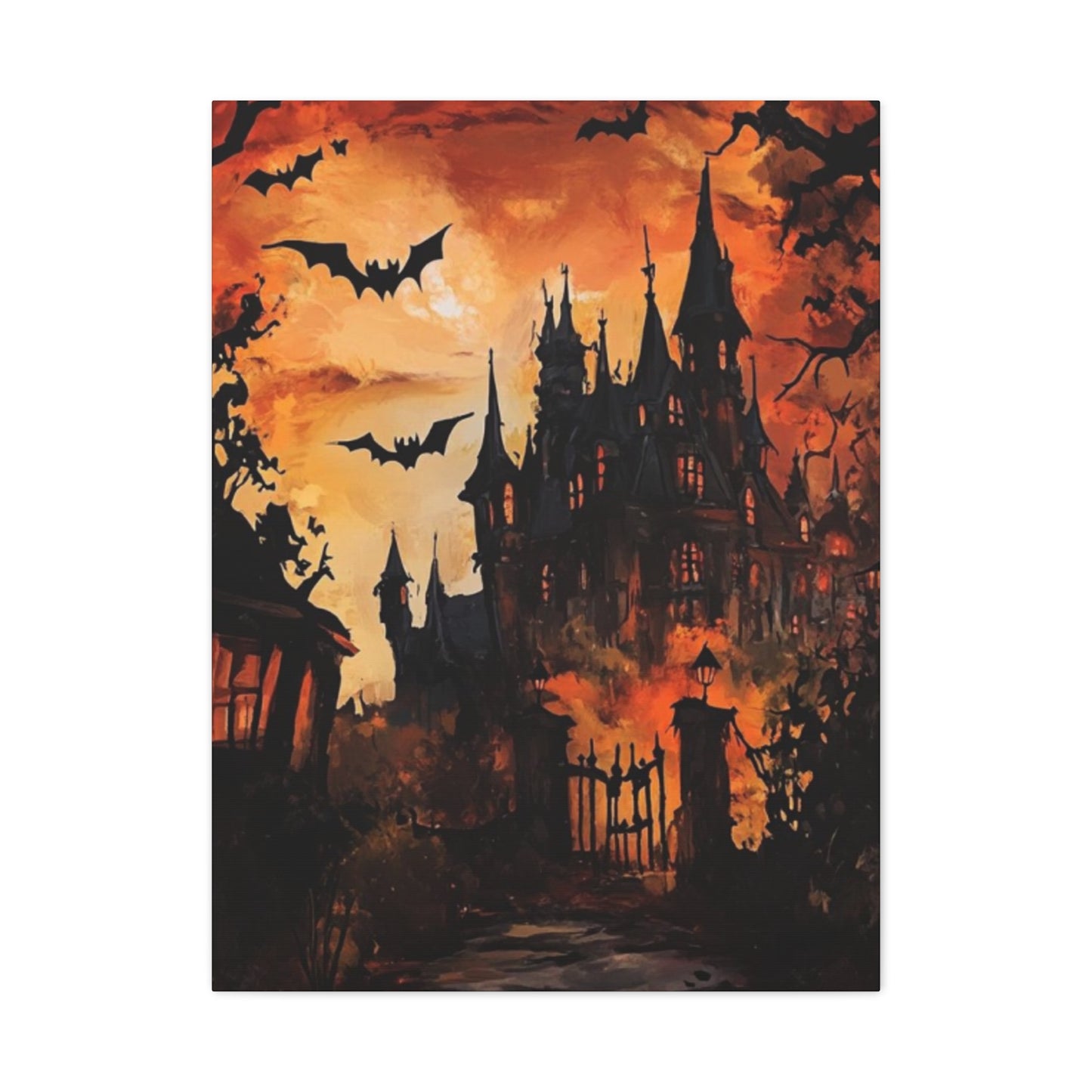
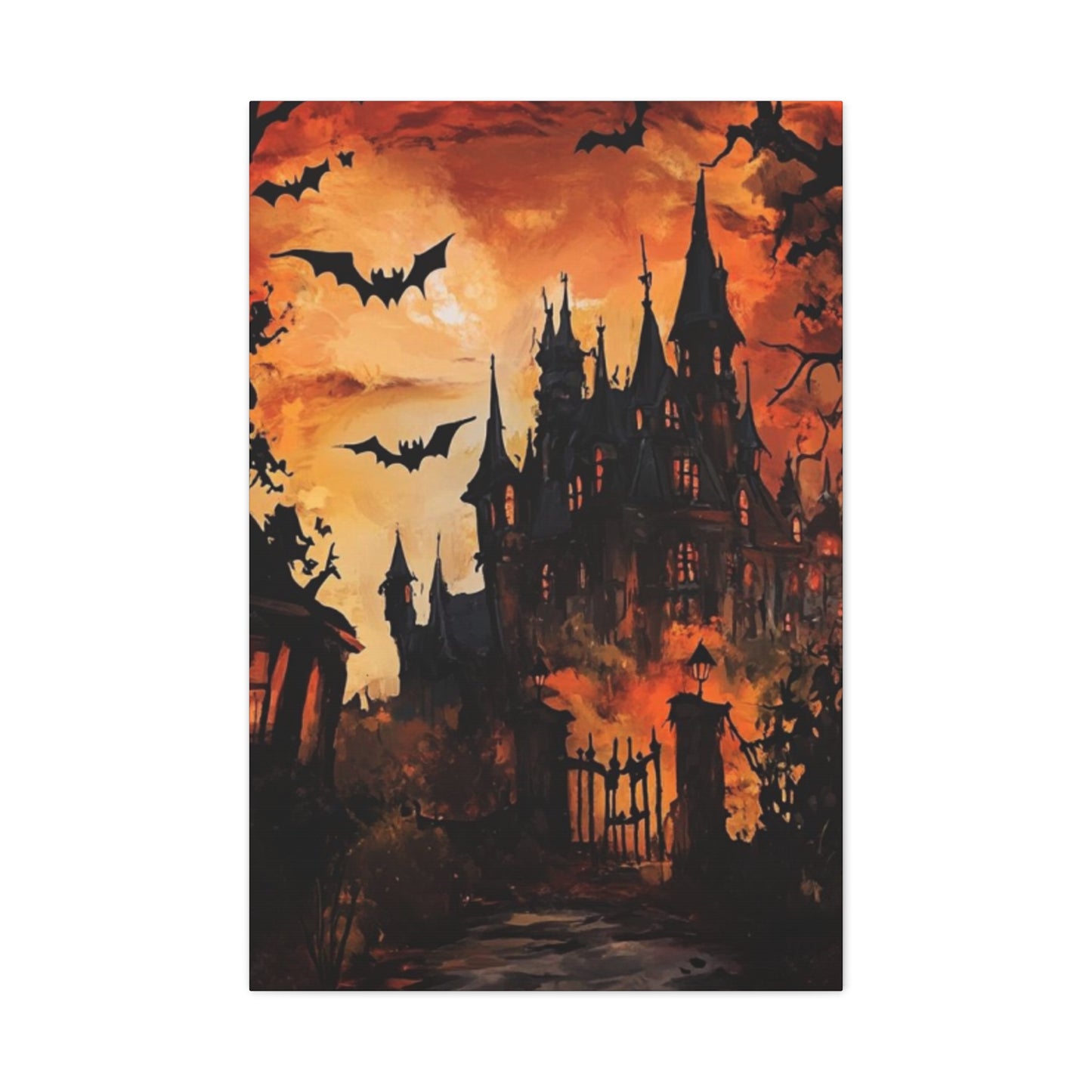
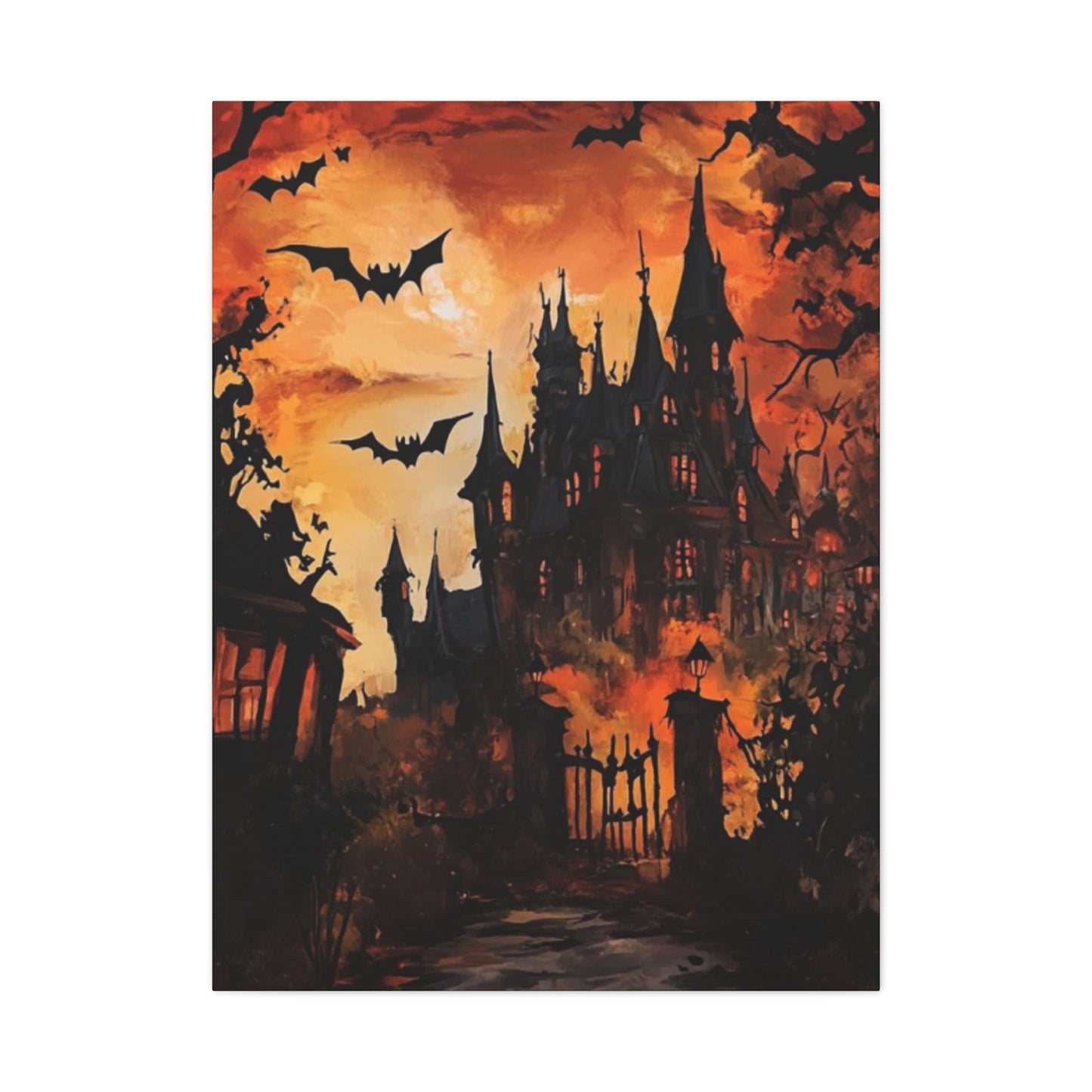
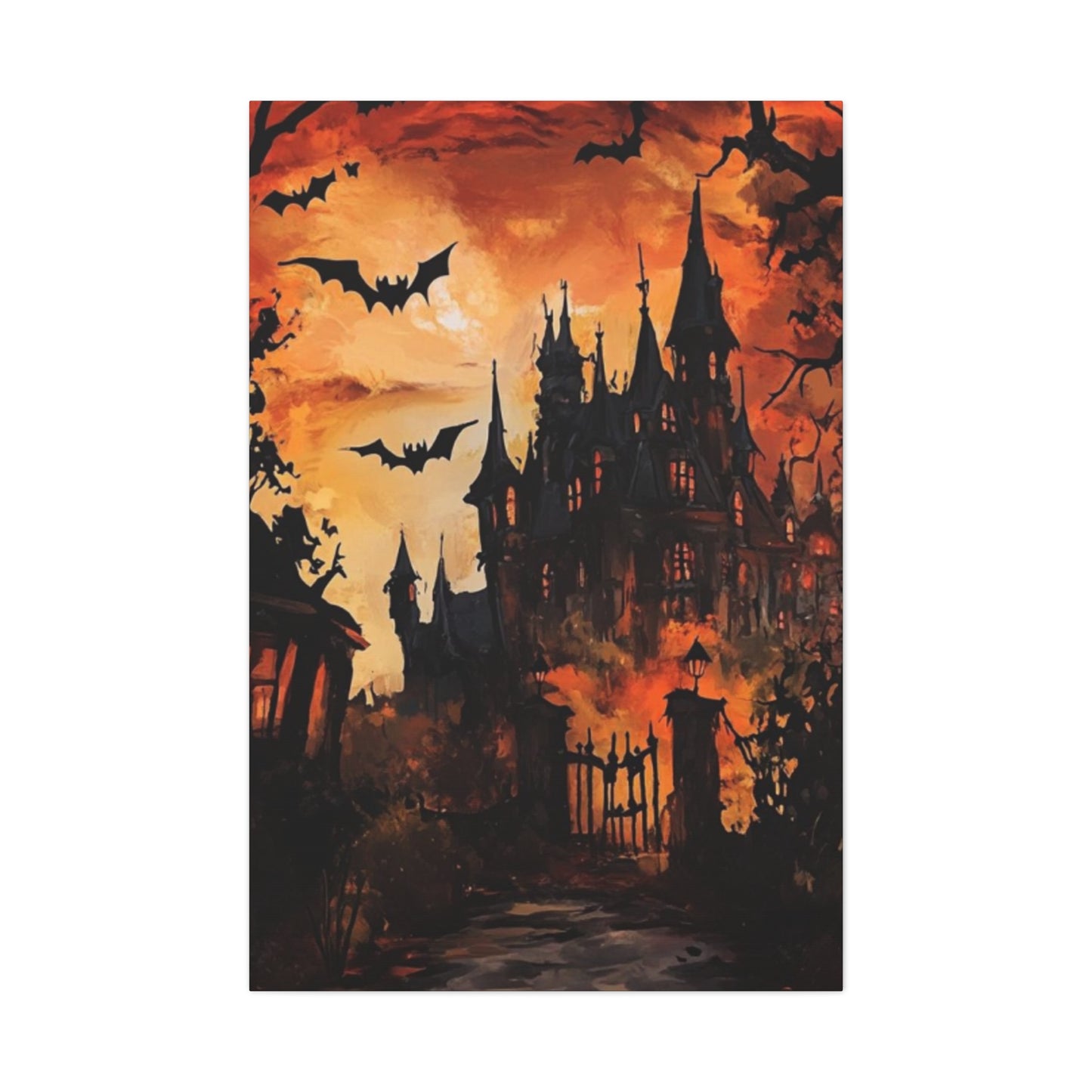
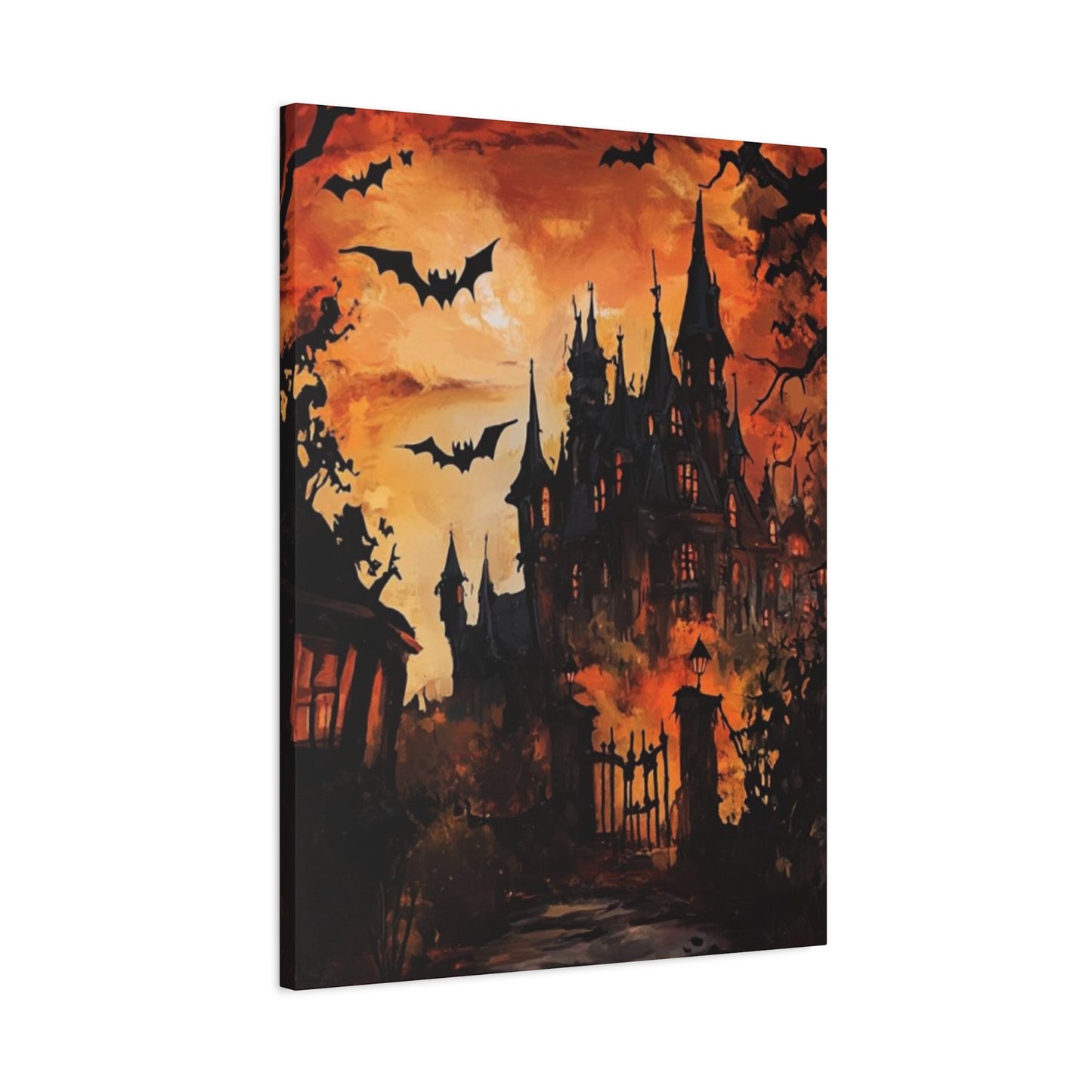
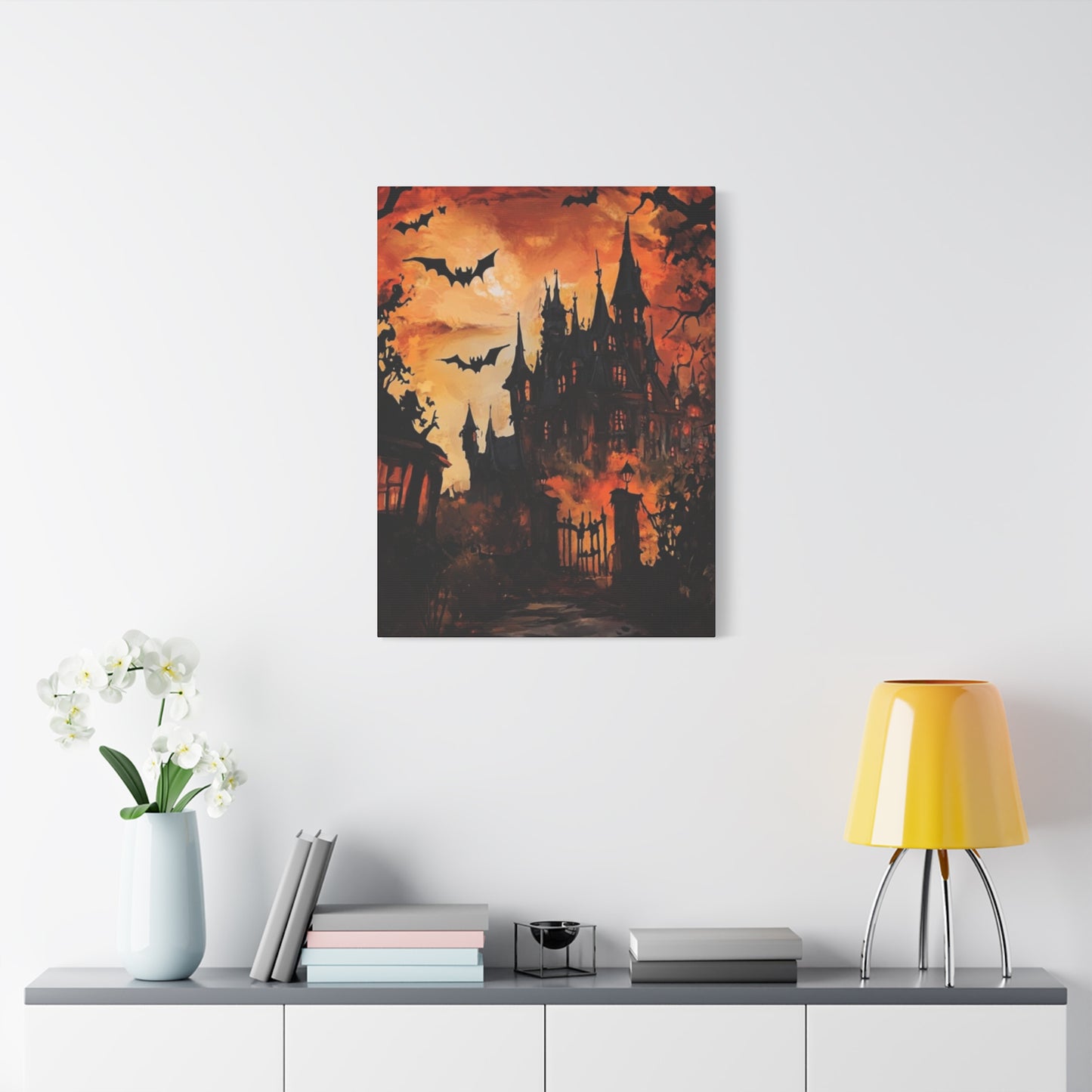
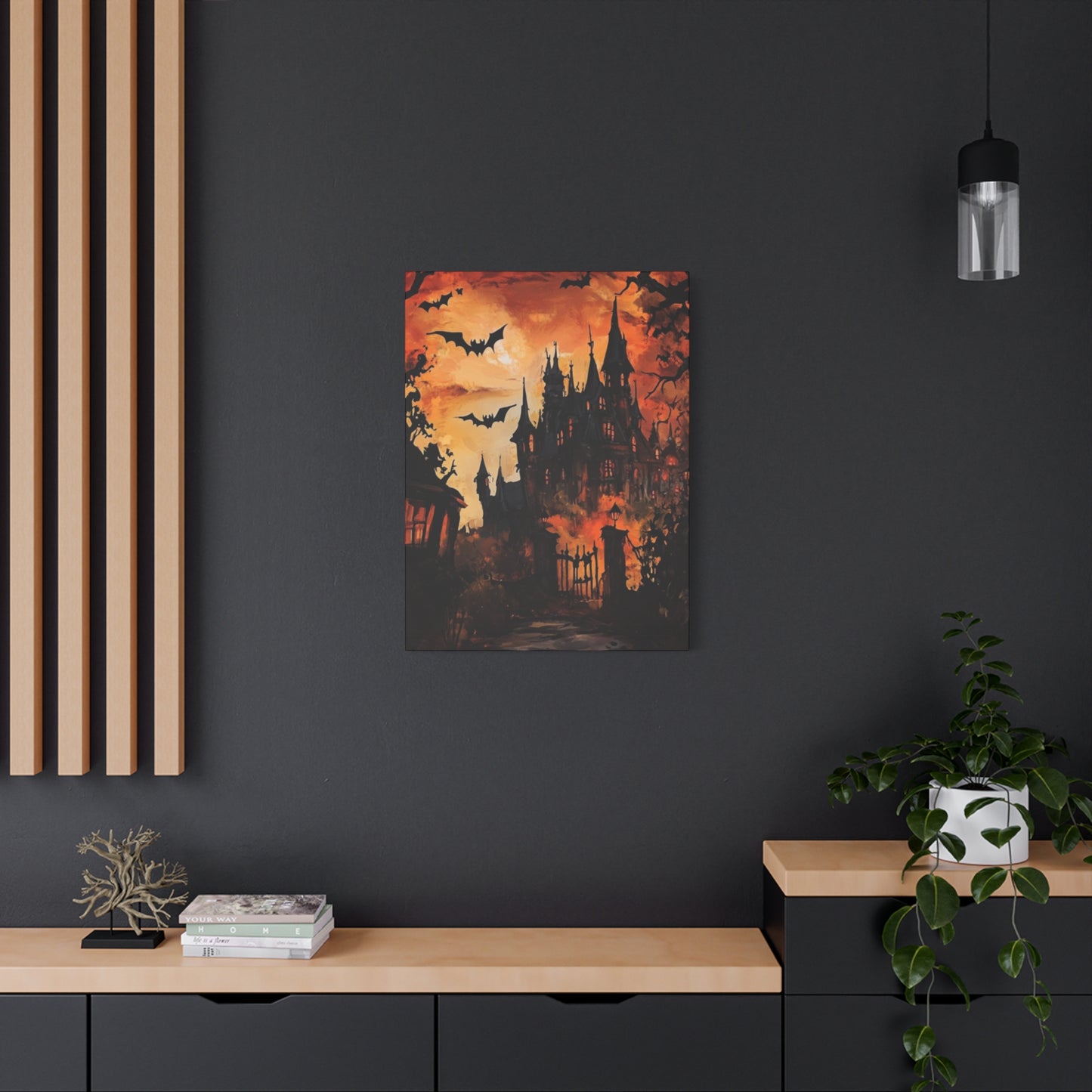
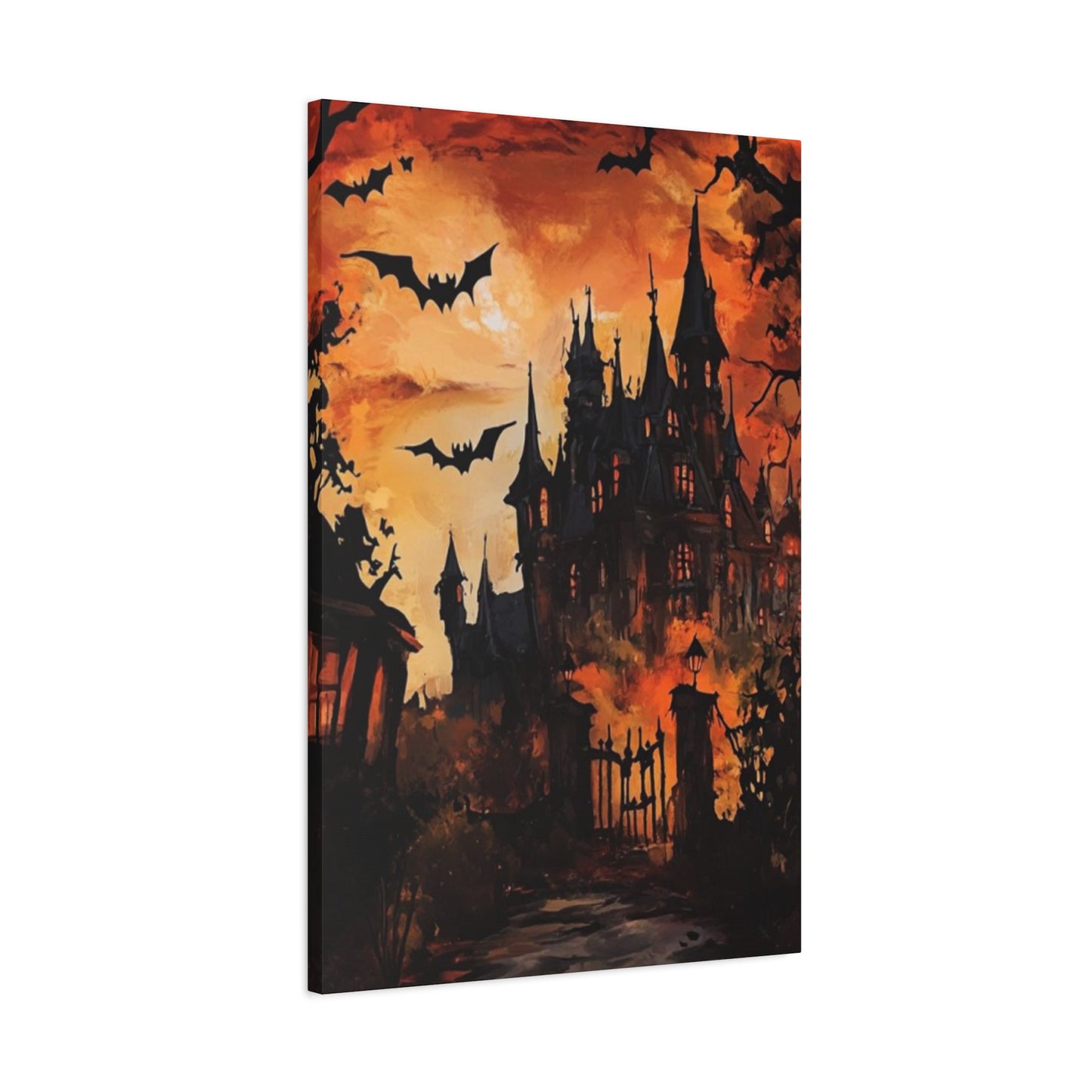
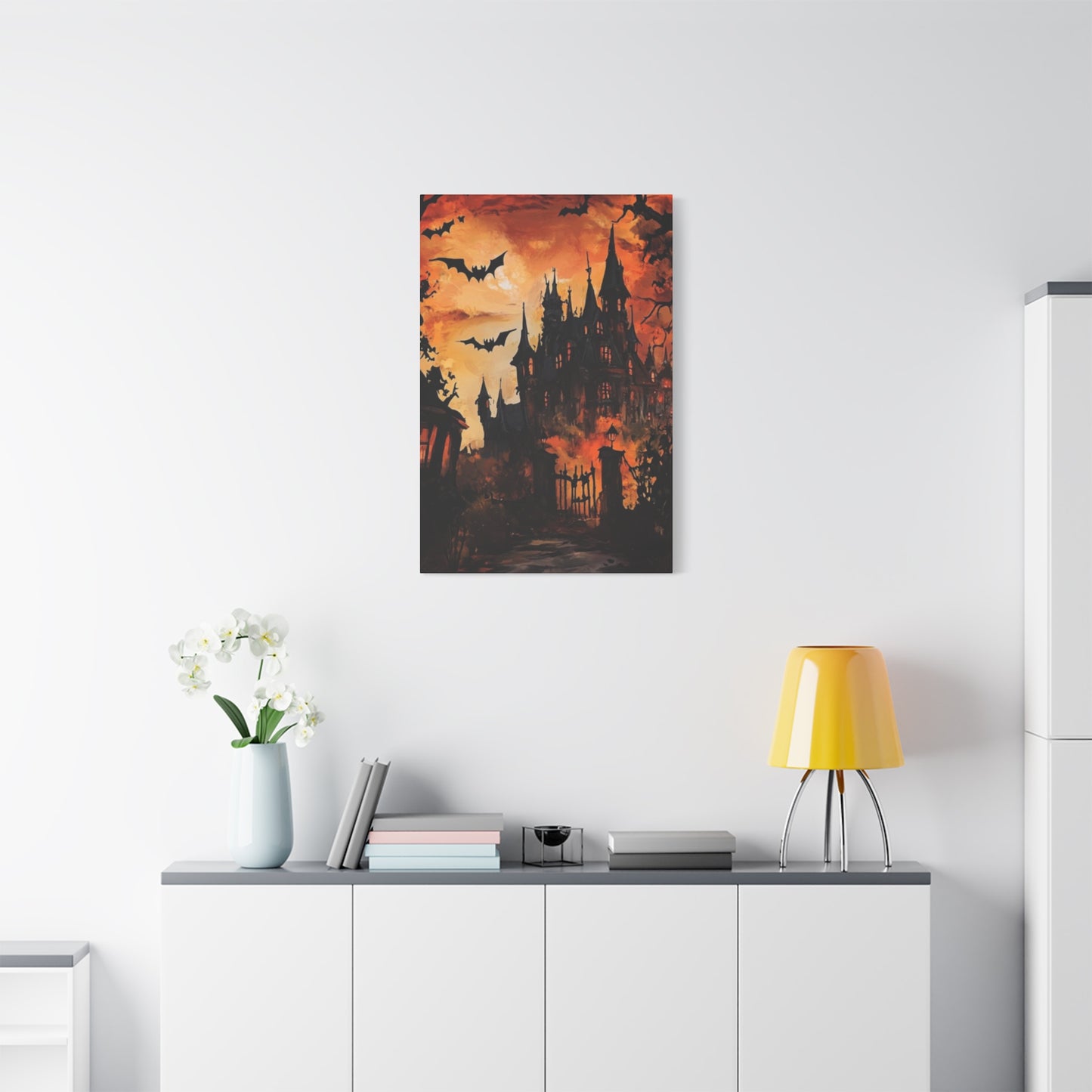
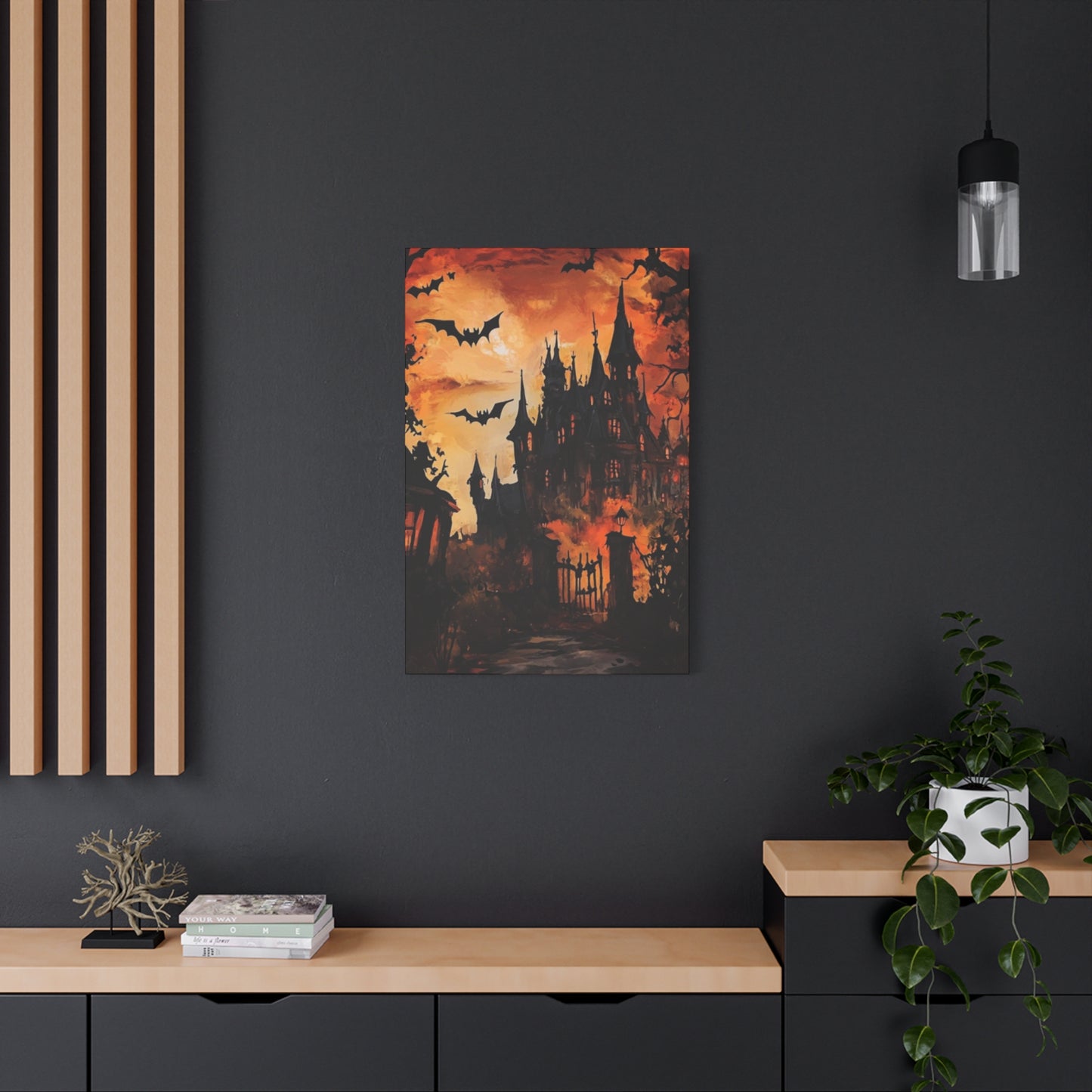
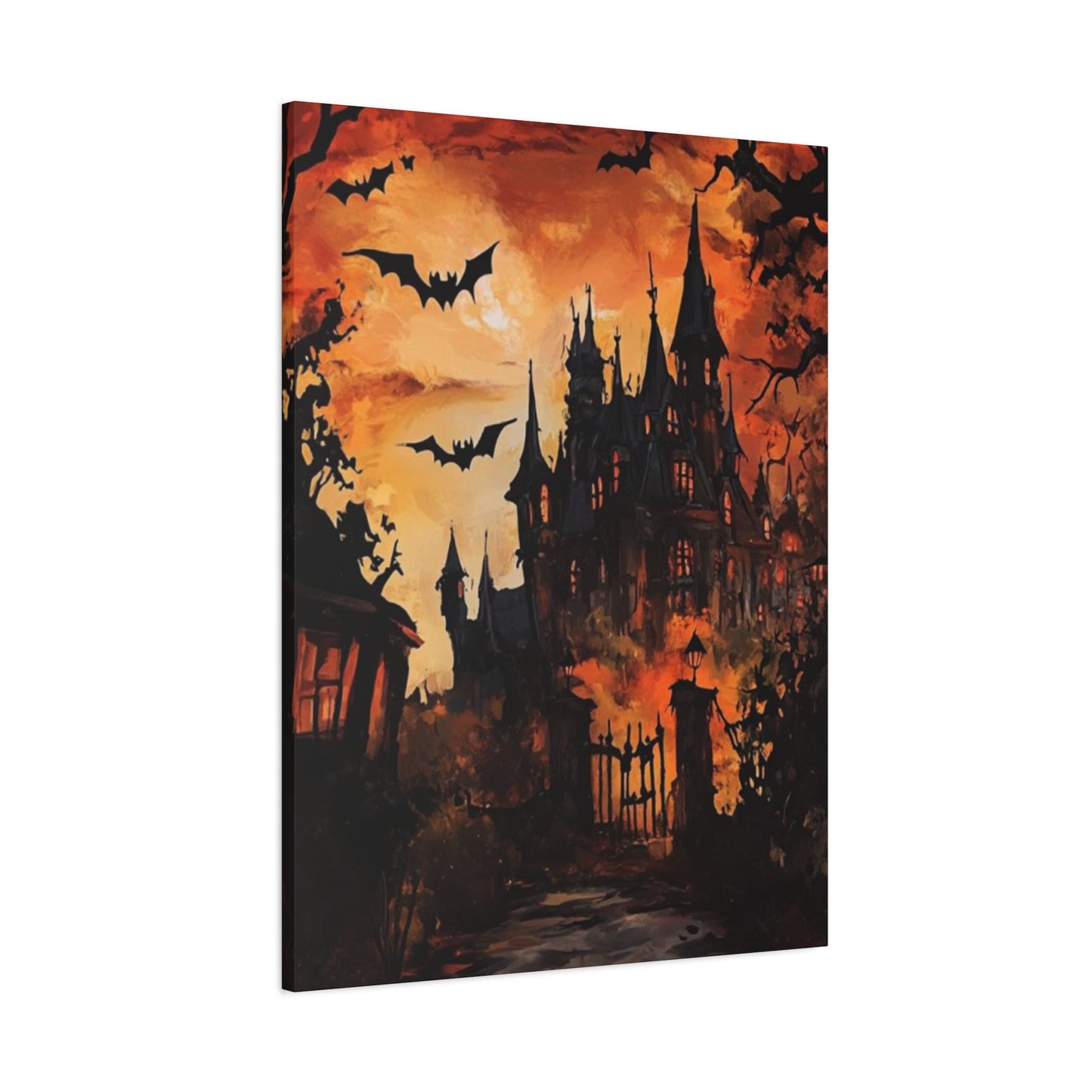
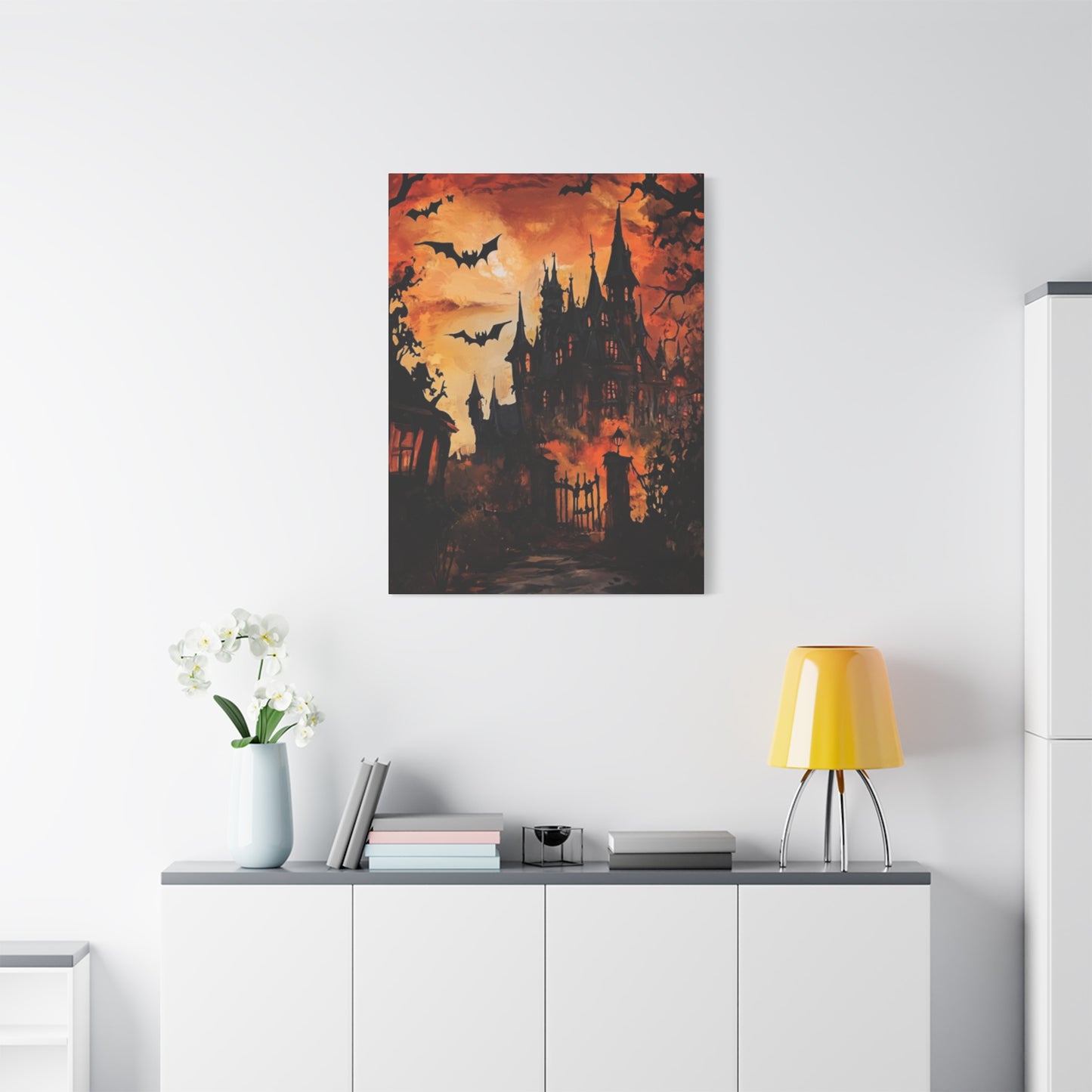
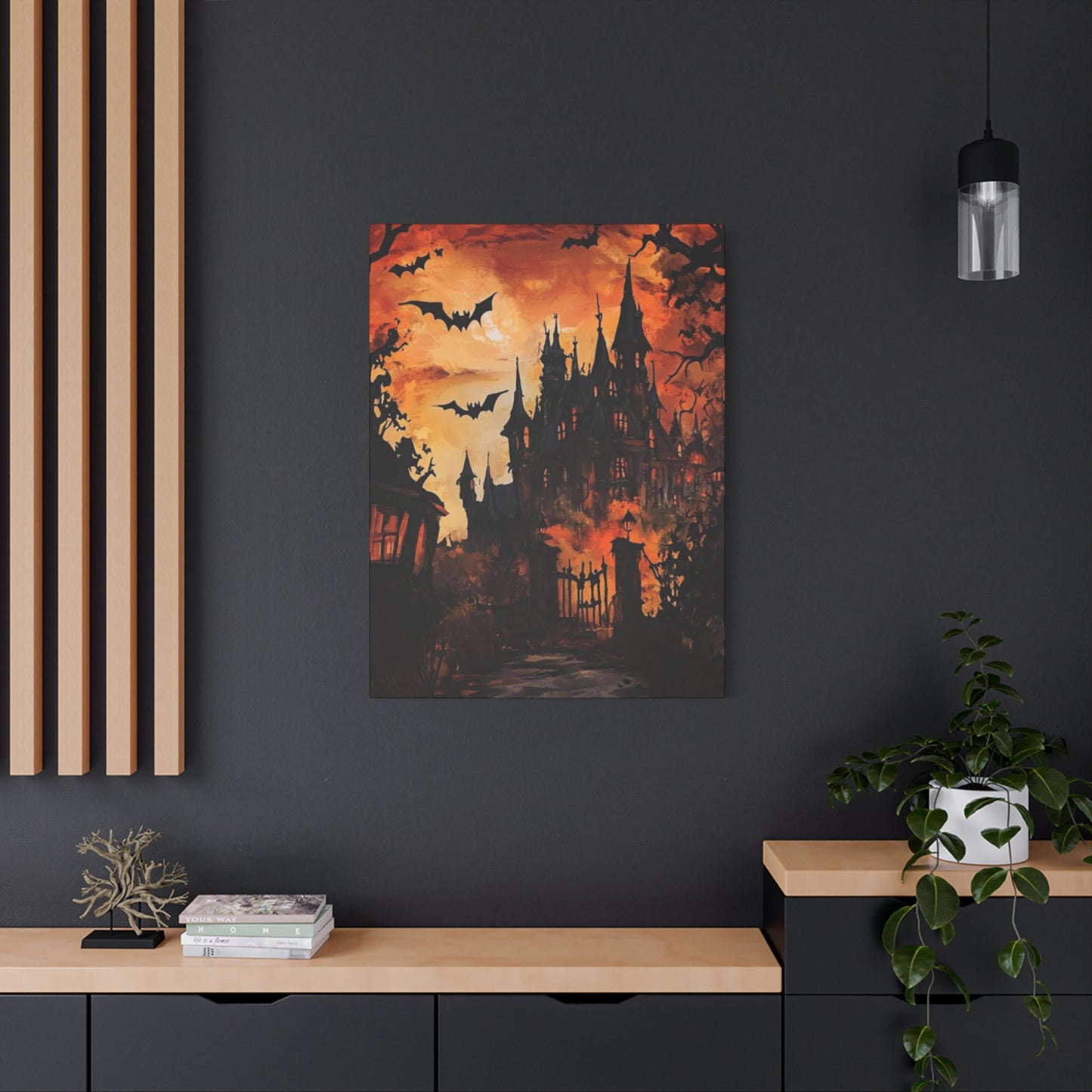
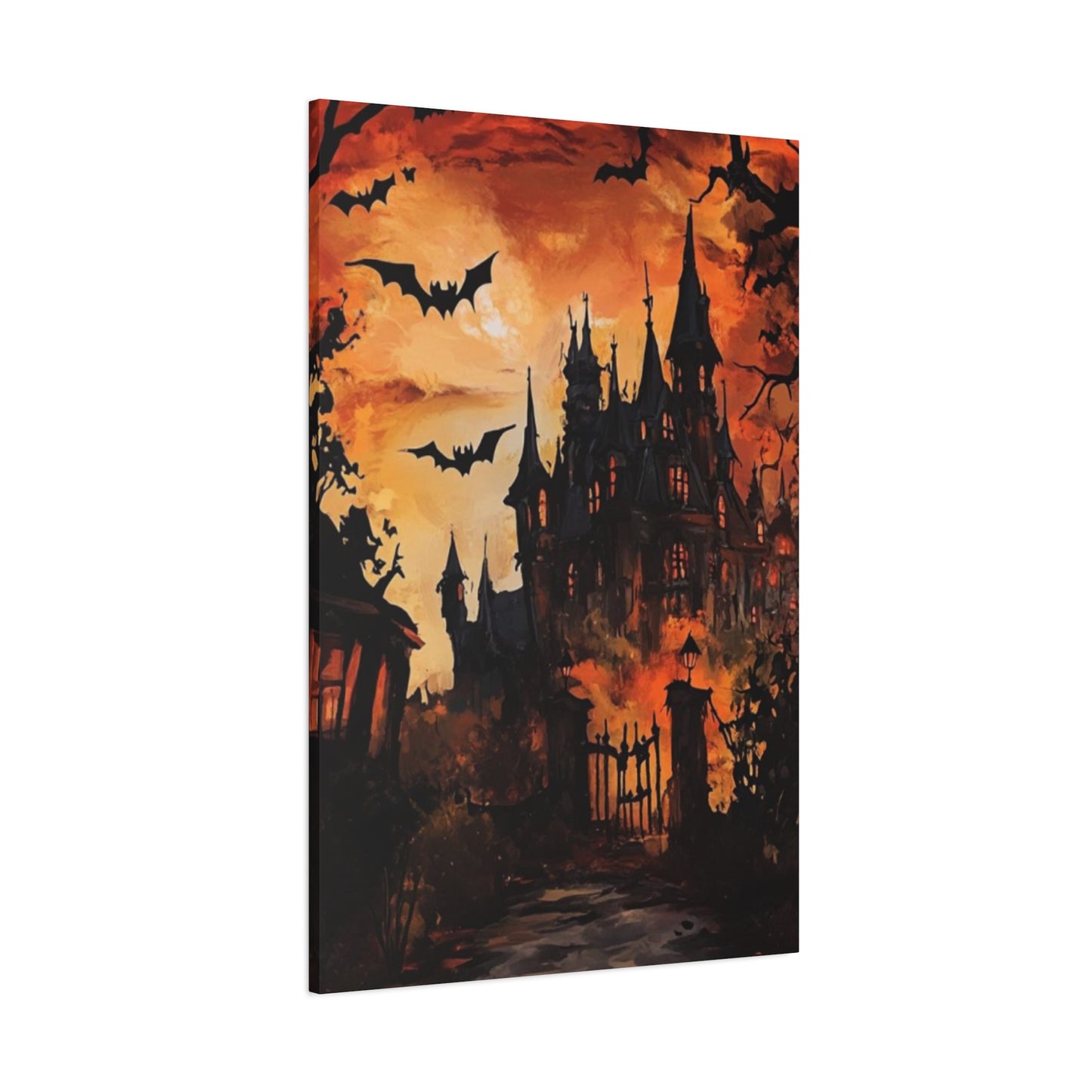
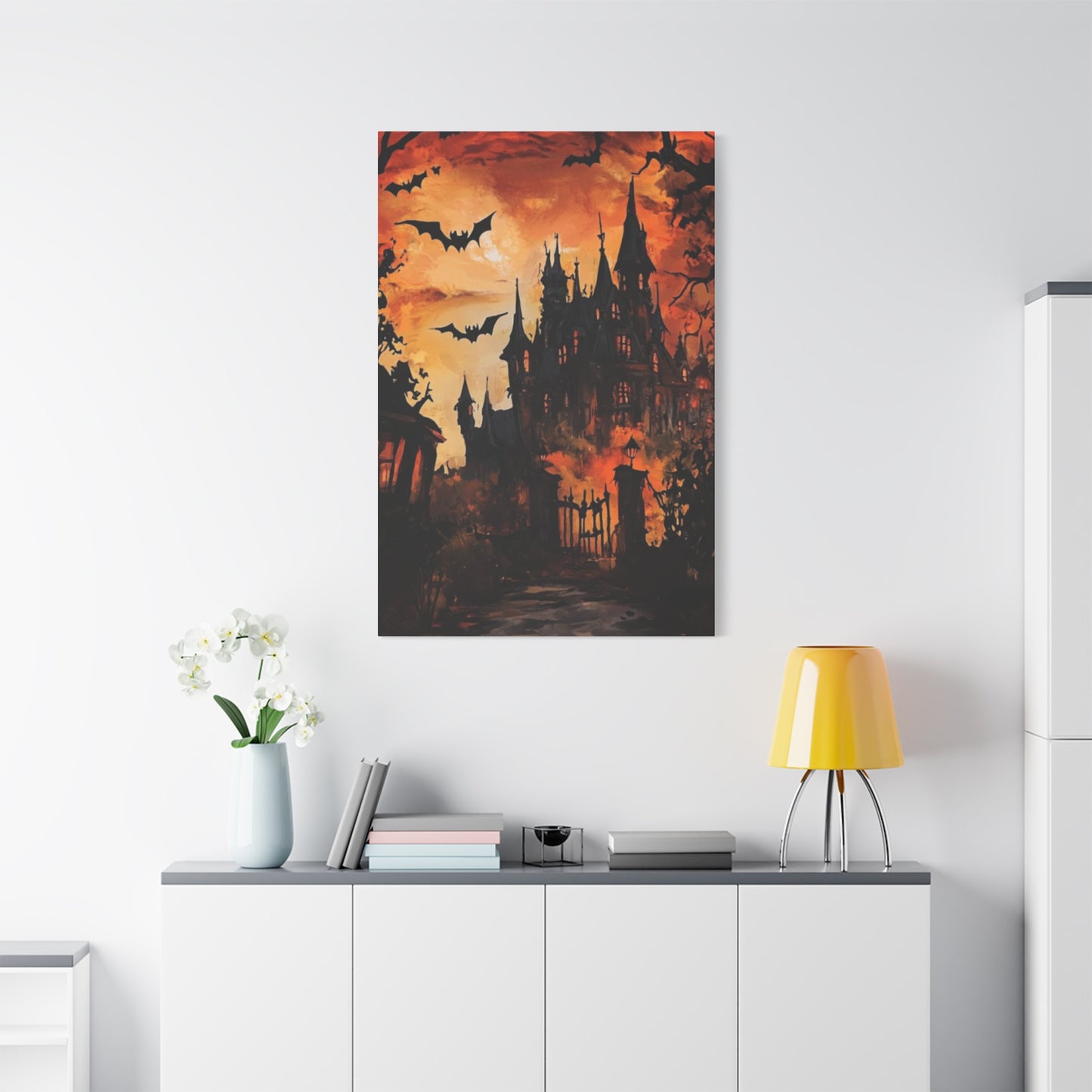
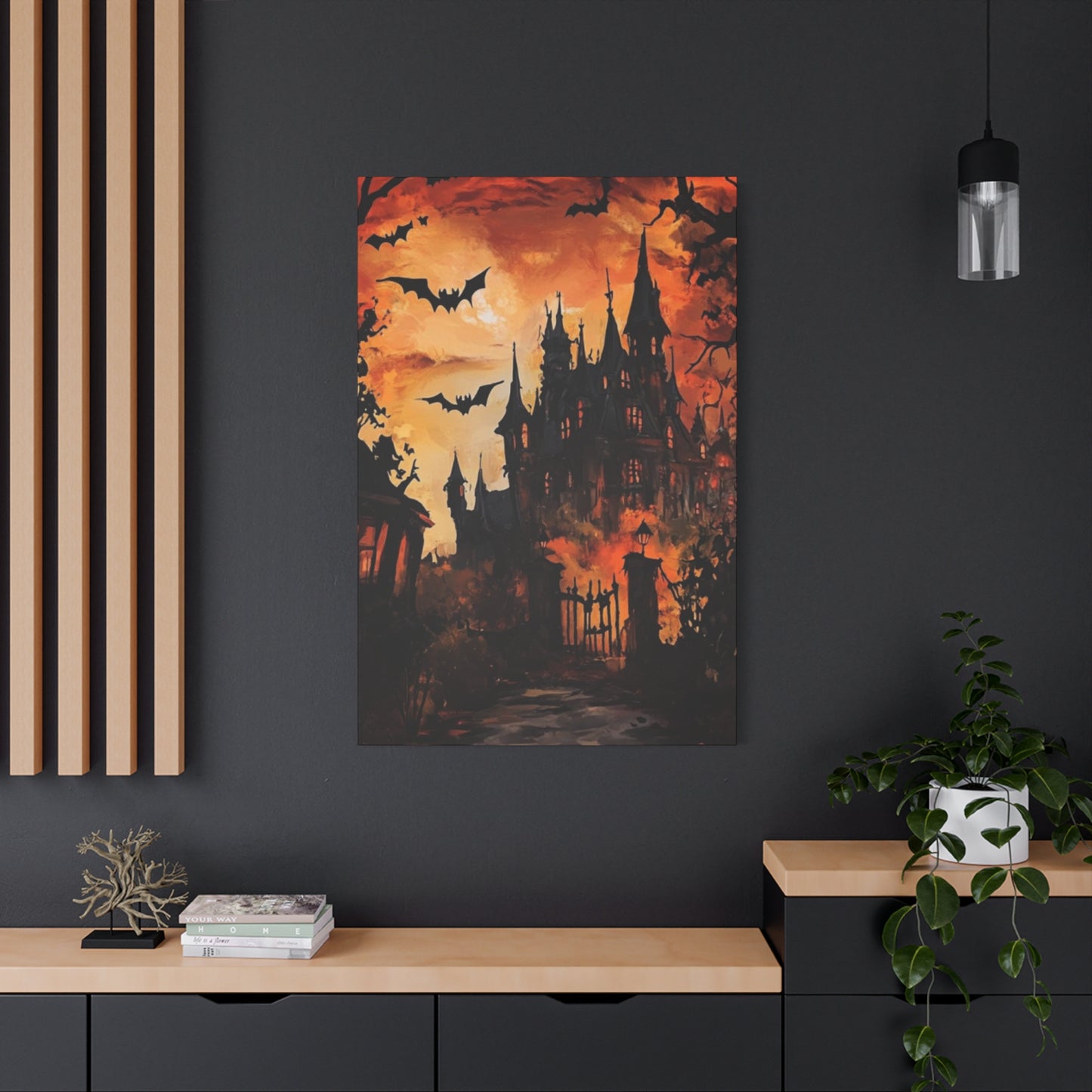
Halloween Mansion Wall Art & Canvas Prints
Halloween Mansion Wall Art & Canvas Prints
Couldn't load pickup availability
Discovering the Enchanting World of Halloween Mansion Wall Art: Your Journey Into Spooky Home Decor Excellence
The realm of seasonal interior design has witnessed a remarkable surge in the popularity of Halloween mansion wall art, transforming ordinary living spaces into captivating haunted retreats. This distinctive form of decorative expression allows homeowners to embrace the mysterious allure of Gothic architecture, spectral imagery, and eerie aesthetics that define the Halloween season. Unlike conventional holiday decorations that often rely on repetitive motifs, Halloween mansion wall art offers a sophisticated approach to celebrating this beloved autumnal tradition.
Why Halloween Mansion Wall Art Has Become Essential for Modern Home Styling
The contemporary home decorator seeks more than temporary festive embellishments. Today's discerning individuals desire pieces that reflect their personality while creating atmospheric environments that captivate visitors and residents alike. Halloween mansion wall art fulfills this requirement by offering versatile designs ranging from Victorian haunted estates to abandoned Gothic structures, each telling its own mysterious tale through visual storytelling.
This particular genre of decorative artwork transcends simple seasonal ornamentation. The intricate details found within quality pieces showcase architectural elements such as turrets, broken windows, overgrown vegetation, and moonlit silhouettes that evoke feelings of nostalgia mixed with supernatural wonder. These compositions often feature shadowy figures peering from darkened windows, gnarled trees reaching toward ominous skies, and fog-shrouded pathways leading to foreboding entrances.
The psychological impact of incorporating such imagery into residential spaces cannot be understated. Human beings possess an innate fascination with the macabre and mysterious, a trait that has persisted throughout cultural evolution. Halloween mansion wall art taps into this primal interest while maintaining aesthetic sophistication that prevents spaces from appearing juvenile or overly theatrical.
The Artistic Evolution of Spooky Architectural Imagery in Home Decoration
The journey of haunted house imagery from folklore illustrations to modern wall art represents a fascinating cultural transformation. Early depictions of sinister dwellings appeared in Gothic literature illustrations during the Victorian era, where artists like Gustave Doré and Arthur Rackham created atmospheric renderings that influenced generations of creators. These foundational works established visual conventions that contemporary Halloween mansion wall art continues to reference and reimagine.
Throughout the twentieth century, horror cinema significantly impacted how audiences visualized frightening residences. Classic films introduced iconic architectural styles that became synonymous with supernatural occurrences, from the Bates Motel to Hill House. These cinematic representations created a shared visual language that artists now incorporate into decorative pieces, allowing immediate recognition and emotional response from viewers.
The digital revolution has democratized artistic creation, enabling countless creators to produce Halloween mansion wall art that ranges from photorealistic renderings to abstract interpretations. This accessibility has resulted in an explosion of stylistic diversity, ensuring that collectors can find pieces perfectly suited to their individual preferences and existing décor schemes.
Exploring the Diverse Styles Within Halloween Mansion Wall Art Collections
The marketplace for spooky residential imagery offers remarkable variety, accommodating every aesthetic preference from minimalist line drawings to elaborate oil painting reproductions. Understanding these distinct categories helps consumers make informed decisions when curating their seasonal collections.
Vintage-inspired Halloween mansion wall art draws heavily from antique postcards, Victorian illustrations, and early twentieth-century advertising materials. These pieces typically feature muted color palettes dominated by sepia tones, faded oranges, and aged blacks that simulate weathered paper. The imagery often includes text elements styled in period-appropriate typography, creating nostalgia for bygone eras when Halloween celebrations possessed different cultural characteristics.
Contemporary realistic renderings utilize digital painting methods or high-resolution photography to create convincing depictions of actual or imagined structures. These works often showcase remarkable attention to architectural detail, accurately portraying elements like weathered wood siding, crumbling masonry, and oxidized metal fixtures. Lighting plays a crucial role in these compositions, with artists carefully manipulating shadows and highlights to enhance the ominous atmosphere.
Abstract interpretations of haunted residences appeal to those seeking more artistic flexibility in their décor. These pieces might reduce mansion imagery to essential geometric shapes, employ unexpected color combinations like purple and teal, or incorporate mixed media elements such as collage and texture overlays. This approach allows Halloween mansion wall art to integrate seamlessly with modern or eclectic interior design schemes that might clash with more literal representations.
Gothic revival styles embrace the ornate architectural movements of the medieval period, featuring pointed arches, flying buttresses, elaborate tracery, and religious iconography repurposed for secular spooky imagery. These pieces often include gargoyles, ravens, skeletal figures, and other traditional symbols associated with mortality and the supernatural realm.
The Psychological Resonance Behind Our Attraction to Haunted House Imagery
Human fascination with frightening imagery serves several important purposes beyond simple entertainment. From an evolutionary perspective, safely experiencing fear through artistic representation allows individuals to process anxiety-inducing concepts without genuine danger. Halloween mansion wall art provides a controlled environment for exploring themes of mortality, abandonment, and the unknown that constitute fundamental human concerns.
The concept of "benign masochism" explains why people voluntarily seek experiences that combine discomfort with pleasure. Viewing haunted house imagery triggers mild fear responses while simultaneously confirming the viewer's safety, creating a pleasurable tension that many find psychologically satisfying. This phenomenon explains the enduring popularity of horror entertainment across various media formats.
Nostalgia also plays a significant role in the appeal of Halloween mansion wall art. Many adults associate October with cherished childhood memories of costume selection, candy collection, and seasonal festivities. Displaying artwork that evokes these recollections creates emotional connections to formative experiences, providing comfort through familiar imagery even when that imagery depicts unsettling subjects.
The liminal quality of abandoned structures resonates deeply within the human psyche. Places that once teemed with life but now stand empty occupy a transitional space between presence and absence, order and chaos, past and present. This ambiguity creates cognitive dissonance that artists exploit through their compositions, encouraging viewers to contemplate impermanence and transformation.
Material Considerations When Selecting Halloween Mansion Wall Art for Your Space
The physical composition of decorative pieces significantly impacts their visual effect, durability, and appropriate placement within residential environments. Understanding material properties enables informed purchasing decisions that maximize satisfaction and longevity.
Canvas prints represent the most popular format for Halloween mansion wall art, offering excellent color reproduction, texture variation, and affordability. Gallery-wrapped canvases that extend imagery around frame edges create a finished appearance without requiring additional framing, though traditional framed presentations remain popular for more formal settings. Premium canvas materials resist fading when properly displayed away from direct sunlight and maintain their appearance for decades with minimal intervention.
Metal prints have gained substantial popularity for their modern aesthetic and exceptional durability. The process of infusing dyes directly into specially coated aluminum panels creates vibrant colors with remarkable depth and luminosity. These pieces work particularly well for contemporary interpretations of Halloween mansion wall art, where the medium's inherent sheen complements sleek compositional approaches. Metal prints resist moisture damage and can be displayed in environments where traditional materials might deteriorate.
Wood panel prints offer rustic charm that naturally complements vintage-styled Halloween mansion wall art. The visible grain patterns add organic texture that enhances aged or weathered imagery, creating cohesive visual presentations. Various wood species provide different tonal characteristics, from pale birch to rich walnut, allowing customization based on existing furnishings and color schemes.
Paper prints remain relevant for those seeking affordability or planning temporary seasonal displays. Archival-quality papers using acid-free manufacturing processes resist yellowing and deterioration, ensuring that even inexpensive pieces maintain their appearance throughout multiple Halloween seasons. Proper framing with UV-protective glazing extends the lifespan of paper prints significantly while preventing environmental damage.
Textile wall hangings including tapestries and fabric panels provide unique textural qualities unavailable through other formats. These pieces introduce softness to spaces dominated by hard surfaces while offering practical advantages like easy storage and reduced weight for hanging purposes. Halloween mansion wall art rendered on fabric often features stylized or illustrative approaches that complement the medium's characteristics.
Size Selection Strategies for Maximum Visual Impact in Various Spaces
Determining appropriate dimensions for Halloween mansion wall art requires careful consideration of room proportions, viewing distances, and compositional balance within the broader decorating scheme. Common sizing mistakes diminish the impact of even exceptional imagery, while thoughtful placement creates focal points that enhance entire environments.
Statement pieces measuring forty-eight inches or larger work best in spacious areas with substantial wall expanses, such as living rooms, dining areas, or foyer entryways. These dramatic presentations command attention and establish the decorative theme for entire spaces. When utilizing oversized Halloween mansion wall art, ensure surrounding décor elements remain relatively subdued to prevent visual competition that creates chaotic rather than cohesive appearances.
Medium-sized pieces ranging from twenty-four to forty inches suit most residential applications, providing sufficient visual interest without overwhelming modest spaces. These dimensions work particularly well in bedrooms, home offices, and smaller gathering areas where intimate rather than dramatic atmospheres prove more appropriate. Multiple medium pieces can be arranged in gallery wall configurations to fill larger expanses while maintaining flexibility for rearrangement or replacement.
Small accent pieces measuring under twenty-four inches excel at filling specific gaps within broader decorative schemes or creating layered vignettes on shelving units and mantels. These compact Halloween mansion wall art selections allow for economical collection building and easy rotation between seasons or whenever aesthetic preferences shift.
The rule of thirds provides helpful guidance when determining size relative to furniture placement. Artwork positioned above sofas or buffets should occupy roughly two-thirds to three-quarters of the furniture width to create balanced visual relationships. Ignoring these proportional guidelines results in artwork appearing either lost within large spaces or cramped and oversized relative to surrounding elements.
Color Palette Selection and Its Impact on Atmospheric Mood Creation
The chromatic choices within Halloween mansion wall art profoundly influence the emotional tone established within decorated spaces. Understanding color psychology enables strategic selection that reinforces desired atmospheric qualities while maintaining harmony with existing interior design elements.
Traditional Halloween palettes dominated by orange, black, and purple create immediate seasonal recognition that clearly communicates festive intentions. These conventional combinations work especially well for families with young children or those who embrace overtly celebratory approaches to holiday decoration. However, predictable color schemes risk appearing generic or commercially derivative rather than personally curated.
Monochromatic approaches utilizing varying shades of single hues offer sophisticated alternatives that maintain spooky ambiance while demonstrating refined aesthetic sensibilities. Black and white Halloween mansion wall art provides timeless elegance that transcends seasonal limitations, allowing year-round display for those who appreciate Gothic imagery beyond October festivities. Sepia-toned compositions evoke vintage photography and antique illustrations, creating nostalgic connections to earlier eras.
Unexpected color combinations distinguish memorable installations from forgettable ones. Teal and rust pairings suggest aged copper oxidation and weathered patinas found on neglected structures. Deep burgundy and charcoal create moody sophistication that reads as macabre without relying on obvious Halloween signifiers. Sage green and cream combinations reference overgrown vegetation reclaiming abandoned properties while maintaining natural, organic feels.
Consideration of existing room colors prevents decorative dissonance that diminishes both permanent furnishings and seasonal additions. Halloween mansion wall art featuring dominant blues or greens integrates smoothly into spaces already utilizing these colors in upholstery, window treatments, or accent walls. Conversely, introducing entirely new color families creates intentional contrast that makes seasonal pieces stand out as special additions rather than permanent fixtures.
Strategic Placement Methods That Enhance Both Artwork and Living Spaces
Location determines visibility, lighting conditions, and contextual relationships with surrounding elements, all of which dramatically affect how Halloween mansion wall art functions within residential environments. Thoughtful placement transforms individual pieces into integral components of cohesive decorative schemes.
Entryways establish first impressions for visitors and residents returning home, making them prime locations for statement Halloween mansion wall art that announces seasonal celebrations. Positioning artwork directly opposite entry doors ensures immediate visibility upon crossing the threshold, creating dramatic welcomes that set expectations for the entire dwelling. Adequate lighting in these transitional spaces prevents artwork from disappearing into shadows despite its intentionally dark subject matter.
Living room focal walls naturally draw attention and provide ideal canvases for significant Halloween mansion wall art installations. Spaces above fireplaces, behind primary seating arrangements, or on walls facing main entrances offer high-visibility locations where artwork receives appropriate attention. Balancing these focal pieces with complementary smaller works prevents isolated artwork from appearing disconnected from the broader room composition.
Dining areas benefit from Halloween mansion wall art that creates atmospheric dining experiences without overwhelming the space or distracting from social interactions. Pieces positioned to be visible from seated positions maintain presence throughout meals while avoiding direct sightlines that might prove too intense during extended gatherings. Dimmable lighting allows adjustment of mood intensity appropriate to different occasions.
Bedroom installations of Halloween mansion wall art cater to personal preferences free from visitor opinions or child sensitivities that might constrain public space selections. Adults who genuinely appreciate darker aesthetics can indulge these inclinations in private quarters, selecting imagery that might prove too intense for common areas. Positioning artwork opposite beds rather than directly overhead prevents the disorienting experience of waking to immediately confronting intense imagery.
Stairwell walls and hallways present opportunities for narrative sequences where multiple Halloween mansion wall art pieces tell progressive stories as viewers move through spaces. Arranging images to show increasingly deteriorated structures or approaching perspectives creates engaging visual journeys that reward exploration. These transitional areas also accommodate narrower or vertically oriented pieces that might prove challenging to place elsewhere.
Building Cohesive Gallery Wall Arrangements Featuring Haunted House Themes
Curated collections of multiple Halloween mansion wall art pieces create greater visual impact than single isolated works while allowing expression of diverse artistic interpretations within a unified theme. Successful gallery walls balance variety with coherence, preventing chaotic appearances that dilute individual pieces' effectiveness.
Frame consistency provides the simplest path to cohesion when combining pieces of varying sizes, styles, or artistic approaches. Uniform frame colors, widths, and finishes create visual continuity that allows diverse imagery to coexist harmoniously. Black frames naturally complement most Halloween mansion wall art while reinforcing the genre's darker aesthetic associations. Weathered wood or metallic frames suit vintage-styled pieces, adding to the aged atmosphere these works cultivate.
Color story development ensures that collected pieces share chromatic relationships even when depicting different subjects or employing varying artistic styles. Selecting works that all incorporate particular accent colors or limiting the overall palette to complementary families creates subtle connections that unify disparate elements. This approach allows mixing photographic realism with illustrated interpretations or abstract treatments without creating disjointed appearances.
Scale progression from larger central pieces to smaller surrounding works establishes clear hierarchies that guide viewer attention through intended sequences. Positioning the most visually striking Halloween mansion wall art at eye level in central locations ensures these pieces anchor the entire arrangement, with secondary works supporting rather than competing with primary focal points.
Geometric layout planning prevents haphazard arrangements that appear accidentally assembled rather than intentionally designed. Measuring and marking intended positions before hanging prevents frustrating adjustments and wall damage from repeated repositioning. Creating paper templates matching actual frame dimensions allows experimentation with various configurations until achieving optimal balance and spacing.
Thematic progression within gallery walls tells visual stories that reward extended viewing and contemplation. Arranging Halloween mansion wall art to show seasonal progression from autumn beauty to winter desolation, architectural decay from pristine to ruined, or supernatural manifestation from subtle to overt creates narrative engagement beyond individual pieces' merits.
Illumination Strategies That Showcase Halloween Mansion Wall Art Effectively
Lighting profoundly influences how artwork appears and how effectively it establishes desired atmospheric qualities within spaces. Strategic illumination enhances dimensional depth, color saturation, and dramatic impact while poor lighting diminishes even exceptional pieces.
Picture lights mounted directly above individual Halloween mansion wall art pieces provide focused illumination that creates gallery-quality presentations. LED versions offer energy efficiency and heat reduction compared to traditional incandescent options, protecting artwork from thermal damage during extended operation. Adjustable arms allow precise positioning to eliminate glare while ensuring even coverage across entire compositions.
Track lighting systems provide flexible solutions for illuminating multiple pieces or accommodating seasonal rotation of displayed items. Directional heads aim light precisely where needed while maintaining unobtrusive profiles that avoid competing visually with artwork. Dimming capabilities allow atmospheric adjustment appropriate to different occasions, from bright daytime viewing to moody evening ambiance.
Accent lighting positioned to graze wall surfaces from below or beside Halloween mansion wall art creates dramatic shadows and highlights that enhance dimensional perception and textural details. This theatrical approach works particularly well for pieces with significant relief or three-dimensional elements that benefit from directional illumination revealing surface variations.
Natural lighting requires careful management to prevent damage while utilizing its appealing qualities. Direct sunlight causes fading, discoloration, and material degradation over time, making UV-filtering window treatments essential for artwork positioned near windows. North-facing exposures provide diffused natural light without intense direct sun that damages sensitive materials.
Ambient lighting establishes overall room brightness while allowing artwork to maintain presence without requiring dedicated illumination. Layered lighting schemes combining overhead fixtures, table lamps, and floor lamps create flexible environments where Halloween mansion wall art remains visible and impactful under various conditions and usage patterns.
Preserving Your Halloween Mansion Wall Art Investment Through Proper Care
Quality decorative pieces represent financial investments deserving protection through appropriate handling, cleaning, and storage practices that extend useful lifespans and maintain visual appeal throughout many seasonal rotations.
Regular dusting prevents particulate accumulation that dulls colors and textures over time. Microfiber cloths gently remove surface dust without scratching delicate finishes or depositing lint residue. Avoiding chemical cleaners unless specifically recommended for particular materials prevents unintended reactions that may cause discoloration or finish deterioration. For glass-protected pieces, standard glass cleaning solutions applied to cloths rather than sprayed directly onto surfaces prevent moisture infiltration around frame edges.
Humidity control protects organic materials like canvas, paper, and wood from warping, mildew growth, and adhesive failures. Maintaining relative humidity between forty and sixty percent creates stable environments that minimize expansion and contraction cycles causing physical stress to materials and mounting systems. Dehumidifiers in damp climates and humidifiers in arid regions stabilize conditions that extend artwork longevity.
Temperature stability prevents thermal stress that causes materials to expand and contract at different rates, potentially leading to paint cracking, canvas loosening, or frame joint failures. Avoiding placement near heating vents, radiators, or air conditioning returns prevents exposure to extreme temperature fluctuations that accelerate deterioration processes.
Proper storage between display periods maintains condition while minimizing required space. Wrapping Halloween mansion wall art in acid-free tissue paper or bubble wrap protects surfaces from scratches and impacts during handling. Storing pieces vertically rather than stacked horizontally prevents pressure damage to frames and canvases while facilitating easier access when retrieval time arrives. Climate-controlled storage areas prevent environmental damage during off-season periods.
Professional cleaning and restoration services address problems beyond typical homeowner capabilities. Conservators possess specialized knowledge, materials, and equipment for treating damaged artwork, from repairing torn canvases to stabilizing flaking paint or treating mold contamination. Consulting professionals for valuable or sentimentally irreplaceable pieces ensures appropriate care that preserves both monetary and emotional value.
Creating Your Own Custom Halloween Mansion Wall Art Through DIY Methods
Crafting personalized spooky residential imagery offers creative satisfaction while producing truly unique pieces perfectly suited to individual tastes and specific decorative requirements. Various approaches accommodate different skill levels and available resources, from beginner-friendly projects to ambitious undertakings requiring substantial time commitments.
Photography expeditions to abandoned or historic structures provide source material for custom Halloween mansion wall art reflecting local architectural heritage. Seeking out genuinely deteriorating buildings, Victorian-era residences, or structures with Gothic design elements creates authentic imagery unavailable through commercial channels. Editing photographs with increased contrast, desaturated colors, or vintage filters transforms ordinary architectural photography into atmospheric Halloween décor.
Digital painting and illustration using software like Procreate, Photoshop, or free alternatives like GIMP enables complete creative control over every compositional element. Even those without traditional drawing skills can create compelling Halloween mansion wall art by combining photographic elements, texture overlays, and digital brushwork into cohesive compositions. Numerous online courses and video tutorials teach the specific skills required for this type of digital artistry.
Mixed media assemblages incorporating found objects, vintage papers, fabric scraps, and traditional drawing or painting techniques produce textural richness impossible to achieve through single-medium approaches. Creating dimensional pieces featuring actual architectural salvage elements like antique keys, doorknobs, or window hardware establishes tangible connections to the deteriorating structures depicted in Halloween mansion wall art.
Printmaking techniques including block printing, screen printing, or monotype processes create artwork with distinctive handcrafted qualities that differentiate them from mass-produced alternatives. These methods allow production of multiple similar but individually unique pieces, ideal for creating cohesive series or sharing creations with friends and family members who appreciate custom artwork.
Collage construction using vintage book pages, antique postcards, sheet music, and other ephemera creates layered compositions rich with historical references and textural interest. Incorporating text fragments, partial images, and decorative elements builds complex visual narratives within Halloween mansion wall art that reward close examination and repeated viewing.
Discovering Quality Halloween Mansion Wall Art From Various Sources
The marketplace for spooky residential imagery spans numerous retail channels, each offering distinct advantages regarding selection variety, price points, customization options, and quality standards. Understanding these different sources enables informed shopping that balances budgetary constraints with desired outcomes.
Online marketplaces connecting independent artists directly with consumers provide access to unique Halloween mansion wall art unavailable through traditional retail channels. These platforms showcase diverse artistic voices and stylistic approaches while supporting individual creators rather than corporate entities. Customer reviews and artist portfolios facilitate quality assessment before purchasing, though inability to view pieces in person before commitment represents a potential drawback.
Print-on-demand services allow selection from vast libraries of designs available for printing in various sizes and formats according to customer specifications. These platforms offer affordability and convenience through streamlined ordering processes and direct shipping, though image quality and material durability sometimes fall short of premium offerings from specialized fine art printers.
Home goods retailers stock seasonally appropriate Halloween mansion wall art during autumn months, providing immediate availability and physical inspection before purchase. This convenience comes at the cost of limited selection dominated by commercially safe designs that may lack the distinctive character found through independent sources.
Antique shops and vintage markets occasionally yield authentic period pieces including lithographs, engravings, and illustrated book pages featuring Gothic architectural imagery suitable for repurposing as Halloween mansion wall art. These genuine artifacts possess historical significance and authentic aging that cannot be replicated, though availability proves unpredictable and condition may require professional restoration.
Local art fairs and craft markets showcase regional artists whose work reflects community character and personal creative visions. Purchasing from these venues supports local cultural ecosystems while enabling direct conversation with creators about their artistic processes, inspirations, and customization possibilities.
Commission arrangements with specific artists produce completely personalized Halloween mansion wall art designed explicitly for particular spaces and aesthetic preferences. This approach requires larger financial investments and extended production timelines but delivers singular pieces reflecting collaborative creative processes between artist and patron.
Incorporating Halloween Mansion Wall Art Within Broader Seasonal Decorating Schemes
Isolated artwork, regardless of quality, creates limited impact compared to pieces functioning as integral components within comprehensive decorative visions. Coordinating Halloween mansion wall art with complementary elements throughout spaces amplifies atmospheric effects and demonstrates intentional design thinking.
Textile selections including throw pillows, blankets, table runners, and window treatments establish color connections between wall art and three-dimensional space. Choosing fabrics incorporating similar hues, patterns suggesting architectural elements like brickwork or wrought iron, or textures evoking aged materials creates cohesion that makes Halloween mansion wall art appear integral rather than arbitrarily placed.
Lighting fixtures styled to suggest vintage lanterns, candelabras, or Gothic chandeliers reinforce period associations suggested by many Halloween mansion wall art pieces. Flame-effect bulbs simulate candlelight flicker that enhances mysterious atmospheres while maintaining the safety and convenience of electrical illumination.
Botanical elements including dried flowers, bare branches, moss, and twisted vines introduce organic decay motifs that complement the abandoned residential imagery typical of Halloween mansion wall art. Arranging these natural materials in antique vessels or weathered containers reinforces themes of neglect and deterioration running throughout well-executed seasonal décor.
Sculptural objects featuring ravens, skulls, vintage keys, antique books, and architectural fragments create three-dimensional extensions of concepts depicted within Halloween mansion wall art. Displaying these items on mantels, bookshelves, and console tables establishes thematic consistency throughout decorated spaces.
Scent introduction through candles, diffusers, or incense featuring fragrances like woodsmoke, aged paper, autumn leaves, or mulled spices engages additional senses beyond vision, creating immersive environments where Halloween mansion wall art functions as one component within comprehensive sensory experiences.
Understanding How Different Frame Selections Alter Artwork Perception
Frames serve practical purposes protecting edges and providing mounting structures, but their aesthetic qualities significantly influence how Halloween mansion wall art appears and integrates within decorated environments. Frame selection represents an important decision deserving careful consideration rather than afterthought convenience.
Ornate frames featuring carved details, gilded finishes, or elaborate corner embellishments suit Halloween mansion wall art styled after Victorian or Gothic traditions. These decorative frames reinforce period associations while adding dimensional interest that flat contemporary frames cannot provide. However, overly elaborate frames risk competing with artwork for visual attention, potentially diminishing pieces rather than enhancing them.
Simple black frames offer versatile compatibility with most Halloween mansion wall art while reinforcing darker aesthetic qualities inherent to the genre. Varying frame widths creates different effects, with narrow profiles maintaining contemporary minimalism and wider surrounds establishing more substantial presences. Matte black finishes suggest modern sensibilities while glossy blacks evoke lacquered antique frames.
Distressed wood frames introduce rustic character that complements vintage-styled Halloween mansion wall art depicting deteriorating structures. Natural aging patterns including worn edges, exposed grain, and varied coloration create authentic antique appearances impossible to fully replicate through artificial distressing processes. Reclaimed wood frames sourced from actual old structures establish tangible connections to the abandoned buildings depicted in artwork.
Metallic frames in silver, gold, copper, or pewter finishes provide elegant presentations that elevate Halloween mansion wall art from casual seasonal décor to sophisticated interior design elements. These refined frames work particularly well in formal spaces where overtly Halloween decorations might appear inappropriate but Gothic or mysterious imagery aligns with existing aesthetic sensibilities.
Floating frames that suspend artwork within transparent acrylic or glass enclosures create contemporary presentations emphasizing the images themselves rather than their physical mounting. This approach works particularly well for Halloween mansion wall art with irregular edges, deckled paper, or dimensional elements that traditional frames might obscure or flatten.
Addressing Common Challenges When Displaying Halloween Mansion Wall Art
Despite careful planning and quality piece selection, various obstacles can diminish the effectiveness of spooky residential imagery within actual living spaces. Recognizing these potential issues and understanding appropriate solutions prevents frustration and wasted investments.
Wall composition challenges arise when existing architectural elements like windows, doorways, built-in shelving, or electrical outlets interrupt available display surfaces. Rather than viewing these obstacles as limitations, creative placement can incorporate them into broader arrangements. Positioning Halloween mansion wall art to flank problematic features rather than compete with them often produces more interesting asymmetrical compositions than perfectly centered traditional arrangements.
Lighting inadequacy prevents artwork from achieving its full visual impact, particularly problematic for Halloween mansion wall art whose darker color palettes easily disappear in poorly lit spaces. Adding dedicated picture lighting or repositioning existing fixtures to better illuminate displayed pieces transforms underperforming installations into successful focal points.
Scale miscalculations result in artwork appearing either lost within large expanses or cramped within insufficient space. Measuring carefully before purchasing and using paper templates to visualize actual dimensions within intended locations prevents these common errors. When mistakes occur, creative solutions including surrounding artwork with complementary smaller pieces or relocating to better-proportioned spaces salvage situations without requiring returns or exchanges.
Style conflicts between Halloween mansion wall art and existing permanent décor create visual dissonance rather than harmonious integration. Strategic selection of pieces sharing color relationships, compositional qualities, or thematic elements with year-round furnishings enables seasonal decorations to feel like natural extensions rather than jarring intrusions. Alternatively, embracing intentional contrast creates dramatic seasonal transformations that celebrate temporary nature rather than attempting seamless integration.
Commitment concerns affect those hesitant about dedicating wall space to seasonal imagery available for display only a few months annually. Selecting Halloween mansion wall art with year-round appeal through restrained color palettes, artistic merit transcending seasonal associations, or personal significance beyond holiday celebrations justifies permanent display for those genuinely passionate about Gothic aesthetics.
Exploring Emerging Trends Shaping Contemporary Halloween Mansion Wall Art
The decorative arts continually evolve as artists respond to cultural shifts, explore new creative possibilities, and audiences develop changing preferences. Staying aware of current trends enables informed selections that feel contemporary rather than dated while identifying emerging directions that may shape coming seasons.
Maximalist compositions featuring densely packed details, elaborate embellishments, and complex narratives contrast sharply with minimalist approaches that dominated recent years. These visually rich Halloween mansion wall art pieces reward extended viewing as observers discover new elements within intricate compositions, creating lasting engagement impossible with simpler imagery.
Neon color injections disrupt traditional Halloween palettes, introducing vibrant pinks, electric blues, and acid greens alongside conventional oranges and blacks. This aesthetic draws inspiration from synthwave and vaporwave movements, creating surreal atmospheres where Halloween mansion wall art transcends literal representation toward imaginative reinterpretation.
Diverse representation expands beyond Eurocentric Gothic traditions to incorporate haunted structures from various cultural backgrounds. Japanese ghost houses, abandoned haciendas, deteriorating tropical mansions, and other international interpretations broaden the visual vocabulary of Halloween mansion wall art while increasing accessibility for diverse audiences seeking imagery reflecting their heritage.
Environmental themes address contemporary concerns about climate change, urban decay, and architectural abandonment through Halloween mansion wall art depicting nature reclaiming human structures. These pieces carry ecological messages while maintaining atmospheric qualities associated with spooky residential imagery, appealing to environmentally conscious consumers seeking meaningful seasonal décor.
Animated and interactive formats utilizing augmented reality, QR code triggers, or motion-activated elements transform static Halloween mansion wall art into dynamic experiences. These innovative approaches particularly appeal to younger demographics accustomed to digital interactivity, though they require compatible devices and present preservation challenges absent from traditional formats.
Coordinating Halloween Mansion Wall Art With Complementary Decorative Objects
Creating cohesive seasonal environments requires considering how wall-mounted imagery relates to freestanding objects occupying surfaces throughout decorated spaces. Strategic coordination between these elements produces unified atmospheres greater than the sum of individual components.
Mantel styling provides natural opportunities for creating dimensional vignettes that extend themes introduced through Halloween mansion wall art positioned above fireplaces. Arranging candlesticks of varying heights, vintage books with Gothic titles, dried botanical specimens, and small sculptural objects creates layered compositions that reward examination from multiple viewing angles.
Console table arrangements beneath wall-mounted Halloween mansion wall art establish grounded relationships between vertical and horizontal planes. Incorporating reflective elements like antique mirrors or glass cloches adds dimensional complexity while introducing light reflection that enlivens darker color palettes typical of spooky imagery.
Bookshelf integration allows Halloween mansion wall art to exist within curated collections of objects rather than isolated on empty walls. Leaning framed pieces against shelving backs among arranged books, decorative boxes, and small curiosities creates casual sophistication suggesting gradually accumulated collections rather than suddenly assembled seasonal displays.
Window treatments coordinate with Halloween mansion wall art through fabric selections echoing colors, patterns, or textures present within artwork. Sheer curtains in smoky grays diffuse natural light while suggesting mysterious fog, while heavier drapes in deep burgundy or charcoal frame windows like theatrical prosceniums.
Floor covering selections including area rugs can reference architectural elements or color schemes present within Halloween mansion wall art. Persian or Oriental rugs with intricate patterns suggest Victorian parlor floors, while distressed or faded rugs imply aged interiors of abandoned structures.
Seasonal Rotation Strategies for Maintaining Fresh Appearances Year After Year
Even beloved Halloween mansion wall art pieces can lose impact through excessive familiarity when displayed identically season after season. Implementing rotation strategies maintains excitement and renewed appreciation for collections while preventing decorative staleness.
Annual retirement of select pieces prevents entire collections from appearing simultaneously, reserving some items for future seasons when their temporary absence increases renewed appreciation upon return. This approach proves particularly valuable for extensive collections that risk overwhelming spaces when displayed completely.
Location variation moves pieces between rooms or positions within spaces, creating fresh contexts that reveal new aspects of familiar Halloween mansion wall art. Imagery initially displayed in living rooms might relocate to bedrooms or home offices, exposing pieces to different lighting conditions, viewing distances, and surrounding décor elements that alter perception.
Pairing rotation matches different Halloween mansion wall art pieces together each season, creating new relationships and visual dialogues between works that remained separate during previous years. This strategy works especially well for gallery wall arrangements that can be completely reconfigured to present entirely different appearances using the same core collection.
Acquisition pacing introduces one or two new Halloween mansion wall art pieces annually rather than attempting comprehensive collection building during single seasons. This measured approach prevents financial strain while ensuring fresh elements appear regularly, maintaining enthusiasm and anticipation for seasonal decorating rituals.
Thematic evolution allows decorative schemes to explore different aspects of spooky residential imagery across multiple years. One season might emphasize Victorian Gothic aesthetics, the following year could focus on abandoned modern structures, and subsequent iterations might explore international haunted house traditions or surreal artistic interpretations.
Examining the Relationship Between Halloween Mansion Wall Art and Gothic Subculture
The aesthetic preferences expressed through Halloween mansion wall art align closely with broader Gothic subculture that extends far beyond seasonal celebrations. Understanding these connections provides context for the enduring appeal of dark architectural imagery and explains why some enthusiasts maintain such decorations year-round.
Gothic subculture emerged during the late twentieth century, drawing inspiration from Victorian mourning customs, Romantic literature, punk music, and horror cinema. This diverse cultural movement embraced darkness not as evil but as beauty, finding aesthetic value in subjects mainstream society often avoided or dismissed. Halloween mansion wall art embodies these sensibilities through its celebration of decay, abandonment, and supernatural mystery.
The Gothic aesthetic privileges atmosphere over narrative clarity, suggestion over explicit representation, and emotional resonance over logical coherence. Quality Halloween mansion wall art exemplifies these values by creating moods that transcend literal depiction of buildings, inviting viewers into contemplative states where imagination fills gaps left by artistic ambiguity.
Permanent lifestyle adoption of Gothic aesthetics explains why some individuals display Halloween mansion wall art throughout the year rather than limiting these pieces to autumn months. For these enthusiasts, such imagery represents authentic self-expression rather than temporary seasonal playacting, making year-round display entirely appropriate to their genuine tastes.
Commercial Halloween celebrations often trivialize Gothic aesthetics through cheap, cartoonish decorations that undermine the sophisticated beauty many adherents find within dark imagery. High-quality Halloween mansion wall art offers alternatives that satisfy Gothic sensibilities while remaining accessible to mainstream consumers who appreciate atmospheric sophistication during October festivities.
Conclusion
Beyond aesthetic pleasure, the practice of seasonally transforming living spaces through Halloween mansion wall art provides measurable psychological benefits that contribute to overall wellbeing and life satisfaction.
Ritual marking of seasonal transitions connects contemporary life to ancient cultural practices that honored natural cycles through ceremonial observances. Halloween decorating serves as modern ritual that acknowledges autumn's arrival, creating psychological closure for summer while building anticipation for approaching winter. This structured transition provides comfort through predictability in an increasingly chaotic world.
Creative expression through decorative curation allows individuals to exercise aesthetic judgment and artistic sensibilities regardless of whether they possess traditional creative skills. Selecting, arranging, and displaying Halloween mansion wall art engages similar cognitive processes as creating original artwork, providing satisfaction from building cohesive visual environments.
Identity articulation enables people to communicate personal interests, values, and aesthetic preferences through their decorated spaces. Those who display Halloween mansion wall art signal appreciation for Gothic aesthetics, Halloween traditions, or supernatural themes, potentially connecting with like-minded individuals who recognize these shared interests.
Nostalgic connection to formative experiences provides emotional comfort through associations with childhood Halloween memories. Adults who loved the holiday as children often maintain enthusiasm through decorating practices that recreate positive feelings from earlier life stages, with Halloween mansion wall art serving as tangible links to treasured recollections.
Anticipatory pleasure extends enjoyment beyond the actual holiday through weeks or months of planning, shopping, and decorating activities. The process of curating Halloween mansion wall art collections and arranging displays generates excitement that enriches entire autumn seasons rather than limiting satisfaction to a single night.
Share