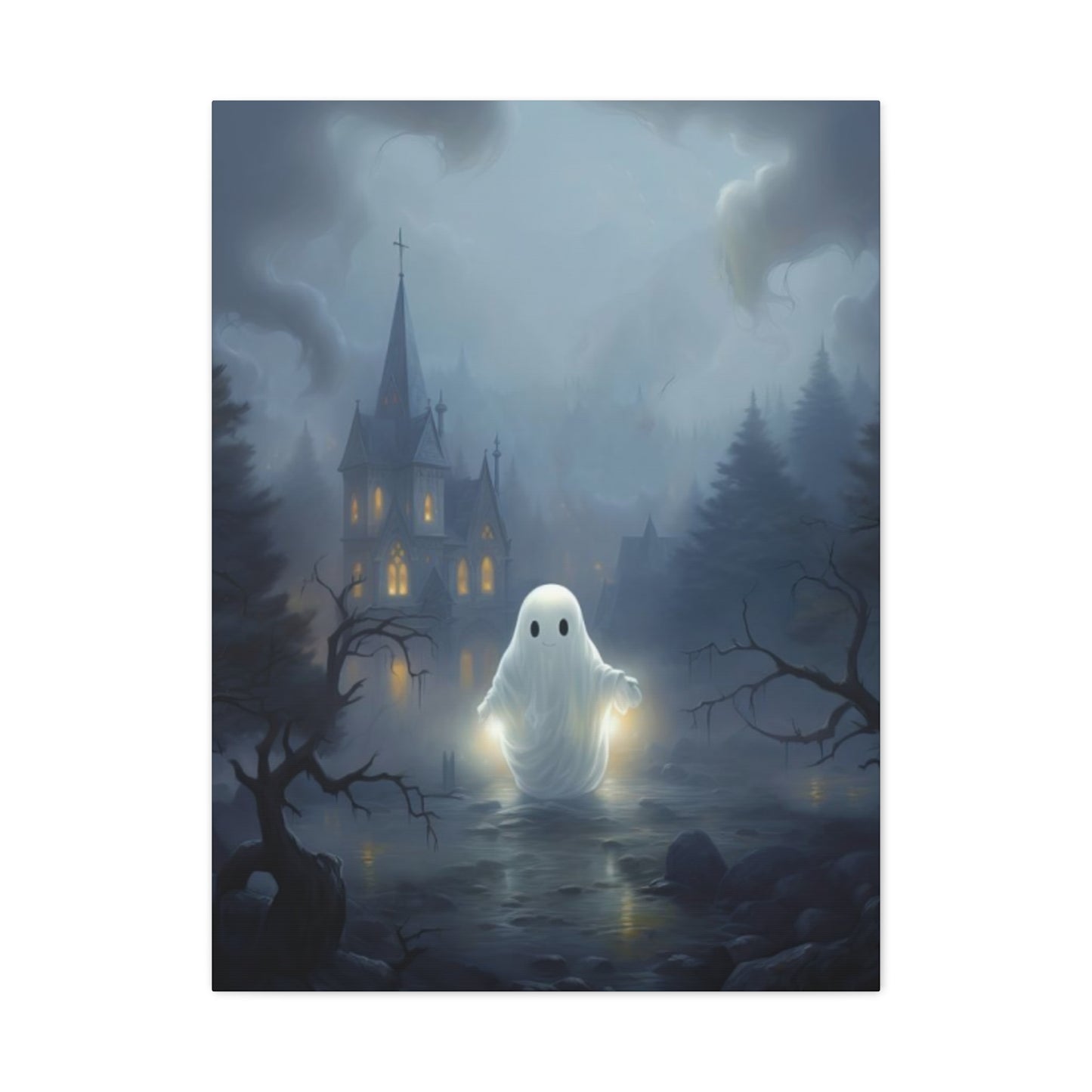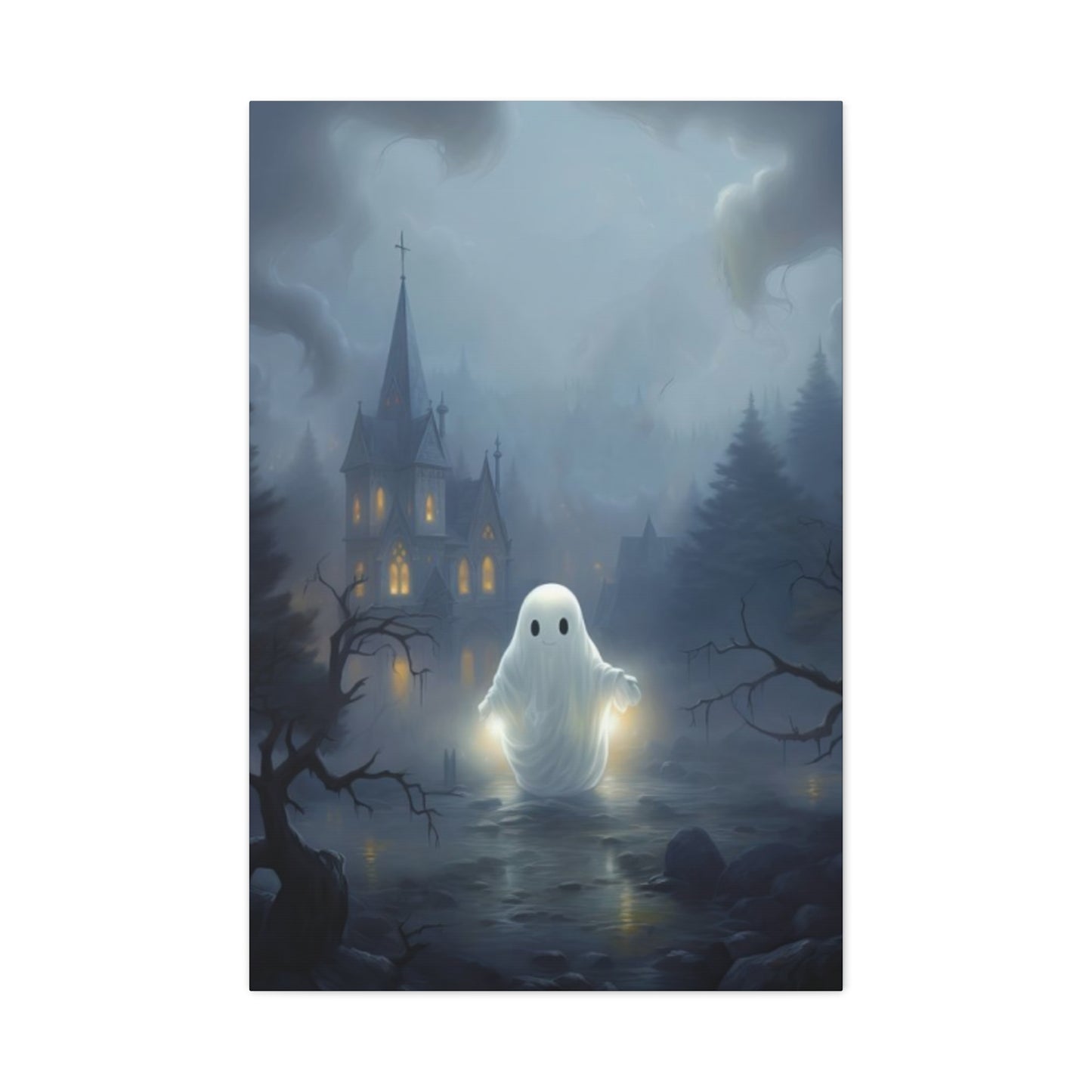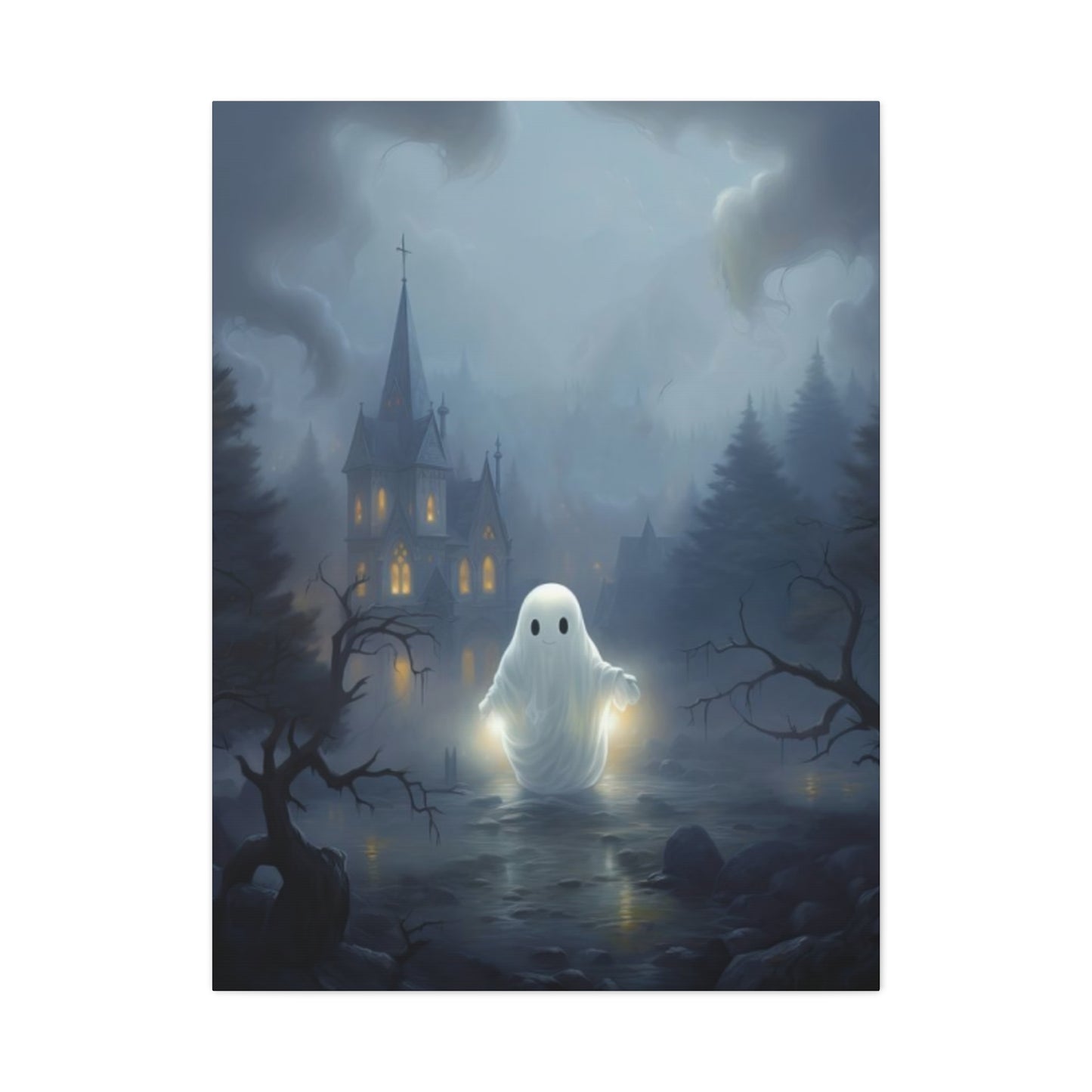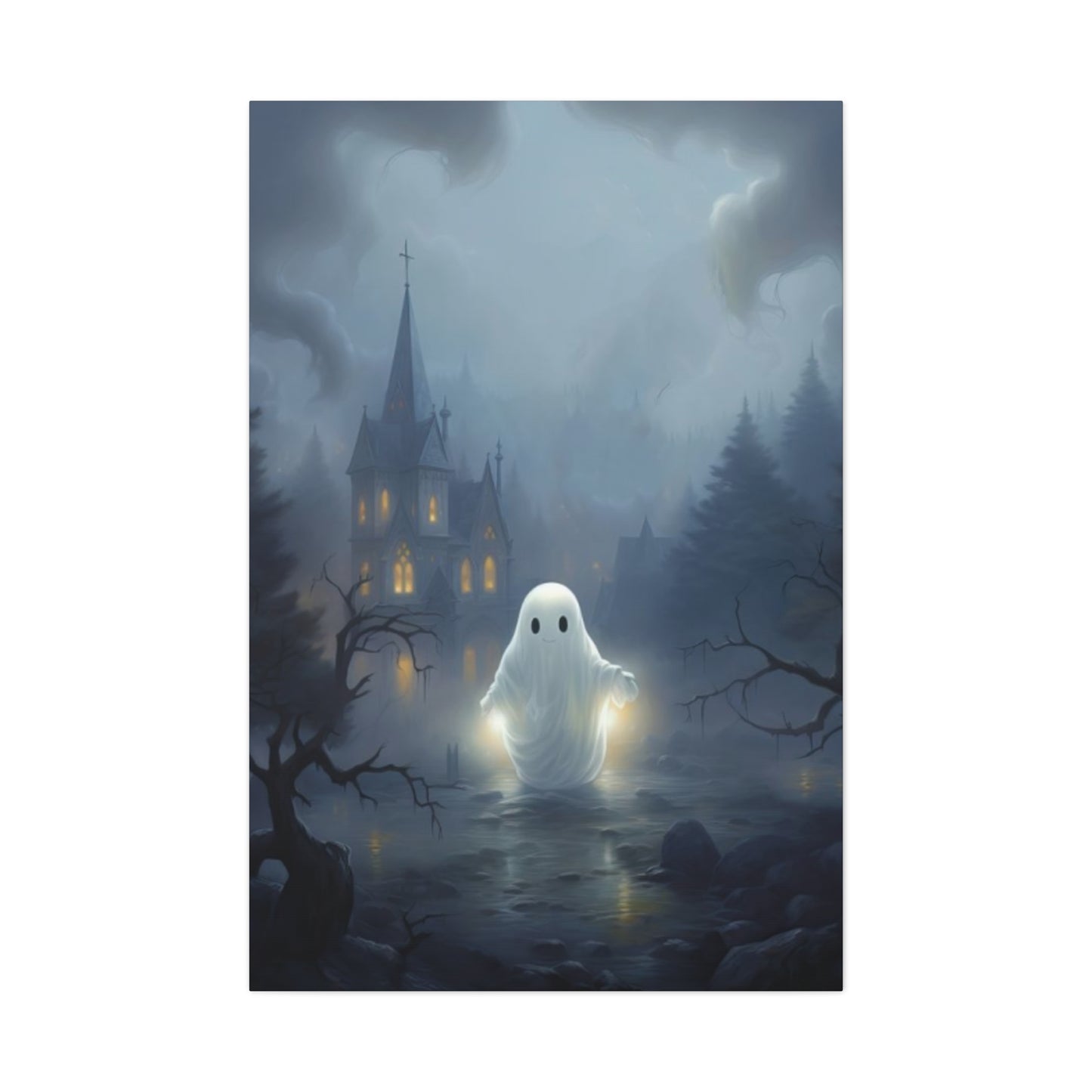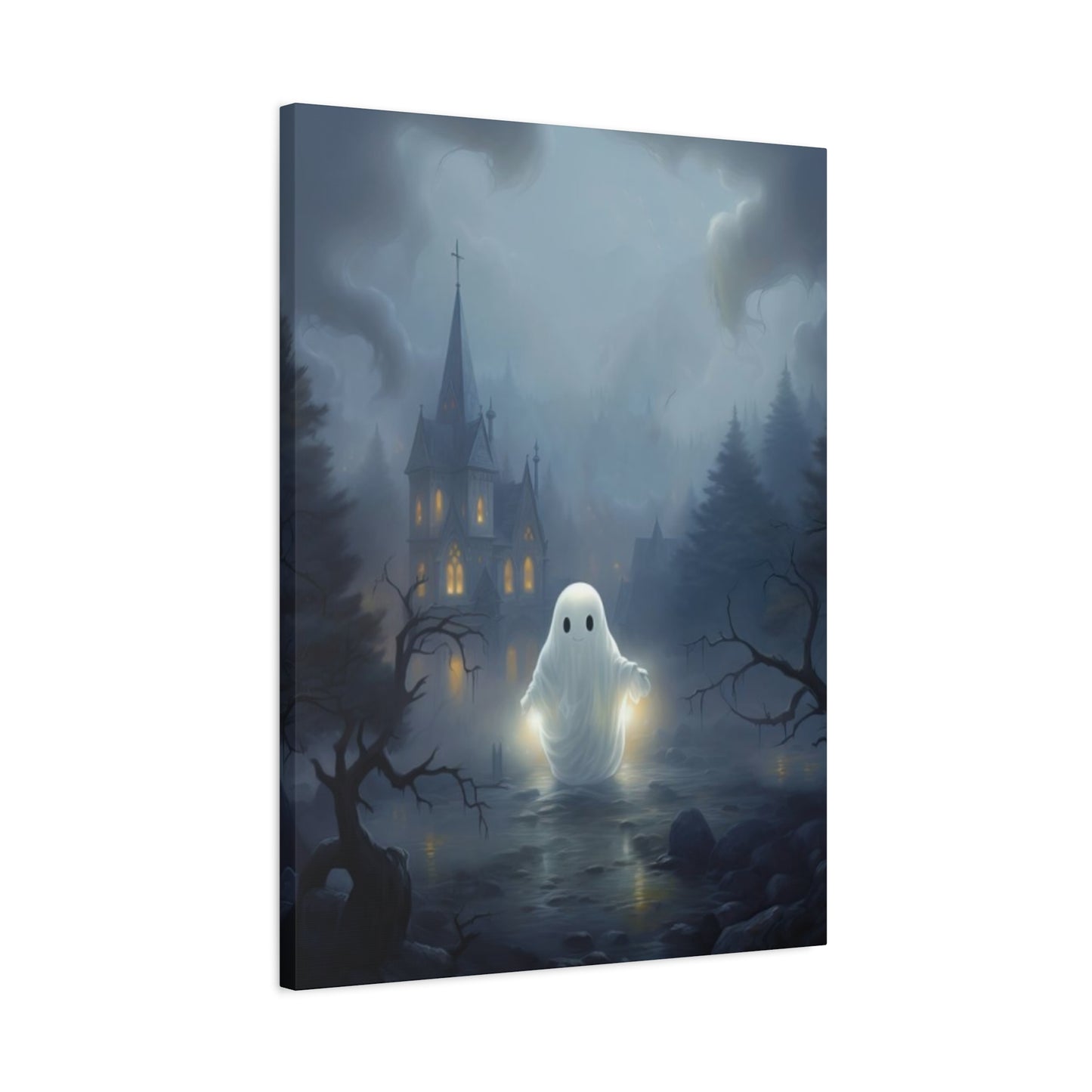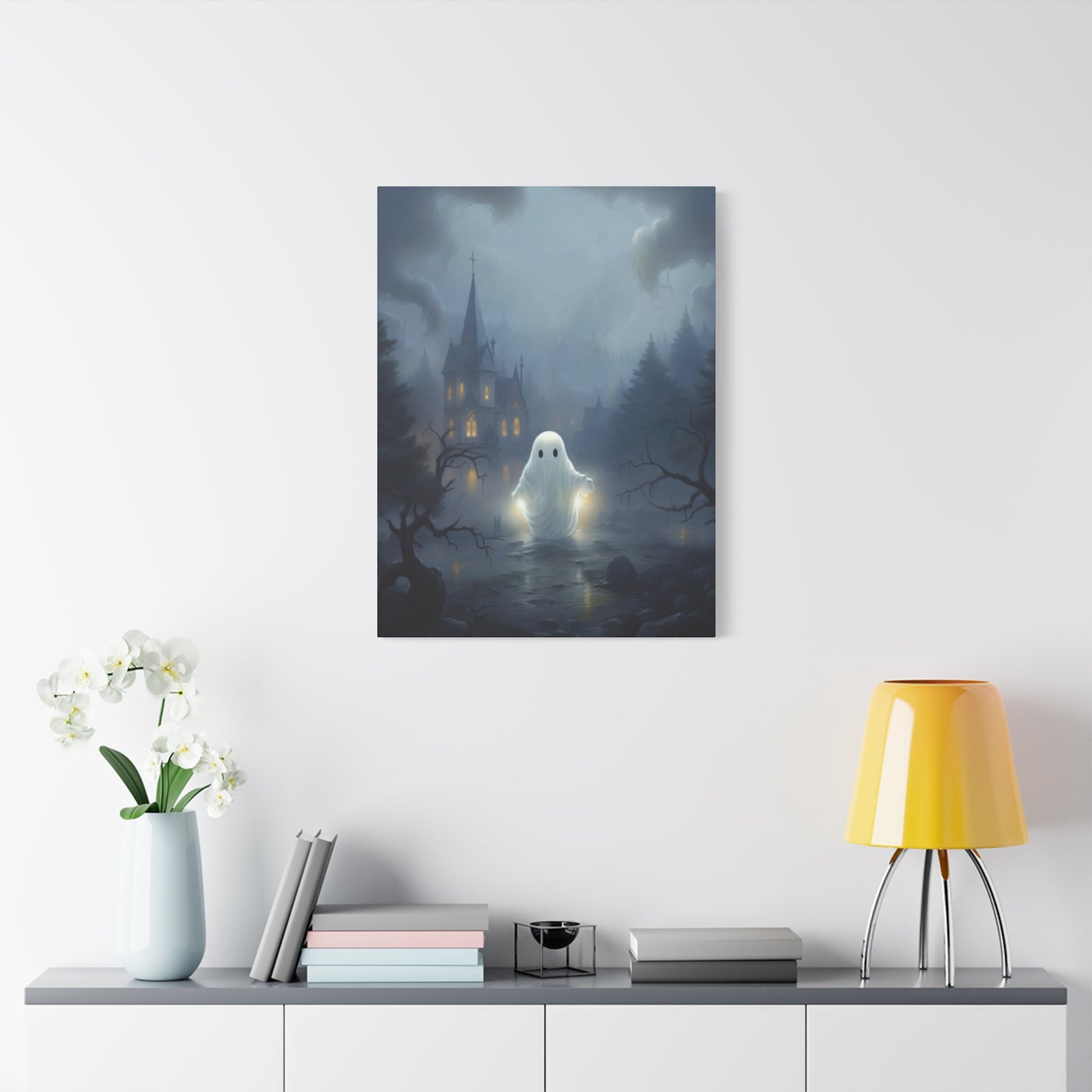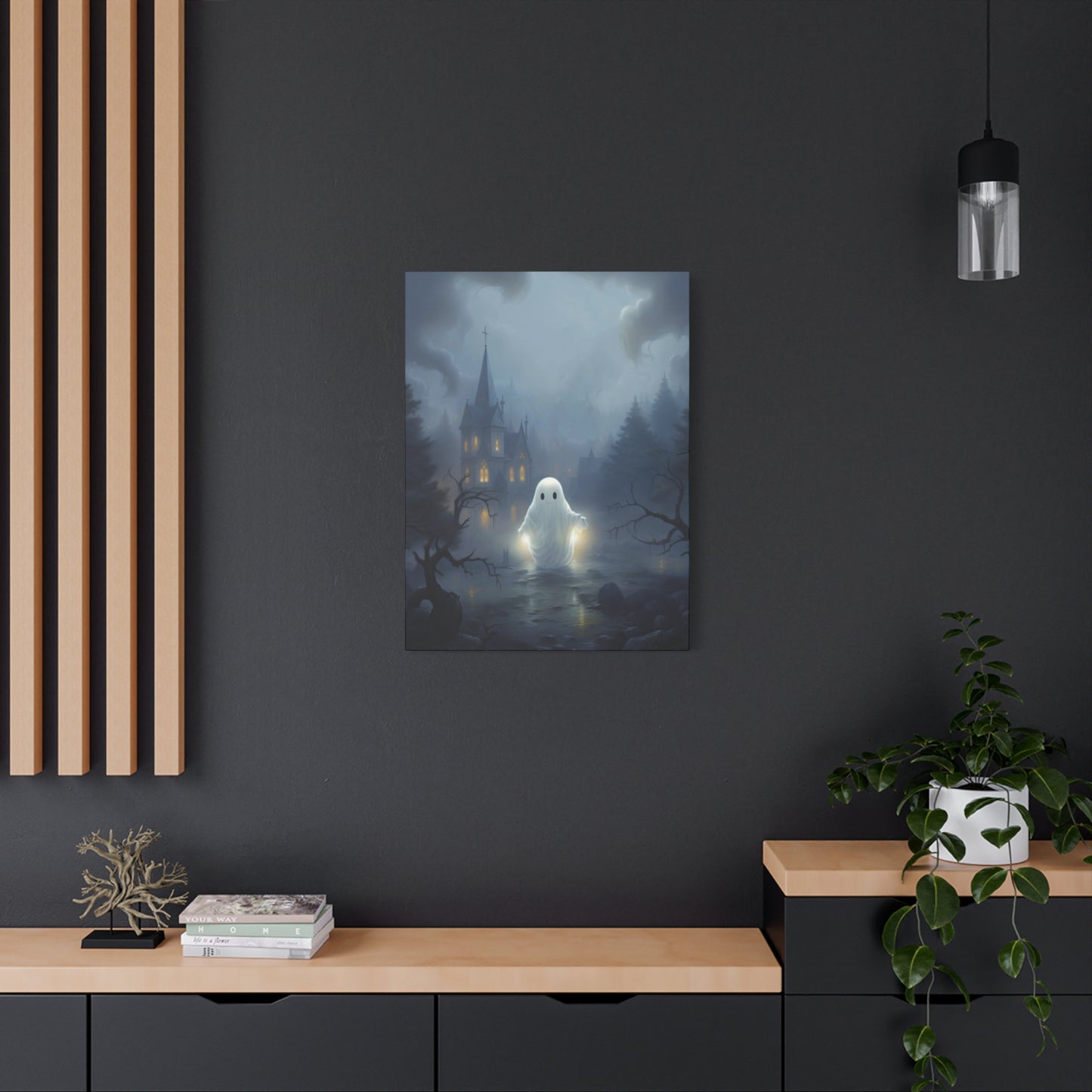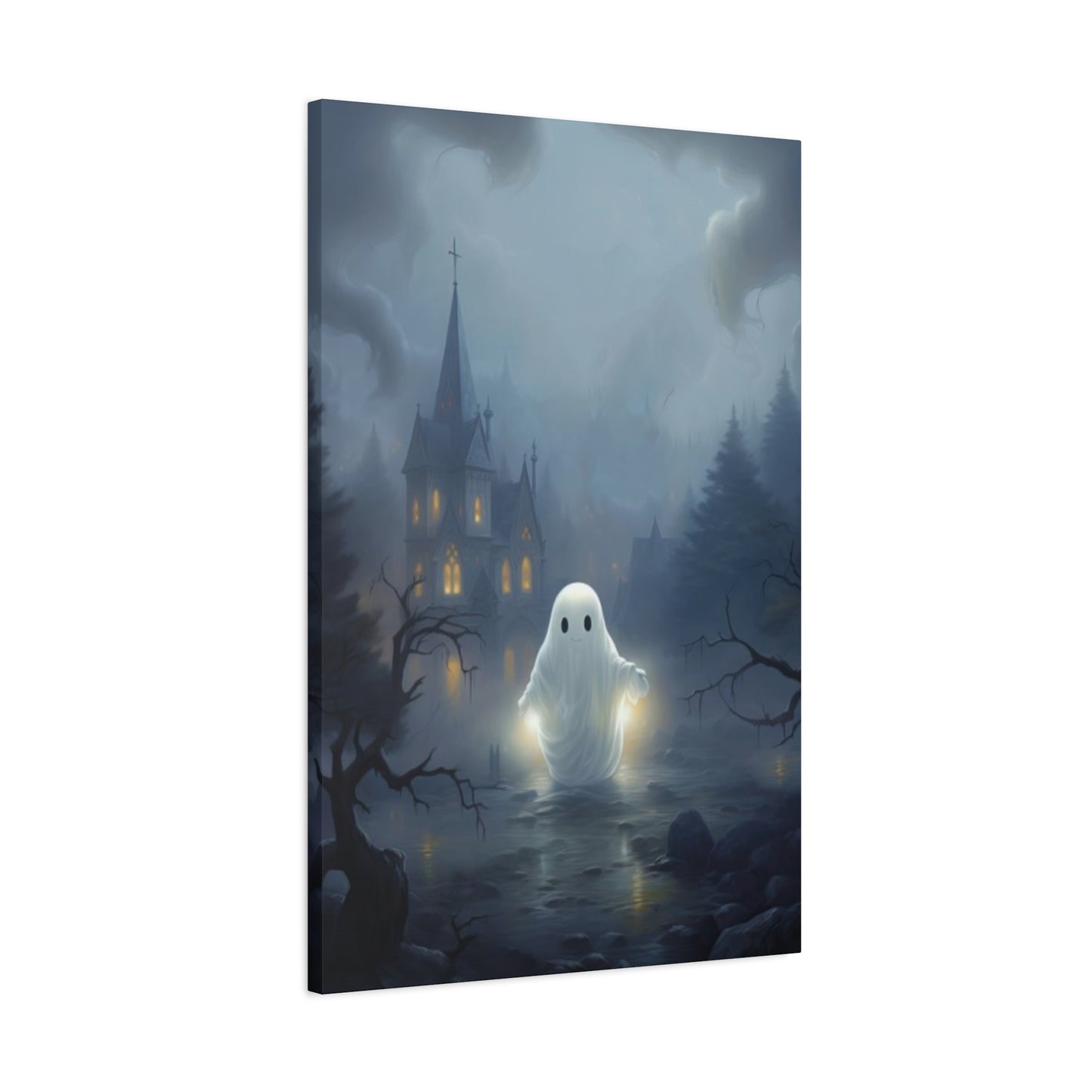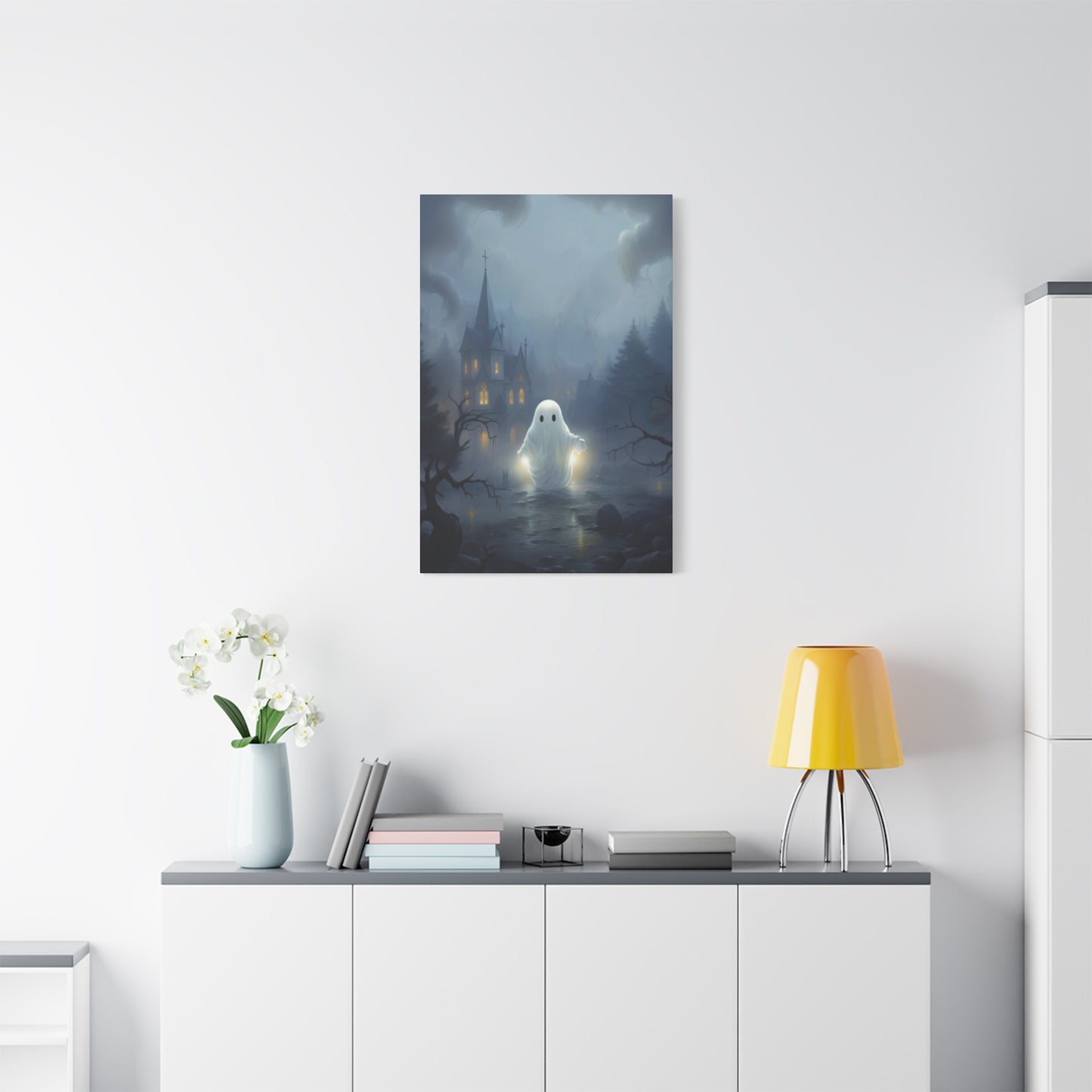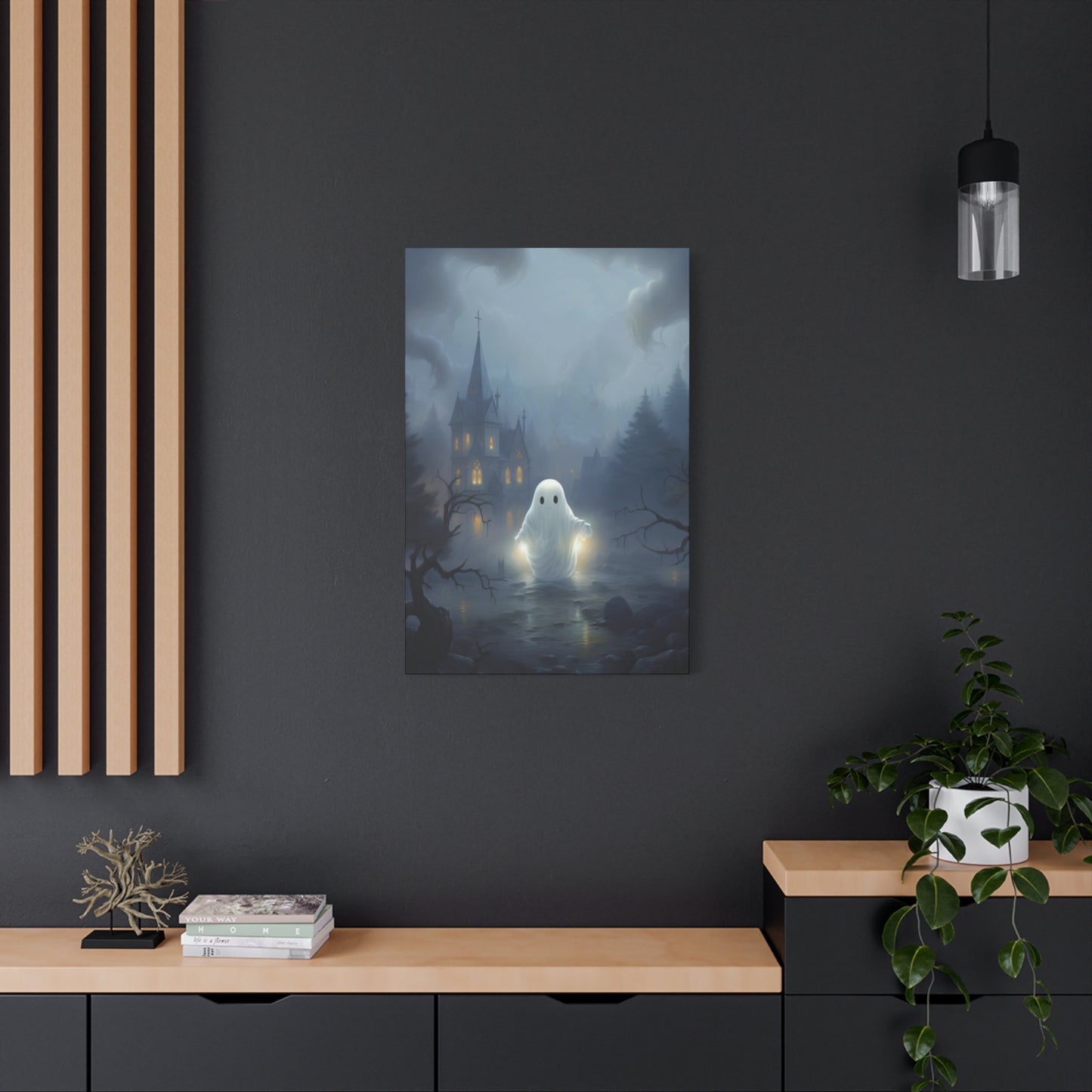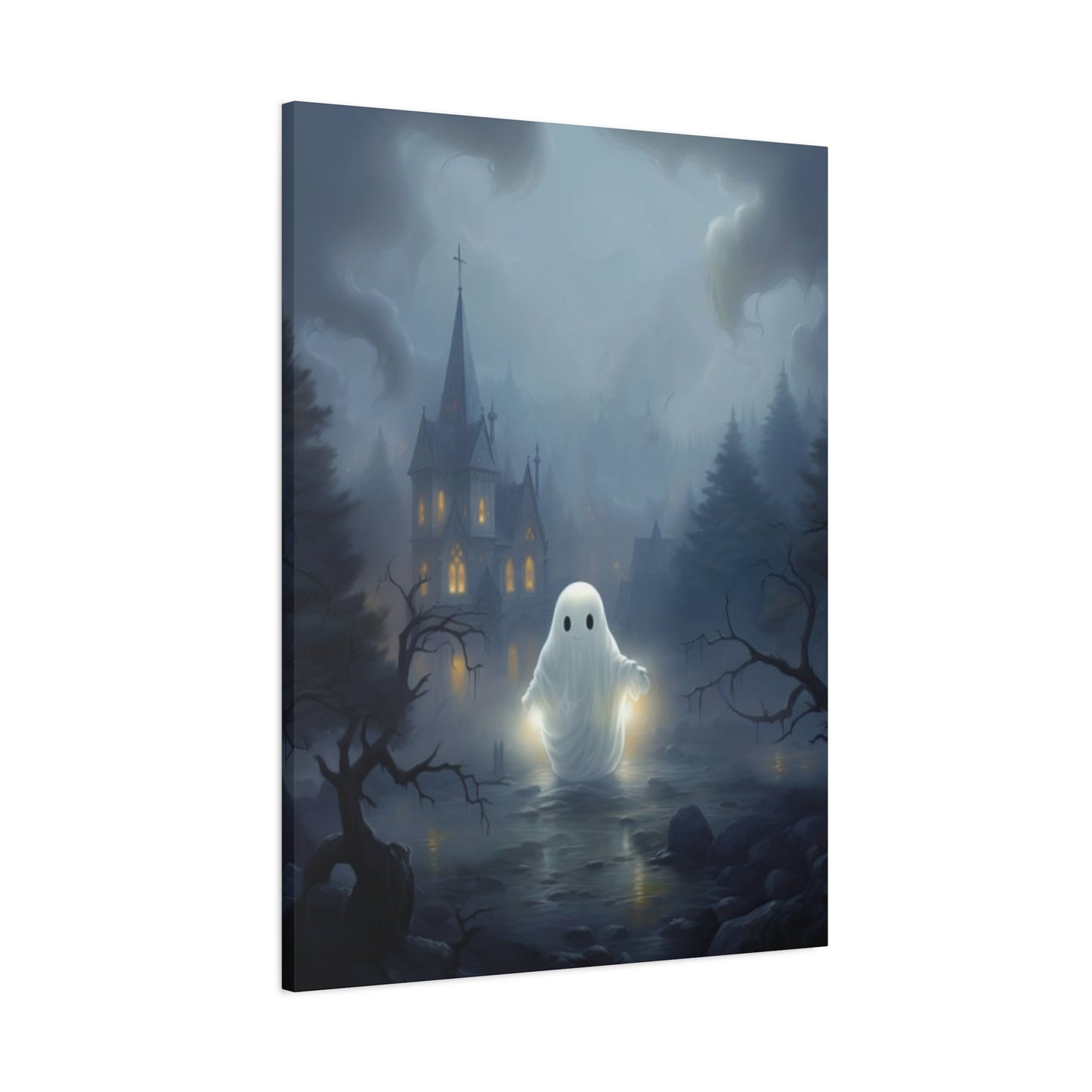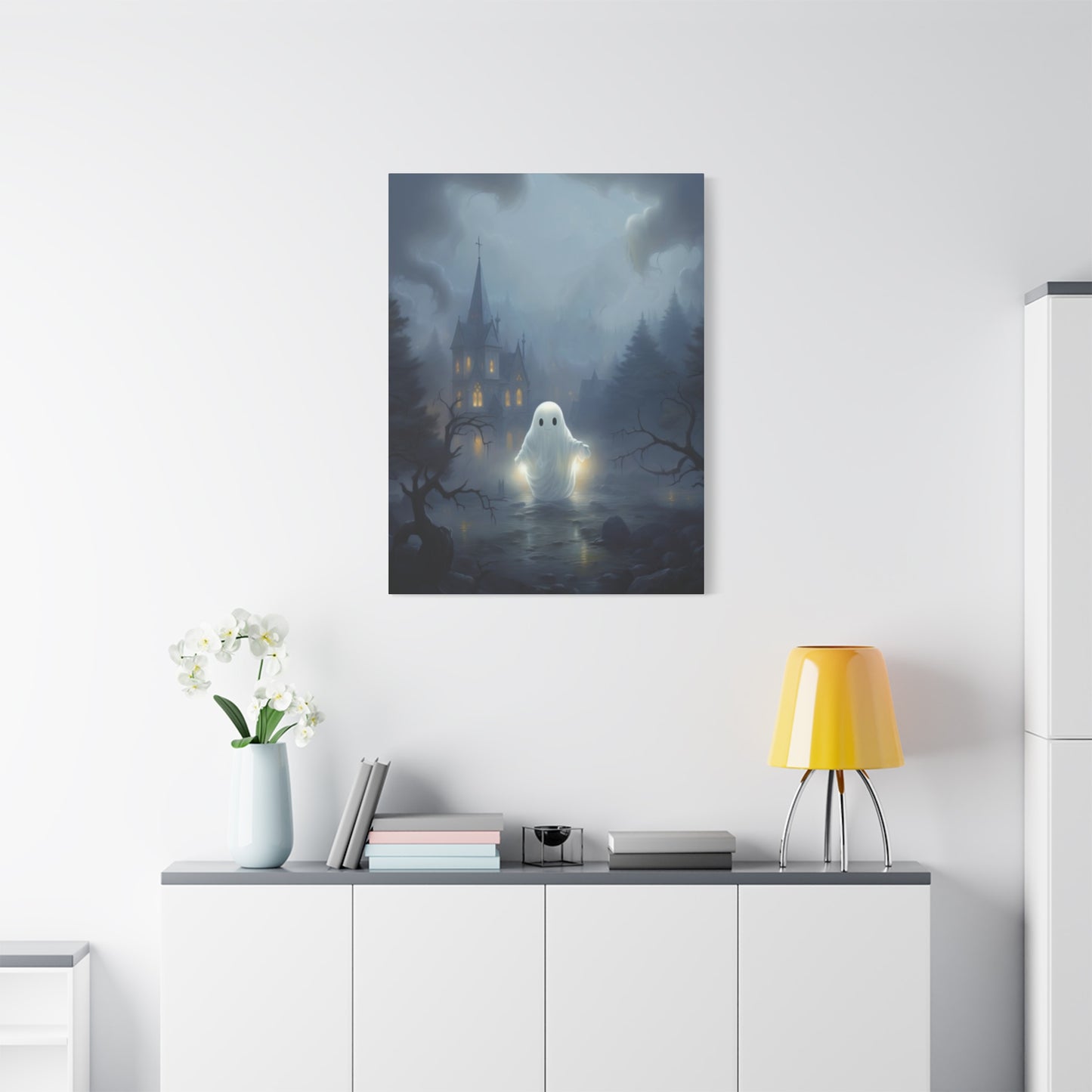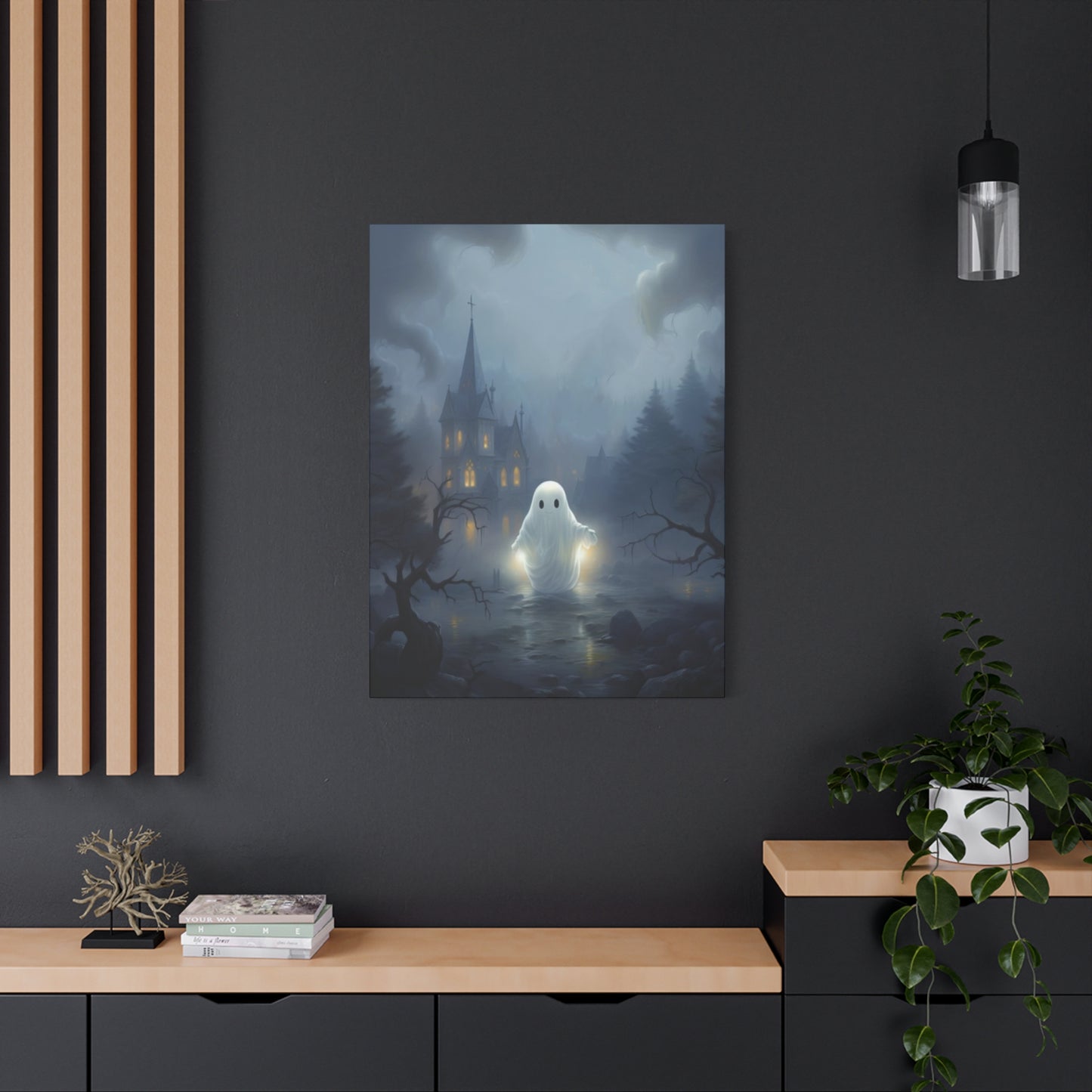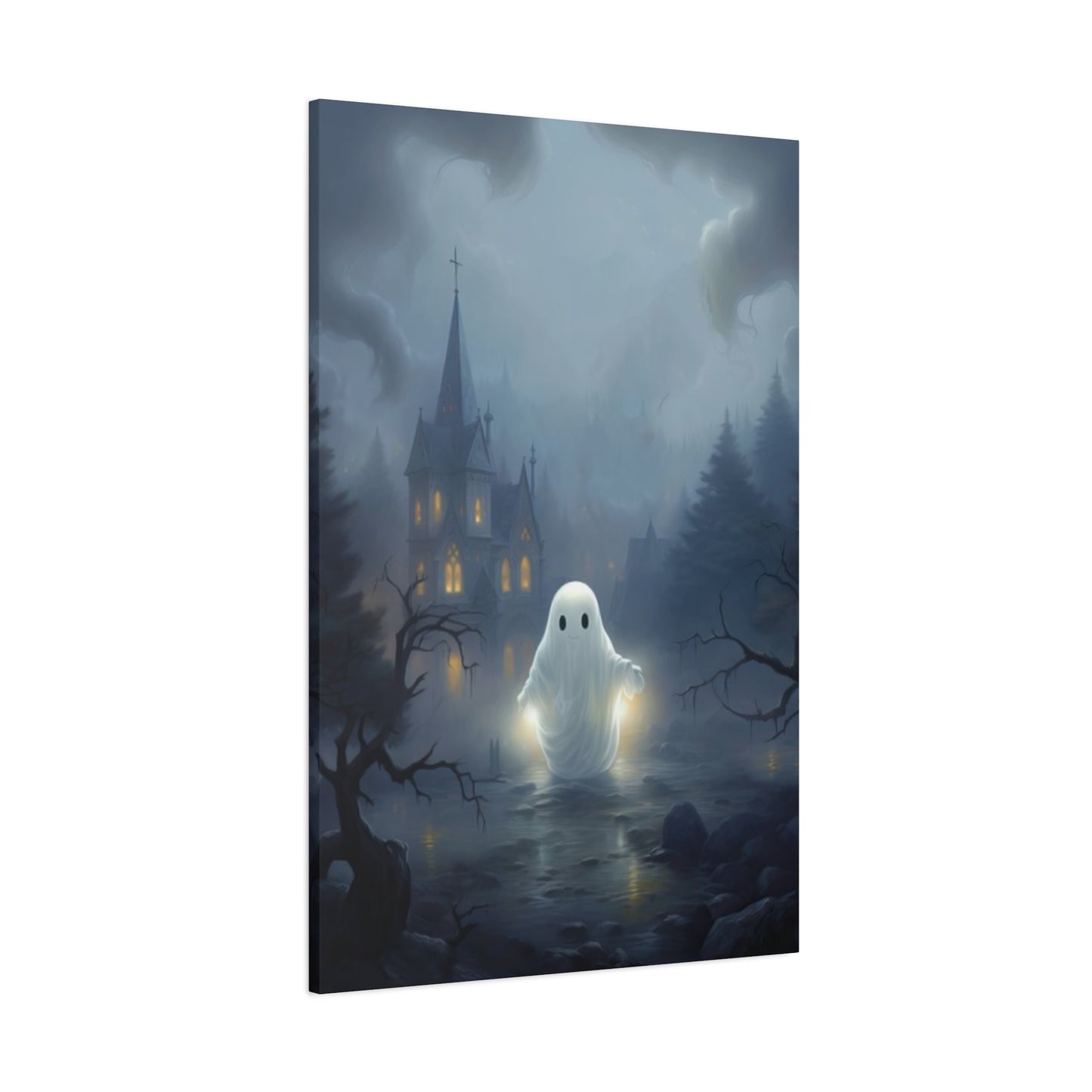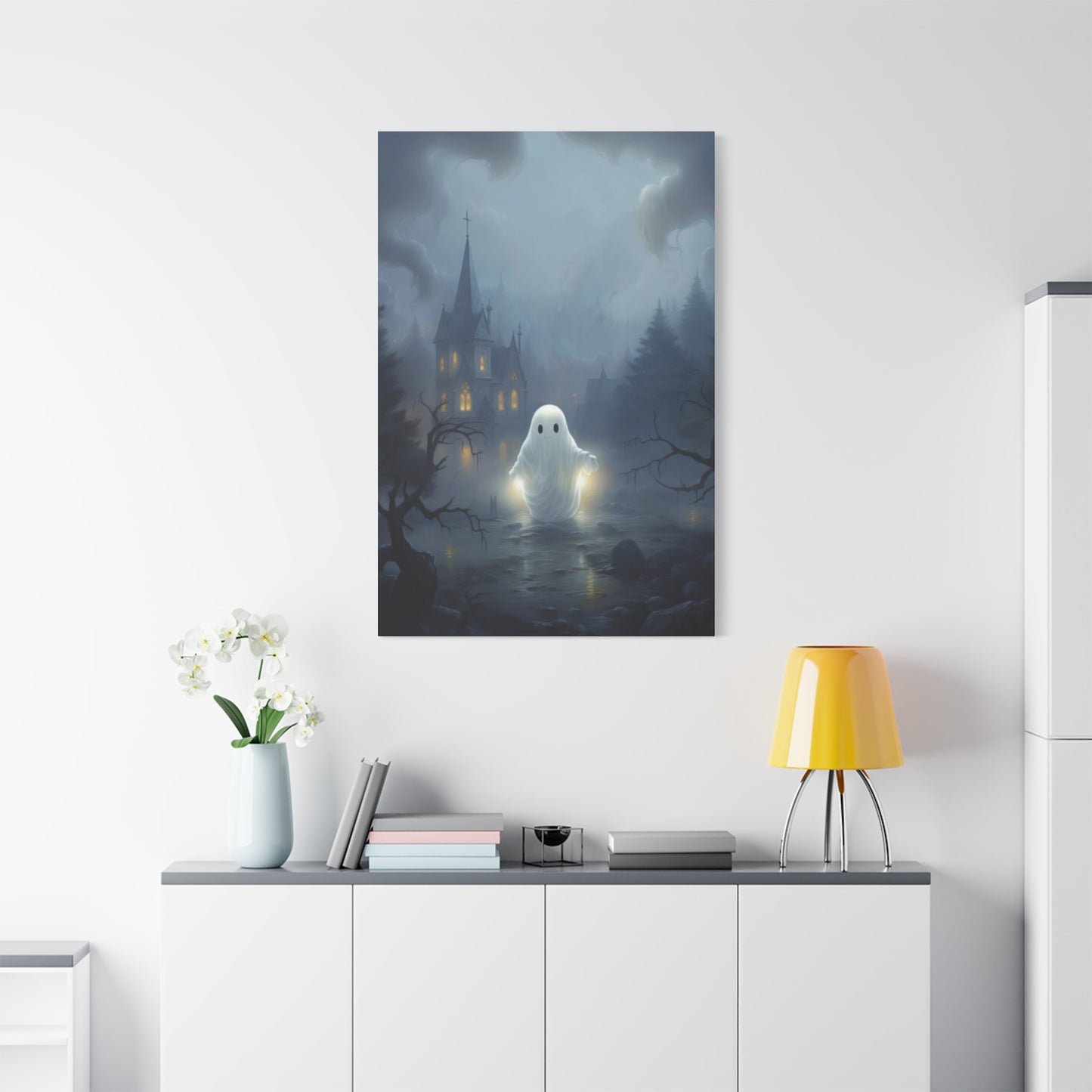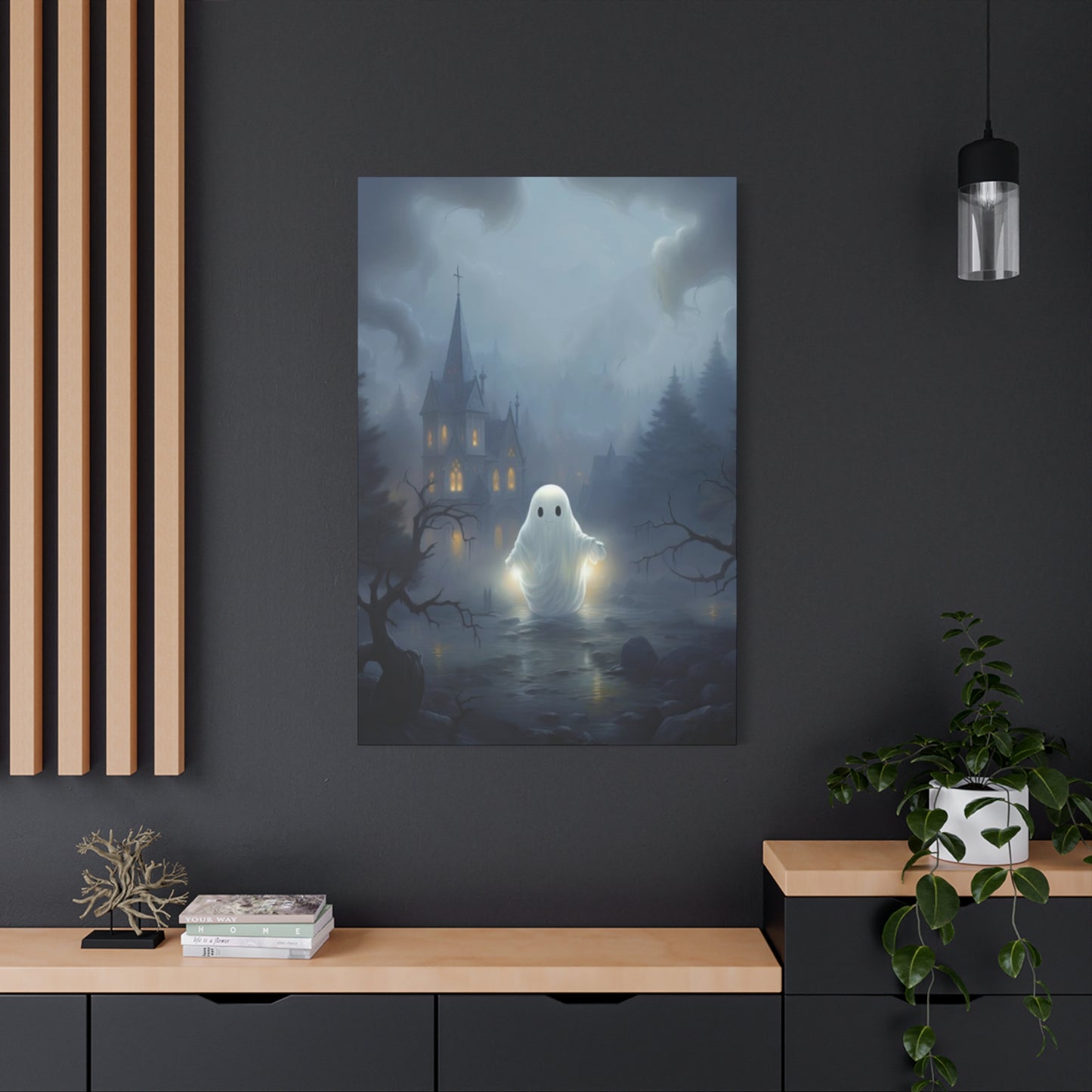


Halloween Ghosts Wall Art & Canvas Prints
Halloween Ghosts Wall Art & Canvas Prints
Couldn't load pickup availability
Spooky Spectral Decorations: Creating Haunting Halloween Ghosts Wall Art That Brings Your Home to Life
The arrival of October heralds a season of mystery, enchantment, and supernatural charm that captivates hearts across generations. Among the countless decorative elements that define this eerie period, few symbols capture the essence of spectral wonder quite like ethereal phantoms adorning interior spaces. These translucent apparitions, whether crafted from delicate materials or painted with skillful precision, transform ordinary living quarters into haunted sanctuaries that celebrate the mysterious boundary between our world and the realm beyond.
The practice of adorning walls with ghostly imagery has evolved from simple paper cutouts to elaborate artistic expressions that showcase creativity, craftsmanship, and personal style. Modern interpretations of these supernatural decorations blend traditional motifs with contemporary design principles, resulting in displays that range from whimsically playful to genuinely spine-chilling. Whether you prefer minimalist silhouettes or intricately detailed specters, the versatility of phantom-themed decor offers endless possibilities for personalizing your seasonal environment.
This comprehensive exploration delves into every facet of creating, selecting, and displaying supernatural wall decorations that capture the haunting beauty of October's most celebrated holiday. From understanding the cultural significance of ghostly imagery to mastering the practical aspects of installation and preservation, this guide provides invaluable insights for both novice decorators and seasoned enthusiasts seeking to elevate their seasonal displays to new heights of spectral splendor.
Origins and Cultural Significance of Phantom Imagery in Seasonal Celebrations
The fascination with spectral beings traces back millennia across diverse civilizations, each contributing unique perspectives on the nature of spirits and their relationship with the living world. Ancient Celtic traditions celebrated Samhain, a festival marking the thinning of veils between dimensions, when ancestors could communicate with descendants and otherworldly entities roamed freely among mortal populations. These beliefs laid the foundation for modern observances that continue to honor the mysterious connection between life and whatever lies beyond.
Medieval European folklore enriched the tapestry of ghostly traditions with tales of wandering souls, bound to earthly realms by unfinished business or tragic circumstances. These narratives, passed down through generations, shaped collective imagination and established archetypes that persist in contemporary representations. The classic white-sheeted apparition, for instance, emerged from practical considerations of burial shrouds combined with theatrical conventions that made supernatural entities visible to audiences in dimly lit spaces.
Victorian-era spiritualism brought renewed interest in communicating with departed souls, spawning elaborate seances and photographic experiments claiming to capture evidence of spectral presences. This period saw the proliferation of ghost imagery in decorative arts, from ornate illustrations in gothic literature to elaborate theatrical productions featuring innovative special effects. The aesthetic sensibilities developed during this era continue to influence modern interpretations, blending romantic melancholy with eerie fascination.
American traditions synthesized these diverse cultural streams, particularly as Irish and Scottish immigrants brought their customs to new shores during the nineteenth century. The transformation of harvest festivals into child-friendly celebrations gradually incorporated playful elements alongside genuinely frightening motifs, creating the distinctive blend of spooky and whimsical that characterizes contemporary observances. This duality allows decorators to choose their preferred tone, from lighthearted and family-friendly to genuinely atmospheric and unsettling.
Contemporary society has witnessed a remarkable expansion in the popularity and sophistication of seasonal decorating practices. What once involved simple carved vegetables and basic paper crafts has evolved into an entire industry dedicated to creating increasingly elaborate and artistic displays. Halloween ghosts wall art exemplifies this evolution, offering options that range from mass-produced convenience items to handcrafted works of genuine artistic merit. The democratization of craft supplies and the proliferation of creative inspiration through digital platforms have empowered individuals to explore their artistic inclinations and produce truly unique spectral decorations.
The psychological appeal of ghostly imagery operates on multiple levels, engaging both our primal fears and our playful impulses. Anthropologists suggest that controlled exposure to frightening stimuli in safe contexts allows humans to experience thrilling emotions without genuine danger, similar to the appeal of horror films and roller coasters. Decorating with phantom motifs creates environments that facilitate this controlled thrill, transforming familiar spaces into stages for imaginative engagement with supernatural themes. The temporary nature of seasonal decorating adds an element of special occasion excitement, marking time and creating memorable experiences that punctuate the yearly cycle.
Diverse Styles and Artistic Approaches to Spectral Wall Decorations
The spectrum of available styles for phantom-themed wall decorations encompasses an impressive range of aesthetic possibilities, each offering distinct visual impacts and emotional resonances. Understanding these varied approaches enables decorators to make informed choices that align with their personal tastes, existing interior design schemes, and desired atmospheric effects. The following exploration examines major stylistic categories and their characteristic features, providing a foundation for thoughtful selection and creative experimentation.
Vintage-inspired designs draw heavily from early twentieth-century aesthetic sensibilities, incorporating elements such as weathered appearances, sepia-toned color palettes, and imagery reminiscent of antique postcards and advertisements. These pieces often feature deliberately aged surfaces with intentional imperfections that suggest passage through decades, creating an atmosphere of nostalgic charm mixed with gentle eeriness. The ghosts depicted in vintage styles typically exhibit simplified forms with exaggerated expressions, captured in poses that communicate personality through economical linework and restrained color applications. Such decorations work exceptionally well in spaces furnished with period-appropriate or eclectic decor, where they complement rather than clash with existing aesthetic frameworks.
Minimalist interpretations strip phantom imagery to its essential components, relying on clean lines, limited color schemes, and strategic negative space to create impact through restraint rather than elaboration. These designs often feature stark silhouettes in monochromatic or duotone palettes, with careful attention paid to proportion, balance, and compositional elegance. The simplicity of minimalist Halloween ghosts wall art makes them remarkably versatile, capable of enhancing contemporary interiors without overwhelming spaces or clashing with existing decorative elements. The understated nature of these pieces allows them to function as subtle nods to the season rather than dominating focal points, appealing to those who prefer sophisticated rather than exuberant seasonal expressions.
Whimsical and cartoonish styles embrace playful interpretations of spectral beings, featuring rounded forms, bright colors, and cheerful expressions that prioritize fun over fright. These designs often incorporate anthropomorphic characteristics, depicting ghosts engaged in amusing activities or displaying endearing personalities that make them approachable rather than intimidating. Such pieces prove particularly appropriate for family environments where young children might find more realistic ghostly imagery genuinely frightening. The lighthearted nature of whimsical designs creates welcoming atmospheres that celebrate the festive aspects of the season while minimizing potentially disturbing elements.
Gothic and dark romantic styles lean heavily into atmospheric intensity, utilizing rich color palettes dominated by blacks, deep purples, and dramatic contrasts to create genuinely eerie visual experiences. These designs often incorporate ornate Victorian-inspired details, intricate patterns, and symbolism drawn from death-positive artistic traditions. Ghosts rendered in gothic styles may appear more ethereal and mysterious, surrounded by moonlit landscapes, crumbling architecture, or symbolic elements like ravens and bare trees. The sophistication of well-executed gothic pieces elevates them beyond mere seasonal decorations into the realm of serious decorative art that can command attention and provoke contemplation.
Rustic and farmhouse-inspired designs emphasize natural materials, weathered textures, and simplified forms that echo folk art traditions. These pieces often feature ghosts depicted with charming imperfections and handcrafted aesthetics that celebrate artisanal production over mass-manufactured uniformity. Color palettes tend toward muted neutrals with occasional pops of traditional orange or black, allowing the decorations to integrate seamlessly with year-round farmhouse decor schemes. The approachable, down-to-earth quality of rustic spectral art appeals to those seeking seasonal expressions that feel warm and welcoming rather than dramatically theatrical.
Contemporary and modern designs experiment with unconventional materials, unexpected color combinations, and innovative compositional approaches that challenge traditional ghost imagery. These pieces might incorporate metallic finishes, geometric abstractions, or mixed-media techniques that create visual interest through textural variety and dimensional depth. Modern interpretations often prioritize artistic expression and design innovation over adherence to conventional representations, resulting in pieces that function as conversation starters and statements of personal style. Such decorations appeal particularly to those with eclectic tastes who appreciate art that defies easy categorization.
Realistic and photographic styles attempt to capture phantom imagery with detailed fidelity to naturalistic representation, creating illusions of genuine spectral encounters. These designs might feature mist-like transparency effects, anatomically plausible drapery, and atmospheric lighting that enhances credibility. While these pieces can create genuinely unsettling effects, they require skilled execution to avoid appearing campy or unintentionally humorous. When successfully rendered, realistic ghostly wall art can transform spaces into genuinely haunting environments that blur the boundaries between decoration and believable supernatural suggestion.
Materials and Crafting Methods for Creating Custom Phantom Decorations
The creation of personalized Halloween ghosts wall art offers rewarding opportunities for creative expression while allowing complete control over aesthetic outcomes, dimensions, and material qualities. Understanding the properties, advantages, and limitations of various crafting materials enables informed decision-making that matches project ambitions with practical capabilities. Whether pursuing elaborate artistic undertakings or simple craft projects suitable for family participation, selecting appropriate materials forms the foundation for satisfying creative experiences and durable finished products.
Paper and cardstock represent perhaps the most accessible and versatile materials for phantom-themed crafts, offering convenience, affordability, and ease of manipulation that suits crafters of all skill levels. Standard white paper provides an excellent medium for template-based projects, allowing quick production of multiple identical shapes through tracing or printing. Heavier cardstock offers improved durability and a more substantial presence, standing up better to repeated handling and environmental factors. Decorative papers with pre-existing patterns or textures can add visual interest without requiring additional surface treatments, while translucent vellum creates ethereal effects that enhance the ghostly nature of finished pieces.
Cutting techniques for paper-based projects range from simple scissor work appropriate for children to intricate knife-cutting that produces delicate lacework details. Layering multiple paper elements creates dimensional depth, with foam adhesive dots or accordion-folded backing strips elevating foreground elements above base layers. Surface embellishments might include applied glitter, marker details, or stamped patterns that personalize designs. Preservation methods for paper decorations include lamination for moisture resistance, backing with foam board for structural support, or framing behind glass for long-term protection against deterioration.
Fabric materials offer tactile richness and dimensional possibilities unavailable with paper, creating ghostly decorations with physical presence and movement potential. Lightweight cottons, gauzy cheesecloth, and sheer organza fabrics capture ethereal transparency while providing enough body to hold deliberate shapes. White muslin or linen can be tea-stained or coffee-dyed to achieve aged, yellowed appearances suggestive of antique shrouds or weathered materials. Felt provides structure without fraying, making it ideal for clean-edged applique work or dimensional elements that require precise shapes.
Fabric manipulation techniques include basic cutting and gluing appropriate for no-sew projects, machine stitching for permanently assembled pieces, and hand embroidery for adding detailed facial features or decorative embellishments. Fabric stiffening solutions allow soft materials to hold specific shapes without support structures, useful for creating three-dimensional forms that project from wall surfaces. Fused applique methods using iron-on adhesive backing streamline construction while creating polished, professional appearances. Dimensional effects emerge through layering, gathering, pleating, or stuffing techniques that create shadows and highlights enhancing visual interest.
Wood substrates provide durable, long-lasting bases for painted or assembled phantom decorations with rustic or farmhouse aesthetics. Thin plywood, MDF board, or reclaimed pallet wood can be cut into desired shapes using jigsaws or scroll saws, then sanded smooth and painted with weather-resistant finishes. Wood burning tools allow the creation of intricate line details and textural effects impossible to achieve with paint alone. Staining techniques can preserve wood grain visibility while adjusting color tones, creating backgrounds against which painted ghost imagery stands out with enhanced contrast.
Assembly methods for wooden pieces include direct painting onto shaped substrates, affixing vinyl decals or stenciled designs, or constructing dimensional scenes with multiple layered components. Hanging hardware options range from simple sawtooth hangers for lightweight pieces to keyhole mounting systems for heavier constructions. Finishing techniques including distressing with sandpaper, antiquing with dark wax, or sealing with matte varnish contribute to the overall aesthetic impact while protecting surfaces against environmental damage.
Canvas and artist panels provide professional-quality painting surfaces that elevate Halloween ghosts wall art into genuine artistic expressions suitable for prominent display. Pre-stretched cotton or linen canvases offer traditional painting grounds receptive to acrylics, oils, or mixed media approaches. Cradled wood panels provide rigid alternatives with archival qualities and refined profiles suitable for unframed display. The toothed surface texture of properly prepared canvas holds paint effectively while allowing skilled blending and layering techniques that create sophisticated visual effects.
Painting processes for spectral imagery might begin with toned grounds that eliminate stark white surfaces and establish atmospheric color foundations. Underpainting in monochromatic values establishes compositional structure and tonal relationships before color application. Layering transparent glazes builds luminous color depth, while scumbling techniques with semi-opaque paint create atmospheric effects suggesting mist and fog. Highlighting with titanium white or iridescent mediums adds dimensional qualities that catch light and draw attention to focal points. Protective finishing with removable varnish preserves surfaces while allowing future conservation if needed.
Mixed media approaches combine multiple material types within single artworks, creating visual interest through contrasting textures, reflective properties, and dimensional variations. A fabric ghost might be mounted onto a painted wooden background, surrounded by paper embellishments and embellished with dimensional adhesive gems or metallic leaf accents. Collage techniques layer magazine cutouts, vintage ephemera, or hand-painted papers to build complex compositions rich with detail and personal meaning. Found object incorporation adds three-dimensional elements like small frames, architectural salvage, or natural materials that extend compositions into physical space.
Digital creation and printing methods provide access to sophisticated design capabilities without requiring traditional artistic skills. Illustration software allows precise manipulation of shapes, colors, and effects that would be difficult to achieve through manual methods. Printable iron-on transfers enable application of complex designs onto fabric surfaces, while vinyl cutting machines produce clean decals suitable for various substrates. Large-format printing services can reproduce digital artwork at substantial scales on materials ranging from paper to canvas to metal, allowing ambitious decorative schemes with photographic-quality imagery.
Strategic Placement and Display Considerations for Maximum Atmospheric Impact
The effectiveness of Halloween ghosts wall art depends not only on the inherent qualities of individual pieces but equally on thoughtful placement decisions that maximize visual impact while respecting practical constraints and compositional principles. Strategic positioning considers factors including viewing angles, lighting conditions, surrounding elements, and traffic patterns, transforming collections of discrete objects into cohesive environmental experiences that immerse observers in carefully crafted seasonal atmospheres.
Entryway and foyer placements establish immediate tonal expectations for visitors, signaling the festive character of interior spaces from the moment of entry. A striking spectral arrangement positioned opposite the front door creates an impactful focal point that greets arrivals with unmistakable seasonal spirit. Consider scale carefully in these areas, as overly large pieces in confined spaces may overwhelm rather than welcome. Grouping several smaller ghost decorations creates dynamic visual interest without dominating limited wall surfaces. Ensure adequate illumination highlights these prominent pieces, perhaps incorporating uplighting or picture lights that enhance dimensional qualities and create dramatic shadows.
Living room arrangements offer opportunities for larger, more elaborate displays that serve as conversation pieces and entertainment focal points. Above mantelpieces provides traditional positioning with built-in prominence, naturally drawing eyes to arranged decorations. Consider the relationship between Halloween ghosts wall art and fireplace openings, ensuring decorations complement rather than compete with architectural features. For gallery wall arrangements, establish visual cohesion through consistent matting, frame styles, or color relationships while varying sizes and orientations to maintain dynamic interest. Maintain appropriate spacing between elements, typically three to six inches depending on piece sizes and wall dimensions.
Dining room placements benefit from considerations of viewing angles from seated positions, ensuring decorations remain visible and engaging throughout meals. Positioning spectral artwork at slightly lower heights than standard gallery placement accommodates seated sightlines, typically centering pieces approximately fifty-five inches from floor to center point. Consider the visual relationship between wall decorations and table centerpieces, creating thematic continuity that reinforces overall atmospheric goals. Chandelier-hung elements can complement wall pieces, creating three-dimensional decorative environments that surround diners with seasonal ambiance.
Stairway walls present unique opportunities for vertical arrangements that guide movement through transitional spaces while taking advantage of often-underutilized surfaces. Progressive sizing with larger pieces at bottom transitioning to smaller elements at top creates pleasing visual flow that draws eyes upward. Consistent horizontal alignment relative to stair angles maintains ordered appearance despite diagonal orientation. Consider safety implications of protruding elements in narrow stairwells where passing individuals might make contact, favoring flush-mounted or recessed options in tight quarters.
Bedroom placements require sensitivity to individual comfort levels with potentially unsettling imagery, particularly in children's spaces where nighttime anxiety might be triggered by overly frightening decorations. Whimsical or friendly ghost representations typically prove more appropriate than genuinely eerie designs, maintaining festive spirit without provoking genuine fear. Positioning decorations where they're visible during waking hours but not the first sight upon nighttime wakening helps prevent startled reactions. Consider removable mounting options that allow temporary placement, easily adjusted if decorations prove disturbing to particular individuals.
Hallway arrangements transform utilitarian passages into gallery-like experiences that reward movement through spaces with continuously evolving visual interest. Linear arrangements of uniformly spaced pieces create rhythmic progressions that guide movement and establish organizational structure. Alternating heights or sizes introduces variation preventing monotonous repetition. Consider lighting carefully in corridors, ensuring decorations receive adequate illumination without creating harsh glare or problematic shadows. Motion-activated lighting adds interactive elements that surprise and delight, illuminating ghostly displays as observers pass.
Bathroom placements inject unexpected whimsy into functional spaces, creating delightful surprises that elevate mundane routines. Mirror surrounds offer natural frames for arranged decorations, though care must be taken to avoid obstructing reflective surfaces needed for grooming tasks. Medicine cabinet doors or towel bars might hold removable decorations that temporarily transform utilitarian fixtures. Ensure all bathroom decorations withstand humidity and moisture exposure without damage, selecting water-resistant materials or protective finishes as appropriate.
Outdoor-protected areas including covered porches, enclosed breezeways, or screened rooms allow expanded decorating possibilities while requiring weatherproofing considerations. Halloween ghosts wall art designed for exterior display should resist moisture, temperature fluctuations, and UV exposure without fading, warping, or deteriorating. Painted wooden pieces benefit from exterior-grade sealing products, while fabric elements should be treated with water-repelling sprays. Secure mounting systems must withstand wind forces without failure, using appropriate hardware rated for outdoor exposure. Consider theft deterrence in accessible areas, perhaps reserving especially valuable or handcrafted pieces for secure interior locations.
Illumination Strategies That Enhance Spectral Effects and Atmospheric Depth
Lighting represents perhaps the most powerful tool available for enhancing the impact of Halloween ghosts wall art, transforming static decorations into dynamic spectral presences that shift and evolve with changing illumination conditions. Thoughtful lighting design considers direction, intensity, color temperature, and dynamic qualities, manipulating these variables to amplify eerie atmospheres while ensuring practical visibility requirements remain satisfied. The interplay between light and shadow creates the essential atmospheric depth that distinguishes genuinely immersive seasonal environments from mere collections of decorative objects.
Uplighting positioned below and slightly forward of wall-mounted decorations creates dramatic shadows that extend ghostly forms upward, magnifying apparent scale and introducing movement through flickering effects. Battery-operated LED candles provide convenient uplighting sources without fire hazards, their wavering illumination patterns suggesting supernatural energy animating displayed specters. Colored LED strips in orange, purple, or green cast otherworldly hues that enhance eeriness while maintaining sufficient illumination for safe navigation. Directional adjustment allows precise control over shadow placement, preventing unwanted illumination of ceiling areas while maximizing decorative impact.
Backlighting installed behind translucent or semi-transparent decorations creates glowing effects that suggest internal illumination or supernatural energy emanating from spectral forms. This technique works particularly effectively with Halloween ghosts wall art constructed from vellum, lightweight fabric, or frosted acrylic, materials that diffuse light evenly while maintaining visible design details. LED rope lights or strip lighting affixed to wall surfaces behind decorations provide even illumination without visible fixtures. Smart bulbs with adjustable color and intensity allow dynamic programming that shifts throughout evening hours, creating evolving atmospheric experiences.
Spotlighting with focused beams draws attention to specific decorative elements, establishing visual hierarchies within complex arrangements while leaving surrounding areas in relative darkness that heightens contrast and drama. Track lighting systems offer flexibility for adjusting aim and focus as decorative arrangements evolve, while picture lights provide dedicated illumination for individual pieces. Narrow beam angles create intense focal emphasis, while wider floods provide more general illumination suitable for larger groupings. Consider color rendering index when selecting bulbs, ensuring decorations display accurate color values rather than appearing distorted by poor-quality illumination.
Black light illumination creates striking effects when combined with fluorescent or phosphorescent decorative elements, causing these materials to glow with supernatural brilliance against darkened surroundings. Invisible ultraviolet emissions render standard decorative elements nearly invisible while dramatically highlighting responsive materials, creating the illusion that ghostly presences alone exist within dark spaces. This technique proves particularly effective for party atmospheres, though prolonged exposure requires consideration of potential discomfort. Combining black light with minimal standard lighting allows navigation while maintaining dramatic contrasts.
Projection lighting introduces moving imagery and dynamic effects impossible with static illumination alone, casting animated ghosts, swirling mists, or drifting specters across wall surfaces enhanced with physical decorations. Modern LED projectors designed specifically for seasonal decorating offer convenient plug-and-play operation with pre-programmed effects, while more sophisticated systems allow custom content creation. Projection mapping techniques can align animated content precisely with physical decorative elements, creating integrated displays where projected and physical components interact seamlessly. Consider ambient light levels carefully, as projections require relative darkness for maximum visibility.
Candlelight, whether genuine flame or LED simulation, provides timeless atmospheric qualities that electric fixtures struggle to replicate, introducing warm flickers and organic movement patterns that enhance period authenticity. Clustered groupings of various heights create dynamic light landscapes with complex shadow play, while strategic positioning near reflective surfaces amplifies illumination through multiplication. Battery-operated options eliminate fire hazards while providing realistic simulation, some models incorporating timers for automated operation. Consider scale relationships between candle heights and surrounding decorations, ensuring proportional harmony.
Color temperature selection profoundly impacts emotional responses and perceived atmosphere, with warm tones suggesting cozy familiarity while cool temperatures enhance eerie alienation. Standard warm white bulbs around 2700K provide comfortable general illumination suitable for family environments, while cooler temperatures around 5000K create more clinical, unsettling impressions. Mixing color temperatures within single spaces creates visual interest and dimensional depth, with warm accents highlighting specific features against cooler background illumination. Programmable smart lighting systems allow scheduled temperature shifts throughout evenings, evolving atmospheric character as activities change.
Dimming capabilities provide essential control for adapting illumination intensity to varying circumstances, from bright lighting suitable for active gatherings to subdued glows appropriate for ambient atmosphere. Gradual dimming transitions create smooth tonal shifts without jarring adjustments, while programmed sequences can animate lighting changes that suggest supernatural presences manipulating environmental conditions. Not all LED bulbs dim smoothly, some exhibiting flickering or sudden cutoffs at lower settings, so testing compatibility between bulbs and dimmer switches prevents disappointing performance.
Color Theory and Palette Selection for Cohesive Spectral Schemes
Color choices profoundly influence the emotional impact and visual coherence of Halloween ghosts wall art displays, with thoughtful palette selection creating unified atmospheric experiences rather than haphazard collections of unrelated elements. Understanding color relationships, psychological effects, and contextual appropriateness enables decorators to make informed decisions that amplify desired moods while maintaining aesthetic sophistication. Moving beyond default expectations of orange and black opens creative possibilities for distinctive personal expressions that stand apart from generic seasonal cliches.
Traditional palette foundations built around orange, black, and white remain popular for good reasons, offering immediately recognizable seasonal associations with established emotional resonances. Orange derives from autumn harvest imagery, pumpkins, and falling leaves, radiating warmth and festive energy. Black provides dramatic contrast while suggesting mystery, darkness, and the unknown realms associated with spectral existence. White represents ghostly presences, bones, and moonlight, offering neutrality that balances more intense surrounding colors. These foundational hues combine in countless variations, from equal-part combinations to dominant-accent relationships where one color leads while others support.
Purple introductions add regal sophistication and mystical qualities that elevate standard palettes toward more refined aesthetic territories. Deep eggplant tones suggest vintage opulence and gothic romance, while brighter violets inject contemporary vibrancy. Purple's historical associations with spiritualism and otherworldly communication make it thematically appropriate for phantom-focused decorations. Combining purple with lime green creates striking contrasts popular in commercial decorating, though residential applications might favor more subtle grape and sage pairings for sophisticated restraint.
Green manifestations range from acidic neons suggesting radioactive energy to deep forest tones evoking shadowed wilderness. Lime and chartreuse greens create unsettling, unnatural impressions associated with toxic substances or supernatural emanations, while olive and hunter greens ground palettes with natural earthiness. Pairing Halloween ghosts wall art with green accents rather than traditional orange offers fresh alternatives that distinguish personal schemes from ubiquitous mainstream approaches. Consider cultural variations in color associations, as green holds different symbolic meanings across diverse traditions.
Metallic accents including gold, silver, copper, and bronze introduce reflective qualities and luminous highlights that catch ambient light and draw attention to featured elements. Gold suggests opulence and aged grandeur, particularly effective in vintage or gothic-inspired schemes. Silver provides cooler elegance with moonlit associations appropriate for ghostly themes. Copper and bronze offer warmer metallic alternatives with aged patina possibilities suggesting historical depths. Metallic elements function best as accents rather than dominant colors, preventing overwhelming gaudiness while adding dimensional interest through light interaction.
Monochromatic schemes built entirely within single color families create sophisticated, cohesive appearances through tonal variations rather than contrasting hues. Black-gray-white progressions offer dramatic possibilities with strong graphic impact, allowing form and composition to dominate without color distraction. All-white arrangements with subtle ivory, cream, and ecru variations create ethereal, ghostly environments emphasizing spectral presences. Restricting palettes demands attention to textural variety, as dimensional differences become primary sources of visual interest when color contrasts are eliminated.
Analogous color harmonies utilizing adjacent hue positions create smooth tonal transitions and naturally cohesive appearances. Purple-blue-green progressions suggest misty twilight atmospheres, while red-orange-yellow combinations emphasize fiery warmth. These relationships feel inherently balanced and pleasing, requiring less careful management than more contrasting schemes while offering richer variation than monochromatic approaches. Selecting appropriate tonal values within chosen hues determines whether final effects feel bold and vibrant or subtle and sophisticated.
Complementary contrasts pairing opposite color wheel positions create maximum visual intensity through simultaneous contrast effects that make both hues appear more saturated. Purple and yellow, red and green, or orange and blue combinations create dynamic tensions that demand attention and energize spaces. These high-contrast relationships require careful proportion management, typically succeeding when one color dominates while its complement serves as strategic accent. Softening complementary relationships through tonal adjustments toward neutrality creates sophisticated variations with retained underlying structure.
Neutral foundations built around grays, tans, and creams provide versatile backgrounds accommodating diverse accent colors while maintaining restraint appropriate for conservative tastes or year-round design compatibility. Warm neutrals with brown or yellow undertones create cozy, approachable atmospheres, while cool grays with blue undertones suggest modern sophistication. Neutral dominance with limited colorful accents allows seasonal decorating without overwhelming existing interior schemes, appealing to those seeking subtle seasonal acknowledgment rather than dramatic transformation. Halloween ghosts wall art in neutral palettes with limited black or orange details integrates seamlessly while maintaining thematic clarity.
Dimensional Techniques Creating Depth and Visual Interest
Flat wall surfaces offer limited opportunities for capturing the three-dimensional nature of ghostly presences, but various techniques allow decorators to introduce depth perception and physical projection that enhance realism and visual impact. These approaches range from simple optical illusions requiring no actual dimensional construction to complex sculptural elements that extend substantially into room spaces. Understanding available methods enables informed selection matching ambition levels with practical capabilities while ensuring finished results achieve desired atmospheric effects.
Layering represents the most accessible dimensional technique, stacking multiple flat elements at varying distances from base wall surfaces to create shadows and depth perception. Foam adhesive squares or dots elevate foreground components above background layers, with increased separation producing more pronounced shadow effects. Graduated sizing with larger elements positioned behind smaller foreground pieces creates forced perspective suggesting greater depth than physical separation actually provides. Multiple paper or fabric layers in slightly different shades create tonal gradation suggesting rounded forms even on entirely flat constructions.
Shadow box framing encloses Halloween ghosts wall art within deep-profile boxes that create significant dimensional depth while protecting delicate elements behind glass or acrylic panels. These structures accommodate multiple layered elements at varying depths, allowing complex dioramic compositions with background, middle-ground, and foreground components. Lighting introduced from above or sides casts shadows within boxes that emphasize dimensional relationships, while backing materials in contrasting colors help featured elements read clearly. Shadow boxes transform decorations into preserved artworks suitable for year-round display if desired, protecting investments in particularly successful or meaningful pieces.
Sculptural projection techniques create genuinely three-dimensional forms that extend outward from wall planes into room spaces. Wire armatures wrapped with gauze or lightweight fabric create ethereal phantoms that appear to float away from mounting surfaces. Papier-mache constructions built over balloons or cardboard forms yield substantial volumetric ghosts with paintable surfaces. Origami and paper folding methods create angular, geometric interpretations that cast interesting shadows while maintaining structural integrity without internal supports. These approaches demand more elaborate construction processes but reward efforts with genuinely dimensional presences.
Textile manipulation through gathering, pleating, and strategic stitching allows fabric-based decorations to hold dimensional shapes suggesting billowing movement or rounded volumes. Fabric stiffening solutions applied to gauze or cheesecloth enable formation of specific shapes that maintain positions without continuous support. Hanging fabric pieces that drape naturally introduce organic movement responding to air currents, creating the illusion of supernatural animation. Strategic weighting at fabric hems controls movement patterns, preventing excessive fluttering while allowing subtle responsive motion.
Relief techniques create shallow dimensional variations on otherwise flat surfaces through carved, molded, or built-up details. Wood substrates can be routed or carved to create recessed or raised areas that catch light differently than surrounding surfaces. Modeling paste or texture medium applied to canvas builds up paintable surfaces with dimensional variation. Embossing techniques on heavy paper or thin metal sheets create permanent dimensional patterns that add tactile interest. These shallow dimensional variations prove effective at creating visual interest while requiring less construction complexity than fully three-dimensional approaches.
Cutout and negative space techniques remove material to create voids that allow background colors or illumination to show through, creating contrast-based designs with inherent dimensional qualities. Carefully planned positive and negative space relationships can suggest forms through surrounding voids, engaging viewers' perceptual completion abilities. Backlighting through cutout sections creates glowing effects suggesting internal illumination or supernatural energy. Multiple overlapping cutout layers create complex shadow patterns with shifting appearances from different viewing angles.
Mechanical kinetic elements introduce actual movement through simple mechanisms powered by motors, air currents, or manual interaction. Suspended decorations hung on rotating mechanisms slowly spin, displaying different aspects to viewers over time. Battery-operated motors create bobbing, swaying, or oscillating movements suggesting supernatural animation. Pendulum arrangements allow gentle swinging motions activated by passing air currents. Wind chimes or sound-producing elements add auditory dimensions complementing visual effects. These interactive elements particularly appeal to younger observers who delight in tangible responses to environmental interactions.
Mixed media combinations integrate diverse material types with inherently different dimensional properties, creating visual interest through contrast and textural variation. Halloween ghosts wall art might combine painted wooden substrates with fabric elements, metal accents, and found object incorporations that each contribute unique physical characteristics. Glass or plastic gems add reflective highlights, while natural materials like twigs or dried flowers contribute organic textures. Successful mixed media requires cohesive compositional planning that unifies diverse elements through color relationships, thematic consistency, or formal organizational structures.
Preservation Methods Ensuring Longevity and Seasonal Reusability
The seasonal nature of Halloween ghosts wall art creates unique preservation challenges, as decorations must withstand annual handling, storage, and reinstallation cycles while maintaining aesthetic appeal across multiple years. Implementing proper preservation practices from initial creation or purchase through storage and display maximizes return on invested time and resources, ensuring favorite pieces remain functional and attractive for extended lifetimes. Understanding material-specific vulnerabilities and appropriate protective measures enables informed caretaking that prevents common deterioration problems.
Paper-based decoration preservation begins with appropriate storage containers that protect against crushing, moisture, and pest damage during off-season periods. Acid-free tissue paper interleaved between stacked pieces prevents surface abrasion and color transfer, while rigid file boxes or portfolio cases provide structural protection against deformation. Silica gel packets included in storage containers absorb ambient moisture that might otherwise encourage mold growth or paper warping. Climate-controlled storage areas with moderate temperatures and humidity levels prevent extreme conditions that accelerate deterioration, though basement and attic locations should be avoided due to fluctuating conditions.
Fabric decoration maintenance involves cleaning protocols appropriate to specific materials and construction methods. Machine-washable items benefit from gentle cycle washing with mild detergents, though testing color fastness on inconspicuous areas prevents disappointing damage. Hand washing in cool water preserves delicate fabrics and hand-applied embellishments, with careful air drying on absorbent towels maintaining proper shapes. Ironing on appropriate temperature settings removes wrinkles, though testing on samples confirms settings won't scorch or melt synthetic materials. Fabric storage ideally involves rolling rather than folding to prevent permanent crease formation, with rolled items stored in breathable cotton bags or acid-free tissue.
Painted wooden piece preservation requires attention to finish integrity and structural stability. Annual inspection identifies developing issues including cracking paint, separating joints, or loose mounting hardware, allowing timely repairs before problems worsen. Touch-up painting addresses minor scratches or chips, maintaining pristine appearances. Protective finish reapplication every few years renews moisture barriers preventing wood warping or splitting. Storage in moderate humidity prevents the dimensional changes that crack paint films or open joints. Wrapping individual pieces in bubble wrap or foam padding prevents impact damage during handling and storage transitions.
Canvas artwork preservation follows fine art conservation principles, protecting painted surfaces from environmental damage while maintaining archival stability. Removable varnish applications shield paint layers from dust accumulation, UV exposure, and minor abrasions, with reapplication every few years maintaining protection. Avoid hanging canvas pieces in direct sunlight, as UV exposure fades pigments and deteriorates canvas fibers. Storage should maintain stretched configurations to prevent canvas slackening, with protective coverings preventing dust accumulation. Climate control preventing extreme temperature and humidity fluctuations minimizes mechanical stress on stretched canvases that could lead to warping or cracking.
Mixed media piece preservation addresses multiple material types within single artworks, requiring compatible approaches that benefit all components without harming any. Sealed protective finishes suitable for all incorporated materials provide unified protection, though achieving compatibility requires careful product selection and testing. Mechanical stability checks ensure adhesive bonds remain secure, with prompt repair of any separating elements. Storage arrangements prevent pressure on fragile projecting elements while supporting heavy components to prevent stress on attachment points.
Digital print preservation protects against fading, moisture damage, and physical deterioration through appropriate framing, display location selection, and handling practices.
Conclusion
Spooky Spectral Decorations, in the form of haunting Halloween Ghosts Wall Art, provide the perfect way to bring a spine-chilling yet captivating atmosphere to your home this Halloween season. Ghosts, with their otherworldly presence and eerie mystery, are one of the most iconic symbols of Halloween, and when translated into wall art, they transform your living space into a ghostly haven that feels both spooky and enchanting. Whether you prefer traditional, vintage-inspired specters or modern, stylized apparitions, the right ghost-themed artwork can elevate your home’s Halloween aesthetic to a new level of frightful fun and visual intrigue.
Ghosts as wall art evoke a sense of mystery and playful fear, making them an ideal choice for creating a haunted vibe in your home. These pieces serve not only as decorative statements but also as conversation starters, sparking curiosity and adding an air of enchantment to your decor. From floating, translucent apparitions to more whimsical, cartoonish phantoms, the range of ghost-themed art allows you to create a space that fits your personal style—whether that’s a haunted mansion vibe or a more lighthearted, fun approach to Halloween. The inclusion of spectral figures in your space introduces an unexpected layer of visual drama, adding a sense of depth and intrigue to your walls.
The beauty of ghost-themed wall art lies in its ability to conjure an atmosphere of eerie elegance without being overwhelmingly frightening. These artworks capture the supernatural allure of ghosts—often depicted in translucent, swirling forms, or surrounded by dark, atmospheric backdrops that feel both mystical and haunting. For those who enjoy a darker, gothic aesthetic, the inclusion of ghostly figures can enhance your home with an unsettling beauty that is both sophisticated and haunting. Alternatively, you can lean into a more playful approach by selecting ghost artwork with a quirky, humorous twist—perfect for families, children, or anyone looking to create a fun Halloween atmosphere.
Additionally, ghost-themed wall art is versatile, making it an easy fit for various rooms throughout your home. A large, dramatic piece above the fireplace can set a spooky tone for your living room or gathering space, while smaller, more subtle ghostly prints can add a fun touch to hallways or bedrooms. The ethereal quality of ghosts in art allows them to blend seamlessly with both contemporary and vintage decor, ensuring that they complement the overall aesthetic of your home. Whether you’re decorating for a Halloween party, preparing for trick-or-treaters, or simply enjoying the ambiance of the season, ghost wall art adds a mysterious charm that enhances the spirit of the holiday.
Moreover, ghost wall art has a certain timeless quality that makes it suitable for repeated use year after year. Unlike temporary Halloween decorations that you pack away once the season is over, ghost-themed art can remain part of your home’s decor through various occasions, from spooky-themed gatherings to more general autumnal decor. The ethereal and hauntingly beautiful nature of ghosts ensures that their presence on your walls feels just as relevant and captivating in years to come.
In conclusion, Spooky Spectral Decorations in the form of Halloween Ghosts Wall Art offer a wonderful way to bring a hauntingly beautiful atmosphere to your home this season. These artworks allow you to embrace the supernatural side of Halloween, infusing your space with mystery, elegance, and just the right amount of spine-tingling excitement. Whether you opt for dark, gothic ghosts or playful, friendly phantoms, these pieces will breathe life into your Halloween celebrations, transforming your home into a haunted masterpiece that captivates the imagination. With their timeless charm, ghost-themed wall art is sure to become a beloved seasonal favorite, continuing to evoke the spirit of Halloween for years to come.
Share