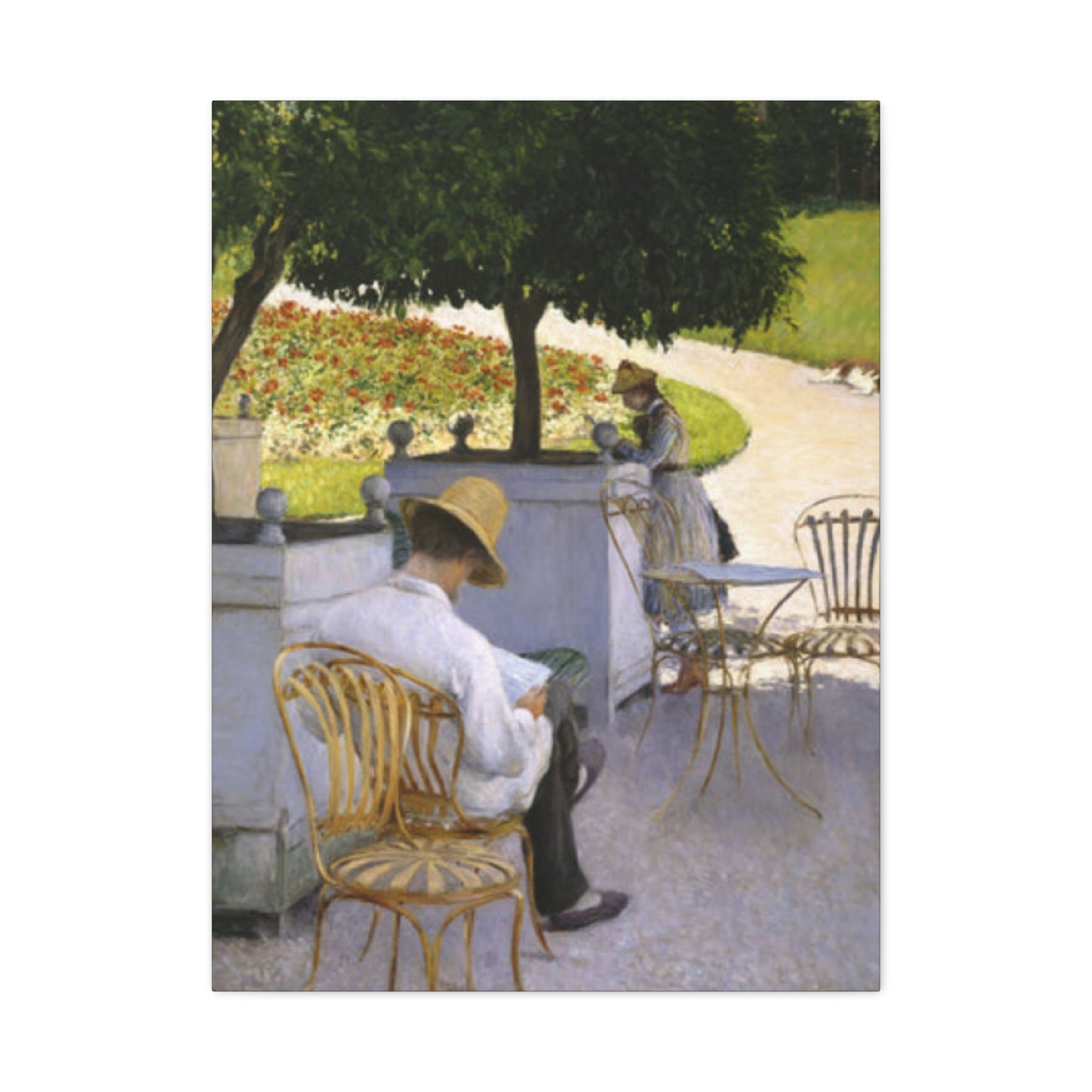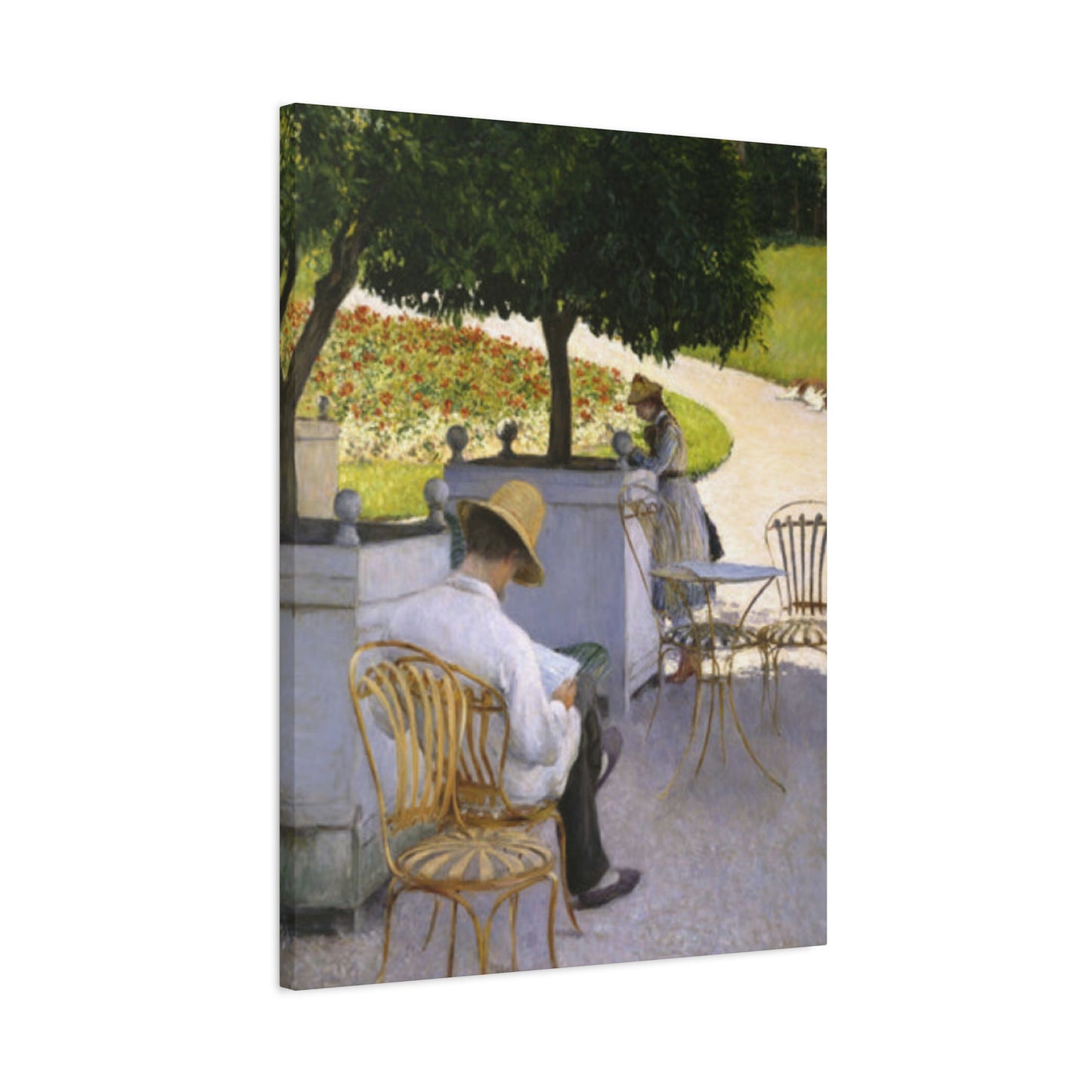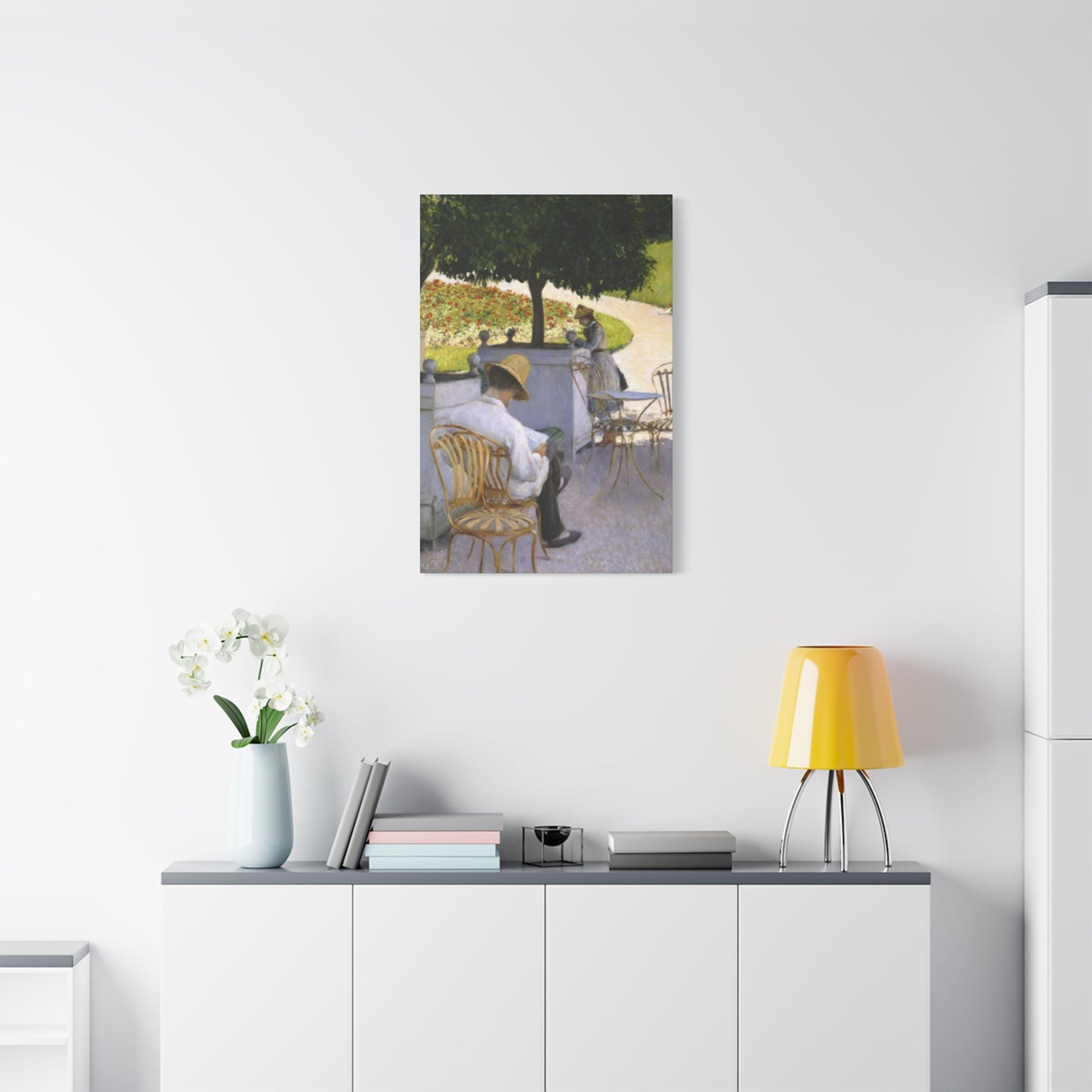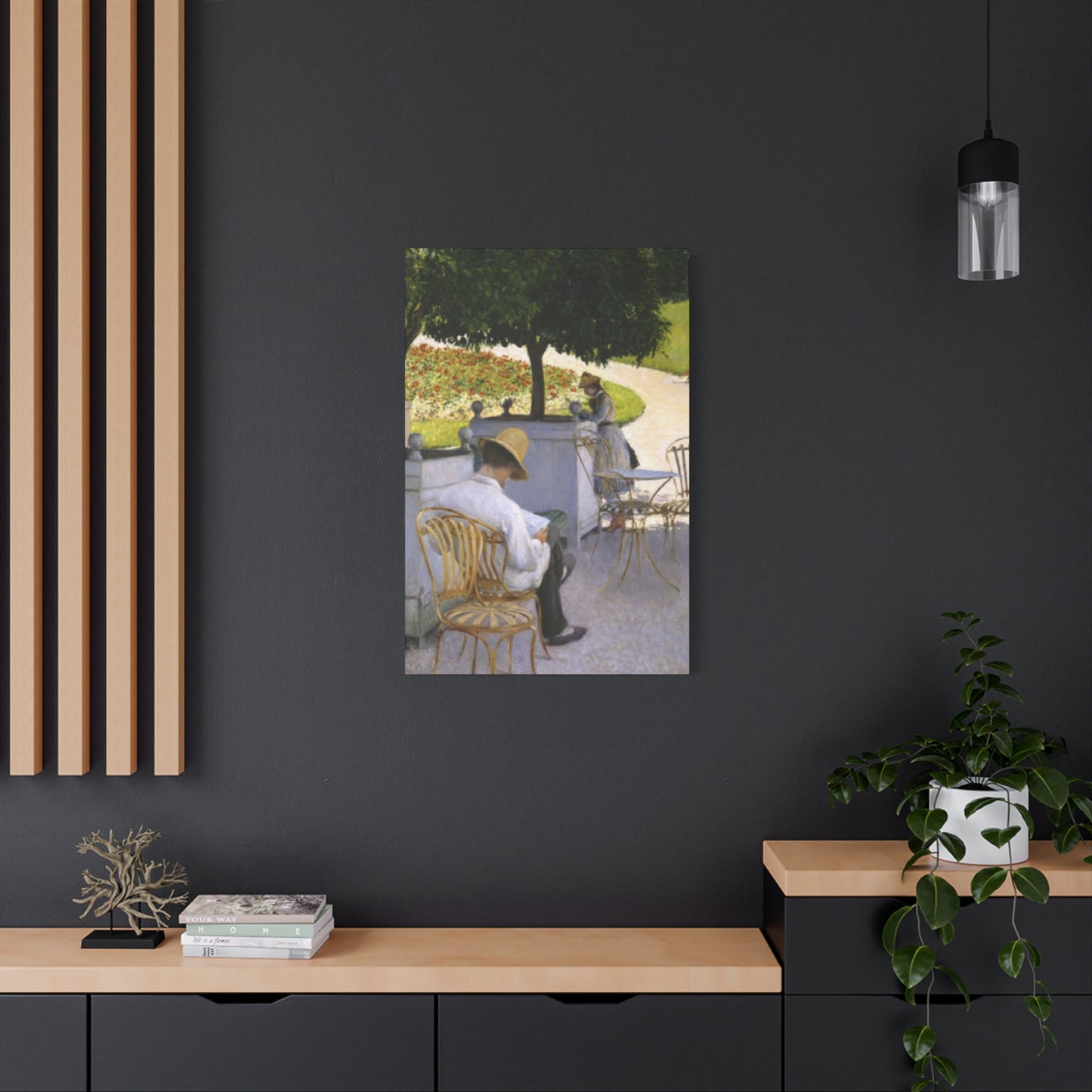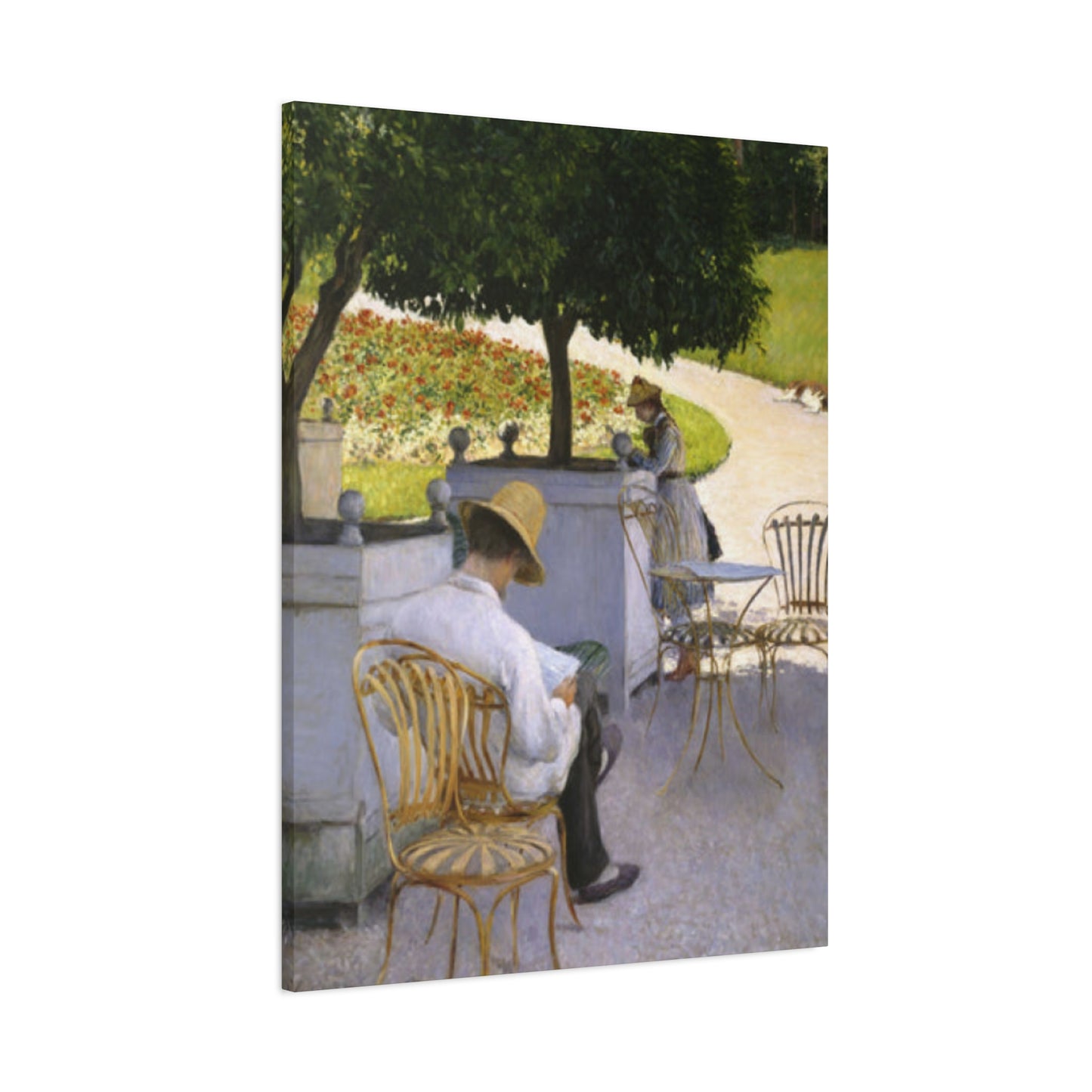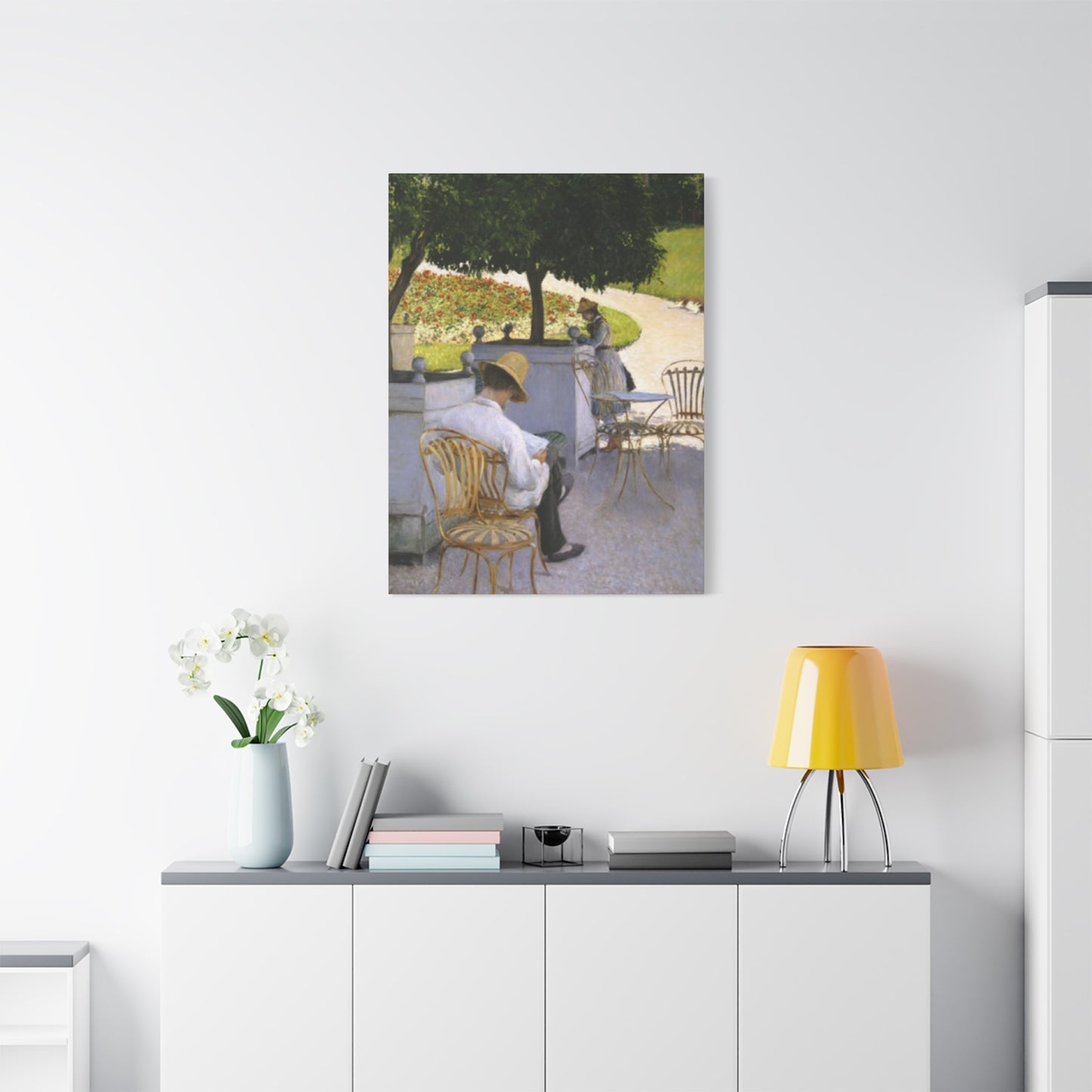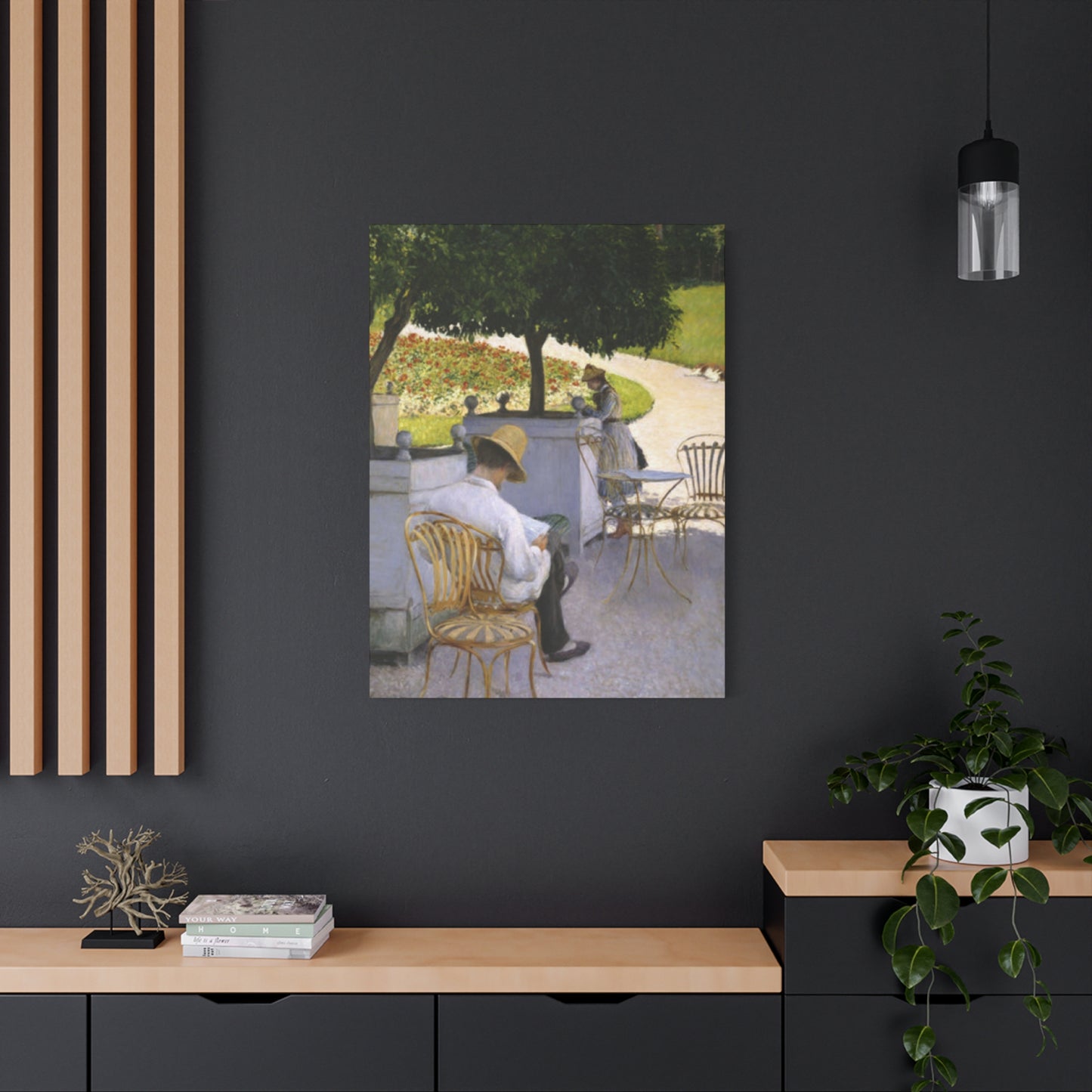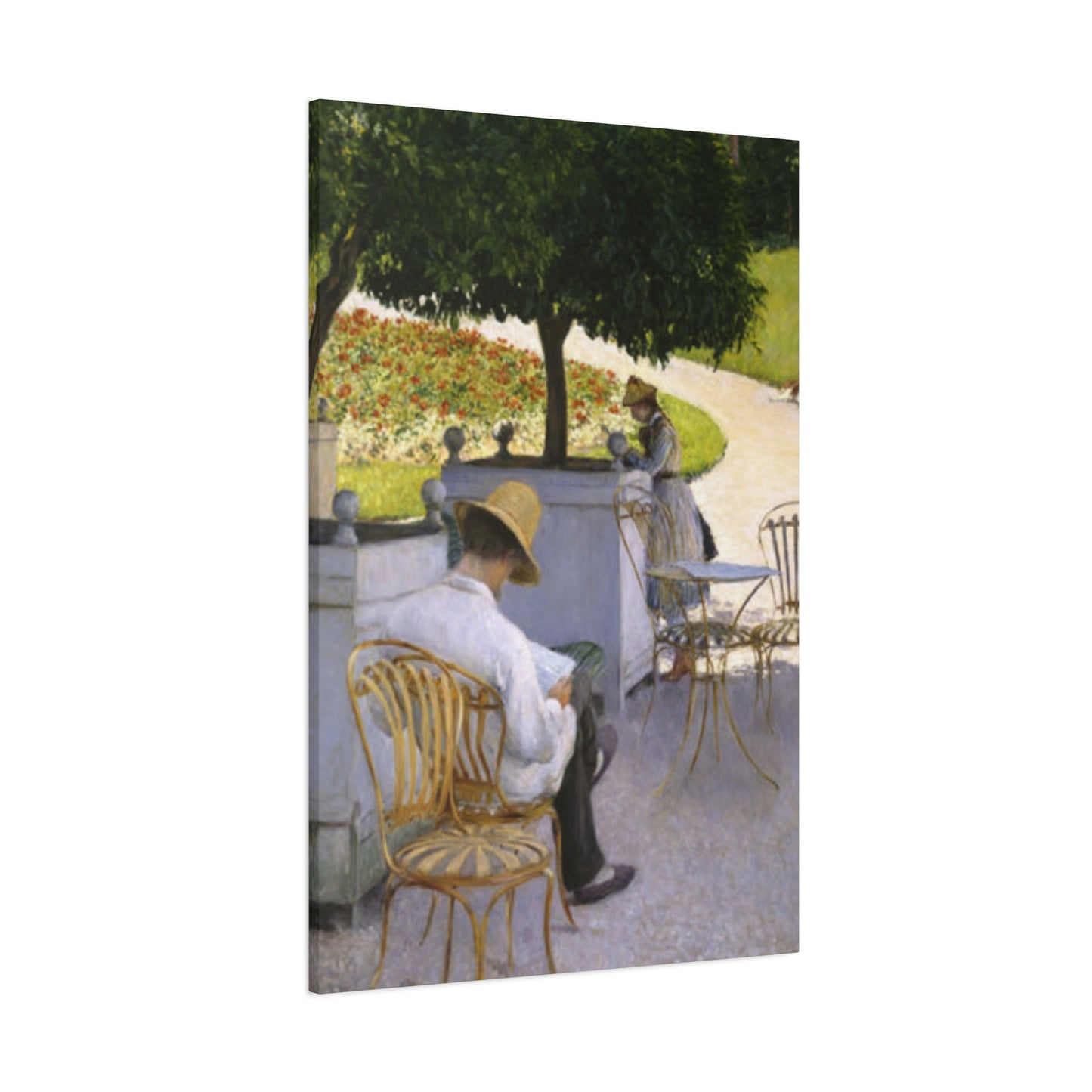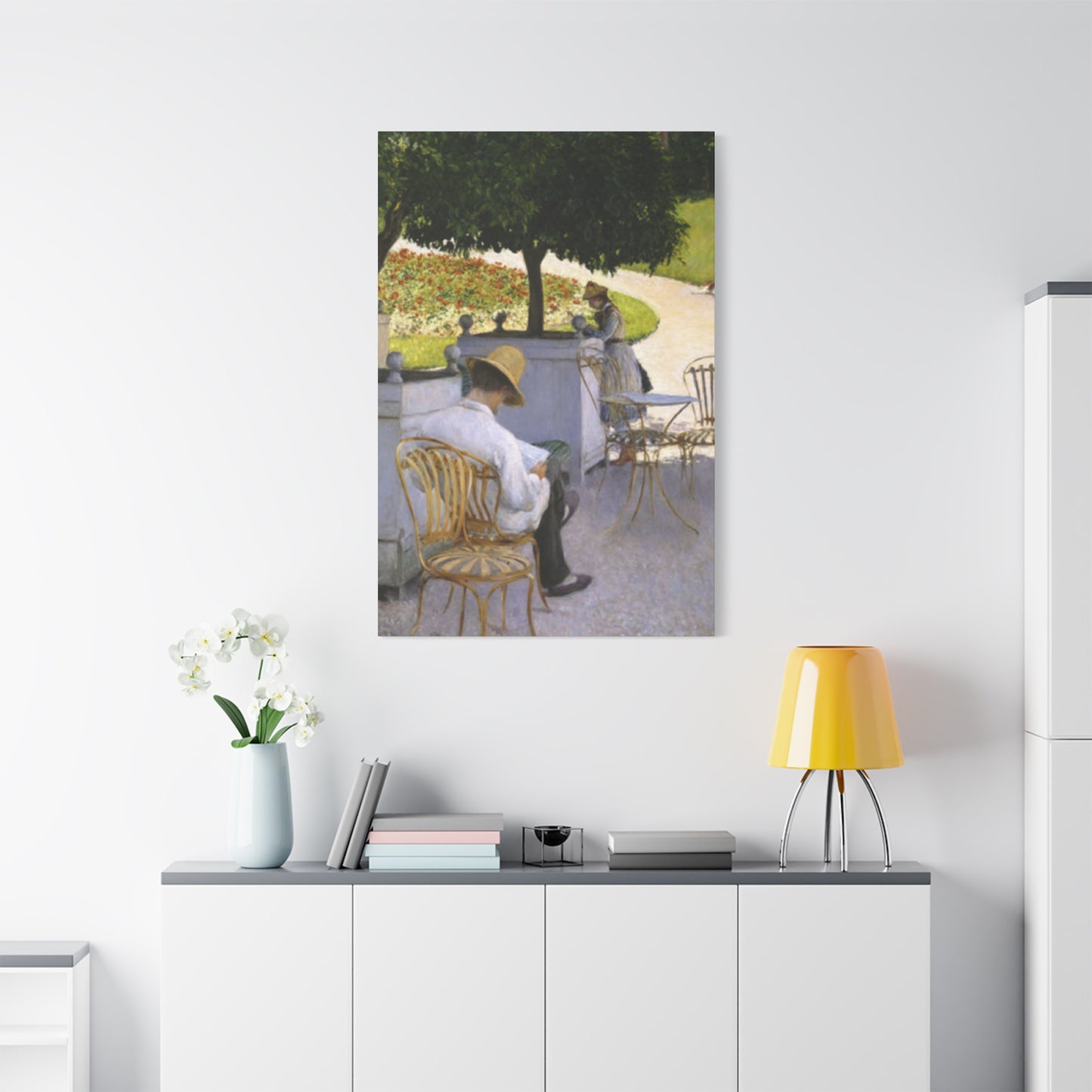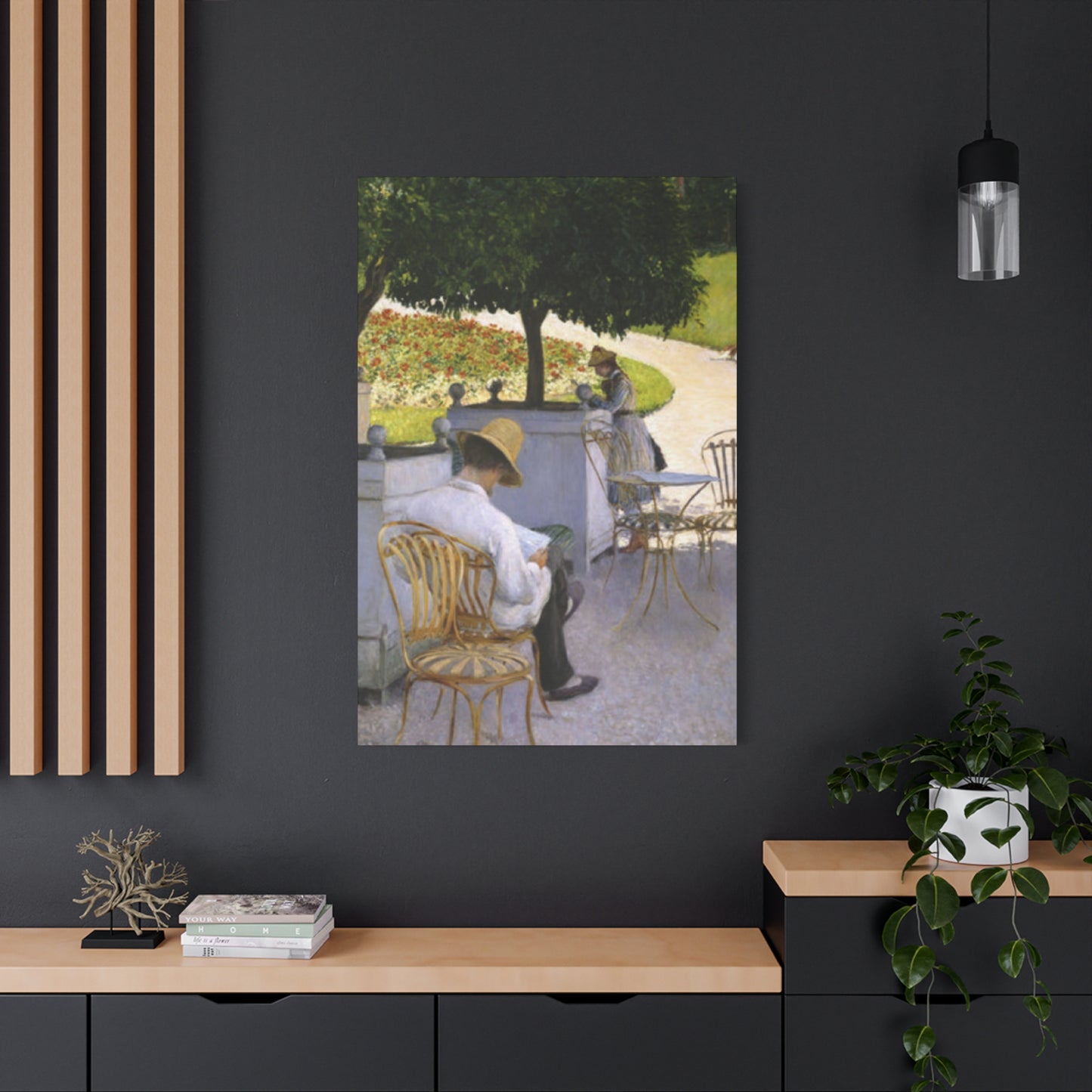


Gustav Men Painting Wall Art & Canvas Prints
Gustav Men Painting Wall Art & Canvas Prints
Couldn't load pickup availability
Exploring the Captivating World of Gustav Men Painting Wall Art: A Comprehensive Journey Through Artistic Expression and Interior Design
The realm of artistic expression has witnessed countless transformations throughout centuries, yet few subjects captivate observers quite like the profound works depicting masculine figures in contemplative poses. Among these masterpieces, the distinctive style represented by Gustav Men Painting Wall Art stands as a testament to the enduring power of figurative representation. This particular genre combines classical sensibilities with modern interpretations, creating pieces that resonate deeply with contemporary audiences while maintaining connections to timeless artistic traditions.
The Emergence and Evolution of Masculine Figurative Art in European Canvas Traditions
The depiction of masculine subjects within artistic compositions traces its lineage through numerous epochs, each contributing distinct characteristics that would eventually culminate in the sophisticated representations we recognize today. During the Renaissance period, artists began exploring the human form with unprecedented anatomical precision, establishing foundational principles that would influence generations of creators. These early explorations emphasized idealized proportions and heroic qualities, presenting male subjects as embodiments of strength, virtue, and intellectual prowess.
As centuries progressed, the Baroque movement introduced dramatic lighting and emotional intensity to masculine portraiture. Artists employed chiaroscuro techniques to create powerful contrasts between illuminated and shadowed areas, imbuing their subjects with psychological depth previously unseen in representational works. This period marked a significant departure from purely idealized depictions, embracing more nuanced characterizations that acknowledged human complexity and vulnerability.
The Romantic era brought forth yet another transformation, emphasizing individual emotion and subjective experience over classical restraint. Painters during this period portrayed men in states of contemplation, passion, or melancholy, reflecting broader cultural shifts toward valuing personal sentiment and inner life. These works often featured subjects situated within dramatic natural landscapes or intimate interior settings, creating rich contextual frameworks that enhanced narrative dimensions.
Impressionist and Post-Impressionist movements subsequently challenged traditional representational approaches, introducing looser brushwork and experimental color palettes. Artists began prioritizing visual impression over photographic accuracy, capturing fleeting moments and atmospheric qualities rather than meticulously rendered details. This revolutionary approach liberated masculine portraiture from academic constraints, allowing for more expressive and individualistic interpretations.
Distinctive Visual Characteristics That Define This Artistic Category
Gustav Men Painting Wall Art exhibits several recognizable attributes that distinguish it within broader artistic discourse. These works typically feature male figures rendered with confident brushstrokes that convey both physical presence and psychological interiority. The compositional strategies employed often place subjects centrally or slightly offset, creating balanced arrangements that guide viewer attention while maintaining visual interest throughout the entire canvas.
Color selection within these pieces demonstrates sophisticated understanding of tonal relationships and emotional resonance. Earthy pigments frequently dominate palettes, including ochres, siennas, and umbers that evoke warmth and groundedness. These hues are often punctuated by cooler tones in backgrounds or clothing, creating harmonious contrasts that prevent monotony while maintaining cohesive visual unity. The strategic deployment of highlights and shadows sculpts dimensional forms that appear to emerge from picture planes, engaging viewers through implied three-dimensionality.
Textural qualities constitute another defining feature, with many exemplary works showcasing visible brushwork that celebrates the materiality of paint itself. This approach, reminiscent of Impressionist and Expressionist traditions, invites viewers to appreciate both representational content and abstract qualities inherent in painted surfaces. The interplay between recognizable imagery and gestural marks creates layered viewing experiences that reward prolonged contemplation.
Facial expressions and body language within these compositions typically convey introspection, dignity, or quiet confidence. Subjects rarely confront viewers with direct gazes; instead, they often appear absorbed in thought or engaged in activities that suggest inner worlds. This characteristic imbues works with narrative potential, encouraging observers to construct stories and emotional contexts around depicted figures.
Methods for Selecting Appropriate Pieces to Complement Residential Environments
Choosing suitable artwork for living spaces requires consideration of multiple factors that extend beyond mere aesthetic preference. Successful selection balances personal resonance with practical considerations including spatial dimensions, existing color schemes, and architectural characteristics of display locations. When contemplating Gustav Men Painting Wall Art for residential contexts, individuals should begin by assessing the emotional atmosphere they wish to cultivate within specific rooms.
Scale represents a critical variable in artwork selection. Oversized pieces command attention and serve as focal points, anchoring room compositions and establishing visual hierarchies. Conversely, smaller works invite closer inspection and function well in groupings or gallery-wall arrangements. Measuring wall spaces accurately before making selections prevents disappointments arising from proportion mismatches that can diminish impact or create awkward spatial relationships.
Color coordination demands thoughtful analysis of existing palette distributions within rooms. While exact matching proves unnecessary and often counterproductive, identifying complementary or analogous color relationships ensures new additions harmonize with established schemes. Consider how specific hues within paintings might echo tones present in upholstery, rugs, or architectural elements, creating visual threads that unify disparate components into cohesive wholes.
Lighting conditions dramatically influence how artwork appears within spaces. Natural illumination changes throughout days and seasons, altering color perception and detail visibility. Artificial lighting likewise affects viewing experiences, with warm bulbs enhancing certain pigments while cool LEDs emphasize others. Evaluating how specific pieces respond to available light sources helps ensure selections will perform optimally within intended contexts.
Thematic coherence between artwork and room functions strengthens overall design narratives. Contemplative masculine portraits suit studies, libraries, or private bedrooms where reflective moods align with spatial purposes. More dynamic compositions might better serve gathering areas where energy and engagement receive priority. Matching artwork character to spatial use enhances psychological appropriateness and occupant satisfaction.
Exploring Various Display Formats and Presentation Styles
Gustav Men Painting Wall Art manifests across diverse physical formats, each offering distinct advantages for particular contexts and preferences. Canvas prints remain popular choices, providing textured surfaces that convincingly replicate traditional painting aesthetics. Gallery-wrapped canvases, where printed fabric extends around frame edges, deliver contemporary presentations suitable for modern interiors, eliminating needs for additional framing while maintaining polished appearances.
Framed reproductions under glass present alternative presentation modes that protect surfaces while enabling broader stylistic customization. Frame selection significantly impacts overall aesthetics, with options ranging from ornate gilded moldings evoking classical elegance to minimalist metal profiles supporting contemporary sensibilities. Mat boards introduce additional design variables, creating transitional zones between images and frames that enhance visual focus while accommodating diverse proportions.
Metal prints represent innovative contemporary formats that transfer images onto aluminum surfaces through dye-sublimation processes. These renditions exhibit exceptional color vibrancy and remarkable durability, resisting fading and moisture damage that threaten conventional prints. Their sleek, modern appearances complement urban lofts and minimalist spaces particularly effectively, though their reflective qualities require careful lighting consideration.
Acrylic mounting produces striking dimensional effects by sandwiching prints between transparent acrylic sheets and backing materials. Light penetrates these assemblies, illuminating images from within and creating luminous qualities unattainable through traditional methods. The resulting depth and clarity make acrylic presentations especially suitable for high-impact display situations where artwork must compete for attention within visually complex environments.
Wood-mounted prints offer rustic charm and organic warmth that resonates with farmhouse aesthetics and natural design philosophies. Images transferred or mounted onto wooden panels acquire textural interest from visible grain patterns that add character and authenticity. These presentations work beautifully in casual settings where relaxed, unpretentious atmospheres receive priority over formal sophistication.
Color Theory Principles Applied to Masculine Portrait Compositions
Understanding chromatic relationships illuminates why certain masculine portraits achieve particular emotional effects and visual harmonies. Gustav Men Painting Wall Art frequently employs analogous color schemes, utilizing adjacent hues on color wheels to create smooth transitions and unified atmospheres. These palettes, perhaps combining blues, greens, and teals or oranges, reds, and yellows, produce naturally harmonious compositions that feel balanced without appearing artificially coordinated.
Complementary contrasts provide alternative strategic approaches, pairing opposite color wheel positions to generate visual excitement and dynamic tension. A figure rendered in warm amber tones set against cool blue backgrounds creates vibrating optical effects that capture attention and maintain interest. These high-contrast relationships must be carefully modulated to avoid overwhelming viewers or creating jarring discord that undermines compositional intentions.
Triadic schemes incorporate three equidistant color wheel positions, establishing vibrant yet balanced palettes. While less common in traditional masculine portraiture, contemporary interpretations occasionally employ these arrangements to inject energy and modernity into figurative representations. Successful triadic implementations require careful value management, ensuring one hue dominates while others serve supporting roles that prevent visual chaos.
Monochromatic approaches restrict palettes to single hues explored through various values and saturations. These restrained schemes emphasize form, composition, and tonal relationships over chromatic variety. Masculine portraits executed in sepia ranges or blue-gray spectrums often convey timeless elegance and sophisticated restraint, appealing to viewers favoring subtle refinement over bold spectacle.
Temperature plays crucial roles in establishing mood and spatial perception within compositions. Warm palettes dominated by reds, oranges, and yellows generate intimate, inviting atmospheres that draw viewers emotionally closer to subjects. Cool schemes featuring blues, greens, and violets create psychological distance and contemplative moods, positioning subjects as objects of intellectual consideration rather than emotional connection.
Practical Considerations for Proper Installation and Positioning
Successfully installing Gustav Men Painting Wall Art requires attention to multiple practical factors that ensure both security and optimal presentation. Determining appropriate hanging heights represents the first critical consideration, with standard guidelines suggesting positioning center points approximately 57 to 60 inches from floor levels, approximating average human eye heights. This placement allows comfortable viewing without requiring awkward neck positions or excessive physical adjustment.
Wall composition significantly influences installation approaches. Drywall installations typically utilize picture hangers rated for specific weight capacities, with selections based on artwork mass and backing structures. Heavier pieces may require anchors or toggle bolts that distribute weight across larger wall areas, preventing damage and ensuring stability. Plaster walls demand specialized fasteners designed to grip crumbling substrates without causing catastrophic failures.
Stud locations offer superior hanging security for substantial artworks, with mounting hardware attached directly to structural framing members rather than relying solely on wall surface materials. Electronic stud finders simplify locating these hidden supports, though traditional methods involving careful tapping and listening for density changes remain effective alternatives. When stud positions don't align with desired artwork placements, horizontal rails spanning multiple studs provide flexible mounting solutions accommodating various arrangements.
Spacing considerations become paramount when installing multiple related pieces in groupings or gallery configurations. Maintaining consistent intervals between frames creates visual rhythm and professional polish, with distances typically ranging from two to four inches depending on frame sizes and available wall space. Laying out arrangements on floors before committing to wall penetrations allows experimentation without consequence, enabling adjustments that optimize balance and flow.
Leveling tools prove indispensable for achieving precisely horizontal or vertical orientations that prevent distracting tilts apparent to even casual observers. Small discrepancies create subliminal discomfort that undermines otherwise successful presentations, making careful alignment essential for professional results. Modern laser levels provide highly accurate references for complex multi-piece installations, though traditional bubble levels remain perfectly adequate for straightforward single-artwork placements.
Illumination Strategies That Enhance Viewing Experiences
Proper lighting transforms artwork from mere decoration into captivating focal points that command attention and reward examination. Gustav Men Painting Wall Art benefits particularly from thoughtful illumination approaches that reveal textural nuances, enhance color accuracy, and create dramatic visual impact. Multiple lighting strategies exist, each offering distinct advantages depending on spatial configurations and desired effects.
Picture lights mounted directly above or below artworks provide dedicated illumination that highlights specific pieces while creating dramatic contrast with surrounding wall areas. These fixtures, available in various finishes and styles, range from traditional brass arms to sleek LED strips that virtually disappear from view. Adjustable models allow fine-tuning beam angles and spread patterns, accommodating different artwork sizes and viewer preferences.
Track lighting systems offer flexible solutions for spaces displaying multiple artworks or requiring adaptable configurations. Individual fixtures mount along electrified rails, enabling position adjustments that respond to changing displays or evolving aesthetic preferences. Directional heads swivel to target specific pieces, while dimming capabilities permit atmospheric customization suited to different activities and times of day.
Recessed ceiling fixtures create ambient illumination that bathes entire walls in relatively even light distributions. While less dramatic than focused spotlighting, this approach suits collections displayed in dedicated gallery-style spaces where uniform presentation takes precedence over individual highlighting. Careful positioning prevents glare and hotspots that obscure details or create uncomfortable viewing conditions.
Natural light presents both opportunities and challenges for artwork display. Abundant daylight enhances viewing experiences during appropriate hours, revealing colors with accuracy impossible under artificial sources. However, prolonged exposure risks fading pigments and deteriorating substrate materials, necessitating protective measures including UV-filtering window treatments or strategic placement away from direct sunbeam paths.
Color temperature selections significantly impact how artworks appear under artificial illumination. Warm white bulbs (2700-3000K) enhance earthy tones and create cozy atmospheres but may distort cool colors. Neutral white options (3500-4100K) offer balanced renditions suitable for most artwork types, while daylight-spectrum bulbs (5000-6500K) provide crisp illumination that reveals fine details with clarity approaching natural conditions.
Curatorial Principles for Assembling Cohesive Collections
Building meaningful collections of Gustav Men Painting Wall Art extends beyond accumulating individual pieces, requiring strategic thinking about thematic relationships, visual harmonies, and narrative progressions. Successful collectors develop focused acquisition criteria that guide decisions while allowing sufficient flexibility to embrace unexpected discoveries that enhance holdings in unanticipated ways.
Thematic coherence provides one organizing principle around which collections naturally coalesce. Some collectors concentrate on specific time periods, assembling works that document stylistic evolution across decades or centuries. Others focus on particular emotional registers, seeking pieces that explore common psychological territories through diverse representational strategies. Subject-based approaches might emphasize certain activities, settings, or demographic characteristics that create conceptual threads unifying disparate works.
Stylistic diversity within collections prevents visual monotony while demonstrating breadth of appreciation. Mixing representational approaches, from highly realistic renderings to loosely interpreted abstractions, creates dynamic viewing experiences that maintain interest through contrast and variation. Balancing detailed, labor-intensive works with gestural, spontaneous pieces showcases the full spectrum of possibilities within masculine figurative traditions.
Scale variation adds another dimension to collection planning, with combinations of large statement pieces and smaller intimate works creating visual rhythms analogous to musical compositions. Alternating between monumental presences that dominate spaces and delicate studies rewarding close inspection generates pacing that guides attention and prevents overwhelming viewers with relentless uniformity.
Color palette considerations influence how collections function within specific environments and as standalone bodies of work. Some collectors favor narrow chromatic ranges that create signature aesthetic identities immediately recognizable across multiple pieces. Others embrace full-spectrum approaches that demonstrate versatility and prevent predictability, though maintaining some unifying thread prevents collections from appearing arbitrarily assembled.
Provenance and authenticity establish collection credibility and investment value, particularly for those acquiring original artworks or limited-edition reproductions. Documenting chain of ownership, verifying artist attributions, and obtaining certificates authenticating pieces as authorized reproductions rather than unauthorized copies protects financial interests while ensuring ethical participation in art markets.
Psychological Dimensions of Masculine Imagery in Domestic Settings
The presence of Gustav Men Painting Wall Art within residential environments generates subtle but significant influences on occupant psychology and visitor perceptions. Understanding these dynamics enables more intentional deployment of imagery aligned with desired atmospheric and emotional outcomes. Masculine representations carry cultural associations accumulated across centuries that continue shaping contemporary responses despite evolving social attitudes.
Traditionally, depictions of male figures connoted authority, stability, and intellectual gravitas, qualities associated with patriarchal social structures that dominated Western cultures throughout most recorded periods. While contemporary sensibilities increasingly question these automatic associations, residual cultural programming continues influencing subconscious reactions to masculine imagery. Rooms featuring such artwork may subtly communicate seriousness, traditional values, or formality to visitors processing visual cues below conscious awareness thresholds.
Conversely, modern interpretations of masculine subjects increasingly emphasize vulnerability, introspection, and emotional complexity, challenging stereotypical associations with stoicism and emotional restraint. Artworks presenting men in contemplative poses or expressing nuanced feelings can create atmospheres encouraging authentic self-expression and emotional honesty, countering restrictive gender expectations that limit human experience.
The specific activities or contexts depicted within artworks shape psychological impacts substantially. Figures engaged in intellectual pursuits suggest environments valuing thought, learning, and cultural refinement. Subjects shown in creative activities communicate appreciation for artistic expression and imaginative exploration. Representations of men in natural settings may evoke desires for simplicity, authenticity, or connection to primal aspects of human existence often suppressed within contemporary urban lifestyles.
Facial expressions and body language transmit powerful emotional messages that influence ambient moods within spaces. Stern, serious countenances create formal, potentially intimidating atmospheres, while relaxed, peaceful expressions foster calm and comfort. Dynamic poses suggesting movement or action energize environments, whereas static, contemplative postures encourage stillness and reflection. Matching artwork character to intended spatial functions optimizes psychological appropriateness.
Scale relationships between depicted figures and viewers establish power dynamics and intimacy levels. Larger-than-life representations create impressions of importance or idealization, positioning subjects as aspirational models or authority figures. Life-sized depictions foster identification and connection, suggesting equality between subjects and observers. Smaller-scale intimacies invite close viewing and personal engagement, creating private communion between artwork and individual viewers.
Strategies for Preserving and Protecting Valuable Artworks
Proper stewardship of Gustav Men Painting Wall Art ensures longevity and maintains aesthetic qualities across decades or generations. Environmental factors pose the most significant threats to artwork integrity, with temperature, humidity, light exposure, and air quality all contributing to gradual or catastrophic deterioration. Implementing protective measures mitigates these risks, safeguarding investments and preserving cultural artifacts.
Temperature stability proves crucial for preventing expansion and contraction cycles that stress canvas fibers, crack paint layers, or warp wooden supports. Ideal ranges typically fall between 65 and 75 degrees Fahrenheit, with consistency mattering more than achieving specific target values. Avoiding placement near heating vents, air conditioning outlets, fireplaces, or exterior walls subject to extreme temperature fluctuations extends artwork lifespan substantially.
Humidity control prevents moisture-related damage including mold growth, canvas sagging, paper cockling, or metal corrosion affecting hanging hardware. Target relative humidity levels generally range from 40 to 55 percent, striking balances between excessive dryness causing brittleness and dampness promoting biological growth. Dehumidifiers and humidifiers help maintain appropriate ranges in challenging climates or problematic seasons.
Light exposure represents perhaps the most insidious threat, causing gradual fading and chemical degradation that accumulates invisibly until damage becomes irreversible. Ultraviolet radiation proves particularly destructive, breaking molecular bonds in pigments and substrates through photochemical reactions. UV-filtering glazing on framed works, window treatments blocking harmful wavelengths, and strategic placement away from direct sunlight provide essential protections.
Air quality considerations often receive insufficient attention despite significant impacts on artwork condition. Pollutants including cooking fumes, cigarette smoke, and cleaning product volatiles deposit residues on surfaces or initiate chemical reactions degrading materials. Adequate ventilation, air purification systems, and avoiding artwork placement in kitchens or high-traffic areas minimize exposure to harmful airborne contaminants.
Physical protection against accidents, insects, and handling damage completes comprehensive preservation strategies. Corner guards prevent impact damage when moving furniture, while appropriate hanging hardware prevents falls that could puncture canvases or shatter frames. Regular dusting using soft, dry brushes removes accumulated particles without abrading surfaces, and immediate professional intervention addresses any damage before it worsens.
Emerging Trends Reshaping Contemporary Masculine Portraiture
The landscape of figurative art continues evolving, with contemporary artists reinterpreting traditional masculine representation through modern lenses reflecting current cultural conversations. Understanding these trends provides context for appreciating how Gustav Men Painting Wall Art fits within broader artistic movements while anticipating directions the genre may pursue.
Identity exploration has emerged as a dominant theme, with artists interrogating constructions of masculinity previously taken for granted as natural or universal. Works question restrictive stereotypes, celebrate diversity within masculine experiences, and validate emotional expressions traditionally coded as feminine. These explorations resonate with audiences increasingly aware of how gender expectations limit human potential and cause psychological harm.
Cultural specificity receives growing emphasis as artists resist homogenized representations that erase ethnic, geographic, and class distinctions. Contemporary masculine portraits frequently incorporate elements referencing specific cultural heritages, challenging Western art historical canons that centered European subjects and aesthetic standards. This expanded inclusivity enriches representational possibilities while correcting historical exclusions.
Interdisciplinary approaches blend traditional painting with photography, digital manipulation, collage, and mixed media assemblage. These hybrid works reflect contemporary experiences mediated through screens and synthesized from multiple information streams. The resulting aesthetics often feel distinctly twenty-first century, distinguishing current production from historical precedents despite addressing timeless themes.
Political and social commentary increasingly infuses figurative works as artists respond to pressing contemporary issues including inequality, climate crisis, migration, and authoritarianism. Masculine subjects become vehicles for exploring power structures, systemic injustices, and collective responsibilities. These engaged works reject notions of art as purely aesthetic pursuit, asserting its relevance to urgent human concerns.
Experimental techniques push material and process boundaries, incorporating unconventional substrates, tools, or pigments that expand traditional painting definitions. Artists employ industrial materials, found objects, or biotechnological processes alongside conventional media, creating works that challenge categorical distinctions while maintaining connections to figurative traditions.
Regional Variations in Masculine Portraiture Styles Worldwide
While discussing Gustav Men Painting Wall Art often centers European traditions, masculine representation manifests distinctively across global cultures, each contributing unique aesthetic vocabularies and conceptual frameworks. Exploring these diverse approaches enriches understanding while revealing how cultural contexts shape artistic priorities and formal strategies.
Asian traditions emphasize different qualities than Western counterparts, often prioritizing spiritual cultivation, scholarly refinement, or martial discipline over physical prowess or emotional expression. Chinese literati painting depicts scholar-gentlemen in gardens or studios, surrounded by books and cultural artifacts signifying intellectual attainment. Japanese samurai portraits convey dignity and self-control through restrained poses and minimal gestural indication, embodying bushido values.
Middle Eastern and Persian miniature traditions present masculine subjects in richly decorative contexts emphasizing pattern, calligraphy, and narrative detail over psychological depth. These works function as illustrations accompanying literary texts rather than standalone portraits, with figures stylized according to conventional types rather than individualized characterizations. The resulting aesthetics prioritize ornamental beauty and storytelling over naturalistic representation.
African portraiture traditions vary tremendously across the continent's diverse cultures but frequently emphasize community roles, ancestral connections, and spiritual dimensions over individual psychology. Masks and sculptural forms traditionally conveyed masculine identities more commonly than two-dimensional paintings, though contemporary African artists increasingly explore painted portraiture incorporating both traditional and modern influences.
Latin American masculine representation often engages with colonial legacies, indigenous heritages, and syncretistic cultural formations resulting from centuries of interaction. Artists navigate complex identity negotiations, creating works that honor pre-Columbian traditions while asserting contemporary relevance and responding to ongoing social struggles.
Indigenous traditions from Australia, North America, and Oceania approach masculine representation through culturally specific frameworks prioritizing relationships with land, ancestral knowledge, and communal obligations over individual achievement or appearance. Contemporary indigenous artists frequently blend traditional iconography and materials with modern techniques, creating powerful statements about cultural survival and adaptation.
Commercial Venues and Platforms for Acquiring Quality Reproductions
Individuals seeking to acquire Gustav Men Painting Wall Art encounter numerous purchasing channels, each offering distinct advantages and potential drawbacks. Navigating this marketplace successfully requires understanding these differences while developing evaluation criteria ensuring satisfactory acquisitions.
Online marketplaces provide unprecedented access to vast inventories spanning price points, styles, and quality levels. These platforms enable comprehensive comparison shopping and often feature customer reviews offering insights into product quality, seller reliability, and shipping experiences. However, inability to inspect items physically before purchase introduces uncertainty regarding color accuracy, material quality, and overall craftsmanship.
Dedicated art print specialists focus exclusively on reproduction artwork, typically offering superior quality control, better materials, and more knowledgeable customer service than generalist retailers. These vendors often provide detailed specifications regarding printing processes, paper weights, ink types, and archival qualities, enabling informed purchase decisions. Higher price points generally reflect genuine quality advantages rather than arbitrary markups.
Gallery retail spaces offer tactile evaluation opportunities absent from online purchasing, allowing examination of textures, colors, and construction details before committing funds. Staff expertise can prove invaluable for selecting appropriate pieces and receiving customization guidance. However, physical galleries necessarily maintain more limited inventories than online counterparts, potentially requiring visits to multiple locations before finding ideal pieces.
Direct artist relationships through studio visits, open houses, or personal commissions enable acquiring original artworks or limited editions while supporting creators directly. These transactions often include opportunities to understand creative processes, discuss customization possibilities, and develop ongoing collecting relationships. Cost barriers may prove prohibitive for some buyers, though payment plans sometimes make original artwork accessible to broader audiences.
Auction houses and estate sales occasionally yield remarkable finds at advantageous prices, particularly for those willing to invest time researching, attending viewings, and participating in competitive bidding. These venues suit experienced collectors comfortable evaluating authenticity and condition, as return policies prove less accommodating than retail contexts and purchases generally finalize irreversibly.
Thematic Variations Expanding Representational Possibilities
Gustav Men Painting Wall Art encompasses diverse subcategories reflecting different aspects of masculine experience and artistic priorities. Understanding these variations helps collectors identify pieces resonating with personal interests while appreciating the breadth of possibilities within broader categories.
Occupational portraits depict men engaged in professional activities ranging from manual labor to intellectual pursuits. These works celebrate specific vocations while exploring relationships between identity and work, capturing dignity inherent in various forms of productive endeavor. Historical examples documented trades and professions while contemporary interpretations often comment on labor conditions, career satisfaction, or work-life balance tensions.
Military and warrior representations constitute a significant subcategory with ancient roots, portraying soldiers, commanders, or martial artists. These works traditionally emphasized valor, discipline, and sacrifice while potentially glorifying warfare in ways contemporary audiences might question. Modern approaches frequently adopt more critical perspectives, acknowledging trauma, loss, and moral complexity accompanying armed conflict.
Athletic and sporting imagery captures physical prowess, competitive spirit, and bodily mastery through diverse activities from ancient wrestling to modern sports. These representations celebrate human physical potential while raising questions about body culture, performance pressure, and the commodification of athletic bodies within contemporary sports entertainment complexes.
Intellectual and artistic pursuits appear in portraits of thinkers, writers, musicians, and creators shown engaged with books, instruments, or artistic materials. These works affirm values of contemplation, creativity, and cultural contribution, offering alternatives to action-oriented masculine stereotypes while honoring diverse forms of human excellence.
Domestic and intimate settings present men in private contexts including homes, bedrooms, or personal leisure activities. These representations challenge public-private dichotomies traditionally gendering domestic space as feminine, asserting masculine presence within nurturing, vulnerable, or contemplative contexts often excluded from conventional masculine iconography.
The Intersection of Masculine Portraiture and Interior Design Movements
Gustav Men Painting Wall Art functions differently within various interior design contexts, with aesthetic movements emphasizing different qualities that influence artwork selection and presentation strategies. Understanding these relationships enables more coherent integration between artworks and surrounding environments.
Traditional design frameworks emphasizing symmetry, rich materials, and historical references naturally accommodate classical masculine portraiture with formal compositions and refined execution. Ornate gilded frames, museum-quality matting, and prominent placement over fireplaces or in formal dining rooms suit these aesthetics, creating environments communicating cultivation, heritage, and cultural sophistication.
Modern and contemporary movements prioritizing clean lines, minimal ornamentation, and functional simplicity require different approaches to masculine portraiture integration. Works featuring bold graphic qualities, restrained palettes, or abstract elements complement these aesthetics more successfully than busy, detailed compositions. Frameless presentations or simple metal frames maintain visual coherence with modern environments without introducing distracting decorative elements.
Industrial aesthetics celebrating raw materials, exposed structural elements, and urban grit pair effectively with masculine imagery conveying strength, authenticity, or working-class identity. Works featuring rough textures, bold brushwork, or subjects engaged in manual labor resonate with industrial design philosophies while adding humanizing elements to potentially cold environments dominated by metal, concrete, and glass.
Bohemian and eclectic approaches embracing pattern mixing, global influences, and collected-over-time aesthetics accommodate diverse masculine representations unified more by personal significance than stylistic consistency. These environments encourage expressive risk-taking and individual statement-making, allowing artwork selections driven purely by emotional resonance rather than design coordination concerns.
Minimalist frameworks demanding ruthless editing and intentional object selection require artwork serving as carefully chosen focal points rather than decorative fill. Masculine portraits within minimalist contexts must possess sufficient visual power and conceptual depth to justify their presence, functioning as meaningful artistic statements rather than mere wall covering.
Framing Considerations That Enhance Presentation Quality
Frame selection significantly impacts how Gustav Men Painting Wall Art appears and integrates within display contexts, with countless options enabling aesthetic customization suited to diverse preferences and design schemes. Understanding framing fundamentals empowers better decisions that enhance rather than detract from artwork qualities.
Material choices establish foundational aesthetic characters, with wood, metal, and composite options each conveying distinct impressions. Wood frames range from raw, rustic finishes emphasizing natural grain to polished, stained surfaces exuding traditional elegance. Metal frames typically communicate modern sensibilities, with options including sleek aluminum, industrial steel, or warm brass and copper adding luxury touches.
Profile dimensions and shapes dramatically affect visual weight and stylistic character. Wide, substantial frames create bold borders commanding significant attention and suiting large-scale works or spacious environments. Narrow profiles maintain focus on artwork itself while providing necessary boundaries and protection, working well for smaller pieces or minimalist contexts where restraint receives priority.
Color relationships between frames and artwork require thoughtful consideration, with options including complementary contrasts that energize presentations or analogous harmonies that create seamless transitions. Metallic finishes in gold, silver, or bronze introduce reflective elements adding sparkle and visual interest. Black frames provide universal versatility suitable for most artworks, while white options create gallery-like presentations emphasizing artwork over frame.
Matting decisions significantly influence final appearances, with options including single or multiple mat layers in various widths and colors. Wide mats create breathing room around images, preventing claustrophobic crowding while allowing compositional elements proper visual space. Colored mats can emphasize specific artwork hues or introduce coordinating elements linking pieces to broader design schemes.
Glazing selections balance protection with visibility, with options including regular glass, non-reflective glass, acrylic alternatives, and UV-filtering variants. Museum-quality glazing provides maximum protection and minimal visual interference but commands premium pricing. Standard glass offers acceptable protection at lower costs but may introduce reflections interfering with viewing experiences under certain lighting conditions.
Cultural Symbolism Embedded in Masculine Representations
Gustav Men Painting Wall Art carries symbolic meanings extending beyond surface appearances, with specific attributes, poses, and contextual elements conveying culturally determined messages to informed viewers. Understanding this iconographic vocabulary deepens appreciation while revealing how seemingly straightforward representations function as complex communication systems.
Clothing and accessories serve as powerful identity markers signaling social status, professional roles, or cultural affiliations. Formal attire including suits or military uniforms communicates authority, structure, and institutional belonging. Casual dress suggests informality, authenticity, or rejection of pretense. Working clothes identify specific occupations while signaling values associated with manual labor including honesty, industriousness, and practical capability.
Poses and gestures carry conventional meanings established through centuries of artistic practice. Standing figures project authority and active engagement with the world, while seated positions suggest contemplation, accessibility, or vulnerability. Arms crossed may indicate defensive self-protection or confident self-containment depending on broader contextual cues. Hands engaged with objects communicate specific competencies or interests central to subject identity.
Directional gazes influence viewer relationships with subjects and implied narrative dimensions. Direct eye contact creates confrontational or intimate connections, demanding acknowledgment and response from observers. Averted gazes suggest introspection, distraction, or polite social distancing, allowing viewers to observe without feeling scrutinized. Upward gazes may indicate aspiration, spiritual contemplation, or visionary capacity.
Lighting patterns carry symbolic weight beyond purely technical considerations, with dramatic shadows suggesting complexity, hidden depths, or internal struggles. Bright, even illumination communicates transparency, honesty, or idealization. Partially obscured faces invite speculation about concealed aspects of personality or experience, creating narrative intrigue encouraging active viewer interpretation.
Background elements and settings establish contextual frameworks shaping subject interpretation. Natural landscapes suggest harmony with environment, romantic idealization, or primitivist fantasies about authentic existence. Urban backgrounds communicate modernity, sophistication, or alienation depending on specific details and overall treatment. Sparse, undefined backgrounds focus attention exclusively on figures while potentially suggesting universality or timelessness.
Emotional Resonance and Personal Connection in Art Acquisition
Beyond aesthetic considerations and design coordination, successful artwork acquisition depends substantially on emotional resonance and personal connection that transform decorative objects into meaningful presences within lived environments. Understanding factors contributing to these responses enables more satisfying selection processes honoring individual sensibilities.
Autobiographical associations strongly influence artwork appreciation, with pieces triggering personal memories, family histories, or significant life experiences generating powerful emotional responses transcending objective aesthetic qualities. A masculine portrait might resemble a beloved grandfather, recall a meaningful mentor, or evoke a transformative period in one's life, establishing intimate connections unavailable to others lacking similar experiential backgrounds.
Aspirational identification leads viewers to select artworks representing qualities they admire or wish to cultivate within themselves. Someone valuing intellectual pursuits might choose representations of contemplative readers or scholars. Individuals prioritizing creativity may prefer artists or musicians. Athletic imagery appeals to those emphasizing physical discipline and bodily mastery. These choices function as visual affirmations of personal values and identity aspirations.
Aesthetic pleasure derived from formal qualities including composition, color, brushwork, and overall craftsmanship provides another foundation for emotional connection. Some viewers respond primarily to technical excellence, appreciating skillful rendering and sophisticated formal solutions. Others prioritize expressive qualities valuing emotional authenticity over technical perfection. Honoring personal aesthetic inclinations rather than external validation ensures acquisitions delivering enduring satisfaction.
Narrative intrigue engages imagination through suggested stories, ambiguous expressions, or mysterious contextual details inviting speculation and interpretation. Artworks functioning as visual riddles or open-ended narratives sustain interest across repeated viewings as observers continually discover new details or reconsider previous interpretations. This quality proves particularly valuable for pieces intended for spaces occupied extensively including bedrooms or home offices.
Spiritual or existential resonance emerges from artworks addressing fundamental human concerns including mortality, meaning, connection, or transcendence. Masculine portraits exploring vulnerability, aging, loss, or contemplative depths can provide visual companions for viewers grappling with similar existential questions, offering nonverbal acknowledgment that others share universal struggles and uncertainties.
Conclusion
Financial considerations inevitably influence artwork acquisition decisions, with available resources constraining possibilities while requiring strategic thinking to maximize value and satisfaction within given parameters. Thoughtful budget planning enables building meaningful collections without incurring destructive debt or regrettable compromises.
Price determinants for Gustav Men Painting Wall Art include numerous variables beyond subjective quality assessments. Size significantly impacts cost, with larger pieces requiring more materials and labor commanding higher prices. Original artworks dramatically exceed reproduction costs, with specific premiums depending on artist recognition, scarcity, and market demand. Limited edition prints maintain intermediate positions, offering exclusivity without original artwork premiums.
Print quality levels significantly affect both initial cost and long-term value, with distinctions between mass-produced posters and museum-quality giclée reproductions justifying substantial price differences. High-quality reproductions utilize archival inks and substrates ensuring color stability and longevity, while cheaper alternatives fade or deteriorate within years. For pieces intended as long-term investments or permanent collection components, superior reproduction quality proves economically rational despite higher initial costs.
Framing represents substantial expense frequently underestimated in collection budgeting, with custom framing sometimes exceeding print costs for modest-sized works. Ready-made frames offer economical alternatives though limited size options may necessitate choosing prints fitting available dimensions rather than selecting ideal images. Some collectors initially display unframed or simply mounted works, adding custom framing gradually as budgets permit.
Share