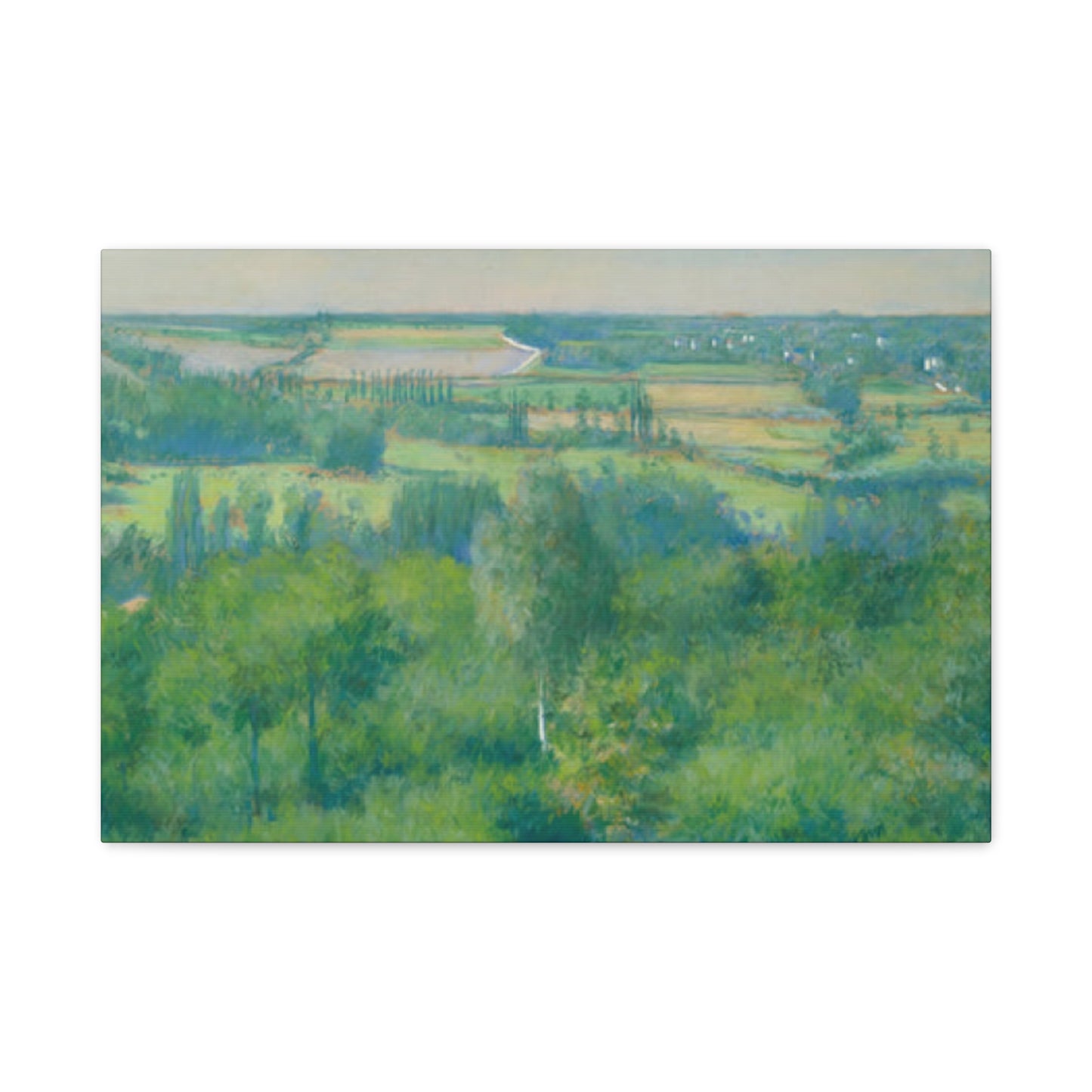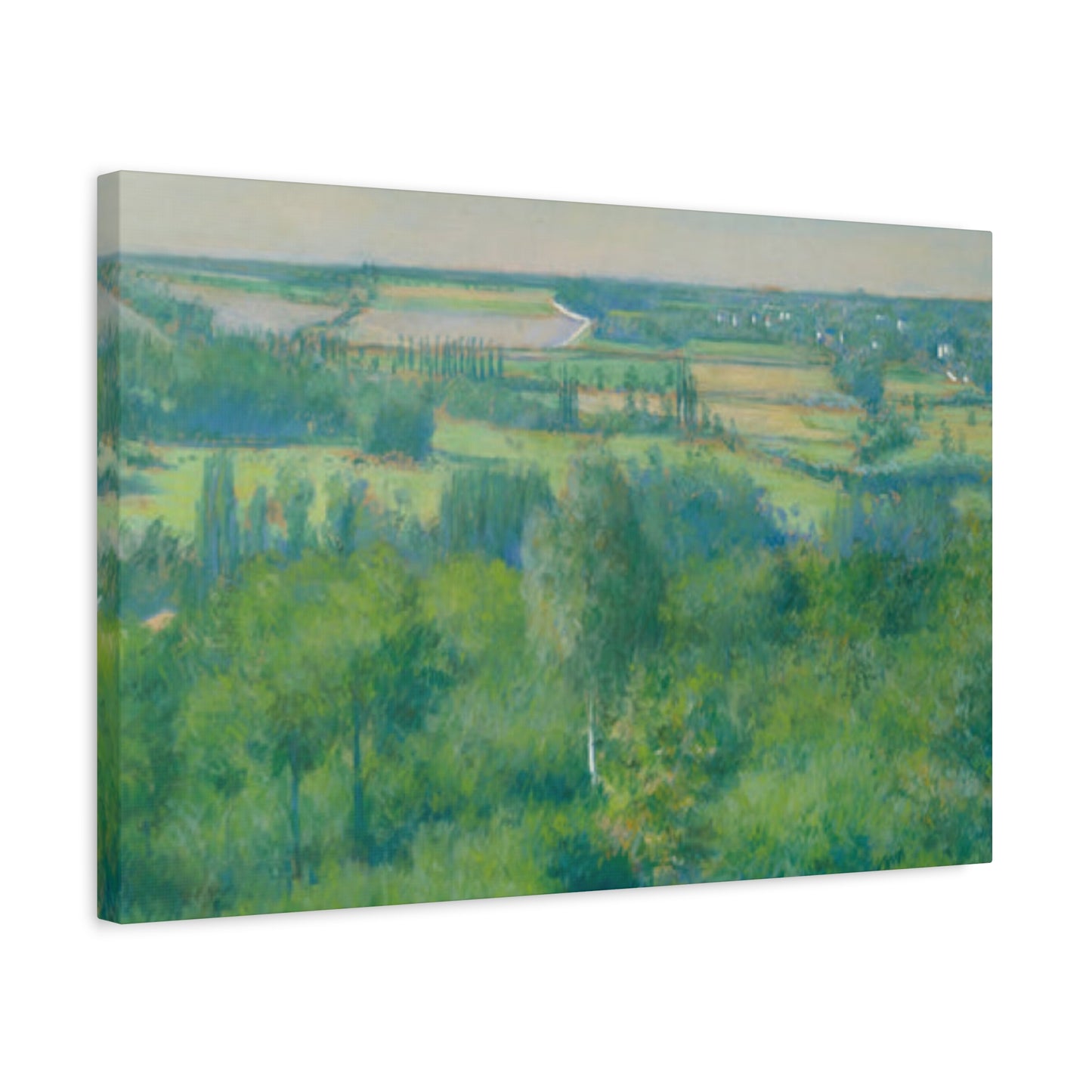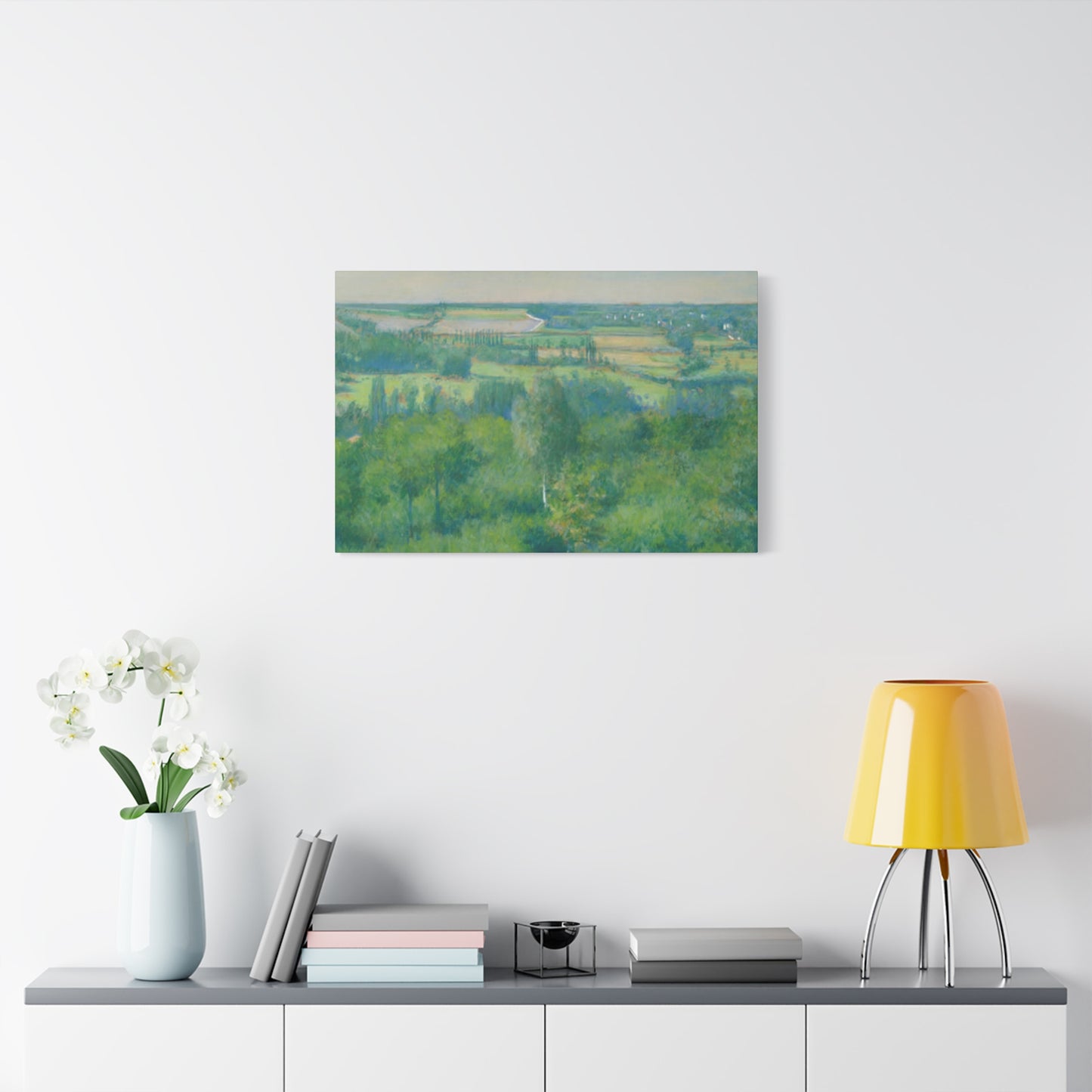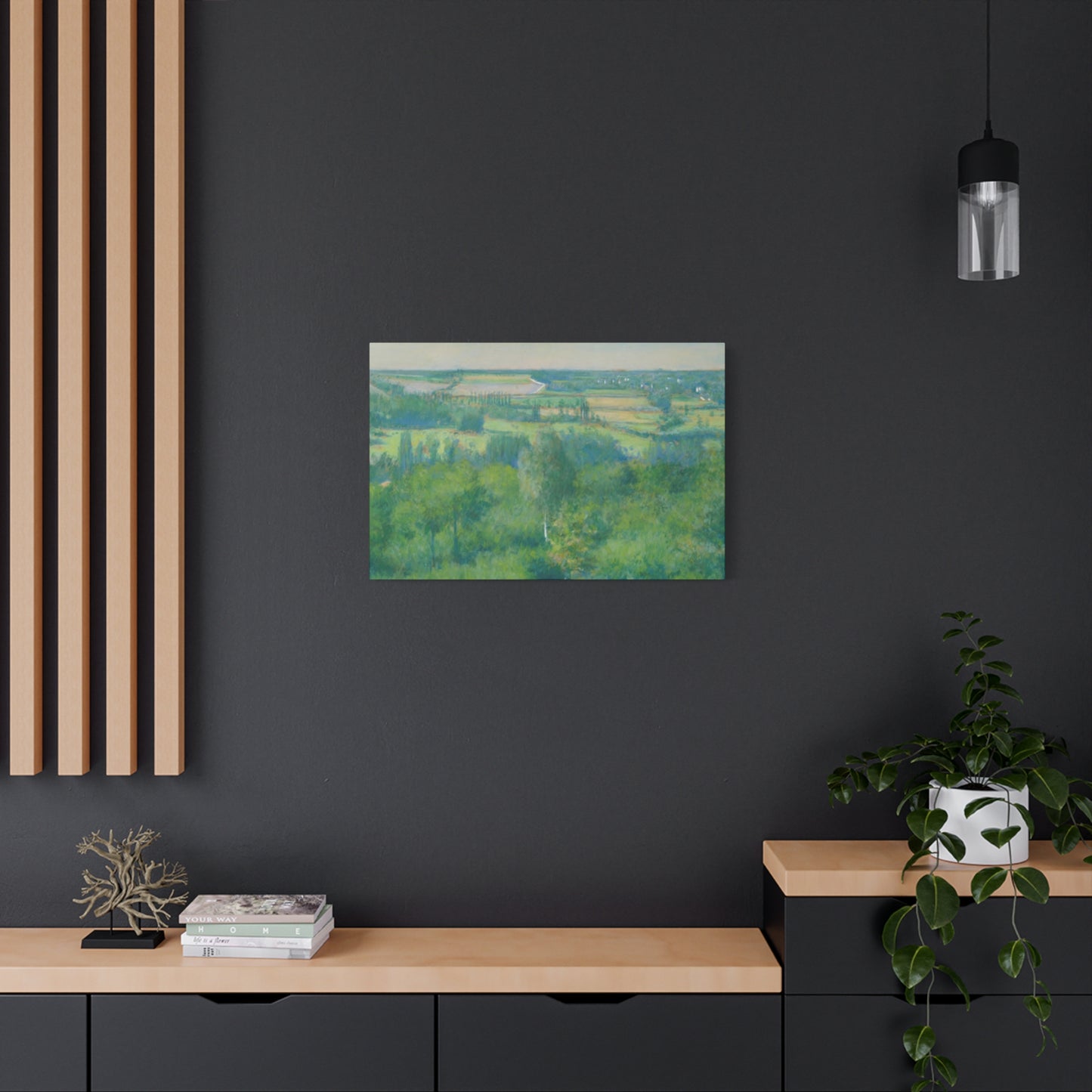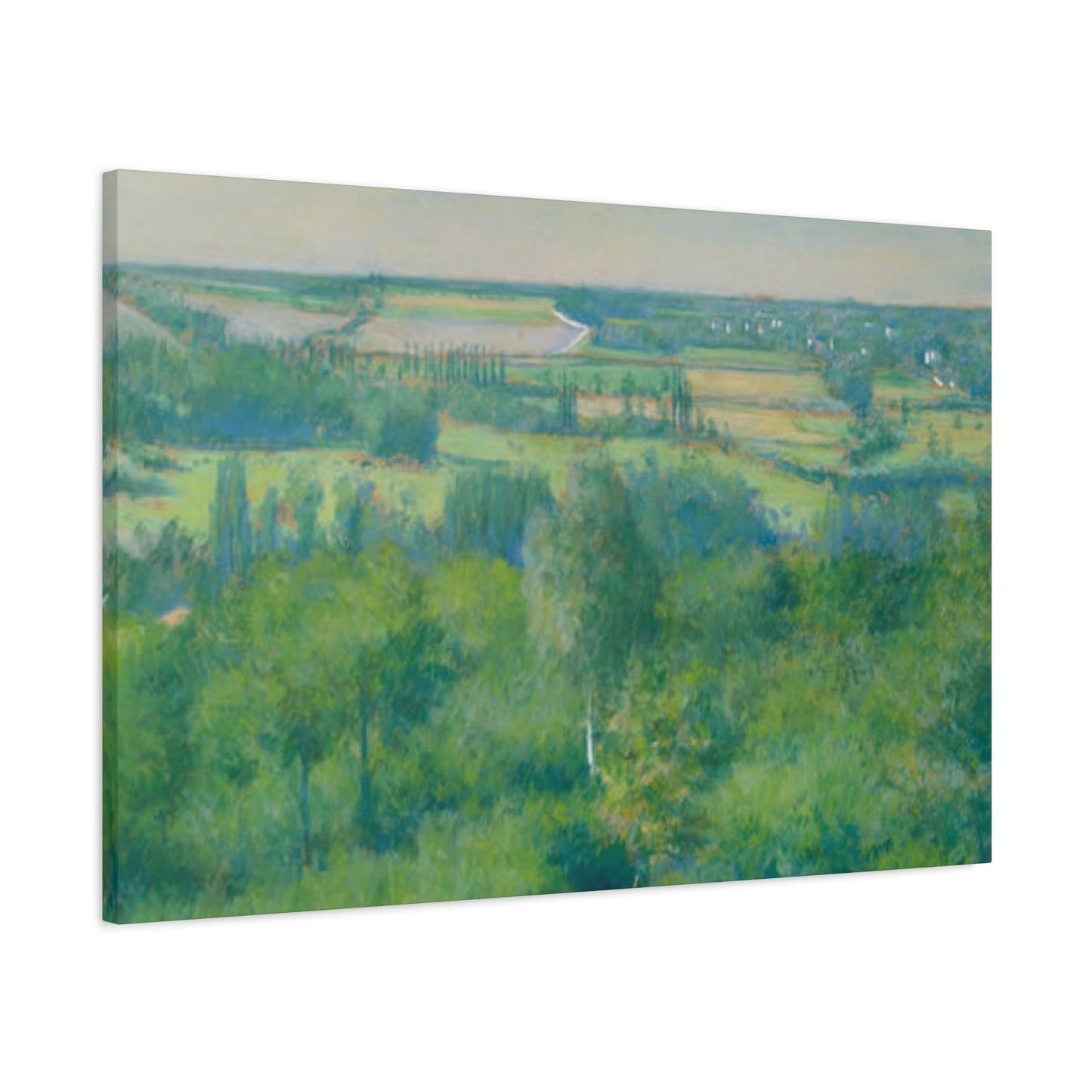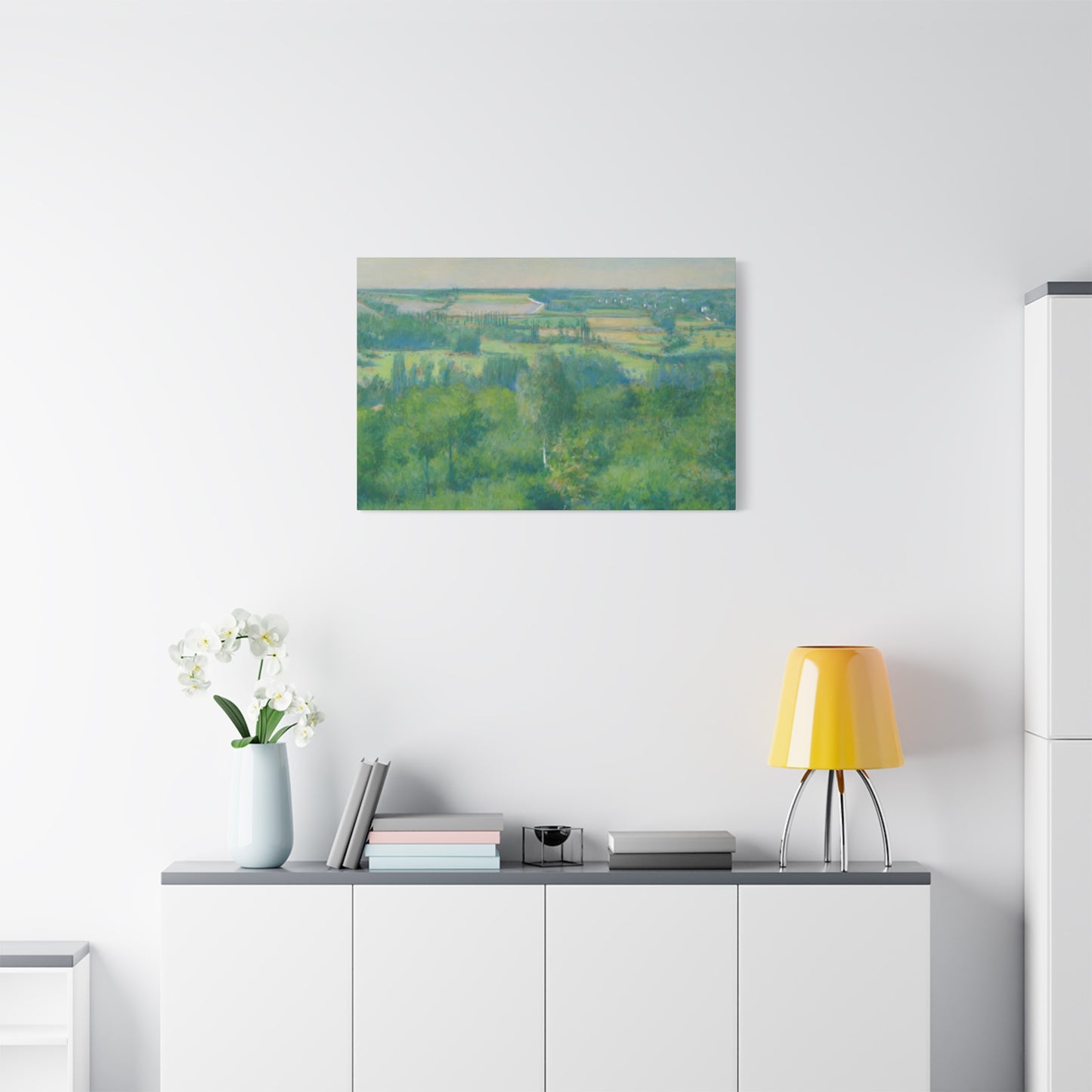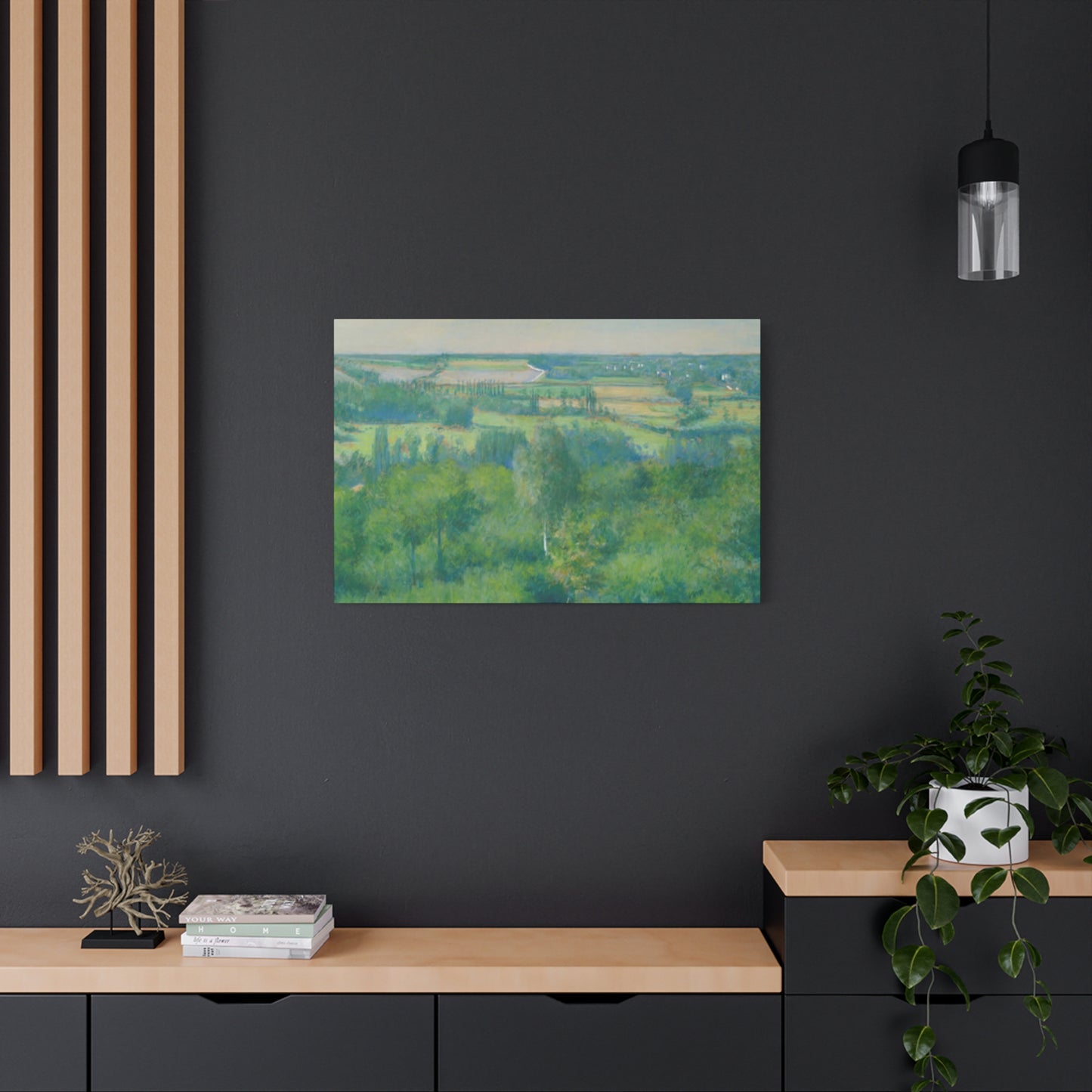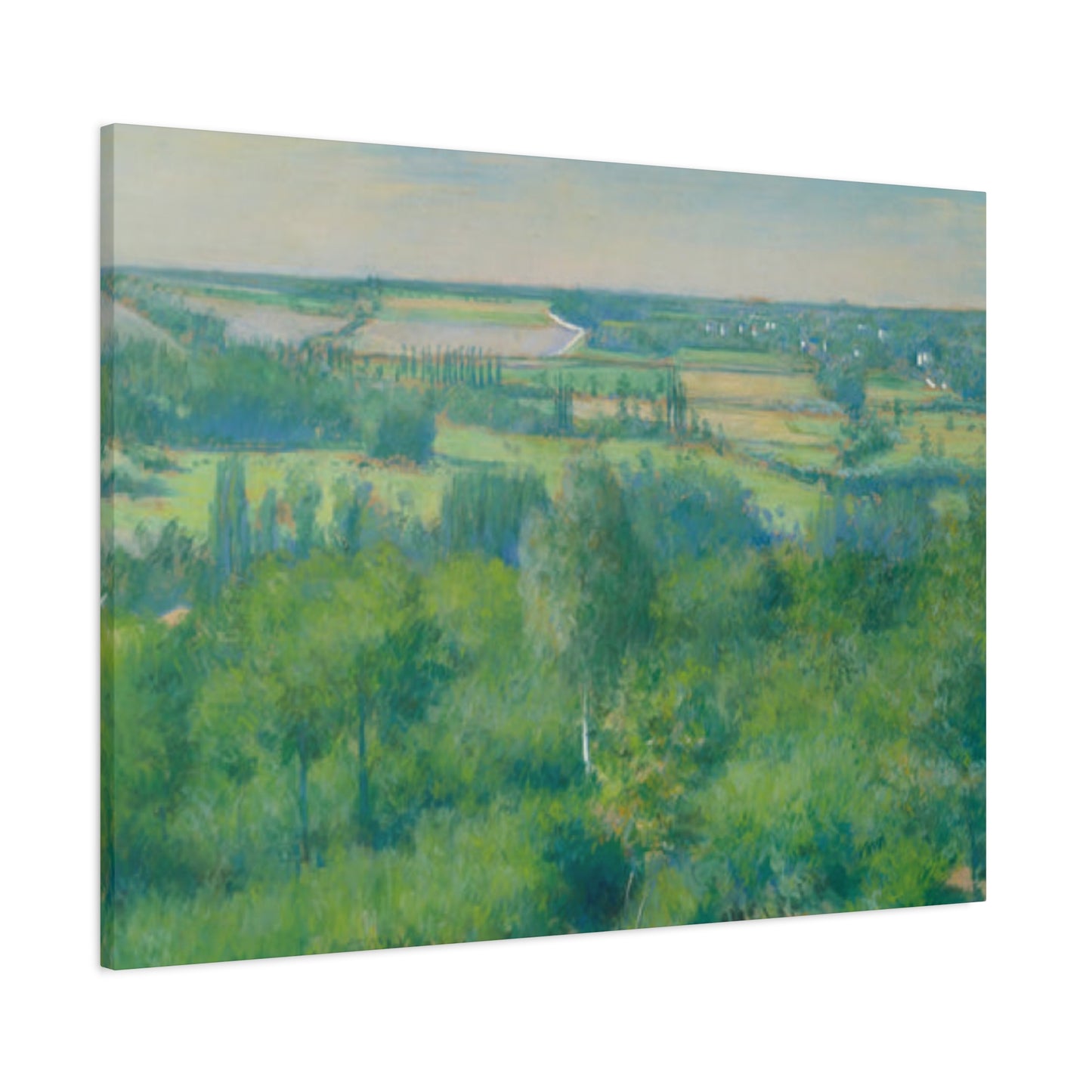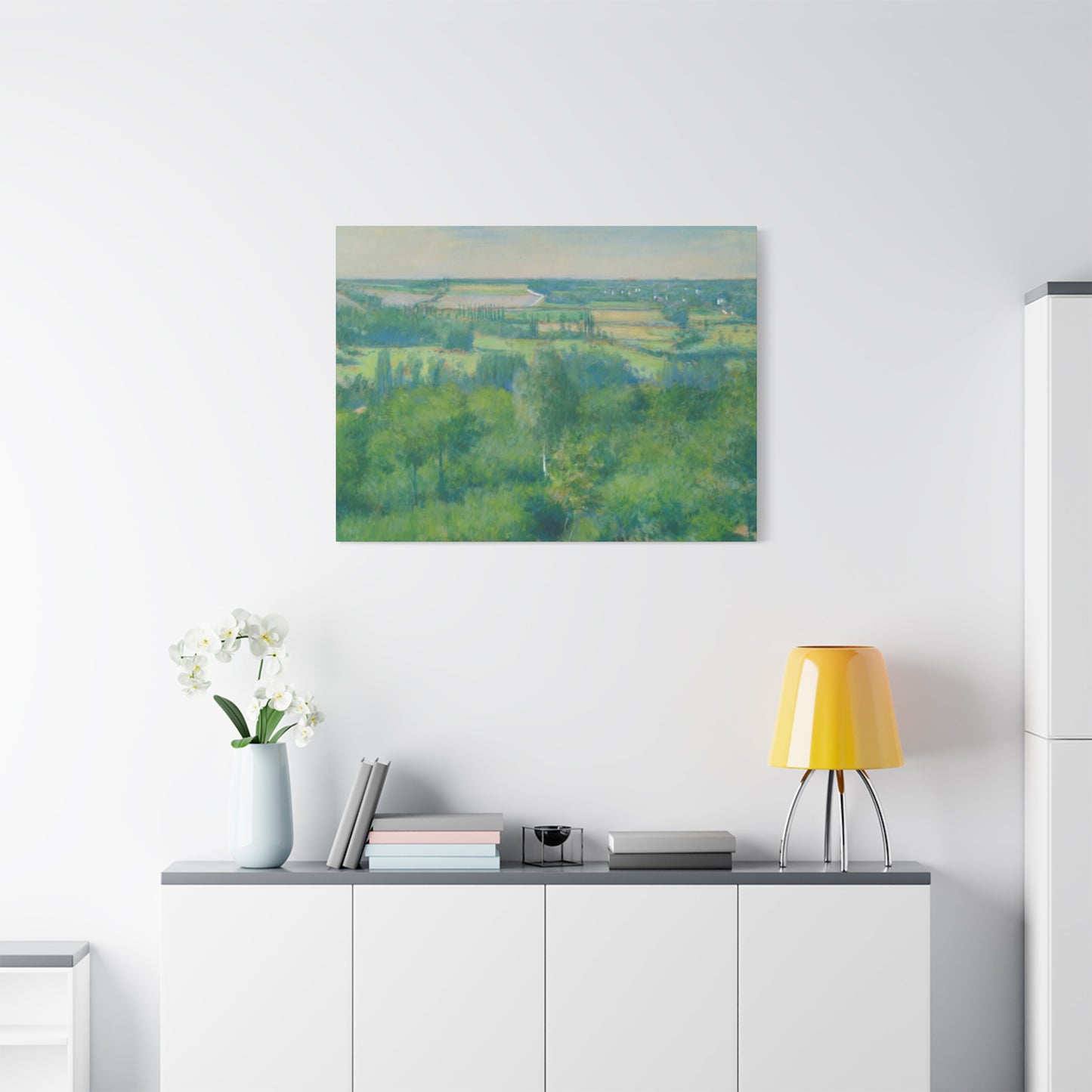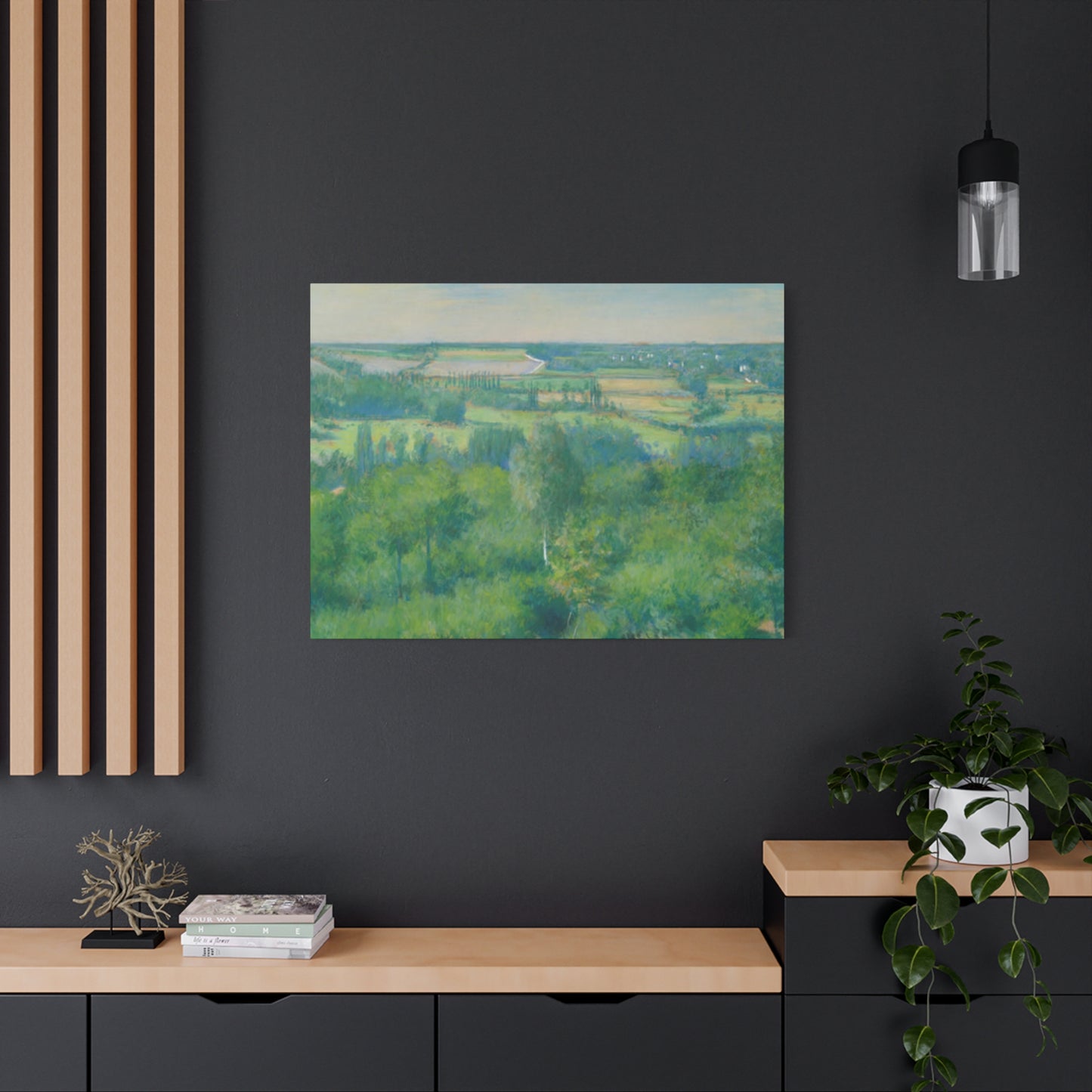


Gustav Landscape Painting Wall Art & Canvas Prints
Gustav Landscape Painting Wall Art & Canvas Prints
Couldn't load pickup availability
Discover the Timeless Beauty of Gustav Landscape Painting Wall Art for Your Living Spaces
The realm of artistic expression through visual imagery has captivated human civilization for centuries, offering windows into different eras, cultures, and perspectives. Among the myriad forms of creative output that adorn our walls, landscape depictions hold a particularly revered position, connecting viewers to nature's grandeur while transforming interior environments. Within this rich tradition, works inspired by or attributed to Gustav-style landscape compositions represent a pinnacle of aesthetic achievement, combining masterful brushwork with evocative natural scenes that resonate across generations.
Gustav landscape painting wall art encompasses a distinctive approach to capturing outdoor vistas, characterized by nuanced color palettes, atmospheric depth, and emotional resonance that transcends mere representation. These artworks serve multiple purposes within contemporary living spaces, functioning simultaneously as focal points for visual interest, conversation starters, and investments in cultural heritage. The enduring appeal of such pieces stems from their ability to bridge classical artistic traditions with modern sensibilities, making them perpetually relevant regardless of shifting design trends.
When considering the addition of landscape artwork to residential or commercial settings, understanding the multifaceted nature of these creations becomes essential. From the materials employed in their creation to the philosophical underpinnings that guided the original artists, each element contributes to the overall impact and value of the finished piece. This comprehensive exploration delves into every aspect of Gustav landscape painting wall art, providing insights that enable informed decisions about acquisition, placement, and appreciation.
The Artistic Legacy Behind Gustav-Inspired Landscape Compositions
The artistic movement associated with Gustav-style landscape paintings emerged during a period of profound transformation in European art, when creators began challenging conventional approaches to depicting the natural world. This era witnessed a fundamental shift away from rigid academic formulas toward more spontaneous, emotion-driven methods of artistic expression. Painters working within this paradigm sought to capture not just the physical appearance of landscapes but also their ephemeral qualities—the play of light across fields, the atmospheric conditions that alter perception, and the subjective emotional responses evoked by natural settings.
At the heart of this artistic philosophy lay a revolutionary concept: that the artist's immediate sensory experience held greater value than meticulously planned studio compositions. This approach required painters to work rapidly, often outdoors, capturing fleeting moments before lighting conditions changed or weather patterns shifted. The resulting works possessed an immediacy and vitality that studio-bound paintings frequently lacked, conveying a sense of direct engagement with the subject matter.
Gustav landscape painting wall art inherits this rich tradition, embodying principles that continue to influence contemporary creators. The emphasis on natural lighting effects, visible brushwork, and harmonious color relationships distinguishes these works from more academic landscape depictions. Rather than striving for photographic accuracy, these paintings prioritize emotional authenticity, seeking to recreate the feelings experienced when standing before actual natural vistas.
The specific characteristics that define Gustav-style landscape compositions include deliberate color choices that evoke particular moods, compositional strategies that guide the viewer's eye through the scene, and textural qualities that add physical dimension to the painted surface. These elements combine to create artworks that engage viewers on multiple levels simultaneously, offering both immediate visual pleasure and deeper contemplative rewards upon extended observation.
Examining the Diverse Categories Within Landscape Wall Artwork
Gustav landscape painting wall art encompasses remarkable variety, with different subcategories addressing distinct aesthetic preferences and functional requirements. Recognizing these variations helps collectors and decorators select pieces that align with their specific needs and personal tastes. The breadth of available options ensures that individuals with diverse stylistic inclinations can find works that resonate with their sensibilities while complementing their existing environments.
Pastoral countryside scenes represent one prominent category within this artistic tradition, depicting agricultural landscapes with fields, farmhouses, and rural pathways. These compositions often evoke nostalgia for simpler ways of life, offering urban dwellers visual escape into tranquil agrarian settings. The color palettes in such works typically favor earth tones—ochres, siennas, and muted greens—that convey warmth and groundedness. Compositional elements frequently include middle-ground structures that provide focal points while maintaining the primacy of the surrounding landscape.
Coastal and maritime landscapes constitute another significant category, capturing the drama and dynamism of shoreline environments. These works often feature more dramatic color contrasts than pastoral scenes, with deep blues and grays punctuated by brilliant highlights where sunlight strikes water surfaces. The horizontal emphasis common in coastal compositions creates visual calm, while textural variations in wave depictions add energetic elements. Such paintings suit spaces where inhabitants seek both serenity and vitality, the dual nature of oceanic scenes providing psychological balance.
Mountainous and alpine landscapes offer yet another dimension within Gustav-style wall art, presenting majestic terrain that inspires awe and contemplation. These compositions typically employ vertical emphases that draw the eye upward, creating feelings of elevation and transcendence. Color schemes in mountain paintings often feature cooler tones—blues, purples, and silvers—that convey the crisp atmosphere of high-altitude environments. The scale implicit in such scenes can dramatically alter the perceived dimensions of interior spaces, making rooms feel more expansive.
Forest and woodland interiors provide intimate alternatives to sweeping vistas, drawing viewers into enclosed natural spaces. These paintings excel at creating depth through layered foliage and filtered light effects, with dappled illumination patterns adding complexity to color relationships. The enclosed nature of forest scenes makes them particularly suitable for smaller rooms where expansive landscapes might feel incongruous, offering visual interest without overwhelming the space.
Seasonal variations represent a cross-cutting category that spans all landscape types, with winter, spring, summer, and autumn interpretations each offering distinct aesthetic qualities. Winter landscapes typically feature limited color palettes dominated by whites, grays, and blues, creating stark, contemplative atmospheres. Spring scenes burst with fresh greens and delicate florals, conveying renewal and optimism. Summer compositions showcase lush vegetation and warm lighting, while autumn paintings employ rich golds, oranges, and reds that radiate warmth and abundance. Collectors often choose seasonal works that either complement or contrast with their local climate, either reinforcing or providing relief from their immediate environment.
Color Theory and Palette Selection in Landscape Artwork
The strategic employment of color represents perhaps the most critical factor in determining the emotional impact and decorative success of Gustav landscape painting wall art. Color choices influence not only the artwork's intrinsic aesthetic qualities but also its interaction with surrounding elements in interior spaces. Sophisticated understanding of color relationships enables both artists and collectors to maximize the psychological and visual effects of landscape paintings.
Warm color palettes, dominated by reds, oranges, and yellows, generate feelings of energy, optimism, and comfort. Landscape paintings employing warm schemes typically depict scenes bathed in golden hour lighting—those magical moments shortly after sunrise or before sunset when horizontal sunlight casts everything in amber glows. Such works prove particularly effective in spaces designed for social gathering or activities requiring enthusiasm and engagement. The inherent advancing quality of warm colors makes them appear to come forward in space, creating sense of immediacy and intimacy between viewer and scene.
Cool color palettes, featuring blues, greens, and purples, produce calming, contemplative atmospheres conducive to relaxation and focused thought. Landscape paintings utilizing cool schemes often portray misty mornings, twilight scenes, or shaded woodland interiors where direct sunlight penetrates minimally. These works excel in bedrooms, studies, and other spaces designated for quiet activities. The receding nature of cool colors creates visual depth, making rooms feel more spacious while maintaining tranquil character.
Neutral color schemes, built around grays, browns, and muted earth tones, offer versatility and timeless elegance. Gustav landscape painting wall art executed in neutral palettes provides visual interest without competing with other decorative elements, making such works ideal for environments with complex color schemes or pattern-heavy furnishings. The subtlety of neutral landscapes requires closer observation to appreciate their nuances, rewarding extended contemplation and creating lasting appeal that resists trendiness.
Complementary color relationships—combinations of hues opposite each other on the color wheel—generate visual vibration and energy. Landscape paintings employing complementary schemes, such as orange skies against blue waters or purple mountains beneath yellow sunsets, create dramatic impact that commands attention. These works function effectively as statement pieces in otherwise understated rooms, providing bold focal points around which entire decorative schemes can coalesce.
Analogous color relationships—combinations of adjacent hues on the color wheel—produce harmonious, unified appearances. Landscape paintings using analogous schemes, such as various blues transitioning to greens or yellows flowing into oranges, convey coherence and tranquility. Such works integrate seamlessly into existing color schemes, enhancing rather than dominating their surroundings.
The specific Gustav landscape painting wall art color palette selection should consider multiple factors beyond personal preference. Natural lighting conditions in the display space significantly influence how colors appear, with north-facing rooms receiving cool, indirect light that can make warm paintings appear less saturated, while south-facing rooms bathed in warm sunlight might overwhelm already warm-toned artworks. Artificial lighting similarly affects color perception, with incandescent bulbs enhancing warm tones and fluorescent lighting skewing toward cool. Testing artwork in its intended location under actual lighting conditions before final commitment proves invaluable.
Compositional Strategies That Create Visual Interest and Balance
Beyond color considerations, the structural organization of elements within Gustav landscape painting wall art determines its visual effectiveness and psychological impact. Compositional strategies guide viewer attention, establish hierarchies of importance, and create rhythms that either energize or calm the observer. Mastery of compositional principles separates merely competent landscape paintings from truly exceptional works.
The rule of thirds, a foundational compositional guideline, suggests dividing the picture plane into nine equal sections using two horizontal and two vertical lines, then positioning key elements at the intersections of these lines. Landscape paintings employing this strategy avoid the static quality of centered compositions while maintaining balance. Horizons placed at the upper or lower third line rather than dead center create more dynamic, engaging scenes. Focal points positioned at rule-of-thirds intersections naturally draw the eye without appearing forced or arbitrary.
Leading lines represent another crucial compositional device, using elements within the scene—paths, rivers, fences, tree lines—to direct viewer attention toward specific destinations. Effective Gustav landscape painting wall art employs leading lines that draw observers into the pictorial space, creating sense of invitation and exploration. Diagonal lines convey movement and energy, horizontal lines suggest calm and stability, and vertical lines imply strength and permanence. The interplay of different linear directions within a single composition generates complexity that sustains interest through repeated viewings.
Foreground, middle ground, and background delineation creates depth in landscape paintings, transforming flat surfaces into convincing three-dimensional spaces. Strong foreground elements anchor compositions while providing scale references for more distant features. Middle grounds typically contain primary subjects or focal points, positioned where viewers naturally direct attention after initial sweeping glances. Backgrounds establish context and atmosphere, often rendered with reduced detail and lighter tones to reinforce aerial perspective effects. The proportional relationships among these spatial zones dramatically influence compositional mood, with prominent foregrounds creating intimate feelings while emphasized backgrounds convey vastness.
Framing devices—natural elements like overhanging branches, archways formed by trees, or rocky outcroppings—create compositional boundaries that focus attention on central subjects. Gustav landscape painting wall art employing framing strategies generates sense of discovery, as if viewers are peeking through openings into hidden scenes. This approach adds layers of visual interest while providing dark foreground masses that make illuminated central subjects appear more luminous through contrast.
Negative space management proves equally important as positive element placement. The empty areas in landscape compositions—expanses of sky, bodies of water, or open fields—provide visual rest areas that prevent compositions from feeling cluttered. Skilled painters recognize that what they exclude matters as much as what they include, with judicious editing creating clarity and focus.
Symmetrical compositions convey formality and stability but risk appearing static if executed without variation. Asymmetrical arrangements generate dynamism and visual tension, maintaining interest through imbalance that nonetheless feels resolved. Most Gustav landscape painting wall art employs asymmetrical balance, where elements of differing visual weight counterbalance each other through strategic placement rather than mirrored positioning.
Material Considerations: Canvas, Paper, and Alternative Substrates
The physical materials comprising Gustav landscape painting wall art significantly influence both aesthetic qualities and longevity. Different substrates offer distinct characteristics that affect paint application, surface texture, and durability. Understanding these material considerations helps collectors make informed decisions about acquisition and informs expectations regarding maintenance requirements.
Canvas remains the most traditional and widely used substrate for landscape paintings, offering flexibility, durability, and texture that many consider essential to the medium's character. Cotton canvas provides an economical option with moderate tooth—the surface texture that grips paint—suitable for most painting styles. The slightly irregular weave of cotton canvas contributes textural interest visible in finished works. Linen canvas, considered superior for fine art purposes, offers greater strength, longevity, and more uniform weave than cotton alternatives. The natural irregularities in linen fibers create subtle surface variations that enhance visual complexity. Synthetic canvas materials, typically polyester-based, provide exceptional durability and dimensional stability resistant to environmental fluctuations, though some purists find their perfectly uniform surfaces lacking in character.
Canvas preparation significantly affects final results, with properly primed surfaces accepting paint smoothly while inadequately prepared canvases may absorb pigments unevenly. Traditional gesso primer—a mixture of chalk, white pigment, and binder—creates opaque, absorbent surfaces ideal for oil and acrylic paints. Acrylic gesso offers faster drying times and flexibility compared to traditional formulations. Some Gustav landscape painting wall art employs transparent or toned grounds rather than white primers, establishing base color values that influence the overall palette.
Paper substrates offer alternatives to canvas, particularly for works executed in watercolor or mixed media. Watercolor papers come in various weights and textures, from smooth hot-pressed surfaces to heavily textured rough papers. The weight, measured in pounds per ream or grams per square meter, indicates thickness and buckling resistance when wet. Premium papers manufactured from cotton fibers rather than wood pulp provide archival quality with minimal yellowing over time. Some landscape paintings on paper are subsequently mounted to rigid supports for framing and display, combining paper's unique qualities with enhanced stability.
Wood panels represent substrate options favored for their rigidity and smooth surfaces. Hardwood panels like oak or mahogany offer exceptional durability but require careful preparation to prevent warping. Modern engineered wood products like MDF or hardboard provide economical alternatives with excellent dimensional stability. Wood surfaces must be properly sealed and primed to prevent paint absorption and chemical interactions that could compromise longevity. Some artists prize wood's smooth surface for detailed work, while others find the lack of canvas texture limiting.
Metal substrates, particularly aluminum, have gained favor for certain landscape painting approaches. Metal panels offer absolute flatness, exceptional durability, and resistance to environmental degradation. The non-porous surface requires specialized primers for paint adhesion but provides brilliant color retention. The contemporary aesthetic of metal substrates suits modern spaces while accommodating traditional landscape subjects, creating interesting juxtapositions between subject matter and material.
Reproduction Methods: Original Works Versus High-Quality Prints
The Gustav landscape painting wall art market encompasses both original hand-painted works and reproductions created through various printing processes. Understanding the distinctions between these categories enables collectors to make appropriate choices based on budgets, purposes, and authenticity preferences. Each approach offers particular advantages suited to different contexts and priorities.
Original paintings represent unique artifacts created directly by artists' hands, possessing inherent value as one-of-a-kind objects. The surface qualities of original works—visible brushstrokes, paint texture, and subtle color variations—cannot be fully replicated through reproduction methods. Original landscapes command premium prices reflecting their uniqueness, the skill and time required for creation, and their status as art rather than merchandise. Collectors seeking investment potential or maximum aesthetic impact typically prioritize originals despite higher costs. The emotional connection many experience with original artworks stems from knowing they possess something singular, created through human gesture and decision-making impossible to duplicate exactly.
Limited edition prints offer middle-ground options between originals and mass-produced reproductions. These prints, typically produced in numbered series with artist oversight, maintain quality control while providing affordability advantages. Giclée printing, a high-resolution inkjet process using archival pigment inks, produces reproductions indistinguishable from originals at viewing distances. The color accuracy, detail resolution, and longevity of giclée prints make them legitimate alternatives for many purposes. Limited edition numbering creates artificial scarcity that preserves some collectible value while maintaining accessibility. Artists or estates typically sign and number limited editions, adding authentication that enhances perceived worth.
Open edition prints sacrifice exclusivity for maximum affordability, making Gustav landscape painting wall art accessible to broader audiences. Modern printing technologies produce remarkable quality even in mass-produced formats, with color management systems ensuring consistency across production runs. Open edition prints serve perfectly for decorative purposes where investment potential and uniqueness matter less than aesthetic impact and budgetary constraints. The ability to replace damaged prints inexpensively represents a practical advantage in high-traffic environments or spaces used by children.
Canvas transfer reproductions attempt to capture some textural qualities of original paintings by printing images onto canvas substrates. Some processes add textured varnish layers simulating brushstrokes, creating dimensional surfaces that feel more substantial than flat prints. While purists may dismiss such reproductions as imitations, they satisfy many consumers' desires for canvas aesthetics at accessible price points. The distinction between canvas transfers and originals remains obvious upon close inspection, but at normal viewing distances, quality reproductions create pleasing effects.
Digital displays represent emerging alternatives to physical artworks, with high-resolution screens showing landscape images that can change according to preference. These systems offer variety impossible with static works, displaying different scenes to match moods, seasons, or times of day. The backlit nature of screens creates luminosity unachievable in traditional paintings, though the electronic aesthetic differs fundamentally from paint surfaces. Some find digital displays cold or impersonal compared to physical artworks, while others appreciate their flexibility and modern character.
Framing Choices That Enhance Rather Than Overpower Landscape Artwork
The frames surrounding Gustav landscape painting wall art profoundly influence visual impact and decorative success. Appropriate framing complements and protects artwork while inappropriate choices can diminish even exceptional paintings. Framing decisions require balancing aesthetic considerations with practical protection requirements, architectural context, and budget limitations.
Traditional ornate frames featuring carved details and metallic finishes suit classical landscape paintings, particularly those depicting European countryside scenes or formal garden compositions. Gold-toned frames impart warmth and elegance, creating luxurious presentations appropriate for formal spaces. Silver or pewter-toned frames offer cooler alternatives that complement landscapes with extensive sky or water elements. The width and projection of ornate frames should correspond to artwork scale, with larger paintings requiring more substantial frames to maintain proportional relationships. Ornate framing creates traditional, museum-quality presentations but may appear incongruous in contemporary settings with minimalist aesthetics.
Simple wood frames provide versatile options suitable for diverse landscape styles and interior contexts. Natural wood finishes showcase material beauty while avoiding distraction from artwork. Darker wood tones like walnut or mahogany create rich, sophisticated presentations, while lighter woods like maple or oak offer brighter, more casual aesthetics. The grain patterns and color variations in natural wood add organic elements that complement landscape subject matter. Wood frames accommodate both traditional and contemporary interiors depending on profile design and finish treatment.
Painted frames allow precise color coordination with artwork and surrounding decor. White or off-white frames create clean, gallery-style presentations that work particularly well with works featuring light-dominant palettes. Black frames provide dramatic contrast suitable for landscapes with strong tonal ranges or dark elements. Custom color-matched frames can pick up accent colors from paintings, creating cohesive relationships between artwork and frame. The risk with colored frames lies in appearing too coordinated or trendy, potentially dating the presentation as tastes evolve.
Metal frames offer contemporary alternatives with clean lines and minimal visual weight. Aluminum frames come in various finishes from brushed to glossy, matching modern interior hardware and fixtures. The thin profiles of metal frames create floating appearances that emphasize artwork rather than framing. Some metal frames incorporate face-mounting systems where prints sandwich between frame and glazing without visible borders, producing ultra-modern presentations. Metal framing suits Gustav landscape painting wall art destined for contemporary spaces but may feel cold or industrial in traditional settings.
Floater frames create the illusion that canvas paintings float within frame openings, leaving space between artwork edges and frame borders. This presentation style showcases canvas depth and wrap-around image continuation when present. Floater frames suit contemporary aesthetics while honoring artwork importance through prominent display. The frames typically use simple profiles that avoid competing with artwork, maintaining focus on paintings themselves.
Frame depth considerations matter particularly for canvas works, with frame depth (rabbet size) needing to accommodate canvas stretcher bars plus any backing materials. Standard frame depths suit thin gallery-wrap canvases but deeper stretcher bars require specialized deep-rabbet frames. Ensuring proper depth prevents canvas backs from protruding beyond frame backs, creating unprofessional appearances and potential damage.
Matting decisions for works on paper significantly impact presentation. Single mats create clean borders separating artwork from frames, with mat width proportions requiring careful consideration. Traditional framing wisdom suggests bottom mat borders slightly wider than top and side borders, creating visual balance accounting for how eyes perceive lower portions of compositions. Double or triple matting adds dimensional interest, with multiple layers in complementary colors creating sophisticated presentations. Mat colors should complement rather than match artwork colors, with neutral tones typically providing safest choices. Acid-free archival matting materials prevent chemical degradation ensuring longevity.
Strategic Placement Within Residential and Commercial Environments
The location selected for displaying Gustav landscape painting wall art dramatically affects its impact and the overall success of interior design schemes. Strategic placement considers multiple factors including lighting conditions, viewing distances, architectural features, and functional room uses. Thoughtful positioning maximizes artwork appreciation while enhancing spatial qualities.
Living room placement typically positions landscape paintings as focal points above sofas or fireplaces, creating natural gathering spots and conversation anchors. The standard guideline suggests hanging artwork so centers align approximately at eye level, roughly 57-60 inches from the floor, though this varies based on ceiling heights and furniture scale. In living spaces with tall ceilings, slightly elevated placement prevents artwork from feeling lost in expansive vertical space. The width relationship between artwork and furniture beneath matters significantly, with paintings ideally spanning two-thirds to three-quarters of furniture width to appear properly scaled.
Dining room landscapes benefit from positioning that allows comfortable viewing during meals without causing neck strain. Artwork placed on walls opposite seating areas provides natural focal points visible throughout meals. Landscapes depicting food-related scenes like vineyards or orchards create thematic appropriateness, though any calming natural scene enhances dining experiences. Avoiding placement on walls receiving direct sunlight during typical meal times prevents glare that interferes with viewing.
Bedroom landscapes should promote relaxation and tranquility, making coastal scenes, quiet forest interiors, or pastoral meadows appropriate choices. Positioning artwork opposite or adjacent to beds allows viewing from resting positions. Avoiding overly dramatic or energetic scenes in bedrooms prevents stimulation counterproductive to sleep preparation. The color relationships between landscapes and bedding or wall colors influence overall room harmony.
Home office landscapes can either energize or calm depending on work nature and personal preferences. Mountain vistas might inspire ambitious goal pursuit, while peaceful countryside scenes could provide mental breaks during intense focus periods. Positioning landscapes within natural sight lines from desks allows brief contemplative pauses without requiring movement. Avoiding glare on artwork from windows or overhead lighting maintains comfortable viewing.
Hallway and stairwell placements transform transitional spaces into gallery experiences. Multiple Gustav landscape painting wall art pieces arranged in progression create visual narratives or showcase collection depth. The typical brief viewing duration in hallways suits bold, immediately impactful works rather than pieces requiring extended observation. Stairwell placement must account for viewing angles from various elevations, with larger works typically succeeding better than small pieces difficult to appreciate while moving.
Bathroom landscapes might seem unconventional but can transform utilitarian spaces into spa-like retreats. Moisture-resistant framing and placement away from direct water exposure prevent damage. Coastal or waterfall scenes create thematic appropriateness while contributing to relaxing atmospheres conducive to bathing rituals.
Commercial environment placement follows different considerations than residential settings. Reception areas benefit from impressive landscapes that create positive first impressions while communicating organizational character. Conference rooms might feature inspiring mountain vistas or expansive sky scenes encouraging big-picture thinking. Private offices allow personalization reflecting occupant tastes while maintaining professional atmospheres. Hospitality environments like hotels or restaurants use landscape artwork to establish ambiance aligned with brand identities.
Gallery walls combining multiple landscape paintings require careful planning to create cohesive arrangements. Laying out compositions on floors before hanging ensures satisfying relationships. Maintaining consistent spacing between pieces, typically 2-3 inches, creates unified appearances. Varying sizes within gallery arrangements adds visual interest but requires balancing to prevent certain pieces from overwhelming others. Thematic connections—shared color palettes, geographic regions, or seasonal themes—help disparate works cohere into intentional groupings.
Lighting Strategies That Showcase Artwork While Protecting It
Proper illumination dramatically enhances Gustav landscape painting wall art appreciation while inadequate or inappropriate lighting diminishes even exceptional works. Lighting considerations balance visibility, color accuracy, and artwork protection, as certain light sources accelerate degradation. Strategic lighting design treats artwork as integral environmental elements deserving dedicated attention.
Natural lighting offers ideal color rendering properties, allowing artwork to appear as intended without distortion. However, direct sunlight poses serious conservation risks, with ultraviolet radiation causing irreversible fading and yellowing. Positioning landscape paintings perpendicular to windows rather than opposite them allows natural illumination without direct exposure. Sheer curtains or UV-filtering window films mitigate damage risks while maintaining natural light benefits. North-facing exposure provides consistent, indirect light in northern hemisphere locations, though its cooler color temperature affects warm-toned paintings.
Picture lights mounted directly above or below artworks provide dedicated illumination highlighting paintings as features. Traditional picture lights with extending arms allow adjustable positioning, directing light precisely where needed. LED picture lights offer energy efficiency and minimal heat output reducing conservation concerns. The color temperature of picture light bulbs affects appearance, with 2700-3000K warm white temperatures complementing most Gustav landscape painting wall art. Positioning picture lights to avoid glare on glossy surfaces or glazing requires angling adjustments. The wattage and light output should illuminate paintings without creating harsh hotspots or dramatic falloff at edges.
Recessed ceiling spotlights or adjustable track lights provide flexible options suitable for multiple artworks or changing displays. Positioning ceiling lights at 30-degree angles from walls prevents glare while providing even illumination. Beam spreads should match artwork sizes, with narrow beams for small works and wider floods for large paintings. Dimming capabilities allow intensity adjustments matching different times of day or creating specific ambiances. Cool-running LED sources eliminate heat concerns that plague halogen alternatives, significantly reducing fading risks.
Wall washers create even illumination across entire walls, showcasing multiple artworks simultaneously without individual highlighting. This approach suits gallery walls or corridors with painting collections. The uniform lighting creates cohesive environments where no single piece dominates, allowing viewers to appreciate relationships between works. Wall washing requires proper spacing and aiming to avoid scalloping effects—uneven light patterns creating bright and dark zones.
Accent lighting balances ambient room illumination with dedicated artwork lighting, preventing paintings from appearing disconnected from surroundings. The general guideline suggests artwork illumination roughly three times brighter than ambient light levels, creating sufficient contrast without harsh disparities. This ratio focuses attention on paintings while maintaining comfortable overall environments.
Color rendering index measurements indicate how accurately light sources reproduce colors compared to natural daylight. CRI values near 90-100 provide excellent color fidelity crucial for appreciating Gustav landscape painting wall art color relationships. Lower CRI sources distort color perception, making blues appear greenish or reds orangish. Most quality LED and incandescent sources achieve high CRI ratings, while older fluorescent and many LED alternatives score poorly.
Conservation lighting practices limit cumulative light exposure to prevent gradual degradation. Museum standards typically restrict light levels to 150-200 lux for paintings, substantially lower than typical residential lighting. While most homeowners need not observe museum-stringent standards, awareness of light damage informs balanced decisions. Using lights on timers or motion sensors limits unnecessary exposure. Rotation strategies periodically moving paintings to dark storage preserves them for long-term enjoyment, though most collectors prefer constant display.
Avoiding fluorescent lighting near valuable artwork prevents ultraviolet damage and unflattering color distortion. If fluorescent use proves unavoidable, UV-filtering sleeves or diffusers mitigate worst effects. The characteristic green cast of standard fluorescent sources poorly serves landscape paintings' typically warm palettes.
Valuation Factors Affecting Landscape Painting Investment Worth
For those viewing Gustav landscape painting wall art as collectible investments rather than purely decorative elements, understanding value determinants proves essential. Multiple factors influence market prices and resale potential, with some elements carrying greater weight than others depending on specific works and market segments.
Artist identity and reputation represent primary value drivers, with established names commanding premiums over unknown creators. Provenance—documented ownership history—enhances value particularly when including prestigious collections or exhibitions. Works lacking clear attribution sell at discounts reflecting uncertainty, though discovery of previously unrecognized attributions occasionally yields dramatic value increases. Authentication processes by recognized experts establish legitimacy crucial for valuable works, with certificates of authenticity providing documentation that facilitates future sales.
Condition dramatically affects value, with pristine works commanding significant premiums over damaged examples. Professional conservation can address certain issues but rarely restores full value that never-damaged pieces maintain. Common condition problems include paint loss, cracking, yellowing varnish, canvas tears, water damage, and inappropriate previous restoration attempts. Potential buyers should scrutinize condition carefully, as restoration costs can exceed acquisition savings on damaged works.
Size influences value in complex ways depending on market dynamics. Extremely large landscapes appeal to collectors with spacious display areas and budgets for significant works, often commanding premium per-square-inch prices. Conversely, very large works limit potential buyer pools to those with appropriate spaces, occasionally suppressing prices below smaller equivalents. Moderate sizes offering residential suitability typically demonstrate strongest demand, supporting robust prices. Tiny works may sell at discounts reflecting their decorative limitations despite requiring similar effort as larger paintings.
Subject matter desirability fluctuates with taste trends, though timeless scenes demonstrating universal appeal maintain stable demand. Currently, coastal scenes enjoy strong collector interest, while certain woodland subjects experience softer demand. Recognizable locations particularly famous beauty spots command premiums over generic scenes, as buyers value specificity and personal connections. Unusual or rare subjects within an artist's oeuvre often outperform their common themes.
Medium affects value perceptions, with oil paintings traditionally considered premium formats commanding higher prices than watercolors or works on paper, though this hierarchy shows signs of diminishing. Mixed media works defy easy categorization, with values depending on specific combinations and execution quality.
Market timing significantly influences prices, with art markets experiencing cyclical fluctuations mirroring broader economic conditions. Economic prosperity typically elevates art prices as discretionary spending increases, while recessions depress values. Recognizing market cycles allows strategic buying during downturns and selling near peaks, though timing markets proves challenging even for sophisticated collectors.
Comparable sales provide best value indicators, showing what similar works actually achieved rather than theoretical estimates. Auction results for comparable pieces—similar artists, subjects, sizes, dates, and conditions—establish realistic valuation baselines. Multiple comparable sales provide more reliable indications than isolated examples potentially reflecting unusual circumstances.
Professional appraisals by qualified experts offer objective value assessments for insurance, estate, or sale purposes. Appraisers consider all relevant factors synthesizing them into documented value opinions. Appraisal costs typically seem worthwhile for significant works where accurate valuations matter, though appraisals provide opinions rather than guarantees of achievable prices.
Authentication and Provenance Verification for Collectible Works
The authentication of Gustav landscape painting wall art represents critical concern particularly for valuable pieces where forgeries or misattributions create financial risks. Establishing legitimacy requires detective work combining visual analysis, documentation review, and sometimes scientific testing. Understanding authentication processes helps collectors avoid costly mistakes while building confidence in acquisitions.
Visual examination by experienced experts remains the primary authentication method, leveraging connoisseurship developed through extensive exposure to authentic works. Experts analyze painting techniques, brushwork characteristics, color usage, compositional approaches, and stylistic elements comparing them to known authentic pieces. Each artist possesses distinctive mannerisms—habitual gesture patterns, preferred color combinations, characteristic subject treatments—that experts recognize as fingerprints of authenticity. Skilled forgers can replicate superficial appearances but rarely master subtle idiosyncratic qualities that reveal close scrutiny.
Signature analysis examines autographic elements comparing them to documented authentic signatures. Forgers frequently falter at signature reproduction, as handwriting mannerisms prove difficult to replicate convincingly. Signature placement, size, style evolution over career phases, and pressure patterns all provide authentication clues. However, authentic paintings sometimes lack signatures, particularly unfinished works, studies, or pieces where artists chose not to sign. Conversely, signatures can be added fraudulently to unsigned works, requiring caution about over-relying on signature presence.
Material analysis through scientific testing provides objective data supporting or refuting attributions. X-ray examination reveals under-layers, compositional changes, and structural elements invisible on surfaces. Infrared reflectography shows underdrawings and pentimenti—evidence of artist's mind changes during creation. Pigment analysis identifies specific materials, with certain pigments having known availability dates excluding anachronistic works purporting earlier creation. For example, titanium white pigment introduced in the 1920s appearing in supposedly 19th-century works confirms forgery. Paint binding medium analysis distinguishes between oil, acrylic, tempera, and other substances, again checking consistency with purported dates.
Canvas and stretcher analysis examines physical supports for consistency with claimed periods. Canvas weave patterns, thread composition, and preparation methods evolved over time, with certain characteristics indicating specific eras. Wood stretcher construction techniques, hardware styles, and stamps provide additional clues. Anachronistic elements like modern staples in supposedly antique paintings raise authentication concerns.
Provenance research traces ownership histories from creation to present, with continuous documented chains supporting authenticity. Exhibition histories appearing in catalogues, publications reproducing works, auction records, and previous sale documentation all strengthen provenance. Gaps in ownership history—periods when location remained unknown—raise questions without necessarily indicating problems, as many legitimate works experienced undocumented ownership phases. Suspicious provenance red flags include vague former owner descriptions, documentation that cannot be verified, and origins in regions known for forgery production.
Label and marking examination on painting reverses sometimes provides helpful information. Gallery labels, exhibition stickers, auction house tags, customs stamps, and frame makers' marks all contribute provenance puzzle pieces. However, labels can transfer between paintings or be forged, requiring cautious interpretation.
Catalogue raisonné—comprehensive listings of artists' complete authenticated works—provide authoritative resources when available. Inclusion in catalogues raisonnés constitutes strong authentication, though absence doesn't necessarily indicate problems since some legitimate works escape documentation. Some artists lack catalogues raisonnés entirely, complicating authentication.
Expert certificates issued by recognized authorities specializing in specific artists provide authentication documentation facilitating future transactions. However, certificate quality varies with issuer credibility, making background research on certifying experts advisable. Some certificates come from self-proclaimed experts lacking genuine expertise, providing false security.
The authentication landscape includes unfortunate realities of occasional expert disagreement, with different authorities reaching opposite conclusions about identical works. These disputes reflect authentication's subjective elements and gaps in definitive knowledge. Buyers facing authentication questions should seek multiple independent opinions weighing expert credentials and reasoning quality.
Conclusion
Proper care extends Gustav landscape painting wall art lifespans ensuring future generations enjoy these cultural artifacts. Conservation encompasses both preventive measures minimizing deterioration and interventive treatments addressing existing damage. Understanding conservation principles empowers collectors to protect investments while maintaining aesthetic qualities.
Environmental control represents the most critical preventive measure, with stable temperature and humidity preventing many common problems. Ideal conditions maintain temperatures around 65-70°F with 45-55% relative humidity. Fluctuations cause dimensional changes in organic materials—canvas, wood, paper—as they absorb and release moisture. These movements create mechanical stresses leading to paint cracking, flaking, or canvas distortion. Climate control systems maintaining consistent conditions prevent such damage, though achieving museum-standard control in residential settings often proves impractical and expensive. Even modest environmental stability improvements yield preservation benefits.
Share