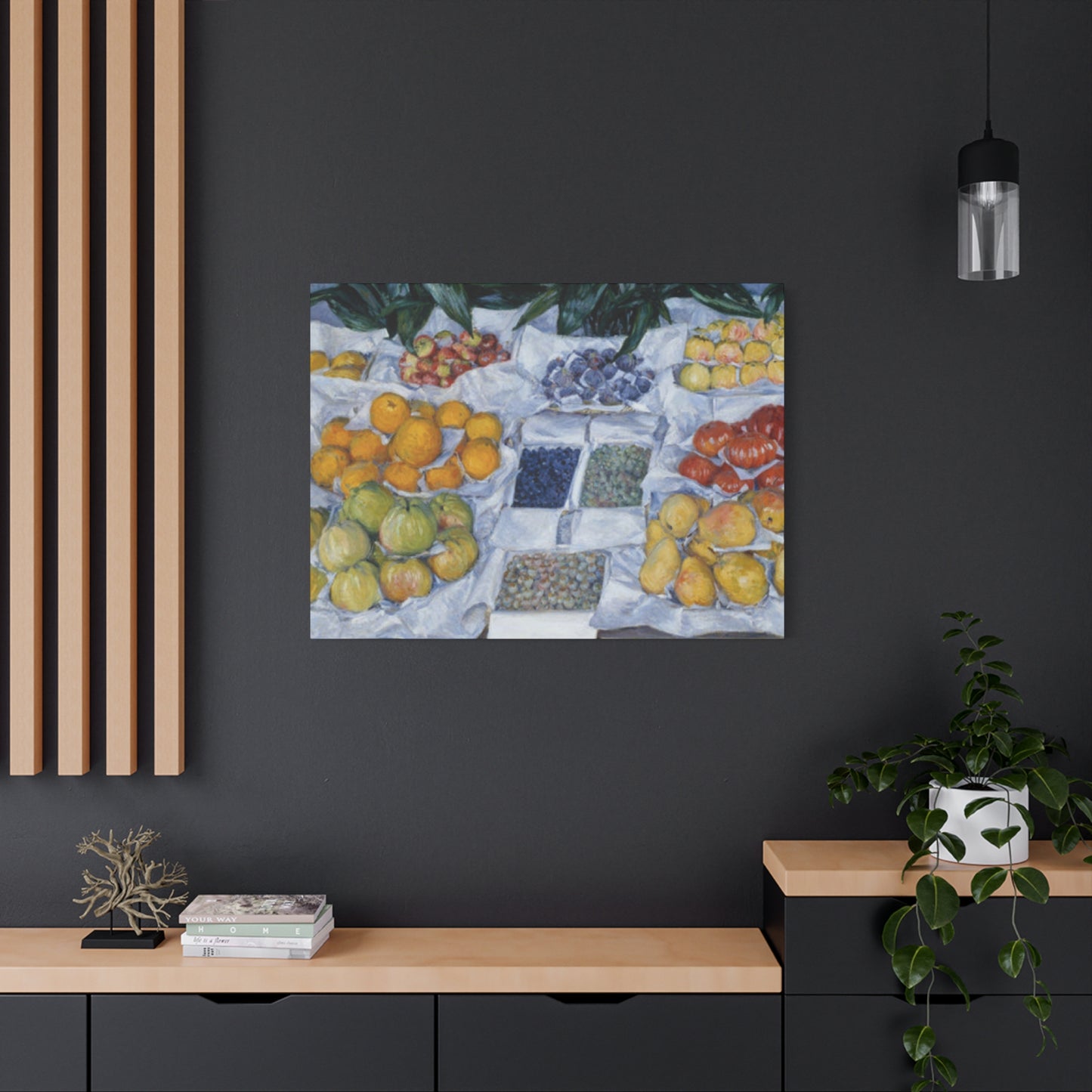


Gustav Fruit Painting Wall Art & Canvas Prints
Gustav Fruit Painting Wall Art & Canvas Prints
Couldn't load pickup availability
Experience the Rich Beauty of Gustav Fruit Painting Wall Art: A Detailed Exploration of Botanical Art for Modern Interior Spaces
The realm of botanical artwork has experienced a remarkable renaissance in recent decades, with Gustav fruit painting wall art emerging as a captivating choice for homeowners, collectors, and design enthusiasts seeking to infuse their living spaces with natural elegance and artistic sophistication. These magnificent representations of nature's bounty transcend mere decoration, offering viewers a profound connection to the organic world while simultaneously serving as conversation-starting focal points that elevate any room's aesthetic appeal.
The Enduring Allure of Botanical Illustrations in Modern Living Spaces
Throughout centuries of artistic expression, depictions of fruits, flowers, and vegetation have maintained an unwavering presence in human creativity. The fascination with capturing nature's ephemeral beauty on canvas stems from humanity's intrinsic connection to the natural environment and our desire to preserve fleeting moments of perfection. When we examine Gustav fruit painting wall art, we encounter not merely static images but vibrant testimonials to the intersection of botanical accuracy and artistic interpretation.
The appeal of these masterworks extends far beyond superficial aesthetics. Each carefully rendered pear, apple, grape cluster, or citrus fruit carries symbolic weight accumulated through generations of cultural significance. In numerous civilizations, particular fruits have represented abundance, fertility, prosperity, or divine blessing. By incorporating such imagery into residential or commercial environments, individuals create spaces that resonate with deeper meaning while maintaining visual harmony.
Contemporary interior design increasingly embraces the biophilic principle—the concept that humans possess an inherent tendency to seek connections with nature and other life forms. Gustav fruit painting wall art exemplifies this philosophy by bringing organic elements into built environments without requiring actual plant maintenance. The psychological benefits of such representations include reduced stress levels, enhanced mood, improved concentration, and a general sense of wellbeing that permeates daily existence.
Exploring the Artistic Heritage Behind Classical Fruit Depictions
The tradition of creating detailed fruit compositions reaches back to ancient civilizations, where artists first attempted to capture the essence of harvested bounty on walls, pottery, and manuscripts. Roman frescoes discovered in Pompeii reveal sophisticated renderings of fruits and foods, demonstrating that our ancestors valued these subjects long before the Renaissance masters elevated still life to high art.
During the Dutch Golden Age of the seventeenth century, fruit paintings achieved unprecedented refinement and popularity. Master painters devoted extraordinary attention to depicting the subtle gradations of color, the delicate play of light across curved surfaces, and the textural qualities that distinguished one variety from another. These works often contained hidden symbolism—overripe fruits suggesting mortality's inevitability, while pristine specimens represented earthly pleasures or spiritual purity.
The emergence of botanical illustration as a scientific discipline during the Age of Exploration further refined artistic approaches to fruit depiction. Artists accompanying expeditions documented newly discovered species with meticulous accuracy, creating images that served both scientific and aesthetic purposes. This tradition of precise observation merged with artistic creativity to produce works that satisfied intellectual curiosity while delighting the eye.
Gustav fruit painting wall art draws inspiration from this rich heritage, incorporating classical compositional principles with contemporary sensibilities. Whether featuring single specimens presented with scientific clarity or abundant arrangements celebrating nature's generosity, these pieces honor centuries of artistic tradition while speaking directly to modern audiences. The careful balance between realism and artistic interpretation creates images that feel simultaneously familiar and refreshingly novel.
Understanding the Distinctive Characteristics of Superior Fruit Artwork
Discerning collectors recognize that exceptional fruit paintings possess certain qualities that distinguish them from ordinary decorative prints. The most compelling examples demonstrate masterful understanding of light behavior, creating the illusion of three-dimensionality through carefully modulated highlights and shadows. When examining Gustav fruit painting wall art, observe how illumination appears to caress each surface, revealing the unique character of various materials—the waxy sheen of apples, the fuzzy texture of peaches, the translucent quality of grape skins.
Color harmony represents another hallmark of superior fruit compositions. Rather than presenting fruits in isolation, accomplished artists consider how adjacent hues interact, creating visual rhythms that guide the viewer's eye throughout the composition. Complementary colors placed strategically generate vibrant energy, while analogous schemes produce soothing coherence. The background treatment significantly impacts the overall effect; darker grounds make fruits appear to glow with inner luminescence, while lighter backgrounds create airy, ethereal qualities.
Compositional sophistication separates masterful arrangements from mundane presentations. The placement of each element within the picture plane follows principles of visual balance, rhythm, and hierarchy. Leading examples of Gustav fruit painting wall art demonstrate careful consideration of positive and negative space, ensuring that empty areas contribute as meaningfully to the overall design as the fruits themselves. Dynamic diagonal arrangements create movement and excitement, while symmetrical layouts convey stability and formality.
Attention to botanical accuracy enhances credibility without sacrificing artistic license. Knowledgeable viewers appreciate when artists correctly render the characteristic shape, coloration, and structural details of specific fruit varieties. This fidelity to nature establishes trust between creator and audience, allowing subsequent stylistic departures to read as intentional artistic choices rather than errors or ignorance. The finest pieces maintain this delicate equilibrium between scientific precision and creative interpretation.
Selecting Appropriate Gustav Fruit Painting Wall Art for Various Interior Environments
The process of choosing botanical artwork for specific spaces requires thoughtful consideration of multiple factors beyond simple aesthetic preference. Room function, existing color schemes, architectural features, lighting conditions, and desired emotional atmosphere all influence which pieces will successfully enhance particular environments. Understanding these variables empowers homeowners to make selections that yield lasting satisfaction rather than fleeting appeal.
For dining areas, fruit paintings offer especially appropriate subject matter given their thematic connection to nourishment and hospitality. Gustav fruit painting wall art featuring abundant harvests or elegant arrangements communicates welcome and abundance, setting a convivial tone for shared meals. Consider scale carefully in these spaces—oversized single pieces can anchor feature walls, while gallery arrangements of smaller works create visual interest without overwhelming the room. The colors within selected artwork should complement table linens, dishware, and furniture finishes to achieve cohesive design.
Kitchen environments benefit from fruit imagery that celebrates the ingredients central to culinary creativity. Pieces depicting citrus fruits, berries, or stone fruits connect directly to food preparation activities while adding decorative polish to what often functions as purely utilitarian space. When incorporating Gustav fruit painting wall art into kitchens, consider practical concerns such as exposure to moisture, heat, and cooking residue. Properly framed prints with protective glass or professionally sealed canvas works withstand these challenges better than unprotected paper pieces.
Living rooms and parlors accommodate diverse approaches to fruit painting display. In formal settings, classically inspired compositions with rich, saturated colors and elaborate arrangements complement traditional furnishings and architectural details. Contemporary spaces may call for more abstracted interpretations, where fruits become vehicles for exploring form, color, and pattern rather than literal representations. The Gustav fruit painting wall art selected for these areas should reflect the homeowner's personality while maintaining visual harmony with surrounding elements.
Bedroom environments benefit from fruit imagery's inherent associations with natural cycles, growth, and renewal. Softer color palettes and gentler compositions promote the restful atmosphere appropriate for sleeping quarters. Consider how artwork will appear in various lighting conditions—natural daylight, evening lamplight, and darkness all transform how colors and details register. Pieces that maintain visual interest across these lighting scenarios provide greater long-term value than those that shine only under specific conditions.
Professional environments including offices, medical facilities, and hospitality venues increasingly recognize the value of incorporating natural imagery into their design schemes. Gustav fruit painting wall art offers neutral subject matter that appeals broadly without conveying controversial messages or alienating particular demographic groups. These pieces humanize corporate spaces, reduce perceived stress, and create more welcoming atmospheres for clients, patients, and employees alike. Selection for commercial contexts should prioritize durability, professional presentation, and compatibility with brand identity.
Deciphering the Symbolic Meanings Embedded Within Fruit Imagery
Beyond their obvious aesthetic appeal, fruits have carried symbolic significance across cultures and epochs, imbuing Gustav fruit painting wall art with layers of meaning that reward contemplation. Familiarity with this symbolic vocabulary enhances appreciation for these works and enables more intentional selection based on the messages or energies one wishes to cultivate in particular spaces.
Apples represent perhaps the most symbolically loaded fruit in Western consciousness, appearing in creation narratives, fairy tales, and folk wisdom. Depending on context, apples can signify temptation, knowledge, immortality, discord, or romantic love. In classical still life paintings, perfectly rendered apples often represented earthly perfection, while those showing decay reminded viewers of mortality's inevitability. Contemporary Gustav fruit painting wall art featuring apples may reference this rich symbolic heritage or simply celebrate the fruit's sculptural beauty and seasonal associations.
Grapes possess equally complex symbolic resonance, particularly within Christian iconography where they represent the blood of Christ, sacrifice, and spiritual transformation. In secular contexts, grape clusters symbolize abundance, celebration, and life's sensual pleasures. The classical association between grapes and Bacchus/Dionysus links this fruit to creativity, ecstasy, and liberation from everyday constraints. Artwork featuring grapes may evoke any of these associations, making it particularly suitable for spaces dedicated to creativity, celebration, or contemplation.
Pomegranates appear throughout mythology and religious texts, representing fertility, prosperity, and the cycle of death and rebirth. The fruit's countless seeds naturally suggest abundance and generative potential. In Jewish tradition, pomegranates symbolize righteousness and the commandments, while Islamic art employs pomegranate motifs to represent paradise. Gustav fruit painting wall art featuring these distinctive fruits brings ancient symbolic power into contemporary settings, creating visual anchors for meditation and reflection.
Citrus fruits—lemons, oranges, and their relatives—carry associations with cleansing, vitality, and exotic luxury. During periods when such fruits remained rare and expensive in northern climates, their depiction signaled wealth and worldly sophistication. The vibrant colors of citrus fruits inject energy and optimism into compositions, making them popular choices for spaces requiring uplifting atmospheres. Modern interpretations may emphasize the geometric beauty of sliced citrus or play with the contrast between rough exterior peels and jewel-like interior segments.
Pears, with their graceful forms and subtle coloration, traditionally represent longevity, prosperity, and wise governance in Eastern art. Western still life painters prized pears for their challenging surfaces—capturing the delicate variations in a ripening pear's skin required considerable skill. Contemporary Gustav fruit painting wall art featuring pears often emphasizes elegance, refinement, and understated sophistication, making such pieces ideal for spaces cultivating these qualities.
Examining Various Artistic Styles Within Fruit Painting Traditions
The representation of fruits on canvas encompasses an extraordinary range of stylistic approaches, from photorealistic precision to bold abstraction. Understanding these different modes of expression helps collectors identify which styles resonate most strongly with their aesthetic preferences and complement their existing decor. Gustav fruit painting wall art demonstrates mastery across this stylistic spectrum, offering options for every taste.
Realism and naturalism prioritize accurate representation of visual experience, capturing fruits as they appear to the human eye under specific lighting conditions. Artists working in this mode demonstrate exceptional observational skills and rendering abilities, creating images that can deceive viewers into momentarily mistaking painting for reality. These works appeal to those who appreciate technical virtuosity and the meditative quality inherent in patient, detailed observation of nature's forms.
Impressionistic approaches sacrifice minute detail in favor of capturing overall visual impression and atmospheric effects. Visible brushwork conveys the artist's gestural response to the subject, while colors may be heightened or adjusted to convey emotional resonance rather than literal accuracy. Gustav fruit painting wall art in impressionistic styles brings energy and movement to compositions, suggesting the vitality of living, growing things rather than static arrangements. These pieces work particularly well in spaces seeking to balance sophistication with accessibility.
Post-impressionist and expressionist fruit paintings push further toward subjective interpretation, using exaggerated colors, distorted forms, and expressive mark-making to convey emotional or conceptual content. Artists working in these modes view fruits as vehicles for exploring broader themes—the relationship between humanity and nature, the essence of organic form, or the emotional qualities associated with specific colors and shapes. Such works demand more from viewers but offer correspondingly greater rewards through repeated engagement.
Abstract and semi-abstract interpretations reduce fruits to their essential formal qualities—shape, color, pattern, and spatial relationships. By stripping away literal representation, these approaches reveal underlying geometric structures and visual rhythms. Gustav fruit painting wall art in abstract modes appeals to collectors with contemporary sensibilities, offering sophisticated decoration that complements modern architectural spaces and minimalist design schemes. The challenge lies in maintaining recognizable connection to fruit imagery while exploring formal possibilities.
Folk and naive styles embrace simplified forms, flattened perspectives, and bold color contrasts, creating images of direct emotional appeal. Rather than demonstrating academic training or technical refinement, these approaches convey authenticity, cultural heritage, and unmediated response to subject matter. Such works bring warmth and accessibility to formal spaces, preventing environments from feeling overly precious or intimidating. The apparent simplicity of folk-inspired fruit paintings often masks sophisticated understanding of composition and color relationships.
Contemporary digital and mixed-media approaches expand possibilities further, incorporating photographic elements, digital manipulation, collage, and experimental materials. These hybrid forms reflect our current moment's pluralistic artistic landscape, where traditional boundaries between media dissolve in favor of selecting whatever means best serve creative vision. Gustav fruit painting wall art employing contemporary methods attracts collectors interested in cutting-edge creativity while maintaining connection to classical subject matter's enduring appeal.
Navigating the Process of Acquiring Authentic Fruit Painting Artwork
Building a meaningful collection of botanical artwork requires more than simply purchasing images that catch the eye. Thoughtful collectors develop knowledge about artists, production methods, market values, and authentication procedures that enable informed decision-making. Whether seeking investment-grade originals or affordable reproductions, understanding these factors enhances satisfaction and protects against disappointment.
Original paintings represent the pinnacle of collecting, offering unique objects bearing the artist's direct mark. When considering original Gustav fruit painting wall art, research the artist's background, exhibition history, critical reception, and market performance. Established artists with consistent track records command premium prices but offer greater potential for value appreciation. Emerging artists present opportunities to acquire significant works at more accessible price points, though such purchases involve greater speculation regarding future recognition.
Provenance—the documented history of an artwork's ownership and exhibition—significantly impacts value and authenticity verification. Pieces with clear provenance tracing back to the artist or reputable galleries carry reduced risk of being forgeries or misattributed works. Request documentation including certificates of authenticity, previous sale records, and exhibition catalogues. Reputable dealers willingly provide such information and stand behind their attributions with written guarantees.
Limited edition prints offer middle-ground options between unique originals and mass-produced reproductions. When artist or publisher controls edition size and signs/numbers each impression, these prints gain collectible status while remaining more affordable than paintings. Examine edition size—smaller editions generally command higher prices per print. Understand the printing method employed; traditional techniques like lithography, etching, or screen printing typically yield more valuable results than digital reproduction, though high-quality giclée prints using archival materials have gained acceptance.
Canvas transfers and giclée reproductions make artwork accessible to broader audiences by combining affordable pricing with impressive visual quality. Premium reproductions of Gustav fruit painting wall art utilize museum-grade inks on archival substrates, producing results that faithfully capture original colors and details while lasting decades without fading. Though lacking the investment potential of originals or limited prints, quality reproductions provide genuine aesthetic pleasure and allow collectors to acquire images by artists whose originals remain financially unattainable.
Framing choices profoundly impact how artwork presents itself and its longevity. Consult professional framers who understand conservation principles, material compatibility, and aesthetic considerations. Acid-free mats, UV-protective glazing, and proper mounting techniques prevent damage while enhancing visual presentation. Frame selection should complement both artwork and surrounding decor without overwhelming the piece itself. Classic profiles suit traditional paintings, while contemporary works often benefit from minimal framing that emphasizes the image rather than its container.
Condition assessment proves crucial when acquiring vintage or antique fruit paintings. Surface dirt, varnish discoloration, craquelure, paint loss, and structural issues affect both appearance and value. Professional conservators can remediate many problems, but restoration costs may exceed purchase price for modestly valued works. Request condition reports from reputable dealers, and consider retaining an independent conservator to evaluate significant acquisitions before finalizing purchase.
Implementing Proper Preservation Strategies for Botanical Artwork
Acquiring beautiful Gustav fruit painting wall art represents merely the beginning of long-term stewardship. Proper care ensures these pieces retain their visual impact and monetary value across decades or even centuries. Understanding the enemies of artwork longevity—light, humidity, temperature fluctuations, pollutants, and physical damage—enables implementation of protective measures appropriate to specific circumstances.
Light exposure poses the gravest threat to artwork longevity, with both ultraviolet and visible light causing irreversible fading, discoloration, and material degradation. Never position paintings in direct sunlight, which can destroy colors within months. Even indirect natural light damages artwork cumulatively, making location selection critical. When displaying Gustav fruit painting wall art in bright rooms, utilize UV-filtering window treatments, protective glazing on framed pieces, and consider rotating displayed works periodically to distribute light exposure among collection pieces.
Artificial lighting requires equal attention. Incandescent bulbs generate significant heat capable of drying and cracking paint layers, while certain LED and fluorescent fixtures emit harmful wavelengths. Select LED bulbs specifically designed for museum or gallery use, which minimize UV emission while providing excellent color rendering. Position light sources to illuminate artwork indirectly when possible, preventing concentrated heat and light from striking surfaces directly. Implementing adjustable lighting allows reducing exposure when rooms aren't occupied while providing adequate illumination during use.
Humidity control prevents warping, mold growth, and paint layer separation. Ideal conditions maintain relative humidity between forty and sixty percent year-round. In climates with significant seasonal humidity variation, dehumidifiers and humidifiers stabilize conditions, preventing the expansion-contraction cycles that stress artworks structurally. Avoid displaying paintings in bathrooms, laundries, or other high-humidity environments. Similarly, position pieces away from heating vents, radiators, and air conditioning registers that create localized temperature and humidity extremes.
Temperature stability matters almost as much as humidity control. Fluctuating temperatures cause materials to expand and contract at different rates, creating stresses that eventually produce cracks, warping, and delamination. Maintain gallery spaces within the sixty-five to seventy-five degree Fahrenheit range, avoiding rapid temperature changes. When relocating Gustav fruit painting wall art from storage or between climate-controlled environments, allow gradual acclimatization by keeping wrapped pieces in destination rooms for several hours before unwrapping.
Air quality affects artwork subtly but significantly over time. Airborne pollutants including ozone, sulfur dioxide, and particulates accumulate on surfaces, discoloring varnishes and attacking paint binders. Regular HVAC filter changes reduce pollutant levels, while air purifiers provide additional protection in challenging environments. Cooking residue poses particular risks in kitchen-adjacent spaces; ensure adequate ventilation and consider barrier framing for paintings displayed in these areas.
Physical protection prevents the most obvious forms of damage. Position artwork away from high-traffic areas where accidental impacts might occur. When children or pets inhabit spaces, consider mounting height, frame sturdiness, and securing hanging hardware to prevent toppling. Handle framed works by their frames rather than touching glazing or canvas surfaces. When moving paintings, support them adequately and avoid stacking or leaning pieces against each other without protective separation.
Cleaning requires delicate approach and minimal intervention. Dust frames gently with soft brushes or microfiber cloths, never applying pressure or using liquid cleaners on frames touching artwork. Clean glazing with appropriate glass cleaners applied to cloths rather than sprayed directly on surfaces, preventing liquid from seeping behind glass. Never attempt to clean unglazed paintings without professional guidance—improper cleaning damages surfaces irreparably. For valuable pieces showing accumulated grime, consult professional conservators who possess proper training and materials for safe cleaning.
Regular inspection catches developing problems before they become serious. Examine Gustav fruit painting wall art quarterly for signs of pest activity, mold growth, lifting paint, frame deterioration, or backing paper damage. Address small issues promptly—a slightly loose frame corner repaired immediately prevents structural failure, while early pest detection enables targeted intervention before widespread damage occurs. Document condition photographically, creating visual records that track changes over time and prove invaluable for insurance purposes.
Arranging Multiple Pieces to Create Cohesive Visual Narratives
Single striking paintings certainly make statements, but thoughtfully arranged groupings of Gustav fruit painting wall art generate compelling visual dialogues that transform walls into curated exhibitions. Mastering the principles governing effective multi-piece arrangements enables creation of displays that feel professionally conceived rather than haphazardly assembled. Consider these strategies when planning gallery walls or multi-painting installations.
The salon-style arrangement, characterized by asymmetric groupings of varying sizes covering significant wall area, offers maximum visual interest and flexibility. Begin by determining the wall's center point, then build outward, balancing visual weight rather than creating perfect symmetry. Mix frame sizes and orientations to prevent monotony, but maintain some unifying element—consistent frame finish, mat color, or thematic connection among subjects. When arranging Gustav fruit painting wall art in this manner, step back frequently to assess overall balance and adjust positioning until the composition feels resolved.
Grid layouts provide structured alternative, creating contemporary, orderly displays through consistent spacing and frame sizes. This approach works particularly well with series of related pieces or when showcasing uniformly formatted prints. The regularity of grid arrangements generates calm, contemplative viewing experiences while allowing individual pieces to shine without competing for attention. Maintain equal spacing between all frames—typically two to three inches—using level and measuring tools to ensure precision. Slight deviations from true alignment sabotage the clean geometry grid displays require.
Linear arrangements work beautifully in hallways, above furniture pieces, or anywhere horizontal emphasis suits the space. Three to five similarly sized works hung in a row create pleasing rhythm while avoiding the monotony of just two pieces. Consider whether to align tops, centers, or bottoms of frames; center alignment generally produces most harmonious results. Spacing should be consistent and proportional to frame sizes—larger works tolerate greater separation, while smaller pieces require tighter grouping to maintain visual connection.
Themed collections benefit from intentional arrangement that enhances narrative or conceptual connections among pieces. When grouping Gustav fruit painting wall art depicting various fruits, consider seasonal associations, color relationships, or symbolic meanings to determine placement. Clustering related subjects creates focal areas within larger arrangements, guiding viewer attention through the display in deliberately sequenced manner. Such thoughtfulness elevates collections beyond mere decoration into curated presentations that invite extended contemplation.
Vertical stacking suits narrow wall spaces or areas flanking doorways and windows. Two to four pieces arranged vertically draw the eye upward, making ceilings appear higher while utilizing space that might otherwise remain bare. This arrangement works particularly well with portrait-oriented works or when creating visual connection between furniture pieces and architectural features above them. Maintain consistent spacing throughout the vertical stack unless deliberately creating asymmetric arrangement for specific effect.
The triptych format—three related pieces forming unified composition—offers classical solution with contemporary appeal. Whether comprising three panels of single image or three related but distinct paintings, triptychs command attention through scale and compositional structure. When displaying Gustav fruit painting wall art as triptych, ensure adequate wall space to present all three panels with minimal separation—typically one to two inches between frames. The outer panels should balance visually while the center panel often carries slightly greater weight or complexity as compositional anchor.
Above-furniture placement requires special consideration of proportions and positioning. Artwork hung above sofas, consoles, or buffets should relate dimensionally to furniture beneath, generally spanning sixty to seventy-five percent of furniture width. Single large pieces or grouped smaller works can achieve this proportion. Position artwork's center approximately six to eight inches above furniture tops, adjusting based on ceiling height and overall room scale. This placement visually connects furniture and artwork into cohesive unit rather than presenting them as unrelated elements occupying the same wall.
Corner arrangements capitalize on often-underutilized spaces while creating interesting angular viewing perspectives. Wrapping grouped Gustav fruit painting wall art around corners maintains visual flow while accommodating architectural features. Consider how pieces will be viewed from multiple angles, ensuring the arrangement reads successfully from various positions within the room. Corner displays work particularly well in open-concept spaces where multiple viewing angles naturally occur.
Focal wall strategies concentrate visual interest on single prominent wall, typically the first surface visible upon entering a room or the wall opposite primary seating. Large-scale single pieces or dramatic multi-piece arrangements transform these walls into room-defining features. When creating focal wall displays, scale becomes paramount—undersized artwork disappears on expansive walls, while oversized pieces can overwhelm unless intentionally creating bold statement. Balance focal wall impact against surrounding walls, which should remain simpler to prevent visual competition.
Incorporating Fruit Paintings Within Diverse Design Philosophies
The versatility of Gustav fruit painting wall art enables successful incorporation across virtually any design philosophy, from historically informed period styles to cutting-edge contemporary aesthetics. Understanding how these works interact with different decorative approaches maximizes their impact while maintaining stylistic coherence throughout living spaces.
Traditional interiors characterized by formal arrangements, rich materials, and historical references embrace fruit paintings as natural complements to their refined sensibilities. Classically rendered still life compositions featuring abundant arrangements echo the opulence and attention to detail defining this aesthetic. Frame selection becomes crucial—ornate gilded profiles reinforce period authenticity while grounding artwork within the traditional vocabulary. Position such pieces symmetrically on prominent walls, observing formal balance principles that govern traditional room layouts.
Transitional design bridges traditional and contemporary extremes, creating comfortable, livable spaces that feel current without abandoning classic principles. Gustav fruit painting wall art functions beautifully within this hybrid approach, providing familiar subject matter rendered with updated freshness. Mix frame styles judiciously, perhaps pairing traditional profiles with contemporary mats or positioning classical paintings alongside more abstracted botanical prints. The key lies in maintaining cohesion through color coordination and thoughtful scale relationships while embracing stylistic diversity that defines transitional interiors.
Contemporary spaces defined by clean lines, minimal ornament, and edited color palettes require careful artwork selection to avoid stylistic dissonance. Choose fruit paintings with simplified compositions, bold graphic qualities, or abstracted forms that align with contemporary aesthetics. Frameless presentations or minimal black or white frames preserve clean-lined simplicity. Position pieces according to geometric principles, using artwork to punctuate architectural features and reinforce spatial order rather than overwhelming rooms with excessive decoration.
Scandinavian design philosophy emphasizes natural materials, light-filled spaces, and restrained decoration, creating serene environments celebrating simplicity. Fruit paintings within this context should feature muted palettes, minimal compositions, and obvious connection to natural forms. Light woods frames or simple white profiles maintain the style's characteristic airiness. Display pieces generously, resisting temptation to fill every wall and instead allowing artwork to breathe within its surroundings. The restraint inherent in Scandinavian design makes each displayed piece feel carefully considered and genuinely meaningful.
Industrial aesthetics celebrating raw materials, exposed structures, and utilitarian objects might seem incompatible with refined Gustav fruit painting wall art, yet thoughtful pairing creates compelling contrasts. The softness and organic forms of fruit imagery offset harsh architectural elements, humanizing spaces that might otherwise feel cold or overly masculine. Consider pairing botanical works with metal frames or mounting directly on wood panels for presentation that bridges refined artwork and rugged environment. Unexpected juxtapositions generate visual interest and prevent industrial spaces from becoming monotonous or predictable.
Bohemian interiors thriving on eclecticism, global influences, and collected-over-time character welcome fruit paintings as additional layers within richly textured environments. Mix various styles, periods, and origins without concern for strict coordination. The abundance and variety defining bohemian spaces means individual pieces need not carry entire decorative burden but rather contribute to overall tapestry of personal expression. Ornate vintage frames, mismatched groupings, and unexpected placements all suit this free-spirited approach.
Coastal design evoking seaside serenity through light colors, natural materials, and maritime references might initially seem distant from fruit painting subject matter. However, citrus fruits with their sunny hues and refreshing associations translate beautifully into coastal schemes. Consider pairing Gustav fruit painting wall art featuring lemons, oranges, or tropical fruits with white-washed frames and soft blue or sandy neutral backgrounds. The organic forms and vibrant colors provide visual interest while maintaining the light, breezy quality defining successful coastal interiors.
Farmhouse style celebrating rural heritage, vintage charm, and honest materials creates ideal context for certain fruit painting styles. Folk-inspired works with simplified forms and rustic charm feel particularly authentic within these spaces. Distressed wood frames or repurposed architectural elements as mounting surfaces reinforce the farmhouse aesthetic's emphasis on history and authenticity. Position pieces in kitchens, dining areas, and breakfast nooks where fruit imagery's connection to harvest and nourishment resonates thematically.
Mid-century modern design with its characteristic organic forms, bold colors, and clean-lined simplicity provides surprisingly compatible setting for fruit paintings. Works featuring stylized representations, strong graphic qualities, and saturated hues align with this aesthetic's distinctive vocabulary. Walnut frames or teak wood profiles echo iconic mid-century furniture materials. Display pieces with the same careful consideration of proportion and placement that characterizes mid-century room arrangements, ensuring artwork enhances rather than clutters thoughtfully composed spaces.
Investigating Color Theory Principles in Fruit Painting Compositions
Color represents perhaps the most immediately impactful element within Gustav fruit painting wall art, generating emotional responses, establishing spatial relationships, and unifying or energizing compositions. Understanding color theory fundamentals enables more discerning artwork selection and empowers strategic choices about which pieces will successfully enhance particular spaces based on existing color schemes.
The color wheel provides foundational framework for understanding hue relationships. Primary colors—red, yellow, and blue—combine to create secondary colors (orange, green, violet), which in turn mix to produce tertiary hues. Fruits naturally provide examples across the spectrum: red apples and strawberries, orange citrus and persimmons, yellow bananas and lemons, green pears and grapes, blue-purple plums and figs. Artists manipulate these natural hues to create specific effects and establish compositional structure.
Complementary color schemes employ hues opposite each other on the color wheel, generating maximum contrast and visual vibration. A composition featuring red strawberries against green foliage demonstrates this principle, creating energetic tension that draws and holds viewer attention. When selecting Gustav fruit painting wall art for spaces requiring stimulation and energy—home offices, creative studios, or exercise areas—complementary schemes deliver desired impact. However, large doses of complementary contrast can feel overwhelming in relaxation-oriented spaces.
Analogous color schemes utilize hues adjacent on the color wheel, producing harmonious, serene effects. Paintings featuring yellow lemons, orange kumquats, and red-orange blood oranges exemplify this approach, creating gentle gradations that soothe rather than startle. Such works suit bedrooms, meditation spaces, or any environment where calm contemplation takes precedence over energetic stimulation. The subtle variations within analogous schemes reward sustained viewing as eye discerns nuanced differences among closely related hues.
Monochromatic schemes explore variations in value and saturation within single hue family. A painting depicting green apples in varying stages of ripeness demonstrates monochromatic color relationships, moving from deep forest greens through bright kelly greens to yellow-tinged chartreuse. These sophisticated schemes convey refinement and restraint, appealing to viewers who appreciate subtlety. Monochromatic Gustav fruit painting wall art integrates easily into existing color schemes without introducing competing hues that might complicate coordination.
Triadic color schemes employ three hues equally spaced around the color wheel, creating balanced variety without complementary schemes' aggressive contrast. A composition featuring red apples, yellow pears, and blue-purple plums illustrates triadic relationships. These schemes generate visual interest through diversity while maintaining overall harmony. Works employing triadic color provide versatile options for spaces containing multiple colors, as they inherently coordinate with broader chromatic ranges.
Color temperature profoundly affects emotional tone and spatial perception. Warm colors—reds, oranges, yellows—advance visually and generate feelings of warmth, energy, and intimacy. Cool colors—blues, greens, violets—recede spatially while evoking calm, spaciousness, and tranquility. Most fruits naturally read as warm-toned, though grapes, plums, and certain berries provide cool options. Understanding these temperature dynamics enables strategic selection based on desired spatial and emotional effects within particular rooms.
Value—lightness or darkness of colors—creates compositional structure and establishes focal points. High-value contrast between very light and very dark areas generates drama and directs attention forcefully. Subtle value gradations produce gentler, more contemplative effects. When evaluating Gustav fruit painting wall art, consider not only hue but value distribution. Paintings with strong value contrast command attention and suit prominent display locations, while subtler value ranges work beautifully in intimate spaces or secondary viewing positions.
Saturation refers to color intensity or purity. Highly saturated hues appear vivid and energetic, while desaturated colors seem muted and restrained. Brilliant, saturated depictions of fruits create celebratory, life-affirming effects, while desaturated renderings convey sophistication and subtlety. Consider existing room saturation levels when selecting artwork—highly saturated paintings can energize neutral spaces but may overwhelm already colorful rooms, while desaturated works risk disappearing against busy, colorful backgrounds.
Color psychology acknowledges that hues generate specific emotional and physiological responses. Red increases heart rate and stimulates appetite, making red fruit paintings ideal for dining areas. Yellow promotes optimism and mental clarity, suiting home offices and creative spaces. Green reduces stress and promotes healing, explaining its prevalence in healthcare environments. Orange combines red's energy with yellow's cheerfulness, creating welcoming, sociable atmospheres. Understanding these associations enables intentional selection of Gustav fruit painting wall art based on desired experiential outcomes for specific spaces.
Cultural color associations add another interpretive layer. While some color meanings appear relatively universal, others vary significantly across cultures. White symbolizes purity in Western contexts but mourning in many Eastern cultures. Red signifies luck and celebration in Chinese culture while potentially representing danger in Western contexts. When selecting artwork for multicultural households or culturally diverse commercial spaces, consider these varying associations to avoid unintentional messaging.
Commissioning Custom Fruit Paintings for Personalized Spaces
While readily available Gustav fruit painting wall art serves most collectors admirably, commissioning original works offers unparalleled opportunity to acquire pieces perfectly tailored to specific spaces, color schemes, and personal preferences. The commissioning process enables direct collaboration with artists, resulting in truly unique creations that reflect individual vision while benefiting from artistic expertise.
The process typically begins with artist research and initial consultation. Identify artists whose existing work demonstrates technical abilities, stylistic sensibilities, and subject matter expertise aligned with your vision. Review portfolios carefully, noting not only finished pieces but artistic range and versatility. Contact artists directly or through representing galleries, describing your project and confirming interest in commissioned work. Many artists maintain waiting lists for commissions, particularly those with established reputations, so anticipate potential delays between initial contact and project commencement.
The consultation phase establishes project parameters including dimensions, subject matter, color preferences, stylistic approach, timeline, and budget. Provide reference materials conveying desired aesthetic—photographs of spaces where artwork will hang, examples of admired paintings, color swatches from room palettes. The more thoroughly you communicate vision, the more likely results will meet expectations. Simultaneously, remain receptive to artist input. Experienced artists understand compositional principles, color relationships, and technical considerations that inform successful execution. The ideal commissioned piece emerges from dialogue balancing client vision with artistic expertise.
Clear contractual agreements protect both parties throughout commissioning relationships. Written contracts should specify dimensions, subject matter, medium, number of revision stages permitted, delivery timeline, payment schedule, copyright ownership, and reproduction rights. Many artists require deposits before commencing work, with remaining payment due upon completion and approval. Understand cancellation policies, as partially completed commissions may not be refundable. Reputable artists provide these terms transparently, demonstrating professionalism that bodes well for successful collaboration.
The creation process often includes preliminary sketches or studies for client approval before proceeding to final execution. These preparatory stages enable corrections and refinements when changes remain relatively simple and inexpensive. Review preliminary materials carefully, noting any concerns about composition, color choices, or interpretation of subject matter. Most artists accommodate reasonable revision requests during preliminary stages but resist substantial changes once final painting commences.
Conclusion
The timeless beauty of Gustav Fruit painting wall art offers a rich, immersive experience that brings the lush elegance of nature into contemporary interiors. With their meticulous detail, vibrant colors, and masterful rendering, these botanical masterpieces elevate any space, blending the natural world’s bounty with sophisticated design. Gustav’s fruit paintings are more than just decorative pieces; they are a celebration of life’s fleeting beauty, captured in every brushstroke, offering a sense of harmony, freshness, and vitality. Integrating these works into your home is a way to invite nature’s beauty indoors while adding a touch of classical artistry to modern living spaces.
What makes Gustav’s fruit paintings so captivating is their attention to detail and the richness of their color palettes. The vibrant reds, yellows, and greens of his fruit depictions come to life, drawing the eye in and evoking the sensory experiences of taste, smell, and touch. Whether it’s the intricate textures of a ripe apple, the gleaming surface of a peach, or the delicate folds of a bunch of grapes, each painting brings the fruits to life in a way that feels both realistic and deeply evocative. This lushness and realism create an inviting atmosphere, making his works perfect for spaces where comfort, beauty, and a touch of the organic world are key elements of the design.
One of the key strengths of Gustav’s fruit paintings is their ability to blend seamlessly into a variety of interior styles, from contemporary to traditional, rustic to minimalist. In modern interiors, these works provide a striking contrast to sleek, minimalistic furniture and neutral color schemes, injecting a burst of color and organic texture into the space. Meanwhile, in more traditional or rustic environments, the botanical themes evoke a timeless elegance, reminiscent of the old-world still lifes that have graced the walls of aristocratic homes for centuries. Whether you hang a single, statement piece in a living room, or group several paintings together for a gallery wall effect, Gustav’s fruit art instantly transforms a space, making it feel more grounded, vibrant, and alive.
These botanical masterpieces also carry with them a rich cultural and historical resonance. Fruit has long been a symbol of abundance, prosperity, and the cycle of life in various art forms. From the still lifes of the Dutch Golden Age to the symbolism in Mediterranean art, fruit has often been used to convey deeper themes of fertility, impermanence, and the beauty of nature’s cycles. Gustav’s interpretations continue this tradition, adding a layer of elegance and refinement that connects the viewer with these historical and philosophical ideas. Incorporating his art into your home not only brings a visually stunning piece of nature inside but also invites you to reflect on the transient beauty of life itself.
The natural world has been shown to have a calming and restorative effect on people’s well-being, and Gustav’s fruit paintings harness this power with their vivid depictions of nature’s bounty. Hanging these works in spaces like dining rooms, kitchens, or even home offices helps create an atmosphere that encourages creativity, relaxation, and a connection to the earth. The presence of fruit, a symbol of nourishment and growth, can foster a sense of abundance and gratitude, making it the perfect choice for spaces where you gather, create, or reflect.
Moreover, Gustav’s fruit paintings invite a sense of timelessness into contemporary interior design. Unlike trend-driven décor that can easily fade in popularity, botanical artwork has an enduring quality that makes it relevant across different eras and styles. The classic yet fresh nature of these works means that they will continue to resonate with you and your guests, long after the initial appeal fades from more fleeting design trends. Their ability to transcend time and style makes them an investment in both aesthetic beauty and long-term design cohesion.
In conclusion, Gustav Fruit painting wall art is a perfect fusion of natural beauty and artistic mastery, offering both timeless elegance and contemporary relevance. Whether you're looking to infuse your space with color, bring the outdoors inside, or evoke themes of abundance and vitality, these botanical masterpieces are the ideal choice. By incorporating Gustav’s fruit paintings into your home, you’re not just adding a decorative element—you’re inviting nature, culture, and the rich symbolism of the fruit itself to become a part of your living environment. This art does more than simply enhance your space—it transforms it into a sanctuary of color, life, and profound beauty.
Share