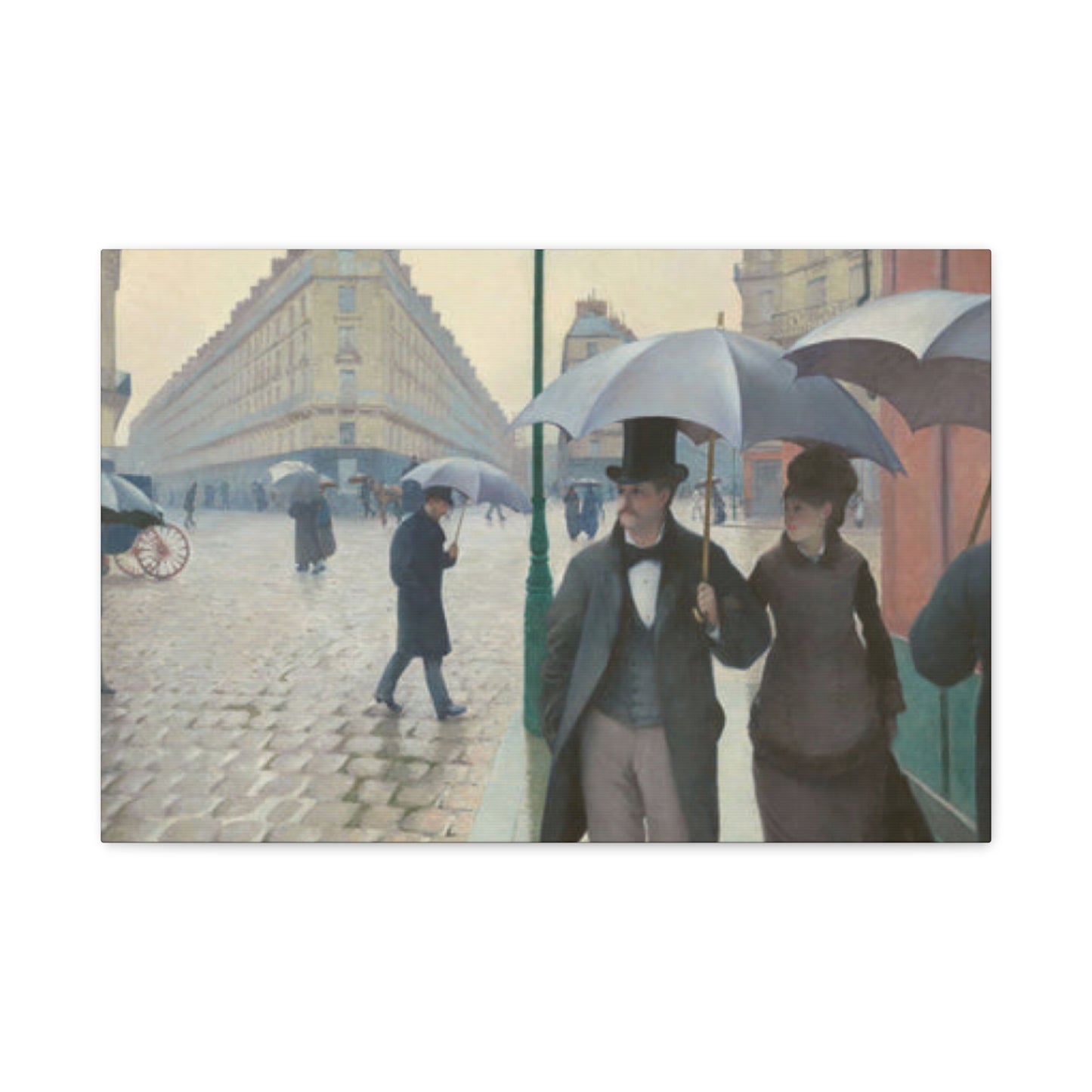
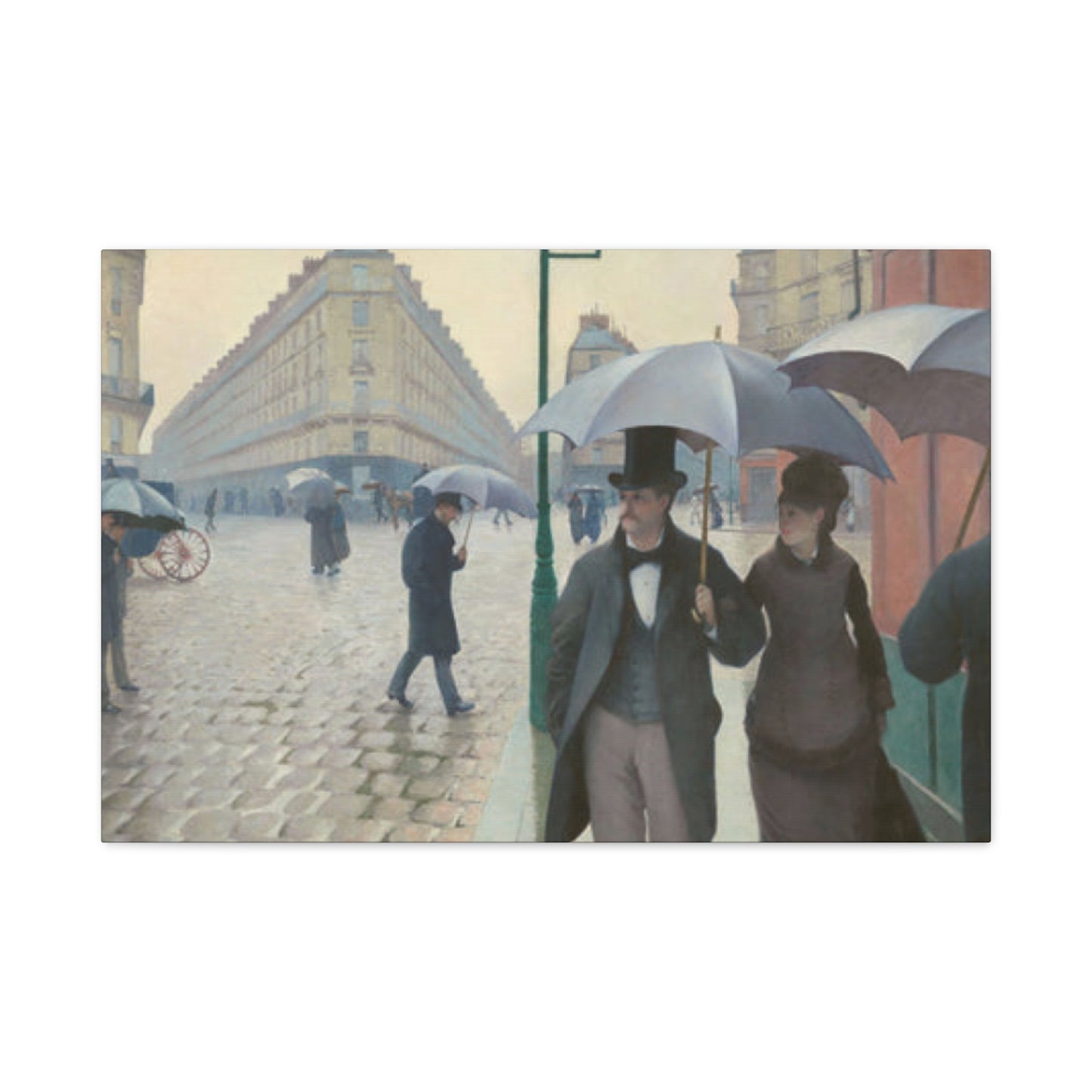
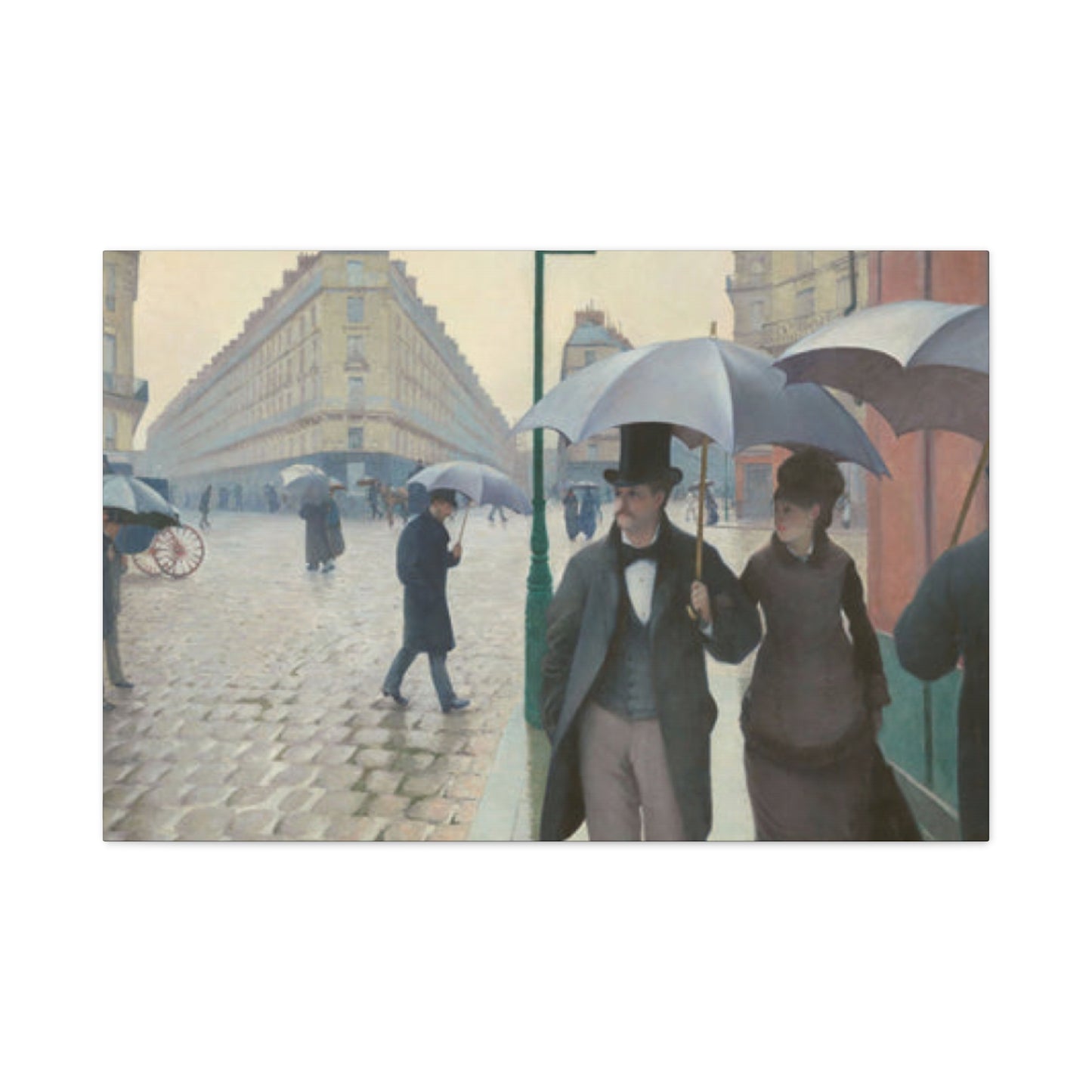
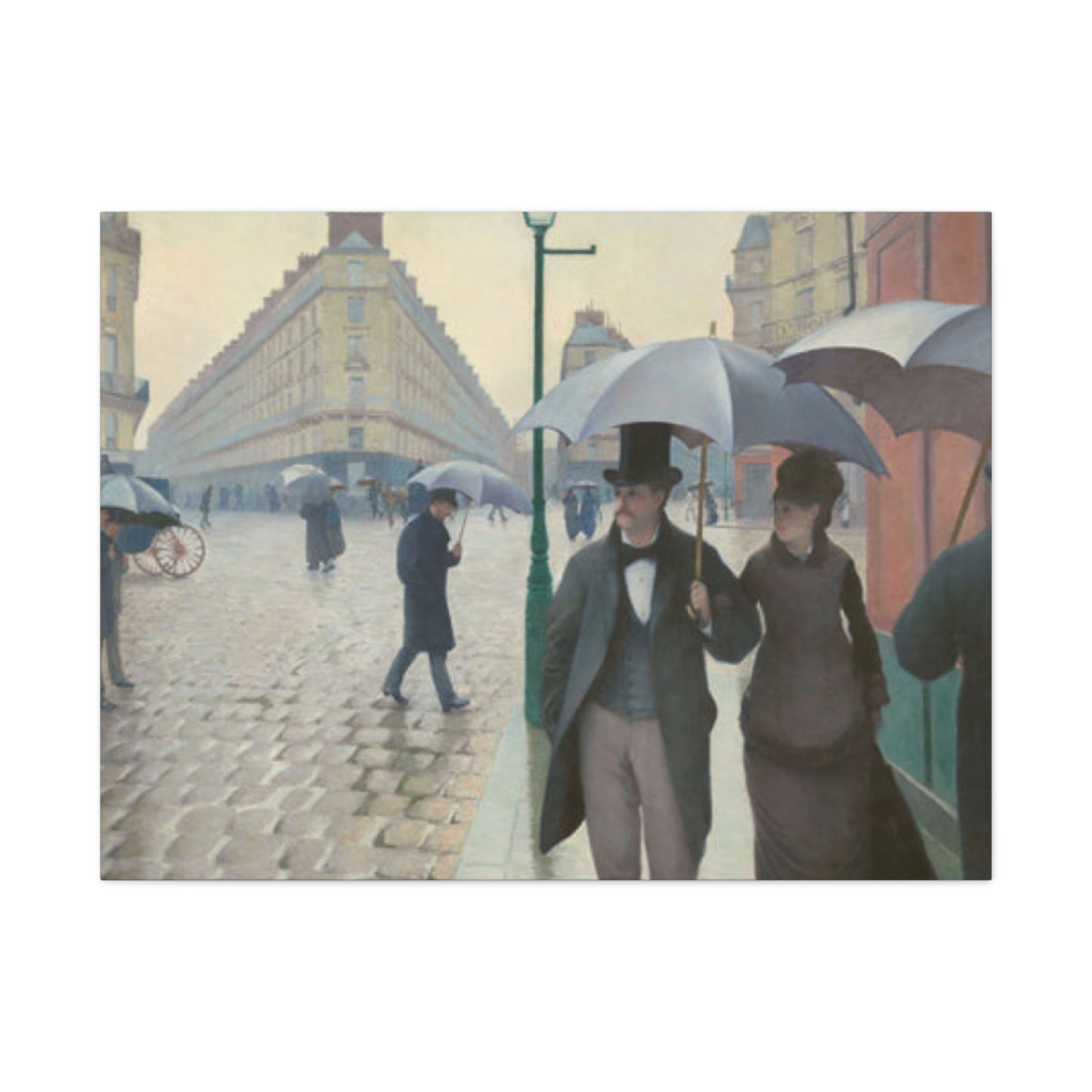
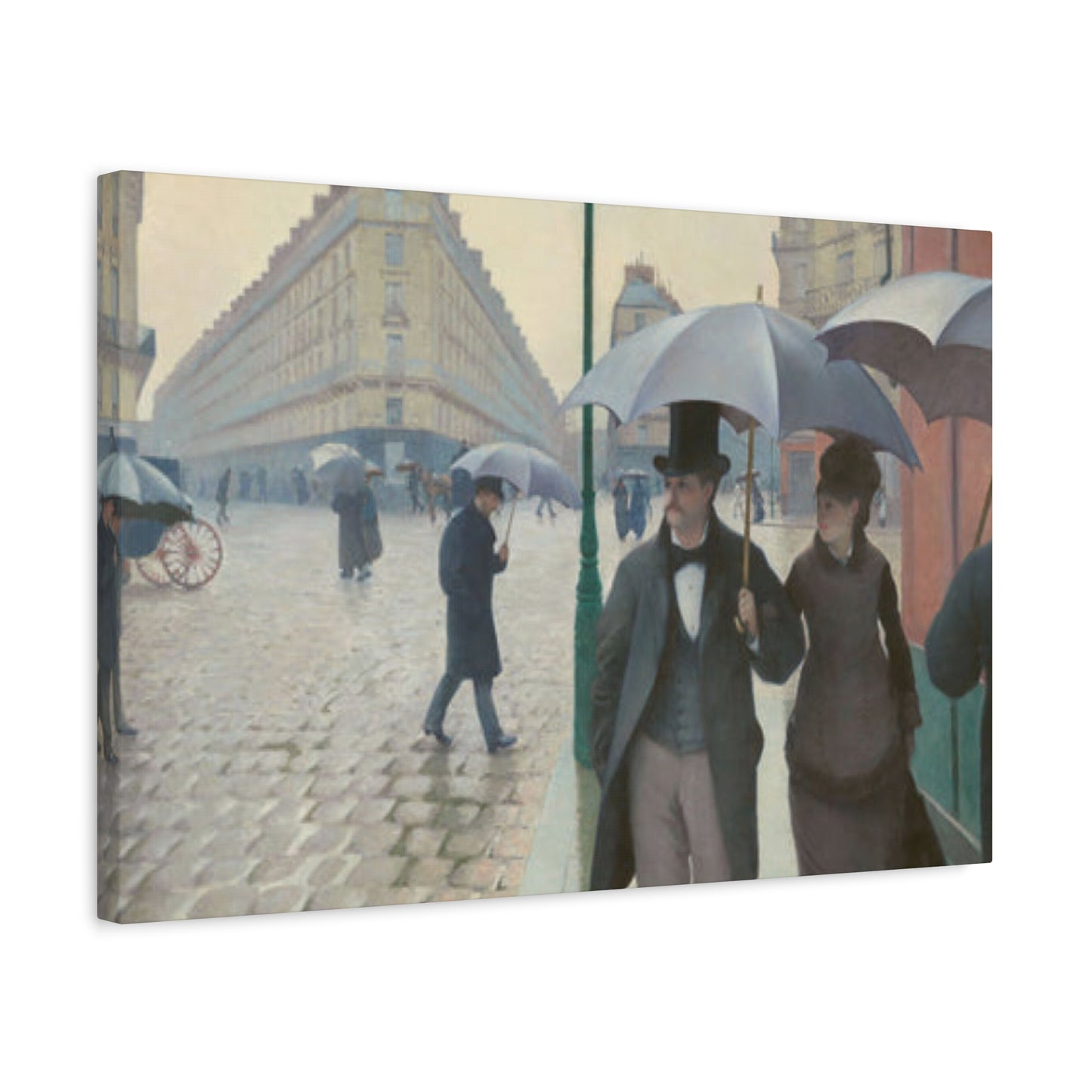
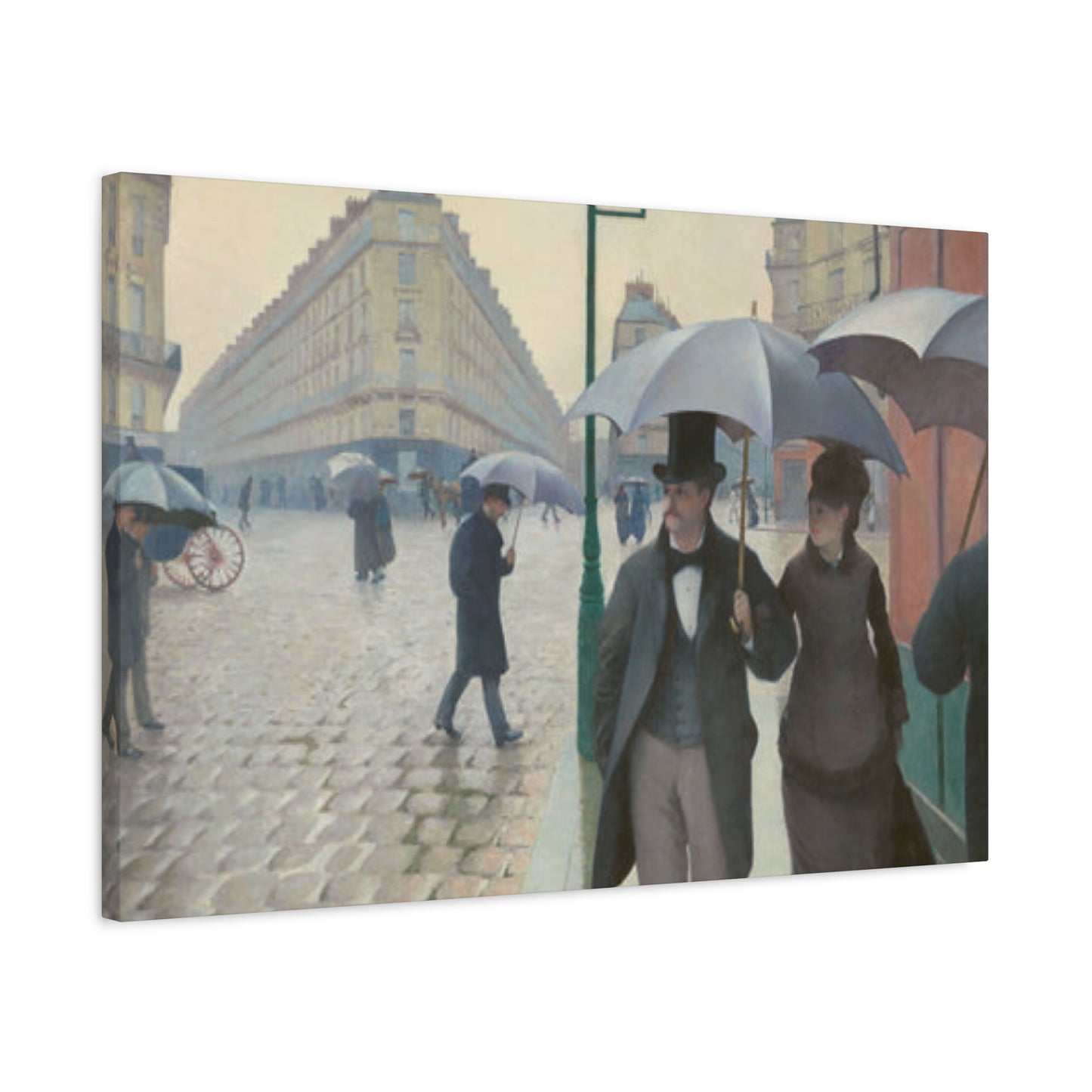
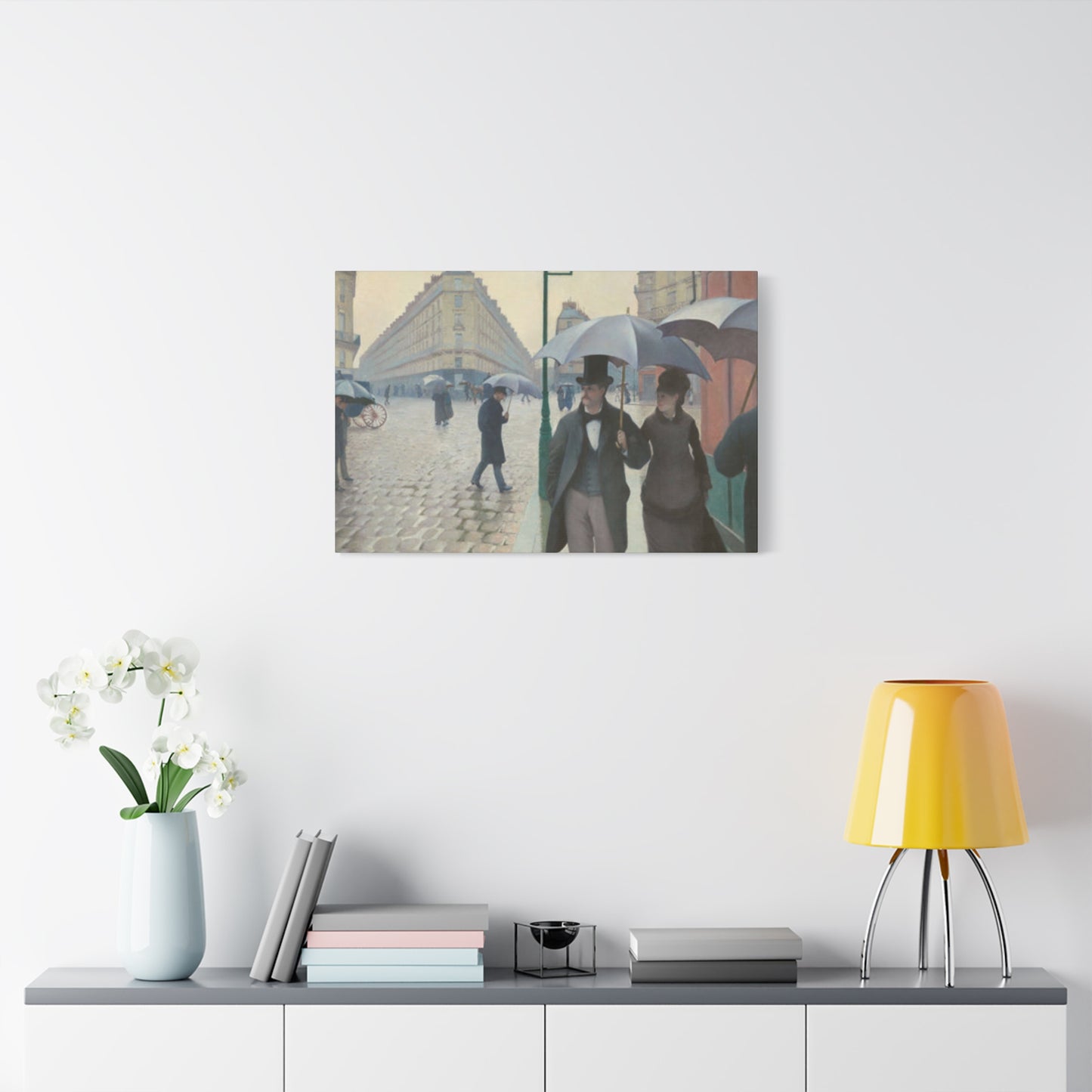
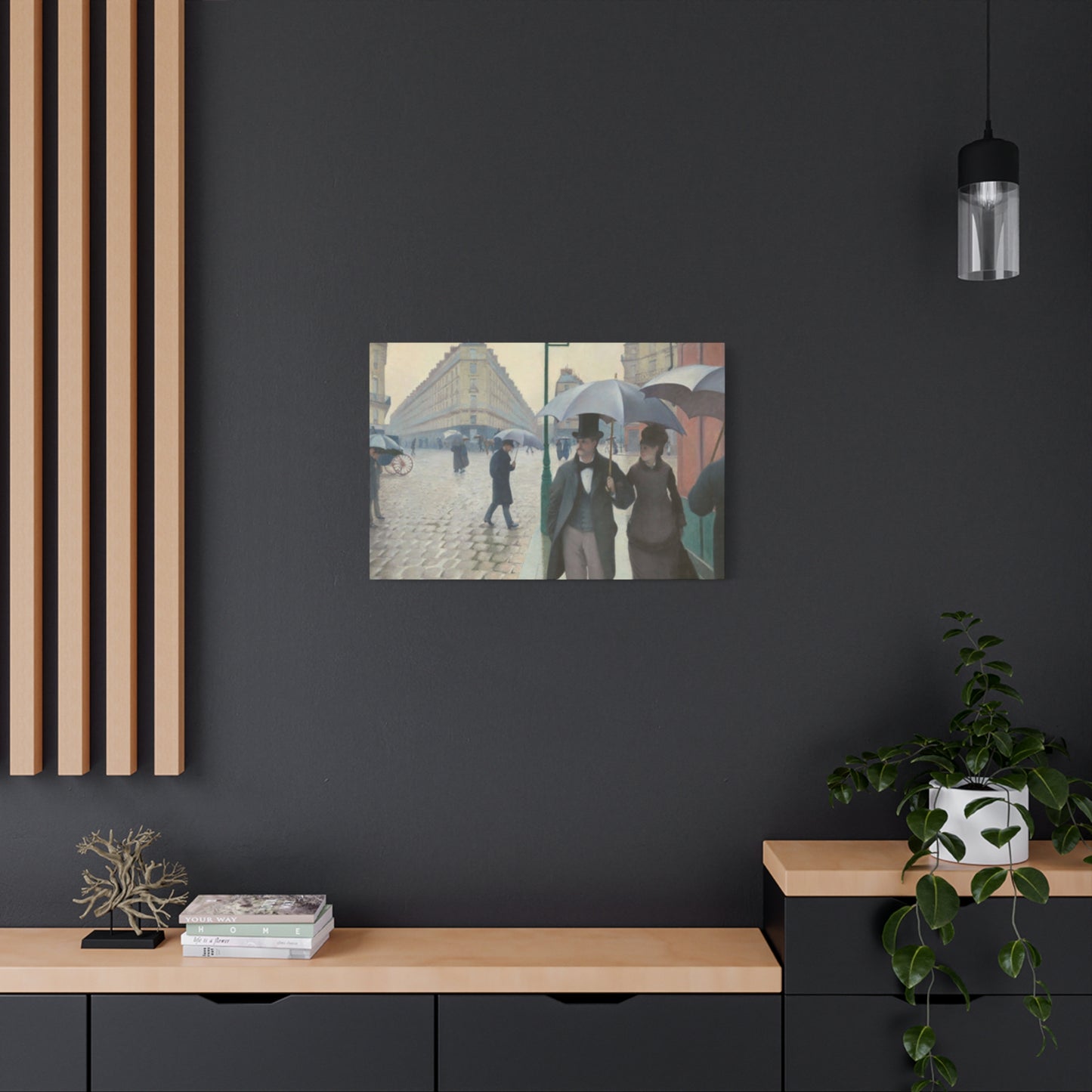
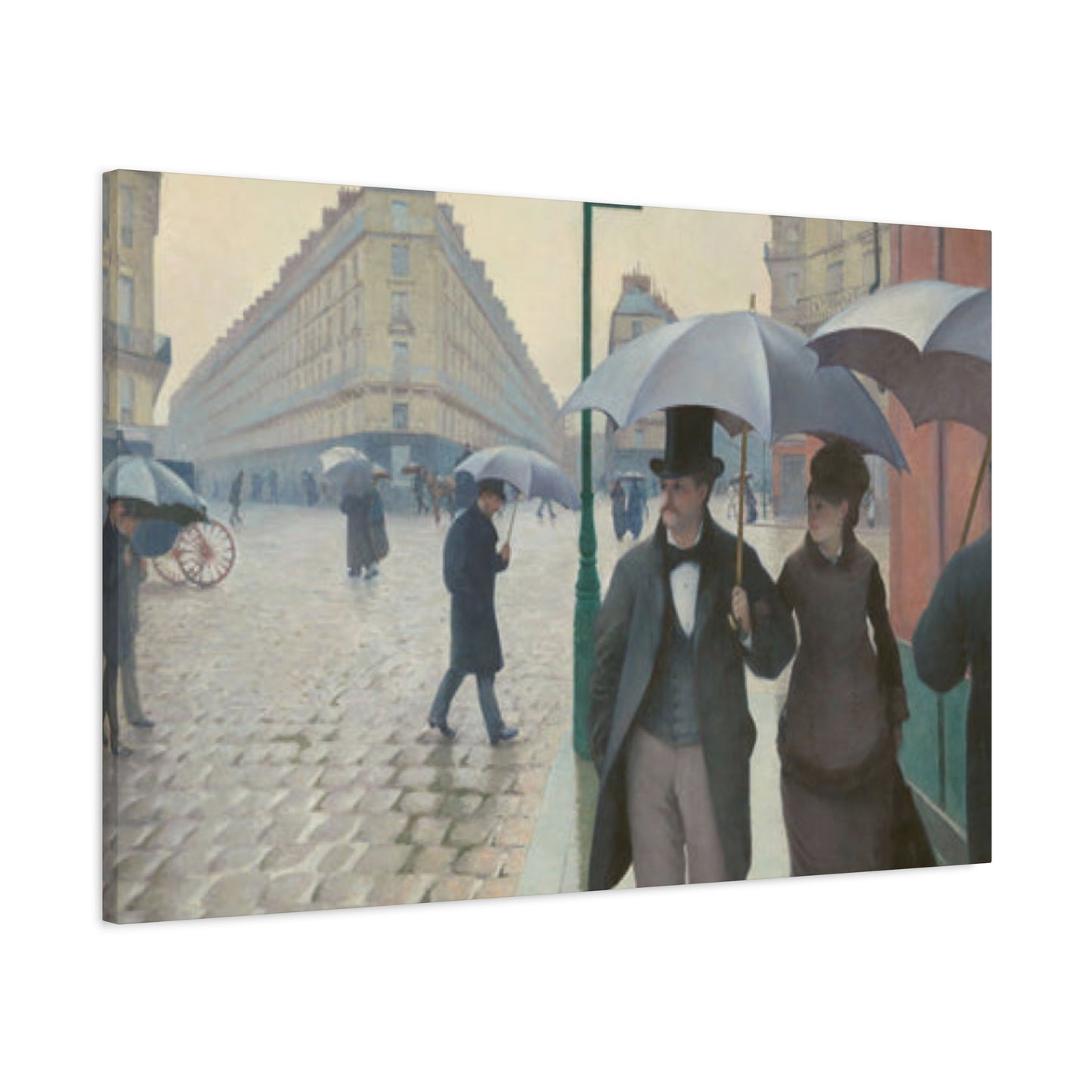
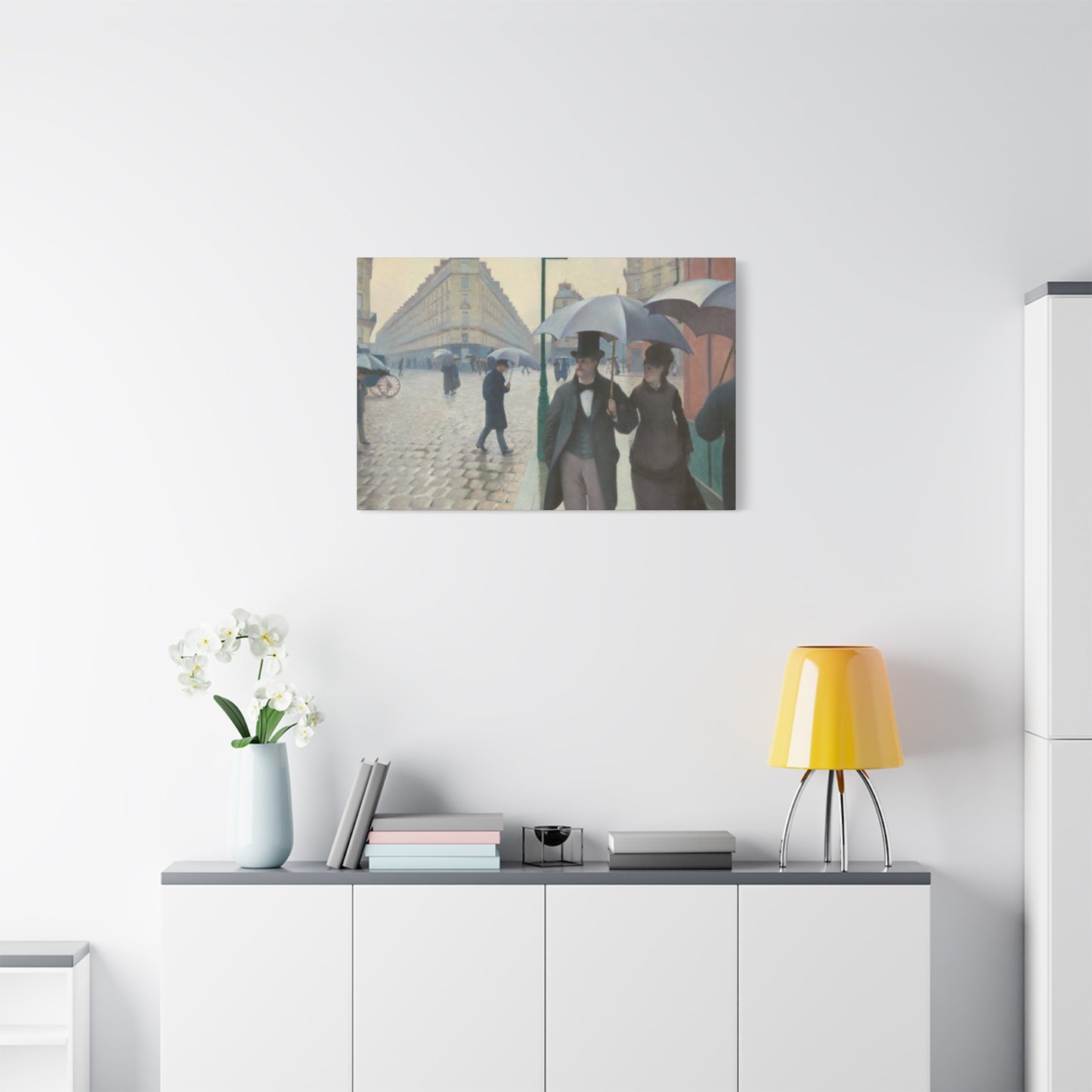
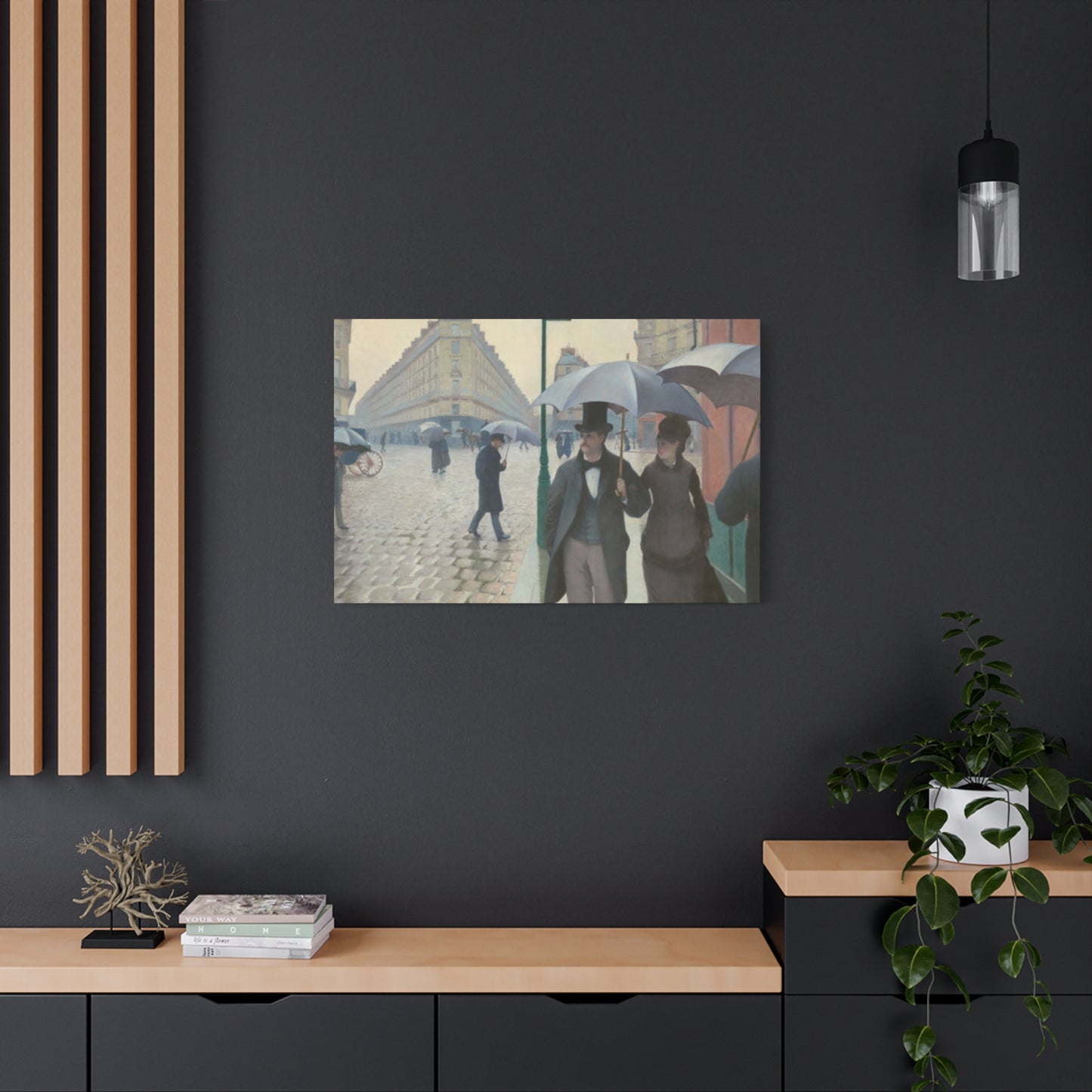
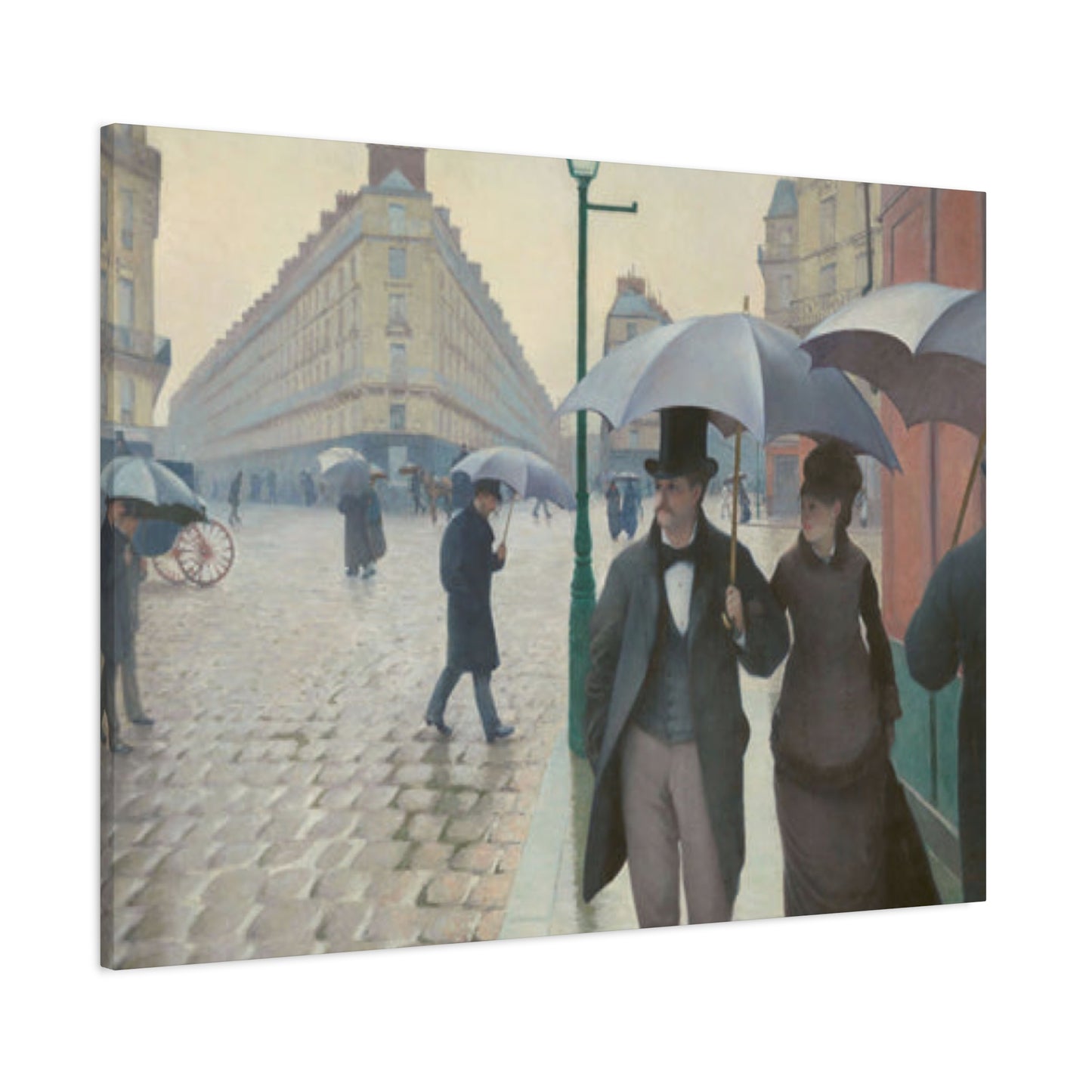
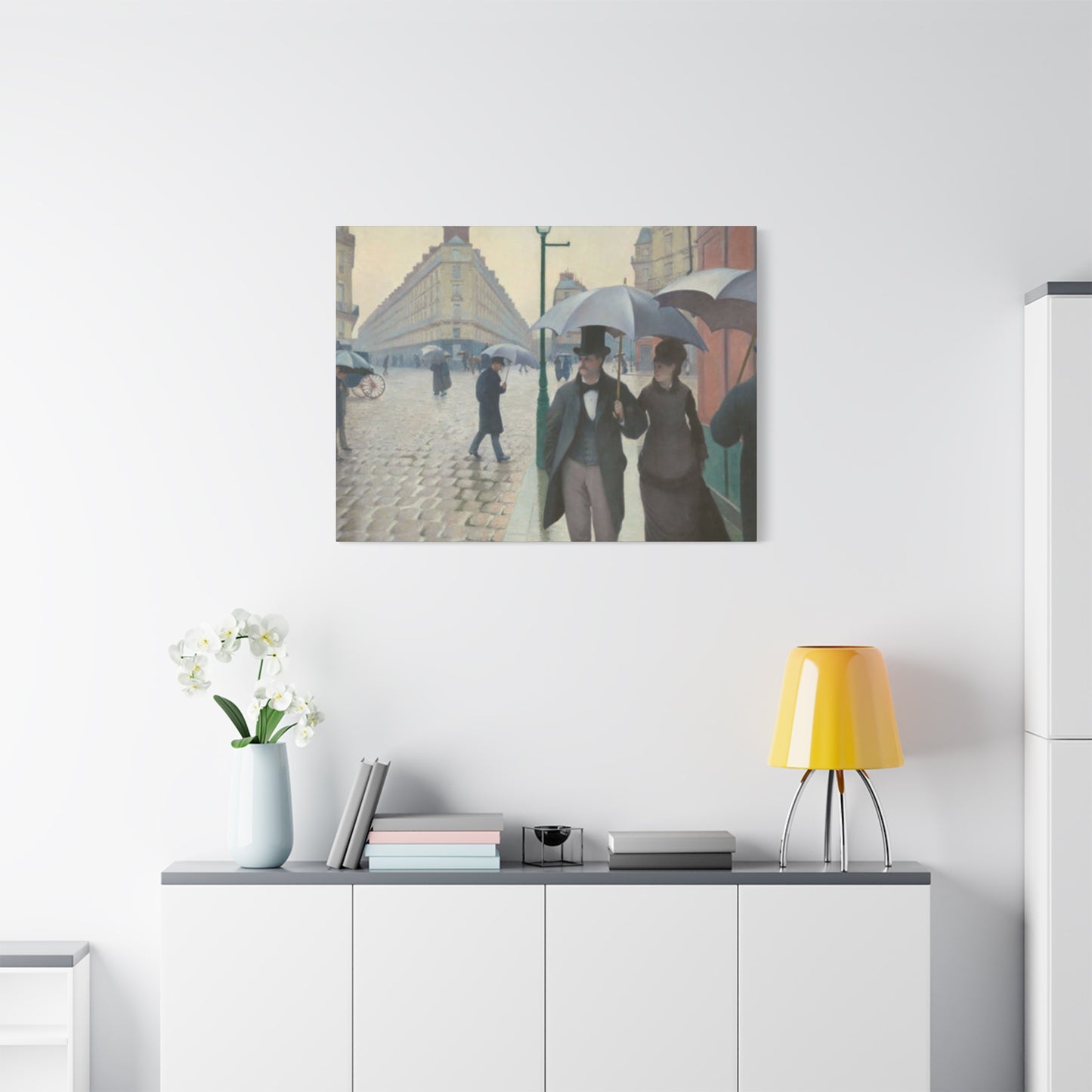
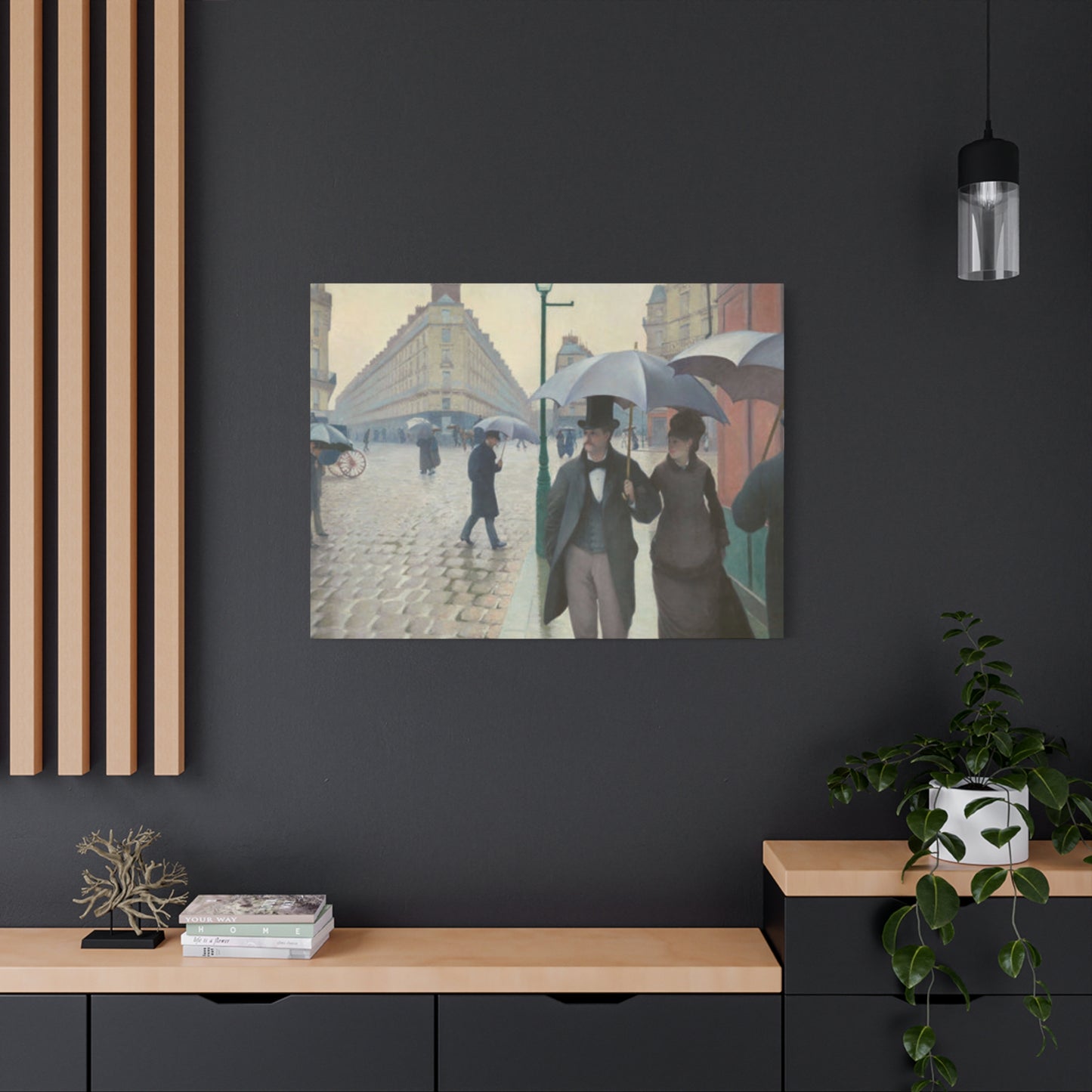
Gustav Couple Painting Wall Art & Canvas Prints
Gustav Couple Painting Wall Art & Canvas Prints
Couldn't load pickup availability
Timeless Romance Captured in Gustav Couple Painting Wall Art: A Comprehensive Exploration of Love Through Visual Expression
The world of artistic expression has long celebrated the profound connection between two souls through visual mediums. Among these celebrated works, the Gustav Couple Painting Wall Art stands as a testament to eternal romance, capturing moments of tenderness and intimacy that transcend time. This magnificent piece embodies the essence of companionship, devotion, and the beautiful complexity of human relationships rendered through masterful brushstrokes and thoughtful composition.
The Profound Symbolism Behind Romantic Depictions in Visual Arts
Throughout centuries, artists have endeavored to capture the ineffable qualities of human connection through their creations. The Gustav Couple Painting Wall Art represents more than mere decorative purpose; it serves as a window into the depths of emotional bonding between partners. Every element within such compositions carries weight and meaning, from the positioning of figures to the subtle interplay of light and shadow that dances across the canvas.
The symbolism embedded within romantic artwork often speaks to universal experiences that resonate across cultures and generations. When two figures are portrayed together, their body language, facial expressions, and spatial relationship communicate volumes about the nature of their bond. The Gustav Couple Painting Wall Art exemplifies this principle, presenting viewers with a narrative that unfolds through careful observation and emotional engagement.
Artists who dedicate themselves to capturing intimate moments between couples understand that authenticity forms the cornerstone of impactful work. The genuine emotion conveyed through such pieces creates an immediate connection with observers, allowing them to project their own experiences and aspirations onto the depicted subjects. This universal quality makes romantic artwork particularly powerful as both personal treasure and conversation catalyst within living spaces.
The compositional choices made in romantic portraiture significantly impact the emotional resonance of the finished work. Factors such as whether subjects face each other, gaze outward together, or occupy separate spaces while maintaining connection all contribute to the narrative being told. The Gustav Couple Painting Wall Art demonstrates sophisticated understanding of these principles, creating a visual story that continues to unfold with each viewing.
Color selection plays an equally crucial role in conveying the emotional temperature of romantic artwork. Warm palettes suggest passion and vitality, while cooler tones might evoke tranquility and contemplative intimacy. The strategic use of contrast draws the eye to focal points within the composition, guiding viewers through the intended emotional journey. Master artists manipulate these elements with such subtlety that the effect feels natural rather than contrived.
Exploring the Artistic Heritage That Informs Contemporary Romantic Imagery
The lineage of romantic portraiture stretches back through countless artistic movements, each contributing unique perspectives and techniques to the ongoing conversation about love and partnership. From the passionate embraces captured by Romanticism to the fractured yet emotionally charged compositions of Modernism, each era has left its mark on how we visualize intimate connections between individuals.
During the Renaissance period, artists began depicting couples with unprecedented realism and psychological depth. The attention to anatomical accuracy combined with symbolic elements created layered meanings that rewarded careful study. This tradition of embedding multiple levels of significance within romantic imagery continues to influence contemporary works, including pieces like the Gustav Couple Painting Wall Art that honor this rich heritage while speaking to modern sensibilities.
The Baroque era introduced dramatic lighting techniques and dynamic compositions that heightened the emotional intensity of romantic scenes. The interplay of light and darkness, known as chiaroscuro, became a powerful tool for directing attention and creating atmosphere. These innovations transformed how artists could manipulate viewer emotion and engagement, techniques that remain relevant in contemporary artistic practice.
Impressionism brought a revolutionary approach to capturing fleeting moments of connection and intimacy. Rather than focusing on precise detail, impressionist painters emphasized the overall emotional impression and the quality of light at specific moments. This shift toward capturing the essence rather than exact likeness opened new possibilities for expressing the intangible aspects of romantic relationships that resist literal representation.
The Art Nouveau movement contributed flowing lines and organic forms that emphasized the natural harmony between coupled figures. The decorative elements and stylized presentations characteristic of this period added new dimensions to romantic imagery, celebrating beauty and craftsmanship alongside emotional content. These aesthetic choices continue to influence contemporary artists seeking to balance decorative appeal with meaningful narrative content.
Expressionism pushed boundaries by prioritizing emotional truth over visual accuracy. The distortions and bold color choices characteristic of expressionist work allowed artists to externalize internal emotional states in ways that realistic representation could not achieve. This willingness to sacrifice literal accuracy for emotional authenticity expanded the vocabulary available for depicting romantic connection, influencing generations of subsequent artists.
The Enduring Appeal of Couples in Artistic Representation Across Cultures
Different cultural contexts bring unique perspectives to the portrayal of romantic partnerships in visual arts. Eastern artistic traditions often emphasize harmony, balance, and the complementary nature of paired figures, reflecting philosophical principles about the interconnectedness of existence. Western traditions have alternatively emphasized individual identity within partnership, creating tension and dialogue between autonomy and connection.
The Gustav Couple Painting Wall Art bridges cultural approaches by focusing on universal aspects of human connection that transcend specific cultural contexts. The fundamental human experience of seeking and finding companionship remains constant across diverse societies, even as the specific expressions and expectations surrounding relationships vary. Artwork that taps into these universal elements achieves broader relevance and emotional resonance.
Indigenous artistic traditions worldwide have long incorporated representations of partnership that emphasize community context and generational continuity. Rather than isolating couples from their broader social environment, these traditions often show how partnerships fit within larger familial and communal structures. This holistic perspective offers valuable counterpoint to more individualistic approaches, enriching the overall conversation about what partnership means.
Contemporary multicultural societies create opportunities for artistic synthesis, combining elements from various traditions to create new forms of expression. The Gustav Couple Painting Wall Art may incorporate influences from multiple sources, resulting in work that speaks to increasingly diverse audiences. This cultural fusion reflects the reality of modern relationships that often bridge different backgrounds and traditions.
The global circulation of artistic ideas through museums, publications, and digital platforms has accelerated the exchange and blending of aesthetic approaches. Artists now have unprecedented access to the entire span of human artistic achievement, allowing them to draw inspiration from sources that previous generations might never have encountered. This expanded palette of influences enriches contemporary romantic imagery with layers of meaning and reference.
Compositional Elements That Elevate Romantic Artwork From Ordinary to Extraordinary
The arrangement of elements within the picture plane fundamentally shapes how viewers experience and interpret romantic artwork. Strategic placement of figures creates visual balance or intentional tension that reflects the relationship dynamics being portrayed. The Gustav Couple Painting Wall Art demonstrates sophisticated compositional awareness, using spatial relationships to enhance narrative and emotional impact.
The rule of thirds, a compositional guideline derived from classical proportions, helps create visually pleasing and engaging arrangements. By placing key elements at the intersection points of an imaginary grid dividing the canvas into thirds both horizontally and vertically, artists create natural focal points that guide viewer attention. However, masterful artists know when to follow such guidelines and when to deliberately break them for greater effect.
Leading lines within a composition direct the viewer's gaze toward important elements and create a sense of movement and flow through the artwork. These lines might be formed by architectural elements, landscape features, or the positioning and gestures of the figures themselves. In romantic imagery, leading lines often draw attention to moments of connection such as clasped hands, aligned gazes, or embracing forms.
Negative space, the areas surrounding and between subjects, plays a crucial role in composition despite containing no explicit content. The shape and quality of negative space affects the overall balance and breathing room within the artwork. Skilled artists manipulate negative space to create rhythm, emphasize isolation or connection, and provide visual rest areas that prevent compositions from feeling cluttered or overwhelming.
Depth and dimension add richness to romantic imagery by creating the illusion of three-dimensional space on a two-dimensional surface. Techniques such as atmospheric perspective, where distant elements appear hazier and less saturated, and overlapping forms that suggest spatial relationships all contribute to this effect. The Gustav Couple Painting Wall Art employs these strategies to create immersive environments that invite viewers to imaginatively enter the depicted space.
Framing within the frame creates layers of visual interest and can draw attention to specific elements while providing context. This might involve architectural elements like doorways or windows, natural features like overhanging branches, or abstract framing devices created through color or tonal shifts. Such internal framing focuses attention while simultaneously expanding the implied world beyond the canvas edges.
Color Theory and Its Profound Impact on Emotional Resonance in Romantic Art
The psychological effects of color have been studied extensively, revealing how different hues trigger specific emotional and physiological responses in viewers. Warm colors like reds, oranges, and yellows tend to evoke feelings of energy, passion, and warmth, making them natural choices for romantic imagery. Cool colors such as blues and greens create sensations of calm, tranquility, and introspection, suitable for portraying different aspects of intimate connection.
The Gustav Couple Painting Wall Art likely employs a carefully considered color palette that enhances the intended emotional message. Complementary colors, those opposite each other on the color wheel, create vibrant contrast and visual excitement when placed adjacent to each other. Analogous colors, which sit next to each other on the wheel, produce harmonious and soothing effects. Master colorists understand how to manipulate these relationships for maximum impact.
Saturation levels affect the intensity and impact of colors within a composition. Highly saturated hues command attention and convey vitality, while desaturated or muted tones suggest subtlety, sophistication, or melancholy. The strategic variation of saturation creates visual hierarchy and guides viewer attention through the composition. In romantic artwork, saturation choices communicate much about the nature and intensity of the depicted relationship.
Value, referring to the lightness or darkness of colors, creates structure and definition within paintings. High contrast between light and dark values produces dramatic, attention-grabbing effects, while subtle value shifts create gentle, refined atmospheres. The Gustav Couple Painting Wall Art demonstrates understanding of how value distribution affects readability, mood, and focus within romantic compositions.
Color temperature goes beyond simple warm versus cool distinctions to encompass the subtle variations that make colors feel advancing or receding, active or passive. Warm-temperature colors appear to come forward in space, while cool-temperature colors seem to recede, creating depth illusion. Skillful manipulation of color temperature adds dimensional quality to paintings, making them feel more lifelike and engaging.
Symbolic color associations vary across cultures but certain connections appear nearly universal. Red frequently represents passion, love, and vitality across many societies. White often signifies purity and new beginnings. Blue can represent loyalty, trust, and depth of feeling. Artists working with romantic themes draw upon these associations while also subverting expectations to create fresh perspectives on familiar subject matter.
The Role of Light and Shadow in Creating Atmosphere Within Romantic Compositions
Light functions as both literal illumination and metaphorical device in romantic artwork. The quality, direction, and intensity of light within a composition dramatically affect mood and atmosphere. Soft, diffused lighting creates gentle, romantic ambience, while harsh, directional light produces drama and intensity. The Gustav Couple Painting Wall Art utilizes lighting to enhance emotional narrative and guide viewer focus.
The source of light within a painting, whether natural sunlight, artificial lighting, or mysterious undefined illumination, contributes to the overall story being told. Morning light carries different associations than evening glow or moonlight. Each lighting scenario brings specific emotional connotations that perceptive artists exploit to deepen their narrative impact.
Shadows serve equally important functions, providing necessary contrast to light while creating mystery and depth. The quality of shadow edges, whether sharp or soft, indicates the nature of the light source and affects the overall mood. Cast shadows from figures and objects ground subjects in their environment and reinforce spatial relationships, making scenes feel more believable and immersive.
Highlighting emphasizes form and dimension by indicating where light strikes surfaces most directly. The placement of highlights on figures draws attention to specific features and creates a sense of volume and solidity. In romantic portraiture, strategic highlighting might emphasize facial features, particularly eyes, or points of physical connection between partners, subtly guiding viewer attention to emotionally significant elements.
The reflected light that bounces from surfaces and illuminates areas not directly exposed to the primary light source adds subtle realism and complexity to paintings. This secondary illumination prevents shadow areas from becoming flat and lifeless, maintaining visual interest throughout the composition. Master painters carefully observe and replicate these subtle light effects to create convincing, dimensional representations.
Atmospheric effects result from light interacting with particles in the air, creating haze, glow, and altered color perception. These effects become more pronounced over distance, contributing to the illusion of depth. In romantic settings, atmospheric effects can create dreamy, idealized environments that enhance the emotional quality of the scene. The Gustav Couple Painting Wall Art may employ such effects to create its distinctive atmosphere.
Brushwork Techniques That Bring Romance to Life on Canvas
The physical application of paint to canvas involves countless decisions that profoundly affect the final artwork's character and impact. Visible brushstrokes create texture and energy, revealing the artist's hand and process in ways that smooth, blended surfaces do not. The gestural quality of brushwork can convey emotion and movement, adding vitality to romantic scenes.
Impasto technique, involving thick application of paint that stands up from the canvas surface, creates dramatic texture and catches light in interesting ways. This approach adds physicality and presence to artwork, making it more engaging when viewed in person. The tactile quality of impasto appeals to multiple senses, creating a more immersive viewing experience.
Glazing, the application of thin, transparent layers of paint over dried underlayers, builds depth and luminosity that cannot be achieved through direct painting alone. This painstaking process requires patience and planning but rewards effort with rich, glowing colors and subtle color shifts. Old master paintings often employed extensive glazing to create their characteristic depth and radiance.
Scumbling involves dragging relatively dry paint over a textured surface, allowing underlying layers to show through irregularly. This creates broken color effects and atmospheric quality particularly effective for rendering fabric, clouds, or other textured surfaces. The intentional incompleteness of scumbling engages viewer imagination, inviting them to complete the visual information.
Blending creates smooth transitions between colors and tones, eliminating visible boundaries. This approach produces refined, polished surfaces appropriate for certain subjects and styles. In romantic portraiture, selective blending might render skin tones softly while allowing other areas to retain visible brushwork, creating variety and focus within the composition.
The Gustav Couple Painting Wall Art showcases brushwork decisions that support the overall artistic vision. Whether favoring visible gestural marks or carefully blended transitions, these technical choices communicate as powerfully as subject matter and composition, contributing to the unique character that makes each artwork distinctive and memorable.
Understanding Scale and Proportion in Wall Art Selection for Living Spaces
The physical dimensions of artwork significantly impact its presence and effectiveness within interior environments. Oversized pieces make bold statements and can anchor entire rooms, while smaller works create intimate focal points that reward closer inspection. The Gustav Couple Painting Wall Art exists at a scale that balances impact with versatility, suitable for various room sizes and arrangements.
Proportional relationships between artwork and the walls that display them follow guidelines that help create harmonious visual relationships. A common recommendation suggests artwork should span roughly two-thirds to three-quarters the width of furniture pieces it hangs above, creating visual connection without overwhelming the furnishings. However, these guidelines serve as starting points rather than absolute rules.
Ceiling height influences optimal artwork size and placement. Rooms with high ceilings can accommodate larger pieces and groupings, while standard ceiling heights work better with moderately sized works positioned at appropriate viewing height. The center of artwork typically sits at approximately eye level, around 57 to 60 inches from the floor, though this varies based on room function and viewer height.
The visual weight of artwork, determined by color intensity, subject matter complexity, and frame presence, affects how pieces interact with their surroundings. Visually heavy artwork can balance large furniture or architectural features, while lighter pieces complement delicate decor schemes. The Gustav Couple Painting Wall Art possesses visual presence that commands attention without overwhelming complementary design elements.
Multiple piece arrangements create opportunities for larger visual impact than single works alone could achieve. Gallery walls, diptychs, triptychs, and other multi-panel presentations allow for storytelling across connected pieces while filling substantial wall space. When selecting romantic artwork, consider whether it stands strongest alone or as part of a curated collection.
Room function influences appropriate artwork choices and placement. Intimate romantic imagery suits bedrooms, while pieces with broader appeal work well in living areas visible to guests. The Gustav Couple Painting Wall Art possesses sufficient artistic merit to enhance formal spaces while maintaining the emotional warmth appropriate for private areas.
Color Coordination Strategies for Incorporating Artwork Into Existing Decor Schemes
Successful artwork placement requires considering how piece colors interact with existing room palettes. Complementary approaches use artwork to introduce contrasting colors that enliven neutral backgrounds, while harmonious strategies select pieces that echo existing color schemes for cohesive, calming effects. The Gustav Couple Painting Wall Art can anchor color schemes or provide accent hues depending on its specific palette and surrounding context.
Neutral-dominant rooms benefit from artwork introducing color pops that energize spaces without requiring comprehensive redecorating. A single well-chosen piece can transform bland environments into dynamic, personalized spaces. Romantic artwork with warm tones particularly effectively counterbalances cool gray and white schemes that can feel sterile without softening elements.
Monochromatic color schemes, using variations of a single hue, create sophisticated, cohesive environments that showcase artwork without color competition. Within such settings, romantic pieces with subtle color variations stand out while maintaining overall harmony. The tonal variation within quality artwork provides visual interest that prevents monochromatic schemes from becoming monotonous.
Analogous color schemes use colors adjacent on the color wheel, creating harmonious, pleasing effects. Artwork fitting within analogous palettes integrates seamlessly while contributing to the overall color story. The Gustav Couple Painting Wall Art selected to complement analogous schemes enhances without disrupting established color relationships.
Accent color strategies employ artwork to introduce or reinforce specific hues used sparingly throughout a space. Repeating accent colors from artwork in pillows, throws, or decorative objects creates intentional visual connections that make spaces feel thoughtfully designed. Romantic pieces often incorporate multiple colors, providing flexibility for accent color extraction.
Seasonal color rotation refreshes spaces without permanent commitment. Some collectors maintain artwork collections suitable for different seasons or moods, switching pieces to reflect changing preferences or occasions. While investment pieces like the Gustav Couple Painting Wall Art typically merit permanent prominent display, surrounding complementary pieces can rotate to refresh overall presentation.
Framing Considerations That Enhance Rather Than Distract From Romantic Imagery
Frame selection profoundly affects artwork presentation and viewer perception. Frames serve protective functions while also contributing to aesthetic presentation and value perception. The right frame enhances artwork by providing visual boundary and context, while poor frame choices distract from or undermine the piece itself.
Traditional ornate frames with carved details and gilded finishes complement classical romantic imagery, reinforcing formal elegance and timeless quality. These elaborate frames make clear statements about artwork value and importance, elevating pieces through association with museum-quality presentation standards. However, ornate frames can overwhelm simpler pieces or clash with contemporary interior design.
Simple, clean-lined frames in wood, metal, or composite materials suit contemporary and minimalist spaces where decorative frames would feel excessive. These understated frames direct attention to artwork itself without visual competition. The Gustav Couple Painting Wall Art paired with minimalist framing achieves elegant presentation that adapts to various design contexts.
Floater frames create the illusion that canvas floats within the frame, revealing painting edges while providing protective boundary. This presentation style emphasizes artwork as precious object while maintaining contemporary aesthetic. Floater frames particularly suit stretched canvas paintings where the painted surface wraps around stretcher edges.
Color coordination between frames and artwork requires balancing integration with distinction. Frames picking up colors from within the artwork create cohesive presentation, while contrasting frames provide clear separation between artwork and surrounding environment. Neutral frame colors like black, white, natural wood, and metallic finishes offer versatile options suiting most artwork.
Frame width affects visual impact and appropriateness for different artwork sizes. Narrow frames suit small to medium pieces, while substantial frames better balance large artwork. Overly wide frames can overwhelm small pieces, while insufficient frame presence leaves large works feeling unsupported. Proportional balance between frame and artwork size creates most pleasing results.
Mat borders provide additional separation between artwork and frame, preventing visual crowding while contributing to overall dimensions. White and off-white mats offer classic versatility, while colored mats can enhance specific artwork elements. Multiple mat layers in complementary colors create depth and sophistication. The Gustav Couple Painting Wall Art might benefit from thoughtful mat selection when presented behind glass.
Lighting Design Principles for Showcasing Romantic Wall Art to Maximum Effect
Proper lighting transforms artwork viewing experience by revealing colors, details, and textures that remain obscured under inadequate illumination. Dedicated artwork lighting demonstrates respect for pieces while ensuring they contribute fully to interior aesthetics. The Gustav Couple Painting Wall Art deserves lighting that honors its artistic merit and romantic subject matter.
Natural light provides ideal color rendering but presents conservation challenges through UV exposure and inconsistent availability. Positioning artwork perpendicular to windows minimizes direct sun exposure while still benefiting from natural illumination. UV-filtering window treatments and glass protect light-sensitive materials while allowing natural light enjoyment.
Picture lights mounted directly above or below artwork provide focused illumination without requiring ceiling fixtures or extensive wiring. These dedicated lights come in various styles from traditional brass to minimalist LED designs, offering options for different aesthetic preferences. Adjustable picture lights allow precise positioning for optimal artwork illumination.
Track lighting systems offer flexible illumination solutions for galleries and rooms with multiple artwork pieces. Individual fixtures can be positioned and aimed to suit specific pieces, with adjustability accommodating future rearrangements. Quality track systems provide excellent color rendering and beam control necessary for proper artwork presentation.
Recessed ceiling lights with adjustable trims can effectively illuminate wall art when positioned correctly. These fixtures maintain clean ceiling lines while providing necessary illumination. Proper aiming and beam spread selection prevent hot spots and uneven illumination that detract from viewing experience.
The color temperature of lighting significantly affects artwork appearance. Warm white light (2700-3000K) creates cozy, intimate atmospheres suitable for romantic imagery, while neutral white (3500-4100K) provides accurate color rendering. The Gustav Couple Painting Wall Art likely appears most flattering under warm lighting that enhances romantic mood.
Layered lighting approaches combine ambient, task, and accent lighting to create flexible, functional spaces. Artwork lighting functions as accent layer, drawing attention to featured pieces while contributing to overall room illumination. Dimming capability allows lighting adjustment for different activities and times of day.
The Psychological Impact of Romantic Imagery in Personal Living Environments
The artwork surrounding us daily influences mood, thought patterns, and overall wellbeing in measurable ways. Environments containing meaningful, beautiful objects including romantic artwork contribute to life satisfaction and emotional balance. The Gustav Couple Painting Wall Art can serve as daily reminder of love's importance and beauty, reinforcing positive relationship values.
Visual stimuli trigger emotional responses through both conscious recognition and unconscious processing. Romantic imagery activates neural pathways associated with affection, attachment, and social bonding. Surrounding ourselves with such imagery may strengthen our orientation toward connection and intimacy, influencing how we approach relationships and social interactions.
Personal identification with artwork content creates deeper engagement and lasting impact. Couples displaying romantic artwork that reflects their relationship ideals or reminds them of meaningful moments experience stronger emotional connections to these pieces. The Gustav Couple Painting Wall Art might resonate particularly with viewers seeing reflections of their own partnerships in the depicted relationship.
Environmental enrichment through art exposure correlates with improved cognitive function, reduced stress, and enhanced creativity. Workplaces, healthcare facilities, and educational settings increasingly recognize art's therapeutic and performance-enhancing benefits. Homes similarly benefit from thoughtful artwork selection that supports residents' emotional needs and aspirations.
The mirror neuron system, which activates similarly when observing actions as when performing them, may contribute to artwork's impact. Viewing romantic gestures and intimate moments depicted in art might stimulate similar neural patterns as experiencing such moments directly. This neurological response helps explain why romantic imagery can evoke powerful emotional reactions.
Aspirational imagery in living spaces serves motivational functions by keeping desired qualities and experiences visually present. Couples aspiring to maintain or deepen romantic connection benefit from visual reminders of relationship ideals. The Gustav Couple Painting Wall Art functions as both aesthetic enhancement and relationship inspiration, serving dual purposes that justify its presence.
Collecting Romantic Art as Investment and Legacy Building for Future Generations
Art collecting transcends mere decoration to become legacy building that connects generations through shared appreciation of beauty and meaning. Carefully curated collections tell stories about collectors' values, experiences, and aesthetic evolution. The Gustav Couple Painting Wall Art represents not just current enjoyment but potential heirloom with growing significance over time.
Investment potential in artwork depends on artist reputation, rarity, condition, provenance, and market demand. While appreciation prospects should not solely drive acquisition decisions, quality pieces often appreciate substantially over decades. Romantic imagery maintains consistent appeal across market cycles, supported by universal human interest in love and relationships.
Documentation and authentication establish artwork legitimacy and support future valuation. Certificates of authenticity, provenance records, exhibition history, and conservation reports all contribute to comprehensive artwork documentation. Maintaining such records protects investment value and facilitates insurance, sale, or estate planning processes.
Condition preservation through proper handling, display, and environmental control maintains artwork integrity and value. Climate-controlled environments with stable temperature and humidity, protection from direct sunlight, and appropriate framing all contribute to artwork longevity. The Gustav Couple Painting Wall Art deserves conservation-grade care to ensure it remains pristine for future generations.
Insurance coverage protects significant artwork from loss through theft, damage, or disaster. Standard homeowner's policies typically provide limited fine art coverage, while scheduled personal property endorsements or separate fine art policies offer comprehensive protection. Professional appraisals establish replacement values for insurance purposes.
Estate planning considerations ensure beloved artwork passes to intended recipients with minimal tax burden and family conflict. Clear documentation of ownership intentions, whether through wills, trusts, or other vehicles, prevents disputes and ensures wishes fulfillment. The Gustav Couple Painting Wall Art might represent not just personal enjoyment but intentional legacy for children or grandchildren.
The Intimate Connection Between Art Selection and Personal Identity Expression
The choices we make about which artwork to display in our homes reveal much about our identities, values, and self-concepts. Romantic imagery selection indicates priorities regarding relationships, beauty standards, and emotional expression. The Gustav Couple Painting Wall Art becomes part of how we present ourselves to visitors and, more importantly, how we reinforce our own self-understanding.
Authenticity in art selection matters more than adherence to trends or others' preferences. Pieces that genuinely resonate on personal levels provide lasting satisfaction, while status-driven acquisitions often disappoint once external validation fades. The emotional connection to romantic artwork should arise from genuine response rather than perceived sophistication.
Cultural background and upbringing shape aesthetic preferences in powerful yet often unconscious ways. The artistic traditions we grow up surrounded by establish templates for what feels beautiful, meaningful, or appropriate. Understanding these influences allows more intentional art selection that either honors heritage or deliberately expands beyond familiar patterns.
Life stage and relationship status affect romantic imagery interpretation and appeal. Single individuals might respond differently to couple depictions than married partners, and newlyweds bring different perspectives than long-married couples. The Gustav Couple Painting Wall Art speaks to various life circumstances, with meanings evolving as viewer relationships develop.
Personal narrative integration elevates artwork from decoration to meaningful life component. When pieces connect to personal stories, travel experiences, relationship milestones, or family heritage, they accumulate layers of meaning beyond their inherent artistic merit. Creating these narrative connections, whether through acquisition circumstances or imaginative engagement, deepens artwork significance.
Identity evolution over time naturally shifts art preferences and collection development. Maintaining openness to changing tastes while honoring enduring loves creates collections that remain personally relevant throughout life stages. The romantic themes embodied in the Gustav Couple Painting Wall Art possess timeless quality that transcends temporary trends.
Practical Considerations for Artwork Placement Throughout Different Home Spaces
Strategic artwork placement requires understanding how different spaces function and what viewing experiences they support. Entryways make first impressions and benefit from striking pieces that establish home aesthetic tone. The Gustav Couple Painting Wall Art in an entrance area immediately communicates homeowners' values regarding beauty, relationships, and welcoming atmosphere.
Living rooms, as primary gathering and entertainment spaces, suit artwork that sparks conversation and withstands repeated viewing. Pieces positioned above sofas or mantels occupy prominent positions demanding visual interest and quality that justify central placement. Romantic imagery in social spaces normalizes relationship celebration and emotional expression.
Dining areas traditionally feature artwork conducive to pleasant conversation and relaxed atmosphere. Romantic pieces contribute to intimate dining experiences whether for couples or family gatherings. The warm, positive associations of the Gustav Couple Painting Wall Art enhance dining room ambience without demanding constant attention.
Bedroom placement of romantic artwork creates deeply personal environment reinforcing relationship bonds and intimate connection. This private space allows more personally meaningful, emotionally vulnerable imagery than public areas. The Gustav Couple Painting Wall Art in bedrooms serves as daily reminder of partnership's centrality to wellbeing.
Home offices and study spaces benefit from artwork that inspires without distracting from focused work. Romantic pieces in such environments humanize professional spaces, preventing them from feeling sterile or disconnected from personal life. Subtle romantic imagery maintains awareness of relationships' importance while supporting productive work.
Hallways and transitional spaces offer opportunities for artwork display that might be overlooked but significantly contributes to home's overall aesthetic character. These spaces allow more experimental or personal pieces that don't require fitting with furniture arrangements. Creative hallway displays transform utilitarian spaces into gallery-like experiences.
Bathrooms have evolved from purely functional to personally expressive spaces worthy of thoughtful design including artwork. Moisture and humidity concerns require appropriate framing and materials, but carefully selected pieces transform bathrooms into spa-like retreats. Romantic imagery in such intimate spaces reinforces self-care and relationship care connections.
The Conversation-Starting Power of Meaningful Artwork in Social Contexts
Quality artwork naturally draws attention and invites comment, serving as conversation catalyst in social situations. The Gustav Couple Painting Wall Art likely prompts questions about artistic style, subject matter significance, and acquisition story. These conversations deepen social connections through shared aesthetic experiences and value discussions.
Artwork discussions provide relatively safe entry into deeper conversations about values, emotions, and experiences. Talking about romantic imagery can lead naturally to relationship philosophy discussions, personal experiences, and aspirational thinking without requiring direct personal disclosure that might feel uncomfortable. Art serves as productive intermediary for meaningful conversation.
Different viewers bring unique perspectives to artwork interpretation, creating opportunities for interesting dialogue about perception, meaning-making, and aesthetic judgment. What one person sees as tender devotion another might read as melancholic longing. These interpretative differences reveal much about individual personality and experience, enriching social understanding.
The stories surrounding artwork acquisition, whether dramatic auction victories, serendipitous discoveries, or thoughtful gift-giving, add narrative layers that engage listeners and create memorable interactions. The Gustav Couple Painting Wall Art carries its own story from creation through current placement, and sharing that narrative builds connection with visitors.
Shared aesthetic appreciation creates bonds between individuals who might otherwise struggle to find common ground. Art transcends many social divisions, providing accessible entry point for connection across age, background, and circumstance differences. Romantic themes particularly offer universal resonance across diverse viewer populations.
Educational opportunities emerge when sharing artwork knowledge with interested visitors. Discussing artistic techniques, historical context, or symbolic meanings satisfies curiosity while establishing expertise and passion. The Gustav Couple Painting Wall Art might prompt discussions ranging from technical execution to romantic ideal evolution across eras.
Methods for Evaluating Artistic Quality and Authenticity in Romantic Imagery
Discerning artwork quality requires developing visual literacy through exposure and study. Understanding composition principles, color relationships, technique execution, and conceptual depth enables more sophisticated evaluation. The Gustav Couple Painting Wall Art demonstrates quality through masterful handling of these fundamental elements.
Composition assessment examines how effectively elements arrange to create unified, engaging whole. Well-composed pieces guide viewer attention purposefully, maintain visual balance, and create satisfying relationships between components. Weak composition feels random, unbalanced, or fails to effectively communicate intended message.
Technical execution evaluation considers skill level in medium handling. For paintings, this includes brushwork control, color mixing sophistication, value rendering accuracy, and overall finish quality. Amateur work often reveals itself through technical limitations regardless of compelling subject matter, while masterful technique enhances even simple subjects.
Originality and artistic voice distinguish exceptional work from competent but derivative pieces. Artwork displaying distinctive perspective, innovative approach, or personal vision stands out from formula-driven productions. The Gustav Couple Painting Wall Art should demonstrate unique artistic voice that makes it memorable and distinguishable from similar romantic imagery.
Emotional resonance and conceptual depth separate superficial decoration from meaningful art. Pieces that provoke thought, evoke genuine emotion, or reveal layers of meaning upon contemplation justify serious consideration and investment. Romantic imagery particularly requires authentic feeling rather than clichéd sentiment to succeed artistically.
Condition assessment identifies conservation issues affecting artwork integrity and value. Paint loss, fading, discoloration, structural damage, and restoration history all impact desirability and pricing. Professional condition reports from qualified conservators provide authoritative assessment for significant acquisitions.
Provenance verification establishes artwork authenticity and legal title. Documentation tracing ownership history from creation through current offering protects buyers from forgeries and contested ownership. The Gustav Couple Painting Wall Art should include provenance documentation proportional to its value and significance.
Caring for and Preserving Romantic Wall Art for Lasting Beauty and Value
Preventive conservation practices form the foundation of responsible artwork stewardship. Understanding and controlling environmental factors, handling protocols, and display conditions prevent most damage before it occurs. The Gustav Couple Painting Wall Art warrants conservation-appropriate care to maintain its condition for future enjoyment.
Temperature and humidity stability matter more than specific readings, though moderate conditions around 70 degrees Fahrenheit and 45-50% relative humidity suit most artwork. Fluctuations cause expansion and contraction that stresses materials and promotes degradation. Climate control systems or careful seasonal monitoring maintain appropriate conditions.
Light exposure, particularly ultraviolet radiation, causes irreversible fading and material deterioration. Natural light contains substantial UV, while incandescent bulbs produce minimal UV and LED lights vary by model. UV-filtering glazing, window treatments, and appropriate artificial lighting protect artwork from photodegradation.
Handling protocols prevent physical damage from drops, punctures, and surface contact. Clean hands or cotton gloves prevent oil transfer to surfaces. Lifting artwork by frame rather than stretcher bars distributes weight appropriately. Professional art handlers employ specialized techniques for moving valuable pieces safely.
Cleaning requires appropriate methods for specific materials to avoid damage from inappropriate products or techniques. Dusting frames with soft brushes or microfiber cloths maintains appearance without surface contact. Professional conservators should handle any cleaning beyond surface dusting to prevent irreversible damage.
Storage conditions for artwork not currently displayed should match or exceed display standards. Proper support prevents warping or stress. Wrapping with acid-free materials protects surfaces without adhering or promoting mold growth. Climate-controlled storage areas maintain stable conditions year-round.
Professional conservation interventions address damage and deterioration beyond preventive measures. Qualified conservators possess specialized training in examination, documentation, and treatment using reversible methods and appropriate materials. Regular professional assessment identifies emerging issues before they become serious problems requiring extensive intervention.
Conclusion
Contemporary art markets encompass diverse venues from traditional galleries to online platforms, auction houses, and artist studios. Each marketplace type offers distinct advantages and considerations. Understanding marketplace dynamics helps collectors make informed acquisition decisions regarding pieces like the Gustav Couple Painting Wall Art.
Gallery representation typically indicates artist professionalism and market development. Galleries curate selections, provide educational context, and offer collector services including installation, framing, and authentication. Established gallery relationships facilitate building collections with expert guidance and potential investment appreciation.
Online marketplaces democratize art acquisition by connecting buyers directly with artists and sellers worldwide. Digital platforms enable discovery of emerging artists, price comparison, and convenient purchasing. However, online buying requires extra diligence regarding authenticity verification and condition assessment without in-person inspection.
Auction houses sell artwork through competitive bidding, with results establishing public price points and market trends. Major auction houses handle significant pieces with extensive cataloging and promotion, while regional auctions offer accessible entry points. Understanding auction mechanics, buyer's premiums, and bidding strategies helps navigate this marketplace successfully.
Art fairs bring together numerous galleries, artists, and collectors in temporary exhibition settings. These events enable extensive browsing, comparative evaluation, and direct artist interaction.
Share