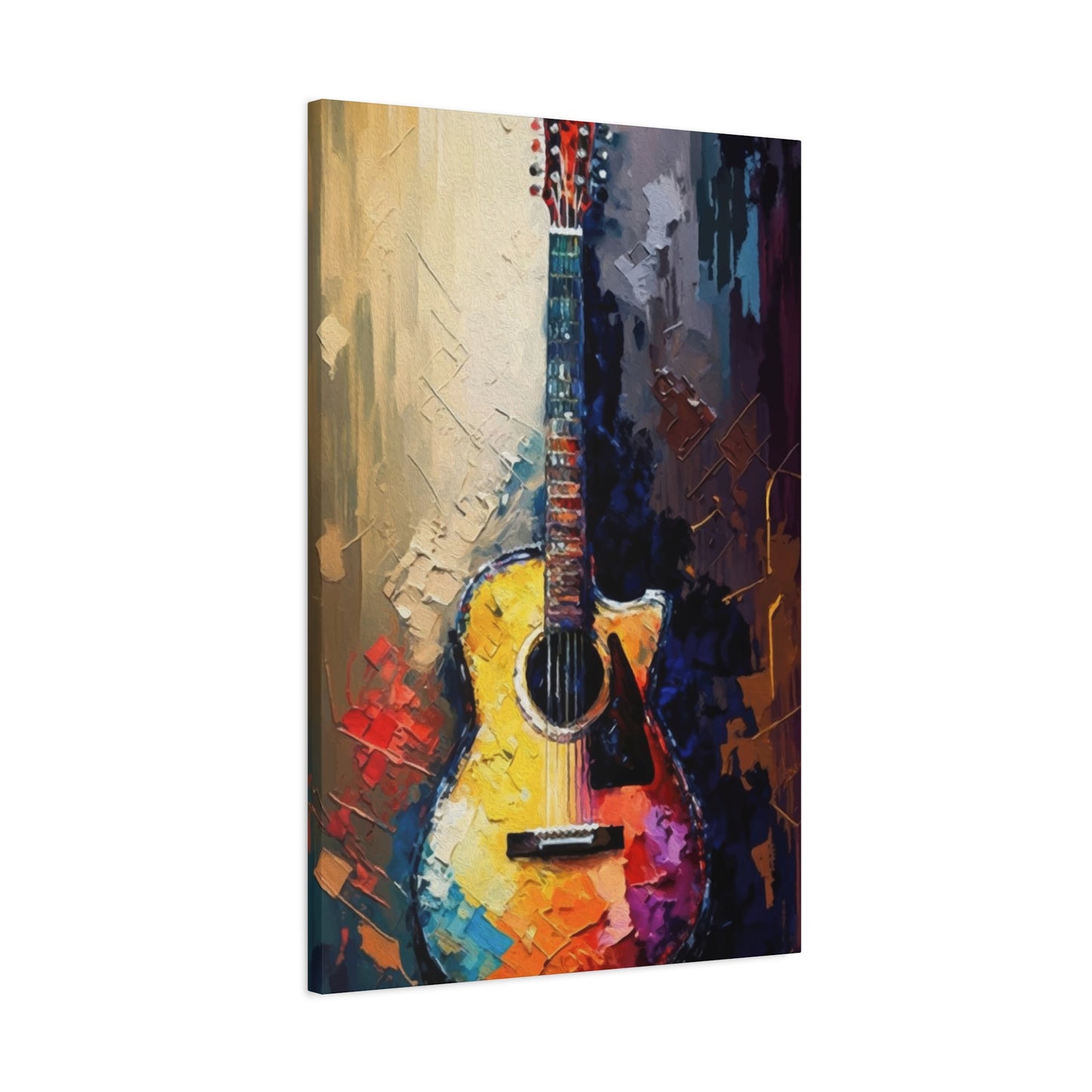
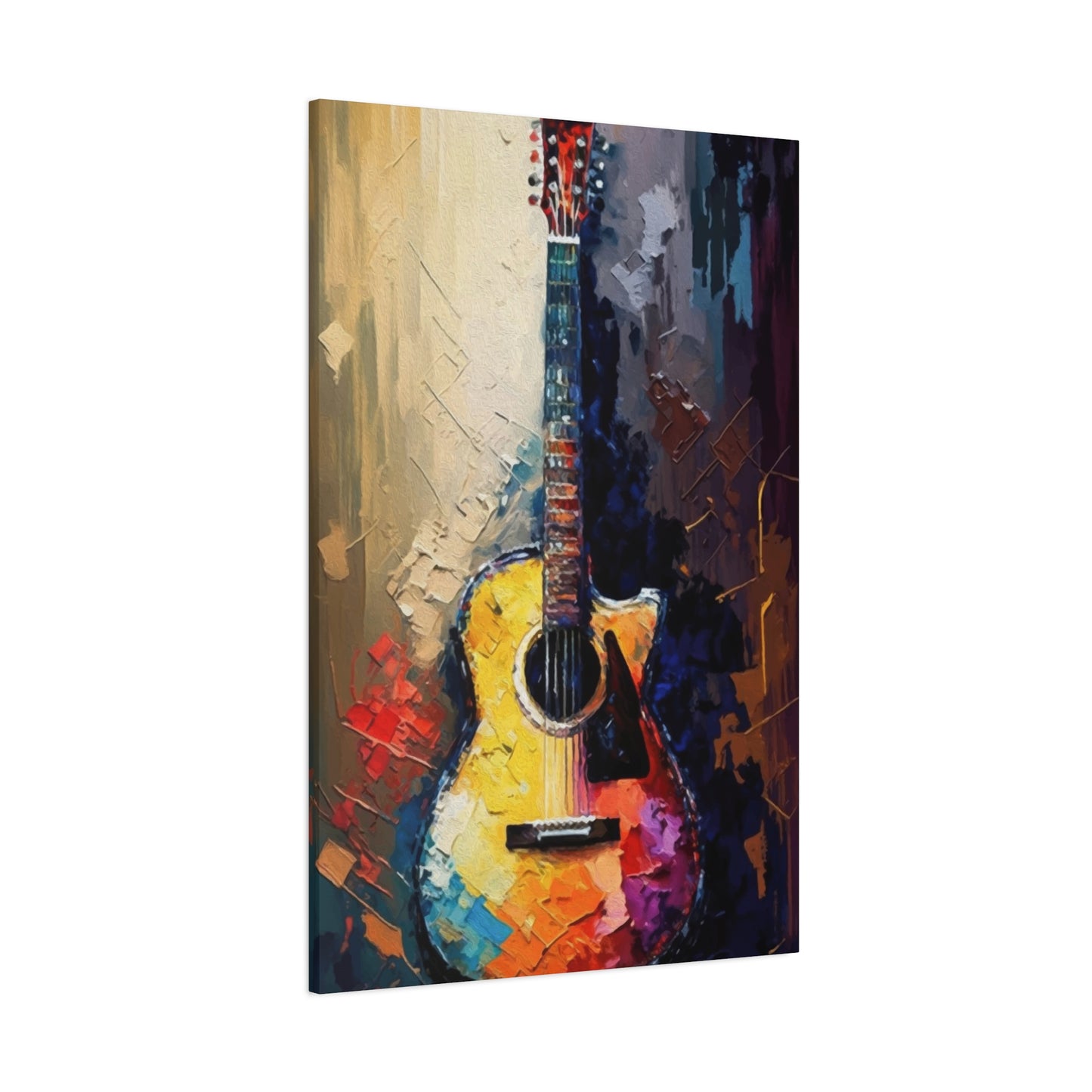
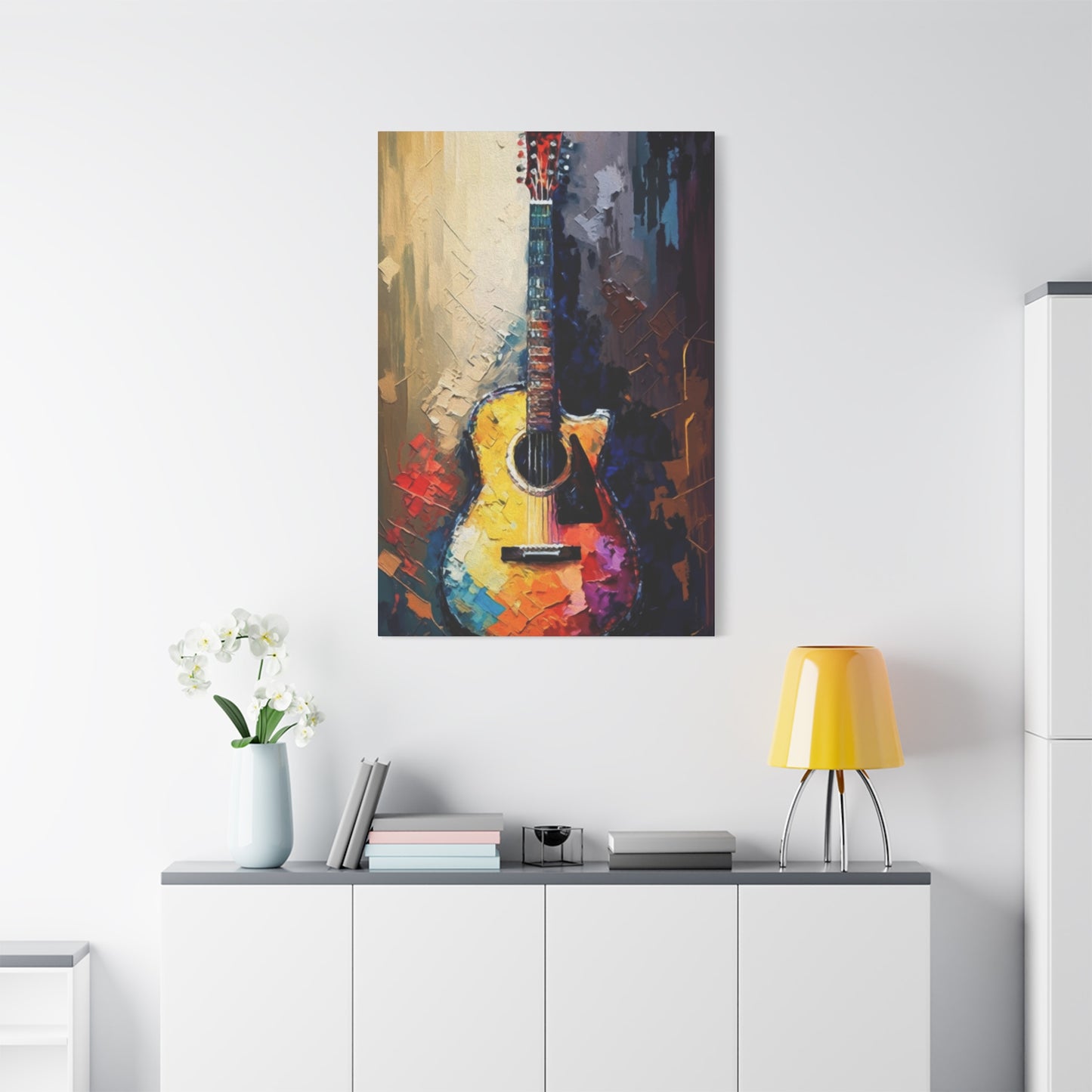
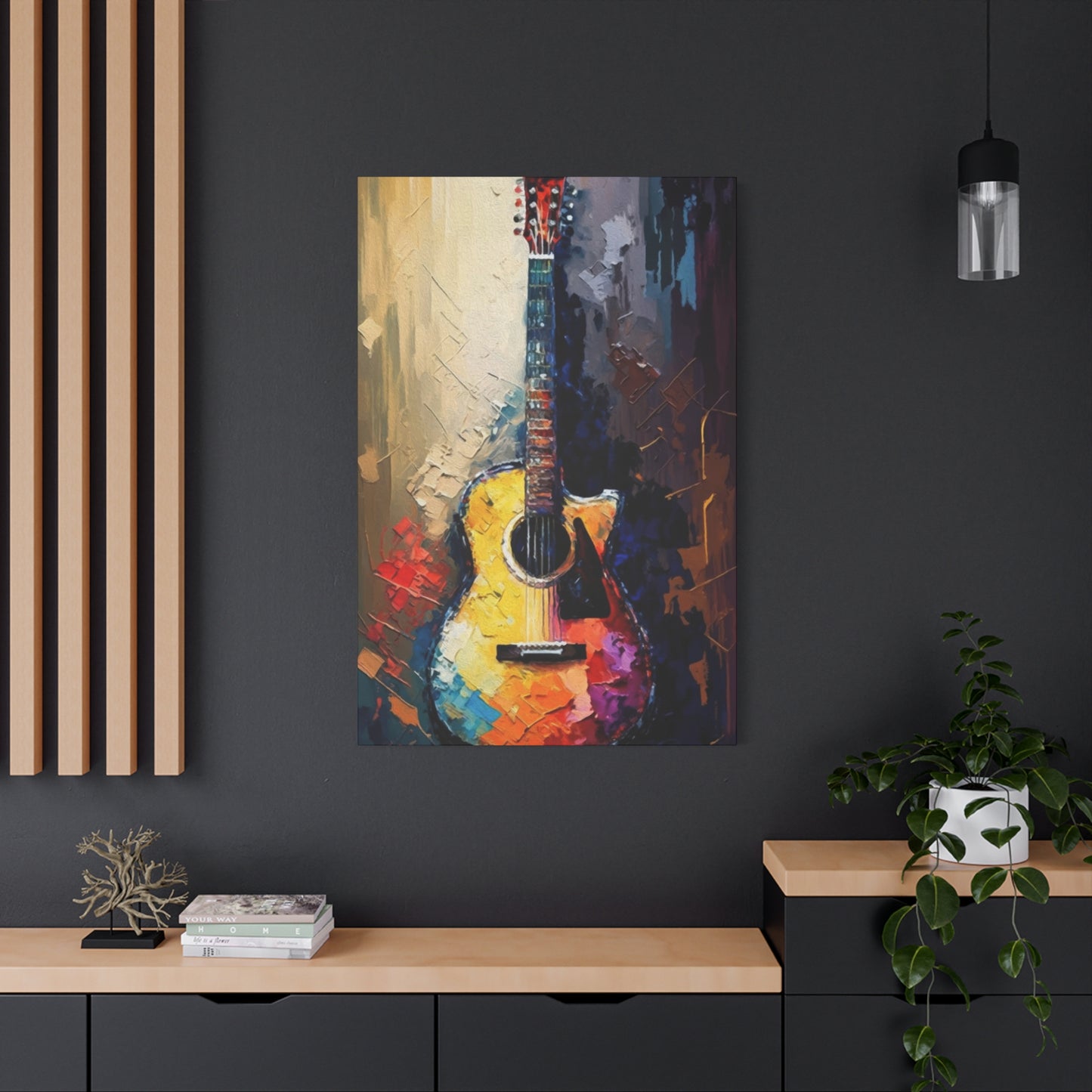
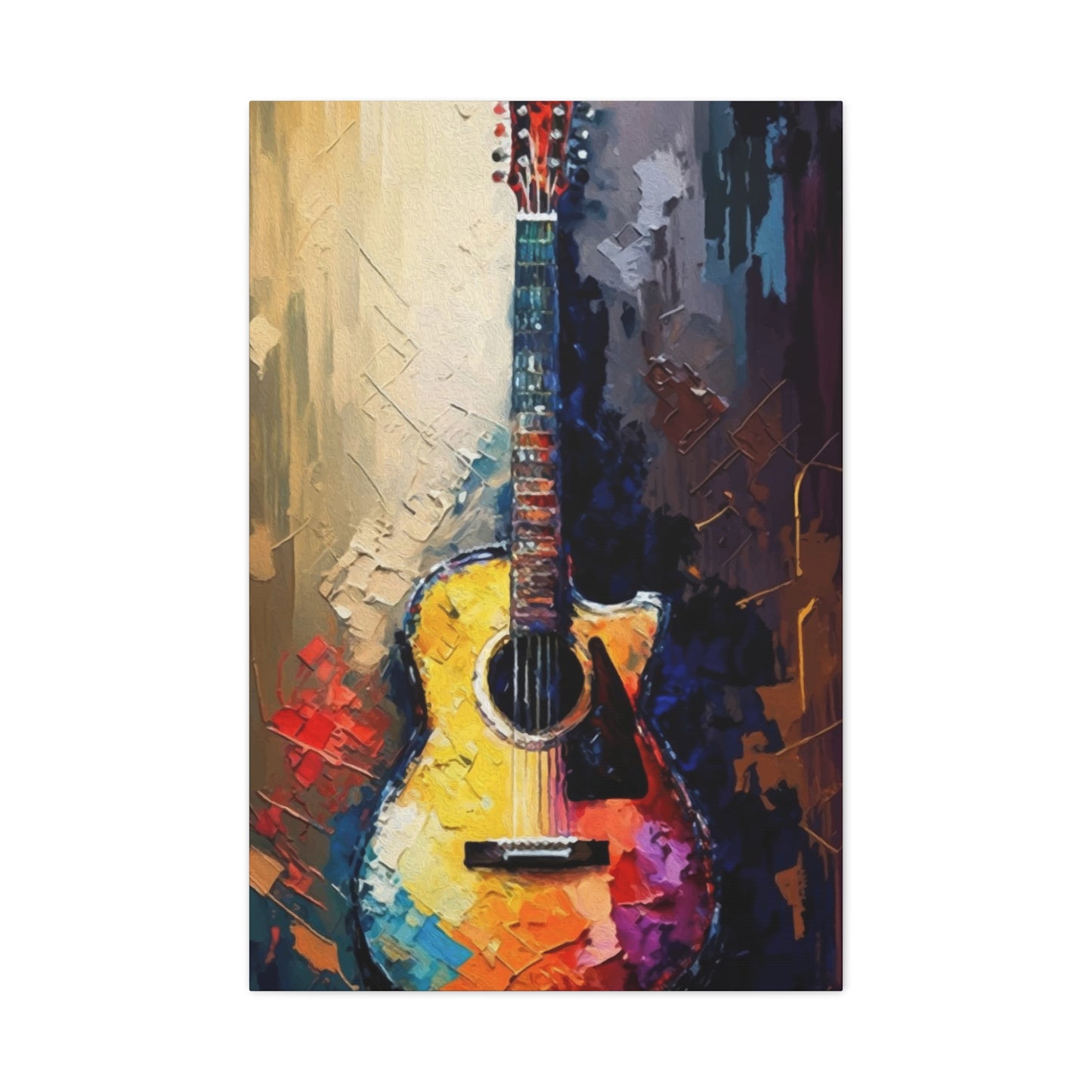
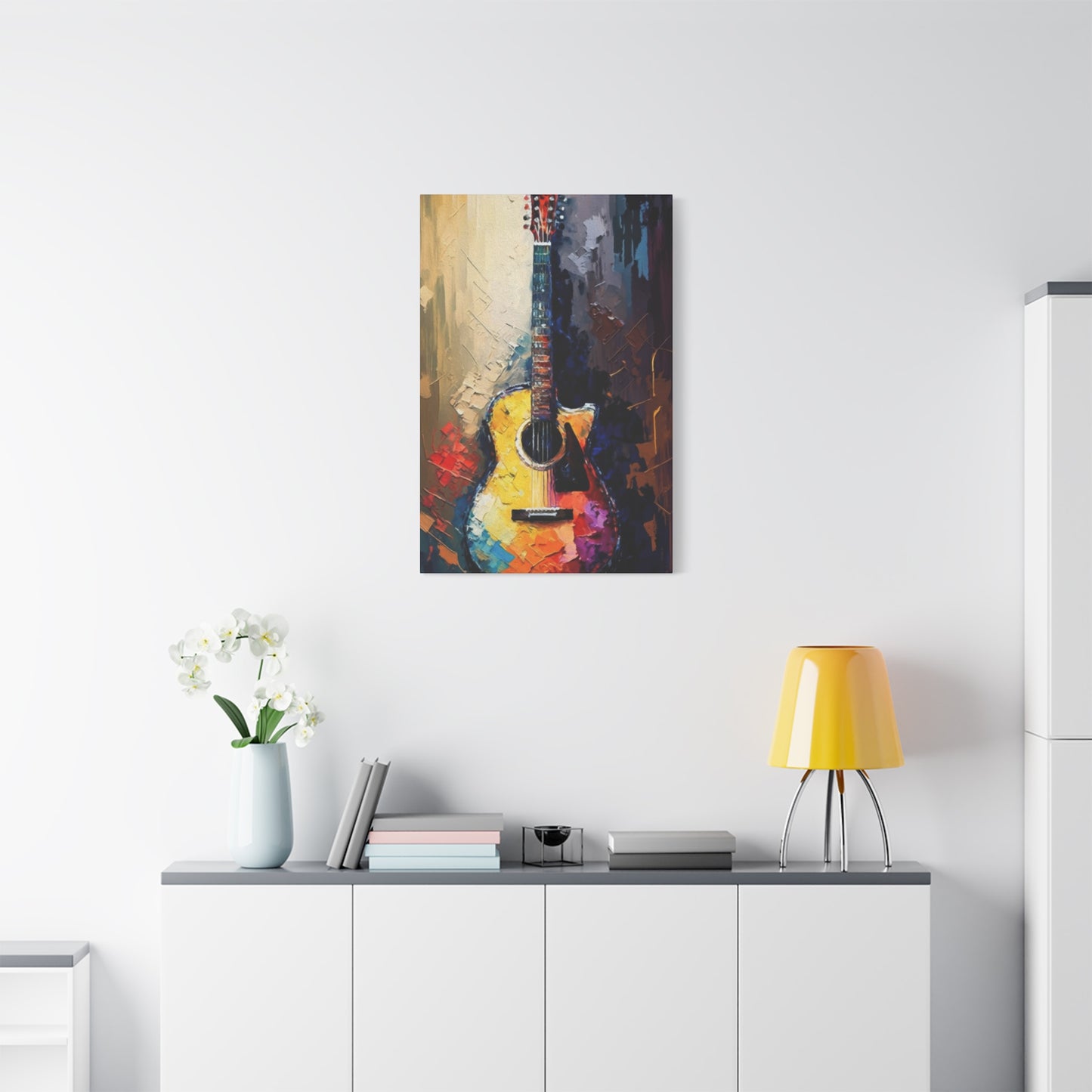
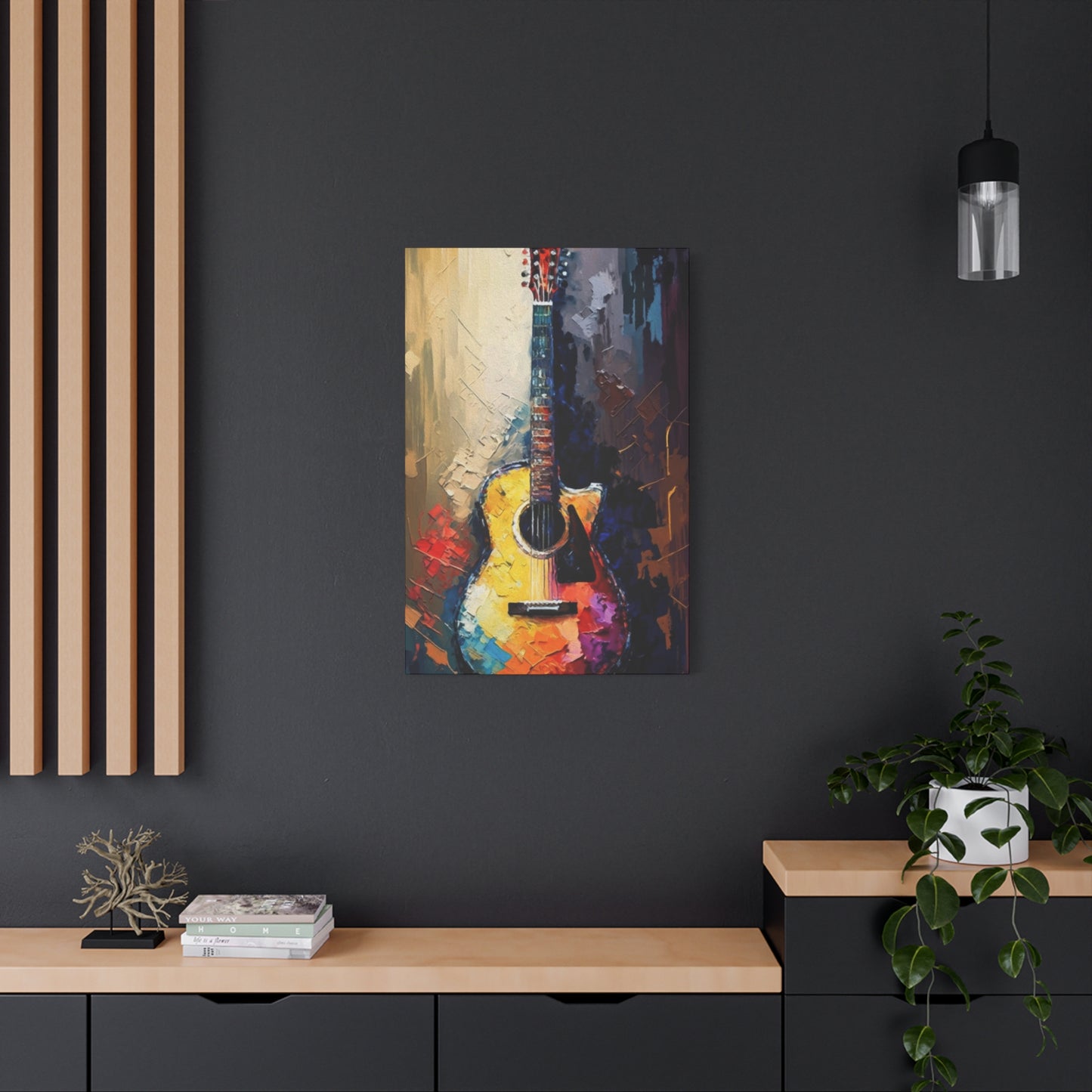
Guitar Music Wall Art & Canvas Prints
Guitar Music Wall Art & Canvas Prints
Couldn't load pickup availability
Guitar Music Wall Art to Elevate Your Living Space and Creative Environment
Creating an inspiring atmosphere within your home or workspace requires careful consideration of decorative elements that resonate with your personality and passions. For music enthusiasts, incorporating guitar music wall art represents an exceptional way to showcase devotion to musical expression while simultaneously enhancing interior aesthetics. This comprehensive exploration delves into every aspect of selecting, displaying, and appreciating visual representations of stringed instruments that transform ordinary walls into captivating galleries celebrating the universal language of sound.
Why Stringed Instrument Artwork Commands Attention in Modern Interior Design
The profound connection between visual artistry and melodic creation has fascinated humanity throughout countless generations. When you integrate guitar music wall art into residential or commercial spaces, you're not merely hanging decorative pieces—you're establishing a dialogue between visual perception and auditory imagination. These artistic representations serve multiple purposes, from sparking conversation among visitors to providing daily inspiration for practicing musicians and casual admirers alike.
The psychological impact of surrounding yourself with imagery related to your interests cannot be overstated. Research in environmental psychology demonstrates that personalized spaces contribute significantly to mental well-being and creative productivity. When music lovers incorporate themed artwork into their surroundings, they create visual anchors that reinforce their identity and values. A strategically placed piece featuring a vintage acoustic guitar or an abstract interpretation of electric guitar strings can instantly communicate your artistic sensibilities to anyone entering the space.
Beyond personal expression, these decorative elements possess remarkable versatility in complementing various design schemes. Whether your aesthetic leans toward minimalist modernism, rustic industrial, vintage retro, or eclectic bohemian, you'll discover guitar music wall art that harmonizes perfectly with existing furnishings and color palettes. The instrument's iconic silhouette translates beautifully across different artistic mediums and styles, ensuring compatibility with diverse decorating philosophies.
Exploring Diverse Artistic Interpretations of Fretted Instruments
The world of guitar-themed visual artwork encompasses an astonishing variety of styles, mediums, and interpretational approaches. Understanding this diversity empowers you to make informed selections that genuinely resonate with your personal taste while fulfilling specific decorative requirements within your space.
Photographic representations capture the instrument in stunning detail, from close-up macro shots highlighting the grain of aged wood to dramatic silhouettes backlit against colorful backgrounds. Black-and-white photography lends a timeless, sophisticated quality that appeals to those appreciating classic elegance, while vibrant color photography can inject energy and dynamism into contemporary settings. Many photographers specialize in capturing guitars in unconventional contexts—abandoned instruments in natural settings, collections displayed in intriguing arrangements, or action shots of performers mid-performance.
Abstract interpretations offer boundless creative possibilities, transforming the familiar guitar shape into vehicles for color exploration, geometric experimentation, and emotional expression. These pieces often appeal to those seeking artwork that suggests musical themes without literal representation, allowing viewers to project their own experiences and interpretations onto the visual composition. Splashes of color representing sound waves, fragmented instrument components reassembled in unexpected configurations, or simplified forms reduced to their essential elements all fall within this captivating category.
Illustrative and graphic design approaches present guitars through hand-drawn artistry, digital rendering, or mixed-media collage. These works might incorporate typography featuring song lyrics, musical notation, or inspirational quotes about music's power. Vintage-inspired poster designs evoke nostalgia for rock and roll's golden era, while contemporary illustration styles might embrace bold lines and limited color palettes for striking modern appeal.
Three-dimensional artwork extends beyond flat surfaces, incorporating sculptural elements, layered materials, or actual instrument components. Deconstructed guitars mounted in shadow boxes, relief sculptures crafted from metal or wood, and mixed-media assemblages combining various materials create depth and textural interest that single-layer pieces cannot achieve. These dimensional works become focal points that command attention and invite closer examination.
Material Considerations That Influence Longevity and Visual Impact
The substrate and printing method used for guitar music wall art significantly affect its appearance, durability, and appropriateness for different environments. Familiarizing yourself with common options enables better decision-making when investing in pieces for your collection.
Canvas prints remain extraordinarily popular due to their gallery-worthy appearance and reasonable pricing. The textile surface provides subtle texture that enhances perceived value while diffusing light gently across the image. Gallery-wrapped canvases, where the image continues around the sides of the stretcher frame, offer a polished, frameless presentation suitable for contemporary settings. Canvas withstands normal indoor conditions well but may require UV-protective sprays in brightly lit areas to prevent fading over extended periods.
Metal prints create striking visual effects through a specialized process that infuses ink directly into coated aluminum sheets. The resulting pieces exhibit exceptional color vibrancy, remarkable sharpness, and impressive durability. The slightly reflective surface adds dimensional quality that changes subtly as viewing angles shift or lighting conditions vary. Metal prints excel in modern, industrial, or minimalist spaces where their sleek appearance complements clean architectural lines and contemporary furnishings.
Acrylic prints sandwich high-resolution images between clear acrylic layers, producing luminous displays with extraordinary depth and color saturation. The glossy finish creates an almost three-dimensional viewing experience, making images appear to float behind the transparent surface. These premium pieces suit upscale environments where distinctive, conversation-starting artwork is desired. The substantial weight and modern aesthetic make acrylic prints particularly appropriate for contemporary offices, studios, and entertainment spaces.
Traditional framed prints offer unlimited customization through mat selection, frame style, and glazing choices. Standard photographic prints, giclée reproductions on fine art paper, or archival inkjet prints can be professionally matted and framed to coordinate with any decor style. This approach provides maximum flexibility in updating the look of artwork without replacing the actual image—simply reframe pieces as your aesthetic evolves or when moving to new spaces with different design requirements.
Wood prints bring organic warmth and rustic character through direct printing onto prepared wood panels or planks. The natural grain, knots, and variations in the wood surface interact with the printed image in unique ways, ensuring each piece possesses individual character. These work beautifully in spaces embracing natural materials, farmhouse aesthetics, or environments where organic textures enhance the overall design narrative.
Selecting Appropriate Dimensions for Maximum Visual Effectiveness
Sizing represents a critical consideration that dramatically impacts how guitar music wall art functions within a space. Misjudging scale results in pieces that either overwhelm their surroundings or fail to make sufficient visual impact, while properly proportioned artwork enhances spatial harmony and achieves desired aesthetic effects.
For large, open walls in living rooms, master bedrooms, or music studios, substantial pieces measuring 40 inches or larger create commanding focal points that anchor the space. These statement pieces work best when given adequate breathing room, with minimal competing visual elements in the immediate vicinity. A single oversized image of a guitar can transform an entire wall into a dramatic declaration of musical passion, eliminating the need for additional decorative objects in that area.
Medium-sized pieces ranging from 24 to 36 inches suit most residential applications, providing noticeable presence without overwhelming standard room proportions. These versatile dimensions work well above furniture pieces like sofas, beds, or consoles, where they establish visual balance without extending beyond the furniture's horizontal span. As a general guideline, wall artwork above furniture should measure approximately two-thirds to three-quarters of the furniture's width to achieve pleasing proportions.
Smaller pieces measuring under 20 inches serve specific purposes in creating gallery walls, filling narrow spaces, or adding visual interest to cozy areas. While individual small pieces might lack sufficient impact when displayed alone on expansive walls, grouping multiple coordinating pieces creates dynamic compositions that offer more visual complexity than single large artworks. This approach allows collectors to showcase multiple guitar music wall art pieces representing different styles, eras, or instrument types within a cohesive arrangement.
When planning gallery walls, consider both individual piece dimensions and the overall footprint of the complete arrangement. The collective grouping should relate proportionally to the wall space just as a single large piece would, with appropriate margins surrounding the entire composition. Mixing various sizes adds visual interest while maintaining cohesion through consistent themes, color palettes, or framing treatments.
Vertical versus horizontal orientation deserves careful consideration based on both the image composition and the architectural features of your space. Tall, narrow walls benefit from vertically oriented pieces that emphasize height, while horizontal expanses above long furniture pieces call for landscape-oriented artwork. Some guitar images work equally well in either orientation, while others lose compositional balance when rotated from their intended presentation.
Color Coordination Strategies That Enhance Cohesive Design
Successful incorporation of guitar music wall art requires thoughtful consideration of how the piece's color palette interacts with existing room elements. Strategic color coordination transforms artwork from isolated decorative objects into integral components of a harmonious design scheme.
Complementary color approaches utilize artwork containing hues opposite your room's dominant colors on the color wheel, creating vibrant visual tension that energizes spaces. If your room features predominantly cool blues and greens, selecting guitar artwork incorporating warm oranges, reds, or yellows generates dynamic contrast that makes both the artwork and the surrounding environment more visually engaging. This approach suits those desiring bold, attention-grabbing displays that serve as conversation starters.
Analogous color schemes draw from adjacent positions on the color wheel, creating harmonious, soothing visual flow. Rooms decorated in various shades of blue might incorporate guitar music wall art featuring blues, purples, and blue-greens, establishing gentle tonal variations that feel naturally cohesive. This approach works beautifully in spaces intended for relaxation, such as bedrooms or quiet reading areas, where visual stimulation should remain moderate.
Monochromatic selections featuring artwork in various tones and shades of a single color create sophisticated, unified appearances. Black-and-white or sepia-toned guitar photography exemplifies this approach, bringing timeless elegance that transcends temporary design trends. Monochromatic pieces adapt easily to evolving color schemes since they don't commit to specific hues that might clash with future redecorating decisions.
Accent color strategies use artwork to introduce pops of color that appear sparingly elsewhere in the room through throw pillows, decorative objects, or textile accents. A predominantly neutral space might feature guitar music wall art with vibrant turquoise elements that echo in a few carefully placed accessories, creating intentional color moments that guide the eye around the room and establish visual rhythm.
Neutral palette approaches embrace artwork featuring blacks, whites, grays, beiges, and browns, ensuring compatibility with virtually any color scheme while maintaining sophisticated restraint. These versatile pieces never compete with bold wall colors or patterned furnishings, instead providing grounding elements that balance more colorful design components. For those who frequently redecorate or remain uncertain about long-term color commitments, neutral guitar artwork offers safe yet stylish choices.
Placement Principles That Maximize Visual Impact and Spatial Harmony
Even the most stunning guitar music wall art fails to achieve its full potential when improperly positioned within a space. Understanding fundamental placement principles ensures your carefully selected pieces enhance rather than detract from overall room aesthetics.
Eye-level hanging represents the foundational principle governing artwork placement in most settings. Professional galleries typically position artwork centers approximately 57 to 60 inches from the floor, reflecting average human eye height and creating comfortable viewing experiences. In residential settings, this guideline remains useful, though adjustments may be necessary based on ceiling heights, furniture arrangements, and viewer heights. When artwork hangs above furniture, maintain 6 to 12 inches of clearance between the furniture's top edge and the artwork's bottom edge to establish visual connection while preventing the piece from appearing to float disconnectedly.
Creating gallery walls requires strategic planning to achieve balanced, cohesive arrangements that feel intentionally curated rather than haphazardly assembled. Begin by arranging pieces on the floor, photographing various configurations until discovering a layout that balances visual weight, spacing, and composition. Maintaining consistent spacing between frames—typically 2 to 3 inches—creates unity, while varying this spacing slightly can add organic, collected-over-time character. Center the overall arrangement's visual center at eye level, even if individual pieces sit higher or lower within the grouping.
Symmetrical arrangements create formal, ordered appearances suitable for traditional or transitional decor styles. Flanking identical pieces on either side of a centered element like a fireplace, doorway, or furniture piece establishes visual equilibrium that feels intentional and composed. This approach works particularly well in formal dining rooms, traditional living spaces, or professional environments requiring polished, authoritative aesthetics.
Asymmetrical arrangements embrace dynamic visual tension through intentionally unbalanced but carefully considered compositions. These contemporary layouts suit modern, eclectic, or creative spaces where conventional formality would feel out of place. Balance asymmetrical arrangements by distributing visual weight—larger or darker pieces offset by groups of smaller or lighter ones positioned across the composition. While these arrangements appear more casual, they actually require more sophisticated planning to achieve pleasing results.
Layering artwork adds depth and casual sophistication by placing smaller framed pieces in front of larger ones on shelves, mantels, or console tables. This technique works beautifully with guitar music wall art collections, allowing you to display more pieces than wall space alone would accommodate while creating curated, collected appearances that feel personally meaningful rather than decorator-perfect.
Sourcing Authentic and High-Quality Musical Artwork
The marketplace for guitar music wall art spans from mass-produced prints available at big-box retailers to one-of-a-kind originals created by professional artists. Navigating these options with awareness of quality indicators and sourcing strategies ensures satisfying purchases that deliver lasting value.
Original artwork created by established or emerging artists represents the pinnacle of uniqueness and potential investment value. Paintings, mixed-media pieces, and photographs signed and numbered by their creators carry authenticity that mass-produced prints cannot match. Connecting directly with artists through galleries, studio sales, or online platforms supporting independent creators ensures fair compensation for creative work while securing pieces with genuine provenance. Original artwork typically commands premium pricing reflecting the time, skill, and materials invested in creation, but offers singular character that distinguishes sophisticated collections.
Limited edition prints strike a balance between accessibility and exclusivity by reproducing original works in restricted quantities, often signed and numbered by artists. These pieces maintain higher value than open-edition prints since their scarcity creates inherent collectibility. Giclée printing processes using archival inks and papers produce reproductions that capture the color fidelity and tonal range of originals while remaining more affordable than unique works. Serious collectors often seek limited editions from respected artists as entry points into collecting before investing in original pieces.
Print-on-demand services have democratized access to countless guitar music wall art designs through platforms connecting independent artists with consumers worldwide. These services produce pieces only after orders are placed, eliminating inventory costs that traditional retailers pass to consumers through higher prices. While quality varies across providers, reputable platforms maintain stringent standards ensuring customers receive professional-grade products. This sourcing approach offers remarkable variety since artists worldwide contribute designs spanning every conceivable style and interpretation.
Local artisan markets, craft fairs, and music festivals provide opportunities to discover regional talent while supporting community creative economies. Purchasing directly from artists at these venues allows personal connection with creators, often including conversations about inspiration, process, and customization possibilities. The pieces acquired through these channels carry stories and personal connections that enhance their significance beyond mere decorative function.
Vintage and antique sources yield historically significant pieces that document musical culture across different eras. Concert posters, album artwork, promotional materials, and period photography offer authentic artifacts from music history that appeal to collectors valuing documentary significance alongside aesthetic appeal. These pieces require careful authentication to distinguish genuine vintage items from modern reproductions, but reward diligence with irreplaceable character reflecting specific cultural moments.
Framing Options That Enhance and Protect Your Investment
Proper framing serves dual purposes: protecting artwork from environmental damage while enhancing visual presentation through complementary design choices. Understanding framing options and quality indicators prevents costly mistakes while ensuring pieces remain pristine for years.
Frame material selection dramatically impacts both aesthetic impression and protective qualities. Wood frames offer classic warmth with endless finishing options from natural stains highlighting grain patterns to painted surfaces in any conceivable color. Hardwood frames provide superior durability compared to softer woods or composite materials, resisting warping and damage more effectively. Metal frames deliver contemporary sophistication in finishes ranging from brushed aluminum to antique brass, with slim profiles that emphasize artwork rather than framing. Composite frames constructed from medium-density fiberboard with various surface treatments offer budget-friendly alternatives, though they lack the longevity and refinement of solid materials.
Mat selection provides opportunities for additional color introduction and spatial breathing room that prevents artwork from feeling cramped within its frame. Acid-free mats prevent chemical reactions that discolor artwork over time, making them essential for pieces you intend to preserve long-term. Multiple mat layers add dimensional interest and luxury, with contrasting colors peeking through narrow reveals between layers. Mat width should relate proportionally to both artwork and frame size—larger pieces generally benefit from wider mats that provide generous negative space, while smaller pieces might appear lost behind overly wide matting.
Glazing choices protect artwork from dust, moisture, and UV radiation while affecting viewing clarity. Standard glass offers basic protection at minimal cost but provides no UV filtering and produces noticeable reflections that can interfere with viewing under certain lighting conditions. UV-protective glass blocks harmful radiation that fades prints and photographs, justifying its higher cost for valuable pieces displayed in bright environments. Museum glass represents the premium option, combining UV protection with anti-reflective coatings that virtually eliminate glare, creating the impression of viewing unglazed artwork. Acrylic glazing weighs significantly less than glass while resisting shattering, making it preferable for large pieces or installations where safety concerns exist.
Backing materials prevent dust infiltration and provide structural support for framed pieces. Acid-free foam board offers rigid support while protecting artwork from acidic backing materials that cause deterioration. Sealed backing systems completely enclose the reverse of framed pieces, preventing pest intrusion and moisture infiltration that damages artwork in humid climates or pest-prone areas.
Professional versus DIY framing decisions depend on piece value, personal skill level, and desired quality standards. Professional framers bring expertise in selecting appropriate materials and construction techniques that ensure longevity while achieving polished results difficult for amateurs to replicate. The investment in professional framing pays dividends for valuable pieces deserving museum-quality presentation. DIY framing using ready-made frames offers budget-friendly solutions for less precious pieces or those comfortable with potentially imperfect results, with countless tutorials available for those willing to develop framing skills.
Lighting Considerations That Showcase Artwork Optimally
Even exceptional guitar music wall art fails to achieve maximum impact without proper illumination. Strategic lighting decisions transform good displays into extraordinary ones by controlling how colors appear, emphasizing textures, and creating dramatic focal points.
Natural light provides beautiful, full-spectrum illumination that renders colors accurately and creates dynamic viewing experiences as daylight quality shifts throughout the day. However, direct sunlight poses significant risks, with UV radiation causing irreversible fading over time. Position artwork away from windows receiving direct sun exposure, or use UV-filtering window treatments that preserve incoming light quality while blocking harmful wavelengths. North-facing windows in northern hemisphere locations provide consistent, indirect natural light ideal for artwork display without the harsh directness of southern exposures.
Ambient room lighting from overhead fixtures provides general illumination that allows comfortable navigation and typical room activities. While necessary for functional purposes, ambient lighting alone rarely provides sufficient focused illumination to properly showcase artwork. Colors may appear muted or inaccurate under certain artificial light sources, and shadows cast by frame depths can obscure portions of images depending on fixture positions relative to wall surfaces.
Dedicated picture lights mounted above or beside framed pieces create focused illumination that draws attention while revealing fine details invisible under ambient lighting alone. LED picture lights offer excellent color rendering, minimal heat generation, and exceptional energy efficiency compared to older incandescent or halogen options. Adjustable beam angles allow precise control over light distribution, ensuring even coverage across the entire artwork surface without spillover onto surrounding wall areas. Wireless, battery-operated options eliminate installation complexity for renters or those avoiding hardwired electrical work.
Track lighting systems provide flexibility to illuminate multiple artworks from a single electrical connection, with adjustable fixtures repositioned easily as artwork arrangements change. This approach suits collections that evolve over time or gallery walls where pieces may be swapped periodically. Select fixtures with beam spread angles appropriate for the distance between track and artwork—narrow beams for distant mounting positions, wider beams for closer arrangements.
Recessed ceiling fixtures equipped with adjustable trims can be aimed at artwork, creating clean, integrated lighting solutions in spaces with sufficient ceiling depth for fixture housing installation. This permanent approach requires planning during construction or renovation phases but delivers unobtrusive lighting that maintains architectural cleanliness.
Color temperature selection affects how artwork colors appear under artificial illumination. Warm white light sources (2700-3000K) create cozy, inviting atmospheres but may shift color perception toward yellow-orange tones. Neutral white light (3500-4000K) provides balanced illumination suitable for most artwork, closely approximating midday natural light. Cool white light (5000K+) renders colors crisply but may feel sterile in residential settings, finding better suitability in galleries or commercial environments.
Dimming capability provides control over intensity levels, allowing adjustment based on time of day, ambient light contribution, or desired atmosphere. Dimmable LED systems offer enormous flexibility without the color shifts that plagued older dimming technologies.
Themed Room Concepts Centered Around String Instrument Imagery
Guitar music wall art can serve as the foundation for comprehensive room designs that create immersive environments celebrating musical passion. These thematic approaches transform ordinary spaces into personalized sanctuaries reflecting owner interests and creative identities.
The vintage rock shrine approach embraces nostalgia for classic rock's golden decades, incorporating distressed finishes, leather upholstery, industrial materials, and moody color palettes. Black-and-white concert photography, vintage concert posters, and artwork featuring iconic guitars from rock legends establish the visual foundation. Exposed brick or faux brick treatments, metal accents, and Edison bulb lighting fixtures reinforce the aesthetic. Display cases housing guitar picks, drumsticks, or other memorabilia create museum-quality presentations that honor musical heritage.
Modern minimalist studios prioritize clean lines, uncluttered surfaces, and carefully curated artwork as focal points within otherwise restrained environments. A single statement piece of abstract guitar music wall art in bold colors becomes the room's visual anchor, with furnishings in neutral tones receding into supporting roles. Scandinavian-inspired design principles emphasizing functionality, natural materials, and abundant negative space create serene environments where musical creativity can flourish without visual chaos. Hidden storage solutions maintain surface cleanliness while keeping instruments, equipment, and accessories accessible but invisible.
The eclectic bohemian music room celebrates maximalist layering, global influences, and collected-over-time character. Gallery walls mixing various guitar music wall art styles share space with tapestries, woven baskets, plants, and diverse decorative objects that reflect wide-ranging interests. Rich jewel tones, pattern mixing, and texture layering create visually complex, stimulating environments that feel personal and creatively liberating. Floor cushions, poufs, and low seating encourage informal jam sessions and relaxed musical exploration.
Sophisticated jazz lounge atmospheres channel the refined elegance of intimate music venues through luxurious materials, warm color palettes, and ambient lighting. Artwork featuring jazz guitars or abstract musical interpretations in muted, sophisticated colors complements velvet upholstery, brass accents, and rich wood tones. Low, intimate lighting from table lamps and sconces creates mood while highlighting key artwork pieces. A dedicated listening area with premium audio equipment and comfortable seating transforms the space into a private performance venue where recorded music receives the reverent attention it deserves.
Family music spaces designed for multigenerational enjoyment balance durability with aesthetic appeal, incorporating storage for various instruments alongside inspiring artwork. Guitar music wall art featuring instruments in different sizes might include classical guitars, ukuleles, and mandolins, acknowledging the diverse musical interests family members pursue. Durable, easy-clean surfaces withstand the wear of active music-making while maintaining attractive appearance. Dedicated practice areas with proper acoustics, comfortable seating for observers, and organized storage encourage regular musical engagement.
Caring for Your Visual Music Collection Over Time
Proper maintenance practices preserve the appearance and value of guitar music wall art, protecting investments against environmental damage and normal wear. Understanding appropriate care procedures for different materials ensures pieces remain pristine across years or decades.
Regular dusting prevents accumulation that dulls finishes and infiltrates frame joints where it becomes difficult to remove. Use soft, clean microfiber cloths or feather dusters, working gently to avoid scratching glazing surfaces. Avoid paper towels or rough materials that can scratch glass or acrylic surfaces. For framed pieces, dust both glazing surfaces and frame profiles, paying attention to ornate frames with crevices where dust accumulates. Unframed canvas prints benefit from gentle vacuuming using brush attachments held slightly away from surfaces to prevent snags.
Glazing surfaces eventually require more thorough cleaning beyond simple dusting. Use glass cleaners sparingly applied to cleaning cloths rather than sprayed directly onto glazing, preventing liquid from seeping behind glass into contact with artwork or mats. Acrylic surfaces require special care since they scratch more easily than glass—use cleaners specifically formulated for acrylic or simply dampened microfiber cloths. Avoid ammonia-based cleaners on acrylic since they can cause crazing or clouding. Museum glass with anti-reflective coatings requires particularly gentle care with no harsh chemicals that might damage specialized surface treatments.
Environmental monitoring prevents damage from excessive humidity, temperature fluctuations, or light exposure. Maintain indoor humidity between 40-50% to prevent issues at either extreme—high humidity encourages mold growth and warping, while very low humidity causes materials to become brittle and crack. Avoid hanging artwork near heating vents, air conditioning returns, fireplaces, or exterior doors where temperature changes and airflow create hostile conditions. Basements and bathrooms pose particular challenges with their typically higher moisture levels and humidity fluctuations.
Periodic inspection catches developing problems before they become severe. Check frames for loosening joints that require re-gluing, verify that hanging hardware remains secure, and examine artwork surfaces for any signs of fading, discoloration, or pest damage. Framed pieces should be removed from walls annually for thorough inspection of all components, including backing seals and artwork condition.
Professional conservation services address problems beyond homeowner capabilities, from removing artwork stuck to glazing through humidity exposure to stabilizing damaged frames or restoring faded prints. For valuable or irreplaceable pieces showing signs of deterioration, consulting qualified conservators prevents well-intentioned but damaging DIY repair attempts. Conservation professionals possess specialized knowledge, materials, and techniques that preserve historical integrity while addressing damage.
Proper storage protects artwork during moves, renovations, or seasonal rotations. Wrap pieces in acid-free tissue or glassine paper, never newspaper or regular tissue containing acids that transfer to artwork. Store flat rather than leaning when possible, with larger pieces on bottom and progressively smaller pieces layered above, separated by protective materials. Climate-controlled storage units prevent the temperature and humidity extremes that plague garages, attics, and outdoor sheds. For long-term storage, periodically unwrap and inspect pieces to ensure no hidden deterioration is occurring.
Creating Gallery Walls That Tell Visual Stories
Gallery walls transform collections of individual pieces into cohesive visual narratives that reflect personal journeys, celebrate musical influences, and create dynamic focal points impossible to achieve with single artworks. Mastering gallery wall design requires balancing creative expression with compositional principles that prevent chaotic or unbalanced results.
Thematic coherence unifies diverse pieces through shared subjects, color palettes, framing treatments, or artistic styles. A guitar music wall art gallery might trace the evolution of guitar design from classical instruments through modern electric models, document a specific musical genre's iconic instruments, or celebrate favorite musicians through portraits and signature guitars. This narrative approach gives viewers conceptual frameworks for understanding why specific pieces appear together, transforming random collections into curated exhibitions.
Grid arrangements establish order through consistent spacing and alignment, with pieces arranged in straight rows and columns like gallery exhibitions. This formal approach suits same-sized pieces in identical frames, creating clean, organized appearances that feel intentional and sophisticated. Grid galleries work beautifully in modern or transitional spaces where geometrical precision complements architectural features. The predictability of grid arrangements makes planning straightforward—simply measure your wall, determine desired spacing, and calculate how many rows and columns fit available space.
Salon-style arrangements embrace organic, collected-over-time character through varied sizes, mixed frames, and asymmetrical layouts that fill entire walls from floor to ceiling. This classic European gallery approach feels eclectic and personal, as though pieces were added gradually as they were acquired. Success requires careful attention to spacing consistency and visual weight balance—distribute larger, darker pieces evenly throughout the composition rather than clustering them in one area. Salon walls demand more planning than they appear to require; template mapping using paper cutouts or digital tools prevents multiple nail holes from experimental hanging.
Geometric pattern arrangements organize pieces into intentional shapes like hearts, circles, or abstract configurations. These playful approaches suit casual spaces where whimsy adds charm, such as music practice rooms, home studios, or entertainment areas. The outer perimeter of the arrangement forms a specific shape while individual pieces within maintain regular spacing. Geometric arrangements require significant advance planning since pieces must be selected and arranged to simultaneously fill the intended shape while maintaining appropriate internal spacing.
Symmetrical vertical or horizontal arrangements create formal balance by reflecting pieces across central axes. A large central piece flanked by progressively smaller artworks creates pyramid compositions, while identical pieces arranged on either side of center establish perfect bilateral symmetry. These balanced arrangements feel stable and authoritative, suiting formal spaces or situations where traditional decor conventions apply.
Mixed media galleries combine guitar music wall art with three-dimensional objects like mounted instruments, shadow boxes, shelving units, or sculptural elements. These dynamic installations add physical depth and textural variety beyond what flat artwork alone achieves. Vintage guitar parts, concert tickets, backstage passes, or signed setlists in shadow boxes interspersed with traditional artwork create personal museums documenting musical experiences and interests. Floating shelves incorporated into gallery walls hold small instruments like harmonicas or guitar picks while breaking up the visual field with dimensional elements.
Commissioning Custom Pieces for Truly Personalized Displays
While commercially available guitar music wall art offers tremendous variety, commissioning custom creations ensures absolute uniqueness perfectly tailored to your specifications, space requirements, and personal vision. Understanding the commissioning process prepares you for successful collaborations with artists that yield satisfying results.
Identifying appropriate artists begins with research across various platforms where creators showcase portfolios. Examine existing work for stylistic compatibility, technical skill, and thematic experience relevant to musical subjects. Artists specializing in music-related commissions understand instrument anatomy, performance contexts, and cultural significance in ways that general portrait or landscape artists might not. Review testimonials from previous clients to gauge professionalism, communication quality, and satisfaction with completed commissions.
Initial consultations establish project parameters, expectations, and feasibility. Prepare reference images illustrating desired styles, specific guitars to be depicted, color schemes, and compositional preferences. Discuss size requirements, intended display location, and any technical specifications affecting the final piece. Experienced commission artists ask thoughtful questions that clarify your vision while identifying potential challenges or opportunities you might not have considered. This conversation stage allows both parties to assess compatibility before committing to collaboration.
Pricing structures for commissions vary widely based on artist reputation, piece size, medium complexity, and project timeline. Established artists command premium rates reflecting their experience and market demand, while emerging talent offers more accessible pricing as they build portfolios and clientele. Complex pieces requiring extensive research, multiple subjects, or technically demanding execution justify higher fees than simpler compositions. Rush timelines typically incur additional charges since artists must prioritize your project over other commitments. Request detailed quotes itemizing costs to understand exactly what you're purchasing and avoid surprise expenses.
Contract agreements protect both clients and artists by documenting expectations, deliverables, timelines, and payment terms. Professional artists provide written agreements specifying piece dimensions, medium, subject matter, revision allowances, payment schedule, completion timeline, shipping responsibilities, and copyright provisions. Understanding copyright implications is essential—most commission agreements grant you ownership of the physical artwork while the artist retains copyright to the image itself, controlling reproduction rights. If you intend to reproduce the image for commercial purposes or create prints, negotiate those rights explicitly during contract discussions.
The creation process typically involves preliminary sketches or digital mockups for client approval before the artist proceeds to final execution. This stage allows corrections to composition, color schemes, or details before significant time investment makes changes impractical. Provide feedback thoughtfully, being specific about desired changes rather than simply stating dissatisfaction. Remember that artists bring professional expertise to aesthetic decisions; remain open to their recommendations even when they differ from initial concepts.
Revision policies vary among artists, with some including limited revisions in base pricing while others charge additionally for significant changes after approval stages. Understanding these policies prevents disputes when you request modifications during or after the creation process. Major compositional changes after final piece completion may be impossible or prohibitively expensive, emphasizing the importance of thorough communication during planning stages.
Completion timelines depend on medium, complexity, and artist scheduling. Simple digital illustrations might be completed within weeks, while detailed oil paintings could require several months. Factor in shipping time for distant artists and allow buffer periods for unexpected delays. Rushing artists to meet arbitrary deadlines rarely produces optimal results; quality commissions require appropriate time for careful execution.
The Role of String Instrument Art in Commercial Spaces
Businesses within the music industry and hospitality sector strategically deploy guitar music wall art to establish brand identity, create memorable customer experiences, and reinforce thematic messaging. Understanding commercial implementation strategies provides inspiration for residential applications while illustrating artwork's power in shaping environmental perception.
Music retail stores and instrument shops naturally incorporate extensive guitar imagery throughout sales floors, creating immersive shopping experiences that celebrate the products they sell. Oversized photographs of iconic instruments, abstract musical interpretations, and historical documentation of guitar evolution educate customers while establishing the business as a knowledgeable authority. These spaces often commission custom murals or large-scale installations that become destination features attracting visitors beyond typical customer bases.
Recording studios use carefully selected artwork to inspire creativity, establish professional credibility, and create comfortable atmospheres where artists feel their work is valued and understood. Control rooms might feature technical diagrams of guitar electronics or acoustic properties, while tracking rooms display performance photography or abstract interpretations that encourage creative thinking without being distracting. The artwork selections signal to clients that the studio understands and respects musical artistry beyond mere technical reproduction.
Restaurant and bar environments leverage music-themed artwork to establish distinct brand identities and create memorable dining experiences. Live music venues naturally incorporate extensive guitar imagery alongside promotional materials for upcoming performances, creating cohesive environments where every element reinforces the venue's musical purpose. These commercial installations demonstrate how artwork contributes to comprehensive sensory experiences encompassing visual design, acoustics, and social atmosphere.
Music schools and educational facilities use guitar music wall art to inspire students, celebrate diverse musical traditions, and create environments conducive to learning and creative development. Hallways might feature chronological displays documenting instrument evolution, while practice rooms showcase various guitar types to broaden students' awareness of options beyond their current instruments. Inspirational quotes from renowned musicians integrated into visual displays encourage persistence through challenging learning phases.
Office environments for music-related businesses—record labels, music licensing companies, artist management firms—use guitar music wall art to establish industry credibility and create distinctive workplaces that reflect company culture. These installations communicate to visitors that the business understands and participates authentically in musical culture rather than treating music as mere commercial product.
Hotel and resort designers incorporate regional musical traditions into décor packages that create sense-of-place for travelers. Properties in locations with strong musical heritage might feature local instruments and musicians throughout public spaces and guest rooms, connecting visitors with destination culture while creating distinctive brand experiences that differentiate the property from generic competitors.
Conclusion
While modern guitar music wall art often focuses on Western instruments and popular music traditions, exploring global perspectives reveals the guitar's evolutionary journey and contextualizes it within humanity's broader relationship with stringed instruments. This expanded awareness enriches appreciation for the guitar's cultural significance while suggesting diverse artistic directions for collection development.
Ancient predecessors to modern guitars trace back thousands of years across multiple civilizations. The lute family of instruments spread throughout medieval Europe and the Islamic world, while Indian classical traditions developed instruments like the sitar that share structural principles with guitars despite their distinct appearances and sounds. Visual artwork documenting these historical instruments provides context for understanding how design evolved to meet changing musical needs across centuries.
Spanish classical guitar traditions elevated the instrument to concert hall respectability, with virtuoso performers and composers establishing repertoires demonstrating the instrument's expressive range.
Share