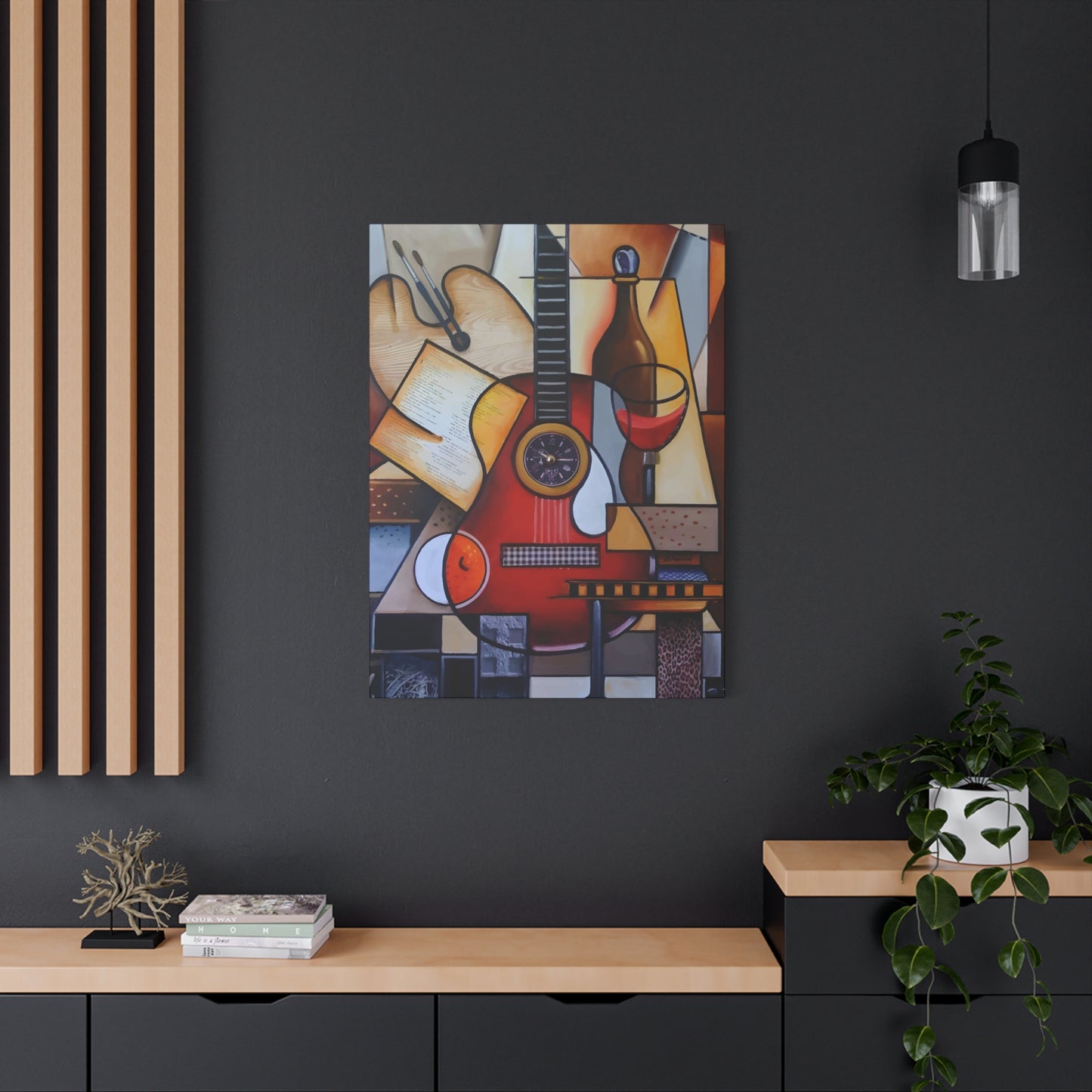


Guitar Wall Art & Canvas Prints
Guitar Wall Art & Canvas Prints
Couldn't load pickup availability
Elevate Your Living Space with Guitar Wall Art: Creative and Stylish Ways to Make a Musical Statement
Music enthusiasts and interior design lovers constantly seek innovative methods to showcase their passion through decorative elements. String instrument displays have become increasingly popular among homeowners who want to merge their love for melodies with aesthetic appeal. Whether you're a professional musician, collector, or simply appreciate the visual beauty of these wooden instruments, transforming your walls into a gallery celebrating six-string craftsmanship creates an atmosphere that resonates with personality and style.
Why Acoustic and Electric Instruments Make Exceptional Decorative Pieces for Modern Homes
The curved silhouette of stringed instruments possesses an inherent artistic quality that transcends their musical purpose. These objects represent craftsmanship, dedication, and cultural heritage spanning centuries. When properly arranged on vertical surfaces, they become sculptural elements that command attention while telling personal stories about the inhabitant's relationship with sound and rhythm.
The natural wood grains, glossy finishes, and distinctive shapes of various instrument types offer visual diversity that few decorative items can match. From vintage acoustic models with weathered patinas to sleek contemporary electric designs featuring bold colors, each piece brings unique character to interior spaces. The dimensional aspect of mounting actual instruments or representations creates depth and shadow play that flat artwork cannot achieve.
Beyond aesthetic considerations, displaying these musical objects honors the artistry involved in their construction. Luthiers spend countless hours selecting materials, shaping components, and perfecting tonal qualities. Showcasing their work elevates these functional objects to the status they deserve as handcrafted masterpieces. This practice also sparks conversations among visitors, creating opportunities to share musical experiences and memories associated with particular instruments or playing styles.
The versatility of instrument-themed decoration allows adaptation to virtually any interior design scheme. Rustic farmhouse settings benefit from distressed wooden acoustics, while industrial lofts gain edge from electric models with chrome hardware. Minimalist spaces can incorporate single statement pieces, whereas eclectic rooms might feature collections spanning different eras and manufacturers.
Methods for Mounting Actual String Instruments Safely on Vertical Surfaces
Proper mounting ensures both security and preservation when hanging valuable or sentimental instruments. Wall-mounted brackets specifically designed for this purpose distribute weight evenly while cradling the neck and body without causing pressure damage. These specialized holders come in various materials including padded steel, wood, and acrylic, each offering distinct visual characteristics.
Installation begins with locating wall studs using an electronic detector, ensuring anchoring points can support the instrument's weight plus additional stress from environmental factors or accidental contact. For plaster or drywall without accessible studs, heavy-duty anchors rated for appropriate weight capacities provide alternative securing methods. Positioning the mounting hardware requires measuring the instrument's neck width and body dimensions to achieve proper balance points.
Horizontal arrangements where instruments lay flat against walls minimize gravitational strain on necks, particularly beneficial for older or delicate models. This orientation also creates streamlined visual lines that complement contemporary design aesthetics. Alternatively, angled displays that position instruments diagonally add dynamic energy to compositions while maintaining secure support.
Climate considerations play crucial roles in preservation when mounting instruments. Avoid placement near heating vents, air conditioning units, or windows receiving direct sunlight, as temperature fluctuations and UV exposure cause wood warping, finish deterioration, and hardware corrosion. Maintaining consistent humidity levels between forty and fifty percent prevents cracking in solid wood construction while protecting glued joints from separating.
For collections containing multiple instruments, creating symmetrical or asymmetrical groupings establishes visual rhythm and hierarchy. Spacing between pieces should allow appreciation of individual details while maintaining cohesive overall composition. Varying heights and angles adds visual interest, preventing monotonous linear arrangements that lack dynamic appeal.
Protective measures include installing felt pads between mounting hardware and instrument finishes to prevent scratches or indentations. Regular inspection of mounting systems ensures screws remain tight and brackets show no signs of stress or wear. This vigilance prevents catastrophic falls that could destroy irreplaceable instruments and damage surrounding furnishings or flooring.
Framed Photography and Illustrations Celebrating String Instrument Heritage
For those preferring not to mount actual instruments, high-quality photographic prints and artistic illustrations offer compelling alternatives. Professional musicians' portraits, concert venue shots, and close-up detail photography capture the essence of musical culture while providing flexibility in sizing and framing options. These images can be curated to reflect specific genres, eras, or personal heroes.
Black and white photography delivers timeless elegance, particularly effective for showcasing legendary performers from blues, jazz, and rock traditions. The absence of color focuses attention on composition, lighting, and emotional expression captured in decisive moments. Vintage-style prints processed with sepia tones or intentional grain evoke nostalgic connections to music's golden ages.
Color photography brings vibrancy and energy, especially when featuring brightly finished instruments or dynamic stage performances. Concert photography freezes explosive moments of artistic expression, translating auditory experiences into visual memories. Studio shots highlighting instruments' craftsmanship details appeal to those appreciating woodworking and design elements.
Illustrated artwork ranges from realistic renderings to abstract interpretations, each offering unique aesthetic contributions. Technical diagrams showing internal construction satisfy those interested in engineering aspects. Stylized pop art treatments transform familiar shapes into bold graphic statements. Hand-drawn sketches convey intimate, personal connections between artists and their subjects.
Frame selection significantly impacts presentation effectiveness. Simple black frames create gallery-style sophistication, allowing imagery to dominate viewer attention. Natural wood frames complement instruments' organic materials, establishing thematic continuity. Metallic frames suit electric instrument photographs, echoing hardware finishes and contemporary aesthetics.
Matting choices influence perceived value and formality. Wide mats create breathing room around images, elevating their importance while preventing visual crowding. Colored mats can coordinate with room palettes or pick up accent tones within photographs. Museum-quality materials prevent acid deterioration, ensuring longevity for valuable prints.
Gallery wall arrangements combining multiple framed pieces require planning to achieve balanced compositions. Templates cut from newspaper or kraft paper allow experimenting with layouts before making permanent mounting holes. Consistent spacing between frames maintains professional appearance, while strategic clustering around focal points guides viewer attention through visual narratives.
Metal Sculptures and Three-Dimensional Representations Bringing Depth to Spaces
Metal craftsmen create striking sculptural interpretations ranging from realistic reproductions to abstract suggestions of instrument forms. These dimensional pieces cast intriguing shadows and interact with lighting in ways flat artwork cannot replicate. Materials including steel, copper, brass, and aluminum offer varied patinas and finishes complementing diverse decorating schemes.
Industrial-style sculptures featuring raw steel with visible welds and oxidized surfaces suit loft apartments and contemporary masculine spaces. The rough-hewn aesthetic celebrates manufacturing processes and urban sensibilities. Mounting these substantial pieces requires robust anchoring systems due to considerable weight.
Polished metal sculptures deliver refined elegance appropriate for formal living areas and professional studios. Reflective surfaces catch and distribute light throughout rooms, creating luminous focal points. These pieces often incorporate intricate detail work showcasing artisans' precision and patience.
Copper and brass sculptures develop natural patinas over time, transitioning through color stages from bright metallic to rich browns and eventual verdigris greens. This living quality appeals to those appreciating organic processes and unique character development. Some artists apply chemical treatments accelerating patina formation for immediate aged appearances.
Abstract metal sculptures suggest instrument shapes through minimalist lines and curves rather than literal representations. These interpretive pieces stimulate imagination while integrating seamlessly with modern design vocabularies. Their ambiguity allows personal projection of meaning and emotional response.
Layered metal constructions incorporating multiple planes create dramatic depth and shadow play. Backlighting these sculptures produces theatrical effects, transforming them into luminous artwork after dark. LED strips mounted behind pieces provide energy-efficient illumination highlighting cutout details and dimensional elements.
Kinetic metal sculptures incorporating moving components add performative qualities to static displays. Gentle rotation or swaying movements respond to air currents, creating subtle animation that draws repeated viewing. These dynamic pieces particularly appeal to those who appreciate mechanical ingenuity alongside aesthetic beauty.
Canvas Prints and Painted Artwork Interpreting Musical Themes
Original paintings and canvas reproductions offer artistic interpretations ranging from photorealistic to completely abstract. This category encompasses diverse styles including impressionism, expressionism, surrealism, and contemporary mixed media approaches. Each artistic movement brings distinct visual languages for communicating musical concepts.
Impressionist treatments capturing light effects and color harmonies evoke emotional atmospheres associated with musical experiences. Loose brushwork and visible texture create paintings that feel alive with energy and movement. These pieces particularly suit spaces seeking romantic or nostalgic ambiances.
Expressionist artwork emphasizing emotional intensity over literal accuracy communicates the passionate nature of musical performance. Distorted forms, exaggerated colors, and dramatic compositions convey feelings rather than physical appearances. These powerful statements become conversation-starting focal points in bold interiors.
Surrealist paintings incorporating unexpected juxtapositions and dreamlike imagery explore subconscious connections between music and memory. Instruments might melt like Dalí clocks or float in impossible spaces, challenging viewers to question reality and embrace imagination. These thought-provoking pieces appeal to intellectually curious collectors.
Abstract paintings using musical instruments as inspiration rather than subjects create purely visual symphonies through color, shape, and composition. Geometric abstractions might suggest rhythm and structure, while gestural works evoke improvisation and spontaneity. These versatile pieces adapt to various decorating contexts without literal subject matter limitations.
Mixed media artwork combining paint with collaged elements adds textural interest and conceptual depth. Incorporating actual sheet music fragments, instrument parts, or concert memorabilia creates layered meanings connecting personal histories with artistic expression. These unique pieces tell stories through material choices and assembly methods.
Canvas sizing considerations impact room-scale relationships. Oversized canvases make dramatic statements in spacious areas with high ceilings, while smaller works suit intimate settings or create gallery-style groupings. Triptychs and multi-panel installations establish horizontal flow guiding viewer attention across extended compositions.
Giclee printing processes reproduce original artwork with museum-quality color accuracy and longevity. These affordable alternatives to purchasing original paintings allow broader access to established artists' works while supporting their practices through licensing agreements. Numbered limited editions maintain collectible value between mass production and unique originals.
Vintage Poster Collections Capturing Musical Cultural Moments
Concert posters from legendary performances preserve historic moments in musical evolution. These ephemeral promotional materials have become highly collectible, representing specific venues, tours, and cultural movements. Authentic vintage posters command premium prices, while quality reproductions make iconic designs accessible to broader audiences.
Psychedelic posters from San Francisco's 1960s counterculture scene epitomize an era's visual identity through swirling lettering, vibrant colors, and surreal imagery. Artists like Wes Wilson and Victor Moscoso created instantly recognizable styles defining acid rock aesthetics. These pieces transport viewers to transformative moments in rock history.
Punk and new wave posters from the late 1970s and 1980s employed confrontational graphics, crude typography, and DIY aesthetics reflecting movements' anti-establishment attitudes. Ripped paper textures, photocopied elements, and aggressive colors communicated raw energy and rebellious spirits. These designs influenced graphic design beyond musical contexts.
Blues and jazz posters spanning decades showcase evolving typographic styles and cultural representations. Early examples feature Art Deco influences and elegant compositions, while mid-century designs embrace bold simplicity. These historical documents illustrate changing tastes and social attitudes alongside musical evolution.
Modern concert posters continue traditions while incorporating contemporary design sensibilities. Screen printing remains popular for limited runs maintaining handmade qualities collectors value. Digital design and printing enable intricate details and color gradations impossible with traditional methods, expanding creative possibilities.
Framing vintage posters presents preservation challenges due to paper degradation from age and environmental exposure. Conservation framing using acid-free materials, UV-protective glazing, and proper mounting techniques prevents further deterioration while allowing safe display. Professional restoration can address existing damage including tears, staining, and fading.
Poster collections benefit from thematic organization around specific artists, venues, eras, or genres. Chronological arrangements illustrate stylistic evolution, while genre-focused groupings explore aesthetic variations within musical categories. Geographic organizing celebrates regional scene contributions to overall musical landscapes.
Display rotation preserves vulnerable paper artifacts by limiting light exposure duration. Storing undisplayed posters in archival sleeves within flat files or portfolio cases prevents creasing and environmental damage. This practice also allows periodic refreshing of displays, maintaining visual interest for inhabitants and visitors.
Wooden Cutouts and Layered Designs Adding Dimensional Interest
Laser-cut wooden pieces offer affordable dimensional alternatives to actual instruments or sculptural artwork. These flat silhouettes gain visual depth through contrasting background mounting, shadow creation, and layered construction techniques. Various wood species provide natural color variations from pale birch to deep walnut.
Single-layer cutouts create bold graphic silhouettes when mounted with spacing from walls. This gap allows ambient light to create subtle halos and shadows enhancing dimensional perception. Finishing options include natural wood tones highlighting grain patterns, painted solid colors matching room palettes, or stained finishes deepening natural characteristics.
Multi-layer constructions stack cut pieces at varying depths, creating sophisticated dimensional effects. Background layers might represent body shapes while foreground layers add neck and headstock details. Strategic color choices between layers enhance depth perception and visual complexity. These assembled pieces become sculptural without requiring metalworking or carving skills.
Painted wooden cutouts offer unlimited color possibilities coordinating with existing décor schemes. Solid colors create contemporary graphic impact, while gradient finishes add sophisticated transitions. Distressed painting techniques produce vintage appearances suitable for shabby chic or farmhouse interiors. Glossy finishes reflect light for modern glamour, while matte surfaces maintain understated elegance.
Combination pieces incorporating negative space where instrument shapes are cut from larger panels create intriguing positive-negative relationships. The removed silhouettes might be displayed separately or the panel itself becomes artwork through its absence. These conceptual approaches appeal to design-conscious individuals appreciating subtle sophistication.
Personalized wooden cutouts incorporating names, dates, or meaningful text transform generic designs into custom meaningful pieces. Laser engraving adds fine detail impossible through cutting alone, including song lyrics, favorite quotes, or commemorative information. These customized items become heirloom pieces documenting personal musical journeys.
Natural edge wood slabs incorporating live edges add organic rustic character when combined with instrument silhouettes. The contrast between refined cutout shapes and irregular natural edges creates compelling visual tension. These pieces particularly suit mountain retreats, lake houses, and spaces embracing natural materials.
Neon and LED Lighting Designs Creating Luminous Displays
Illuminated artwork transforms static displays into dynamic focal points commanding attention day and night. Neon tubing bent into instrument shapes delivers retro appeal evoking classic music venue signage. These custom pieces require professional fabrication but create unforgettable visual impacts with warm glows and nostalgic charm.
LED-based alternatives offer energy efficiency, cooler operation, and design flexibility compared to traditional neon. Flexible LED strips can outline instrument contours or fill silhouettes with even illumination. Color-changing capabilities allow mood adjustments matching occasions or personal preferences through remote controls or smartphone apps.
Backlit panels sandwich translucent materials between light sources and decorative front layers, creating glowing effects highlighting specific design elements. Frosted acrylic, rice paper, or specialty films diffuse light evenly while supporting printed graphics or vinyl cutouts. These sandwich constructions produce sophisticated results suitable for contemporary spaces.
Edge-lit acrylic displays use LED strips positioned along panel edges to illuminate engraved or etched designs. Light travels through clear acrylic until encountering disrupted surfaces where engraving creates visible glowing lines. This technique produces clean, modern appearances with minimal depth requirements, ideal for tight spaces.
Projection artwork uses digital projectors to cast changing imagery onto walls or specialized screens. This flexible approach allows rotating collections without physical changing, adapting displays to different times or moods. Projection mapping onto three-dimensional surfaces creates immersive environments transforming entire rooms into musical experiences.
Fiber optic installations create starfield effects or glowing accent lines enhancing traditional artwork or dimensional pieces. Individual fiber strands can be positioned precisely to highlight specific details or create entirely new compositions. Color-changing illuminators add dynamic visual interest cycling through spectrum variations.
Smart lighting integration with home automation systems enables scene programming coordinating multiple light sources for cohesive atmospheres. Voice control allows adjustment without physical interaction, while scheduling automatically adapts displays to daily routines. Integration with music playback systems can synchronize lighting with sound, creating multisensory experiences.
Vinyl Record Displays Honoring Physical Media and Album Artwork
Record collections represent both musical and visual art through iconic album cover designs. Displaying these twelve-inch canvases celebrates graphic design history alongside musical appreciation. Various mounting and framing solutions protect valuable records while showcasing their artwork prominently.
Individual record frames designed specifically for vinyl protect covers while allowing display. These frames often include mechanisms for easily swapping displayed albums, enabling rotation through collections. Clear frames showcase both front and back cover designs, while solid backing frames focus attention on primary artwork.
Grid-style multi-record displays create gallery walls of favorite albums organized thematically, chronologically, or purely aesthetically. Consistent frame styles and spacing produce professional appearances, while varied frame treatments add eclectic energy. These collections become visual autobiographies through musical taste representations.
Floating shelves designed for vinyl storage double as display platforms when records are positioned face-out rather than spine-out. This approach combines practical storage with decorative purposes, keeping collections accessible for listening while contributing to room aesthetics. Dividers separate albums by genre, artist, or era while maintaining organized appearances.
Three-dimensional shadow box frames accommodate displaying records alongside related memorabilia including concert tickets, backstage passes, setlists, or artist autographs. These assemblages tell comprehensive stories about specific concerts or relationships with particular artists. Museum-quality materials ensure preservation for decades.
Record player displays incorporate functional turntables into decorative arrangements. Wall-mounted players save surface space while creating unexpected installations doubling as kinetic sculpture when spinning. Vintage players contribute retro charm, while modern designs offer Bluetooth connectivity and contemporary styling.
Colored vinyl pressings add visual variety beyond standard black records. Translucent, opaque, splattered, and marble-effect vinyl in every imaginable color create kaleidoscopic displays when backlit or arranged thoughtfully. Limited edition colored pressings also hold collectible value beyond standard releases.
Record bowls created by heating and shaping old vinyl into functional or purely decorative objects repurpose damaged or common records. These upcycled pieces demonstrate creativity while preventing waste. Displaying these alongside unaltered records illustrates transformation from functional media to artistic objects.
Textile Artwork Including Tapestries and Embroidered Pieces
Fabric-based artwork offers tactile qualities and visual warmth that rigid materials cannot provide. Woven tapestries depicting instruments or musical scenes add softness to spaces while providing acoustic benefits through sound absorption. These pieces range from traditional handwoven works to modern printed textiles.
Embroidered artwork showcases patient handcraft through needle and thread. Detailed stitching can achieve photorealistic results or stylized interpretations depending on techniques employed. Framing embroidered pieces protects delicate threadwork while elevating humble craft to fine art status worthy of prominent display.
Quilted pieces incorporating musical themes demonstrate traditional American craft adapted to contemporary subjects. Patchwork compositions might arrange fabric scraps into instrument shapes or abstract patterns suggesting rhythm and melody. These functional artworks provide physical warmth alongside aesthetic appeal.
Macramé wall hangings incorporating instrument shapes or musical symbols bring bohemian character to spaces. Knotted cord techniques create dimensional texture and organic flowing forms. Natural cotton and jute materials complement instruments' wood tones while maintaining casual relaxed aesthetics.
Batik fabrics featuring wax-resist dyeing techniques produce rich colors and organic patterns. When illustrating musical subjects, these Indonesian-inspired textiles bring global cultural perspectives to displays. The irregular color variations inherent to batik processes ensure each piece possesses unique characteristics.
Screen-printed fabric artwork allows bold graphic designs and limited edition runs maintaining handmade qualities. Artists can achieve sharp details impossible through purely manual techniques while retaining visible registration variations proving human involvement. These pieces bridge gaps between fine art and commercial design.
Felt banners cut and layered create dimensional effects through material thickness variations. Simple shapes in vibrant colors produce folk art aesthetics suitable for casual family spaces. The soft material makes these pieces particularly appropriate for children's rooms or play areas.
Shadow Box Assemblages Creating Three-Dimensional Stories
Shadow boxes enclose three-dimensional arrangements protecting collections while allowing close viewing. These deep frames accommodate various objects related to musical interests including miniature instruments, sheet music fragments, photographs, tickets, picks, and strings creating personal narratives.
Thematic shadow boxes might commemorate specific concerts, tours, or relationships with particular artists. Including setlists, photos, and memorabilia from events creates time capsules preserving memories beyond what individual components could achieve separately. These assemblages become storytelling devices sharing experiences with visitors.
Miniature instrument collections gain prominence through shadow box display preventing handling damage while showcasing fine details. Arranging pieces at varying depths creates visual interest, while strategic lighting casts shadows adding drama. Background materials including velvet, burlap, or specialty papers provide contrasting textures.
Deconstructed instrument displays arrange separated components including bodies, necks, pickups, tuning pegs, and bridges into analytical compositions. This approach celebrates engineering and craftsmanship while creating unexpected aesthetic arrangements. Clear labeling transforms displays into informal lessons about construction.
Sheet music arrangements layer pages at angles creating depth and movement within confined spaces. Backlighting translucent paper reveals notation and annotations while creating luminous effects. Combining music from different eras or genres illustrates evolution or personal repertoire.
Memorial shadow boxes honor deceased musicians or personal musical mentors incorporating photographs, instrument fragments, and symbolic objects. These tribute pieces provide focus for remembrance and celebration of influences shaping personal musical development. They become altars to inspiration and gratitude.
Family musical history displays combine multiple generations' instruments, photos, and memorabilia illustrating hereditary passions. Including grandparents' instruments alongside contemporary pieces demonstrates tradition continuation. These displays strengthen family identity and pride in shared cultural heritage.
Geographic and Cultural Representations Through Regional Styles
Musical instrument displays can celebrate specific cultural traditions and geographic origins. Spanish classical designs emphasize ornate rosettes and elegant proportions. Celtic instruments incorporate intricate knotwork carvings. These culturally specific designs educate while decorating.
Blues heritage displays might incorporate Delta imagery including cotton fields, crossroads, and Mississippi River scenes alongside vintage acoustic instruments. This contextualization honors music's roots in specific places and experiences. Historical photographs and regional artifacts deepen cultural understanding.
Country music displays celebrate Nashville and Austin through honky-tonk aesthetics including neon signage, cowboy boots, and Western typography. Sequined costumes and rhinestone-encrusted instruments represent Grand Ole Opry glamour. These displays transport viewers to specific musical communities.
British Invasion memorabilia celebrates 1960s London through Union Jack motifs, mod fashion, and iconic venue representations. Including photographs of Carnaby Street and the Cavern Club grounds displays in specific historical moments. These collections preserve generational memories and influences.
Latin American instrument displays showcase guitars alongside related percussion, folk instruments, and vibrant textile patterns. These comprehensive cultural representations acknowledge music's integration within broader traditions. Including maps and regional descriptions provides geographical context.
African musical heritage displays honor continent-wide diversity through masks, fabrics, and traditional instruments. Acknowledging specific regional styles prevents homogenization while celebrating rich variations. These displays promote cultural appreciation and education through visual immersion.
Asian string instrument traditions including sitars, shamisen, and kotos represent vast musical heritages distinct from Western traditions. Displaying these alongside educational materials introduces unfamiliar instruments while celebrating global musical diversity. Cross-cultural appreciation expands personal perspectives.
Indigenous North American instrument traditions deserve recognition and respectful representation. Including context about cultural significance and proper protocols demonstrates appreciation versus appropriation. These displays can partner with tribal communities ensuring authentic representation.
Combining Multiple Display Methods for Layered Visual Interest
Sophisticated installations combine various display types creating rich, layered compositions. Mixing actual instruments, framed artwork, sculptural pieces, and dimensional objects produces gallery-quality results surpassing single-method limitations. These complex arrangements require planning to achieve harmony without visual chaos.
Focal point establishment determines primary attention-drawing elements around which supporting pieces orbit. Large instruments or bold artwork naturally command focus, while smaller items fill supporting roles. Creating clear hierarchies guides viewer attention through intended narratives.
Color palette coordination unifies diverse elements through shared hues or complementary contrasts. Extracting dominant colors from artwork or instrument finishes and repeating throughout displays creates cohesion. Limiting palettes prevents overwhelming spaces with competing visual information.
Scale variation adds visual rhythm through size contrasts. Alternating large and small pieces creates dynamic movement preventing monotonous uniformity. Maintaining proportional relationships to room dimensions ensures installations feel intentional rather than randomly assembled.
Negative space preservation prevents overcrowding that diminishes individual pieces' impacts. Allowing breathing room around elements creates sophisticated restraint communicating confidence and curation. Empty wall areas provide visual rest balancing detailed compositions.
Lighting design elevates installations through strategic illumination highlighting specific features while creating ambient atmosphere. Picture lights illuminate framed artwork, while spot lights create dramatic shadows on dimensional pieces. Layered lighting at multiple intensities adds depth and flexibility.
Symmetrical arrangements communicate formality and stability through balanced compositions. Mirrored placements on either side of centerlines create calm, orderly appearances suitable for traditional interiors. Mathematical precision produces satisfying visual harmony.
Asymmetrical arrangements feel more casual and dynamic through intentional imbalance. Unequal groupings on either side create tension and energy. These compositions require careful weight balancing ensuring designs feel intentional rather than accidentally lopsided.
Choosing Appropriate Locations Throughout Various Living Areas
Room selection impacts both preservation and aesthetic effectiveness. Living rooms offer prominent locations ensuring maximum visibility for prized displays. These semi-public spaces allow sharing collections with visitors while maintaining daily enjoyment for inhabitants.
Music rooms or dedicated practice spaces provide natural homes for instrument-focused decoration. Surrounding playing areas with visual inspiration creates immersive environments encouraging creativity. Acoustic considerations including sound dampening might influence material choices.
Bedrooms become personal sanctuaries when decorated with meaningful instruments and musical artwork. These private spaces allow more experimental or emotionally significant displays not intended for general public viewing. Intimate scales suit smaller bedroom proportions.
Home offices gain personality through curated displays reflecting inhabitants' passions beyond professional identities. Musical themes add creative energy to work environments while personalizing often-sterile office spaces. Avoiding clutter maintains productive atmospheres.
Dining rooms benefit from conversation-starting displays visible during gatherings. Musical themes contribute to entertaining atmospheres while providing discussion topics among guests. Selecting pieces resistant to temperature and humidity fluctuations near kitchens ensures longevity.
Hallways and stairways offer underutilized vertical real estate perfect for gallery wall treatments. These transitional spaces become engaging journeys rather than neglected passages. Lighting considerations ensure adequate illumination for safe navigation and artwork appreciation.
Basements transformed into entertainment areas embrace musical themes through instrument displays coordinating with media equipment and comfortable seating. These casual spaces allow more playful or theme-heavy decoration without dominating entire homes.
Exterior covered spaces including porches and patios extend living areas while presenting preservation challenges. Weather-resistant materials including metal, certain woods with protective finishes, and sealed artwork withstand exposure while adding personality to outdoor entertaining spaces.
Color Scheme Considerations for Maximum Visual Impact
Monochromatic approaches using single color families create sophisticated, cohesive appearances. Various shades, tints, and tones of blues, for example, produce calm, unified displays. This restraint focuses attention on forms and compositions rather than competing colors.
Complementary color schemes pairing opposites on color wheels create vibrant, energetic contrasts. Orange and blue, red and green, or yellow and purple combinations attract attention through maximum visual tension. These bold approaches suit spaces seeking dramatic statements.
Analogous color harmonies using adjacent wheel colors produce gentle, flowing transitions. Blue-green-yellow progressions feel natural and calming. These subtle palettes suit spaces prioritizing relaxation and contemplation over stimulation.
Neutral palettes featuring blacks, whites, grays, and earth tones provide versatile backgrounds accommodating various instrument finishes and artwork colors. These restrained approaches prevent competing with displays themselves, allowing subject matter to dominate attention.
Accent color strategies employ predominantly neutral palettes punctuated by strategic bright color injections. This approach creates focal points drawing attention to specific elements while maintaining overall visual calm. Accent colors might repeat instrument finish colors or pick up artwork details.
Metallic accents including gold, silver, copper, and bronze add luxurious shimmer and light reflection. Hardware finishes on instruments naturally incorporate these elements. Coordinating frame finishes and sculptural pieces with metallic themes creates cohesive upscale appearances.
Wood tones create warmth and organic connections between instruments and surrounding décor. Coordinating wood species or contrasting light and dark tones adds intentionality to displays. Natural materials promote biophilic design benefits including stress reduction and wellbeing.
Maintaining and Protecting Valuable Displays Over Time
Environmental monitoring prevents damage from humidity, temperature, and light exposure. Hygrometers measure moisture levels, while thermometers track temperature fluctuations. Maintaining stable conditions between sixty-eight and seventy-two degrees Fahrenheit with forty to fifty percent relative humidity protects wood and finishes.
UV-filtering window treatments block harmful radiation causing fading and deterioration. Specialty films applied to existing windows provide invisible protection, while UV-filtering picture frame glazing shields specific pieces. Avoiding direct sunlight positioning prevents accelerated aging.
Dusting routines using microfiber cloths remove accumulated particles without scratching finishes. Avoiding chemical cleaners prevents damage to delicate surfaces and finishes. Gentle compressed air removes dust from difficult-to-reach areas including between strings and into soundholes.
Hardware inspection identifies loose mounting systems before failures occur. Tightening screws and replacing worn components prevents disasters destroying irreplaceable items. Annual thorough examinations supplement casual visual monitoring.
Insurance documentation including photographs, purchase receipts, and appraisals protects financial investments. Special riders on homeowners policies ensure adequate coverage for valuable collections. Regular valuation updates account for appreciation and market changes.
Professional restoration addresses existing damage including cracks, finish deterioration, and structural issues. Specialists possess expertise and materials unavailable to general practitioners. Preventive conservation halts deterioration before extensive intervention becomes necessary.
Rotation practices limit exposure duration for vulnerable items including vintage posters and photographs. Storing undisplayed items in climate-controlled conditions preserves them for future enjoyment. This approach also refreshes displays maintaining visual interest.
Budget-Friendly Approaches for Creating Impressive Displays
DIY mounting solutions using basic hardware store materials create functional displays at fraction costs compared to specialty products. Researching proper techniques ensures safety without sacrificing significant expense. Online tutorials provide step-by-step guidance for various approaches.
Thrift store and flea market hunting uncovers vintage instruments, frames, and memorabilia at accessible prices. Damaged instruments unsuitable for playing become decorative objects when purchased inexpensively. Patience and regular searching yields unexpected treasures.
Printable artwork downloaded from subscription services or individual artists provides affordable alternatives to original pieces. Quality printing through local copy shops produces professional results at modest costs. Supporting emerging artists through print purchases maintains ethical collecting practices.
Frame repurposing transforms existing frames through paint, stain, or decorative embellishments. This upcycling approach reduces waste while customizing generic items. Thrift store frame hunting provides inexpensive source materials for transformation projects.
Temporary displays using removable adhesive strips avoid permanent mounting holes in rental properties or when experimenting with arrangements. These products support moderate weights without damaging walls. Repositioning without penalties allows ongoing refinement.
Seasonal rotation maximizes limited collections by changing displays with holidays or seasons. Storing off-season items properly maintains them until next display cycles. This approach keeps spaces feeling fresh without continuously acquiring new items.
Community swap events with fellow music enthusiasts enable collection diversification without financial expenditure. Trading duplicates or items no longer sparking joy refreshes displays through circulation. These social gatherings also strengthen community bonds among like-minded individuals.
Personalizing Displays with Custom and Handmade Elements
Family heirloom instruments carry emotional significance beyond monetary value. Displaying grandparents' or parents' instruments honors family musical traditions while preserving tangible connections to ancestors. Accompanying photographs and stories deepen meaning for current and future generations.
Concert memorabilia collected from personally attended events documents individual musical journeys. Tickets, setlists, backstage passes, and artist signatures become artifacts proving participation in specific moments. Arranged chronologically, these collections illustrate evolving tastes and experiences.
Handwritten lyrics or musical notation created by household members celebrates personal creativity alongside professional artistry. Framing children's compositions demonstrates value for their efforts while encouraging continued artistic exploration. These pieces become treasured keepsakes documenting developmental stages.
Custom photography from concerts or personal music-making captures authentic moments impossible to purchase. These images hold unique meaning specific to individual experiences. Professional editing and printing elevates smartphone snapshots to display-worthy artwork.
Commissioned artwork from local artists creates one-of-a-kind pieces reflecting personal visions and specifications. Supporting regional artists strengthens communities while obtaining custom work impossible to duplicate. These relationships often develop into ongoing collaborations and friendships.
Craft projects including painting, woodworking, or metalwork allow direct creative expression. Handmade pieces carry special satisfaction derived from personal accomplishment. Imperfections add character and authenticity absent from mass-produced items.
Modified or customized instruments displaying unusual finishes, hardware, or decorations tell stories about player personalities and preferences. These personalized tools become artistic statements beyond their musical functions. Displaying modified instruments celebrates individuality and creative spirit.
Acoustic Considerations When Decorating Music-Focused Spaces
Sound absorption materials improve listening environments while serving decorative purposes. Fabric-wrapped acoustic panels reduce reflections and echoes improving audio quality. Available in various colors and printable surfaces, these functional items integrate aesthetically.
Strategic placement of soft furnishings including rugs, curtains, and upholstered furniture dampens sound naturally. These elements prevent excessive reverberation in hard-surfaced rooms common in modern architecture. Balancing absorption and reflection creates pleasing acoustic environments.
Diffusion panels scatter sound waves preventing focused echoes and standing waves. These specialized products, available in decorative designs, distribute sound evenly throughout spaces. Placement at first reflection points optimizes listening positions.
Room dimension considerations affect resonant frequencies and acoustic behavior. Certain proportions minimize problematic modes, while others exacerbate issues. Understanding basic acoustic principles informs both furniture placement and treatment decisions.
Isolation techniques prevent sound transmission between rooms disturbing other household members or neighbors. Adding mass to shared walls, sealing air gaps, and decoupling surfaces reduces transmission. These functional improvements enable louder playback without conflicts.
Speaker positioning follows established principles ensuring optimal stereo imaging and frequency response. Maintaining proper distances from walls and positioning relative to listening areas maximizes equipment performance. Integrating speakers aesthetically within decorated spaces requires creative solutions.
Resonant object management prevents sympathetic vibrations in displayed instruments or decorative items. Securing loose components and positioning objects away from direct sound paths eliminates rattles and buzzes. These precautions maintain clean listening experiences.
Incorporating Modern Smart Home Features with Musical Displays
Voice-activated lighting control allows hands-free adjustment of display illumination. Integration with assistants enables natural language commands coordinating multiple fixtures. Creating scenes customizes lighting moods for different activities or times.
Automated music synchronization coordinates lighting with playback creating immersive multisensory experiences. Philips Hue and similar systems analyze audio content adjusting colors and intensities matching music characteristics. These dynamic displays transform passive listening into visual experiences.
Digital picture frames displaying rotating music-related imagery provide flexible alternatives to static displays. Cloud connectivity enables remote content updating from smartphones. Slideshow programming customizes transition timing and display durations.
Motion-activated lighting illuminates displays when approaching, highlighting collections while conserving energy when spaces are unoccupied. Adjustable sensitivity and duration settings customize behaviors matching household patterns and preferences.
Temperature and humidity monitoring through smart sensors protects valuable instruments and memorabilia. Alert notifications warn of conditions exceeding safe parameters enabling corrective action preventing damage. Historical data tracking identifies problematic patterns.
Security camera integration protects valuable collections from theft while providing remote viewing capabilities. Motion detection alerts notify owners of unexpected activity. Visible cameras also deter potential thieves.
Smart plug scheduling automates accent lighting, ensuring displays illuminate during evening hours without manual intervention. Random variation modes simulate occupancy deterring burglars when away from home.
Conclusion
Displaying guitar wall art in your living space is a wonderful way to bring musical energy, creativity, and personal flair into your home. Whether you're a musician, music lover, or simply appreciate the artistry behind this iconic instrument, incorporating guitar-inspired art into your décor can add a unique and dynamic element to your space. The beauty of guitar wall art lies in its versatility—it can be bold and dramatic, subtle and minimalist, or anywhere in between. With the right placement and style, guitar art can enhance the ambiance of any room while reflecting your personality and passion for music.
One of the most creative ways to display guitar wall art is by making it a statement piece. Choose a large, dramatic piece that becomes the focal point of a living room or music nook. This could be a vibrant abstract painting of a guitar, a black-and-white photographic print of a legendary guitarist, or a sleek, modern graphic of a guitar silhouette. By placing this art above a sofa or fireplace, you create an instant conversation starter, showcasing your love for music and setting the tone for the rest of the room.
For a more eclectic and dynamic look, you can create a gallery wall that features various pieces of guitar art in different styles, sizes, and mediums. This could include vintage concert posters, illustrations of famous musicians, or even custom artwork depicting guitars in different colors and textures. Mixing and matching art in a cohesive yet varied way allows you to tell a visual story about your relationship with music and its influence on your life. A gallery wall also provides flexibility, as you can easily swap out pieces to refresh the look or adapt to seasonal décor changes.
Incorporating guitar wall art into more unexpected spaces, such as the hallway, stairwell, or home office, can also elevate the ambiance of your home. A guitar-themed print in a hallway can serve as a surprising yet fitting focal point as guests move from one room to another. In a home office or study, guitar art can serve as a subtle yet powerful reminder of creativity, inspiration, and the value of pursuing one's passions. Small framed pieces, or even a collection of musical quotes paired with guitar images, can be a great way to personalize a work space.
Another fun and unconventional idea is to use actual guitar elements as part of your décor. Vintage guitar necks or bodies can be repurposed into wall art by mounting them in frames or on display shelves. This not only brings the guitar itself into your home but also adds a touch of texture and dimension to the wall. This style works particularly well in a music studio, man cave, or any space where you want to celebrate your connection to music in a more hands-on, interactive way.
If you prefer a more understated approach, minimalist guitar art can make a subtle yet striking impact. A simple line drawing of a guitar or a monochrome photograph of a guitar’s intricate details can add an air of sophistication to your space without overpowering the room. This kind of artwork complements a modern, clean design while still nodding to your love for music. It’s perfect for those who want to incorporate guitar art in a way that feels elegant and refined, rather than bold or overwhelming.
No matter how you choose to display guitar wall art in your living space, the key is to let it reflect your personal taste and love for music. Guitar art can not only enhance the atmosphere of a room but also serve as a constant source of inspiration and energy, reminding you of the creativity and joy that music brings to your life. Whether it's a dramatic centerpiece or a subtle accent, the right guitar art can transform your space, making it not only more stylish but more reflective of your unique personality and passions.
Share