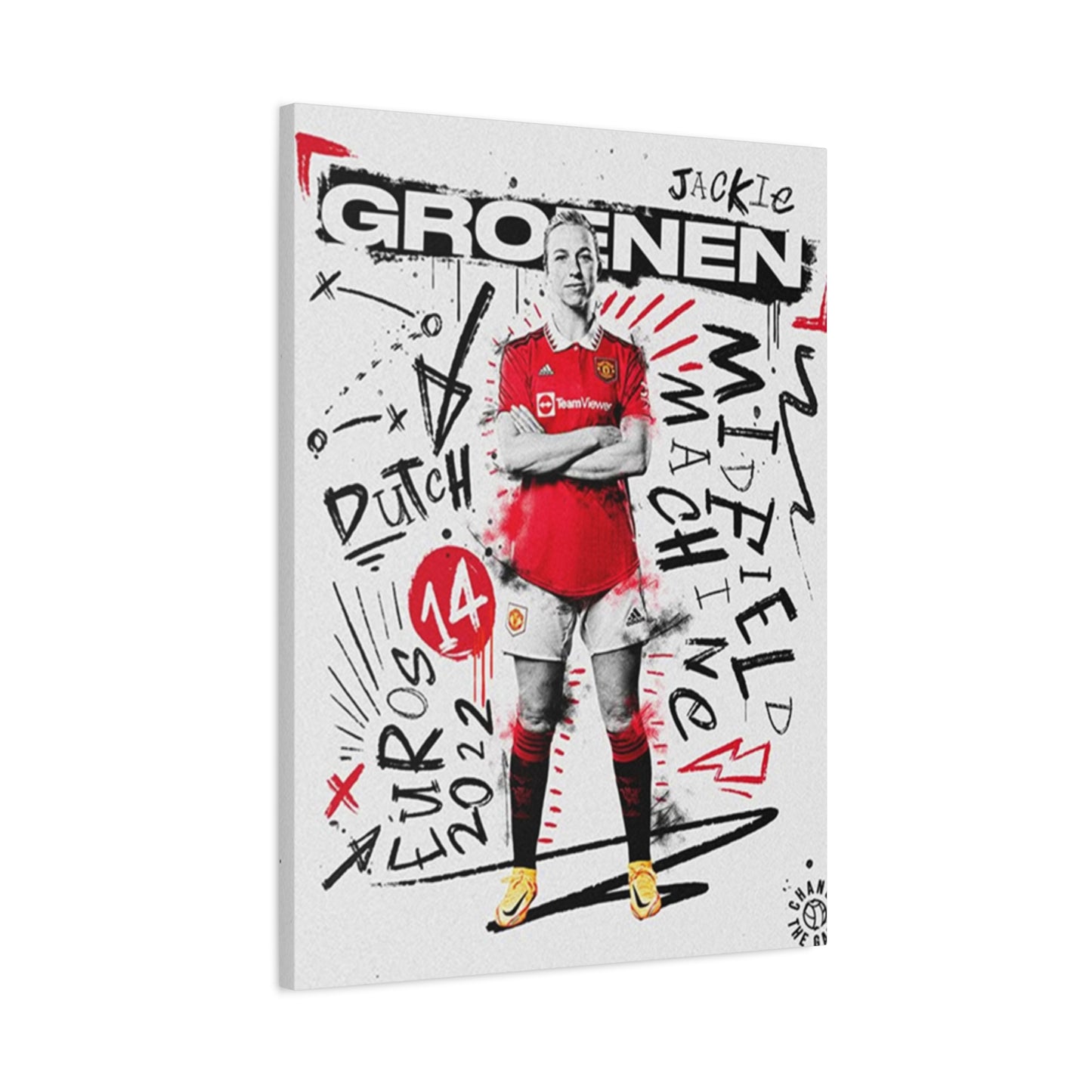
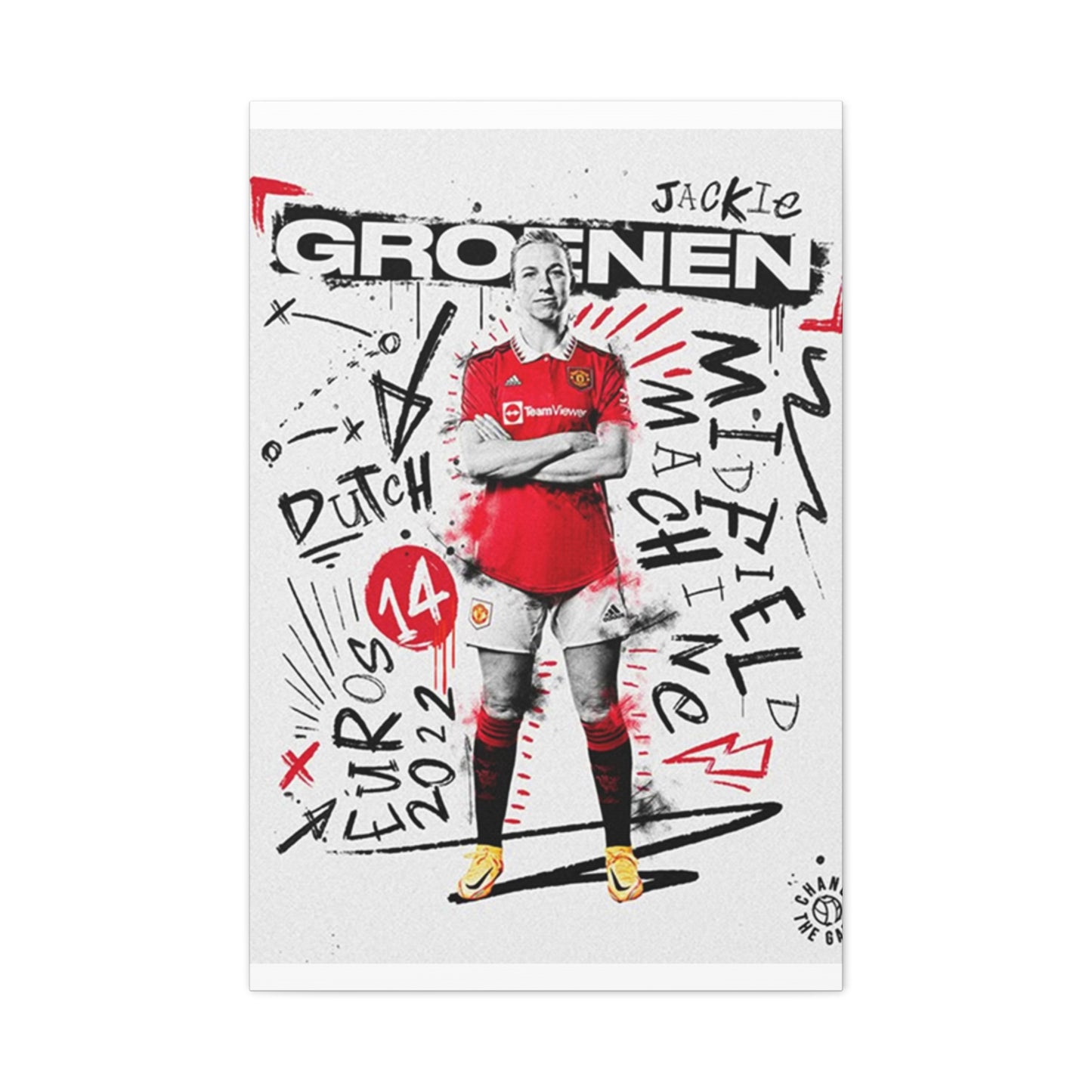
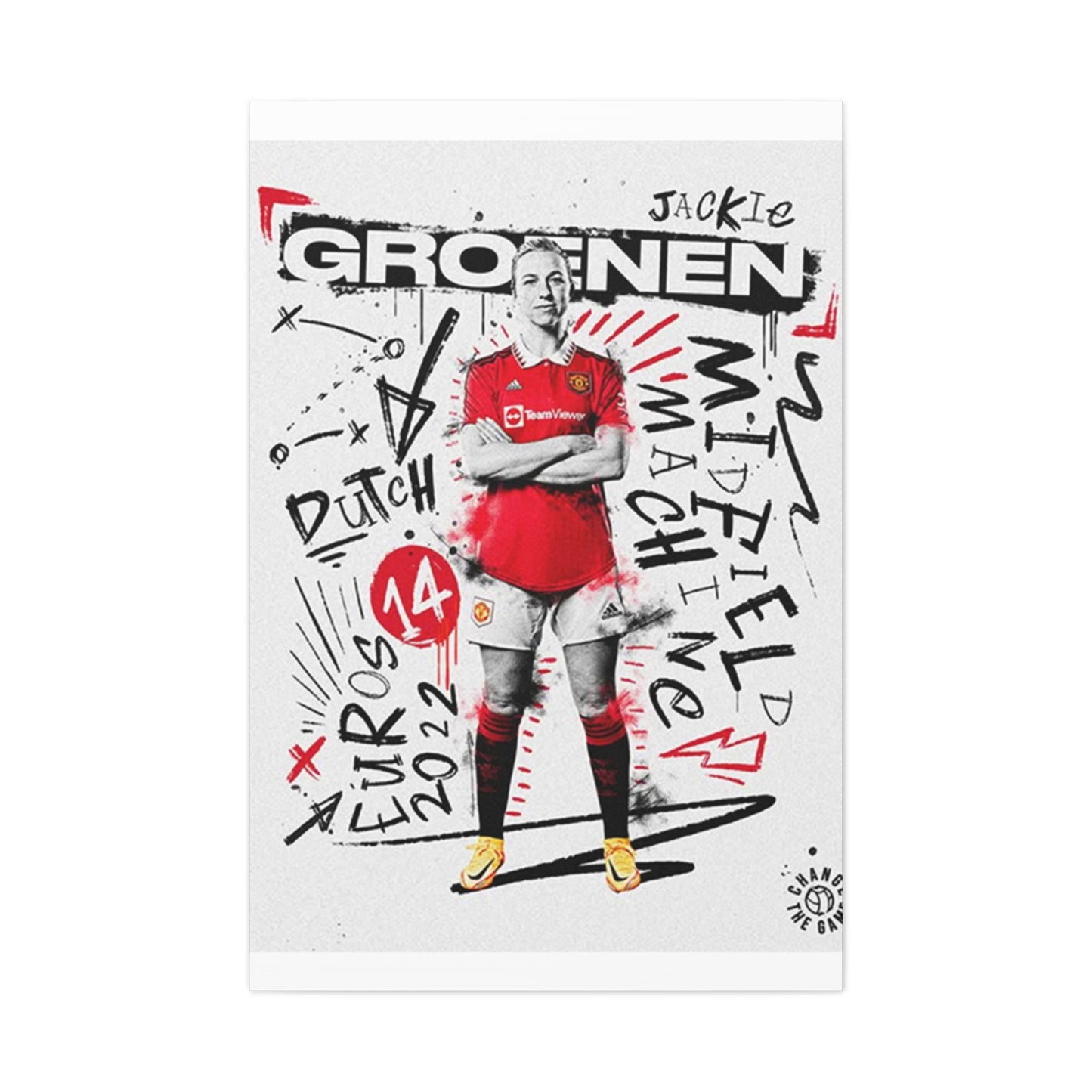
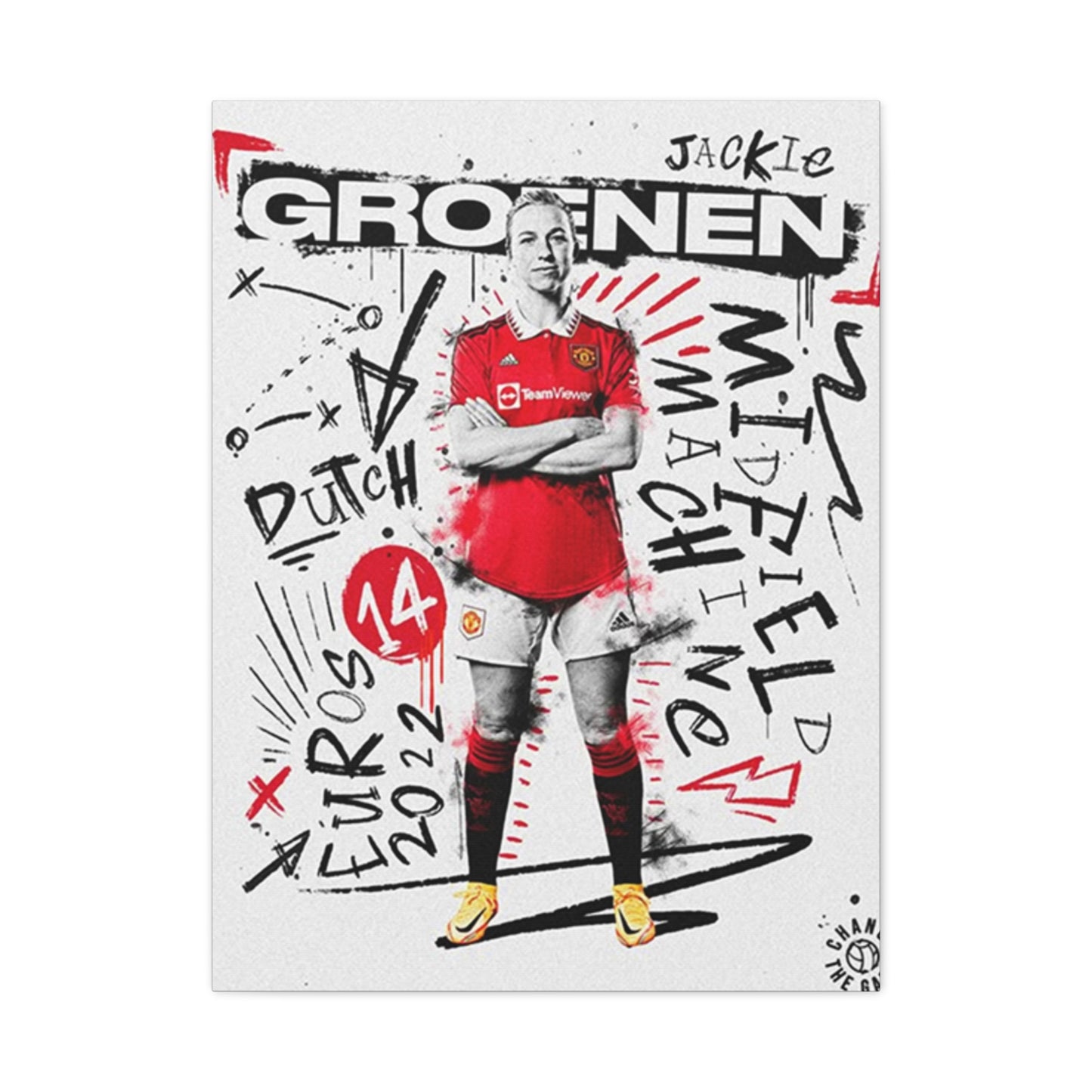
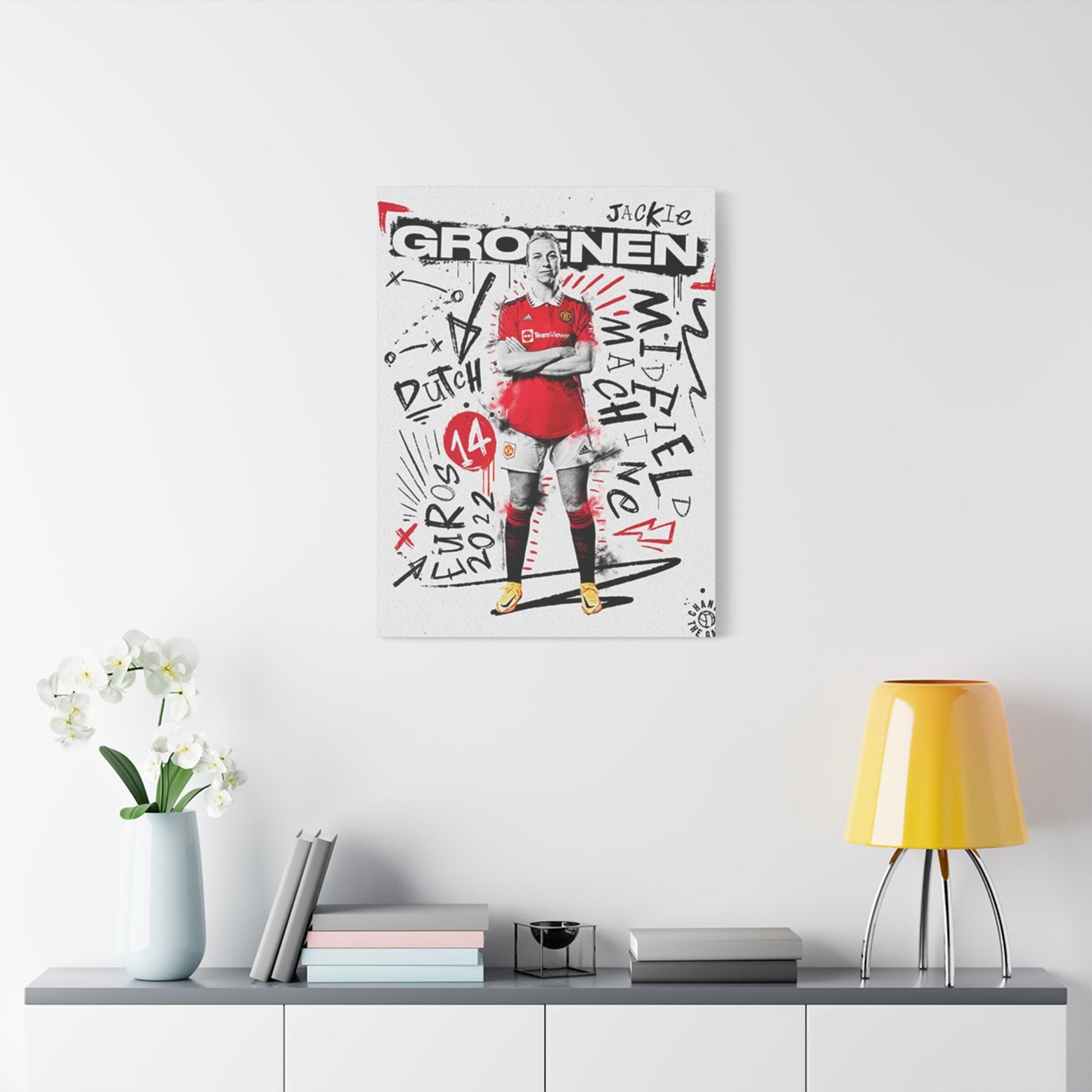
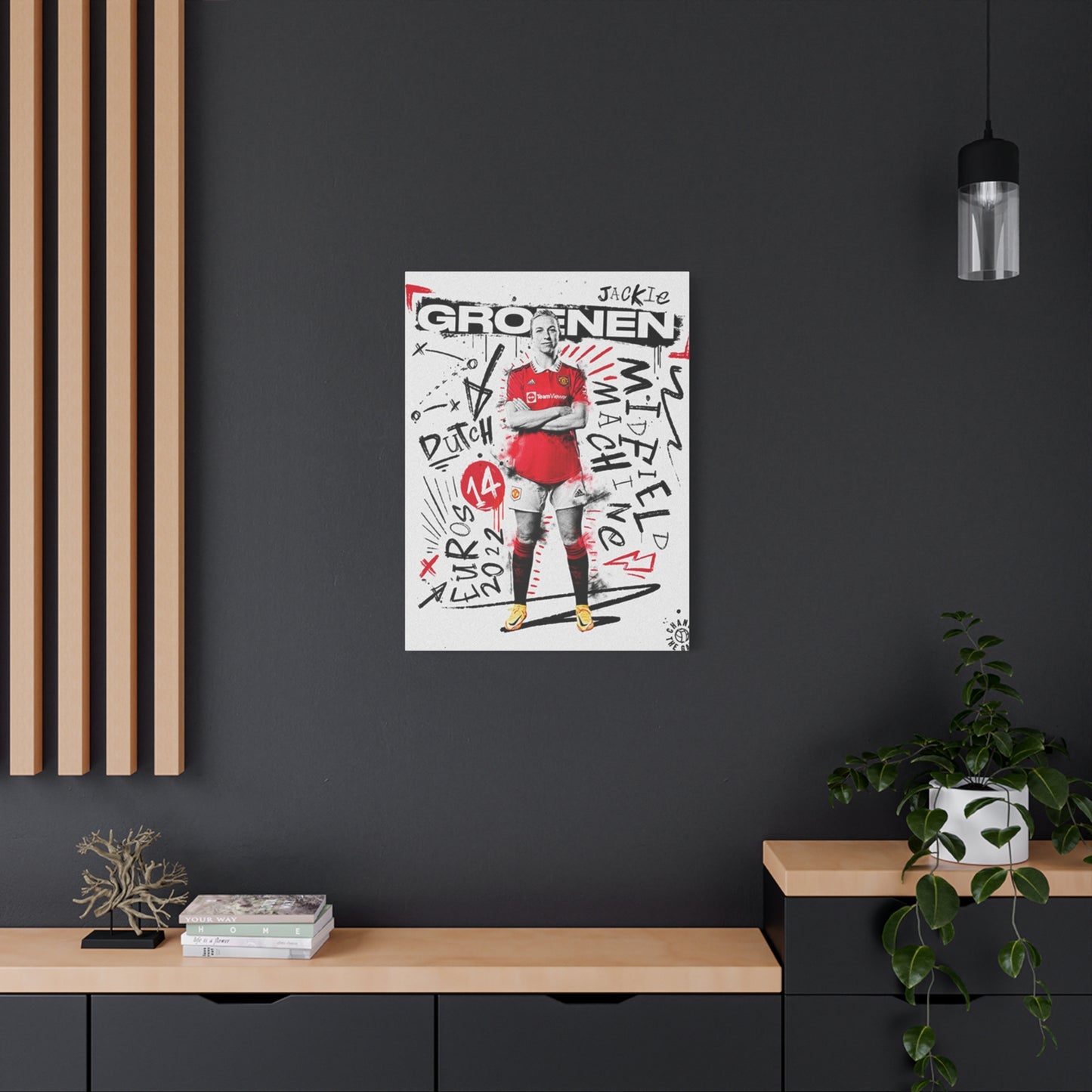
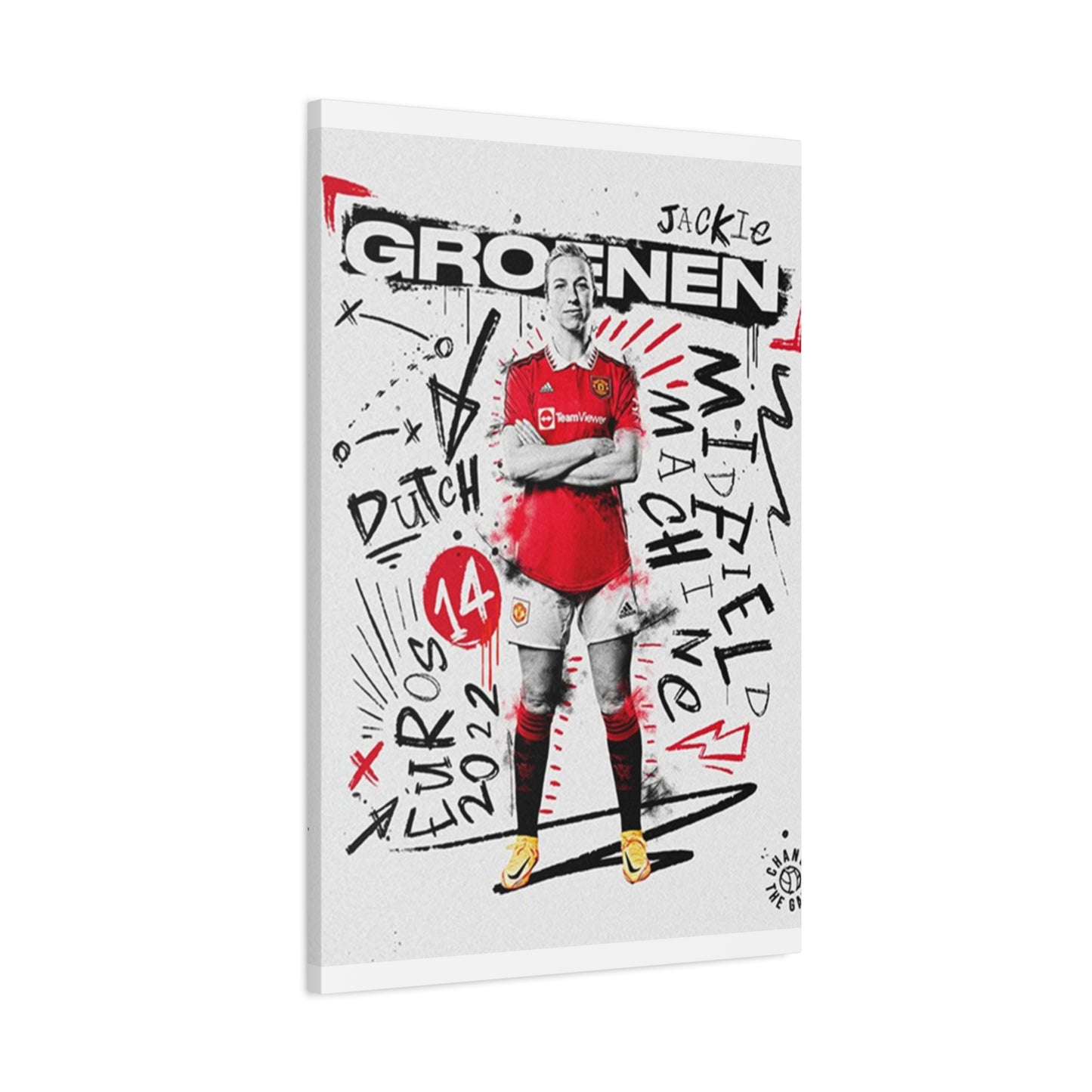
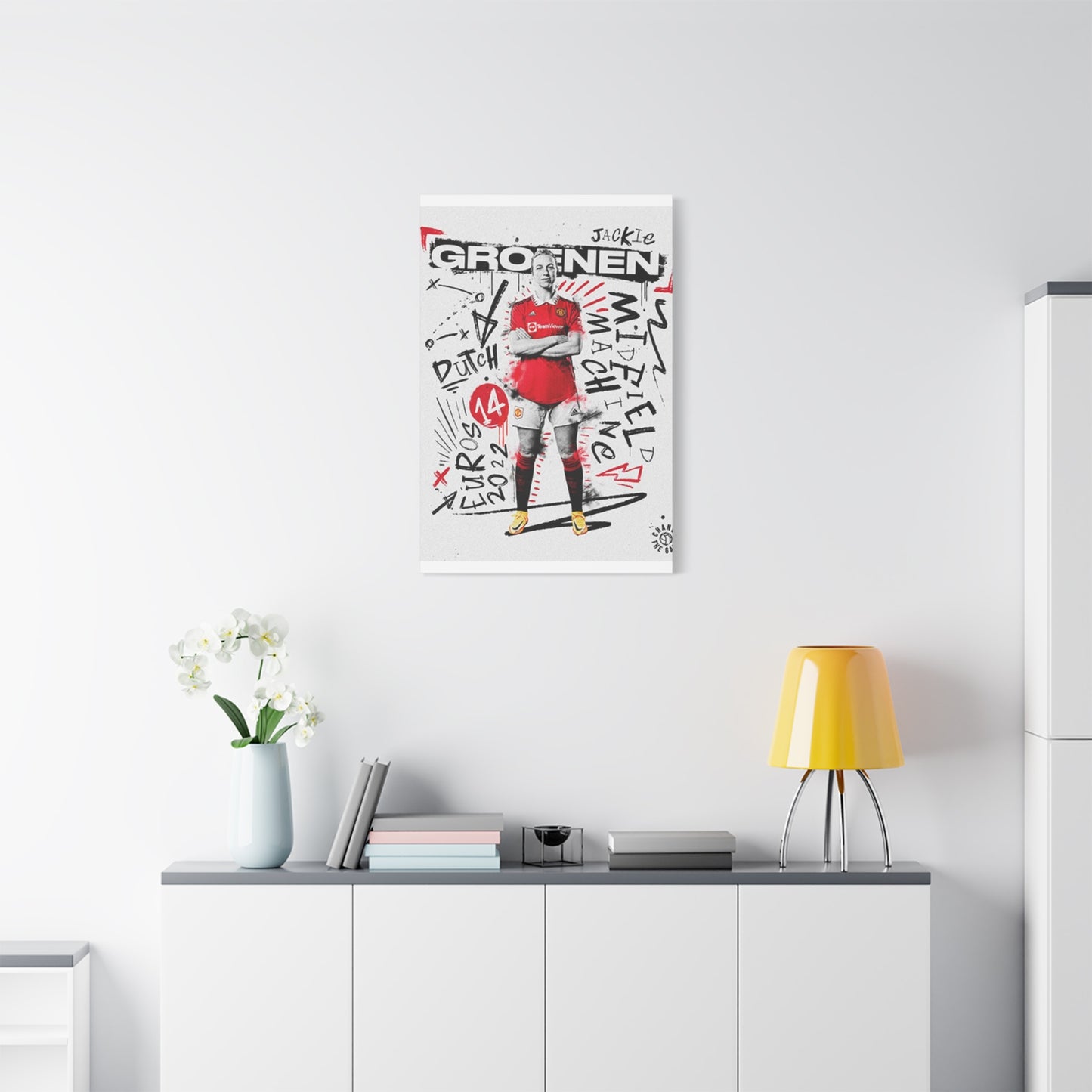
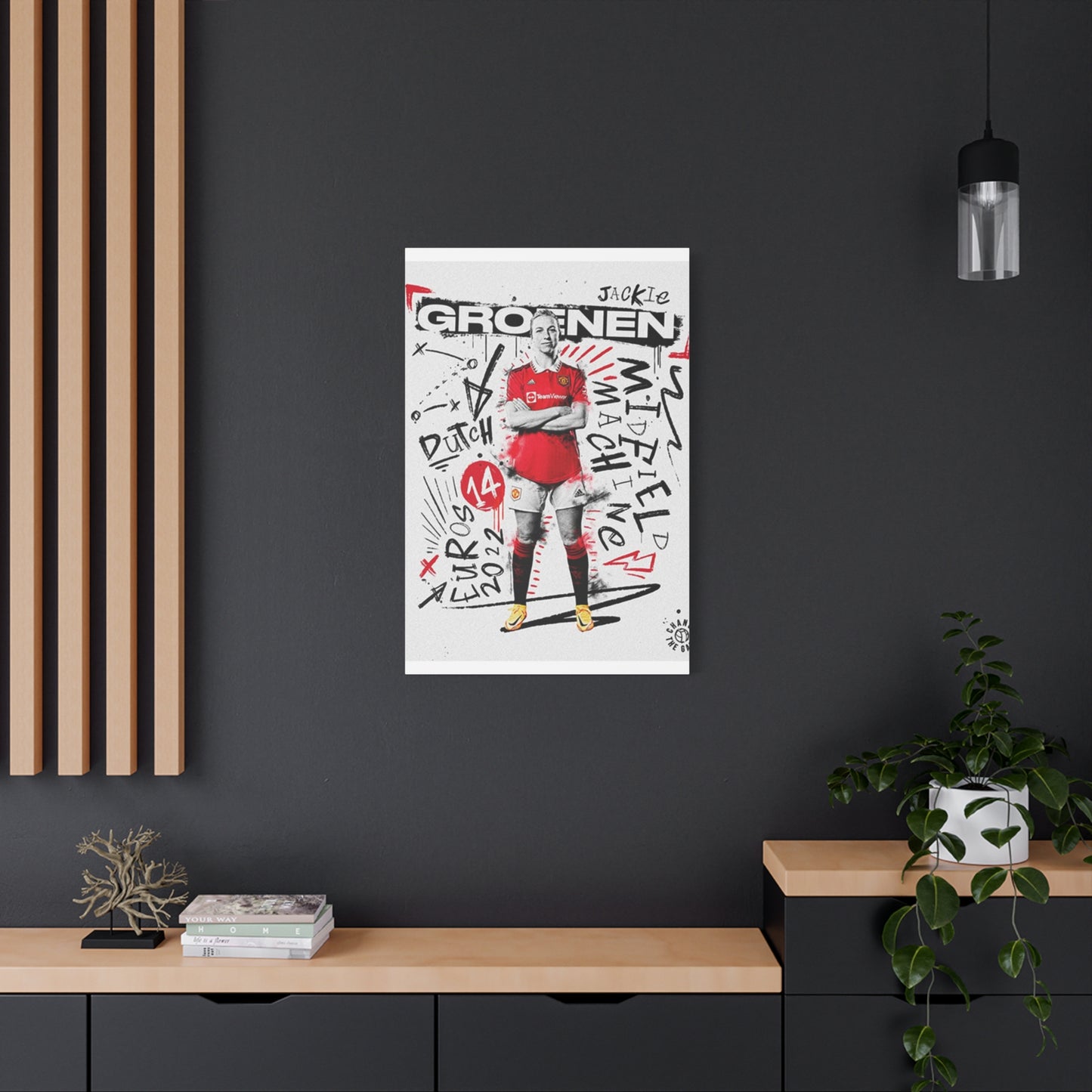
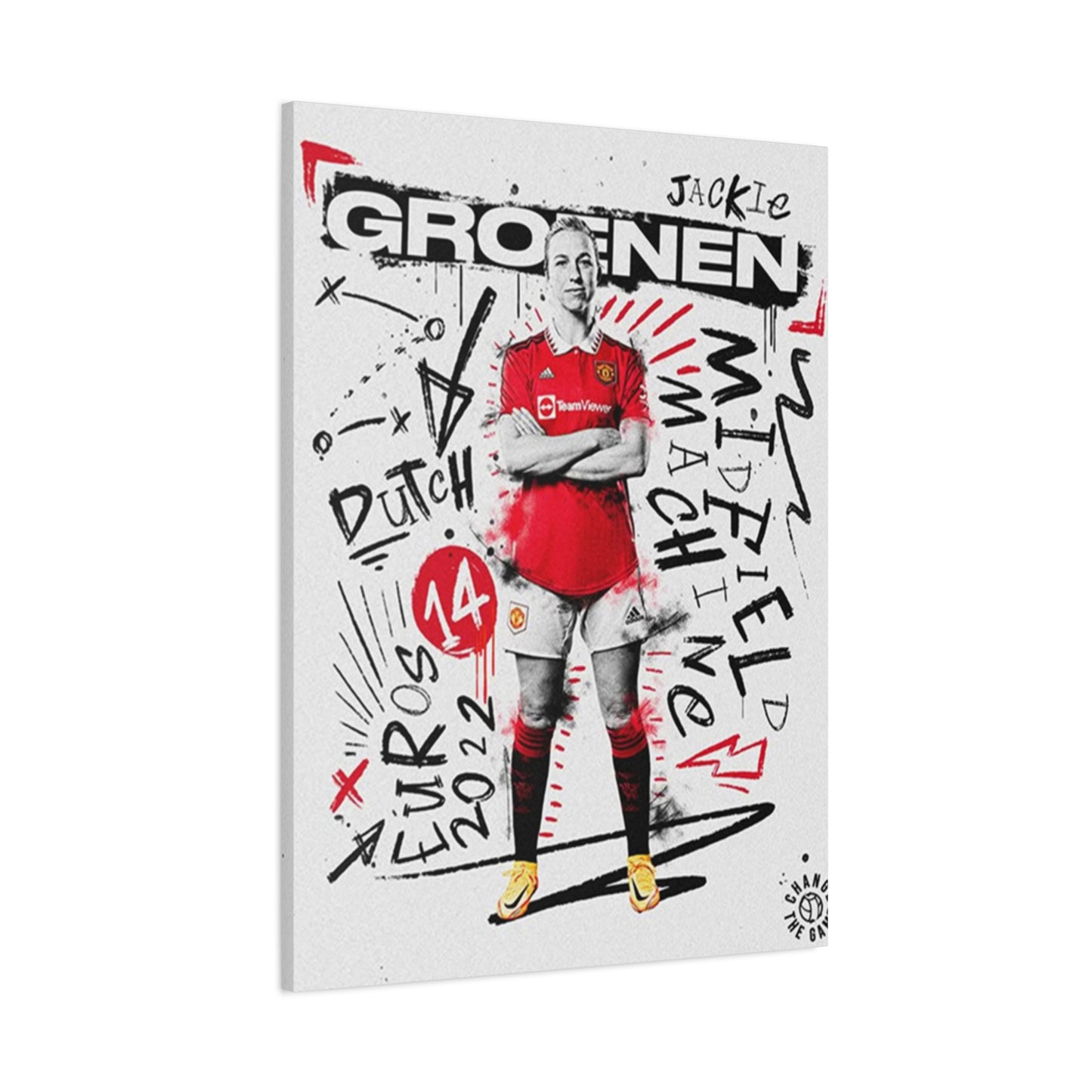
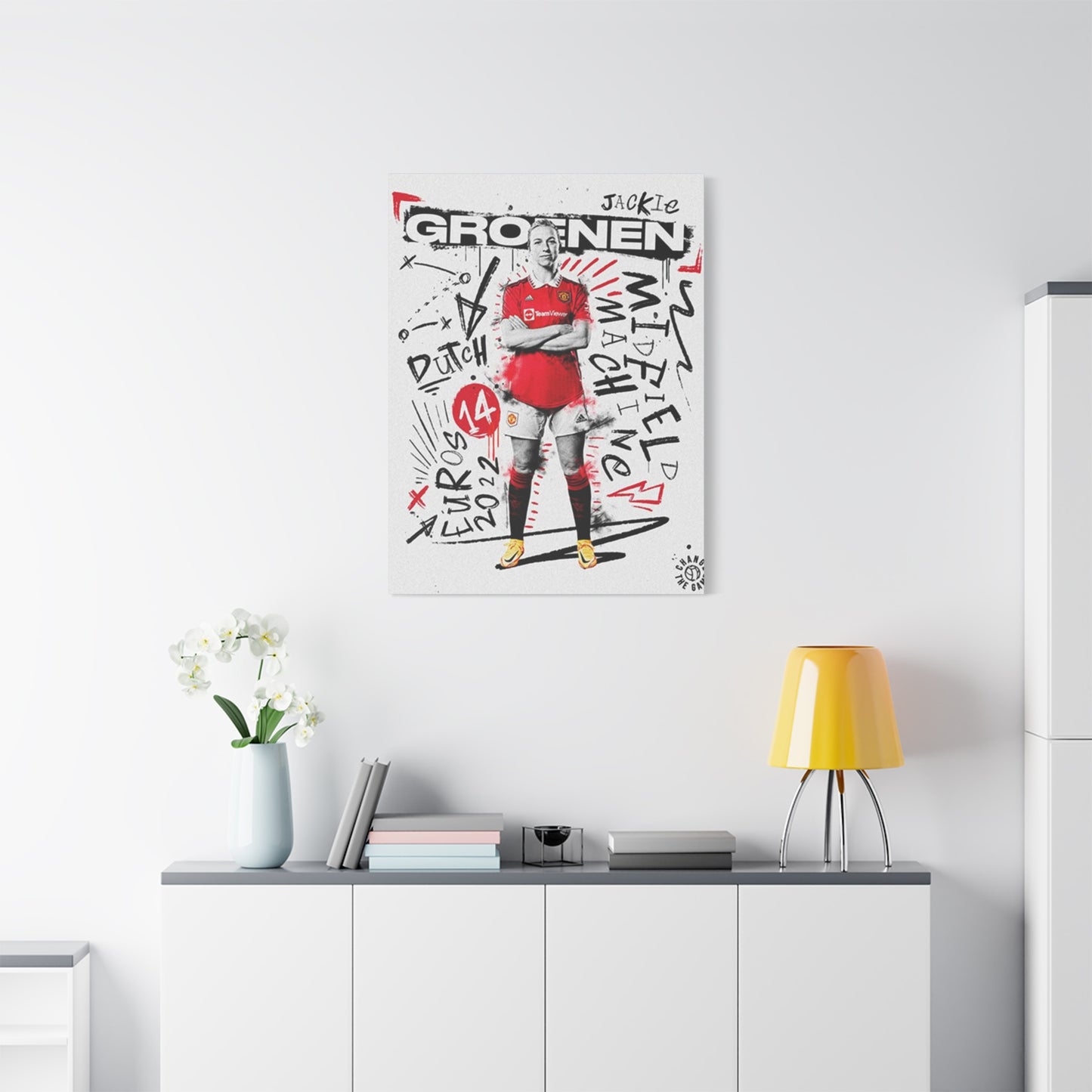
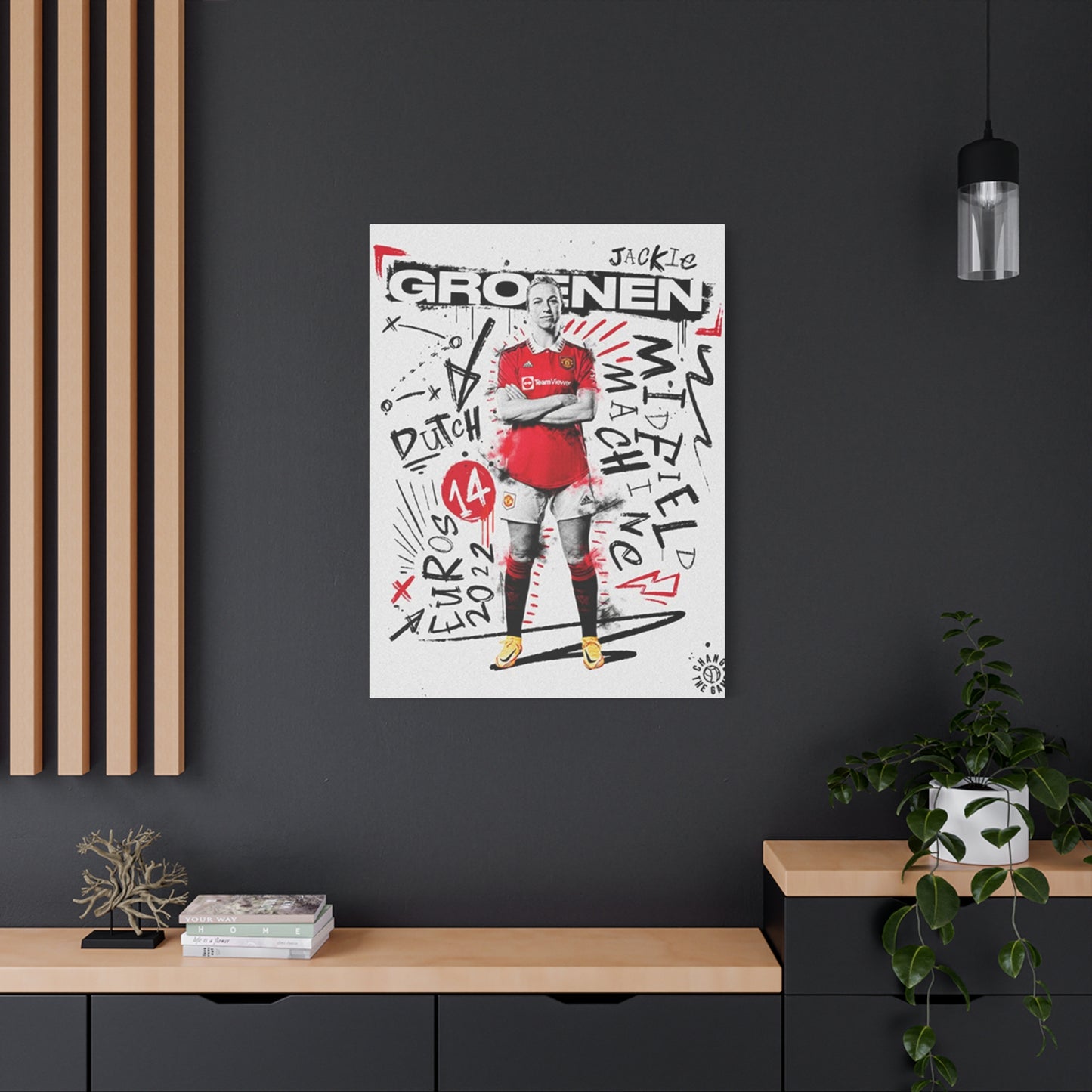
Groenen Wall Art & Canvas Prints
Groenen Wall Art & Canvas Prints
Couldn't load pickup availability
Discover the Timeless Beauty and Creative Expression of Groenen Wall Art for Your Living Spaces
The realm of interior decoration has witnessed a remarkable evolution over recent decades, with artistic elements playing an increasingly vital role in defining the character and ambiance of residential and commercial environments. Among the myriad options available to those seeking to enhance their surroundings, Groenen Wall Art stands out as a distinctive choice that combines aesthetic appeal with cultural significance. This form of artistic expression has gained considerable traction among homeowners, designers, and art enthusiasts who appreciate the delicate balance between visual impact and meaningful representation.
The contemporary landscape of home decoration demands solutions that transcend mere functionality, calling for elements that evoke emotion, stimulate conversation, and reflect the personality of those who inhabit the space. Groenen Wall Art fulfills these requirements while offering versatility that adapts to various design philosophies and architectural styles. Whether adorning the walls of a minimalist urban apartment or complementing the rustic charm of a countryside residence, these artistic pieces demonstrate remarkable adaptability.
Understanding the multifaceted nature of decorative artwork requires examining not only its visual characteristics but also the cultural context from which it emerges, the craftsmanship involved in its creation, and the transformative effect it can have on interior environments. This comprehensive exploration will delve into every conceivable aspect of Groenen Wall Art, providing readers with insights that extend far beyond surface-level appreciation and into the realm of informed selection and meaningful incorporation into living spaces.
The Fundamental Essence and Defining Characteristics of Groenen Wall Art
At its core, Groenen Wall Art represents a synthesis of traditional artistic values and contemporary design sensibilities. The term encompasses a broad spectrum of visual representations, each piece characterized by distinctive attributes that set it apart from conventional decorative elements. The fundamental essence of these works lies in their ability to command attention without overwhelming the surrounding environment, creating focal points that enhance rather than dominate the spaces they occupy.
The defining characteristics of Groenen Wall Art manifest through various dimensions including color palette selection, compositional structure, and thematic content. Artists working within this domain typically employ sophisticated color theories that consider not only aesthetic harmony but also psychological impact on viewers. The color schemes often feature carefully calibrated combinations that evoke specific moods or complement existing interior color arrangements, demonstrating a conscious awareness of how chromatic choices influence spatial perception.
Compositional structure within these works reveals meticulous attention to balance, proportion, and visual flow. Unlike randomly assembled decorative pieces, authentic Groenen Wall Art displays intentional arrangement of elements that guide the viewer's eye through the composition in a deliberate manner. This structural sophistication ensures that the artwork maintains visual interest over extended periods, revealing new details and subtleties upon repeated viewing rather than exhausting its appeal through immediate comprehension.
Thematic content varies considerably across different manifestations of Groenen Wall Art, ranging from abstract expressions of emotion and concept to representational depictions of natural landscapes, urban environments, or human experiences. The thematic diversity ensures that individuals with varying preferences can find pieces that resonate with their personal sensibilities while maintaining the qualitative standards that define this artistic category.
Material Composition and Fabrication Processes Behind Artistic Creations
The materials employed in creating Groenen Wall Art significantly influence both the aesthetic qualities and the longevity of the finished pieces. Traditional canvas remains a popular substrate, valued for its texture, durability, and receptiveness to various paint media. High-quality canvas preparations involve multiple sizing and priming layers that create optimal surfaces for paint adhesion while preventing deterioration over time. The weave density of canvas affects the final appearance, with finer weaves supporting more detailed work and coarser textures contributing to rustic or impressionistic effects.
Alternative substrates have gained prominence in contemporary Groenen Wall Art production, including wood panels, metal sheets, and specialized synthetic materials engineered specifically for artistic purposes. Wood panels offer rigid support that prevents warping and provides exceptionally smooth surfaces when properly prepared. Metal substrates introduce unique reflective qualities that interact dynamically with ambient lighting conditions, creating visual effects unattainable with traditional materials. Synthetic materials combine advantages of multiple conventional substrates while addressing specific limitations such as moisture sensitivity or weight considerations.
The fabrication processes involved in producing Groenen Wall Art span traditional handcraft methods and contemporary production techniques. Traditional approaches rely on skilled artisans who manually apply paint media using brushes, palette knives, or other implements, creating unique variations in each piece. These handcrafted works possess inherent individuality that mechanical reproduction cannot replicate, with subtle variations in brushstroke texture, color mixing, and surface treatment contributing to their distinctive character.
Contemporary production methods incorporate various technological innovations that expand creative possibilities while maintaining artistic integrity. Digital printing technologies enable reproduction of original artwork with exceptional fidelity, allowing broader accessibility to designs that might otherwise remain exclusive to original collectors. However, discerning collectors often distinguish between digitally reproduced pieces and original handcrafted works, recognizing that different production methods serve different purposes within the broader market for decorative artwork.
Mixed media approaches represent another significant dimension of Groenen Wall Art fabrication, combining multiple materials and techniques within single compositions. These hybrid works might incorporate paint alongside collage elements, textural additions such as molding paste or gel mediums, or three-dimensional components that extend beyond the flat picture plane. The integration of diverse materials creates layered visual experiences that engage viewers through multiple sensory dimensions simultaneously.
Color Theory Principles and Their Implementation in Visual Compositions
The sophisticated use of color distinguishes exceptional Groenen Wall Art from mediocre decorative pieces. Artists working within this domain demonstrate comprehensive understanding of color theory principles, including hue relationships, value contrasts, and saturation variations. The color wheel serves as a foundational tool for developing harmonious palettes, with complementary, analogous, and triadic schemes each producing distinct visual effects and emotional responses.
Complementary color schemes employ hues positioned opposite each other on the color wheel, creating maximum contrast and visual vibrancy. When implemented skillfully in Groenen Wall Art, complementary combinations generate dynamic tension that captures viewer attention while maintaining overall compositional balance. The strategic placement of complementary colors within a composition can direct visual flow, emphasize specific elements, or create depth illusions through warm-cool color interactions.
Analogous color schemes utilize hues adjacent on the color wheel, producing harmonious relationships characterized by subtle gradations rather than dramatic contrasts. These palettes often evoke specific atmospheric qualities or emotional states, with cool analogous schemes suggesting tranquility or contemplation, while warm analogous combinations convey energy, warmth, or passion. Groenen Wall Art employing analogous color schemes typically achieves cohesive visual unity that integrates seamlessly with existing interior color schemes.
Value contrast refers to the relationship between light and dark tones within a composition, independent of hue considerations. High value contrast creates bold, dramatic effects with strong visual impact, while low contrast produces subtle, nuanced imagery that rewards careful examination. Skilled manipulation of value relationships enables artists to establish focal points, suggest three-dimensional form, and control the overall mood of their compositions.
Saturation variations introduce additional complexity to color relationships, with highly saturated hues projecting intensity and immediacy, while desaturated tones convey subtlety, sophistication, or historical distance. The interplay between saturated and muted colors within Groenen Wall Art compositions creates visual hierarchy and guides viewer attention toward areas of primary importance while maintaining secondary elements in supporting roles.
Color psychology considerations inform many decisions in creating Groenen Wall Art intended for specific environments or purposes. Research has established associations between particular colors and psychological states, with warm hues generally promoting social interaction and physical energy, while cool colors facilitate concentration and calm reflection. Artists creating work for commercial spaces might emphasize colors that support the intended function of those environments, while residential pieces often reflect the personal preferences and emotional needs of individual clients.
Dimensional Considerations and Scale Relationships in Interior Environments
Selecting appropriately scaled Groenen Wall Art for specific spaces requires careful consideration of multiple dimensional factors. The physical size of artwork must relate harmoniously to the wall space it occupies, the surrounding furniture, and the overall room proportions. Undersized pieces appear lost on expansive walls, failing to create sufficient visual impact, while oversized works overwhelm smaller spaces, creating uncomfortable visual tension rather than pleasing aesthetic balance.
Professional designers often apply specific proportional guidelines when recommending artwork dimensions for various settings. For hanging above furniture pieces such as sofas or console tables, artwork width typically ranges from two-thirds to three-quarters of the furniture width, creating visual connection while maintaining appropriate scale relationships. Single statement pieces require sufficient surrounding negative space to prevent visual crowding, with margins typically measuring at least several inches on all sides.
Ceiling height significantly influences optimal artwork dimensions and placement. Standard eight-foot ceilings typically accommodate pieces measuring up to forty-eight inches in height when hung at conventional eye-level positions, while higher ceilings permit proportionally larger works or alternative arrangements such as stacked gallery walls. Cathedral ceilings and other architectural features may call for specially scaled pieces or unconventional hanging arrangements that respond to unique spatial characteristics.
Multi-panel arrangements offer flexibility for adapting Groenen Wall Art to various spatial configurations. Diptychs, triptychs, and larger multi-panel compositions allow distribution of visual interest across extended wall surfaces while maintaining cohesive artistic statements. The spacing between panels affects overall perception, with narrow gaps creating unified large-scale images, while wider separation emphasizes individual panel compositions within related series.
Room function considerations influence appropriate scale selections, with active social spaces typically benefiting from larger, more visually assertive pieces that facilitate conversation and create memorable impressions. Private spaces such as bedrooms or personal studies often accommodate smaller, more intimate works that support contemplation and personal reflection rather than public display.
Strategic Placement Methodologies for Maximum Visual Impact
The positioning of Groenen Wall Art within interior environments dramatically affects its visual effectiveness and the overall spatial experience. Conventional placement at eye level, typically sixty inches from floor to artwork center, provides comfortable viewing angles for average-height adults. However, this guideline serves as a starting point rather than absolute rule, with adjustments appropriate for specific circumstances such as furniture arrangements, viewing distances, or architectural features.
Focal wall identification represents an essential preliminary step in placement planning. Focal walls naturally draw attention upon entering a room, often facing the primary entrance or occupying the space behind dominant furniture pieces. Positioning significant Groenen Wall Art on focal walls maximizes its impact and establishes hierarchical relationships within the overall decorative scheme. Secondary walls then receive complementary pieces that support rather than compete with the primary focal point.
Lighting conditions profoundly influence artwork appearance and require careful consideration during placement planning. Natural lighting from windows creates dynamic viewing conditions that change throughout the day, potentially causing glare or washing out colors during peak sun hours. Positioning artwork perpendicular to windows rather than directly opposite helps minimize these issues while maintaining adequate illumination. Artificial lighting systems designed specifically for artwork illumination provide controlled conditions that enhance colors and details while protecting pieces from degradation.
Grouping strategies enable creative arrangement of multiple Groenen Wall Art pieces within cohesive gallery wall compositions. Symmetrical arrangements produce formal, traditional impressions suitable for classical interior styles, while asymmetrical groupings create dynamic, contemporary effects. Grid layouts establish orderly relationships among diverse pieces, unifying collections through consistent spacing regardless of individual artwork variations. Salon-style arrangements pack multiple pieces tightly together, creating dense visual displays that emphasize abundance and variety.
Vertical versus horizontal orientation decisions affect spatial perception, with vertical arrangements emphasizing ceiling height and creating impressions of loftiness, while horizontal orientations expand apparent wall width and promote feelings of spaciousness. The inherent orientation of individual Groenen Wall Art pieces naturally suggests appropriate placement, though creative designers sometimes deliberately work against expected orientations to achieve unconventional effects.
Style Variations and Their Alignment with Interior Design Philosophies
The diverse manifestations of Groenen Wall Art accommodate numerous design philosophies ranging from traditional to contemporary extremes. Understanding these style variations and their appropriate contexts enables informed selection that enhances rather than conflicts with existing interior schemes. Traditional styles emphasize classical techniques, representational subject matter, and color palettes drawn from historical precedents, creating connections with artistic heritage and conventional aesthetic values.
Contemporary minimalist approaches strip away decorative excess, focusing on essential elements that create impact through simplicity rather than complexity. Groenen Wall Art aligned with minimalist principles typically features limited color palettes, geometric compositions, and clean lines that complement sparse furnishings and uncluttered spaces. The restraint characteristic of minimalist pieces allows them to coexist harmoniously with architectural features and functional elements without visual competition.
Abstract expressionist variations explore emotional content through non-representational forms, colors, and textures. These works invite subjective interpretation, engaging viewers in active meaning-making rather than passive observation. The open-ended nature of abstract Groenen Wall Art makes it particularly versatile for diverse settings, as viewers project personal associations and experiences onto ambiguous imagery.
Naturalistic and landscape-oriented styles maintain enduring popularity, drawing inspiration from organic forms, botanical subjects, and environmental scenes. These works connect interior environments with the natural world beyond architectural boundaries, potentially creating psychological benefits associated with nature exposure even in urban settings. The universal appeal of natural imagery transcends specific design trends, contributing to the lasting relevance of landscape-themed Groenen Wall Art.
Industrial and urban aesthetic movements embrace raw materials, exposed structures, and subjects drawn from built environments. Groenen Wall Art reflecting these influences might feature architectural fragments, cityscapes, or abstract compositions suggesting mechanical elements. These pieces complement loft conversions, commercial spaces, and residential interiors that celebrate industrial heritage through exposed brick, metal fixtures, and utilitarian furnishings.
Bohemian and eclectic approaches celebrate diversity, combining elements from multiple cultural traditions and style periods within unified compositions. Groenen Wall Art serving bohemian aesthetics often incorporates rich colors, intricate patterns, and multicultural motifs that create visually abundant environments reflecting global influences and artistic freedom. The permissive nature of eclectic design philosophies accommodates experimental combinations that might appear discordant in more rigid stylistic frameworks.
Environmental Factors Affecting Longevity and Preservation of Artistic Works
The longevity of Groenen Wall Art depends significantly on environmental conditions within display locations. Temperature fluctuations cause expansion and contraction of materials that can lead to cracking, warping, or delamination over time. Maintaining stable temperatures between sixty-five and seventy-five degrees Fahrenheit helps preserve artwork integrity, while avoiding extreme heat or cold prevents accelerated deterioration. Proximity to heating vents, fireplaces, or exterior walls subject to significant temperature variations requires special consideration.
Humidity levels critically affect organic materials common in artwork construction. Excessive moisture promotes mold growth, encourages pest activity, and can cause structural damage to canvas, paper, and wood components. Relative humidity maintained between forty and fifty percent generally provides optimal conditions for preserving Groenen Wall Art, though specific pieces may have different requirements based on their material composition. Dehumidifiers or humidifiers help maintain appropriate moisture levels in climates with naturally extreme conditions.
Light exposure represents one of the most significant threats to artwork longevity, with both natural and artificial lighting potentially causing fading, discoloration, and material breakdown. Ultraviolet radiation proves particularly damaging, degrading pigments and weakening structural materials over extended exposure periods. Groenen Wall Art displayed in naturally bright environments benefits from UV-filtering window treatments, while artificial lighting systems should employ LED bulbs that emit minimal ultraviolet radiation compared to incandescent or fluorescent alternatives.
Air quality considerations include protection from dust accumulation, airborne pollutants, and cooking residues that can soil surfaces and chemically interact with artwork materials. Regular, gentle cleaning removes superficial contamination before it becomes embedded in paint textures or penetrates porous materials. Display locations distant from kitchens, heavily trafficked areas, or pollution sources help minimize exposure to airborne contaminants.
Physical protection against accidental damage requires strategic placement away from high-activity zones where artwork might suffer impacts, scratches, or other mechanical damage. Hallways, near doorways, and above active work surfaces present elevated risk compared to dedicated display walls in lower-traffic areas. Protective glazing provides additional defense against physical damage while potentially filtering harmful ultraviolet radiation, though it introduces reflective surfaces that may interfere with viewing under certain lighting conditions.
Psychological and Emotional Dimensions of Visual Art in Living Spaces
The presence of Groenen Wall Art in residential and commercial environments extends beyond mere decoration, influencing occupant psychology and emotional states in measurable ways. Research in environmental psychology has established connections between visual stimuli and various psychological outcomes, demonstrating that thoughtfully selected artwork contributes to overall wellbeing and life satisfaction. The specific imagery, colors, and compositional qualities of displayed art interact with viewer cognition and emotion, potentially affecting mood, stress levels, and even physiological responses.
Color selections within Groenen Wall Art carry particular psychological significance, with different hues associated with distinct emotional and cognitive effects. Warm color families including reds, oranges, and yellows generally stimulate alertness, social interaction, and physical energy, making them appropriate for common areas where household members gather and socialize. Cool colors such as blues, greens, and purples typically promote calmness, concentration, and introspection, serving well in private spaces designated for rest or focused work.
Subject matter influences emotional responses and cognitive associations triggered by artwork viewing. Representational pieces depicting recognizable subjects activate viewer memories and experiences related to those subjects, creating personalized emotional responses that vary among individuals. Abstract works allow more open-ended interpretation, potentially engaging creative thinking and imagination as viewers construct meaning from ambiguous visual information.
The mere presence of artwork signals cultural values and priorities, communicating to occupants and visitors that aesthetic experience holds importance within the environment. Spaces adorned with carefully selected Groenen Wall Art suggest refinement, thoughtfulness, and attention to quality of life beyond purely functional concerns. This signaling function contributes to identity formation and self-expression for residents while shaping visitor perceptions and interactions.
Artwork viewing can provide momentary psychological respites from daily pressures, offering opportunities for mental disengagement and aesthetic contemplation. Brief periods spent observing visual art may reduce stress hormone levels and promote relaxation responses similar to meditation or nature exposure. The availability of these micro-recovery opportunities throughout daily routines potentially contributes to sustained wellbeing over extended periods.
Personal connection with displayed artwork enhances its psychological benefits, with pieces holding special significance or meaning providing greater emotional support than randomly selected decorative items. Groenen Wall Art acquired through meaningful circumstances, created by known artists, or depicting personally significant subjects often becomes treasured possessions that contribute to sense of home and belonging beyond their aesthetic contributions.
Market Dynamics and Value Propositions in the Decorative Art Sector
The market for Groenen Wall Art encompasses diverse segments ranging from original unique pieces to limited editions and widely distributed reproductions. Understanding these market dynamics helps consumers make informed purchasing decisions aligned with their aesthetic preferences, budgetary constraints, and collecting objectives. Original unique artworks represent the premium segment, with each piece being singular creations that cannot be exactly duplicated. These works command higher prices reflecting artist skill, materials quality, and exclusivity value.
Limited edition pieces occupy an intermediate market position, offering some degree of exclusivity while remaining more accessible than unique originals. Artists or publishers designate specific production quantities for limited editions, often signing and numbering individual copies to authenticate their limited status. The exclusivity premium for limited editions depends on edition size, artist reputation, and market demand, with smaller editions and more prominent artists commanding premium prices.
Open edition reproductions provide greatest accessibility, allowing broader audiences to enjoy designs without the price premiums associated with limited availability. Modern printing methods achieve remarkable fidelity to original works, though collectors often distinguish between reproductions and limited or original pieces when assessing value. Open edition Groenen Wall Art serves effectively for those prioritizing aesthetic appeal over investment or collecting considerations.
Pricing structures reflect multiple factors beyond simple production costs, including artist reputation, artwork size, medium complexity, and market positioning. Emerging artists typically price works more accessibly to build collector bases and establish market presence, while established artists command premium prices reflecting their proven track records and market demand. Size generally correlates with price, though exceptionally small works by prominent artists may exceed prices of larger pieces by lesser-known creators.
Secondary markets for previously owned Groenen Wall Art provide alternatives to purchasing new pieces, with potential advantages including lower prices and access to discontinued designs. Online platforms, consignment galleries, and auction houses facilitate secondary market transactions, though buyers should exercise appropriate diligence regarding authenticity, condition, and provenance. The secondary market also establishes price benchmarks for evaluating new purchases and assessing collection values.
Investment considerations enter decisions for some art purchasers, though predicting future value appreciation remains inherently uncertain. Factors potentially supporting appreciation include artist career trajectory, scarcity of particular works, and overall market trends for specific styles or subjects. However, most Groenen Wall Art purchases should prioritize personal aesthetic satisfaction rather than speculative investment objectives, as art markets exhibit volatility and individual pieces may not appreciate regardless of broader trends.
Curatorial Strategies for Building Cohesive Collections Over Time
Developing curated collections of Groenen Wall Art involves deliberate strategies that create meaningful relationships among acquired pieces while accommodating evolving tastes and life circumstances. Successful collecting balances immediate aesthetic satisfaction with long-term vision, avoiding impulsive purchases that later appear incompatible with overall collection direction. Establishing collecting parameters early helps maintain focus, whether concentrating on specific subjects, styles, artists, or color palettes.
Thematic coherence provides one organizational principle for collection development, with acquired pieces relating through common subjects, concepts, or visual motifs. Collections might focus on botanical subjects, architectural imagery, abstract color studies, or countless other themes that create intellectual and aesthetic connections among disparate pieces. Thematic collecting facilitates discovery of new artists and works while maintaining collection unity.
Stylistic consistency offers alternative organizational frameworks, with collectors focusing on specific artistic movements, periods, or aesthetic approaches. Collections might emphasize contemporary minimalism, traditional representational work, or any identifiable style category. Stylistic focus helps develop connoisseurship as collectors become increasingly knowledgeable about preferred categories, enabling more discerning acquisitions over time.
Color palette coordination creates visual harmony across collections intended for unified display. Collectors might emphasize cool tones, warm earth colors, or specific accent colors that appear consistently across multiple pieces. This approach facilitates flexible arrangement as pieces sharing color relationships can combine in various configurations while maintaining visual cohesion.
Artist-focused collecting concentrates on accumulating multiple works by particular creators, enabling deeper appreciation of individual artistic development and range. Following specific artists over time provides insights into creative evolution while potentially building valuable collections if chosen artists achieve broader recognition. This approach fosters relationships with living artists and supports their continued creative work.
Acquisition pacing affects both financial management and collection quality. Measured, deliberate collecting allows time for consideration, comparison shopping, and accumulation of funds for higher-quality pieces rather than compromising on lesser works to fill spaces quickly. Patient collectors often build more satisfying collections than those rushing to complete decorative schemes immediately.
Documentation practices support collection management, preservation, and potential future disposition. Recording purchase details, artist information, provenance, and condition at acquisition time creates valuable records for insurance, estate planning, or eventual resale. Photography documenting artwork condition at acquisition and subsequently provides evidence of proper care and preservation over ownership periods.
Cleaning Protocols and Preventive Measures for Artwork Preservation
Proper cleaning and preventive care significantly extend the lifespan and maintain the appearance of Groenen Wall Art. Regular maintenance addresses gradual accumulation of dust and environmental contaminants before they cause permanent damage or become embedded in artwork surfaces. The specific cleaning methods appropriate for individual pieces depend on their material composition, surface texture, and any protective coatings applied during creation or subsequent conservation treatments.
Dust removal represents the most frequent cleaning requirement, with soft brushes or microfiber cloths suitable for most unglazed artwork surfaces. Gentle sweeping motions work from top to bottom, allowing gravity to assist in removing loosened particles rather than redistributing them across the surface. Vacuum cleaners with brush attachments can assist with dust removal when used carefully at low suction settings with the attachment held slightly away from the artwork surface to avoid direct contact that might damage delicate paint layers.
Surface cleaning of more stubborn soiling requires extreme caution and should generally be entrusted to professional conservators for valuable pieces. When attempting surface cleaning of Groenen Wall Art without protective glazing, lightly dampened lint-free cloths can remove some types of soil, though any moisture application risks damaging certain paint media or causing water staining. Test cleaning methods on inconspicuous areas before treating prominent surfaces, and never apply cleaning solutions directly to artwork without professional guidance.
Glazed artwork benefits from protective barriers between fragile paint surfaces and the environment, allowing more aggressive cleaning of glass or acrylic glazing materials. Standard glass cleaners suit conventional glazing, though they should be sprayed onto cleaning cloths rather than directly on glazing to prevent solution migration into frame spaces where it might contact artwork edges. Acrylic glazing requires gentler cleaners specifically formulated for plastic surfaces to avoid scratching or chemical damage.
Frame cleaning maintains the complete presentation package, with methods varying according to frame materials. Wood frames tolerate dusting and occasional treatment with wood-appropriate polishes or conditioners, while metal frames may require specialized cleaners to remove tarnish or oxidation without damaging finishes. Ornate frames with intricate details demand careful attention to prevent cleaning materials from accumulating in recesses where they might cause discoloration or structural problems.
Preventive measures often prove more effective than reactive cleaning, with environmental controls reducing contamination exposure. Proper ventilation disperses airborne particles before they settle on artwork surfaces, while air filtration systems remove contaminants from circulating air. Strategic placement away from contamination sources such as kitchens or smoking areas minimizes exposure to particularly damaging substances.
Regular inspection schedules enable early detection of developing problems before they progress to serious damage. Periodic examination under good lighting conditions reveals emerging issues such as pest activity, mold growth, frame deterioration, or paint layer instability that might escape notice during casual viewing. Addressing problems promptly often prevents expensive restoration work that becomes necessary when damage advances unchecked.
Framing Options and Their Impact on Overall Presentation Quality
Frame selection significantly influences the presentation and perception of Groenen Wall Art, with appropriate frames enhancing artistic impact while unsuitable choices diminish effectiveness. The framing decision encompasses multiple considerations including frame style, material, color, and proportional relationships with the artwork itself. Professional-quality framing treatments protect artwork while contributing aesthetically to overall presentation.
Frame style selections range from minimalist contemporary designs to elaborate traditional profiles, with appropriate choices depending on artwork characteristics and display environment aesthetics. Contemporary frames typically feature clean lines, simple profiles, and neutral finishes that avoid competing with artwork for viewer attention. Traditional frames employ more ornate moldings, decorative details, and historically-influenced finishes that complement classical artwork while potentially overwhelming simpler contemporary pieces.
Material choices affect both appearance and practical considerations such as weight, durability, and cost. Wood frames offer versatility, natural beauty, and traditional associations, with numerous wood species and finish options accommodating diverse aesthetic requirements. Metal frames provide contemporary appearances with strength-to-weight advantages, though they may appear cold or industrial in some contexts. Composite materials engineered to replicate wood appearance at lower costs serve budget-conscious applications, though discerning observers often detect quality differences compared to genuine wood frames.
Color relationships between frames and artwork deserve careful attention, with frame colors either complementing or contrasting with artwork tones depending on desired effects. Neutral frame colors including black, white, and natural wood tones provide versatile options that work across diverse artwork styles, while colored frames create stronger statements that must coordinate carefully with artwork palettes. Metallic finishes introduce reflective qualities that interact dynamically with lighting conditions.
Proportional relationships between frame width and artwork dimensions affect visual balance, with narrow frames maintaining focus on artwork while wider frames create more substantial presentations. General guidelines suggest frame widths ranging from one to four inches depending on artwork size, subject matter, and stylistic considerations. Smaller delicate pieces often benefit from proportionally wider frames that provide visual weight and presence, while large-scale works may require only minimal framing to avoid excessive bulk.
Mat borders introduce additional compositional elements that separate artwork from frames while providing visual breathing room. Mat width conventions suggest proportions related to artwork dimensions, with narrower mats for small pieces and progressively wider borders for larger works. Mat colors range from neutral whites and creams that suit most artwork to colored options that introduce specific aesthetic effects. Multiple mat layers create sophisticated presentations with subtle color progressions or contrasting reveals.
Glazing selections protect artwork while affecting viewing experience through reflectivity, clarity, and protective properties. Standard glass provides basic protection at minimal cost, though it reflects light sources that may interfere with viewing. Non-reflective glass incorporates surface treatments that minimize reflections while introducing slight image softening. Museum-quality glazing combines non-reflective properties with UV filtration that protects artwork from light-induced degradation, commanding premium prices justified by superior protection and viewing experience.
Spatial Arrangement Principles for Multi-Room Residential Environments
Coordinating Groenen Wall Art across multiple rooms within residential environments creates cohesive aesthetic experiences while accommodating functional requirements and stylistic variations appropriate to different spaces. Successful multi-room coordination balances unity and variety, establishing visual connections between spaces without monotonous repetition that diminishes interest. Common threads might include shared color palettes, related subjects, or consistent framing treatments that unify diverse pieces across room boundaries.
Entry and circulation spaces establish first impressions and transitions between exterior and interior environments or among different interior zones. Artwork selections for these spaces should create welcoming impressions while providing visual interest during brief exposures as occupants and visitors pass through. Groenen Wall Art for entries might feature bold colors or striking compositions that command attention and set aesthetic tones for subsequent spaces.
Common areas where household members and guests congregate benefit from artwork that facilitates social interaction and conversation. Pieces with intriguing subjects, complex compositions, or culturally significant content provide talking points and create memorable impressions. The social function of common areas suggests somewhat bolder or more assertive artwork selections compared to private spaces where subtlety might be preferred.
Private spaces including bedrooms and personal studies accommodate more intimate artwork selections reflecting individual occupant preferences without requiring broader household consensus. These rooms offer opportunities for personal expression through Groenen Wall Art that might be too specialized or subjective for display in common areas. The contemplative function of private spaces often suits quieter, more introspective artwork that supports relaxation and reflection.
Functional spaces such as kitchens, bathrooms, and home offices present unique considerations regarding subject matter, durability, and viewing conditions. Kitchen artwork should withstand heat, humidity, and cooking residues, suggesting protected pieces rather than unglazed canvases. Bathroom humidity requires similar protective measures, while subject matter might acknowledge the space's function through water-related imagery or playful treatments. Office environments benefit from artwork that supports concentration and professional atmosphere without distraction.
Transition strategies between rooms might employ progressive color shifts, gradually changing subjects, or stylistic evolution that creates journey-like experiences as occupants move through spaces. Alternatively, deliberate contrasts between adjacent spaces create distinct zones with unique characters, using artwork as one element defining spatial identities. Neither approach proves universally superior, with appropriate choices depending on architectural layouts, occupant preferences, and overall design objectives.
Vertical circulation spaces including staircases offer extended viewing opportunities as occupants ascend or descend. Gallery wall arrangements along stairway walls accommodate multiple pieces viewable sequentially, while large statement pieces create focal points visible from various levels. Safety considerations require secure mounting that ensures artwork cannot dislodge and create hazards on stairs.
Commercial and Hospitality Contexts for Decorative Artwork
Groenen Wall Art serves important functions in commercial and hospitality environments beyond residential contexts, contributing to brand identity, customer experience, and spatial ambiance. Commercial applications demand artwork that aligns with organizational values, creates appropriate impressions on clients and customers, and enhances employee work environments. The selection criteria for commercial artwork often emphasize broader appeal and professional appropriateness compared to personal residential choices.
Corporate office environments utilize artwork to communicate organizational culture and values while creating pleasant working conditions for employees. Large-scale statement pieces in lobbies and reception areas establish immediate impressions for visitors, while artwork throughout work areas contributes to employee satisfaction and productivity. Groenen Wall Art selections for corporate contexts might emphasize subjects suggesting innovation, collaboration, growth, or other values the organization wishes to project.
Hospitality venues including hotels, restaurants, and entertainment spaces employ artwork as essential experiential elements that define ambiance and create memorable impressions. Hotel guest room artwork contributes to comfort and sense of place, with selections often reflecting local culture or landscape to enhance destination experience. Restaurant artwork supports desired dining atmospheres, whether casual and energetic or sophisticated and intimate, through subject matter and stylistic choices.
Healthcare environments increasingly recognize artwork's role in patient experience and recovery outcomes. Research suggests that thoughtfully selected visual art in healthcare settings can reduce patient anxiety, lower perceived pain levels, and contribute to more positive treatment experiences. Groenen Wall Art for healthcare contexts often emphasizes calming natural subjects, positive imagery, and colors that promote relaxation while avoiding potentially disturbing or emotionally charged content.
Retail environments use artwork to reinforce brand identity and create shopping experiences that encourage customer engagement and purchases. The artwork contributes to overall store atmosphere that influences customer mood, duration of visit, and purchasing behavior. Retail Groenen Wall Art selections should align closely with brand positioning and target customer preferences while avoiding visual competition with merchandise displays.
Educational facilities from elementary schools through universities benefit from artwork that stimulates learning, reflects institutional values, and creates inspiring environments for students and faculty. Selections might emphasize subjects related to institutional missions, showcase student and faculty creative work, or introduce students to diverse artistic traditions and cultural perspectives. Groenen Wall Art in educational contexts serves both decorative and pedagogical functions.
Public spaces including libraries, community centers, and government buildings use artwork to create accessible cultural experiences while reflecting community values and history. Public art selections often involve broader consultation processes to ensure community representation and support. Groenen Wall Art in public contexts might emphasize local artists, regional subjects, or themes celebrating community diversity and shared values.
Seasonal Rotation Strategies and Flexible Display Systems
Implementing seasonal rotation strategies for Groenen Wall Art maintains visual freshness and allows collections to grow beyond available display space. Rotation systems enable different pieces to feature prominently at various times, preventing visual fatigue while accommodating changing seasonal moods and decorative schemes. Successful rotation requires adequate storage for non-displayed pieces along with documentation systems tracking artwork locations and rotation schedules.
Storage conditions for artwork not currently displayed demand careful attention to prevent deterioration during inactive periods. Climate-controlled environments with stable temperature and humidity protect stored pieces from the same environmental threats that affect displayed artwork. Vertical storage systems utilizing dividers prevent artworks from leaning against each other in ways that might cause damage, while protective wrapping shields surfaces from dust and incidental contact.
Hanging hardware systems designed for easy artwork changes facilitate practical rotation without wall damage from repeated mounting and removal. Picture rail systems allow hanging adjustments without new wall penetrations, while French cleat mounting provides secure support with simplified removal and reinstallation. Grid systems common in galleries enable flexible positioning and effortless artwork changes as display needs evolve.
Seasonal themes provide natural organizing principles for rotation schedules, with artwork selections emphasizing colors, subjects, or moods appropriate to different times of year. Spring rotations might feature florals, fresh colors, and renewal themes, while autumn selections emphasize warm earth tones and harvest imagery. Seasonal rotation connects interior environments with natural cycles occurring beyond architectural boundaries.
Occasion-based rotations accommodate holidays, celebrations, or significant personal events through temporary display of themed artwork. These special rotations create festive atmospheres without permanent commitment to highly specific imagery that might appear out of place during most of the year. Groenen Wall Art collections can include pieces specifically acquired for periodic display during relevant occasions.
Documentary photography recording different display configurations over time provides valuable references for successful arrangements while enabling recreation of particularly effective presentations. These visual records also document collection growth and evolution, potentially serving as interesting personal archives that trace aesthetic development and changing preferences over years or decades.
Conclusion
Understanding the cultural context and artistic lineage informing contemporary Groenen Wall Art enriches appreciation and enables more informed selection decisions. Contemporary decorative artwork exists within continuums extending through art movements, cultural traditions, and aesthetic philosophies developed over centuries. Recognizing these connections provides deeper engagement with artwork beyond superficial visual response.
Impressionist influences persist in contemporary work emphasizing light effects, atmospheric qualities, and subjective perceptual experiences over literal representation. The impressionist legacy validates personal artistic vision and emotional authenticity rather than rigid adherence to academic conventions. Many contemporary artists creating Groenen Wall Art draw conscious or unconscious inspiration from impressionist approaches to color, brushwork, and compositional structure.
Abstract expressionism's emphasis on emotional authenticity, spontaneous creativity, and non-representational form profoundly shaped subsequent artistic development. The movement legitimized purely abstract visual expression as valid artistic communication, expanding possibilities for artists and viewers alike. Contemporary abstract Groenen Wall Art continues exploring territories opened by abstract expressionist pioneers.
Share