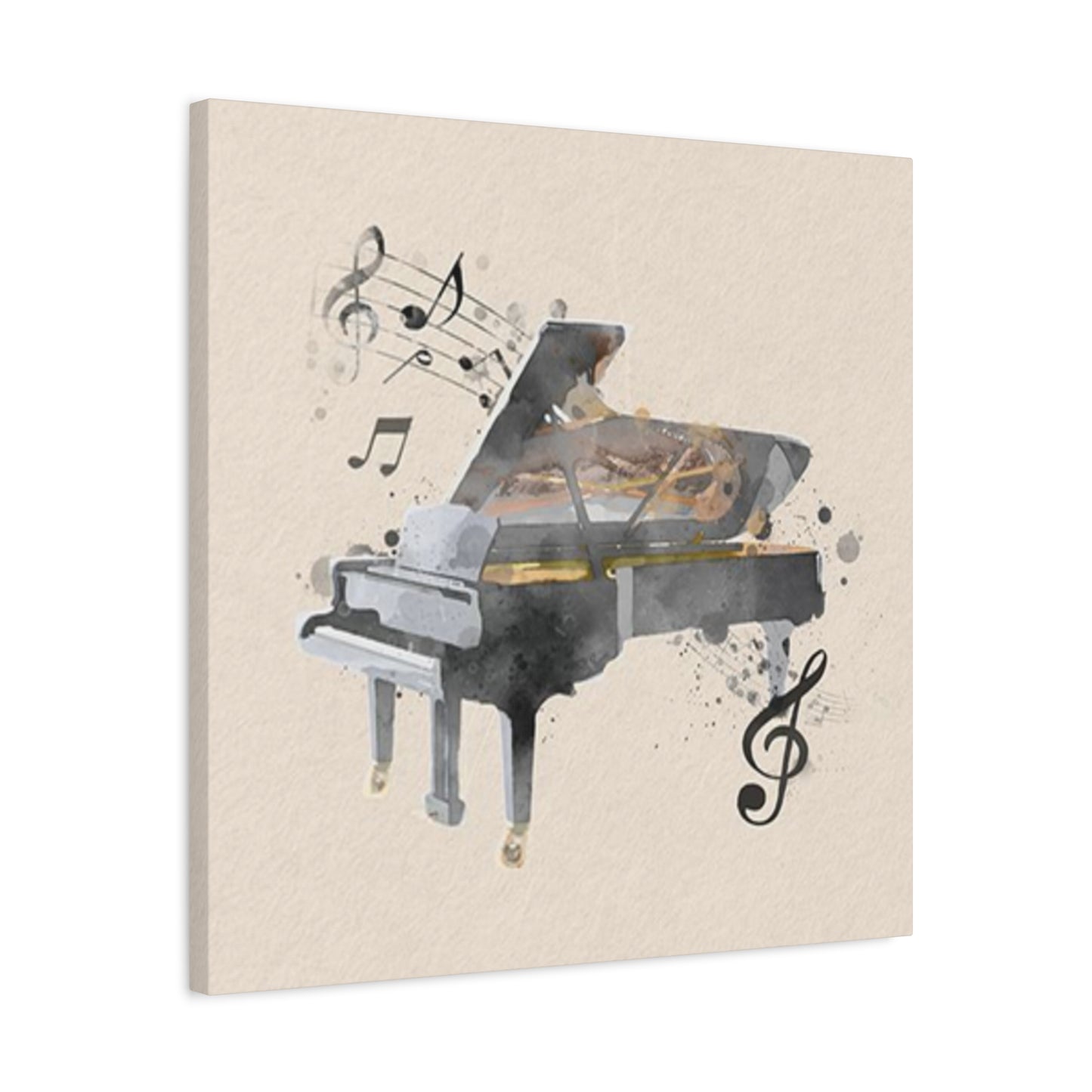
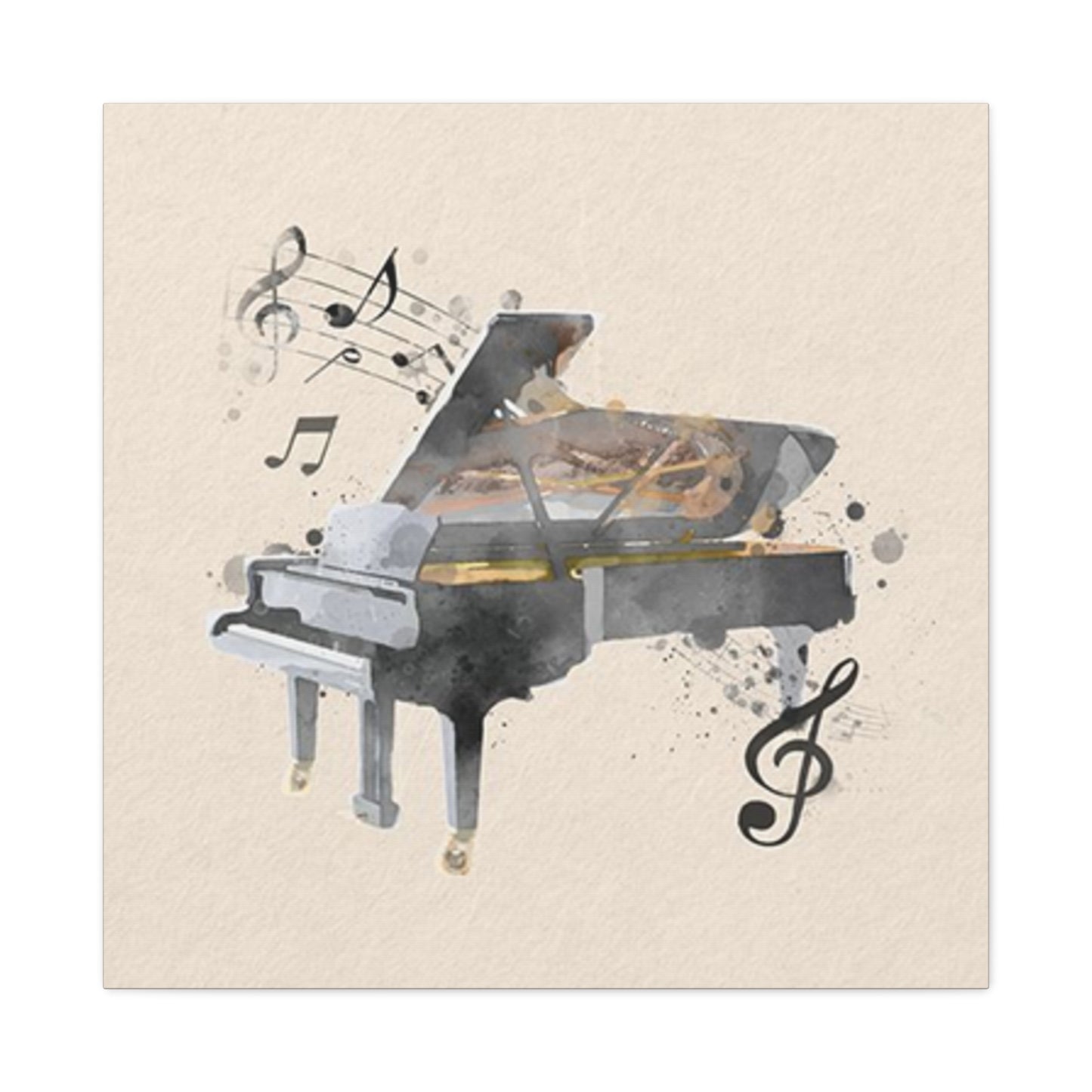
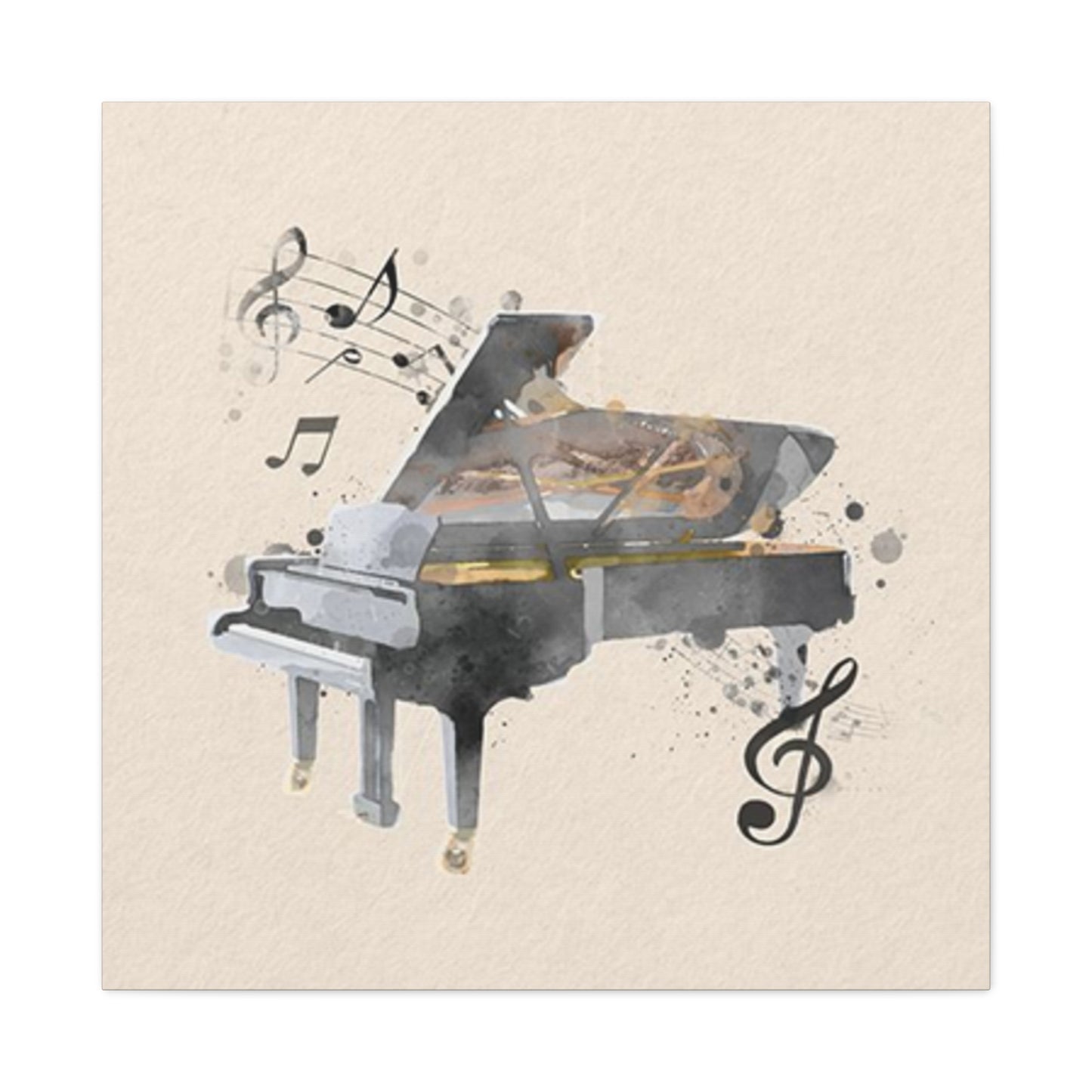
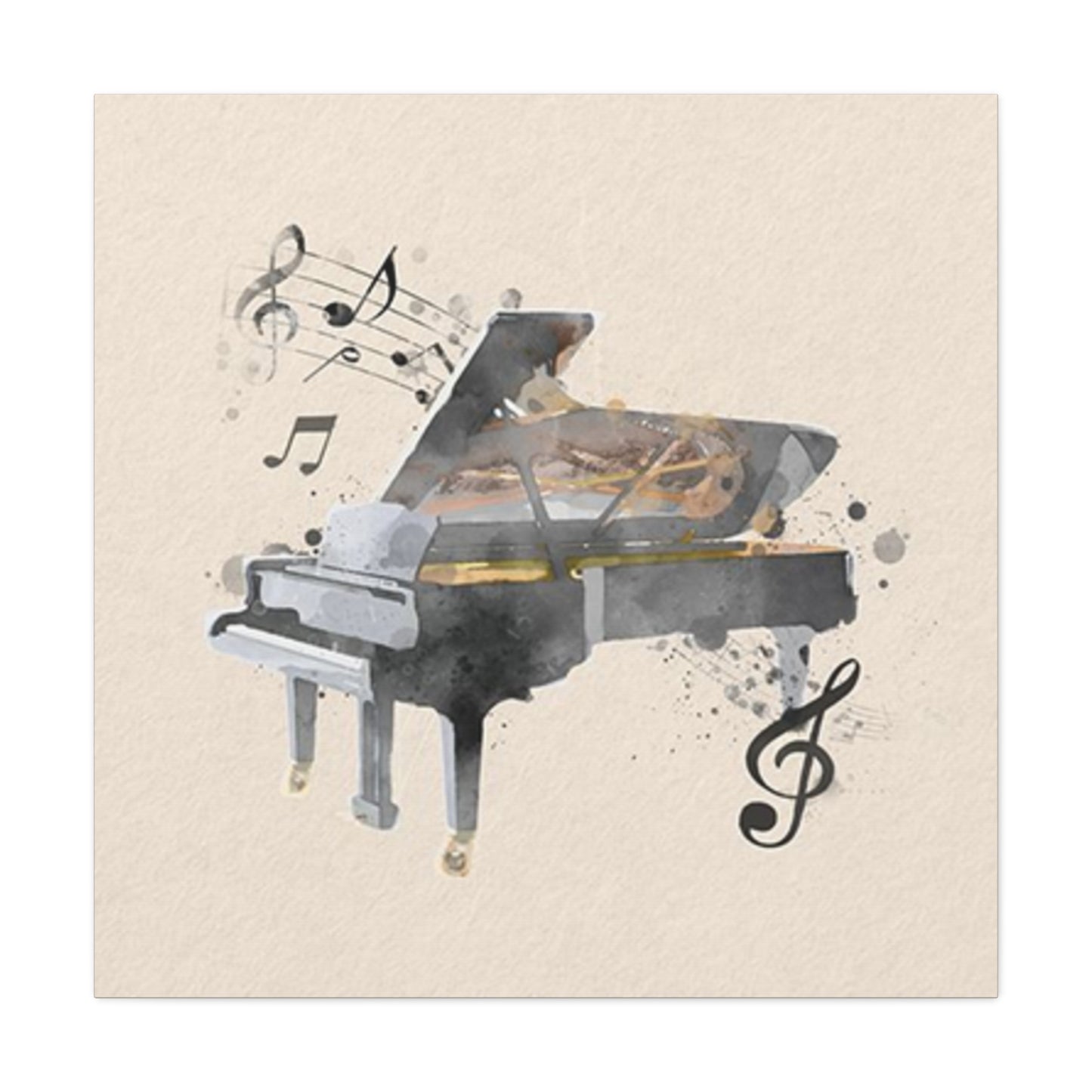
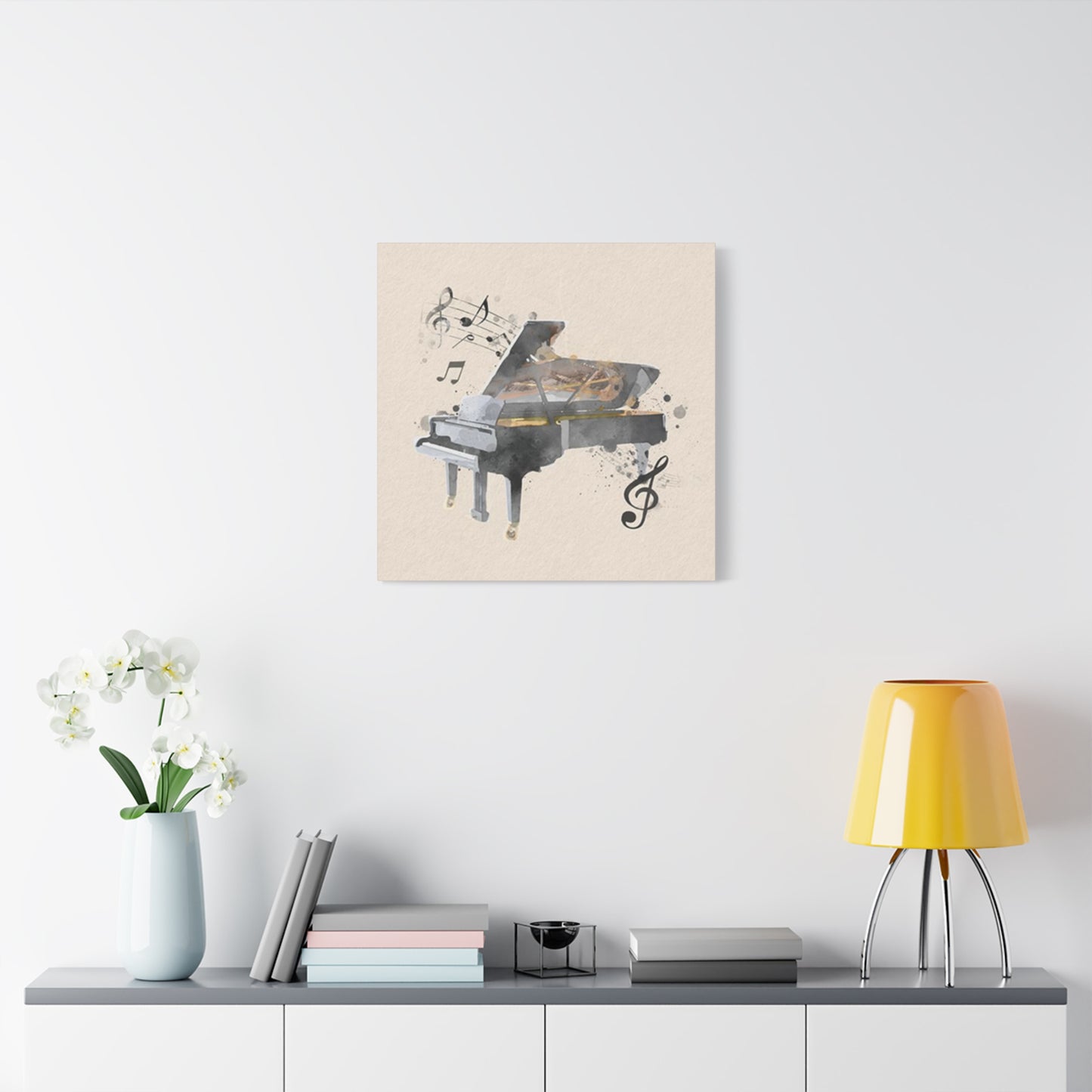
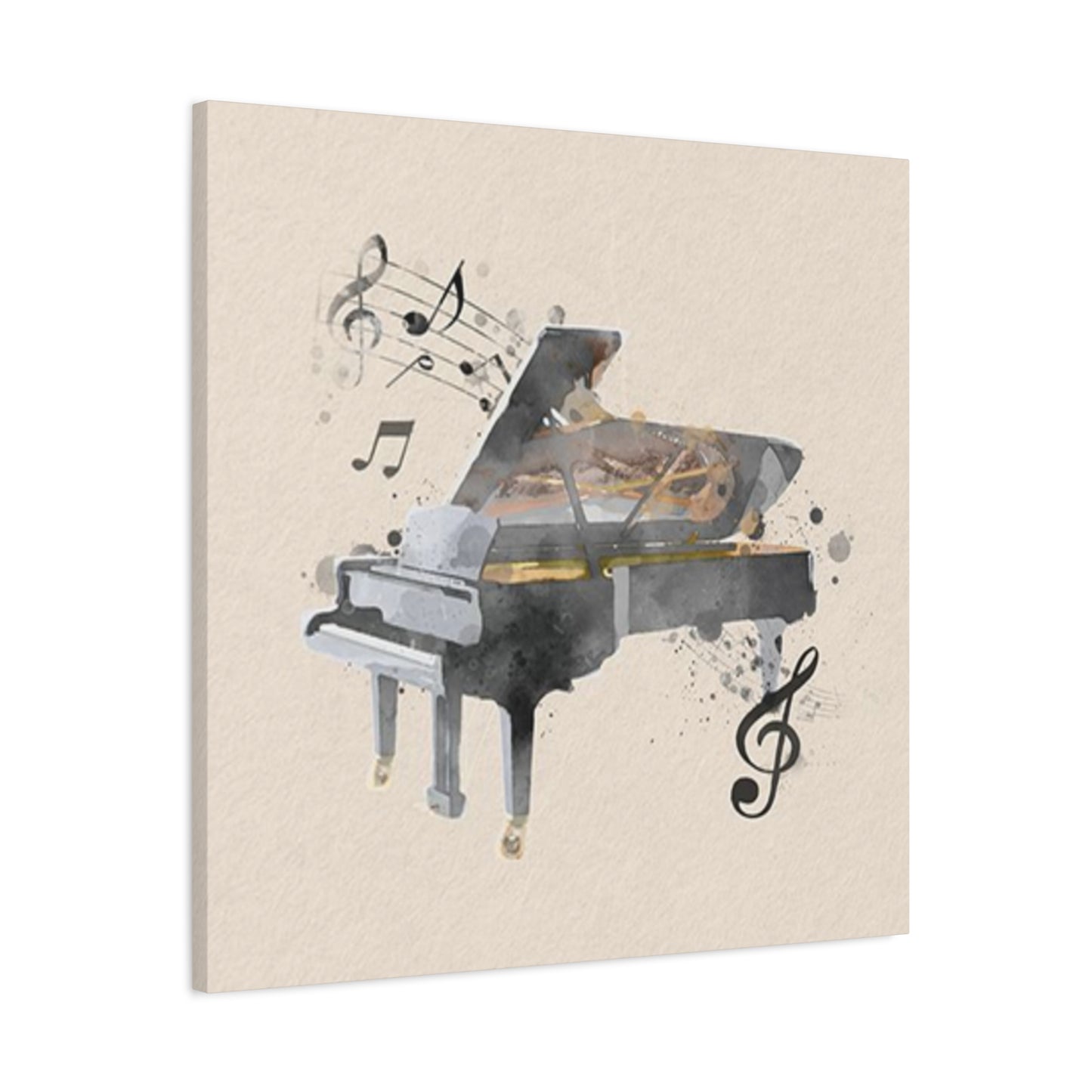
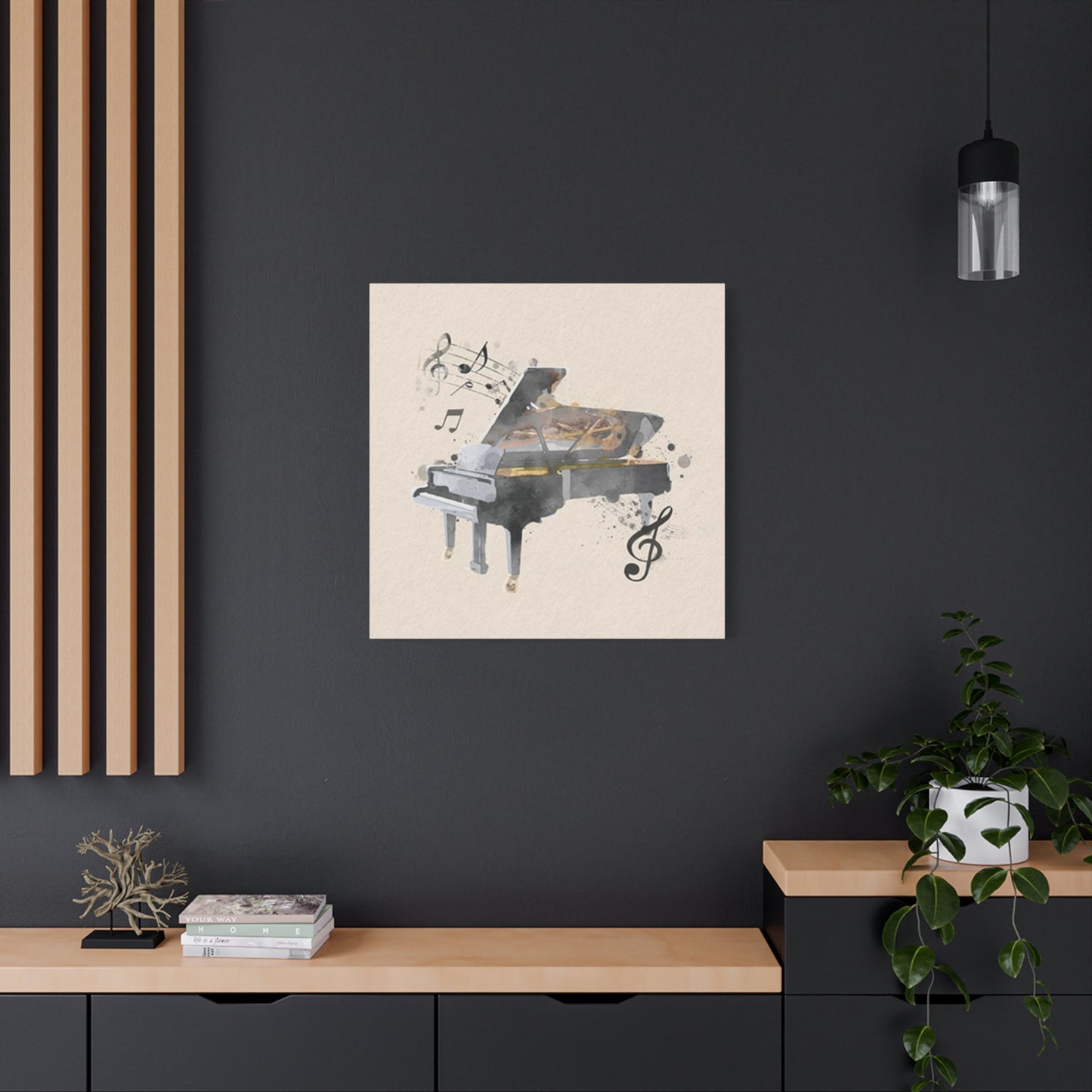
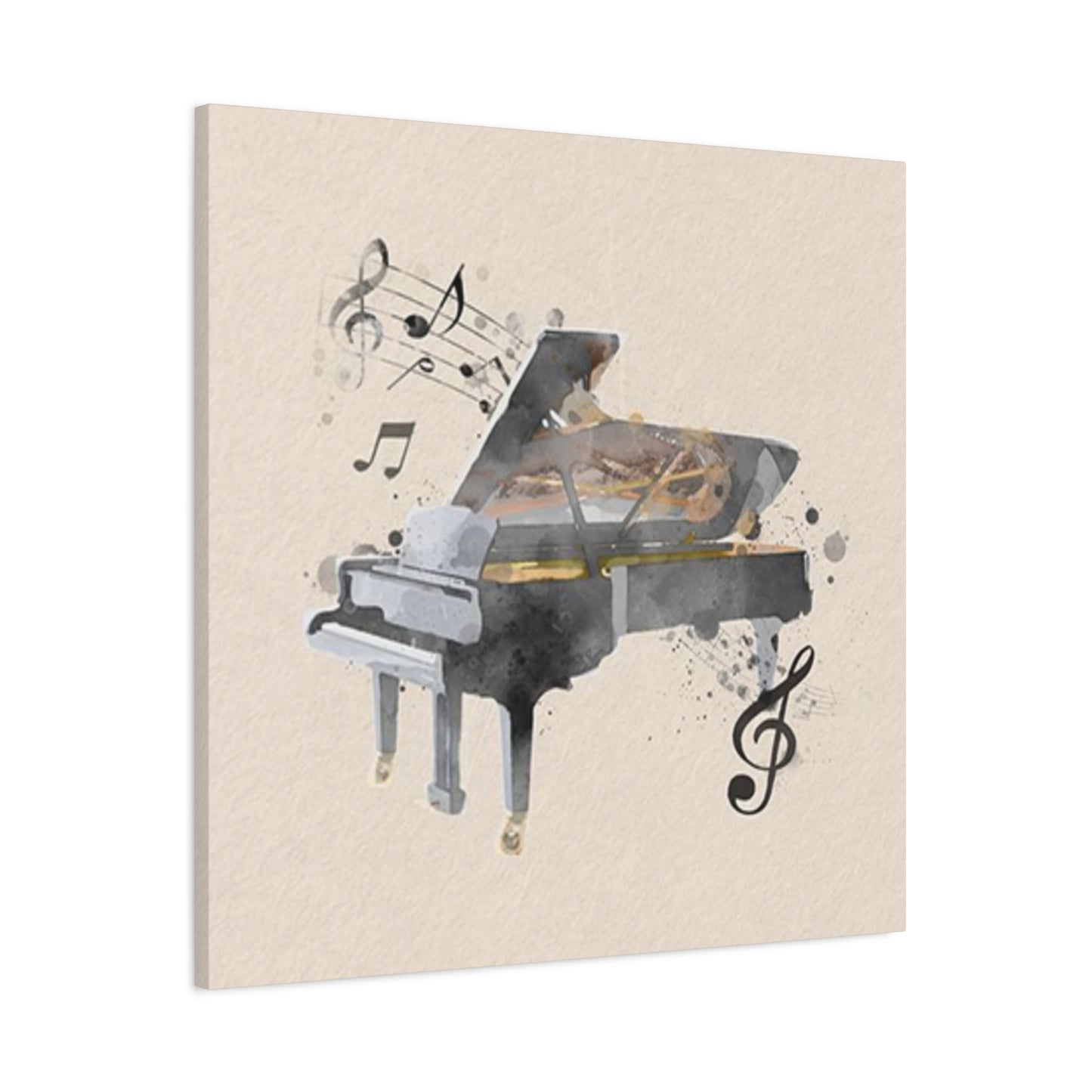
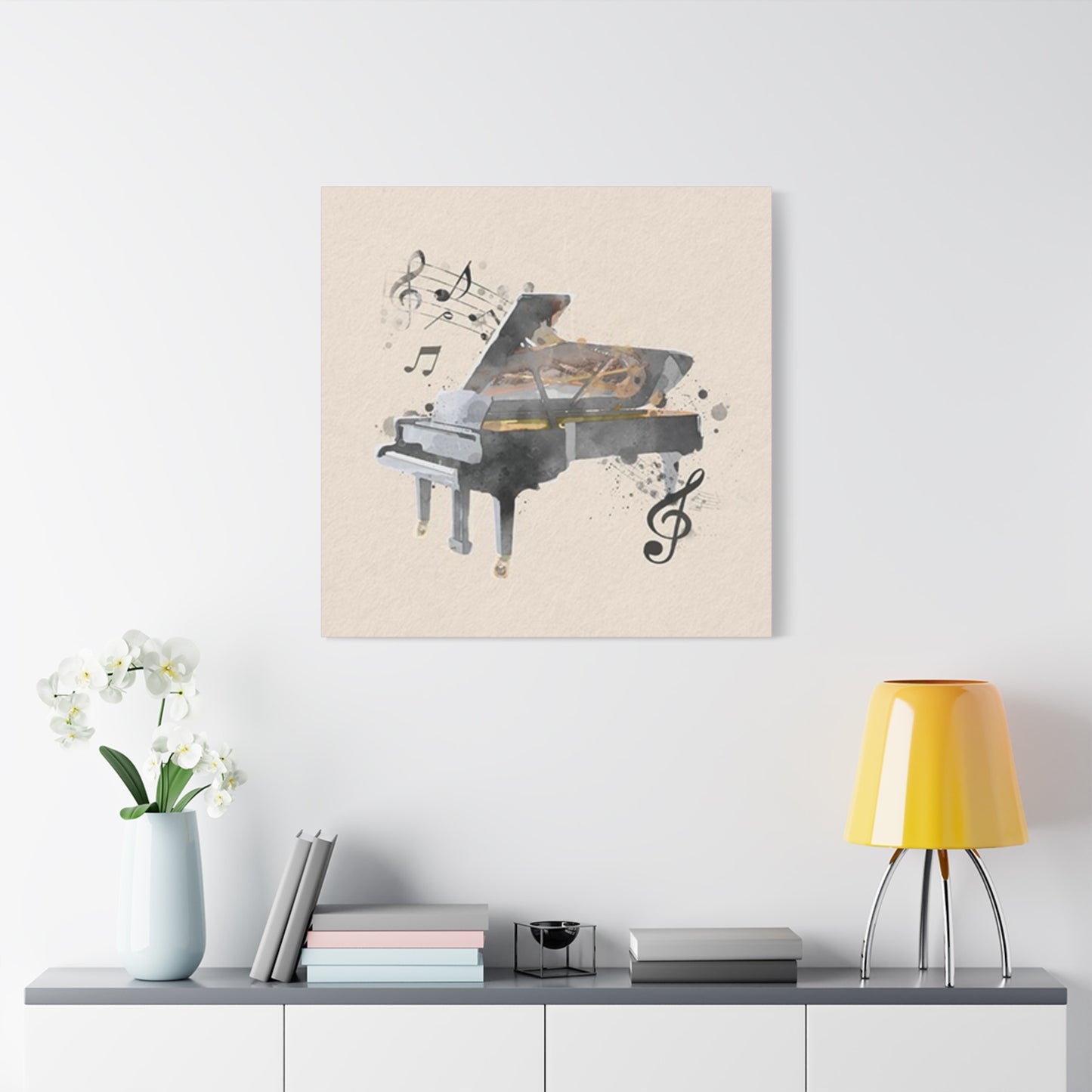
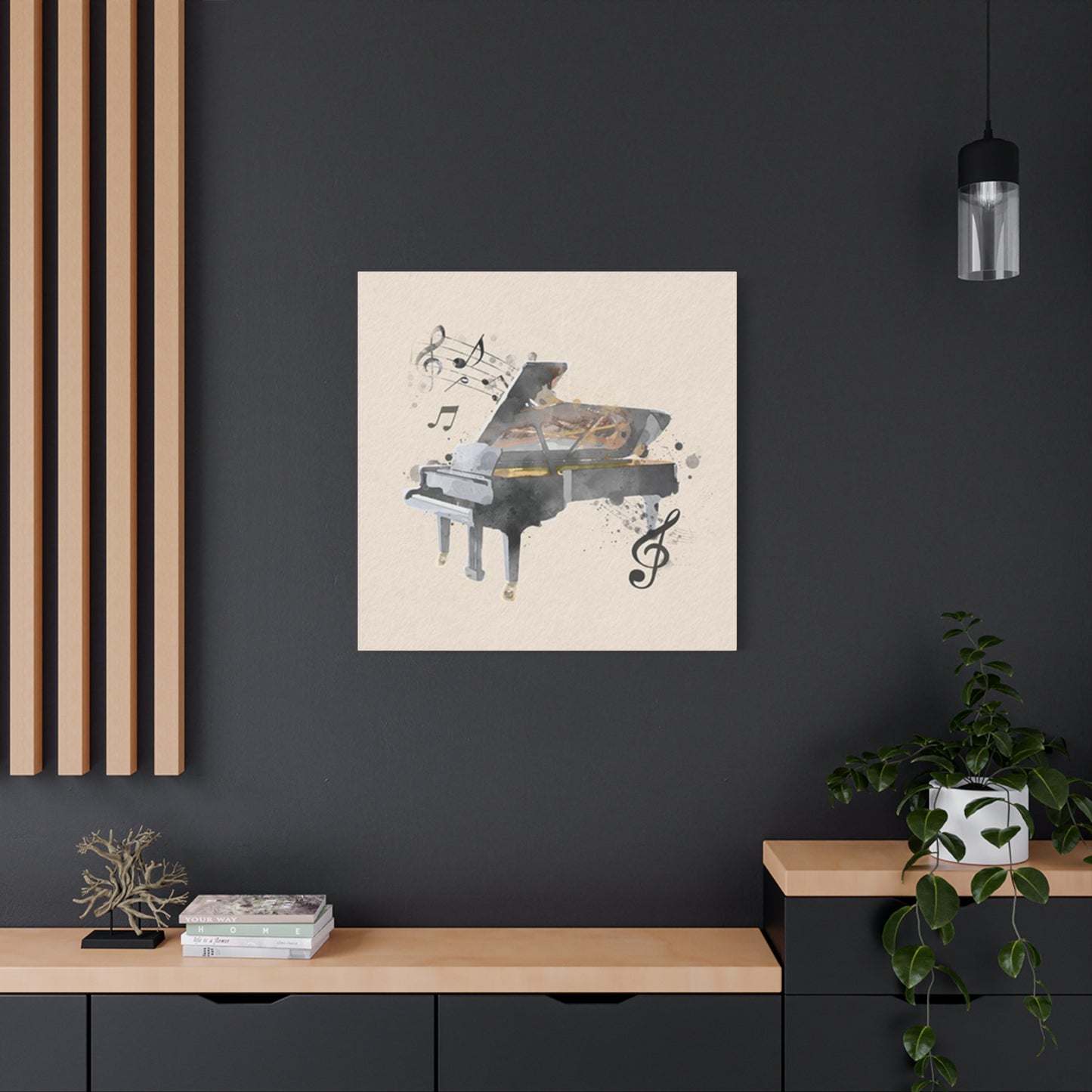
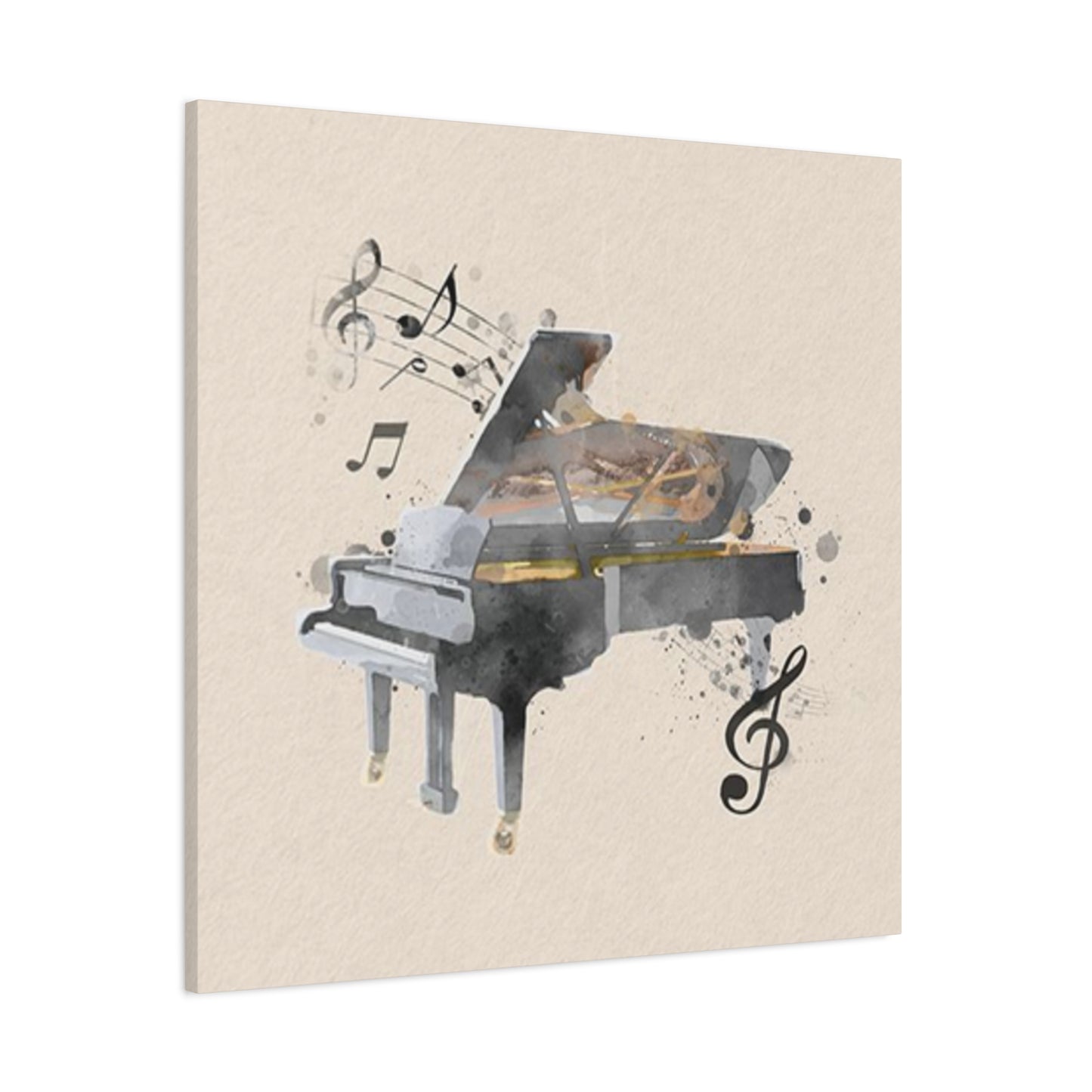
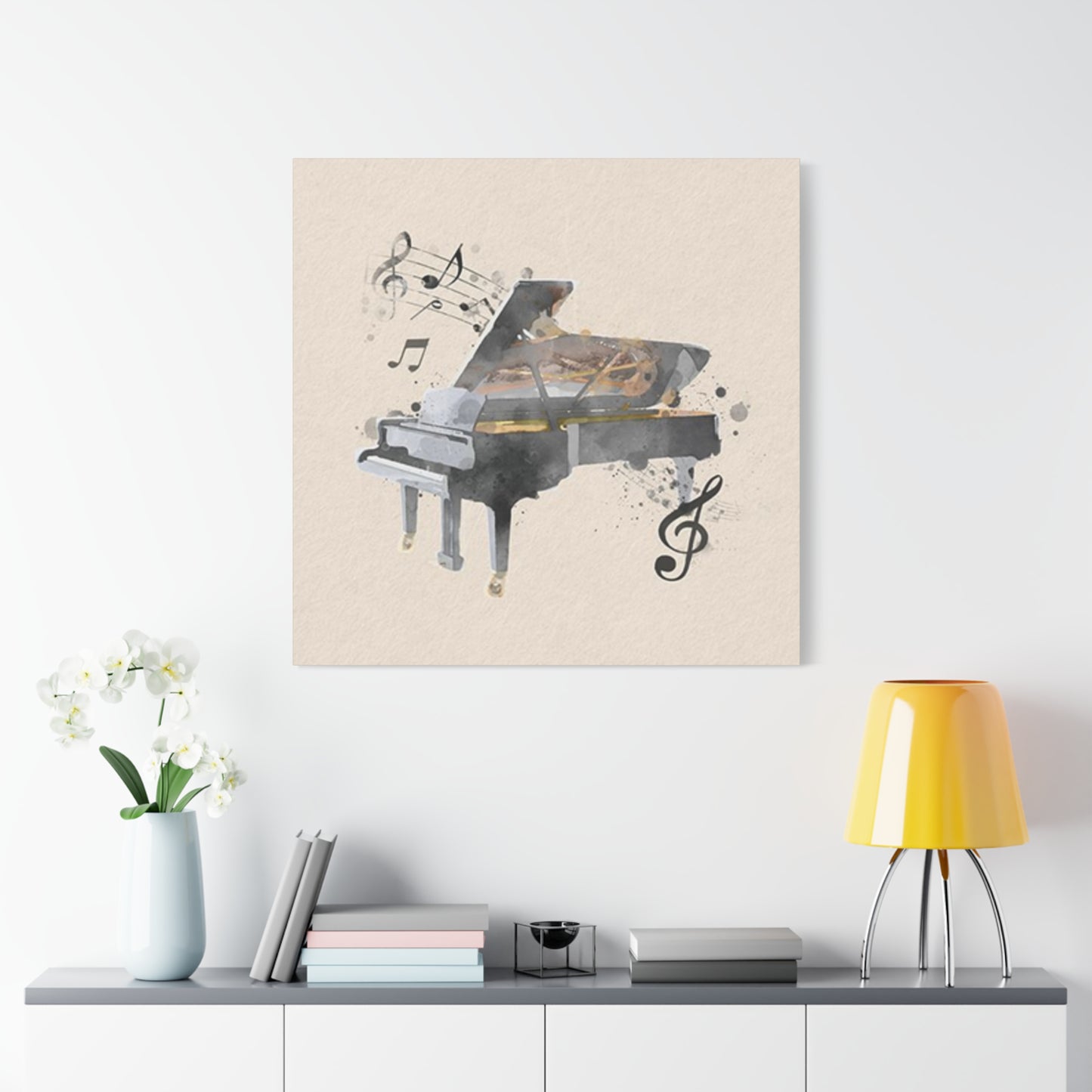
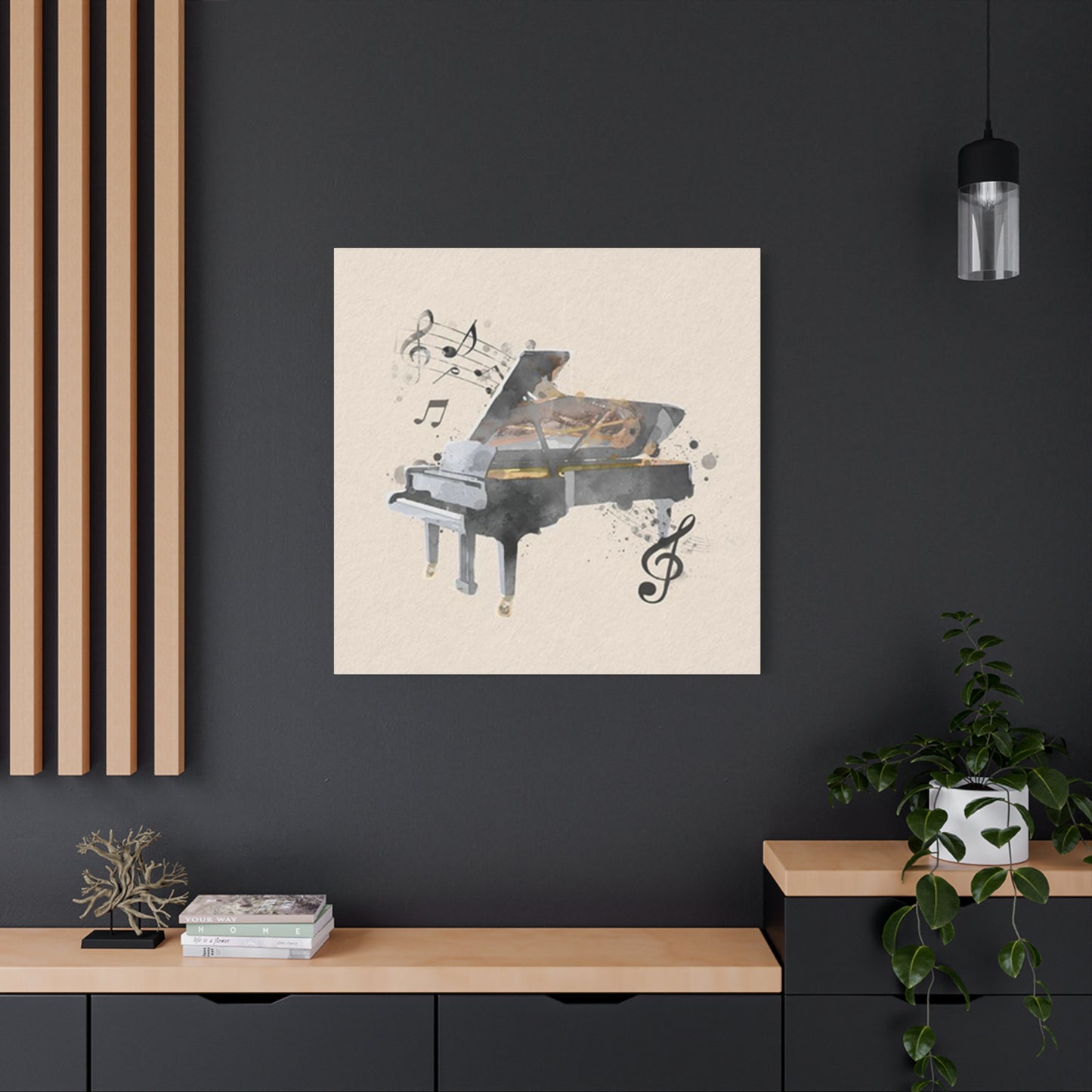
Grey Piano Painting Wall Art & Canvas Prints
Grey Piano Painting Wall Art & Canvas Prints
Couldn't load pickup availability
Bring a Touch of Classic Musical Charm into Your Home with Grey Piano Painting Wall Art for Modern Spaces
The world of interior decoration has witnessed a remarkable transformation with the emergence of sophisticated artistic pieces that blend musical heritage with contemporary aesthetics. Among these captivating elements, grey piano painting wall art stands as a testament to how classical instruments can be reimagined through artistic expression to create stunning visual focal points within residential and commercial environments. This distinctive form of artistic representation captures the essence of musical beauty while maintaining a neutral color palette that complements virtually any design scheme.
The Captivating Allure Behind Musical Instrument Artwork in Contemporary Design
Musical instruments have long served as powerful symbols of creativity, passion, and cultural refinement throughout human civilization. When translated into visual art form, particularly through the medium of grey-toned piano paintings, these representations carry with them layers of meaning that resonate deeply with viewers from diverse backgrounds. The piano itself embodies elegance, sophistication, and timeless beauty—qualities that transfer seamlessly when depicted through carefully crafted artwork designed for wall display.
The selection of grey as the predominant hue in piano painting wall art represents far more than a mere aesthetic choice. This particular color spectrum encompasses an extraordinary range of tones, from the softest dove greys to the deepest charcoal shades, each carrying its own emotional weight and visual impact. Grey possesses a unique characteristic among colors—it serves as the perfect intermediary between light and darkness, creating visual harmony without overwhelming the senses or competing with other decorative elements present within a space.
When homeowners or interior designers seek to establish an atmosphere of refined sophistication within a room, grey piano painting wall art emerges as an exceptional solution. The instrument's inherent association with classical music, artistic expression, and cultural enrichment adds substantive depth to any environment where it is displayed. Unlike more vibrant or bold artistic choices that might dominate a space, grey-toned piano artwork maintains a subtle presence that speaks volumes through its understated elegance rather than through visual aggression.
Exploring Various Artistic Styles Within Piano-Themed Visual Compositions
The realm of piano-themed artwork encompasses an astonishing diversity of artistic approaches, each offering distinct visual characteristics and emotional resonances. Realistic renderings capture every minute detail of the instrument—from the glossy finish of its surface to the intricate mechanics visible beneath an open lid. These meticulously crafted pieces appeal to purists who appreciate accuracy and craftsmanship, providing viewers with artwork that almost appears photographic in its precision and attention to detail.
Abstract interpretations take the recognizable form of the piano and deconstruct it into geometric shapes, flowing lines, or fragmented compositions that challenge conventional perception. These pieces invite contemplation and personal interpretation, allowing each viewer to form their own emotional connection with the artwork based on their individual experiences and perspectives. The grey color palette in abstract piano paintings creates an additional layer of sophistication, as the neutral tones allow the composition's structure and movement to take center stage without the distraction of competing colors.
Impressionistic approaches to piano painting wall art capture the essence and mood of the instrument rather than its precise physical details. Through loose brushstrokes, subtle color variations within the grey spectrum, and emphasis on light and shadow interplay, these pieces evoke feelings and atmospheres that transcend literal representation. An impressionistic grey piano painting might suggest the melancholic beauty of a solitary musician at twilight or the energetic vibrance of a concert hall preparation, all conveyed through suggestive visual elements rather than explicit depiction.
Minimalist piano artwork strips away all non-essential elements, reducing the instrument to its most fundamental visual components. These pieces often feature clean lines, simple geometric forms, and generous use of negative space, allowing the viewer's eye to rest and appreciate the purity of the composition. Grey serves particularly well in minimalist piano paintings, as the color's inherent neutrality aligns perfectly with minimalism's philosophical emphasis on reduction and essentialism.
Contemporary mixed-media approaches combine various materials and techniques to create layered, textural compositions that add dimensional interest to piano-themed artwork. These pieces might incorporate actual sheet music fragments, metallic accents that catch light differently throughout the day, or textured elements that create shadows and depth. When executed in grey tones with occasional metallic highlights, these mixed-media piano paintings offer visual complexity that rewards closer examination while maintaining overall aesthetic cohesion.
Understanding the Profound Psychological Impact of Neutral-Toned Artwork in Living Spaces
Color psychology research has consistently demonstrated that the hues surrounding us in our daily environments exert considerable influence over our emotional states, cognitive processes, and overall sense of wellbeing. Grey occupies a fascinating position within the psychological spectrum of colors, offering unique benefits that more saturated hues cannot provide. As a neutral tone, grey creates a sense of calm, stability, and balance—qualities that prove particularly valuable in modern living spaces where overstimulation has become increasingly common.
The presence of grey piano painting wall art within a home or workspace introduces an element of visual tranquility that helps counterbalance the sensory overload many individuals experience in contemporary life. Unlike bright reds that might increase arousal and tension or stark whites that can feel cold and sterile, grey provides a middle ground that feels both sophisticated and comforting. This balance makes grey-toned piano artwork particularly suitable for spaces intended for relaxation, contemplation, or creative work.
Musical instrument imagery carries its own set of associations that affect viewer psychology. Pianos specifically evoke connections to artistic expression, cultural refinement, and the dedication required to master complex skills. When individuals encounter grey piano painting wall art in their environment, these associations activate subconsciously, potentially inspiring creativity, appreciation for beauty, and aspiration toward personal excellence. The artwork serves not merely as decoration but as a subtle daily reminder of values and qualities worth cultivating.
The combination of musical imagery with grey tones creates a synergistic effect where the calming properties of the color enhance the contemplative qualities associated with musical instruments. This pairing proves particularly effective in spaces where mental clarity and emotional balance are priorities—home offices, meditation rooms, reading nooks, or master bedrooms. The artwork provides visual interest without creating distraction, allowing the mind to settle while still offering something aesthetically meaningful to appreciate.
Neurological studies have revealed that viewing artwork activates reward centers in the brain, releasing dopamine and creating feelings of pleasure and satisfaction. When artwork resonates personally with the viewer—perhaps because they play piano themselves, appreciate classical music, or simply find the composition visually compelling—this neurological response intensifies. Grey piano painting wall art positioned where individuals frequently see it throughout their day can thus contribute to cumulative positive emotional experiences that enhance overall quality of life.
Selecting Ideal Locations for Piano Artwork Within Residential Architecture
The placement of grey piano painting wall art within a home requires thoughtful consideration of various factors including room function, existing design elements, lighting conditions, and traffic patterns. Each space within a residence offers unique opportunities and challenges for artwork display, with certain locations naturally lending themselves to particular types of compositions.
Living rooms represent prime locations for statement pieces of piano artwork, particularly larger canvases that can serve as focal points above sofas, fireplaces, or entertainment centers. In these central gathering spaces, grey piano painting wall art contributes to an atmosphere of cultured sophistication that welcomes guests while reflecting the homeowner's aesthetic sensibilities. The neutral grey tones ensure that the artwork complements rather than clashes with furniture upholstery, throw pillows, and other decorative accents that might change seasonally or according to evolving tastes.
Formal dining rooms benefit enormously from the refined presence of piano-themed artwork, as these spaces are often designed to convey elegance and attention to cultural refinement. A grey piano painting positioned on a prominent wall within a dining room creates an atmosphere conducive to meaningful conversation and appreciation of life's finer pleasures. The musical theme subtly reinforces the idea of dining as a multisensory experience that engages not only taste but also aesthetic appreciation.
Home offices and personal studies represent ideal environments for grey piano painting wall art, particularly for individuals whose work involves creativity, precision, or complex problem-solving. The presence of musical instrument imagery in workspaces can inspire the same dedication and practice required to master piano performance, while the grey color palette maintains a professional atmosphere free from frivolous distraction. Positioned within the viewer's line of sight during breaks from computer screens, piano artwork provides a restful focal point that gives eyes and mind a moment of respite.
Master bedrooms deserve artwork that promotes relaxation and emotional connection, making grey piano paintings particularly suitable for these intimate spaces. The calming properties of grey tones support better sleep quality by creating a visually peaceful environment, while the musical theme can evoke personal memories or aspirations related to artistic expression. Positioned opposite the bed or on a wall visible from the sleeping position, piano artwork becomes the last thing seen before sleep and the first thing encountered upon waking—bookending each day with beauty.
Entryways and foyers set the tone for an entire home, making them strategically important locations for artwork selection. A striking grey piano painting in an entry space immediately communicates the homeowner's appreciation for sophistication and cultural refinement. These transitional spaces typically feature neutral color schemes to avoid overwhelming guests, making grey-toned artwork an ideal choice that enhances rather than complicates the design scheme.
Music rooms, whether dedicated spaces for instrument practice or multi-purpose areas with musical equipment, obviously benefit from piano-themed artwork that reinforces the room's purpose. In these contexts, grey piano painting wall art serves not merely as decoration but as inspirational imagery that connects the physical act of playing music with its artistic representation. The visual presence of the piano in artwork form creates thematic continuity that makes the space feel intentionally designed and cohesive.
Hallways and corridors, often neglected in decoration schemes, provide excellent opportunities for gallery-style artwork displays. A series of smaller grey piano paintings arranged in a curated collection can transform a utilitarian passageway into an engaging visual journey. The repetition of the piano motif with variations in composition, size, or specific grey tones creates rhythm and visual interest in spaces that might otherwise feel forgotten or merely functional.
Coordinating Grey Piano Artwork with Diverse Interior Design Philosophies
The versatility of grey piano painting wall art becomes particularly evident when considering its compatibility with various interior design styles, from traditional to ultramodern. This adaptability stems from both the universal appeal of musical instrument imagery and the neutral nature of grey as a color foundation.
Contemporary design schemes, characterized by clean lines, minimal ornamentation, and emphasis on form and function, find perfect companionship in grey piano artwork. The instrument's geometric structure aligns naturally with contemporary aesthetics, while grey tones maintain the restrained color palette typical of this design philosophy. A large-scale grey piano painting with minimal background elements can serve as a striking focal point in a contemporary space without introducing visual chaos or stylistic inconsistency.
Scandinavian-inspired interiors, known for their emphasis on simplicity, natural materials, and neutral color palettes, embrace grey piano painting wall art as though it were specifically designed for this aesthetic. The Scandinavian philosophy of creating warm, inviting spaces through minimal means finds expression in artwork that conveys sophistication through restraint. A grey piano painting with soft, organic brushstrokes complements the hygge atmosphere that Scandinavian design aims to achieve, adding cultural depth without compromising the style's essential simplicity.
Industrial design schemes, featuring exposed brick, metal accents, and raw materials, gain unexpected refinement through the inclusion of grey piano artwork. The contrast between rough industrial surfaces and the cultured sophistication of piano imagery creates dynamic visual tension that adds depth to these spaces. Charcoal or slate grey tones in piano paintings particularly complement the darker color palettes common in industrial interiors, while metallic accents within the artwork can echo exposed pipes, steel beams, or metal light fixtures.
Traditional and transitional design styles, which incorporate classic elements with varying degrees of contemporary influence, naturally accommodate grey piano painting wall art. The piano's status as a traditional instrument of cultural significance aligns with the values inherent in these design approaches, while grey tones provide sufficient neutrality to avoid appearing dated or overly formal. Ornately framed grey piano paintings work particularly well in traditional settings, where the frame becomes an additional design element that bridges the artwork with surrounding furniture and architectural details.
Coastal and beach-inspired interiors might seem unlikely candidates for piano artwork, yet grey tones create surprising harmony with the whites, blues, and sandy neutrals typical of coastal design. Light grey piano paintings with airy, ethereal qualities can evoke the misty atmosphere of seaside mornings, while the piano itself introduces an element of cultured sophistication that elevates beach house style beyond casual vacation aesthetics. The juxtaposition of musical refinement with relaxed coastal living creates an intriguing design narrative.
Eclectic interiors, which intentionally combine elements from multiple design periods and styles, thrive on the kind of visual interest that grey piano painting wall art provides. In eclectic spaces, piano artwork serves as a unifying element that grounds more adventurous design choices through its neutral color palette and universally recognizable subject matter. The artwork's sophistication lends credibility to bold design risks taken elsewhere in the room, creating a balanced environment where creativity is tempered by refinement.
Minimalist interiors demand careful consideration of every element introduced into the space, as each item must justify its presence through beauty, function, or meaning. Grey piano painting wall art meets all three criteria—it provides aesthetic pleasure, serves the function of creating visual interest on otherwise bare walls, and carries meaning through its cultural and artistic associations. In minimalist settings, a single well-chosen piano painting often suffices where multiple pieces might be required in more maximalist approaches.
Examining Size Considerations and Proportional Balance in Artwork Selection
The physical dimensions of grey piano painting wall art dramatically affect both its visual impact and its appropriateness for specific spaces. Understanding the relationship between artwork size, wall dimensions, and surrounding furniture proves essential for creating harmonious, well-proportioned interiors.
Large-scale piano paintings, typically measuring sixty inches or more in width, command attention and establish themselves as undeniable focal points within a room. These substantial pieces work best in spaces with ample wall area and appropriate viewing distance—typically at least eight to ten feet. Living rooms with high ceilings, spacious master bedrooms, or formal dining rooms provide ideal environments for oversized grey piano artwork. The dramatic presence of large-scale pieces creates immediate visual impact, making them particularly suitable for statement walls or areas intended to impress guests.
Medium-sized piano paintings, ranging from thirty to sixty inches in width, offer versatility that makes them suitable for numerous contexts. These dimensions work well above furniture pieces like sofas, consoles, or headboards, where the artwork complements the furniture without overwhelming it. Medium-sized grey piano painting wall art can also be grouped in arrangements of two or three pieces, creating gallery walls that tell a more complex visual story than any single piece could convey alone.
Smaller piano paintings, under thirty inches in width, serve important roles despite their modest dimensions. These pieces excel in intimate spaces like powder rooms, small home offices, or narrow hallways where larger artwork would feel cramped or disproportionate. Collections of small piano paintings arranged in thoughtful groupings can create visual impact equivalent to a single large piece while offering greater flexibility for personalization and narrative development through varied compositions.
Proportional guidelines from design theory suggest that artwork should occupy roughly two-thirds to three-quarters the width of the furniture piece beneath it, creating visual balance that feels neither cramped nor disconnected. When hanging grey piano painting wall art above a sofa, for instance, selecting a piece or grouped arrangement that measures approximately sixty to seventy-five percent of the sofa's width creates pleasing proportions. These guidelines serve as starting points rather than rigid rules, with individual circumstances potentially warranting adjustments.
Vertical versus horizontal orientation represents another dimensional consideration when selecting piano artwork. Horizontal compositions tend to create feelings of stability and repose, making them ideal for spaces intended for relaxation. Vertical pieces draw the eye upward, creating impressions of height and grandeur that can make rooms feel more spacious. The piano's natural horizontal orientation means most piano paintings follow suit, but creative artistic interpretations sometimes present the instrument from unusual angles that yield vertical compositions.
The relationship between artwork size and room dimensions extends beyond simple proportional calculations to encompass considerations of visual weight and emotional impact. A room with numerous windows, multiple doorways, or substantial furniture collections can accommodate larger artwork than similar-sized rooms with simpler layouts, as the additional visual elements balance the artwork's presence. Conversely, rooms with minimal furnishing might feel overwhelmed by oversized pieces, even when walls technically provide sufficient space.
Exploring Material Substrates and Their Impact on Artistic Presentation
The surface upon which grey piano painting wall art is created or printed significantly affects both its visual characteristics and its longevity. Different materials offer distinct advantages in terms of texture, durability, color reproduction, and suitability for various artistic techniques.
Traditional canvas remains the most popular substrate for piano paintings, offering textured surfaces that add dimensional interest and authenticity to artistic compositions. Stretched canvas wrapped around wooden frames creates depth that distinguishes fine art from flat prints, with the slight give of the fabric contributing to a tactile quality appreciated by collectors. Grey tones rendered on canvas often display subtle variations that enhance the sense of depth, as the fabric's texture interacts with paint or printing processes to create micro-variations in color saturation and light reflection.
Gallery-wrapped canvas, where the image continues around the sides of the stretcher frame, eliminates the need for traditional framing while creating a contemporary, polished appearance. This presentation style works particularly well with grey piano painting wall art in modern or minimalist interiors where ornate frames would feel incongruous. The clean edges of gallery-wrapped canvas allow the artwork itself to take center stage without competition from decorative borders.
Metal prints represent an increasingly popular alternative to traditional substrates, offering remarkable color vibrancy, durability, and a distinctive modern aesthetic. The process of infusing dyes directly into specially coated aluminum creates images with exceptional depth and luminosity. Grey piano paintings produced as metal prints gain an almost three-dimensional quality as light reflects off the metallic surface differently from various viewing angles. The sleek, frameless presentation of metal prints complements contemporary and industrial design schemes particularly well.
Acrylic face-mounting protects artwork behind clear acrylic panels that create depth and brilliant color saturation while providing superior protection against environmental damage. This presentation method imparts a gallery-quality appearance that commands attention and conveys seriousness about art collection. Grey piano painting wall art mounted to acrylic exhibits remarkable clarity and depth, with the transparent layer creating an almost holographic quality that traditional printing cannot achieve.
Wood panels offer rustic charm and organic warmth that appeals to those seeking artwork with natural character. Piano paintings on wood substrates gain textural interest from the grain patterns visible through paint or printing, creating unique pieces where the material itself contributes to the artistic composition. Distressed or reclaimed wood adds additional character, making each piece genuinely one-of-kind. Grey tones on wood create particularly harmonious combinations, as both possess earthy, organic qualities.
Fine art paper, particularly archival-grade varieties designed to resist fading and deterioration, provides excellent surfaces for piano paintings intended as collectible pieces. The smooth or textured surfaces of different paper types affect how grey tones render, with hot-press papers creating even, consistent colors while cold-press varieties introduce subtle variations that add character. Paper-based artwork typically requires framing with glass or acrylic glazing for protection, which adds to both cost and visual presentation.
Photographic papers specifically designed for fine art reproduction offer exceptional detail resolution and color accuracy, making them ideal for piano paintings with intricate details or subtle grey gradations. The various surface finishes available—matte, semi-gloss, or glossy—affect how the artwork interacts with ambient light, with matte finishes minimizing reflections for easier viewing and glossy surfaces maximizing color vibrancy and depth.
Investigating Framing Options That Enhance Musical Artwork
The frame surrounding grey piano painting wall art functions as more than protective boundary—it serves as transitional element between artwork and environment, significantly affecting the piece's overall aesthetic impact and compatibility with surrounding décor.
Traditional wooden frames with ornate detailing suit piano paintings destined for classic or transitional interiors where formality and cultural refinement are priorities. Rich wood tones like cherry, walnut, or mahogany complement grey piano artwork beautifully, creating warmth that prevents the neutral grey palette from feeling cold or sterile. The craftsmanship evident in carved or gilded wooden frames echoes the artisanship inherent in both piano construction and artistic creation, establishing thematic continuity.
Sleek black frames create bold contrast that emphasizes artwork boundaries while maintaining sophisticated simplicity. Black framing particularly enhances grey piano paintings by creating clear visual separation between the artwork and surrounding walls, making the composition appear more vivid and defined. The timeless elegance of black frames ensures they never appear dated, making them safe choices for those uncertain about specific design trends.
White or off-white frames produce soft, elegant presentations that allow grey piano painting wall art to integrate seamlessly into light-colored interiors. These frames create minimal visual disruption, directing attention entirely to the artwork rather than its boundaries. White framing works particularly well in Scandinavian, coastal, or shabby-chic design schemes where the goal is creating airy, open, peaceful environments.
Natural wood frames in lighter tones like oak, ash, or maple bring organic warmth without the formality of darker wood species. These frames complement grey piano artwork while introducing natural elements that soften the overall presentation. The visible grain patterns in natural wood frames add textural interest that creates visual dialogue with the painted surface of the artwork.
Metal frames constructed from materials like brushed aluminum, stainless steel, or brass offer industrial elegance that suits contemporary, modern, or transitional spaces. The cool tones of metal framing harmonize naturally with grey piano paintings, creating cohesive presentations where frame and artwork feel designed together rather than merely paired. Metal frames also provide practical advantages in terms of durability and resistance to warping or damage from humidity fluctuations.
Floating frames create the impression that artwork hovers within the frame rather than pressed against it, introducing dimensional depth that adds visual interest. This presentation style works exceptionally well with canvas piano paintings, as the space between artwork edge and frame reveals the depth of the stretched canvas. Grey piano painting wall art in floating frames gains sculptural quality that traditional flush-framing cannot achieve.
Frameless presentations eliminate boundaries entirely, allowing artwork to blend directly into surrounding environments. This approach works best with gallery-wrapped canvas or mounted prints where edges are finished sufficiently to appear intentional and polished. Frameless grey piano paintings create contemporary, minimalist presentations that emphasize the artwork itself without any distracting decorative elements.
Matting and border treatments within frames provide additional design opportunities that affect the artwork's visual impact. Wide white or cream mats create breathing room around piano paintings, preventing the composition from feeling cramped within its frame. Grey mats in tones slightly different from those in the artwork create subtle sophistication and tonal continuity. Multiple mats in complementary colors add depth and complexity to the presentation, though this approach risks appearing dated if not executed with restraint.
Addressing Lighting Strategies That Maximize Artistic Impact
Proper illumination proves essential for grey piano painting wall art to achieve its full visual potential, with lighting considerations affecting color perception, texture visibility, and overall ambiance. The interplay between natural and artificial light sources throughout the day creates dynamic viewing experiences that transform static artwork into living elements of interior design.
Natural daylight represents the truest, most color-accurate illumination available, revealing subtle grey tone variations and textural details that artificial lighting might obscure. Positioning piano artwork near windows allows sunlight to naturally highlight the piece during daytime hours, creating an ever-changing display as sun angles shift throughout the day. However, direct sunlight poses conservation risks, potentially causing fading or degradation over extended periods. UV-filtering window treatments or glazing provides protection while maintaining the benefits of natural illumination.
Picture lights mounted directly above or below artwork create focused illumination that draws attention while minimizing glare. These dedicated lighting fixtures come in various styles from traditional brass to contemporary LED strips, allowing coordination with both artwork style and room design. For grey piano painting wall art, warm-toned picture lights (2700-3000K color temperature) create inviting, gallery-quality presentations, while cooler tones (4000-5000K) emphasize the artwork's contemporary aspects and create crisper visual definition.
Track lighting systems offer flexibility for illuminating multiple artworks or adjusting light direction as needed. Adjustable track heads can be positioned to highlight piano paintings from optimal angles that minimize glare while maximizing visibility of surface textures and color nuances. Dimming capabilities allow customization of lighting intensity based on time of day, room activity, or desired ambiance.
Recessed ceiling lights or can lights positioned to wash walls with even illumination create subtle, sophisticated presentations without obvious light sources. This approach works particularly well in modern or minimalist spaces where visible lighting fixtures would introduce unwanted visual clutter. When illuminating grey piano painting wall art with recessed lighting, positioning fixtures approximately thirty inches from the wall and aiming beams at thirty-degree angles creates optimal coverage with minimal glare.
Ambient room lighting from chandeliers, pendant fixtures, or table lamps contributes to overall artwork visibility while creating layered illumination schemes that add depth and dimension to spaces. While ambient lighting alone typically proves insufficient for optimal artwork viewing, it plays crucial supporting roles in creating welcoming atmospheres where art can be appreciated as part of a larger environmental experience.
Accent lighting through strategically placed floor lamps or sconces adds dramatic emphasis to piano artwork while contributing to overall room design. Uplighting positioned below artwork creates theatrical effects with dramatic shadows, while sconces flanking artwork provide balanced illumination from multiple angles. These approaches work particularly well for large-scale grey piano paintings intended as statement pieces.
Smart lighting systems with programmable controls and color-temperature adjustments allow customization of artwork illumination throughout the day, mimicking natural light cycles or creating specific moods for different occasions. These systems can automatically adjust as daylight fades, maintaining consistent artwork visibility from morning through evening. The ability to control lighting through voice commands or smartphone applications adds convenience that encourages frequent engagement with displayed artwork.
LED technology has revolutionized artwork illumination through its energy efficiency, longevity, and minimal heat production that prevents damage to delicate materials. Modern LED fixtures designed specifically for art lighting offer color-rendering indices (CRI) above ninety, ensuring accurate color perception that reveals grey tones in piano paintings as the artist intended. The compact size of LED components enables discreet fixture designs that maintain focus on artwork rather than light sources.
Preserving Piano Artwork Quality Through Environmental Controls
Grey piano painting wall art, regardless of whether created through traditional painting methods or contemporary printing processes, requires thoughtful environmental conditions to maintain its aesthetic integrity and value over decades of display. Understanding the factors that contribute to artwork degradation empowers collectors to implement protective measures that ensure longevity.
Temperature stability proves crucial for artwork preservation, as fluctuations cause expansion and contraction of substrates and materials that can lead to cracking, warping, or delamination. Maintaining consistent temperatures between sixty-five and seventy-five degrees Fahrenheit creates ideal conditions for most piano paintings. Spaces with reliable climate control systems naturally provide these stable conditions, while rooms subject to temperature extremes—particularly garages, attics, or poorly insulated spaces—pose significant risks to artwork integrity.
Humidity levels affect artwork materials profoundly, with excessive moisture promoting mold growth, paper deterioration, and canvas sagging, while overly dry conditions cause brittleness and cracking. Maintaining relative humidity between forty and sixty percent creates a balanced environment suitable for preserving grey piano painting wall art. Hygrometers provide inexpensive monitoring of humidity levels, alerting owners when conditions drift outside optimal ranges. Dehumidifiers or humidifiers allow active management in climates where natural humidity levels prove problematic.
Ultraviolet radiation from sunlight or certain artificial light sources causes the most common and severe form of artwork degradation—fading and discoloration that gradually diminishes color vibrancy and contrast. Grey tones in piano paintings may shift toward yellow or brown hues as UV exposure accumulates over years. UV-filtering glazing on framed works provides substantial protection, blocking up to ninety-nine percent of harmful radiation while maintaining visual clarity. UV-filtering window films offer room-wide protection that benefits all artwork and furnishings.
Air quality considerations extend beyond obvious pollutants to include household chemicals, cooking fumes, and even naturally occurring ozone that can react with artwork materials to cause yellowing or deterioration. Displaying grey piano painting wall art away from kitchens, fireplaces, or areas where harsh cleaning chemicals are used minimizes exposure to airborne contaminants. HEPA air filtration systems improve overall air quality, benefiting both artwork preservation and human health.
Particulate matter including dust, pollen, and other airborne particles settles on artwork surfaces over time, creating layers that dull colors and trap moisture against materials. Regular gentle dusting using microfiber cloths or specialized artwork dusters removes accumulation before it becomes problematic. Framed pieces with glass or acrylic glazing require only occasional cleaning of the glazing surface, while unglazed paintings demand more careful attention to avoid damaging painted surfaces.
Physical protection from accidental damage proves as important as environmental controls, particularly in households with children, pets, or high-traffic areas. Positioning grey piano painting wall art away from doorways where corner collisions might occur, above furniture that provides physical barriers, or in spaces where foot traffic naturally flows away from walls reduces accident risks. Secure mounting with appropriate hardware prevents artwork from falling should walls receive impacts or experience vibrations.
Professional conservation assessment provides valuable guidance for particularly valuable or sentimental piano paintings, with experts offering specific recommendations based on the artwork's materials, current condition, and display environment. Conservation specialists can identify existing damage, implement restoration procedures, and suggest preventive measures tailored to individual pieces. While professional conservation services involve expense, the investment protects artwork value and ensures pieces remain displayable for generations.
Creating Cohesive Visual Narratives Through Curated Art Collections
Individual pieces of grey piano painting wall art certainly make compelling statements, but carefully curated collections of related works create richer visual narratives that engage viewers more deeply and offer greater decorative flexibility. The process of building meaningful art collections involves consideration of thematic consistency, visual variety, and spatial arrangement.
Series collections featuring multiple piano paintings by the same artist or in consistent styles create strong thematic unity while allowing exploration of variations within established parameters. A series might present the same piano from different angles, in different lighting conditions, or with varying artistic techniques applied. These collections tell cohesive stories that reveal more complexity than any single piece could convey, rewarding sustained viewing with layers of subtle differences and connections.
Contrasting collections intentionally pair dissimilar piano paintings to create dynamic visual tension that engages viewers through comparison and contrast. A realistic, detailed grey piano painting might be displayed alongside an abstract, gestural interpretation, with the juxtaposition highlighting the unique characteristics of each approach. These collections celebrate diversity within a unified theme, demonstrating how a single subject can inspire radically different artistic responses.
Tonal collections focus specifically on variations within the grey color spectrum, presenting piano paintings that range from palest silver through medium charcoals to deepest slate tones. This approach creates subtle, sophisticated displays that reveal the extraordinary complexity within what might initially appear to be a limited palette. Tonal collections work particularly well in minimalist or monochromatic interior designs where color restraint is philosophically important.
Size-varied collections combine piano paintings of different dimensions arranged in thoughtful compositions that create visual rhythm and hierarchy. A large central piece flanked by smaller complementary works creates balanced, formal arrangements suitable for traditional spaces, while asymmetrical groupings with varying sizes introduce contemporary energy. These arrangements allow flexibility for future expansion or reconfiguration as tastes evolve or new spaces are decorated.
Chronological collections trace artistic evolution over time, whether following a single artist's developing style or documenting changing artistic movements and trends in piano representation. These collections appeal particularly to those who value art from historical or scholarly perspectives, creating displays that educate while decorating. The visual progression from earlier to later works tells stories of growth, experimentation, and refinement.
Mixed-media collections combine different artistic approaches—traditional paintings, photographs, digital art, and mixed-media works—all unified by the common piano theme. This diversity creates visual richness that prevents monotony while maintaining thematic coherence. Grey piano painting wall art serves as an anchor that grounds more experimental pieces, creating collections that feel adventurous yet intentional rather than randomly assembled.
Gallery wall arrangements allow multiple piano paintings of various sizes to be displayed as unified compositions despite their individual differences. These arrangements require careful planning regarding spacing, alignment, and visual weight distribution. Professional gallery spacing typically leaves two to three inches between frames, creating cohesion while allowing each piece to maintain its identity. Templates cut from paper and temporarily taped to walls allow experimentation with arrangements before committing to nail holes.
Salon-style hanging, characterized by dense, floor-to-ceiling arrangements of artwork in varied sizes and frames, creates maximalist displays with historical precedent dating to European art salons. This approach suits eclectic or traditional interiors where abundance and visual richness are celebrated. Grey piano paintings displayed in salon arrangements benefit from the neutral color palette that creates visual cohesion despite the potentially chaotic arrangement style.
Conclusion
Acquiring grey piano painting wall art involves navigating diverse marketplace options, each offering distinct advantages regarding selection, pricing, authenticity, and purchasing experience. Understanding these channels enables informed decisions that align with individual preferences, budgets, and collecting goals.
Original artwork directly from artists represents the pinnacle of collecting, offering unique pieces with investment potential and direct connection to creative sources. Emerging artists often price original works accessibly while established artists command premium prices reflecting their reputation and market demand. Commissioning custom grey piano paintings allows complete control over size, specific grey tones, artistic style, and compositional elements, resulting in pieces perfectly tailored to spaces and preferences. Artist relationships often develop through studio visits, gallery exhibitions, or online portfolios that showcase their work.
Commercial galleries serve as curators and intermediaries between artists and collectors, offering vetted selections of quality artwork with expert guidance regarding artistic merit, investment potential, and proper care. Gallery professionals help match collectors with appropriate works based on aesthetic preferences, budget parameters, and decorating needs. The gallery environment allows in-person viewing under controlled lighting conditions that reveal artwork qualities not apparent in photographs. Gallery representation signals certain quality standards, though gallery commissions typically increase prices relative to purchasing directly from artists.
Art fairs and exhibitions create concentrated opportunities to view works from multiple artists and galleries simultaneously, facilitating comparison and discovery of new artists. These events often feature emerging talent alongside established names, with pricing spanning broad ranges. The temporary nature of art fairs can motivate purchasing decisions through time-limited availability, though this pressure should never override careful consideration of whether specific pieces genuinely suit one's needs.
Online marketplaces have democratized art collecting by providing unprecedented access to artists worldwide and enabling price comparisons impossible when limited to local galleries. Platforms dedicated to art sales offer sophisticated search filters allowing specification of subject matter, size, color palette, price range, and artistic style. Purchasing grey piano painting wall art online requires careful attention to return policies, shipping costs, and quality guarantees, as viewing artwork only through photographs carries risks regarding color accuracy and material quality.
Print-on-demand services enable affordable acquisition of piano artwork through reproduction of original pieces or digital designs. These platforms offer extensive customization regarding size, material substrate, and framing options, with pieces produced after orders are placed. While lacking the uniqueness and investment potential of original artwork, quality prints provide authentic artistic experiences at accessible price points. Reputable print services use archival materials and professional printing processes that ensure longevity and color accuracy.
Auction houses traditionally served as venues for acquiring significant artwork with established provenance and investment value, though online auction platforms now provide access to broader markets. Auctions create competitive environments where prices reflect current market demand, potentially yielding bargains or surprisingly high final bids. Understanding auction mechanics, including buyer's premiums, bidding increments, and reserve prices, proves essential for successful participation.
Interior designers and decorators often maintain relationships with artists and galleries that provide access to artwork not widely marketed. These professionals can source piano paintings specifically suited to project requirements while managing the entire acquisition and installation process. Design professional services typically include markups that increase costs beyond direct purchasing, though the convenience and expertise they provide often justify the additional expense.
Estate sales and second-hand markets occasionally yield piano artwork at attractive prices, particularly pieces from earlier decades that may not reflect current market values. These venues require patience and regular monitoring, as inventory constantly changes and quality varies dramatically. Authentication and condition assessment become particularly important when purchasing artwork without guarantees or return policies.
Share