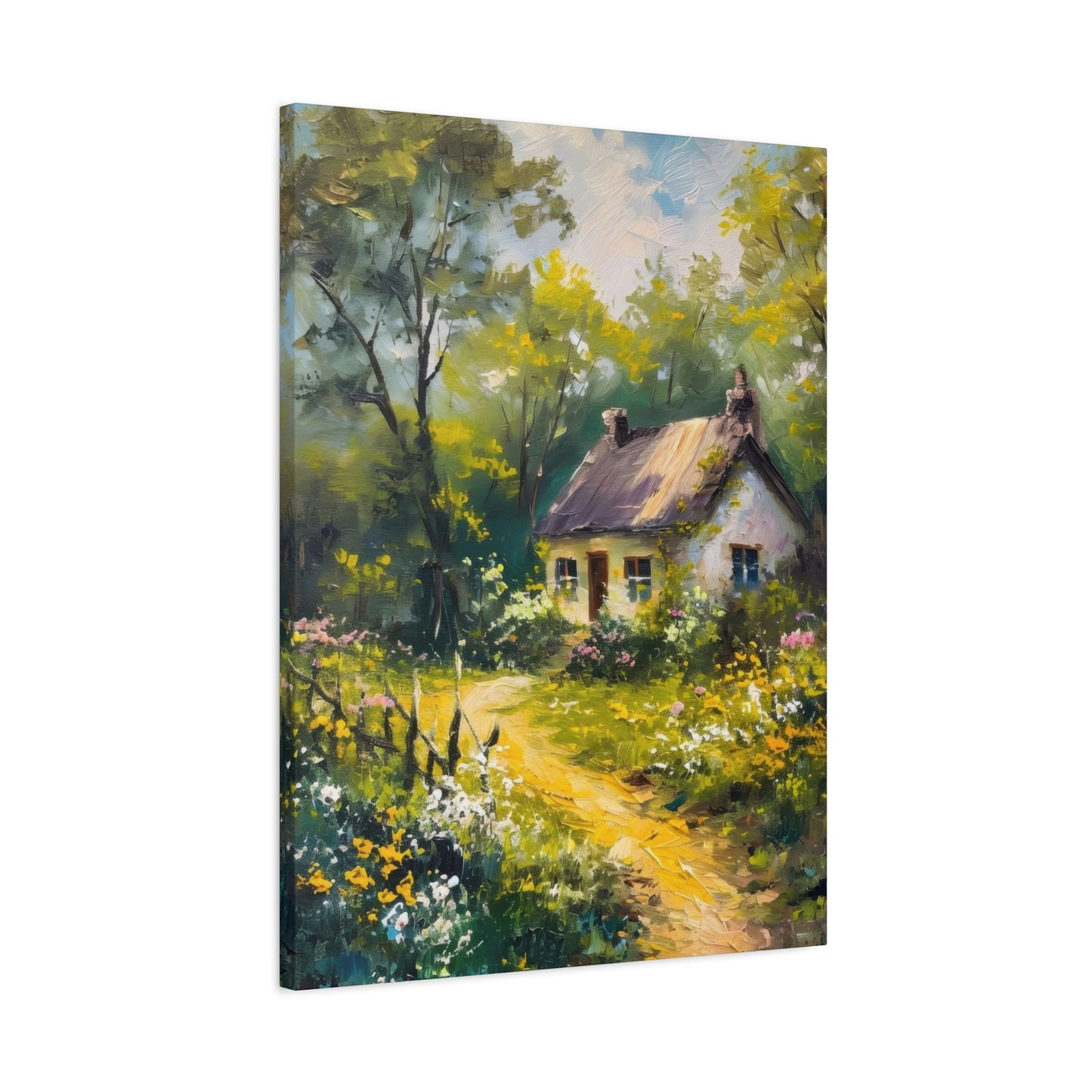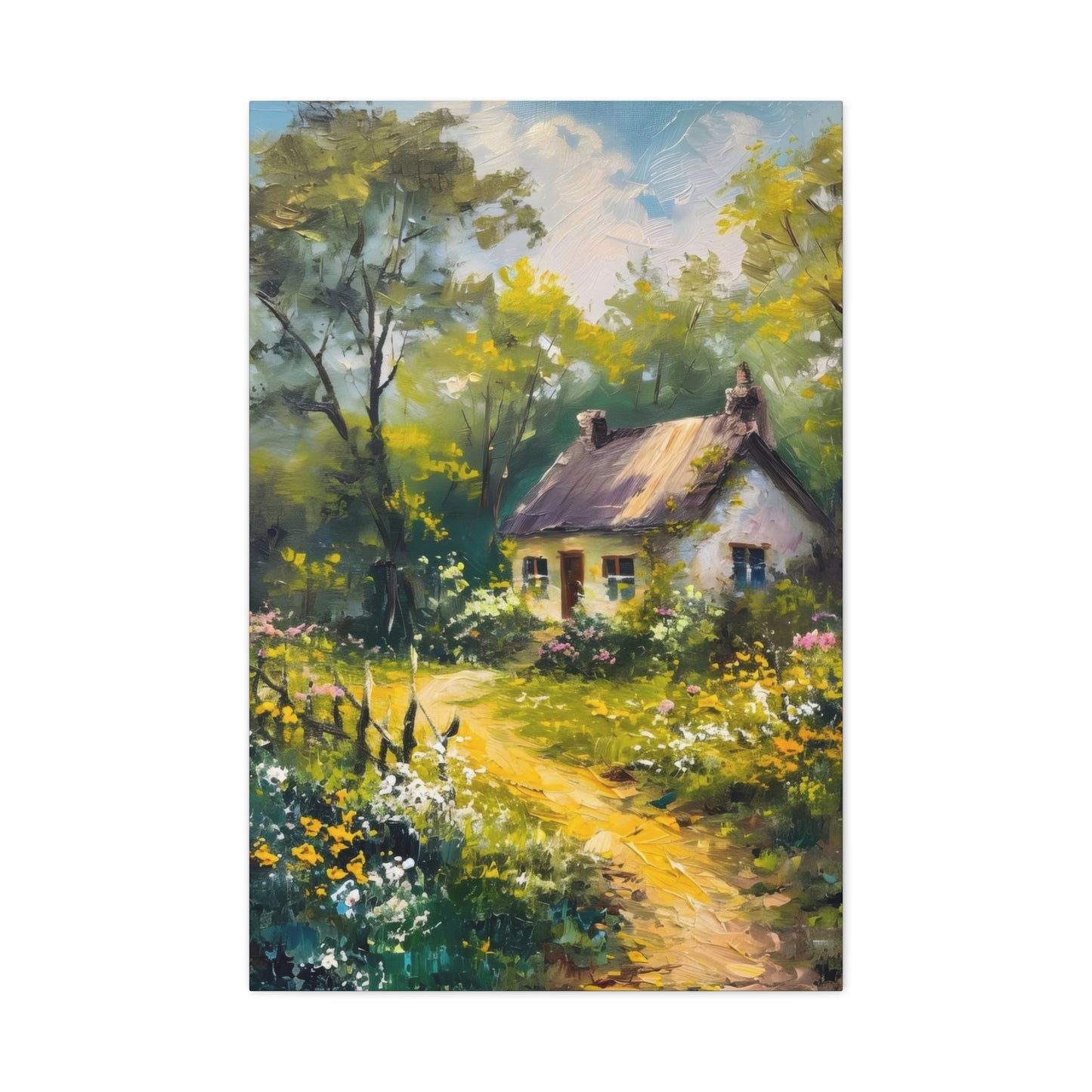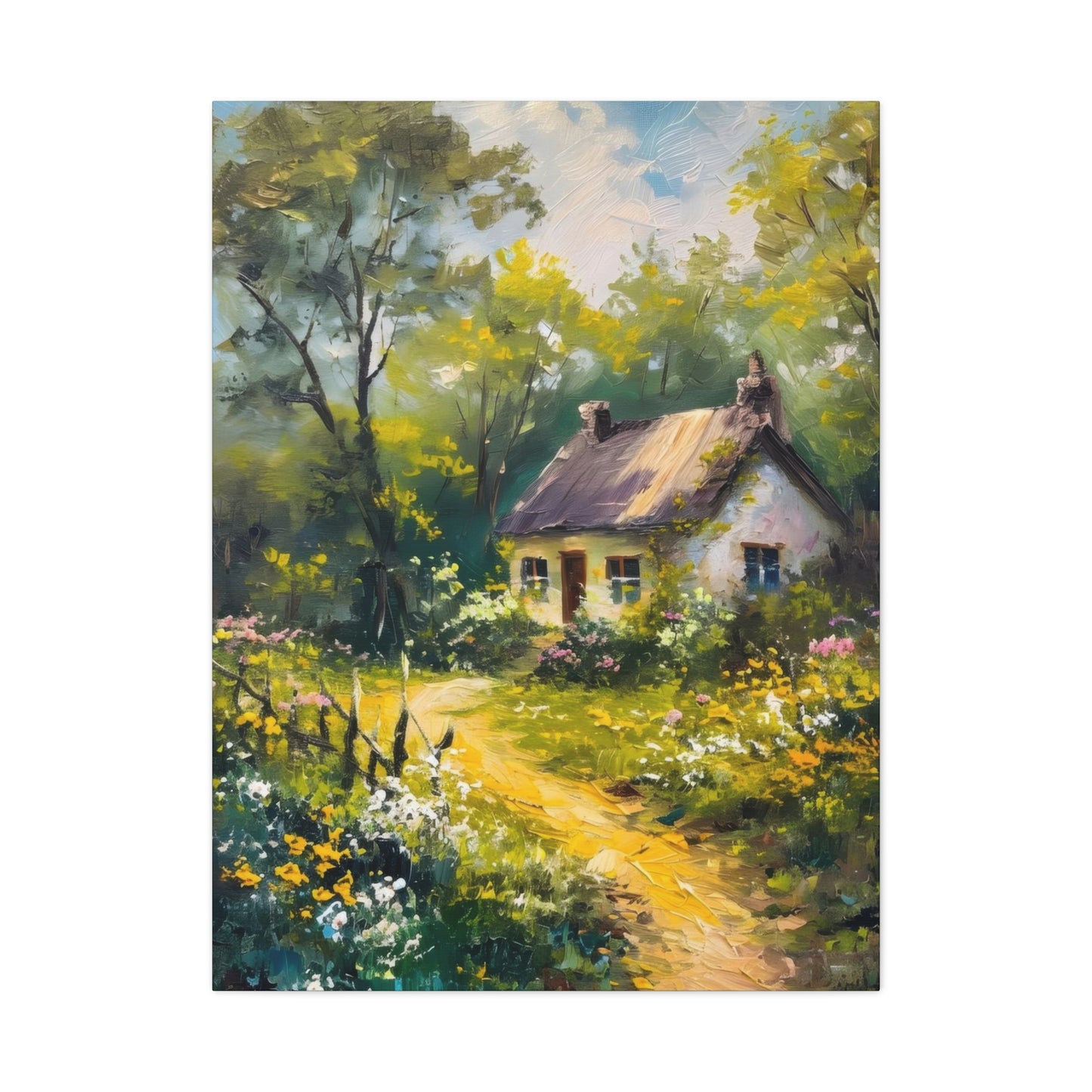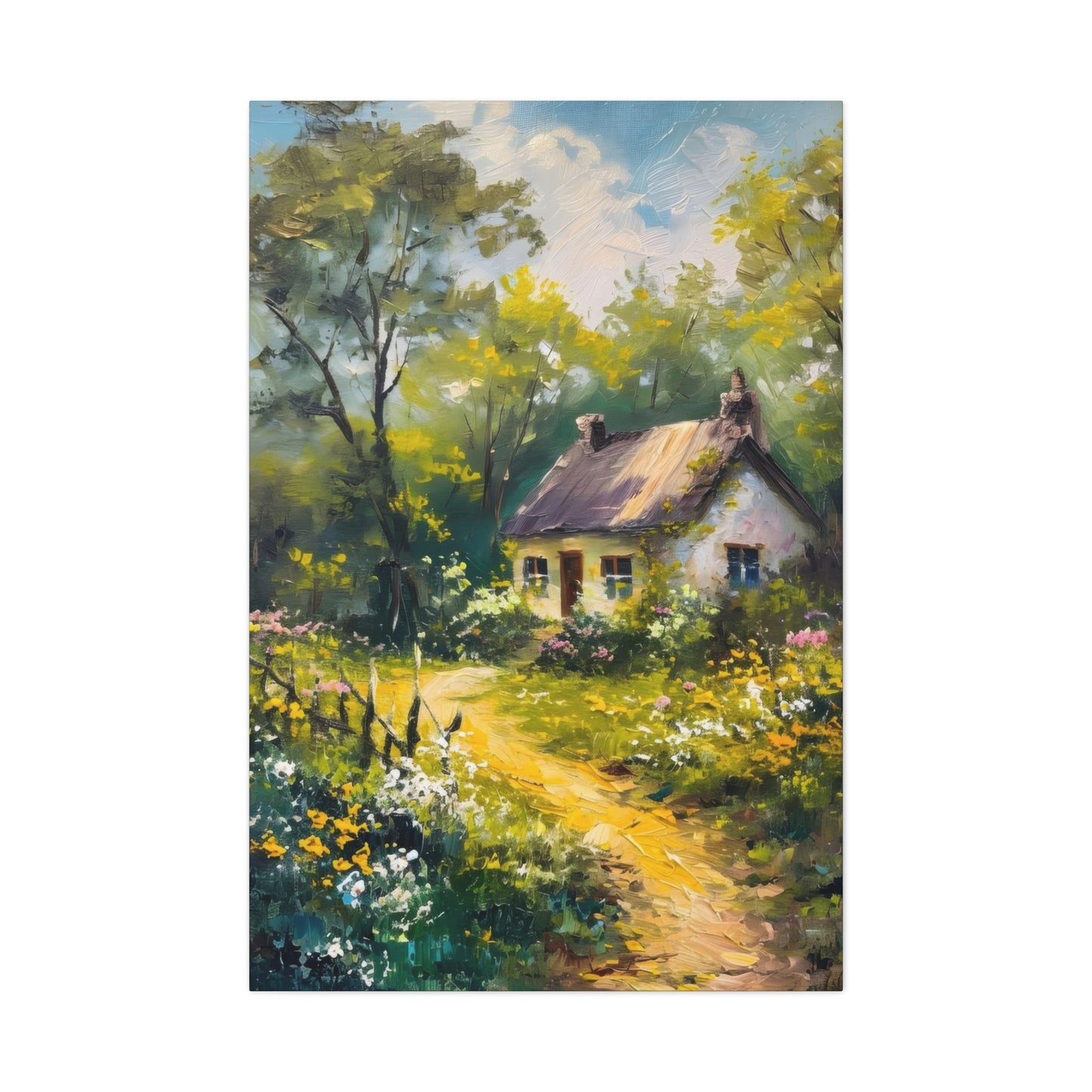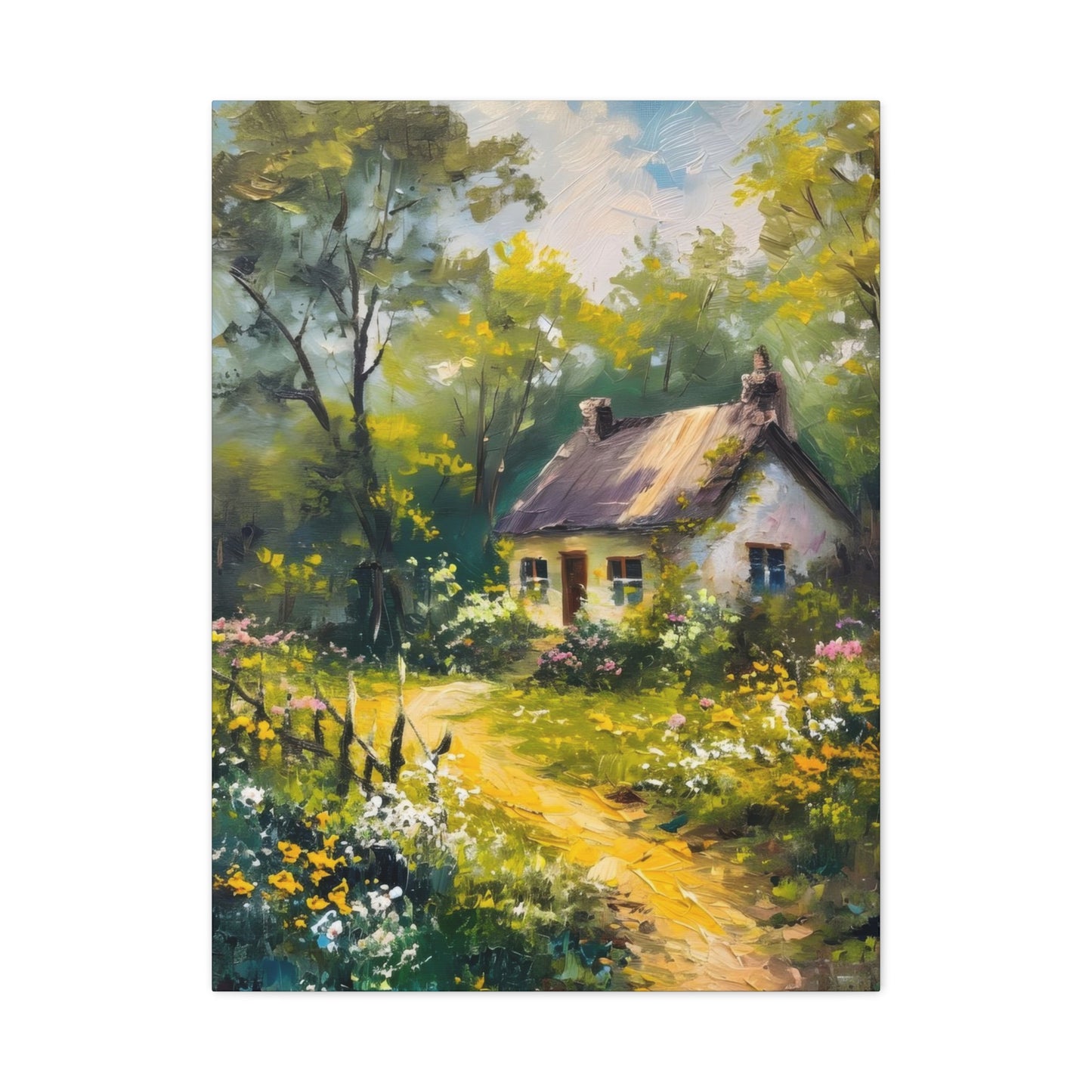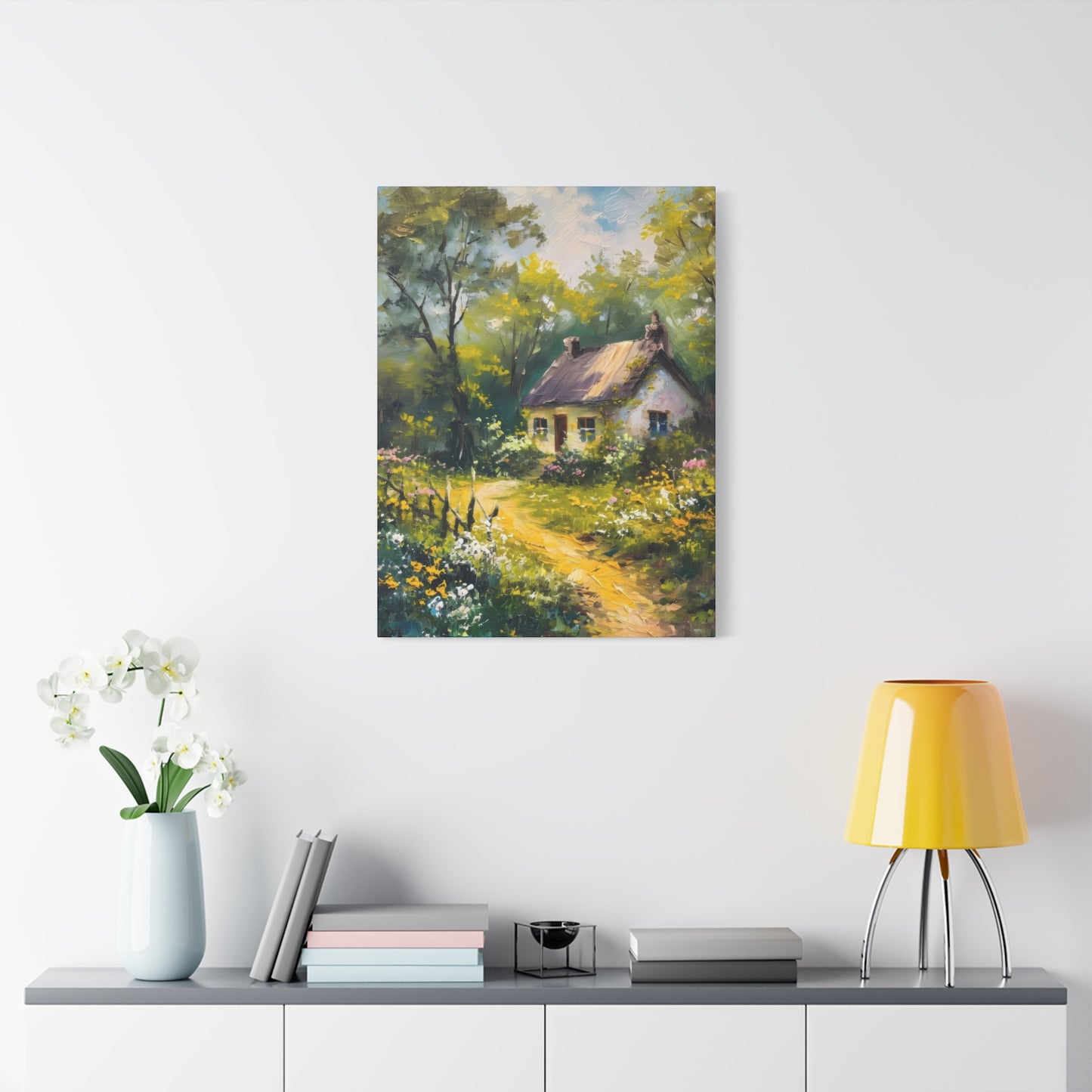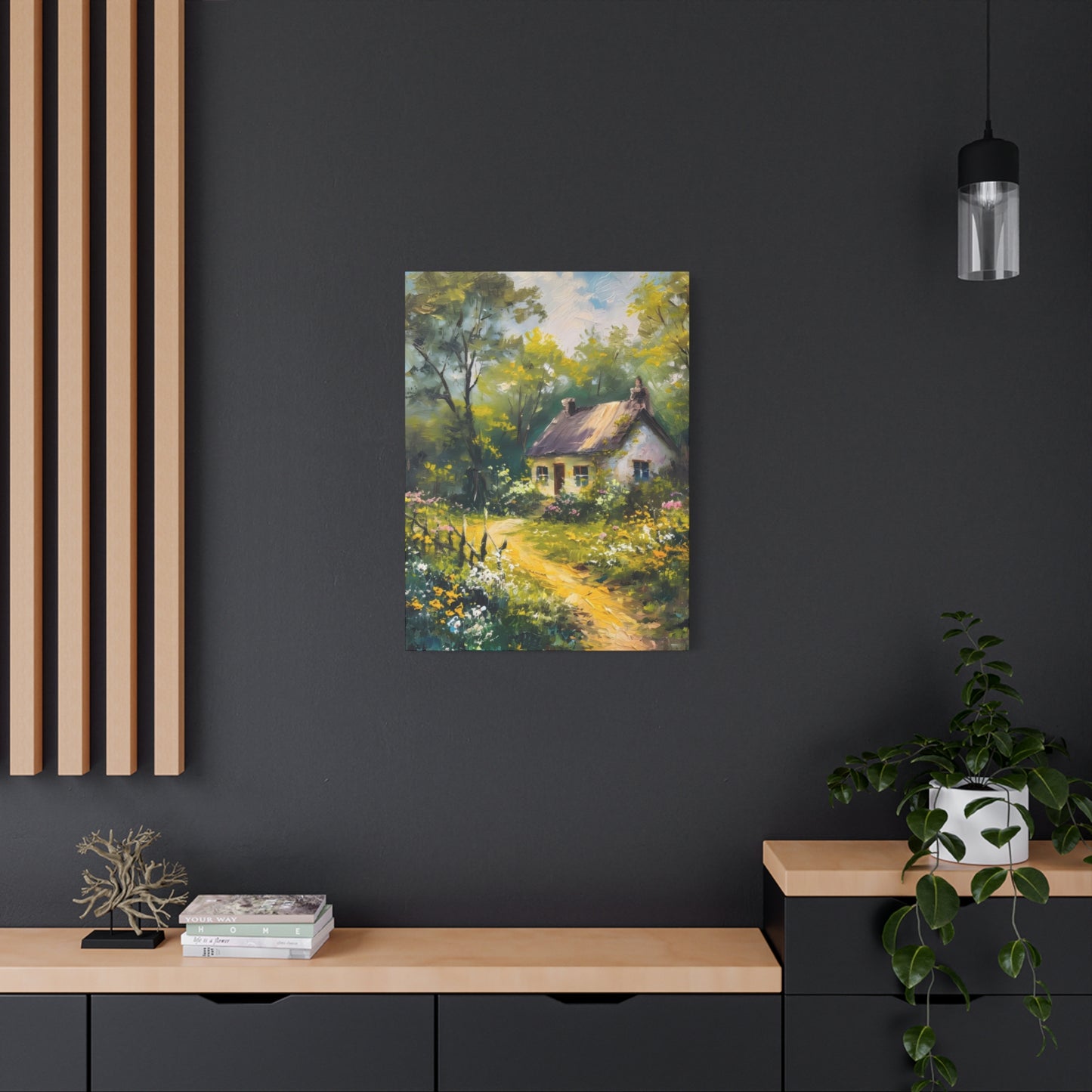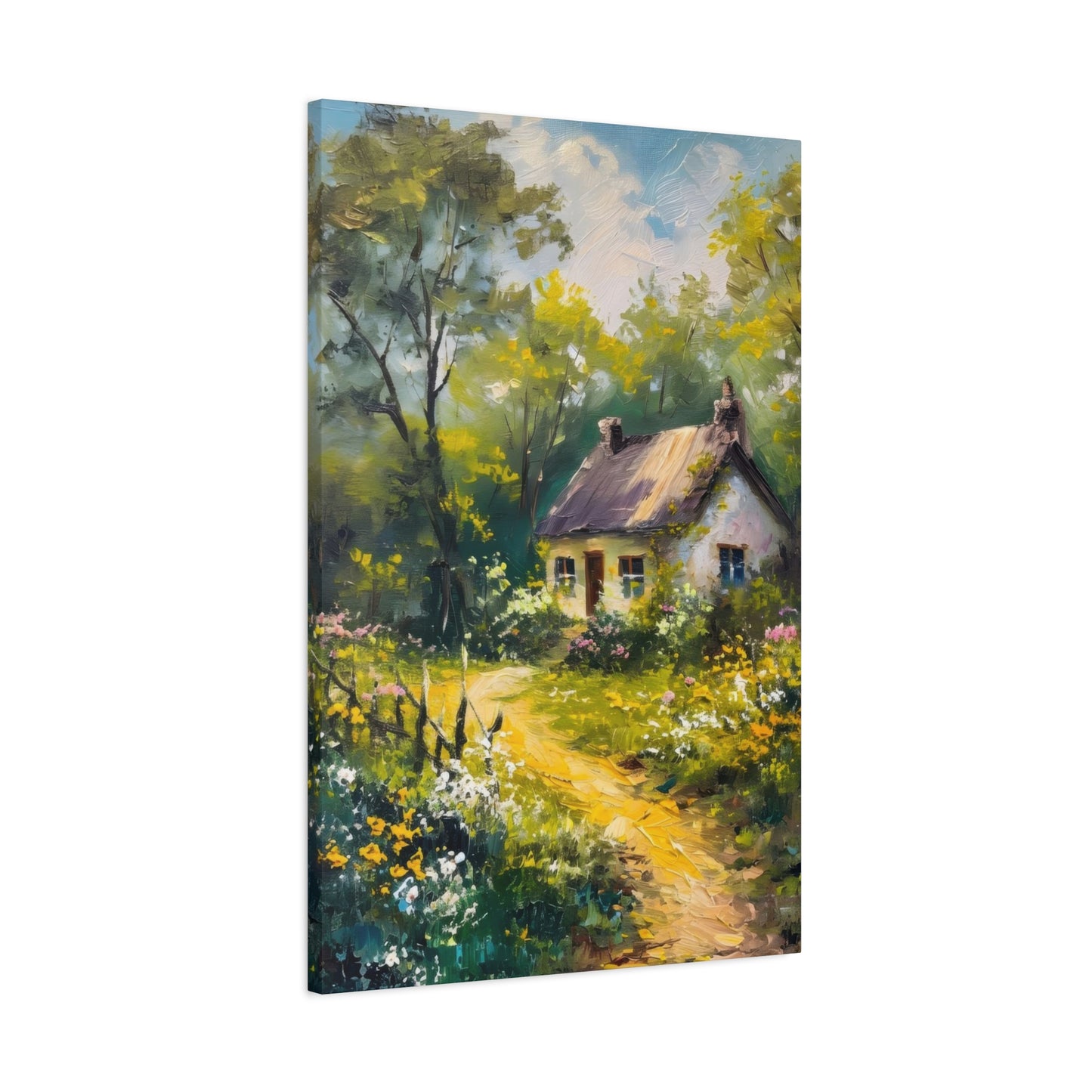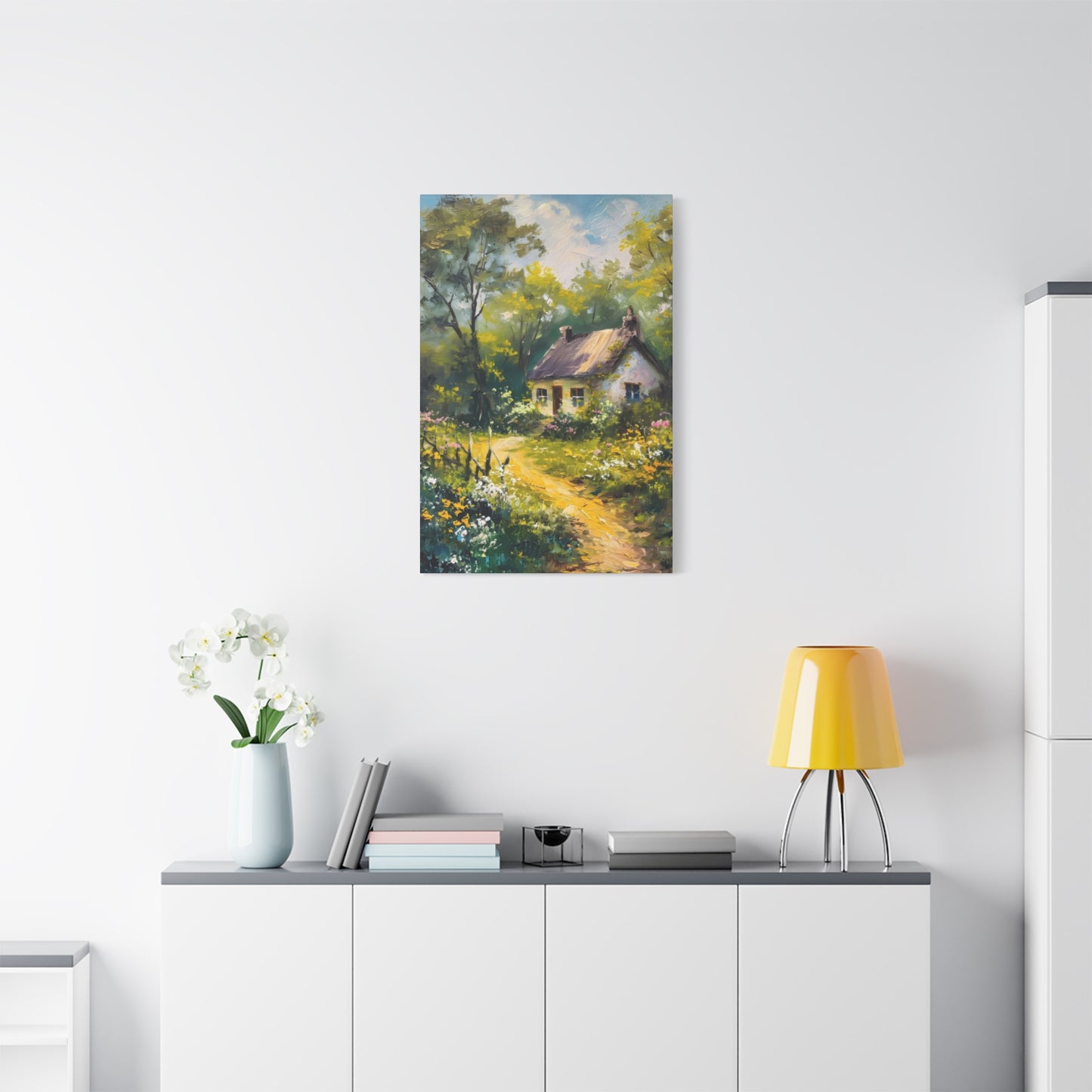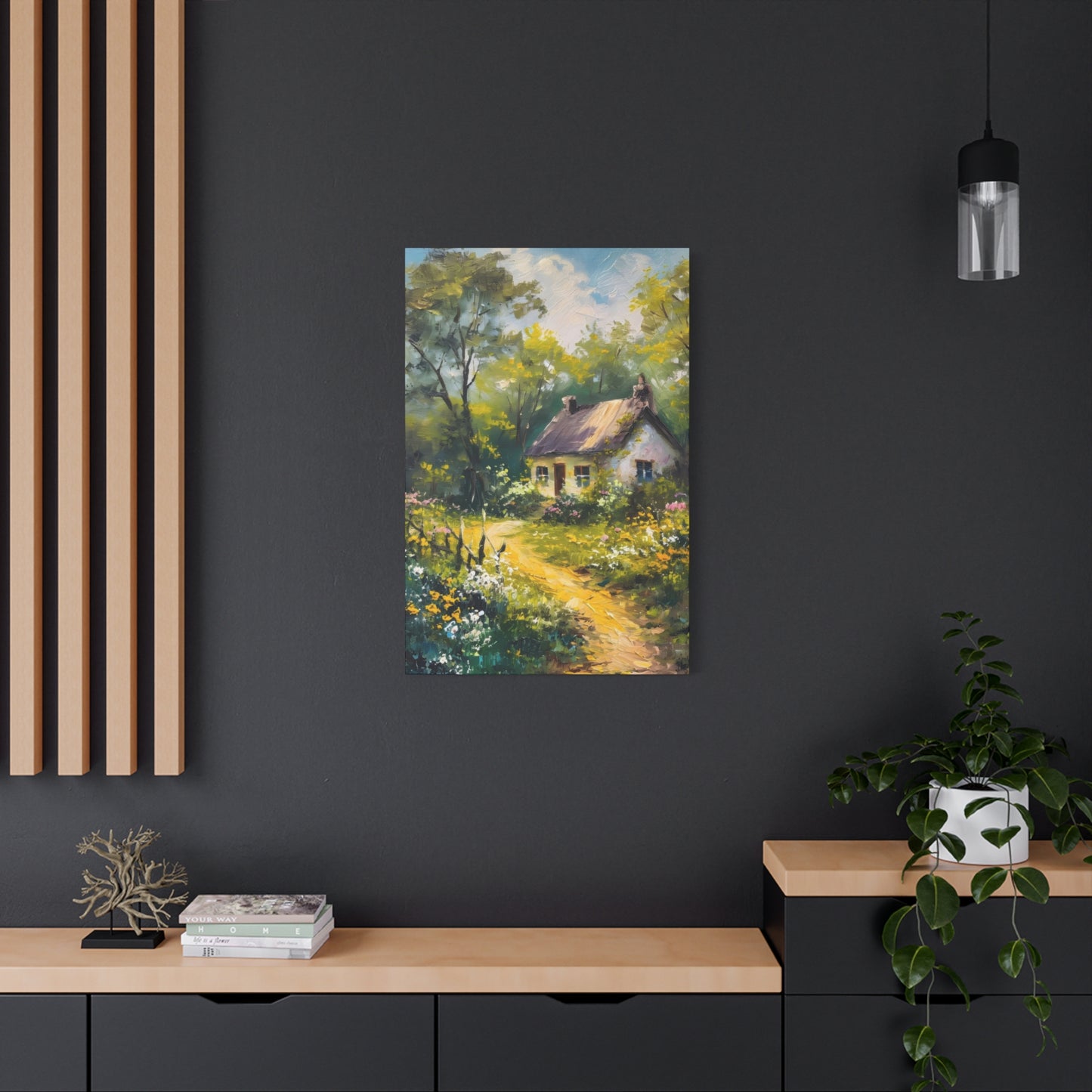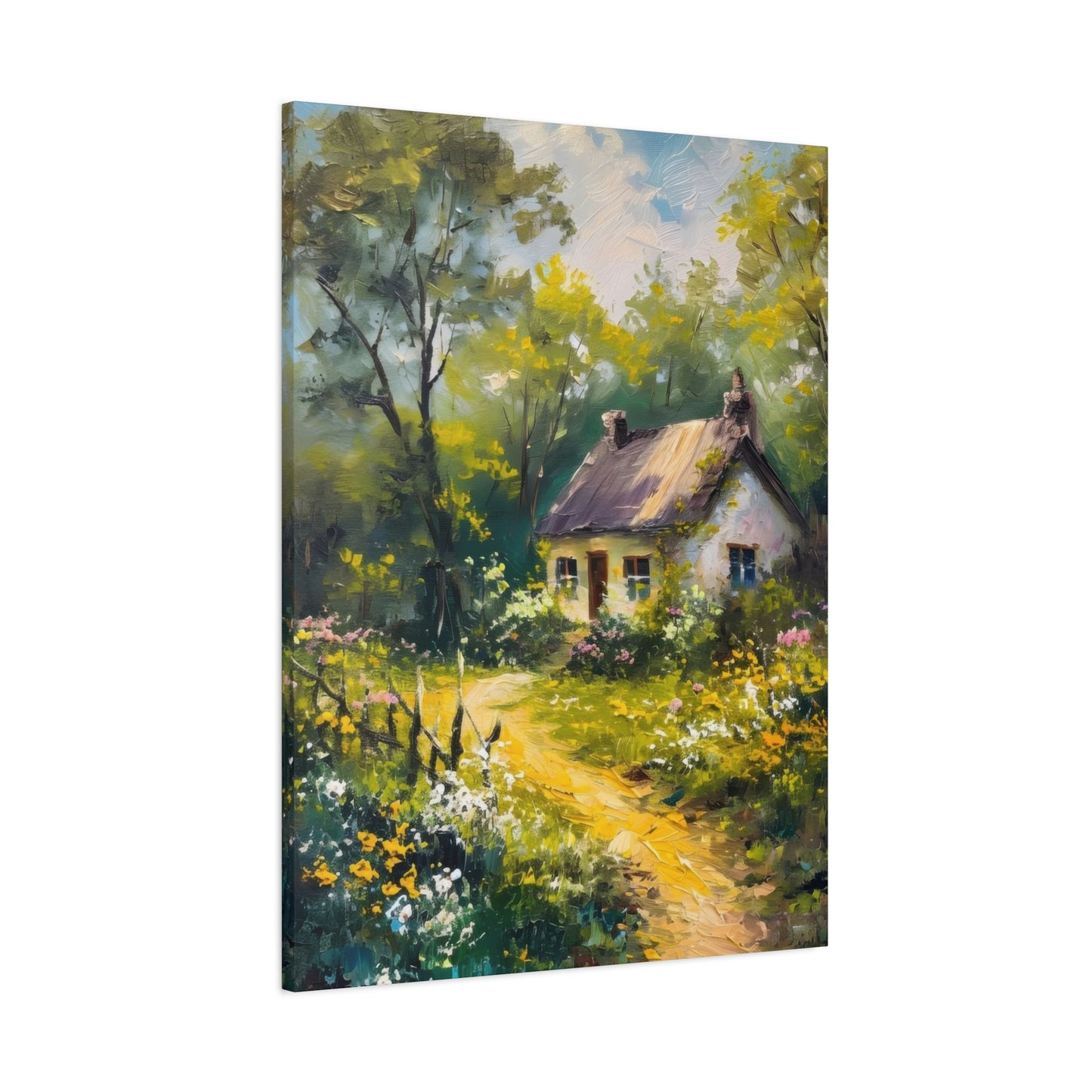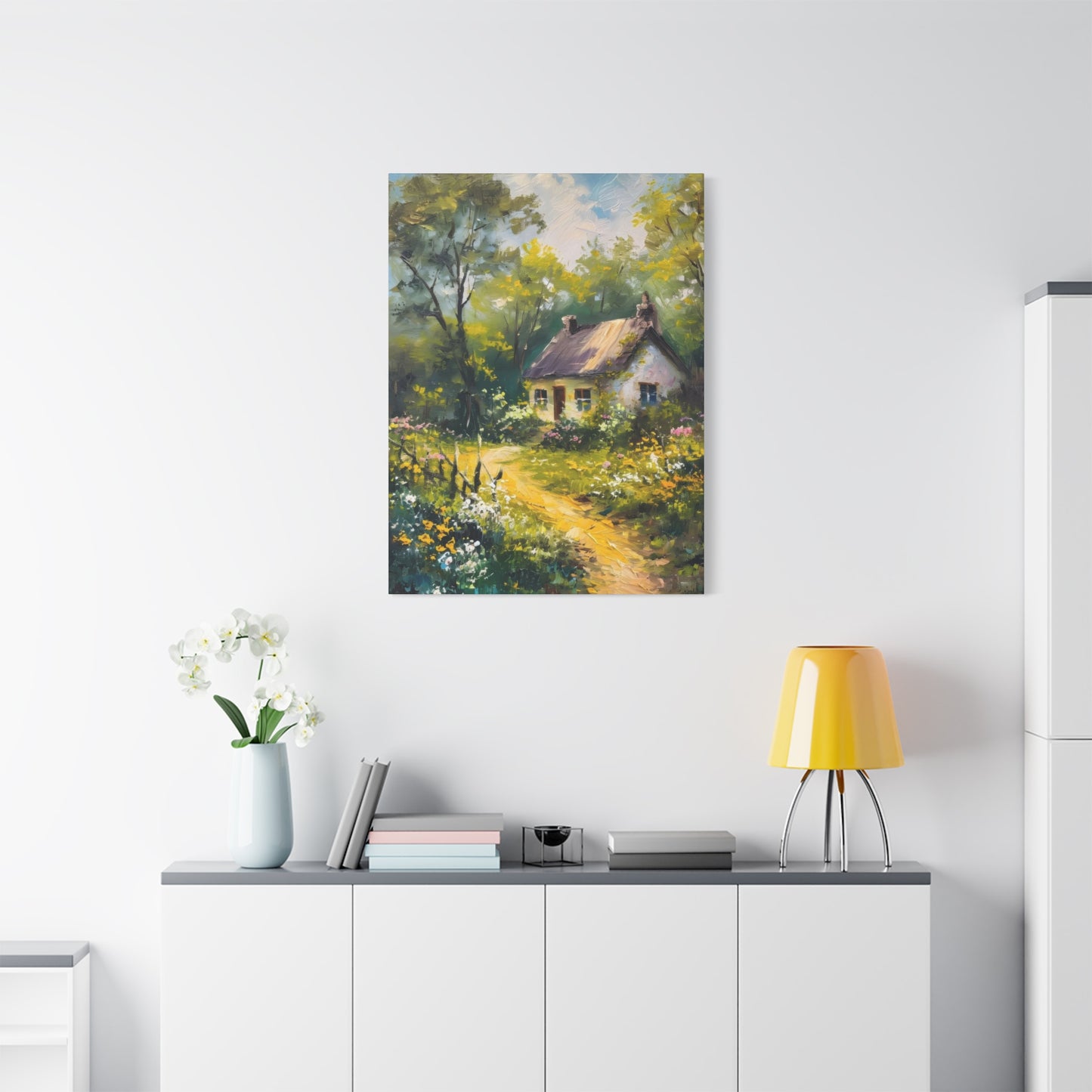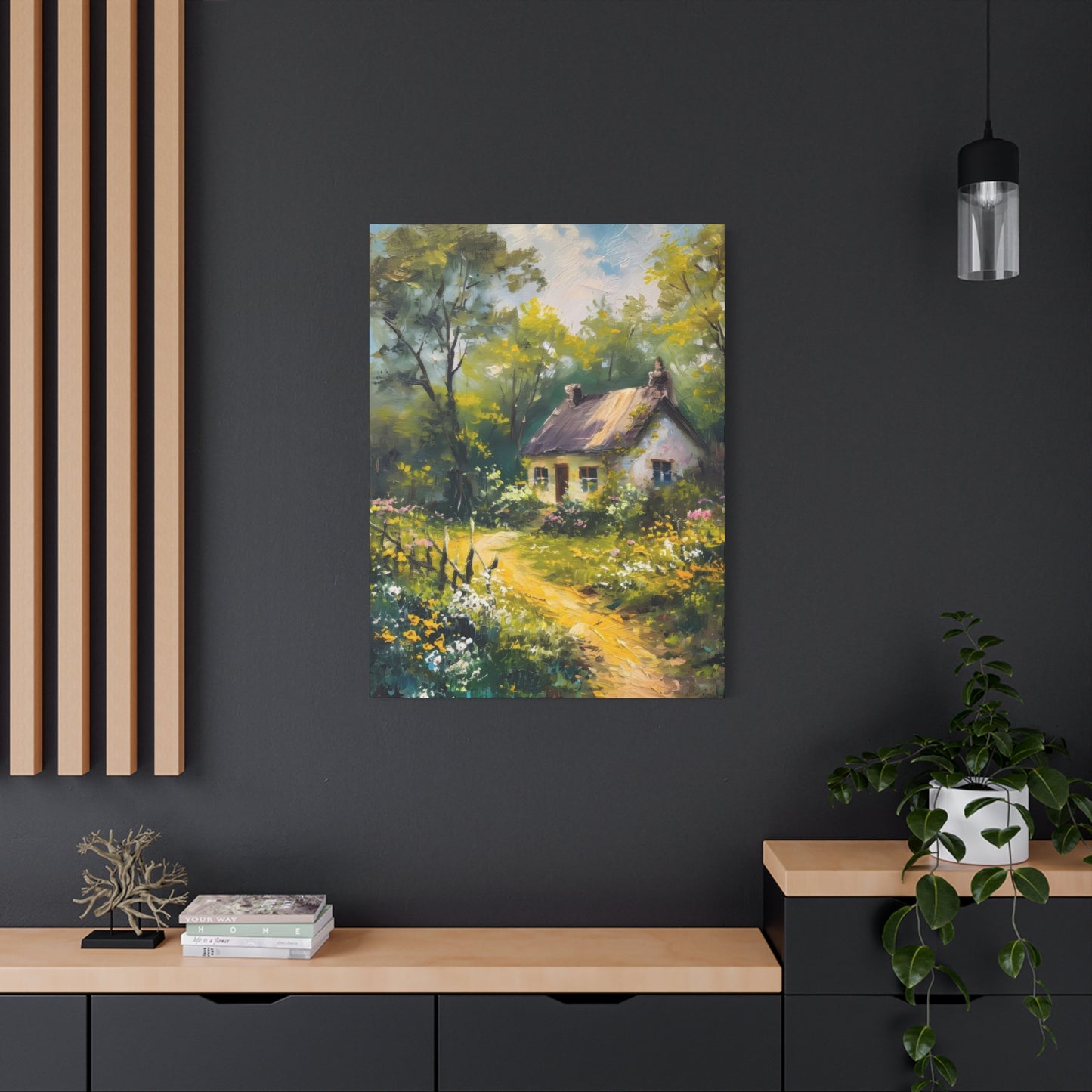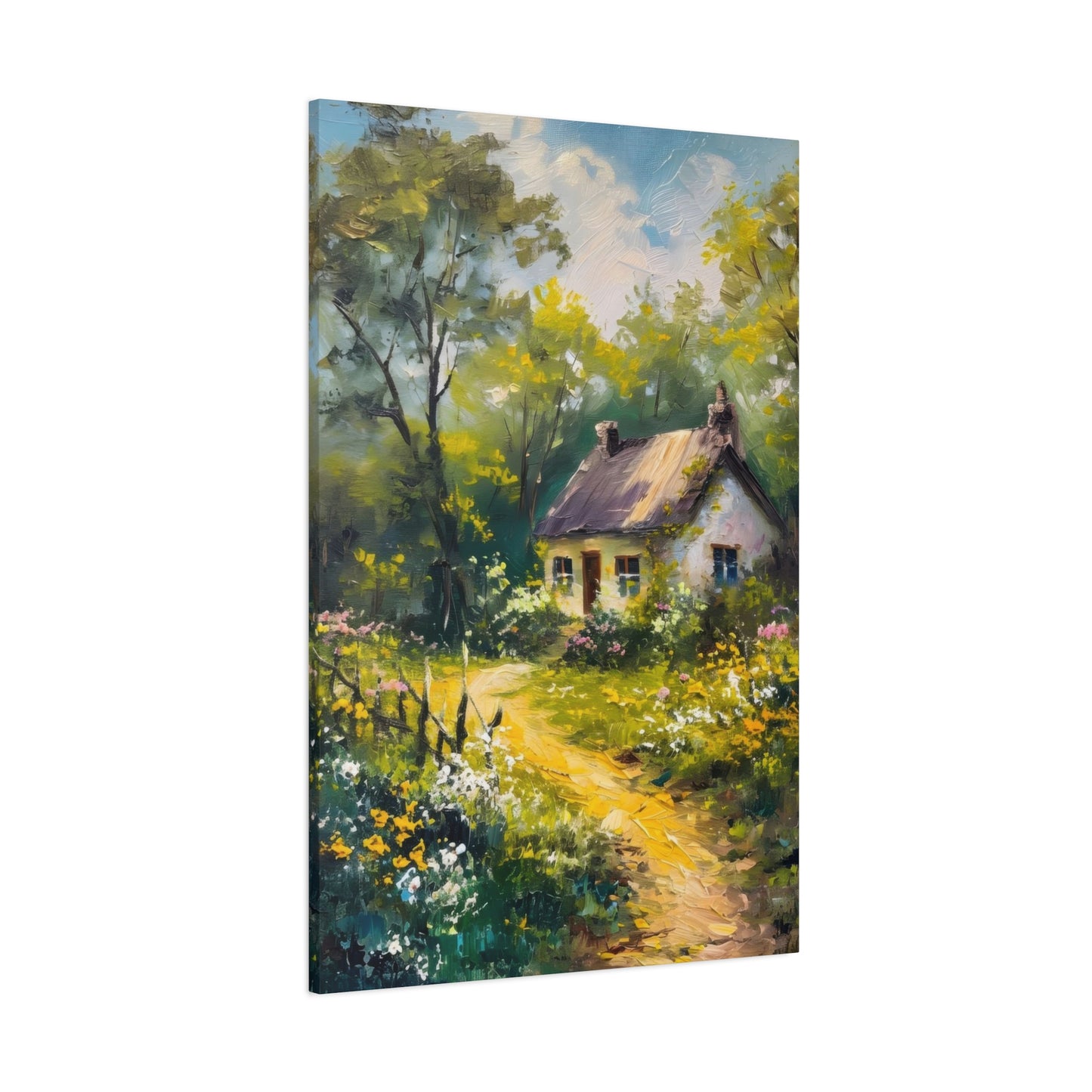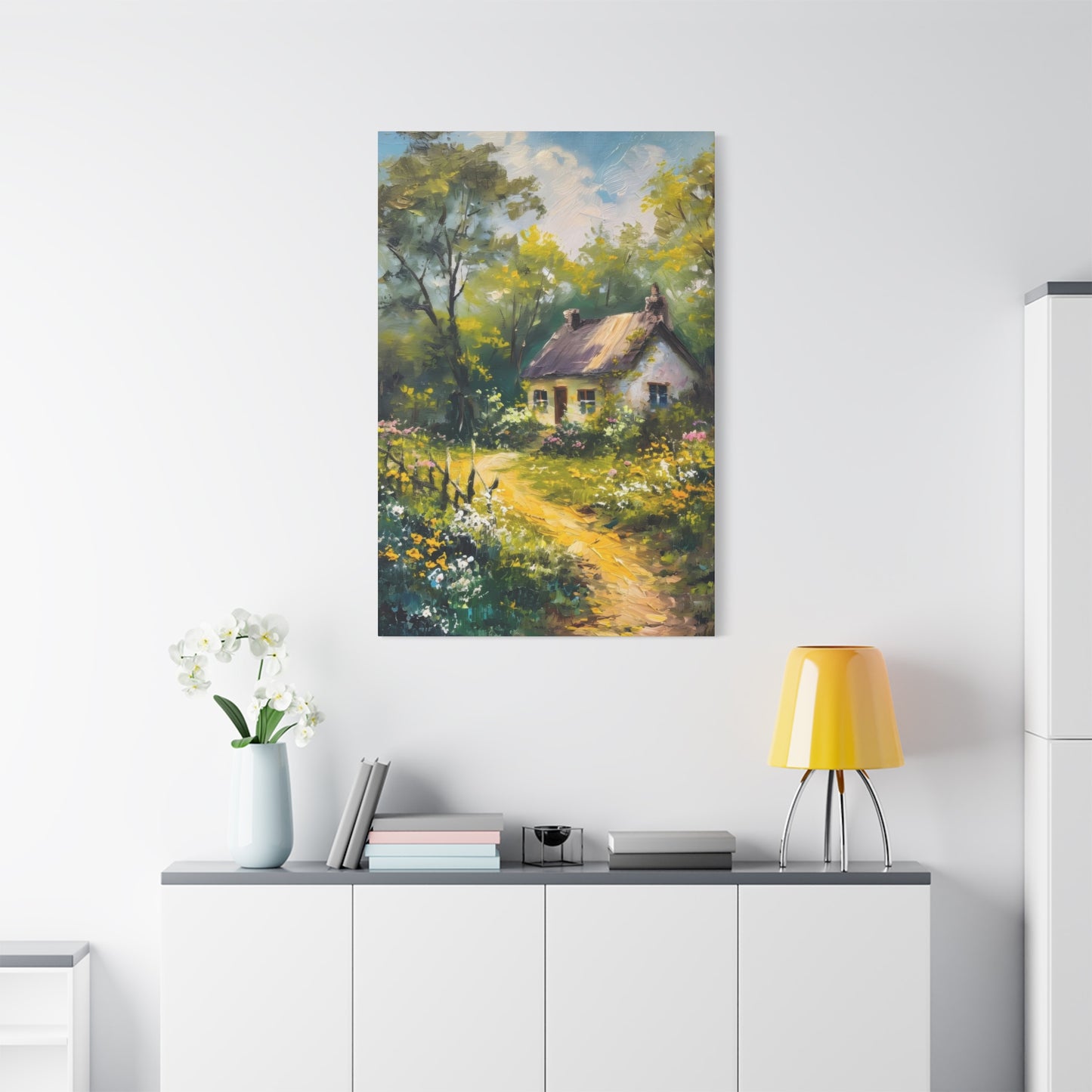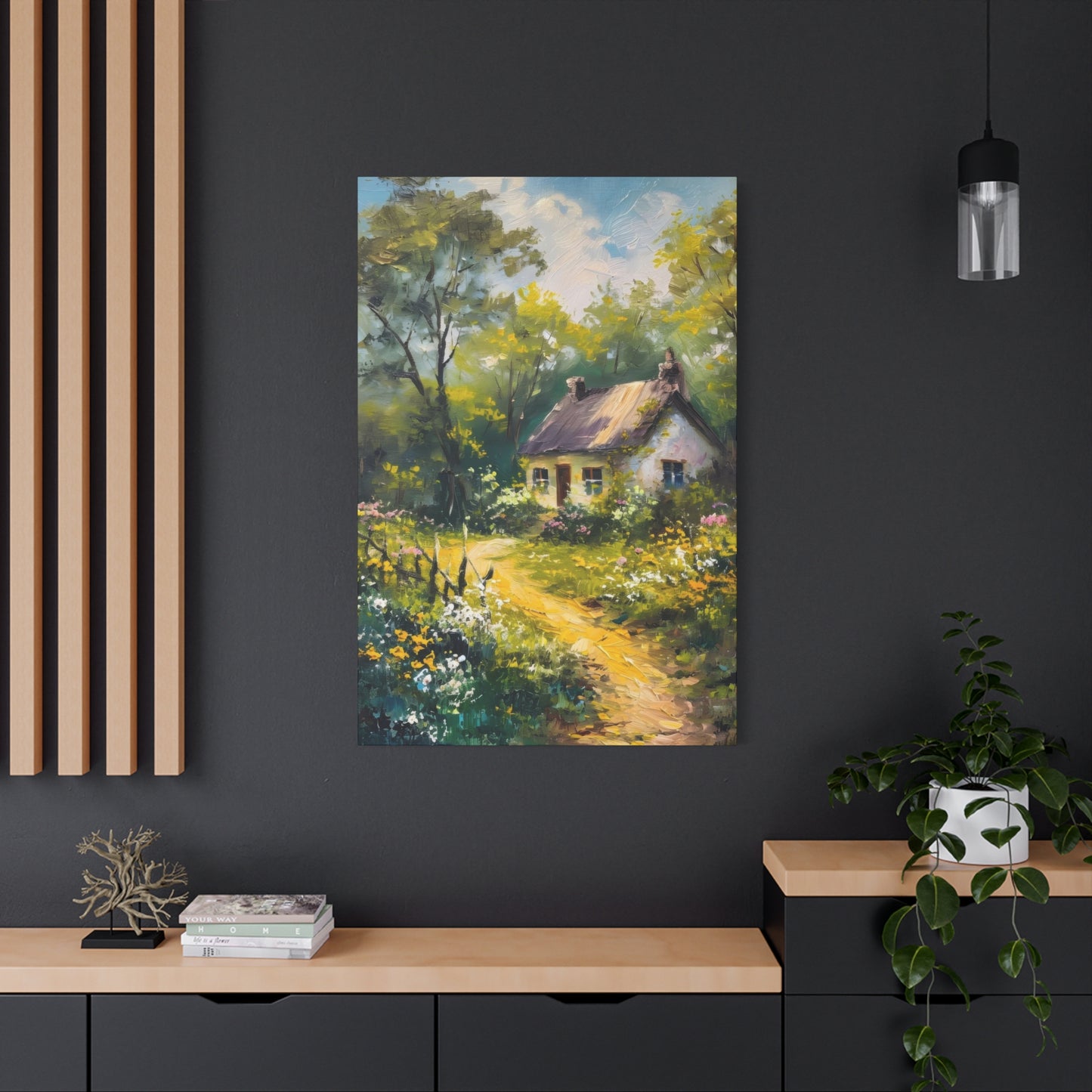


Greenery Cottage Countryside Wall Art & Canvas Prints
Greenery Cottage Countryside Wall Art & Canvas Prints
Couldn't load pickup availability
Embrace the Serenity of Greenery Cottage Countryside Wall Art: Your Essential Guide to Rural Home Styling
The allure of pastoral landscapes and quaint rural dwellings has captivated humanity for centuries. When we bring these elements into our living spaces through carefully selected visual representations, we create environments that nurture tranquility and connect us with nature's timeless beauty. This comprehensive exploration delves into every aspect of incorporating Greenery Cottage Countryside Wall Art into your home, examining its origins, styles, placement strategies, and the profound impact it can have on your daily life.
The Enduring Appeal of Rural Landscape Imagery in Modern Living Spaces
The human connection to natural environments runs deeper than mere aesthetic preference. Our ancestors spent millennia living in harmony with the land, developing an innate appreciation for rolling hills, verdant meadows, and humble dwellings nestled among trees. This primal connection explains why images of countryside cottages surrounded by lush vegetation continue to resonate so powerfully with contemporary audiences, even as we live increasingly urbanized lives.
Research in environmental psychology has demonstrated that exposure to natural imagery can significantly reduce stress levels, lower blood pressure, and improve overall mental wellbeing. When we adorn our walls with scenes depicting peaceful rural settings, we're not simply decorating—we're creating therapeutic environments that serve as visual sanctuaries from the demands of modern existence. The presence of such artwork transforms ordinary rooms into havens of calm contemplation.
The specific appeal of cottage imagery within these natural settings adds another dimension to their psychological impact. Cottages represent shelter, security, and the simple pleasures of life removed from urban complexity. When surrounded by abundant plant life, these structures symbolize harmony between human habitation and the natural world—a balance many contemporary individuals yearn to recapture in their own lives.
Throughout various cultures and time periods, the countryside cottage has served as a powerful symbol of authenticity and rootedness. From the English countryside to French provincial villages, from American farmsteads to Scandinavian retreats, these humble dwellings embody values of simplicity, self-sufficiency, and connection to place. When we display artwork featuring these subjects, we invite these values into our own spaces, creating visual reminders of what truly matters in life.
Exploring the Rich Variety of Artistic Styles in Rural Dwelling Representations
The world of Greenery Cottage Countryside Wall Art encompasses an extraordinary range of artistic expressions, each offering unique visual qualities and emotional resonances. Understanding these different approaches helps you select pieces that align perfectly with your personal aesthetic preferences and the atmosphere you wish to create in your home.
Impressionistic interpretations of cottage scenes capture the fleeting qualities of light and atmosphere through loose brushwork and vibrant color palettes. These pieces often emphasize the emotional essence of a scene rather than precise architectural details, creating dreamy, atmospheric representations that invite viewers to project their own memories and feelings onto the canvas. The dappled sunlight filtering through tree canopy, the soft blur of distant hills, and the suggestion of wildflowers in the foreground all combine to evoke specific moods and seasons.
Realistic portrayals take the opposite approach, meticulously rendering every detail of stone walls, thatched roofs, window frames, and the individual leaves of surrounding plants. These works appeal to viewers who appreciate technical skill and want artwork that serves almost as a window into another world. The careful attention to texture—the roughness of weathered wood, the softness of moss growing on old stone, the delicacy of climbing roses—creates images that feel tangible and immersive.
Watercolor representations offer a middle ground, combining recognizable forms with the medium's characteristic transparency and fluid spontaneity. The way watercolor pigments blend and flow mirrors the organic growth patterns of the vegetation surrounding cottage subjects, creating particularly harmonious compositions. The luminosity inherent in watercolor technique also lends these pieces an ethereal quality that works beautifully in spaces where you want to maintain an airy, light-filled atmosphere.
Contemporary abstract interpretations reimagine cottage and countryside themes through bold color fields, geometric simplification, or expressive mark-making. These pieces maintain the essential elements—the suggestion of a structure, the dominance of greens representing vegetation, the horizontal division between earth and sky—while allowing for creative freedom that can make the work feel fresh and unexpected. Such approaches work particularly well in homes where traditional representational art might feel incongruous with modern furnishings.
Vintage-inspired artwork evokes specific eras, from Victorian romanticism to mid-century pastoral nostalgia. These pieces often incorporate period-appropriate color palettes, composition styles, and even the visual characteristics of aging—subtle fading, slight yellowing, or distressed effects that suggest the artwork has its own history. For collectors who appreciate the patina of time or wish to create interiors with a specific historical character, these options provide authentic period ambiance.
Photographic approaches to cottage countryside subjects bring yet another dimension to this genre. Fine art photography can capture real locations with stunning clarity, documenting actual cottages in their natural settings. Some photographers enhance their images through careful timing to capture optimal lighting conditions, while others employ post-processing techniques to achieve painterly effects or intensify colors. The documentary quality of photography adds an element of realism that appeals to those who want to know these places truly exist somewhere in the world.
Strategic Placement Principles for Maximizing Visual Impact Throughout Your Home
The location where you display Greenery Cottage Countryside Wall Art dramatically influences its effectiveness in enhancing your living environment. Thoughtful placement considers not only aesthetic harmony but also the functional and emotional purposes of each room, ensuring the artwork contributes meaningfully to your daily experience of these spaces.
Living rooms serve as central gathering places where families convene and guests are entertained, making them ideal locations for substantial statement pieces. A large canvas featuring an expansive countryside scene with a prominent cottage can serve as a focal point that anchors the entire room's design. Position such pieces above seating areas—over a sofa or fireplace mantel—where they naturally draw the eye and provide a contemplative focus during conversations or quiet moments of relaxation.
The arrangement of multiple smaller pieces in gallery wall configurations offers an alternative approach for living spaces. By grouping several cottage and countryside images of varying sizes, you create a curated collection that tells a more complex visual story. This approach works particularly well when combining different artistic styles or depicting various seasons, creating a dynamic display that rewards repeated viewing with new details to discover.
Bedrooms benefit enormously from the calming influence of pastoral imagery. Placing Greenery Cottage Countryside Wall Art opposite your bed ensures it's among the first things you see upon waking and the last before sleep, bookending your day with peaceful rural visions. The psychological impact of these serene images can improve sleep quality by creating a restful atmosphere that encourages mental quietude.
For smaller bedrooms, consider artwork featuring closer views of cottages with intimate gardens rather than sweeping landscapes. These more enclosed compositions feel proportionate to the room's scale while maintaining the connection to natural environments. The coziness of a cottage nearly hidden among climbing plants and flowering shrubs mirrors the snug, protected feeling we seek in our sleeping quarters.
Dining spaces become more inviting when adorned with countryside scenes that celebrate abundance and pastoral plenty. Images depicting cottage gardens overflowing with vegetables, fruit trees heavy with harvest, or flower-bordered pathways leading to welcoming doorways create subtle associations between the space and nourishment, both physical and spiritual. These visual elements can enhance the dining experience by connecting the act of gathering for meals with timeless traditions of agrarian hospitality.
Home offices and study areas require careful consideration when selecting wall art. While you want imagery that provides mental respite during work, you must avoid pieces so engaging they become distractions. Softer, more subdued cottage scenes—perhaps rendered in muted tones or depicting misty morning atmospheres—offer visual relief without commanding excessive attention. Position these pieces within your peripheral vision rather than directly in your primary sight line to maintain work focus while still benefiting from their calming presence.
Entryways and hallways present unique opportunities for creating narrative sequences. A series of cottage and countryside images arranged along a corridor can suggest a journey through rural landscapes, with each piece representing a different vantage point or time of day. This transforms a purely functional space into an experiential passage that sets a welcoming tone for your entire home.
Bathrooms, often overlooked in art placement discussions, actually benefit significantly from well-chosen pastoral imagery. The privacy of these spaces makes them ideal for creating personal sanctuaries, and cottage artwork reinforces the restorative, cleansing nature of the room. Smaller prints in protective frames can withstand the moisture-rich environment while adding unexpected charm to a utilitarian space.
The Profound Psychological and Emotional Benefits of Pastoral Imagery in Daily Living
Beyond their decorative function, images depicting cottages surrounded by thriving plant life serve as powerful tools for emotional regulation and mental health maintenance. The mechanisms through which these visual elements influence our psychological state operate on multiple levels, from immediate sensory responses to deeper cognitive and cultural associations.
Biophilia, the innate human tendency to seek connections with nature and other forms of life, provides the foundational explanation for our positive response to Greenery Cottage Countryside Wall Art. Even when we cannot physically immerse ourselves in natural environments, visual representations activate many of the same neural pathways, triggering physiological relaxation responses. Studies using neuroimaging have shown that viewing natural scenes increases activity in brain regions associated with empathy, emotional stability, and pleasure while decreasing activity in areas linked to anxiety and rumination.
The specific color palette predominant in cottage countryside artwork—various shades of green alongside earth tones and sky blues—carries particular psychological significance. Green, the color most associated with vegetation, has been shown to reduce eye strain, promote feelings of balance and renewal, and facilitate concentration without overstimulation. When combined with the warm browns and golden hues of cottage structures and the calming blues of pastoral skies, these color harmonies create visually balanced compositions that feel inherently restful.
The presence of architectural elements—the cottage itself—within natural settings creates a crucial psychological bridge. Pure landscape imagery can sometimes feel too vast or impersonal, evoking our vulnerability within nature's immensity. The cottage provides scale, suggesting human presence and habitation, which makes the scene feel accessible and welcoming rather than overwhelming. This balance between natural grandeur and human-scaled shelter resonates with our need for both connection to larger systems and individual security.
Seasonal variations depicted in countryside cottage art allow for nuanced emotional engagement throughout the year. Spring scenes bursting with fresh growth and blooming flowers align with themes of renewal and possibility, making them particularly beneficial during times of personal change or after difficult periods. Summer imagery showing cottages nearly engulfed in abundant vegetation speaks to fullness and vitality, supporting feelings of energy and productivity.
Autumn representations, with their golden foliage and harvest associations, evoke reflection, gratitude, and preparation—valuable emotional tones during transitional periods. Even winter scenes of cottages with smoke curling from chimneys while surrounded by dormant gardens offer comforting messages about resilience, rest, and the cycles of regeneration that follow dormancy. By selecting or rotating artwork to align with actual seasons or your current emotional needs, you can enhance the therapeutic benefits these images provide.
The narrative potential embedded in cottage countryside imagery also serves important psychological functions. Every such artwork implicitly tells a story: someone lives in this cottage, tends this garden, walks these paths. Viewers unconsciously project themselves into these narratives, imagining what life might be like in such settings. This imaginative engagement provides temporary mental escape from immediate stressors while also allowing exploration of alternative lifestyles and values. The cottage becomes a symbol of possibilities, of lives we might lead or aspects of ourselves we wish to develop.
For individuals dealing with urban stress, environmental disconnection, or the fast-paced demands of contemporary life, Greenery Cottage Countryside Wall Art serves as a constant, accessible reminder of alternative rhythms and priorities. The permanent presence of these images creates a cumulative effect over time, gradually influencing our internal state even when we're not consciously attending to them. They become part of the environmental baseline that shapes our daily mood and outlook.
Comprehensive Guidelines for Selecting Pieces That Perfectly Complement Your Interior Design
Choosing the right Greenery Cottage Countryside Wall Art requires consideration of multiple factors that extend beyond simple personal preference. The most successful selections achieve harmony with existing design elements while also bringing something new and vital to the space. This section provides a systematic approach to making selections that will satisfy both aesthetically and functionally for years to come.
Color coordination represents the most immediately apparent consideration. Examine the dominant hues in your existing furnishings, flooring, and wall colors, then determine whether you want your artwork to harmonize with these tones or provide deliberate contrast. Harmonious selections feature colors already present in the room, creating a sense of cohesion and flow. For instance, if your space features sage green upholstery and natural wood furniture, artwork emphasizing similar greens and earth tones will feel naturally integrated.
Contrastive approaches, conversely, use artwork to introduce colors absent from the current palette, adding visual interest and preventing monotony. A room dominated by cool grays and whites might benefit from countryside cottage art featuring warm golden sunlight and rusty autumn foliage, injecting warmth without requiring furniture replacement. The key to successful contrast lies in ensuring the introduced colors, while different, still maintain pleasing relationships with existing hues rather than clashing discordantly.
Scale and proportion critically impact how artwork relates to its surrounding space. A common mistake involves selecting pieces too small for their intended location, resulting in insignificant visual presence. As a general guideline, artwork hung above furniture should span approximately two-thirds to three-quarters the width of the furniture piece below it. For walls without furniture, larger-scale pieces or grouped arrangements work better than single small prints, which can appear lost on expansive walls.
Vertical spaces, such as narrow wall sections between windows or beside doorways, benefit from vertically oriented compositions—perhaps depicting tall cottages with climbing vines or narrow garden paths leading to distant structures. Horizontal spaces above sofas, beds, or console tables accommodate panoramic countryside views showing cottages in the context of broader landscapes. Matching the orientation and proportions of artwork to the architectural features of your space creates intuitive visual harmony.
Frame selection deserves careful attention as it dramatically influences how artwork integrates with its environment. Traditional cottage countryside images often pair beautifully with wooden frames in natural finishes that echo the organic materials depicted in the artwork itself. Rustic frames with visible grain patterns and distressed finishes enhance the pastoral character, while sleek, simple wooden frames in darker tones provide sophisticated grounding without competing with the image.
For more contemporary interiors, consider metal frames in matte finishes—black, brass, or brushed silver—that provide clean delineation without adding traditional associations. Frameless presentations, including canvas wraps where the image extends around the sides of the stretcher, create modern, gallery-like displays that work well when the artwork itself features strong compositional elements that don't require frame boundaries for definition.
The relationship between artwork style and furniture style requires thoughtful navigation. In spaces featuring predominantly traditional furnishings—upholstered pieces with classic silhouettes, formal wood furniture, ornate accessories—realistic or impressionistic cottage countryside paintings feel naturally at home. These traditional artistic approaches share the same aesthetic values as classic furniture designs, creating coherent period atmospheres.
Conversely, spaces with minimalist, mid-century modern, or contemporary furnishings benefit from artistic interpretations that share these design philosophies. Abstract or simplified representations of cottage themes, photographs with strong compositional geometry, or vintage prints from specific periods can bridge the gap between pastoral subject matter and modern sensibilities. The key lies in finding pieces where the artistic treatment aligns with your furniture's design language, even if the subject matter seems traditionally oriented.
Texture considerations extend beyond visual assessment to physical dimensionality. Canvas prints provide subtle texture that adds depth and authenticity, while metal or acrylic prints offer smooth, reflective surfaces that read as more contemporary. Framed prints under glass create a more formal presentation with a protective barrier, while frameless canvas wraps feel more casual and approachable. Consider how these physical qualities will interact with other textures in your room—soft fabrics, smooth leather, polished wood, woven materials—to create a satisfying tactile diversity.
Understanding Different Production Methods and Material Quality Considerations
The physical production of Greenery Cottage Countryside Wall Art significantly impacts both its visual qualities and longevity. Understanding the distinctions between various creation methods empowers you to make informed purchasing decisions that align with your quality expectations and budget parameters.
Original paintings represent the pinnacle of uniqueness and artistic value. When you acquire an original artwork, you obtain the only example of that exact piece, created directly by an artist's hand. Oil paintings, with their rich pigmentation and textural surface variations created by brush or palette knife application, offer unmatched visual depth. The way light interacts with the actual paint layers creates subtle dimensional qualities impossible to fully replicate through reproduction methods.
Acrylic paintings provide similar originality with somewhat different visual characteristics. Acrylics dry more quickly than oils and can be applied in both thin, transparent washes or thick, impasto layers. Many contemporary artists prefer acrylics for cottage countryside subjects because they can achieve both the luminosity of watercolor and the body of oil paint within a single medium. Original acrylic works on canvas or board provide excellent value for collectors seeking authentic artistic creations without the premium prices often attached to oil paintings.
Watercolor originals on paper possess a unique delicacy and luminosity derived from the transparency of the medium and the white paper showing through pigment layers. Cottage countryside scenes rendered in watercolor often convey atmospheric qualities—morning mist, dappled sunlight, the softness of distance—with particular effectiveness. These works require careful framing behind glass or acrylic for protection but reward that care with ethereal beauty.
Limited edition prints offer a middle ground between original artwork and mass-produced reproductions. Artists create a specified number of prints from an original work—often between 25 and 500 copies—then destroy the printing plate or digital file to ensure no additional copies can be made. Each print in the edition is typically numbered and signed by the artist, providing authentication and maintaining value through scarcity. Giclée printing, the highest quality reproduction method, uses archival inks and fine art papers or canvases to create prints virtually indistinguishable from originals at normal viewing distances.
Canvas prints provide affordable access to cottage countryside imagery while maintaining the visual authenticity associated with traditional painting. High-resolution digital images are printed onto canvas material using large-format printers with fade-resistant inks, then stretched over wooden frames. Quality variations exist based on canvas weight, ink quality, and stretching techniques. Premium canvas prints use heavier canvas (at least 340 gsm), archival-grade inks rated for decades of colorfastness, and carefully hand-stretched gallery wrapping that eliminates ripples or sagging.
Framed paper prints represent the most economical option while still providing visual satisfaction when produced with quality materials. Photographic paper, fine art paper, or even standard poster paper can serve as substrates, with corresponding variations in appearance and durability. Archival-quality papers and inks ensure your cottage countryside artwork resists yellowing and fading for generations, while budget options may show deterioration within just a few years, especially if exposed to direct sunlight.
Metal and acrylic prints introduce contemporary presentation methods that can dramatically transform how cottage countryside subjects appear. Metal prints infuse dye directly into specially coated aluminum sheets, creating vibrant, luminous images with remarkable durability and a unique semi-glossy finish. The industrial character of metal can create interesting juxtaposition with pastoral subjects, appealing to those who appreciate contrasts between content and medium.
Acrylic prints mount photographic prints behind clear acrylic sheets or print directly onto the back of acrylic panels, creating depth and saturated color with a high-gloss finish. The dimensional quality—images appear to float within the acrylic depth—adds contemporary sophistication to cottage countryside scenes. Both metal and acrylic prints resist moisture and UV damage better than traditional prints, making them suitable for challenging environments like bathrooms or spaces with significant sun exposure.
When evaluating quality regardless of production method, examine several specific factors. Color accuracy and saturation should feel natural rather than oversaturated or muddy, with distinct differentiation between similar tones—the various greens of foliage, for instance, should show subtle variations rather than appearing as undifferentiated masses. Sharpness and detail matter particularly in realistic renderings; you should be able to discern individual elements even in relatively complex scenes without everything blurring together.
Edge finishing deserves attention, especially for frameless presentations. Canvas edges should be neatly folded and stapled with the image wrapping around sides in a way that maintains compositional integrity from slight angles. Paper prints should have clean, straight cuts without ragged edges. Frames should feature tight corner joints without gaps and glass or acrylic that sits flat against the matting without air gaps or distortion.
Practical Approaches to Maintaining and Preserving Your Countryside Artwork Collection
Proper care significantly extends the lifespan and preserves the visual quality of Greenery Cottage Countryside Wall Art. Different materials and production methods require specific maintenance approaches, but universal principles apply across all categories.
Environmental conditions exert the greatest influence on artwork longevity. Light exposure, particularly direct sunlight, represents the primary threat to most art materials. Ultraviolet radiation breaks down organic materials, causing colors to fade, papers to yellow and become brittle, and canvas fibers to deteriorate. Position artwork away from windows where direct sun streams in, or use UV-filtering window treatments to reduce exposure. Even artificial lighting, particularly halogen bulbs, emits damaging wavelengths; LED lighting provides illumination with minimal UV output.
If you must display cottage countryside artwork in locations with significant light exposure, select pieces created with archival, lightfast materials—giclée prints using pigment-based inks rather than dye-based inks, or originals created with professional-grade artist paints formulated for permanence. Consider metal or acrylic prints for the highest light resistance. Some collectors rotate their displays seasonally, allowing pieces to rest in dark storage periodically, which dramatically extends their lifespan.
Temperature and humidity fluctuations stress artwork materials, causing expansion and contraction that leads to warping, cracking, or separation of layers. Maintain relatively consistent conditions—ideally between 65-75°F and 40-55% relative humidity—in rooms displaying valuable pieces. Avoid hanging artwork on exterior walls in climates with extreme seasonal variations, as these walls experience greater temperature swings. Similarly, keep artwork away from heating vents, radiators, fireplaces, and air conditioning units that create localized climate variations.
Cleaning requirements vary by artwork type and should be approached conservatively. For framed pieces under glass or acrylic, clean the glazing with appropriate glass cleaner or simple water on a microfiber cloth, avoiding any liquid contact with frames that might damage finishes or seep behind glazing. Canvas prints and original paintings on canvas require only gentle dusting with a soft, dry cloth or brush, always working from top to bottom to avoid redistributing dust. Never apply cleaning products directly to canvas surfaces, as even mild chemicals can damage paint layers or printing inks.
For valuable original paintings, particularly oils or acrylics with textured surfaces, consider professional cleaning every few years rather than attempting it yourself. Art conservators possess the expertise and specialized materials to safely remove accumulated grime without risking damage to delicate paint surfaces. This investment pays dividends in maintaining both the artwork's appearance and its long-term structural integrity.
Framing and matting choices impact preservation significantly. Acid-free mats and backing boards prevent chemical deterioration of paper-based artwork, which would otherwise yellow and become brittle over time. Proper framing creates a sealed environment that protects against dust, airborne pollutants, and moisture. For valuable pieces, conservation-grade framing using all archival materials and UV-filtering glazing provides museum-level protection that can preserve artwork for centuries.
When changing displays or moving artwork, handle pieces carefully by their frames or edges rather than touching the artwork surface itself. Oils from skin can transfer to canvas, paper, or glass, creating difficult-to-remove residue or even causing permanent damage to unprotected surfaces. For pieces without frames or protective glazing, consider wearing clean cotton gloves when handling them.
Storage of artwork not currently displayed requires attention to prevent damage. Store pieces in dark, dry locations with stable temperatures—closets in interior rooms work better than basements or attics, which often experience humidity and temperature extremes. Keep artwork vertical rather than stacking pieces horizontally, which can cause pressure damage. If you must store items horizontally, place acid-free tissue or glassine paper between pieces and avoid stacking more than a few items to minimize pressure on lower pieces.
Inspect your cottage countryside artwork collection periodically for signs of deterioration—fading colors, yellowing paper, loosening frames, mold or mildew, insect damage, or other issues. Early detection allows for intervention before problems become severe. Many conservation issues can be addressed successfully if caught early, whereas delayed response may result in irreversible damage.
For canvas pieces showing sagging or loosening on their stretcher frames, professional restretching can restore proper tension. If you notice separation between frame components, loose hanging hardware, or cracked glazing, prompt repair prevents more serious damage and potential accidents. Minor issues with matting, backing, or framing can often be addressed at local frame shops, though valuable pieces warrant the attention of specialized art conservators.
Creative Approaches to Arranging Multiple Pieces for Maximum Visual Interest
While single statement pieces certainly have their place, arrangements of multiple Greenery Cottage Countryside Wall Art pieces create dynamic displays with particular visual richness. Mastering the principles of effective grouping transforms ordinary wall space into curated gallery-style presentations.
Thematic consistency provides the foundation for successful multi-piece arrangements. Groups might share subject matter—various cottages in different settings, a single cottage depicted across four seasons, gardens from various perspectives—or stylistic approaches, such as a collection of vintage botanical prints surrounding a central cottage scene. This unifying thread gives viewers' eyes a reason to move across the arrangement, discovering connections and variations within the established theme.
Grid arrangements bring order and contemporary sensibility to cottage countryside collections. Perfect grids require pieces of identical size arranged with equal spacing horizontally and vertically, creating a structured, balanced display. This format works particularly well with a series of prints or photographs documenting different cottages or countryside locations. The regularity of the grid allows viewers to compare and contrast individual images while the overall pattern creates a unified impact greater than any single piece.
For grid arrangements, maintain consistent spacing between frames—typically 2-4 inches works well, depending on frame sizes. Use a level and measuring tape to ensure perfect alignment, as even slight deviations become obvious in strict grid formats. Consider the overall shape of the grid relative to the wall space; square grids work well on relatively square wall sections, while rectangular arrangements suit the typical proportions above sofas or console tables.
Salon-style arrangements embrace asymmetry and varied sizes, creating organic, collected-over-time atmosphics. These eclectic groupings might include cottage paintings, botanical prints, landscape photographs, and even small decorative elements like framed vintage seed packets or architectural salvage pieces. The key to successful salon walls lies in establishing a balanced distribution of visual weight rather than perfect symmetry.
Begin salon arrangements by positioning the largest or most commanding piece first, typically at eye level or slightly above. Build the arrangement outward from this anchor, alternating between larger and smaller pieces, darker and lighter frames, busier and simpler images. Step back frequently to assess overall balance—does one side feel heavier than another? Are similar elements clustered in ways that create dead spots or overactive areas? The goal involves creating a composition where the eye moves comfortably across the entire arrangement without getting stuck or finding large sections unengaging.
Linear horizontal arrangements suit spaces above long furniture pieces or in corridors. These strings of artwork read left to right, allowing for narrative development or gradual variation in theme, color, or style. Maintain alignment along either top edges, bottom edges, or center lines to create cohesion despite using varied sizes. A horizontal progression might show cottage scenes transitioning from dawn to dusk, spring through winter, or distant landscape views gradually approaching a central cottage structure.
Vertical stacking works particularly well in narrow spaces like the wall beside a doorway, between windows, or flanking built-in elements. These vertical arrangements draw the eye upward, emphasizing ceiling height and creating drama in otherwise challenging narrow spaces. Group two to five pieces vertically, again maintaining careful alignment of one edge (typically the center) to create unity.
Symmetrical pairing creates formal balance suitable for traditional interiors. Flanking a central element—a fireplace, large mirror, or doorway—with matching or coordinating cottage countryside pieces establishes equilibrium that feels stable and intentional. The paired pieces need not be identical; complementary subjects or mirror-image compositions work equally well. Symmetry particularly suits architectural styles with inherent balance, such as Georgian, Colonial, or Neoclassical designs.
Triangular compositions use three pieces of varying sizes arranged so their visual centers form a triangle. This classic gallery arrangement can be oriented in any direction—point up, down, or to either side—depending on the space and surrounding elements. The triangle creates dynamic movement while maintaining stability through its structural geometry. This arrangement technique scales well, working for small groupings spanning just a few feet or large installations covering entire walls.
When mixing frame styles within a single arrangement, maintain some unifying element to prevent chaos. Perhaps all frames share similar width proportions even if finishes vary, or maybe several different wood tones all fall within the warm category. Alternatively, completely matching frames in diverse arrangements creates unity that allows varied artwork to coexist harmoniously. There's no universally correct approach; the key involves making intentional choices rather than random combinations.
Color distribution across multi-piece arrangements significantly impacts cohesion. If your cottage countryside pieces span various color palettes—some dominated by spring greens, others by autumn golds, some featuring blue-heavy skies—distribute these color zones throughout the arrangement rather than clustering all similar tones together. This dispersal creates rhythm as the eye moves around the display, picking up color echoes that create invisible connecting lines between non-adjacent pieces.
Consider the relationship between your arrangement and surrounding room elements. If your furniture features predominantly vertical lines, horizontal arrangements provide pleasing contrast. If you have low, horizontal furnishings, vertical or tall arrangements add dimension. The artwork grouping should feel like it belongs with the room's other elements, relating to them through proportion, color, and style while still maintaining enough distinction to serve as a focal point.
The Historical Evolution of Cottage and Countryside Imagery in Artistic Traditions
Understanding the rich lineage of cottage and countryside representations deepens our appreciation for contemporary Greenery Cottage Countryside Wall Art. These subjects have served various artistic, social, and political purposes throughout centuries of art-making, evolving from background elements in religious works to subjects worthy of focused attention in their own right.
During medieval and early Renaissance periods, landscape elements including rustic structures appeared primarily as settings for biblical narratives or mythological scenes. These backgrounds were often generalized and symbolic rather than depicting specific locations. However, Netherlandish painters of the 15th century began rendering countryside scenes with increasing naturalism, documenting the Flemish landscape with its characteristic farmhouses, water mills, and cultivated fields with new attention to accurate detail.
The 17th century witnessed the emergence of landscape as an independent genre, particularly in Dutch painting. Artists like Jacob van Ruisdael and Meindert Hobbema created works where rural cottages, mills, and farms occupied center stage rather than serving as mere backdrops. These paintings celebrated the Dutch countryside during a period of prosperity, depicting an idealized rural life that resonated with urban patrons nostalgic for agrarian simplicity even as they profited from commercial and maritime enterprises.
English landscape painting flourished during the 18th and 19th centuries, with artists like John Constable and Thomas Gainsborough elevating countryside cottages to romantic and nostalgic status. Constable's studies of Suffolk thatched cottages among lush vegetation established enduring visual templates for what pastoral beauty should encompass. His work emphasized authenticity and direct observation of nature, documenting specific structures and their surroundings with affectionate precision that celebrated working rural life.
The Romantic movement across Europe intensified interest in rural subjects as antidotes to industrialization's disruptions. As factories transformed landscapes and urban centers swelled with displaced agricultural workers, artists increasingly depicted countryside cottages as symbols of a vanishing way of life worthy of preservation and celebration. These works carried implicit critiques of industrial society while offering urban viewers visual escapes into idealized rural alternatives.
Victorian era cottage imagery often possessed moral dimensions, contrasting virtuous country life with corrupting urban influences. Countless paintings, illustrations, and decorative arts featured rose-covered cottages in abundant gardens, representing domestic virtue, female cultivation of beauty, and the rewards of honest labor. These romanticized rural images became enormously popular in middle-class homes, reproduced through new printing technologies that made art ownership accessible to broader audiences.
The Arts and Crafts movement of the late 19th and early 20th centuries renewed focus on traditional cottage architecture and rural craftsmanship as correctives to industrial mass production. Artists and designers like William Morris celebrated the organic relationship between rural buildings and their natural settings, advocating for construction methods using local materials and designs responding to specific environments. This movement significantly influenced decorative arts, including prints and textiles depicting cottage and garden subjects in stylized, pattern-based approaches.
Impressionist and Post-Impressionist painters brought new techniques to cottage countryside subjects, emphasizing light, color, and emotional response over topographical accuracy. Claude Monet's series paintings of haystacks and Claude Monet's garden works demonstrated how the same rural subjects could yield infinite variations depending on atmospheric conditions and perceptual approaches. These works validated subjective, sensory experiences of countryside settings rather than merely documenting their physical features.
American artists developed their own traditions of rural imagery, from Hudson River School landscapes featuring pioneer homesteads to Regionalist paintings of Midwestern farms during the 1930s. Grant Wood's iconic works depicted rural architecture and agricultural landscapes of Iowa with stylized clarity that honored traditional values during periods of economic hardship. These works served nationalistic purposes, defining American identity through connection to land and agricultural heritage.
Throughout the 20th century, even as artistic avant-gardes pursued abstraction and conceptual approaches, cottage and countryside imagery persisted in popular art, illustration, and decorative contexts. Calendar art, greeting cards, puzzle imagery, and home decoration products perpetuated traditional pastoral scenes, indicating continued public appetite for these subjects despite fine art's movement toward non-representational forms.
Contemporary artists continue engaging with cottage countryside themes, though often with self-conscious awareness of their loaded symbolic meanings. Some embrace nostalgic beauty straightforwardly, creating works that continue unbroken traditions of pastoral celebration. Others interrogate these images critically, questioning what they include and exclude, whose rural experiences they represent, and what political assumptions undergird their persistent appeal. This productive tension between tradition and critique ensures cottage countryside imagery remains artistically vital rather than merely sentimental.
Seasonal Variations and Their Unique Emotional Resonances in Pastoral Artwork
The changing seasons dramatically transform countryside cottages and their surrounding environments, offering artists opportunities to explore varied moods, color palettes, and symbolic meanings. Understanding these seasonal distinctions helps collectors select Greenery Cottage Countryside Wall Art that resonates with particular emotional intentions or creates desired atmospheric qualities in living spaces.
Spring imagery bursts with themes of renewal, possibility, and awakening. Cottage scenes depicting this season typically feature bright, fresh greens as vegetation emerges from winter dormancy, complemented by pastel flower colors—daffodil yellows, cherry blossom pinks, bluebell purples. The quality of spring light, bright and clear but not yet harsh, creates particular luminosity in these works. Visual elements might include budding trees, garden beds being prepared, spring flowers scattered throughout overgrown areas, and often some residual browns from not-yet-green grass or bare soil.
The emotional impact of spring cottage imagery centers on hope and fresh starts, making such pieces particularly appropriate for spaces associated with morning routines, new endeavors, or personal transformation. The inherent optimism in these scenes can provide emotional support during challenging transitions or serve as reminders of nature's reliable cycles of regeneration. Spring cottage art works beautifully in breakfast nooks, home entrances, or any space where you want to cultivate forward-looking, positive energy.
Summer representations show nature at peak abundance, with cottages often nearly obscured by exuberant vegetation. These scenes feature the year's most diverse and saturated color palettes—deep greens in multiple shades, bright flower colors across the spectrum, intense blue skies, and golden sunlight.
Conclusion
Greenery cottage countryside wall art offers an exquisite way to bring the charm of rural life and natural beauty into your home. Inspired by the lush landscapes, serene forests, and idyllic cottages nestled in peaceful countryside settings, this type of wall art serves as a visual retreat from the hustle and bustle of urban living. It evokes a sense of tranquility and timelessness, offering a warm, inviting atmosphere that transforms any space into a cozy sanctuary. Whether you live in a cottage, a suburban home, or a modern city apartment, incorporating greenery-inspired artwork into your décor creates an instant connection to nature and the peacefulness of the countryside.
The beauty of greenery cottage wall art lies in its simplicity. The natural elements—lush greenery, vibrant florals, rustic cottages, and quiet meadows—are depicted in a way that feels effortless yet profoundly impactful. The calming tones of soft greens, earthy browns, and golden hues evoke a sense of calm, making them perfect for living rooms, bedrooms, or even kitchens where relaxation and comfort are key. These pieces often evoke nostalgia for simpler times, where life was slower, the air was fresher, and nature’s beauty was ever-present. By incorporating such art into your home, you invite a piece of that idyllic rural life into your daily surroundings.
In addition to their aesthetic value, greenery cottage wall art is a versatile and timeless design choice that complements various interior styles, from traditional farmhouse to modern minimalist. Whether it’s a large-scale piece that serves as a statement, or a series of smaller artworks that tell a visual story of nature’s beauty, this style of wall art can enhance any room's décor. The gentle, earthy tones blend effortlessly with neutral and natural color schemes, while also adding depth and interest to brighter, more contemporary spaces.
Furthermore, greenery-themed cottage art not only evokes the visual appeal of nature but also brings a deeper connection to the outdoors and a sense of well-being. Studies have shown that being around natural elements, even in the form of art, can improve mood, reduce stress, and enhance overall mental health. The images of flourishing gardens, peaceful countryside vistas, and blooming flowers act as reminders of the restorative power of nature, providing a sense of peace and rejuvenation in your home. This art doesn’t just decorate—it nurtures, creating a space that feels both calming and energizing.
For those who appreciate the beauty of rural life, greenery cottage art also offers a connection to tradition and heritage. It captures the charm of rustic homes, meandering country roads, and gardens that have been lovingly tended for generations. These scenes often evoke a sense of nostalgia for simpler times and a deep appreciation for the rural way of life. Incorporating this type of wall art into your home decor allows you to celebrate these values, while simultaneously grounding your space in nature’s timeless beauty.
When it comes to rural home decoration, greenery cottage wall art is a powerful tool that brings the countryside’s charm indoors. It creates a welcoming, peaceful environment where nature’s beauty and rustic elegance meet, providing not just decoration, but a sense of place and connection. Whether you choose botanical prints, landscapes, or scenes of cottage life, each piece tells a story of tranquility, serenity, and simplicity that aligns perfectly with the values of rural living. By adding greenery-inspired art to your space, you’re not just enhancing your home’s aesthetic—you’re creating a space that celebrates the soothing power of nature and the rustic elegance of the countryside.
Share