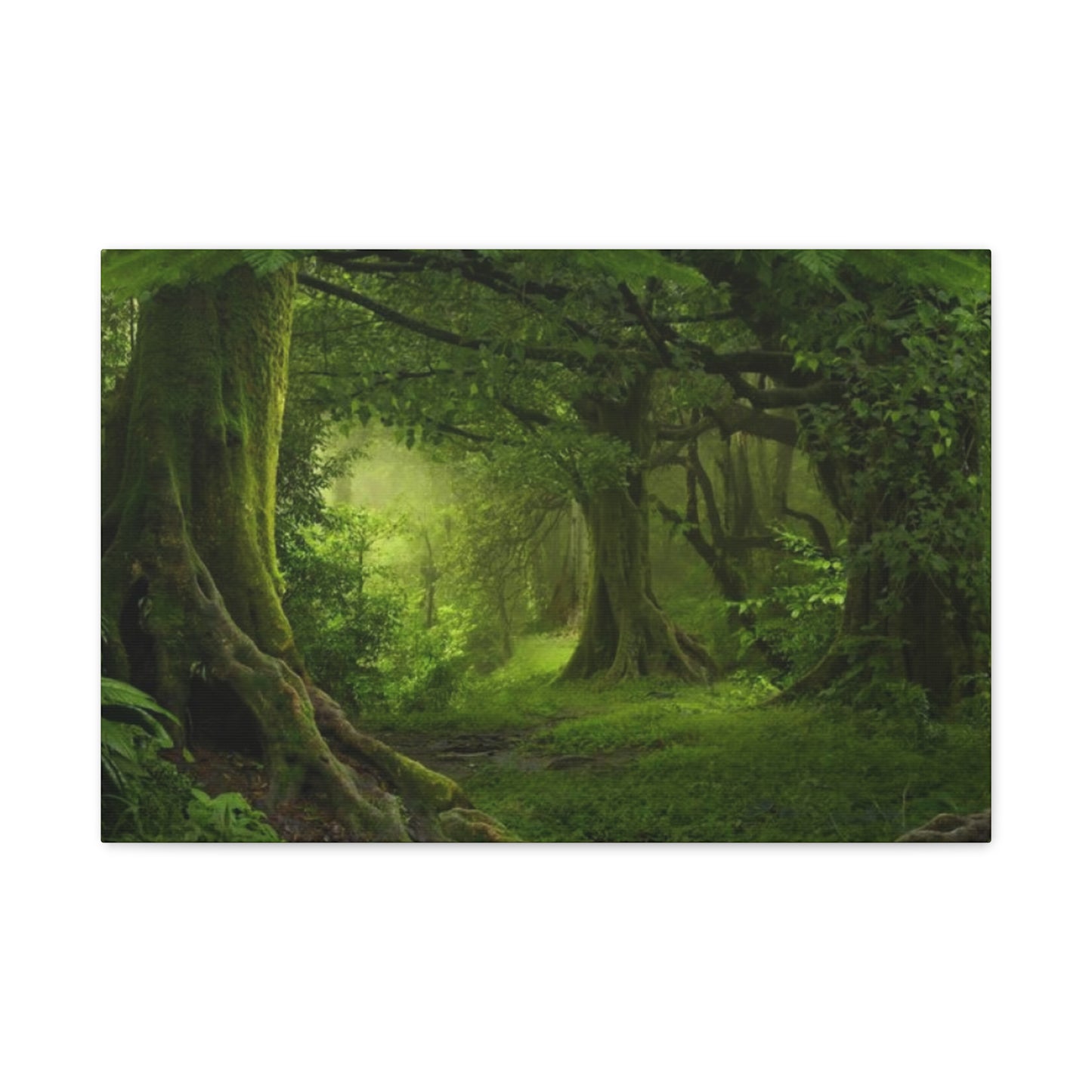
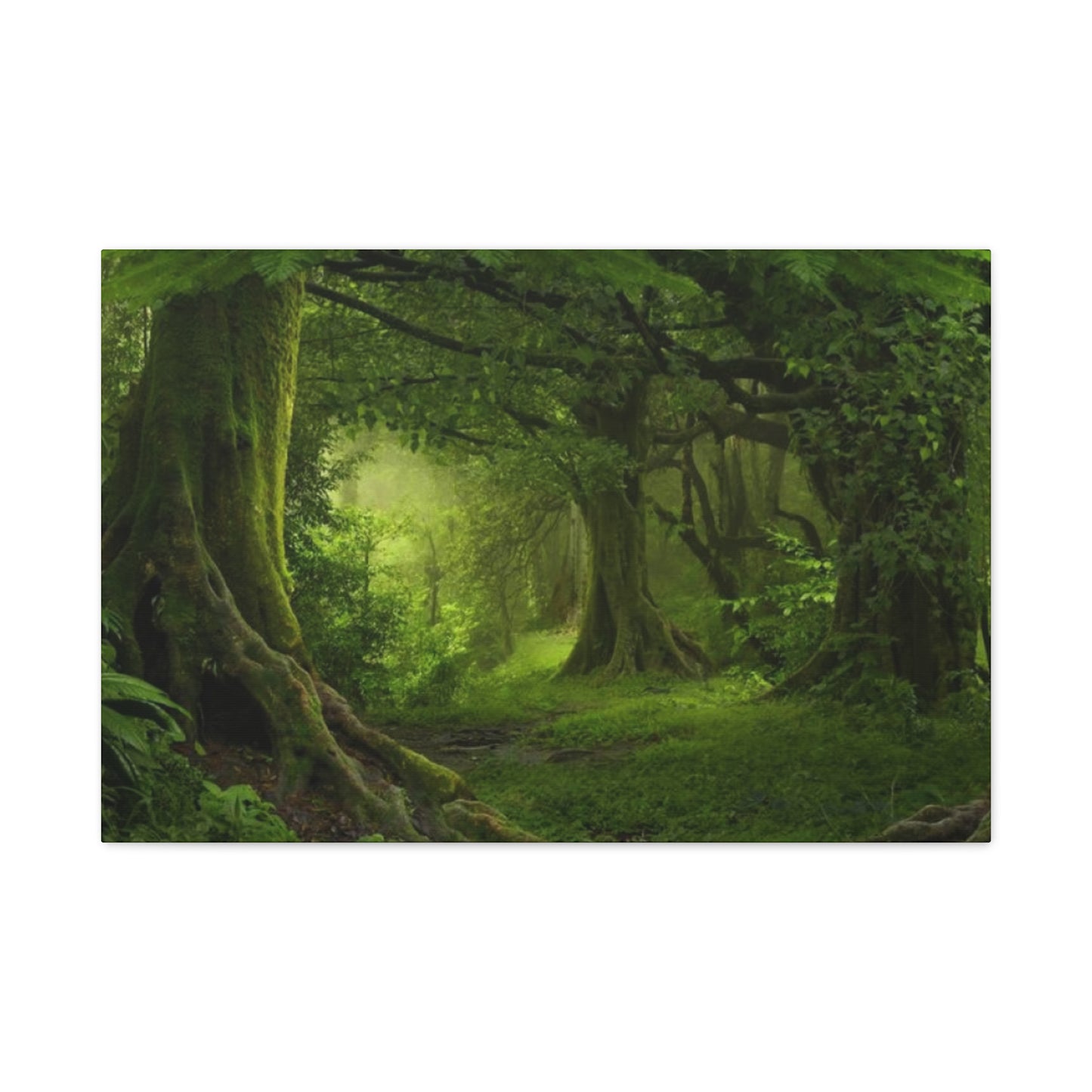
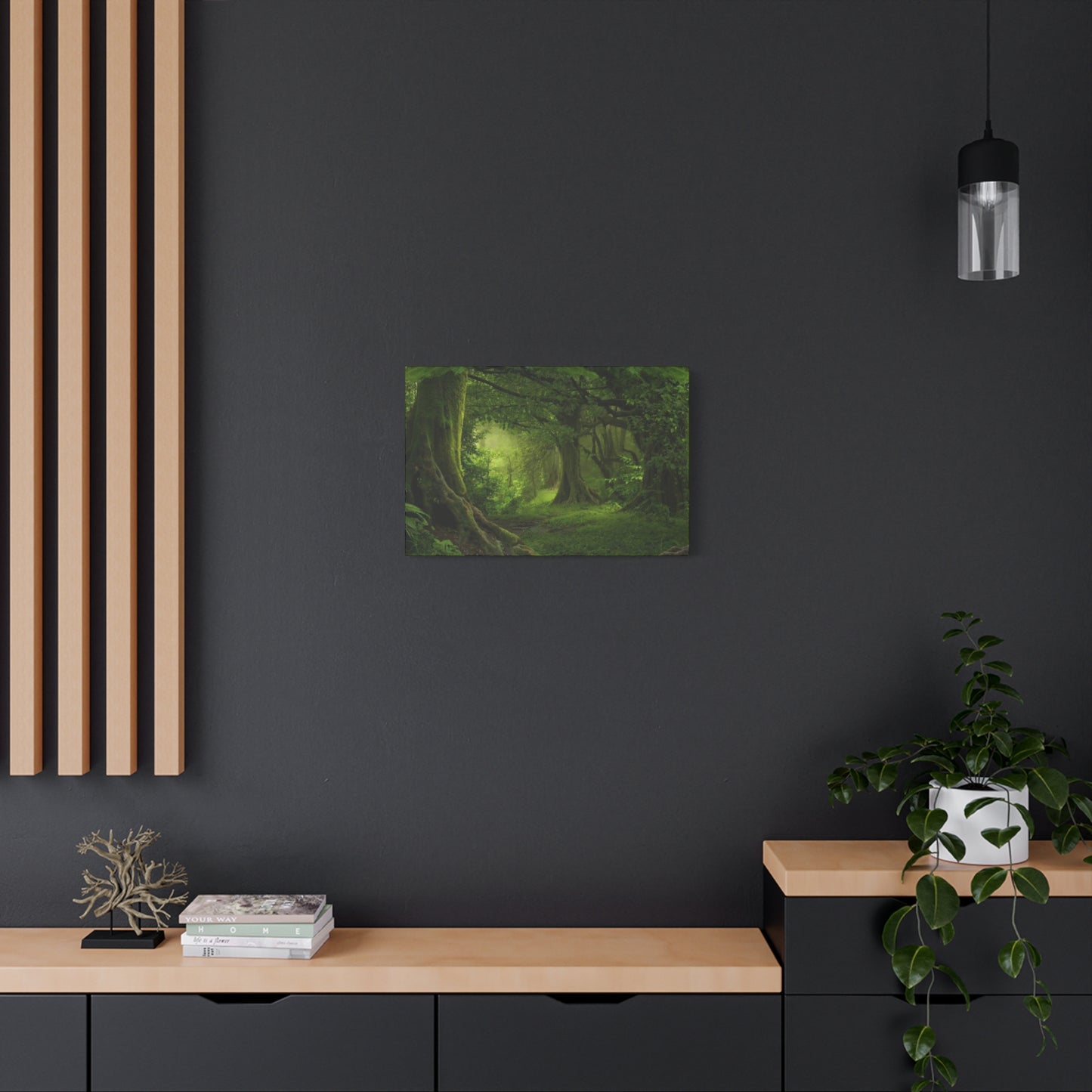
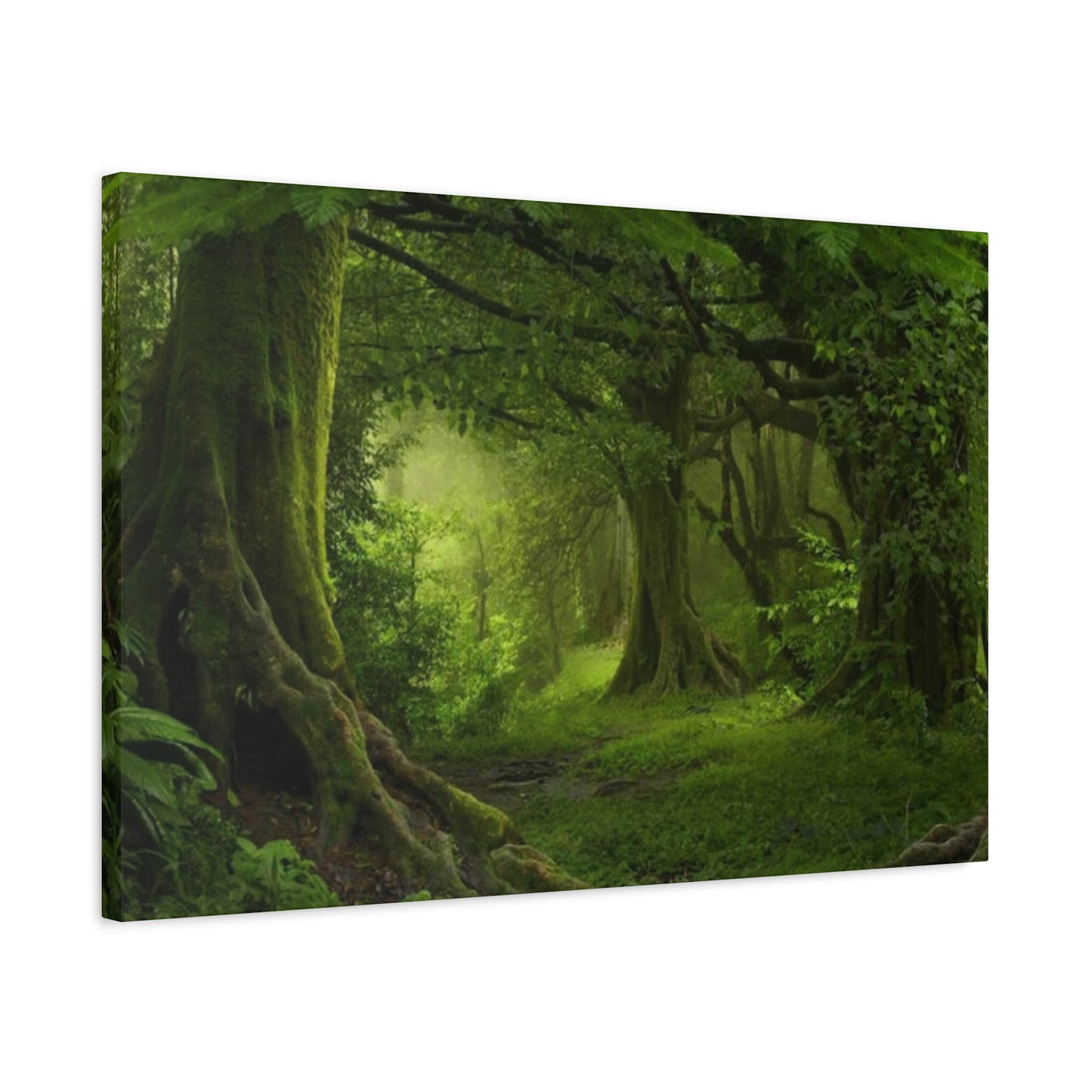
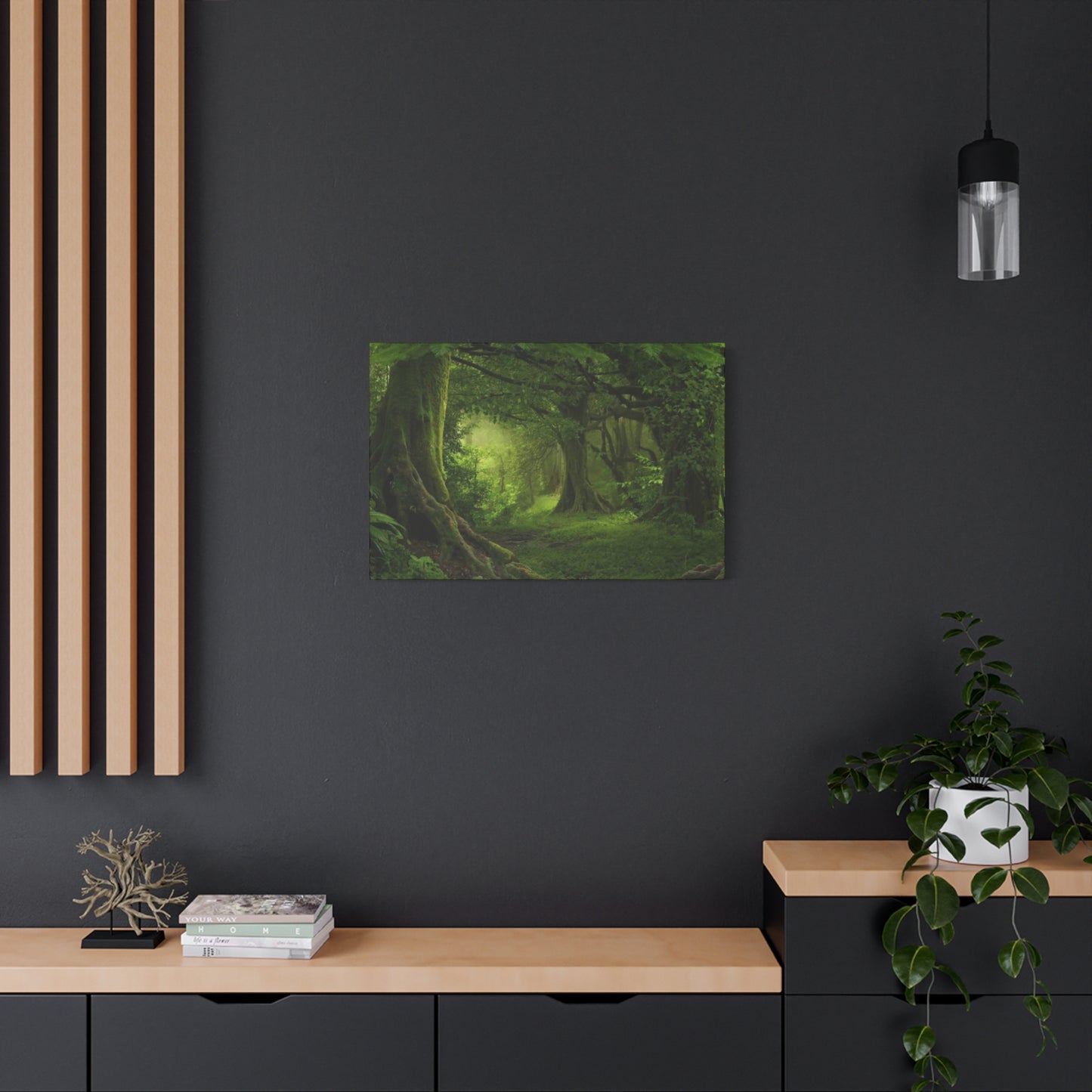
Green Tropical Forest Wall Art & Canvas Prints
Green Tropical Forest Wall Art & Canvas Prints
Couldn't load pickup availability
Transform Your Living Space with the Timeless Beauty and Refreshing Impact of Green Tropical Forest Wall Art
The allure of bringing nature indoors has captivated homeowners, interior designers, and art enthusiasts for generations. Among the most compelling ways to achieve this connection with the natural world is through carefully selected green tropical forest wall art. These captivating pieces transform ordinary rooms into extraordinary sanctuaries, offering visual depth, emotional resonance, and a tangible link to the lush ecosystems that thrive in equatorial regions around our planet.
When you incorporate green tropical forest wall art into your environment, you're not merely hanging a decorative object on your walls. Instead, you're creating a portal to verdant landscapes where sunlight filters through dense canopies, exotic birds call from hidden branches, and the very air seems thick with moisture and life. This form of artistic expression has evolved far beyond simple botanical prints, now encompassing a vast spectrum of styles, mediums, and interpretations that can satisfy any aesthetic preference or design philosophy.
The contemporary fascination with tropical imagery stems from multiple converging factors in modern society. As urbanization continues to separate people from natural environments, the human psyche increasingly craves visual reminders of the organic world. Research in environmental cognition has demonstrated that exposure to nature imagery—even in representational form—can produce measurable reductions in stress hormones, improvements in cognitive function, and enhanced emotional well-being. Green tropical forest wall art serves this fundamental human need while simultaneously functioning as a sophisticated design element.
Why Green Tropical Forest Wall Art Creates Powerful Visual Statements in Contemporary Interiors
The decision to incorporate green tropical forest wall art into residential or commercial spaces extends beyond mere aesthetic preference. These pieces function on multiple levels simultaneously, addressing both conscious design objectives and subconscious emotional needs. Understanding the multifaceted appeal of tropical forest imagery helps explain why this particular artistic genre has experienced such remarkable growth in popularity across diverse demographics and geographic regions.
Color theory provides one foundational explanation for the effectiveness of green tropical forest wall art. Green occupies a unique position in the visible spectrum, sitting precisely between warm and cool tones. This balanced placement allows green to harmonize with virtually any color palette, making tropical forest art remarkably versatile in design applications. The specific shades of green found in tropical ecosystems—ranging from deep emerald shadows to bright lime highlights—create visual complexity that prevents monotony while maintaining overall cohesion.
Beyond color considerations, the compositional elements typical of tropical forest imagery contribute significantly to their visual impact. These artworks often feature layered depth, with foreground elements like broad leaves or twisted vines drawing the eye before leading viewers deeper into the composition toward distant trees or glimpsed sky. This layering creates a sense of spatial expansion that can make rooms feel larger and more open, particularly valuable in compact urban living environments where physical space comes at a premium.
The textural variety present in tropical forest scenes adds another dimension of visual interest. Smooth waxy leaves contrast with rough bark, delicate ferns juxtapose against sturdy palm fronds, and mist-softened backgrounds play against sharply focused foreground details. When rendered skillfully, whether through painting, photography, or digital means, these textural contrasts create tactile sensations that engage viewers on a sensory level beyond purely visual perception.
Light dynamics constitute yet another powerful aspect of green tropical forest wall art. Tropical environments exhibit distinctive lighting conditions, with sunbeams penetrating dense canopies to create dramatic shafts of illumination, dappled patterns dancing across foliage, and the soft diffused glow that characterizes overcast or misty conditions. Artists capturing these lighting phenomena create works that seem to radiate their own luminosity, bringing energy and vitality to interior spaces regardless of the actual ambient lighting conditions.
Exploring the Diverse Styles and Interpretations of Green Tropical Forest Wall Art
The category of green tropical forest wall art encompasses an extraordinary range of artistic approaches, each offering distinct aesthetic qualities and emotional resonances. Understanding these various styles enables more informed selection that aligns with personal preferences, existing decor schemes, and the specific atmospheric qualities desired in a given space.
Photorealistic representations constitute one major category, featuring imagery that captures tropical environments with documentary precision. These pieces often originate from actual photography expeditions to rainforest locations, though increasingly sophisticated digital rendering techniques can now produce photorealistic imagery without requiring physical travel to remote locations. The appeal of photorealistic green tropical forest wall art lies in its ability to transport viewers convincingly to actual places, creating powerful illusions of windows opening onto verdant landscapes.
At the opposite end of the stylistic spectrum, abstract interpretations of tropical forest themes reduce natural forms to their essential visual elements. These works might suggest rather than depict specific plants, using color fields, gestural brushwork, or geometric patterns to evoke the feeling of tropical abundance without literal representation. Abstract green tropical forest wall art particularly suits contemporary minimalist interiors where overtly representational imagery might feel incongruous, allowing nature's influence to permeate spaces while maintaining design simplicity.
Impressionistic approaches occupy middle ground between photorealism and abstraction, capturing the essence and atmosphere of tropical forests through loose brushwork, emphasis on light effects, and subjective color interpretation. These pieces often convey the emotional experience of being immersed in tropical environments rather than documenting specific botanical details. The softened edges and painterly qualities of impressionistic green tropical forest wall art create romantic, dreamy atmospheres particularly suited to bedrooms, reading nooks, and other spaces designed for relaxation and contemplation.
Botanical illustration represents another significant category, characterized by scientific accuracy combined with artistic refinement. These works typically isolate individual plant specimens against neutral backgrounds, presenting them with exacting detail that reveals structural characteristics, growth patterns, and distinctive features. While more formal in character than many tropical forest depictions, botanical-style green tropical forest wall art brings sophistication and scholarly elegance to spaces, particularly appealing in studies, libraries, and professional environments.
Contemporary digital art has expanded the possibilities for green tropical forest wall art in remarkable directions. Digital artists can manipulate photographic elements, combine multiple exposures, apply stylistic filters, and create entirely synthetic compositions that would be impossible through traditional means. This flexibility has produced hybrid styles blending photographic realism with surrealistic elements, neon-accented tropical scenes suited to modern urban aesthetics, and endlessly customizable works that can be adjusted to match specific color requirements or dimensional constraints.
Selecting the Perfect Green Tropical Forest Wall Art for Different Room Types and Functions
The versatility of green tropical forest wall art makes it suitable for virtually any room, yet optimal selection requires consideration of each space's specific function, existing design elements, and the emotional atmosphere you wish to cultivate. Different rooms serve different purposes, and the artwork selected should enhance rather than contradict these intended functions.
Living rooms and communal gathering spaces benefit from green tropical forest wall art that creates conversation and establishes the overall atmospheric tone for the home. In these high-visibility areas, larger scale pieces often prove most effective, commanding attention without overwhelming the space. Multi-panel installations or triptychs work particularly well above sofas or along prominent walls, creating focal points that organize the visual hierarchy of the entire room. The specific imagery selected might lean toward grander vistas—expansive canopy views, riverside jungle scenes, or panoramic forest horizons—that suggest openness and possibility while maintaining the grounding influence of abundant greenery.
Bedrooms require different considerations, as these private retreats should promote relaxation, reduce anxiety, and facilitate restful sleep. For these spaces, green tropical forest wall art featuring calmer compositions, softer color palettes, and less dramatic contrasts typically performs better than highly stimulating imagery. Close-up views of individual palm fronds, misty morning forest scenes, or gentle rainfall filtering through leaves create soothing atmospheres conducive to unwinding after stressful days. The positioning of bedroom artwork matters significantly—pieces placed within the direct line of sight from the bed exert stronger influence on pre-sleep mental states than those positioned on adjacent walls.
Home offices and workspaces present unique challenges, needing to balance stimulating productivity with preventing visual distraction. Green tropical forest wall art in these environments should energize without overwhelming focus. Medium-scale pieces featuring balanced compositions work well, providing refreshing visual breaks during intensive work periods without constantly pulling attention away from tasks. Research suggests that brief exposure to nature imagery during work breaks enhances subsequent concentration and problem-solving abilities, making strategically placed tropical art functionally valuable beyond aesthetic contributions.
Dining areas offer opportunities for more dramatic or conversation-provoking green tropical forest wall art selections. These spaces host social interactions where stimulating visual elements can enhance the dining experience and provide natural conversation topics. Bolder color interpretations, unusual compositional approaches, or large-scale statement pieces work effectively in dining rooms, creating memorable environments that elevate everyday meals into special occasions. The association between tropical imagery and exotic cuisines can be leveraged in dining spaces, creating thematic coherence that enhances the overall sensory experience of shared meals.
Bathrooms, often overlooked in decorating plans, transform remarkably with appropriate green tropical forest wall art. The natural association between tropical environments and water makes this pairing particularly logical and effective. Moisture-resistant prints or canvas treatments specifically designed for humid environments allow safe display of tropical imagery in these spaces. Smaller scale pieces or collections of coordinated works often suit bathroom dimensions better than single large artworks, and the intimate nature of bathrooms makes them ideal locations for more personal, contemplative imagery that might feel too introspective for public areas.
Understanding Size, Scale, and Proportion When Displaying Green Tropical Forest Wall Art
The physical dimensions of artwork relative to the walls and furniture surrounding it dramatically affects visual impact and overall room balance. Many otherwise excellent green tropical forest wall art selections fail to achieve their potential simply because scale considerations were inadequately addressed during the selection and installation process.
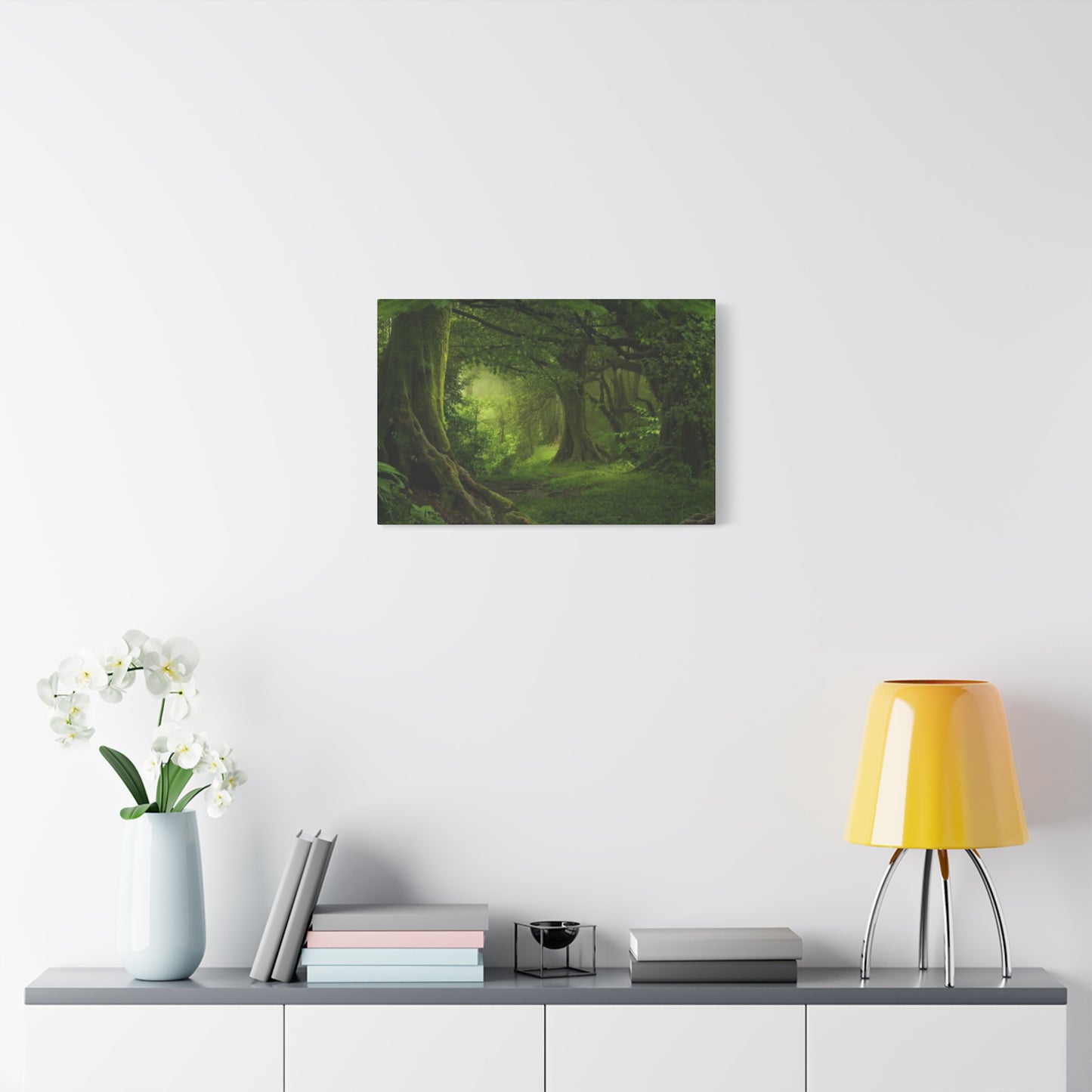
The relationship between artwork size and wall dimensions follows general principles that apply across artistic genres but deserve special attention with tropical forest imagery. A common guideline suggests that artwork should occupy roughly sixty to seventy-five percent of the wall space above furniture pieces like sofas, beds, or console tables. This proportion creates visual connection between furniture and art without either element overwhelming the other. However, with green tropical forest wall art specifically, these proportions can be pushed slightly larger because the organic, flowing nature of tropical imagery tends to feel less imposing than geometric or architectural artwork of equivalent dimensions.
Ceiling height significantly influences optimal artwork dimensions. Standard eight-foot ceilings generally accommodate pieces up to forty-eight inches in height comfortably, while higher ceilings not only permit but often require larger artworks to maintain appropriate scale relationships. In rooms with ten or twelve-foot ceilings, a piece that would dominate a standard room might appear diminutive and lost. Green tropical forest wall art excels in tall spaces because the vertical growth patterns inherent in forest imagery naturally complement and emphasize vertical architectural elements.
The viewing distance between observer and artwork determines how much detail remains perceptible and affects the optimal level of detail in the imagery itself. Highly detailed green tropical forest wall art with intricate leaf textures, tiny botanical elements, or fine atmospheric effects requires closer viewing distances to appreciate fully. Such pieces work beautifully in smaller rooms where viewers naturally pass within a few feet, but may read as muddy or indistinct from across large open-plan spaces. Conversely, bold simplified compositions with strong value contrasts and limited fine detail maintain visual clarity and impact even when viewed from considerable distances.
Multi-panel arrangements offer flexibility for achieving substantial combined dimensions while maintaining manageable individual component sizes. Diptychs, triptychs, and larger multi-panel installations of green tropical forest wall art can span entire walls, creating immersive environments that surround viewers with tropical imagery. These arrangements work particularly well with panoramic forest scenes that benefit from extended horizontal formats, allowing the composition to unfold sequentially as viewers scan from panel to panel. The spacing between panels affects the overall unity of the composition—narrower gaps create cohesive single images, while wider spacing allows each panel to function somewhat independently while maintaining thematic connection.
Proportion considerations extend beyond just artwork dimensions to encompass the internal compositional balance of the image itself. Green tropical forest wall art with strong horizontal emphasis—compositions dominated by horizontal layers of canopy, horizon lines, or horizontal branch arrangements—naturally complement wide walls and work well above low furniture. Vertically oriented pieces emphasizing tree trunks, waterfalls, or upward views through canopy layers suit narrower wall spaces and areas with vertical architectural elements like doorways or windows nearby.
Material Choices and Printing Methods That Enhance Green Tropical Forest Wall Art
The substrate materials and reproduction methods used to produce green tropical forest wall art significantly impact both visual qualities and practical considerations like durability, maintenance requirements, and cost. Understanding these material and production factors enables more informed purchasing decisions that balance aesthetic preferences with practical realities.
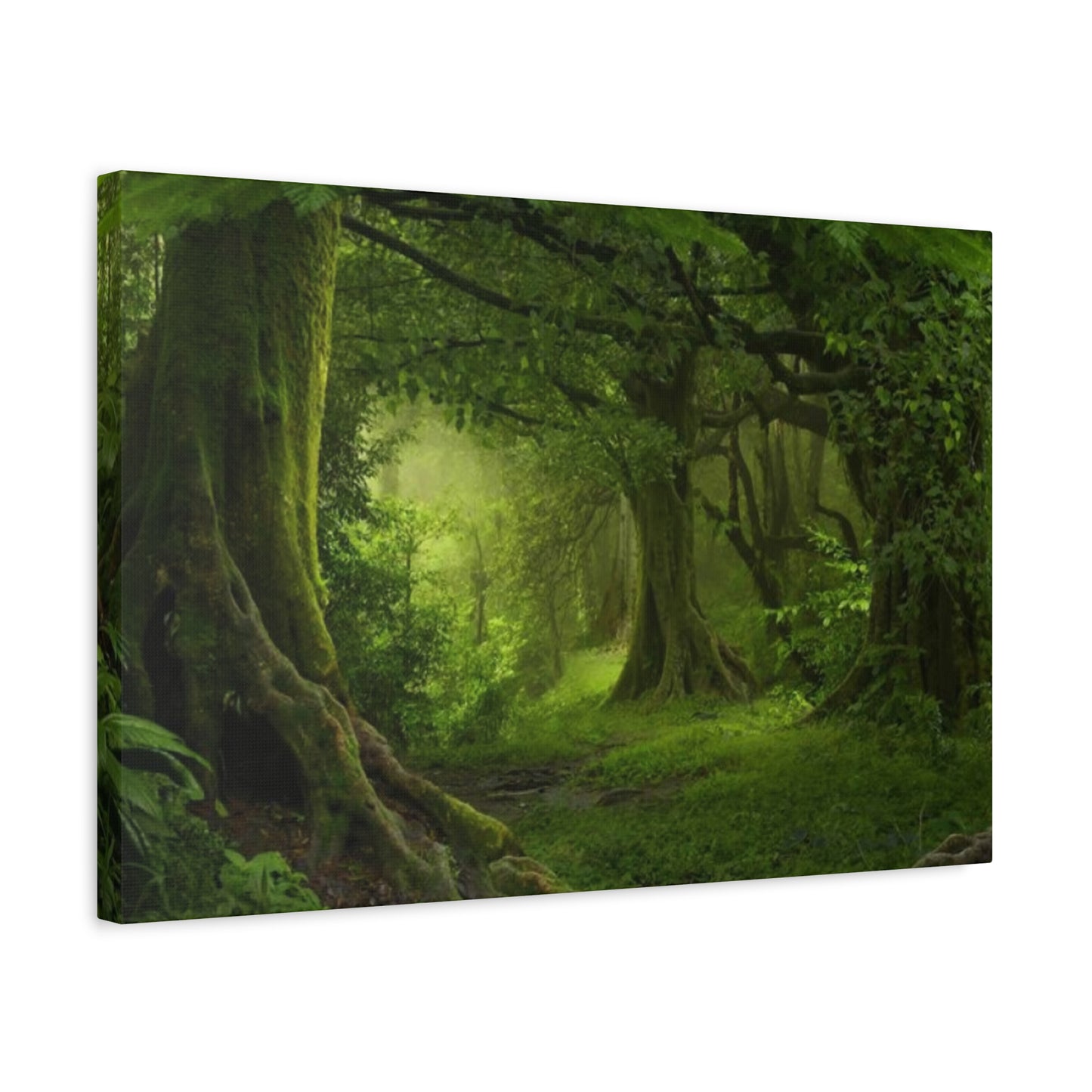
Canvas remains one of the most popular substrates for green tropical forest wall art, offering numerous advantages that explain its enduring popularity. The slight texture inherent in canvas surfaces adds subtle dimensionality that enhances the organic feel of tropical imagery. Modern canvas printing technologies produce remarkable color fidelity and detail resolution, rivaling photographic paper while providing superior durability and resistance to damage. Gallery-wrapped canvas, where the printed image extends around the stretcher frame edges, eliminates the need for separate framing, reducing costs while creating contemporary clean-lined aesthetics. Canvas also offers flexibility in size, with large-format pieces feasible at costs that would be prohibitive in other materials.
Acrylic mounting presents green tropical forest wall art with distinctive modern aesthetics characterized by depth, luminosity, and dramatic impact. In this process, images are printed on high-quality paper or directly onto acrylic sheets, then face-mounted to clear acrylic panels. The acrylic layer creates depth between the viewer and the image while intensifying colors and increasing apparent sharpness. Light interacts with face-mounted acrylic prints differently than with traditional flat prints, creating subtle dimensional effects and enhanced vibrancy particularly beneficial for tropical imagery where color intensity significantly affects impact. The glossy surface characteristic of acrylic mounting suits contemporary interiors but may create glare issues in spaces with abundant natural light or directed artificial illumination.
Metal prints represent an innovative substrate particularly well-suited to certain styles of green tropical forest wall art. The process involves infusing dyes directly into specially coated aluminum sheets, creating images with extraordinary vibrancy, incredible sharpness, and virtually permanent colorfastness. The metallic base imparts subtle luminosity to the entire image, making metal prints appear to emit their own light—an effect that dramatically enhances tropical forest imagery with bright highlights, sun shafts, or backlighting elements. The sleek frameless appearance of metal prints complements minimalist and contemporary industrial interiors, though the modern aesthetic may feel incongruous in traditional or rustic settings.
Fine art paper prints maintain relevance despite newer technologies, offering unmatched subtlety, tonal range, and archival stability when produced with high-quality printers and pigment-based inks. Multiple paper types serve different aesthetic purposes—smooth papers yield maximum detail and sharpness ideal for photorealistic tropical imagery, while textured papers impart artistic character suited to impressionistic or painterly interpretations. Properly framed behind UV-protective glazing, fine art paper prints of green tropical forest wall art can last centuries without significant fading, making them worthy investments for serious collectors. The traditional presentation associated with framed paper prints suits classic, transitional, and formal interiors where canvas or acrylic might feel too casual.
Wood mounting offers an organic substrate choice particularly appropriate for green tropical forest wall art given the thematic connection between tropical forests and wood materials. Images can be printed directly onto specially prepared wood panels or transferred to wood surfaces using various techniques. The wood grain remains subtly visible through the image, adding natural texture that reinforces the organic character of tropical forest imagery. Different wood species—from light birch to dark walnut—affect the overall color temperature and aesthetic character of the finished piece. Wood-mounted art brings warmth and natural authenticity particularly valued in rustic, farmhouse, and organic modern interiors.
Textile printing technologies now enable reproduction of green tropical forest wall art on fabric substrates beyond traditional canvas, including silk, linen, velvet, and synthetic performance fabrics. These textile options open creative possibilities like room dividers, hanging tapestries, and dimensional fabric art that extends beyond flat wall mounting. Fabric's inherent softness and drape create different aesthetic qualities than rigid substrates, introducing organic movement and tactile appeal. Some contemporary designers incorporate printed tropical textiles into mixed-media three-dimensional art installations that blur boundaries between two-dimensional artwork and sculptural elements.
Color Coordination Strategies for Green Tropical Forest Wall Art in Various Palette Schemes
Successfully incorporating green tropical forest wall art requires thoughtful consideration of existing color schemes and intentional decisions about whether the artwork should harmonize with current palettes or introduce contrasting elements that energize the space. Green's unique position in color theory provides flexibility, but optimal results still demand strategic planning.
In monochromatic or near-monochromatic interiors dominated by neutral tones—whites, grays, beiges, or blacks—green tropical forest wall art introduces organic color that transforms spaces without overwhelming subtlety. The specific greens in tropical imagery span considerable range, from yellow-tinged lime tones to blue-leaning emeralds to deep forest shades approaching black. Selecting tropical artwork with green values closely matched to the overall room's value structure creates cohesion even while introducing new hues. Light, bright tropical imagery suits high-key neutral spaces with abundant whites and pale grays, while darker, more saturated forest scenes complement low-key schemes featuring charcoal, deep gray, or black elements.
Complementary color schemes pairing green with red-violet or red tones create high-energy, dynamic relationships. While pure red and pure green can feel excessively Christmas-themed if handled clumsily, tropical forests naturally contain reddish elements—bark, flowers, certain foliage varieties—that allow sophisticated complementary schemes. Green tropical forest wall art featuring prominent red-brown tree trunks, crimson bromeliads, or terracotta-toned earth elements pairs beautifully with interiors incorporating brick, rust, burgundy, or warm wood tones. The key lies in varying saturation and value to prevent garish clash—pairing saturated greens with desaturated reds or vice versa creates balance.
Analogous color schemes using colors adjacent on the color wheel—green with yellow and blue—feel naturally harmonious and occur frequently in tropical imagery. Green tropical forest wall art containing significant blue elements like sky, water, or blue-green foliage varieties complements interiors with blue accents, from navy to turquoise to powder blue. Similarly, tropical imagery with warm yellow-green vegetation, golden sunlight filtering through leaves, or flowering plants coordinates beautifully with yellow, gold, or brass design elements. Analogous schemes feel cohesive and restful, making them particularly suitable for bedrooms and relaxation spaces.
Triadic color schemes incorporate three hues equally spaced around the color wheel—for green, this typically means combining it with orange and violet. While less common than other schemes, triadic palettes create vibrant, balanced compositions when carefully executed. Green tropical forest wall art can anchor triadic schemes, particularly when the artwork itself contains the full triad—green foliage with orange flowers and violet shadows, for example. In interiors, this might translate to green tropical art surrounded by burnt orange upholstery and eggplant accent pillows, creating sophisticated complexity that avoids monotony without feeling chaotic.
Split-complementary schemes offer variation on complementary approaches, pairing green with colors adjacent to its direct complement. Instead of pure red, this might involve red-orange and red-violet alongside green. Green tropical forest wall art works excellently in split-complementary schemes because tropical environments naturally contain warm-toned elements that bridge the relationship between primary green and warmer accent colors. Spaces featuring coral, salmon, peach, or terracotta alongside mauve, plum, or wine tones find natural completion through tropical forest imagery.
Tetradic or double-complementary schemes employ two complementary pairs, creating rich, complex color relationships. For green tropical forest wall art, this might involve green and red alongside blue and orange, or green and magenta alongside yellow and violet. These sophisticated palettes require careful balancing to avoid visual chaos, typically achieved by allowing one color to dominate while others function as accents. Tropical artwork serves effectively as the dominant element in such schemes, with complementary pairs appearing in smaller doses through accessories, textiles, and accent pieces.
Framing Options That Complement and Enhance Green Tropical Forest Wall Art
While some substrates like gallery-wrapped canvas or metal prints require no framing, many green tropical forest wall art pieces benefit from thoughtfully selected frames that protect the artwork while enhancing its visual impact and helping it integrate with surrounding decor.
Traditional wood frames offer timeless appeal and remain among the most popular choices for green tropical forest wall art. The organic nature of wood materials creates natural affinity with nature imagery, reinforcing thematic content. Wood species selection significantly affects the overall aesthetic—light woods like maple, oak, or ash create casual, airy feelings appropriate for coastal, Scandinavian, or modern farmhouse interiors, while dark woods like walnut, mahogany, or espresso-stained frames add formality and weight suited to traditional or sophisticated contemporary spaces. Wood grain patterns provide subtle texture that adds interest without competing with the artwork itself.
Metallic frames in gold, silver, brass, or copper tones introduce elegance and can dramatically affect the perceived warmth or coolness of green tropical forest wall art. Gold frames—particularly antiqued or champagne-toned golds rather than bright yellow gold—warm tropical imagery and suit traditional, transitional, or glamorous interiors. Silver and chrome frames cool the overall impression, creating crisp modern aesthetics that work beautifully in contemporary and industrial spaces. Brass and bronze tones occupy a middle ground, bringing warmth without the formality of traditional gold while maintaining more sophistication than basic silver. Rose gold frames have gained popularity recently, offering contemporary warmth particularly flattering to tropical imagery with pink, coral, or warm golden tones.
White frames provide clean, gallery-like presentation that allows green tropical forest wall art to dominate visually without competing frame elements. Various white finishes create different effects—glossy white feels fresh and modern, flat white appears more casual and organic, and distressed white introduces shabby-chic or coastal cottage character. White frames excel at brightening spaces and making artwork appear larger, valuable attributes in smaller or darker rooms. The neutral quality of white frames ensures they won't clash with future room updates, providing longevity to the investment.
Black frames create bold, dramatic presentation that emphasizes the artwork and creates strong visual contrast. Black frames particularly enhance lighter tropical imagery, creating clear boundaries between artwork and walls while preventing colors from bleeding into surrounding spaces. Modern black frames with clean lines suit contemporary interiors, while ornate black frames bring gothic or Victorian character to appropriate settings. Black's neutrality means it coordinates with virtually any color scheme while maintaining stronger presence than white or wood options.
Natural material frames beyond traditional wood—bamboo, rattan, cork, or reclaimed wood—reinforce the organic character of green tropical forest wall art through material as well as visual choices. These frames particularly suit bohemian, tropical-themed, or eco-conscious interiors where sustainability and natural materials figure prominently in the design philosophy. The texture and irregularity inherent in these materials adds handcrafted authenticity that mass-produced frames cannot replicate.
Floating frames create the illusion that artwork hovers within the frame, separated by a gap that creates shadow lines and dimensional interest. This contemporary framing approach works beautifully with green tropical forest wall art, particularly for pieces printed on thicker substrates like wood or acrylic where the edge thickness contributes to the dimensional effect. Floating frames draw attention to the artwork itself while providing clean-lined modern presentation.
Museum-style framing with wide mats creates sophisticated, gallery-quality presentation that adds substantial size to relatively modestly dimensioned prints. The mat color significantly affects the overall impression—white or cream mats create classic, formal presentation, while colored mats can either coordinate with artwork colors or introduce contrasting elements. For green tropical forest wall art, warm off-white or cream mats generally prove more complementary than stark bright white, which can feel too clinical. Some framers offer multiple mat layers with contrasting colors creating subtle frames within frames, adding complexity and perceived value.
Seasonal Refreshment and Rotation Strategies for Green Tropical Forest Wall Art Collections
Building a collection of green tropical forest wall art in various styles enables periodic rotation that refreshes spaces without requiring major design overhauls or significant expense. Strategic rotation prevents visual stagnation and allows tailoring the atmosphere to seasonal rhythms, personal mood fluctuations, or evolving aesthetic preferences.
Seasonal rotation acknowledges the human tendency to crave different environmental qualities throughout the annual cycle. During cold winter months when landscapes outside appear barren and color-drained, intensely saturated green tropical forest wall art with warm undertones combats seasonal affective tendencies and creates psychological warmth. Imagery suggesting humidity, moisture, and organic abundance feels particularly appealing when exterior environments appear frozen and lifeless. Winter rotations might emphasize dense jungle scenes with minimal sky visible, creating cocooning effects that reinforce interior comfort during inhospitable outdoor conditions.
Spring awakening inspires desire for fresh, lighter, more delicate impressions after heavy winter imagery. Spring rotation opportunities include tropical scenes emphasizing new growth, lighter greens suggesting young vegetation, and compositions with more negative space allowing breathing room. Images featuring flowering tropical plants connect with the flowering patterns emerging in temperate zones, maintaining seasonal relevance while retaining tropical themes. Increased natural daylight during spring months allows successful display of more subtle tropical artwork that might appear too understated during darker winter periods.
Summer naturally aligns with tropical imagery, making this season ideal for showcasing the most vibrant, saturated, and dramatic green tropical forest wall art in collections. Bold colors, strong contrasts, and energetic compositions match summer's intensity and abundant light. Imagery featuring water elements—tropical rivers, waterfalls, rain-soaked foliage—provides psychological cooling during hot months. Summer also presents opportunities to extend tropical themes beyond traditional wall art into outdoor living spaces, with weather-resistant tropical prints enhancing patios, porches, or garden structures.
Autumn transitions call for tropical imagery with warmer color temperatures as preferences shift from summer's cool refreshment toward preparations for winter's warmth. Green tropical forest wall art featuring golden light, sunset illumination, or vegetation with yellow, orange, or bronze tones bridges tropical themes with autumnal color palettes. Images with more visible earth, exposed roots, or darker shadows acknowledge the natural progression toward darker, more introspective seasons while maintaining verdant life affirmation.
Beyond seasonal considerations, rotation strategies can address personal mood fluctuations and life circumstances. During particularly stressful periods, rotating toward the most calming, serene tropical imagery available provides environmental support for stress reduction. Conversely, during creative projects or when energizing influence feels beneficial, swapping in more dynamic, stimulating tropical compositions enhances environmental support for these states. The ability to refresh one's environment without major disruption or expense represents significant value beyond the aesthetic merit of individual pieces.
Practical rotation requires appropriate storage solutions that protect artwork during periods out of display. Climate-controlled storage spaces prevent damage from humidity, temperature fluctuations, or pest intrusion. Acid-free materials should separate pieces to prevent chemical transfer or surface abrasion. Clear labeling systems facilitate locating specific pieces when rotation time arrives without requiring unwrapping every stored item. Digital photo documentation of each piece simplifies remote selection decisions and helps coordinate with other room elements before physically retrieving artwork from storage.
Creating Gallery Wall Arrangements with Multiple Green Tropical Forest Wall Art Pieces
Gallery walls featuring multiple coordinated green tropical forest wall art pieces create visual impact exceeding what any single piece achieves alone. These curated arrangements allow showcasing collections while creating focal points that define and anchor entire rooms.
Symmetrical grid arrangements offer clean, organized presentation suited to formal spaces and contemporary aesthetics. This approach involves hanging pieces in regular rows and columns with equal spacing throughout. Grid arrangements work best when all pieces share identical dimensions and framing treatment, creating unified composition rather than collection of separate artworks. For green tropical forest wall art, grid arrangements might feature a series of botanical studies, sequential views through a forest, or variations on a theme showing different tropical plant species. The regularity of grid arrangements creates calm, ordered impressions particularly appropriate for offices, studies, or minimalist interiors.
Salon-style arrangements embrace asymmetry and eclectic mixing, creating dynamic compositions from pieces in various sizes, frames, and styles. This approach, originating in 18th and 19th-century European art salons, produces walls densely covered with artwork in seemingly casual arrangements that actually require considerable planning to achieve proper balance. Salon-style presentations of green tropical forest wall art might mix large-scale jungle vistas with smaller botanical details, photographic pieces with painted interpretations, and various framing treatments united by consistent color palettes or subject matter. The visual complexity of salon arrangements suits bohemian, eclectic, or maximalist interiors where abundant pattern and detail create energizing rather than overwhelming effects.
Symmetrical arrangements without strict grids find middle ground between formal grids and casual salon styles. These layouts feature pieces arranged symmetrically around a central axis but with varied sizes creating more organic compositions than rigid grids. Common patterns include larger central pieces flanked by smaller works, or pyramid arrangements with single large pieces at top or bottom and progressively more or larger pieces expanding outward. Symmetrical arrangements feel intentional and sophisticated without the rigidity of grids, suiting transitional interiors that blend traditional and contemporary elements.
Linear arrangements along a single horizontal line create streamlined, contemporary presentations that emphasize width while maintaining vertical restraint. This approach works beautifully above sofas, beds, or console tables where vertical space is limited but horizontal expanse allows multiple pieces. Linear arrangements of green tropical forest wall art might feature a sequence of panels telling a visual story—following a path through the forest, showing progressively closer views of vegetation, or depicting different times of day in tropical settings. Maintaining consistent spacing and vertical alignment creates cohesion, while varying piece sizes within the horizontal arrangement prevents monotony.
Asymmetrical arrangements lacking obvious organizational patterns create casual, collected-over-time impressions that feel personal and unstudied despite requiring substantial planning. These compositions achieve balance through careful distribution of visual weight rather than symmetrical positioning. Larger, darker, or more visually complex pieces carry more weight and must be balanced by multiple smaller pieces or placement at strategic locations within the overall composition. Asymmetrical arrangements of green tropical forest wall art suit informal, comfortable spaces where relaxed atmosphere supersedes formal presentation—family rooms, casual dining areas, or cozy reading nooks.
Regardless of arrangement style, successful gallery walls require proper planning before driving any nails. Creating full-scale paper templates of each piece and temporarily hanging these templates with removable adhesive allows experimenting with arrangements without commitment or wall damage. Templates reveal spacing issues, balance problems, or proportion difficulties invisible during tabletop planning with actual pieces. Many designers recommend laying out the entire arrangement on the floor, photographing it, then recreating this layout on the wall—a technique that works particularly well for complex salon-style arrangements where remembering precise positioning of numerous pieces challenges even experienced installers.
Hardware considerations affect both installation ease and long-term security of gallery wall arrangements. Picture hanging systems with mounted rails and adjustable hooks facilitate arrangement modifications without new holes, particularly valuable for those who enjoy frequent refreshment. For permanent arrangements, proper anchoring becomes critical—drywall anchors, wall studs, or professional mounting systems ensure heavy framed pieces remain securely attached. Each piece's specific weight determines appropriate hanging hardware, with substantial green tropical forest wall art in large formats requiring industrial-strength solutions beyond basic picture hangers.
Lighting Considerations That Maximize the Impact of Green Tropical Forest Wall Art
Proper illumination transforms green tropical forest wall art from merely present to genuinely commanding, revealing colors, textures, and details while creating dramatic enhancement of the artwork's inherent qualities. Understanding lighting principles and employing appropriate fixtures ensures artwork achieves its maximum potential.
Natural lighting affects artwork appearance throughout the day as sunlight angle, intensity, and color temperature shift continuously. Morning light differs substantially from afternoon or evening illumination, creating very different impressions of the same piece. When positioning green tropical forest wall art, consider the room's natural light sources and how these interact with the artwork. Pieces with backlighting or translucent elements benefit from positioning where natural light passes through them during certain times, creating glowing effects. Conversely, highly reflective surfaces like glossy acrylic or glass-fronted frames may suffer from glare during times when direct sunlight hits at problematic angles, necessitating positioning that avoids these conditions or installing window treatments that provide control over natural light intensity and direction.
Dedicated picture lights mounted above or below artwork provide focused illumination that draws attention while revealing detail. Picture lights designed specifically for artwork typically employ LED technology providing excellent color rendering without ultraviolet radiation that damages pigments over time. Adjustable picture lights allow directing illumination precisely where desired, compensating for artwork surface irregularities or emphasizing particular compositional elements. For green tropical forest wall art, warm-toned LED picture lights enhance the organic warmth of tropical imagery, while cooler LEDs create crisper, more contemporary impressions. Battery-operated picture lights eliminate wiring concerns, making them practical for rental properties or situations where electrical modification proves impractical.
Track lighting systems offer flexibility for illuminating multiple artworks or entire gallery wall arrangements from single electrical source. Adjustable heads along the track can be positioned and aimed independently, allowing customized illumination for pieces in various positions and orientations. Modern LED track lighting provides energy efficiency and generates minimal heat, important considerations when illuminating valuable art long-term. Track systems suit contemporary interiors where their visible presence enhances rather than detracts from the overall aesthetic. For green tropical forest wall art collections displayed in salon-style or grid arrangements, track lighting allows highlighting key pieces while providing sufficient illumination for the entire composition.
Recessed ceiling spotlights create dramatic illumination while maintaining clean, uncluttered ceilings. Directional recessed fixtures aimed at green tropical forest wall art wash pieces with light from above, creating gallery-like presentation particularly suited to formal spaces. The primary limitation of recessed lighting involves positioning constraints—fixtures must be located where ceiling joists and existing electrical infrastructure permit, which may not align perfectly with desired artwork locations. Planning artwork positioning to coordinate with recessed fixtures during new construction or renovation projects eliminates these limitations.
Ambient room lighting affects how green tropical forest wall art appears even when not directly illuminated. Warm overall lighting from traditional incandescent or warm-LED sources enhances the organic warmth of tropical imagery, while cool fluorescent or daylight-temperature LED lighting creates crisper but potentially less flattering effects. Layered lighting approaches combining ambient illumination with accent lighting for specific artworks provide flexibility to adjust overall room brightness while ensuring featured pieces remain prominently visible.
Wall-washing techniques employing indirect lighting create soft, even illumination across entire walls including any artwork displayed there. This approach avoids harsh shadows and intense hotspots associated with direct focused lighting, instead producing gentle, flattering illumination. Wall washing suits spaces where multiple artworks or entire gallery walls of green tropical forest wall art require equal emphasis rather than highlighting single hero pieces. The diffuse quality of washed lighting creates serene, contemplative atmospheres appropriate for bedrooms, meditation spaces, or other retreats from high-intensity environments.
Light color temperature dramatically affects perceived mood and the appearance of colors within green tropical forest wall art. Measured in Kelvins, color temperature ranges from warm amber tones around 2700K through neutral white around 3500K to cool blue-white above 5000K. Tropical imagery generally appears most appealing under warm to neutral illumination that enhances rather than fights the natural warmth of vegetation and earth tones. However, certain contemporary interpretations of tropical themes—particularly those with stylized color treatments or cool color palettes—may benefit from cooler illumination that emphasizes their modern character.
Conclusion
Protecting green tropical forest wall art from environmental damage ensures these pieces retain their beauty and value throughout their lifespan, potentially spanning decades or centuries with appropriate care. Understanding deterioration mechanisms enables preventive measures that minimize damage before it occurs.
Light exposure represents the primary threat to most artwork, causing fading, color shifts, and material degradation through photochemical reactions. Ultraviolet radiation proves particularly damaging, though visible light also contributes to cumulative harm over time. Limiting light exposure to reasonable levels prevents unnecessary damage while allowing enjoyment of the artwork. UV-filtering glazing for framed pieces blocks harmful ultraviolet radiation while permitting visible light transmission, significantly reducing deterioration rates without affecting appearance. Window films or treatments that filter UV radiation protect all interior contents, not just artwork. Positioning green tropical forest wall art away from direct sunlight eliminates the most intense light exposure, though even indirect natural light causes gradual cumulative damage over decades.
Share