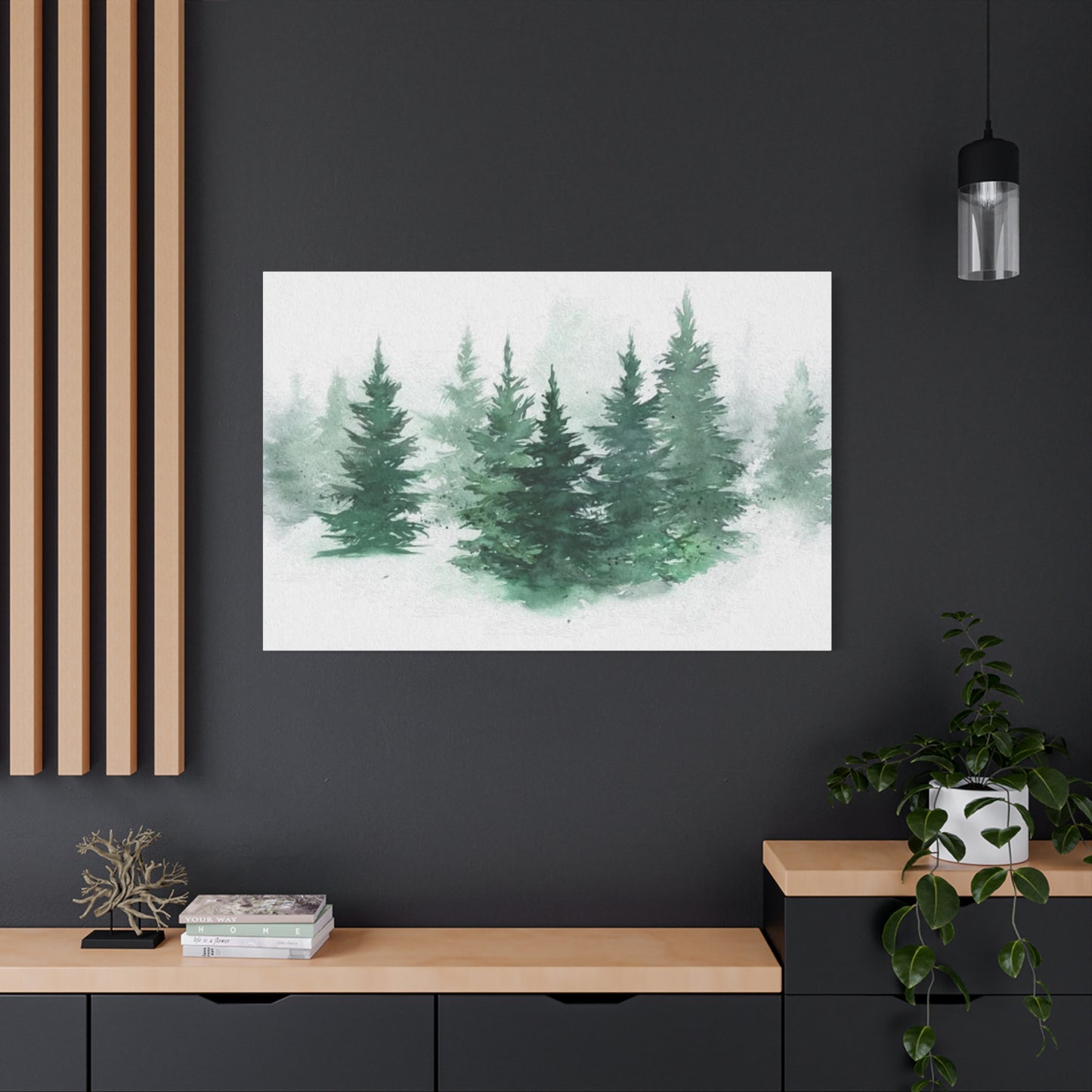


Green Tree Painting Wall Art & Canvas Prints
Green Tree Painting Wall Art & Canvas Prints
Couldn't load pickup availability
Bring the Calm of Nature Indoors with Green Tree Painting Wall Art: A Captivating Way to Beautify Your Living Spaces
The incorporation of nature-inspired artwork into interior spaces has witnessed a remarkable surge in popularity, with green tree painting wall art emerging as a captivating choice for homeowners and design enthusiasts alike. This comprehensive exploration delves into the multifaceted realm of botanical artistry, examining how verdant arboreal compositions can revolutionize residential and commercial environments while fostering emotional wellbeing and aesthetic satisfaction.
The Timeless Allure of Botanical Imagery in Contemporary Interior Design
Throughout human civilization, the depiction of flora has served as a fundamental element in artistic expression. Ancient cultures adorned their dwellings with representations of trees and foliage, recognizing an intrinsic connection between natural imagery and human consciousness. Modern interpretations of green tree painting wall art continue this ancestral tradition, albeit through contemporary lenses that incorporate diverse artistic styles ranging from photorealistic renderings to abstract interpretations.
The magnetism of arboreal artwork transcends mere decoration, tapping into profound psychological responses that humans experience when exposed to representations of nature. Scientific investigations have demonstrated that viewing botanical imagery can reduce cortisol levels, diminish stress responses, and enhance cognitive function. When individuals select green tree painting wall art for their environments, they inadvertently create sanctuaries that mirror the calming influence of outdoor landscapes.
The color green itself carries significant symbolic weight across various cultures and disciplines. In color theory, green occupies a central position on the visible spectrum, representing balance and harmony. This hue is associated with renewal, vitality, and growth—attributes that resonate deeply with individuals seeking to cultivate peaceful, rejuvenating spaces within their homes. The specific shades of green present in tree paintings, from the deep emerald of mature foliage to the delicate chartreuse of new spring leaves, each evoke distinct emotional responses and atmospheric qualities.
Contemporary artists working with arboreal themes often draw inspiration from various movements throughout art's evolution. Impressionistic techniques that capture the dappled light filtering through canopies, expressionistic approaches that convey the emotional essence of forests, and minimalist interpretations that distill trees to their essential forms all contribute to the rich diversity available in this artistic category. Collectors and decorators benefit from this breadth of stylistic options, enabling them to select pieces that align perfectly with their existing aesthetic frameworks and personal preferences.
Exploring Diverse Stylistic Approaches to Arboreal Artistic Expression
The realm of green tree painting wall art encompasses an extraordinary spectrum of artistic methodologies, each offering unique visual characteristics and emotional impacts. Realistic portrayals meticulously capture the intricate details of bark textures, leaf formations, and the complex interplay of light and shadow within forested environments. These works appeal to individuals who appreciate naturalistic representations and seek to bring photographic accuracy into their living spaces.
Abstract interpretations of arboreal subjects liberate artists from representational constraints, allowing them to explore the conceptual essence of trees through color, form, and composition. Such pieces might feature bold geometric shapes suggesting tree structures, or fluid, organic forms that evoke the movement of branches in wind. Abstract green tree painting wall art particularly suits contemporary interiors where conventional representation might appear incongruous with the overall design philosophy.
Impressionistic approaches to tree painting capture fleeting moments and atmospheric conditions, emphasizing the sensory experience of being among trees rather than precise botanical documentation. These works often feature loose brushwork, vibrant color palettes, and an emphasis on capturing light quality. The resulting compositions convey movement, vitality, and the ephemeral beauty of natural environments, making them particularly effective in creating dynamic focal points within rooms.
Watercolor renditions of trees possess a distinctive delicacy and luminosity that differentiates them from works executed in other media. The transparent nature of watercolor pigments allows for subtle gradations of color and ethereal qualities that evoke morning mist in forests or the soft light of dawn filtering through leaves. Green tree painting wall art created with watercolors brings a gentle, contemplative atmosphere to spaces, making it especially suitable for bedrooms, reading nooks, and meditation areas.
Mixed-media approaches combine various materials and techniques, potentially incorporating elements like metallic leaf, textured gels, collage components, or even three-dimensional elements that extend beyond the picture plane. These innovative pieces blur boundaries between painting and sculpture, offering tactile interest alongside visual appeal. Such works become conversation starters and statement pieces that command attention while celebrating arboreal subjects through unconventional means.
Selecting the Perfect Arboreal Artwork for Specific Residential Environments
The process of choosing green tree painting wall art requires thoughtful consideration of multiple factors including spatial dimensions, existing color schemes, lighting conditions, and the intended emotional atmosphere of each room. Living rooms, as primary gathering spaces, benefit from substantial pieces that serve as focal points for the entire area. Large-scale tree paintings with rich green tones can anchor seating arrangements while introducing natural elements that counterbalance manufactured materials prevalent in furniture and fixtures.
Bedrooms demand particular attention to the calming qualities inherent in green tree painting wall art. Soft, muted representations of trees in twilight or fog can promote relaxation and facilitate restful sleep. Positioning such artwork opposite the bed ensures it becomes one of the first images viewed upon waking, potentially setting a peaceful tone for the entire day. The size should be proportionate to the wall space, neither overwhelming the room nor appearing insignificant against expansive blank walls.
Dining areas present opportunities to incorporate green tree painting wall art that stimulates conversation and enhances the communal experience of sharing meals. Seasonal tree depictions—spring blossoms, summer fullness, autumn foliage, or winter silhouettes—can subtly mark the passage of time and connect indoor dining experiences with the natural world beyond windows. The artwork's color palette should complement dishware, table linens, and other decorative elements without creating visual competition.
Home offices and workspaces derive particular benefit from the presence of botanical imagery. Research indicates that views of nature, whether actual or represented through artwork, can enhance productivity, creativity, and problem-solving abilities. Positioning green tree painting wall art within the line of sight when glancing away from computer screens provides natural breaks that reduce eye strain and mental fatigue. The specific style might lean toward more structured, balanced compositions that subtly reinforce focus rather than overly dynamic pieces that might prove distracting.
Bathrooms, often overlooked in terms of artwork placement, can be transformed into spa-like retreats through the strategic incorporation of nature-inspired pieces. Smaller green tree paintings depicting serene forest scenes or individual specimen trees can withstand the humid conditions typical of bathrooms when properly sealed and framed. These additions elevate the utilitarian space into a personal sanctuary where daily routines become more meditative and pleasurable.
The Profound Connection Between Natural Imagery and Human Emotional States
The presence of green tree painting wall art in living environments extends far beyond superficial decoration, engaging fundamental aspects of human psychology and wellbeing. Biophilia, a term coined by biologist Edward O. Wilson, describes humanity's innate tendency to seek connections with nature and other forms of life. This deeply rooted inclination explains why representations of trees and forests resonate so powerfully with viewers, even in purely artistic forms.
Exposure to green hues has been documented to produce measurable physiological effects including reduced blood pressure, decreased heart rate, and lowered muscle tension. When these calming greens are presented within the context of tree imagery, the effects compound, creating environments that actively support stress reduction and emotional equilibrium. For individuals residing in urban areas with limited access to natural landscapes, green tree painting wall art provides a crucial link to the outdoor world.
The symbolic dimensions of trees transcend cultural boundaries, appearing in mythologies, religions, and philosophical systems worldwide. Trees represent growth, stability, connection between earth and sky, and the cyclical nature of existence. Displaying arboreal artwork in personal spaces allows individuals to maintain daily contact with these archetypal symbols, potentially influencing subconscious attitudes and emotional responses. The specific species depicted can carry additional layers of meaning—oak trees suggesting strength and endurance, willows evoking flexibility and grace, or cherry blossoms representing beauty's transient nature.
Seasonal variations depicted in green tree painting wall art can serve therapeutic functions by maintaining awareness of natural cycles even within climate-controlled indoor environments. Observing representations of spring's renewal, summer's abundance, autumn's transformation, or winter's dormancy provides a counterpoint to the temporal disorientation that can occur in modern life. This connection to seasonal rhythms can help regulate circadian rhythms and maintain mental health through awareness of nature's patterns.
The contemplative practice of observing artwork offers cognitive benefits beyond immediate aesthetic pleasure. Spending time with green tree painting wall art—truly looking rather than merely glancing—engages visual processing, stimulates imagination, and can induce meditative states similar to those achieved through formal mindfulness practices. This active engagement with art transforms it from passive decoration into a tool for mental cultivation and emotional regulation.
Mastering the Craft of Displaying Arboreal Artwork in Your Home
The presentation of green tree painting wall art significantly influences its visual impact and the overall cohesion of interior spaces. Height placement proves critical, with the general guideline suggesting that artwork's center should align with average eye level, typically between 57 and 60 inches from the floor. However, this standard requires adjustment based on ceiling heights, furniture placement, and viewing angles. In rooms where artwork will primarily be viewed while seated, such as dining rooms, positioning may need to be lowered to accommodate the altered sightline.
Lighting represents perhaps the most crucial technical consideration in artwork display. Natural illumination from windows can beautifully illuminate paintings but carries risks of fading and damage over prolonged exposure, particularly for pieces created with light-sensitive pigments. Positioning green tree painting wall art perpendicular to windows rather than directly opposite them minimizes harmful UV exposure while still allowing natural light to enhance the work. Supplemental lighting through picture lights, track lighting, or strategically placed lamps ensures the artwork remains visible and impactful during evening hours.
Framing choices profoundly affect how viewers perceive and interact with green tree painting wall art. Traditional wooden frames in natural finishes complement the organic subject matter, creating continuity between content and presentation. Metal frames in brushed gold, copper, or matte black offer contemporary alternatives that can either harmonize with or provide striking contrast to the artwork's color palette. The width of the frame should be proportionate to both the painting's size and the visual weight of its composition—delicate watercolors often benefit from narrower frames, while bold, heavily textured pieces can support more substantial surrounds.
The decision between glazed and unglazed presentation involves balancing protection against aesthetic considerations. Glass or acrylic glazing shields artwork from dust, moisture, and physical contact but can introduce reflections that interfere with viewing. Non-reflective or museum-quality glazing minimizes this issue but at increased cost. Oil paintings and heavily textured works may be displayed without glazing, allowing viewers to fully appreciate surface qualities and brushwork textures.
Creating gallery walls or grouped arrangements with multiple pieces of green tree painting wall art requires careful planning to achieve visual harmony. Beginning by arranging pieces on the floor allows experimentation with configurations before committing to wall holes. Maintaining consistent spacing between frames—typically 2 to 3 inches—creates cohesion regardless of varying sizes. Establishing a common element, whether matching frames, consistent color palettes, or thematic unity, ties disparate pieces together into a unified composition.
Commissioning Personalized Arboreal Artworks from Skilled Artists
The pursuit of truly unique green tree painting wall art may lead collectors to commission custom pieces tailored precisely to their specifications and spaces. This collaborative process between patron and artist yields works imbued with personal significance impossible to achieve through mass-produced alternatives. Commissioning begins with identifying artists whose existing body of work demonstrates both mastery of arboreal subjects and stylistic compatibility with the collector's aesthetic preferences.
Initial consultations establish parameters including dimensions, color palette preferences, desired mood or atmosphere, and any specific tree species or landscape features to be incorporated. Providing artists with photographs of the intended space, including lighting conditions, surrounding colors, and architectural features, enables them to create pieces optimally suited to their eventual homes. Discussion of medium—whether oil, acrylic, watercolor, or mixed media—should consider both aesthetic preferences and practical considerations like drying time and longevity.
The creative process typically involves multiple stages of communication and refinement. Many artists provide preliminary sketches or digital mockups for approval before proceeding to final execution. This iterative approach ensures the finished green tree painting wall art aligns with patron expectations while preserving the artist's creative autonomy. Establishing clear timelines proves essential, as high-quality custom work cannot be rushed without compromising artistic integrity.
Pricing for commissioned work reflects not only materials and time invested but also the artist's experience, reputation, and the uniqueness of the resulting piece. Transparent discussion of budget parameters early in the process prevents misunderstandings and allows artists to propose solutions within financial constraints. Remember that custom green tree painting wall art represents an investment in both aesthetic enhancement and supporting living artists—a consideration that transcends purely monetary calculations.
Upon completion, commissioned pieces should be properly documented through professional photography before installation. These records serve purposes beyond personal archives, potentially becoming necessary for insurance documentation or future appraisals. Many commissioned works appreciate in value over time, particularly when created by artists whose reputations grow, making initial documentation prudent from an investment standpoint.
Navigating the Acquisition of Arboreal Artwork Through Various Channels
The marketplace for green tree painting wall art encompasses diverse venues, each offering distinct advantages and considerations. Local galleries provide opportunities to view works in person, examining texture, color accuracy, and scale in ways impossible through digital representations. Gallery staff often possess extensive knowledge about represented artists, enabling informed discussions about techniques, materials, and the stories behind specific pieces. Purchasing through established galleries also typically includes guarantees of authenticity and provenance documentation.
Art fairs and festivals present concentrated opportunities to encounter numerous artists and styles within compressed timeframes. These events foster direct interaction between artists and collectors, facilitating discussions about creative processes, inspirations, and potentially negotiating prices or commissioning future works. The energetic atmosphere of art fairs can inspire spontaneous purchases, though collectors should remain mindful of making decisions aligned with long-term aesthetic goals rather than momentary enthusiasm.
Online marketplaces have democratized access to green tree painting wall art, connecting collectors with artists globally regardless of geographical constraints. Platforms dedicated to original art provide filtering tools enabling searches by medium, size, price range, and stylistic category. However, purchasing sight-unseen requires careful attention to seller ratings, return policies, and shipping arrangements. Requesting additional photographs showing details, textures, and the painting from various angles helps bridge the gap between digital representation and physical reality.
Estate sales and auctions occasionally yield exceptional discoveries of green tree painting wall art at prices below retail market values. These venues require knowledge and quick decision-making, as competition among bidders can rapidly escalate prices. Researching comparable works and establishing maximum bid limits beforehand prevents overpaying in the heat of auction excitement. Additionally, understanding any buyer's premiums and condition issues ensures the total acquisition cost remains within budget parameters.
Direct purchases from artists' studios offer unique insights into creative processes and opportunities to view works-in-progress alongside finished pieces. Many artists maintain open studio hours or participate in studio tour events, welcoming visitors to explore their working environments. These intimate settings facilitate deeper connections between collectors and creators, often resulting in lasting relationships extending beyond individual transactions. Supporting artists directly also ensures maximum financial benefit flows to creators rather than intermediaries.
Preserving the Beauty and Integrity of Your Arboreal Artwork Collection
Proper stewardship of green tree painting wall art ensures these investments retain their aesthetic appeal and monetary value across decades. Environmental conditions represent the primary consideration, with stable temperature and humidity levels proving essential. Dramatic fluctuations cause expansion and contraction of canvases, panels, and frames, potentially leading to cracking, warping, or separation of paint layers. Maintaining relative humidity between 40-60% and temperatures between 65-75°F provides ideal conditions for most paintings.
Sunlight poses perhaps the greatest threat to painted works, with ultraviolet radiation causing irreversible fading and deterioration of pigments. While natural light beautifully illuminates green tree painting wall art, direct sun exposure should be strictly avoided. Window treatments including UV-filtering films, curtains, or blinds protect artwork while still permitting natural illumination to enter spaces. Rotating pieces periodically ensures any gradual fading occurs uniformly across a collection rather than concentrating on continuously displayed works.
Cleaning requires gentle approaches appropriate to specific media and surface conditions. Dusting with soft, natural-fiber brushes removes accumulated particulates without abrading surfaces. Unglazed paintings should never be cleaned with liquids or commercial cleaners, as these can damage or alter paint layers. For glazed works, barely damp microfiber cloths can remove fingerprints and smudges from glass or acrylic surfaces, always working from center outward to avoid edge seepage. When in doubt, consulting professional conservators prevents well-intentioned but potentially damaging cleaning attempts.
Physical damage from impacts, tears, or punctures necessitates immediate professional intervention. Attempting DIY repairs often exacerbates damage and complicates subsequent restoration efforts. Storing contact information for qualified art conservators before emergencies occur ensures rapid response when accidents happen. Many insurance policies covering valuable artwork require professional restoration following damage, making documentation of condition and value essential aspects of responsible ownership.
Long-term storage of green tree painting wall art not currently displayed requires appropriate materials and conditions. Acid-free tissue paper or glassine should separate wrapped paintings, with storage in climate-controlled environments away from concrete floors or exterior walls prone to moisture transmission. Paintings should be stored upright rather than stacked flat, preventing pressure damage to canvases or panels. Regular inspection of stored works catches developing issues before they escalate into major conservation problems.
Exploring Color Theory Principles Through the Lens of Arboreal Compositions
The chromatic qualities of green tree painting wall art extend beyond simple aesthetics, engaging sophisticated color relationships that influence spatial perception and emotional responses. Green's position on the color wheel between blue and yellow endows it with qualities of both cool and warm temperature ranges. Cool greens containing more blue create receding effects, making walls appear more distant and rooms feel larger, while warm yellow-greens advance visually, creating cozier, more intimate atmospheres.
Monochromatic schemes utilizing various shades, tints, and tones of green create harmonious, restful environments that sophisticated viewers find particularly appealing. Green tree painting wall art executed in monochromatic palettes demonstrates the remarkable range achievable within a single hue family, from nearly black forest shadows to pale, almost white new foliage. These subtle variations prevent monotony while maintaining a cohesive, contemplative quality ideal for spaces dedicated to relaxation or focused work.
Complementary color relationships involving green and red create dynamic visual tension that energizes compositions. Though pure red might seem inappropriate for arboreal subjects, many trees display reddish bark, autumn foliage, or flowering elements that introduce this complementary hue. Even small amounts of red within predominantly green tree painting wall art create vibrant focal points that draw and hold viewer attention, preventing compositions from appearing too passive or static.
Analogous color schemes incorporating greens alongside blues and yellows reflect natural color relationships observed in landscapes where sky, foliage, and sunlight interact. These harmonious combinations feel inherently balanced and comfortable to human perception, having evolved alongside our species throughout millennia of existence within natural environments. Green tree painting wall art employing analogous schemes integrates seamlessly into nearly any interior color palette, making such pieces versatile choices for collectors uncertain about future design directions.
Triadic color relationships involving green, orange, and violet create vibrant, balanced compositions with considerable visual interest. While less common in naturalistic tree paintings, abstract or expressionistic interpretations might employ these relationships to create dynamic, energetic works that command attention. Such pieces function best as focal points within neutral spaces where their color intensity won't conflict with surrounding elements.
Incorporating Arboreal Artwork Within Diverse Interior Design Paradigms
The versatility of green tree painting wall art enables successful incorporation across the full spectrum of design philosophies, from traditional to ultra-contemporary. Within traditional interiors characterized by formal arrangements, classic proportions, and rich materials, realistic tree paintings in ornate gilded or carved wooden frames complement the overall aesthetic. Subjects might include English landscapes featuring ancient oaks, Italian cypress-lined vistas, or Dutch forest interiors reflecting the painting traditions these styles honor.
Transitional spaces that bridge traditional and contemporary elements benefit from green tree painting wall art that similarly balances classical subject matter with modern execution. Realistic tree depictions rendered with contemporary color palettes or streamlined framing choices create connections between seemingly disparate design elements. These pieces serve as visual ambassadors, helping various stylistic components coexist harmoniously within eclectic interiors.
Modern interiors emphasizing clean lines, minimal ornamentation, and functional beauty pair beautifully with abstract or minimalist interpretations of arboreal subjects. Large-scale pieces with bold, simplified forms and limited color palettes complement the restrained aesthetic while preventing spaces from feeling sterile or unwelcoming. The organic forms inherent in tree subjects provide necessary contrast to the geometric precision typical of modern architecture and furnishings.
Industrial-style spaces characterized by exposed structural elements, raw materials, and urban aesthetics might initially seem incompatible with green tree painting wall art, yet strategic selections can create compelling juxtapositions. Urban forest photography or paintings depicting trees persisting amid cityscapes acknowledge the industrial context while introducing essential softness and life. Alternatively, heavily textured, expressionistic tree paintings in moody palettes can echo the raw, unfinished qualities of industrial design while providing crucial organic elements.
Scandinavian-inspired interiors with their emphasis on natural light, minimal palettes, and connection to nature provide ideal contexts for green tree painting wall art. Light-filled forest scenes, delicate birch studies, or abstract interpretations in muted greens, grays, and whites align perfectly with Nordic design principles. The artwork reinforces the philosophy's emphasis on bringing natural elements indoors while maintaining the characteristic sense of airy spaciousness.
Understanding Scale Relationships Between Artwork and Architectural Features
The dimensional aspects of green tree painting wall art fundamentally influence its impact within spaces, with proper scale relationships determining whether pieces enhance or overwhelm their environments. The common guideline suggesting artwork should occupy roughly two-thirds to three-quarters of the wall space it adorns provides a useful starting point, though numerous factors complicate this simplified rule. Ceiling height significantly affects perceived scale—a painting appearing appropriately sized beneath an eight-foot ceiling might seem diminutive in a room with twelve-foot ceilings.
Furniture placement and scale must be considered when determining appropriate dimensions for green tree painting wall art. Above sofas or beds, paintings should span at least half the furniture's width to create visual balance, with particularly long pieces potentially extending to two-thirds or three-quarters of the width. This proportional relationship prevents artwork from appearing as an afterthought while ensuring it doesn't overpower the furniture beneath it.
Vertical versus horizontal orientation affects spatial perception and should align with both the composition of the green tree painting wall art and the architectural features of the wall. Horizontal formats emphasize width, making spaces feel broader and more expansive—ideal for narrow rooms or walls above low, horizontal furniture. Vertical orientations draw the eye upward, creating impressions of height particularly valuable in rooms with low ceilings or for emphasizing vertical architectural features.
Multiple smaller pieces can substitute for single large works, offering flexibility and visual interest through varied compositions. Gallery wall arrangements of green tree painting wall art in different sizes, frames, and styles create dynamic focal points while accommodating budget constraints that might prohibit acquiring single large-scale works. These arrangements require careful planning to achieve balance—laying out pieces on the floor before hanging helps visualize the final composition and experiment with arrangements.
Oversized statement pieces—works extending beyond typical dimensions into true mural scale—create dramatic impact appropriate for spaces with significant architectural volume. These commanding works become defining features of rooms, dictating other design decisions including furniture placement, color schemes, and lighting. While requiring substantial investment and commitment, oversized green tree painting wall art can transform ordinary rooms into extraordinary spaces.
Examining Cultural Significance and Symbolism of Trees Across Global Societies
The universal presence of tree imagery in human culture reflects our species' profound connection to these living organisms that have shaped our evolution, mythology, and spiritual beliefs. Ancient Mesopotamian cultures revered the Tree of Life as a symbol of immortality and divine connection, with representations appearing in art, architecture, and religious texts. This archetypal symbol persists in modern consciousness, making green tree painting wall art depicting life trees particularly meaningful to viewers across cultural backgrounds.
Celtic traditions celebrated sacred groves and individual trees as dwelling places of deities and spirits, with specific species carrying distinct meanings—oak representing strength and endurance, ash symbolizing connection between worlds, and yew associated with death and rebirth. Contemporary green tree painting wall art drawing on Celtic motifs can connect viewers to these ancient traditions, whether through realistic depictions of sacred species or abstract interpretations of knotwork and interlaced branches.
Eastern philosophical traditions view trees as embodiments of principles central to enlightenment and understanding. Bodhi trees hold particular significance in various practices as the species beneath which the prince achieved awakening after years of seeking. Representations of bodhi trees or their characteristic heart-shaped leaves in green tree painting wall art can serve as reminders of spiritual aspirations and the potential for transformation through contemplation.
Indigenous cultures worldwide incorporate trees into origin stories, considering them ancestors or relatives rather than merely resources. Native American traditions speak of trees as standing people, honoring their essential contributions to life and acknowledging their consciousness. African traditions often identify specific trees as gathering places for community decisions and ceremonial activities. Green tree painting wall art that approaches arboreal subjects with reverence and respect honors these perspectives that recognize trees as fellow beings deserving consideration.
Japanese aesthetic traditions find particular beauty in the character revealed through age, with venerable pine trees frequently featured in paintings and prints. The concept of wabi-sabi—finding beauty in imperfection and impermanence—applies readily to tree subjects showing weathering, asymmetry, or decay. Green tree painting wall art influenced by Japanese sensibilities often displays restraint, empty space, and subtle suggestion rather than exhaustive detail, inviting contemplative viewing and personal interpretation.
Investigating the Relationship Between Arboreal Imagery and Seasonal Awareness
The cyclical transformations trees undergo throughout the year provide endless inspiration for artists while serving practical and symbolic functions when incorporated into green tree painting wall art. Spring representations capture renewal, emergence, and potential through delicate new leaves, blossoms, and fresh green hues. These optimistic images suit spaces where energy, creativity, and new beginnings are desired—home offices where projects launch, nurseries awaiting new life, or anywhere fresh starts are celebrated.
Summer scenes showcase nature's abundance, with full canopies in deep, saturated greens suggesting vitality and flourishing. The dappled light filtering through dense foliage creates complex patterns of illumination that artists capture through varied techniques. Green tree painting wall art depicting summer's fullness brings exuberant energy appropriate for gathering spaces, dining areas, or anywhere life's abundance deserves acknowledgment and appreciation.
Autumn imagery introduces warmer tones as green chlorophyll breaks down, revealing underlying pigments in spectacular displays of yellow, orange, and red. Even green tree painting wall art focused on this transitional season typically includes some evergreen elements or early-turning foliage where green remains visible. These works embody transformation, maturity, and the beauty inherent in change—qualities that resonate with viewers navigating life transitions or seeking to embrace rather than resist inevitable change.
Winter representations might seem to contradict the premise of green tree painting wall art, yet many works successfully incorporate verdant elements even in cold-season scenes. Evergreen species including pines, firs, and spruces maintain their color through winter, standing as symbols of endurance and constancy. Snow-laden branches of these species create striking contrasts between white precipitation and dark green needles. Additionally, some deciduous trees display green lichens or moss even when leafless, providing color in otherwise monochromatic scenes.
Seasonal sequences—sets of four paintings depicting the same tree or landscape through all seasons—create comprehensive narratives about time's passage and nature's rhythms. Displaying these series together emphasizes cyclical patterns and provides constantly varying visual interest as viewers' attention shifts between panels. Alternatively, individual seasonal pieces can be rotated throughout the year, refreshing spaces while maintaining awareness of current natural conditions even when living far from undeveloped landscapes.
Analyzing Compositional Strategies in Effective Arboreal Artwork
The arrangement of elements within green tree painting wall art significantly determines its visual impact and viewer engagement. The rule of thirds, a foundational compositional principle, suggests placing primary focal points at intersections of imaginary lines dividing the canvas into nine equal sections. Trees positioned according to this guideline create naturally balanced, pleasing compositions that guide viewer attention without appearing forced or overly symmetrical.
Leading lines—elements within compositions that direct the eye toward focal points—function effectively in arboreal subjects through trunk orientations, branch directions, or pathways through forests. These visual pathways create movement within static images, encouraging viewers to explore the entire composition rather than fixating on single elements. Green tree painting wall art employing strong leading lines draws viewers into depicted scenes, creating immersive experiences that transcend the picture plane.
Foreground, middleground, and background distinctions create depth perception in two-dimensional works, transforming flat surfaces into illusionistic spaces viewers feel they might enter. Clearly differentiated spatial zones achieved through scale variations, detail gradations, and atmospheric perspective make green tree painting wall art feel dimensional and engaging. Foreground elements including detailed leaves or textured bark provide entry points, while progressively lighter, less detailed background elements suggest depth and distance.
Negative space—areas surrounding and between subjects—plays crucial roles in effective compositions despite containing no explicit subject matter. Generous negative space creates feelings of openness and tranquility while providing visual rest areas that prevent compositions from feeling cluttered or overwhelming. In green tree painting wall art, negative space might manifest as sky visible through branches, clearings within forests, or simple background colors that emphasize tree forms through contrast.
Symmetrical compositions create formal, stable arrangements suitable for traditional contexts or subjects where balance and order are desired themes. Perfectly centered trees with evenly distributed branches produce calm, meditative images. Conversely, asymmetrical arrangements generate visual tension and dynamic energy appropriate for contemporary contexts or subjects emphasizing nature's spontaneity and unpredictability. Most effective green tree painting wall art balances these approaches, incorporating both stable and dynamic elements to create interest while maintaining overall cohesion.
Discovering Lesser-Known Artistic Movements Featuring Botanical Subjects
While impressionism and realism dominate popular awareness regarding nature painting, numerous artistic movements have contributed unique perspectives to the tradition of depicting trees. The Barbizon School, flourishing in mid-19th century France, pioneered painting outdoors directly from nature rather than studio invention. These artists produced green tree painting wall art characterized by naturalistic light, accurate botanical details, and emphasis on specific locations' unique characteristics, establishing foundations for impressionism's subsequent development.
Tonalism, an American movement emerging in the late 19th century, emphasized mood and atmosphere over detailed representation. Tonalist green tree painting wall art features limited color palettes, often incorporating greens alongside grays, browns, and muted blues. Soft edges, hazy conditions, and contemplative quietude distinguish these works, making them particularly suitable for spaces dedicated to rest and reflection.
The Ashcan School, though primarily associated with urban subjects, produced significant landscape works including tree studies that rejected the refined prettiness of academic painting. These artists embraced rougher execution and less conventionally beautiful subjects, sometimes depicting trees in city parks or struggling to survive in industrial environments. Their honest, unromanticized approach influenced subsequent nature art movements and expanded acceptable subject matter within green tree painting wall art.
Precisionism, an interwar American movement, applied cubist and futurist influences to American subjects including landscapes. Precisionist green tree painting wall art features geometric simplification, sharp edges, and emphasis on underlying structures rather than surface appearances. Trees become assemblages of cylindrical trunks, conical canopies, and angular branches, creating distinctive stylizations that bridge representation and abstraction.
Contemporary movements including eco-art and environmental art often incorporate tree imagery as commentary on ecological crises and humanity's relationship with nature. These works may employ traditional painting techniques or expand into mixed-media, installation, and performance. Green tree painting wall art influenced by these movements might incorporate found materials, reference specific threatened species, or employ techniques highlighting environmental degradation, adding conceptual depth to aesthetic appeal.
Evaluating Authenticity and Quality in Original Versus Reproduced Works
The distinction between original green tree painting wall art and reproductions carries significant implications for both aesthetic experience and financial investment. Original works—pieces created directly by artists through their own hands—possess unique physical characteristics impossible to replicate precisely. Brushstroke textures, paint thickness variations, and subtle color nuances emerge through personal artistic gesture, imbuing originals with presence that transcends visual content alone.
High-quality giclée prints utilize archival inks and fine-art papers or canvases to reproduce original paintings with remarkable fidelity. While lacking the textural qualities of painted surfaces, superior reproductions accurately capture color relationships and compositional strengths of originals. These affordable alternatives make green tree painting wall art accessible to broader audiences while enabling original pieces to remain with collectors or institutions. When purchasing reproductions, verify their quality through limited edition numbering, artist signatures, and certificates of authenticity.
Canvas transfers—reproductions printed on canvas and sometimes embellished with hand-applied paint strokes—occupy an intermediate position between pure prints and originals. The canvas support creates tactile interest absent from paper prints, while selective paint application adds dimension suggesting original execution. However, these enhancements shouldn't be mistaken for original artistic creation, and pricing should reflect their reproductive nature despite artistic embellishment.
Mass-produced decorative pieces manufactured for retail chains serve legitimate functions in furnishing spaces on limited budgets but shouldn't be confused with original art or limited-edition reproductions. These items prioritize affordability and coordinate with commercial design trends rather than representing individual artistic vision. While serving temporary decorative needs, they lack the investment value and unique character of authentic green tree painting wall art created by skilled artists.
Authenticating works requires attention to signatures, documentation, provenance, and physical characteristics. Genuine signatures typically display confident execution and appear integral to the work rather than added afterthought. Provenance documentation tracing ownership history and exhibition records substantiates authenticity claims. When acquiring high-value green tree painting wall art, professional appraisals and authentication services provide assurance and establish valuation for insurance purposes.
Creating Harmonious Relationships Between Multiple Arboreal Artworks
Collectors often accumulate multiple pieces of green tree painting wall art over time, necessitating thoughtful approaches to displaying them as cohesive collections rather than disparate individual works. Establishing a unifying theme—whether specific species, particular seasons, consistent artistic style, or common color palette—creates visual connections that bind separate pieces into coherent groupings. This cohesion enables individual works to reinforce rather than compete with each other.
Varied scales within collections create visual rhythm and prevent monotony. Alternating between larger statement pieces and smaller complementary works establishes hierarchies that guide viewer attention while maintaining interest. The largest, most visually striking piece typically serves as an anchor, with supporting works arranged around it in balanced compositions that feel neither symmetrical nor chaotically random.
Frame consistency significantly affects collection cohesion, with matching or coordinating frames creating unity across diverse artworks. However, strategic variety in framing can add interest while maintaining overall harmony. For instance, establishing a consistent frame color or finish while varying widths or profiles provides subtle variation within overall cohesion. When collecting green tree painting wall art across extended periods, maintaining frame samples or documentation ensures future acquisitions can be appropriately coordinated.
Lighting designed for collections illuminates individual pieces while creating ambient light that unifies the entire display. Track lighting systems offer flexibility, enabling adjustments as collections evolve and grow. Consistent light temperatures—warm, cool, or neutral—across all fixtures prevents color perception variations that might fragment collections visually. Dimming capabilities allow adjustment based on time of day and ambient conditions.
Physical arrangements benefit from considering sight lines and traffic patterns within spaces. Collections placed in corridors or hallways should accommodate passing traffic without feeling cramped or vulnerable to contact. Conversely, collections anchoring living spaces can occupy more central positions where they function as focal points around which other design elements organize. Regular reassessment and rearrangement prevents collections from feeling static, allowing fresh perspectives and relationships to emerge between pieces.
Conclusion
Green tree painting wall art offers an enchanting way to connect your living spaces with the timeless beauty of nature. The vivid, calming hues of green, combined with the elegant, organic forms of trees, create a harmonious atmosphere that can transform any room into a peaceful retreat. Whether it’s the towering majesty of ancient oaks, the delicate sway of birch trees, or the tranquil shade of willows, green tree paintings capture the serene beauty and vitality of the natural world, making them an ideal addition to your home décor.
Trees have long been symbols of life, strength, and renewal across cultures and histories. They represent growth, resilience, and connection to the earth, grounding us in the present while symbolizing the passage of time. A green tree painting serves as a reminder of the cycle of life, the seasons, and the deep-rooted connections we share with the environment. When displayed in your home, these pieces bring more than just visual beauty—they inspire a sense of calm, balance, and connection to nature. The soothing shades of green, associated with tranquility and renewal, have a natural way of bringing peace to the mind and spirit.
The appeal of green tree paintings extends far beyond their aesthetic qualities. The tree, as a living entity, evokes themes of growth, transformation, and sustainability—concepts that resonate deeply with contemporary desires for mindfulness, self-improvement, and environmental consciousness. Whether you choose a lush forest scene or a solitary tree in a meadow, each painting can evoke a sense of timeless beauty that aligns with personal journeys of growth and change. The act of incorporating nature-inspired art into your home brings the outdoor world inside, creating an environment where the calming influence of nature can flourish within the walls of your space.
Additionally, green tree paintings offer remarkable versatility when it comes to interior design. From traditional to modern, rustic to contemporary, these works of art fit seamlessly into any style, enhancing the atmosphere of living rooms, bedrooms, offices, or even entryways. Whether you choose a vibrant, colorful interpretation of trees or a more subtle, muted piece with soft green tones, the artwork’s natural elegance complements a wide range of color schemes and design motifs. The organic beauty of trees—whether abstracted or realistically depicted—adds texture and depth to your space, creating a focal point that draws the eye and invites reflection.
Another wonderful aspect of green tree paintings is their ability to evoke different moods depending on the scene they depict. A majestic, full-grown tree painted in deep greens and earthy tones can convey strength, stability, and timelessness, making it perfect for a space meant for reflection or relaxation. On the other hand, lighter, fresher depictions of tree leaves or branches can evoke a sense of joy, renewal, and a connection to the natural world that is both invigorating and uplifting. This flexibility allows you to choose a piece that not only fits your aesthetic vision but also aligns with the mood and energy you wish to cultivate in your living environment.
Incorporating green tree painting wall art into your home is more than just a way to decorate—it’s a way to invite nature’s restorative power into your daily life. The beauty of trees, captured in lush green hues, brings life, calm, and elegance into any room. Each piece of tree art serves as a reminder of the strength, resilience, and beauty that exist in nature, as well as the peacefulness that can be found in slowing down and reconnecting with the earth. Whether you are seeking to enhance the aesthetic of your space, cultivate a sense of serenity, or celebrate the cycles of life, a green tree painting is a powerful and meaningful way to enrich your home.
Ultimately, green tree wall art embodies the essence of nature itself: grounded, nurturing, and full of life. By bringing this enchanting world of trees into your living spaces, you create an environment that nourishes the soul, stimulates the imagination, and provides a sense of peace and harmony. Whether you are drawn to the symbolism of trees or simply their beauty, these paintings can transform your home into a sanctuary, filled with the quiet majesty and natural elegance of the green world outside.
Share