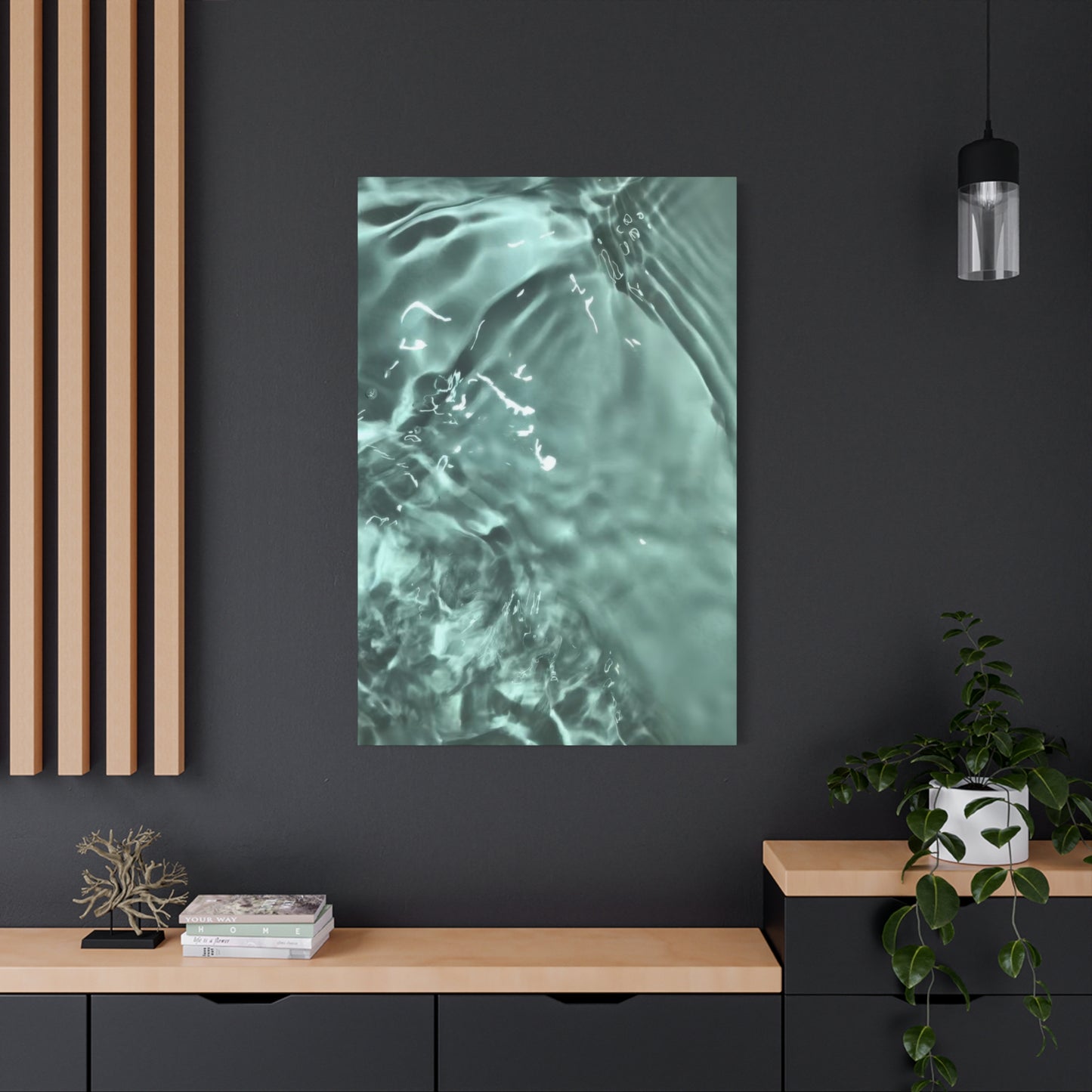
Green Cool Water Layers Wall Art & Canvas Prints
Green Cool Water Layers Wall Art & Canvas Prints
Couldn't load pickup availability
Finding the Serene Beauty of Green Cool Water Layers Wall Art for Modern Living Spaces
The world of interior design has witnessed a remarkable transformation in recent years, with homeowners and decorators seeking pieces that bring tranquility and natural elements into their living environments. Among the most captivating trends emerging in contemporary décor is the mesmerizing appeal of green cool water layers wall art, which combines the soothing essence of aquatic imagery with sophisticated artistic expression. This comprehensive exploration delves into every aspect of incorporating these stunning visual pieces into your home, offering insights that will help you make informed decisions about selecting, displaying, and appreciating this unique form of artistic expression.
The Captivating Essence of Aquatic-Inspired Artistic Displays
Water has always held a special place in human consciousness, representing purity, tranquility, and the endless flow of life itself. When artists capture the essence of water in its various forms, they create visual experiences that transcend mere decoration. The representation of aquatic elements in artistic form brings an immediate sense of calm to any environment, making it particularly valuable in our increasingly hectic modern world. The layered approach to depicting water creates depth and dimension that flat imagery simply cannot achieve, offering viewers a window into the mysterious world beneath the surface.
The green tones present in these artistic creations draw inspiration from the natural world where water meets vegetation, creating a harmonious blend that speaks to our innate connection with nature. These hues range from the palest mint to the deepest emerald, each shade contributing to the overall atmospheric quality of the piece. The cooling effect of these colors makes them particularly suitable for spaces where relaxation and mental clarity are priorities, such as bedrooms, meditation rooms, or quiet reading nooks.
Artists who specialize in creating these works often spend considerable time studying actual water bodies, observing how light penetrates different depths and how various elements suspended in the liquid create patterns and textures. This dedication to authenticity results in pieces that feel genuine and organic rather than artificially constructed. The layering technique allows for the representation of multiple water depths simultaneously, creating a three-dimensional quality that draws the eye inward and invites prolonged contemplation.
Exploring Various Artistic Approaches to Fluid Representation
The creation of water-themed artistic pieces encompasses numerous approaches, each offering distinct visual characteristics and emotional resonances. Photographic captures of actual water bodies provide the most realistic representations, freezing moments in time where light, movement, and natural elements converge in perfect harmony. These images might showcase the gentle ripples of a mountain stream, the mysterious depths of an ocean trench, or the serene surface of a forest pond reflecting the canopy above.
Abstract interpretations of aquatic themes allow artists greater freedom to express the essence of water rather than its literal appearance. Through the use of flowing lines, gradient color transitions, and suggested rather than explicit forms, these works evoke the feeling of being near water without necessarily depicting recognizable scenes. The emotional impact can be profound, as viewers bring their own memories and associations to the interpretation of these more open-ended visual statements.
Digital rendering has opened entirely new possibilities for creating layered water imagery, allowing artists to construct impossible scenes that could never exist in nature yet somehow feel entirely plausible. These works might combine elements from different environments, create fantastical color schemes based on actual aquatic palettes, or manipulate scale and perspective in ways that traditional media cannot achieve. The resulting pieces often possess a dreamlike quality that makes them particularly suitable for spaces dedicated to creativity and imagination.
Mixed media approaches combine various materials and methods to build up textural surfaces that not only look like water but also possess physical depth. Artists might incorporate actual water-related materials such as sand, shells, or polished stones, creating pieces that engage multiple senses simultaneously. The tactile quality of these works adds another dimension to the viewing experience, inviting closer inspection and repeated engagement.
Selecting the Perfect Piece for Your Unique Environment
Choosing artwork for your home requires careful consideration of multiple factors, beginning with the physical characteristics of the space itself. The size of the wall where you intend to display the piece will largely determine the dimensions of the artwork you select. A common mistake is choosing pieces that are too small for the available space, leaving them looking insignificant and failing to make the intended impact. Generally, artwork should occupy approximately two-thirds to three-quarters of the available wall width to achieve proper visual balance.
The existing color scheme of your room plays a crucial role in determining which shades of green and blue will work most harmoniously with your décor. If your space features warm tones such as terracotta, rust, or golden yellow, choosing cooler water imagery creates a pleasing contrast that prevents the room from feeling too warm. Conversely, if your space already incorporates cool grays and blues, selecting pieces with warmer green tones adds necessary warmth without disrupting the overall palette.
Lighting conditions significantly affect how water-themed artwork appears throughout the day. Natural light brings out the luminous qualities of aquatic imagery, making colors appear vibrant and creating the illusion of actual movement within the piece. Spaces with abundant natural light can accommodate darker, more saturated works without them becoming oppressive. Rooms with limited natural light benefit from lighter, more reflective pieces that help brighten the space and create an illusion of openness.
The intended purpose and mood of the room should guide your selection process. Spaces meant for relaxation and stress relief benefit from calm, gently flowing water imagery with minimal visual tension. Active spaces such as home offices or creative studios might incorporate more dynamic compositions featuring dramatic movement or unexpected color combinations that stimulate mental engagement without causing distraction.
Understanding the Profound Emotional Impact of Water Imagery
The human relationship with water extends far beyond practical considerations, reaching into the depths of our psychological and emotional landscapes. Research in environmental psychology has consistently demonstrated that exposure to water imagery produces measurable reductions in stress hormones, lowers blood pressure, and promotes feelings of wellbeing. These effects occur even when viewing representations of water rather than experiencing actual water bodies, making aquatic-themed artwork a practical tool for creating healthier indoor environments.
The concept of biophilic design recognizes our innate need for connection with natural elements and seeks to incorporate these connections into built environments. Water represents one of the most powerful natural elements for promoting this connection, as our species evolved in close proximity to water sources and retains deep-seated positive associations with aquatic environments. By bringing water imagery into our homes, we satisfy this fundamental need without requiring actual water features that might be impractical or impossible in many living situations.
Color psychology provides additional insight into why green and blue water imagery proves so effective at promoting calm mental states. Green, associated with growth, renewal, and harmony, creates feelings of balance and stability. Blue, linked to tranquility, trust, and communication, reduces mental chatter and promotes clear thinking. When combined in representations of water, these colors work synergistically to create environments that feel both energizing and peaceful, stimulating yet calming.
The layered quality of well-executed water artwork creates visual depth that serves important cognitive functions. The human brain is naturally drawn to complexity and finds pleasure in discovering new details with repeated viewing. Artwork that reveals itself gradually rather than immediately maintains interest over time, preventing the aesthetic fatigue that simpler pieces can induce. This quality makes layered water imagery particularly valuable for spaces where people spend extended periods, as the work continues to provide visual interest and mental engagement.
Examining Different Materials and Substrates for Display
The material on which water imagery is printed or created significantly affects both its visual impact and its longevity. Canvas remains one of the most popular choices for artistic prints, offering a traditional appearance that works well in both contemporary and classic interiors. The textured surface of canvas adds depth to the image, creating subtle variations in how light reflects from different areas of the piece. Gallery-wrapped canvas, where the image extends around the edges of the stretcher bars, creates a finished appearance that requires no additional framing.
Metal prints have gained popularity for their luminous quality and exceptional durability. The process of infusing dyes into specially coated aluminum creates images with extraordinary depth and color saturation, particularly effective for water imagery where light and reflection play crucial roles. The smooth, reflective surface of metal enhances the liquid quality of aquatic scenes, sometimes creating the illusion that the water is actually moving when viewed from different angles. These prints resist fading, moisture damage, and physical wear, making them suitable for high-traffic areas or spaces with challenging environmental conditions.
Acrylic face-mounting provides the most contemporary and upscale presentation option, creating a glass-like surface that appears to float in front of the image. This method produces incredible depth and color intensity, making it particularly effective for underwater scenes where the acrylic mimics the quality of looking through clear water. The glossy finish catches and reflects light in ways that enhance the aquatic theme, though it can also create glare in brightly lit spaces, requiring careful consideration of placement.
Traditional framing behind glass offers protection while allowing for extensive customization through frame selection. This approach works particularly well for more formal or traditional spaces where the classic presentation complements existing décor. The choice of frame color and style provides an opportunity to either emphasize or soften the colors within the artwork itself, creating different relationships between the piece and its surrounding environment.
Creating Harmonious Arrangements with Multiple Pieces
Displaying multiple water-themed pieces together creates opportunities for visual storytelling and enhanced impact that single works cannot achieve. A gallery wall approach allows you to combine different sizes, orientations, and even slightly varying styles while maintaining a cohesive theme. When planning such an arrangement, consider the overall shape you want to create on the wall, whether that's a strict grid, an organic cluster, or a more asymmetrical composition that suggests the flowing nature of water itself.
Triptychs and polyptychs, where a single image is divided across multiple panels, create particularly striking presentations of water imagery. The divisions between panels can be used strategically to emphasize the layered quality of the scene, with different panels representing different depths or perspectives. These multi-panel works create strong focal points that command attention while still maintaining the calm qualities associated with water imagery.
Horizontal arrangements of multiple pieces work particularly well for representing water scenes, as they echo the natural horizon line where water meets sky. A series of three or five identically sized pieces showing different water environments or varying states of the same body of water creates a rhythmic quality that guides the eye smoothly across the wall. This approach works especially well in long, narrow spaces such as hallways or above extended furniture pieces like sofas or dining tables.
Vertical stacking of water imagery creates an interesting variation that can emphasize the layered depths of aquatic environments. Pieces arranged from top to bottom might progress from surface to depths, creating a visual journey downward into mysterious underwater realms. This arrangement works particularly well in spaces with high ceilings where vertical emphasis helps balance the room's proportions.
Maximizing Visual Impact Through Strategic Positioning
The location where you place your water-themed artwork significantly influences its impact and how it functions within the space. Eye-level placement remains the standard recommendation, with the center of the artwork positioned approximately 57 to 60 inches from the floor, matching the average human eye height. However, viewing distance and the intended use of the space may warrant adjustments to this guideline.
In seating areas where people will view the artwork while sitting down, positioning pieces slightly lower ensures comfortable viewing angles. Above a sofa, artwork should be placed no more than 6 to 8 inches above the furniture's back to maintain visual connection between the two elements. The artwork should also relate proportionally to the furniture below it, generally being about two-thirds the width of the sofa or other furniture piece.
Lighting placement requires careful attention to maximize the visual qualities of water imagery while avoiding problems such as glare or uneven illumination. Picture lights mounted above the artwork provide focused illumination that brings out colors and details while creating a dramatic presentation. Adjustable track lighting offers flexibility, allowing you to experiment with different angles and intensities to find the most flattering presentation. Avoid placing artwork opposite large windows where direct sunlight might cause fading over time or create glare that makes viewing difficult.
The surrounding wall color creates a critical context for your artwork, functioning as a frame that either enhances or detracts from the piece. Neutral walls in shades of white, cream, or light gray allow water imagery to stand out as the focal point, their colors appearing more vibrant against the understated background. Darker walls can create dramatic presentations where the artwork seems to glow, particularly effective with pieces featuring lighter tones or luminous qualities. Consider painting an accent wall specifically to showcase your water art, using a color that appears within the piece itself to create a cohesive, intentional appearance.
Maintaining and Preserving Your Artistic Investment
Proper care ensures that your water-themed artwork maintains its beauty and impact for years or even decades. Different materials require specific maintenance approaches, beginning with regular but gentle cleaning. Canvas prints benefit from occasional dusting with a soft, dry cloth or a specialized art duster, always working gently to avoid damaging the surface. Avoid using any liquid cleaners on canvas, as moisture can cause warping, discoloration, or damage to the printed image.
Metal and acrylic prints tolerate more robust cleaning methods, accepting occasional wiping with slightly damp microfiber cloths to remove accumulated dust and fingerprints. For acrylic surfaces, use cleaners specifically formulated for acrylic materials, as general glass cleaners may contain ammonia or other chemicals that could damage the surface over time. Always spray cleaner onto the cloth rather than directly onto the artwork to prevent liquid from seeping into edges or mounting hardware.
Environmental control plays a crucial role in preservation, particularly for printed materials that can be affected by extreme conditions. Avoid hanging artwork in locations where it will be exposed to direct sunlight for extended periods, as UV radiation gradually fades pigments and can cause material degradation. Spaces with high humidity, such as bathrooms without proper ventilation, risk causing warping, mold growth, or adhesive failure in mounted pieces. Similarly, extremely dry conditions can cause certain materials to become brittle or crack over time.
Regular inspection helps identify potential problems before they become serious. Check mounting hardware periodically to ensure it remains secure, particularly for heavier pieces where failure could result in damage or injury. Look for any signs of fading, discoloration, or material degradation, addressing issues promptly to prevent further damage. If you notice any problems beyond simple cleaning, consult with a professional art conservator or framer rather than attempting repairs yourself, as improper intervention can cause additional damage.
Exploring the Artistic Process Behind Aquatic Imagery
Understanding how artists create these captivating pieces enhances appreciation and informs selection decisions. Photographers specializing in underwater or aquatic imagery face unique challenges requiring specialized equipment and expertise. Waterproof housings protect cameras while allowing operation in submerged conditions, though these introduce complications such as altered focal lengths, color filtering by water, and limited access to camera controls. Successful aquatic photography demands intimate knowledge of how light behaves underwater, where colors progressively disappear with increasing depth and where particles in the water can scatter light in ways that reduce image clarity.
Painters approaching water subjects must master the representation of transparency, reflection, and movement simultaneously, a technical challenge that has fascinated artists for centuries. The layered appearance of water, where you can sometimes see both the surface and what lies beneath, requires careful planning of composition and application of paint. Some artists work in thin glazes, building up translucent layers that mimic the way light penetrates water. Others use more direct methods, capturing the essence of water through bold brushwork that suggests movement and fluidity rather than attempting photorealistic representation.
Digital artists employ sophisticated software to create or enhance water imagery, offering capabilities impossible with traditional media. Layering techniques allow the combination of multiple photographs or painted elements to create composite scenes that capture the full complexity of water environments. Color grading tools can enhance the natural palette of aquatic scenes or create entirely fantastical color schemes while maintaining believable water qualities. The ability to work non-destructively, preserving original elements while experimenting with different effects, allows for extensive exploration of creative possibilities.
The printing process itself significantly affects the final appearance of water artwork. High-quality giclée printing uses specialized inkjet printers with expanded color gamuts, capable of reproducing subtle gradations and complex color relationships that standard printing cannot capture. The choice of paper or other substrate influences how the ink sits on the surface and how light interacts with the finished print. Archival inks and materials ensure that the piece maintains its appearance over time, resisting the fading and degradation that can affect lower-quality productions.
Incorporating Aquatic Artwork into Various Room Settings
Each room in your home presents unique opportunities and challenges for incorporating water-themed artwork. Living rooms, as primary gathering spaces, benefit from larger statement pieces that create focal points and set the room's emotional tone. A substantial water scene above the sofa or fireplace immediately establishes a calm, welcoming atmosphere while providing a conversation starter for guests. The living room's typically larger scale accommodates bolder presentations, including multi-panel works or oversized single pieces that make dramatic visual statements.
Bedrooms particularly benefit from the calming qualities of water imagery, making them ideal locations for aquatic artwork. The goal in bedroom spaces is creating an environment that promotes rest and relaxation, making gentle water scenes with soft colors preferable to dramatic, energetic compositions. Consider placing water art opposite the bed so it's visible upon waking, starting each day with a peaceful visual experience. The personal nature of bedroom spaces also allows for more adventurous or unconventional choices that might not work in more public areas of the home.
Bathrooms present obvious opportunities for water-themed décor, though practical considerations require attention. Ensure any artwork placed in bathrooms can tolerate humidity and temperature fluctuations, making metal or sealed acrylic prints preferable to canvas or paper-based works. The naturally aquatic nature of bathrooms makes water imagery feel particularly appropriate and cohesive, creating spa-like environments that transform routine hygiene activities into more pleasurable experiences.
Home offices and workspaces benefit from the mental clarity and focus that water imagery promotes. Studies have shown that natural scenes, particularly those featuring water, improve concentration and cognitive performance while reducing mental fatigue. Choose pieces with sufficient visual interest to provide pleasant breaks from work but without so much complexity or bold color that they become distracting. The calming qualities of water help counteract work-related stress, creating healthier and more productive work environments.
Dining areas present opportunities to use water art to set particular moods for meals and gatherings. Cooler blue-green tones can make spaces feel more formal and elegant, appropriate for sophisticated entertaining. Lighter, brighter aquatic scenes create cheerful, casual atmospheres suitable for family meals and relaxed gatherings. The social nature of dining spaces makes artwork selection an opportunity to express personal style and create memorable impressions on guests.
Examining How Different Architectural Styles Complement Water Art
Contemporary minimalist spaces provide ideal settings for showcasing water-themed artwork, as the uncluttered environments allow pieces to command full attention. The clean lines and neutral palettes typical of minimalist design create perfect foils for the organic, flowing qualities of water imagery. In these spaces, single large-scale pieces often work better than multiple smaller works, maintaining the sense of simplicity and intention that defines the minimalist aesthetic. The natural complement between minimalist spaces and water art creates harmonious environments that feel both sophisticated and serene.
Traditional and classic interiors might seem incompatible with contemporary water art, yet thoughtful selection creates beautiful integrations. Choosing pieces with more muted colors and classic framing helps water imagery fit naturally into traditional spaces without jarring against period furnishings or architectural details. Historical precedent exists for water as an artistic subject, from Dutch maritime paintings to Impressionist river scenes, providing context that makes contemporary interpretations feel like natural extensions of long-standing traditions rather than incongruous modern intrusions.
Industrial and loft-style spaces with exposed brick, concrete, and metal elements create interesting contrasts with organic water imagery. The juxtaposition of hard, manufactured materials with soft, natural aquatic scenes can be particularly striking, humanizing potentially cold spaces while celebrating the contrast between natural and constructed environments. Large-scale pieces or metal prints work especially well in these settings, their substantial presence matching the bold architectural features typical of industrial design.
Coastal and nautical-themed spaces provide the most obvious context for water art, though careful selection prevents these environments from becoming overly literal or theme-park-like. Rather than obvious beach scenes or maritime symbols, consider more abstract or artistic water interpretations that evoke the feeling of coastal living without resorting to clichés. The goal is creating sophisticated expressions of connection to the sea rather than obvious thematic decoration.
Understanding the Cultural Significance of Water in Art
Water holds profound significance across virtually all human cultures, making it a universal subject that resonates across diverse backgrounds. In Eastern philosophy and art, water represents flexibility, adaptability, and the Taoist principle of wu wei, or effortless action. Classical Chinese landscape paintings often featured water as a central element, representing not just a physical substance but a philosophical principle about how to move through life. This deep cultural significance makes water imagery particularly meaningful to those familiar with these traditions while remaining accessible to those encountering it from different cultural contexts.
Islamic art has long featured water as a symbol of paradise and divine mercy, with intricate fountain designs and water channels playing central roles in architectural masterworks. While representational imagery has traditionally been less prominent in Islamic artistic traditions, contemporary Muslim artists increasingly explore water themes in ways that honor traditional symbolic meanings while employing modern aesthetic approaches. Water art can thus connect to deep religious and cultural traditions while speaking a contemporary visual language.
Indigenous cultures worldwide have maintained profound spiritual connections to water, viewing it as a living entity deserving respect and reverence rather than merely a resource. Australian Aboriginal art, for instance, often depicts water sources and the Dreamtime stories associated with their creation, using distinctive symbolic visual languages developed over tens of thousands of years. Contemporary indigenous artists continue exploring water themes, often addressing environmental concerns and the importance of protecting waterways for future generations.
European artistic traditions have explored water extensively, from Turner's atmospheric seascapes to Monet's water lily paintings that dissolved boundaries between subject and paint. These works established water as a subject through which artists could explore light, color, and the act of perception itself. Contemporary water art continues this exploration, using new materials and methods to address questions about observation, representation, and the nature of reality that have occupied artists for centuries.
Addressing Environmental and Sustainability Considerations
As awareness of environmental issues grows, many people seek artwork that aligns with their values regarding sustainability and environmental responsibility. The production of artwork inevitably involves resource use and environmental impact, but conscious choices can minimize these effects while supporting practices that promote environmental health. Seeking out artists who prioritize sustainable practices demonstrates that consumer demand can drive positive change in the art market.
Printing methods vary significantly in their environmental impact, with traditional offset printing often involving toxic chemicals and generating substantial waste. Digital printing methods can be more environmentally friendly, particularly when using water-based or latex inks rather than solvent-based alternatives. Some printmakers have embraced entirely eco-conscious approaches, using recycled or sustainably sourced substrates, renewable energy to power production, and carbon-neutral shipping methods. Supporting these practitioners sends market signals that environmental responsibility matters to consumers.
The subject matter of water art itself can serve environmental advocacy purposes, raising awareness about water conservation, ocean health, and the impacts of climate change on aquatic ecosystems. Some artists specifically create work intended to highlight environmental issues, with portions of proceeds supporting conservation organizations or direct environmental action. Displaying such work in your home represents a commitment to environmental values while supporting artists who use their talents for meaningful purposes beyond aesthetic creation.
Longevity itself represents an important sustainability consideration, as artwork that lasts for decades or generations ultimately has less environmental impact than disposable décor requiring frequent replacement. Choosing high-quality pieces created with archival materials and proper construction represents an investment that reduces long-term consumption. This approach aligns with broader sustainability principles about choosing quality over quantity and maintaining things properly rather than embracing disposability.
Exploring the Relationship Between Water Art and Wellness
The connection between environment and wellness has gained increasing recognition, with interior design becoming understood as a tool for promoting physical and mental health rather than purely aesthetic concerns. Water imagery functions as a powerful wellness tool, producing measurable physiological and emotional benefits for those regularly exposed to it. Creating home environments that actively support wellbeing represents a form of self-care that continues providing benefits long after initial implementation.
Stress reduction represents one of the most significant wellness benefits associated with water imagery. Modern life exposes most people to chronic low-level stress that accumulates over time, contributing to numerous health problems from cardiovascular disease to mental health disorders. Regular exposure to calming natural imagery helps counteract this stress response, creating opportunities for the nervous system to shift from sympathetic activation to parasympathetic rest and recovery. The cumulative effect of these small moments of calm can significantly impact overall health and wellbeing.
Sleep quality, crucial for virtually all aspects of health, can be enhanced through careful bedroom environment design. Water imagery in the bedroom creates associations with tranquility and rest, helping the brain recognize the space as one dedicated to relaxation rather than activity or stress. The color palette of blue and green water scenes specifically promotes calm mental states conducive to falling asleep, while the absence of energizing warm colors or stimulating content prevents activation when rest is desired.
Mindfulness and meditation practices benefit from environmental support, and water imagery naturally facilitates these practices. The contemplative quality of looking deeply into water scenes, observing details and allowing thoughts to flow past like currents, creates an accessible entry point for meditative states. Unlike some meditation objects that require specific cultural or religious contexts, water holds universal significance and can be appreciated by anyone regardless of background or belief system.
Discovering Seasonal Variations in Water-Themed Décor
While water remains a constant presence in our environment, its appearance and character change dramatically with seasons, offering opportunities to vary décor throughout the year. Winter water imagery might feature ice formations, snow meeting water, or the particular quality of light on water during shorter days. These cooler, more crystalline representations complement winter's natural palette while bringing welcome natural elements into indoor spaces during seasons when outdoor access may be limited.
Spring water scenes capture the sense of renewal and growth, perhaps showing rain feeding streams, spring floods revitalizing landscapes, or the bright, clear light characteristic of the season. These images connect to universal experiences of seasonal change while bringing fresh energy into homes emerging from winter's grip. The lighter, brighter qualities of spring water imagery can help combat lingering winter malaise while celebrating the return of longer days and warmer weather.
Summer water art embraces the season's abundance and energy, potentially featuring vibrant tropical waters, dramatic weather patterns, or the play of intense sunlight on water surfaces. These pieces can evoke vacation memories and travel experiences, bringing the mental refreshment of escape into everyday home environments. The cooling visual effect of water imagery becomes particularly valuable during summer heat, creating perceptual temperature reduction even when actual cooling is not possible.
Autumn water imagery might capture reflections of changing foliage, the particular slanting light of fall afternoons, or water beginning its transition toward winter's ice. These pieces connect to the season's contemplative qualities and sense of transition, acknowledging natural cycles of change and preparation for winter's rest. The rich colors often present in autumn water scenes complement the season's traditional décor palette while offering organic alternatives to conventional fall symbolism.
Examining the Relationship Between Water Art and Other Design Elements
Water-themed artwork functions most effectively when thoughtfully coordinated with other design elements rather than existing in isolation. Textiles in the space can either complement or contrast with water imagery, with each approach creating different effects. Soft, flowing fabrics echo water's fluid qualities, creating coherent spaces where every element reinforces the sense of calm and ease. Alternatively, introducing textural contrast through rougher fabrics like linen or nubby weaves creates interesting tension that prevents spaces from becoming too uniform or monotonous.
Furniture selection influences how water art is perceived and how it functions within the space. Organic, curvilinear furniture designs echo water's natural forms, creating harmonious relationships between two-dimensional and three-dimensional elements. More angular, geometric furniture creates contrast that can be quite striking, with the tension between straight lines and organic curves generating visual interest. The colors and finishes of furniture also interact with water art, with light woods and pale finishes creating cohesive calm environments while darker furniture creates more dramatic framing effects.
Lighting design significantly affects how water artwork appears and functions within a space. Warm lighting can shift the color temperature of blue-green water imagery, making it appear slightly warmer and more golden. Cool lighting preserves or enhances the inherent coolness of water scenes, creating crisp, fresh appearances. Dimming capability allows adjustment of intensity to suit different times of day and activities, with brighter lighting for active times and dimmer settings for evening relaxation.
Decorative accessories provide opportunities to echo themes present in water artwork without resorting to obvious matching. Glass objects in particular create natural connections to water through their transparency and the way light passes through them. Natural materials like smooth stones, driftwood, or shells create subtle thematic links while maintaining sophisticated restraint. The key is suggesting rather than stating connections, allowing viewers to make their own associations rather than being hit over the head with obvious coordinating elements.
Understanding Scale and Proportion in Artwork Selection
Proper scale represents one of the most important yet frequently overlooked aspects of artwork selection. Too often, people choose pieces that are too small for their intended spaces, resulting in décor that feels timid and insignificant rather than confident and intentional. When considering scale, begin by measuring the available wall space accurately, then use the two-thirds rule as a starting point: artwork should occupy approximately two-thirds to three-quarters of the available width for proper visual weight.
Ceiling height affects how large artwork should be, with higher ceilings accommodating and often requiring taller pieces to maintain proper proportions. In rooms with standard eight-foot ceilings, artwork height typically ranges from 24 to 40 inches for major pieces, while spaces with nine or ten-foot ceilings can accommodate pieces ranging from 36 to 60 inches tall or more. Vertical pieces can help emphasize ceiling height in rooms where you want to create a sense of greater spaciousness, while horizontal pieces can make spaces feel wider and more expansive.
Viewing distance should be factored into scale decisions, as artwork that will be viewed primarily from across a large room needs to be substantially larger than pieces intended for close-up viewing. In living rooms where seating is arranged primarily facing toward the artwork, pieces need enough size and visual impact to register clearly from ten or fifteen feet away. Conversely, artwork in hallways or other spaces where viewers will pass close by can be more modestly scaled while still creating appropriate impact.
Furniture relationships require attention when determining appropriate artwork scale. The common recommendation that artwork above a sofa should be approximately two-thirds the sofa's width provides a useful guideline, though this can be adjusted based on other factors. Above smaller furniture pieces like console tables or dressers, artwork should be proportionally smaller, typically one-half to two-thirds the furniture width. When grouping multiple pieces of furniture together, consider them as a single unit when calculating appropriate artwork width.
Discovering the Versatility of Water Imagery Across Design Styles
One of water imagery's greatest strengths is its remarkable versatility, working effectively across nearly every design style when properly selected and presented. Scandinavian design, known for its emphasis on natural materials, clean lines, and connection to nature, provides an ideal context for water art. The light, airy quality of Scandinavian spaces complements ethereal water imagery, particularly pieces featuring pale, ice-like tones or misty, atmospheric qualities. The shared emphasis on nature and organic forms creates natural harmony between the design style and the artwork subject.
Bohemian or eclectic spaces, characterized by layering of patterns, colors, and global influences, can incorporate water art as a grounding element amidst visual complexity. Here, water imagery provides a visual rest area, offering calm amidst pattern and color. Alternatively, more vibrant tropical water scenes can contribute to the overall sense of global exploration and artistic adventure characteristic of bohemian style. The key is ensuring the piece feels intentionally included rather than randomly added to an already busy visual environment.
Mid-century modern design, with its emphasis on organic modernism and bringing nature indoors, creates excellent contexts for water artwork. The period's aesthetic celebrated the intersection of natural and manufactured, organic and geometric, making water imagery feel particularly at home. Pieces with strong graphic qualities or bold color blocking can echo mid-century design principles while maintaining the essential character of water imagery. Walnut or teak furniture typical of the period provides warm contrast to cool water tones, creating balanced and inviting spaces.
Farmhouse and rustic styles might seem incompatible with contemporary water art, yet thoughtful selection creates beautiful combinations. Water imagery printed on wood or featuring more painterly, less photographic qualities can bridge the gap between rustic aesthetics and contemporary content. The natural subject matter of water connects to farmhouse style's emphasis on nature and the outdoors, while the organic forms and colors complement rather than clash with weathered wood and vintage elements.
Conclusion
The specific character of water varies dramatically depending on geographical location, offering opportunities to connect with particular places through artwork selection. Tropical waters possess distinctive turquoise and azure tones rarely seen elsewhere, their vibrant colors resulting from the combination of pure white sand, shallow depths, and intense sunlight. Art featuring these tropical palettes brings vacation and escape associations while creating visually stunning focal points. These pieces work particularly well in homes in colder climates, providing visual warmth and connection to places that represent ultimate relaxation.
Mediterranean waters, from the Adriatic to the Aegean, possess their own characteristic appearance, often deeper blue than tropical waters with distinctive qualities of light that artists have celebrated for millennia. These scenes carry associations with ancient civilizations, timeless beauty, and cultures that have maintained close relationships with the sea throughout recorded time. Mediterranean water imagery can create spaces that feel cultured and worldly while maintaining approachability and warmth.
Northern waters, whether ocean, lake, or river, possess entirely different qualities, often appearing darker and more mysterious with gunmetal grays and deep navy tones. The quality of light at higher latitudes creates particular atmospheric effects, with long golden hours and dramatic skies reflected in water surfaces. These cooler, more austere water scenes create sophisticated, contemplative spaces that feel serious and grounded rather than escapist or decorative.
Mountain lakes and rivers possess crystal clarity and particular color qualities resulting from glacial origins and surrounding evergreen forests. The emerald and turquoise tones of alpine waters derive from suspended glacial flour, creating distinctive hues that differentiate them from lowland waters. Art featuring these mountain waters brings associations with wilderness, adventure, and untouched natural beauty, creating spaces that feel fresh and invigorating.
Color and imagery choices significantly affect how spaces are perceived in terms of size, height, and mood. Cool colors like the blues and greens present in water imagery tend to recede visually, making them effective tools for making small spaces feel larger than they actually are. A small room with water art on one wall can feel more expansive as the eye is drawn into the visual depth of the image rather than stopping at the physical wall surface. This quality makes water imagery particularly valuable in apartments or homes where space limitations are a concern.
Horizontal compositions emphasize the width of spaces, making them feel broader and more expansive. This quality of horizontal water scenes makes them particularly effective in rooms that are small or narrow, where creating a sense of spaciousness is desirable. Long, horizontal pieces above sofas or beds draw the eye across the width of the space rather than emphasizing height, creating a more restful, grounded feeling appropriate for relaxation spaces.
Vertical pieces emphasize ceiling height, drawing the eye upward and making rooms feel taller than they actually are. This quality makes vertical water imagery valuable in rooms with standard ceiling heights where you want to create a sense of greater spaciousness. Tall, narrow pieces flanking doorways or windows can emphasize architectural features while creating visual interest that doesn't require extensive wall space.
The depth and layering present in well-executed water imagery creates the illusion of three-dimensional space where none actually exists. This trompe l'oeil quality fools the eye and brain, creating perceptual expansion of physical space. Particularly effective pieces create the sense that you could step through the wall into the scene depicted, dramatically affecting how the room feels to occupy. This quality makes water art more than mere decoration, transforming it into a tool for architectural intervention that improves how spaces function and feel.
Share