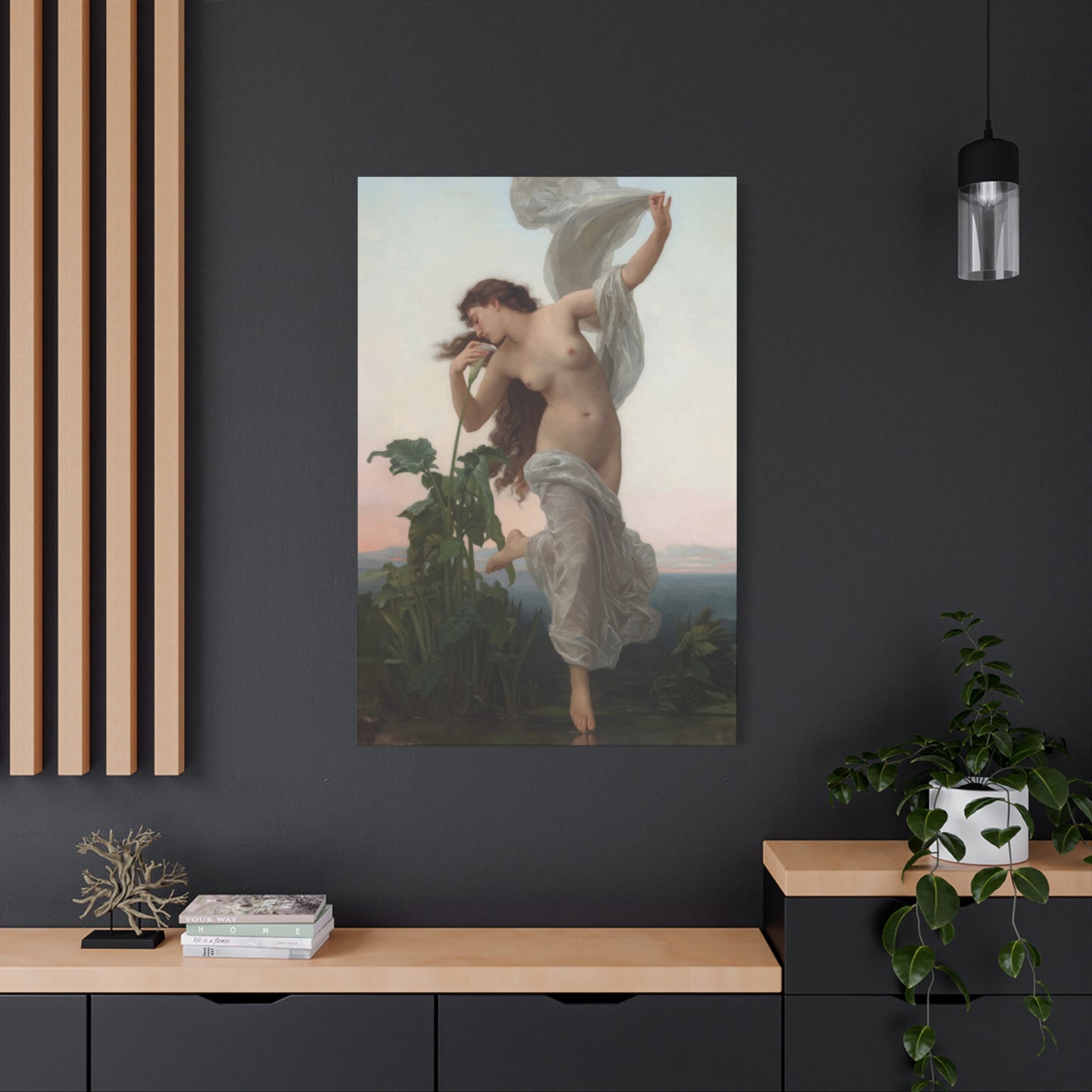
Greek Woman Wall Art & Canvas Prints
Greek Woman Wall Art & Canvas Prints
Couldn't load pickup availability
Celebrating Hellenic Heritage: The Timeless Beauty and Cultural Significance of Greek Woman Wall Art in Modern Interior Spaces
The ancient world of Greece has left an indelible mark on contemporary aesthetics, particularly through the captivating representation of feminine figures in decorative pieces. Greek woman wall art represents more than mere decoration; it embodies centuries of mythology, philosophy, and artistic excellence that continue to resonate with modern audiences. These stunning visual compositions bring the elegance of classical civilization into living spaces, offices, and galleries worldwide, creating an atmospheric bridge between antiquity and the present day.
The Enduring Allure of Hellenic Feminine Imagery in Contemporary Home Decoration
The fascination with ancient Greek culture has persisted through millennia, and nowhere is this more evident than in the continued popularity of Greek woman wall art. These artistic representations capture the essence of classical beauty standards that have influenced Western aesthetics for thousands of years. The serene expressions, flowing garments, and graceful postures depicted in these pieces evoke a sense of timeless sophistication that transcends temporary design trends.
When homeowners and interior designers seek to create spaces with depth and character, they often turn to imagery rooted in classical antiquity. The appeal lies not just in the visual beauty but in the cultural weight these images carry. Each representation of a Greek woman—whether she be a goddess, muse, or mortal—tells a story that viewers can interpret and connect with on multiple levels.
The sculptural quality inherent in many Greek woman wall art pieces reflects the masterful understanding of human anatomy and proportion that characterized ancient Greek sculptors. Even when translated into two-dimensional formats such as prints, paintings, or digital renderings, these works maintain the dimensional quality that makes them so compelling. The interplay of light and shadow, the careful attention to drapery and form, and the expressive quality of the figures all contribute to their enduring appeal.
Contemporary artists and designers who create Greek woman wall art draw inspiration from archaeological discoveries, museum collections, and ancient literary sources. They reinterpret these classical themes through modern sensibilities, creating pieces that honor tradition while speaking to current aesthetic preferences. This fusion of old and new allows these artworks to function seamlessly in diverse interior settings, from minimalist modern apartments to more traditional homes with classical architectural elements.
Exploring the Rich Symbolism Behind Ancient Greek Female Figures in Decorative Artwork
Greek woman wall art carries profound symbolic meaning that extends far beyond surface aesthetics. The ancient Greeks developed an elaborate system of iconography and symbolism that imbued every artistic representation with layers of meaning. When examining these pieces, viewers engage with concepts that held deep significance in Hellenic culture: wisdom, beauty, justice, love, and the mysteries of the natural world.
Representations of goddesses such as Athena embody wisdom, strategic warfare, and craftsmanship. Her image, often depicted with her characteristic helmet and aegis, conveys strength tempered with intelligence. When such imagery adorns a wall, it brings with it associations of thoughtfulness and capability, making it particularly popular in studies, libraries, and professional environments.
Aphrodite imagery, conversely, celebrates beauty, love, and the aesthetic dimensions of existence. Her representations typically emphasize graceful curves, flowing hair, and an aura of serene confidence. These qualities make Aphrodite-inspired Greek woman wall art especially suited to bedrooms, dressing areas, and spaces dedicated to personal care and relaxation.
The Muses—nine goddesses who presided over arts and sciences—offer rich symbolic territory for wall art. Each muse governed a specific domain: Calliope for epic poetry, Clio for history, Erato for lyric poetry, Euterpe for music, Melpomene for tragedy, Polyhymnia for sacred hymns, Terpsichore for dance, Thalia for comedy, and Urania for astronomy. Representations of these figures carry associations with creativity and intellectual pursuit, making them ideal for studios, creative workspaces, and areas dedicated to study or artistic practice.
Beyond divine figures, Greek woman wall art frequently depicts mortal women engaged in daily activities or ceremonial practices. These representations offer glimpses into ancient Greek society, showing women at various life stages and social positions. Such images humanize the ancient world, creating connection points between contemporary viewers and their historical counterparts.
The symbolic language of gestures, clothing, and accompanying objects in Greek woman wall art deserves careful consideration. The position of hands, the drape of fabric, and items like scrolls, musical instruments, or vessels all communicated specific meanings to ancient viewers. Modern audiences may not immediately recognize all these symbolic elements, but they contribute to the overall impression of depth and authenticity that makes these pieces so captivating.
Diverse Artistic Styles and Representations of Hellenic Women in Wall-Mounted Decorations
Greek woman wall art manifests in numerous artistic styles, each offering distinct aesthetic qualities and serving different decorative purposes. Understanding these variations helps in selecting pieces that align with specific interior design goals and personal preferences.
Classical realism represents one approach, wherein artists strive for accurate depictions of ancient sculptures, vase paintings, or frescoes. These reproductions maintain fidelity to original sources, often replicating the color palettes, compositional arrangements, and stylistic characteristics of specific periods in Greek art history. Such pieces appeal to purists and those seeking authentic connections to antiquity.
Romantic interpretations emerged during the 18th and 19th centuries when European artists became fascinated with idealized visions of ancient Greece. These works often feature Greek women in pastoral settings, surrounded by classical architecture or natural landscapes. The aesthetic emphasizes emotion, drama, and an somewhat fantasized version of the ancient world. These romantic renderings bring a softer, more dreamlike quality to interior spaces.
Neoclassical approaches revitalized interest in Greek art during the Enlightenment period. Artists working in this style emphasized clarity of form, balanced composition, and moral seriousness. Neoclassical Greek woman wall art often features clean lines, limited color palettes, and poses that emphasize dignity and restraint. These characteristics make such pieces particularly suitable for formal spaces and interiors with classical architectural elements.
Contemporary reinterpretations take classical subjects and render them through modern artistic sensibilities. This category encompasses wide-ranging approaches: some artists employ abstract or semi-abstract techniques while maintaining recognizable Greek motifs, others use digital manipulation to create surreal combinations of ancient and modern elements, and still others apply contemporary color theories and compositional strategies to traditional subjects. These innovative approaches allow Greek woman wall art to function in ultra-modern interiors where purely classical pieces might seem incongruous.
Minimalist interpretations reduce Greek feminine figures to essential lines and shapes, often using monochromatic or limited color schemes. These simplified representations retain the essence of Greek aesthetics—proportion, balance, harmony—while stripping away decorative details. Such pieces work exceptionally well in spaces guided by minimalist design principles.
Mixed media approaches combine various materials and techniques to create textured, dimensional pieces. These might incorporate actual fragments of ancient pottery shards, papyrus, or reproductions thereof, along with painted or printed elements. The tactile quality of mixed media Greek woman wall art adds sensory richness to interior spaces.
Photographic renderings of actual ancient sculptures and reliefs offer another category. These high-quality photographs capture museum pieces or archaeological sites, presenting Greek women as preserved through millennia. The documentary quality of these pieces appeals to those seeking authentic visual connections to ancient artifacts.
Materials and Production Methods Used in Creating Greek Woman Wall Art for Modern Homes
The physical composition of Greek woman wall art significantly impacts its appearance, durability, and suitability for various environments. Contemporary manufacturers employ diverse materials and production methods to create pieces that balance aesthetic appeal with practical considerations.
Canvas prints represent one of the most popular formats for Greek woman wall art. High-resolution digital printing onto cotton or polyester canvas creates vibrant, textured pieces that mimic the appearance of traditional paintings. The canvas medium provides several advantages: it's relatively lightweight, resistant to glare, and offers a classic artistic presentation. Many canvas prints receive protective coatings that enhance durability and resistance to fading, ensuring the imagery maintains its vibrancy over years of display.
Metal prints offer a strikingly contemporary presentation for Greek woman wall art. The process involves infusing dyes directly into specially coated aluminum sheets through heat transfer. The resulting pieces exhibit exceptional color saturation, sharpness, and luminosity. The reflective quality of metal surfaces adds dimensional depth to imagery, making details appear to emerge from the surface. Metal prints suit modern and industrial interior styles particularly well, and their durability makes them appropriate for high-traffic areas or environments with challenging conditions.
Wood-mounted prints combine the warmth of natural wood with printed imagery. Artists and manufacturers print Greek woman wall art onto wood panels or mount printed materials onto wood substrates. The visible wood grain adds organic texture that complements classical imagery beautifully. Different wood species—from light birch to dark walnut—offer varied aesthetic effects. These pieces bring natural elements into interior spaces while showcasing classical subjects.
Framed paper prints remain a traditional and versatile option for Greek woman wall art. High-quality archival paper, when combined with professional printing techniques and protective framing, produces museum-quality pieces. The frame selection dramatically influences the overall presentation; ornate gilt frames create formal, traditional appearances, while simple contemporary frames allow the artwork itself to dominate visual attention. Matting choices similarly impact presentation, with options ranging from classic white or cream to bold colors that complement or contrast with the imagery.
Acrylic face-mounted prints represent a premium option that showcases Greek woman wall art with exceptional clarity and depth. The process involves mounting a print onto a rigid substrate and then covering it with a thick acrylic sheet. Light penetrates the acrylic and reflects off the print surface, creating luminous, jewel-like color reproduction. The smooth acrylic surface protects the print while adding contemporary sophistication to classical imagery.
Hand-painted reproductions offer unique, one-of-a-kind versions of Greek woman wall art. Skilled artists recreate classical imagery using traditional painting techniques and materials. These pieces vary in fidelity to sources—some aim for exact replication while others incorporate the artist's individual interpretation. Hand-painted pieces carry inherent value as original artworks while maintaining connections to ancient subjects.
Relief sculptures and three-dimensional wall pieces extend Greek woman wall art beyond two-dimensional formats. These can range from shallow bas-reliefs cast in resin or plaster to more substantial sculptural pieces mounted for wall display. The dimensional quality creates dramatic shadow play and adds tactile interest to interior spaces.
Textile-based pieces, including woven tapestries and embroidered wall hangings, offer soft, textured presentations of Greek woman imagery. These textile arts connect to long traditions of decorative fabric work while showcasing classical subjects. The flexibility and portability of textile pieces make them practical for various settings.
Strategic Placement and Display Considerations for Greek Woman Wall Art in Various Rooms
The placement of Greek woman wall art significantly influences both its visual impact and the atmosphere it creates within a space. Thoughtful consideration of location, surrounding elements, and viewing conditions maximizes the aesthetic and emotional effects of these pieces.
Living rooms and common areas benefit greatly from Greek woman wall art as focal points. These social spaces where households gather and guests are entertained provide ideal settings for conversation-inspiring artwork. Positioning a substantial piece above a sofa or fireplace mantel creates a natural visual anchor for the room. The classical imagery introduces cultural sophistication while remaining accessible and appealing to diverse audiences. When selecting pieces for living areas, consider scale carefully—undersized artwork disappears visually, while appropriately substantial pieces command appropriate attention without overwhelming the space.
Dining rooms carry associations with hospitality, a value deeply important in ancient Greek culture. Greek woman wall art in dining spaces reinforces themes of abundance, celebration, and refined living. Images of goddesses associated with harvest, such as Demeter, or depictions of symposium scenes featuring female figures create thematically appropriate connections. The viewing distance in dining rooms—typically from seated positions around a table—influences optimal placement height and scale decisions.
Bedrooms offer opportunities for more personal, intimate presentations of Greek woman wall art. The private nature of sleeping quarters allows for imagery that reflects individual tastes and interests without concern for broader audience reception. Representations of Aphrodite or scenes suggesting rest and tranquility suit bedroom environments particularly well. Consider positioning artwork where it's visible from the bed but doesn't dominate the space to the point of being visually overwhelming during rest periods.
Home offices and study areas provide excellent settings for Greek woman wall art featuring Athena, the Muses, or other figures associated with intellectual pursuits. These images create atmospheric reinforcement for focused work and creative thinking. In professional home settings where video calls occur frequently, consider how artwork appears in camera frames—classical imagery projects sophistication and cultural awareness during virtual meetings.
Entryways and hallways benefit from Greek woman wall art that creates strong first impressions. These transitional spaces offer opportunities for dramatic presentations that set tonal expectations for the rest of the home. Gallery-style arrangements of multiple related pieces work particularly well in hallways, creating visual interest along lengthy walls that might otherwise seem monotonous.
Bathrooms, particularly spacious master bathrooms, can accommodate Greek woman wall art that transforms utilitarian spaces into spa-like sanctuaries. Moisture-resistant formats such as metal prints or properly sealed canvas work best in humid environments. Images suggesting purification, beauty rituals, or aquatic themes connect appropriately with bathroom functions.
Libraries and reading rooms naturally complement Greek woman wall art featuring scholarly or literary themes. Representations of Clio, the muse of history, or scenes of ancient women engaged in reading or intellectual discussion reinforce the room's purpose while adding visual interest to book-lined walls.
Stairwells present unique display opportunities for Greek woman wall art. The ascending or descending perspective allows viewers to experience artwork from multiple angles and distances. Consider creating a thematic progression of related pieces that tell visual stories as one moves through the space.
Color Schemes and Palette Coordination When Incorporating Greek Woman Wall Art into Interior Design
The color composition of Greek woman wall art and its relationship to surrounding interior colors dramatically impacts overall aesthetic harmony. Successful coordination requires understanding both the piece's inherent color characteristics and broader principles of color theory.
Many representations of Greek women feature earth tones—terracotta, ochre, umber, and sienna—reflecting the natural pigments used in ancient pottery and frescoes. These warm, grounded hues coordinate beautifully with neutral interior palettes dominated by beige, cream, taupe, or warm white. The natural harmony between earth-toned artwork and neutral surroundings creates sophisticated, cohesive spaces without visual competition.
Classical sculptures, often rendered in white or cream marble, inspire Greek woman wall art dominated by pale, monochromatic tones. These light-valued pieces work exceptionally well in spaces with cooler color schemes featuring grays, soft blues, or true whites. The sculptural quality of pale Greek woman wall art provides visual interest through form and texture rather than color contrast, making these pieces ideal for minimalist interiors where color restraint guides design decisions.
Vibrant Greek woman wall art featuring the rich blues, golds, and reds found in ancient frescoes and painted pottery introduces bold color statements into interior spaces. These pieces function effectively as color anchors in otherwise neutral rooms, with surrounding decor elements—pillows, throws, accessories—drawing accent colors from the artwork to create coordinated schemes. The intensity of these colors brings energy and vitality to spaces, making them particularly effective in areas intended for social interaction and activity.
Black and white or grayscale Greek woman wall art offers maximum versatility in color coordination. These monochromatic pieces work with virtually any color scheme while providing strong graphic impact. The absence of color allows the form, composition, and symbolic content of Greek imagery to dominate viewer attention. Grayscale pieces prove particularly effective in creating visual rest areas within colorful, busy interiors.
Metallic elements—gold, bronze, silver—frequently appear in Greek woman wall art, either as dominant color themes or accent details. These reflective tones introduce luxurious qualities to spaces while connecting to ancient traditions of gilding and precious metal work. Metallic artwork coordinates beautifully with spaces featuring metallic hardware, fixtures, or furniture details, creating subtle repetitions that unify design schemes.
Jewel tones including deep emerald, sapphire, amethyst, and ruby appear in some interpretations of Greek woman wall art, particularly in romantic or contemporary reinterpretations. These rich, saturated colors create dramatic focal points and work especially well in spaces with darker, more intimate color schemes. The intensity of jewel tones brings a sense of opulence and visual weight appropriate for formal settings.
Complementary color relationships—pairings of colors opposite on the color wheel such as blue and orange or red and green—create visual vibrancy when incorporated into Greek woman wall art and surrounding spaces. Identifying complementary colors within artwork and echoing them in decor elements produces dynamic, energetic environments with strong visual impact.
Analogous color schemes using colors adjacent on the color wheel—such as blues through greens or yellows through reds—create harmonious, flowing color experiences. Greek woman wall art fitting into analogous schemes contributes to smooth, comfortable visual environments that feel naturally coordinated without obvious effort.
Monochromatic approaches using various tones, tints, and shades of a single color create sophisticated, unified spaces. Selecting Greek woman wall art that aligns with the dominant color in a monochromatic room reinforces the cohesive color strategy while the artwork's subject matter and composition provide visual variety.
Size and Scale Guidelines for Selecting Appropriately Proportioned Greek Woman Wall Art
The physical dimensions of Greek woman wall art relative to available wall space and surrounding furnishings significantly impact visual effectiveness. Proper scaling ensures artwork neither overwhelms spaces nor disappears into insignificance.
The rule of two-thirds provides a practical guideline for artwork placement above furniture. Greek woman wall art positioned above sofas, consoles, or beds should span approximately two-thirds to three-quarters of the furniture's width. This proportion creates visual balance without the artwork appearing either cramped or floating disconnectedly. For a standard sofa measuring approximately seventy-five inches across, artwork ranging from fifty to sixty inches wide achieves appropriate scale.
Vertical spaces such as narrow wall sections between windows, in hallways, or alongside architectural features benefit from taller, vertically oriented Greek woman wall art. Vertical pieces draw the eye upward, creating impressions of increased ceiling height. Portrait-oriented representations of Greek women suit these spaces particularly well, with their standing or seated poses naturally complementing vertical formats.
Gallery walls incorporating multiple pieces of Greek woman wall art allow for flexible scaling approaches. Collections of smaller pieces—ranging from eight by ten inches to sixteen by twenty inches—can cover substantial wall areas while maintaining individual piece affordability and allowing for curated assemblages. When creating gallery walls, maintain consistent spacing between pieces (typically two to three inches) and consider the collective visual weight of the grouping relative to the wall's size.
Statement pieces—single large artworks intended as room focal points—should scale to command appropriate attention without overwhelming spaces. In rooms with substantial square footage and high ceilings, Greek woman wall art measuring sixty inches or larger creates suitable impact. Conversely, in smaller spaces, pieces ranging from thirty-six to forty-eight inches provide focal interest while maintaining proportion to room dimensions.
Eye-level placement guidelines suggest positioning artwork so its center point aligns approximately fifty-seven to sixty inches from the floor—a standard museum hanging height that accommodates average viewer height. However, when Greek woman wall art hangs above furniture, adjust this guideline upward to maintain appropriate relationships between artwork and furnishings.
Negative space—empty wall area surrounding artwork—contributes significantly to visual impact. Greek woman wall art requires sufficient breathing room to register effectively. As a general principle, leave at least six to twelve inches of empty wall space on all sides of standalone pieces. Crowding artwork with too little negative space diminishes impact and creates visually cluttered impressions.
Ceiling height influences optimal artwork dimensions. Rooms with standard eight-foot ceilings accommodate Greek woman wall art up to approximately thirty to thirty-six inches in vertical dimension comfortably. Spaces with higher ceilings—ten feet or more—can support much larger pieces, with vertical dimensions reaching sixty inches or beyond without overwhelming the space.
Multiple wall configuration presents opportunities for creating visual rhythm through repeated Greek woman wall art pieces. When hanging multiple identical or similar pieces, consistent spacing and alignment create orderly, gallery-like presentations. Alternatively, varying sizes while maintaining thematic consistency produces more dynamic, collected-over-time aesthetics.
Lighting Strategies to Enhance the Visual Impact of Greek Woman Wall Art
Illumination profoundly affects how Greek woman wall art appears and the atmosphere it creates within spaces. Strategic lighting decisions maximize aesthetic impact while protecting artwork from potential damage.
Natural light offers beautiful, ever-changing illumination for Greek woman wall art, but requires careful consideration. Direct sunlight causes fading in prints, photographs, and paintings over time, particularly affecting organic pigments and dyes. Position Greek woman wall art perpendicular to windows rather than directly opposite them to minimize direct sun exposure. Alternatively, use UV-filtering window treatments or glazing to protect artwork in naturally bright spaces.
Picture lights—dedicated fixtures mounted directly above or below artwork—provide focused illumination that highlights Greek woman wall art while creating dramatic contrast with surrounding walls. These fixtures come in various styles from traditional brass or bronze finishes suitable for classical presentations to sleek contemporary designs that maintain visual simplicity. Adjustable picture lights allow fine-tuning of illumination angles to minimize glare while maximizing detail visibility.
Track lighting systems offer flexible solutions for illuminating Greek woman wall art, particularly in rooms where multiple pieces require lighting or where artwork positions may change. Adjustable fixtures can be repositioned along tracks and angled precisely to achieve desired illumination effects. This flexibility proves valuable in gallery-style presentations or evolving collections.
Recessed spotlights or can lights provide unobtrusive illumination for Greek woman wall art. These ceiling-mounted fixtures direct light downward at controlled angles, creating focused illumination without visible hardware. Adjustable trim options allow fine-tuning of beam spread and direction. Recessed lighting works particularly well in contemporary interiors where visible fixtures might conflict with minimalist aesthetics.
Accent lighting using directional floor or table lamps creates atmospheric illumination for Greek woman wall art while contributing to overall room lighting schemes. Positioning adjustable floor lamps to cast light upward toward artwork creates dramatic uplighting effects that emphasize the classical nature of Greek imagery. This approach works particularly well with sculptural or relief-style pieces where dimensional shadows enhance visual interest.
LED lighting strips concealed behind or beneath Greek woman wall art create halo effects that make pieces appear to float against walls. This contemporary lighting approach suits modern interiors while adding dramatic flair to classical subjects. Color-temperature selection in LED lighting significantly impacts appearance—warmer color temperatures (2700-3000K) create traditional, intimate atmospheres, while cooler temperatures (4000-5000K) produce crisp, gallery-like presentations.
Dimmers provide crucial control over lighting intensity, allowing adjustment of Greek woman wall art illumination to suit different times of day, activities, or moods. Bright illumination showcases details and creates energetic atmospheres, while dimmed lighting produces intimate, contemplative environments. Installing dimmer switches on all lighting circuits serving Greek woman wall art provides maximum flexibility.
Avoiding glare requires careful attention to lighting angles and artwork surface characteristics. Glossy or glass-covered Greek woman wall art reflects light sources directly, creating bright spots that obscure imagery. Position light sources at thirty-degree angles from artwork surfaces to minimize reflections while maintaining adequate illumination. Alternatively, choose matte-finish pieces that diffuse light rather than reflecting it specularly.
Color rendering index (CRI) measures how accurately light sources reproduce colors compared to natural daylight. For Greek woman wall art where color accuracy matters—particularly with reproductions of painted pottery or frescoes—select light sources with CRI values of ninety or above. High-CRI lighting ensures blues remain true blues, terracotta maintains its warmth, and subtle color variations remain visible.
Complementary Decor Elements That Enhance Greek Woman Wall Art Presentations
Surrounding decor elements significantly influence how Greek woman wall art registers within interior spaces. Thoughtful coordination of accessories, furniture, and architectural details creates cohesive environments where artwork functions as an integral design component rather than an isolated addition.
Sculptural elements echo three-dimensional qualities inherent in many Greek woman wall art representations. Small-scale sculptures, busts, or decorative objects featuring classical motifs placed on nearby surfaces create thematic continuity. These tactile objects invite close examination and physical interaction that flat artworks cannot provide, enriching overall sensory experience. Positioning a small bust of Athena on a console table beneath Greek woman wall art featuring the goddess creates obvious thematic connection while varying the presentation format.
Textile selections including throw pillows, blankets, and upholstery fabrics offer opportunities to echo colors, patterns, or themes from Greek woman wall art. Pillows featuring Greek key patterns, meander designs, or classical column motifs create visual conversations with figural wall art. Selecting textile colors that pull specific hues from artwork—perhaps the deep blue of a painted background or the terracotta of ancient pottery—unifies color schemes while distributing visual weight throughout spaces.
Furniture styles significantly impact how Greek woman wall art reads within rooms. Classical furniture featuring clean lines, restrained ornamentation, and proportions derived from ancient architecture complements Greek woman wall art naturally. However, successful pairings aren't limited to obviously classical furniture—the key lies in identifying shared qualities such as emphasis on proportion, craftsmanship, or timeless design rather than trendy momentary styles.
Books displayed on coffee tables, shelves, or side tables extend intellectual themes associated with Greek woman wall art. Collections focusing on classical history, mythology, art, or philosophy reinforce cultural connections while providing conversation starters. The physical presence of substantial, well-designed books adds gravitas to spaces, echoing the weightiness of classical traditions.
Decorative plates, particularly those featuring Greek pottery designs or classical scenes, create thematic echoes when displayed near Greek woman wall art. Wall-mounted plate collections or plates displayed on easels on shelving units distribute classical motifs throughout spaces rather than concentrating them solely in wall art.
Mirrors with classical frame designs serve dual purposes near Greek woman wall art—they reflect light to brighten spaces while their frames echo classical architectural and decorative traditions. Positioning mirrors strategically can also create interesting visual effects where they partially reflect Greek woman wall art, multiplying imagery in fragmented, intriguing ways.
Plants and greenery soften interior spaces while creating living connections to nature that ancient Greeks deeply valued. Classical mythology features numerous plant associations—laurel for Apollo, olive for Athena, roses for Aphrodite. Incorporating these symbolically significant plants near thematically related Greek woman wall art creates layers of meaning that enriched cultural contexts appreciate.
Candles and candelabras introduce elements of light and ritualistic significance that resonate with ancient practices. Classical-style candlesticks or oil lamps positioned near Greek woman wall art create atmospheric lighting while suggesting continuity with ancient Greek domestic practices where oil lamps provided illumination.
Architectural moldings, columns, or pilasters—even simple applied versions—create environmental contexts that harmonize with Greek woman wall art. Homes featuring these classical architectural elements provide naturally sympathetic settings for such artwork. In spaces lacking original classical architecture, applied moldings or column-style decorative elements can be added to create more cohesive presentations.
Thematic Variations and Specific Goddess Representations in Greek Woman Wall Art
The rich pantheon of Greek mythology provides diverse subjects for Greek woman wall art, each carrying distinct symbolic associations and aesthetic characteristics. Understanding these variations helps in selecting pieces that align with personal interests and desired atmospheric qualities.
Athena representations dominate Greek woman wall art featuring warrior goddesses. Typically depicted wearing elaborate helmets, often with characteristic plumes or crests, and sometimes holding shields or spears, Athena imagery conveys strength, wisdom, and strategic thinking. Her association with crafts, particularly weaving, sometimes appears through representations of her holding or standing near looms. The owl, her sacred animal, frequently appears as an accompanying symbol. Athena-themed Greek woman wall art suits spaces dedicated to work, study, or strategic planning, bringing associations of focused intelligence and capable action.
Aphrodite portrayals emphasize beauty, sensuality, and aesthetic pleasure. These representations often feature the goddess in states of partial undress, emerging from water, or surrounded by roses and doves—her sacred symbols. The famous pose of Aphrodite adjusting her sandal or admiring her reflection appears frequently in Greek woman wall art. Her imagery brings associations of love, beauty, and the pleasures of physical existence, making such pieces appropriate for private spaces, bedrooms, or areas dedicated to self-care and relaxation.
Artemis representations show the virgin goddess of the hunt typically accompanied by deer, her sacred animals, and often carrying bow and arrows. Unlike many Greek goddesses depicted in flowing, revealing garments, Artemis typically appears in shorter, more practical tunics suitable for hunting and outdoor activities. Her association with wilderness, the moon, and young women gives Artemis-themed Greek woman wall art particular resonance in spaces connected to nature, outdoor pursuits, or independence.
Demeter imagery connects to harvest, agriculture, and motherhood. Representations often feature wheat sheaves, cornucopias, or poppies—flowers associated with the goddess. Demeter's mythological role as mother of Persephone and her grief during her daughter's underworld sojourns adds emotional depth to her representations. Demeter-themed Greek woman wall art brings associations of abundance, nurturing, and the cycles of nature, making it particularly appropriate for dining rooms or kitchens.
Hera portrayals present the queen of gods with regal bearing, often crowned and holding scepters. As goddess of marriage and family, Hera imagery carries associations of commitment, loyalty, and domestic authority. Peacocks, her sacred birds, frequently appear in Hera representations. The complexity of Hera's mythological character—both protective and vengeful—adds psychological depth to her imagery.
The Muses collectively and individually provide rich subject matter for Greek woman wall art. As goddesses of artistic and intellectual pursuits, Muse imagery naturally suits creative spaces, studios, offices, and libraries. Each Muse carries specific attributes—Calliope with writing tablets, Euterpe with flutes, Terpsichore in dancing poses, etc.—allowing selection of representations aligned with specific creative interests.
Nike, the goddess of victory, appears as a winged female figure often shown in dynamic motion, commemorating triumphs. The famous Winged Victory of Samothrace inspires many Greek woman wall art pieces. Nike imagery brings associations of achievement, success, and triumph over challenges, making such pieces motivating additions to spaces where goals are pursued.
Medusa represents a unique category within Greek woman wall art—a figure who, while monstrous in mythology, has been reclaimed in contemporary contexts as a symbol of female power and the transmutation of victimization into strength. Medusa imagery featuring her characteristic snake-hair creates striking, bold visual statements that challenge rather than soothe viewers.
Persephone representations often emphasize her dual nature as both Kore (maiden) and Queen of the Underworld. Spring flowers contrast with pomegranates—the fruit binding her to Hades—in symbolically complex imagery. Persephone-themed Greek woman wall art brings associations of transformation, seasonal change, and the coexistence of light and darkness.
The Influence of Ancient Greek Pottery and Vase Painting on Contemporary Greek Woman Wall Art
Ancient Greek pottery provides one of the richest sources of visual information about how Greeks represented women, and continues to inspire contemporary Greek woman wall art through its distinctive aesthetic qualities.
Black-figure pottery technique, developed in the 7th century BCE, involved painting figures in black slip against the natural red-orange clay background. Details were incised into the black areas, creating fine lines that revealed the clay beneath. This technique produced striking graphic qualities—high contrast, clear silhouettes, and decorative precision. Contemporary Greek woman wall art drawing on black-figure aesthetics emphasizes bold shapes, strong figure-ground relationships, and graphic clarity. These pieces work particularly well in modern interiors where their graphic qualities complement contemporary design sensibilities.
Red-figure pottery technique reversed the color relationships—figures remained in natural clay color while backgrounds were painted black. This innovation allowed greater naturalism and detail since artists could paint fine lines rather than incising them. Red-figure Greek woman wall art offers softer, more naturalistic presentations with greater detail in drapery, anatomy, and facial features. The warm terracotta tones of the figures create inviting, comfortable aesthetic qualities that work well in traditional and transitional interiors.
White-ground technique involved covering pottery surfaces with white slip, then painting figures and decorative elements in various colors—though most colors besides black proved fugitive over time. Originally used primarily for funerary vessels, white-ground technique allowed delicate, painterly effects unlike the more graphic black and red figure approaches. Contemporary Greek woman wall art inspired by white-ground pottery features pale backgrounds with delicately rendered figures in muted colors, creating subtle, refined aesthetic effects suited to sophisticated interiors.
The figural conventions of Greek vase painting—profile faces with frontal torsos, formalized drapery patterns, and stylized anatomical features—create distinctive visual characteristics in Greek woman wall art drawing on these sources. These stylizations, far from seeming primitive to modern eyes, offer sophisticated decorative qualities and immediate visual identification with classical antiquity.
Narrative scenes frequently depicted on Greek pottery showing women engaged in various activities—spinning wool, fetching water, participating in religious rituals, preparing for weddings—provide rich source material for contemporary Greek woman wall art. These genre scenes humanize ancient Greek women beyond mythological representations, showing daily life and social customs. Such imagery appeals to viewers interested in social history and ordinary life in antiquity.
Decorative borders and patterns from Greek pottery—meander patterns, palmette chains, lotus and palmette motifs, egg and dart patterns—frequently appear in Greek woman wall art as framing devices or supplementary decoration. These geometric and vegetal motifs contribute authentic classical aesthetics while adding decorative richness.
The shapes of Greek vessels themselves sometimes incorporate into Greek woman wall art compositions. Representations might show figures as they would appear on specific vessel shapes—kraters, amphora, kylix, lekythos—including the curved surfaces and placement considerations original artists navigated. This approach emphasizes the pottery origins of the imagery while creating visually interesting compositions that echo vessel forms.
Conclusion
Gallery wall presentations allow for complex, layered expressions using multiple pieces of Greek woman wall art, creating visual richness that single artworks cannot achieve alone.
Thematic coherence provides one organizational principle for Greek woman wall art gallery walls. Collecting pieces focused on specific goddesses, particular time periods in Greek art, or consistent color palettes creates obvious unity. For instance, a gallery wall featuring various representations of the Muses creates thematic coherence while allowing stylistic variation across pieces. Similarly, collecting exclusively black-figure pottery imagery or representations of Greek women in profile creates visual consistency through shared aesthetic characteristics.
Stylistic variety within thematic boundaries prevents gallery walls from becoming monotonous. While maintaining connections through subject matter, incorporating different artistic styles—mixing realistic sculptures with abstract interpretations, pairing ancient pottery reproductions with contemporary reimaginings—creates visual interest. This variety allows collections to feel accumulated over time rather than purchased as matched sets.
Symmetrical arrangements of Greek woman wall art create formal, balanced presentations appropriate for traditional interiors or spaces with classical architectural features. Centering a primary focal piece with balanced arrangements of smaller pieces on either side produces orderly, harmonious effects. Symmetrical galleries work particularly well in formal dining rooms, traditional living rooms, or spaces where order and stability are desired aesthetic qualities.
Asymmetrical arrangements offer more dynamic, contemporary presentations of Greek woman wall art. Balancing visual weight through size, color, and placement rather than mirror-image symmetry creates energetic, less predictable compositions. Asymmetrical galleries suit modern and eclectic interiors where informal, collected aesthetics predominate.
Grid arrangements impose geometric order on collections of Greek woman wall art. Hanging pieces in aligned rows and columns with consistent spacing creates gallery-like presentations that emphasize each piece individually while forming cohesive wholes. Grid arrangements work particularly well with similarly sized pieces and suit spaces with modern, minimalist design vocabularies.
Salon-style arrangements featuring varied sizes, frames, and orientations of Greek woman wall art create collected, informal impressions. This approach mimics how European art salons historically displayed works floor-to-ceiling in dense arrangements. Salon-style presentations require careful planning to avoid visual chaos—the key lies in maintaining consistent spacing between all pieces and balancing visual weights across the entire composition.
Share