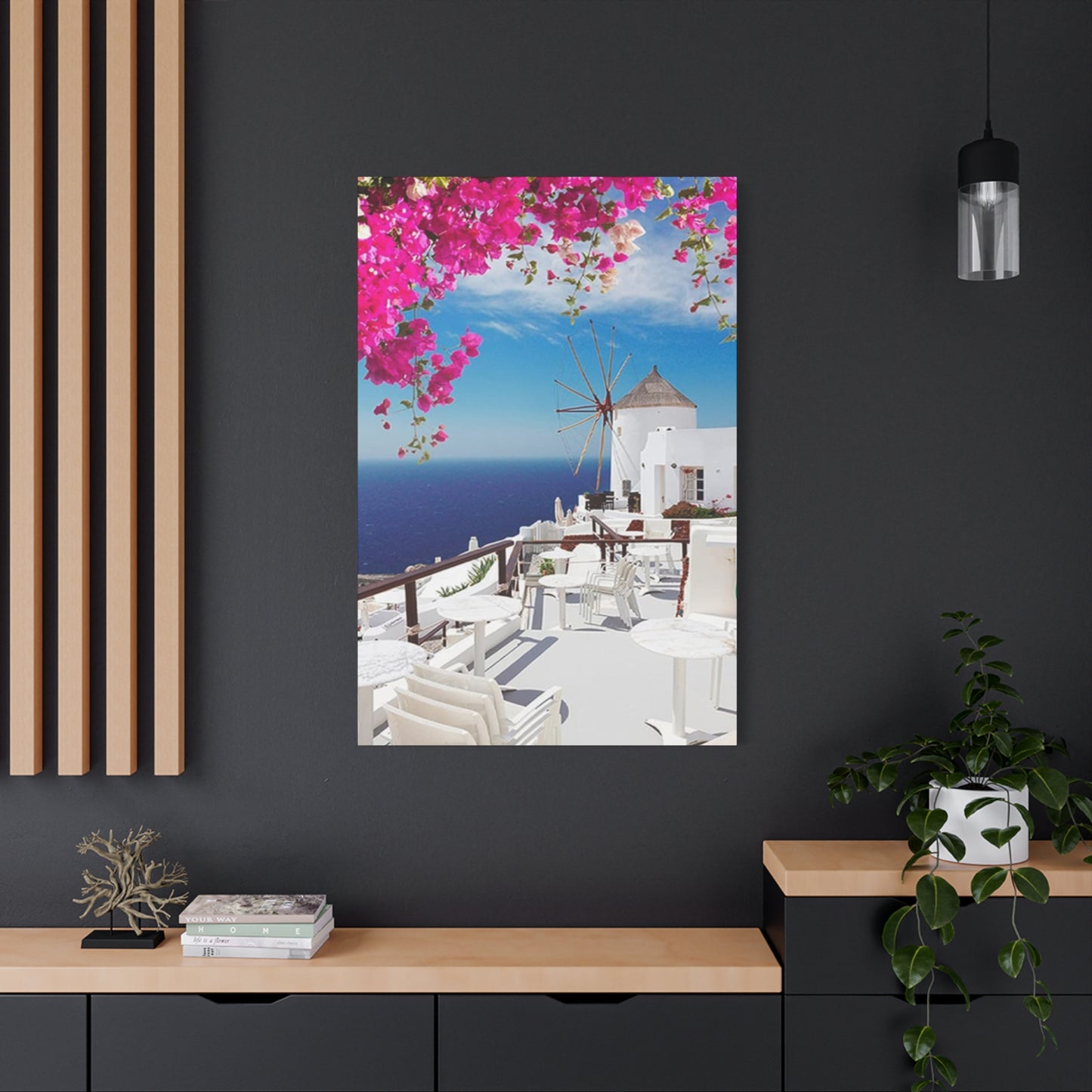


Greece Windmill Wall Art & Canvas Prints
Greece Windmill Wall Art & Canvas Prints
Couldn't load pickup availability
Transform Your Living Space with Greece Windmill Wall Art, Blending Aegean Coastal Beauty and Timeless Mediterranean Style
The enchanting landscapes of the Greek islands have captivated artists, travelers, and dreamers for centuries. Among the most iconic symbols of this Mediterranean paradise are the magnificent windmills that dot the coastline, standing as testaments to both practical ingenuity and architectural grace. Today, these structures have transcended their original purpose to become celebrated subjects in decorative pieces that bring the essence of Greek beauty into homes worldwide. Greece windmill wall art represents more than mere decoration—it embodies a connection to ancient culture, breathtaking scenery, and the timeless allure of island life.
Exploring the Cultural Significance and Symbolic Power Behind Greek Windmill Imagery in Contemporary Décor
The windmills of Greece carry profound cultural weight that extends far beyond their practical origins. These structures emerged during the Venetian occupation and became integral to island economies, grinding grain and supporting local communities. Their distinctive circular shape, whitewashed exteriors, and conical roofs created an architectural language that became synonymous with Greek identity. When transformed into Greece windmill wall art, these images carry forward centuries of stories, resilience, and the human capacity to harness natural forces.
Each windmill tells a narrative of survival and adaptation. Built to withstand fierce Aegean winds, they represent the determination of islanders who carved out livelihoods from rocky terrain and unpredictable weather. The symbolic resonance of these structures makes them particularly meaningful in modern spaces. They speak to perseverance, harmony with nature, and the beauty that emerges when form follows function. Displaying Greece windmill wall art connects viewers to these deeper meanings, transforming walls into portals that transport consciousness to sun-drenched hillsides and azure waters.
The aesthetic appeal of windmill imagery draws from multiple visual elements that work in concert. The stark contrast between brilliant white structures and deep blue skies creates drama and visual interest. The geometric simplicity of cylindrical towers topped with triangular caps provides clean lines that complement both traditional and contemporary interiors. The context in which windmills appear—often perched on cliffsides overlooking endless ocean—adds layers of romance and escapism that resonate with viewers seeking beauty and tranquility in their living spaces.
Examining the Geographic Variations and Regional Characteristics of Windmill Architecture Across Greek Islands
Greece hosts diverse windmill styles that reflect regional needs, resources, and aesthetic sensibilities. The windmills of Mykonos, perhaps the most photographed in the nation, feature distinctive thatched roofs and compact proportions designed to maximize efficiency in the island's notorious winds. These structures cluster together in scenic rows, creating compositions that have inspired countless artists and photographers. Greece windmill wall art featuring Mykonos windmills captures this concentrated beauty, presenting viewers with the iconic panorama that has become synonymous with Greek island charm.
Crete's windmills differ significantly, showcasing the island's unique architectural heritage. The Lassithi Plateau once hosted thousands of windmills with distinctive white cloth sails stretched over metal frames. Though many have fallen into disuse, their memory persists in artistic representations that celebrate this vanished landscape. These windmills were smaller and more numerous than their counterparts elsewhere, creating a different visual impact—a field of white sails spinning in coordinated motion across mountain plateaus.
Rhodes and Kos feature their own windmill traditions, with structures that blend influences from various occupying powers throughout history. These windmills often display more elaborate stonework and architectural details, reflecting the wealth that flowed through these strategically important islands. The windmills of the Dodecanese islands tend toward taller, more imposing profiles that command attention on harbor fronts and coastal promontories. Greece windmill wall art depicting these variations offers collectors opportunities to celebrate specific regional characteristics and connect with particular island identities.
Santorini's windmills, though fewer in number than those of Mykonos, possess their own distinctive character shaped by the island's volcanic landscape. Built into cliffsides and adapted to terrain dramatically different from other islands, these structures demonstrate remarkable ingenuity. Their positioning creates spectacular photographic opportunities as they frame views of the caldera and sunset-bathed villages. Artistic representations of Santorini windmills often emphasize this dramatic setting, incorporating the island's famous sunset colors and vertiginous perspectives.
Understanding the Materials, Construction Methods, and Structural Engineering of Traditional Greek Windmills
Traditional Greek windmills employed locally available materials adapted to specific environmental conditions. Volcanic stone, limestone, and marble formed primary building blocks depending on geological availability. Builders shaped these materials into circular walls that could better withstand wind pressure than angular structures. The cylindrical form distributed forces evenly, preventing weak points that might collapse under stress. This engineering wisdom, developed through generations of trial and refinement, created structures that endured for centuries.
Roofing materials varied according to regional resources and preferences. Thatched roofs constructed from reeds or straw provided lightweight, flexible coverage that could be easily repaired. Stone or tile roofs offered greater permanence but required more substantial supporting structures. The rotating cap mechanism, allowing millers to orient sails toward prevailing winds, represented sophisticated mechanical engineering for its era. Wooden gears, metal pins, and carefully balanced weights created systems that could be operated by single individuals despite the massive forces involved.
Interior spaces reflected the dual nature of windmills as both industrial sites and often residential quarters. Ground floors housed massive millstones—typically imported from harder stone regions—set into sturdy frames that transferred grinding forces into foundation structures. Upper levels provided storage for grain and flour, while some windmills incorporated living quarters where millers and their families resided. This vertical organization maximized limited footprints, a necessity on space-constrained islands where every square meter held value.
The sail systems themselves represented remarkable feats of textile engineering and carpentry. Triangular canvas sails stretched over wooden frames required precise tensioning to capture wind effectively without tearing. The number of sails varied—typically six, eight, or twelve—based on power requirements and wind conditions. Millers adjusted sail area by furling or unfurling canvas, controlling rotational speed to prevent damage while maintaining grinding efficiency. These adjustments required deep knowledge of weather patterns and mechanical systems, skills passed down through apprenticeship traditions.
Greece windmill wall art that faithfully represents these structural details offers viewers appreciation for the engineering brilliance embodied in seemingly simple structures. Detailed illustrations or photographs highlighting stonework patterns, sail configurations, and mechanical components educate while decorating, transforming walls into classrooms where design principles and historical ingenuity receive ongoing recognition.
Analyzing Color Palettes, Lighting Conditions, and Visual Composition in Effective Windmill Artwork
The color palette associated with Greek windmill imagery follows distinctive patterns that derive from both physical reality and artistic convention. The brilliant white of whitewashed walls reflects intense Mediterranean sunlight while providing thermal advantages in hot climates. This pristine white becomes a canvas against which other colors—the deep blue of sky and sea, the brown of weathered wood, the green of surrounding vegetation—create striking contrasts. Greece windmill wall art that captures these relationships taps into color harmonies that feel simultaneously bold and soothing.
Blue appears in multiple shades throughout windmill scenes. The sky shifts from pale azure at horizons to deep cobalt at zenith, creating graduated backgrounds that add depth and atmosphere. Ocean blues range from turquoise in shallow waters to navy in deeper channels. Wooden doors and window frames often bear blue paint, a tradition rooted in beliefs about warding off evil and creating visual continuity between structures and surroundings. Artistic representations that capture this spectrum of blues create cohesive compositions that feel authentically Greek.
Earth tones provide grounding elements in windmill artwork. Tan and ochre of stone pathways, golden wheat in surrounding fields, brown of exposed bedrock—these warmer hues balance cooler blues and whites. Sunset scenes introduce oranges, pinks, and purples that transform familiar structures into ethereal subjects bathed in magical light. The interplay between warm and cool tones creates visual interest and emotional resonance, guiding viewer responses from energizing excitement to peaceful contemplation.
Lighting conditions dramatically affect windmill imagery's mood and impact. Harsh midday sun creates sharp shadows and brilliant highlights, emphasizing geometric forms and creating graphic, almost abstract compositions. Golden hour light—shortly after sunrise or before sunset—bathes scenes in warm amber tones that soften edges and create romantic atmospheres. Blue hour, the period of twilight when ambient light takes on deep blue qualities, transforms windmills into silhouettes or ghostly presences that emphasize form over detail. Greece windmill wall art showcasing different lighting conditions offers varied emotional experiences despite depicting similar subjects.
Compositional approaches vary according to artistic intent and available space. Panoramic formats suit windmill rows or landscape contexts, allowing viewers to appreciate relationships between structures and environments. Vertical orientations work well for single windmill portraits, emphasizing their height and commanding presence. Square compositions offer balanced, centered arrangements that create calm, meditative qualities. Rule-of-thirds placement, leading lines from pathways or coastlines, and framing through architectural elements demonstrate compositional strategies that enhance visual impact.
Investigating Different Artistic Media and Rendering Styles for Windmill Wall Art Pieces
Photography remains the most popular medium for Greece windmill wall art, offering realistic representations that transport viewers to actual locations. High-resolution images capture intricate details—texture in stone walls, patterns in weathered wood, individual blades of grass in foreground vegetation. Black and white photography strips away color distractions, emphasizing form, contrast, and tonal relationships. This approach can create timeless qualities that transcend specific moments, suggesting permanence and classical beauty.
Digital painting and illustration allow artists greater interpretive freedom than photography. These media enable color enhancement, compositional adjustments, and stylistic choices that create specific moods or emphasize particular elements. Artists working digitally can blend photographic realism with painterly qualities, creating hybrid aesthetics that combine authenticity with artistic vision. The flexibility of digital tools permits easy scaling and format adjustments, making designs adaptable to various display contexts.
Traditional painting media—oils, acrylics, watercolors—bring textural qualities and handmade authenticity to windmill imagery. Oil paintings offer rich color saturation and smooth gradations ideal for capturing atmospheric effects and subtle lighting variations. Acrylic works provide vibrant, immediate color with versatile application possibilities ranging from thick impasto to transparent washes. Watercolors excel at suggesting rather than defining forms, creating impressionistic renditions that emphasize mood over detail. Greece windmill wall art created through traditional painting carries the energy and intention of individual artists, making each piece unique.
Printmaking methods—lithography, screen printing, etching—create distinctive visual characteristics. The slightly imperfect registration and ink variations inherent in hand-pulled prints add character absent from mass-produced alternatives. Limited edition prints offer collectors affordability while maintaining exclusivity and artistic value. The graphic qualities of printmaking suit windmill subjects particularly well, as simplified forms and reduced color palettes often enhance rather than diminish visual impact.
Mixed media approaches combine multiple materials and methods within single artworks. Collage elements might incorporate actual Greek newspapers, maps, or fabrics alongside painted or drawn windmill images. Three-dimensional relief effects created through layered materials add tactile interest and cast shadows that change with lighting conditions. Metallic leaf, textured papers, and embedded objects transform flat surfaces into complex, engaging works that reward close examination. These experimental approaches push beyond conventional windmill representations, offering fresh perspectives on familiar subjects.
Discovering How to Select Appropriately Sized and Scaled Windmill Art for Various Room Dimensions
Choosing correctly proportioned Greece windmill wall art requires careful consideration of room dimensions, viewing distances, and existing design elements. Oversized pieces in small spaces can overwhelm, creating cramped feelings and preventing proper viewing distances. Conversely, undersized artwork in expansive rooms appears lost and insignificant, failing to anchor spaces or command appropriate attention. The goal involves achieving balance where art feels substantial without dominating, complementing rather than competing with surrounding elements.
Living rooms typically accommodate larger artworks due to greater wall space and viewing distances. A substantial piece measuring 40 by 60 inches or larger can serve as a focal point above sofas or on primary feature walls. At these dimensions, Greece windmill wall art becomes architectural—an element that defines space rather than merely decorating it. The scale allows for appreciating details from conversation distances while maintaining visual impact from across rooms. Multiple smaller pieces arranged in gallery walls offer alternatives that create similar visual weight through combined area.
Bedrooms benefit from windmill art that promotes relaxation and peaceful contemplation. Medium-sized pieces—approximately 24 by 36 inches—work well above beds or dressers, providing visual interest without creating overwhelming presence. The bedroom context favors softer, more romantic windmill scenes featuring sunset lighting or muted color palettes that support restful atmospheres. Viewing typically occurs from bed, so positioning should account for reclined sightlines that differ from standing perspectives common in other rooms.
Dining areas present opportunities for artwork that enhances social gatherings and meal experiences. Windmill art positioned at seated eye level creates intimate connections between diners and imagery. Horizontal orientations complement typical dining table shapes, creating visual echoes that unify spaces. Scenes featuring multiple windmills or expansive landscapes suit dining room scales, offering conversation starters and contemplative focus during meals. The social nature of dining makes narrative or detailed windmill art particularly appropriate, as guests can discover new elements during extended viewings.
Hallways and entryways accommodate vertical windmill compositions that draw eyes upward, creating impressions of greater height and spaciousness. Narrow wall spaces limit width options, making portrait-oriented Greece windmill wall art ideal. Series of smaller windmill images arranged linearly guide movement through transitional spaces while maintaining visual continuity. Entry halls benefit from dramatic windmill scenes that establish atmospheric tones for entire homes, greeting residents and visitors with Mediterranean charm.
Offices and study spaces suit windmill art that balances inspiration with focus. Moderately sized pieces prevent distraction while offering visual respite during work breaks. The symbolic associations of windmills—productivity, harnessing energy, working with natural forces—complement professional environments. Positioning artwork within sightlines during brief glances rather than direct focal points maintains workspace functionality while enriching environments with beauty and meaning.
Exploring Color Coordination and Design Harmony Between Windmill Art and Existing Interior Schemes
Successfully incorporating Greece windmill wall art requires thoughtful consideration of existing color schemes, design styles, and decorative elements. The predominantly blue and white palette of windmill imagery naturally complements coastal, nautical, and Mediterranean design schemes. These obvious pairings create cohesive environments where artwork feels integrated rather than imposed. However, windmill art's versatility extends beyond expected contexts, adapting successfully to diverse interior aesthetics through strategic color extraction and compositional emphasis.
Neutral interiors dominated by whites, grays, and beiges provide blank canvases where windmill art introduces color and visual interest. The blues in windmill scenes read as accent colors that energize spaces without overwhelming subtle palettes. This approach allows changing accent colors seasonally or annually simply by rotating artwork, maintaining flexibility within otherwise stable design frameworks. Greece windmill wall art with varied blue intensities—from pale sky tones to deep ocean hues—offers options that match existing accent implementations.
Warm-toned interiors featuring terracotta, ochre, and earth colors might seem incompatible with cool-toned windmill imagery. However, sunset windmill scenes or artwork emphasizing golden hour lighting bridges this apparent divide. The warm tones in such pieces resonate with existing color schemes while introducing complementary blues that create sophisticated contrasts. This approach demonstrates how subject matter selection within windmill art categories allows adaptation to diverse environments.
Monochromatic schemes benefit from windmill art that emphasizes tonal variations rather than color diversity. Black and white windmill photography offers dramatic impact while respecting restrained color approaches. Sepia-toned or single-color illustrations provide alternatives that introduce windmill imagery without disrupting carefully controlled palettes. These options prove particularly valuable in minimalist interiors where color serves as punctuation rather than primary vocabulary.
Eclectic interiors that embrace diverse styles and periods can incorporate windmill art as cultural references that complement global collections. Placing Greece windmill wall art alongside artwork from other regions creates visual conversations about place, culture, and architectural traditions. The key involves maintaining consistent framing approaches, matting styles, or other unifying elements that prevent collections from appearing haphazard despite intentional diversity.
Pattern interaction deserves consideration when positioning windmill art near textiles, wallpapers, or other patterned elements. The geometric simplicity of windmill forms creates calm counterpoints to busy patterns, preventing visual overload. Conversely, windmill art featuring complex landscape details might compete with elaborate patterns, creating confusion rather than harmony. Assessing pattern density and scale throughout rooms helps identify optimal windmill art characteristics for specific locations.
Examining Frame Selection, Matting Choices, and Presentation Methods That Enhance Windmill Artwork
Framing choices profoundly affect how Greece windmill wall art appears and integrates into spaces. Frame styles communicate through material, color, profile, and ornamentation, each creating different relationships between artwork and environments. Traditional wood frames in natural finishes complement windmill imagery's organic origins while adding warmth that balances cool blue tones. Darker woods create formal, weighty presentations suitable for substantial artworks and traditional interiors, while lighter woods maintain casual, approachable qualities appropriate for relaxed spaces.
White or off-white frames create seamless connections between windmill art and the whitewashed structures depicted within. This approach emphasizes artwork content by minimizing frame presence, allowing images to appear as windows into Greek landscapes. The monochromatic frame treatment works particularly well in coastal and contemporary settings where clean lines and uncluttered presentations dominate. Subtle variations in white tones—warm versus cool undertones—should match existing trim, furniture, or architectural elements for maximum cohesion.
Metal frames offer sleek, modern presentations that suit contemporary interiors and minimalist aesthetics. Brushed silver or aluminum frames provide neutral surroundings that don't compete with artwork while contributing industrial-chic character. Black metal frames create bold graphic statements, emphasizing windmill art as deliberate design choices rather than incidental decorations. The slim profiles typical of metal frames maximize visible artwork area, important considerations for smaller pieces or detail-rich compositions.
Matting serves multiple practical and aesthetic functions. Physically, mats create separation between artwork and glazing, preventing moisture damage and allowing air circulation. Visually, mats frame artwork within frames, creating transitional zones that ease eye movement from walls to images. Mat color dramatically affects perception—white mats enhance brightness and create expansive feelings, while colored mats can pull specific tones from artwork, creating intentional color relationships. Multiple mat layers with varied widths add sophistication and depth, suitable for premium Greece windmill wall art presentations.
Floater frames, where artwork appears suspended within frame boundaries, create contemporary, gallery-quality presentations. This mounting method particularly suits canvas prints or panel-mounted photographs, allowing artwork edges to remain visible and emphasizing three-dimensionality. The shadow gap between artwork and frame creates visual interest while conveying artistic seriousness and careful curation.
Frameless presentations offer ultramodern alternatives through acrylic mounting or gallery wrapping. Face-mounting photographs behind acrylic creates luminous, jewel-like qualities as light reflects through clear material. Gallery-wrapped canvases—where images continue around edges—eliminate framing needs entirely while creating substantial, object-like qualities. These approaches suit contemporary spaces where conventional framing might appear dated or fussy.
Canvas presentations embrace artistic traditions through stretched canvas prints mounted on wooden stretcher bars. This format references painting origins while offering affordable alternatives to original artworks. Canvas textures add tactile interest that enhances viewing experiences and contributes to handcrafted aesthetics. The depth of stretcher bars—typically 0.75 to 2 inches—affects how artwork projects from walls, with deeper bars creating sculpture-like presence.
Investigating Lighting Strategies and Illumination Methods for Showcasing Windmill Wall Art Effectively
Proper lighting transforms Greece windmill wall art from decorative elements into focal points that command attention and reward viewing. Natural and artificial light sources interact with artwork differently, each creating unique effects that enhance or potentially compromise visual impact. Understanding these interactions enables strategic lighting decisions that optimize artwork presentation while supporting overall room functionality and ambiance.
Natural light offers free, ever-changing illumination that connects artwork to daily rhythms and seasonal variations. Positioning windmill art perpendicular to windows minimizes glare and reflections while ensuring adequate illumination. Morning light tends toward cooler tones that complement blue windmill imagery, while afternoon light shifts warmer, emphasizing golden and earth tones. Seasonal angle changes mean summer light patterns differ from winter, considerations when establishing permanent artwork positions. Direct sunlight poses fading risks, particularly for prints, photographs, and delicate pigments. UV-filtering glazing and strategic positioning away from harsh direct exposure protect investments while maintaining natural illumination benefits.
Picture lights mounted directly to frames or walls above artwork provide focused illumination that highlights pieces as distinct features. These fixtures direct light downward across artwork surfaces, creating uniform illumination that minimizes glare. Adjustable picture lights allow fine-tuning beam angles and intensities to suit specific artworks and viewing conditions. Hardwired options integrate seamlessly with room electrical systems, while battery-operated alternatives offer flexibility for locations without convenient outlets. LED picture lights combine energy efficiency with minimal heat generation, important considerations for artwork preservation.
Track lighting systems offer versatile solutions for illuminating multiple artworks or adjusting focus as collections evolve. Positioning tracks parallel to walls allows directing individual fixtures toward specific pieces, with easy repositioning as needs change. Adjustable beam angles and fixture positions provide control over illumination characteristics. Combining ambient and accent lighting through track systems creates layered lighting schemes that support varied room functions while highlighting Greece windmill wall art as featured elements.
Recessed ceiling spotlights create clean, architectural presentations by eliminating visible fixtures. Carefully aimed recessed lights wash walls with even illumination or create dramatic focal points through concentrated beams. This approach requires planning during construction or renovation but provides uncluttered aesthetics that suit contemporary interiors. Dimming capabilities allow adjusting illumination intensity for different times and activities, from bright daytime viewing to subtle evening ambiance.
Wall-washing techniques employ indirect lighting that bounces off walls to create soft, even illumination across entire surfaces including mounted artwork. This gentle approach minimizes glare and shadows while creating luminous wall planes that make rooms feel larger. Wall washers work particularly well for gallery walls containing multiple windmill pieces, providing consistent illumination across collections without requiring individual fixture adjustments.
Avoiding common lighting mistakes protects artwork and enhances presentations. Positioning lights too close creates hot spots and uneven illumination, while excessive distance reduces effectiveness. Incorrect angles generate reflections and glare that obscure artwork rather than revealing it. Mismatched color temperatures—mixing warm and cool light sources—creates discordant appearances that detract from viewing experiences. High-heat fixtures risk damaging artwork through sustained exposure. LED sources with appropriate color temperatures (typically 3000-4000K for artwork) and CRI ratings above 90 render colors accurately while protecting valuable pieces.
Discovering Creative Arrangement Patterns and Gallery Wall Concepts Featuring Multiple Windmill Pieces
Creating compelling displays from multiple Greece windmill wall art pieces requires understanding compositional principles that govern visual balance, rhythm, and unity. Gallery walls transform collections into cohesive installations that exceed the impact of individual pieces, creating dynamic visual experiences that engage viewers and define spaces. Strategic arrangement considers artwork sizes, orientations, subject matter, and color relationships to achieve harmonious results.
Symmetrical arrangements appeal through order and predictability, creating formal presentations that convey stability and intentionality. Grid layouts with uniform spacing between equal-sized windmill artworks establish clean, organized appearances particularly suited to modern interiors. This approach works well for series—multiple windmill images from single locations or consistent artistic treatments—where repetition creates rhythm and unity. Centered alignment around horizontal or vertical axes creates balance that feels resolved and complete.
Asymmetrical arrangements offer dynamic energy and visual interest through intentional imbalance. Varying artwork sizes and positions creates movement that guides eyes across displays, encouraging exploration and discovery. This approach accommodates diverse windmill subjects, styles, and formats within unified presentations. The challenge involves achieving balance through careful weight distribution—large pieces balanced by clusters of smaller works, or bright artwork offset by subtler pieces. Successful asymmetrical arrangements feel intentional rather than haphazard, demonstrating thoughtful curation.
Salon-style hanging maximizes wall coverage through dense arrangements where artworks nearly touch. This approach creates gallery-like environments that celebrate abundance and passion for windmill imagery. Mixing frame styles, artwork sizes, and formats creates eclectic energy suitable for bohemian or maximalist interiors. Despite apparent casualness, effective salon walls require careful planning to prevent chaos. Starting with largest pieces and building outward ensures proper weight distribution and prevents voids or overcrowding.
Linear arrangements align artwork along horizontal or vertical lines, creating clean, easy-to-follow compositions. Hanging windmill pieces at consistent heights with varied widths between establishes orderly rhythm with subtle variation. This approach suits hallways, above furniture, or other locations where horizontal emphasis complements architecture. Vertical linear arrangements draw eyes upward, creating impressions of height beneficial in rooms with lower ceilings.
Thematic groupings unite Greece windmill wall art through shared characteristics beyond visual similarities. Arranging pieces by island origin creates geographic narratives, while grouping by lighting conditions tells stories about times of day or atmospheric conditions. Color-based groupings progress from cool to warm tones or light to dark values, creating gradients that add sophistication. These conceptual connections add depth to displays, transforming them into curated collections with intentional meanings.
Layering creates dimensional interest through overlapping frames or leaning pieces against walls rather than hanging. This casual, collected-over-time aesthetic suits eclectic and bohemian spaces where perfect precision might feel contrived. Layering allows easy rearrangement and rotating pieces without creating wall damage. Combining hung pieces with leaning elements creates hybrid displays that balance permanent with changeable, offering flexibility for evolving collections.
Focal point strategies position statement windmill pieces as anchors around which smaller works orbit. This approach establishes clear visual hierarchy and prevents aimless eye wandering. The focal artwork—typically largest, most colorful, or most dramatic—occupies prime position, with supporting pieces arranged to complement rather than compete. This method particularly suits large walls where single pieces might appear insufficient but multiple equal-weight pieces could create confusion.
Understanding Canvas Versus Paper Prints and Material Considerations for Long-Term Durability
Material selection significantly impacts Greece windmill wall art's appearance, longevity, and suitability for specific environments. Different substrates offer distinct aesthetic qualities, durability characteristics, and price points that influence purchasing decisions. Understanding these differences enables informed choices that balance immediate visual preferences with long-term satisfaction and investment protection.
Canvas prints reference painting traditions through textured surfaces that add depth and artistic legitimacy. The fabric weave creates visual interest absent from smooth papers, catching light in ways that emphasize dimensionality. Canvas's flexibility permits gallery wrapping—extending images around frame edges—for frameless presentations with contemporary appeal. The material's durability resists tears and punctures better than paper, important for high-traffic areas or households with children or pets. Canvas accepts various printing methods, from traditional giclee to modern digital processes, with quality variations depending on canvas weight, weave tightness, and coating applications.
Photo paper produces sharp, detailed images with smooth surfaces that showcase fine details and subtle gradations. Various paper types serve different purposes—glossy papers create vibrant colors and deep blacks ideal for high-contrast windmill scenes, while matte papers reduce reflections and offer sophisticated, understated presentations. Metallic papers introduce shimmer that enhances water and sky elements common in windmill imagery. Fine art papers with cotton or alpha-cellulose content provide archival quality and longevity exceeding standard photo papers. Paper requires framing and glazing for protection, adding costs but allowing broader presentation options through matting and frame selection.
Metal prints offer contemporary alternatives through dye-sublimation processes that infuse inks directly into specially coated aluminum. The result creates luminous, vibrant images with incredible depth and three-dimensional qualities. Metal's smooth, reflective surface adds modern edge particularly suited to contemporary interiors and commercial spaces. The medium's exceptional durability resists moisture, fading, and physical damage, though scratches can occur with sharp impacts. Metal prints require no framing, simplifying installation while creating clean, minimalist presentations. The material's cost typically exceeds paper or canvas but offers premium aesthetics and longevity that justify investments for serious collectors.
Acrylic printing face-mounts images behind clear acrylic sheets, creating jewel-like qualities as light transmits through transparent material. This presentation method produces incredible depth, vibrant colors, and contemporary elegance that commands attention. The substantial physical presence and weight convey quality and permanence. Acrylic's clarity surpasses glass while offering superior impact resistance. The premium pricing reflects complex production processes and material costs, positioning acrylic prints as luxury options for discerning collectors. Acrylic suits Greece windmill wall art particularly well, as the Mediterranean light and colors gain additional luminosity through this presentation method.
Wood panel printing creates rustic, organic presentations by transferring images directly onto prepared wood surfaces. The wood grain remains visible through images, adding texture and character that references natural materials prominent in windmill construction. This approach particularly suits farmhouse, rustic, and nature-inspired interiors where organic materials dominate. Wood panels offer substantial durability and frameless presentation options, though they're susceptible to warping in high-humidity environments. The natural material variations mean each piece possesses unique characteristics, appealing to those valuing handcrafted aesthetics.
Archival considerations affect long-term artwork survival. Acid-free papers, lightfast inks, and UV-protective coatings extend lifespan significantly. Museum-quality printing employs pigment-based inks rather than dye-based alternatives, offering superior fade resistance that maintains color integrity for decades. Proper storage and display conditions—avoiding direct sunlight, controlling humidity, preventing temperature extremes—protect investments regardless of material choices. Understanding these factors enables selecting Greece windmill wall art that retains beauty and value throughout ownership.
Exploring Seasonal Rotation Strategies and Thematic Display Concepts for Windmill Collections
Building Greece windmill wall art collections offers opportunities for rotating displays that maintain freshness and respond to seasonal changes or evolving tastes. Strategic collection development creates versatility, allowing periodic refreshment without complete redesign. This approach transforms walls into dynamic elements that reflect current moods, seasons, or interests while providing variety that prevents visual fatigue from static displays.
Seasonal rotations align artwork with annual rhythms and changing light conditions. Summer displays might emphasize bright, high-contrast windmill scenes featuring intense blue skies and brilliant sunshine that complement warm weather and longer days. Spring collections could focus on windmill images incorporating flowering vegetation, softer lighting, and renewed growth symbolism. Autumn presentations might feature sunset windmill scenes with golden tones that echo falling leaves and harvest themes. Winter rotations could showcase dramatic storm scenes, misty atmospheres, or evening windmill silhouettes that complement shorter days and cozy indoor time.
Thematic collections organized around specific islands allow exploring regional variations and developing deeper connections with particular locations. A Mykonos-focused collection celebrates that island's iconic windmill row and distinctive architectural character. Santorini pieces emphasize dramatic caldera views and volcanic landscapes. Crete collections showcase mountain plateau windmills and unique regional styles. This geographic approach transforms collections into virtual travel portfolios that document diverse Greek landscapes while providing educational context about regional differences.
Color-based rotations respond to evolving interior schemes or seasonal palette preferences. Cool-toned windmill collections dominated by blues and whites create refreshing summer aesthetics or complement cool-season decorating. Warm-toned pieces featuring sunset lighting and earth colors provide cozy autumn and winter alternatives. Neutral collections emphasizing black-and-white imagery offer sophisticated, timeless presentations that transcend seasonal considerations. Maintaining diverse color options enables matching Greece windmill wall art to changing accent colors, textile choices, or overall design directions.
Mood-based selections curate collections around emotional resonances and atmospheric qualities. Energizing collections feature bright, high-contrast windmill scenes with dynamic compositions that stimulate and invigorate. Calming selections emphasize soft lighting, muted colors, and serene compositions that promote relaxation and contemplation. Romantic groupings focus on sunset scenes, misty atmospheres, and idyllic settings that evoke emotions and memories. This psychological approach to collection building ensures artwork actively supports desired environmental qualities and emotional experiences.
Artist or style-focused collections celebrate particular creators or aesthetic approaches. Assembling multiple works from favored photographers or illustrators creates cohesive presentations that showcase individual artistic visions. Style-based collections might group realistic photographs, impressionistic paintings, or graphic illustrations separately, allowing exploration of how different artistic approaches interpret common subjects. This curatorial strategy appeals to serious collectors who appreciate artistic processes and individual creative voices.
Storage and rotation logistics require planning to protect artwork between displays. Proper storage in climate-controlled spaces away from moisture and temperature extremes preserves pieces during off-display periods. Acid-free materials prevent chemical damage to prints and canvases. Careful inventory systems track collection contents, locations, and condition notes. Digital records documenting each piece facilitate planning rotations and remembering why particular artworks were acquired. These organizational efforts transform collecting from accumulation into curated practice that maintains long-term value and enjoyment.
Investigating the Role of Greek Windmill Art in Creating Cohesive Mediterranean-Inspired Interior Themes
Greece windmill wall art serves as anchor element in broader Mediterranean design schemes that evoke the region's distinctive aesthetic and lifestyle. These comprehensive approaches transform spaces through coordinated colors, materials, patterns, and decorative elements that work together creating unified environments. Understanding how windmill art fits within larger thematic contexts enables maximizing impact while avoiding disjointed results where individual elements fail to cohere.
Color palettes provide foundation for Mediterranean schemes. The classic combination of crisp white and varying blues directly references Greek architecture and windmill imagery. These dominant colors create bright, airy foundations that reflect abundant sunlight characteristic of the region. Accent colors drawn from Mediterranean landscapes—terracotta reds, olive greens, sandy beiges, and warm yellows—add depth and prevent monotony. Greece windmill wall art naturally integrates into these schemes through inherent color relationships, requiring minimal coordination effort while substantially contributing to overall effects.
Material selections reinforce thematic consistency through tactile and visual connections to Mediterranean building traditions. Natural materials dominate—stone, wood, terra cotta, and textiles in linen and cotton. Whitewashed or lime-painted surfaces echo Greek architectural treatments visible in windmill imagery. Exposed wooden beams, stone accent walls, and tile flooring reference structural elements common throughout the region. Metal work in wrought iron or brushed brass suggests traditional craftsmanship. These material choices create environments where Greece windmill wall art appears organic rather than imposed, naturally belonging to surroundings.
Furniture styles supporting Mediterranean themes balance rustic authenticity with refined comfort. Substantial wood pieces in weathered finishes suggest age and use, connecting to pre-industrial eras when windmills operated. Upholstered elements in natural fabrics with simple patterns maintain casual elegance. Curved forms and carved details add visual interest without excessive ornamentation. Furniture arrangements emphasizing gathering and conversation reflect Mediterranean social values, with seating clusters that encourage interaction. Positioning windmill art within these arrangements creates focal points that anchor spaces while supporting social functions.
Textile selections introduce patterns, textures, and additional color while maintaining thematic consistency. Striped fabrics in blue and white reference nautical heritage and casual beach aesthetics. Geometric patterns inspired by Greek key motifs, tile designs, or traditional weaving connect to artistic heritage. Natural fiber textures—linen's slight irregularity, cotton's soft hand—provide tactile interest that complements visual elements. Layering textiles through cushions, throws, and window treatments creates depth and comfort. Coordinating textile colors with dominant tones in Greece windmill wall art ties disparate elements into unified schemes.
Decorative accessories provide opportunities for reinforcing themes through carefully selected objects. Ceramic vessels in traditional blue and white patterns, wooden bowls and cutting boards, woven baskets, and metal lanterns all reference Mediterranean craft traditions. Olive branches, citrus fruits, and lavender bundles bring natural elements indoors while adding fragrance and organic forms. Display strategies grouping related objects create vignettes that tell stories about place and lifestyle. Incorporating smaller windmill-themed objects—sculptures, models, or decorative plates—creates thematic echoes that strengthen Greece windmill wall art's central role.
Conclusion
The Greece windmill wall art is more than just a decorative piece; it is a portal to the heart of the Aegean, encapsulating the timeless beauty, rich history, and Mediterranean elegance that Greece is known for. Windmills, with their iconic whitewashed forms and graceful sails, have become synonymous with the stunning landscapes of the Greek islands. They represent not only the ingenuity and resilience of Greek culture but also the idyllic charm that attracts travelers from around the world. By introducing a piece of Greece’s windmill art into your home, you invite a slice of this captivating world into your personal space, allowing its serene beauty to infuse your surroundings with tranquility.
The visual appeal of windmill wall art lies in its ability to evoke a sense of peace and nostalgia for the Mediterranean lifestyle. The sight of a lone windmill perched atop a sun-drenched hill against a backdrop of azure seas and blue skies is an image that has captivated generations. These windmills, once essential for grinding grain, are now iconic symbols of the island life, representing both the simplicity and grandeur of the Greek way of life. Whether you choose a vibrant, hand-painted depiction or a more minimalist, contemporary interpretation, the presence of a windmill on your wall is an invitation to relax, reflect, and connect with the beauty of nature.
Moreover, the architectural elegance of Greek windmills embodies the harmonious relationship between human ingenuity and the natural environment. Their clean, white exteriors complement the natural landscape, making them a perfect metaphor for the balance between civilization and nature that is such a fundamental aspect of Greek culture. Windmill wall art captures this balance beautifully, infusing your space with a sense of timelessness and a feeling of being connected to something larger than oneself. The art’s soft lines and calming colors reflect the lightness of the Mediterranean breeze and the stillness of the landscape, making it a perfect choice for creating a peaceful and inviting home environment.
Incorporating Greek windmill art into your home décor also allows you to embrace the deep cultural and historical significance of these structures. Greek windmills have stood the test of time, enduring through centuries of change, and they continue to be a living testament to the resilience and adaptability of the Greek people. By displaying a piece of windmill-inspired artwork, you honor the history and traditions of Greece, while also adding a touch of Mediterranean elegance to your home. It becomes more than just art—it becomes a narrative, a story of a people, a place, and a lifestyle that continues to inspire.
From the whitewashed windmills of Mykonos to the charming coastal villages of the Cyclades, Greece’s windmills are a symbol of beauty, heritage, and innovation. These stunning structures are not only a testament to the past but also a representation of the enduring spirit of the Greek people. When you choose windmill wall art for your living space, you are not just adding a decorative element, but rather a lasting symbol of the elegance, charm, and timeless appeal of the Greek islands.
By bringing the timeless beauty of Greece’s windmills into your home, you create a space that evokes a sense of peace, serenity, and Mediterranean warmth. Whether you are drawn to the traditional style of the art or prefer a more modern interpretation, the windmill is an enduring image that invites you to escape into a world of Aegean charm and Mediterranean elegance, where every glance reminds you of the timeless beauty of Greece itself.
Share