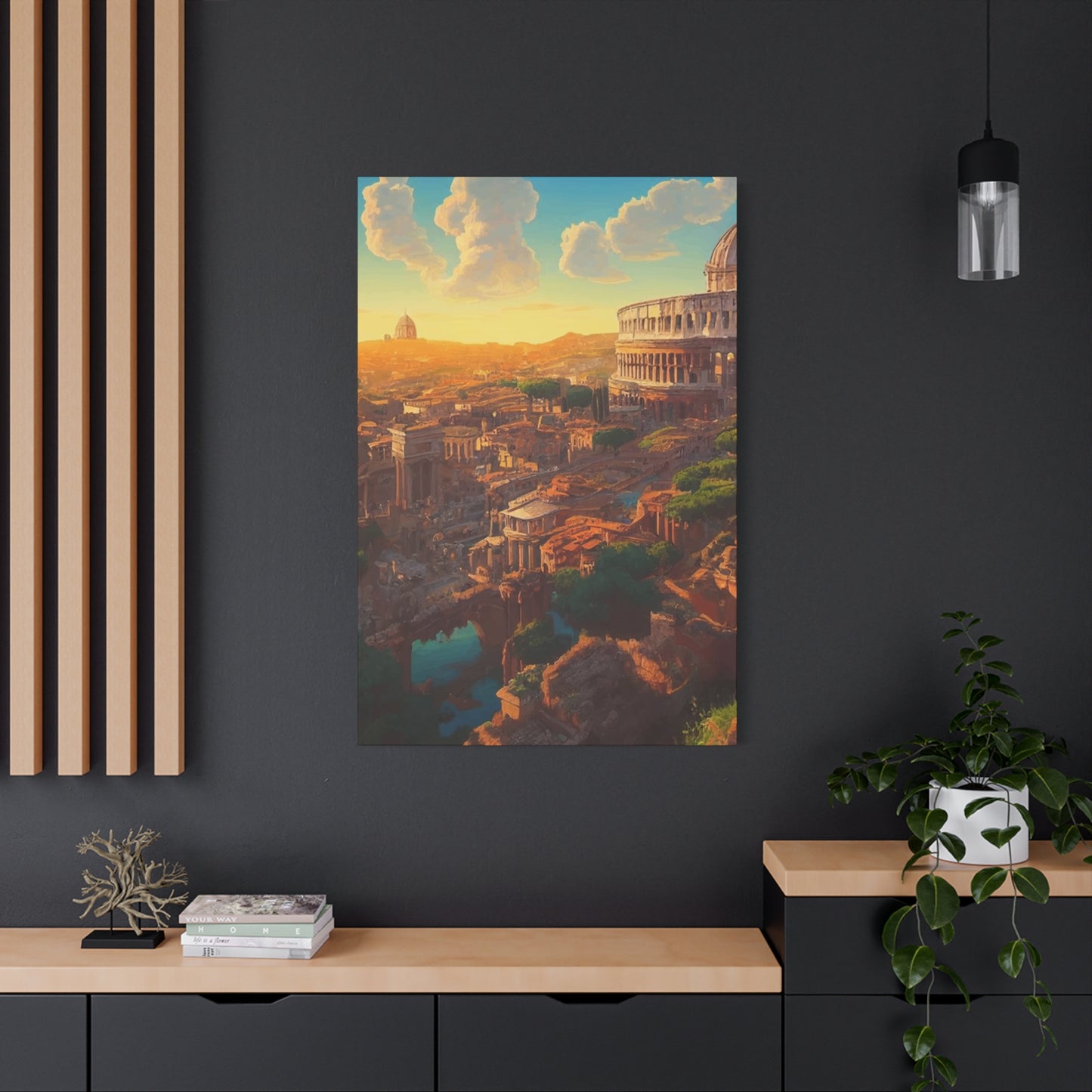
Greece Wall Art & Canvas Prints
Greece Wall Art & Canvas Prints
Couldn't load pickup availability
Discovering the Timeless Beauty and Cultural Richness of Greece Wall Art for Your Living Rooms
The Mediterranean has long been celebrated for its breathtaking landscapes, ancient civilizations, and artistic heritage that continues to captivate people worldwide. Among the countless ways to bring this magnificence into contemporary homes, decorative pieces inspired by Hellenic culture stand out as particularly compelling choices. These visual representations transport viewers to sun-drenched islands, historical monuments, and azure coastlines, creating atmospheric sanctuaries within modern dwellings. The enduring appeal of such artwork lies in its ability to bridge millennia of human creativity with current aesthetic sensibilities.
When homeowners and interior designers seek to infuse spaces with character and depth, they often turn to visual elements that carry both aesthetic merit and cultural significance. Greece wall art accomplishes this dual purpose effortlessly, offering everything from reproductions of classical sculptures to contemporary interpretations of iconic architectural elements. The versatility of these pieces allows them to complement various decorating schemes while maintaining their distinctive Mediterranean charm.
The increasing popularity of Mediterranean-inspired decor has sparked renewed interest in authentic representations of Greek scenery, mythology, and architectural wonders. Collectors and casual enthusiasts alike appreciate how these artworks can transform ordinary rooms into environments that evoke wanderlust and contemplation. Whether displayed in minimalist modern settings or more traditional arrangements, such pieces serve as conversation starters and focal points that anchor entire design concepts.
Exploring the Diverse Visual Styles Found in Hellenic-Inspired Decorative Pieces
The realm of Mediterranean decorative artwork encompasses an extraordinary range of visual approaches, each capturing different aspects of Greek culture and landscape. Photography-based pieces might showcase the brilliant whitewashed buildings of Santorini against cobalt skies, while painted interpretations could emphasize the romantic atmosphere of seaside tavernas at sunset. Abstract renditions might focus on the geometric patterns found in ancient mosaics or the rhythmic columns of classical temples.
Realistic photographic prints offer viewers window-like glimpses into specific locations, from the Acropolis bathed in golden hour light to the turquoise waters of Zakynthos. These pieces appeal to travelers who wish to preserve memories of their journeys or to dreamers who aspire to visit these legendary destinations. The crisp detail of contemporary photography captures textures, colors, and atmospheric conditions with stunning fidelity, creating immersive visual experiences.
Illustrative and painterly styles provide different advantages, allowing artists to emphasize particular emotional qualities or aesthetic elements. Watercolor interpretations of Greek islands often feature softer, more romantic color palettes that evoke nostalgia and tranquility. Oil paintings might employ bold brushwork to convey the dramatic coastal cliffs or the weathered surfaces of ancient ruins. These artistic approaches transform literal scenes into emotional experiences, inviting viewers to connect with the subject matter on deeper levels.
Minimalist line drawings represent another popular category, distilling complex architectural forms or landscape features into elegant, simplified compositions. These pieces work particularly well in contemporary spaces where visual restraint is valued. A simple line drawing of the Parthenon or a Greek island windmill can make powerful statements without overwhelming surrounding decor elements.
Understanding How Hellenic Cultural Elements Enhance Contemporary Interior Spaces
The incorporation of Mediterranean-inspired artwork into modern homes serves purposes that extend beyond mere decoration. These pieces function as cultural touchstones that connect inhabitants to ancient wisdom, philosophical traditions, and artistic excellence spanning thousands of years. The visual presence of Greek columns, amphoras, or mythological figures subtly influences the atmosphere of rooms, encouraging contemplation and appreciation for enduring aesthetic principles.
Color psychology plays a significant role in explaining why Greek-themed artwork resonates so powerfully with contemporary audiences. The signature blue and white palette associated with Cycladic architecture creates feelings of serenity, cleanliness, and spaciousness. These colors have been proven to reduce stress and promote mental clarity, making them ideal choices for bedrooms, bathrooms, and meditation spaces. Warm earth tones found in depictions of ancient pottery or sun-baked terracotta roofs provide grounding energy that balances cooler hues.
The architectural elements frequently featured in Greek-inspired artwork carry inherent symbolic weight. Columns represent strength, stability, and classical order, while archways suggest passages and transitions. Olive branches symbolize peace and abundance, connecting viewers to agricultural traditions that sustained Mediterranean civilizations for millennia. These symbols operate on both conscious and subconscious levels, enriching the environments they inhabit with layers of meaning.
Textural contrast represents another dimension where Hellenic decorative pieces excel. Smooth plaster walls juxtaposed with rough stone textures, weathered wood against pristine marble, or delicate fabric elements contrasted with solid architectural forms create visual interest that engages the eye. Even when represented in two-dimensional formats, these textural qualities translate effectively, adding complexity to wall displays.
Selecting Appropriate Hellenic Artwork for Different Rooms and Functional Areas
Each room in a residence presents unique opportunities and challenges for artwork placement. Understanding how different spaces are used helps determine which types of Greek-inspired pieces will prove most effective. Living areas, being central gathering spaces, benefit from larger statement pieces that can anchor seating arrangements and serve as focal points for conversation. A substantial canvas depicting a panoramic Santorini sunset or the columned facade of an ancient temple can dramatically elevate a living room's ambiance.
Bedrooms require more carefully considered selections since these intimate spaces should promote relaxation and restful sleep. Softer, more muted interpretations of Greek landscapes work well here—perhaps a dawn scene over the Aegean Sea rendered in gentle pastels, or a quiet courtyard garden with climbing bougainvillea. The goal is to create visual environments that soothe rather than stimulate, preparing occupants for restorative rest.
Kitchen and dining areas present perfect opportunities for incorporating imagery related to Greek culinary traditions and communal eating culture. Still life compositions featuring olives, wine, fresh bread, and Mediterranean produce celebrate the region's gastronomic heritage while complementing the room's function. Scenes of outdoor tavernas or harbor-side dining establishments reinforce themes of gathering, nourishment, and hospitality.
Bathrooms transform into spa-like retreats when adorned with appropriate Mediterranean imagery. Coastal scenes emphasizing water—whether crashing waves against rocky shores or calm harbors reflecting fishing boats—harmonize naturally with bathroom functions. The prevalence of tile and stone materials in both Greek architecture and modern bathrooms creates cohesive design narratives that feel intentional and well-considered.
Home offices and study spaces benefit from artwork that inspires focus and contemplation. Images of ancient libraries, philosophical academies, or serene monastic settings connect occupants to Greece's rich intellectual heritage. Alternatively, inspiring landscape vistas can provide mental escape during demanding work sessions, offering momentary respite that refreshes concentration.
Examining the Various Materials and Production Methods for Hellenic Wall Decorations
The market for Mediterranean-inspired wall decor encompasses numerous production methods, each offering distinct aesthetic qualities and practical considerations. Canvas prints remain among the most popular choices, providing rich color saturation and texture that mimics traditional painting surfaces. The fabric substrate accepts ink beautifully, creating depth and visual warmth that paper-based prints sometimes lack. Canvas pieces typically arrive gallery-wrapped around wooden frames, ready for immediate hanging without additional framing expenses.
Metal prints have gained considerable favor for their luminous quality and contemporary appearance. The dye-sublimation process used to transfer images onto aluminum creates exceptionally vibrant colors with remarkable detail retention. These pieces work particularly well for high-contrast architectural photography or dramatic coastal scenes where light plays a central role. The medium's inherent durability makes it suitable for spaces exposed to moisture or temperature fluctuations.
Framed paper prints offer traditional elegance and unlimited customization possibilities. Museum-quality giclée prints on archival paper preserve color accuracy and detail for decades when properly cared for. The framing process allows collectors to select mat colors, frame styles, and glass types that perfectly complement both the artwork and surrounding decor. This approach provides maximum flexibility for creating cohesive design schemes.
Wood-mounted prints bring organic warmth and tactile appeal to Greek-inspired imagery. The natural grain visible around image edges creates rustic charm that enhances depictions of weathered buildings, ancient ruins, or countryside scenes. This presentation style bridges rustic and contemporary aesthetics, making it versatile across various decorating approaches.
Acrylic face-mounted prints represent premium presentation options, featuring photographs sandwiched between backing boards and thick acrylic sheets. This construction creates extraordinary depth and luminosity, causing images to appear almost three-dimensional. The sleek, modern appearance suits high-end contemporary spaces while allowing Greek subject matter to shine with maximum visual impact.
Mastering the Arrangement and Display of Multiple Hellenic Art Pieces
Creating visually compelling gallery walls or grouped displays requires understanding compositional principles that govern how humans perceive arranged elements. When working with multiple pieces inspired by Greek themes, establishing a unifying thread becomes essential—this might be consistent color palettes, related subject matter, or complementary frame styles. The goal is achieving cohesion without monotony, allowing individual pieces to maintain their identity while contributing to a greater whole.
The classic grid arrangement works exceptionally well for collections of similar-sized pieces, creating orderly, museum-like displays that suit formal spaces. This approach involves mounting identically-sized artworks in precise rows and columns with equal spacing. For Greek-themed collections, this might include a series of architectural details, a progression of coastal scenes from different islands, or a collection of mythological figure studies.
Salon-style arrangements embrace organized chaos, clustering pieces of various sizes around a central anchor point. This European-inspired approach suits eclectic interiors and allows collectors to display diverse acquisitions together. When executing salon walls with Mediterranean artwork, consider balancing larger landscape pieces with smaller detail studies, mixing photographic and illustrated styles for visual variety.
Symmetrical arrangements appeal to viewers' innate appreciation for balance and order—qualities central to Greek architectural philosophy. A large central piece flanked by smaller complementary works creates formal harmony suitable for traditional interiors. This approach might feature a substantial Parthenon photograph centered above a console table, with smaller column detail shots positioned on either side.
Linear horizontal arrangements work beautifully in hallways, above furniture pieces, or in spaces with limited vertical wall area. A sequence of three to five related pieces hung in a row creates visual flow that guides the eye through space. For Greek-themed displays, this might showcase a progression from sunrise to sunset over the same location, or a journey through different architectural periods.
Discovering the Symbolic Meanings Embedded in Greek Visual Motifs and Imagery
Greek visual culture developed over millennia, accumulating layers of symbolic meaning that continue to resonate with contemporary audiences. Understanding these symbolic dimensions adds richness to the experience of living with Mediterranean-inspired artwork, transforming decorative pieces into meaningful cultural artifacts. The olive tree, ubiquitous in Greek landscapes and frequently depicted in artwork, represents peace, wisdom, and prosperity—gifts attributed to the goddess Athena in mythological narratives.
The meander pattern, that distinctive geometric border design found on ancient pottery and architectural friezes, symbolizes eternity and the continuous flow of life. Its endless, interlocking paths suggest the unity of past, present, and potential outcomes. When this motif appears in contemporary artwork or decorative elements, it carries these ancient associations, subtly enriching the spaces it inhabits.
Dolphins frequently appear in Greek art, representing playfulness, protection, and safe passage across waters. Ancient sailors considered dolphin sightings auspicious omens, and these intelligent creatures often accompanied gods in mythological tales. Modern depictions of dolphins in Greek coastal settings connect viewers to these layered meanings while celebrating the Mediterranean's marine biodiversity.
Amphoras and other classical vessel forms symbolize storage, preservation, and the practical wisdom of ancient cultures. These containers held precious commodities—oil, wine, grain—that sustained civilizations. Their elegant, functional forms demonstrate how Greek artisans merged utility with beauty, a design philosophy that remains relevant today. Artwork featuring these vessels celebrates craftsmanship and the enduring appeal of well-designed objects.
Laurel wreaths represent victory, honor, and achievement in Greek cultural contexts, having crowned Olympic champions and acclaimed poets. Contemporary depictions of this symbol connect viewers to competitive excellence and the pursuit of personal bests. The circular form itself suggests completeness and cycles of accomplishment.
Analyzing the Influence of Light and Atmospheric Conditions on Greek Landscape Imagery
One cannot discuss Mediterranean visual culture without addressing the distinctive quality of light that defines the region. The Aegean's crystalline atmosphere, unobscured by industrial haze or excessive humidity, allows sunlight to illuminate landscapes with exceptional clarity and intensity. This phenomenon profoundly influences how Greece appears in photographs and paintings, creating the brilliant whites, deep shadows, and saturated colors that characterize Greek imagery.
Photographers and painters working in Greek settings must contend with this intense illumination, which creates challenges and opportunities. Midday light can wash out details and create harsh contrasts, while golden hour conditions—those magical periods shortly after sunrise and before sunset—bathe scenes in warm, dimensional light that enhances textures and creates emotional resonance. Many iconic Greek photographs capitalize on these optimal lighting conditions, capturing the interplay between natural and architectural elements.
The reflective properties of whitewashed buildings amplify available light, creating luminous environments that seem to glow from within. This architectural tradition developed partly for practical reasons—white surfaces reflect heat, keeping interiors cooler—but the aesthetic results prove equally significant. Artwork capturing this reflected light quality often features subtle gradations from bright whites to soft grays, requiring technical skill to render convincingly.
Coastal settings introduce additional complexity through water's reflective and refractive properties. The Aegean's famous blue derives from its depth and clarity, which allow light to penetrate and reflect back in specific wavelengths. Capturing this distinctive color in artwork requires understanding both the physical properties of light and the emotional associations viewers bring to these hues.
Atmospheric perspective—the phenomenon where distant objects appear hazier and bluer than nearby ones—plays crucial roles in Greek landscape compositions. The clear Mediterranean air means this effect is subtle compared to more humid climates, but skilled artists employ it to create depth and spatial relationships in their work. Distant islands might appear as pale blue silhouettes against deeper water tones, while foreground architectural elements maintain sharp definition.
Investigating the Relationship Between Greek Mythology and Contemporary Wall Art
The mythological narratives developed by ancient Greeks continue to exert powerful influence on contemporary visual culture, providing inexhaustible subject matter for artists across media. These stories address timeless human concerns—love and loss, pride and humility, mortality and transcendence—through memorable characters and dramatic scenarios. Modern interpretations of these tales range from faithful reconstructions of classical imagery to radical reimaginings that highlight contemporary relevance.
Athena, goddess of wisdom and strategic warfare, appears frequently in Greek-inspired artwork, often depicted with her characteristic helmet, shield, and owl companion. Representations of this deity speak to values of intelligence, measured response, and thoughtful action—qualities that resonate regardless of religious belief. Her association with Athens and patronage of craftspeople makes her particularly appropriate for home environments focused on creativity and learning.
Poseidon, ruler of seas and earthquakes, embodies the awesome power of natural forces. Artwork featuring this deity often includes dramatic ocean scenes, tridents, and horses (creatures sacred to him). These pieces work particularly well in coastal-themed interiors or spaces where inhabitants wish to invoke strength and dynamic energy.
Aphrodite, goddess of love and beauty, represents aesthetic appreciation, romantic connection, and creative fertility. Tasteful depictions of this figure celebrate human form and emotional depth, making them suitable for bedrooms and private spaces. The doves, roses, and seashells associated with her iconography frequently appear as decorative motifs in Mediterranean-inspired artwork.
The story of Icarus—who flew too close to the sun on wax wings crafted by his father Daedalus—provides powerful visual and metaphorical material. This cautionary tale about hubris and the balance between ambition and prudence translates into striking imagery of flight, fall, and the interface between human aspiration and natural limits. Contemporary artists frequently revisit this narrative, finding new meanings in our relationship with hubris and consequence.
Examining How Greek Architectural Elements Translate into Two-Dimensional Artwork
Greek architectural innovation established principles that continue to influence building design worldwide. The column orders—Doric, Ionic, and Corinthian—developed systematic approaches to proportion, decoration, and structural expression that balanced functional requirements with aesthetic ideals. These architectural elements translate beautifully into two-dimensional artwork, where their forms can be appreciated independent of load-bearing responsibilities.
Doric columns, the earliest and simplest of the orders, feature sturdy proportions and minimal ornamentation. Their fluted shafts and plain capitals project strength and masculinity, making them appropriate for artworks intended for studies, offices, or spaces emphasizing order and discipline. The Parthenon exemplifies Doric architecture at its finest, and countless artworks feature its iconic colonnade from various perspectives and lighting conditions.
Ionic columns introduce graceful scroll-like volutes at capitals, creating more elegant, feminine proportions. These elements appear in artwork focusing on refinement and cultural sophistication. The Temple of Athena Nike on the Athenian Acropolis showcases Ionic architecture, and its compact perfection makes it a frequent subject for detailed architectural studies.
Corinthian columns, the most ornate order, feature elaborate capitals decorated with acanthus leaves and scrolls. These elements represent the height of classical decorative impulses, suitable for artwork in formal spaces or interiors emphasizing luxury and attention to detail. The Temple of Olympian Zeus in Athens, with its towering Corinthian columns, appears in numerous dramatic photographs that emphasize monumentality and human achievement.
Beyond columns, Greek architecture contributed numerous other elements that translate effectively into artwork. Pediments—the triangular gables above columned porticos—often contained elaborate sculptural programs depicting mythological scenes. Artwork capturing these elements combines architectural form with narrative sculpture, offering rich visual complexity. Caryatids—sculpted female figures serving as architectural supports—represent the ultimate fusion of sculpture and structure, appearing in artwork that celebrates both the human form and architectural ingenuity.
Understanding the Seasonal Variations in Greek Landscape Imagery and Their Emotional Impact
While many people envision Greece as eternally sunny and warm, the country experiences distinct seasonal variations that dramatically affect landscape appearance and emotional character. Artwork capturing different seasons offers diverse aesthetic and atmospheric qualities suitable for various interior design intentions. Understanding these seasonal personalities helps collectors select pieces that align with their desired ambiance.
Spring in Greece brings explosive wildflower blooms across hillsides and meadows, transforming landscapes with poppies, daisies, and countless other species. Artwork capturing this season bursts with vitality and renewal, featuring rich greens contrasted against colorful floral displays. These pieces suit spaces where occupants desire energy, optimism, and connection to natural growth cycles. The soft, new vegetation creates textural interest, while mild spring light illuminates scenes without the harsh intensity of summer sun.
Summer represents the season most associated with Greek tourism, characterized by brilliant sunshine, azure waters, and the signature white-and-blue palette of Cycladic architecture. Artwork from this period emphasizes saturated colors, strong contrasts, and the heat-soaked atmosphere that defines Mediterranean summers. These pieces work beautifully in air-conditioned modern spaces where inhabitants seek visual warmth and vacation memories. The long days and golden-hour light characteristic of summer provide optimal conditions for landscape photography.
Autumn brings harvest bounty and more temperate conditions, with landscapes transitioning to gold and russet tones. Olive harvests occur during this season, connecting autumn imagery to agricultural traditions and the Mediterranean diet. Artwork from this period projects maturity, abundance, and the satisfaction of completed cycles. The softer light creates richer, warmer color palettes compared to summer's bleached brightness.
Winter transforms Greek landscapes in ways that surprise those unfamiliar with the region's climatic diversity. Mountain areas receive substantial snowfall, creating dramatically different visual scenarios. Coastal areas experience storms that generate impressive wave action and moody atmospheric conditions. Winter artwork projects contemplation, drama, and the beauty found in austere conditions. These pieces suit spaces for reflection and introspection, offering counterpoint to summer's exuberance.
Exploring the Regional Diversity Within Greek-Inspired Decorative Artwork
Greece comprises numerous distinct geographical regions, each offering unique visual characteristics and cultural flavors. Collectors building Mediterranean-inspired art collections benefit from understanding these regional differences, allowing them to select pieces that resonate with specific aspects of Greek culture and landscape. This knowledge transforms generic "Greek" decor into more nuanced, authentic representations.
The Cycladic Islands—including famous destinations like Santorini, Mykonos, and Paros—feature the iconic white cubic architecture with blue accents that epitomizes Greek island aesthetics for many people. Artwork from this region emphasizes geometric forms, brilliant color contrasts, and dramatic clifftop settings. The volcanic geology of islands like Santorini creates unique landscapes with dark beaches and multicolored cliff faces that provide striking visual material.
The Ionian Islands—including Corfu, Kefalonia, and Zakynthos—present lusher, greener landscapes influenced by different climatic conditions and Venetian cultural impacts. Artwork from this region often features more varied color palettes with richer vegetation, dramatic coastal formations like Navagio Beach's shipwreck cove, and architectural styles reflecting Italian influences. These pieces suit interiors that benefit from varied greens and more complex scenic compositions.
Crete, Greece's largest island, offers remarkable diversity within its substantial landmass. From the pink sands of Elafonissi to the dramatic Samaria Gorge, from Minoan palace ruins to Venetian fortress towns, Cretan imagery encompasses tremendous range. Artwork from this region might focus on ancient civilizations, rugged mountain landscapes, or distinctive local architectural traditions that differ from mainland styles.
The Peloponnese peninsula combines classical sites like Olympia and Mycenae with dramatic coastal scenery and traditional mountain villages. Artwork from this region often emphasizes archaeological remains set against contemporary landscapes, illustrating the continuous habitation and cultural layering characteristic of Greek regions. The varied topography provides everything from beach scenes to alpine vistas.
Athens and surrounding Attica region offer urban Greek imagery contrasting with island serenity. Artwork featuring the Acropolis and its monuments captures the intersection of ancient glory and modern urban life. These pieces work well for collectors seeking to acknowledge Greece's role as a vibrant contemporary nation rather than simply a repository of ancient wonders.
Analyzing Color Palette Selection for Hellenic-Themed Interior Design Schemes
Creating cohesive interior environments using Greek-inspired artwork requires thoughtful consideration of color relationships between decorative pieces and surrounding elements. The distinctive color palettes associated with different aspects of Greek visual culture offer numerous possibilities for developing harmonious schemes that feel authentic rather than derivative or stereotypical.
The classic blue-and-white combination forms the foundation for countless Mediterranean-inspired interiors. This pairing works because the colors exist in complementary relationship—blue's coolness balances white's neutrality, creating schemes that feel fresh and serene. Varying blue intensities from pale sky tones through deep navy allows sophisticated progression within this limited palette. Incorporating artwork that features multiple blue values provides visual interest while maintaining thematic consistency.
Earth tones—ochres, terracottas, siennas, and umbers—reflect Greece's sun-baked landscape, ancient pottery traditions, and natural building materials. These warm hues create grounding energy that balances cooler blues or can stand alone for rustic, traditional aesthetics. Artwork emphasizing these colors suits spaces where warmth and connection to earth elements is desired. Combinations of terracotta and cream, or ochre and olive, create sophisticated neutral schemes with Mediterranean character.
Olive green, perhaps underutilized in Greek-inspired decor despite its obvious regional connection, offers versatility and natural resonance. This color bridges warm and cool tones, working harmoniously with both earth palettes and blue schemes. Artwork featuring olive groves, hillside vegetation, or traditional Greek cooking ingredients naturally incorporates these hues. Olive green provides sophisticated alternative to brighter greens while maintaining obvious thematic relevance.
White serves as foundational neutral in Mediterranean design, but understanding its variations proves crucial. Greek architectural whites aren't sterile; they're warm, slightly creamy tones that complement intense sunlight. Cooler brilliant whites appear in sea foam and wave crests. Artwork selection should consider which white variants predominate, ensuring they harmonize with wall colors and furnishings. The interplay between different white tones creates subtle depth that elevates simple color schemes.
Accent colors drawn from Greek flora, sunsets, and decorative traditions add vibrancy without overwhelming primary palettes. Bougainvillea pink, sunset gold, wine red, and purple iris provide opportunities for color pops that maintain thematic authenticity. Artwork featuring these accent colors allows their incorporation without requiring major commitment in paint or furnishings.
Investigating Scale and Proportion Considerations for Wall Art Placement
Successfully incorporating artwork into interior spaces requires understanding how piece dimensions relate to wall sizes, furniture arrangements, and viewing distances. Greek-inspired pieces come in formats ranging from small accent prints to massive multi-panel installations, each appropriate for different contexts and achieving different effects. Developing intuition about scale relationships transforms decorating from guesswork into intentional design.
The general principle that artwork should occupy roughly two-thirds to three-quarters of the width of furniture below it provides useful starting guidance. A sofa measuring eight feet wide, for instance, pairs well with artwork or grouped pieces spanning five to six feet. This proportion creates visual connection between furniture and wall displays without either element overwhelming the other. Greek landscape pieces often work beautifully at these substantial scales, where their expansive subject matter has room to breathe.
Gallery walls and grouped arrangements allow flexibility with scale, combining smaller pieces to achieve desired visual weight. When creating these displays with Mediterranean-themed artwork, consider how individual piece sizes relate to one another. Including items at several scales—perhaps large anchor pieces at 24×36 inches, medium pieces at 16×20 inches, and smaller accents at 8×10 inches—creates visual rhythm and prevents monotonous uniformity.
Vertical spaces like hallways or areas beside tall furniture benefit from vertically-oriented pieces or stacked horizontal works. A tall, narrow photograph of a Greek lighthouse or a stacked arrangement of three horizontal coastal scenes can effectively fill vertical wall expanses. These orientations draw the eye upward, emphasizing ceiling height and creating feelings of spaciousness.
Oversized single pieces make dramatic statements that can anchor entire rooms. A massive canvas depicting Santorini's caldera or the Parthenon colonnade becomes a room's focal point, around which other design elements organize. These pieces require substantial wall areas free from competing visual elements, working best in minimalist or carefully edited interiors where they can command attention without clutter.
Small-scale works offer intimacy and detailed viewing opportunities, appropriate for spaces where viewers will be close—perhaps flanking a bathroom mirror, in bedroom reading nooks, or creating layered vignettes on shelving units. Detailed studies of Greek pottery decoration, architectural fragments, or botanical subjects reward close examination, making them ideal for these intimate contexts.
Examining the Role of Greek-Inspired Artwork in Creating Themed Rooms and Environments
Some homeowners choose to develop entire rooms around Mediterranean themes, creating immersive environments that transport inhabitants to Greek settings. This comprehensive approach requires careful coordination between artwork, architectural elements, furnishings, and decorative accessories. When executed thoughtfully, themed spaces provide powerful atmospheric experiences without veering into theme-park territory.
Mediterranean-style living rooms combine Greek-inspired artwork with appropriate furniture selections, architectural details, and color schemes. Whitewashed walls, exposed wooden beams, terracotta floor tiles, and furniture with clean classical lines establish foundational authenticity. Large-scale landscape artwork depicting island vistas or archaeological sites reinforces thematic intent while providing visual focus. Textile selections in traditional patterns—Greek key borders, wave motifs—connect soft furnishings to broader design narratives.
Outdoor entertaining spaces and covered patios benefit enormously from Greek thematic treatment, as these areas naturally align with Mediterranean lifestyles emphasizing alfresco dining and socializing. Weather-resistant artwork options allow placement of Greek-inspired pieces in these semi-exposed locations. Images of tavernas, harbor scenes, or olive groves create atmospheric backdrops for gatherings. Combining artwork with climbing vines, potted herbs, and rustic wooden furniture creates authentic Mediterranean ambiance.
Bathroom transformations into spa-like retreats employ Greek imagery alongside materials like natural stone, copper fixtures, and abundant plants. Artwork depicting thermal springs, ancient baths, or serene coastal waters reinforces themes of cleansing and renewal. The prevalence of white marble in both Greek architecture and upscale bathroom design creates natural thematic connections. Smaller framed pieces or moisture-resistant canvas prints withstand bathroom humidity while contributing to cohesive design.
Home gyms and yoga studios can draw inspiration from Greek athletic traditions and philosophical teachings emphasizing mind-body balance. Artwork depicting Olympic sites, classical athletic figures in tasteful representation, or serene natural settings appropriate for meditation creates motivating and centering environments. Quotes from Greek philosophers rendered in elegant typography might complement visual artwork, reinforcing connections to wisdom traditions.
Children's rooms offer opportunities for playful interpretations of Greek themes, incorporating mythology and adventure narratives. Artwork featuring friendly representations of mythological creatures, heroic journeys, or the ancient Olympics can inspire young imaginations while providing cultural enrichment. Choosing pieces that avoid frightening imagery while maintaining artistic quality ensures spaces remain age-appropriate and visually engaging.
Understanding Framing and Presentation Options That Enhance Greek-Themed Artwork
The framing and mounting choices made for artwork significantly impact how pieces appear and how effectively they integrate into interior schemes. Greek-inspired artwork offers opportunities for various presentation approaches, from sleek modern gallery styling to more traditional ornate framing. Understanding available options and their respective aesthetic effects allows collectors to make choices that elevate rather than detract from their investments.
Simple gallery-style framing—thin black, white, or natural wood frames with clean lines—allows artwork to remain the focus without visual competition from elaborate borders. This approach works particularly well for photographic pieces where contemporary, minimalist presentation complements modern interiors. The restraint of simple framing lets powerful imagery speak without interference, appropriate for dramatic sunset photographs or architectural studies where compositional strength carries impact.
Natural wood frames in light to medium tones connect to Greek building traditions and Mediterranean carpentry. Frames in oak, pine, or driftwood-effect finishes introduce organic warmth that complements both coastal scenes and rustic village imagery. These frames bridge traditional and contemporary aesthetics, working in various interior styles from farmhouse to coastal casual. Wood grain variations add subtle texture that enriches overall presentation without overwhelming artwork.
Whitewashed or distressed frame finishes enhance shabby-chic or cottage-style interiors while maintaining Mediterranean connections. These treatments suggest weathering by sun and sea air, creating authentic aged appearances. Pairing such frames with vintage-effect prints or watercolor-style artwork reinforces cohesive aesthetic narratives. The slightly imperfect surfaces of distressed frames introduce casualness appropriate for relaxed, livable spaces.
Mat boards provide opportunities for additional customization and visual refinement. Double matting—using two layers of mat board in coordinating colors—adds dimensional depth and visual sophistication. For Greek-themed artwork, consider mat colors that complement piece content: sandy beige for beach scenes, soft gray-blue for harbor imagery, or cream for architectural studies. Mat width affects visual impact, with wider mats creating more formal, gallery-like presentations.
Float mounting, where artwork appears suspended within the frame with visible borders on all sides, creates modern, gallery-quality presentations. This approach works particularly well for pieces with interesting edges or signatures, allowing these elements to remain visible. Float mounting adds dimensionality and emphasizes artwork as precious object worthy of special presentation.
Acrylic glazing instead of glass offers advantages including reduced weight, safety (no shattering), and options for UV-filtering and anti-reflective properties. Museum-quality acrylic preserves artwork while minimizing glare that can obscure viewing. For valuable pieces or those receiving direct sunlight exposure, conservation-grade acrylic provides protection against fading and deterioration.
Exploring the Intersection of Greek Folk Art Traditions and Contemporary Wall Decor
Beyond the high art traditions of classical sculpture and painted pottery, Greece maintains rich folk art traditions that offer alternative aesthetic approaches for wall decor. These vernacular art forms—developed by non-academic artisans serving local communities—provide charm, authenticity, and connections to everyday Greek life. Incorporating folk-inspired pieces creates more accessible, lived-in atmospheres compared to strictly classical approaches.
Greek embroidery traditions, particularly those from islands like Rhodes and Crete, feature distinctive motifs and color combinations passed through generations. While original textile pieces require special mounting and conservation considerations, printed reproductions of embroidery patterns or photographs of traditional textiles bring these designs into contemporary interiors. The geometric and floral patterns work beautifully as decorative elements, offering alternatives to landscape imagery.
Painted wooden ship models represent another folk tradition with decorative potential. Though three-dimensional originals exist, photographic studies or painted representations of these charming objects celebrate Greek maritime culture through vernacular rather than monumental lenses. These images work particularly well in children's rooms, casual living spaces, or homes with nautical decorating themes.
Religious icon painting represents perhaps the most significant Greek folk art tradition, though incorporating these images requires cultural sensitivity and awareness of their sacred nature. Reproductions should acknowledge the spiritual dimensions of icons rather than treating them as purely decorative. When respectfully presented, icon imagery can add contemplative depth to interiors, particularly in spaces designated for reflection or spiritual practice.
Traditional Greek pottery beyond high-art examples includes charming utilitarian vessels decorated with simple brushwork and glazes. Contemporary photographs or paintings depicting collections of these everyday objects celebrate humble beauty and functional craftsmanship. Kitchen displays featuring such imagery connect food preparation spaces to Mediterranean culinary traditions.
Taverna signs, shop fronts, and street scenes featuring Greek script and traditional commercial graphics represent another folk-influenced category. These images capture everyday Greek life with authenticity and charm, avoiding tourist-focused clichés while celebrating real communities. Such pieces work wonderfully in kitchens, dining areas, or informal living spaces where relaxed, accessible atmospheres are desired.
Analyzing the Psychological Effects of Mediterranean Imagery in Residential Environments
The artwork we choose for our living spaces affects us in ways both conscious and subliminal, influencing moods, behaviors, and even physiological responses. Greek-themed artwork carries particular psychological associations and effects worthy of consideration when making selection decisions. Understanding these dimensions allows intentional creation of environments that support desired mental and emotional states.
Coastal and marine imagery activates associations with vacation, relaxation, and escape from daily pressures. Views of beaches, harbors, and open seas trigger memories of restful experiences or aspirations for future travel. These positive associations reduce stress responses, lower blood pressure, and promote mental calm. Bedrooms, bathrooms, and meditation spaces particularly benefit from artwork with these relaxation-inducing properties.
Architectural imagery featuring classical structures activates different psychological responses centered on order, permanence, and cultural achievement. Viewing representations of the Parthenon or other temples connects viewers to human capability and enduring accomplishment. These images inspire confidence, perseverance, and long-term thinking. Home offices, studies, and spaces designated for focused work benefit from these motivating, aspirational qualities.
Vibrant village scenes featuring social gatherings, outdoor dining, or market activities stimulate associations with community, connection, and conviviality. These images remind viewers of social bonds and shared experiences, combating isolation and encouraging hospitality. Dining rooms, kitchens, and entertaining spaces naturally align with artwork carrying these convivial associations.
Landscape imagery featuring varied topography—mountains, valleys, agricultural terraces—connects viewers to natural diversity and seasonal cycles. These scenes satisfy deep-rooted needs for environmental variety and connection to land-based living. The gentle slopes and human-scale agriculture typical of Greek landscapes (as opposed to vast wilderness) feel accessible and inviting rather than intimidating, making them particularly suitable for daily habitation.
Abstract or pattern-based artwork derived from Greek motifs engages the mind's pattern-recognition systems without imposing specific narrative content. Meander patterns, geometric tessellations, or stylized wave forms provide visual interest that stimulates without overwhelming. These pieces work well in spaces where mental stimulation is desired but where representational imagery might prove distracting.
Conclusion
Greece, with its rich tapestry of history, mythology, and natural beauty, has long been a source of inspiration for art and culture worldwide. The allure of this ancient land is evident in its vibrant landscapes, iconic architecture, and deep-rooted traditions, all of which have been captured in various forms of wall art that can transform your living spaces. By incorporating Greek-inspired art into your home, you are not just decorating, but inviting a piece of history, philosophy, and beauty into your everyday life.
The timeless beauty of Greek art is steeped in centuries of tradition, beginning with the grandeur of classical sculptures and moving through to the intricate details of Byzantine mosaics. Each piece of artwork from Greece tells a story—whether it’s the mythological legends of gods and heroes or the serene landscapes that capture the essence of the Mediterranean way of life. Greek wall art can range from the famous imagery of ancient gods like Zeus, Athena, and Apollo, to the simple yet profound elegance of the Greek islands and the Mediterranean coast. These pieces invoke a sense of tranquility and connection to nature, making them perfect for creating peaceful, serene living spaces.
Additionally, Greek-inspired wall art serves as a timeless reminder of the cultural richness that Greece offers. The country’s history has influenced art, philosophy, and architecture across the globe, and its impact continues to resonate today. From the Parthenon to the temples of Delphi, the remnants of Greek civilization have always been a symbol of human achievement. When you choose Greek wall art, you are celebrating this legacy and infusing your home with the ideals of wisdom, beauty, and proportion that have withstood the test of time.
Whether you opt for a reproduction of ancient Greek pottery, a dramatic portrait of a classical deity, or a modern interpretation of Greek symbols, the possibilities for incorporating Greek art into your home décor are virtually limitless. The contrast between the bold geometric shapes of Greek patterns and the soft, flowing forms found in nature creates a harmonious balance that can work in both minimalist and eclectic interiors. Greek art also pairs beautifully with various design styles—whether your space leans towards modern, contemporary, or even rustic—and offers an opportunity to add personal meaning to your surroundings.
Moreover, Greek art is not limited to visual aesthetics; it also invites reflection on the deeper philosophical and spiritual meanings that have shaped Greek culture. Art from Greece often embodies the ideals of balance, symmetry, and beauty, offering viewers an opportunity to engage with these values in a personal way. Displaying these pieces in your home can encourage a sense of introspection and a reminder of the timeless pursuit of knowledge and self-improvement.
Incorporating Greece’s rich cultural history into your living spaces is a beautiful way to connect with a civilization that has shaped much of the modern world. It’s an invitation to bring the elegance, wisdom, and peacefulness of this ancient land into the heart of your home. Whether you are drawn to the striking beauty of Greek mythology, the serene vistas of the Greek islands, or the evocative symbolism of Greek art, the addition of this timeless art form to your living space will serve as a daily reminder of the enduring beauty and cultural richness of Greece. With each piece, your home can become a sanctuary of history, beauty, and inspiration.
Share