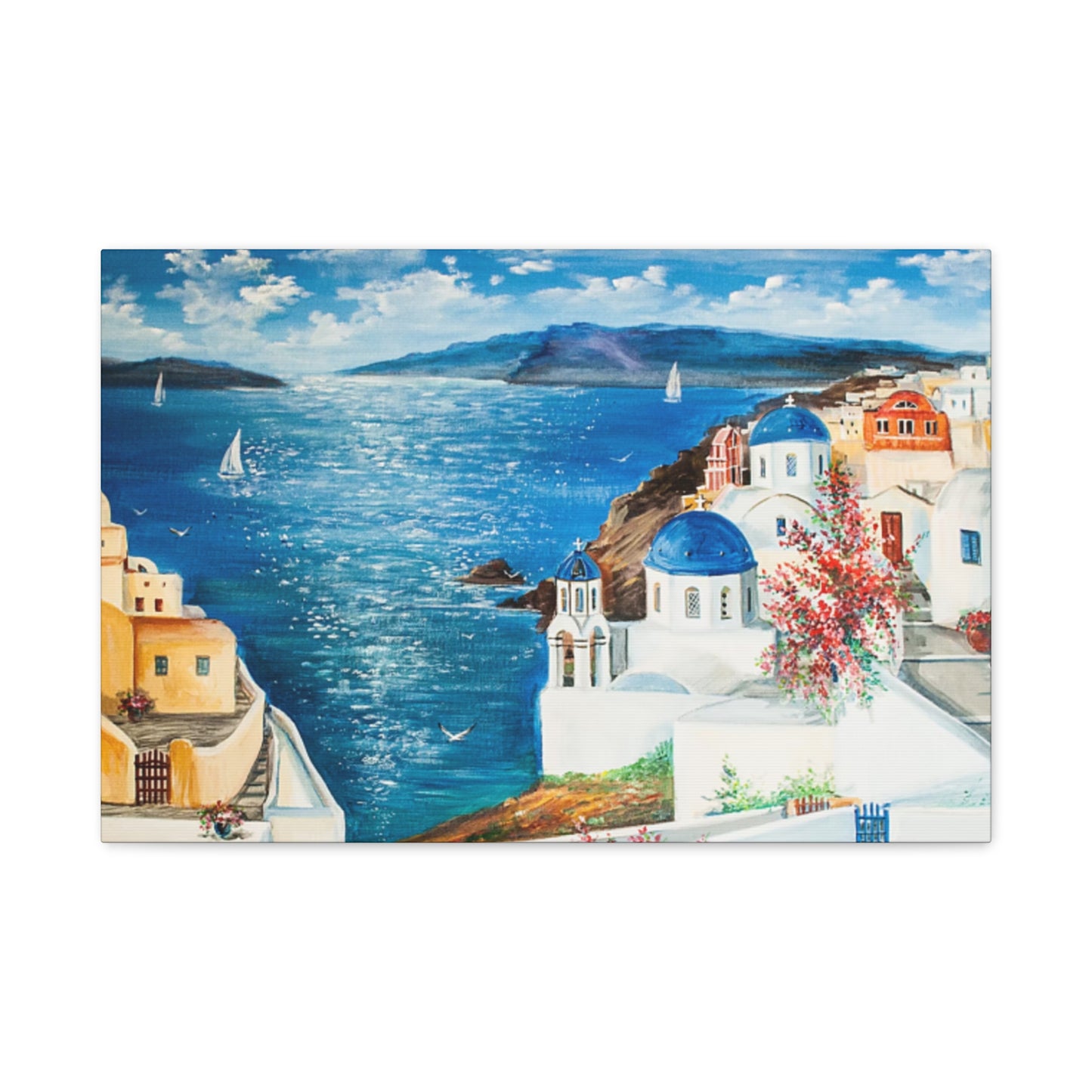
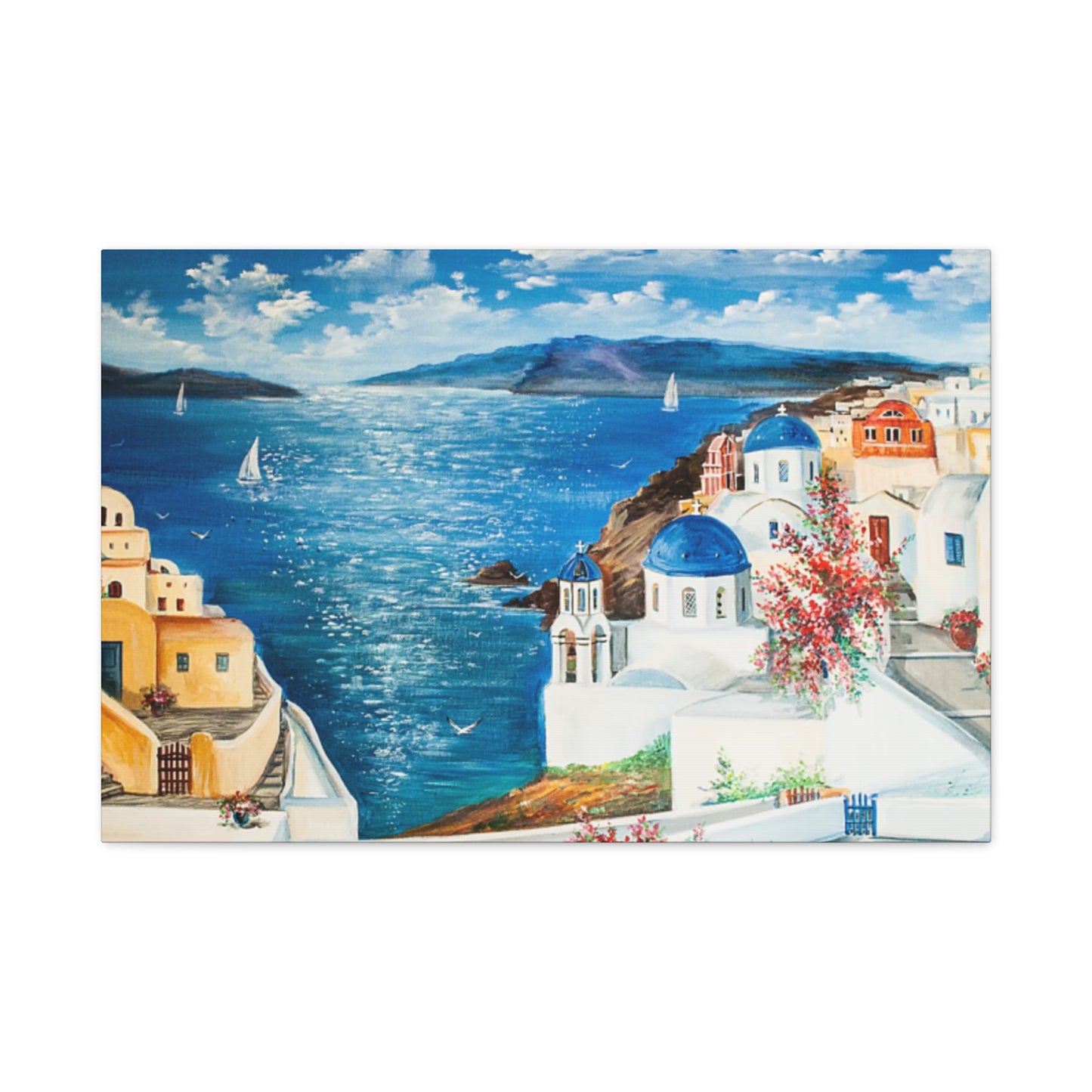
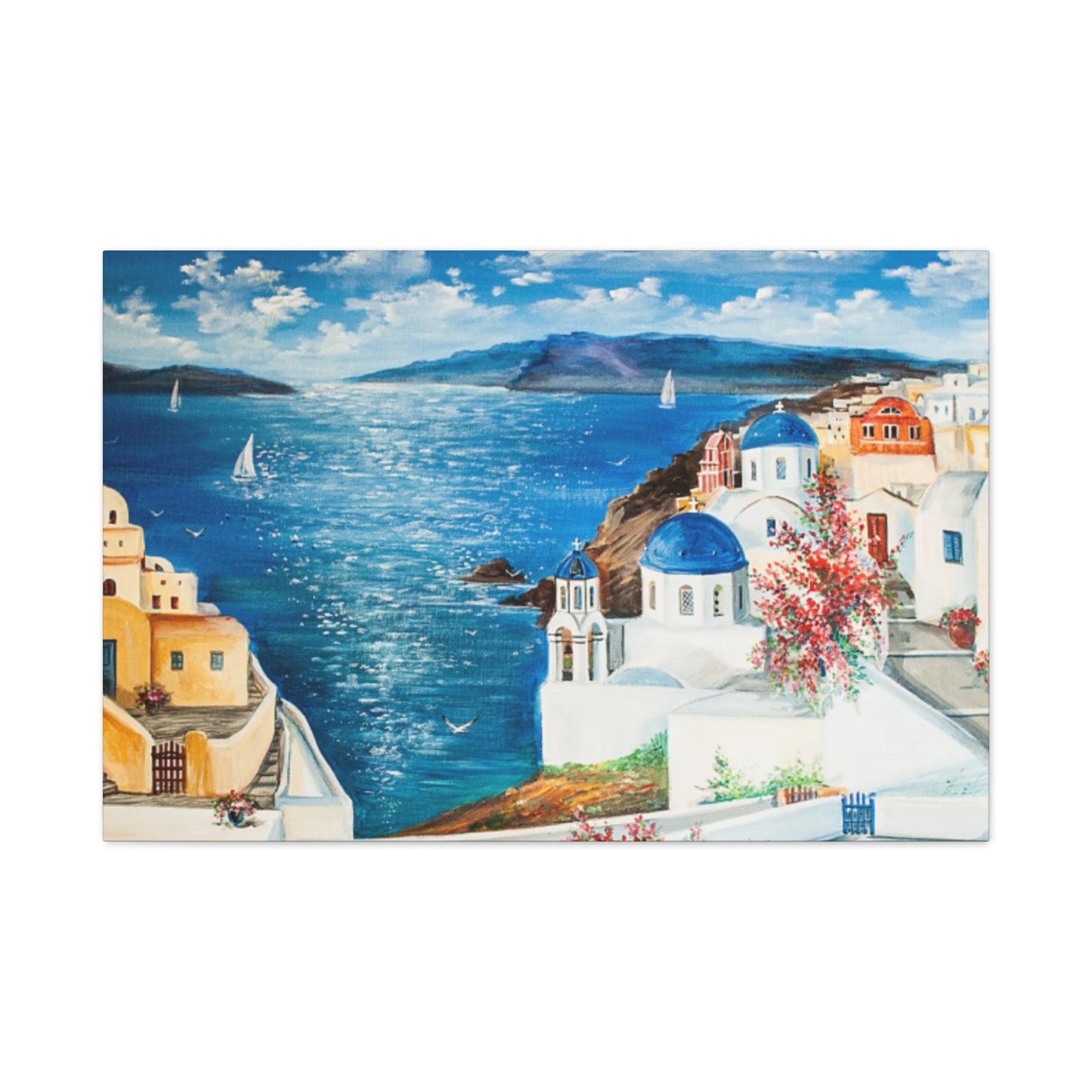
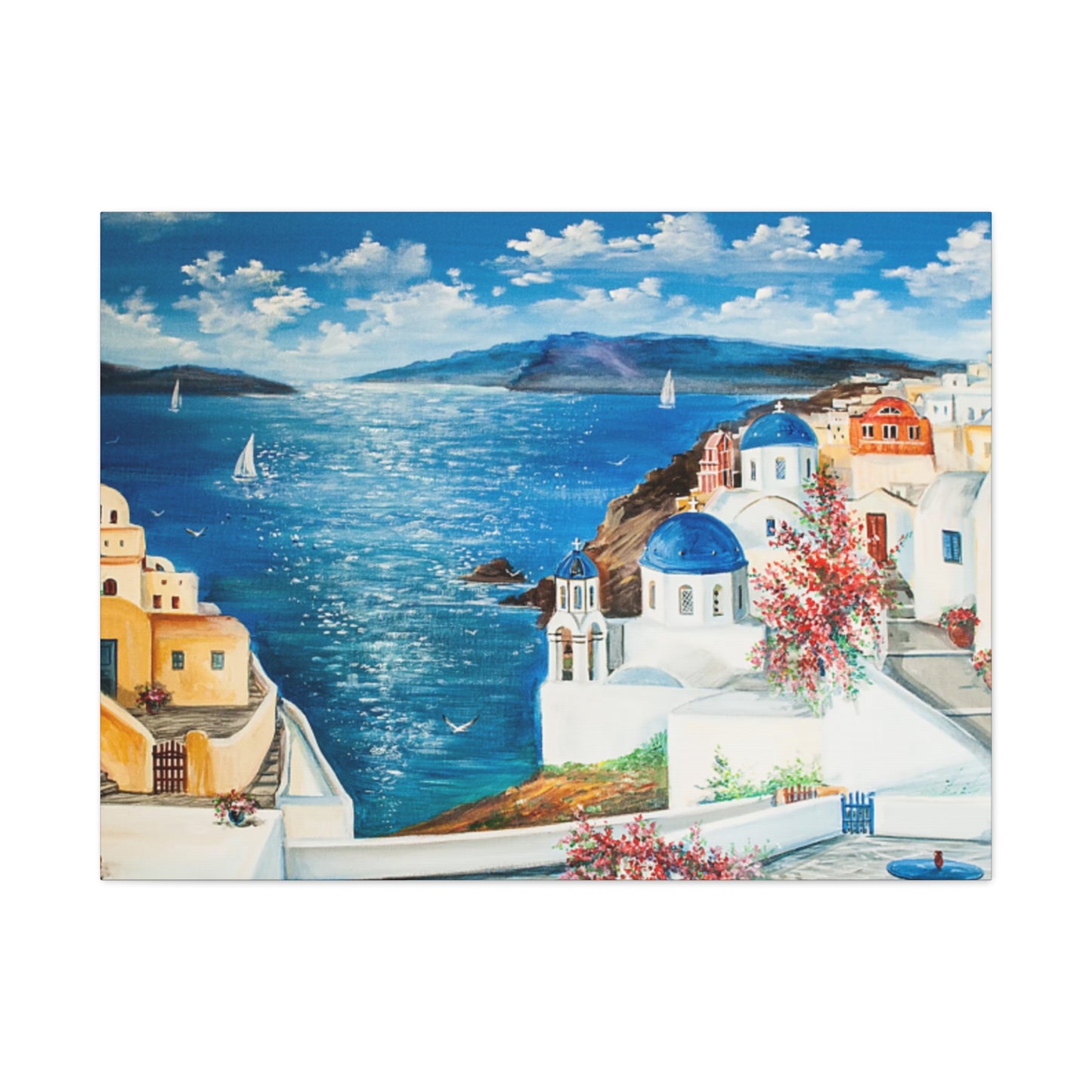
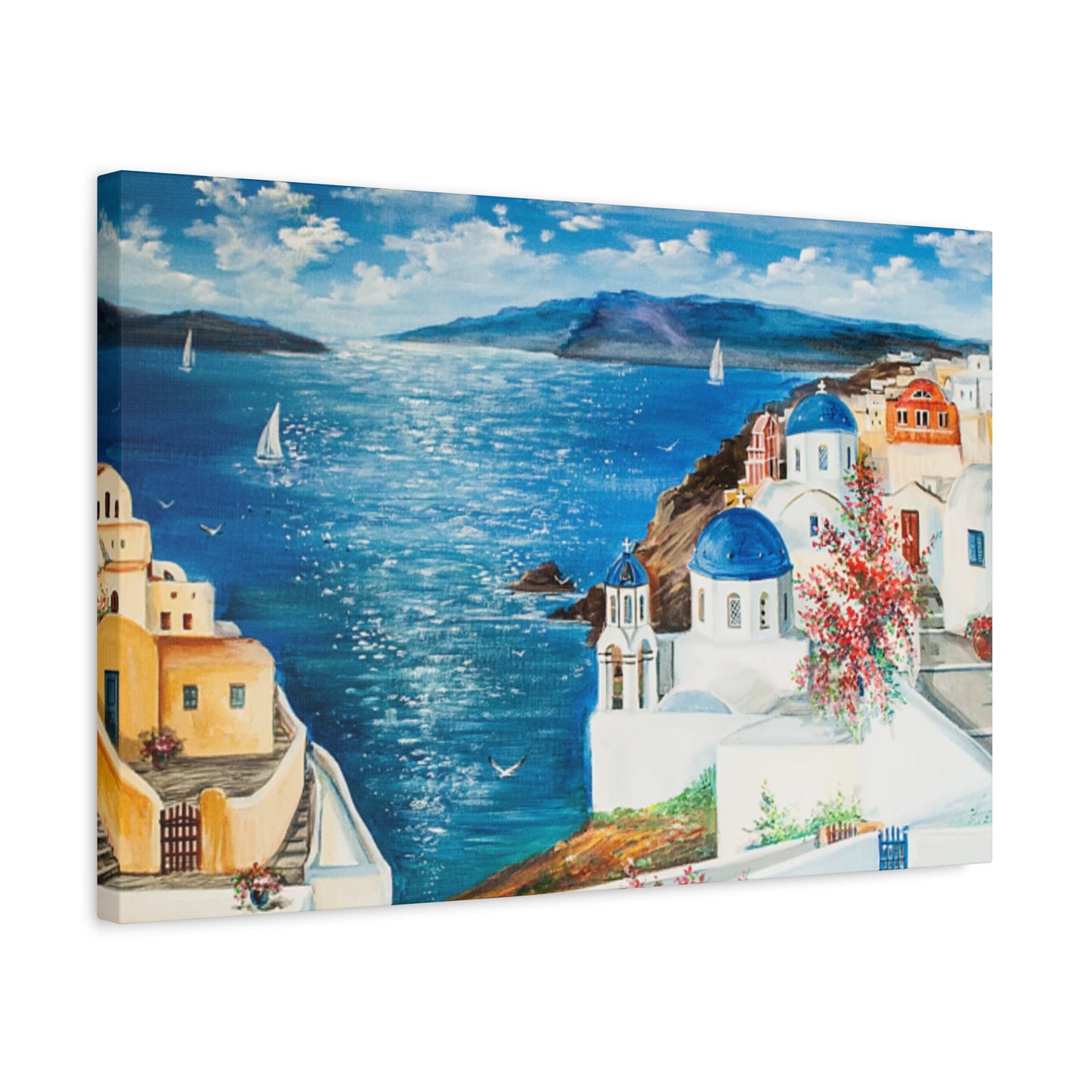
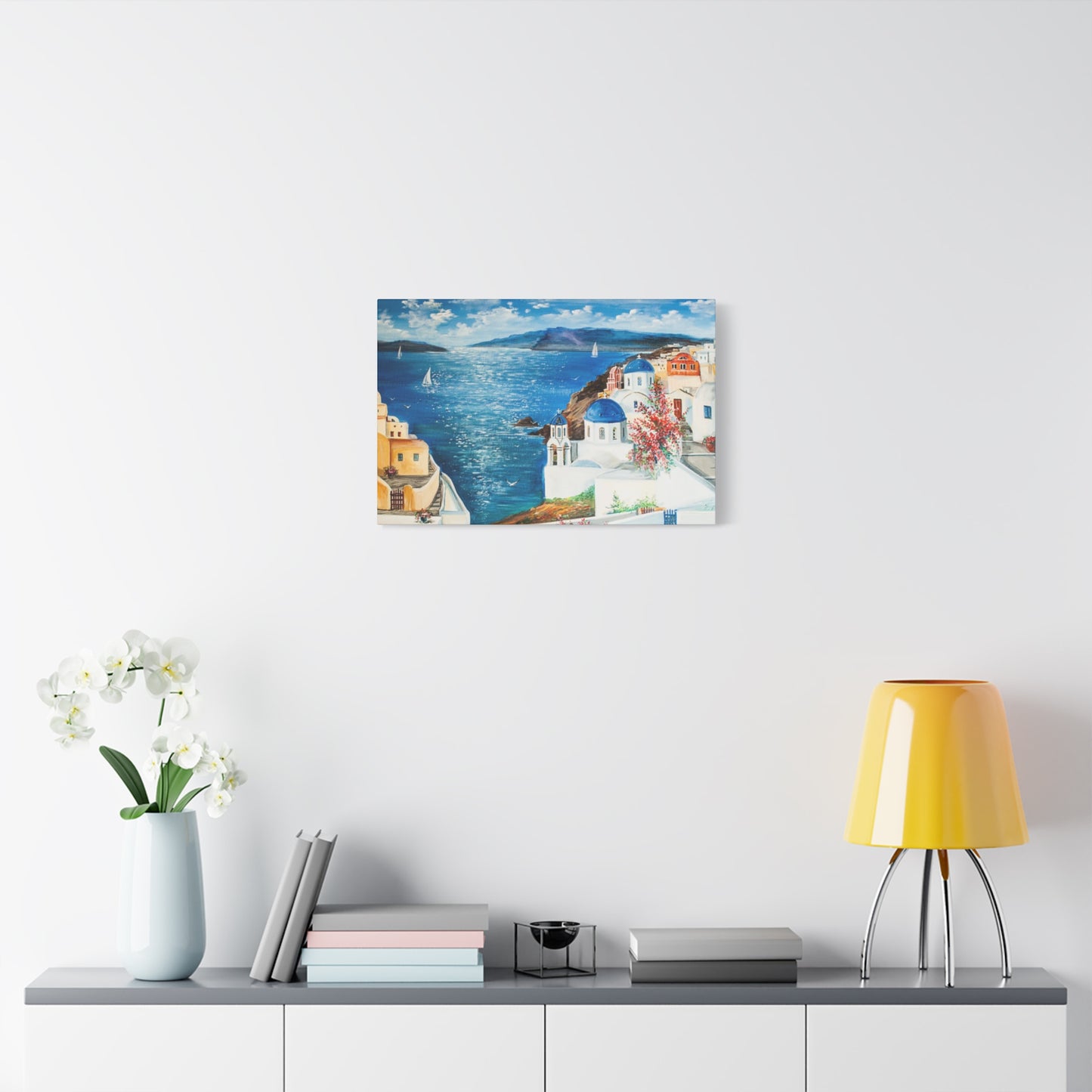
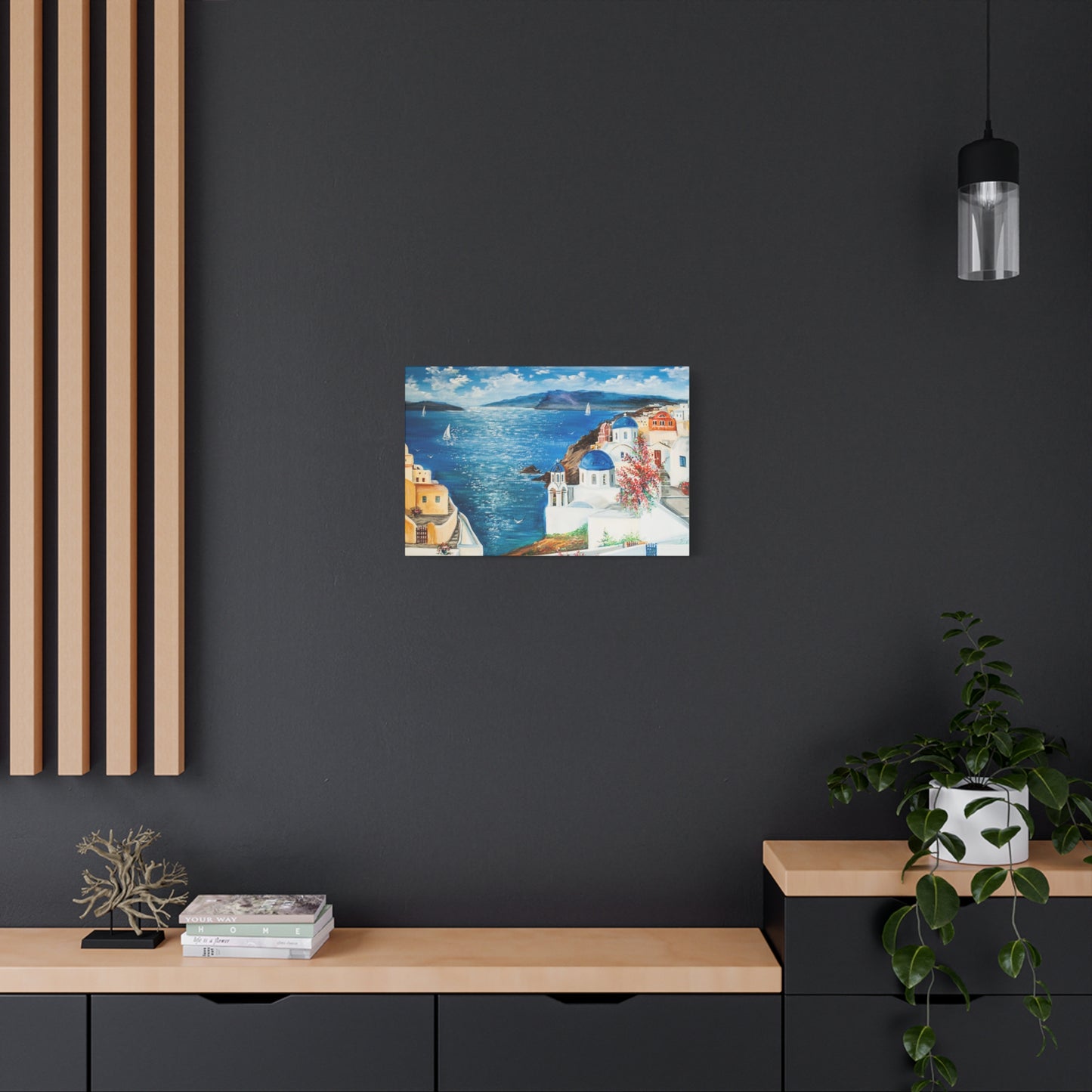
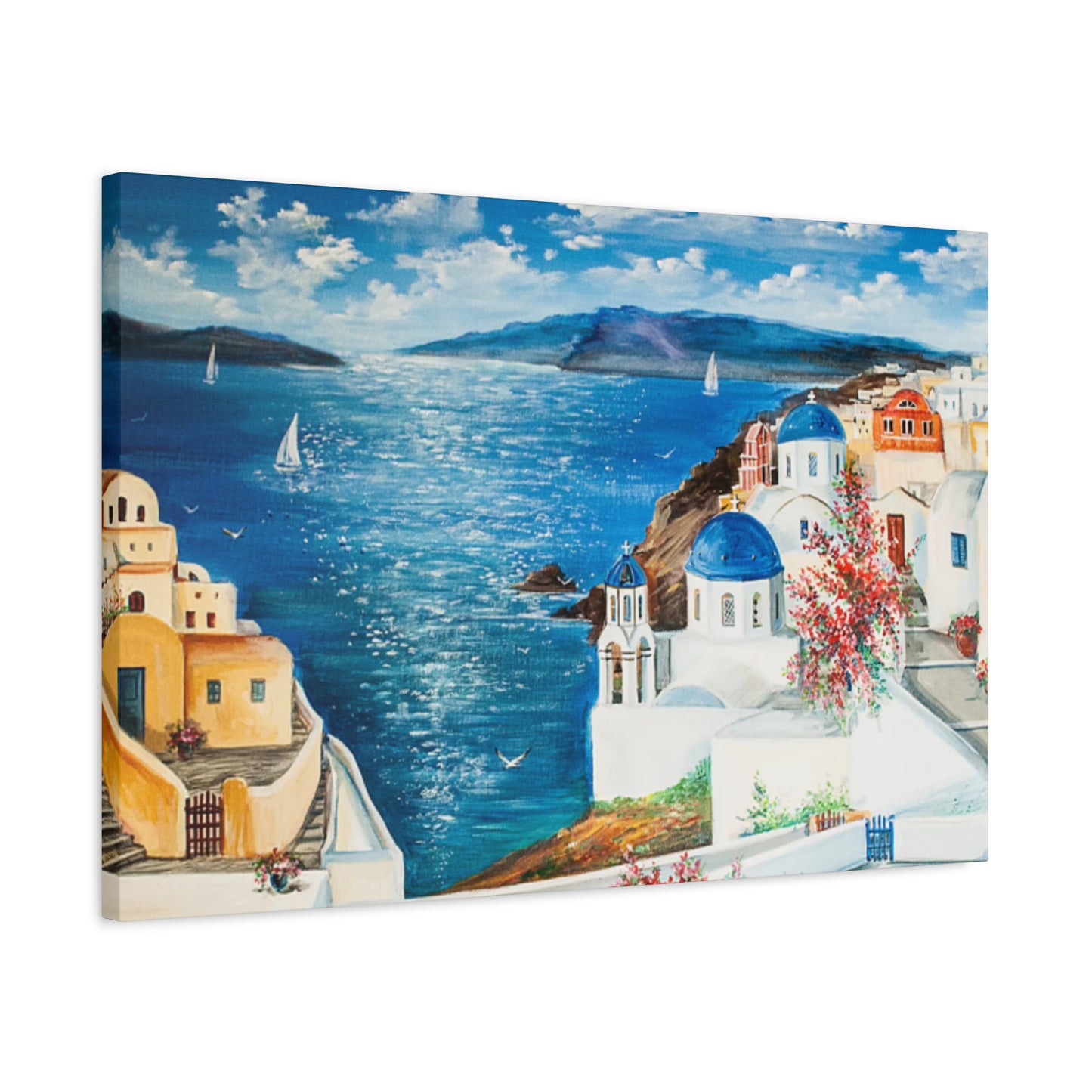
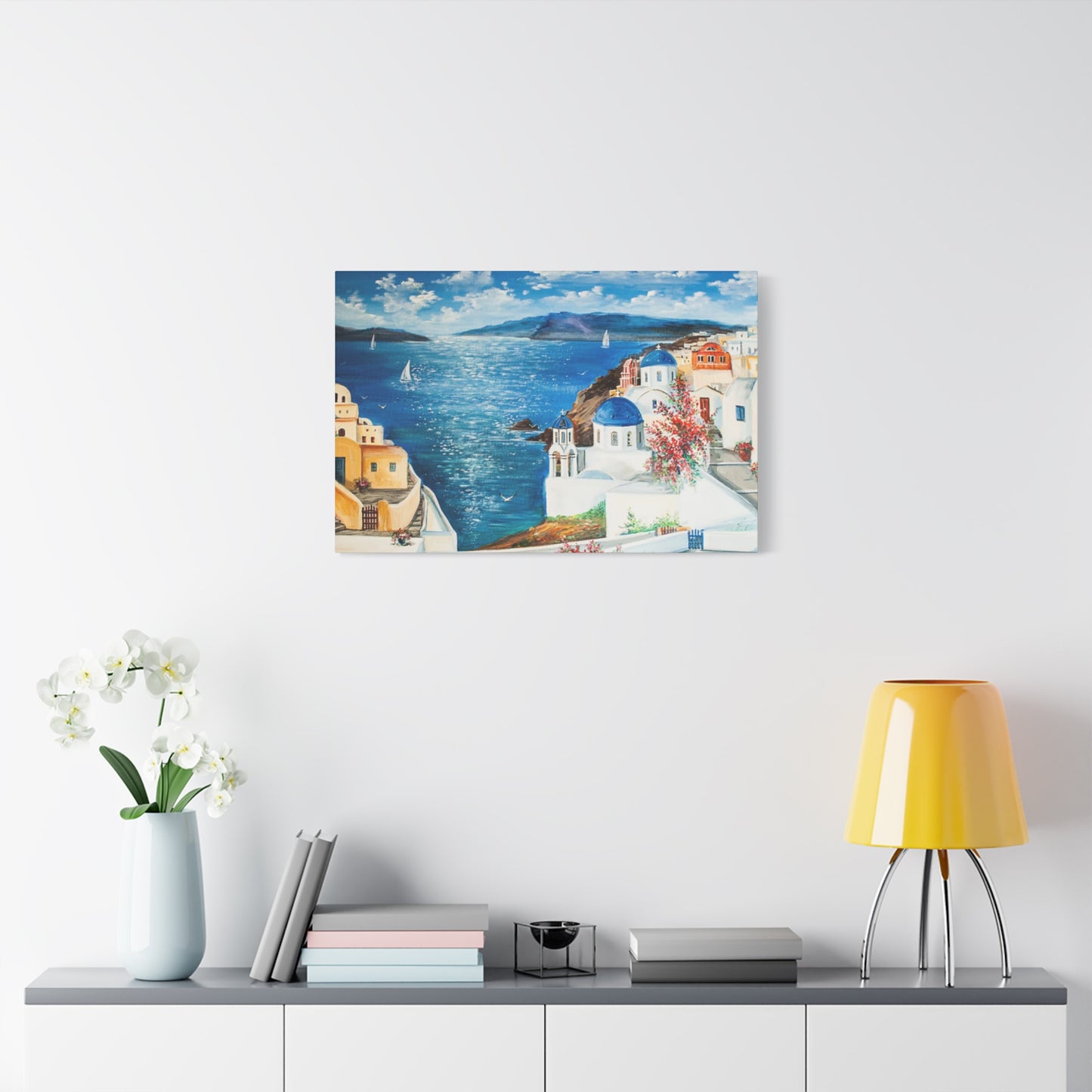
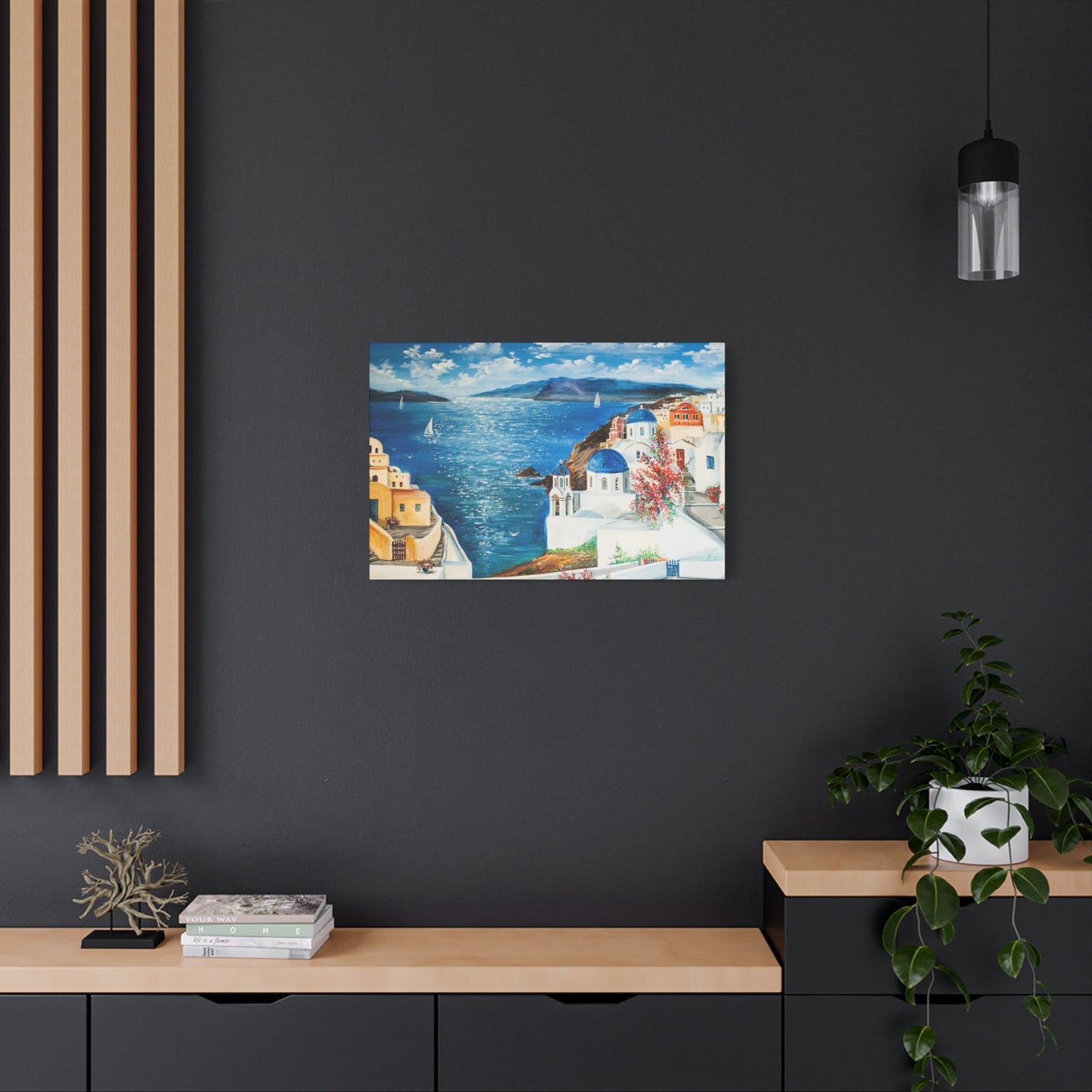
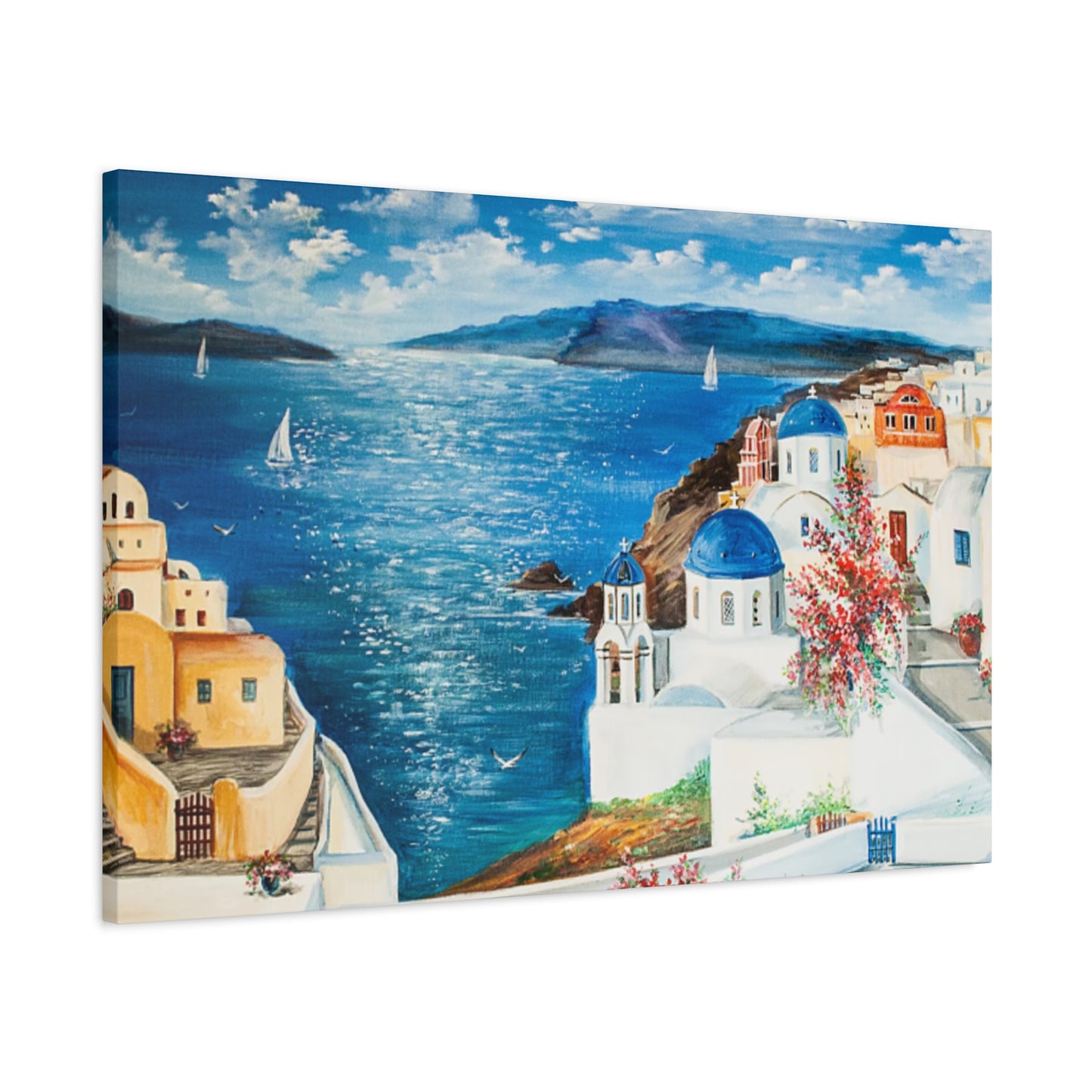
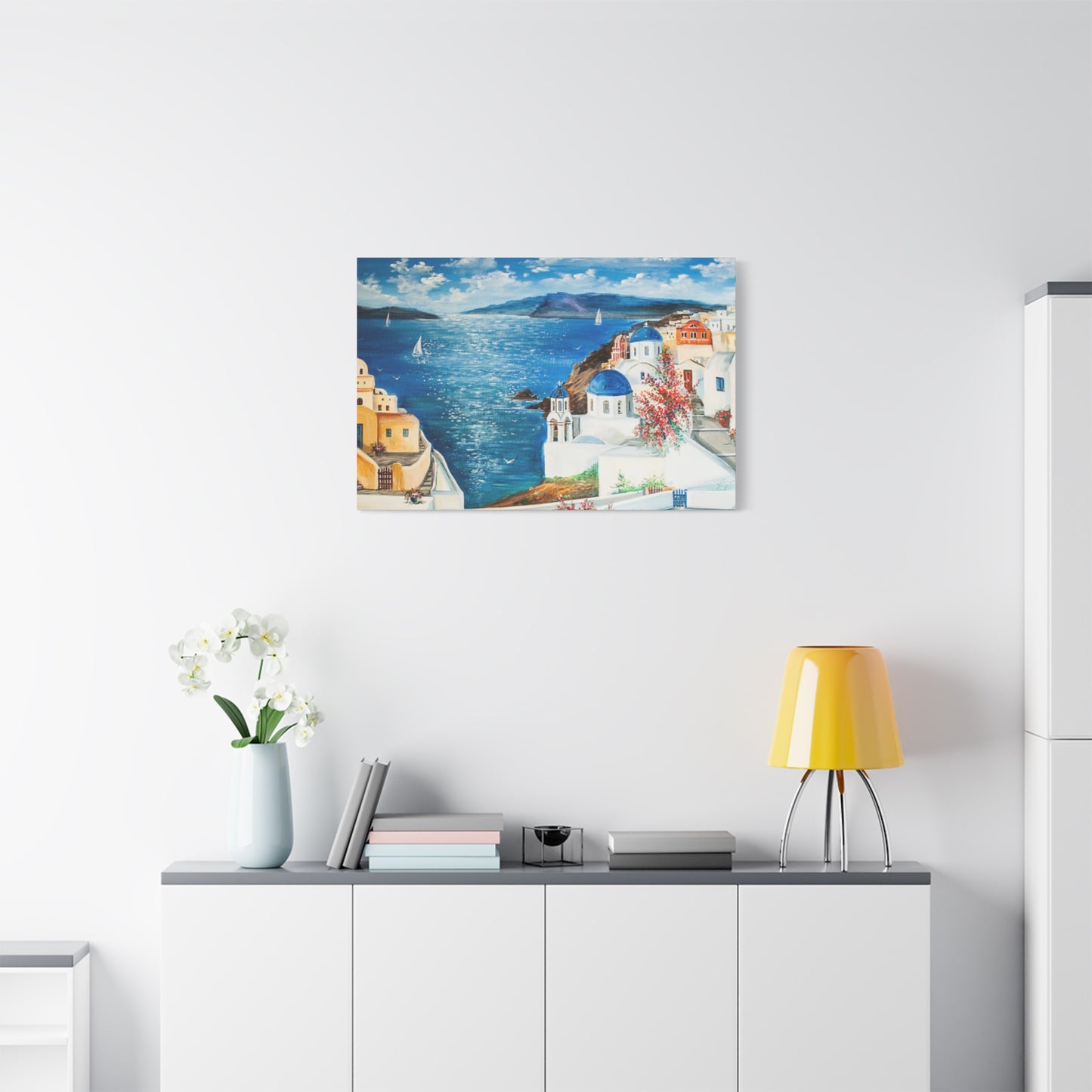
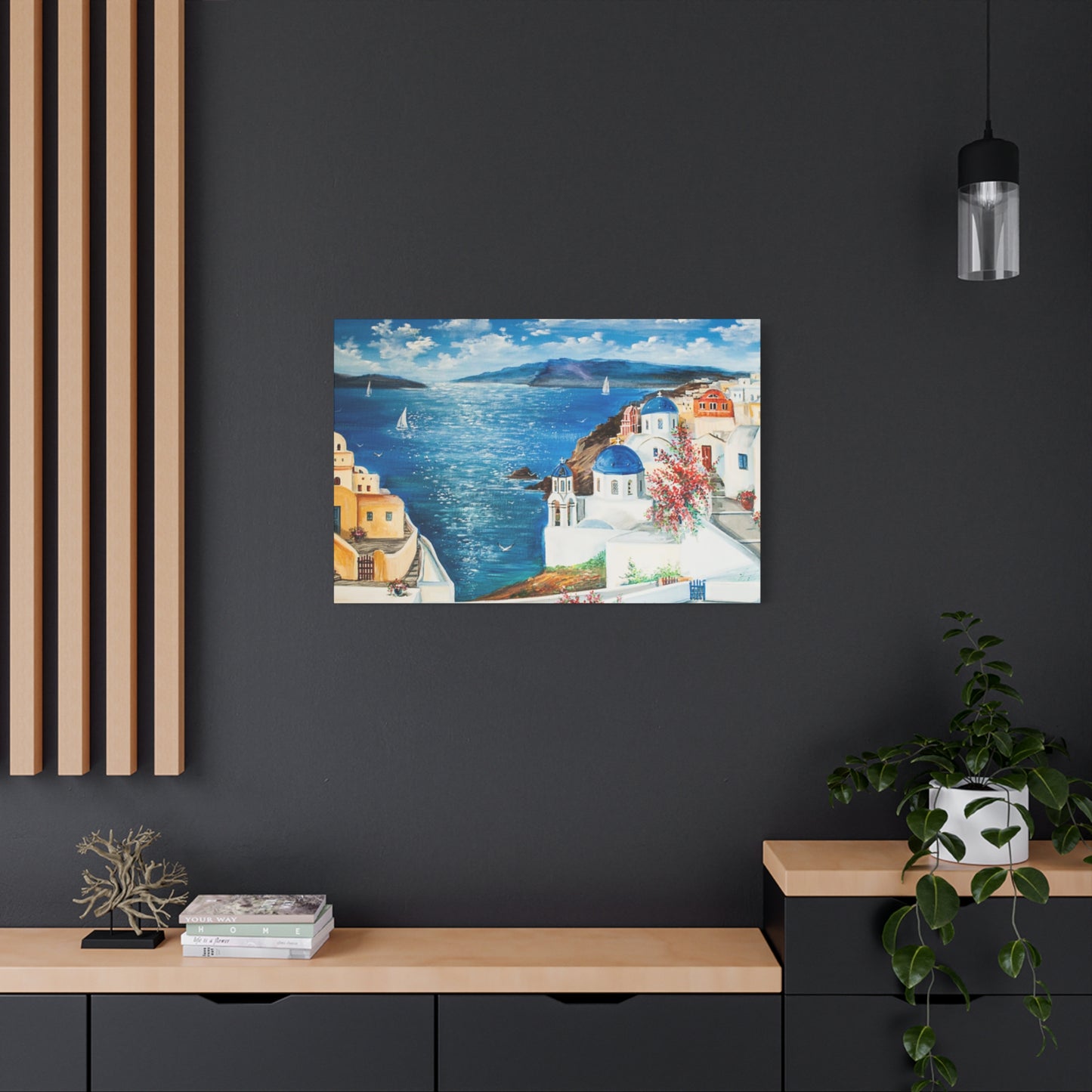
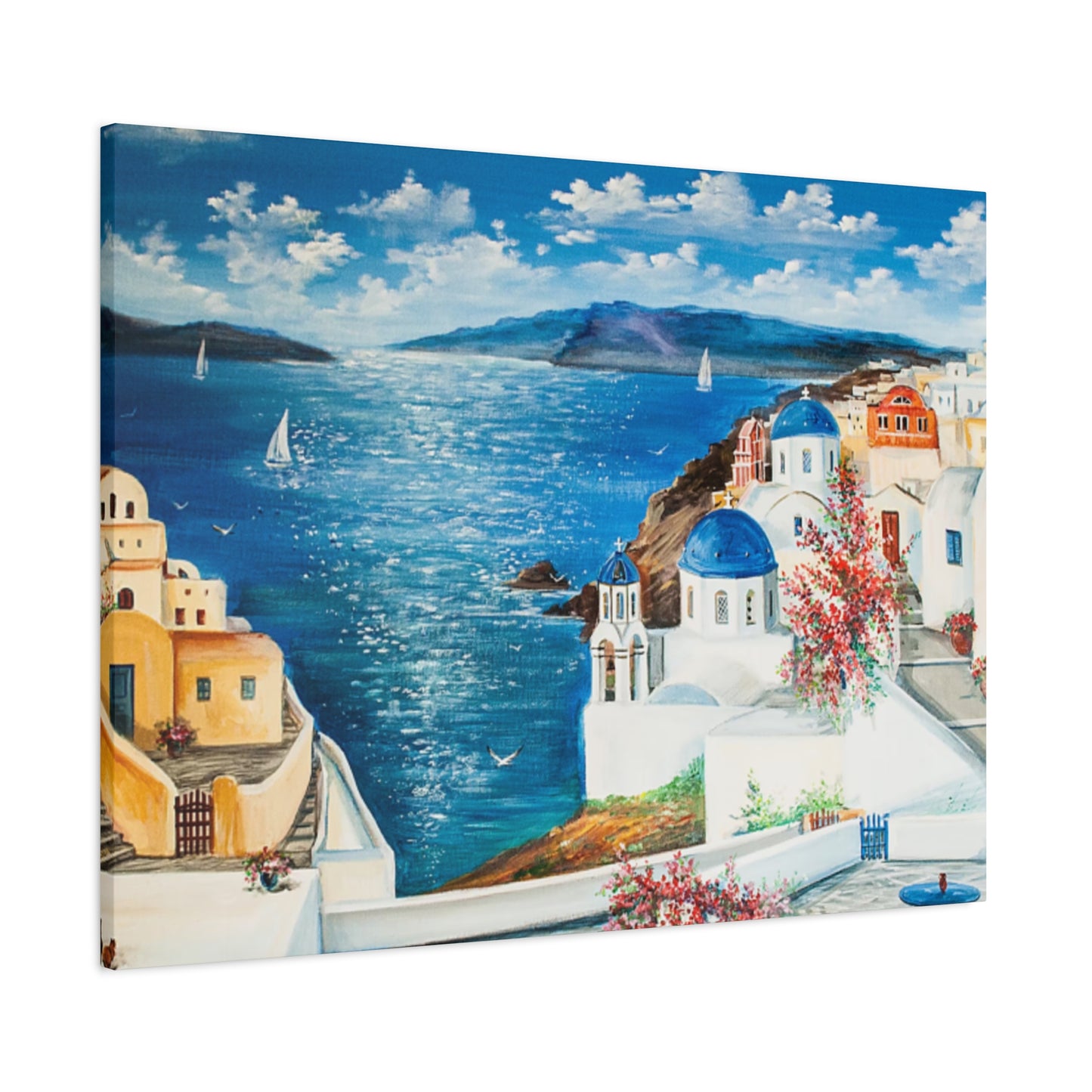
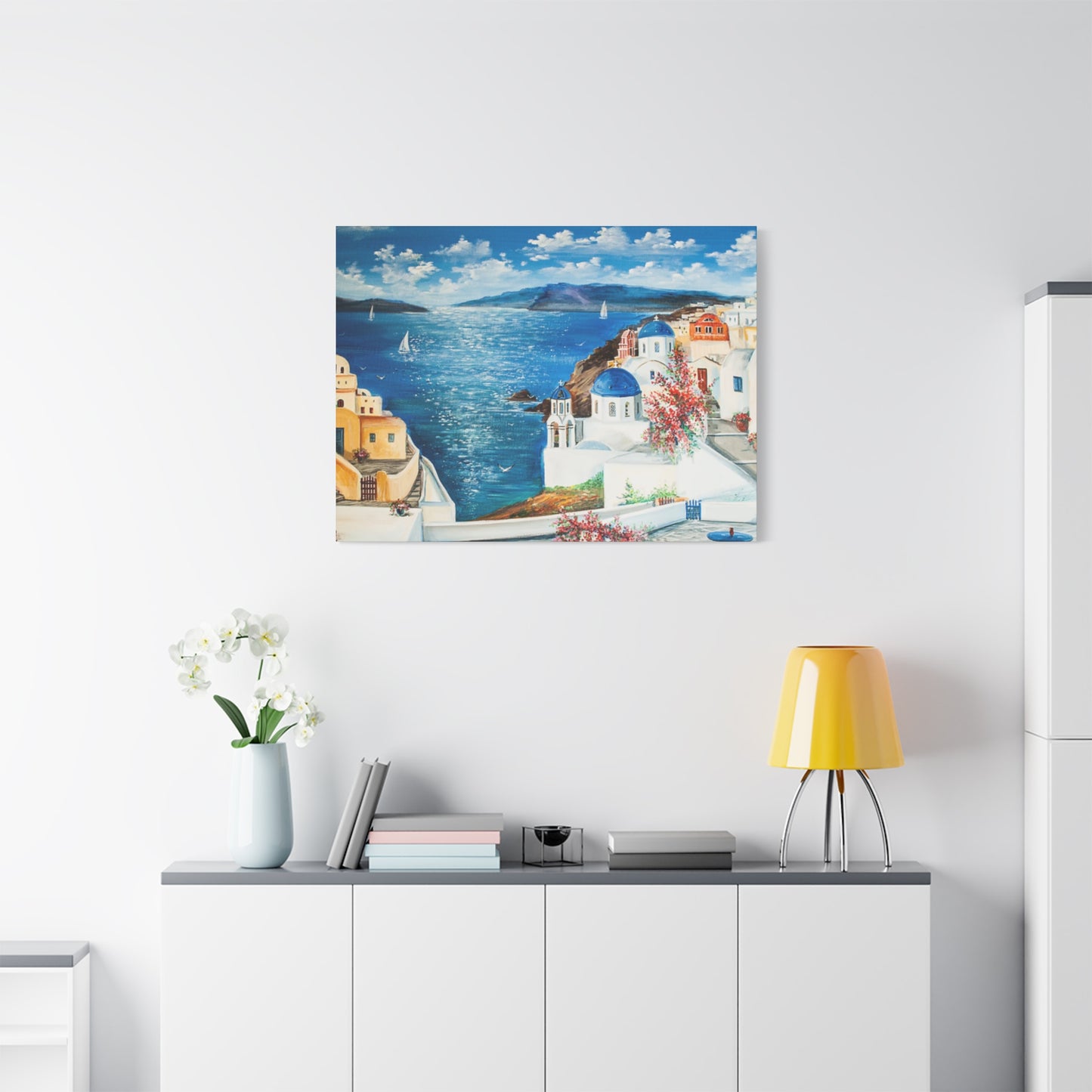
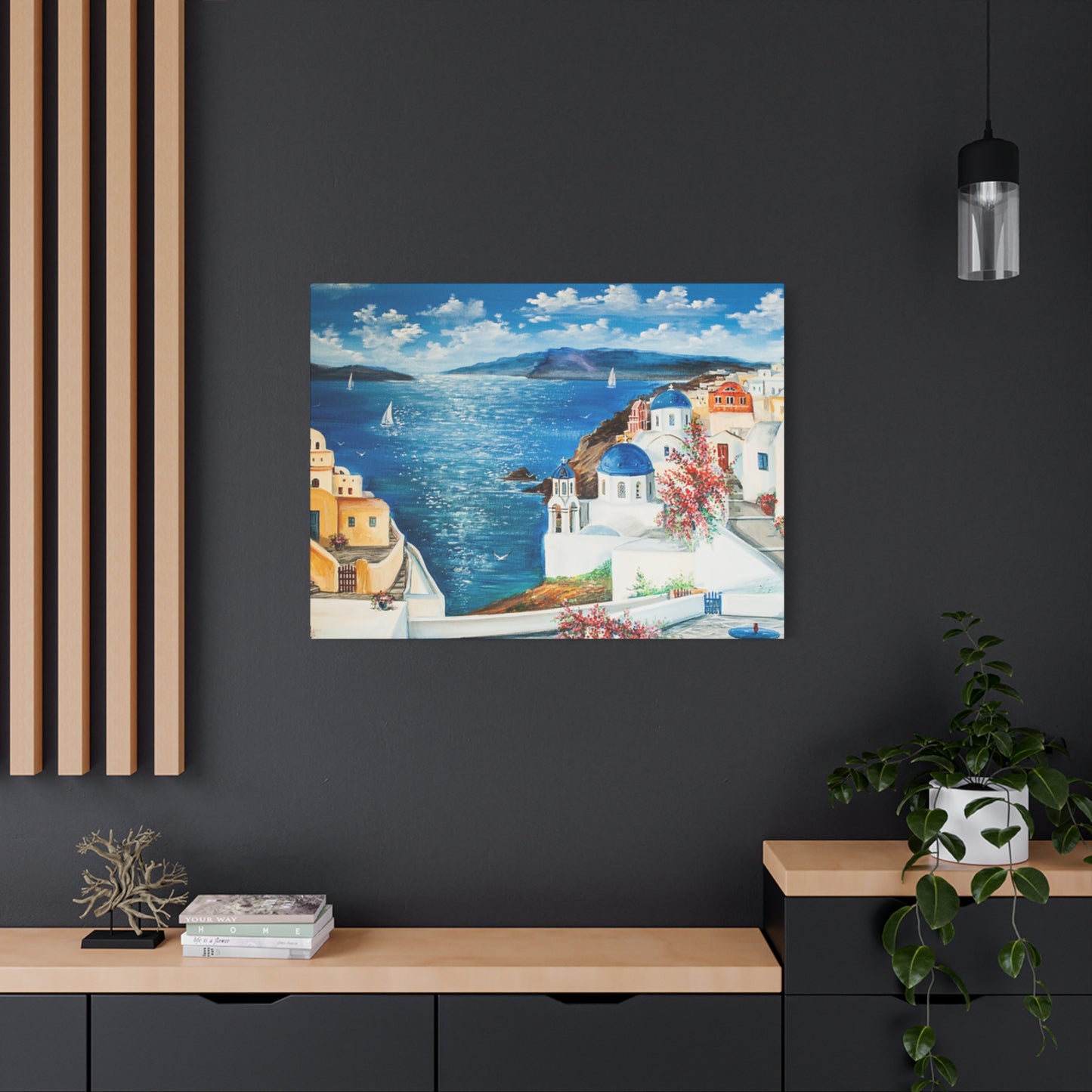
Greece Sea Painting Wall Art & Canvas Prints
Greece Sea Painting Wall Art & Canvas Prints
Couldn't load pickup availability
Transform Your Space with Breathtaking Greece Sea Painting Wall Art: A Touch of Coastal Mediterranean Beauty
The allure of azure waters meeting ancient Mediterranean shores has captivated artists and admirers for centuries. Greece sea painting wall art represents more than mere decoration—it embodies the essence of tranquil coastlines, sun-drenched cliffs, and the timeless romance of Aegean vistas. These artistic representations transform ordinary rooms into portals of serenity, offering daily escapes to whitewashed villages perched above crystalline waters.
Homeowners and interior enthusiasts increasingly seek authentic connections to nature through their décor choices. Mediterranean coastal artwork fulfills this desire while simultaneously elevating spatial aesthetics. The strategic placement of Greece sea painting wall art creates focal points that command attention without overwhelming surrounding elements, balancing visual interest with atmospheric calm.
Contemporary living spaces often lack personality, appearing sterile and disconnected from the natural world. Introducing nautical-themed artwork, particularly pieces depicting Greek maritime landscapes, infuses warmth and character into these environments. The interplay of cobalt blues, pristine whites, and earthy terracotta tones characteristic of Hellenic coastal scenes harmonizes with diverse decorating schemes, from minimalist Scandinavian to eclectic bohemian.
Discovering the Captivating Essence Behind Greek Maritime Landscape Artwork
Greek seascapes possess distinctive qualities that differentiate them from other coastal representations. The unique luminosity of Mediterranean sunlight creates dramatic contrasts between shadow and brilliance, which skilled artists capture through deliberate brushwork and color selection. This distinctive quality stems from geographical positioning—Greece's location produces atmospheric conditions that render colors more vibrant and shadows deeper than in northern regions.
Ancient civilizations recognized the spiritual significance of these waters, weaving maritime imagery into mythology and daily life. Modern Greece sea painting wall art continues this tradition, channeling centuries of cultural reverence for the sea. Artists draw inspiration from legendary locations like Santorini's caldera, Mykonos' windmill-dotted shores, and Crete's secluded coves, each offering distinct visual characteristics.
The emotional resonance of Greek maritime scenes extends beyond aesthetic appreciation. Research in environmental psychology demonstrates that viewing water imagery reduces cortisol levels and promotes mental restoration. The specific combination of horizontal lines representing distant horizons, coupled with organic textures of weathered boats and stone structures, triggers subconscious relaxation responses in viewers.
Collectors value these artworks for their versatility and enduring appeal. Unlike trendy decorative items that quickly become dated, quality Greece sea painting wall art maintains relevance across changing design movements. The classical elements—fishing vessels, coastal architecture, and expansive seascapes—possess timeless qualities that transcend temporary fashions.
Exploring Various Artistic Interpretations of Aegean Coastal Scenes
Greek maritime artwork manifests in numerous artistic styles, each offering unique interpretative perspectives. Impressionist renditions emphasize atmospheric qualities over precise details, using loose brushstrokes and luminous color palettes to convey the ephemeral nature of coastal light. These pieces excel in creating mood and ambiance, particularly in contemplative spaces like bedrooms or reading nooks.
Realist representations provide meticulous detail, documenting specific locations with photographic precision. These works appeal to individuals with personal connections to Greek destinations, serving as nostalgic reminders of cherished memories. The accuracy of architectural details and geographical features allows viewers to identify specific islands or villages, creating deeper emotional connections.
Abstract interpretations deconstruct recognizable elements into shapes, colors, and textures that evoke rather than depict Mediterranean seascapes. Bold color blocking, experimental compositions, and non-representational forms challenge conventional perspectives while maintaining thematic connections to Greek maritime environments. These pieces suit contemporary spaces seeking dramatic statement pieces.
Watercolor Greece sea painting wall art captures the fluidity inherent to marine subjects. The medium's transparent qualities and organic flow patterns naturally complement oceanic themes. Artists exploit watercolor's unpredictability to render waves, reflections, and atmospheric effects with spontaneous authenticity that rigid mediums cannot replicate.
Mixed media approaches combine various materials—acrylic paint, gold leaf, textured pastes, fabric elements—to create multidimensional surface qualities. These pieces engage viewers tactilely and visually, adding physical depth to spatial arrangements. The textural variations catch and reflect light dynamically throughout the day, ensuring the artwork appears different under various conditions.
Selecting the Perfect Greek Nautical Artwork for Distinctive Room Environments
Living rooms benefit from substantial Greece sea painting wall art that anchors seating arrangements and establishes conversational focal points. Large-scale canvases depicting expansive seascapes complement spacious walls above sofas or fireplaces, while maintaining proportional balance. The horizontal orientation of most maritime scenes naturally suits the rectangular dimensions of typical living room walls.
Bedroom installations require careful consideration of psychological impact. Calmer compositions featuring gentle waves and muted color palettes promote restorative sleep environments. Positioning artwork opposite the bed allows it to be the first image perceived upon waking, setting peaceful tones for the day. Avoiding overly stimulating colors or dramatic compositions prevents sleep disruption.
Dining spaces gain sophistication through curated Greece sea painting wall art selections. The social nature of dining rooms pairs well with artwork depicting harbors, tavernas, or village scenes that suggest community and conviviality. These pieces become conversation catalysts, prompting guests to share travel experiences or future destination aspirations.
Bathroom and powder room installations present unique opportunities for thematic coherence. Smaller Greece sea painting wall art pieces featuring boats, lighthouses, or abstract wave patterns reinforce aquatic associations while withstanding humidity challenges when properly sealed and framed. The inherent water theme creates intuitive design logic that feels deliberate rather than coincidental.
Home office environments benefit from inspirational imagery that combats workspace monotony. Greece sea painting wall art provides mental escape during demanding projects, offering brief visual respites that research shows enhance productivity. Positioning artwork within natural sightlines during breaks maximizes these restorative benefits without causing distraction during focused work periods.
Entryways establish initial impressions for visitors, making artwork selection particularly significant. A striking Greece sea painting wall art piece immediately communicates aesthetic priorities and cultural interests. The transitional nature of entry spaces suits artwork that draws viewers inward, using compositional elements like pathways or distant horizons to create visual depth.
Understanding Color Psychology Within Greek Coastal Artwork Selections
The predominant blue spectrum in Greece sea painting wall art carries substantial psychological weight. Cobalt and azure hues trigger associations with stability, trust, and tranquility—qualities particularly valued in residential environments. These cool tones physiologically lower heart rates and reduce blood pressure, creating objectively calmer atmospheres.
White elements representing architecture, clouds, and surf foam provide essential visual balance against dominant blues. This contrast prevents monotony while maintaining color harmony. White's associations with purity, simplicity, and spaciousness make it particularly effective in smaller rooms where Greece sea painting wall art might otherwise feel overwhelming.
Terracotta and ochre accents appearing in rooftops, cliff faces, and sunlit structures introduce warmth that prevents overly cool palettes from feeling sterile. These earth tones ground compositions, connecting expansive sky and sea elements to tangible, grounded reality. The warmth balances cool blues, creating harmonious tension that maintains visual interest.
Emerald and turquoise variations representing shallow coastal waters add vibrancy and energy. These lighter, brighter blues suggest tropical paradises and pristine conditions, evoking vacation mindsets and relaxed attitudes. Rooms featuring Greece sea painting wall art with prominent turquoise elements feel more vibrant and energetic than those dominated by deeper naval tones.
Golden hour lighting effects captured in sunset or sunrise scenes introduce amber, coral, and pink hues. These warm tones create romantic, intimate atmospheres particularly suited to private spaces. The temporal specificity of golden hour imagery also suggests fleeting beauty and mindful presence—philosophical concepts that enrich viewing experiences beyond surface aesthetics.
Mastering Proper Hanging Methods for Maximum Visual Impact
Height placement dramatically affects how Greece sea painting wall art functions within spaces. The standard guideline positions artwork centers at 57-60 inches from floor level—average eye height for standing viewers. However, rooms where occupants primarily sit, like dining rooms or lounges, benefit from slightly lower positioning that aligns with seated sightlines.
Horizontal groupings of multiple smaller pieces can replicate the impact of single large-scale Greece sea painting wall art while offering compositional flexibility. Maintaining consistent spacing between pieces—typically 2-4 inches—creates cohesion. The combined dimensions should occupy roughly two-thirds to three-quarters of the furniture width below them for proportional balance.
Lighting considerations separate amateur from professional installations. Natural light sources should illuminate artwork without causing direct glare or UV exposure that fades pigments over time. Artificial accent lighting, particularly adjustable picture lights or track lighting, adds drama while protecting investment value. LED options prevent heat damage while offering color temperature control.
Wall color selections significantly impact how Greece sea painting wall art appears. Neutral backgrounds—whites, beiges, soft grays—allow artwork colors to dominate without competition. Conversely, bold wall colors create dramatic contrasts but risk overwhelming delicate compositions. Testing artwork against intended wall colors before final commitment prevents costly mistakes.
Framing choices extend beyond aesthetic preferences into protective functions. UV-filtering glass shields pigments from light damage while maintaining clarity. Mat borders create visual breathing room between artwork and frame, preventing claustrophobic appearances. Frame styles should complement rather than compete with artwork—simpler frames suit detailed pieces, while minimalist artwork tolerates ornate frames.
Spacing considerations around Greece sea painting wall art prevent cluttered appearances. Leaving adequate negative space allows compositions to breathe and viewers' eyes to rest. Overcrowding walls with multiple competing elements dilutes individual impact, transforming curated displays into chaotic collections.
Examining Material Quality and Longevity in Coastal Artwork Acquisitions
Canvas remains the predominant substrate for Greece sea painting wall art, valued for its traditional aesthetic and physical durability. Gallery-wrapped canvases, where painting extends around frame edges, offer frameless display options that suit contemporary spaces. The fabric's slight texture adds subtle dimensionality that flat surfaces lack, creating more engaging visual experiences.
Wood panel supports provide exceptional stability and archival longevity. Unlike canvas that stretches and contracts with humidity changes, rigid panels maintain dimensional stability. This characteristic proves particularly valuable in coastal homes experiencing significant humidity fluctuations. The smooth surface suits detailed realism and certain abstract techniques requiring precise mark-making.
Paper-based Greece sea painting wall art, particularly watercolors and prints, demands more protective framing due to inherent fragility. Acid-free materials throughout—paper, mats, backing boards—prevent deterioration. Museum-quality glass adds UV protection and reduces condensation risks. Despite extra protective requirements, paper artwork offers luminous qualities impossible to achieve on other substrates.
Metal prints represent contemporary alternatives gaining popularity for nautical themes. The printing process fuses images directly onto aluminum surfaces, creating luminous, water-resistant pieces ideally suited for humid environments. The medium's modern aesthetic complements minimalist and industrial design schemes, though may feel incongruous in traditionally decorated spaces.
Acrylic panels provide similar durability to metal while maintaining more traditional appearances. High-resolution prints mounted behind acrylic create depth and glossy finishes that enhance color saturation. The frameless presentation suits contemporary aesthetics, though fingerprints and dust show prominently, requiring regular cleaning.
Paint quality fundamentally determines Greece sea painting wall art longevity. Professional-grade pigments resist fading significantly better than student-grade alternatives. Oil paints offer superior color stability over decades, while high-quality acrylics provide comparable permanence with faster drying times. Watercolors, though beautiful, remain most vulnerable to light damage without proper protection.
Investigating How Greek Maritime Artwork Enhances Emotional Wellbeing
Environmental psychology research consistently demonstrates nature imagery's positive mental health impacts. Greece sea painting wall art specifically combines multiple beneficial elements—water views, natural landscapes, and architectural interest—creating layered therapeutic effects. Studies indicate that even simulated nature exposure through imagery produces measurable stress reduction.
The biophilia hypothesis suggests humans possess innate tendencies to seek connections with nature. Urban dwellers particularly suffer from nature deficit, experiencing increased anxiety and decreased cognitive function. Introducing Greece sea painting wall art into built environments partially satisfies biophilic needs, improving mood and mental clarity even in landlocked locations.
Color therapy principles explain why Greece sea painting wall art effectively promotes relaxation. Blue's documented calming properties combine with green's restorative qualities where coastal vegetation appears. These colors naturally lower physiological arousal, making spaces feel more peaceful. The absence of aggressive reds or stark blacks maintains gentle, non-threatening atmospheres.
Nostalgic associations amplify emotional responses to Greece sea painting wall art among individuals with Mediterranean travel memories. These pieces function as memory triggers, releasing positive emotions associated with cherished experiences. The artwork becomes more than decoration—it transforms into a portal to meaningful personal history, enriching daily life with remembered joy.
Mindfulness practices benefit from contemplative focal points. Greece sea painting wall art provides ideal meditation objects, offering sufficient visual interest to anchor attention without overstimulating minds. The flowing lines of waves, rhythmic patterns of architecture, and expansive horizons facilitate the mental spaciousness meditation seeks to cultivate.
Social connection flourishes around meaningful décor. Greece sea painting wall art serves as conversation catalyst, encouraging guests to share travel stories, cultural interests, or aesthetic preferences. These interactions strengthen social bonds, contributing to overall life satisfaction and emotional wellbeing—often overlooked benefits of thoughtful interior design.
Navigating the Process of Commissioning Custom Greek Seascape Creations
Custom commissions allow precise control over Greece sea painting wall art dimensions, colors, and compositional elements. This option suits individuals unable to find existing pieces meeting specific requirements—unusual dimensions, particular locations, or personalized color schemes. The collaboration with artists creates unique pieces impossible to duplicate, ensuring true exclusivity.
Selecting appropriate artists requires evaluating portfolios for stylistic compatibility. Some artists excel at photorealistic rendering while others specialize in expressive interpretations. Reviewing previous commissions reveals consistency, professionalism, and ability to execute client visions. Requesting references from past clients provides insight into communication quality and deadline reliability.
Clear communication prevents disappointing outcomes. Providing reference images, color swatches, and detailed descriptions helps artists understand expectations. Discussing intended display locations, existing décor elements, and desired emotional tones ensures commissioned Greece sea painting wall art harmonizes with its environment rather than clashing unexpectedly.
Budget considerations extend beyond initial purchase prices. Custom Greece sea painting wall art typically costs significantly more than ready-made pieces due to personalized labor and exclusivity. Additional expenses include specialized framing, shipping insurance, and potentially artist travel costs for on-site consultations. Establishing comprehensive budgets prevents uncomfortable financial surprises.
Timeline expectations require realistic assessment. Quality artwork cannot be rushed without compromising results. Most commissions require several months from initial consultation through delivery, with complex pieces demanding longer periods. Establishing clear milestone dates—initial sketches, progress updates, completion—maintains project momentum while respecting creative processes.
Contract agreements protect both parties, documenting specifications, timelines, payment schedules, and intellectual property rights. These formalities might seem uncomfortable but prevent misunderstandings that damage relationships and results. Professional artists appreciate clients who approach commissions systematically, indicating seriousness and respect for their craft.
Preserving and Protecting Your Valuable Mediterranean Artwork Investment
Environmental controls significantly impact Greece sea painting wall art longevity. Maintaining stable temperatures between 65-75°F prevents paint cracking and substrate warping. Relative humidity should remain between 40-50%, avoiding extremes that cause dimensional changes. Homes in humid climates benefit from dehumidifiers, while arid regions require humidification.
Direct sunlight represents the greatest threat to artwork preservation. UV radiation degrades pigments, causing irreversible fading particularly damaging to blues and reds prominent in Greece sea painting wall art. Window treatments, UV-filtering glazing, and strategic placement away from direct exposure protect investments. Even indirect natural light causes cumulative damage over decades.
Cleaning protocols require gentle approaches respecting material vulnerabilities. Dust accumulation dulls surfaces and can abrade finishes if rubbed aggressively. Soft brushes or microfiber cloths remove surface dust without scratching. Canvas and panel paintings tolerate careful cleaning, while works on paper should only be handled by conservation professionals.
Regular inspections identify problems before they become catastrophic. Checking for paint flaking, canvas slackening, frame damage, or pest activity allows early intervention. Addressing minor issues immediately prevents expensive restoration work. Annual professional evaluations by art conservators provide expert assessments of condition and recommended preventive measures.
Insurance documentation protects financial investments in Greece sea painting wall art. Photographing pieces from multiple angles, documenting dimensions and materials, and obtaining appraisals establishes value for insurance claims. Updating appraisals every few years accounts for market appreciation, ensuring adequate coverage. Homeowner policies often require additional fine arts riders for valuable pieces.
Storage considerations matter for collectors rotating displayed works seasonally. Climate-controlled environments prevent deterioration during storage periods. Proper wrapping with acid-free materials protects surfaces without introducing damaging chemicals. Vertical storage prevents pressure damage better than horizontal stacking, particularly for canvas works.
Blending Greek Coastal Art with Contemporary Interior Design Movements
Minimalist interiors initially seem incompatible with representational Greece sea painting wall art, yet careful selections create stunning juxtapositions. Simple compositions featuring expansive skies or abstract wave patterns provide visual interest without cluttering spare aesthetics. The limited color palettes of Greek seascapes—blues, whites, earth tones—align perfectly with minimalist color philosophies.
Scandinavian design's emphasis on natural elements and light makes it inherently compatible with Greece sea painting wall art. The shared appreciation for simplicity, functionality, and connection to nature creates intuitive harmony. White-dominated Greek architectural scenes particularly complement Scandinavian interiors, maintaining cohesive color stories.
Industrial spaces benefit from artwork that softens hard surfaces and mechanical elements. Greece sea painting wall art introduces organic shapes and natural color palettes that balance concrete, metal, and exposed brick. The contrast between industrial architecture and serene seascapes creates dynamic tension that elevates both elements.
Bohemian interiors thrive on eclectic combinations and global influences. Greece sea painting wall art fits naturally within this aesthetic, contributing to layered, well-traveled atmospheres. Mixing Greek maritime scenes with textiles, plants, and artifacts from various cultures creates rich, personalized environments reflecting diverse interests and experiences.
Coastal and nautical themes obviously accommodate Greece sea painting wall art, though avoiding overly literal interpretations prevents theme-park appearances. Selecting sophisticated pieces and limiting additional maritime accessories maintains elegance. The artwork should anchor rather than overwhelm the theme, allowing subtle references elsewhere to support without shouting.
Transitional styles blending traditional and contemporary elements find ideal middle ground in Greece sea painting wall art. Classical subject matter rendered in modern styles satisfies both aesthetic impulses. The timeless appeal of Mediterranean seascapes transcends stylistic boundaries, functioning equally well in traditional or contemporary contexts.
Authenticating Original Artworks Versus Reproduction Prints
Original paintings carry inherent value beyond decorative function—they represent unique creative expressions impossible to duplicate exactly. Greece sea painting wall art originals display visible brushstrokes, paint texture, and subtle variations that reveal hand-crafted origins. These characteristics contribute to aesthetic richness and investment value appreciating over time.
Limited edition prints offer compromises between originals and mass-produced reproductions. Artists create limited quantities—often numbered and signed—maintaining exclusivity while increasing accessibility. Quality printing processes reproduce colors and details faithfully, providing satisfactory alternatives for those unable to afford originals. Verification of edition numbers and artist signatures establishes authenticity.
Giclée printing represents the highest-quality reproduction method available. The process uses archival inks and substrates, producing museum-quality results rivaling original paintings in appearance. Discerning the difference between giclée prints and originals requires close inspection. For purely decorative purposes, giclée Greece sea painting wall art satisfies most collectors while remaining budget-conscious.
Mass-produced prints lack the quality controls of limited editions but serve budget-friendly decorating needs. These pieces suit temporary living situations, rental properties, or individuals prioritizing frequent décor changes over permanent investments. Quality varies dramatically among mass-produced options, requiring careful evaluation before purchase.
Provenance documentation establishes artwork histories and authenticates attributions. For valuable Greece sea painting wall art pieces, maintaining purchase receipts, artist certificates, exhibition records, and conservation reports protects investments. This documentation becomes increasingly important as artwork ages and changes hands through sales or inheritance.
Artist signatures and dating provide basic authentication elements, though sophisticated forgeries exist. Researching artists' typical signature locations, styles, and dating conventions helps identify suspicious pieces. When acquiring expensive Greece sea painting wall art, engaging professional appraisers or conservators for authentication opinions provides valuable protection against fraud.
Discovering Emerging Artists Creating Stunning Greek Maritime Works
Supporting emerging artists offers multiple benefits beyond acquiring Greece sea painting wall art. Collectors gain access to fresh perspectives and styles while supporting creative careers. Early acquisitions from talented artists potentially appreciate significantly as reputations grow, providing both aesthetic and financial rewards.
Online platforms have democratized art discovery, connecting creators directly with audiences worldwide. Social media, artist websites, and digital galleries showcase portfolios without geographical limitations. This accessibility allows collectors to discover Greece sea painting wall art from artists they'd never encounter through traditional gallery systems.
Art fairs and local exhibitions provide opportunities to view Greece sea painting wall art in person before purchasing—particularly valuable when assessing quality and scale. These events also facilitate direct artist interactions, creating personal connections that enrich ownership experiences. Understanding artistic processes and inspirations deepens appreciation for finished works.
Art schools and university programs produce talented graduates seeking audience development. Recent alumni often offer exceptional value, combining professional training with accessible pricing. Thesis exhibitions and graduate showcases present opportunities to discover emerging talent before markets recognize their potential.
Juried competitions and awards identify promising artists gaining peer recognition. Winners demonstrate technical proficiency and innovative approaches worthy of attention. Following competition results helps collectors identify Greece sea painting wall art creators poised for career advancement.
Artist residencies focused on coastal or Mediterranean themes produce concentrated bodies of work exploring Greek maritime subjects. Monitoring residency programs and resulting exhibitions reveals artists deeply engaged with these themes rather than casual explorations. This commitment typically produces more authentic, insightful Greece sea painting wall art.
Exploring Cultural Significance Behind Traditional Greek Nautical Imagery
Maritime themes permeate Greek culture due to geography and history. Surrounded by water, ancient Greeks developed seafaring expertise that enabled trade, colonization, and military power. This maritime orientation influenced mythology, literature, and visual arts for millennia. Contemporary Greece sea painting wall art continues these traditions, connecting modern viewers to ancient cultural roots.
Fishing villages and harbors represent economic lifelines for island communities. Artists depicting these scenes document disappearing lifestyles as tourism replaces traditional industries. This documentation function gives Greece sea painting wall art anthropological significance beyond aesthetic value—these pieces preserve cultural memory for future generations.
Religious processions and festivals honoring marine deities remain active traditions. Artists capturing these events in Greece sea painting wall art preserve spiritual practices connecting contemporary Greeks to pre-Christian customs. The syncretic blending of Christian and pagan maritime traditions creates rich symbolic content rewarding deep viewing.
Architectural elements appearing in Greece sea painting wall art—whitewashed walls, blue domes, weathered shutters—represent more than aesthetic choices. These features evolved from practical necessities: limestone plaster stays cool, blue copper sulfate deters insects, and shutters control light. Understanding these functional origins enriches appreciation for depicted structures.
Boat types shown in Greece sea painting wall art reflect regional variations and specialized purposes. The distinctive shapes of kaïkis, trechandiri, and perama boats tell stories about local fishing practices, trade patterns, and naval traditions. Knowledgeable viewers recognize these details, adding layers of meaning casual observers miss.
Color symbolism in Greek culture influences artist palette choices. Blue represents protection from evil, explaining its prominence on doors and boat hulls. White symbolizes purity and reflects heat. These cultural associations add subconscious resonance to Greece sea painting wall art, affecting viewers even without conscious awareness of symbolic meanings.
Evaluating Investment Potential in Greek Maritime Fine Art
Art markets fluctuate based on numerous factors—artist reputation, economic conditions, collecting trends, and cultural relevance. Greece sea painting wall art by established masters with documented auction histories provides more predictable investment potential than unknown artists. However, exceptional early-career artists occasionally experience dramatic value appreciation.
Rarity significantly influences value. Unique original Greece sea painting wall art naturally commands premiums over mass-produced prints. Within editions, lower numbers typically bring higher prices despite identical artistic quality. Unusual subjects, sizes, or techniques from known artists create scarcity that drives collecting demand.
Condition dramatically affects marketability and value. Pristine Greece sea painting wall art commands full market value while damaged pieces sell at discounts proportional to restoration costs and remaining deterioration. Preventive conservation maintains condition better than restoration repairs, making proper environmental controls valuable investments.
Provenance enhances value through authenticated ownership histories. Greece sea painting wall art previously owned by notable collectors, featured in museum exhibitions, or published in scholarly texts carries premium pricing. This documented significance provides marketing advantages when reselling, attracting serious collectors willing to pay accordingly.
Market cycles affect all collectibles including Greece sea painting wall art. Economic downturns suppress prices across categories as discretionary spending contracts. Conversely, prosperous periods see appreciation as collectors compete for desirable pieces. Long-term holding periods typically smooth short-term volatility, rewarding patient collectors.
Passion should drive acquisition decisions more than pure investment calculations. Greece sea painting wall art provides daily aesthetic enjoyment that financial instruments cannot match. The subjective value of living with meaningful, beautiful artwork often exceeds monetary appreciation, making overly mercenary approaches self-defeating.
Recognizing How Lighting Conditions Transform Artwork Appearance
Natural daylight changes dramatically throughout days and seasons, constantly altering how Greece sea painting wall art appears. Morning light's cool qualities emphasize blues and suppress warm tones. Afternoon sun intensifies warmth, bringing forward terracotta and golden elements. These variations mean artwork appears different depending on viewing times.
Artificial lighting offers consistency and control impossible with natural sources. LED technology allows color temperature adjustment, warming or cooling how Greece sea painting wall art appears. Warmer light (2700-3000K) creates intimate, cozy atmospheres while cooler light (4000-5000K) produces alert, gallery-like presentations.
Directional lighting creates drama through contrast and shadow. Spotlights positioned at 30-degree angles provide museum-quality illumination without glare. The focused light draws attention to Greece sea painting wall art, making it room centerpiece even among competing visual elements. Adjustable fixtures allow refinement as surrounding décor changes.
Ambient room lighting influences artwork perception even when dedicated picture lights exist. Bright overall illumination flattens appearances while dimmer surroundings increase contrast between illuminated Greece sea painting wall art and darker walls. Layered lighting schemes using multiple sources at varying intensities create sophisticated, flexible environments.
Glossy versus matte finishes respond differently to lighting conditions. Glossy surfaces reflect light, creating hotspots that obscure portions of Greece sea painting wall art when viewed from certain angles. Matte finishes absorb rather than reflect light, maintaining consistent visibility from all viewing positions. Consider finish characteristics when planning lighting schemes.
Seasonal sunlight variations require adaptation in rooms with significant natural light. Summer's high-angle sun creates different shadowing than winter's low oblique rays. Greece sea painting wall art positioned for optimal summer viewing might suffer from glare during winter months. Adjustable window treatments provide flexibility to control these seasonal changes.
Pairing Complementary Décor Elements with Greek Seascape Artwork
Furniture selections should support rather than compete with Greece sea painting wall art. Clean-lined pieces in neutral fabrics allow artwork to dominate visually. Overly ornate furniture creates visual chaos when combined with detailed paintings. Consider Greece sea painting wall art during furniture selection rather than treating it as afterthought decoration.
Textile patterns require careful coordination with artwork color schemes. Greece sea painting wall art featuring prominent blues pairs beautifully with white, cream, or complementary terracotta fabrics. Introducing additional patterns risks visual confusion—if artwork contains significant detail, select solid fabrics or subtle textures for surrounding elements.
Decorative accessories can reinforce or undermine Greece sea painting wall art effectiveness. A few carefully chosen items—ceramic vessels, driftwood pieces, subtle nautical elements—support maritime themes without overwhelming. Excessive accessories create cluttered appearances that diminish artwork impact through competition rather than complementarity.
Plant selections introduce living elements that soften spaces while supporting Greece sea painting wall art themes. Olive trees, herbs, and drought-tolerant succulents reference Mediterranean flora, creating thematic consistency. Plants add vertical interest, textural variety, and air quality improvements—practical benefits beyond aesthetic contributions.
Flooring choices establish foundational color schemes that either harmonize or clash with Greece sea painting wall art. Natural materials—wood, stone, terracotta tiles—complement Mediterranean themes intuitively. Carpet selections in neutral tones provide flexibility, while boldly patterned rugs risk visual competition unless carefully coordinated.
Architectural elements within rooms—moldings, fireplaces, built-ins—should be considered when positioning Greece sea painting wall art. These permanent features create compositional frameworks that artwork either respects or violates. Centering artwork on architectural focal points creates intentional, professional appearances rather than haphazard arrangements.
Understanding Psychological Impacts of Scale in Wall Art Selection
Oversized Greece sea painting wall art creates dramatic statements that command attention immediately upon room entry. These pieces function as architectural elements rather than mere decoration, fundamentally influencing spatial perception. Large scale suits expansive spaces with high ceilings where smaller pieces would appear insignificant and lost.
Undersized artwork on expansive walls appears tentative and poorly planned. The visual weight proves insufficient to anchor surrounding furniture or balance room proportions. When wall space exceeds available Greece sea painting wall art dimensions, creating groupings or selecting alternative walls prevents awkward, floating appearances.
Gallery walls assembling multiple Greece sea painting wall art pieces create cumulative impact exceeding individual components. This approach suits collectors with multiple related pieces or those building collections gradually. Consistent framing, matting, and spacing create cohesion preventing haphazard appearances. Planning entire arrangements before hanging ensures balanced, intentional results.
Vertical versus horizontal orientations influence spatial perception. Horizontal Greece sea painting wall art emphasizes width, making rooms feel broader—ideal for narrow spaces. Vertical pieces draw eyes upward, making rooms with low ceilings appear taller. Matching artwork orientation to spatial correction needs improves proportional balance.
Multiple smaller pieces distributed throughout spaces create rhythm and flow, guiding visual movement between areas. This approach works particularly well in open floor plans where Greece sea painting wall art helps define distinct functional zones while maintaining overall cohesion through repeated themes or color schemes.
Scale relationships between furniture and Greece sea painting wall art require careful consideration. Artwork above sofas should span roughly two-thirds the furniture width. Pieces flanking larger items should reach similar heights without exceeding them. These proportional guidelines create harmonious relationships that appear intentionally designed rather than randomly assembled.
Investigating Regional Variations in Greek Coastal Artistic Representations
Santorini's iconic caldera views dominate popular Greece sea painting wall art, featuring dramatic cliffs crowned with whitewashed buildings overlooking azure waters. The steep topography creates dynamic compositions with strong vertical elements balanced against horizontal seascapes. Sunset scenes capturing famous blue domes against golden skies remain perpetually popular.
Mykonos imagery emphasizes horizontal landscapes featuring iconic windmills, cube-shaped architecture, and curved shorelines. The island's relatively flat terrain produces different compositional structures than mountainous regions. Greece sea painting wall art from Mykonos often includes distinctive Cycladic architectural details—external staircases, rounded edges, colorful doors—creating recognizable visual signatures.
Crete's diverse landscapes generate varied Greece sea painting wall art styles. Dramatic gorges meeting the sea, Venetian harbor architecture, and rugged mountain backdrops provide compositional variety. Artists drawn to Crete often emphasize the island's layered history, incorporating ancient ruins or Byzantine churches into coastal scenes.
The Ionian Islands' lush vegetation contrasts with arid Cycladic landscapes, producing Greece sea painting wall art with richer greens and denser compositions. Cypress trees, olive groves, and forested hillsides descending to turquoise waters create different color palettes and textural qualities than sparser island environments.
Peloponnese coastal scenes often include fortress architecture and dramatic rock formations. Greece sea painting wall art from this region might feature Venetian castles, Byzantine chapels, or ancient temples overlooking the sea, adding historical gravitas to maritime themes. The combination of cultural and natural elements creates intellectually engaging compositions.
Lesser-known islands provide fresh perspectives for Greece sea painting wall art beyond tourist clichés. Artists seeking authentic, undiscovered subjects explore remote locations, producing works that feel intimate and personal rather than commercially calculated. These pieces appeal to sophisticated collectors seeking distinction from mainstream offerings.
Addressing Common Mistakes When Incorporating Maritime Artwork
Proportional errors represent the most frequent Greece sea painting wall art installation mistake. Pieces too small for their walls appear insignificant while oversized works overwhelm spaces. Measuring walls accurately and visualizing artwork dimensions using paper templates prevents disappointing results. Consider surrounding furniture scale during size selection.
Hanging artwork too high ranks among universal decorating errors. The center-at-57-inches guideline exists for good reason, aligning with average eye height. Greece sea painting wall art positioned higher forces uncomfortable upward viewing angles and creates disconnection from surrounding furniture. Lowering already-hung pieces dramatically improves spatial relationships.
Ignoring lighting creates situations where Greece sea painting wall art cannot be properly appreciated. Dark corners hide details while bright windows cause glare. Evaluating lighting conditions during various times before final positioning ensures artwork remains visible and impactful throughout daily cycles. Adding dedicated lighting solves most visibility challenges.
Clashing color schemes occur when Greece sea painting wall art is selected without considering existing room colors. Blues that beautifully complement white walls might clash with warm beige or cool gray. Bringing paint chips to galleries or requesting condition reports with color details helps prevent incompatible combinations.
Thematic overload happens when every element reinforces the same theme. Greece sea painting wall art surrounded by anchors, ropes, ship wheels, and striped textiles feels heavy-handed. Sophisticated approaches suggest rather than shout themes, allowing artwork to anchor subtle references elsewhere. Restraint produces elegance while excess creates caricature.
Neglecting personal connection in favor of decorating trends leads to unsatisfying results. Greece sea painting wall art should resonate personally rather than being selected solely because blue complements current color schemes. Artwork provides daily encounters for years; choosing pieces that maintain emotional engagement prevents eventual dissatisfaction.
Discovering How Greek Maritime Art Influences Contemporary Design Trends
Mediterranean aesthetics periodically resurge in design consciousness, influencing everything from architecture to product design. Greece sea painting wall art both reflects and drives these trends, providing accessible entry points into broader stylistic movements. Current interest in wellness and natural living amplifies demand for ocean-inspired imagery.
Coastal grandmother aesthetic—a recent trend embracing relaxed, nostalgic seaside living—prominently features Greece sea painting wall art. The style values comfort, nostalgia, and connection to nature over perfectionism. Artwork depicting traditional fishing villages and weathered boats perfectly embodies this philosophy, contributing to the trend's visual vocabulary.
Biophilic design principles emphasizing nature connection make Greece sea painting wall art strategically valuable. As research continues demonstrating nature exposure's health benefits, designers increasingly specify ocean imagery in healthcare facilities, corporate offices, and residential projects. This functional application extends beyond pure aesthetics into evidence-based design.
Slow living movements rejecting constant stimulation align philosophically with Greece sea painting wall art's contemplative qualities. The imagery encourages pausing, breathing, and appreciating simple beauty—antidotes to digital overwhelm. This cultural shift toward intentional living increases demand for artwork supporting mindful lifestyles.
Sustainable design considerations influence Greece sea painting wall art acquisition decisions. Consumers increasingly value artwork created with eco-friendly materials and practices. Artists using sustainable substrates, non-toxic paints, and ethical business practices attract environmentally conscious collectors willing to pay premiums for aligned values.
Remote work arrangements have elevated home environment importance, spurring residential décor investments. Greece sea painting wall art improves home offices and living spaces where people now spend significantly more time. The zoom-meeting backdrop consideration influences artwork selection, favoring sophisticated pieces projecting professionalism while maintaining personality.
Conclusion
Greece’s Mediterranean coastline is a breathtaking masterpiece, offering an ever-changing canvas of colors, textures, and natural beauty. From the deep blues of the Aegean Sea to the warm golden hues of the sun setting over pristine shores, the sea has long been a source of inspiration for artists and lovers of nature alike. Incorporating Greece sea painting wall art into your living space allows you to bring the serene yet dynamic beauty of the Mediterranean directly into your home, infusing your environment with a sense of tranquility, elegance, and coastal charm. These stunning paintings not only capture the visual splendor of Greece’s iconic seascapes but also evoke the soothing, timeless qualities of the sea itself.
Greek sea painting wall art is more than just a decorative piece; it’s a celebration of nature’s raw beauty. Whether it’s the gentle lapping of waves against white-sand beaches, the vibrant contrast of sun-kissed waters against cliffside villages, or the mysterious depths of the Aegean, these paintings encapsulate the essence of the Greek coast. The soothing blues, the rich textures of the waves, and the light playing on the water create a peaceful and inviting atmosphere, making them the perfect addition to any room in your home. These artworks not only bring the beauty of the sea into your living space but also create a sense of calm and relaxation, making them ideal for bedrooms, living rooms, or meditation areas.
The beauty of Greece sea paintings lies in their versatility. The dynamic coastal landscapes, with their ever-changing hues and shifting light, can suit a wide range of interior design styles, from contemporary minimalism to rustic coastal décor. The vibrant blues, soft aquas, and sunlit yellows of the Mediterranean seascapes complement both modern, neutral interiors and warmer, earth-toned spaces. Whether you're aiming to create a fresh and breezy coastal vibe or simply want to add a touch of Mediterranean warmth to your home, Greece sea paintings can blend seamlessly with your décor, offering a peaceful escape through art.
In addition to their aesthetic appeal, Greece sea painting wall art offers a sense of escapism. The Greek coastline, with its tranquil waters and breathtaking views, transports you to a serene Mediterranean paradise, even if you are miles away. These paintings provide a daily reminder of the power and beauty of nature, allowing you to mentally step away from the stresses of daily life and imagine yourself strolling along a sun-drenched beach or sailing across the crystal-clear waters of the Aegean. They evoke a sense of freedom, peace, and connection to nature, making them an excellent way to add a rejuvenating and positive energy to your home.
Furthermore, Greece sea paintings serve as a tribute to the timeless allure of the Mediterranean region, one of the most historically rich and culturally significant areas in the world. The deep connection between Greece and the sea is evident in its mythology, culture, and lifestyle. These paintings capture not only the natural beauty of the coast but also the spirit of Greek life—a life that has been shaped by the rhythms of the sea for centuries. Displaying these artworks in your home is a way to honor the Mediterranean’s cultural and historical significance, connecting your living space to a broader narrative of art, history, and tradition.
Whether you're drawn to the stillness of a quiet cove, the grandeur of cliffs plunging into the sea, or the vibrant colors of a bustling Greek harbor, Greece sea painting wall art brings the best of the Mediterranean into your home. These pieces don't just depict the sea—they capture the emotions it inspires: serenity, awe, and the feeling of being connected to something much larger than ourselves. They remind us of the infinite beauty and mystery of the natural world and offer a window into a world that feels both timeless and deeply rooted in the present moment.
In conclusion, Greece sea painting wall art is a captivating and transformative way to bring the beauty of the Mediterranean coast into your living space. Whether it’s the tranquil waters, dramatic seascapes, or vibrant coastal life, these paintings offer a sense of peace, wonder, and connection to nature that enhances any room. By adding a piece of Greece’s coastal beauty to your home, you invite the calming energy of the sea and the timeless allure of the Mediterranean into your daily life, creating a space that feels both rejuvenating and inspired.
Share