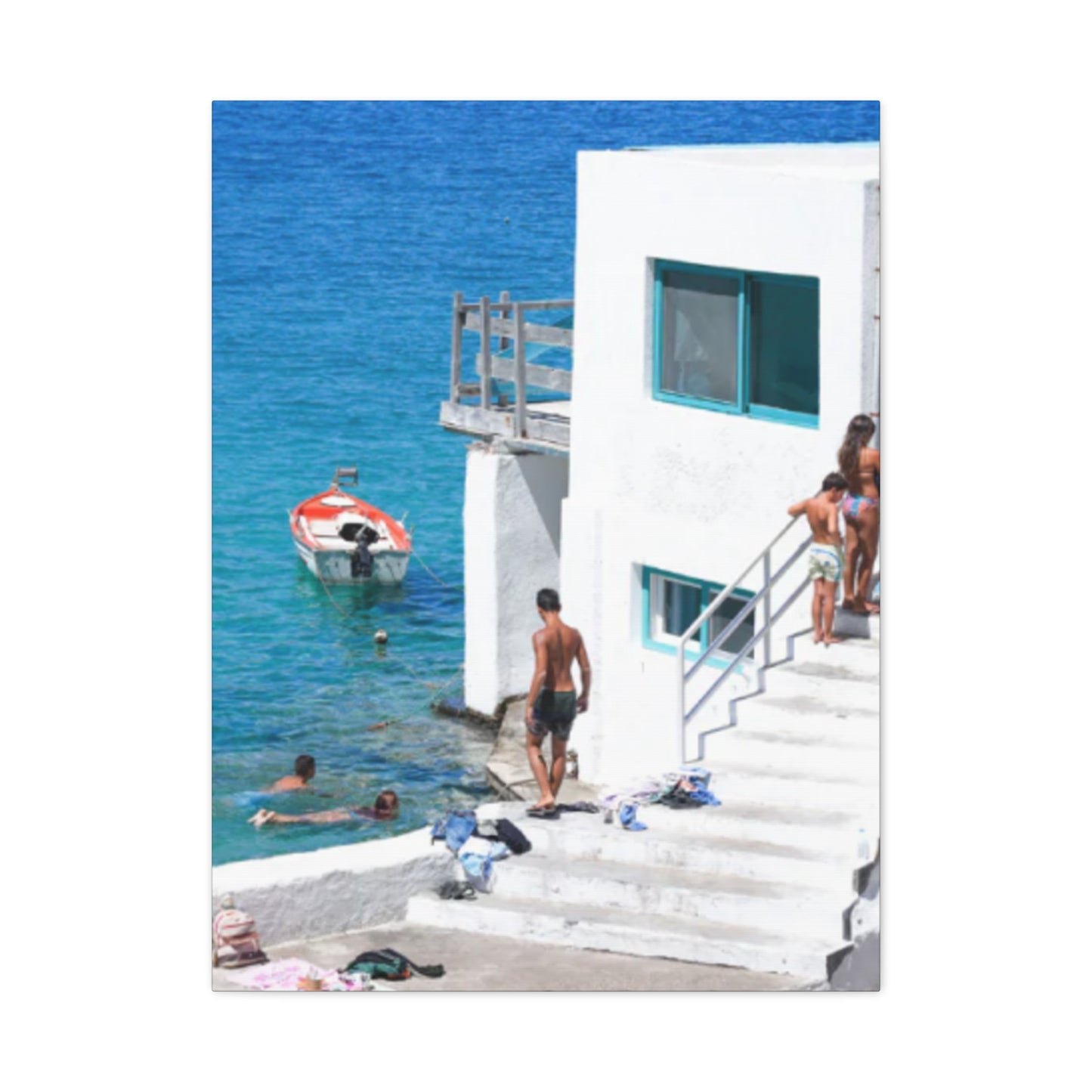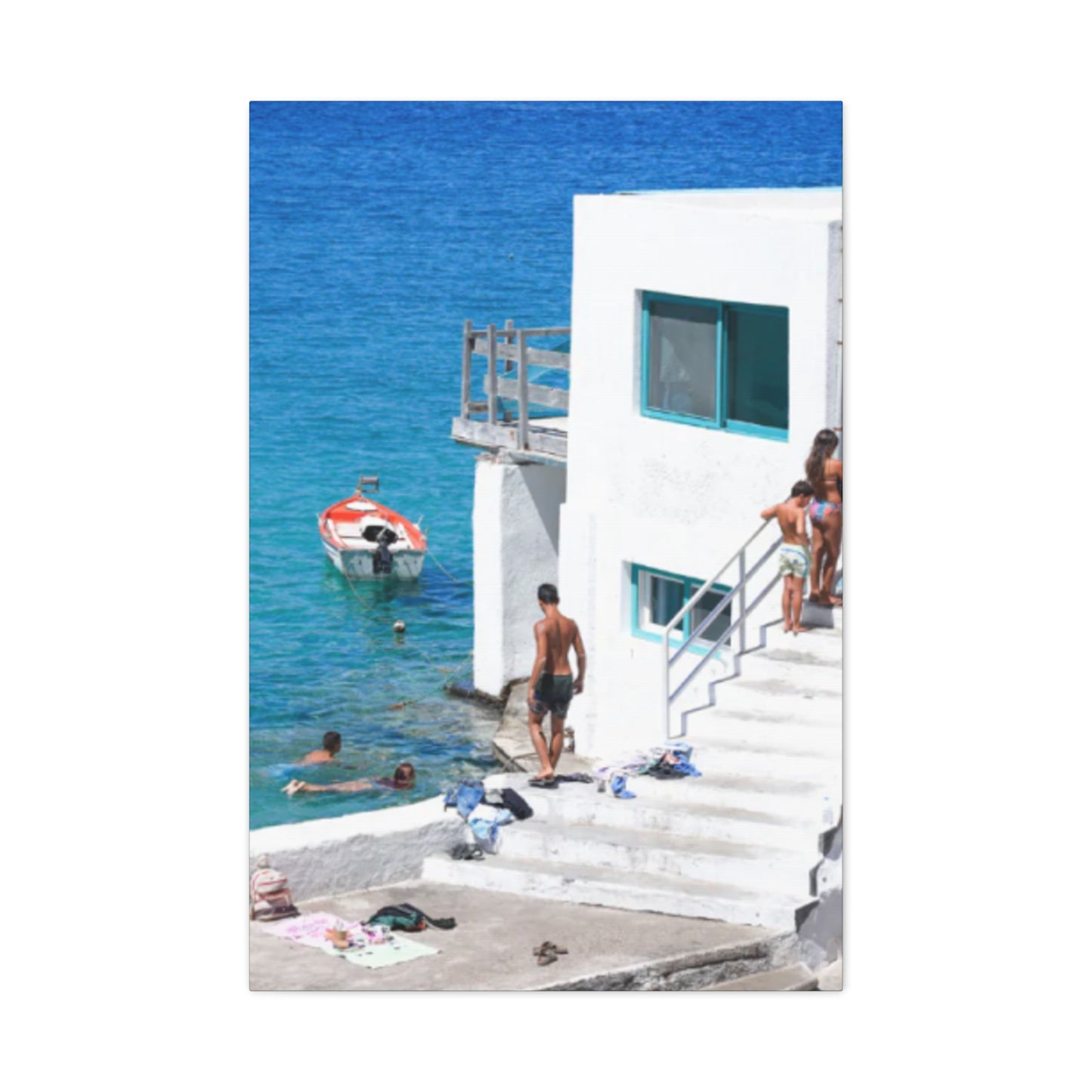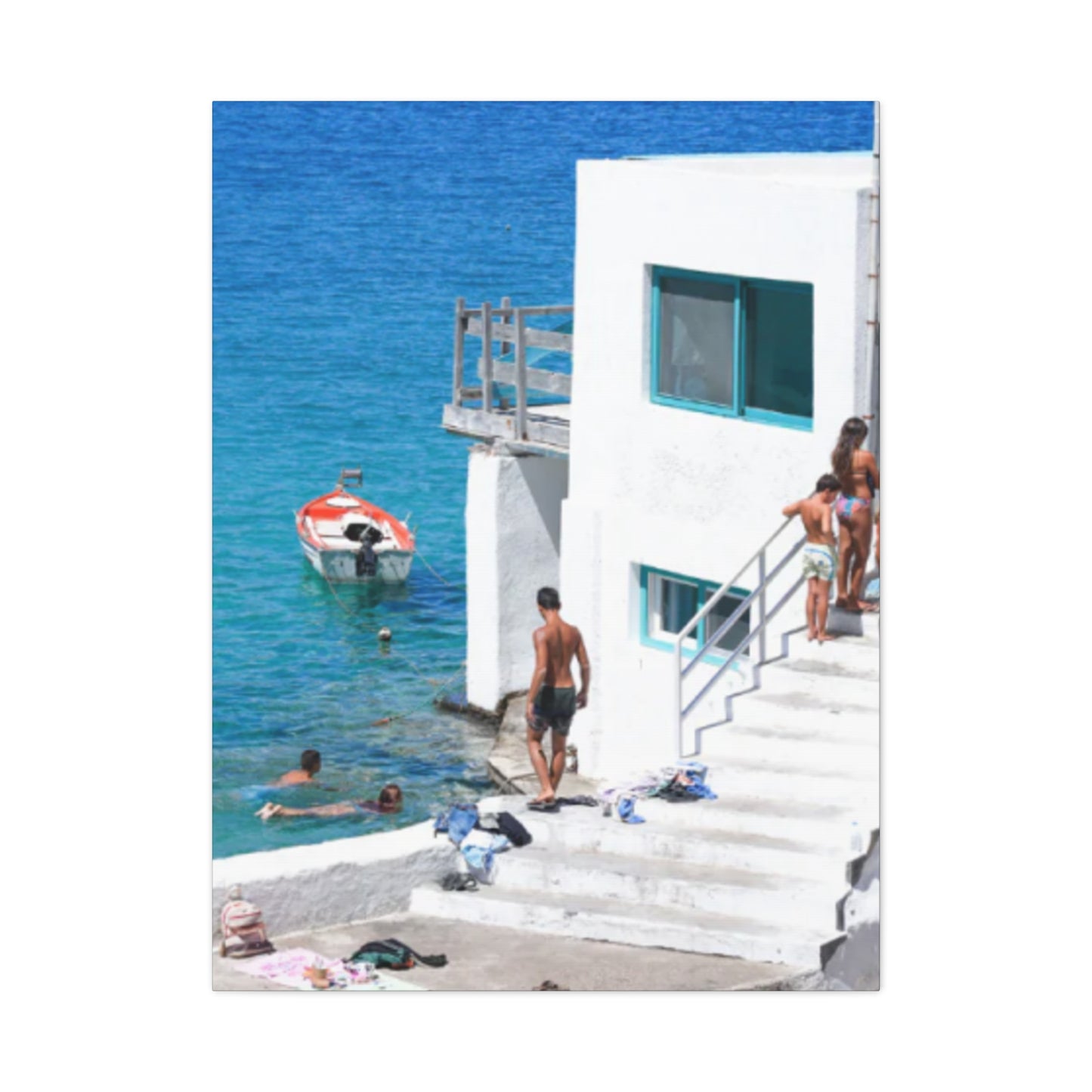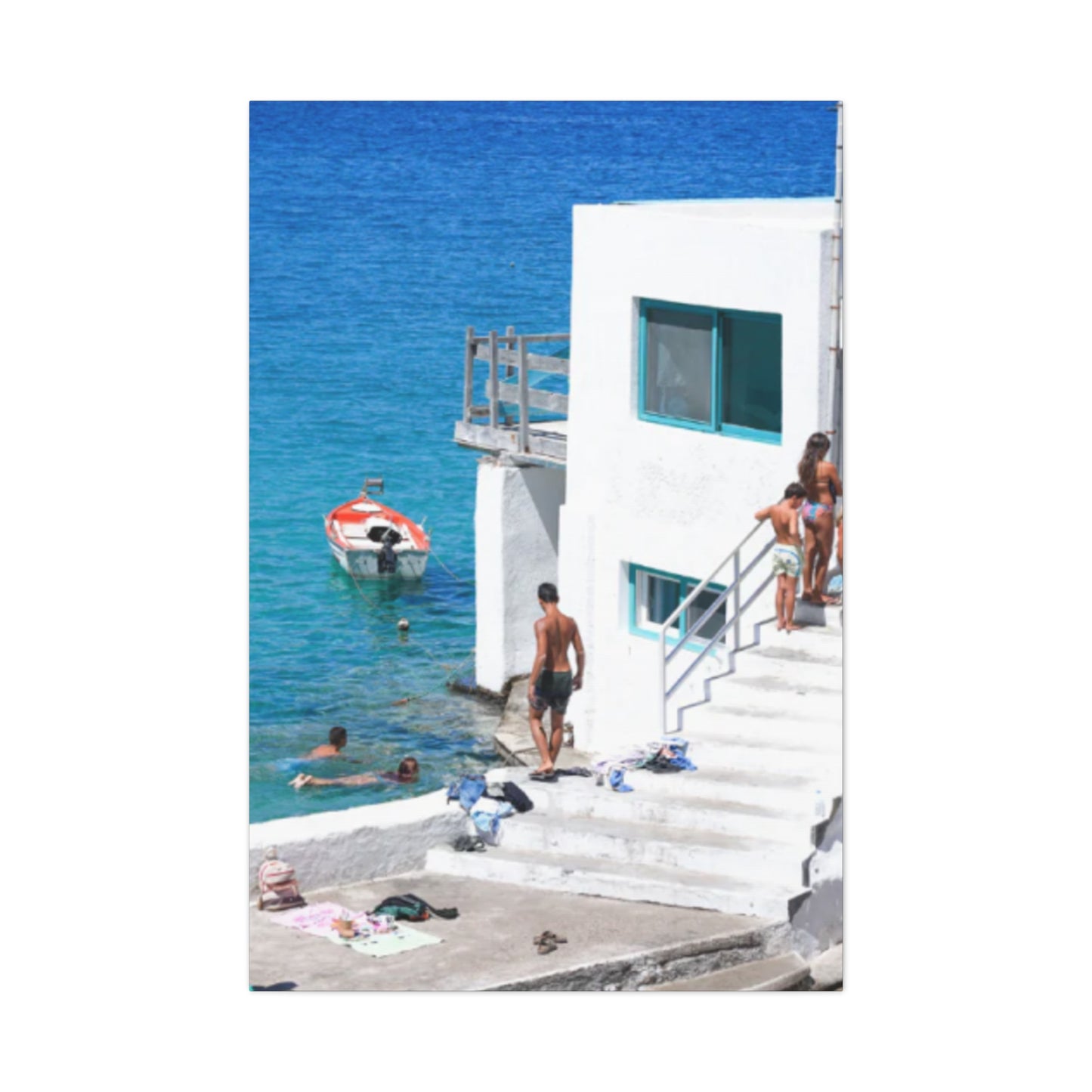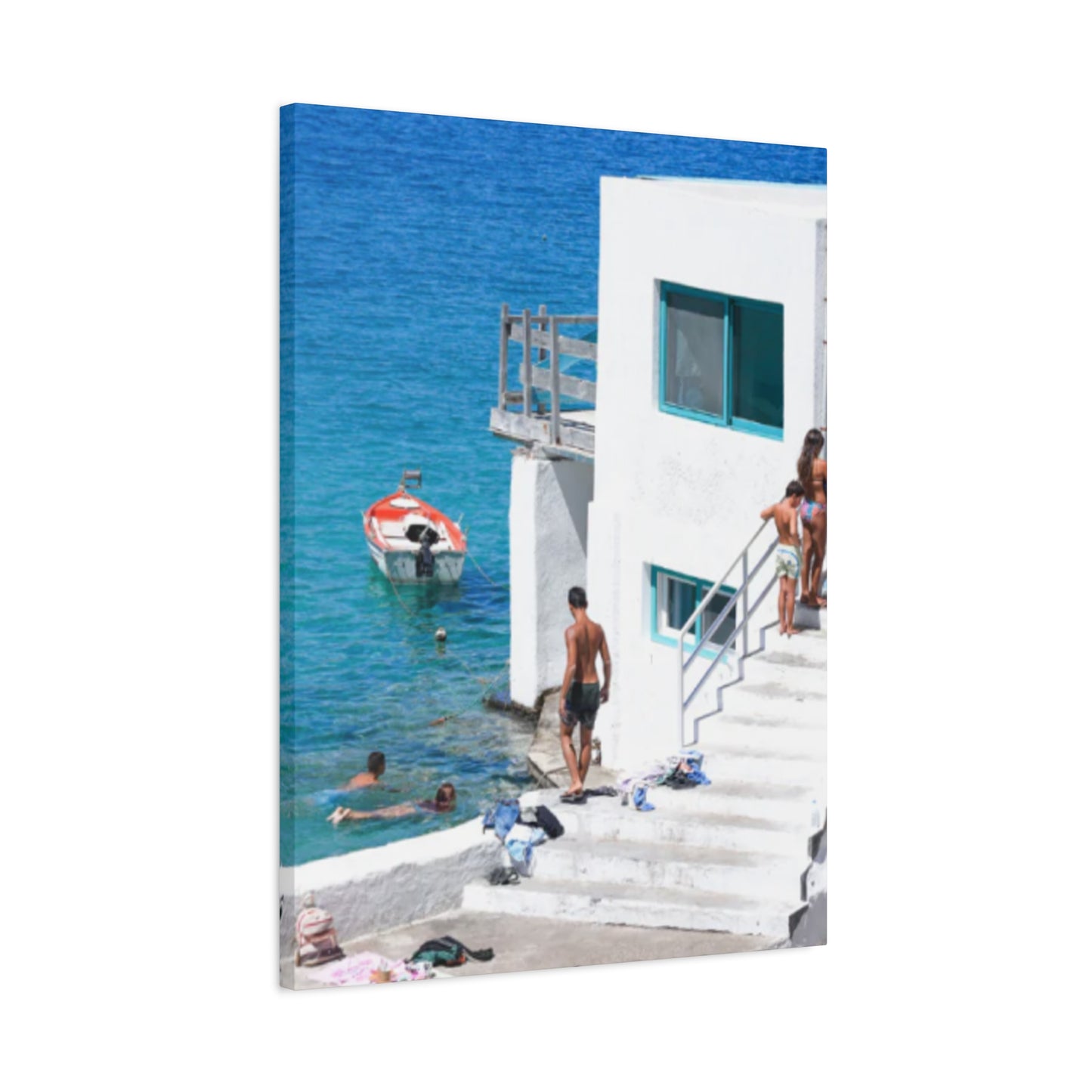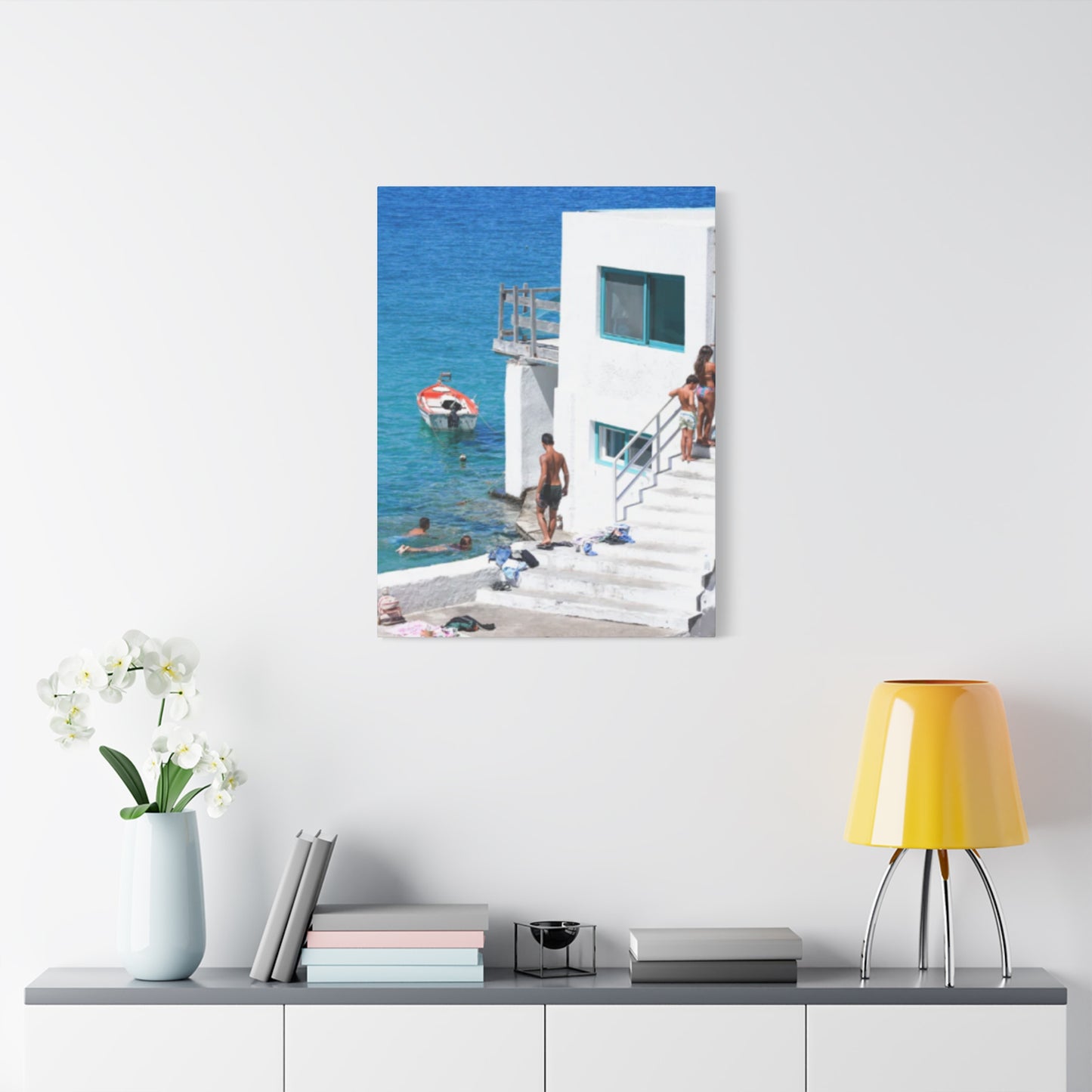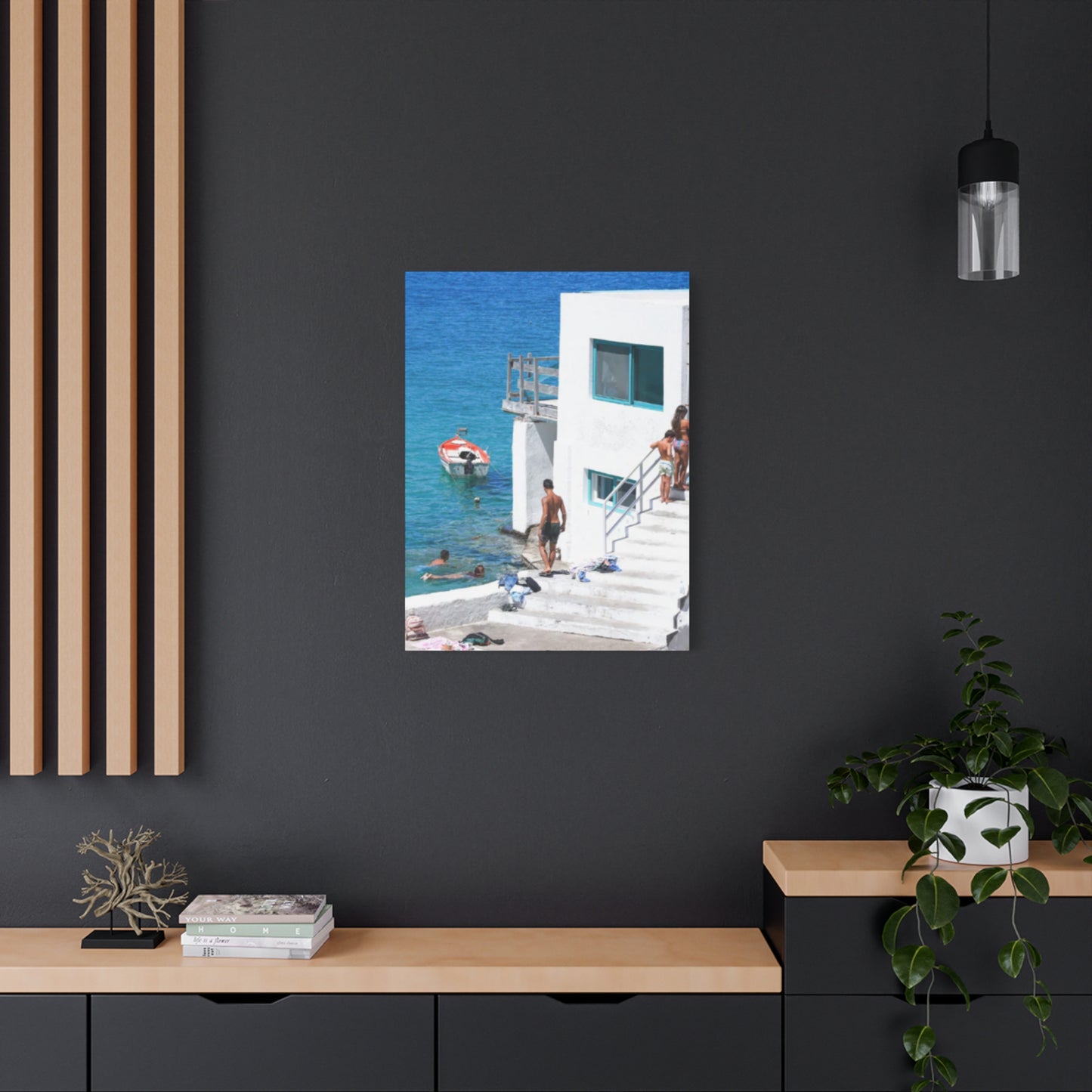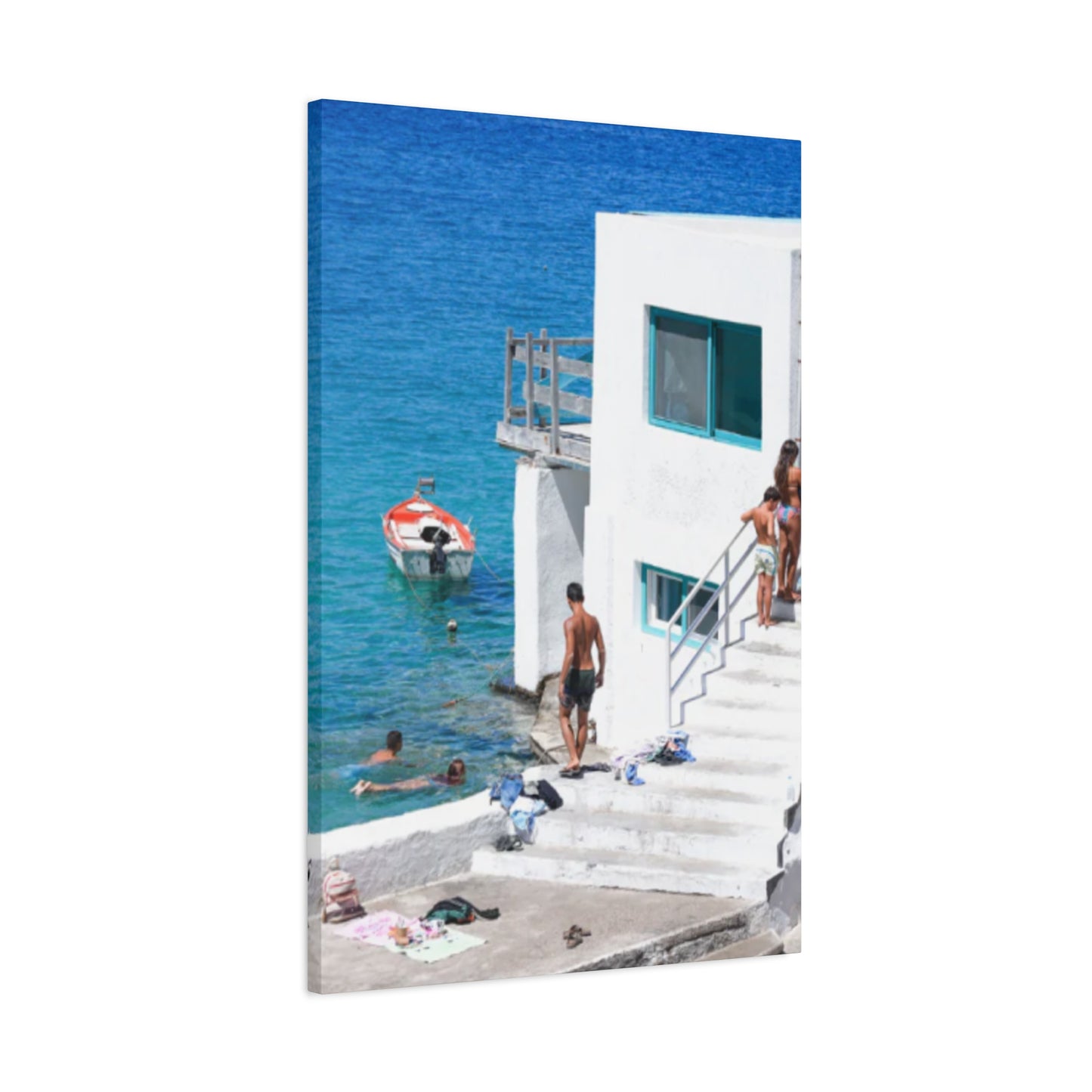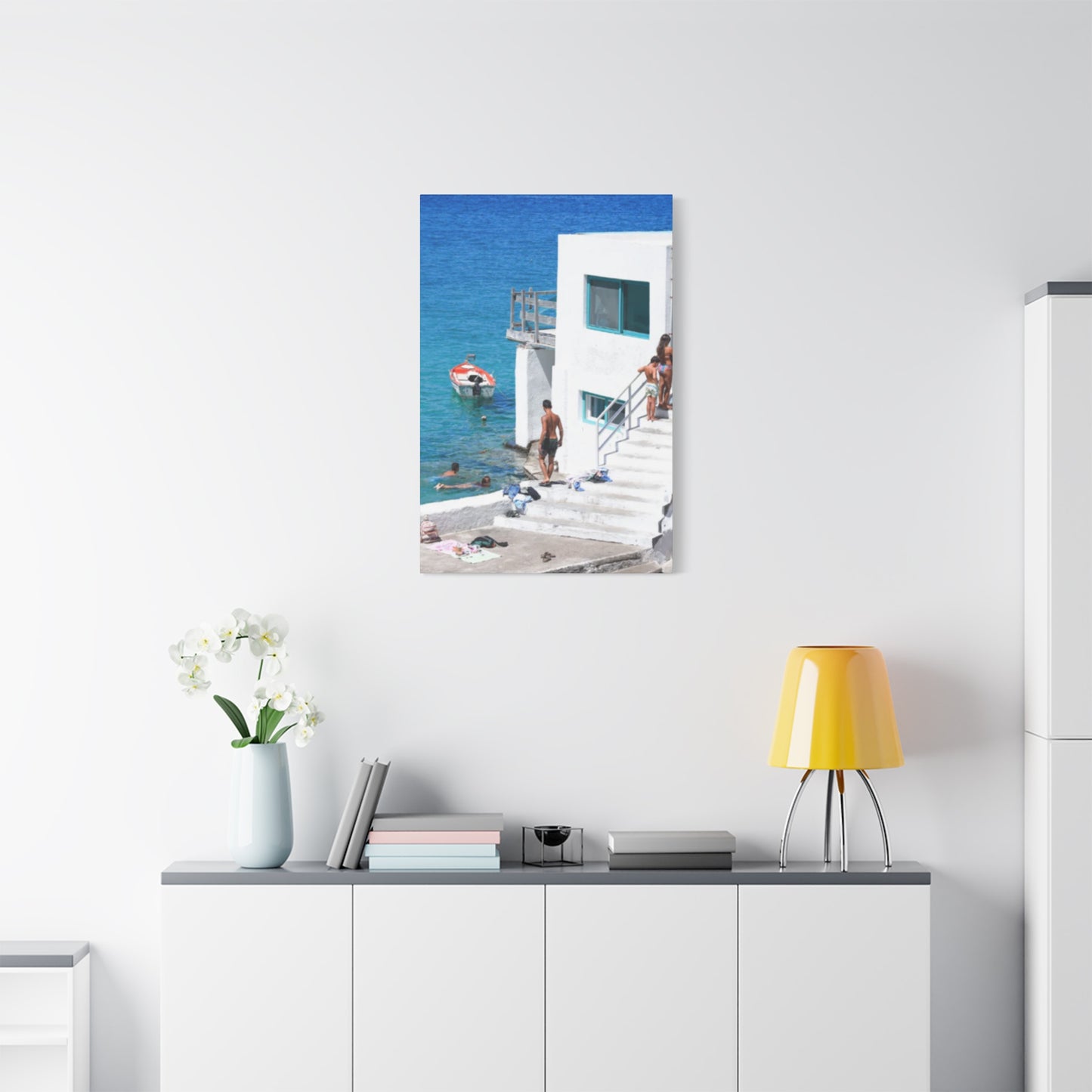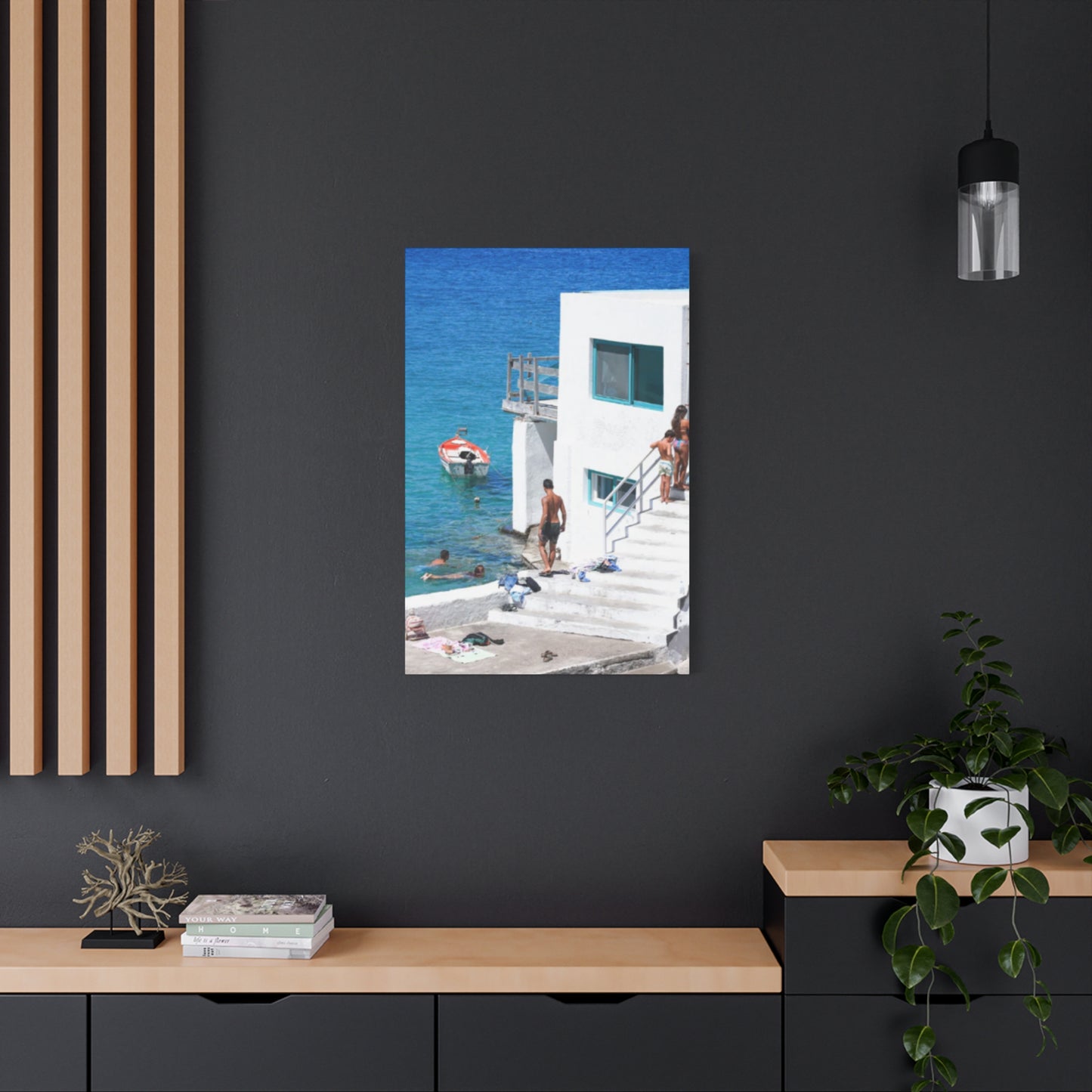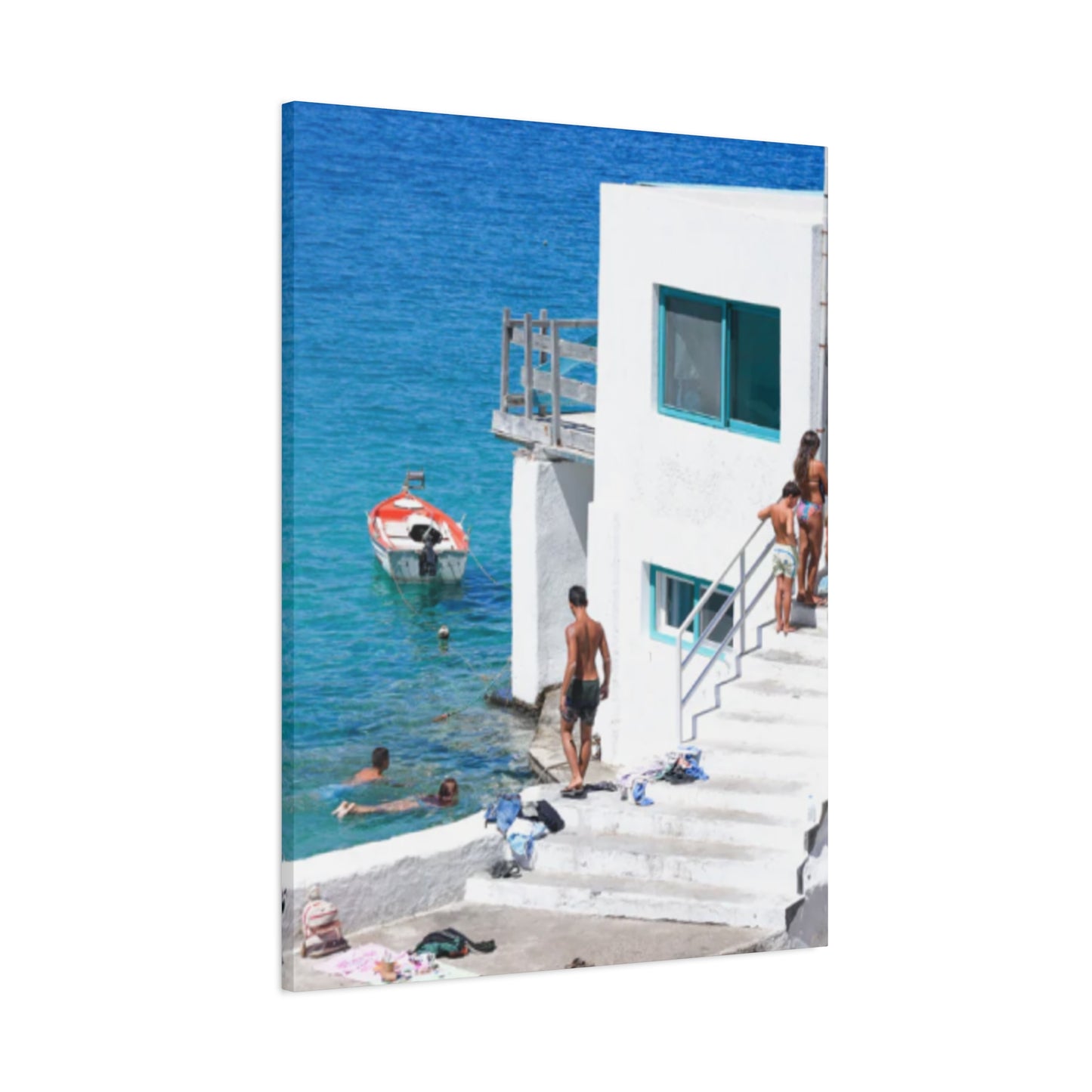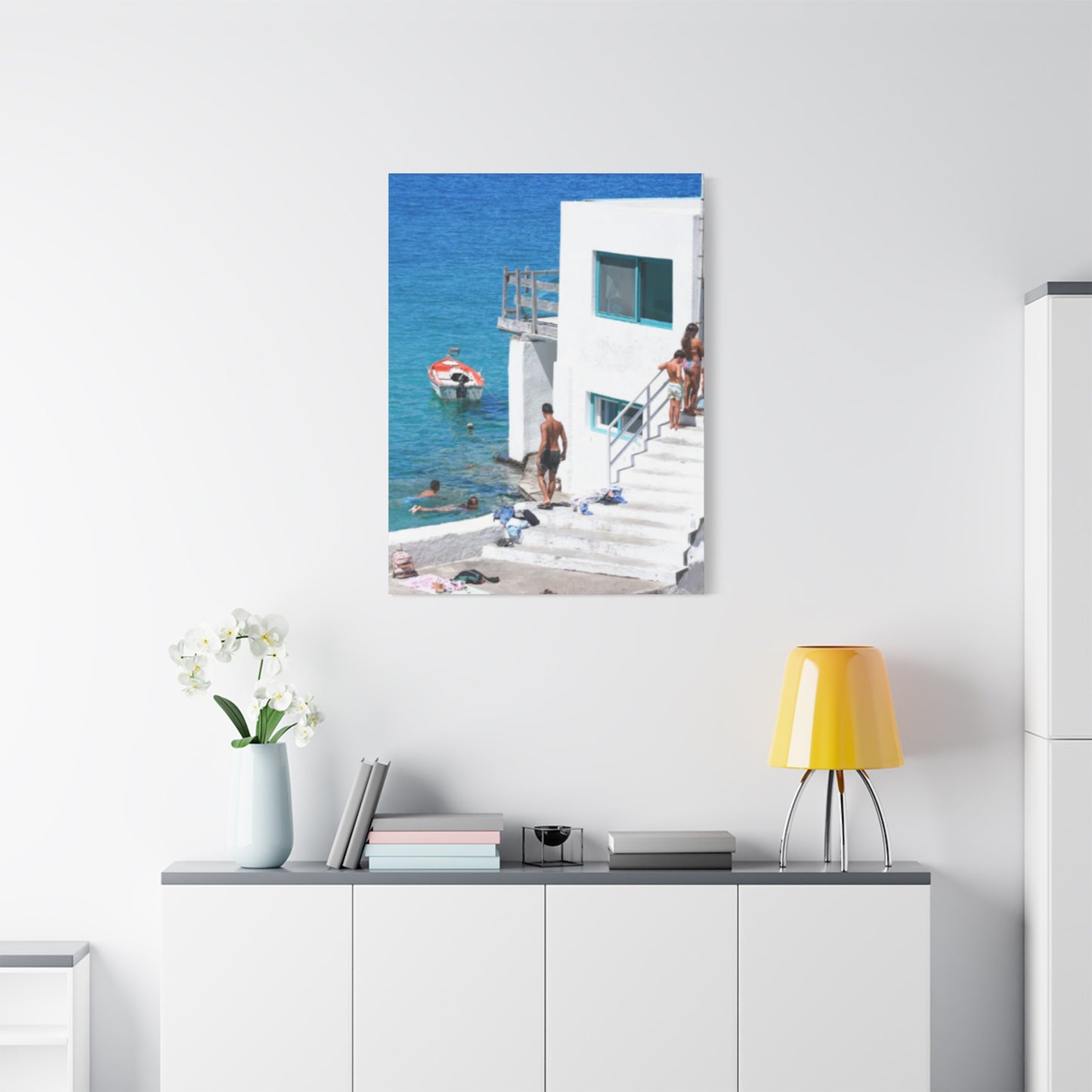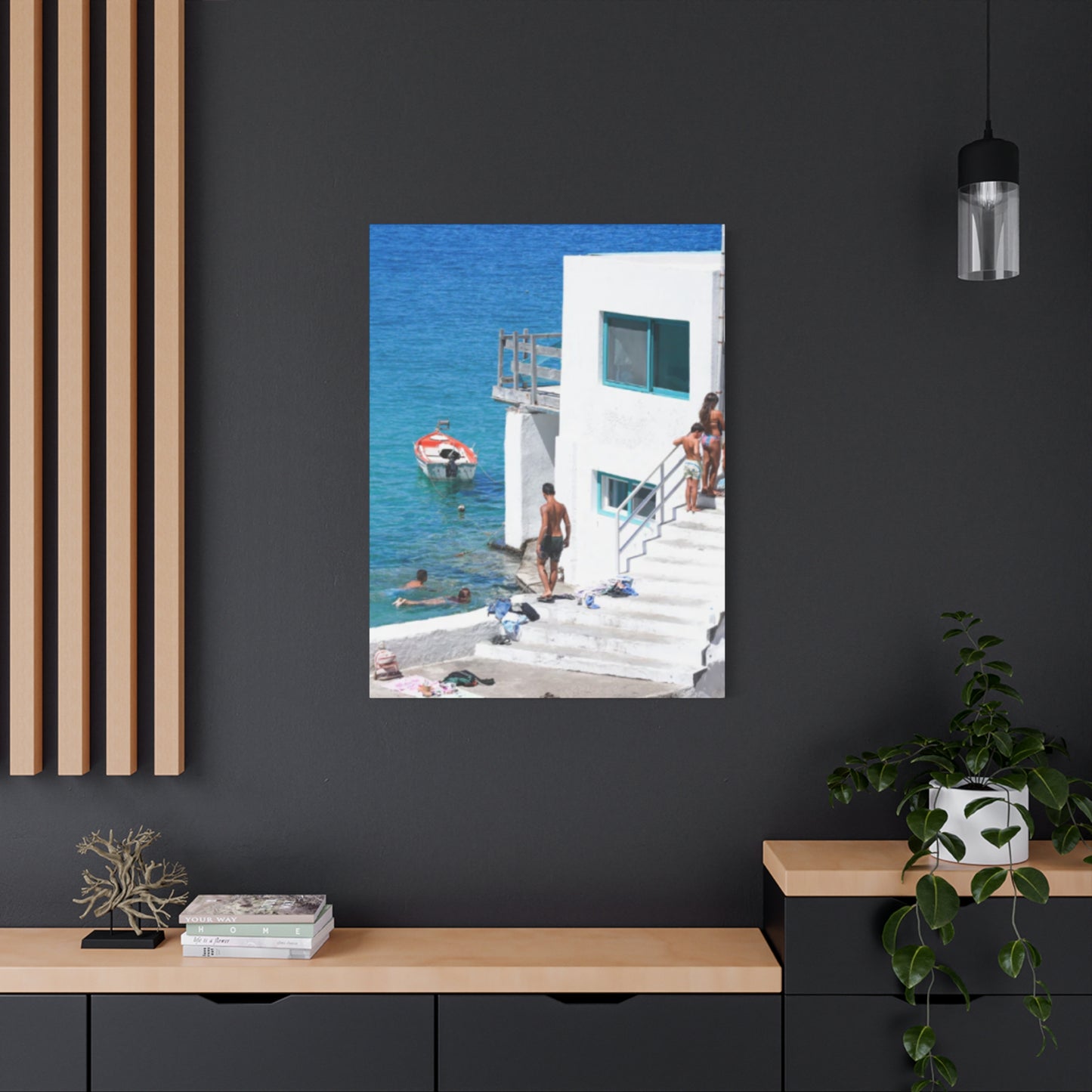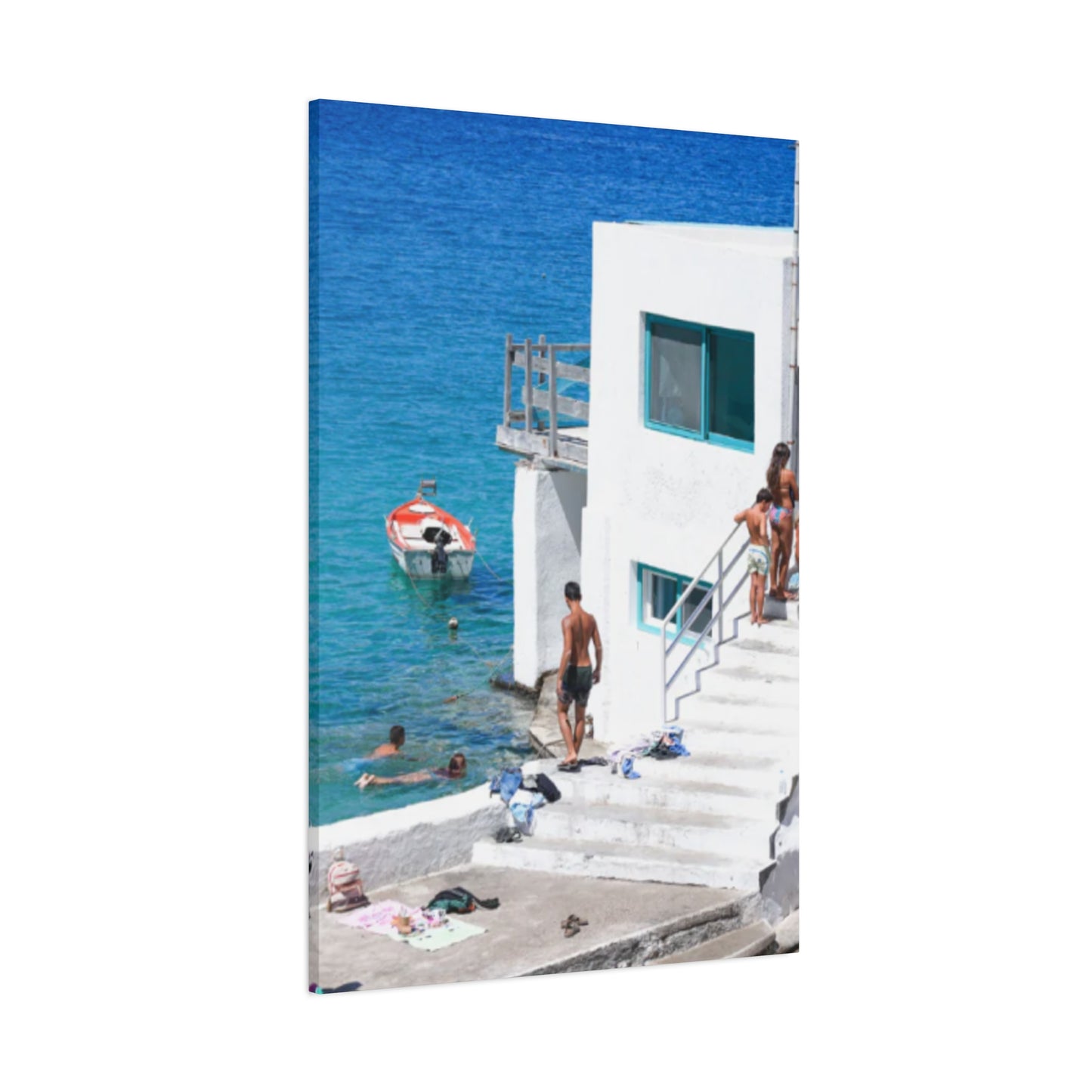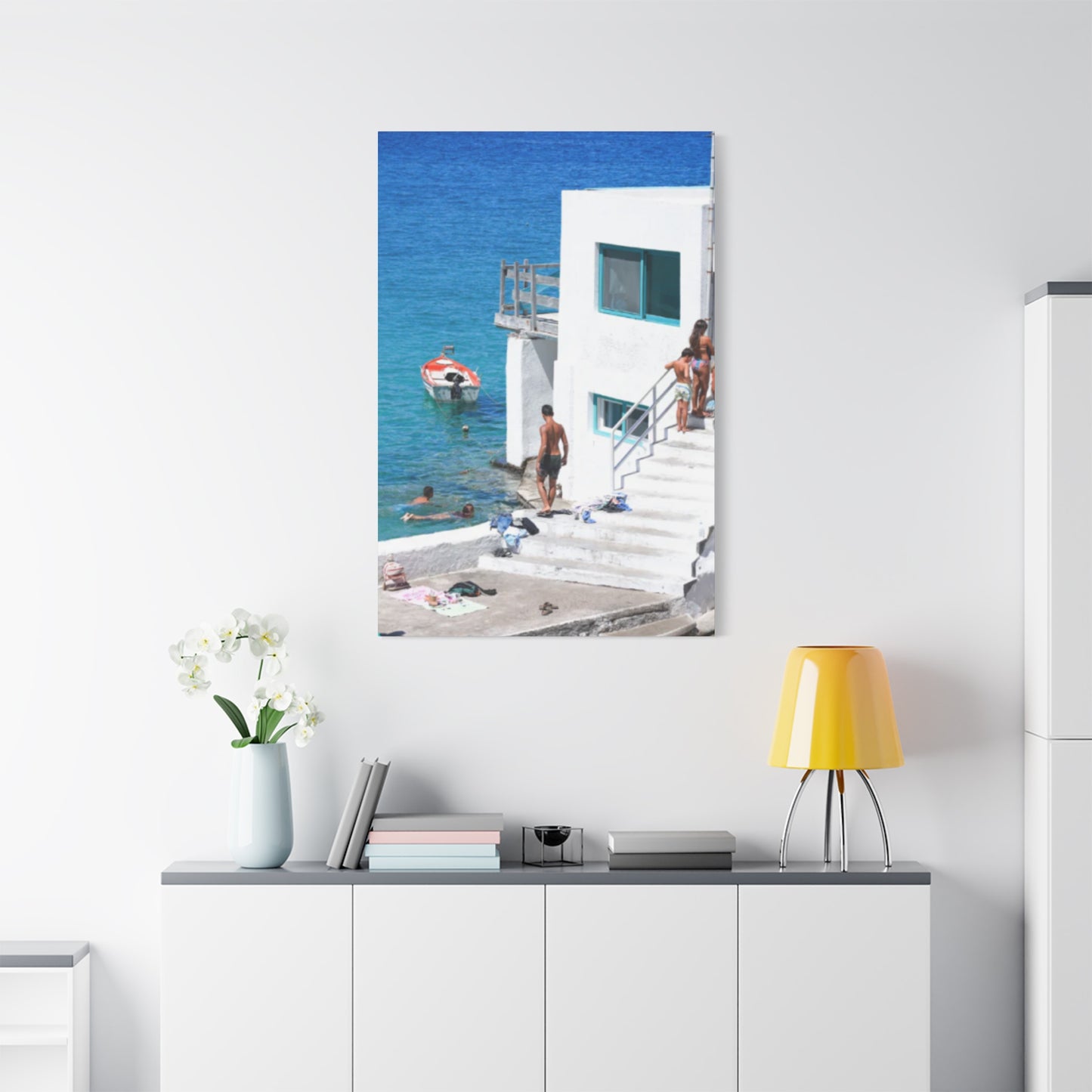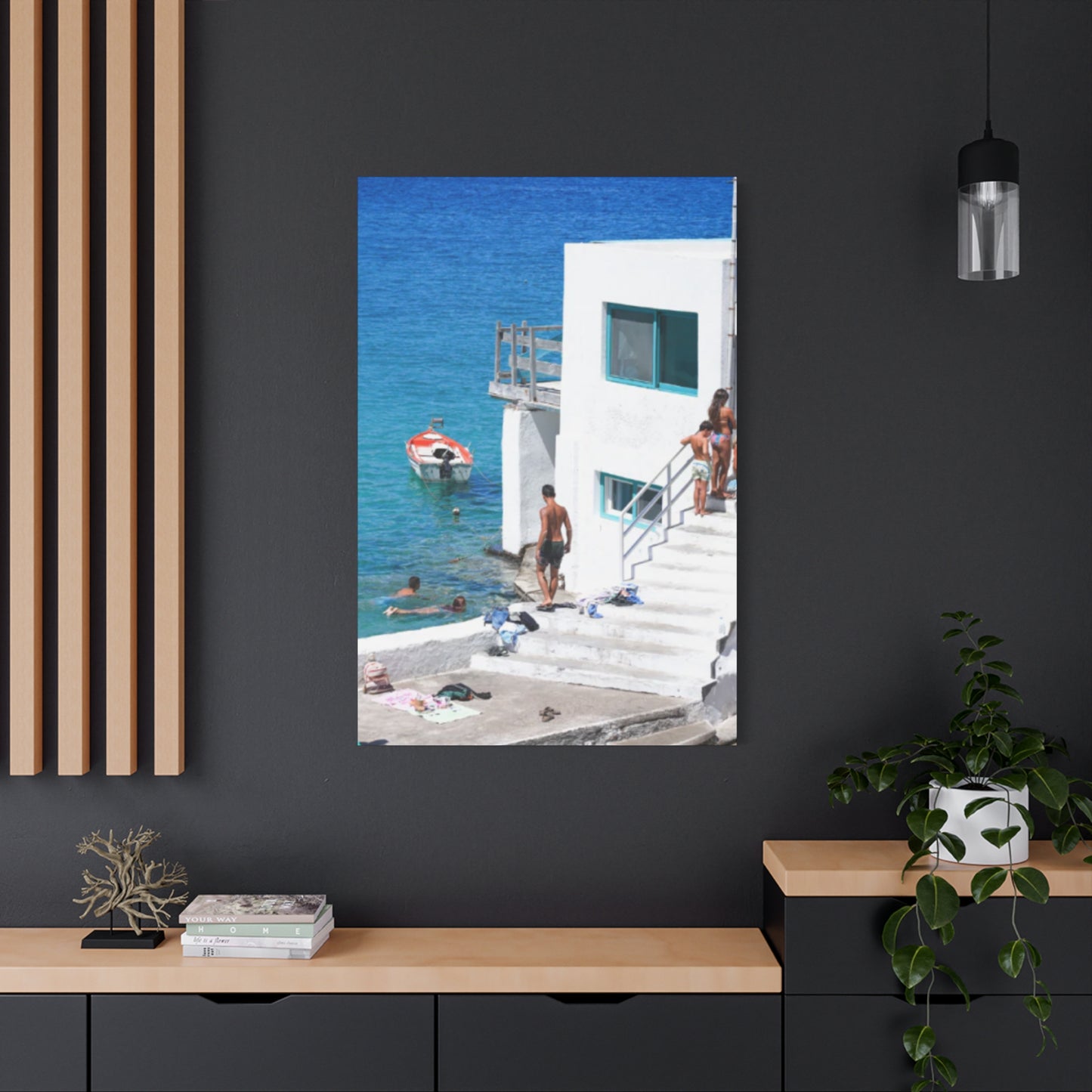


Greece Photography Wall Art & Canvas Prints
Greece Photography Wall Art & Canvas Prints
Couldn't load pickup availability
Capturing Hellenic Beauty: Your Complete Resource for Greece Photography Wall Art That Transforms Living Spaces
The azure waters of the Aegean Sea, whitewashed buildings cascading down volcanic cliffs, and ancient ruins standing testament to millennia of civilization—these iconic images from Greece have captivated hearts worldwide. When transformed into stunning visual pieces for your home or office, Greece photography wall art becomes more than mere decoration; it evolves into a portal that transports viewers to sun-drenched islands and historic landscapes. This comprehensive exploration delves into every facet of selecting, displaying, and appreciating photographic artwork inspired by Hellenic landscapes and culture.
Discovering the Magnetic Appeal of Hellenic Visual Artwork for Interior Spaces
The allure of Greek-inspired photographic artwork extends far beyond aesthetic pleasure. These images encapsulate a specific quality of light found nowhere else on Earth—the brilliant Mediterranean sunshine that has inspired artists, philosophers, and travelers for thousands of years. When you incorporate Greece photography wall art into your living environment, you're inviting this luminous quality into your daily experience.
Photographic prints depicting Greek scenes carry an inherent warmth and vibrancy that can dramatically alter the emotional atmosphere of any room. The characteristic blue and white color palette found throughout the Cycladic islands provides a naturally calming influence, reducing stress levels and promoting mental tranquility. Research in environmental psychology has consistently demonstrated that visual representations of coastal and island environments trigger relaxation responses in viewers, making these pieces particularly valuable in bedrooms, meditation spaces, or areas designated for unwinding after demanding days.
Beyond their calming properties, these photographic works serve as conversation catalysts. Guests inevitably find themselves drawn to images of Santorini's sunset-bathed caldera or the majestic columns of the Parthenon, sharing their own travel memories or aspirations. This interactive quality transforms static artwork into dynamic social elements within your home, fostering connections and shared experiences.
The cultural richness embedded in Greek imagery adds intellectual depth to your décor choices. Each photograph tells multiple stories—of ancient civilizations, architectural innovation, natural beauty, and contemporary Mediterranean lifestyle. This layered meaning provides sustained interest; unlike purely decorative pieces that may lose their appeal over time, quality Greece photography wall art continues revealing new details and inspiring fresh appreciation with repeated viewing.
Examining Different Categories of Hellenic Photographic Artwork Available Today
The marketplace offers an extensive variety of Greek-themed photographic artwork, each category serving distinct aesthetic purposes and appealing to different sensibilities. Understanding these classifications helps you make informed decisions aligned with your personal taste and interior design goals.
Architectural photography dominates one major category, focusing on the built environment that makes Greek islands and mainland cities so visually distinctive. These images might capture the geometric perfection of a traditional taverna doorway, the intricate patterns created by cobblestone streets, or the dramatic contrast between ancient stone and brilliant sky. Architectural subjects provide strong visual structure, making them particularly effective in spaces that benefit from defined lines and clear focal points.
Seascape photography represents another substantial category within Greece photography wall art. These pieces showcase the endless variations of Mediterranean waters—from the deep sapphire of the open sea to the translucent turquoise found in sheltered coves. Seascapes work beautifully in bathrooms, creating thematic coherence, but they equally enhance living rooms, offices, or any space where you wish to evoke feelings of expansiveness and freedom.
Sunset and twilight photography captures the magical transitional moments when Greek landscapes are bathed in golden and rose-tinted light. These images possess inherent drama and emotional resonance, making them ideal statement pieces for rooms where you want to create impact. The warm color temperatures in sunset photography also contribute to cozy, inviting atmospheres in dining areas or family gathering spaces.
Street scene and cultural photography documents daily life in Greek villages and cities—fishermen mending nets, markets overflowing with produce, elderly residents conversing in shaded squares. These narrative-rich images add human warmth and storytelling elements to your walls, particularly appealing to those who value authenticity and cultural connection over purely scenic beauty.
Abstract and minimalist interpretations of Greek subjects offer contemporary alternatives to traditional scenic photography. These might include close-up details of weathered doors, geometric studies of staircases, or simplified compositions emphasizing color and form over recognizable landmarks. Such pieces integrate seamlessly into modern interior designs where subtle sophistication takes precedence over obvious decoration.
Selecting Authentic Hellenic Photography That Resonates With Your Personal Aesthetic
Choosing the right Greece photography wall art requires careful consideration of multiple factors, beginning with your own emotional response to various images. The most successful artwork selections are those that genuinely move you, creating positive emotional associations each time you encounter them. Spend time browsing galleries and collections, noting which images cause you to pause, which elicit feelings of joy or peace, and which ones you find yourself returning to repeatedly.
Consider the narrative quality of potential selections. Does the photograph tell a story that resonates with your personal experiences or aspirations? Perhaps you honeymooned in Mykonos, making images from that particular island especially meaningful. Or maybe you've never visited Greece but harbor dreams of future exploration, in which case photography depicting famous landmarks might serve as inspirational reminders of goals yet to be achieved.
Authenticity matters significantly in photographic artwork. Seek pieces created by photographers who have genuinely experienced and understood their subjects rather than manufactured studio compositions. Authentic location photography captures the true character of places—the specific quality of light at particular times of day, the genuine textures of aged materials, the real colors of natural landscapes. This authenticity translates into more compelling and enduring artwork.
The emotional tone of photography varies considerably even within Greek subject matter. Some images convey energetic vibrancy through saturated colors and dynamic compositions, while others communicate serene tranquility through soft tones and balanced arrangements. Assess which emotional qualities you want to introduce or reinforce in your space, then select imagery accordingly.
Scale considerations prove crucial in artwork selection. A massive panoramic print of the Athenian Acropolis makes a bold statement suitable for expansive walls, while a collection of smaller intimate details might better serve a gallery wall arrangement. Visualize potential placements before purchasing, considering both the physical dimensions of available wall space and the viewing distances from which the artwork will typically be seen.
Understanding Various Printing Methods and Material Choices for Lasting Quality
The printing method and substrate material significantly impact both the visual quality and longevity of Greece photography wall art. Canvas printing remains among the most popular choices, offering a painterly quality that softens photographic images while providing substantial texture. Gallery-wrapped canvas, where the image extends around the frame edges, creates a finished look requiring no additional framing. Canvas suits casual to semi-formal spaces and pairs well with various décor styles from coastal to contemporary.
Metal prints have gained considerable popularity for their luminous quality and contemporary appeal. The sublimation process infuses inks directly into specially coated aluminum panels, creating images with extraordinary depth, vibrancy, and sharpness. The reflective properties of metal enhance the brilliant blues and whites characteristic of Greek photography, making these prints particularly stunning for coastal and island subjects. Metal prints resist fading, moisture, and physical damage, making them ideal for humid environments like bathrooms or coastal homes.
Acrylic prints involve mounting photographic images behind thick, clear acrylic panels, creating a glass-like presentation with remarkable depth and color saturation. The acrylic layer protects the image while amplifying its visual impact through light refraction. These prints suit modern, upscale interiors and work especially well for showcasing images with strong color contrast or intricate details.
Traditional framed prints on archival paper remain the gold standard for collectors prioritizing longevity and classic presentation. Museum-quality papers combined with archival inks ensure images resist fading for generations when properly displayed. Glass or acrylic glazing protects the surface while premium frames complement the artwork. This format allows maximum flexibility in framing styles, enabling you to match existing décor or create contrasting visual interest.
Fine art prints on textured papers offer another dimension of aesthetic sophistication. Various paper surfaces—from smooth hot press to roughly textured cold press—interact differently with inks, producing subtle variations in tone and detail rendering. These prints appeal to connoisseurs who appreciate the tactile qualities of traditional printmaking and photography.
Wood-mounted prints provide rustic charm particularly suited to casual, coastal, or bohemian interiors. Images printed directly onto wood panels or mounted on reclaimed wood surfaces incorporate natural grain patterns and imperfections into the overall aesthetic. This organic presentation complements Greek photography's earthy, authentic qualities.
Mastering Color Coordination Between Greek Photography and Existing Interior Palettes
Successfully incorporating Greece photography wall art into existing color schemes requires thoughtful analysis of both the artwork's dominant hues and your space's established palette. Greek photography typically features a characteristic color range dominated by blues, whites, earth tones, and warm sunset hues, each interacting differently with various interior color schemes.
In spaces with neutral palettes—whites, beiges, grays, and taupes—Greek photography introduces welcome color without overwhelming. The blues and azure tones in seascape or architectural photography provide accent colors that energize neutral rooms while maintaining overall sophistication. This approach works particularly well in minimalist or Scandinavian-inspired interiors where controlled color introduction enhances rather than complicates the aesthetic.
Mediterranean-themed rooms already featuring blues and whites find natural harmony with Greek photography. However, avoid creating monotonous repetition by selecting images that introduce variations in shade, saturation, or additional accent colors. Photography featuring terracotta roof tiles, colorful doorways, or sunset-warmed stone adds dimensionality to predominantly blue-white schemes.
Warm-toned interiors with yellows, oranges, reds, and browns benefit from Greek photography emphasizing sunset scenes, ancient ruins, or earth-toned village architecture. These images bridge between warm interior palettes and the cooler blues typical of Greek imagery, creating balanced visual ecosystems. The golden light of Greek sunsets particularly complements warm color schemes, intensifying their cozy, inviting qualities.
Contrasting color strategies can produce dramatic effects. In cool-toned spaces with grays, silvers, and cool blues, warm-toned Greek sunset photography creates intentional tension that draws attention and adds complexity. Similarly, in predominantly warm spaces, brilliant blue seascapes provide refreshing counterpoints that prevent color schemes from becoming oppressively heavy.
Consider undertones carefully when matching Greece photography wall art to painted walls. Cool gray walls with blue undertones harmonize naturally with Greek photography, while warm grays with beige undertones require careful selection to avoid color clashing. Test potential artwork against actual wall colors in your space's specific lighting conditions before committing to purchases.
The visual weight of colors also matters in coordination efforts. Large expanses of deep blue sea or sky create substantial color presence that must be balanced by either repeating those hues elsewhere in the room through textiles, accessories, or additional artwork, or by providing adequate neutral space to prevent overwhelming effects.
Creating Dynamic Visual Impact Through Strategic Placement and Arrangement Strategies
The positioning of Greece photography wall art dramatically influences its visual impact and functional effectiveness within interior spaces. Strategic placement considers viewing angles, lighting conditions, architectural features, and spatial relationships with furniture and other decorative elements.
Height placement follows general guidelines while adapting to specific circumstances. The center of artwork should typically align with average eye level, approximately fifty-seven to sixty inches from the floor. However, this standard adjusts based on ceiling height, furniture placement, and whether viewing occurs primarily while standing or seated. In dining rooms where guests view artwork while seated, lower placement by several inches ensures comfortable viewing angles.
Above furniture such as sofas, beds, or console tables, artwork should relate proportionally to the furniture's width. A general guideline suggests artwork or arrangement width should measure between two-thirds and three-quarters of the furniture width, though this varies based on visual weight and composition. Large-scale single pieces create bold focal points, while arranged groupings of smaller pieces can span greater widths while maintaining visual cohesion.
Gallery wall arrangements allow multiple Greece photography pieces to work together as unified compositions. Successful gallery walls balance several factors: consistent spacing between frames (typically two to three inches), intentional color relationships, varied but complementary frame styles, and overall compositional balance. Arrange pieces on the floor first, experimenting with configurations before committing to wall installation. Maintain either consistent bottom edges (horizontal alignment) or centered vertical axes for cohesive appearance.
Lighting dramatically affects photographic artwork's visual impact and longevity. Natural light showcases colors beautifully but poses fading risks over time. Position valuable pieces away from direct sunlight exposure, particularly avoiding south-facing walls in northern hemisphere locations. For areas receiving strong natural light, use UV-filtering glazing or window treatments to protect artwork.
Artificial lighting should illuminate artwork evenly without creating glare or hot spots. Picture lights mounted above frames provide focused illumination ideal for traditional presentations. Track lighting offers flexibility for adjusting spotlight positions as artwork changes. LED options minimize heat emission that can damage artwork over time while providing excellent color rendering.
Architectural features influence optimal placement decisions. Artwork positioned above mantels gains natural prominence from the fireplace's focal point status. However, heat from working fireplaces necessitates adequate clearance and potentially heat-resistant materials. Alcoves and recessed areas provide natural frames for featured pieces, while prominent walls visible from multiple rooms deserve particularly striking selections.
Negative space surrounding artwork contributes significantly to its perceived impact. Avoid crowding pieces too closely to ceilings, corners, or adjacent elements. Adequate breathing room allows artwork to command attention without competing with surrounding elements. In minimalist interiors, generous negative space amplifies artwork's presence and importance.
Exploring Regional Variations Within Greek Photography and Their Distinctive Characteristics
Greece encompasses remarkable geographic and cultural diversity, resulting in dramatically different photographic subjects and aesthetic qualities across various regions. Understanding these regional distinctions helps you select Greece photography wall art that aligns with specific preferences and design intentions.
The Cycladic islands, including Santorini, Mykonos, Paros, and Naxos, provide the most iconic and immediately recognizable Greek imagery. Characterized by cubic whitewashed architecture, brilliant blue church domes, and dramatic volcanic landscapes, Cycladic photography embodies the quintessential Mediterranean aesthetic. These images work universally across interior styles from coastal to contemporary, offering strong graphic qualities through their geometric buildings and stark color contrasts.
Crete, Greece's largest island, presents more diverse subject matter reflecting its size and varied geography. Photography from Crete might feature Venetian fortresses, dramatic gorges, traditional mountain villages, or sprawling olive groves. The aesthetic tends toward earthier tones and more rugged landscapes compared to the refined beauty of the Cyclades, appealing to those preferring natural, less polished imagery.
The Ionian islands—Corfu, Kefalonia, Zakynthos—offer lush, verdant landscapes contrasting with the arid beauty of the Cyclades. Photography from this region showcases dramatic cliffs plunging into impossibly turquoise waters, hidden coves, and Italian-influenced architecture. The richer greens and varied topography provide alternatives to the white-and-blue Cycladic palette.
Athens and surrounding Attica present urban and archaeological subjects. Photography featuring the Acropolis, Parthenon, or other ancient monuments appeals to history enthusiasts and those preferring culturally significant subjects over purely scenic beauty. Urban Athens street photography captures contemporary Greek life against backdrops of classical antiquity, offering narrative depth and cultural authenticity.
The Peloponnese peninsula provides subjects ranging from ancient Olympia and Mycenae to the fortified town of Monemvasia and the dramatic landscapes of the Mani peninsula. Photography from this region often emphasizes historical layers and dramatic natural features, suitable for spaces where you want to communicate depth, gravitas, or connection to ancient civilizations.
The Dodecanese islands, including Rhodes and Kos, showcase medieval fortifications, Italian colonial architecture, and eastern Mediterranean influences. Photography from these islands often features more varied architectural styles and rich historical layering, appealing to those interested in the crossroads of civilizations.
Smaller, less-visited islands offer photographic subjects free from over-familiar tourist imagery. Photography from places like Sifnos, Folegandros, or Amorgos provides authentic Greek character without the iconic recognition factor, appealing to travelers seeking undiscovered destinations or those preferring subtle sophistication over obvious decoration.
Matching Photographic Styles and Moods to Specific Room Functions and Purposes
Different rooms serve distinct functions and foster particular moods, making thoughtful matching between Greece photography wall art and room purpose essential for creating harmonious, functional living spaces.
Bedrooms benefit from calming, serene imagery that promotes relaxation and restful sleep. Soft-toned sunset scenes, tranquil seascapes with gentle waves, or peaceful village scenes create appropriate atmospheres. Avoid overly dramatic or energetic imagery that might prove stimulating rather than soothing. Cooler color temperatures generally suit bedrooms better than warm tones, as blue hues particularly promote relaxation and sleep quality according to color psychology research.
Living rooms accommodate broader stylistic ranges since they serve multiple functions from entertaining to relaxing. Statement pieces featuring dramatic landscapes or iconic landmarks work well as focal points above sofas or fireplaces. The living room's social nature makes it suitable for conversation-starting imagery—recognizable locations, culturally rich scenes, or compositionally striking photographs that naturally draw attention and comment.
Dining spaces pair beautifully with Greek photography evoking abundance, conviviality, and Mediterranean lifestyle. Images featuring outdoor tavernas, markets overflowing with produce, or sunset scenes suggesting leisurely meals enhance dining experiences. Warmer color palettes suit dining areas better than cool tones, as warm hues stimulate appetite and create inviting, sociable atmospheres.
Home offices require careful consideration of how imagery affects productivity and mood. Inspiring landscape vistas can provide mental escape during demanding work, while architectural subjects might reinforce focus through their structural clarity. Avoid overly relaxing imagery that might undermine concentration; instead, select dynamic compositions that energize without distracting.
Bathrooms naturally accommodate water-themed photography, with seascapes and coastal scenes creating thematic coherence. The humid environment requires careful material selection—metal or properly sealed canvas work better than unprotected paper prints. Blues and aqua tones reinforce the cleansing, refreshing functions of bathroom spaces.
Entryways and hallways serve as transitional spaces where bold, welcoming imagery sets tones for entire homes. Dramatic Greek landscapes or iconic architectural subjects create strong first impressions for visitors while providing daily inspiration for residents. These high-traffic areas can accommodate more attention-grabbing imagery than private spaces where subtlety might be preferred.
Kitchens benefit from imagery evoking Mediterranean culinary traditions—herb gardens, olive groves, market scenes, or coastal villages where fishing and cooking intertwine. These images reinforce kitchen functions while introducing color and visual interest to often utilitarian spaces.
Investigating Size Proportions and Scale Considerations for Balanced Visual Presentation
Selecting appropriately sized Greece photography wall art requires careful consideration of room dimensions, viewing distances, architectural scale, and the visual weight of surrounding elements. Proportional relationships between artwork, walls, and furniture determine whether pieces feel harmoniously integrated or awkwardly placed.
Small prints measuring eight by ten inches or smaller suit intimate viewing situations—bedside tables, bathroom walls, or grouped arrangements where individual pieces contribute to larger compositions. These dimensions work well for detailed subjects where close examination reveals photographic nuances. However, small prints generally prove insufficient as primary focal points in spacious rooms where they appear insignificant against expansive walls.
Medium prints ranging from sixteen by twenty to twenty-four by thirty-six inches serve versatile roles across various room sizes and placement situations. These dimensions work above furniture, in gallery wall arrangements, or as standalone pieces in moderate-sized rooms. Medium prints balance visibility from conversational distances with enough detail to reward closer inspection.
Large-scale prints from thirty by forty inches to forty by sixty inches or beyond create dramatic impact suitable for spacious rooms with high ceilings and substantial viewing distances. Panoramic formats, particularly effective for Greek landscape photography, can extend to six or eight feet wide, commanding entire walls and creating immersive visual experiences. Large-scale photography requires adequate viewing distance—roughly one and a half times the artwork's diagonal measurement—to be appreciated without viewers feeling overwhelmed.
Oversized photography exceeding five by seven feet enters statement territory where individual pieces dominate entire walls, transforming spaces through their sheer presence. These museum-scale presentations suit only the most spacious rooms with architectural scale supporting such substantial art. Oversized Greece photography wall art creates destination viewing experiences rather than background decoration.
Diptychs and triptychs—two or three-panel compositions—offer intermediate solutions between single large pieces and multiple small prints. These formats allow greater total dimensions while breaking images into more manageable components. A three-panel panoramic sunset spanning eight feet total creates equivalent impact to a single eight-foot print while offering flexibility in spacing and installation.
Ceiling height significantly influences appropriate artwork scale. Standard eight-foot ceilings require restraint in vertical dimensions to maintain proportional balance, while ten-foot or higher ceilings accommodate taller artwork without appearing crowded. In spaces with dramatic ceiling heights, vertically oriented pieces emphasize architectural grandeur while horizontal formats might appear squat and disproportionate.
Furniture scale creates additional proportional considerations. Substantial, heavy furniture pieces require sufficiently scaled artwork to maintain visual balance. Delicate, minimal furniture allows smaller artwork to shine without competing for attention. The combined visual weight of furniture and artwork should feel balanced rather than lopsided.
Multiple pieces arranged together create cumulative visual mass exceeding individual component sizes. A gallery wall of nine small prints creates visual impact equivalent to a single large piece while offering variety and complexity. Calculate the overall dimensions of entire groupings when considering proportional relationships to room and furniture scale.
Examining Frame Styles and How They Complement or Contrast With Greek Imagery
Framing choices dramatically influence how Greece photography wall art integrates into interior spaces, either enhancing the imagery's inherent qualities or introducing contrasting elements that create tension and interest. Frame selection considers material, color, profile dimensions, and stylistic character.
Natural wood frames complement the organic, authentic qualities of Greek photography. Light woods like maple, ash, or whitewashed pine reinforce the bleached, sun-soaked aesthetic of Cycladic architecture. Medium woods including oak or walnut add warmth while maintaining natural character. Darker woods like espresso-stained frames create strong contrast against light-toned Greek imagery, suitable for formal interiors or when you want artwork to stand distinctly separate from surroundings.
White frames—whether painted wood or composite materials—naturally harmonize with the whitewashed architecture prevalent in Greek photography. However, this harmony can sometimes create insufficient separation between image and frame, particularly with photography featuring extensive white buildings. Off-white, cream, or subtle gray frames often provide better definition while maintaining light, airy qualities.
Black frames offer sophisticated contrast particularly effective with colorful Greek imagery. The dark perimeter intensifies internal colors through simultaneous contrast while providing clean, modern presentation. Black frames suit contemporary interiors and work especially well when other black elements appear in the room's design palette.
Metallic frames including silver, gold, or bronze introduce glamour and formality. Silver frames complement the cool tones in Greek seascape photography, while warm metals like gold or bronze enhance sunset imagery and earth-toned architectural subjects. Metallic finishes suit traditional or transitional interiors but can appear dated in strictly contemporary settings unless carefully coordinated.
Float frames, where artwork appears suspended within the frame with visible gaps, create contemporary presentations emphasizing the photograph as an object rather than window. This format works particularly well with canvas or wood-mounted prints, adding dimension and shadow play to wall presentation.
Ornate, carved frames suit formal interiors and can elevate photographic prints to fine art status. However, elaborate frames risk competing with Greek photography's often simple, clean compositions. Reserve ornate framing for images with sufficient complexity and color richness to hold their own against decorative surrounds.
Frameless presentations including gallery-wrapped canvas or mounted prints offer clean, contemporary alternatives to traditional framing. These formats suit modern and minimalist interiors where extraneous decoration detracts from streamlined aesthetics. Frameless presentations also prove more budget-friendly than quality framing while delivering professional appearance.
Matting adds breathing room between image and frame while providing color coordination opportunities. White or cream mats reinforce light, airy qualities in Greek photography, while colored mats can pull accent tones from imagery or introduce complementary hues. Double matting with contrasting colors adds sophistication suitable for formal presentations.
Frame profile dimensions—the width and depth of framing material—affect visual weight and presence. Slim profiles suit contemporary aesthetics and smaller prints, while substantial profiles add gravitas appropriate for large-scale photography or traditional interiors. Deep profiles creating significant shadow depth add dramatic dimension particularly effective with bold, graphic Greek imagery.
Understanding Limited Editions Versus Open Editions and Their Implications for Value
When acquiring Greece photography wall art, understanding edition structures helps you make informed decisions balancing aesthetic preferences, budget considerations, and potential investment value. Photographers release work through various edition strategies, each carrying different implications.
Limited edition prints restrict total production to specific quantities, typically ranging from small editions of ten to twenty-five prints for highly collectible work to larger editions of one hundred to five hundred for more accessible pricing. Each print within limited editions receives unique numbering indicating its position within the edition—for example, "15/100" signifying the fifteenth print in an edition of one hundred. Limited editions typically include certificates of authenticity documenting edition size, print specifications, and photographer signatures.
The scarcity inherent in limited editions generally commands premium pricing compared to open editions. This premium reflects both actual scarcity and perceived value within photography collecting traditions. For collectors concerned with potential appreciation, limited editions offer greater likelihood of value retention or growth, particularly when produced by established or emerging artists gaining recognition.
Open edition prints face no quantity restrictions, remaining available for indefinite production periods. This accessibility results in lower pricing, making open editions attractive for those prioritizing aesthetic enjoyment over investment considerations. Quality remains consistent between limited and open editions when both use identical printing processes and materials.
Artist proofs, designated "A/P" or "P/A," represent prints outside regular edition numbering, traditionally reserved for photographers' personal collections or exhibition purposes. Artist proofs typically comprise ten to fifteen percent of total edition size and sometimes command slight premiums over regular edition prints.
Remarques—prints featuring original hand-drawn or painted embellishments by photographers—occupy special status within editions, combining photographic and traditional art media. These unique enhancements make each print one-of-a-kind despite being based on photographic editions.
Edition size significantly impacts value dynamics. Smaller editions create greater scarcity, potentially supporting higher values, but also face more limited markets. Larger editions offer broader accessibility but less scarcity value. For Greece photography wall art, edition sizes between fifty and two hundred often balance accessibility and collectibility effectively.
Print quality and materials influence value independent of edition structure. Museum-quality archival prints using premium papers and pigment inks retain value better than lower-quality productions regardless of edition limitations. For long-term satisfaction and value retention, prioritize quality over edition structure when budget constraints require choosing between factors.
Photographer reputation dramatically affects edition value. Work by established photographers with exhibition histories, publication credits, and collector recognition commands premiums justified by proven artistic merit and market demand. Emerging photographers offer more accessible pricing with potential appreciation if their reputations grow over time.
For purely decorative purposes where investment considerations prove secondary, open editions provide excellent value, delivering identical visual impact at significantly lower costs than limited editions. Honest assessment of your priorities—decoration versus collecting—guides appropriate edition choices.
Discovering Emerging Photographers Capturing Contemporary Hellenic Perspectives
While established photographers have created iconic Greece photography wall art gracing countless homes, emerging talents continuously bring fresh perspectives to Hellenic subjects, offering unique interpretations that avoid overly familiar imagery while capturing authentic contemporary Greek character.
Contemporary Greek photographers bring insider perspectives often missing from outsider viewpoints. They capture subtle cultural nuances, lesser-known locations, and evolving urban landscapes reflecting modern Greek life beyond tourist clichés. Their work frequently explores tensions between tradition and modernity, economic challenges, and resilient community bonds—themes adding depth and authenticity to purely scenic beauty.
Documentary-style photographers working in Greece focus on storytelling, capturing daily life with empathetic attention to human subjects within their environmental contexts. This approach produces narrative-rich imagery revealing character and atmosphere through authentic moments rather than posed compositions. Documentary photography appeals to those valuing emotional resonance and cultural authenticity over picture-perfect scenic beauty.
Fine art photographers apply conceptual approaches to Greek subjects, creating images that transcend literal documentation. They might employ long exposures transforming Mediterranean waters into ethereal mists, or use selective focus isolating architectural details into abstract compositions. Fine art approaches suit collectors appreciating photography as artistic expression rather than mere recording.
Adventure and outdoor photographers capture Greece's natural landscapes beyond famous islands—mountain ranges, gorges, forests, and wildlife habitats often overlooked in favor of coastal scenes. This perspective reveals ecological diversity and outdoor recreation opportunities, appealing to those with interests in hiking, climbing, or environmental conservation.
Nightscape and astrophotography specialists reveal Greece transformed by darkness, capturing star-filled skies above ancient temples, moonlit island villages, or city lights reflected in harbor waters. These images offer dramatic alternatives to ubiquitous daylight photography, suitable for those seeking unique, less common subjects.
Drone photographers provide aerial perspectives impossible in earlier eras, revealing geometric patterns in agricultural landscapes, abstract compositions of boats in harbors, or dramatic overviews of coastal topography. Aerial viewpoints create striking contemporary Greece photography wall art with strong graphic qualities.
Supporting emerging photographers offers several advantages beyond unique imagery. Pricing remains more accessible than established names, allowing you to acquire larger pieces or multiple works within equivalent budgets. You also establish direct relationships with creators, often enabling custom printing or sizing options. Additionally, discovering photographers before widespread recognition carries satisfaction similar to recognizing undiscovered musical talent before mainstream success.
Research emerging photographers through online portfolios, galleries specializing in contemporary photography, contests and exhibitions showcasing new talent, and social media platforms where photographers build audiences. Assess technical proficiency, consistent vision across bodies of work, and whether their particular perspective resonates with your aesthetic preferences.
Incorporating Greek Photography Into Various Interior Design Styles Successfully
Greece photography wall art adapts successfully across diverse interior design styles when thoughtfully selected and presented. Understanding how different aesthetic approaches interact with photographic imagery ensures harmonious integration rather than stylistic conflict.
Coastal and nautical interiors provide natural homes for Greek photography, with thematic coherence between design style and imagery content. Seascapes, harbor scenes, and island architecture reinforce coastal themes while adding authentic Mediterranean character. Coordinate blue tones in photography with textile and accessory colors, using whites and natural materials like rope, weathered wood, and sea grass to complete cohesive coastal aesthetics.
Mediterranean and Tuscan styles embrace Greek photography as culturally related imagery. Warm-toned sunset scenes, earth-colored village architecture, and olive grove landscapes complement terracotta tiles, wrought iron details, and rustic wood furniture characteristic of these styles. Select frames in warm woods or distressed finishes matching furniture patinas.
Contemporary and modern interiors benefit from carefully selected Greek photography emphasizing clean lines, geometric compositions, and strong color contrasts. Architectural subjects featuring Cycladic cube buildings, minimalist seascapes with uncluttered horizons, or abstract details work better than busy scenic views. Present photography in simple frames or frameless formats maintaining contemporary aesthetic purity.
Minimalist spaces require restraint in both artwork selection and quantity. Single, carefully chosen pieces with strong graphic qualities and limited color palettes suit minimalist principles better than multiple busy images. Emphasize negative space around artwork, allowing pieces to breathe without competing elements. Black-and-white Greek photography sometimes works better than color in strictly minimalist contexts.
Scandinavian interiors share aesthetic qualities with Cycladic architecture—whitewashed surfaces, clean lines, and appreciation for natural light. Greek photography featuring white buildings, simple compositions, and cool color palettes integrates seamlessly. Frame in light woods or white, maintaining the bright, airy quality central to Scandinavian design.
Industrial spaces benefit from Greece photography providing organic counterpoints to hard materials and utilitarian aesthetics. The natural textures, human scale, and historical character in Greek imagery soften industrial edges while maintaining authentic, unpretentious qualities compatible with industrial style's honest materiality. Consider metal prints or minimal framing complementing industrial materials.
Traditional interiors accommodate Greek photography through formal presentation including substantial frames, matting, and symmetrical arrangements. Select imagery with classic compositions and timeless subjects—ancient ruins, formal architectural views, or carefully composed landscapes. Coordinate frame finishes with other wood tones in the space.
Eclectic interiors allow maximum freedom in selecting diverse Greek photography spanning various regions, subjects, and presentation formats. The intentional variety characteristic of eclectic style accommodates mixing Santorini sunsets with Athens street scenes and Crete landscapes. Unify diverse pieces through consistent framing or coordinated color palettes.
Bohemian spaces embrace the relaxed, artistic character of much Greek photography. Prefer authentic, unstaged imagery capturing genuine cultural moments over polished scenic perfection. Mix photography with other artwork types, layer with textiles and plants, and present in varied frame styles reflecting bohemian eclecticism.
Examining Seasonal Considerations and How Light Changes Affect Photographic Artwork
Greece photography wall art interacts dynamically with seasonal changes in natural lighting, appearing subtly different throughout the year as sun angles shift and day lengths vary. Understanding these interactions helps you anticipate how selected pieces will perform across seasons and optimize placement for year-round satisfaction.
Summer's intense, high-angle sunlight potentially creates glare on glazed artwork and can wash out colors in pieces receiving direct exposure. Position valuable photography away from windows receiving direct summer sun, particularly south-facing exposures in northern hemisphere locations. If prime wall spaces face problematic sun exposure, use UV-filtering window films or adjustable window treatments providing protection during peak sunlight hours while allowing light during gentler conditions.
Winter's lower sun angles produce warmer, more angled light that can beautifully illuminate artwork when properly positioned. Pieces placed perpendicular to winter sun paths receive lovely grazing light enhancing surface textures in canvas or acrylic prints. However, the same lower angles might cause unwanted shadows or glare at certain times of day, requiring seasonal adjustments to lighting or window treatments.
Spring and autumn present moderate lighting conditions with balanced day lengths and intermediate sun angles. These transitional seasons often provide ideal conditions for viewing artwork, with sufficient natural light intensity to properly illuminate pieces without the extremes of summer glare or winter's limited daylight hours.
Seasonal color perception shifts affect how we experience Greece photography wall art. The warm, golden light of autumn makes warm-toned sunset photography feel particularly harmonious with seasonal light quality, while potentially making cool blue seascapes appear slightly jarring. Conversely, summer's brilliant white light beautifully complements the azure waters and whitewashed architecture in Greek island photography, making these pieces feel especially appropriate during warm months.
Artificial lighting patterns change seasonally as day lengths vary. Summer's extended daylight reduces evening hours when artificial illumination dominates, meaning artwork lighting receives less attention. Winter's early darkness makes artificial lighting primary for viewing artwork during most evening hours when people occupy homes. Ensure artificial lighting systems properly illuminate artwork during seasons when they provide primary illumination.
Seasonal décor changes offer opportunities to refresh how Greece photography relates to surrounding elements. Summer months might emphasize photography's blues through coordinating textiles, while autumn could introduce warm-toned accessories pulling sunset hues from imagery. These seasonal styling adjustments keep spaces feeling fresh without requiring artwork changes.
Room usage patterns shift seasonally, potentially affecting which spaces receive most attention and therefore deserve prominent artwork. Sunrooms and outdoor-adjacent spaces see heavy summer use, making them prime locations for Greek photography during warm months. Cozy interior spaces like libraries or dens become winter havens, suggesting these might receive priority artwork placement when redesigning for cold weather enjoyment.
Conclusion
Greece, with its breathtaking landscapes, rich cultural heritage, and timeless beauty, offers an endless well of inspiration for stunning photography wall art. From the iconic whitewashed villages perched on the cliffs of Santorini to the ancient ruins of Athens, the country’s visual splendor transcends time and place. By incorporating Greece photography wall art into your living space, you can invite the essence of the Hellenic world into your home, transforming your environment with a sense of serenity, elegance, and historical depth. Whether it’s the rugged coastlines, sun-drenched islands, or the serene charm of Greek architecture, these photographs bring the captivating beauty of Greece into your daily life.
One of the most powerful aspects of Greece photography wall art is its ability to evoke emotions through the lens of nature and culture. Each photograph, whether capturing the vibrancy of the Mediterranean, the majesty of ancient ruins, or the soft hues of a Greek sunset, tells a unique story. These images act as windows into the soul of the country, transporting you to serene beaches, cobblestone streets, and monumental landmarks. The rich colors, textures, and light captured in these photographs evoke a sense of peace, adventure, and nostalgia, making them the perfect addition to any space.
Greece photography wall art is versatile and can complement a wide range of interior design styles. Whether your home features modern, minimalist décor, coastal, rustic, or traditional design, these photographs add a layer of depth and beauty to your living space. The crisp whites and deep blues of the Aegean Sea, the earthy tones of the ancient stone ruins, and the vibrant greenery of the Greek islands seamlessly blend with diverse color palettes and textures, offering a timeless aesthetic. Whether displayed in a living room, bedroom, or even a hallway, the art evokes a calming atmosphere and a sense of openness that makes any room feel more expansive and connected to the natural world.
Additionally, Greece photography wall art provides a sense of escapism. It allows you to experience the beauty of Greece without leaving your home, serving as a daily reminder of the country’s unparalleled landscapes and architectural wonders. These photographs transport you to the idyllic Greek islands, ancient temples, or charming villages, evoking the warm, sunny vibes of the Mediterranean. Whether you’ve visited Greece before or dream of one day walking through its cobblestone streets, the imagery can ignite a sense of wanderlust and invite you to reconnect with the world beyond your immediate surroundings.
Beyond their aesthetic appeal, Greece photography wall art can also serve as a tribute to Greek culture and history. The country’s rich legacy of philosophy, art, and architecture, deeply woven into the fabric of Western civilization, is captured in the stunning visuals of these photographs. From the Parthenon to the Temple of Apollo, from the serene beauty of Mount Athos to the lively spirit of Greek festivals, these photographs offer a glimpse into the cultural heartbeat of Greece. By displaying them in your home, you create a space that honors the beauty and cultural significance of one of the world’s most influential civilizations.
Incorporating Greece photography into your home can also create a harmonious balance between nature and architecture. The contrast of human-made structures against the backdrop of Greece’s dramatic landscapes offers a sense of connection between the ancient and the natural world. Whether it's the ancient columns of Delphi against the mountainous horizon or the bright blue rooftops of Santorini overlooking the shimmering sea, the interplay between the man-made and the natural is beautifully captured in these images, bringing balance, beauty, and perspective to your space.
In conclusion, Greece photography wall art is more than just an aesthetic choice for decorating your home—it is a celebration of a timeless culture, the magnificence of nature, and the serene beauty of the Mediterranean. Whether you're drawn to the vibrancy of the islands, the history of ancient ruins, or the simple charm of Greek village life, these photographs have the power to transform any living space. They provide a connection to the Hellenic world and invite the serenity, warmth, and timeless elegance of Greece into your home. With every glance, you’re transported to sunlit streets, coastal cliffs, and ancient landscapes, creating a space that inspires peace, reflection, and a deeper appreciation for the beauty of the world around us.
Share