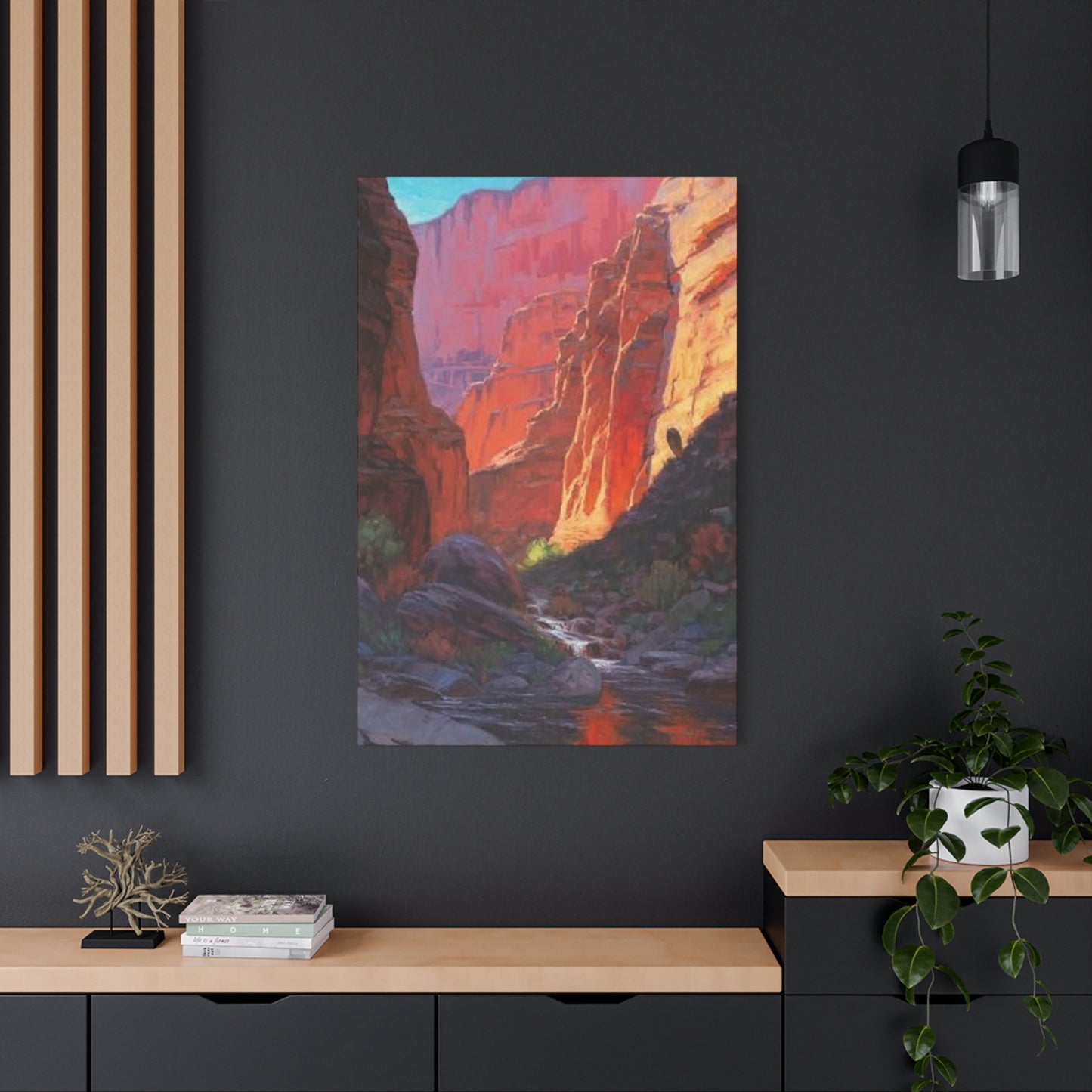


Grand Canyon In Arizona Wall Art & Canvas Prints
Grand Canyon In Arizona Wall Art & Canvas Prints
Couldn't load pickup availability
Breathtaking Grand Canyon In Arizona Wall Art: Discover Perfect Desert Landscape Decorative Pieces For Your Living Areas
The magnificent crimson cliffs and sweeping vistas of one of Earth's most spectacular natural wonders have captivated millions of visitors and art enthusiasts worldwide. When seeking to bring the raw beauty of this geological marvel into your home or office, selecting the right decorative pieces becomes essential. Grand Canyon in Arizona wall art represents more than mere decoration—it embodies the spirit of adventure, natural wonder, and the timeless beauty carved by millions of years of geological processes. This comprehensive exploration delves into every aspect of acquiring, displaying, and appreciating these stunning visual representations of America's iconic southwestern landscape.
Why Decorative Pieces Featuring Arizona's Most Famous Natural Wonder Transform Living Spaces
The decision to incorporate imagery from this spectacular geological formation into your interior design scheme carries profound significance beyond simple aesthetic appeal. These powerful visual elements serve multiple purposes within residential and commercial environments. The vast expanses captured in quality photographic prints or artistic renditions create an immediate sense of spaciousness, particularly valuable in smaller rooms where physical dimensions feel constraining. The warm earth tones—burnt siennas, deep ochres, dusty roses, and sun-bleached whites—naturally complement countless design schemes while introducing organic warmth.
Studies examining human responses to natural imagery reveal fascinating insights about our psychological connections to landscapes. Viewing representations of expansive natural environments triggers specific neural responses associated with stress reduction and mental restoration. The human brain evolved in natural settings, and our cognitive architecture retains deep connections to wild landscapes even in our modern urbanized existence. When you hang a carefully selected print showing the layered rock formations bathed in golden hour light, you're not simply filling wall space—you're creating a visual portal that allows momentary mental escape from daily pressures.
The color palette inherent in canyon imagery offers remarkable versatility for interior designers and homeowners alike. Unlike artwork featuring jarring or unconventional color combinations that limit placement options, the natural earth tones found in these landscapes harmonize with virtually any surrounding palette. Whether your space features cool grays and blues, warm browns and creams, or bold contemporary colors, the balanced natural hues integrate seamlessly. This adaptability makes such pieces excellent long-term investments that remain relevant through multiple design updates and evolving personal tastes.
Beyond individual psychological benefits, these decorative elements serve as powerful conversation starters and memory anchors. Guests invariably notice striking landscape imagery, particularly when depicting recognizable landmarks. For those who've experienced the awe of standing at the rim watching sunrise paint the ancient rocks, a quality print becomes a tangible connection to cherished memories. For those who haven't yet made the pilgrimage, it serves as inspiration and invitation. This dual function—simultaneously honoring past experiences while inspiring future adventures—adds layers of meaning to your decorative choices.
The cultural significance embedded in canyon imagery connects your space to broader narratives about exploration, conservation, and natural heritage. This particular geological wonder holds special status in American consciousness as one of the nation's most treasured natural resources. Displaying imagery from this location subtly communicates values about environmental appreciation, adventure, and connection to the natural world. These unspoken messages contribute to the overall atmosphere you create within your space, influencing how visitors perceive your environment and values.
Exploring Different Artistic Styles And Mediums For Canyon Landscape Decorations
The market for Grand Canyon in Arizona wall art encompasses an extraordinary range of artistic approaches, each offering distinct aesthetic qualities and emotional resonances. Understanding these variations empowers you to select pieces that genuinely reflect your personal taste while complementing your existing decor. Photography remains the most popular medium, ranging from straightforward documentary images to highly manipulated artistic interpretations. Traditional landscape photography captures the geological formations with scientific accuracy, preserving details that allow viewers to examine individual rock layers, vegetation patterns, and atmospheric conditions. These realistic representations appeal to those who value authenticity and wish to feel they're looking through a window onto the actual landscape.
Fine art photography takes the documentary approach several steps further, employing specialized techniques to create images that transcend simple documentation. Photographers working in this realm might shoot during specific lighting conditions—the famous golden hour just after sunrise or before sunset when warm light dramatically enhances the natural colors. Long exposure techniques can smooth rushing water in canyon streams into silky ribbons while keeping rock formations sharp. High dynamic range processing combines multiple exposures to capture the full tonal range from deepest shadows to brightest highlights, producing images that more closely match what the human eye actually perceives on location. Black and white interpretations strip away color to emphasize form, texture, and light, creating dramatically different emotional impacts compared to color versions.
Beyond photography, painted interpretations offer entirely different aesthetic possibilities. Watercolor renditions capture the ephemeral quality of light and atmosphere with soft, flowing edges and translucent layers. The medium's inherent unpredictability introduces organic variations that make each piece genuinely unique. Oil paintings allow for rich, textural surfaces where visible brushstrokes add tactile dimension. Artists working in oils might employ impressionistic approaches that capture the feeling of the landscape rather than photographic accuracy, or hyperrealistic techniques that rival photography's detail. Acrylic paintings split the difference, offering oil painting's versatility with faster drying times and different textural possibilities.
Contemporary artists have embraced mixed media approaches, combining photography with painting, digital manipulation with traditional printmaking, or incorporating unexpected materials. Some create collages using maps, text fragments, and photographic elements to build layered narratives about place and experience. Others work in three dimensions, creating relief sculptures that bring physical depth to canyon scenes. Metal prints offer sleek, modern presentations where the image is infused directly onto aluminum, creating luminous colors and incredible durability. Wood prints embrace rustic aesthetics by printing images directly onto reclaimed barn wood or other weathered lumber, adding organic texture that complements the natural subject matter.
Abstract interpretations distill the canyon's essence into color fields, gestural marks, and simplified forms. These pieces appeal to viewers seeking suggestions of place rather than literal representations. An abstract work might capture the layered quality of sedimentary rock through horizontal bands of color, or convey the sensation of vast space through minimalist compositions. Such pieces offer maximum decorating flexibility since their non-literal nature allows them to complement both representational and abstract artwork in surrounding spaces.
Digital art represents the newest frontier in landscape representation. Artists using digital tools can create entirely imagined viewpoints, combining elements from different locations into impossible perspectives. They might enhance colors beyond natural ranges for emotional impact, or strip images down to essential elements. The distinction between photography and digital painting becomes increasingly blurred as artists combine captured images with digital brushwork, filters, and effects. These hybrid works challenge traditional categorizations while offering fresh perspectives on familiar landscapes.
Understanding the distinctions between limited edition prints, open edition prints, and unique originals helps inform purchasing decisions. Limited editions, numbered and signed by artists, carry inherent value through scarcity. Once the predetermined number of prints sells out, no additional copies will ever be made. Open editions have no such restrictions, making them more affordable but potentially less valuable as collectibles. Original paintings, drawings, and unique photographic prints exist as one-of-a-kind artworks commanding premium prices but offering the satisfaction of owning something truly irreplaceable.
Selecting Appropriate Dimensions And Scale For Maximum Visual Impact
Size selection represents one of the most critical decisions when acquiring Grand Canyon in Arizona wall art, yet many purchasers underestimate its importance until after installation reveals mismatches between artwork and space. The relationship between print dimensions and wall space profoundly affects visual impact and overall room balance. Landscape imagery particularly benefits from generous sizing that allows viewers to feel immersed in the scene rather than merely observing it from a distance. When depicting vast spaces like canyon vistas, overly small prints can feel disappointingly diminutive, failing to capture the grandeur that makes the actual location so impressive.
Professional interior designers typically recommend artwork occupy roughly sixty to seventy-five percent of the available wall space above furniture pieces. For a sofa measuring eighty inches wide, this suggests artwork spanning approximately forty-eight to sixty inches. However, this guideline requires adjustment based on numerous factors including ceiling height, room proportions, and surrounding elements. In rooms with tall ceilings, vertically oriented pieces or multiple stacked pieces help draw the eye upward, emphasizing architectural height. Horizontal orientations work beautifully above low furniture, emphasizing width and creating grounding effects.
The distance from which viewers typically observe the artwork should influence size selection. In large open living areas where people view walls from across the room, larger pieces remain visible and impactful. Smaller prints might disappear from such distances, failing to contribute meaningfully to the overall design. Conversely, in narrow hallways or small offices where viewing happens at close range, moderately sized pieces allow comfortable viewing without overwhelming the intimate space. Consider creating mockups using craft paper cut to various dimensions and temporarily hung to visualize how different sizes will actually appear in your specific environment before making final purchases.
Grouping multiple pieces creates opportunities to fill larger wall expanses while maintaining flexibility and visual interest. Triptychs—three related panels designed to hang together—offer particularly effective solutions for canyon landscapes. The format naturally accommodates the horizontal expansiveness of canyon vistas while creating visual rhythm through the divisions between panels. Five-piece arrangements provide even more dramatic impact, with a large central image flanked by four smaller coordinating pieces. These multi-panel presentations work especially well in contemporary spaces where they contribute to clean, organized aesthetics.
Gallery walls incorporating multiple images of varying sizes offer another approach, though they require more careful planning to achieve pleasing balance. When creating gallery arrangements featuring canyon imagery, consider mixing different perspectives, focal lengths, and times of day to create visual variety within the cohesive theme. Include some vertical and some horizontal orientations to create dynamic tension. Templates available from various retailers help plan gallery arrangements by providing full-size paper outlines you can temporarily attach to walls, experimenting with configurations before drilling holes.
Unconventional sizes sometimes create the most memorable impacts. Panoramic formats—extremely wide but relatively short—perfectly suit canyon landscapes' natural horizontal expansiveness. A panoramic print measuring sixty inches wide by twenty inches tall captures sweeping vistas in formats that mirror how we actually perceive these spaces when standing at the rim. Square formats offer pleasing symmetry and work particularly well for close-up details like weathered rock textures or isolated formations. Vertical orientations highlighting the canyon's depth from rim to river bottom emphasize the dramatic elevation changes that make this landscape so remarkable.
Physical weight considerations become important with larger pieces, particularly when hanging on walls not backed by solid framing members. Substantial frames and glass for oversized prints create considerable weight requiring appropriate hardware. Frameless canvas wraps offer lighter alternatives while providing borderless presentations where imagery extends around the edges. Metal prints provide remarkable durability and vibrant colors in relatively lightweight formats suitable for even the largest sizes. Acrylic face-mounted prints offer gallery-quality presentations with exceptional clarity but require robust hanging systems to support their considerable weight.
Material Choices And Presentation Formats For Long-Lasting Visual Appeal
The substrate and presentation method you select significantly impacts both the immediate visual impression and long-term durability of your Grand Canyon in Arizona wall art. Canvas remains perhaps the most popular choice for landscape photography and painting reproduction, offering several distinct advantages. The textured surface adds tactile interest and organic quality that complements natural subjects. Canvas wraps—where the image extends around the frame edges—create frameless presentations with clean, contemporary appeal. The material's relative lightness makes hanging straightforward, and high-quality canvas prints can last decades when properly cared for. However, canvas surfaces can accumulate dust and require occasional gentle cleaning with specialized products to maintain their appearance.
Paper prints represent the traditional choice for fine art photography, available in numerous surface finishes from glossy to matte, each creating different effects. Glossy surfaces maximize color saturation and contrast, producing vibrant, eye-catching results. However, glossy prints can create distracting reflections depending on lighting conditions and viewing angles. Matte finishes eliminate reflections while creating sophisticated, understated presentations that allow the image itself to take center stage without surface distractions. Semi-gloss or luster finishes split the difference, offering enhanced colors compared to matte while minimizing reflections relative to full gloss.
The paper itself comes in various compositions affecting longevity and appearance. Standard photographic papers work well for general purposes and remain affordable. Archival papers manufactured with acid-free materials and lightfast inks resist fading and deterioration over extended periods, essential for serious collectors or valuable pieces. Fine art papers including cotton rag, watercolor paper, and specialty textured stocks add artistic character while providing museum-quality archival properties. The paper choice subtly but meaningfully affects how viewers perceive the image, with smooth papers emphasizing photographic precision while textured papers add handcrafted, artistic qualities.
Metal prints have surged in popularity over recent years, offering numerous advantages for landscape imagery. The process infuses dyes directly into specially coated aluminum sheets, creating incredibly durable, waterproof prints with exceptional color vibrancy and contrast. The metal substrate naturally produces luminous quality particularly flattering to images featuring bright skies and dramatic lighting. The sleek, frameless presentation suits contemporary spaces beautifully. Metal prints require no glass, eliminating glare issues while reducing weight compared to traditionally framed prints. The material withstands humidity and temperature variations better than paper or canvas, making metal prints excellent choices for challenging environments including bathrooms, kitchens, or outdoor covered areas.
Acrylic face-mounting produces stunning gallery-quality presentations where prints are laminated to rigid backing boards then covered with thick acrylic sheets. The acrylic layer creates remarkable depth and three-dimensional quality, making images appear almost holographic. Colors gain incredible vibrancy and detail becomes startlingly sharp. These premium presentations command attention in any space and provide superior protection for valuable prints. However, acrylic-mounted pieces are quite heavy and expensive, making them significant investments best reserved for important spaces or particularly meaningful images.
Wood prints embrace rustic, organic aesthetics by printing directly onto lumber surfaces. The wood grain remains visible through the image, creating unique effects where natural material patterns interact with the printed imagery. Reclaimed barn wood, cedar planks, and birch panels each create different character. Wood prints work particularly well for canyon imagery since both subject and substrate connect to natural, outdoor themes. The presentation requires no framing, with rough or finished edges contributing to the handcrafted appeal. However, wood as an organic material can warp or crack with extreme humidity or temperature changes, requiring consideration of placement locations.
Framing options range from simple gallery frames to elaborate custom options, each dramatically affecting the final presentation. For canyon landscapes, frame selection should enhance rather than compete with the imagery. Natural wood frames in warm tones complement the earth colors in canyon scenes while reinforcing connections to natural environments. Simple black frames create clean, contemporary presentations that allow the imagery to dominate viewer attention. White frames brighten presentations and work well in coastal, farmhouse, or Scandinavian-inspired spaces. Metal frames suit industrial or ultra-modern settings. Custom framing allows precise control over every element including frame material, width, color, mat selection, and glazing type, though costs escalate quickly with customization.
Matting—the border material between the image and frame—serves both practical and aesthetic purposes. Mats create visual breathing room, preventing images from feeling cramped within frames. They also physically separate prints from glazing, preventing moisture-related damage. Mat colors should complement both the image and surrounding decor, with cream and white remaining classic choices for their versatility. Colored mats can draw out specific tones within the image, though careful selection prevents overwhelming the artwork. Multiple mat layers with different colors create sophisticated presentations, though this approach works best for traditional or transitional spaces rather than minimalist contemporary settings.
Glass selection impacts both the viewing experience and print protection. Standard glass provides basic protection while remaining affordable. UV-protective glass filters harmful ultraviolet light that causes fading, essential for prints receiving direct sunlight or displayed long-term. Non-reflective or museum glass incorporates special coatings that virtually eliminate reflections, creating viewing experiences where glass becomes nearly invisible. This premium glazing option makes substantial differences in spaces with challenging lighting but costs significantly more than standard alternatives.
Strategic Placement Strategies To Maximize Decorative Impact Throughout Your Home
Location selection ultimately determines whether your Grand Canyon in Arizona wall art achieves its full decorative potential or languishes as overlooked background elements. The living room typically serves as the primary social space in homes, making it an obvious choice for statement pieces. Above the sofa represents perhaps the most common placement, creating a focal point immediately visible upon entering the room. However, this conventional approach shouldn't limit your creativity. Consider placing significant pieces on walls opposite seating areas so they're visible while relaxing. This positioning invites contemplation during quiet moments rather than requiring neck-craning to view art directly above your head.
In open-concept spaces combining living, dining, and kitchen areas, carefully placed artwork helps define distinct zones within the continuous space. A substantial canyon landscape piece positioned between living and dining areas creates visual separation while maintaining the open feeling. The artwork essentially functions as a non-structural divider, psychologically demarcating different functional zones without physical barriers. This approach maintains sight lines and spatial flow while providing each area with distinct identity.
Dining rooms benefit from artwork that sparks conversation without overwhelming diners. Canyon imagery brings natural beauty into formal dining spaces, creating relaxed, welcoming atmospheres. The warm earth tones found in these landscapes complement food presentation and stimulate appetite through their organic, grounding qualities. Position pieces where all diners can enjoy them rather than placing them behind where hosts sit, ensuring your carefully selected artwork enhances everyone's dining experience.
Bedroom placement requires particular consideration since this intimate, personal space should promote relaxation and restorative rest. Canyon landscapes above the bed create soothing focal points visible upon waking and before sleep. The natural imagery supports circadian rhythms and mental transitions into rest states. However, avoid overstimulating images featuring dramatic weather or intense colors that might energize rather than calm. Instead, select serene sunrise or sunset scenes with soft, warm light that promotes relaxation. Alternatively, position artwork on walls facing the bed where you can comfortably view it while lying down without craning your neck.
Home offices increasingly blur boundaries between professional and personal spaces, particularly as remote work becomes more common. Canyon artwork in office environments provides valuable mental breaks during intense work periods. Research confirms that brief exposure to natural scenes improves focus, creativity, and problem-solving abilities. Position artwork within easy viewing range from your desk—across the room at approximately eye level when seated. During moments of mental fatigue or creative blocks, shifting your gaze to the expansive landscape imagery allows your mind to reset before returning to tasks with renewed mental clarity.
Hallways and entryways represent underutilized spaces with significant decorative potential. These transitional areas create first impressions for guests while connecting different rooms. Gallery arrangements featuring multiple canyon images of varying sizes work particularly well in corridors, transforming otherwise neglected spaces into purposeful displays. Stagger placement heights to create visual interest and draw the eye along the hallway's length rather than clustering everything at identical heights. In entryways, a striking canyon landscape immediately establishes your home's aesthetic character while welcoming guests with dramatic natural beauty.
Bathrooms might seem unconventional for valuable artwork, but properly protected pieces can transform these utilitarian spaces into spalike retreats. Metal prints or sealed canvas pieces withstand humidity that would damage traditional paper prints. Positioning canyon landscapes in bathrooms creates unexpected moments of beauty during daily routines. The natural imagery contributes to the relaxation and restoration associated with bathing rituals. Ensure adequate ventilation to minimize moisture exposure, and avoid placing any artwork directly above bathtubs or showers where they'd receive constant steam exposure.
Staircases offer dramatic display opportunities often overlooked. The ascending wall alongside stairs provides substantial vertical space perfect for creating impactful arrangements. Consider ascending size arrangements where pieces grow larger as the staircase rises, creating dynamic movement that complements the stairs themselves. Alternatively, install a series of related images at consistent intervals, creating rhythm as viewers ascend or descend. The forced perspective as you climb stairs creates viewing angles impossible on flat walls, adding dimension to how you experience the artwork.
Color Coordination Techniques For Seamless Interior Design Harmony
Successfully incorporating Grand Canyon in Arizona wall art into existing design schemes requires thoughtful consideration of color relationships. While the natural earth tones inherent in canyon imagery offer remarkable versatility, intentional color coordination elevates these pieces from mere wall decorations to fully integrated design elements. Begin by identifying the dominant colors within your selected artwork—typically warm reds, oranges, browns, and tans, often punctuated by blue skies or shadows. These colors should inform your broader decorating decisions, creating cohesive relationships throughout the space.
The complementary color approach pairs the warm earth tones with cool blues and greens, creating dynamic contrast and visual interest. Canyon landscapes naturally include blue sky elements, providing built-in opportunities for cool color accents throughout your space. Incorporate blue throw pillows, blankets, or decorative objects to echo sky colors in your artwork. This creates subconscious connections where viewers' eyes travel naturally between the artwork and complementary elements, producing integrated, harmonious environments. The cool-warm contrast prevents spaces from feeling monotonous while maintaining overall cohesion.
Analogous color schemes use colors adjacent on the color wheel, creating harmonious, cohesive environments. Canyon artwork dominated by reds, oranges, and browns pairs beautifully with similar warm tones throughout the space. Layer various shades of terracotta, rust, caramel, and cream in upholstery, window treatments, and accessories. This approach creates enveloping, warm environments particularly suitable for living rooms, bedrooms, and other spaces prioritizing comfort and relaxation. The key to preventing blandness lies in varying tones, shades, and textures while maintaining the warm color family.
Neutral palettes provide sophisticated backdrops allowing canyon artwork to serve as primary color sources. Rooms decorated predominantly in grays, whites, blacks, and soft beiges create calm, uncluttered environments where colorful artwork makes maximum impact. This approach works beautifully in contemporary or minimalist spaces where visual simplicity takes priority. The neutral surroundings essentially function as gallery walls, allowing your carefully selected landscape pieces to command full attention without competing elements. Introduce subtle warm undertones in your neutrals—greige rather than stark gray, warm white rather than cool white—to harmonize with the warm earth tones in canyon imagery.
Monochromatic schemes based on a single color family create sophisticated unity. If your canyon artwork features predominantly red rock formations, carry various shades of red, pink, and rust throughout the space. Layer light blush walls with deeper terracotta accents and rich burgundy accessories. This creates depth through tonal variation while maintaining overall color cohesion. The artwork becomes both focal point and color inspiration, demonstrating intentional, thoughtful design rather than haphazard decoration.
Accent walls painted in colors drawn directly from your artwork create powerful visual connections. Identify a secondary or accent color in your piece—perhaps a dusky purple from shadowed crevices or a warm coral from sunrise-lit cliffs—and use it for a feature wall. This bold approach requires confidence but produces striking results, transforming artwork from decoration into genuine design anchor. The painted wall and artwork essentially merge into unified statements, each enhancing the other.
Metallic accents provide transitional elements bridging colors and styles. Copper, bronze, and warm gold naturally complement canyon imagery's earth tones while adding reflective sophistication. Picture frames with metallic finishes create literal frames for this color concept. Metallic lamps, vases, or decorative objects scattered throughout the space pick up light and create visual interest while harmonizing with warm landscape colors. Silver and cool-toned metallics work less effectively with canyon imagery unless your specific piece includes significant cool-toned elements.
Natural materials echo the organic origins of canyon landscapes while adding complementary textures. Wood furniture in warm honey or rich walnut tones harmonizes beautifully with canyon artwork. Stone elements—slate, travertine, or sandstone—connect to the geological subject matter while introducing tactile variety. Natural fiber textiles like jute, sisal, linen, and cotton maintain organic authenticity without introducing conflicting patterns or artificial colors. Leather upholstery in caramel, tan, or cognac shades brings luxury while maintaining the warm, natural palette.
Finding Quality Pieces From Reputable Sources And Skilled Artists
Acquiring Grand Canyon in Arizona wall art requires navigating various marketplaces and understanding quality indicators that separate exceptional pieces from mediocre productions. The proliferation of online retailers makes canyon imagery more accessible than ever, though this abundance also increases the likelihood of purchasing disappointing products. Developing discernment skills protects your investment while ensuring genuine satisfaction with your purchase.
Artist reputation represents perhaps your most reliable quality indicator. Established landscape photographers and painters build reputations over years through consistent quality, satisfied customers, and recognition within artistic communities. Research potential artists by examining their portfolios, reading reviews, and investigating their credentials. Photographers who've won awards from prestigious organizations, exhibited in galleries, or published in respected publications demonstrate proven skill. Painters trained at recognized art schools or represented by established galleries similarly validate their abilities. While emerging artists certainly create wonderful work, established creators offer more predictable quality.
Print quality varies dramatically based on equipment, materials, and processes. Professional printmaking requires specialized equipment far superior to consumer desktop printers. Look for descriptions mentioning archival inks, high-resolution files, color-calibrated workflows, and premium substrates. Giclée printing, originally developed for fine art reproduction, produces museum-quality results with incredible detail and longevity. Twelve-color printers create subtle tonal gradations impossible with standard four or six-color consumer devices. When examining product descriptions, these technical details indicate commitment to quality worth seeking out.
Sample or proof viewing before purchasing significant pieces minimizes disappointment. Some artists and galleries offer smaller proof prints allowing you to evaluate color, detail, and overall quality before committing to large, expensive versions. Others provide extremely detailed online previews or even video walk-throughs showing prints from multiple angles under various lighting conditions. These opportunities to evaluate pieces before purchase significantly reduce the risk of buyers' remorse after investing in substantial artwork.
Return policies and guarantees provide important safety nets when purchasing artwork sight-unseen. Reputable sellers confident in their products typically offer satisfaction guarantees and straightforward return processes. Read the fine print carefully, noting any restocking fees, return shipping responsibilities, or time limitations. Companies standing behind their products demonstrate confidence in quality and commitment to customer satisfaction. Conversely, restrictive return policies or no returns on custom work might indicate quality concerns or unreasonable business practices.
Price relationships to size and complexity provide reality checks on value propositions. Extremely low prices for large pieces often indicate inferior materials, outdated equipment, or inexperienced creators. Quality materials alone cost substantial amounts before considering artistic skill, equipment investments, and time requirements. While everyone appreciates value, prices substantially below market rates deserve skepticism. Conversely, astronomical prices don't automatically guarantee superior quality—established artists command premium prices, but lesser-known creators sometimes attempt charging similar amounts despite lacking comparable skills or reputations.
Limited editions offer benefits for collectors interested in value retention or eventual appreciation. When artists limit production to specific numbers—often between ten and several hundred copies—scarcity creates inherent value. Each print includes numbering indicating its place within the edition plus the total edition size, for example "15/100" meaning the fifteenth print from an edition of one hundred. Artists sign limited editions, adding provenance and authenticity documentation. Once the edition sells out, no additional prints will ever be made, potentially increasing value as demand exceeds the fixed supply. Open editions have no such restrictions, remaining available indefinitely at generally lower prices reflecting unlimited availability.
Provenance documentation—the ownership history and authenticity proof—becomes increasingly important for valuable pieces. Certificates of authenticity issued by artists or galleries verify that pieces genuinely come from claimed sources. These documents should include the artist's signature, edition information if applicable, print date, and other relevant details. For original paintings or unique works, provenance becomes even more critical, potentially including exhibition history, previous owners, and authentication from recognized experts. Maintain these documents carefully as they're essential for insurance, resale, or estate purposes.
Local art galleries, museum shops, and juried art festivals provide opportunities to examine pieces in person before purchasing while supporting regional artists. This direct evaluation eliminates guesswork about colors, scale, and quality while building relationships with creators and galleries. Many artists attend exhibitions of their work, offering opportunities to discuss their creative processes, vision, and specific pieces. These personal connections add meaning to acquisitions, transforming purchases from mere transactions into relationships with individuals who created your artwork.
Online marketplaces specializing in fine art photography and prints aggregate thousands of artists and millions of images, offering overwhelming selection alongside sophisticated search and filtering tools. These platforms typically maintain quality standards, vetting artists and monitoring customer feedback. Reading reviews from previous purchasers provides valuable insights into print quality, shipping practices, and customer service. However, the sheer volume of options can feel overwhelming, requiring patience and discernment to identify pieces genuinely meeting your standards.
Proper Hanging Methods And Display Hardware For Secure Placement
Correct hanging procedures ensure your Grand Canyon in Arizona wall art remains securely mounted while preserving wall surfaces and enabling future repositioning if desired. The frustration of improperly hung artwork ranges from slightly crooked pieces to catastrophic failures where heavy frames crash down, potentially causing injury and certainly damaging both artwork and walls. Investing time in proper hanging techniques prevents these unfortunate outcomes while ensuring your carefully selected pieces present at their best.
Wall composition significantly affects hanging strategies. Drywall, the most common interior wall material, requires specific hardware since its relatively soft, crumbly composition can't support much weight without reinforcement. For lightweight pieces under twenty pounds, simple nails driven at forty-five-degree angles provide adequate support. Hardened steel picture hanging nails with angled heads resist pulling out better than standard nails. For moderately heavy pieces between twenty and fifty pounds, threaded wall anchors dramatically increase weight capacity. These plastic or metal devices expand behind the drywall surface, distributing weight across larger areas.
Studs—the vertical wooden beams comprising wall framing—provide the most secure mounting points. Screws driven into studs support virtually unlimited weight since they're anchored into solid lumber rather than fragile drywall. Electronic stud finders detect these framing members hidden behind wall surfaces, though their accuracy varies. Magnetic stud finders locate nails securing drywall to studs, offering more reliable though slower detection. Once you've located a stud, mark its position clearly and plan your hanging to take advantage of this secure mounting location.
French cleats create professional-quality hanging systems ideal for heavy pieces or situations where you might occasionally remove artwork. This system uses two interlocking wooden strips—one mounted to the wall, one attached to the artwork back—that hook together securely. The wall-mounted strip screws directly into studs for maximum security. The artwork strip mounts to the frame or backing board, creating a recessed edge that catches the wall strip when lowered into position. French cleats distribute weight along their entire length, provide theft deterrence since artwork can't simply lift off the wall, and allow perfect leveling by sliding pieces sideways before tightening.
Hanging wire versus D-rings represents another significant decision affecting both security and presentation. Hanging wire attaches to D-rings or screw eyes on the frame sides, creating a flexible connection point. The wire's center hangs over a wall hook or nail, with the frame's weight pulling the wire taut. This system offers forgiving installation since precise placement becomes less critical—the wire adjusts to the hook position. However, wire allows artwork to hang away from walls, creating gaps where air circulates and dust accumulates. Wire also permits sideways movement, requiring occasional straightening.
D-rings mounted directly to frame backs near the top corners eliminate wire disadvantages. Artwork hangs flush against walls and remains firmly positioned without sideways drift. However, D-ring hanging requires much more precise placement—you must position two wall hooks exactly matching the D-ring spacing and height. Any measurement errors result in crooked, unstable hanging requiring hardware removal and wall repair before starting over. The precision requirement makes D-ring hanging more challenging but worthwhile for important pieces deserving museum-quality presentation.
Leveling tools ensure horizontal accuracy essential for professional results. Small bubble levels placed on frame tops or ledges show when pieces hang perfectly level. Phone apps using accelerometer sensors provide convenient leveling tools always available in your pocket. Laser levels project perfectly straight lines on walls, enabling precise positioning of multiple pieces at identical heights or creating perfectly aligned gallery arrangements. Take your time during leveling—rushing leads to pieces hanging slightly askew, continually drawing attention to the misalignment rather than the artwork itself.
Measuring and marking systems prevent costly mistakes. Create paper templates matching your artwork dimensions, temporarily tape them to walls, and evaluate positioning before drilling any holes. This zero-commitment approach allows experimentation with various positions and combinations until you achieve perfect placement. Mark final positions clearly using pencil—light enough to erase if needed, dark enough to see clearly while working. Measure twice, drill once remains wisdom worth following religiously when hanging valuable artwork.
Picture rail systems, common in older homes, offer flexible hanging alternatives avoiding wall damage entirely. These decorative moldings installed near ceiling height incorporate notches or lips accepting special hooks. Cables or rods suspend from these hooks, with artwork hanging from the cables at desired heights. Modern cable systems bring similar flexibility to contemporary spaces, using thin steel wires suspended from ceiling- or wall-mounted tracks. Artwork clips attach at any point along the cables, allowing infinitely adjustable positioning without drilling new holes.
Weight distribution considerations become critical with large or heavy pieces. A single central attachment point creates stress concentrations possibly leading to failure. Multiple attachment points spread loads more safely. For very heavy pieces, consider both top attachment and bottom stabilization preventing the artwork from tilting away from the wall and potentially pulling anchors loose. Small bumpers—adhesive rubber dots—positioned at frame corners prevent direct wall contact, protecting both wall surfaces and frame finishes while allowing air circulation preventing moisture issues.
Protecting Your Investment Through Proper Care And Environmental Management
Once you've invested in quality Grand Canyon in Arizona wall art and carefully positioned it for maximum impact, protecting your investment becomes paramount. Environmental factors invisibly but relentlessly attack artwork, causing gradual degradation that ultimately compromises appearance and value. Understanding these threats and implementing protective measures ensures your pieces remain vibrant and beautiful for generations.
Light exposure represents perhaps the most significant threat to artwork longevity. Both natural sunlight and artificial lighting contain ultraviolet radiation that breaks down pigments, inks, and substrate materials. The fading occurs so gradually you might not notice daily changes, but compare a protected piece to one exposed to direct sunlight for several years and the difference shocks. Ultraviolet damage proves irreversible—once pigments break down, no restoration can recover original colors. Position valuable pieces away from windows receiving direct sun, or install UV-filtering window treatments. UV-protective glazing on framed pieces provides additional protection, filtering harmful wavelengths while allowing visible light passage.
Even in the absence of UV radiation, excessive light exposure causes gradual fading through photooxidation. High-intensity lighting, whether from direct sun or powerful artificial sources, accelerates this process. Gallery and museum standards recommend lighting artwork at relatively low levels—fifty to one hundred fifty lux for particularly sensitive materials. While most homes lack light meters for measuring lux values, the principle remains valuable: avoid spotlighting artwork with intense, focused beams. Diffuse, moderate lighting preserves pieces while providing adequate visibility.
Humidity fluctuations pose significant risks, particularly to paper-based artwork. High humidity encourages mold growth, foxing—those brown spots appearing on old paper—and general deterioration. Paper absorbs moisture from humid air, expanding dimensionally. When humidity drops, paper contracts, creating internal stresses that eventually cause warping, cockling, or tearing. Canvas similarly responds to humidity changes, tightening when dry and slackening when moist. These dimensional changes stress the painted surface, potentially causing cracking. Maintaining stable relative humidity between forty and sixty percent protects artwork effectively. Dehumidifiers in damp climates and humidifiers in arid regions help maintain stable conditions.
Temperature stability proves equally important. Heat accelerates chemical degradation processes affecting pigments, substrates, and adhesives. Extreme cold can make materials brittle and prone to cracking. More problematically, temperature fluctuations drive humidity changes—warm air holds more moisture than cold air, so temperature swings create corresponding humidity variations with their attendant problems. Position artwork away from heating vents, fireplaces, and exterior walls experiencing extreme temperature variations. Maintain reasonably stable indoor temperatures year-round.
Physical damage from impacts, abrasion, or handling requires awareness and prevention. Glazed frames protect artwork from direct contact damage while making cleaning easier—dust the glass rather than the artwork itself. Unglazed canvas and metal prints accumulate surface dust requiring periodic gentle cleaning with microfiber cloths or specialized products.
Conclusion
The Grand Canyon in Arizona is a natural wonder that captivates the imagination with its vast landscapes, dramatic rock formations, and stunning views. When translated into wall art, this iconic desert landscape can bring the awe-inspiring beauty of the canyon into your home, transforming your living space with a sense of adventure, grandeur, and natural elegance. Breathtaking Grand Canyon wall art not only captures the grandeur of the canyon but also evokes the deep history, rich colors, and breathtaking vistas that define this remarkable place.
Grand Canyon wall art is more than just a decorative piece; it is an invitation to explore the raw, untamed beauty of nature. The layers of red, orange, and gold that stretch across the canyon’s cliffs come alive in these artworks, offering a vibrant, dynamic display of colors that can enhance any space. Whether you choose a panoramic view that stretches across your wall or a more intimate, focused portrayal of the canyon’s details, this art brings the power and beauty of the desert landscape directly into your home. It’s a powerful reminder of nature's awe-inspiring ability to shape and transform the world around us.
One of the most compelling aspects of Grand Canyon wall art is its versatility. The breathtaking scale and dramatic beauty of the canyon can fit seamlessly into a wide range of home décor styles. Whether your home has a modern, minimalist vibe, or it embraces rustic, earthy tones, Grand Canyon art can become the perfect focal point in any room. The warm tones of the canyon complement natural wood furniture, while the sweeping vistas create a sense of openness that pairs well with contemporary or industrial design. Even in more traditional or coastal spaces, the art can add an element of surprise and beauty, breaking up neutral palettes with its vibrant hues and striking compositions.
Incorporating Grand Canyon wall art into your living space also brings a sense of peace and tranquility. Despite its vastness and ruggedness, the Grand Canyon is often a place that evokes quiet contemplation. It is a space where the beauty of the landscape and the silence of the desert come together to inspire awe and reflection. Having a piece of this serenity on your walls can help create a calming atmosphere in your home, whether it’s displayed in a living room, bedroom, or office. The scale and perspective offered by Grand Canyon art can make even the smallest spaces feel larger and more open, bringing a sense of vastness and freedom into your everyday life.
Beyond its visual impact, Grand Canyon wall art also connects you with the spirit of adventure and the wonder of the natural world. For many, visiting the Grand Canyon is a life-changing experience, and having art that represents this powerful place brings that sense of connection to your home. It reminds you of the incredible scale of nature, the importance of preserving these landscapes, and the sense of exploration that is inherent in the human spirit. For those who have visited the canyon, this art serves as a nostalgic reminder of the beauty they encountered. For others, it acts as an invitation to dream of future adventures and the awe-inspiring places still to be discovered.
In conclusion, Grand Canyon Arizona wall art is an incredible way to bring the stunning beauty and natural majesty of this desert landscape into your home. With its vivid colors, dramatic scenes, and timeless appeal, it is the perfect addition to any space seeking to evoke a sense of wonder and tranquility. Whether you are drawn to the canyon’s iconic views, the delicate play of light and shadow, or the rich history embedded in its rock layers, this wall art transforms any room into a captivating and peaceful retreat. The Grand Canyon, through its art, becomes a constant source of inspiration, beauty, and awe in your living space.
Share