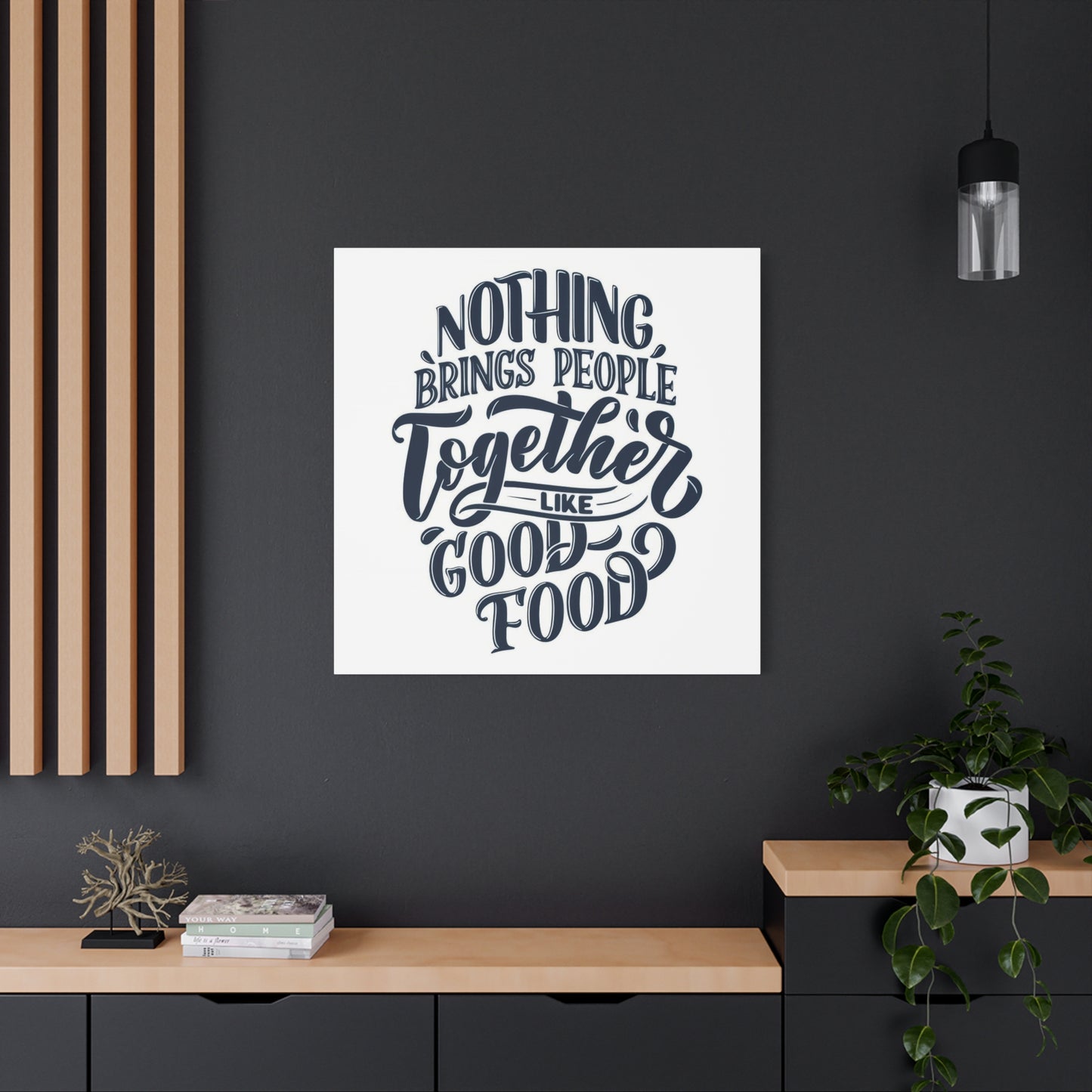


Good Food Brings People Together Wall Art & Canvas Prints
Good Food Brings People Together Wall Art & Canvas Prints
Couldn't load pickup availability
Celebrating Connection Through Good Food Brings People Together Wall Art and Culinary Bonding in Modern Living Spaces
The profound truth that meals shared around a table create lasting bonds has resonated through generations, cultures, and continents. When we incorporate visual reminders like good food brings people together wall art into our homes, we're not merely decorating empty spaces—we're making powerful statements about our values, priorities, and the role that communal dining plays in our daily existence. This comprehensive exploration delves into the multifaceted dimensions of how culinary gathering spaces, enhanced by meaningful décor, shape our relationships, transform our environments, and reinforce the timeless ritual of breaking bread with those we cherish.
The Profound Significance of Shared Meals in Building Lasting Human Relationships
Throughout civilization's lengthy chronicle, the act of consuming nourishment together has transcended mere biological necessity. When individuals gather around tables laden with sustenance, something magical transpires—barriers dissolve, conversations flow freely, and genuine connections form. The presence of good food brings people together wall art in dining areas serves as a constant reminder of this ancient practice, anchoring modern households to traditions that have sustained communities for millennia.
Research spanning decades has revealed fascinating patterns about communal eating. Families who regularly share meals report stronger emotional bonds, better communication patterns, and deeper understanding of one another's lives. Children raised in households where dinner conversation is prioritized demonstrate higher academic performance, improved vocabulary development, and greater emotional intelligence compared to their peers who eat in isolation or while distracted by screens.
The neurological aspects of shared dining are equally compelling. When humans eat together, their brains release oxytocin—the same hormone associated with bonding, trust, and affection. This biochemical response explains why business deals are sealed over lunch, romantic relationships deepen during candlelit dinners, and friendships solidify during casual brunches. The simple act of passing dishes, sharing flavors, and engaging in conversation while eating activates neural pathways that strengthen social cohesion.
Cultural anthropologists have documented that nearly every society on Earth has developed rituals around communal eating. From elaborate feasts marking seasonal celebrations to simple daily gatherings, these practices demonstrate humanity's innate understanding that nourishment feeds both body and soul. When we hang good food brings people together wall art in our kitchens or dining rooms, we're participating in this global tradition, acknowledging that our homes are sanctuaries where relationships are nurtured through shared meals.
The timing of when families eat together also matters significantly
Evening meals, in particular, provide crucial opportunities for family members to decompress from their separate daytime activities, share experiences, and reconnect. Parents gain insights into their children's challenges and triumphs, while younger family members learn adult perspectives and problem-solving approaches. These exchanges, facilitated by the neutral, positive setting of a meal, create frameworks for ongoing dialogue that extend far beyond the dining table.
Interestingly, the quality of conversation during meals often surpasses that of other family interactions. Perhaps because everyone is seated, relaxed, and engaged in the pleasant activity of eating, guards come down and authentic communication emerges. Difficult topics become more approachable when discussed over comforting food, celebrations feel more joyful when toasted with clinking glasses, and everyday stories gain significance when shared with attentive listeners gathered around a table.
The physical setup of dining spaces influences these interactions considerably. Tables positioned centrally in homes naturally draw people together, while thoughtfully chosen décor—including good food brings people together wall art—sets intentions for how these spaces will be used. When we deliberately create environments that celebrate communal eating, we're more likely to prioritize gathering times, resist the pull of individual devices, and invest effort into making meals special occasions rather than rushed necessities.
Sociological studies have traced concerning trends in recent decades showing declining rates of family meals correlating with increases in various social problems. As households become more fragmented, with members eating at different times or in separate rooms, the cohesive bonds that once characterized family units begin to fray. Recognizing this pattern, many families are now intentionally reclaiming the dinner hour, turning off televisions, silencing phones, and rededicating themselves to the practice of eating together—a commitment often reinforced by meaningful décor that keeps these values visually present.
Exploring Diverse Design Styles That Complement Kitchen and Dining Room Aesthetics
Selecting artwork for spaces where meals are prepared and consumed requires thoughtful consideration of existing décor, color schemes, and the overall atmosphere you wish to create. Good food brings people together wall art comes in remarkably diverse styles, ensuring that every household can find pieces that resonate with their personal aesthetic while conveying the universal message about communal dining's importance.
Rustic farmhouse designs have surged in popularity, characterized by weathered wood backgrounds, distressed finishes, and typography that evokes hand-painted signs from earlier eras. These pieces typically feature warm earth tones—creamy whites, soft grays, and muted browns—that create cozy, welcoming atmospheres. The rustic aesthetic particularly suits country homes, cottages, and urban apartments seeking to incorporate natural elements into contemporary settings. When good food brings people together wall art adopts this style, it feels like a cherished heirloom passed down through generations, connecting present-day meals to those shared by ancestors.
Modern minimalist interpretations offer stark contrast with clean lines, simplified typography, and monochromatic or limited color palettes. These designs appeal to households favoring uncluttered spaces where every element serves a purpose and nothing feels excessive. A minimalist piece proclaiming the power of shared meals might feature sleek sans-serif fonts on pure white backgrounds with single accent colors, creating sophisticated statements that don't overwhelm surrounding décor. This approach particularly suits contemporary lofts, Scandinavian-inspired interiors, and spaces where simplicity and functionality reign supreme.
Industrial aesthetics incorporate metal elements, exposed brick textures, and raw materials that celebrate utilitarian beauty. Good food brings people together wall art in industrial styles might feature metal frames, distressed backgrounds suggesting aged warehouse walls, or typography mimicking vintage signage. These pieces work exceptionally well in converted lofts, urban apartments with exposed architectural elements, and homes blending old and new design principles. The industrial approach adds edge and character while maintaining the heartfelt message about communal dining.
Vintage and retro designs draw inspiration from specific decades, most commonly the 1950s through 1970s. These pieces might incorporate period-appropriate color schemes—think avocado green, harvest gold, or vibrant oranges—along with fonts and graphic elements characteristic of mid-century advertising. Nostalgia plays powerfully here, evoking memories of grandmother's kitchen or family gatherings from childhood. When executed skillfully, vintage-style artwork celebrating shared meals creates warmth and familiarity while serving as conversation starters about how dining customs have evolved across generations.
Bohemian or eclectic approaches embrace mixing patterns, colors, and textures in ways that feel artfully unconventional
These designs might combine hand-lettered scripts with watercolor backgrounds, pressed botanical elements, or mixed media incorporating fabric, beads, or other dimensional materials. Good food brings people together wall art in bohemian styles suits free-spirited households that resist rigid design rules, preferring instead to curate spaces reflecting diverse influences and personal travels. The eclectic approach celebrates individuality while honoring the universal truth about meals creating connections.
Coastal and nautical themes work beautifully in beach homes, lake houses, or any space seeking to evoke waterside serenity. These designs typically feature maritime colors—navy blues, crisp whites, sandy beiges, and seafoam greens—sometimes incorporating rope textures, anchor motifs, or weathered driftwood frames. The message about food gathering people resonates particularly well in coastal settings where outdoor grilling, pier picnics, and communal seafood feasts are cherished traditions. Such artwork reminds residents and guests that the most memorable meals often happen with sand between toes and salt in the air.
Traditional and classic styles draw from formal dining room aesthetics, incorporating elegant fonts, refined color palettes, and possibly ornate frames befitting more formal spaces. These pieces might feature script lettering reminiscent of formal invitations, muted sophisticated colors like burgundy or forest green, and overall compositions suggesting established tradition rather than trendy innovation. Traditional-style artwork celebrating shared meals suits formal dining rooms, households preferring timeless rather than trendy décor, and spaces where meals are served on fine china using proper table settings.
Contemporary abstract interpretations take a more artistic approach, perhaps using food-related imagery, utensil shapes, or dining-themed symbolism to convey messages about communal eating without relying solely on text. These pieces might feature stylized illustrations of tables set for meals, abstract representations of people gathered together, or artistic arrangements of kitchen implements forming interesting compositions. Such artwork appeals to households appreciating visual art beyond decorative messaging, where pieces spark contemplation and conversation beyond their literal meanings.
Chalkboard-style designs mimic the appearance of messages written on black or dark green backgrounds with white or colored chalk. This approachable, casual aesthetic suits kitchens and breakfast nooks, creating friendly, informal atmospheres. The chalkboard look suggests menus being planned, grocery lists being compiled, and casual notes being shared—all activities central to home food preparation. Good food brings people together wall art in this style feels interactive and changeable, even when permanently printed, maintaining freshness and contemporary relevance.
Typographic focus pieces prioritize the words themselves, using varied fonts, sizes, and arrangements to create visual interest through text alone. These designs might play with different weights of the same typeface, mix complementary fonts, or arrange words in unexpected configurations. When the message is powerful enough—as it certainly is regarding food gathering people—the typography itself becomes the art, requiring no additional imagery or embellishment. This approach works universally well, suiting any décor style while maintaining focus on the sentiment being expressed.
Creative Placement Strategies That Maximize Visual Impact Throughout Your Home
The positioning of good food brings people together wall art significantly influences both its aesthetic impact and its effectiveness in shaping household behavior and mindset. Strategic placement transforms these pieces from mere decorations into functional elements that genuinely enhance how families interact with their spaces and each other.
The dining room represents the most obvious location, being the designated space for shared meals. Positioning artwork directly across from where the host or primary cook typically sits ensures they see the message each time they look up from their plate, reinforcing their efforts to gather family members. Alternatively, placing it behind the head of the table creates a backdrop that visitors face, making the message part of every guest's dining experience. In formal dining rooms used primarily for special occasions, such artwork elevates these gatherings, reminding everyone present that they're participating in something meaningful beyond simply eating.
Kitchens serve as the heart of most homes, where meal preparation happens and family members naturally congregate throughout the day. Hanging good food brings people together wall art in kitchens celebrates the cook's labor, acknowledging that their efforts enable the gatherings being honored. Ideal kitchen placements include spaces above breakfast nooks, on walls visible from cooking stations, or in pantry areas. When cooks see these messages while chopping vegetables or stirring pots, they're reminded that their work has purpose beyond simply feeding bodies—they're creating opportunities for connection.
Open-concept living spaces, where kitchens flow into dining and living areas, benefit from artwork positioned at transition points between zones. Placed strategically, such pieces visually connect the cooking area with eating and socializing spaces, emphasizing the continuum from preparation through consumption to conversation. This placement acknowledges that modern entertaining often happens across multiple connected areas rather than confined to formal dining rooms, with hosts cooking while simultaneously engaging guests.
Breakfast nooks and casual eating areas deserve special consideration. These spaces, typically used for quick weekday meals rather than formal dinners, can feel rushed and transactional without intentional efforts to make them inviting. Good food brings people together wall art in breakfast areas encourages families to pause, even briefly, to acknowledge each other before scattering to separate activities. A thoughtful message viewed during hurried morning coffee might inspire one family member to ask another about their plans, creating brief but valuable connection moments.
Outdoor dining spaces, including covered patios, screened porches, and backyard eating areas, offer wonderful opportunities for weather-resistant artwork celebrating communal meals. Alfresco dining carries particular magic—the combination of fresh air, natural surroundings, and shared food creates memorable experiences that strengthen bonds. Weatherproof signage in these areas reinforces that outdoor meals are intentional, valued activities rather than merely convenient alternatives when indoor spaces feel cramped.
Entryways and mudrooms might seem unlikely locations, but positioning messages about food gathering people in these transitional spaces serves a specific purpose. When family members arrive home stressed from work or school, seeing reminders about gathering for meals can shift their mindset, helping them transition from public personas to authentic family selves. The message becomes an invitation: leave external pressures outside and prepare to reconnect with those who matter most over shared food.
Home offices have become increasingly common, and including good food brings people together wall art
in these spaces combats the isolation that remote work can create. When visible from a desk, such messages remind workers to break for meals rather than eating mindlessly while continuing to work. They serve as gentle prompts to leave the office, even if it's just steps away, and join household members for lunch—preserving boundaries between work and personal life that easily blur in home environments.
Apartment and condominium dwellers often face spatial constraints requiring creative solutions. Smaller pieces can be grouped with other artwork in gallery wall arrangements, where the message about communal dining complements food photography, family portraits, or other meaningful imagery. Alternatively, positioning such artwork above sideboards or buffets that hold serving dishes emphasizes the connection between the furniture's function and the artwork's message.
Rental properties present challenges since permanent hanging solutions may be prohibited or impractical. Freestanding artwork, whether propped on shelves, positioned on easels, or leaning against walls on countertops or dining room buffets, offers flexibility. Removable hanging strips designed for renters provide another solution, allowing good food brings people together wall art to occupy traditional wall positions without damaging surfaces. The temporary nature of these installations shouldn't diminish the permanence of the message or its impact on daily life.
Multi-generational households, where grandparents, parents, and children share living spaces, particularly benefit from visible reminders about meals creating connections. Positioning such artwork in central locations where all generations regularly pass reinforces that despite age differences, busy schedules, and varied interests, coming together for meals remains a priority and pleasure. In homes where multiple families cohabitate, these messages help establish shared values and common rituals that unite diverse household members.
Vacation homes and second residences often become gathering places where extended families or friend groups reunite. Good food brings people together wall art in these settings celebrates the special meals that make these retreats memorable. Positioned in lakeside cabins, mountain lodges, or beach cottages, such messages acknowledge that much of the joy of these escapes comes not from location alone but from the people with whom we share meals and experiences.
The Role of Color Psychology in Creating Inviting Dining Environments
Color choices in dining spaces profoundly affect mood, appetite, and social dynamics—factors that significantly influence whether meals become hurried necessities or leisurely connecting opportunities. When selecting good food brings people together wall art, understanding color psychology helps ensure your choices enhance rather than undermine the atmosphere you're trying to create.
Red stimulates appetite and conversation, explaining its prevalence in restaurant design and home dining spaces. This warm, energetic color increases heart rate slightly and creates feelings of excitement and urgency. Good food brings people together wall art incorporating red tones energizes dining areas, making them feel vibrant and alive. However, excessive red can feel overwhelming or aggressive, so balancing with neutral backgrounds or limiting red to accent elements prevents overstimulation. Red works particularly well for households that enjoy lively dinner conversations and want to encourage enthusiastic engagement around meals.
Orange shares red's appetite-stimulating properties while adding playfulness and creativity. This cheerful color promotes social interaction and friendly communication, making it excellent for casual dining areas and breakfast nooks. Artwork featuring orange tones creates welcoming, informal atmospheres where people feel comfortable lingering over coffee or spontaneously gathering for snacks. The warmth of orange promotes optimism and positive attitudes, setting favorable tones for family interactions during meals.
Yellow evokes happiness, warmth, and sunshine, creating instantly cheerful environments. Light yellows open up spaces and create airy feelings, while deeper golden tones add richness and sophistication. Good food brings people together wall art with yellow elements brightens kitchens and dining areas, particularly valuable in spaces with limited natural light. Yellow stimulates mental activity and conversation, encouraging the exchange of ideas during meals. Care should be taken with intensity—overly bright yellows can cause eye strain during extended viewing, so softer, creamy yellows often work better for spaces where people spend considerable time.
Green promotes relaxation, balance, and harmony—qualities conducive to peaceful, connecting meals. This versatile color ranges from fresh, energizing limes to sophisticated sage tones to deep, grounding forest shades. Green is associated with nature, growth, and renewal, making dining spaces feel refreshing and restorative. Artwork incorporating green tones helps create calm environments where stressed family members can decompress and reconnect without added stimulation. Green also complements food beautifully, as it's complementary to many natural food colors on the color wheel.
Blue presents interesting contradictions in dining spaces. While it's calming and promotes trust and communication—valuable qualities for family dinners—blue is rare in natural foods and can actually suppress appetite when used excessively. Light blues create serene, peaceful environments suitable for mindful eating and calm conversation. Navy or deeper blues add sophistication and formality. When incorporating blue in good food brings people together wall art, balance it with warmer tones to maintain appetite appeal while benefiting from blue's peaceful, communication-enhancing properties.
Purple combines red's energy with blue's calm, resulting in a color associated with creativity, luxury, and spirituality. In dining spaces, purple creates distinctive, memorable environments. Lighter lavenders feel soothing and slightly whimsical, while deeper purples suggest sophistication and elegance. Purple is less commonly used in dining décor, making it an excellent choice for households wanting distinctive spaces that stand out from conventional approaches. Artwork featuring purple tones makes bold statements that guests remember long after meals conclude.
Brown and earth tones create grounded, stable, comfortable atmospheres. These colors connect dining spaces to nature and evoke feelings of warmth and security. Brown tones in good food brings people together wall art suit rustic, farmhouse, or traditional décor styles, creating cozy environments where people instinctively feel safe and relaxed. Earth tones particularly complement wooden furniture and natural materials commonly found in kitchens and dining rooms, creating cohesive design schemes that feel intentional and harmonious.
Neutral palettes—whites, grays, blacks, and beiges—offer versatility and timelessness. These colors provide sophisticated backdrops that allow food itself to become the visual star of dining experiences. Neutral-toned artwork prevents visual competition between décor and the meals being served, while still conveying meaningful messages about communal eating. Neutrals also adapt easily as tastes evolve, ensuring artwork remains appropriate even when other décor elements change. The simplicity of neutral palettes creates calm, distraction-free environments conducive to focused conversation and mindful eating.
Metallic accents—gold, silver, copper, and bronze—add elegance and catch light beautifully, creating dynamic visual interest that changes throughout the day as natural and artificial lighting shifts. Good food brings people together wall art with metallic elements feels special and celebratory, elevating everyday meals toward occasion status. Metallics work particularly well in formal dining rooms or in contemporary spaces where they complement stainless steel appliances and modern fixtures.
Multi-colored or rainbow approaches celebrate diversity and joy through varied hues. These designs work well in eclectic homes, family spaces where children's energy is welcomed, and households that embrace maximalist rather than minimalist philosophies. The variety of colors in such artwork can pick up accent tones from throughout connected spaces, visually tying different areas together. Multi-colored pieces create fun, energetic environments that feel celebratory and inclusive—reminding viewers that gathering diverse people around tables is part of what makes shared meals special.
Personal preference ultimately matters most, as you'll live with your choices daily. The colors that make you feel happy, relaxed, and connected are the right ones for your space, regardless of conventional design wisdom. Good food brings people together wall art that resonates with your authentic style will be more effective in shaping your household's dining culture than pieces chosen solely for theoretical color psychology reasons. Trust your instincts while using color knowledge to fine-tune selections for optimal impact.
Materials and Craftsmanship That Ensure Longevity in High-Traffic Areas
Dining areas and kitchens are working spaces subject to moisture, temperature fluctuations, grease, and general wear from constant use. Selecting good food brings people together wall art made from appropriate materials ensures your investment remains beautiful and impactful for years rather than deteriorating quickly due to environmental stresses.
Canvas prints offer durability and classic artistic appearance. Gallery-wrapped canvas—where the printed image continues around frame edges—creates finished, professional looks without requiring additional framing. Quality canvas is naturally resistant to minor moisture and can be gently cleaned when necessary. The texture of canvas adds dimensionality and visual interest that flat paper prints lack. When selecting canvas pieces for kitchen environments, ensure they're sealed or treated to protect against humidity and airborne oils from cooking. Canvas particularly suits traditional through contemporary design styles and works well in both formal dining rooms and casual kitchen spaces.
Wood panels and signs provide rustic charm and substantial durability. Solid wood artwork withstands bumps, temperature changes, and general handling that might damage more delicate pieces. Wood naturally complements the warmth associated with gathering for meals and works particularly well in farmhouse, cottage, and traditional design schemes. Different wood types offer varied appearances—light pines and birches create casual, bright feelings, while darker walnut and cherry woods suggest elegance and formality. Sealed wood surfaces resist moisture and can be wiped clean, making them practical for spaces where spills and splashes occur. The weight and solidity of wooden pieces also ensures they stay securely positioned rather than shifting out of level.
Metal signs bring industrial edge and exceptional durability to dining spaces. Aluminum, steel, and tin all resist moisture effectively and can be cleaned easily. Metal artwork suits contemporary, industrial, and eclectic spaces while adding unexpected elements to more traditional settings. The reflective qualities of metal surfaces interact interestingly with lighting, creating dynamic visual effects as natural and artificial light changes throughout the day. Powder-coated or painted metal resists rust and corrosion even in humid kitchen environments. Metal pieces typically weigh less than comparably sized wooden ones while offering similar impact resistance.
Framed paper prints represent the most traditional artwork format, offering crisp detail and wide variety in available designs. When selecting paper-based good food brings people together wall art for kitchens or dining areas, quality matters significantly. Acid-free paper resists yellowing and deterioration over time. UV-resistant glass or acrylic glazing protects prints from fading due to sunlight exposure. Sealed backing prevents moisture infiltration that could warp paper or promote mold growth. While more delicate than wood or metal alternatives, properly framed paper prints offer sophistication and artistic quality unmatched by other formats. They're particularly appropriate for formal dining rooms or well-ventilated kitchens where environmental stresses are minimized.
Acrylic and plexiglass mounting creates sleek, modern presentations with high visual impact. Printing directly onto clear acrylic and backing it with color, or mounting prints behind clear acrylic sheets, creates depth and luminosity that draws viewers' attention. Acrylic resists shattering unlike glass, making it safer in active households with children. It's also lighter than glass, reducing hanging hardware requirements and simplifying installation. Acrylic naturally repels moisture and cleans easily with standard household products. This material particularly suits contemporary and minimalist spaces where streamlined, modern aesthetics are prioritized.
Chalkboard and slate surfaces offer functional versatility beyond standard artwork. While good food brings people together wall art with permanent messaging serves its purpose beautifully, chalkboard-style pieces allow additional personalization—adding meal announcements, weekly menu plans, or temporary messages that supplement the permanent inspiration. Real slate provides authentic texture and natural stone beauty, though weight requires sturdy mounting. Chalkboard paint on wood or metal offers similar aesthetics with less weight. These surfaces particularly suit casual dining areas and kitchens where evolving, interactive elements enhance rather than detract from overall design.
Fabric and textile pieces introduce softness and dimension typically absent from hard-surface artwork. Embroidered or printed canvas, burlap, or linen pieces add textural interest and work particularly well in cottagecore, farmhouse, and bohemian design schemes. Fabric naturally absorbs sound, beneficial in echoing spaces where conversations can become difficult due to acoustics. However, fabric requires more careful placement away from direct moisture sources and may need periodic cleaning to prevent dust accumulation. Stretched fabric mounted on frames creates gallery-quality presentations combining textile warmth with structured, professional appearance.
Ceramic and tile artwork brings handcrafted artisan quality to dining spaces. Hand-painted tiles featuring messages about food gathering people can be hung individually or arranged in groups creating larger compositions. Ceramic naturally resists moisture, heat, and most staining, making it exceptionally practical for kitchens. The slight irregularities inherent in handcrafted ceramic pieces add character and uniqueness missing from mass-produced alternatives. These pieces suit Mediterranean, Spanish, Southwestern, and eclectic design styles particularly well, though they can create interesting focal points in any setting.
Reclaimed and upcycled materials align with sustainable living values while creating one-of-a-kind pieces with inherent character. Good food brings people together wall art crafted from salvaged barn wood, vintage window frames, repurposed cabinet doors, or other rescued materials tells multiple stories—both the message itself and the object's previous life. These pieces particularly resonate with environmentally conscious households and those appreciating that the most meaningful items often carry histories beyond their current purposes. Each reclaimed piece is inherently unique, ensuring your artwork differs from any other.
Layered and dimensional constructions create visual depth and tactile interest that flat artworks lack. Pieces combining multiple materials—perhaps wooden backgrounds with metal lettering, or canvas bases with dimensional wooden elements—create shadow play and viewing-angle variations that keep artwork interesting even after years of daily viewing. Three-dimensional construction particularly benefits larger pieces where flat expanses might feel monotonous. The craftsmanship evident in well-executed dimensional pieces elevates them from simple décor to conversation-worthy artistic statements.
Quality manufacturing processes matter as much as material selection. Hand-crafted pieces generally feature superior construction compared to mass-produced alternatives, though quality machine production can also yield excellent results. Attention to finishing details—properly sealed edges, securely attached hanging hardware, protective coatings where appropriate—determines whether pieces remain beautiful for years or begin showing wear quickly. When investing in good food brings people together wall art for your home, examining craftsmanship and asking about construction methods helps ensure satisfaction with long-term performance.
Personalizing Messages to Reflect Your Unique Family Values and Traditions
While the sentiment that food gathers people resonates universally, adding personal touches makes artwork feel specifically meaningful to your household rather than generic inspiration. Customized good food brings people together wall art transforms mass-market sentiments into intimate reflections of your family's specific culture, traditions, and shared experiences.
Family names incorporated into designs create instant personalization. Adding "The Martinez Family" or "Gathering at the Robinsons' Table" beneath messages about communal eating claims ownership of both the artwork and the practice it celebrates. This simple addition transforms general inspiration into specific documentation of your household's commitment to shared meals. Name inclusions work particularly well for pieces positioned in formal dining rooms or prominently displayed in open-concept spaces where they're frequently visible to both family and guests.
Established dates marking significant family milestones add historical context. Including the year your family home was purchased, the date parents married, or when your first child was born connects messages about gathering for meals to your specific family story. These dates remind viewers that the traditions being celebrated didn't emerge in vacuum but are intentional practices developed over years or generations. Anniversary dates for annual gatherings—perhaps summer reunions or holiday feasts—can also be incorporated, documenting recurring traditions that define your family culture.
Favorite family recipes or signature dishes referenced in artwork create delicious specificity. If Grandma's lasagna recipe brings your family together every Sunday, or Dad's backyard barbecue is legendary among your friends, incorporating these specific references makes artwork uniquely yours. Such personalization celebrates not just the abstract concept of communal eating but the specific foods that define your family's identity. These references spark memories and conversations, with each viewing potentially triggering recalled stories about memorable meals centered around those special dishes.
Inside jokes and family sayings integrated into designs create intimacy that only household members fully appreciate. Perhaps there's a funny story about the time dinner burned spectacularly but everyone laughed and ordered pizza instead, or a recurring phrase someone always says before meals begin. These personal touches transform standard messaging into coded language that reinforces family bonds through shared reference points outsiders might not understand. The privacy of these internal meanings makes the artwork feel even more special and personally significant.
Cultural and heritage elements reflecting your family's background honor ancestral traditions that likely centered around communal meals. Incorporating symbols, patterns, or language elements from your ethnic heritage connects present-day dining practices to generations of ancestors who similarly gathered around tables. For families with diverse backgrounds, blending elements from multiple heritages celebrates the beautiful complexity of your merged traditions. These culturally specific additions educate younger generations about their roots while demonstrating how food has always been central to cultural identity and transmission.
Color choices reflecting your family's favorite hues or coordinating with meaningful items create cohesion between artwork and lived experience. Perhaps turquoise holds special meaning from a memorable beach vacation, or purple was Grandma's favorite color. Incorporating these personally significant colors into good food brings people together wall art creates visual reminders of people, places, and experiences that matter to your specific household. These color choices might seem arbitrary to outsiders but carry deep meaning for family members aware of their significance.
Photographic elements featuring your actual family, table, or dining space create deeply personal pieces that document rather than simply inspire. Combining images from memorable family meals with text about food gathering people produces artwork that's simultaneously reminiscent and aspirational—celebrating past gatherings while encouraging future ones. These photo-integrated pieces work beautifully as anniversary or milestone gifts, commemorating specific occasions when family connection felt particularly strong. The visual documentation of actual family members gathered together reinforces that the message applies specifically to your household, not just abstractly to humanity generally.
Handwritten elements add intimacy and imperfection that machine printing cannot replicate. Perhaps incorporating a grandparent's actual handwriting from a recipe card, a child's first attempts at writing the family name, or your own hand-lettering creates authentic, irreplaceable qualities. These imperfect human touches paradoxically make pieces feel more valuable than flawless commercial products. The visible evidence of human creation—slight irregularities, personal flourishes, unique character—reminds viewers that gathered meals are similarly imperfect, valuable, and authentically human experiences.
Collaborative family creation of artwork itself becomes meaningful process beyond resulting product. Setting aside time for family members to collectively design, paint, assemble, or otherwise create a piece celebrating communal eating transforms the artwork into documentation of shared creative experience. Children might add handprints or signatures, teenagers might contribute design ideas, and adults might handle final assembly—with the finished piece representing collaborative family effort. The creation process models cooperation, compromise, and working toward shared goals—lessons that extend beyond art projects into how families function during actual meals.
Commissioned custom pieces from local artisans ensure absolute uniqueness while supporting craftspeople in your community. Working directly with artists to design good food brings people together wall art specifically for your space, incorporating your personal details, preferred materials, and exact dimensions creates one-of-a-kind pieces impossible to replicate. The relationship developed with the artisan adds another layer of meaning, with the finished work representing both their talent and your collaborative vision. Commission processes also model for children that supporting local artists and craftspeople is valuable, countering mass-consumption culture that devalues handmade, personalized items.
Seasonal or rotating displays allow messages about communal eating to stay fresh and relevant throughout the year. Rather than single permanent pieces, creating collections of artwork celebrating gathered meals in different seasons—summer barbecues, autumn harvest dinners, winter holiday feasts, spring garden-to-table meals—keeps visual interest high while acknowledging that eating traditions naturally shift with seasons. Rotating displays also provide opportunities to highlight different family members' creative contributions throughout the year, ensuring everyone sees their input celebrated in shared spaces.
The Intersection of Culinary Traditions and Interior Design Philosophies
Creating homes that genuinely support communal eating requires more than simply hanging appropriate artwork—though good food brings people together wall art certainly contributes significantly. Comprehensive approaches consider how furniture arrangements, lighting choices, practical functionality, and overall design philosophies either facilitate or hinder the family meals that strengthen relationships.
Open floor plans dominating contemporary home design reflect changing attitudes about cooking and eating. Rather than isolating cooks in separate kitchens while others socialize elsewhere, open layouts allow cooking to become social activity where conversation flows freely between food preparation and surrounding spaces. This integration acknowledges that modern entertaining often involves hosts cooking while simultaneously engaging guests, requiring spaces that support both functions seamlessly. In these environments, good food brings people together wall art positioned at transition points between zones visually connects cooking with eating and socializing areas, emphasizing the continuum from preparation through consumption to conversation that characterizes contemporary dining culture.
Table selection significantly impacts how meals feel and function. Round tables encourage equal participation, with no hierarchical head position dominating. Rectangular tables suit larger gatherings and can be extended when necessary but may feel more formal and create distinctions between positions. Square tables offer compromise between round informality and rectangular practicality. Beyond shape, table size matters enormously—too small forces cramped discomfort, while oversized tables position family members so far apart that intimate conversation becomes difficult. The ideal table comfortably seats your regular household with space for occasional guests, close enough that passing dishes doesn't require standing but spacious enough that personal space isn't violated.
Seating comfort determines whether family members linger over meals or bolt immediately after eating. While formal dining chairs suit occasional use, everyday seating should provide enough comfort that extended conversation feels natural rather than increasingly uncomfortable. Upholstered chairs or cushioned benches encourage longer sitting. Bench seating along one side of tables creates casual, flexible arrangements that work particularly well for families with children. The goal is furniture that makes lingering feel effortless rather than pressured—when seats are comfortable, the decision to stay becomes easy and automatic.
Lighting dramatically affects dining atmosphere and should be adjustable to suit different occasions. Bright task lighting serves meal preparation and cleanup, while softer ambient lighting creates intimate dinner atmospheres. Dimmer switches allow easy adjustment, transforming spaces from functional to romantic with simple adjustment. Pendant lights centered over tables provide focused illumination while creating visual anchors. Natural light through windows makes breakfast and lunch feel fresh and energizing. Candles on tables create special occasion feelings even during ordinary weeknight dinners. The interplay between various light sources should be considered thoughtfully, ensuring spaces remain functional while capable of transformation into different moods.
Storage solutions for dining essentials determine whether setting tables feels effortless or burdensome. Easily accessible locations for everyday dishes, glassware, and silverware mean that even the youngest family members can participate in table setting. Beautiful dishware stored in glass-front cabinets doubles as decoration, making the connection between form and function visible. Specific homes for specialty items—holiday china, serving platters, table linens—means retrieving them for special occasions feels easy rather than archaeologically challenging. When everything needed for gathered meals has designated, accessible storage, the overall process becomes smoother and more inviting.
Color schemes throughout connected spaces should create cohesion while allowing different zones to maintain distinct identities. Kitchens might feature brighter, more energizing colors supporting active cooking work, while dining areas use calmer tones promoting relaxed conversation. Carrying accent colors between spaces creates visual flow while maintaining functional differences. Good food brings people together wall art can serve as bridge elements, incorporating colors from both zones and visually connecting the spaces. The overall palette should feel intentional and harmonious, with colors supporting rather than fighting the activities occurring in each area.
Conclusion
Good food brings people together is more than just a phrase. It captures the essence of hospitality, connection, and shared joy. Wall art that celebrates this idea brings the warmth of communal dining, the comfort of home-cooked meals, and the bonds that are formed over delicious food directly into your living space. As we have explored, culinary bonding is at the heart of human connection. When reflected through art, it serves as both a visual reminder and an emotional anchor that celebrates togetherness, tradition, and the simple pleasures of a shared meal.
The beauty of good food brings people together wall art lies in its ability to evoke a sense of warmth and intimacy. Food is often the centerpiece of social occasions, whether it is a family dinner, a gathering of friends, or a festive celebration. The imagery in this type of art, whether it depicts a table set for a meal, hands passing a dish, or the vibrant colors of fresh ingredients, instantly evokes feelings of togetherness and joy. These artworks not only brighten up a kitchen or dining room but also imbue the space with a sense of belonging, making your home feel even more inviting and alive. The colors, textures, and depictions of food can trigger memories of laughter-filled gatherings, long conversations, and meaningful connections made over shared plates.
In modern living spaces, wall art that celebrates culinary bonding creates an atmosphere that encourages both nourishment and togetherness. As kitchens and dining rooms evolve into central hubs for family interaction and socializing, this kind of artwork adds another layer of warmth and connection. It is an art form that invites you to gather around the table and savor not just the food but the time spent with loved ones. Whether displayed in the heart of your kitchen or as a focal piece above your dining table, this wall art brings a sense of intimacy and joy that can elevate your home’s vibe.
The versatility of good food brings people together wall art makes it a great addition to any home, regardless of style or size. From contemporary minimalism to rustic farmhouse charm, this type of artwork blends effortlessly into a variety of interior design themes. The focus on food, family, and friends is universal, and the way these themes are translated into art, whether through vibrant colors, abstract interpretations, or detailed still-life compositions, ensures that it resonates with a wide range of tastes. Whether you prefer a modern, graphic representation of food or a classic painting of a communal meal, this art speaks to the universal joy of sharing food and creating memories.
Beyond aesthetics, this art form also serves as a subtle reminder of the importance of slowing down and appreciating the time spent with others. In a world where we often rush through meals or eat in solitude, good food brings people together wall art serves as a gentle nudge to reconnect with the people around us and savor the moment. It is a visual invitation to cultivate meaningful interactions, cook and eat with intention, and cherish the bonds that are formed over shared meals. The warmth and hospitality inherent in this art enrich the atmosphere of any room, encouraging a sense of mindfulness and gratitude.
In conclusion, good food brings people together wall art is more than just a decorative piece. It is a celebration of connection, shared experiences, and the love that goes into both cooking and dining. It transforms your space into a reminder of the joy and comfort that food provides in building relationships and fostering community. Whether you are decorating a cozy kitchen, a vibrant dining room, or even a welcoming living area, this art form enriches your home with an atmosphere of togetherness and warmth. Through this wall art, you celebrate the timeless bond between food and family and invite others to gather, share, and connect over the pleasures of a well-prepared meal.
Share