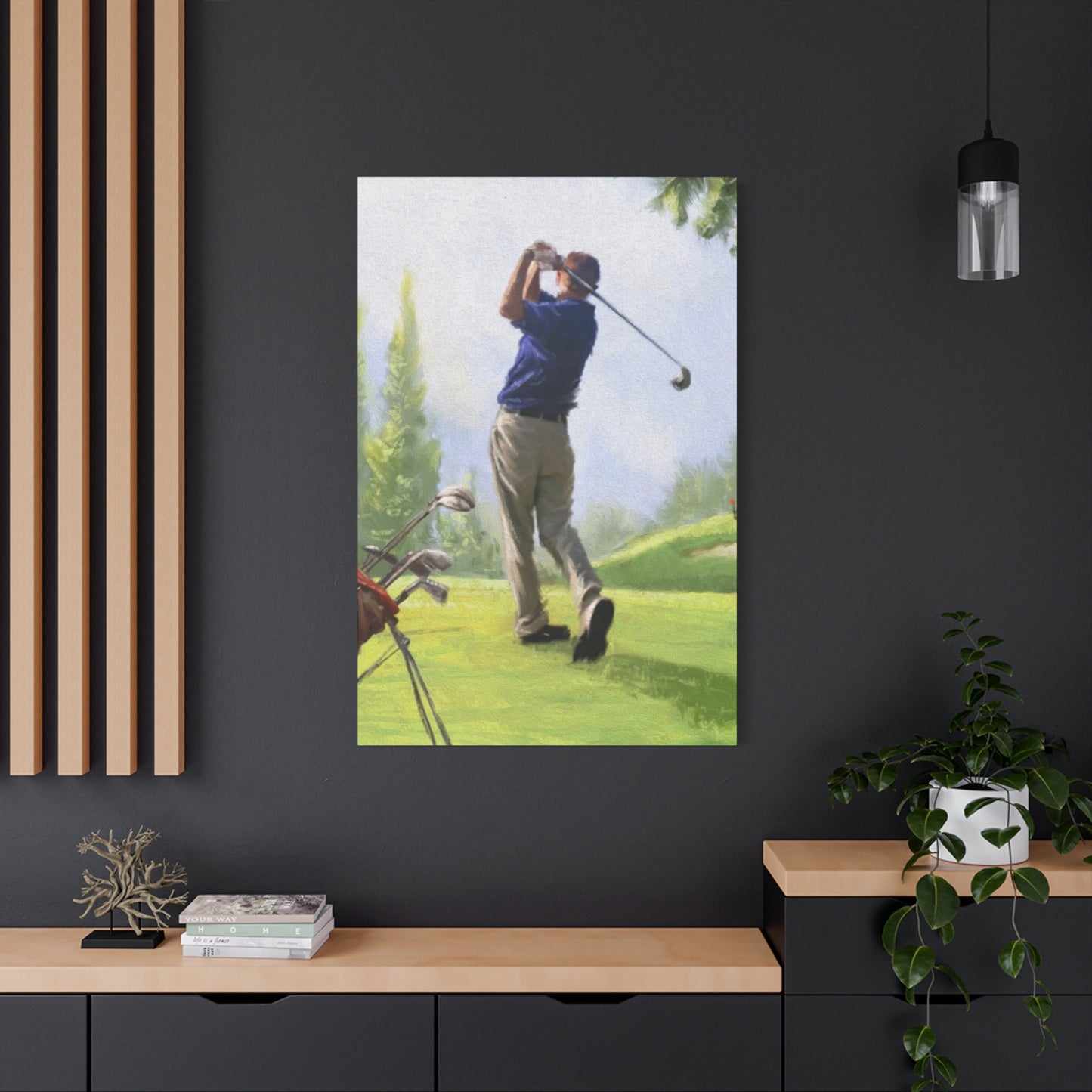
Golfer Wall Art & Canvas Prints
Golfer Wall Art & Canvas Prints
Couldn't load pickup availability
Discover the Perfect Golfer Wall Art to Elevate Your Space with Timeless Sporting Elegance
The world of interior decoration has witnessed a remarkable transformation in recent years, with enthusiasts seeking pieces that reflect their passions and personal interests. Among the myriad choices available, golfer wall art stands as a distinguished category that bridges the gap between athletic appreciation and aesthetic refinement. This specialized form of decoration captures the essence of one of the world's most beloved sports while adding a sophisticated touch to any environment.
The Timeless Appeal of Golf-Themed Decorative Pieces in Contemporary Spaces
Golf has long been associated with elegance, precision, and tradition. The sport's visual elements translate beautifully into artistic representations that command attention in residential and commercial settings alike. When we examine the allure of golfer wall art, we discover a rich tapestry of imagery that encompasses everything from the graceful swing of a professional athlete to the serene landscapes of championship courses bathed in golden sunlight.
The connection between golf and visual aesthetics runs deeper than mere representation. Each piece of golfer wall art tells a story, whether it depicts a legendary moment from tournament play, the solitary figure of a player against an expansive horizon, or the intricate details of vintage equipment that speaks to the sport's storied past. These artistic interpretations resonate with viewers on multiple levels, evoking memories of personal experiences on the course, admiration for athletic prowess, or simple appreciation for the compositional beauty inherent in the sport's movements and settings.
Interior designers and decorating enthusiasts have increasingly recognized the versatility of golf-themed artwork. Unlike some specialized sporting decorations that might feel out of place in certain environments, golfer wall art possesses a refined quality that complements diverse decorating schemes. The natural color palette associated with golf—verdant greens, earth tones, sky blues, and subtle neutrals—harmonizes effortlessly with both traditional and contemporary design philosophies.
Exploring the Diverse Styles and Artistic Interpretations Available
The marketplace for golfer wall art encompasses an extraordinary range of artistic styles, each offering unique visual characteristics and emotional resonance. Photography-based pieces capture authentic moments with crystalline clarity, preserving the intensity of competition or the meditative tranquility of early morning rounds. These photographic works often showcase the interplay of light and shadow across manicured fairways, the concentration etched on a player's face, or the dramatic celebration following a tournament-winning putt.
Painted interpretations offer a different dimension to golf artistry. Impressionistic works might blur the boundaries between figure and landscape, creating dreamlike compositions where swinging golfers merge with rolling terrain in vibrant color fields. Realistic paintings demonstrate technical mastery through meticulous attention to anatomical accuracy and environmental detail, while abstract representations deconstruct the golf swing into geometric forms and dynamic lines that emphasize movement and energy.
Vintage-inspired golfer wall art taps into nostalgia by recreating the aesthetic sensibilities of earlier eras. These pieces might feature retro color schemes reminiscent of mid-century advertising, stylized figures in period attire, or reproduction designs that echo the golden age of sports illustration. Such artwork appeals to collectors who appreciate the heritage aspects of golf and the visual charm of bygone design conventions.
Contemporary minimalist interpretations strip away extraneous elements, focusing on essential forms and negative space to create striking compositions with maximum visual impact. A single silhouette of a golfer at address, rendered in bold contrast against an empty background, can communicate power and focus with remarkable economy of means. These simplified designs work particularly well in modern spaces where clean lines and uncluttered presentations dominate the aesthetic vocabulary.
Mixed media creations combine multiple artistic techniques and materials, resulting in textured, dimensional pieces that engage viewers on tactile as well as visual levels. Artists might incorporate actual golf elements—weathered club heads, vintage scorecards, or fragments of course maps—into collaged compositions that blur the line between two-dimensional artwork and sculptural installation.
Selecting the Ideal Golfer Wall Art for Various Room Types and Functions
The process of choosing appropriate golfer wall art requires thoughtful consideration of the space where it will reside. Different rooms serve distinct purposes and possess unique atmospheric qualities that influence which artistic selections will prove most harmonious and effective.
Living rooms and family gathering spaces benefit from golfer wall art that sparks conversation and creates focal points without overwhelming the environment. Large-scale pieces depicting panoramic course views or dramatic action shots can anchor seating arrangements, while groupings of smaller coordinated works allow for flexible compositional arrangements that adapt to architectural features. The communal nature of these spaces suggests artwork that appeals to diverse tastes and ages, making accessible imagery and approachable styles particularly suitable choices.
Private offices and home libraries present opportunities for more personal expressions through golfer wall art selections. These contemplative spaces reward detailed, thought-provoking pieces that invite extended viewing. Artwork depicting strategic moments of decision on the course—reading a difficult putt, selecting a club for a challenging shot—resonates metaphorically with the problem-solving and planning that occur in professional environments. Historical imagery and vintage equipment displays work exceptionally well in traditionally appointed offices, complementing dark wood furniture and leather accents.
Recreation rooms and dedicated golf enthusiast spaces allow for bolder, more thematic decorating approaches. Multiple pieces can be combined to create immersive environments that celebrate all aspects of the sport. This might include a mixture of professional tournament photography, humorous caricatures, course architecture blueprints, and memorabilia-style presentations. The relaxed atmosphere of these spaces permits playful experimentation with scale, color, and arrangement that might feel excessive in more formal areas.
Bedrooms require gentler, more serene golfer wall art that promotes relaxation rather than stimulation. Peaceful landscape scenes featuring courses at sunrise or sunset, softly focused imagery of empty fairways, or abstract interpretations in calming color palettes contribute to tranquil sleeping environments. The personal nature of bedroom spaces makes them ideal for artwork with special significance—perhaps photographs from meaningful rounds, commemorative tournament prints, or pieces by favorite artists.
Entryways and hallways benefit from golfer wall art that makes immediate impressions while accommodating brief viewing durations. Striking compositions with bold graphics or dramatic lighting capture attention quickly, while series arrangements encourage progression through transitional spaces. Narrow hallway dimensions often suit vertical format pieces that emphasize the length of a golf swing's arc or showcase the full figure of a player from address through follow-through.
Understanding Size Proportions and Placement Strategies for Maximum Visual Impact
The physical dimensions of golfer wall art significantly influence its effectiveness within a space. Proper scaling ensures that artwork feels integrated rather than lost or overwhelming in relation to surrounding architectural elements and furnishings.
For substantial wall expanses, large-scale golfer wall art measuring forty inches or more in width commands appropriate attention and prevents the wall from feeling bare or incomplete. These statement pieces work particularly well above sofas, beds, or credenzas, where their presence balances the mass of furniture below. When selecting oversized artwork, consideration of viewing distance becomes paramount—pieces intended for observation from across a room can accommodate bolder colors and less intricate details than those positioned for close examination.
Medium-sized pieces ranging from twenty to forty inches offer versatility for various placements throughout a home. They possess sufficient visual weight to stand alone while remaining manageable for grouping in multi-piece arrangements. This size category encompasses the majority of readily available golfer wall art and provides the most flexibility for homeowners working within standard residential room proportions.
Smaller works measuring less than twenty inches excel in intimate settings and as components of gallery wall compositions. Individual small pieces risk appearing insignificant on expansive walls but shine in cozy nooks, bathroom spaces, or as part of collected arrangements that combine multiple elements into cohesive displays. The intimacy of small-scale golfer wall art invites close viewing, making them ideal formats for detailed illustrations or intricate photographic compositions that reward careful observation.
Gallery wall arrangements permit creative combinations of different sizes, orientations, and styles within unified displays. When assembling golf-themed gallery walls, maintaining consistent framing choices or color palettes helps diverse pieces cohere visually. Alternatively, intentional variety in frame styles and matting choices can create dynamic, collected-over-time appearances that suggest evolving personal taste and accumulated treasures.
Placement height dramatically affects how artwork is experienced. The standard guideline positions the center of artwork at approximately fifty-seven to sixty inches from the floor—roughly eye level for average-height viewers. However, context matters significantly. Artwork hung in dining areas where viewers will be seated should be positioned lower to maintain comfortable sight lines, while pieces in standing-traffic areas like hallways can be placed at standard or slightly elevated heights.
Proper spacing around golfer wall art prevents crowded appearances and allows each piece to breathe visually. When hanging artwork above furniture, leaving approximately six to twelve inches between the furniture top and the artwork's lower edge creates appropriate visual connection without excessive proximity. For multi-piece arrangements, maintaining consistent gaps of two to six inches between individual works helps the grouping read as an intentional composition rather than a random assemblage.
Material Considerations and Format Options in Modern Golf Artwork
The physical materials and production methods used to create golfer wall art significantly impact both aesthetic qualities and practical considerations like durability and cost. Understanding these variables empowers informed selection decisions aligned with specific preferences and requirements.
Canvas prints represent perhaps the most popular format for contemporary golfer wall art. The textile surface provides slight texture that adds depth and visual interest, while the wrapped gallery-edge presentation eliminates the need for separate framing. Canvas works well for photographic reproductions and painterly images alike, offering a classic artistic appearance that suits diverse decorating styles. Quality varies considerably based on canvas weight, coating treatments, and printing technology employed. Premium canvas pieces feature substantial fabric that resists sagging, archival-quality inks that maintain color fidelity over time, and protective surface treatments that repel dust and resist fading.
Framed paper prints deliver crisp detail and vibrant color reproduction, particularly suited to photographic golfer wall art where sharpness matters. The addition of matting creates separation between image and frame while providing a neutral buffer that prevents visual clashing. Paper-based works require protective glazing—either traditional glass or lighter-weight acrylic alternatives—which introduces considerations around glare and reflection. Museum-quality framing incorporates UV-protective glazing, acid-free matting, and backing materials that prevent deterioration, ensuring longevity for valuable or sentimentally significant pieces.
Metal prints have emerged as a contemporary favorite for golf imagery, particularly photographs of courses and action shots. The process infuses dyes directly into specially coated aluminum panels, creating luminous, durable pieces with exceptional color saturation and remarkable detail resolution. Metal prints resist warping, handle moisture exposure better than paper or canvas, and require no framing, though floating mounting hardware creates attractive shadowbox effects. The inherent reflectivity of metal surfaces produces distinctive visual characteristics—images appear to glow from within, and viewing angle affects appearance more dramatically than with matte surfaces.
Wood-mounted prints combine rustic charm with contemporary imagery, creating appealing juxtapositions particularly effective for vintage-styled golfer wall art. The visible wood grain and natural edge variations provide organic warmth that softens photographic imagery while adding dimensional interest. Printing directly onto treated wood surfaces or mounting paper prints to wooden substrates both achieve this aesthetic, each with distinct visual qualities. Wood pieces complement casual decorating schemes beautifully but may feel inappropriate in ultra-formal settings.
Acrylic face-mounted prints represent premium presentation options that create stunning depth and vibrancy. Clear acrylic sheets bonded to photographic prints protect images while amplifying colors and creating jewel-like brilliance. The substantial thickness of quality acrylic pieces—often quarter-inch or thicker—adds sculptural presence that elevates golfer wall art from mere decoration to genuine focal point. The production process requires specialized equipment and expertise, resulting in higher price points that reflect both material costs and craftsmanship involved.
Color Palette Selection and Coordination Within Existing Decorating Schemes
The colors present in golfer wall art exert powerful influence over room atmospheres and must harmonize with existing decorating elements to achieve cohesive, intentional-feeling spaces. Strategic color selection ensures artwork enhances rather than conflicts with surrounding hues.
Monochromatic golfer wall art rendered in black and white or sepia tones offers remarkable versatility. These pieces complement virtually any color scheme without introducing competing hues, making them foolproof choices for uncertain decorators or frequently redecorated spaces. The absence of color focuses attention on composition, form, light, and shadow—elements that often carry greater artistic significance than chromatic choices. Black and white golf photography possesses timeless quality that transcends trendy color preferences, ensuring pieces remain aesthetically relevant through changing design fashions.
Analogous color schemes employ hues adjacent on the color wheel, creating harmonious, pleasing combinations that feel naturally cohesive. Golfer wall art featuring the greens, yellows, and blues common in course landscapes exemplifies analogous coloring. These pieces integrate effortlessly into spaces decorated with similar tones while providing gentle visual interest through subtle variation. The lack of stark contrast produces calm, unified atmospheres particularly appropriate for relaxation-focused spaces.
Complementary color relationships pair opposites on the color wheel—blue and orange, red and green, yellow and purple—creating dynamic visual tension that energizes spaces. Golfer wall art might employ these contrasts through sunset skies against green fairways, players in vibrant clothing against neutral backgrounds, or abstract interpretations emphasizing color relationships. While these high-contrast pieces command attention and inject energy, they require careful integration to avoid visual discord with surrounding furnishings.
Neutral-dominated golfer wall art featuring predominantly beige, gray, cream, and taupe tones provides sophisticated understatement that appeals to refined tastes. Small accent colors might appear in these compositions—a pop of red from a flag, minimal blue sky visible at upper edges—but neutrals constitute the dominant presence. This approach allows artwork to contribute to room ambiance without dominating visual attention, permitting other decorative elements to share the spotlight.
When selecting golfer wall art for already-furnished spaces, identifying existing accent colors provides guidance for complementary choices. Pulling a minor color from upholstery fabrics, throw pillows, or rugs and finding artwork where that hue plays a prominent role creates satisfying visual connections that make spaces feel deliberately coordinated. This technique works equally well in reverse—choosing artwork first and then selecting accent pieces that echo its colors.
The psychological effects of color merit consideration beyond pure aesthetic coordination. Cool blues and greens promote tranquility and concentration, making them excellent choices for personal retreats and workspaces. Warm oranges, yellows, and reds stimulate energy and conversation, suiting social areas. The natural prevalence of green in golf imagery generally produces calming effects, though the specific shade matters—vibrant lime greens energize while deep forest tones soothe.
Caring for and Preserving Golf-Themed Artwork Throughout the Years
Proper maintenance ensures golfer wall art retains its visual appeal and structural integrity across decades. Different materials and formats require specific care approaches to prevent degradation and damage.
Light exposure represents the primary threat to long-term artwork preservation. Ultraviolet radiation breaks down pigments, leading to fading and color shifts particularly noticeable in prints and photographs. Direct sunlight proves especially harmful, capable of producing visible damage within months. Positioning golfer wall art away from windows, skylights, and other intense light sources provides basic protection. When placement near light sources is unavoidable, UV-filtering window films, protective glazing on framed works, or rotational display strategies mitigate exposure risks. Some collectors reserve their most valuable pieces for interior walls while displaying less precious items in light-compromised locations.
Environmental conditions affect artwork stability and longevity. Excessive humidity encourages mold growth on organic materials like canvas and paper while causing wooden frames to warp and split. Conversely, extreme dryness leads to brittleness in paper and cracking in paint layers. Maintaining relative humidity between forty and sixty percent creates favorable preservation conditions. Temperature fluctuations stress materials through expansion and contraction cycles, making stable climates preferable to spaces with dramatic seasonal variations. Avoiding artwork placement above heating vents, radiators, or fireplaces prevents localized temperature extremes.
Cleaning golfer wall art requires gentle approaches tailored to specific surfaces. Canvas pieces tolerate light dusting with soft, clean cloths or feather dusters, working in single directional strokes rather than circular motions. Stubborn surface dirt might be addressed with barely-damp cloths, immediately followed by dry cloth blotting to remove moisture. Chemical cleaners risk damaging canvas coatings and should be avoided. Framed works with glazing can be cleaned with appropriate glass or acrylic cleaners applied to lint-free cloths rather than sprayed directly onto surfaces, preventing liquid from seeping between glazing and artwork. Metal and acrylic prints handle gentle cleaning with microfiber cloths, with manufacturers' specific recommendations providing the safest guidance.
Handling artwork during moves or rehangings demands care to prevent physical damage. Always grasp frames or stretched canvases at their edges rather than touching print surfaces where fingerprints deposit oils that attract dirt and potentially cause permanent marks. Two-person handling prevents stress on large pieces, particularly important for heavy framed works or substantial canvases. During transportation, protective wrapping with acid-free paper or bubble wrap prevents scratches and impacts, with special attention to vulnerable corners.
Regular inspection catches emerging problems before they escalate into serious damage. Periodic examination of golfer wall art reveals issues like loosening frames, warping substrates, pest activity, or early signs of mold. Addressing these problems promptly through proper reframing, environmental adjustments, or professional restoration when necessary preserves artwork value and appearance.
Exploring Price Points and Value Considerations Across Different Market Segments
The marketplace for golfer wall art spans enormous price ranges, from affordable mass-produced prints to investment-grade original works commanding substantial sums. Understanding factors that influence pricing helps buyers make informed decisions aligned with their budgets and collecting goals.
Mass-market prints represent the most accessible entry point into golfer wall art ownership. These pieces, typically produced through digital printing on canvas or paper, offer attractive imagery at modest prices reflecting economies of scale in production. While lacking the uniqueness of limited editions or originals, quality examples from reputable producers provide genuine decorative value. Prices generally range from modest amounts for small unframed prints to a few hundred for larger ready-to-hang canvas pieces. This segment serves decorators seeking attractive aesthetics without significant financial commitment and those furnishing multiple spaces on restricted budgets.
Limited edition prints occupy a middle market position, balancing relative affordability with collectibility and value retention. Artists or publishers produce finite quantities—often numbered and signed—creating scarcity that supports higher pricing than open-edition reproductions. Edition sizes vary dramatically, from as few as twenty-five pieces to several hundred or more. Generally, smaller editions command premium prices reflecting greater exclusivity. Certificates of authenticity documenting edition details provide important provenance. Limited edition golfer wall art attracts serious enthusiasts who appreciate artistic quality and desire pieces with potential long-term value appreciation.
Photography-based golf artwork prices reflect factors including photographer reputation, image rarity, production quality, and edition limitations. Iconic shots from major tournaments by established sports photographers can command significant sums, particularly when offered in small editions with museum-quality printing and materials. The distinction between editorial photography reproduced for commercial sale and fine art photography created primarily for collecting purposes influences pricing structures and target audiences.
Original paintings represent the premium tier of golfer wall art, with prices reflecting artist reputation, piece size, medium complexity, and market demand. Emerging artists might offer original works at relatively modest prices as they build recognition, while established names command substantial sums. Acrylic and oil paintings generally price higher than watercolors due to material costs and process complexity, though artistic merit ultimately determines value. Original artwork provides unique ownership—no identical piece exists—appealing to serious collectors who prize exclusivity and direct connection to creative vision.
Commissioned custom pieces allow buyers to specify exact preferences regarding composition, colors, size, and style. Artists create works tailored to specific spaces and tastes, ensuring perfect integration with existing decor. Commission pricing typically exceeds ready-made alternatives, reflecting the personalized service, creative labor, and unique nature of resulting pieces. The process requires clear communication about expectations, timelines, and costs, with contracts specifying details to prevent misunderstandings.
When evaluating golfer wall art pricing, quality assessment protects against overpaying for inferior products. Examining printing clarity, color accuracy, material substance, and finishing professionalism reveals production standards. Comparing prices across multiple vendors for similar products identifies market norms and highlights exceptional values or overpriced offerings. Reputation matters significantly—established sellers with strong feedback and transparent business practices merit greater trust than unknown entities with limited track records.
Value extends beyond mere pricing to encompass personal satisfaction and aesthetic contribution. A moderately priced piece that perfectly suits a space and brings daily enjoyment provides superior value compared to a prestigious work that never quite feels right. Collecting should prioritize genuine appreciation over investment speculation, particularly for most buyers who aren't operating at the high-end art market level where significant financial returns become realistic possibilities.
Discovering Sources and Venues for Acquiring Golf-Themed Decorative Pieces
The pursuit of perfect golfer wall art leads through diverse acquisition channels, each offering distinct advantages, selection characteristics, and shopping experiences.
Online marketplaces have revolutionized artwork accessibility, connecting buyers with vast inventories from countless sellers worldwide. Major platforms host thousands of golf-themed pieces spanning every style, format, and price point imaginable. Search and filtering tools help narrow overwhelming selections to manageable subsets matching specific criteria. Customer reviews and seller ratings provide valuable guidance about product quality and service reliability. The convenience of home shopping with direct delivery appeals to time-constrained buyers, though the inability to examine pieces physically before purchase introduces some uncertainty. Carefully reviewing return policies and using secure payment methods protects against disappointment and fraud.
Specialized sports art retailers and galleries focus exclusively on athletic imagery, including substantial golfer wall art selections. These vendors typically curate inventories with attention to quality and offer knowledgeable guidance about pieces, artists, and preservation. Some operate physical locations permitting in-person viewing, while others function purely online. The targeted focus means deeper selections within the golf niche compared to generalist sellers, increasing odds of finding distinctive or specialized items.
Local art galleries and framing shops sometimes carry golfer wall art, particularly in communities with strong golf cultures. Personal interaction with knowledgeable staff provides valuable consultation, and direct piece examination removes uncertainty about appearance and quality. Supporting local businesses contributes to community economic health, a consideration important to many buyers. Custom framing services offered by these establishments ensure pieces receive appropriate presentation tailored to specific spaces.
Artist direct sales eliminate middleman markups while establishing personal connections with creators. Many artists maintain websites showcasing portfolios and offering pieces for sale. Social media platforms, particularly those emphasizing visual content, serve as virtual galleries where artists share work and connect with potential buyers. Commissioning directly from artists provides maximum customization opportunities and often yields better pricing than purchasing through galleries that take substantial commissions.
Estate sales, auctions, and antique dealers present opportunities to discover vintage and collectible golfer wall art with character and history. Older pieces might feature distinctive styling, celebrated artists, or nostalgic appeal unavailable in contemporary offerings. These hunting grounds reward patience and knowledge—recognizing valuable finds requires familiarity with artists, publishers, and market values. The unpredictability of available inventory means searching these sources resembles treasure hunting more than conventional shopping, appealing to those who enjoy the chase as much as the acquisition.
Tournament merchandise areas and pro shop outlets sell golf-specific artwork, often commemorating particular events or locations. These pieces appeal to enthusiasts with personal connections to featured tournaments or courses. Limited availability—some items are sold exclusively at events or venues—creates collectibility and exclusivity. Prices sometimes reflect tourist premium, though unique imagery and authentic provenance justify costs for many buyers.
Print-on-demand services allow buyers to transform personal golf photographs or selected images from vast libraries into custom golfer wall art. Uploading images to these platforms and selecting formats, sizes, and finishing options produces personalized pieces unavailable through conventional channels. The technology democratizes artwork creation, enabling anyone with compelling imagery to produce wall-worthy presentations.
Understanding Artistic Movements and Influences Shaping Golf Imagery
The visual representation of golf reflects broader artistic currents and movements that have shaped aesthetics across centuries. Recognizing these influences enriches appreciation of golfer wall art and provides context for understanding stylistic choices.
Early golf imagery drew heavily from British sporting art traditions established during the eighteenth and nineteenth centuries. These works emphasized realism and narrative, depicting gentlemen golfers in meticulous period attire against carefully rendered landscape backgrounds. The paintings served partly as records of social standing and sporting accomplishments, functioning almost as portrait commissions within the specific context of golf. Formal compositions, muted palettes, and attention to costume and equipment details characterized this era's output.
The Arts and Crafts movement's emphasis on traditional craftsmanship and natural motifs influenced early twentieth-century golf poster art and illustrations. Stylized figures with clean lines, decorative borders, and harmonious color schemes reflected movement aesthetics. These works often promoted specific courses or tournaments, blending commercial and artistic purposes in ways that elevated advertising to genuine design achievement.
Mid-century modernism brought simplified forms, bold graphics, and experimental color approaches to golf imagery. Abstract expressionist influences appeared in paintings that reduced the golf swing to dynamic gestural marks suggesting motion and energy rather than depicting literal representation. Pop art's embrace of commercial imagery and bright colors transformed golf into subject matter for playful, ironic works that both celebrated and gently mocked the sport's country club associations.
Photographic movements profoundly impacted golf imagery as the medium matured artistically. Documentary photography traditions captured authentic moments of competition and recreation without artificial staging. Sports photojournalism developed specialized techniques for freezing fast action, creating dramatic images impossible through other media. Fine art photography approaches treated golf subjects with the same formal consideration as any worthy topic, exploring composition, lighting, and meaning with artistic seriousness.
Contemporary golfer wall art reflects postmodern eclecticism, freely mixing historical references, stylistic approaches, and cultural commentary. Digital manipulation enables previously impossible image treatments, from hyperreal composites combining multiple photographs to stylized effects that transform photos into painting-like renderings. Street art and graffiti aesthetics occasionally infiltrate golf imagery, creating unexpected juxtapositions between sport's traditional associations and urban edge.
Cultural and regional traditions also shape golf artwork. Scottish imagery often emphasizes the sport's origins and the dramatic coastal landscapes where golf developed. American golf art might highlight the sport's democratization and connection to leisure culture, while Asian interpretations could incorporate calligraphic elements or Eastern philosophical concepts about harmony and balance that resonate with golf's mental dimensions.
Understanding these influences helps buyers articulate preferences and navigate vast golfer wall art selections with greater confidence. Recognizing why certain pieces appeal—perhaps connection to specific artistic movements or cultural traditions—guides more intentional collecting that builds coherent, meaningful assemblages rather than random accumulations.
Creating Gallery Walls and Multi-Piece Arrangements with Golf Artwork
Gallery walls transform individual golfer wall art pieces into cohesive presentations greater than the sum of their parts. Successfully executing these arrangements requires planning, compositional awareness, and willingness to experiment before committing to permanent installation.
Thematic coherence provides the foundation for effective gallery walls. Unifying elements might include consistent subject matter—all pieces featuring golf swings, various depictions of the same famous course, or collections of vintage equipment illustrations. Alternatively, shared stylistic qualities like exclusive use of black and white photography or pieces from a single artist create visual harmony despite varied subjects. Color palette consistency represents another unifying strategy, with all pieces sharing similar dominant hues that blend smoothly despite different imagery.
Balanced composition arranges pieces so visual weight distributes evenly across the wall without creating heavy or empty areas. Larger, darker, or more visually complex pieces carry more weight than small, light, or simple ones. Positioning heavy pieces centrally or low in arrangements often feels stable and grounded, while placing them high or far to one side risks top-heavy or unbalanced appearances. Symmetrical arrangements automatically achieve balance through mirrored placement, while asymmetrical layouts require more intuition and experimentation but reward effort with dynamic, organic results.
Frame selection dramatically affects gallery wall success. Matching frames in identical styles and finishes create formal, cohesive presentations emphasizing the arrangement as unified composition. Varied frames introduce visual interest and casual, collected-over-time character but risk chaos if too diverse. A middle approach uses frames with common elements—perhaps matching colors despite different molding profiles, or varied frames that all share similar proportions. Matting choices similarly impact cohesion, with consistent mat colors and widths producing uniform appearances while varied treatments add diversity.
Layout planning prevents wall damage from repeated installation attempts. Paper templates cut to match frame dimensions and temporarily taped on walls permit experimental arrangements without permanent commitment. Photographing potential layouts provides perspective that close-proximity planning lacks, revealing issues with spacing, alignment, or balance. Digital planning tools and apps allow virtual arrangement experimentation using uploaded images of actual pieces, though these require careful measurement for accurate results.
Grid arrangements align pieces along consistent horizontal and vertical axes, creating orderly, architectural presentations that suit formal spaces and contemporary aesthetics. Rows and columns might contain identical or varied piece sizes, with consistent spacing between all elements producing the most structured appearance. Salon-style arrangements pack pieces closely with minimal spacing, creating dense, collected walls reminiscent of European gallery traditions. These busy compositions generate visual energy and maximize artwork display within limited space but can overwhelm small rooms or compete unsuccessfully with already-busy decor.
Organic layouts follow no rigid alignment rules, instead positioning pieces based on visual relationships and intuitive balance. Pieces might relate through aligned edges—perhaps the top edge of one frame aligning with the center line of another—without forming systematic grids. This flexibility accommodates varied piece sizes and orientations while creating casual, approachable presentations. However, complete randomness usually fails aesthetically; successful organic arrangements follow subtle organizing principles even when avoiding obvious systems.
Installing gallery walls requires proper hanging hardware appropriate to piece weights and wall construction. Standard drywall anchors suffice for lightweight pieces on conventional walls, while heavy works demand mounting into wall studs or specialized heavy-duty anchors. Using proper hardware prevents damage to both walls and artwork while ensuring secure, level hanging. Laser levels speed installation and improve accuracy compared to bubble levels or eyeballing, particularly for arrangements spanning significant wall areas.
Incorporating Golf Imagery Within Themed Room Designs
Dedicated golf-themed rooms represent the ultimate expression of enthusiasm for the sport, creating immersive environments that celebrate every aspect of the game. Successfully executing these spaces requires balancing passionate expression with livable comfort and avoiding descent into kitschy overload.
Color schemes for golf-themed rooms naturally gravitate toward the sport's inherent palette. Grass greens ranging from bright spring tones to deeper forest shades establish immediate connections, particularly when paired with earth browns, sand tans, and sky blues. These combinations create natural, outdoors-connected atmospheres suited to the sport's landscape origins. Alternatively, embracing the traditional aesthetic of classic clubhouses suggests rich mahogany tones, deep burgundies, and forest greens accented with brass and leather for Old World masculine sophistication.
Architectural elements can reinforce golf themes beyond wall-hung artwork. Wainscoting painted in contrasting colors mimics the aesthetic of traditional clubhouse interiors. Crown molding and ceiling treatments in coffered or beamed configurations add architectural weight appropriate to formal golf settings. Flooring choices matter significantly—hardwood or wood-look materials evoke country club elegance, while green carpeting makes obvious if literal connections to course conditions. More subtle approaches might use neutral flooring with golf-themed area rugs anchoring furniture groupings.
Furniture selection should prioritize comfort and function while complementing the golf theme without forcing connections. Leather seating pieces in traditional styles suit formal golf aesthetics, while contemporary furniture works for modern interpretations. Built-in cabinetry displaying personal golf memorabilia—trophies, balls, photographs—creates museum-like presentations that honor achievements and memories. A putting green carpet runner or mat transforms functional floor covering into thematic element and even permits practice.
Golfer wall art serves as the primary vehicle for thematic expression, but quantity and placement require restraint. Covering every wall surface with golf imagery creates overwhelming, claustrophobic environments. Instead, selecting fewer high-impact pieces or creating designated gallery walls leaves breathing room and prevents visual fatigue. Varying art types and formats provides visual interest—mixing photographs, paintings, vintage posters, and three-dimensional elements like mounted clubs creates richer sensory experiences than homogeneous presentations.
Lighting design enhances both functionality and atmosphere in golf-themed spaces. Picture lights illuminate individual artworks, creating gallery-like presentation and enabling evening viewing. Adjustable ambient lighting accommodates different activities and moods, from bright task lighting for reading to dimmer settings for relaxation. Natural light through generous windows connects interior spaces to outdoor environments, echoing the alfresco nature of golf itself.
Textiles and soft goods offer additional thematic touchpoints. Throw pillows in golf-relevant colors or featuring subtle patterns like argyle—associated with golf fashion—add themed accents without obvious sportiness. Window treatments in natural fabrics maintain the outdoorsy connection while providing necessary light control. Blankets and throws in clubhouse-inspired plaids contribute warmth and pattern.
Personal memorabilia displays transform golf-themed rooms into repositories of individual history with the sport. Shadow boxes containing balls from hole-in-ones or memorable rounds, framed scorecards from famous courses played, and mounted tournament credentials create deeply personal expressions impossible to purchase. These elements distinguish themed rooms from generic sport-decorated spaces by embedding authentic experience and accomplishment into the environment.
Avoiding theme fatigue requires editing discipline and sophisticated execution. The goal is creating spaces that reflect passion for golf while remaining aesthetically pleasing and comfortable for extended occupation. Constant evaluation during design processes helps identify moments when "enough" tips toward "too much," pulling back before crossing into excessive territory. Seeking feedback from others with interior design expertise provides valuable perspective that emotional investment in themes might obscure.
Conclusion
Golf's global reach has produced regionally distinct artistic traditions reflecting different cultural perspectives on the sport and varied landscape aesthetics. Understanding these variations enriches appreciation for the diversity within golfer wall art and potentially guides collecting directions.
Scottish golf imagery carries particular weight as the sport's birthplace and spiritual home. Artwork depicting the Old Course at St. Andrews, Royal Dornoch, Muirfield, and other legendary Scottish venues possesses almost pilgrimage-like significance for serious enthusiasts. The dramatic coastal landscapes, ancient stone architecture, and often temperamental weather conditions unique to Scottish links golf create distinctive visual atmospheres. Historical imagery showing early golf pioneers in period attire against Scottish backdrops connects present enjoyment to centuries of tradition. Contemporary Scottish golf art often emphasizes the rugged, natural qualities of links courses—wild fescue, pot bunkers, unpredictable elements—celebrating golf's most authentic, unmanicured expressions.
Irish golf artwork shares some characteristics with Scottish traditions while possessing unique qualities reflecting Ireland's distinct landscapes and culture. The dramatic clifftop settings of courses like Old Head and Ballybunion inspire artwork emphasizing breathtaking vertical relief and ocean drama. The impossibly green grass characteristic of Ireland's damp climate appears in saturated, almost surreal intensity. Celtic design elements occasionally integrate with golf imagery, creating pieces that blend sporting and cultural heritage.
English golf art often emphasizes the parkland aesthetic dominant in that country's inland courses. Mature tree specimens, carefully managed turf, and architectural elements like clubhouses reflecting various historical periods create different visual characters than links courses. English golf imagery might also reflect the sport's upper-class associations in that country, with formal compositions and traditional painting styles.
American golf artwork reflects the sport's evolution in that country from elite pastime to middle-class recreation. Golden age course imagery from the early twentieth century, when legendary designers created many celebrated American courses, represents one significant tradition. Desert golf settings from the American Southwest produce distinctive aesthetic territory—saguaro cacti, red rock formations, and arid color palettes create visual experiences utterly foreign to golf's Scottish origins. Florida golf art emphasizes tropical elements—palm trees, water features, brilliant sunshine—conveying resort lifestyle associations. The Masters Tournament's enormous cultural presence generates substantial Augusta National-specific imagery that constitutes almost its own subcategory.
Asian golf art, particularly from countries like Japan and South Korea where the sport enjoys fervent popularity, sometimes incorporates Eastern aesthetic principles and artistic traditions. Calligraphic elements might integrate with golf imagery, or traditional painting techniques could be applied to sporting subjects. The emphasis on zen-like mental discipline in Eastern thought resonates naturally with golf's psychological dimensions, potentially appearing in artistic interpretations exploring the sport's contemplative aspects.
Share