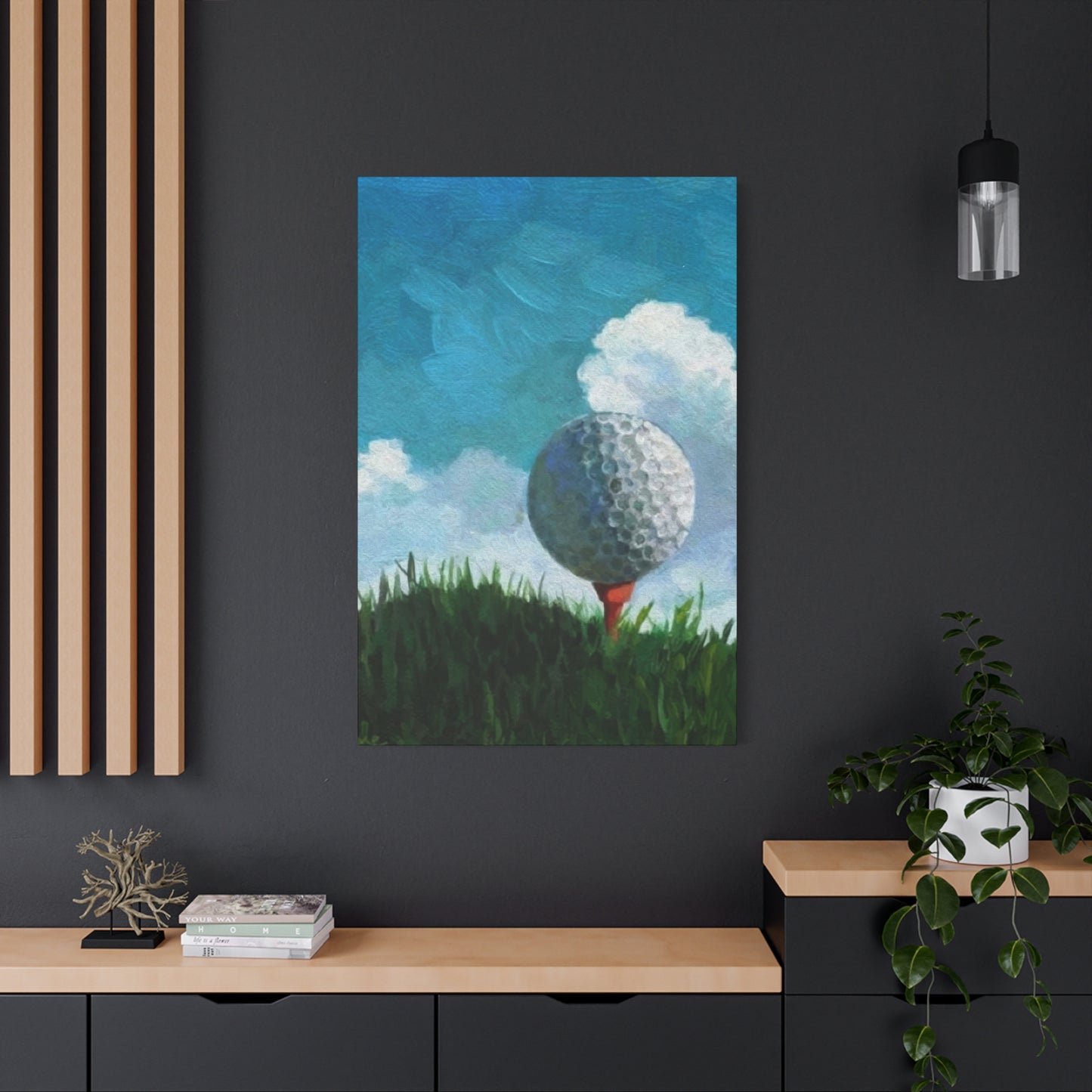
Golf Ball Wall Art & Canvas Prints
Golf Ball Wall Art & Canvas Prints
Couldn't load pickup availability
Creative Ways to Display Golf Ball Wall Art: Turning Your Passion Into Stunning Home Decor
Golf enthusiasts worldwide constantly seek innovative methods to showcase their dedication to the sport within their living spaces. The concept of transforming spherical sporting equipment into captivating visual presentations has gained remarkable momentum among decorators and athletes alike. This comprehensive exploration delves into the multifaceted realm of creating breathtaking displays using these distinctive round objects, offering insights that extend far beyond conventional decoration paradigms.
Exploring the Artistic Potential of Spherical Sports Memorabilia in Interior Design
The transformation of athletic equipment into striking visual elements represents a fascinating intersection between sporting passion and aesthetic sensibility. These small, dimpled spheres carry within them stories of memorable rounds, championship victories, and cherished moments on the green. When strategically arranged and thoughtfully presented, they evolve from mere sporting goods into conversation-starting centerpieces that reflect personality, achievement, and dedication.
The beauty of incorporating these items into your living environment lies in their versatility and accessibility. Unlike many collectibles that demand significant financial investment, golf enthusiasts already possess numerous specimens from various courses, tournaments, and special occasions. Each sphere tells a unique story, whether commemorating a hole-in-one, representing a famous course, or simply reminding you of an enjoyable afternoon with friends and family.
Contemporary interior designers increasingly recognize the aesthetic value these objects bring to residential and commercial spaces. Their uniform shape and size create natural opportunities for geometric patterns and symmetrical arrangements that please the eye. The traditional white coloration provides a neutral canvas that complements virtually any color scheme, while specialty varieties featuring logos, colors, or commemorative markings add personalized touches that make displays truly distinctive.
The textural quality of these dimpled surfaces introduces an intriguing tactile dimension to wall presentations. Light plays across the characteristic depressions and elevations, creating subtle shadows and highlights that change throughout the day as natural illumination shifts. This dynamic quality ensures that your display never appears static or monotonous, continually offering fresh visual interest to occupants and visitors.
Selecting the Perfect Specimens for Your Visual Presentation
Curating an exceptional collection requires thoughtful consideration of various factors that influence both aesthetic appeal and personal significance. The selection process represents an opportunity to evaluate your golfing journey, identifying which specimens hold the most meaning while simultaneously considering their visual contribution to your planned arrangement.
Condition assessment forms the foundation of effective curation. Examine each candidate carefully, noting surface wear, discoloration, scuff marks, and overall integrity. Pristine specimens work beautifully for formal, symmetrical arrangements where uniformity creates visual impact. Conversely, weathered examples bearing the marks of memorable rounds can add character and authenticity to more casual, narrative-focused displays.
Provenance considerations elevate collections beyond mere decoration into personally meaningful showcases. Spheres collected from renowned courses carry inherent prestige and spark recognition among fellow enthusiasts. Those marking significant personal achievements transform displays into visual autobiographies of your golfing progression. Special event commemoratives, limited editions, and signature models introduce variety while documenting specific moments in sporting history or personal experience.
Color coordination deserves careful attention when assembling your collection. While traditional white remains the standard, modern manufacturers produce varieties in numerous hues. Strategic incorporation of colored specimens can reinforce room color schemes, create focal points, or add unexpected visual interest. Consider how these chromatic choices will interact with surrounding decor, ensuring harmony rather than jarring discord.
Brand diversity contributes depth and complexity to sophisticated collections. Different manufacturers employ distinct dimple patterns, compression ratings, and construction methods that manifest as subtle visual variations. Knowledgeable observers appreciate these nuances, recognizing premium brands and specialty models. This diversity also prevents monotony in large-scale installations where dozens or hundreds of specimens appear together.
Crafting Shadow Box Displays That Command Attention
Shadow box presentations offer elegant solutions for showcasing prized specimens while protecting them from dust and damage. These three-dimensional frames create depth and dimension that flat mounting cannot achieve, allowing objects to float mysteriously within defined spaces. The construction process combines carpentry skills with artistic vision, resulting in customized pieces that perfectly suit your collection and space.
Begin by determining appropriate dimensions based on the number of specimens you wish to display and available wall space. Standard shadow boxes range from small single-specimen showcases to expansive multi-compartment installations spanning several feet. Depth constitutes a critical consideration; sufficient interior space prevents spheres from appearing cramped while excessive depth creates awkward proportions. Generally, three to four inches provides adequate room for standard-sized specimens while maintaining attractive visual balance.
Material selection significantly impacts both appearance and longevity. Premium hardwoods like oak, walnut, or cherry bring warmth and natural beauty, developing rich patinas over time. These materials particularly suit traditional or rustic decor schemes. Painted finishes in colors coordinating with room palettes offer contemporary alternatives, while metallic frames introduce modern industrial aesthetics. Glass selection equally deserves attention; standard clear glass works well for most applications, while UV-protective glazing prevents sun damage in brightly lit locations.
Internal configuration options range from simple single-sphere presentations to elaborate multi-compartment designs. Individual compartments prevent specimens from touching, reducing potential damage while creating organized, gallery-like arrangements. Background treatments enhance visual interest; fabric-covered backing boards in complementary colors provide subtle elegance, while painted backgrounds make bold statements. Consider incorporating miniature golf-related accessories like tees, divot tools, or scorecards to enrich the narrative context.
Mounting mechanisms require careful engineering to securely hold spheres without visible support structures. Small clear acrylic pedestals provide stable platforms while remaining nearly invisible. Alternatively, carefully positioned pins or rods inserted from behind create floating appearances. Some craftspeople employ magnetic systems, embedding small magnets within spheres and backing boards for easily reconfigurable displays. Whichever method you choose, ensure adequate support to prevent shifting or falling over time.
Constructing Grid Pattern Displays for Modern Aesthetic Appeal
Geometric grid arrangements exemplify contemporary design principles, offering clean lines and orderly precision that appeal to modernist sensibilities. These installations transform collections into striking architectural elements that command attention through sheer visual impact and meticulous organization. The mathematical precision inherent in grid layouts creates satisfying symmetry that resonates with viewers on an almost instinctual level.
Planning constitutes the most crucial phase of grid construction. Determine your desired dimensions by considering available wall space and the number of specimens you intend to display. Calculate spacing carefully to ensure uniform gaps between rows and columns; consistency separates professional-looking installations from amateur attempts. Graph paper sketches help visualize final appearances before committing to physical construction, allowing easy adjustments and experimentation with different configurations.
Mounting substrate selection influences both structural integrity and installation difficulty. Pegboard provides an economical, readily available option offering built-in mounting points at regular intervals. Paint or finish pegboard to match surrounding decor, transforming utilitarian material into polished presentation surfaces. Plywood or medium-density fiberboard offer smooth, stable alternatives for creating custom drilling patterns. For premium installations, consider acrylic panels that introduce transparency and contemporary sophistication.
Attachment methodology varies based on substrate choice and desired permanence. Shallow cups or rings adhered to the mounting surface cradle specimens securely while allowing easy removal for cleaning or rearrangement. Small shelf brackets create three-dimensional depth, positioning spheres away from backing surfaces for enhanced shadow effects. For permanent installations, carefully drilled recesses hold specimens firmly while creating flush, integrated appearances.
Color blocking strategies introduce visual interest to large grid installations. Rather than employing uniform specimens throughout, consider creating patterns, gradients, or focal points using colored varieties or those bearing distinctive markings. Alternating branded and unbranded specimens creates subtle checkerboard effects. Arranging specimens in ombre progressions from white to colored varieties generates eye-catching transitions that guide viewer attention across the display.
Scale considerations become particularly important in grid designs. Small grids containing nine to sixteen specimens work beautifully as accent pieces in intimate spaces. Medium installations featuring dozens of specimens make bold statements without overwhelming rooms. Truly ambitious projects incorporating hundreds of specimens transform entire walls into spectacular focal points suitable for spacious great rooms, man caves, or commercial environments like clubhouses and pro shops.
Developing Three-Dimensional Sculptural Installations
Moving beyond traditional flat mounting techniques, sculptural installations embrace three-dimensional space to create dramatic, gallery-worthy pieces. These ambitious projects challenge conventional notions of sports memorabilia display, elevating collections into genuine art installations that captivate viewers and spark conversation. The sculptural approach offers unlimited creative possibilities limited only by imagination and engineering capabilities.
Conceptual planning represents the foundation of successful sculptural work. Begin by identifying forms and shapes that resonate with your aesthetic preferences while remaining structurally feasible. Spherical themes occur naturally given the round shape of specimens; consider constructing large-scale representations of single specimens using dozens or hundreds of actual examples. Abstract geometric forms like pyramids, helices, or wave patterns create striking visual interest. Representational sculptures depicting golf-related imagery—clubs, bags, or course elements—demonstrate impressive craftsmanship while maintaining thematic consistency.
Armature construction requires careful engineering to safely support specimen weight while remaining structurally sound. Welded metal frameworks provide exceptional strength and durability, particularly for large-scale installations. Aluminum tubing offers an excellent strength-to-weight ratio while resisting corrosion. For smaller projects, wooden frameworks constructed from dimensional lumber provide adequate support at lower costs. Regardless of material choice, ensure proper weight distribution and include mounting points for secure wall or ceiling attachment.
Specimen attachment methodology must balance security with aesthetic considerations. Adhesive solutions ranging from hot glue to specialized bonding agents offer permanent attachment with minimal visible hardware. Test adhesives on sacrificial specimens first, ensuring adequate bond strength without causing surface damage. Mechanical fastening using small screws, wires, or pins provides alternative approaches, particularly for configurations allowing internal access to fastening points. Some artists employ combination approaches, using adhesives for primary attachment supplemented by mechanical fasteners for added security.
Finishing touches elevate sculptural pieces from interesting experiments to polished artworks. Consider incorporating lighting elements that highlight dimensional qualities and cast dramatic shadows. LED strip lighting concealed within structures creates mysterious glowing effects. Spotlights positioned to graze surfaces emphasize textural details and three-dimensional forms. Rotating bases introduce kinetic elements, slowly revolving sculptures to reveal different perspectives over time.
Incorporating Illumination Elements to Enhance Visual Impact
Strategic lighting transforms displays from simple collections into captivating focal points that draw eyes and command attention. Proper illumination accomplishes multiple objectives simultaneously: highlighting individual specimens, creating atmospheric effects, and ensuring displays remain visible and impressive regardless of ambient lighting conditions. Understanding basic lighting principles and available technologies empowers you to craft truly spectacular presentations.
Directional spotlighting represents the most straightforward approach to display illumination. Track lighting systems offer exceptional flexibility, allowing precise positioning of individual fixtures to highlight specific specimens or sections. Adjustable beam angles let you narrow focus onto single items or spread light across broader areas. Choose fixtures with appropriate lumen output; insufficient brightness fails to adequately illuminate displays, while excessive intensity creates harsh glare and uncomfortable viewing conditions.
Accent lighting introduces subtle atmospheric effects that enhance overall presentation without overwhelming specimens themselves. LED strip lighting concealed behind or around display perimeters creates soft halos or glowing borders that define spaces and add sophistication. Color-changing LED systems allow customization to match moods, occasions, or room color schemes. Warm white tones create inviting, comfortable ambiance, while cool white produces clean, modern aesthetics. Colored lighting enables dramatic effects for special occasions or thematic presentations.
Backlighting generates ethereal effects particularly effective with transparent or translucent mounting substrates. Position LED panels or strip lighting behind acrylic mounting boards to create glowing backgrounds that silhouette specimens while producing soft, diffused illumination. This approach works beautifully in contemporary settings, creating mysterious floating appearances that seem to defy gravity. Adjust brightness levels to achieve desired effects; subtle backlighting produces sophisticated ambiance, while intense illumination creates bold dramatic statements.
Natural lighting considerations deserve attention during installation planning. While sunlight beautifully illuminates displays during daylight hours, prolonged exposure causes yellowing and deterioration. Position displays away from direct sunlight streaming through windows, or employ UV-protective glazing for enclosed presentations. Alternatively, embrace natural lighting cycles as part of your display's character, accepting gradual patina development as evidence of authentic aging and use.
Smart lighting controls introduce convenience and versatility to display illumination. Programmable timers automatically activate lighting during evening hours, ensuring displays remain visible and impressive when rooms are in use while conserving energy during daytime or sleeping hours. Dimmer switches allow brightness adjustment to suit different occasions and preferences. Voice-activated smart home systems enable lighting control through simple commands, impressing guests while simplifying operation.
Creating Personalized Displays Featuring Signature Collections
Customized presentations incorporating autographed specimens, tournament memorabilia, or specially marked varieties transform generic displays into deeply personal showcases celebrating specific achievements, experiences, and connections. These curated collections transcend mere decoration, functioning as visual autobiographies that document your golfing journey while honoring relationships and memorable moments.
Authentication constitutes the paramount concern when building signature collections. Obtaining autographs directly from players during tournaments, pro-am events, or organized signing sessions ensures absolute authenticity. Certificate of authenticity documentation from reputable authentication services provides verification for specimens acquired through secondary markets. Display these certificates alongside signed items, reinforcing legitimacy while adding informational context that enhances viewer appreciation.
Strategic organization principles elevate signature collections beyond random assemblages. Chronological arrangements document career progressions or personal golfing timelines, creating narrative structures that tell coherent stories. Grouping specimens by player, tournament, or course creates thematic consistency while facilitating viewer comprehension. Hierarchical presentations position most significant items—major championship winners, legendary players, personal milestone markers—in prominent positions while supporting specimens occupy secondary locations.
Contextual information enriches signature displays, transforming them from simple object collections into informative exhibits. Small plaques or labels identifying players, dates, tournaments, or significance help viewers appreciate displayed items. Brief anecdotes about acquisition circumstances—personal encounters with players, tournament attendance, memorable rounds—add human interest and conversational hooks. Consider creating accompanying documentation books containing photographs, scorecards, tickets, and expanded narratives that interested viewers can peruse.
Protective measures become particularly important for valuable signature collections. Enclosed shadow boxes shield specimens from handling, dust, and environmental contaminants that could damage signatures or degrade materials. UV-protective glazing prevents signature fading from light exposure. Climate-controlled display environments maintain stable temperature and humidity levels, preventing deterioration. For extremely valuable items, consider museum-grade conservation materials and techniques that ensure long-term preservation.
Expansion planning allows signature collections to grow organically as you acquire additional items. Design initial displays with extra capacity to accommodate future acquisitions without requiring complete reinstallation. Modular systems employing uniform shadow boxes or display cases allow easy addition of new units while maintaining visual consistency. Dedicate wall space anticipating growth rather than boxing yourself into fixed configurations that limit collecting enthusiasm.
Designing Displays That Tell Stories About Memorable Rounds
Narrative-focused presentations transform collections from static arrangements into engaging storytelling devices that communicate experiences and achievements. These displays function as conversation starters, prompting reminiscences and allowing you to share favorite golfing memories with friends, family, and visitors. The storytelling approach adds emotional resonance and personal meaning that purely aesthetic arrangements cannot achieve.
Course documentation displays commemorate rounds at famous or personally significant venues. Arrange specimens collected from different courses geographically, mimicking actual layouts or regional groupings. Include supplementary materials like scorecards, yardage books, photographs, or course maps that provide context and visual interest. Small text panels describing course characteristics, memorable holes, or personal experiences during rounds transform displays into miniature exhibits celebrating golfing adventures.
Achievement timelines document skill progression and significant milestones throughout your golfing journey. Arrange specimens chronologically from earliest to most recent, marking first rounds, league championships, tournament placings, handicap improvements, or hole-in-one achievements. Visual timeline elements like dated labels or connecting lines help viewers follow progressions. This approach works particularly well for junior golfers whose developing skills create natural narrative arcs from beginner to accomplished player.
Tournament memory displays preserve souvenirs from competitive events, charity scrambles, or organized outings. Group materials from individual tournaments together, combining specimens with entry badges, participant gifts, team photographs, and final standing sheets. This comprehensive approach recreates tournament atmospheres while documenting your competitive participation. For particularly memorable tournaments, consider dedicating entire shadow boxes to single events, allowing detailed presentations that capture occasion significance.
Relationship-focused displays celebrate golfing friendships and family connections. Dedicate sections to regular playing partners, documenting rounds played together over months or years. Include group photographs, humorous anecdotes, and inside jokes that commemorate shared experiences. Father-son or multi-generational displays trace family golfing traditions, honoring connections between generations while preserving family history. These emotionally resonant presentations become treasured family heirlooms passed down through subsequent generations.
Weather survival stories commemorate rounds completed under challenging conditions—scorching heat, pouring rain, bitter cold, or howling winds. Display specimens from these memorable rounds alongside photographs, weather reports, or brief narratives describing conditions and perseverance required to finish. These displays celebrate dedication and toughness while creating humorous talking points that fellow golfers appreciate and understand.
Exploring Alternative Mounting Surfaces Beyond Traditional Walls
While walls represent the most common display location, alternative mounting surfaces offer unique opportunities for creative presentations that surprise and delight viewers. Thinking beyond conventional parameters opens possibilities for incorporating collections into unexpected spaces, maximizing display opportunities while enhancing overall home aesthetics.
Ceiling installations create dramatic overhead focal points particularly effective in rooms with tall ceilings. Suspended configurations employing fishing line or clear cables position specimens at varying heights, creating three-dimensional cloud-like formations. This approach works beautifully in converted lofts, great rooms, or man caves where ceiling height provides adequate space. Ensure proper weight distribution and secure mounting to prevent accidents, particularly in earthquake-prone regions or homes with active children.
Furniture integration incorporates displays into functional pieces, merging practicality with aesthetic appeal. Custom coffee tables featuring glass tops suspended above specimen arrangements create conversation-starting centerpieces. Bookshelf modifications employing dedicated display sections among book volumes introduce sports memorabilia into literary spaces. Repurposed display cases originally intended for other collectibles adapt beautifully to specimen presentation when properly configured.
Door and window treatments represent underutilized opportunities for creative display. Vintage panel doors removed during renovations transform into unique mounting surfaces when specimens are arranged in decorative patterns filling door panel recesses. Old window frames with multiple panes become geometric display grids when specimens replace glass in individual sections. These repurposed architectural elements add character while celebrating sustainable reuse practices.
Staircase walls offer extensive vertical display space often left bare in many homes. Progressive arrangements ascending alongside stairs create visual interest while utilizing otherwise empty expanses. Consider thematic progressions that correspond with vertical movement—difficulty levels, course ratings, or historical timelines that advance as viewers climb. Secure mounting becomes particularly critical in high-traffic staircase locations where accidental contact poses risks.
Outdoor and patio installations extend display opportunities into exterior living spaces. Weather-resistant enclosures protect specimens from elements while allowing outdoor enjoyment. Covered patios, screened porches, and outdoor rooms provide ideal semi-exterior locations where displays enhance recreational spaces used for entertaining and relaxation. Ensure adequate protection from rain, humidity, and temperature extremes that could damage displays or accelerate deterioration.
Maintaining and Preserving Your Display Investment Over Time
Proper maintenance ensures displays remain attractive and impressive for years or decades, protecting your investment while preserving memories and significance. Establishing regular care routines prevents deterioration and addresses minor issues before they become serious problems requiring extensive restoration efforts.
Dust accumulation represents the most common maintenance challenge facing displays. Regular dusting using soft, lint-free cloths removes surface deposits before they cake or embed. For open displays without protective glazing, feather dusters or microfiber cloths work effectively for quick routine cleaning. Avoid household dusting products containing oils or chemicals that could leave residues or cause discoloration. For enclosed displays, dust accumulates more slowly, but eventual cleaning remains necessary; carefully remove specimens from cases, dust both items and interior surfaces, then reassemble.
Deep cleaning addresses more stubborn soiling and staining that regular dusting cannot remove. Mild soap solutions applied with soft cloths effectively clean most surface contaminants without causing damage. Avoid abrasive cleaners or scrubbing that could scratch surfaces or remove printed markings. For specimens with persistent stains, specialized golf equipment cleaners formulated for covers and grips work well. Always test cleaning products on inconspicuous areas or sacrificial specimens before treating valuable displayed items.
Yellowing and discoloration occur naturally over time, particularly for white specimens exposed to light and environmental contaminants. While some collectors embrace patina as evidence of authenticity and age, others prefer maintaining pristine appearances. Gentle bleaching using diluted hydrogen peroxide solutions can reverse yellowing, though this process requires care to avoid over-bleaching or creating uneven coloration. Multiple brief applications prove safer than single intense treatments.
Structural integrity inspections should occur periodically, examining mounting hardware, adhesives, and support structures for signs of failure or deterioration. Check that adhesive bonds remain secure, tightening or replacing mechanical fasteners showing signs of loosening. Examine wooden components for warping, cracking, or insect damage. Metal elements should be inspected for corrosion, addressing any rust spots before they spread. Prompt attention to minor issues prevents catastrophic failures that could damage entire displays.
Climate control considerations become particularly important for valuable signature collections or historically significant specimens. Maintain stable temperature and humidity levels, avoiding extreme fluctuations that cause expansion and contraction cycles stressing materials. Excessive humidity promotes mold growth and adhesive failure, while overly dry conditions cause brittleness and cracking. Ideal conditions mirror those recommended for fine art: temperatures between 65-75 degrees Fahrenheit and relative humidity between 40-50 percent.
Understanding the Historical Evolution of Sports Memorabilia Decoration
The practice of displaying athletic equipment and memorabilia within homes has evolved dramatically throughout modern history, reflecting changing attitudes toward sports, leisure, and personal identity expression. Understanding this evolution provides context for contemporary practices while suggesting future directions as collecting culture continues developing.
Early twentieth century homes rarely featured sports memorabilia displays. Victorian sensibilities emphasized formal decoration focusing on fine art, family portraits, and decorative objects demonstrating cultural refinement and social status. Athletic pursuits, while increasingly popular among upper classes, remained largely separate from domestic spaces. Equipment was stored in dedicated closets or mudrooms rather than celebrated as decoration.
Mid-century modern movements beginning in the 1950s introduced more casual, personalized decorating approaches that created opportunities for sports memorabilia display. As leisure time increased and recreational athletics became central to middle-class lifestyles, homeowners increasingly incorporated hobby-related items into decor. Trophy rooms and rec rooms dedicated to masculine leisure pursuits became standard features in suburban homes, providing designated spaces for sports memorabilia.
The 1980s witnessed explosive growth in sports collecting driven by baby boomer nostalgia, increased disposable income, and emerging authentication services that legitimized memorabilia markets. Autographed items, game-used equipment, and limited edition collectibles commanded significant prices, elevating sports memorabilia from casual souvenirs to serious investments. This shift encouraged more sophisticated display approaches employing museum-quality cases and conservation techniques.
Contemporary practice embraces sports memorabilia as legitimate decorating elements worthy of prominent display throughout homes rather than segregation in dedicated hobby spaces. Design magazines feature curated collections, interior designers incorporate sports elements into sophisticated schemes, and manufacturers produce high-quality display products specifically for sports collectors. This mainstream acceptance reflects broader cultural shifts toward personalization and authentic self-expression in home decoration.
The digital age has introduced new dimensions to collecting and display. Online communities connect enthusiasts worldwide, facilitating trades and information exchange. Digital authentication technologies combat counterfeiting while blockchain-based provenance tracking ensures legitimacy. Virtual galleries and augmented reality applications allow collectors to visualize displays before physical construction, optimizing layouts and experimenting with configurations risk-free.
Maximizing Small Space Display Opportunities in Compact Living Environments
Limited square footage need not constrain display ambitions. Thoughtful approaches specifically designed for apartments, condos, and smaller homes enable impressive presentations within space limitations. Strategic planning and creative problem-solving transform constraints into design features that enhance rather than diminish impact.
Vertical arrangements maximize limited wall space by extending displays upward rather than outward. Tall, narrow configurations draw eyes upward, creating illusions of greater ceiling height while efficiently using available area. Column or tower arrangements positioned in corners or flanking doorways make use of spaces often left empty. These vertical presentations work particularly well in narrow hallways or compact rooms where horizontal space is precious.
Multi-purpose furniture integration combines display with functional storage or seating. Shallow shadow boxes mounted above desks, console tables, or media centers add visual interest without consuming additional floor space. Custom furniture featuring built-in display niches designed during construction provides seamless integration that appears intentional rather than afterthought. Storage ottomans with glass tops transform into display cases, serving dual purposes as seating and showcases.
Miniature presentation approaches emphasize quality over quantity, featuring carefully curated selections rather than comprehensive collections. Small shadow boxes containing single specimens or tiny groupings create jewel-like presentations that reward close inspection. These intimate displays suit bedside tables, bathroom shelves, or office desks where space limitations preclude larger installations. The focused approach often creates more powerful emotional impact than sprawling collections by emphasizing significance of individual items.
Corner utilization capitalizes on often-wasted angular spaces where walls meet. Custom corner shelving or triangular shadow boxes specifically designed for these locations transform dead space into productive display areas. Diagonal arrangements create dynamic visual interest while efficiently using available square footage. This approach particularly benefits small rooms where corner installations preserve valuable flat wall space for windows, doors, or other essential elements.
Rotating display strategies maintain visual freshness without requiring extensive permanent installations. Establish systems for regularly swapping displayed specimens, rotating different items into and out of view. This approach allows extensive collections to remain accessible while maintaining manageable display footprints. Seasonal rotations, monthly changes, or event-driven swaps keep presentations dynamic and interesting, preventing viewer fatigue from static unchanging arrangements.
Incorporating Complementary Golf-Related Decorative Elements
While specimens themselves create compelling displays, supplementary elements enhance presentations and reinforce thematic consistency throughout spaces. Thoughtful integration of related items creates cohesive environments that celebrate the sport comprehensively rather than focusing narrowly on single object types.
Vintage club displays provide natural companions to specimen collections. Antique wooden-shafted clubs possess sculptural beauty that makes them attractive decorative objects independent of sporting associations. Wall-mounted racks showcase club evolution from persimmon woods to modern titanium drivers, creating visual timelines demonstrating equipment progression. Single remarkable clubs—perhaps grandfathers beloved putter or a driver used during a memorable round—deserve dedicated presentation as standalone art pieces.
Course photography and artwork celebrates famous holes, stunning vistas, and iconic clubhouse architecture. Professional golf photography captures Augusta Nationals azalea-lined fairways, Pebble Beachs dramatic coastal cliffs, or St. Andrews iconic stone bridges with artistic beauty rivaling traditional landscape photography. Aerial course maps and vintage golf posters add decorative interest while maintaining thematic consistency. Group photographs together in gallery walls or intersperse among specimen displays for varied visual texture.
Scorecards and yardage books represent easily overlooked display opportunities. Framed scorecards documenting particularly memorable rounds—first breaking 100, 90, or 80, tournament victories, or rounds at famous courses—create inexpensive yet meaningful displays. Vintage scorecards from historic courses or defunct facilities possess both aesthetic and historical interest. Yardage books annotated with hole strategies and notes demonstrate course knowledge while adding authentic detail to displays.
Golf literature and vintage magazines introduce literary dimensions to decorative schemes. Classic instructional books with attractive cover art, coffee table books featuring course photography, or bound magazine collections serve dual purposes as readable references and decorative objects. Dedicated bookshelf sections featuring golf titles create mini-libraries that complement specimen displays while demonstrating comprehensive enthusiasm.
Flags, pennants, and textiles add color and texture to golf-themed spaces. Course flags obtained through pro shop purchases or special requests after rounds provide colorful focal points particularly effective in informal settings. Vintage pennants from historic tournaments or defunct courses appeal to collectors appreciating nostalgia and rarity. Golf-themed throw pillows, blankets, or upholstered furniture extend decorating themes throughout rooms without creating overwhelming single-note environments.
Determining Optimal Display Locations Within Home Layouts
Strategic location selection significantly impacts display effectiveness and viewer enjoyment. Proper placement ensures maximum visibility while maintaining appropriate context and avoiding problematic environmental conditions. Careful consideration of room functions, traffic patterns, and lighting conditions guides successful installation placement.
Living and family rooms represent premier locations for major display installations. These high-visibility spaces receive regular use by household members and guests, ensuring displays enjoy frequent appreciation. Focal wall positions opposite seating areas maximize visibility while creating conversation centerpieces. Above fireplace mantels provides traditional spotlight positions, though care must be taken regarding heat and smoke exposure. Entertainment centers and media walls offer alternative focal points particularly suitable for contemporary homes where televisions anchor living spaces.
Home offices and studies suit displays particularly well, especially for working golfers who appreciate inspirational reminders throughout workdays. Position installations within sightlines from desk chairs, providing visual interest during breaks from screen time. These more private spaces allow deeply personal collections featuring items carrying special significance without requiring explanation to casual visitors. Study displays often incorporate reference materials, books, and golf-related business items creating comprehensive themed environments.
Basement recreation rooms and dedicated man caves traditionally house extensive sports memorabilia collections. These informal spaces tolerate bolder, more comprehensive installations that might overwhelm formal living areas. Entertainment-focused layouts featuring bars, game tables, and media systems naturally accommodate golf themes. Basements also offer climate stability often lacking in upper floors subject to greater temperature fluctuations.
Bedrooms accommodate more intimate, personal displays unsuitable for public spaces. Master bedroom installations create private sanctuaries celebrating personal passion without considerations for guest reactions. Childrens and teen bedrooms featuring golf displays encourage young players while providing visual motivation. Bedroom displays typically remain smaller and less comprehensive than those in public spaces, emphasizing quality and personal significance over quantity.
Hallways and corridors transform transitional spaces into gallery-like experiences. Long, narrow configurations naturally accommodate linear arrangements that guide viewers along passages. These often-underutilized spaces offer extensive wall area typically left bare. Corridor galleries work particularly well for comprehensive collections documenting progression or variety, as viewers traverse entire installations while moving through homes.
Bathrooms represent unconventional yet surprisingly effective display locations. Powder rooms visible to guests accommodate small, whimsical presentations that surprise and amuse. Master bathrooms provide private spaces for personal collections. Moisture and humidity concerns necessitate protective enclosures and special attention to preservation, but proper precautions enable successful bathroom installations.
Employing Color Theory Principles for Visually Striking Arrangements
Strategic color utilization transforms simple specimen collections into sophisticated visual compositions that demonstrate artistic sensibility. Understanding basic color theory principles empowers you to create harmonious arrangements that please eyes while effectively communicating intended moods and themes.
Monochromatic schemes employing single-color families create sophisticated, unified presentations. All-white arrangements emphasize form, texture, and dimensional qualities rather than chromatic variety. These minimalist presentations suit contemporary spaces featuring clean lines and neutral palettes. Subtle variations in white shades—brilliant white, cream, ivory—introduce gentle gradations preventing monotony. Monochromatic colored schemes using specimens in consistent hues create bold statements particularly effective as accent installations within rooms featuring complementary color schemes.
Complementary color combinations employ hues opposite each other on color wheels, creating vibrant high-contrast arrangements. White specimens paired with colored mounting backgrounds demonstrate simplified complementary approaches accessible even with predominantly white collections. Orange backgrounds create warm, energetic presentations, while blue produces cool, calming effects. Purple introduces luxury and sophistication, green reinforces natural golf course associations, and red provides bold dramatic impact.
Analogous color schemes utilize adjacent color wheel hues, producing harmonious low-contrast arrangements. For collections including colored specimens, group blues, greens, and teals together for oceanic themes, or combine reds, oranges, and yellows for fiery sunset effects. These gentle progressions create sophisticated visual flows that guide viewer eyes smoothly across displays without jarring contrasts that might cause visual discomfort.
Triadic color combinations employ three colors equally spaced around color wheels, creating balanced yet vibrant presentations. Pair white specimens with two colored background sections or mounting elements, ensuring equal representation of each hue. Red, yellow, and blue create primary triads with universal appeal. Orange, green, and purple form secondary triads offering slightly more sophisticated character. These balanced compositions create visual interest without overwhelming viewers.
Gradient progressions transition smoothly from one color to another, creating dynamic visual movements that guide viewer attention. For specimens varying in color or shade, arrange from darkest to lightest or vice versa, creating ombre effects. Alternatively, use colored mounting backgrounds or lighting that transitions across displays, creating artificial gradients even with uniformly white specimens. Vertical gradients suggest growth or elevation, while horizontal progressions imply movement or temporal progression.
Neutral backgrounds allow specimens to star without chromatic competition. Gray, beige, and tan backing materials provide subtle context that enhances rather than overwhelms. These versatile neutrals suit virtually any decorating style while ensuring displayed items receive full attention. Texture variations in neutral materials—linen, burlap, cork—add visual interest without introducing competing colors.
Conclusion
Professional craftspeople and specialty manufacturers offer custom fabrication services creating bespoke display solutions perfectly tailored to individual collections and spaces. While requiring greater investment than do-it-yourself approaches, commissioned pieces deliver museum-quality results with guaranteed structural integrity and professional polish.
Selecting appropriate fabricators requires research into craftspeople possessing relevant skills and aesthetic sensibilities. Cabinet makers excel at wooden shadow boxes and furniture integration. Metal workers create contemporary steel and aluminum frameworks. Acrylic fabricators produce sleek modern installations featuring transparent materials. Review portfolios carefully, seeking examples demonstrating craftsmanship quality and design sophistication matching your vision. Client testimonials and references provide insights into reliability, communication, and satisfaction.
Design consultation processes translate visions into practical plans. Prepare for initial meetings by documenting collection inventories, photographing intended installation locations, and compiling inspiration images representing desired aesthetics. Professional fabricators offer valuable expertise regarding structural requirements, material appropriateness, and design refinements improving functionality and appearance. Expect iterative discussions refining concepts through sketches, computer renderings, or physical mockups before finalizing specifications.
Material specification deserves careful consideration balancing aesthetics, durability, and budget. Premium hardwoods provide natural beauty and longevity commanding higher prices. Engineered woods offer cost savings while enabling consistent appearance unaffected by natural grain variations. Metals introduce contemporary industrial character with excellent strength. Acrylic and glass create transparency and lightness particularly effective in modern spaces. Discuss material properties, maintenance requirements, and aging characteristics ensuring informed selections.Finish treatments significantly impact final appearances and protection. Natural wood finishes showcase grain beauty while providing modest protection. Stains offer color customization while preserving visible wood character. Paints enable precise color matching and clean modern aesthetics. Powder coating provides durable, attractive metal finishes resistant to chipping and corrosion. UV-protective top coats prevent sun damage and color fading. Discuss environmental conditions where displays will reside, ensuring appropriate protective treatments.
Installation services often accompany custom fabrication, ensuring proper mounting and alignment. Professional installers possess tools, experience, and insurance providing peace of mind impossible with amateur installation. They assess wall construction, locate studs and blocking, and employ appropriate anchoring systems supporting display weight. Many fabricators guarantee their work, covering repairs or adjustments if issues arise, protection unavailable with self-installation.While most enthusiasts display specimens primarily for personal enjoyment, understanding potential collectible value provides useful context for acquisition decisions and preservation approaches. Certain specimens command significant premiums among serious collectors, transforming casual collections into potentially valuable investments warranting careful stewardship.
Rarity represents the paramount value determinant. Limited production runs, special edition releases, and discontinued models naturally command premiums due to restricted availability. Specimens from private clubs with limited access gain value from exclusivity. Tournament-specific varieties distributed only to participants or spectators become increasingly scarce as time passes and attrition reduces surviving populations. Prototype specimens never reaching mass production represent holy grails commanding extraordinary prices.
Share