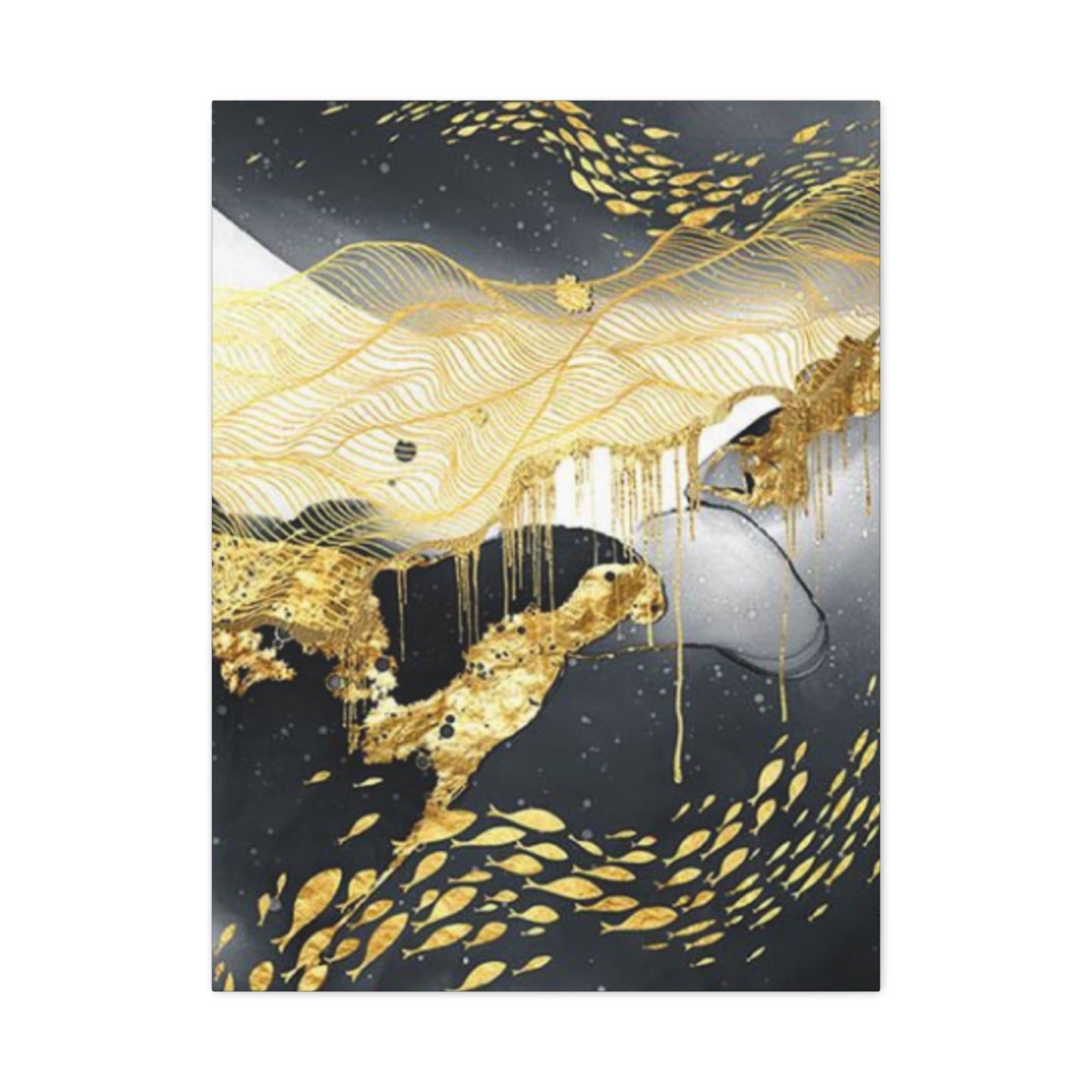
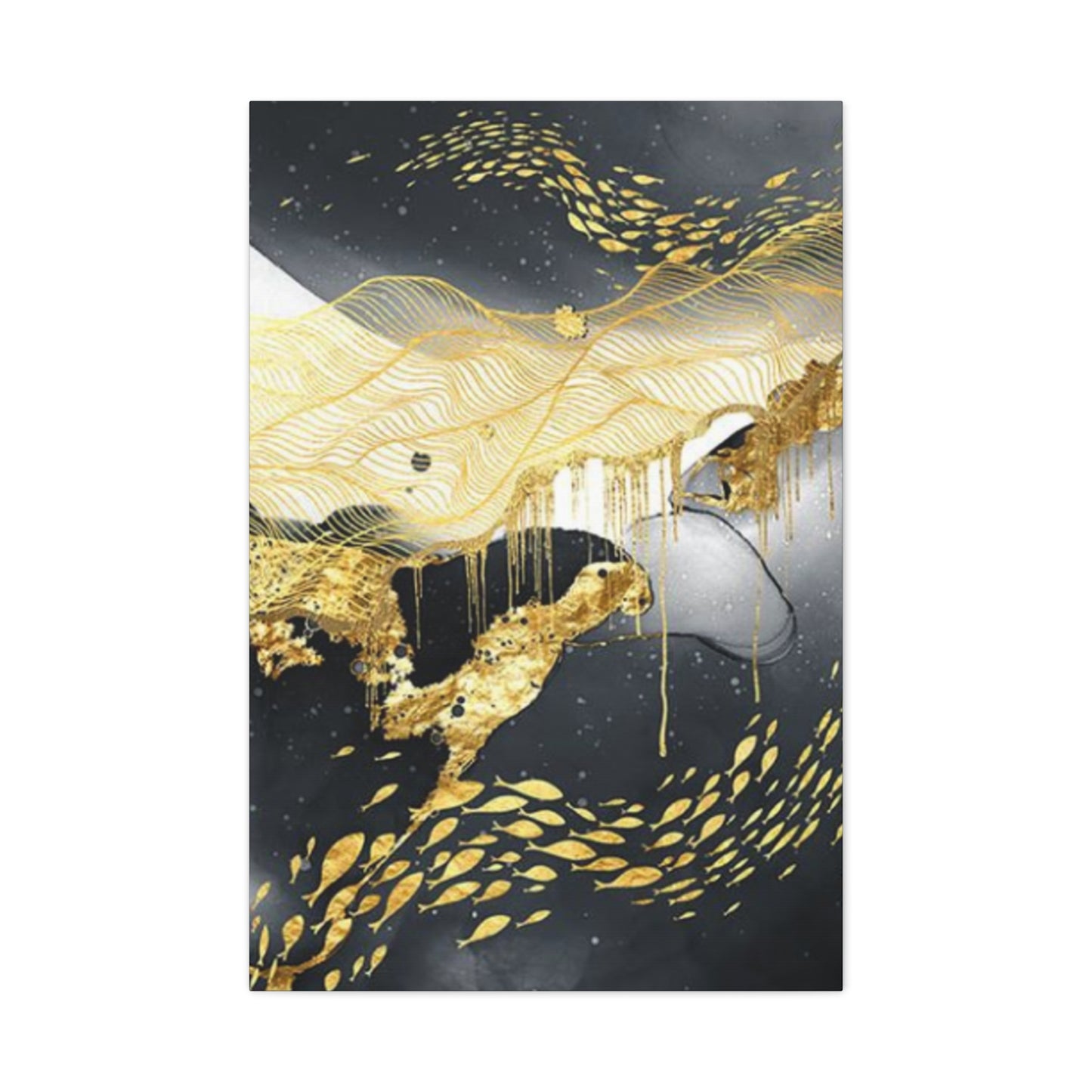
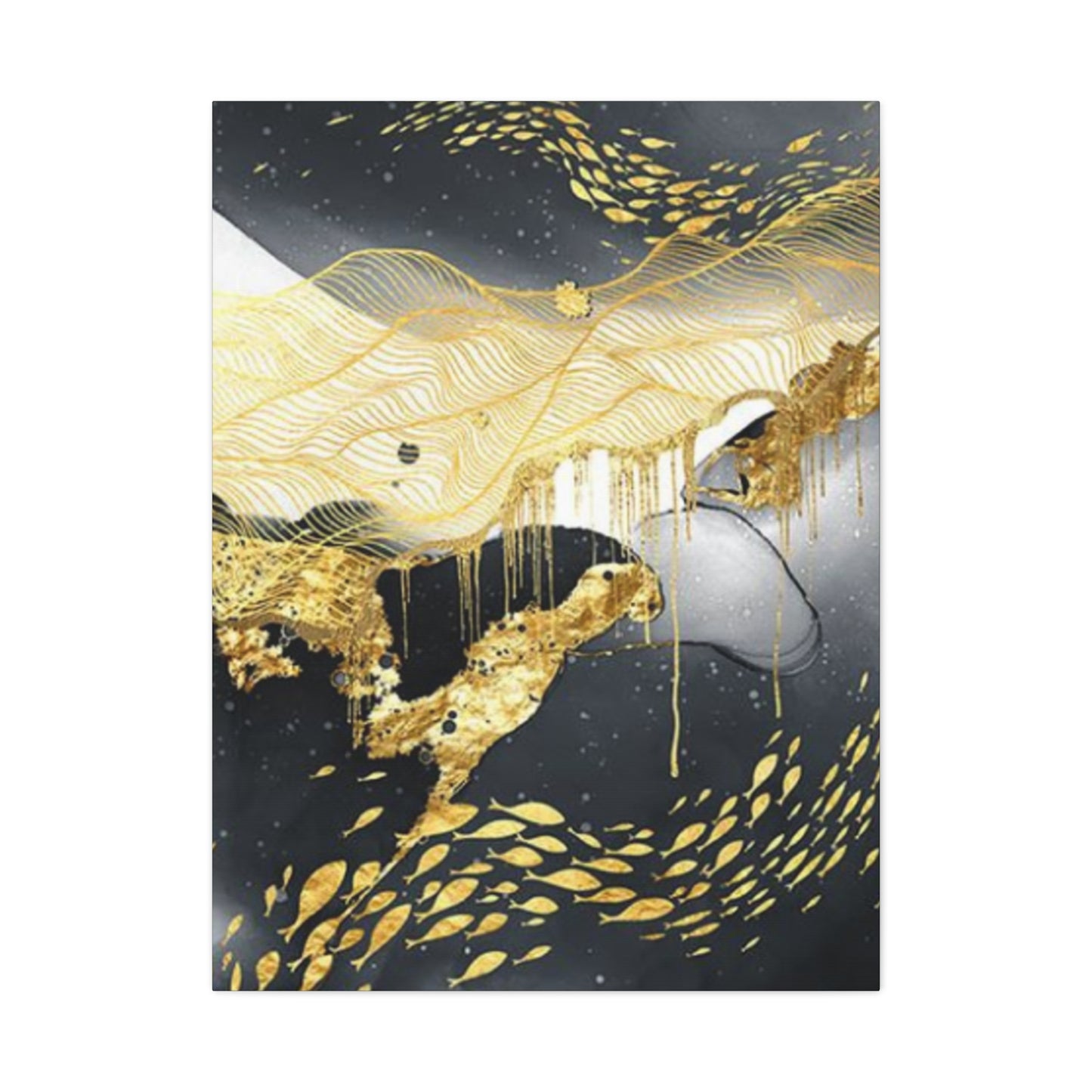
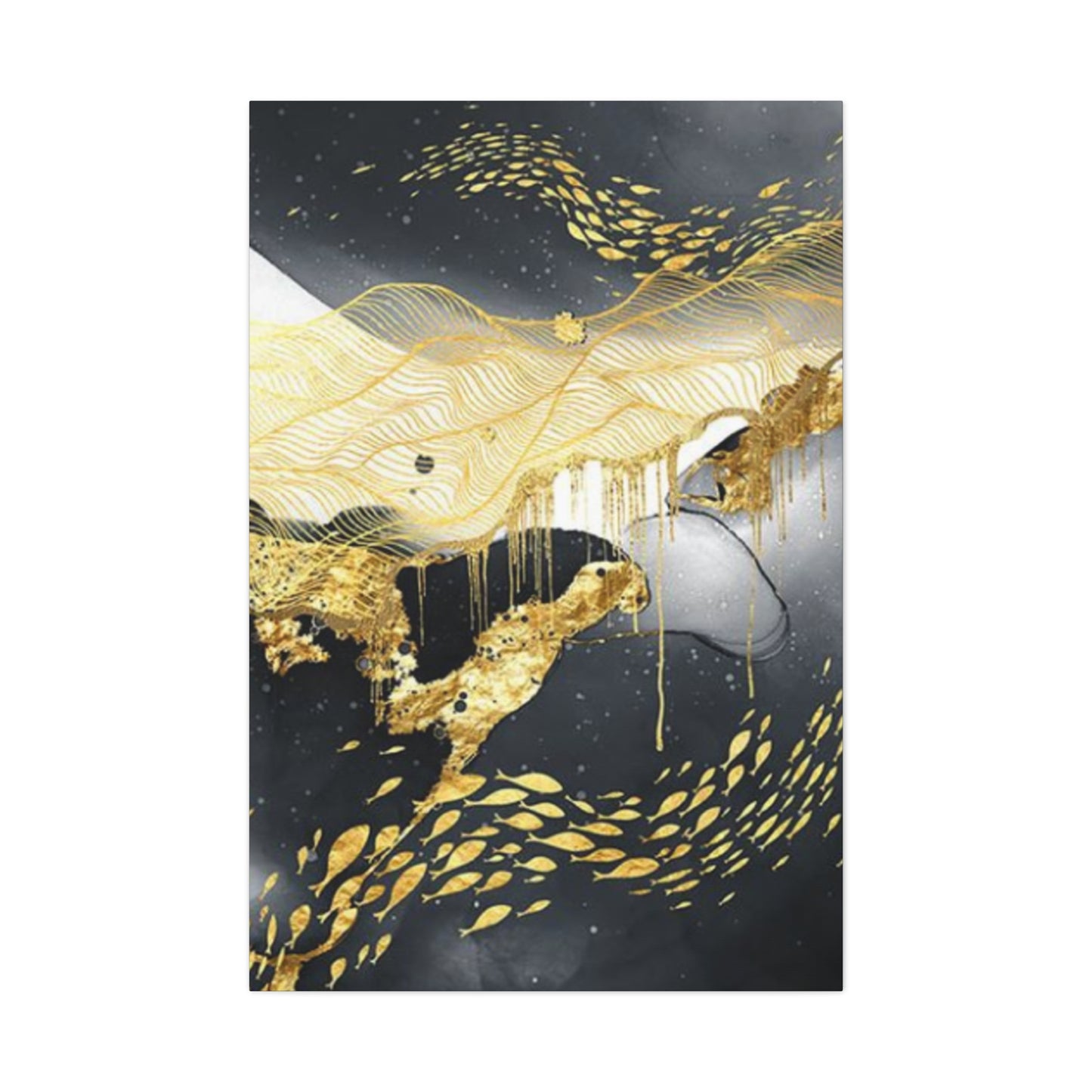
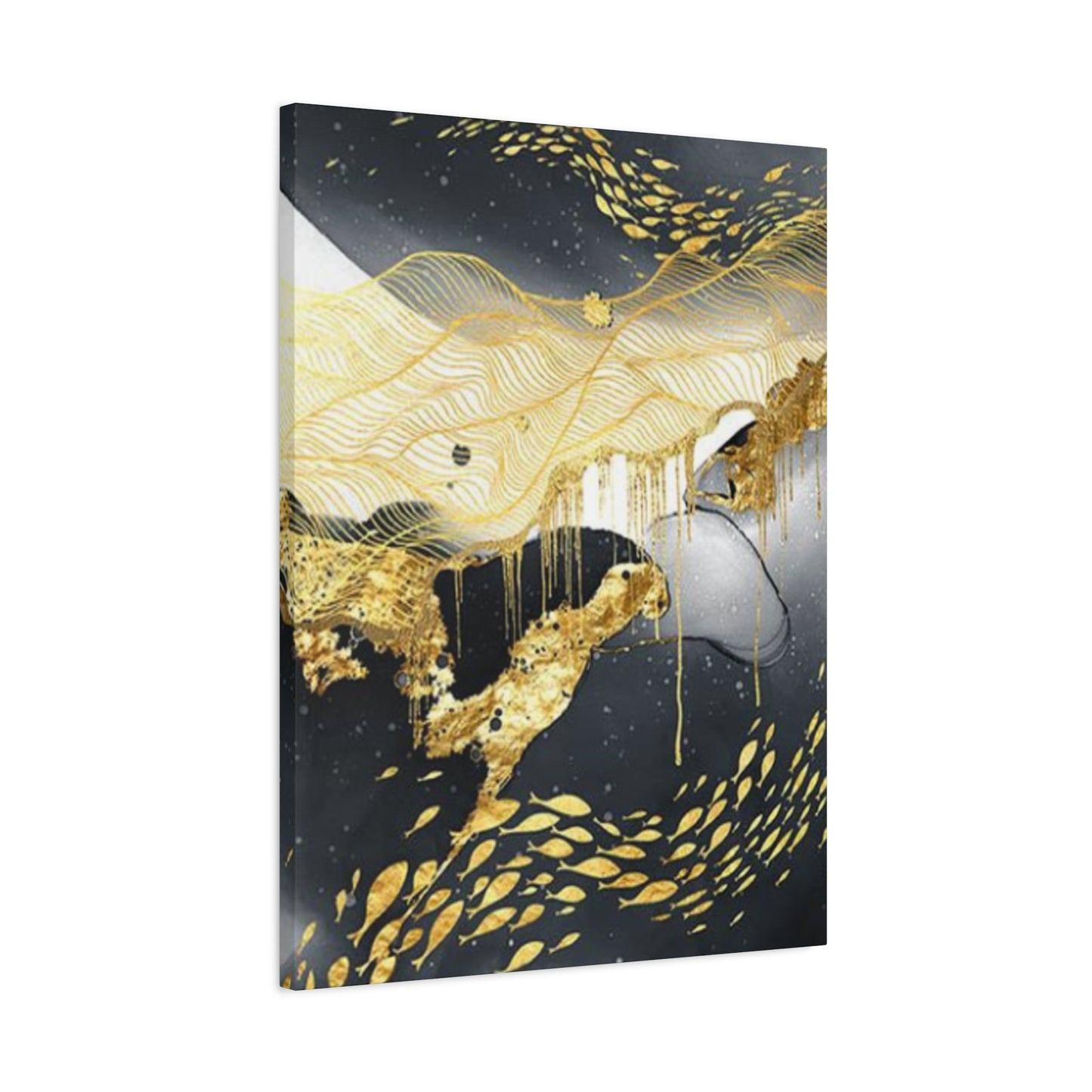
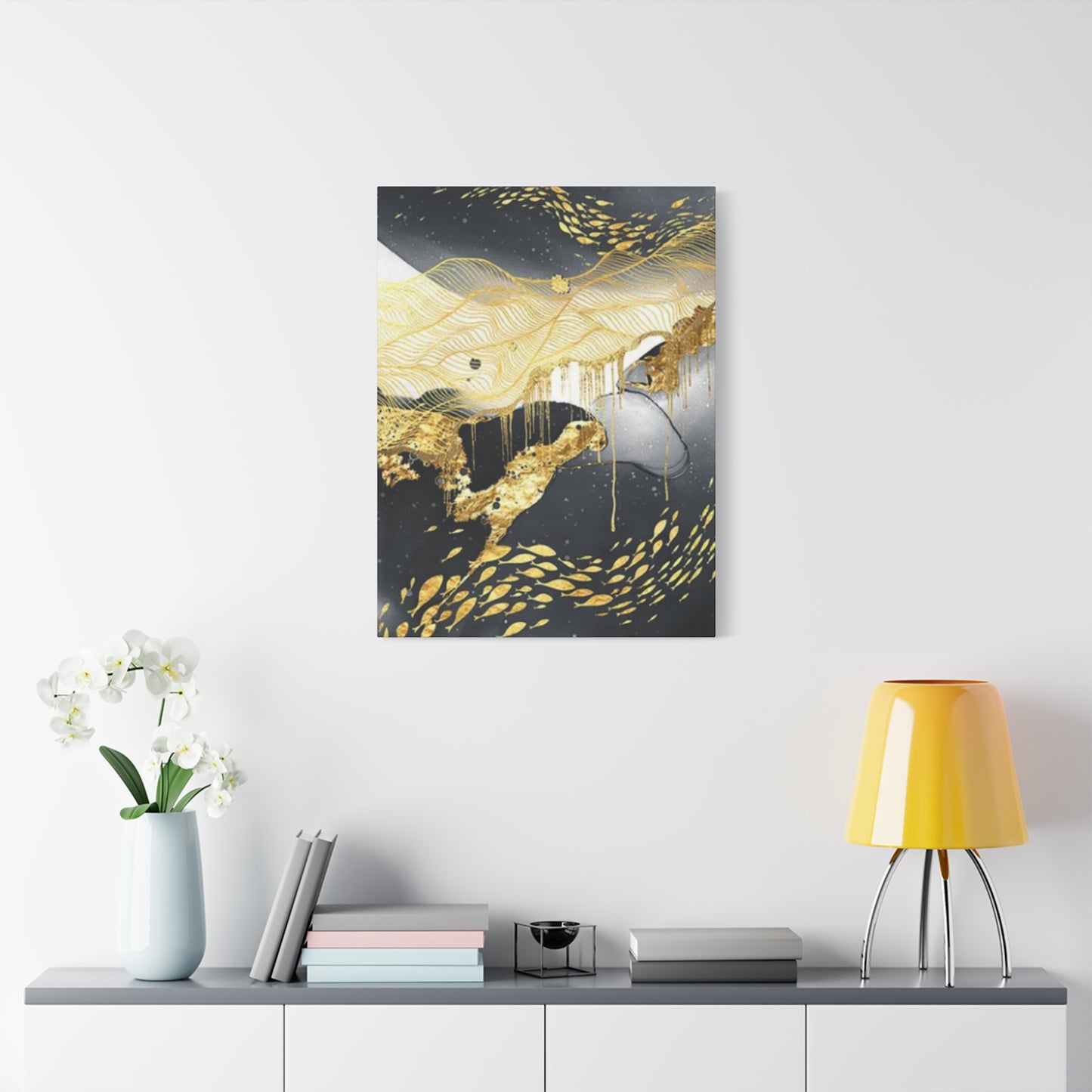
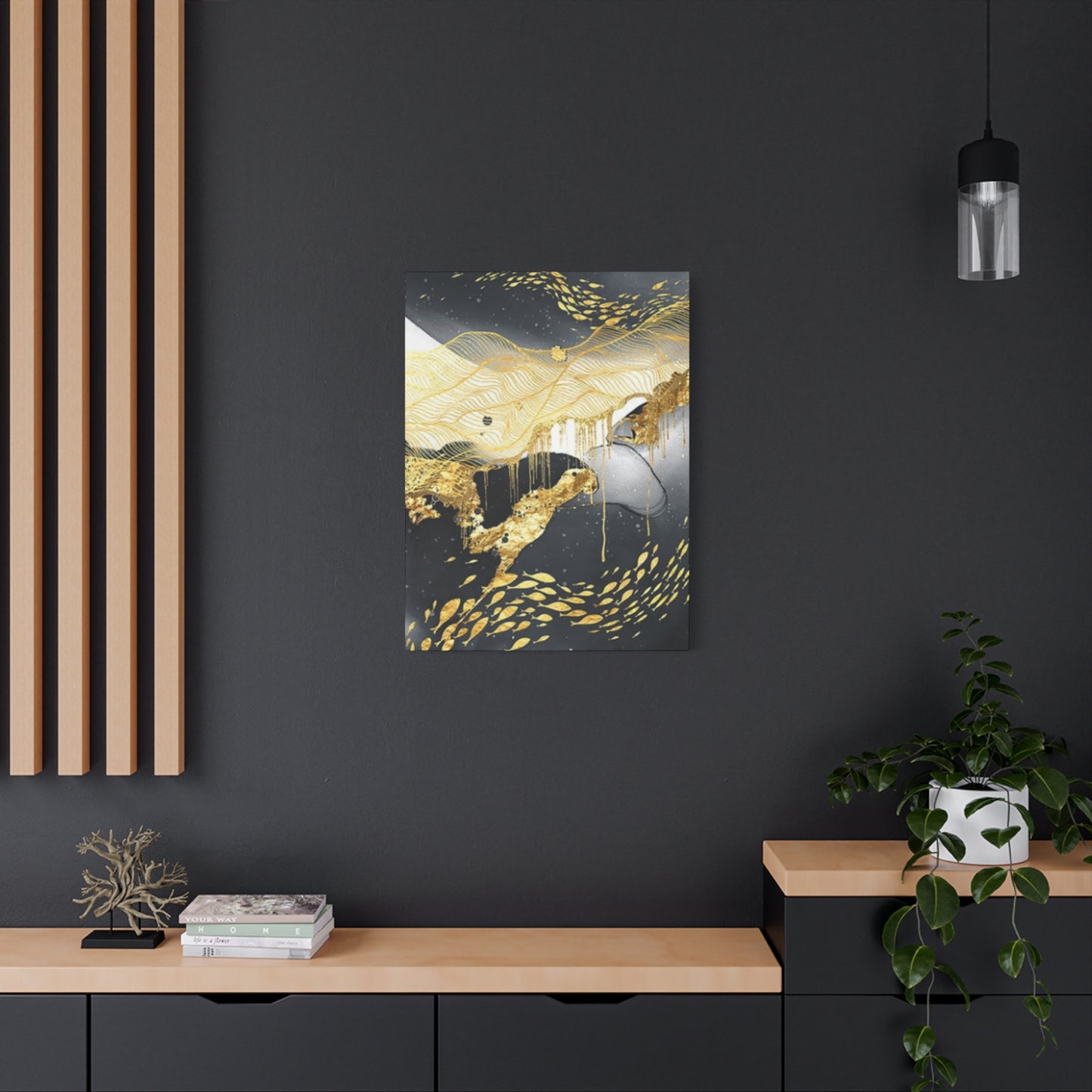
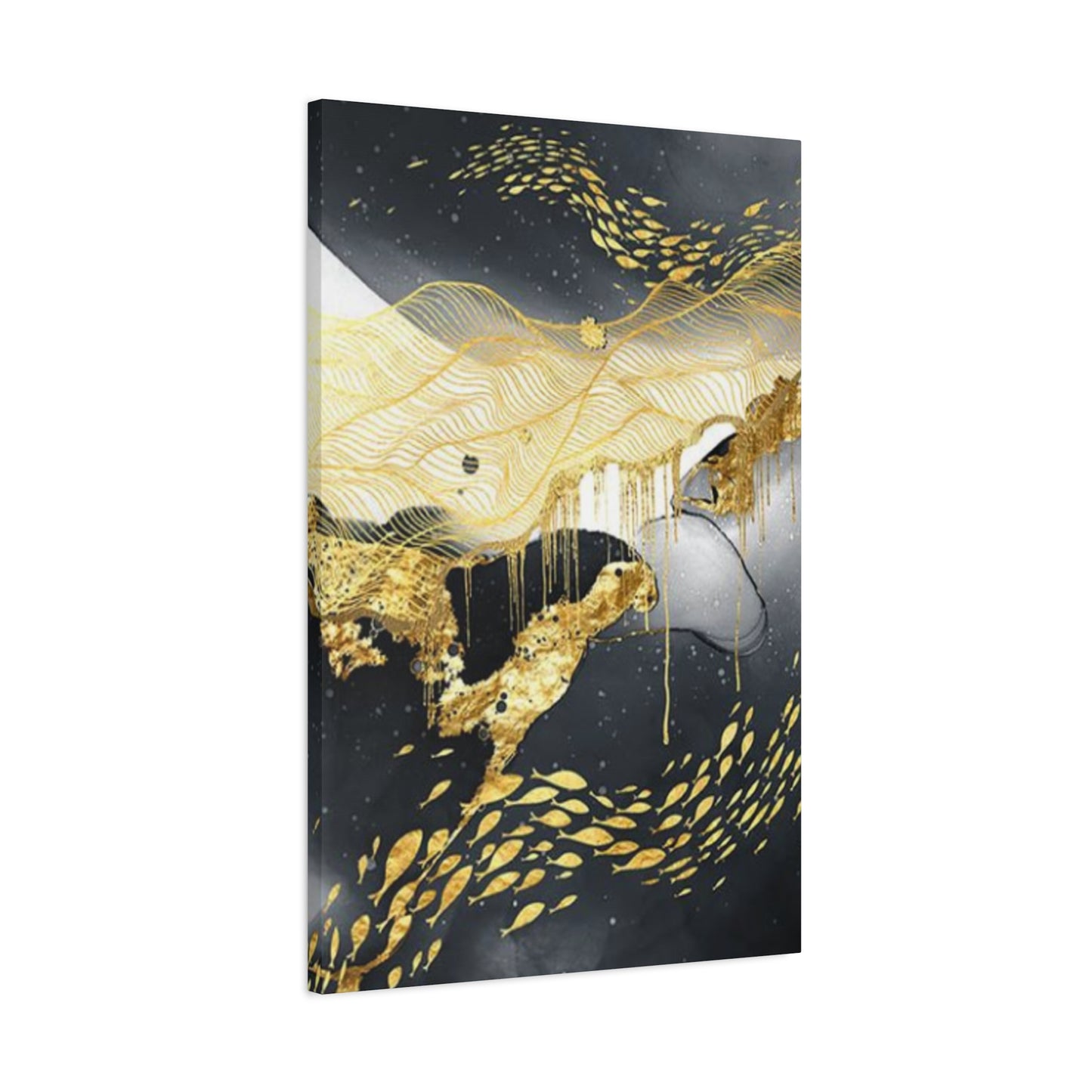
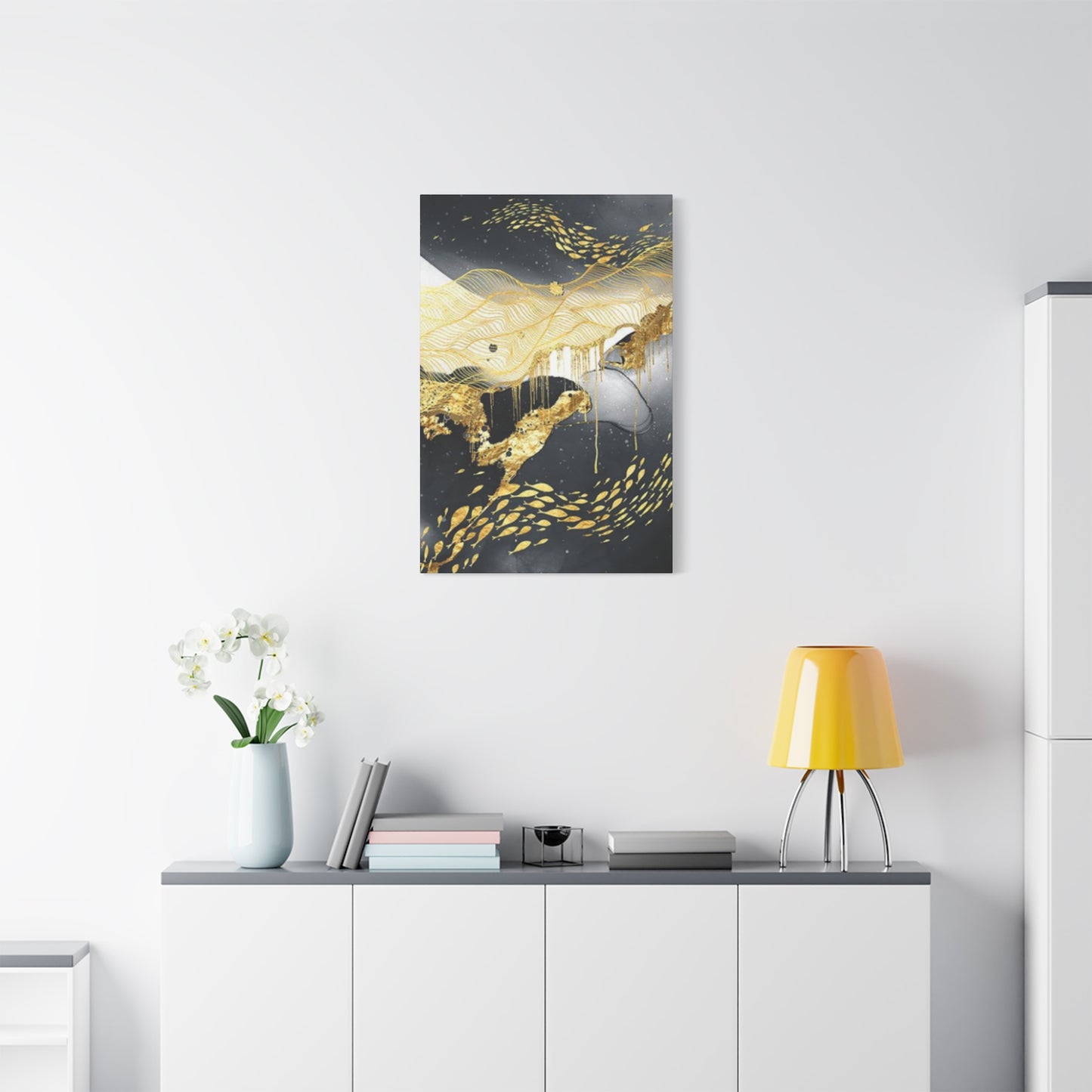
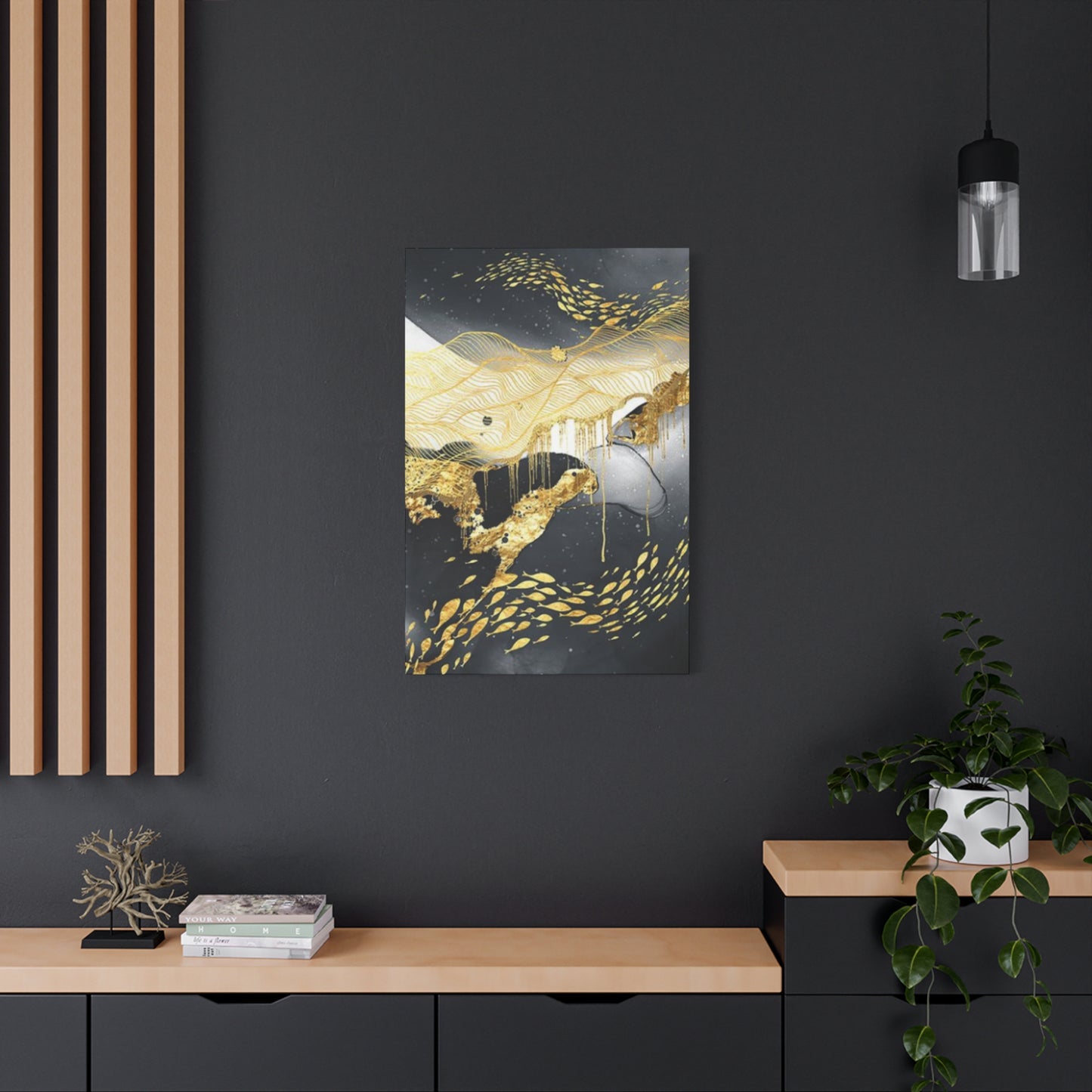
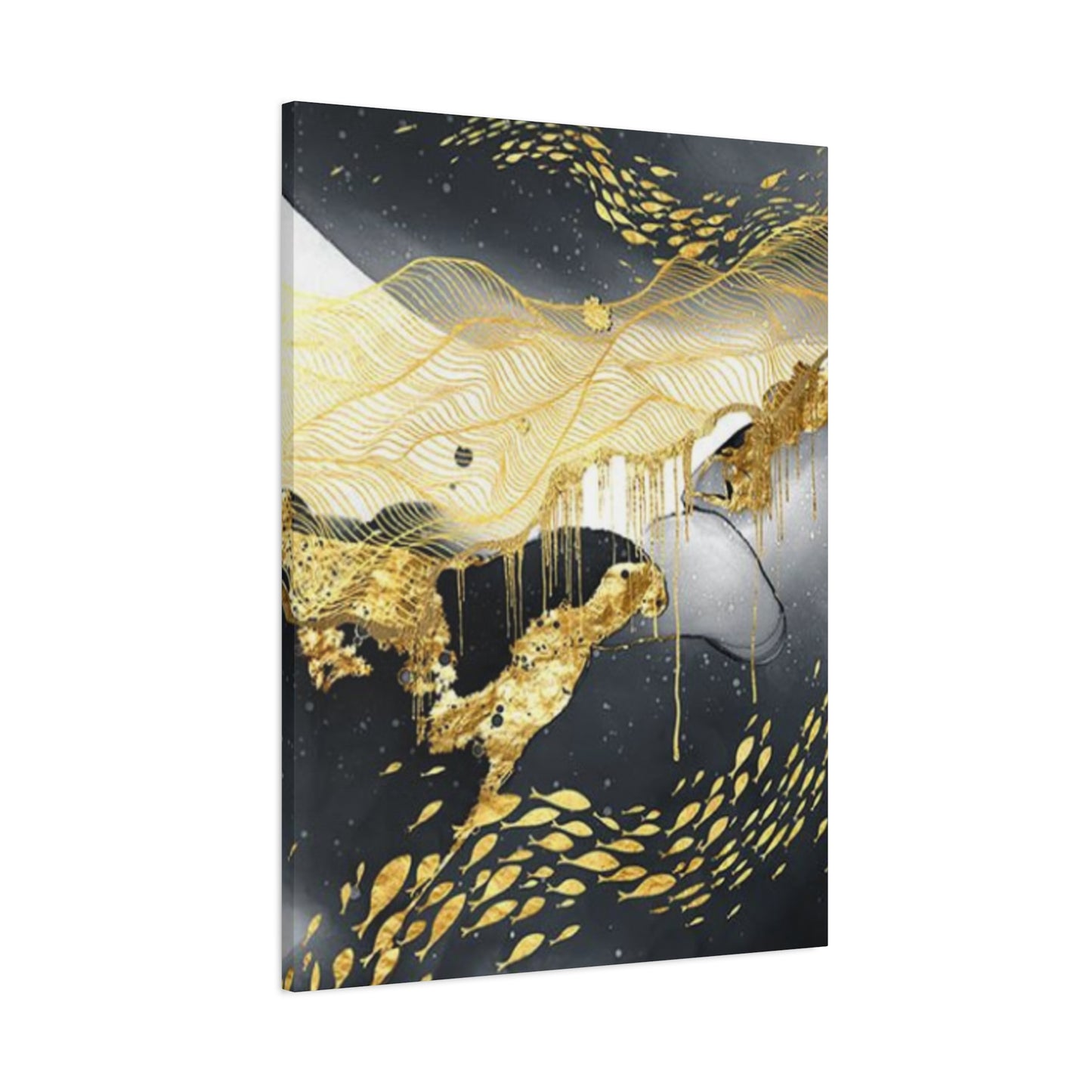
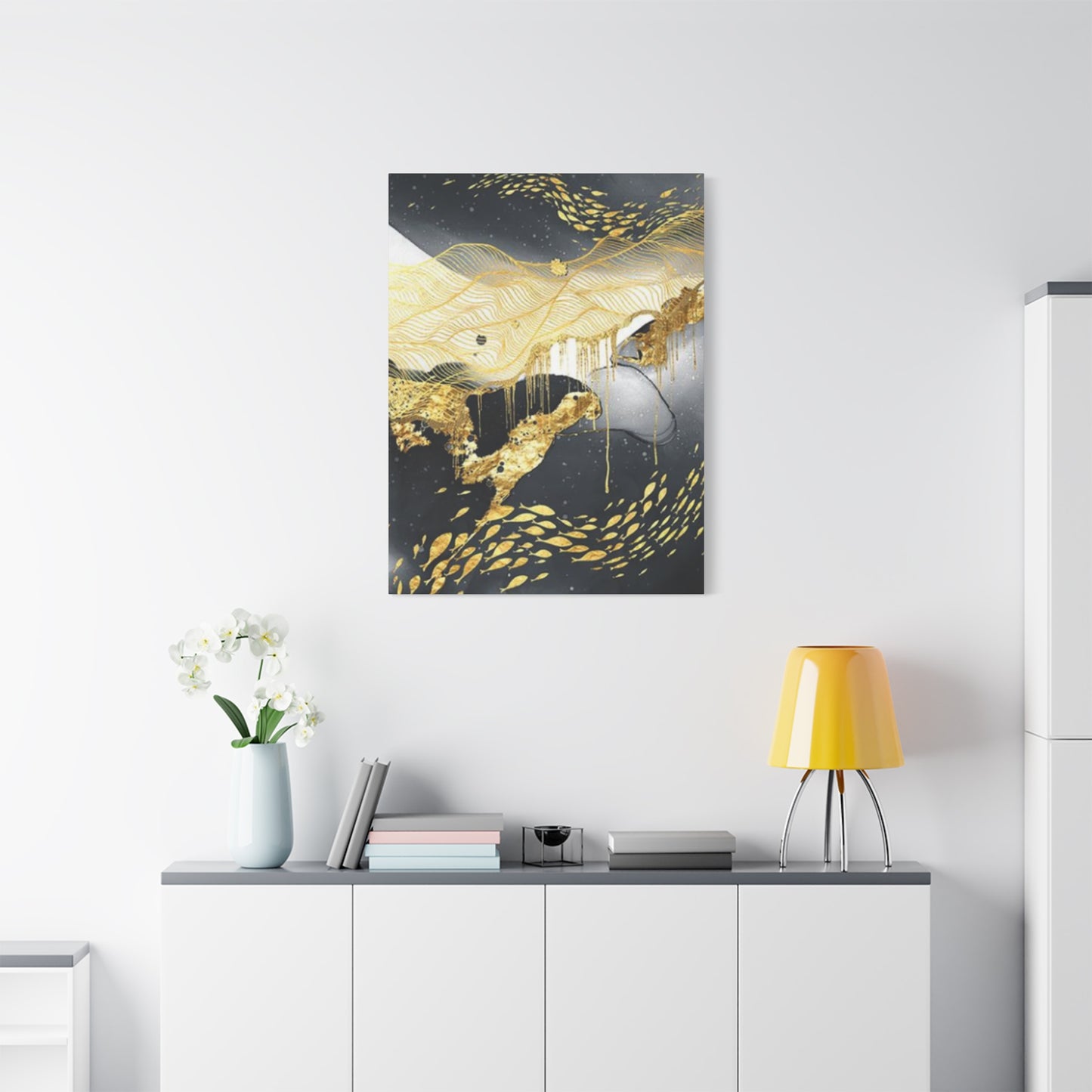
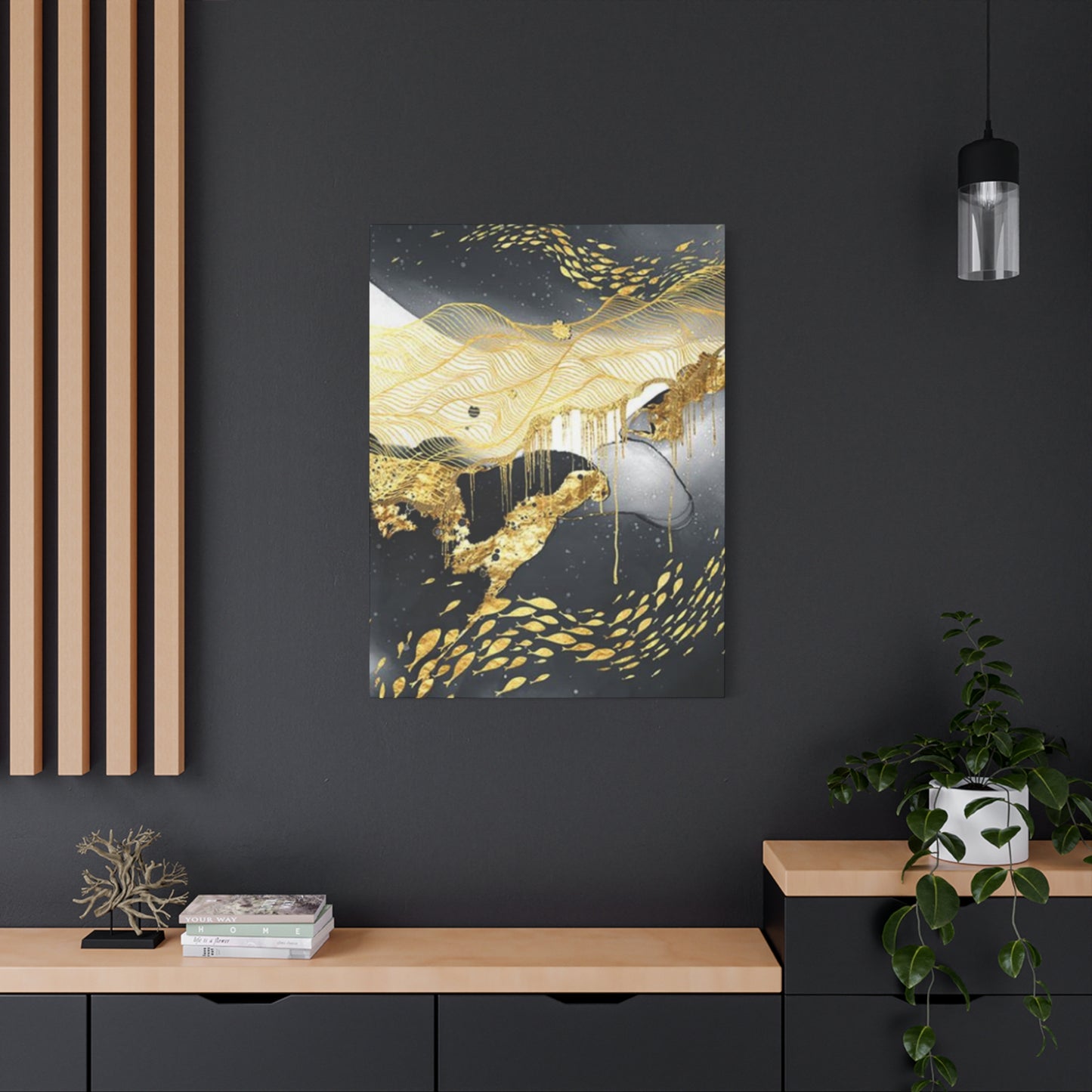
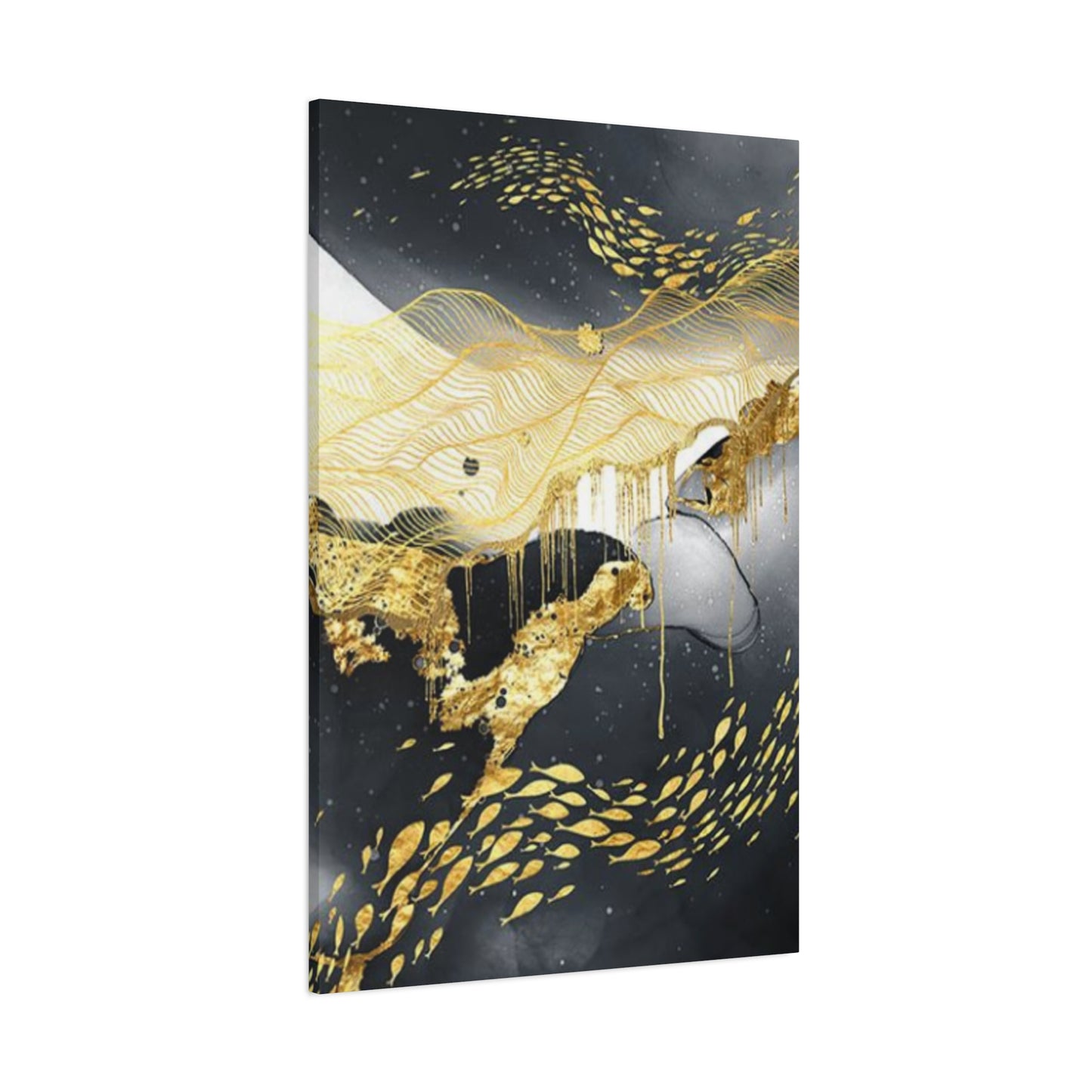
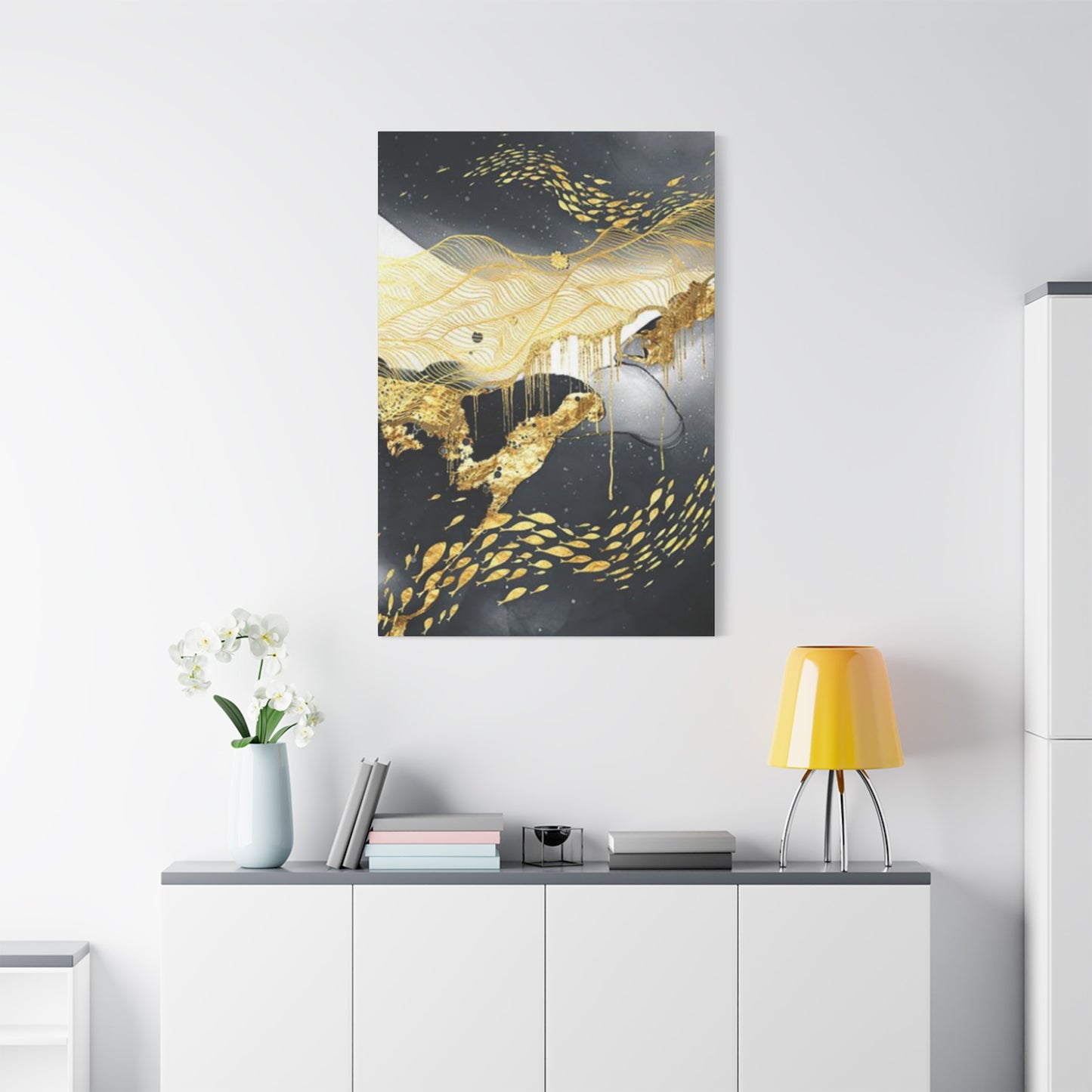
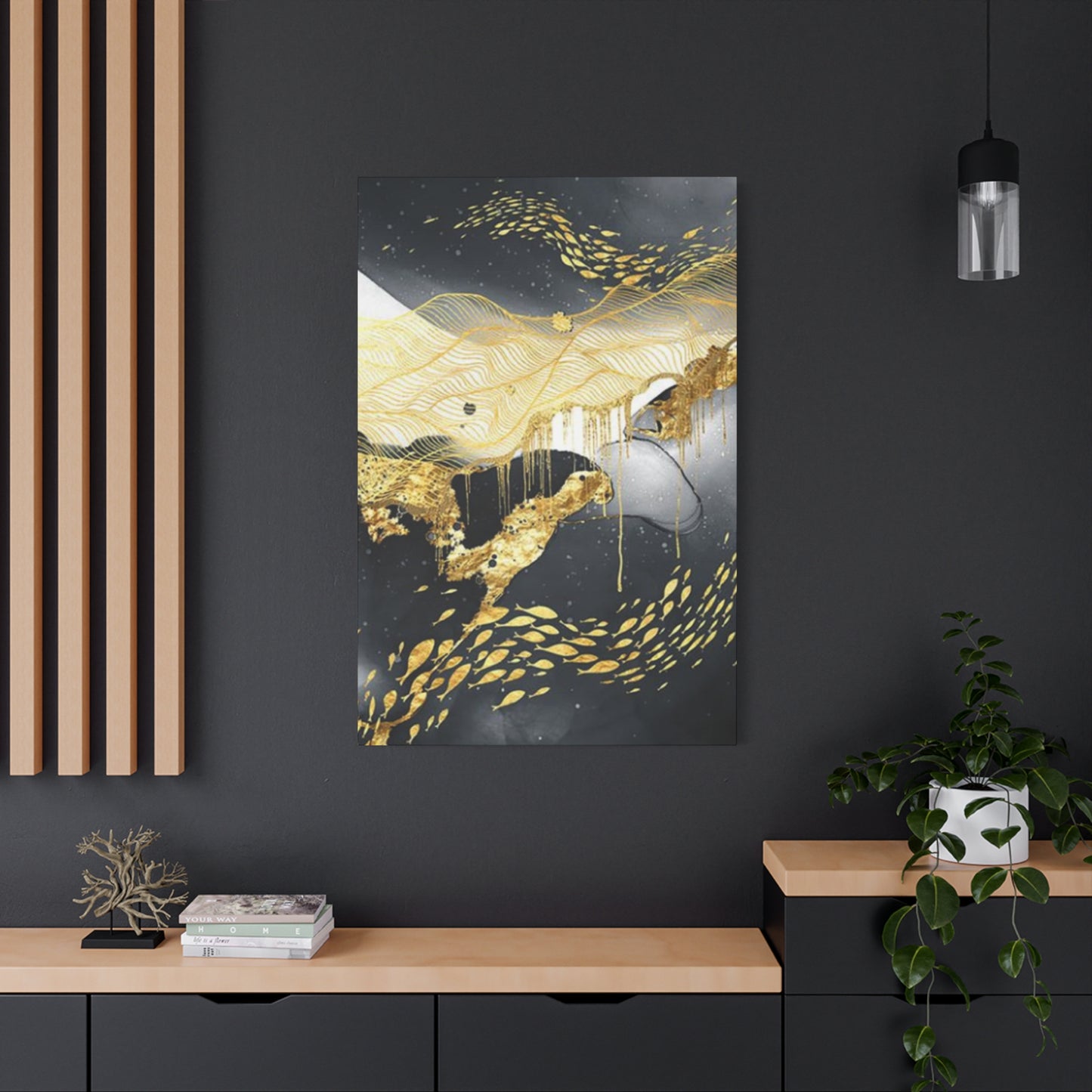
Golden Wall Art & Canvas Prints
Golden Wall Art & Canvas Prints
Couldn't load pickup availability
Exploring the Enduring Beauty and Versatility of Golden Wall Art in Modern Home Interiors
Golden wall art represents a magnificent fusion of aesthetic appeal and cultural significance that has captivated homeowners, interior designers, and art enthusiasts for centuries. The lustrous appeal of gold-toned decorative pieces brings an unmistakable warmth and sophistication to any living environment, creating focal points that command attention while simultaneously harmonizing with diverse design schemes. This comprehensive exploration delves into the multifaceted world of golden wall art, examining its historical roots, contemporary interpretations, selection criteria, and practical implementation strategies for various residential and commercial settings.
The Profound Cultural and Aesthetic Significance of Gold in Decorative Arts Throughout Human Civilization
Gold has maintained an exalted position in human society since ancient times, symbolizing wealth, divinity, power, and eternal beauty across virtually every major civilization. The ancient Egyptians adorned their tombs and temples with golden artwork, believing the precious metal to be the flesh of the gods themselves. Similarly, Byzantine churches featured stunning gold mosaics that caught candlelight and created an ethereal atmosphere meant to inspire spiritual contemplation. In Asian cultures, particularly within Chinese and Indian traditions, golden decorative elements have long been associated with prosperity, good fortune, and spiritual enlightenment.
The psychological impact of golden hues in interior environments cannot be overstated. Color psychology research indicates that gold tones evoke feelings of luxury, success, achievement, and optimism. When incorporated thoughtfully into living spaces through wall art, these metallic tones can elevate the perceived value and sophistication of an entire room. The reflective properties of golden surfaces also contribute to improved lighting conditions, bouncing natural and artificial light throughout a space to create a more luminous and expansive feeling.
Contemporary golden wall art draws inspiration from this rich cultural heritage while incorporating modern design sensibilities and manufacturing capabilities. Today's offerings range from traditional gilded frames containing classical artwork to abstract metallic sculptures, textured canvas pieces with gold leaf accents, and innovative mixed-media creations that blend gold with other materials. This diversity ensures that regardless of personal style preferences or existing décor themes, there exists a golden wall art solution that can enhance virtually any space.
Exploring the Diverse Categories and Styles of Golden Wall Art Available in Today's Market
The marketplace for golden wall art encompasses an extraordinarily wide spectrum of styles, materials, and price points, making it accessible to virtually any budget and aesthetic preference. Canvas prints with gold accents represent one of the most popular categories, often featuring abstract designs, natural landscapes enhanced with metallic touches, or geometric patterns that incorporate gold alongside complementary colors. These pieces typically employ specialized printing processes that layer metallic inks or foils onto high-quality canvas materials, creating depth and visual interest that changes depending on viewing angle and lighting conditions.
Metal wall sculptures constitute another significant category within the golden wall art realm. These three-dimensional pieces range from minimalist circular designs to elaborate botanical motifs, architectural interpretations, and abstract compositions that seem to float away from the wall surface. Crafted from materials such as iron, aluminum, brass, or steel, these sculptures receive various finishing treatments including gold plating, powder coating, or hand-applied patinas that create unique surface characteristics. The dimensional nature of metal sculptures allows them to cast intriguing shadows and create dynamic visual effects throughout the day as natural light shifts position.
Framed artwork with golden elements offers yet another avenue for incorporating this luxurious aesthetic into home décor. Traditional oil paintings or watercolors featuring gold leaf applications bring an old-world elegance to formal spaces, while contemporary prints in ornate gold frames create beautiful juxtapositions between classic and modern design elements. Mirror pieces with gold frames or gold-toned mirrored surfaces serve dual purposes, functioning as both decorative artwork and practical tools for enhancing spatial perception and light distribution within rooms.
Textured wall panels and dimensional artworks represent a more architectural approach to golden wall art. These pieces often feature raised surfaces, carved patterns, or layered materials that create substantial visual and tactile interest. Some incorporate genuine gold leaf applied through traditional gilding processes, while others utilize metallic paints, resins, or composite materials that achieve similar aesthetic effects at more accessible price points. The substantial presence of these artworks makes them particularly well-suited for large walls in entry halls, above fireplaces, or as statement pieces in primary living areas.
Strategic Placement Considerations for Maximizing the Visual Impact of Golden Wall Art in Various Room Settings
The placement of golden wall art requires thoughtful consideration of multiple factors including room dimensions, existing color schemes, lighting conditions, furniture arrangements, and the specific characteristics of the artwork itself. In living rooms, golden wall art typically functions most effectively when positioned above primary seating areas or fireplaces, where it becomes a natural focal point that anchors the entire space. When selecting pieces for these prominent locations, scale becomes particularly important—artwork that is too small will appear insignificant and lost, while oversized pieces can overwhelm the space and create visual imbalance.
Dining rooms present exceptional opportunities for incorporating golden wall art, as the metallic tones complement the social and celebratory nature of these gathering spaces. A substantial piece positioned on the wall opposite the room's entrance creates immediate impact upon entry, while arrangements of smaller golden pieces can create gallery-style displays that add personality and conversation-starting interest. The reflective qualities of golden surfaces work particularly well in dining environments, as they catch and amplify candlelight during evening meals, contributing to an intimate and luxurious atmosphere.
Bedroom environments benefit from more subtle and contemplative approaches to golden wall art placement. Positioning a medium-sized piece above the bed's headboard creates a sense of completion and intentionality in the room's design without introducing excessive visual stimulation that might interfere with restful sleep. Alternatively, golden artwork placed on walls perpendicular to the bed allows it to be appreciated from reclining positions while maintaining a calming overall ambiance. For bedrooms with seating areas or reading nooks, smaller golden pieces can define these zones and add interest without dominating the space's primary function as a sleep sanctuary.
Entryways and hallways represent often-overlooked opportunities for golden wall art displays. These transitional spaces benefit tremendously from the warmth and welcoming quality that gold tones provide, creating positive first impressions for visitors while brightening areas that frequently suffer from limited natural light. In narrow hallways, a series of smaller golden pieces arranged in a linear or staggered pattern can create visual flow and make the space feel more intentional and curated rather than merely functional.
Bathrooms, particularly master ensuites and powder rooms, increasingly feature golden wall art as homeowners recognize these private spaces as opportunities for personal expression and luxury. Moisture-resistant materials and proper sealing become critical considerations in these humid environments, but when properly executed, golden artwork can transform utilitarian spaces into spa-like retreats. Positioning artwork away from direct water exposure while ensuring adequate ventilation helps preserve the integrity and appearance of these decorative investments over time.
Comprehensive Guidelines for Selecting Golden Wall Art That Harmonizes With Existing Interior Design Schemes
Selecting appropriate golden wall art requires careful analysis of existing room characteristics and a clear vision of desired aesthetic outcomes. Begin by evaluating the room's current color palette, noting primary wall colors, furniture upholstery tones, flooring materials, and accent colors present in textiles, rugs, and accessories. Golden wall art works harmoniously with warm color schemes featuring creams, taupes, browns, and warm grays, creating cohesive environments with natural flow. However, gold also creates stunning contrasts when paired with cool tones like navy, deep emerald, or charcoal, particularly in contemporary or eclectic design schemes.
The style and era of existing furnishings should significantly influence golden wall art selection. Traditional interiors featuring classic furniture silhouettes, rich wood tones, and formal arrangements pair beautifully with ornate golden frames, classical subject matter, or artwork incorporating Renaissance or Baroque influences. Conversely, modern spaces with clean lines, minimalist furniture, and neutral palettes benefit from abstract golden pieces, geometric designs, or sculptural works that echo the simplicity and intentionality of contemporary design philosophy.
Texture considerations extend beyond the artwork itself to encompass the entire room environment. Spaces already featuring multiple textures—such as woven fabrics, natural wood grains, leather, or stone—can accommodate textured golden wall art that adds another layer of visual and tactile interest. Conversely, minimalist environments with smooth surfaces and limited textural variation might benefit from either highly textured golden pieces that introduce welcome contrast or sleek, polished metallic works that maintain the space's refined simplicity.
Size and scale decisions require careful measurement and often benefit from temporary mockups using paper templates or digital visualization tools. General design principles suggest that artwork positioned above furniture should span approximately two-thirds to three-quarters of the furniture piece's width, though these guidelines can be adjusted based on ceiling height, room proportions, and personal preferences. When creating gallery walls with multiple golden pieces, laying out the arrangement on the floor before committing to wall installation allows for experimentation with different configurations and ensures satisfactory spacing and visual balance.
The subject matter and imagery within golden wall art should resonate personally while considering the room's function and the emotions you wish to evoke. Abstract compositions offer maximum versatility and longevity, as they avoid specific representational content that might eventually feel dated or limiting. Natural motifs including botanical subjects, landscapes, or celestial imagery connect indoor spaces with the natural world while maintaining timeless appeal. Geometric patterns and architectural elements bring structure and sophistication, particularly suited to formal spaces or contemporary environments.
Detailed Examination of Materials and Construction Methods Used in Creating Golden Wall Art Pieces
Understanding the materials and production methods employed in golden wall art creation helps buyers make informed decisions regarding quality, longevity, and value. Genuine gold leaf application represents the most traditional and prestigious method for achieving golden surfaces. This painstaking process involves applying extremely thin sheets of real gold to prepared surfaces using specialized adhesives and techniques refined over centuries. Artwork featuring genuine gold leaf commands premium prices but offers unmatched luminosity, longevity, and prestige. The gold used in leaf form typically ranges from 22 to 24 karats, and authentic gold leaf will not tarnish or degrade over time, maintaining its brilliance indefinitely when properly cared for.
Gold paint formulations have evolved significantly, now offering highly realistic metallic finishes at substantially lower costs than gold leaf. High-quality acrylic and oil-based gold paints incorporate finely ground metallic pigments that create convincing golden surfaces with good reflective properties and reasonable durability. Premium formulations resist fading and tarnishing better than economy alternatives, making paint quality an important consideration for long-term satisfaction. Some artists combine multiple paint formulations to create dimensional effects with varying gold tones, from pale champagne to deep antique gold.
Metal substrates used in sculptural golden wall art undergo various surface treatments to achieve desired finishes. Electroplating processes deposit thin layers of gold onto base metals through electrochemical reactions, creating durable surfaces with authentic metallic properties. Powder coating, an alternative finishing method, involves applying dry powder pigments electrostatically before heat-curing them into smooth, resilient surfaces. While powder-coated pieces don't contain actual gold, modern formulations achieve remarkably realistic metallic appearances with excellent resistance to scratches, chips, and environmental degradation.
Resin casting has emerged as a popular method for creating affordable yet impressive golden wall art. Artists pour liquid resin containing metallic pigments, gold flakes, or mica particles into molds, creating pieces with embedded three-dimensional elements, varying transparency levels, and unique depth characteristics. The hardened resin accepts various surface treatments and can be polished to high gloss or finished with matte sealers depending on desired aesthetic outcomes. Resin pieces offer excellent moisture resistance, making them particularly suitable for bathrooms or humid climates.
Canvas-based golden wall art typically begins with high-quality cotton or linen canvas stretched over wooden frames. Artists or manufacturers apply golden elements through several possible methods: hand-painting with metallic paints, screen printing with metallic inks, applying gold leaf to selected areas, or incorporating gold-toned materials like sequins, beads, or metallic threads. The canvas receives protective coatings to preserve the artwork and prevent damage from UV exposure, dust, and environmental contaminants. Gallery-wrapped canvases with images continuing around the edges eliminate the need for framing, creating contemporary presentations suitable for modern interiors.
Practical Methods for Proper Installation and Secure Mounting of Golden Wall Art in Residential Spaces
Proper installation ensures both the safety of occupants and the preservation of valuable artwork investments. Begin by carefully examining the wall surface and determining its composition, as different wall materials require specific hanging hardware and approaches. Standard drywall installations utilize wall anchors or toggle bolts for pieces weighing more than a few pounds, distributing weight across larger surface areas and preventing anchor pullout. Locate wall studs whenever possible for maximum holding strength, particularly when hanging heavy metal sculptures or large framed pieces.
The weight of golden wall art varies tremendously based on materials and construction. Canvas pieces typically weigh less than metal sculptures or heavily framed artwork, but should still be properly secured with appropriate hardware. Most artwork includes hanging mechanisms on the rear, whether D-rings, wire, sawtooth hangers, or keyhole slots. Evaluate these built-in hangers to ensure they appear sturdy and properly attached before trusting them with the artwork's full weight. Consider upgrading inadequate hardware before installation to prevent accidents and damage.
Measuring and marking wall positions requires precision for professional-looking results, particularly when installing multiple pieces in gallery arrangements. Use a level to ensure perfect horizontal alignment, as even slight tilts become glaringly obvious once artwork is installed. For gallery walls with multiple pieces, create paper templates matching each artwork's dimensions and use painter's tape to temporarily position them on the wall. This allows experimentation with different arrangements without creating unnecessary holes. Once satisfied with the layout, mark hanging positions through the templates before removing them and installing hardware.
Picture hanging systems with adjustable cables or rods offer flexibility for those who enjoy periodically refreshing their décor arrangements. These systems mount to walls or ceilings and accept hooks at any position along their length, allowing artwork to be repositioned without creating new holes. While requiring more substantial initial installation, these systems prove particularly valuable in rental situations or for collectors who frequently rotate displayed pieces.
Lighting considerations significantly impact how golden wall art appears and should be addressed during installation planning. While gold naturally reflects ambient light beautifully, dedicated artwork lighting enhances visual impact dramatically. Picture lights mounted directly to artwork frames or above pieces illuminate surfaces evenly without glare or hot spots. Track lighting or adjustable recessed fixtures provide flexibility for highlighting artwork while accommodating future changes. LED lighting options offer excellent color rendering while generating minimal heat that could potentially damage artwork over time.
Effective Cleaning and Preservation Strategies for Maintaining Golden Wall Art's Appearance and Integrity
Regular maintenance preserves golden wall art's beauty and prevents deterioration that diminishes both aesthetic appeal and monetary value. Establish a consistent cleaning schedule based on environmental factors including household traffic, cooking activities, pet presence, and local air quality. Most golden wall art benefits from gentle dusting every two to four weeks using soft, lint-free cloths or specialized microfiber dusters designed for delicate surfaces. Avoid feather dusters, as stiff quills can scratch metallic surfaces or snag on textured areas.
Canvas-based golden wall art requires particularly gentle cleaning approaches to prevent damage to both the canvas fibers and applied metallic elements. Use soft brush attachments on vacuum cleaners set to low suction to remove accumulated dust, working in the direction of any visible brushstrokes or textures. Avoid direct contact between vacuum nozzles and canvas surfaces, maintaining a slight gap to prevent suction damage. For more thorough cleaning, barely dampen a microfiber cloth with distilled water and gently blot soiled areas without rubbing, as friction can disturb pigments or loosen gold leaf applications.
Metal golden wall art pieces tolerate slightly more aggressive cleaning methods but still demand caution to prevent surface damage. Create a mild cleaning solution using distilled water and a tiny amount of pH-neutral dish soap, then dampen a soft cloth with the solution and gently wipe metal surfaces. Immediately dry all cleaned areas thoroughly with clean, dry cloths to prevent water spots or mineral deposits. Avoid ammonia-based cleaners, abrasive scrubs, or harsh chemicals that can damage protective coatings or cause discoloration of metallic finishes.
Gold leaf artwork requires the most delicate handling and minimal intervention. Genuine gold leaf is extremely thin and fragile, susceptible to damage from excessive handling, moisture, or abrasive contact. Limit cleaning to very gentle dusting with ultra-soft brushes, and never use liquid cleaners or dampened cloths directly on gold leaf surfaces. If gold leaf artwork requires restoration or more intensive cleaning, consult professional art conservators who possess specialized knowledge and materials for working with these precious pieces.
Environmental control significantly impacts golden wall art preservation. Avoid hanging artwork in locations exposed to direct sunlight for extended periods, as UV radiation can fade pigments, weaken canvas fibers, and degrade protective coatings. Similarly, areas near heat sources like fireplaces, radiators, or heating vents subject artwork to temperature fluctuations and dry conditions that can cause warping, cracking, or other structural damage. Maintain stable indoor humidity levels between 40-60% to prevent moisture-related deterioration or excessive dryness that makes materials brittle.
Inspect golden wall art periodically for signs of damage or deterioration including loose hanging hardware, warping frames, cracking paint, lifting gold leaf, or tarnishing metal surfaces. Address minor issues promptly before they progress into more serious problems requiring expensive professional intervention. Keep original packaging materials if possible, as they provide valuable protection if artwork needs temporary storage or relocation. When moving golden wall art, always support pieces from the bottom rather than lifting by hanging hardware or frames alone, distributing weight evenly to prevent stress and damage.
Innovative Approaches to Incorporating Golden Wall Art Into Various Interior Design Movements and Aesthetics
Golden wall art's remarkable versatility allows it to enhance virtually any design style when selected and positioned thoughtfully. In traditional interiors characterized by ornate furnishings, rich textiles, and classical proportions, golden wall art naturally complements existing elements. Choose pieces featuring elaborate frames with carved details, classical subject matter such as landscapes or still life compositions, or artwork incorporating Renaissance and Baroque influences. Antique or vintage golden frames containing family portraits or historical prints create meaningful focal points that honor heritage while adding visual richness.
Contemporary and modern spaces embrace golden wall art that features clean lines, abstract compositions, and minimalist sensibilities. Geometric patterns, monochromatic golden canvases, or sculptural metal pieces with architectural influences align perfectly with modern design's emphasis on form, proportion, and intentional simplicity. Large-scale abstract pieces with bold brushstrokes or dramatic textural elements create stunning focal points that demonstrate sophisticated restraint while providing necessary visual interest in otherwise spare environments.
Scandinavian and Nordic-inspired interiors, known for their emphasis on natural materials, neutral palettes, and functional simplicity, incorporate golden accents sparingly but effectively. Select golden wall art with organic forms, nature-inspired motifs, or subtle metallic touches that enhance rather than dominate the characteristically light and airy aesthetic. Pale gold tones with matte or brushed finishes integrate more seamlessly than high-gloss or heavily ornate pieces, maintaining the relaxed, understated elegance central to Nordic design philosophy.
Industrial and urban loft aesthetics celebrate raw materials, exposed structural elements, and utilitarian objects transformed into design features. Golden wall art in these contexts often takes the form of reclaimed materials with golden accents, metal sculptures with intentional patinas suggesting age and use, or mixed-media pieces combining gold with weathered wood, concrete, or oxidized metals. The contrast between refined golden elements and rough industrial materials creates dynamic tension that epitomizes this popular design movement.
Bohemian and eclectic interiors provide perhaps the most freedom for golden wall art expression. These collected, layered spaces welcome diverse artwork styles, periods, and origins united by personal meaning rather than rigid design rules. Gallery walls combining golden pieces with contrasting materials, colors, and subjects create visually rich displays that tell stories and reveal inhabitants' personalities. Vintage golden frames, metallic macramé wall hangings, gilded mirrors, and globally-inspired golden artwork coexist harmoniously in boho environments that prioritize individual expression over design conformity.
Coastal and nautical themes might initially seem incompatible with golden wall art, but thoughtful selections can bridge these aesthetics beautifully. Warm gold tones contrast stunningly with cool coastal blues, creating sophisticated color combinations that elevate beach house décor beyond predictable maritime clichés. Choose artwork featuring abstract waves with gold accents, sunset seascapes with golden skies, or organic forms inspired by shells and sea creatures rendered in metallic finishes. These pieces honor coastal themes while introducing unexpected glamour and refinement.
Exploring How Golden Wall Art Influences Spatial Perception and Atmospheric Qualities Within Interior Environments
Golden wall art profoundly impacts how inhabitants and visitors experience and perceive interior spaces through multiple interrelated mechanisms. The reflective properties of metallic gold surfaces function similarly to mirrors, bouncing light throughout rooms and creating brighter, more expansive-feeling environments. This quality proves particularly valuable in smaller rooms, north-facing spaces with limited natural light, or interiors with dark color schemes that might otherwise feel confined or gloomy. Strategic placement of golden wall art near light sources amplifies this effect, creating points of visual interest that draw eyes and attention while practically improving illumination.
The warmth inherent in golden tones significantly influences room atmosphere and emotional response. Spaces featuring golden wall art typically feel more inviting, comfortable, and intimate compared to identical rooms decorated with cool-toned artwork. This warming effect makes golden pieces particularly appropriate for social spaces like living rooms and dining areas, where creating welcoming environments that encourage gathering and conversation remains paramount. Conversely, this same quality might be less desirable in rooms intended for focused work or vigorous exercise, where cooler tones potentially enhance concentration or energetic feelings more effectively.
Golden wall art serves as a powerful tool for establishing or reinforcing visual hierarchy within rooms. Large, prominently positioned golden pieces naturally command attention and establish focal points around which other design elements organize themselves. This hierarchical structuring helps create intentional, curated-feeling spaces rather than collections of random objects lacking cohesion or purpose. When multiple focal points compete for attention, rooms feel chaotic and uncomfortable; golden wall art positioned deliberately can resolve these tensions by clearly establishing primary and secondary areas of visual emphasis.
The luxurious associations that humans across cultures attach to gold transfer directly to spaces containing golden artwork. Rooms featuring well-selected golden pieces immediately register as more upscale, refined, and valuable than comparable spaces lacking this element. This psychological effect operates independently of actual expenditure—even affordable golden wall art conveys sophistication when appropriately scaled and positioned. Interior designers frequently exploit this phenomenon when staging properties for sale or creating impressive commercial spaces on limited budgets.
Golden wall art's ability to bridge traditional and contemporary aesthetics makes it particularly valuable in transitional spaces or homes undergoing gradual style evolution. A carefully selected golden piece can harmonize conflicting design elements from different eras or styles, creating visual connections that unify disparate objects into cohesive compositions. This bridging quality allows homeowners to preserve cherished inherited pieces while incorporating contemporary furnishings, or to gradually transition room aesthetics without wholesale replacement of existing investments.
The textural qualities of golden wall art, whether smooth and polished or heavily dimensional and textured, contribute significantly to spatial character. Highly textured pieces with raised surfaces, layered materials, or carved details add visual weight and gravitas to spaces, making them feel more substantial and grounded. Smooth, minimalist golden pieces create lighter, more ethereal effects that maintain visual interest without adding psychological heaviness. Matching texture choices to room functions and existing design elements ensures golden wall art enhances rather than conflicts with overall aesthetic intentions.
Comprehensive Analysis of Price Ranges and Value Considerations When Purchasing Golden Wall Art
Golden wall art spans an extraordinarily broad price spectrum, from mass-produced prints available for under fifty dollars to unique artist-created pieces and genuine gold leaf works commanding five-figure prices or more. Understanding the factors that influence pricing helps buyers make informed decisions that balance aesthetic desires, quality expectations, and budgetary realities. Mass-produced canvas prints with gold accents represent the most affordable category, utilizing digital printing processes and metallic inks to create decorative pieces at accessible price points. While these works lack the uniqueness and handcrafted quality of original artwork, they serve perfectly well in casual spaces or situations where artwork may be frequently changed.
Limited edition prints and numbered reproductions occupy a middle ground between mass-produced decorations and original artwork. These pieces typically feature higher-quality materials including archival canvas or fine art papers, superior printing processes that more accurately reproduce original artwork, and signatures or certificates authenticating their limited production numbers. Prices reflect both material quality and artificial scarcity created by intentionally limited production runs. Collectors and design enthusiasts often favor limited editions as they offer artistic merit and investment potential unavailable in unlimited mass-produced pieces.
Original artwork created by individual artists commands premium pricing justified by the unique, unreproducible nature of these pieces. Each original painting, mixed-media work, or sculpture represents hours or days of skilled labor, years of artistic development, and the artist's creative vision and technical execution. Prices vary tremendously based on artist reputation, artwork size, materials employed, and complexity of creation. Emerging artists offer opportunities to acquire original golden wall art at relatively accessible prices, while works by established or collectible artists can represent substantial financial investments.
Antique and vintage golden wall art occupies a specialized market niche with pricing influenced by age, condition, provenance, artistic merit, and market demand for particular periods or styles. Genuine antique gilded frames, vintage oil paintings with gold leaf elements, or mid-century modern pieces by recognized designers can appreciate significantly over time, potentially offering both aesthetic enjoyment and financial returns. However, this market requires specialized knowledge to avoid overpaying for pieces with questionable authenticity or condition issues that diminish value.
Custom commissioned golden wall art allows buyers to obtain pieces precisely tailored to their spaces, preferences, and specifications. Artists typically charge for custom work based on size, complexity, materials, and their established rates. While commanding premium prices compared to readily available pieces, commissioned artwork ensures perfect fit for specific locations and personalized content that resonates deeply with owners. The collaborative process of working with artists to develop custom pieces adds another dimension of satisfaction and personal connection to the resulting artwork.
When evaluating golden wall art value, consider longevity and timelessness alongside initial purchase price. Trendy pieces reflecting current fashions may lose appeal within a few years, requiring replacement and ultimately costing more than timeless alternatives purchased initially. Higher-quality materials and construction techniques extend useful life and maintain appearance despite years of display, justifying premium pricing through superior long-term value. Conversely, inexpensive pieces serving temporary needs or spaces undergoing frequent redesign deliver appropriate value despite lacking long-term durability or artistic merit.
Strategic Considerations for Creating Cohesive Golden Wall Art Collections and Gallery Wall Arrangements
Building collections of golden wall art allows for creative expression that evolves over time, developing deeper visual impact and personal meaning than single pieces can achieve alone. Begin collection development by identifying unifying themes, whether based on color schemes, subject matter, artistic styles, or emotional resonance. Cohesive collections need not match perfectly—in fact, some variation creates visual interest and prevents monotony—but should share enough common characteristics to appear intentionally related rather than randomly assembled. Consider collections built around warm metallic tones including gold alongside bronze and copper, or pieces featuring consistent geometric motifs expressed through different artistic techniques.
Gallery walls represent the most popular format for displaying golden wall art collections, transforming blank walls into curated exhibitions that reflect personal taste and sophistication. Successful gallery walls balance similarity with variety, incorporating pieces of different sizes, orientations, and formats while maintaining overall cohesion. Combine framed canvases with unframed stretched canvas pieces, integrate dimensional metal sculptures with flat prints, or mix photography with paintings and mixed-media works. This varied approach creates dynamic displays that reward extended viewing as eyes discover new details and relationships between pieces.
Symmetrical gallery wall arrangements project formality and traditional sensibility, featuring balanced compositions with pieces arranged in regular patterns. Grid formations with uniformly sized and spaced pieces create clean, organized displays particularly suited to modern or transitional interiors. Symmetrical arrangements pair beautifully with formal furnishings and architectural details, reinforcing the structured elegance of traditional design approaches. The precision required for successful symmetrical installations demands careful measurement and planning, but results in polished, professional-appearing displays.
Asymmetrical and organic gallery wall layouts embrace more relaxed, collected aesthetics that suit contemporary, eclectic, and bohemian interiors. These arrangements feature varied spacing, mixed sizes, and intuitive rather than mathematical placement decisions. The apparent casualness of asymmetrical layouts actually requires careful consideration to achieve balanced compositions that avoid appearing haphazard or unintentional. Start asymmetrical layouts by positioning the largest piece first, then building outward with progressively smaller items, maintaining relatively consistent spacing between pieces while varying the specific distances to create organic rhythm.
Vertical arrangements elongate walls and draw eyes upward, making rooms with standard ceiling heights feel taller and more spacious. Vertical golden wall art displays work particularly well in narrow spaces like hallways, alongside tall furniture pieces, or flanking architectural features such as windows or fireplaces. Limit vertical arrangements to three or four pieces to prevent compositions from becoming top-heavy or overwhelming, and ensure adequate spacing between pieces to let each work breathe and maintain its individual impact.
Horizontal arrangements create lateral movement across walls, making them ideal for positioning above sofas, beds, dining buffets, or console tables. These spreading compositions visually anchor furniture pieces below while creating expansive feelings that make rooms appear wider. Horizontal gallery walls typically incorporate five to seven pieces, though larger walls can accommodate more extensive arrangements. Maintain the arrangement's visual baseline at a consistent height, typically aligning bottom edges while allowing top edges to vary, creating rhythmic undulation across the display.
Examining the Relationship Between Golden Wall Art and Complementary Decorative Elements Within Interior Spaces
Golden wall art rarely exists in isolation but rather interacts constantly with surrounding furnishings, textiles, lighting, and accessories to create unified interior environments. Understanding these relationships enables intentional design decisions that maximize cohesion and visual impact. Furniture upholstery colors significantly influence how golden wall art appears; warm neutral fabrics in creams, tans, and warm grays create harmonious backgrounds that allow golden pieces to shine without competition. Alternatively, rich jewel tones like deep emerald, sapphire, or amethyst provide stunning contrast that makes golden artwork pop dramatically while creating luxurious, sophisticated color schemes.
Wood tones present throughout flooring, trim, cabinetry, and furniture pieces interact strongly with golden wall art. Medium to dark wood species including walnut, cherry, mahogany, and oak share warm undertones that complement and enhance golden metallic finishes beautifully. These natural sympathies between wood and gold create effortlessly elegant combinations that feel both traditional and timeless. Lighter woods or painted furniture pieces in white, gray, or pale neutrals allow golden wall art to provide the primary warmth and richness in spaces, creating brighter, more contemporary aesthetics.
Textile selections throughout rooms—including curtains, throw pillows, area rugs, and upholstery—offer opportunities to either echo golden wall art tones or provide complementary contrast. Incorporating pillows or window treatments featuring gold threads, metallic prints, or warm golden hues reinforces the color story established by wall art, creating intentional cohesion. Conversely, textiles in contrasting colors provide visual relief and prevent golden tones from becoming overwhelming or monotonous. Balance remains key; sufficient golden repetition creates unity without sacrificing the visual variety that maintains interest.
Lighting fixtures serve both functional and decorative roles that significantly impact golden wall art presentation. Brass, bronze, or gold-finished light fixtures echo wall art tones while providing necessary illumination, creating layered metallics that add sophistication and intentionality to spaces. The quality and color temperature of light bulbs affects how golden artwork appears; warm white bulbs (2700-3000K) enhance the natural warmth of gold, while cooler temperatures can make golden pieces appear slightly greenish or diminish their characteristic richness. Dimmer switches provide flexibility to adjust lighting levels for different activities and times of day, allowing golden wall art to be optimally showcased during evening hours when artificial lighting predominates.
Decorative accessories including vases, sculptures, picture frames, and tabletop objects present additional opportunities for reinforcing golden themes without creating excessive repetition. Select a few choice accessories that echo golden wall art but vary in form, texture, or specific hue to create cohesive diversity. Too many golden accessories scattered throughout spaces create cluttered, unfocused environments, while thoughtfully limited metallic touches distributed strategically create intentional rhythm and flow. Consider the rule of three, grouping related accessories in triads that create visually satisfying arrangements throughout rooms.
Architectural elements including crown molding, wainscoting, fireplace surrounds, and built-in shelving provide structural context for golden wall art displays. Painted trim in crisp white creates clean contrast that frames and defines golden artwork, while stained wood trim creates warmer, more traditional contexts. Consider the scale and ornamental detail of architectural elements when selecting golden wall art; elaborate Victorian moldings pair beautifully with equally detailed traditional golden frames, while simple modern trim works better with minimalist contemporary pieces that respect the architectural restraint.
Investigating Seasonal and Holiday-Specific Golden Wall Art Displays and Temporary Decorating Strategies
Golden wall art's inherent festivity and celebratory qualities make it particularly appropriate for seasonal decorating and holiday displays. The warm, glowing nature of golden tones naturally complements autumn and winter holiday seasons when gatherings, celebrations, and indoor entertaining peak. Temporary golden wall art installations allow homeowners to embrace seasonal spirit without permanently committing to specific themes or aesthetics. Easily removable hanging methods including adhesive strips, over-the-door hooks, or lightweight hanging systems enable quick seasonal transformations that refresh spaces without wall damage.
Autumn decorating schemes built around harvest themes, changing foliage colors, and Thanksgiving celebrations incorporate golden wall art effortlessly. Pieces featuring warm amber and burnished gold tones, botanical subjects highlighting fall leaves or wheat sheaves, or abstract works in rust, gold, and burgundy palettes enhance seasonal ambiance while maintaining sophisticated aesthetics. Layer golden wall art with autumn-specific accessories including pumpkins, dried corn arrangements, and seasonal textiles to create cohesive environments that celebrate the season without resorting to cliché decorations.
Winter holiday seasons from late November through early January present prime opportunities for showcasing golden wall art. The metallic shimmer inherent in gold perfectly captures the sparkle and glamour associated with holiday festivities while avoiding specific religious symbolism that might exclude or alienate diverse guests. Golden snowflake motifs, abstract metallic compositions, or nature scenes featuring winter landscapes with golden sunset skies maintain festive spirit while projecting sophistication beyond traditional holiday decorations. These pieces transition seamlessly into January and beyond, maintaining visual interest after explicitly Christmas-themed decorations are removed.
New Year celebrations specifically embrace gold's symbolic associations with prosperity, success, and fresh beginnings. Create temporary golden wall art displays specifically for New Year's gatherings by clustering multiple small golden pieces, hanging metallic streamers or garlands alongside permanent artwork, or temporarily adding golden frames to favorite photographs or prints. These easily reversible additions create festive atmospheres for celebrations while preserving permanent collections for year-round display.
Spring and summer seasons typically call for lighter, brighter aesthetics that reflect warming weather and outdoor activities. Transition away from heavy golden wall art during these months by replacing larger pieces with smaller golden accents, or by swapping warm burnished gold pieces for lighter champagne or pale gold alternatives. Alternatively, maintain golden wall art year-round while refreshing surrounding elements through lighter textiles, brighter accent colors, and nature-inspired accessories that shift seasonal emphasis without requiring complete artwork changes.
Anniversary celebrations, milestone birthdays, and other personal occasions present perfect timing for introducing new golden wall art pieces that commemorate significant events. Commission custom pieces incorporating meaningful dates, locations, or symbols, or select existing artwork that captures the spirit of the celebration. These commemorative pieces gain increased personal significance beyond their aesthetic contributions, creating lasting reminders of important life moments that family members will treasure for generations.
Conclusion
Golden wall art is a timeless addition to any modern living space, offering an unparalleled blend of elegance, warmth, and sophistication. As we’ve explored, the use of gold in art is not only about luxury but also about creating a sense of harmony and balance in your home. Whether it’s abstract forms, geometric designs, or nature-inspired themes, golden wall art can effortlessly elevate your living spaces with its luminous presence. Its versatility makes it a perfect choice for a wide variety of design styles, from contemporary minimalism to classic sophistication, ensuring that it remains a relevant and stunning feature in your home for years to come.
What makes golden wall art so compelling is its ability to transcend trends. Gold is a timeless material that has been revered throughout history for its beauty, rarity, and association with wealth and prestige. When incorporated into modern art, it brings a sense of refined opulence that complements minimalist, industrial, or even eclectic interiors. The reflective quality of gold adds depth and warmth to a room, creating a visually engaging focal point that enhances both the aesthetics and mood of the space. Whether used sparingly or as the main feature of a wall, golden art has the power to transform an ordinary room into a sophisticated and inviting environment.
Another key benefit of golden wall art is its adaptability. The metallic sheen of gold can complement virtually any color palette, whether you're working with neutral tones, rich jewel shades, or bold accents. It seamlessly integrates with both light and dark walls, offering a sense of balance and unity in a room. The versatility of golden wall art extends beyond color compatibility—its wide range of design styles ensures that it can suit any interior aesthetic. From modern abstract pieces to traditional botanical prints, golden wall art is versatile enough to suit different tastes, adding an elevated touch to living rooms, bedrooms, kitchens, and even home offices.
Golden wall art also serves as a powerful tool for creating visual interest and focal points. Its radiant hue naturally draws the eye, making it an ideal choice for accent walls or places where you want to make a statement. The interplay of gold with other materials—such as wood, glass, or matte finishes—adds texture and complexity, ensuring that the piece remains dynamic and engaging. Whether paired with sleek modern furniture or mixed with vintage accents, golden art has the ability to transform a space, infusing it with a sense of both serenity and luxury.
In addition to its visual and aesthetic appeal, golden wall art also carries symbolic weight. Gold, in many cultures, is a symbol of power, enlightenment, and timeless beauty. By incorporating gold into your home decor, you're not only enhancing the visual experience but also inviting a sense of abundance, success, and positivity into your space. Golden wall art becomes more than just decoration; it becomes a part of the emotional atmosphere of the room, evoking feelings of warmth, optimism, and tranquility.
In conclusion, golden wall art is a versatile, timeless, and sophisticated choice for enhancing modern living spaces. Its ability to complement a range of styles, color palettes, and design preferences makes it a valuable addition to any home. Whether you’re looking to create a bold focal point, introduce a sense of warmth and luxury, or simply elevate your decor with a touch of elegance, golden wall art provides the perfect solution. With its enduring appeal and transformative power, it brings a radiant, timeless beauty to your living spaces, ensuring that your home feels both inviting and refined for years to come.
Share