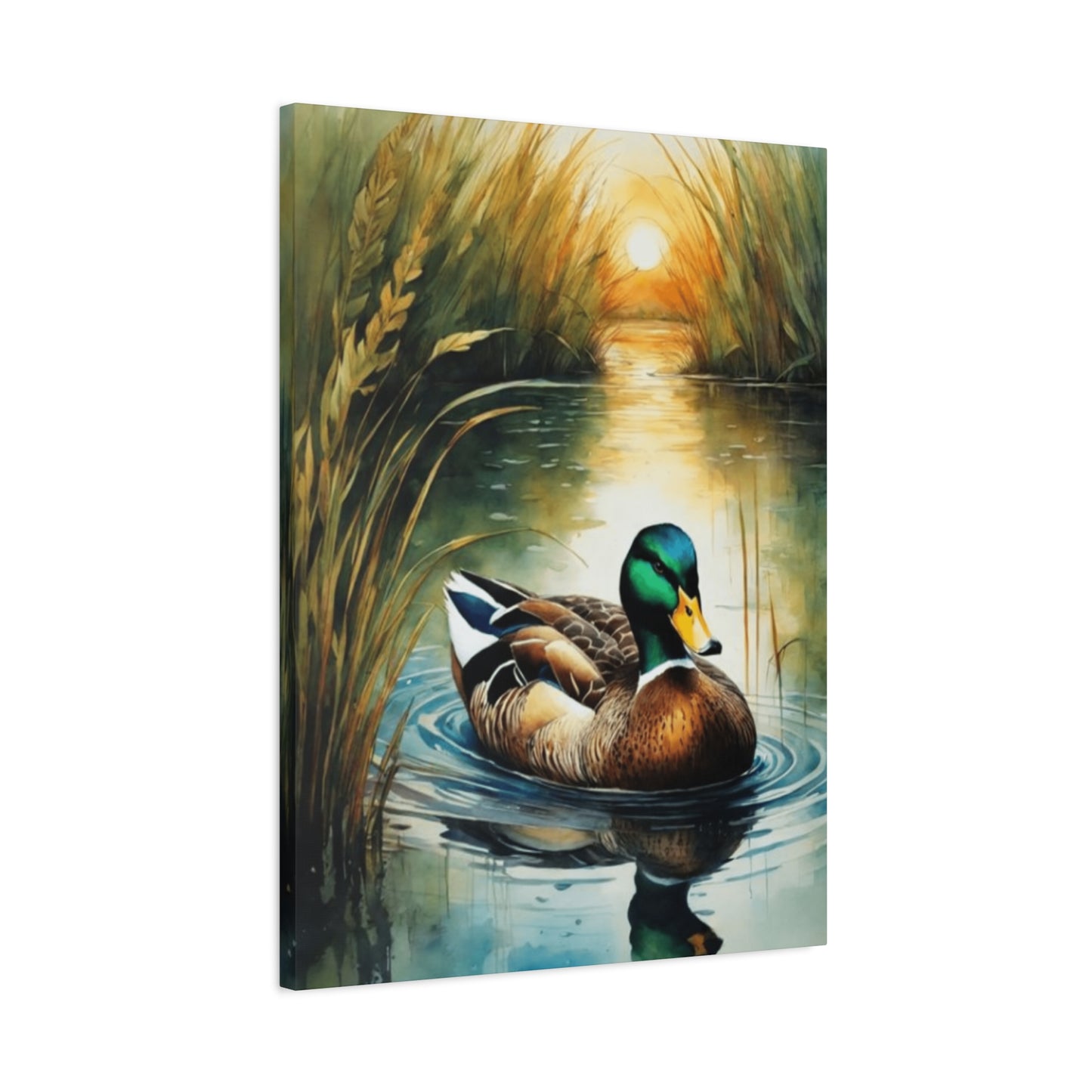
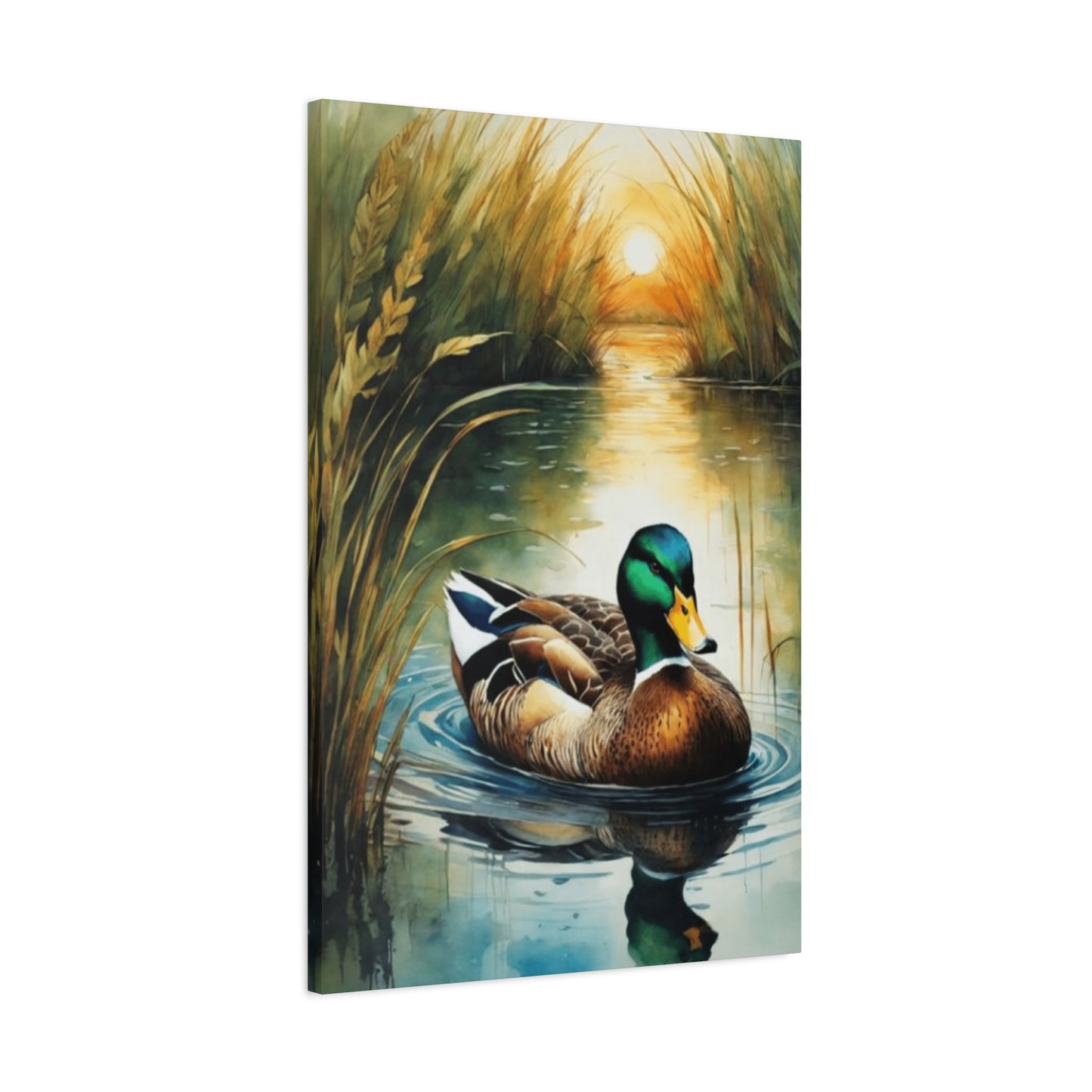
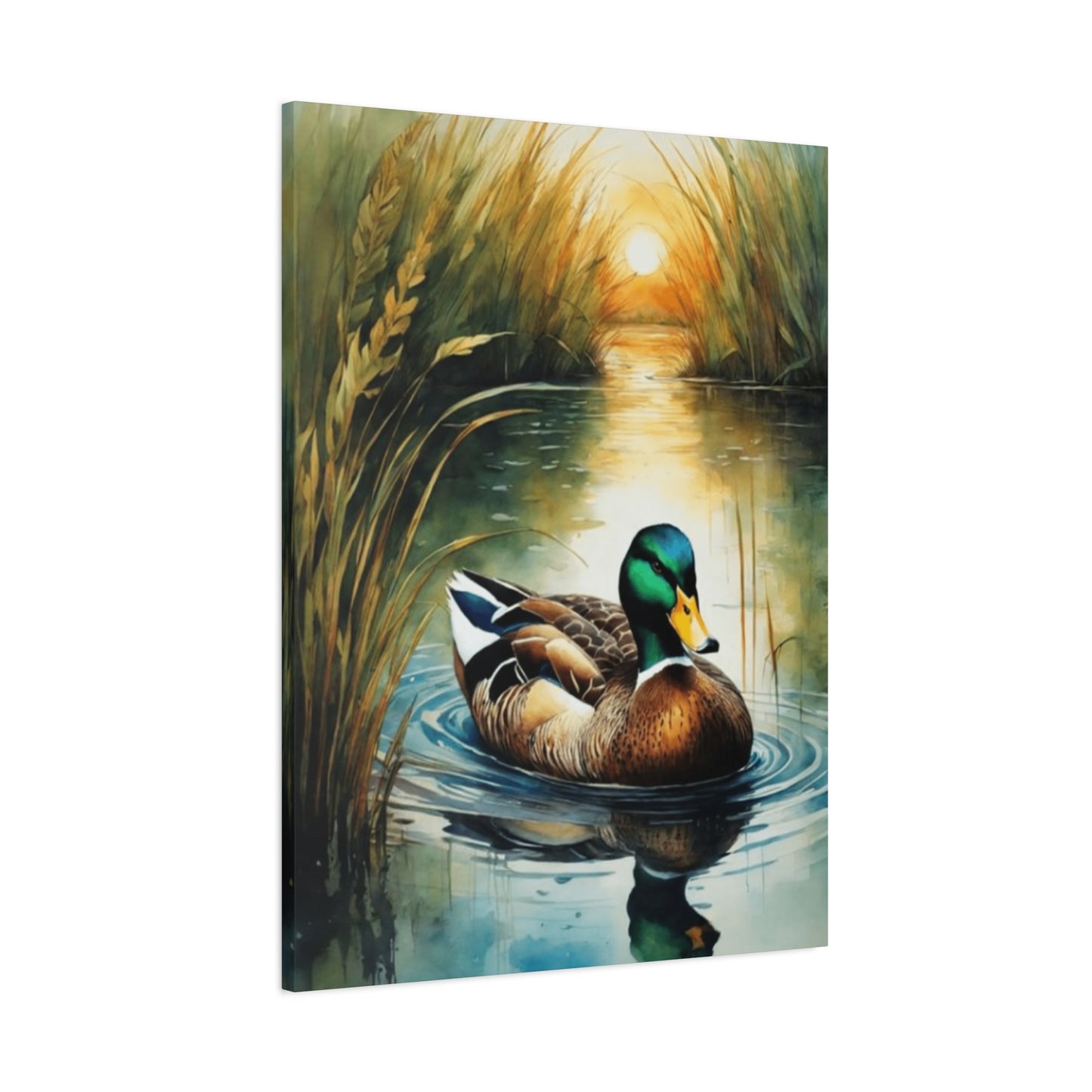
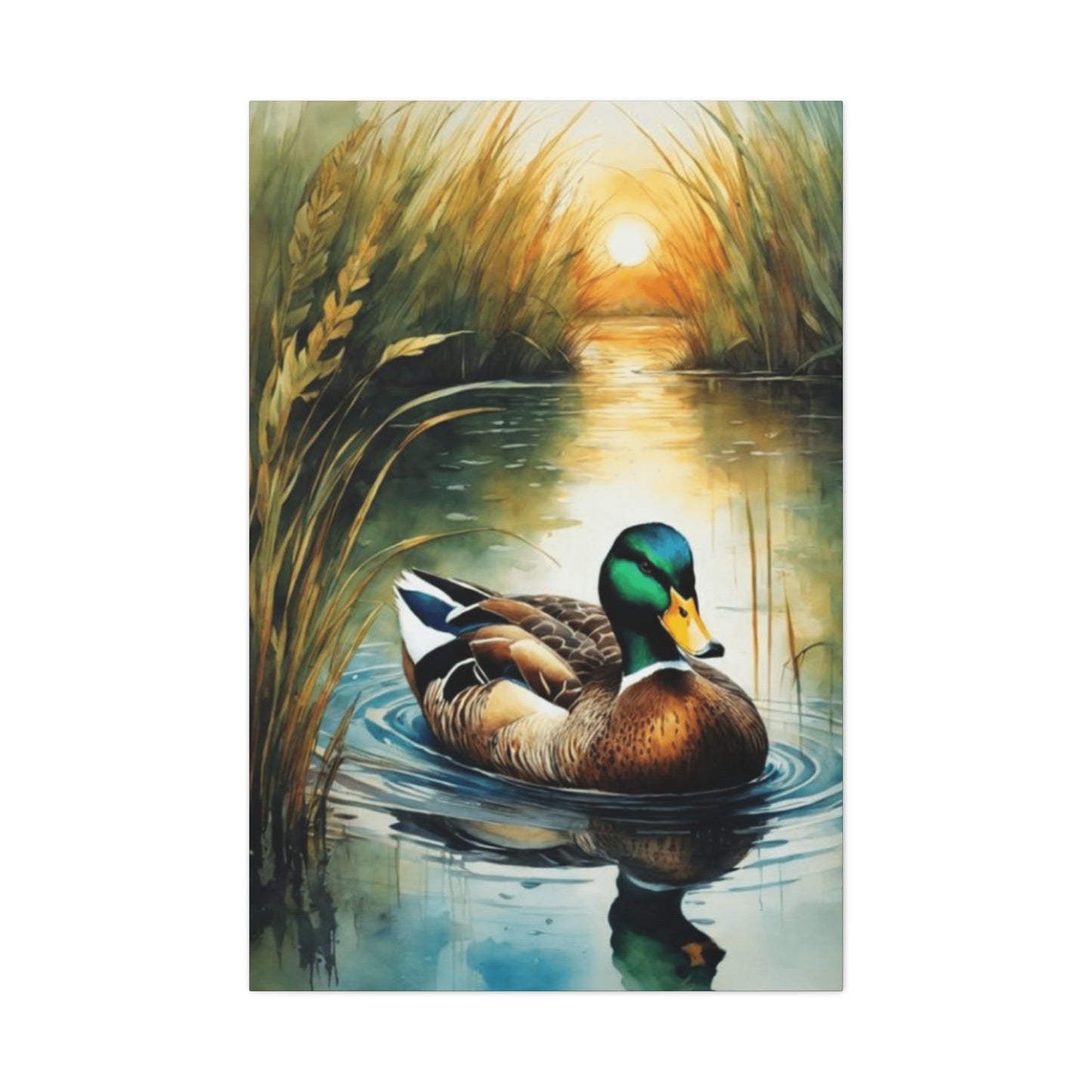
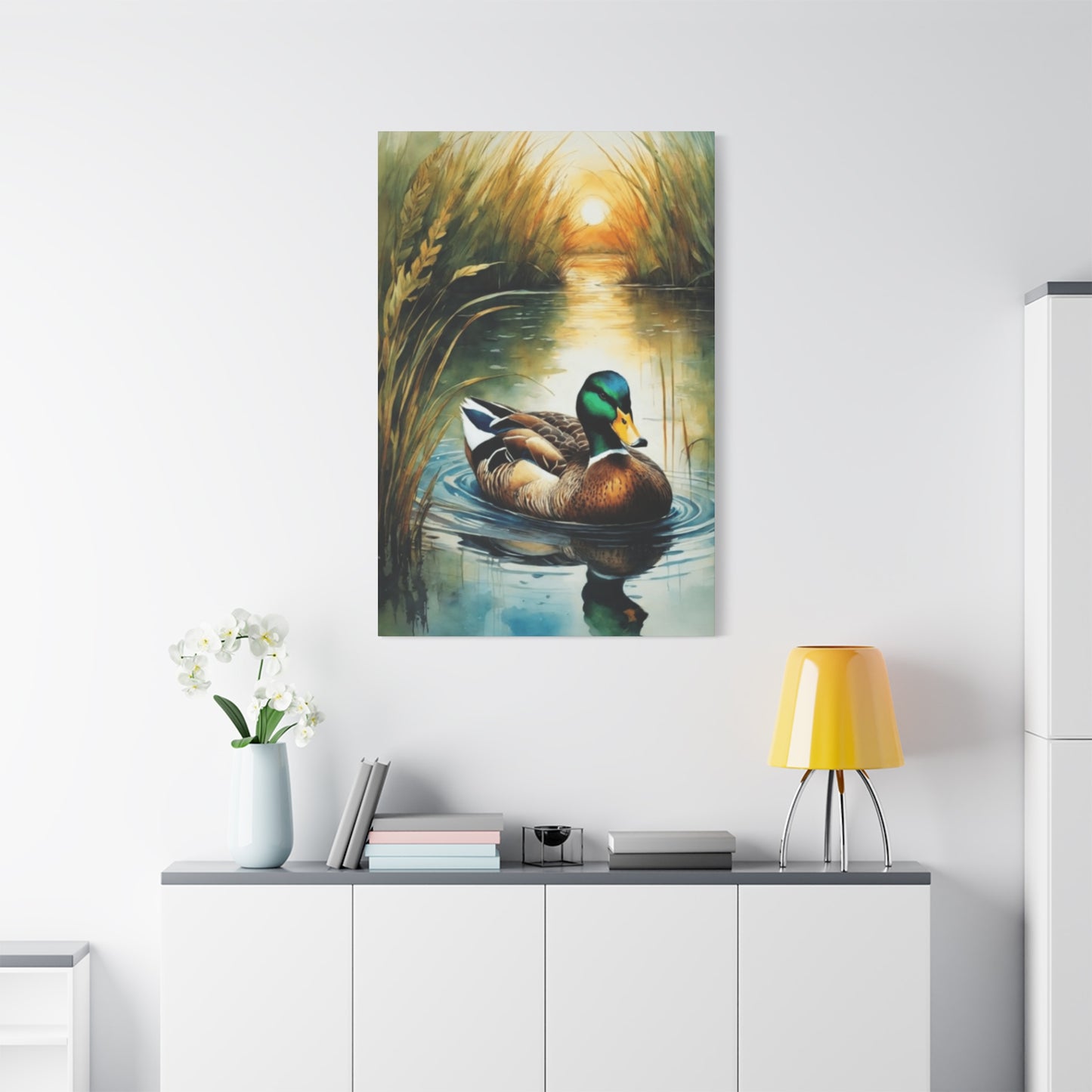
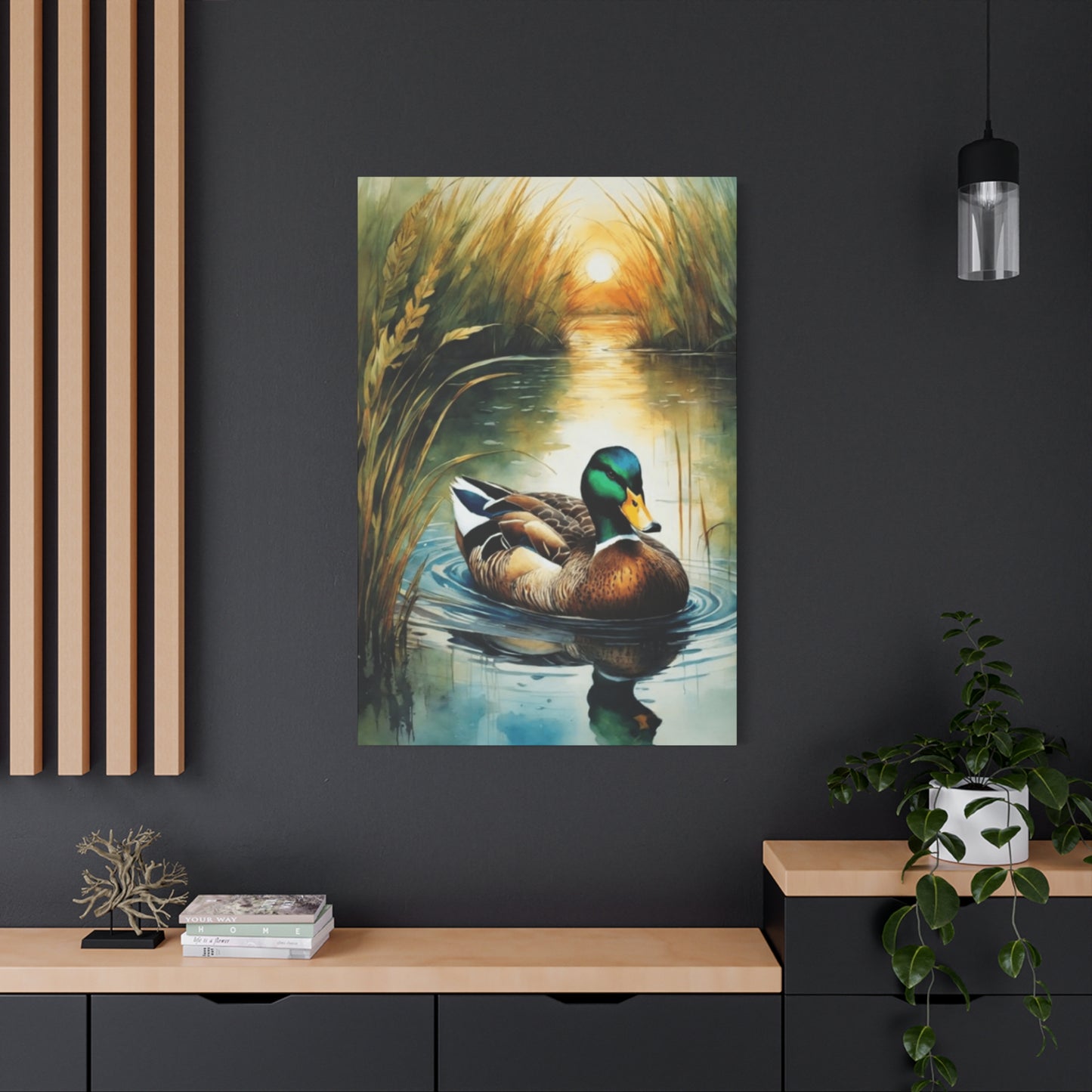
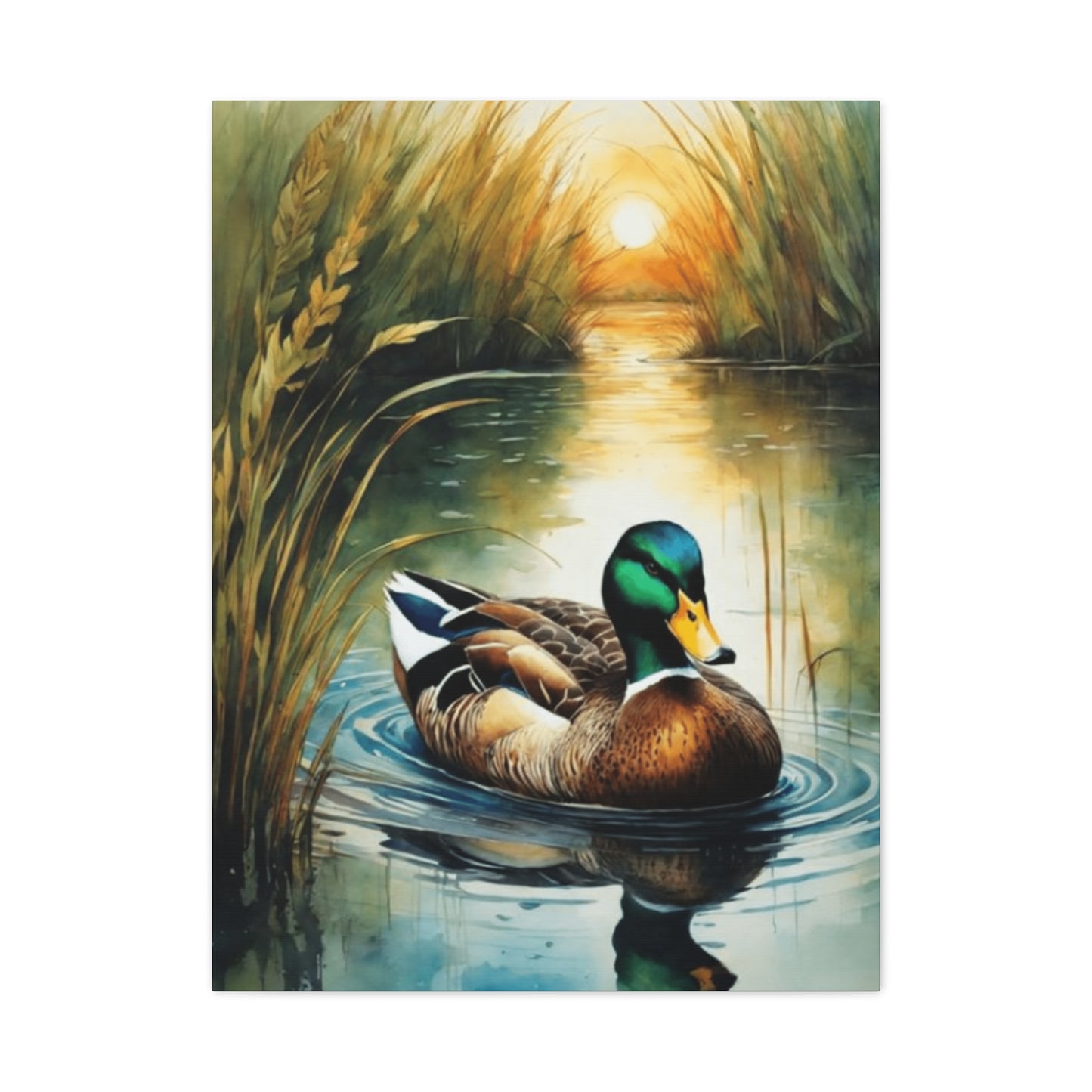
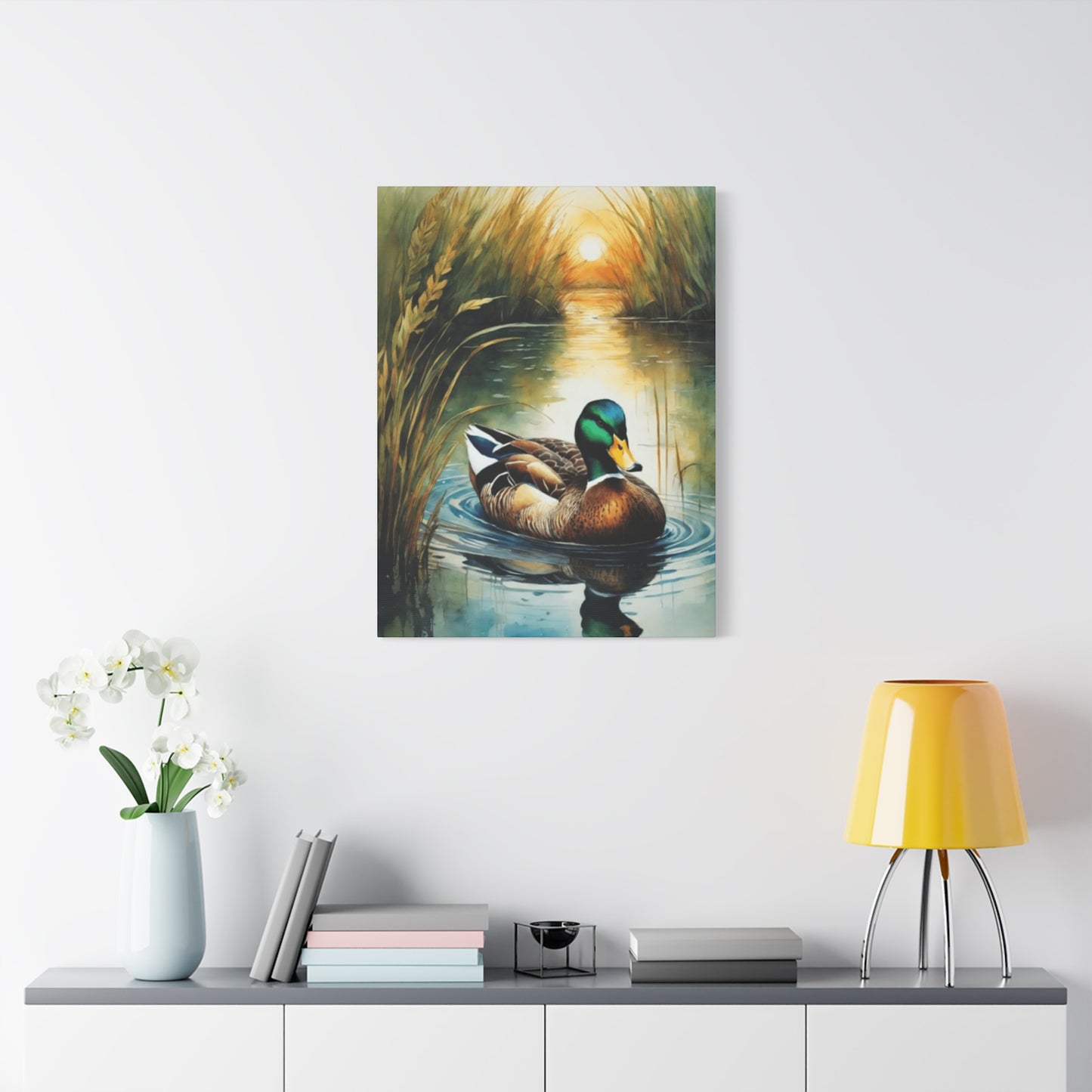
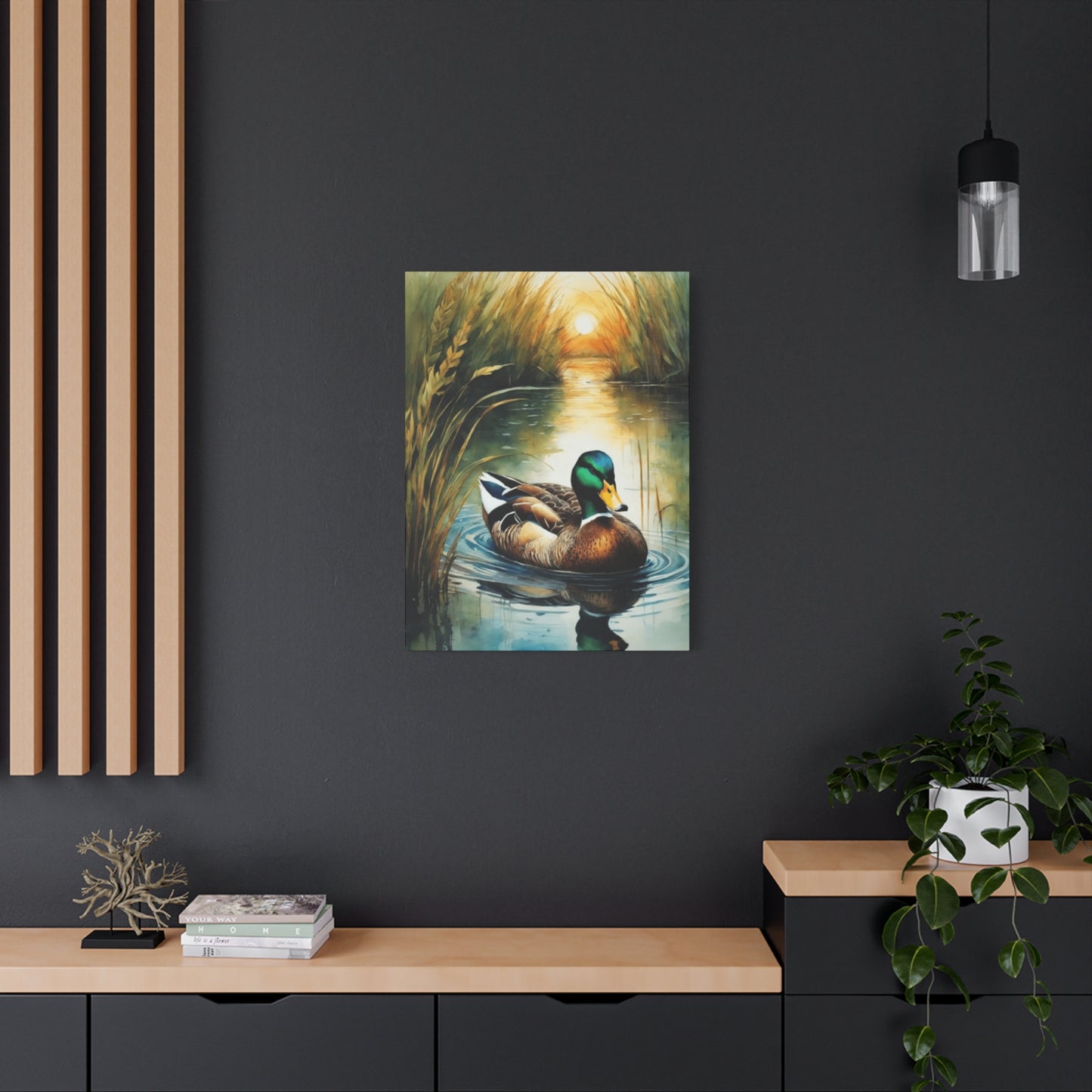
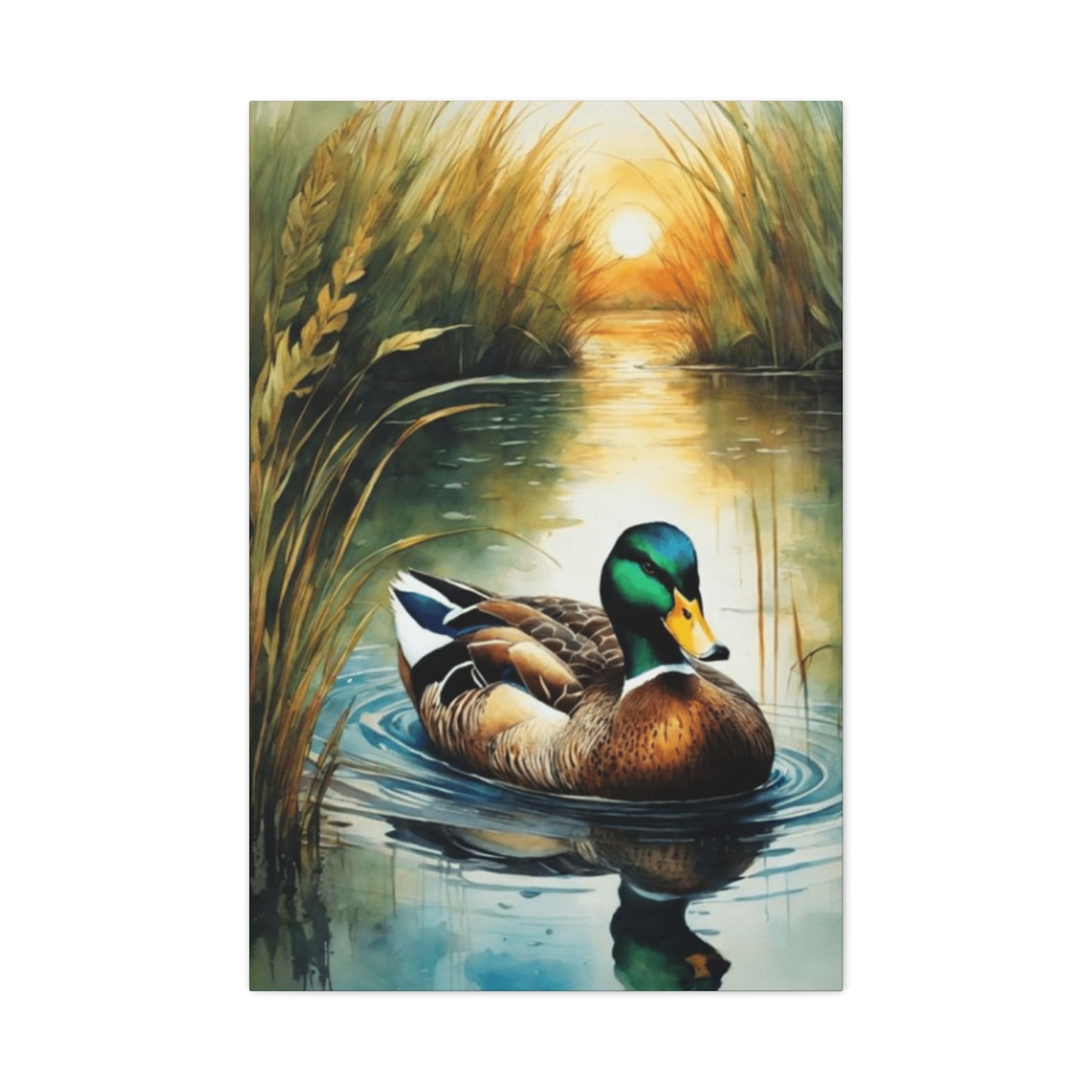
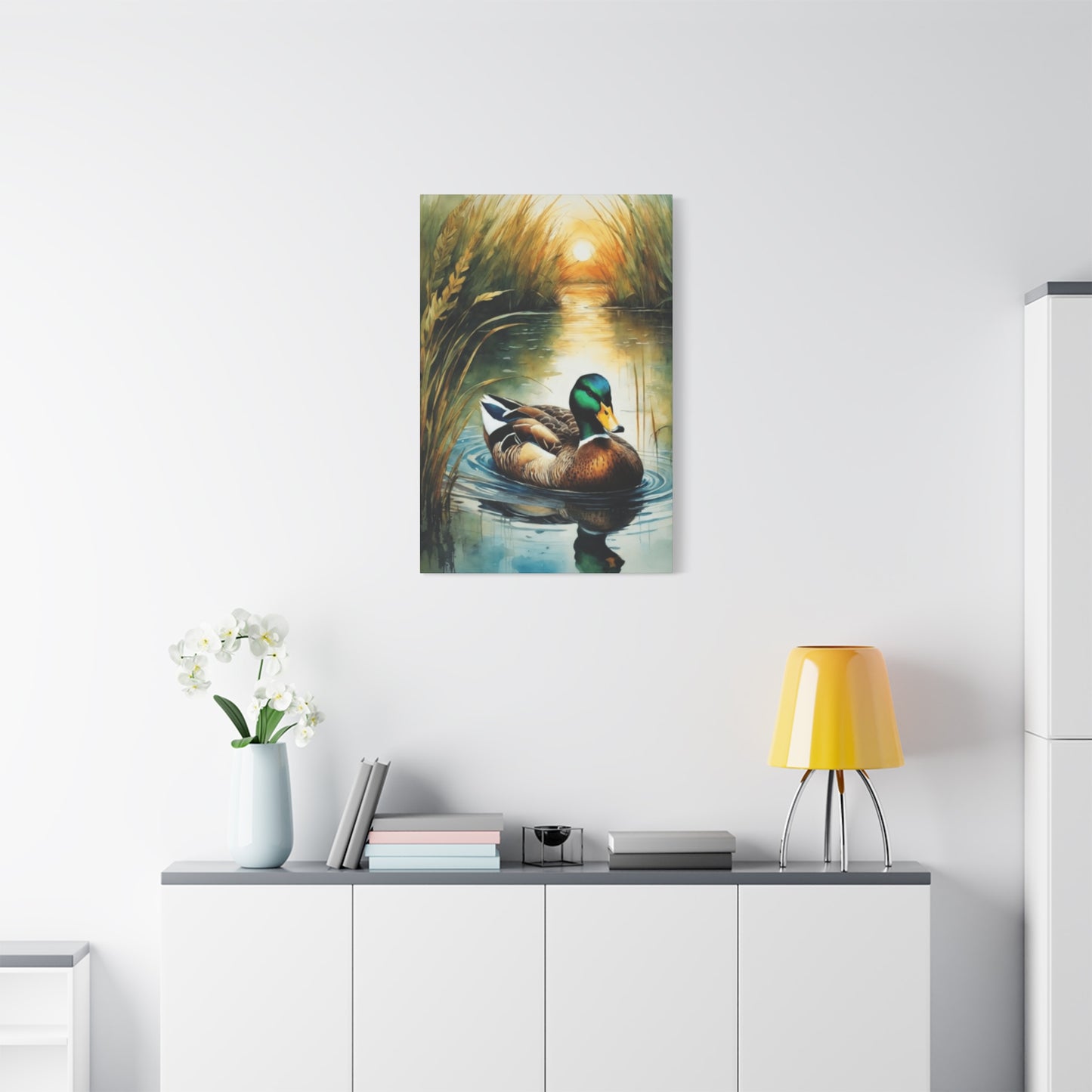
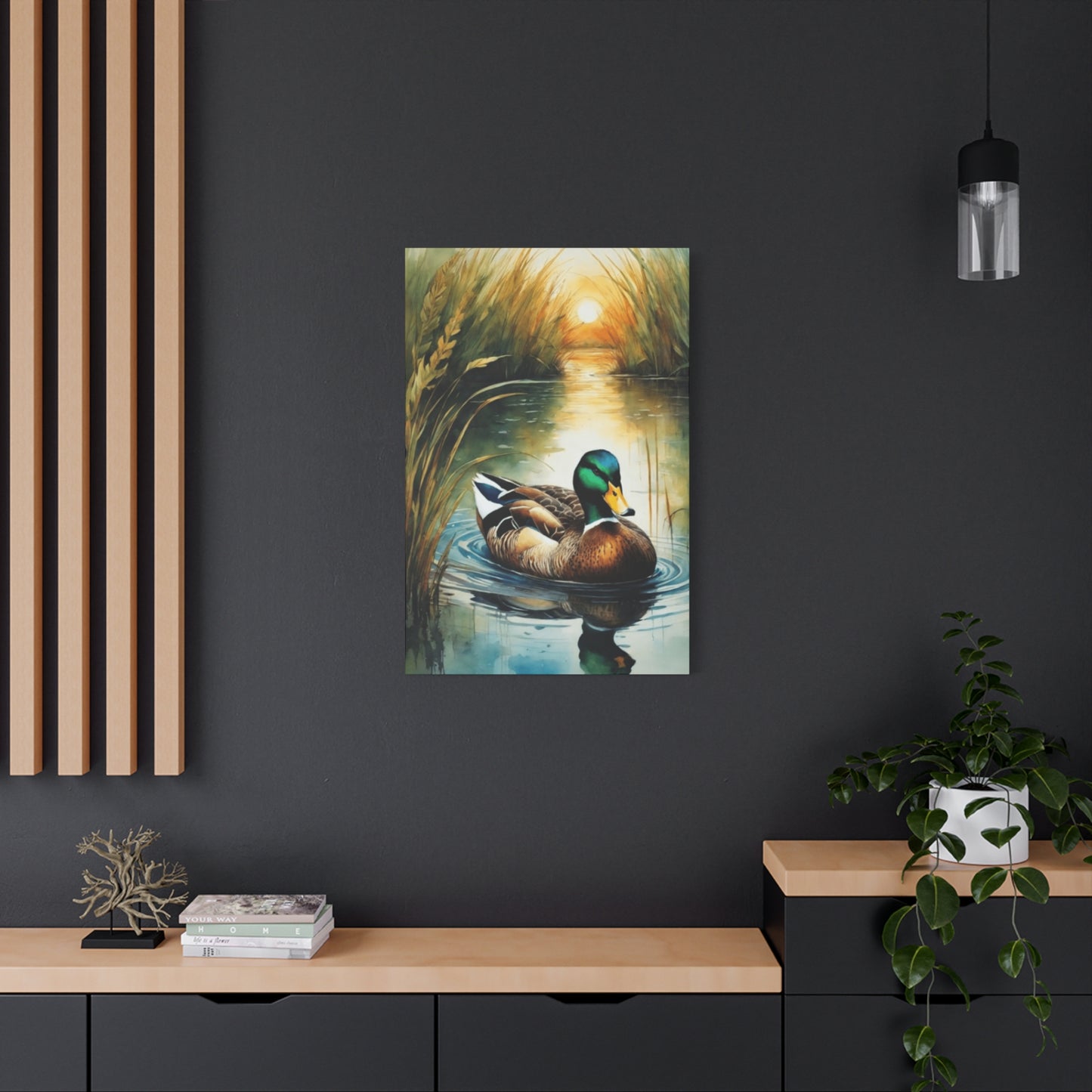
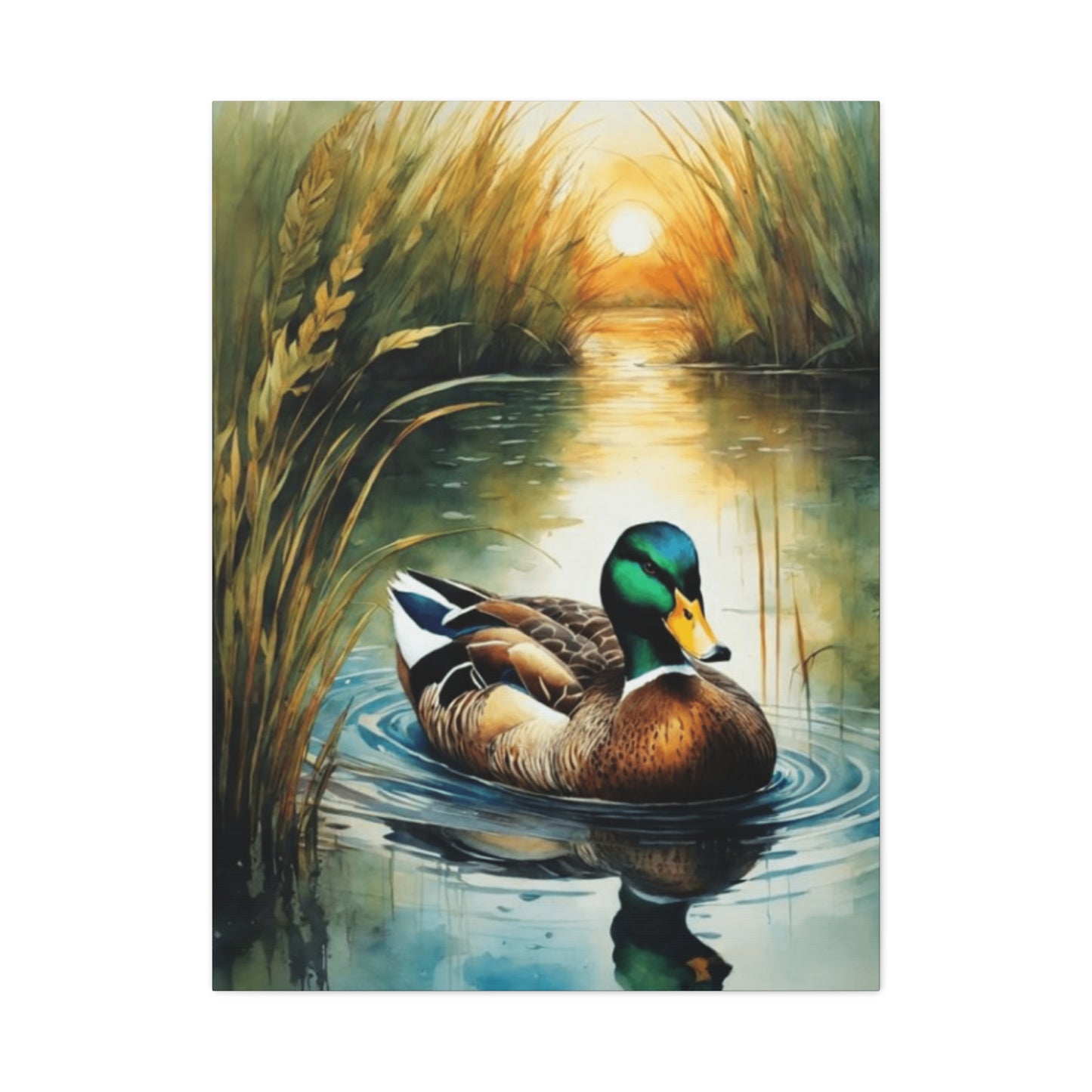
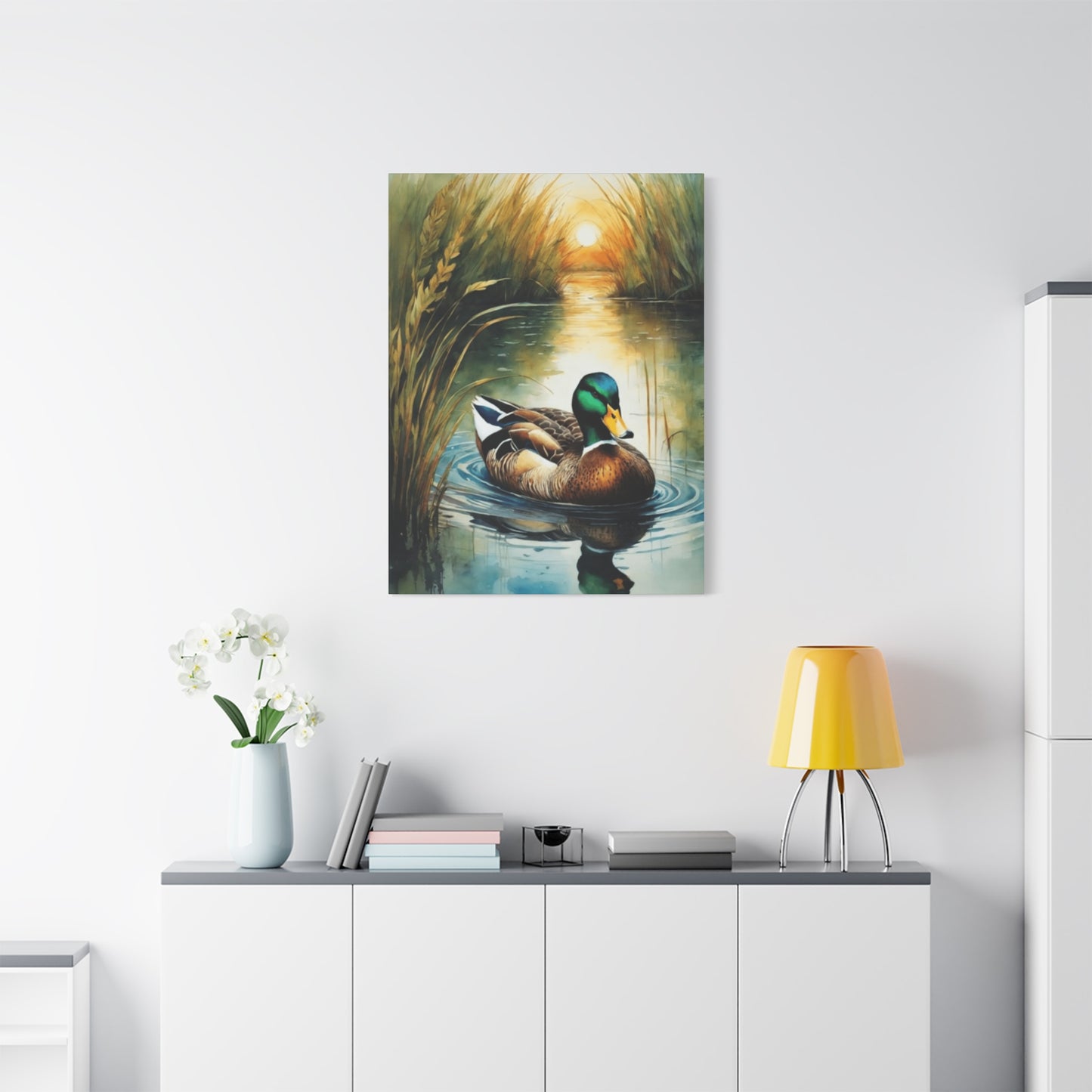
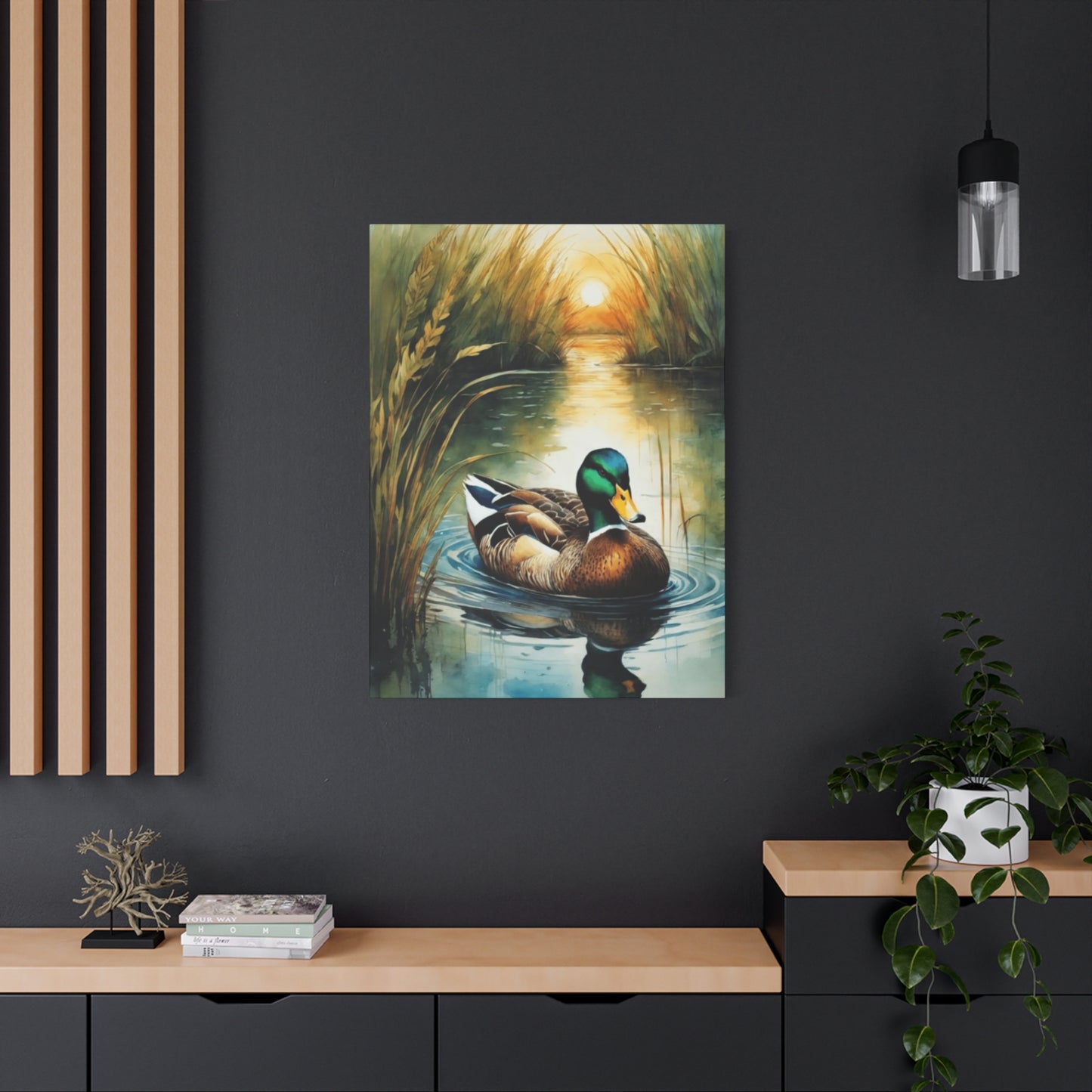
Golden Hour Duck Wall Art & Canvas Prints
Golden Hour Duck Wall Art & Canvas Prints
Couldn't load pickup availability
Golden Hour Duck Wall Art: Capturing Nature's Most Magnificent Waterfowl Moments in Your Home Decore
The enchanting beauty of waterfowl during sunset creates mesmerizing visual experiences that homeowners increasingly seek to preserve within their interior spaces. Golden hour duck wall art represents a sophisticated fusion of wildlife appreciation and aesthetic design, offering collectors and nature enthusiasts an opportunity to celebrate these remarkable creatures during their most photogenic moments. This comprehensive exploration delves into every conceivable aspect of incorporating these stunning pieces into residential and commercial environments.
Exploring the Captivating World of Waterfowl Imagery During Sunset Hours
The phenomenon of capturing ducks during the magical lighting conditions that occur shortly after sunrise and before sunset has revolutionized wildlife art. These precious moments, when natural illumination bathes everything in warm amber and golden tones, transform ordinary waterfowl into extraordinary subjects worthy of museum-quality displays. Artists and photographers who specialize in this niche have developed remarkable skills in freezing these fleeting instances, creating works that resonate deeply with viewers who appreciate both natural beauty and refined artistic expression.
Understanding what makes these particular pieces so compelling requires examining the unique characteristics of both the subjects and the lighting conditions. Ducks possess inherently beautiful plumage patterns that become even more striking when illuminated by the soft, directional light of early morning or late evening. The interplay between their iridescent feathers and golden sunlight creates depth, texture, and visual interest that cannot be replicated under ordinary lighting circumstances.
Collectors who invest in golden hour duck wall art often describe an emotional connection to these pieces that transcends typical decorative choices. The artwork serves as a daily reminder of tranquil moments spent in nature, evoking memories of peaceful mornings by the water or serene evenings watching wildlife. This emotional resonance contributes significantly to the enduring popularity of this particular genre within the broader category of nature-inspired interior design.
The scientific explanation behind why golden hour photography appears so visually appealing involves the angle and quality of sunlight during these periods. When the sun sits low on the horizon, its rays travel through more atmospheric particles, filtering out harsh blue wavelengths and allowing warmer tones to dominate. This natural filtration system creates the soft, flattering illumination that photographers and artists have long considered ideal for capturing wildlife subjects.
Diverse Artistic Representations and Medium Variations for Waterfowl Sunset Scenes
The market for golden hour duck wall art encompasses an impressive range of artistic styles and mediums, each offering distinct advantages for different decorating preferences and budgetary considerations. Canvas prints remain among the most popular choices, providing a classic gallery-wrapped presentation that works beautifully in both traditional and contemporary settings. The texture of canvas adds tactile dimension to photographic images, creating an artwork that engages multiple senses simultaneously.
Metal prints have emerged as a sophisticated alternative, particularly appealing to collectors who appreciate modern aesthetics. The process of infusing dyes directly into specially coated aluminum panels produces extraordinarily vibrant colors with exceptional clarity and depth. When golden hour duck imagery receives this treatment, the results can be absolutely breathtaking, with the metallic substrate enhancing the natural shimmer of waterfowl plumage and water reflections.
Acrylic mounting represents another premium presentation option that delivers stunning visual impact through its unique depth and luminosity. The transparent acrylic layer creates a dimensional quality that makes images appear to float off the wall, while simultaneously intensifying colors and contrast. For golden hour duck wall art, this medium proves particularly effective at showcasing the subtle gradations of light and shadow that define these special moments.
Traditional framed prints continue to hold significant appeal for collectors who prefer classic presentation styles or need to coordinate with existing decor schemes. Museum-quality matting and professional framing elevate photographic prints to fine art status, while protective glazing ensures long-term preservation. The frame selection process itself offers opportunities for personalization, with options ranging from rustic wood tones that complement natural subjects to sleek contemporary profiles that emphasize the artwork itself.
Original paintings depicting ducks during golden hour occupy the highest tier of this market segment, commanding premium prices commensurate with the artist's skill and reputation. These one-of-a-kind creations offer collectors something truly unique, with visible brushstrokes and textural elements that cannot be replicated through printing processes. Watercolor, oil, and acrylic paintings each bring different qualities to the subject matter, from the translucent delicacy of watercolor washes to the rich, buildable layers possible with oil paints.
Identifying Superior Quality in Waterfowl Sunset Artwork for Your Collection
Discerning collectors understand that not all golden hour duck wall art achieves the same level of quality or artistic merit. Several key factors distinguish exceptional pieces from mediocre offerings, beginning with the fundamental composition of the image itself. Strong compositions typically feature thoughtful placement of the main subject within the frame, following principles such as the rule of thirds or employing leading lines that guide the viewer's eye naturally through the scene.
Lighting quality stands as perhaps the most critical element in determining the success of golden hour waterfowl imagery. The best examples capture that perfect moment when the sun's position creates optimal illumination angles, highlighting the duck's features while maintaining detail in both highlight and shadow areas. Overexposed skies or underexposed subjects indicate inadequate exposure management, resulting in images that fail to deliver the full impact of the golden hour experience.
Sharpness and clarity separate professional-grade work from amateur attempts, particularly when examining fine details like individual feather textures or water droplet formations. While artistic blur can serve legitimate creative purposes, unintentional softness resulting from camera shake, autofocus errors, or poor lens quality diminishes the overall impact. High-quality golden hour duck wall art should reveal crisp details when examined closely while maintaining pleasing overall aesthetics when viewed from appropriate display distances.
Color accuracy and saturation levels significantly influence how realistic and appealing the final artwork appears. The most successful pieces achieve a delicate balance, presenting colors that feel true to nature while capitalizing on the enhanced warmth that defines golden hour lighting. Oversaturated images appear artificial and garish, while undersaturated versions lack the visual punch necessary to command attention in interior spaces.
Print quality considerations extend beyond the image itself to encompass factors like substrate selection, ink formulation, and printing methodology. Archival-quality inks resist fading when exposed to ambient light, ensuring that your investment maintains its visual appeal for decades. The printing resolution determines how much detail the final product can reproduce, with professional standards typically requiring minimum specifications of 300 dots per inch for photographic quality results.
Strategic Placement Considerations for Waterfowl Art Throughout Your Home
Determining the optimal location for displaying golden hour duck wall art requires careful consideration of multiple factors that affect both visual impact and long-term preservation. Living rooms frequently serve as primary display locations, particularly above sofas or fireplace mantels where artwork becomes a natural focal point for the space. The generous wall space typically available in these areas accommodates larger statement pieces that can truly showcase the beauty of waterfowl during golden hour.
Dining rooms offer another excellent venue for nature-themed artwork, creating a serene atmosphere that enhances mealtime experiences. The conversational nature of dining spaces means artwork displayed here receives regular attention and often sparks discussions among family members and guests. Positioning golden hour duck wall art where diners can appreciate it throughout their meals adds a layer of visual interest that complements the social aspects of breaking bread together.
Bedroom environments benefit tremendously from the calming influence of nature imagery, making them ideal candidates for waterfowl sunset scenes. The peaceful quality inherent in golden hour photography promotes relaxation and can contribute to better sleep quality by creating a tranquil visual environment. Positioning such artwork where it's visible from the bed allows homeowners to end each day with these soothing images and begin each morning with their gentle beauty.
Home offices and personal workspaces gain significant value from thoughtfully selected artwork that provides visual breaks during demanding work sessions. Golden hour duck wall art serves this purpose admirably, offering momentary mental escapes to natural settings that can reduce stress and restore focus. The key lies in selecting pieces with appropriate color palettes that complement productive environments without becoming distracting.
Hallways and transitional spaces often receive insufficient attention during the decorating process, yet these areas present valuable opportunities for displaying artwork that might overwhelm smaller rooms. Longer corridors can accommodate a series of related golden hour duck wall art pieces arranged as a gallery wall, creating visual continuity that guides movement through the home while telling a cohesive artistic story.
Lighting conditions within the chosen display location dramatically affect how artwork appears and how well it will be preserved over time. Direct sunlight streaming through nearby windows can cause premature fading, even with high-quality archival materials, making it essential to either position pieces away from direct exposure or utilize window treatments that filter harmful ultraviolet radiation. Conversely, insufficient illumination prevents artwork from achieving its full visual potential, suggesting the need for dedicated picture lighting or adjustments to ambient lighting schemes.
Harmonizing Waterfowl Sunset Art with Various Interior Design Philosophies
The versatility of golden hour duck wall art becomes apparent when examining its compatibility with diverse decorating styles ranging from rustic farmhouse aesthetics to sleek contemporary designs. In rustic or country-themed interiors, these pieces feel particularly at home, reinforcing the connection to outdoor living and natural elements that define this design philosophy. Pairing waterfowl imagery with reclaimed wood accents, weathered finishes, and earthy color palettes creates cohesive environments that celebrate rural lifestyles and outdoor pursuits.
Contemporary spaces benefit from the clean lines and uncluttered compositions often found in high-quality wildlife photography, particularly when presented in minimalist frames or frameless mounting options. The natural subject matter provides welcome organic elements that soften the sometimes stark quality of modern interiors, while the refined presentation maintains consistency with contemporary aesthetic principles. Selecting golden hour duck wall art with simplified backgrounds and strong graphic qualities ensures compatibility with this design approach.
Traditional interiors with their emphasis on classic elegance and timeless appeal readily accommodate waterfowl artwork, especially when presented in ornate frames with substantial matting. The longstanding association between hunting lodges, country estates, and duck imagery lends historical credibility to these pieces within traditional settings. Rich wood tones, formal furniture arrangements, and classic architectural details all complement the dignified beauty captured in golden hour waterfowl photography.
Coastal and nautical design schemes naturally align with duck imagery, given the aquatic habitats these creatures inhabit. The blue and golden tones prevalent in sunset waterfowl photography harmonize beautifully with typical coastal color palettes, while the subject matter reinforces thematic connections to water and nature. Incorporating golden hour duck wall art into beach houses or homes with nautical themes creates layered visual narratives that celebrate connections to aquatic environments.
Transitional spaces that bridge traditional and contemporary elements find golden hour duck wall art particularly valuable, as these pieces can adapt to either direction depending on their presentation and surrounding context. A photograph mounted on metal with a floating frame reads as decidedly modern, while the same image traditionally matted and framed in carved wood skews classical. This flexibility makes waterfowl sunset imagery an excellent choice for homeowners who prefer eclectic or evolving decorating approaches.
Size Selection Strategies for Maximum Visual Impact in Different Spaces
Determining the appropriate dimensions for golden hour duck wall art proves crucial to achieving balanced, professionally finished interiors. The relationship between artwork size and wall dimensions follows general principles that help ensure pleasing proportions. As a starting guideline, artwork should typically occupy between two-thirds and three-quarters of the available wall width above furniture pieces, preventing both the undersized appearance that makes pieces seem lost and the oversized look that overwhelms the space.
Large-scale pieces measuring forty inches or more in their longest dimension command attention and work beautifully as standalone statement pieces in spacious rooms with high ceilings. These substantial artworks eliminate the need for additional decorative elements, creating bold focal points that anchor entire design schemes. Golden hour duck wall art at this scale allows viewers to appreciate fine details even from across the room while delivering impressive visual impact that smaller pieces cannot match.
Medium-sized pieces ranging from twenty to forty inches offer versatility that suits most residential spaces, providing significant presence without overwhelming more modestly proportioned rooms. This size range works particularly well for arrangements above sofas, beds, or console tables where the artwork needs to feel substantial without competing with the room's other elements. Multiple medium-sized pieces can be grouped to create gallery walls with visual interest and complexity.
Smaller artworks measuring under twenty inches serve important roles in intimate spaces or as components of larger arrangements. While they lack the commanding presence of larger pieces, smaller golden hour duck wall art excels in personal spaces like powder rooms, reading nooks, or office cubicles where viewing distances remain short. These petite pieces also work beautifully in grouped arrangements where their individual small scale contributes to a larger, more complex composition.
Vertical versus horizontal orientation affects how artwork interacts with its surroundings and the visual effects it creates within a room. Horizontal pieces tend to make walls appear wider and spaces feel more expansive, while vertical orientations draw the eye upward and can make ceilings seem higher. Golden hour duck wall art comes in both formats depending on how the original scene was captured, allowing collectors to select orientations that best suit their spatial requirements and design objectives.
Color Coordination Principles for Waterfowl Sunset Imagery
The warm color palette inherent in golden hour duck wall art provides both advantages and challenges when coordinating with existing interior color schemes. The predominance of amber, gold, orange, and warm brown tones means these pieces naturally complement spaces decorated in earth tones, warm neutrals, and analogous color families. Walls painted in shades of cream, beige, taupe, or warm gray provide ideal backdrops that allow the artwork's colors to shine without creating jarring contrasts.
Rooms decorated in cooler color palettes require more thoughtful consideration when incorporating golden hour waterfowl imagery. The contrasting warmth can either provide welcome visual interest or create dissonance depending on execution. In predominantly blue, gray, or green spaces, selecting artwork with strong blue or teal elements in the water or sky portions helps bridge the color temperature gap. Alternatively, allowing the warm artwork to serve as an intentional contrast creates dynamic tension that energizes the space.
Monochromatic color schemes gain depth and interest through the introduction of golden hour duck wall art, particularly in spaces that might otherwise feel flat or one-dimensional. The range of tones present in sunset photography—from deep shadows to brilliant highlights—adds visual complexity that enriches simplified color palettes. Black and white interiors benefit especially from the injection of warm natural tones that prevent the scheme from feeling too stark or austere.
Complementary color relationships offer opportunities for creating vibrant, energetic interiors when used thoughtfully. The golden and orange tones prevalent in sunset waterfowl photography sit opposite blue on the color wheel, creating natural complementary pairings. Rooms featuring blue upholstery, area rugs, or accent walls can incorporate golden hour duck wall art to establish a balanced, harmonious color scheme with built-in visual excitement.
Triadic color harmonies involving the warm tones of golden hour photography can be developed by introducing accent colors that form equilateral triangles on the color wheel. For artwork dominated by orange and gold, this might mean incorporating purple and green accents through throw pillows, accessories, or additional artwork. These thoughtfully constructed color relationships create sophisticated, balanced interiors that feel intentionally designed rather than haphazardly assembled.
Framing Choices That Enhance Waterfowl Sunset Photography
The frame selection process significantly influences how golden hour duck wall art appears within its environment and how well it integrates with surrounding furnishings. Wood frames remain perpetually popular choices, offering warmth and natural beauty that complements wildlife subjects. The wood species, finish color, and profile style all contribute to the overall effect, with options ranging from rustic barnwood to sleek walnut to traditional oak finishes. Selecting wood tones that coordinate with existing furniture helps create visual harmony throughout the space.
Metal frames project contemporary sophistication and work particularly well in modern or minimalist settings where clean lines and unadorned aesthetics prevail. Materials like brushed aluminum, matte black steel, or antique brass each bring distinct personalities to the presentation. The slender profiles typical of metal frames minimize visual weight, allowing the artwork itself to dominate attention—an approach that serves golden hour duck wall art well by ensuring the focus remains on the stunning imagery rather than its container.
Ornate, carved frames suit traditional interiors and add significant visual presence to artwork presentation. These elaborate frames often feature gold or silver leaf finishes, intricate corner details, and substantial profiles that create gallery-worthy presentations. While such frames risk overwhelming simple compositions, they can elevate golden hour duck wall art to museum-quality status in formal settings where grandeur and elegance are desired aesthetic outcomes.
Float frames create the illusion that artwork hovers within its frame, separated from the background by a small gap. This modern mounting approach works exceptionally well with canvas or panel-mounted golden hour duck wall art, adding architectural interest without introducing excessive ornamentation. The visible depth created by float mounting draws attention to the artwork's dimensionality while maintaining the clean, uncluttered appearance that contemporary design philosophies favor.
Matting decisions affect how viewers perceive and interact with framed golden hour duck wall art. Wide mats create breathing room around the image, directing focus toward the central subject while providing a clean, professional appearance. Mat colors should be chosen carefully, with neutral tones like white, cream, or gray typically proving safest, though colored mats can be employed strategically to emphasize specific hues within the artwork or coordinate with room colors.
Proper Maintenance Protocols for Preserving Waterfowl Art Investments
Protecting golden hour duck wall art from environmental factors ensures these investments maintain their beauty and value for generations. Dust accumulation represents one of the most common threats to displayed artwork, gradually dulling surfaces and potentially scratching protective glazing during cleaning attempts. Regular, gentle dusting using soft microfiber cloths or specialized art dusting tools prevents buildup without risking surface damage. For glass or acrylic glazing, proper cleaning products designed specifically for these materials should be used rather than household cleaners that might leave residues or cause chemical reactions.
Humidity control plays a crucial role in artwork preservation, particularly for pieces printed on paper or natural canvas. Excessive moisture encourages mold growth, causes paper to warp, and can lead to adhesive failures in mounted pieces. Conversely, extremely dry conditions make materials brittle and prone to cracking. Maintaining relative humidity levels between forty and fifty-five percent provides optimal conditions for most artwork types. Homes in particularly humid or arid climates may require dehumidifiers or humidifiers to achieve stable conditions.
Temperature stability proves equally important, as rapid fluctuations cause materials to expand and contract, potentially leading to separation, warping, or cracking. Artwork should never be positioned near heating vents, air conditioning returns, or fireplaces where significant temperature variations occur. Maintaining consistent temperatures between sixty-five and seventy-five degrees Fahrenheit creates an environment conducive to long-term preservation of golden hour duck wall art.
Light exposure management requires ongoing attention, as both natural and artificial light sources emit wavelengths that degrade pigments, papers, and mounting materials over time. Even high-quality archival inks fade gradually when exposed to light, with blues and reds typically proving most vulnerable. Ultraviolet filtration film applied to nearby windows blocks harmful wavelengths while allowing visible light transmission, offering one solution for protecting artwork displayed in naturally lit spaces. LED lighting systems produce less heat and fewer damaging wavelengths than traditional incandescent or fluorescent options, making them preferred choices for illuminating valuable pieces.
Professional conservation assessments provide valuable insights for collectors with particularly significant or valuable golden hour duck wall art. Conservators can identify potential problems before they become severe, recommend appropriate environmental conditions for specific pieces, and perform restoration work when damage does occur. While most homeowners won't require regular professional services, establishing a relationship with a qualified conservator proves valuable for addressing questions or concerns that arise regarding proper artwork care.
Sourcing Authentic and High-Quality Waterfowl Sunset Artwork
The marketplace for golden hour duck wall art encompasses numerous channels, each with distinct advantages and potential drawbacks. Art galleries specializing in nature or wildlife subject matter offer curated selections vetted for quality and authenticity, providing collectors with confidence in their purchases. Gallery staff typically possess expertise that helps buyers understand different artists' styles, printing methods, and relative values within the market. The personalized service and professional guidance available through galleries justifies the premium pricing these establishments often command.
Online marketplaces have democratized access to wildlife art, connecting collectors with artists worldwide and offering extensive selections at various price points. The convenience of browsing thousands of options from home appeals to many buyers, though this channel requires greater diligence in verifying quality and authenticity. Reading detailed product descriptions, examining customer reviews, and understanding return policies becomes essential when purchasing golden hour duck wall art sight-unseen through internet platforms.
Direct relationships with wildlife photographers and artists represent the most straightforward approach to acquiring authentic, original work. Many nature photographers maintain websites showcasing their portfolios and offering prints directly to consumers. This channel eliminates intermediary markups while allowing collectors to communicate directly with creators regarding customization options, sizing choices, or commissioning new work. Supporting artists directly through these purchases helps sustain the creation of new wildlife imagery for future collectors to enjoy.
Art shows and wildlife expositions provide opportunities to view golden hour duck wall art in person before committing to purchases. These events bring together multiple artists and vendors, allowing comparative shopping and hands-on quality assessment. The social aspects of art shows can enhance the collecting experience, connecting enthusiasts with like-minded individuals who share appreciation for nature-themed artwork. Limited-time show pricing or special edition pieces often create urgency that motivates purchase decisions.
Estate sales and auction houses occasionally feature valuable wildlife photography or paintings, offering possibilities for acquiring golden hour duck wall art at below-market prices. This channel requires knowledge to identify quality pieces and assess their condition accurately. Competition from other bidders can drive prices upward unexpectedly, making it essential to establish maximum bids beforehand and maintain discipline during heated auction environments. Authentication and provenance research becomes especially important when purchasing through these secondary market channels.
Understanding Value Factors in Wildlife Photography Collecting
The monetary value assigned to golden hour duck wall art derives from numerous factors that knowledgeable collectors consider when building their holdings. Artist reputation and recognition significantly influence pricing, with established photographers commanding premium prices based on their track records, exhibition histories, and critical acclaim. Emerging artists with developing reputations offer collectors opportunities to acquire quality work at more accessible price points, with the potential for appreciation as those artists gain recognition within wildlife photography circles.
Edition size directly impacts individual print values within the photography market. Limited editions with smaller production runs typically command higher prices than open editions available indefinitely. Numbered prints within limited series—particularly lower numbers or artist proofs—often trade at premiums reflecting their relative scarcity. Understanding edition structures helps collectors make informed decisions about where their budgets deliver optimal value relative to exclusivity and potential appreciation.
Provenance and documentation establish authenticity and ownership history, both crucial factors in determining artwork value. Certificates of authenticity signed by artists, detailed records of exhibition history, and documentation of previous ownership all contribute to a piece's desirability and market value. Golden hour duck wall art with well-documented provenance commands confidence among serious collectors and typically realizes stronger prices at resale compared to works with murky origins.
Physical condition profoundly affects value, with pristine examples dramatically outperforming damaged or poorly maintained pieces. Even minor issues like slight fading, small tears, or surface scratches significantly diminish artwork values. Professional restoration can address some condition problems, though the costs involved must be weighed against potential value recovery. Collectors serious about value preservation implement rigorous care protocols from the moment of acquisition.
Market trends within wildlife art influence which subjects, styles, and artists currently enjoy strong demand. Golden hour duck wall art benefits from enduring interest in waterfowl subjects and the timeless appeal of sunset imagery. However, specific duck species, compositional approaches, or artistic styles may experience fluctuating popularity that affects valuations. Collectors investing significant resources in wildlife art benefit from staying informed about market dynamics through publications, dealer relationships, and auction result tracking.
Creating Cohesive Gallery Wall Arrangements with Waterfowl Themes
Multiple pieces of golden hour duck wall art can be combined into gallery wall configurations that create impressive visual statements exceeding what individual pieces achieve alone. Planning these arrangements requires consideration of numerous factors beginning with overall layout geometry. Symmetrical grid patterns produce orderly, formal appearances well-suited to traditional spaces, while asymmetrical salon-style hangings project relaxed, collected-over-time aesthetics appropriate for casual interiors.
Spacing consistency between pieces affects whether gallery walls appear intentionally designed or haphazardly assembled. Professional installers typically maintain uniform gaps of two to three inches between frames, creating visual rhythm that guides eyes smoothly across the entire arrangement. Deviating from consistent spacing can work in carefully planned asymmetrical designs, but requires sophisticated aesthetic judgment to avoid appearing accidental or careless.
Frame coordination influences gallery wall cohesiveness, with decisions ranging from uniform matching frames to eclectic mixes of complementary styles. Matching frames and mats create unified presentations where individual artworks blend into cohesive wholes, while varied frames emphasize each piece's individuality within the larger collection. For golden hour duck wall art collections, finding middle ground through frames sharing common elements like finish colors or material categories often produces the most successful results.
Vertical and horizontal mixing within gallery walls adds visual interest through varied orientations, preventing monotonous repetition while accommodating artwork created in different aspect ratios. Balancing these orientations throughout the arrangement prevents lopsided appearances where one section feels dramatically different from others. Central anchor pieces in landscape orientation might be flanked by portrait-oriented works, with smaller pieces filling remaining spaces to complete the composition.
Color and subject matter distribution across gallery wall arrangements determines whether they read as harmonious collections or disjointed assemblages. With golden hour duck wall art, varying the specific duck species, water conditions, and sky colors prevents redundancy while maintaining thematic unity. Distributing the warmest, most vibrant pieces throughout the arrangement rather than clustering them ensures balanced visual weight across the entire installation.
Seasonal Decorating Strategies Incorporating Waterfowl Imagery
The seasonal rotation of displayed artwork allows homeowners to keep interiors feeling fresh while maximizing their art collections. Golden hour duck wall art possesses seasonal associations that make it particularly appropriate for autumn display, when waterfowl migrations dominate wetland environments and golden hour light achieves its most dramatic qualities. The warm color palette inherent in sunset duck photography harmonizes beautifully with traditional fall decorating schemes featuring harvest colors, natural textures, and rustic elements.
Spring represents another season where waterfowl imagery feels especially relevant, as ducks return from winter grounds and engage in courtship behaviors. Selecting golden hour duck wall art featuring breeding plumage or courtship displays provides seasonally appropriate subject matter that celebrates renewal and new beginnings. Pairing these pieces with fresh spring color palettes of soft greens, yellows, and pastels creates cohesive seasonal statements throughout the home.
Winter displays benefit from waterfowl imagery depicting ducks on frozen or partially frozen water bodies, scenes that resonate with the season's colder temperatures and crystalline beauty. While maintaining golden hour lighting characteristics, winter-focused pieces might feature snow-covered landscapes, bare trees, or ducks huddled together for warmth. These works coordinate beautifully with winter decorating schemes emphasizing whites, silvers, and cool blues punctuated by warm candlelight and metallic accents.
Summer decorating typically moves toward lighter, brighter aesthetics that celebrate the season's abundant sunshine and outdoor living. While golden hour duck wall art might seem more associated with autumn, pieces featuring ducks with ducklings or depicting serene summer evening scenes work beautifully during warmer months. The peaceful quality of sunset waterfowl photography provides welcome visual respite from summer's intensity, creating cool, tranquil focal points within sun-drenched interiors.
Year-round display strategies allow homeowners to enjoy their favorite golden hour duck wall art continuously rather than rotating it seasonally. Selecting pieces with balanced color palettes that work across multiple seasons enables this approach. Artwork featuring neutral backgrounds, moderate color saturation, and timeless compositions maintains appropriateness regardless of calendar date, providing consistent beauty that transcends seasonal decorating trends.
Gift-Giving Occasions Suited for Waterfowl Sunset Art
Golden hour duck wall art serves admirably for numerous gift-giving occasions where meaningful presents with lasting impact are desired. Housewarming gifts utilizing waterfowl imagery help new homeowners personalize their spaces while celebrating their achievement. Selecting pieces sized appropriately for common living spaces and featuring universally appealing compositions ensures these gifts will be welcomed and displayed prominently rather than relegated to storage.
Wedding gifts incorporating golden hour duck wall art prove especially meaningful for couples who share outdoor interests or have met through hunting, birdwatching, or nature photography pursuits. The romantic quality of sunset lighting adds layers of symbolism appropriate for commemorating unions, while the enduring beauty of museum-quality artwork symbolizes lasting commitment. Personalization through custom framing or artist signatures enhances these gifts' sentimental value.
Retirement presents marking transitions from professional careers to leisure-filled next chapters might include waterfowl artwork celebrating the outdoor pursuits retirees anticipate enjoying. Golden hour duck wall art serves as daily reminder of peaceful mornings to come and the freedom to pursue personal interests. Particularly meaningful pieces might depict species common to locations where retirees plan to relocate or favorite hunting grounds associated with cherished memories.
Anniversary celebrations provide opportunities to gift golden hour duck wall art that acknowledges shared experiences and memories accumulated throughout marriages. Couples who've enjoyed waterfowl hunting together, vacationed at lake properties, or simply appreciate nature's beauty will treasure artwork that reflects these mutual interests. Milestone anniversaries merit especially significant pieces that become family heirlooms passed to future generations.
Holiday gift exchanges during Christmas, Hanukkah, or other winter celebrations allow givers to present golden hour duck wall art that recipients can display immediately or save for spring installation. The gifting occasion adds sentimental dimensions to artwork that transcends its aesthetic and monetary values, transforming purely decorative objects into cherished possessions associated with special moments and relationships.
Commercial Environments Benefiting from Waterfowl Sunset Displays
Restaurants and hospitality venues gain significant atmospheric value from thoughtfully selected golden hour duck wall art that creates memorable ambiance for patrons. Establishments emphasizing farm-to-table concepts, regional cuisine, or outdoor themes find waterfowl imagery particularly appropriate for reinforcing their brand identities. The calming influence of nature photography contributes to pleasant dining experiences that encourage return visits and positive reviews.
Outdoor outfitters, hunting supply retailers, and sporting goods stores naturally gravitate toward wildlife artwork that resonates with their customer bases. Golden hour duck wall art displayed prominently within these commercial spaces creates immersive environments that inspire purchases and demonstrate authentic understanding of customers' interests and lifestyles. Quality artwork elevates perceived professionalism while signaling expertise within the outdoor recreation industry.
Medical and dental offices benefit from artwork that reduces patient anxiety and creates soothing environments conducive to healing and comfort. The peaceful quality inherent in golden hour duck wall art serves this purpose admirably, providing focal points for nervous patients to concentrate upon during stressful procedures. Nature imagery has been scientifically demonstrated to lower blood pressure and reduce perceived pain, making it exceptionally well-suited for healthcare settings.
Corporate offices and professional service environments utilize wildlife photography to humanize workspaces that might otherwise feel sterile or impersonal. Golden hour duck wall art introduces warmth and natural beauty into conference rooms, reception areas, and private offices, creating more welcoming atmospheres for clients and more pleasant working conditions for employees. Artwork selections reflecting regional wildlife demonstrate connections to local communities and environments.
Hotels, resorts, and vacation rental properties differentiate themselves through distinctive decor that creates memorable guest experiences. Golden hour duck wall art proves particularly effective in properties near water bodies, nature preserves, or hunting grounds, where the imagery reflects surrounding environments and activities guests came to experience. Coordinating artwork throughout properties creates cohesive design narratives that elevate perceptions of quality and attention to detail.
Regional Duck Species and Their Representation in Golden Hour Art
North American waterfowl diversity ensures collectors encounter numerous duck species represented in golden hour wall art, each bringing distinctive visual characteristics and regional associations. Mallards appear frequently due to their widespread distribution and striking sexual dimorphism, with males displaying iridescent green heads that photograph spectacularly in golden light. These familiar ducks resonate with viewers across experience levels, from serious waterfowl enthusiasts to casual nature appreciators who recognize these common urban park residents.
Wood ducks possess arguably the most spectacular plumage among North American waterfowl, making them prized subjects for wildlife photographers. Males exhibit extraordinary coloration combining iridescent greens, purples, chestnuts, and whites in intricate patterns that become even more stunning when illuminated by golden hour light. Golden hour duck wall art featuring wood ducks commands attention through sheer visual complexity and the species' inherent beauty, making these pieces conversation starters that rarely fail to impress.
Canvasback ducks present elegant profiles characterized by sloping foreheads and refined proportions that photograph beautifully against sunset skies. These diving ducks' aristocratic appearance and association with premium waterfowl hunting traditions lend sophistication to artwork featuring them. The subtle coloration of canvasbacks—chestnut heads, black breasts, and pale gray backs—requires skilled photography to capture effectively, making quality golden hour canvasback imagery particularly valued among collectors.
Northern pintails offer graceful silhouettes with dramatically elongated tail feathers that create dynamic compositions in golden hour photography. These elegant ducks' subtle earth-tone plumage benefits from warm sunset lighting that brings out delicate patterns and textures. Pintail imagery appeals particularly to collectors who appreciate understated beauty and refined aesthetics over flashy displays of color.
Teal species including blue-winged, green-winged, and cinnamon teal provide diminutive subjects that photograph charmingly in golden hour conditions. Their small size relative to other ducks creates opportunities for intimate compositions that emphasize delicate details. The brilliant blue wing patches that give some teal species their names create stunning visual elements when caught by golden light, adding jewel-like accents to warm-toned sunset scenes.
Conclusion
Understanding waterfowl ecology enriches appreciation for golden hour duck wall art by contextualizing these creatures within complex natural systems. Ducks occupy crucial positions in wetland food webs, consuming aquatic vegetation, invertebrates, and small fish while themselves serving as prey for raptors, mammals, and large fish. This ecological interconnectedness makes waterfowl populations important indicators of overall wetland health, with thriving duck populations signaling robust, functional ecosystems.
Migratory behaviors exhibited by most duck species add dramatic seasonal dimensions to their life histories. These remarkable journeys spanning thousands of miles between breeding and wintering grounds represent extraordinary feats of navigation and endurance. Golden hour duck wall art capturing migrants resting during their arduous travels or staging in massive flocks before departure reminds viewers of the epic natural phenomena occurring annually across continents.
Wetland conservation efforts directly benefit duck populations while simultaneously preserving critical ecosystems that filter water, control flooding, and support biodiversity. Organizations dedicated to waterfowl conservation have protected millions of acres of wetland habitat benefiting countless species beyond ducks. Displaying golden hour duck wall art can reflect personal commitments to conservation while sparking conversations about environmental stewardship and the importance of preserving natural spaces.
Breeding biology and courtship behaviors provide fascinating subjects for wildlife photographers fortunate enough to capture these activities during optimal lighting conditions. The elaborate displays performed by drake ducks attempting to attract mates involve ritualized movements, vocalizations, and plumage presentations that create dynamic photographic opportunities. Artwork depicting these behaviors adds behavioral dimensions that distinguish it from simple portrait-style images.
Climate change impacts on waterfowl populations and wetland habitats raise conservation concerns while potentially affecting future availability of quality duck photography locations. Shifting migration timing, changing breeding ranges, and wetland losses attributable to altered precipitation patterns all influence where and when photographers can capture golden hour waterfowl imagery. Artwork created today may eventually document species and habitats that undergo significant changes in coming decades.
Share