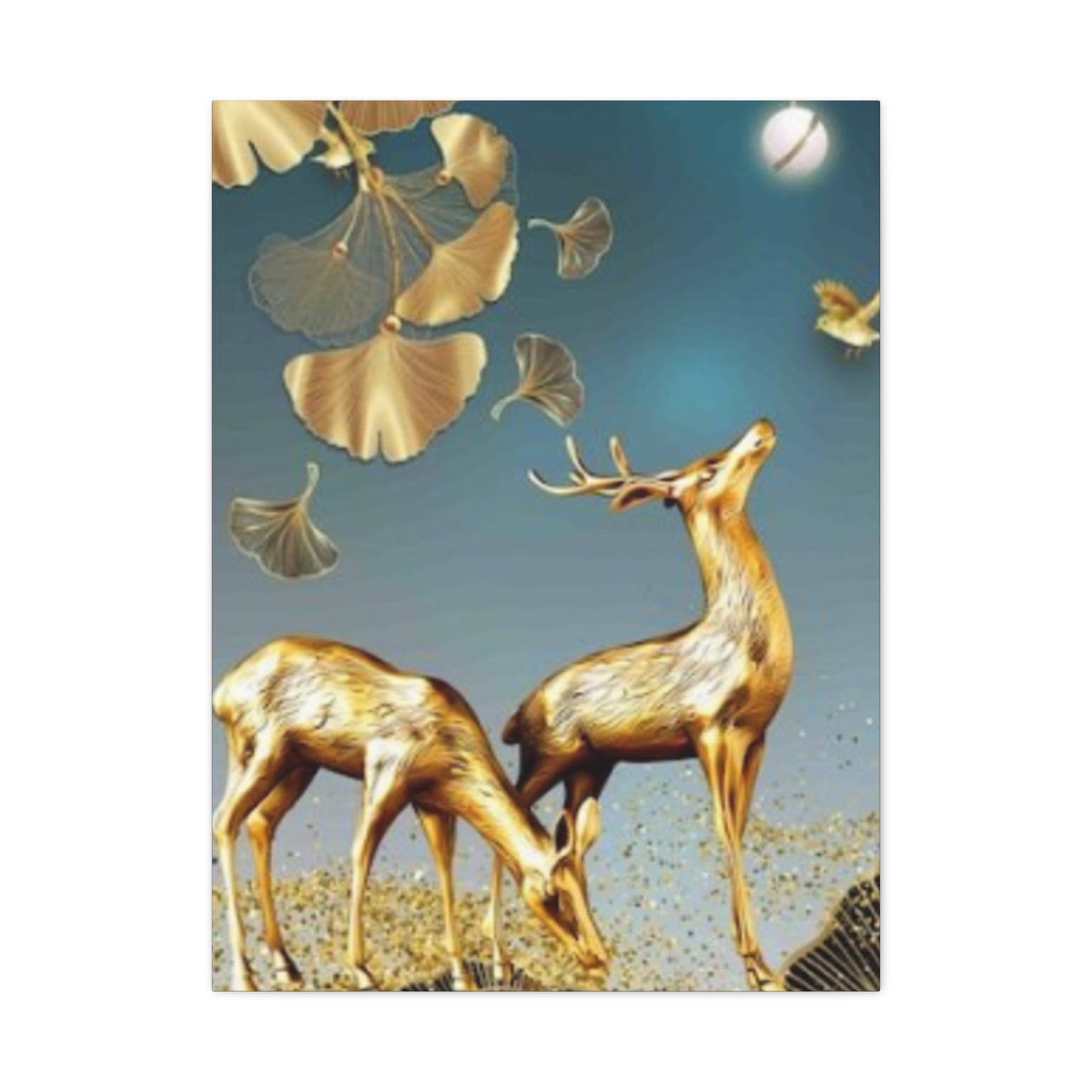
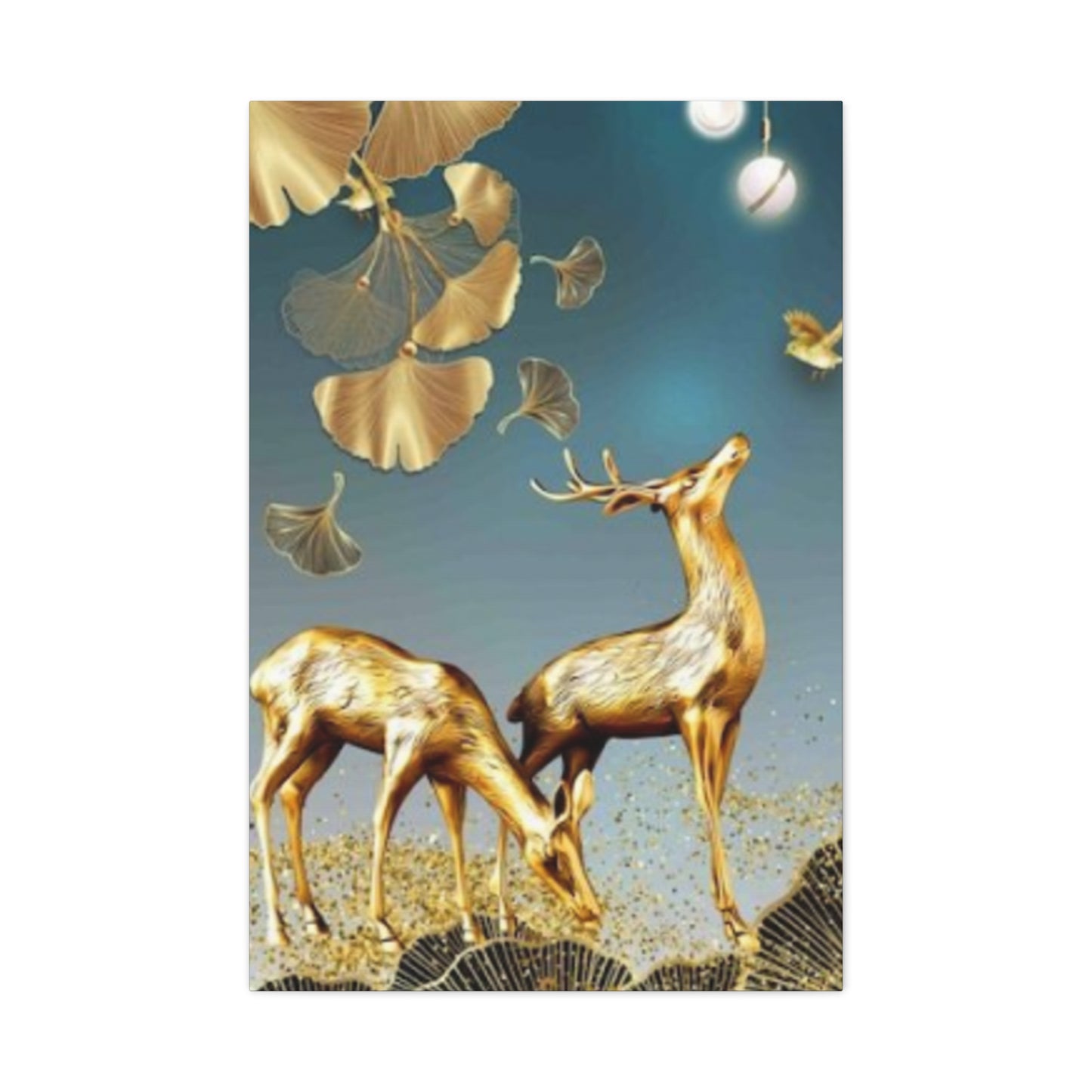
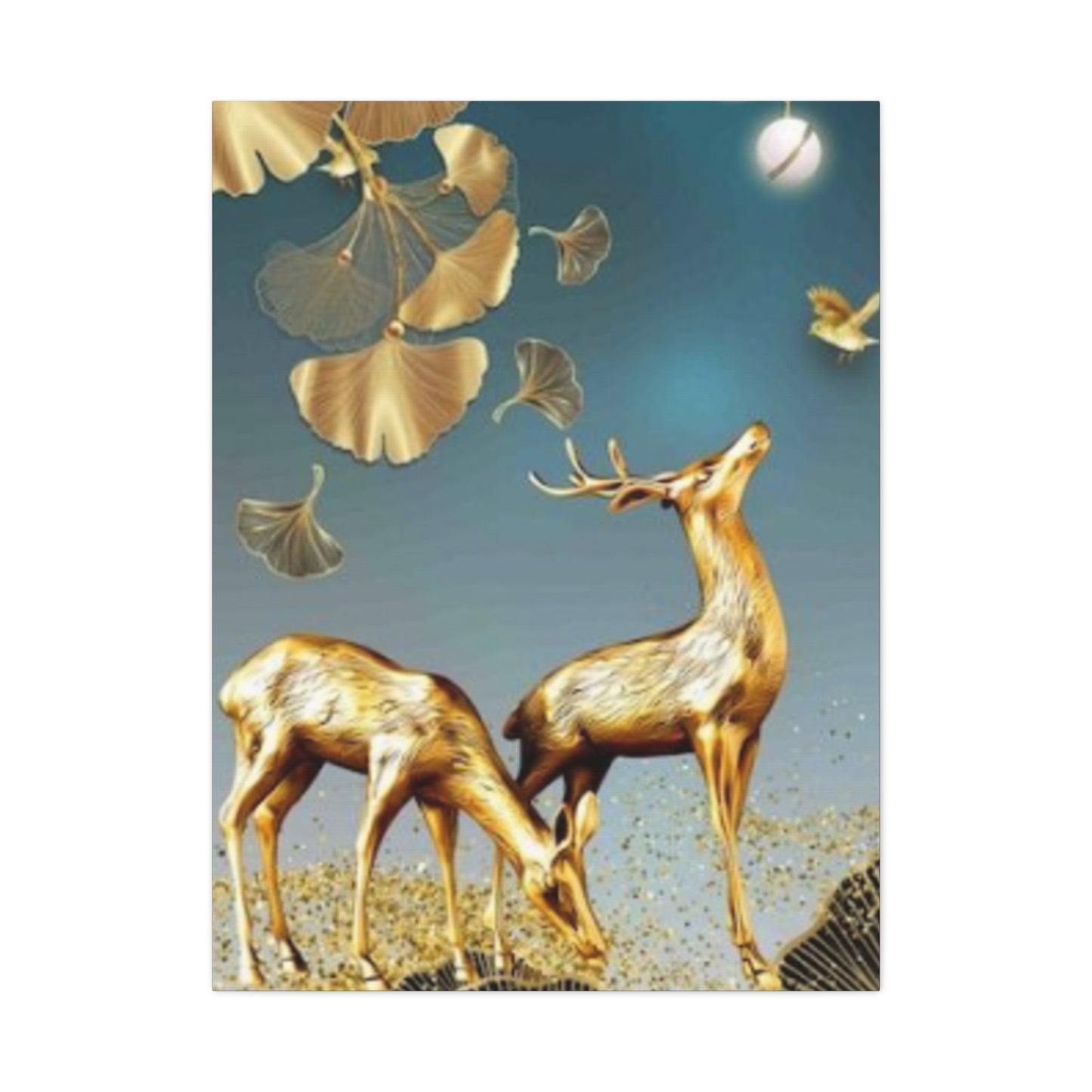
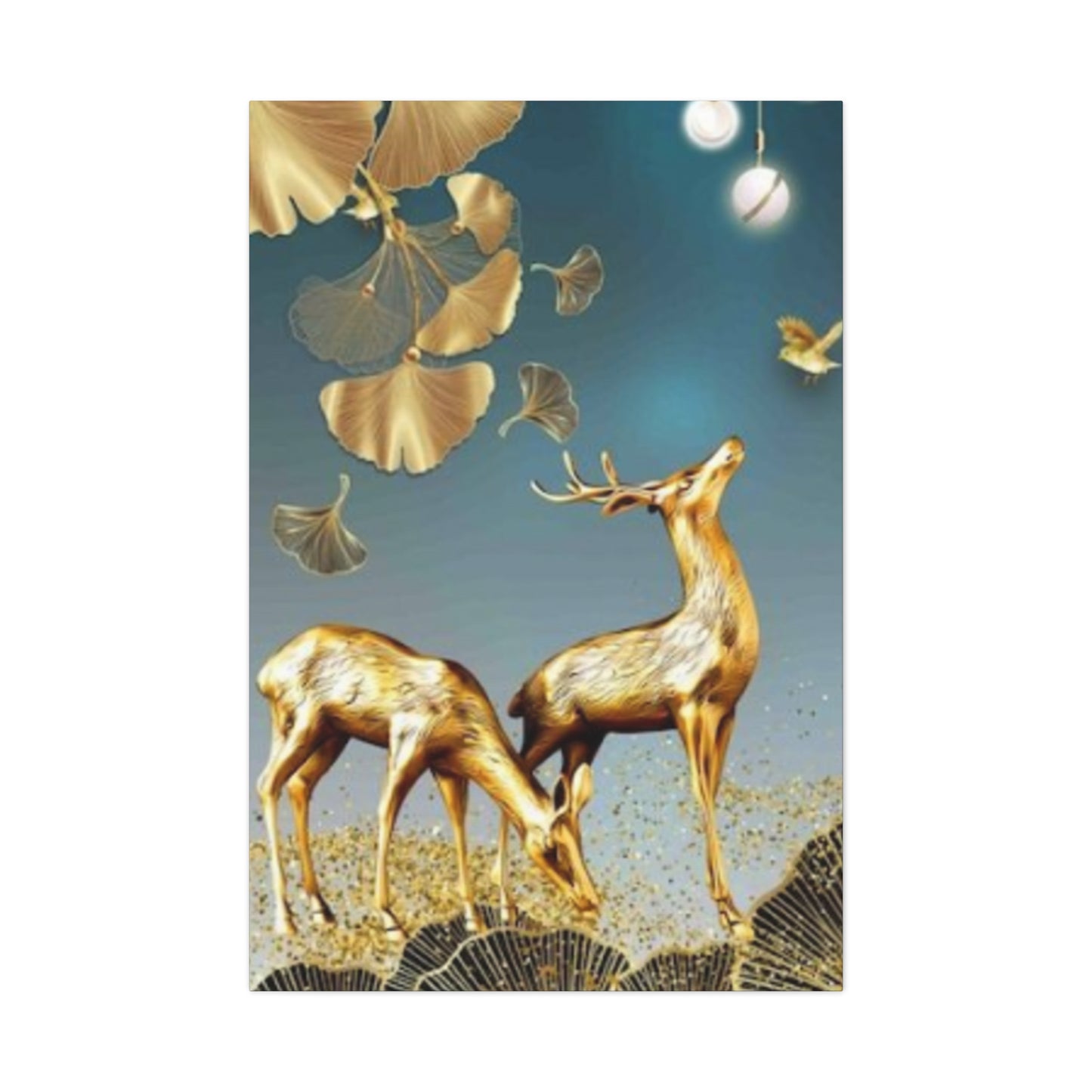
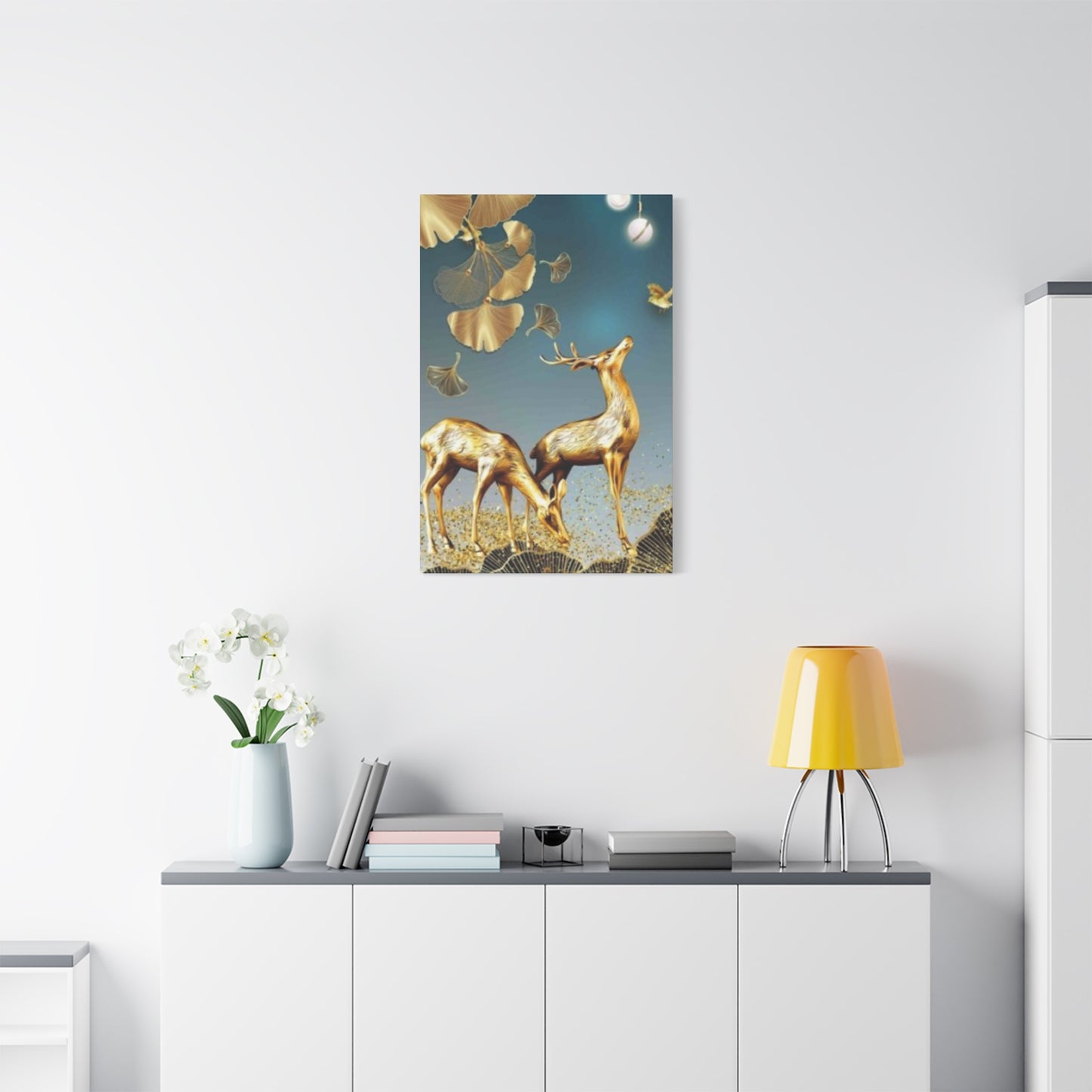
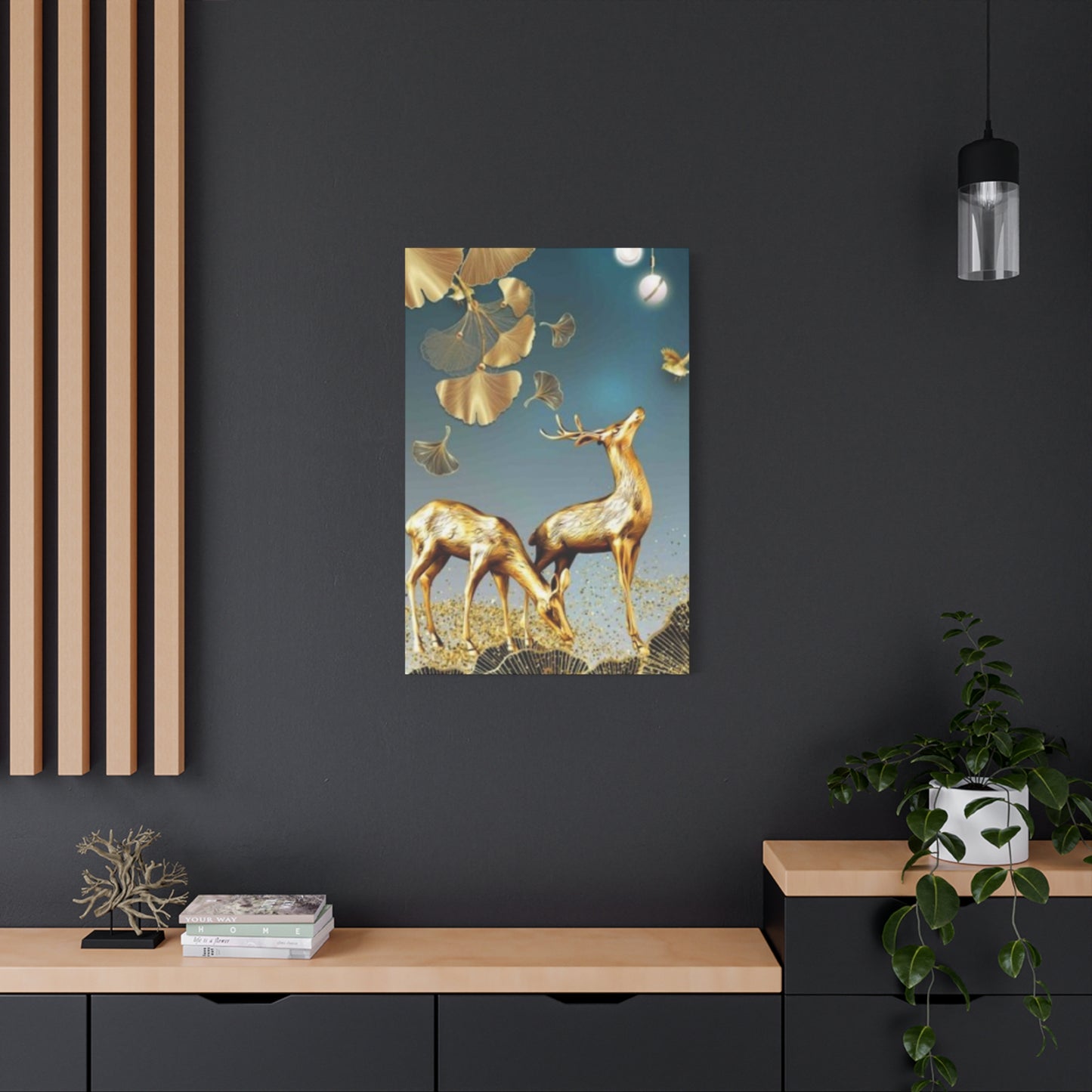
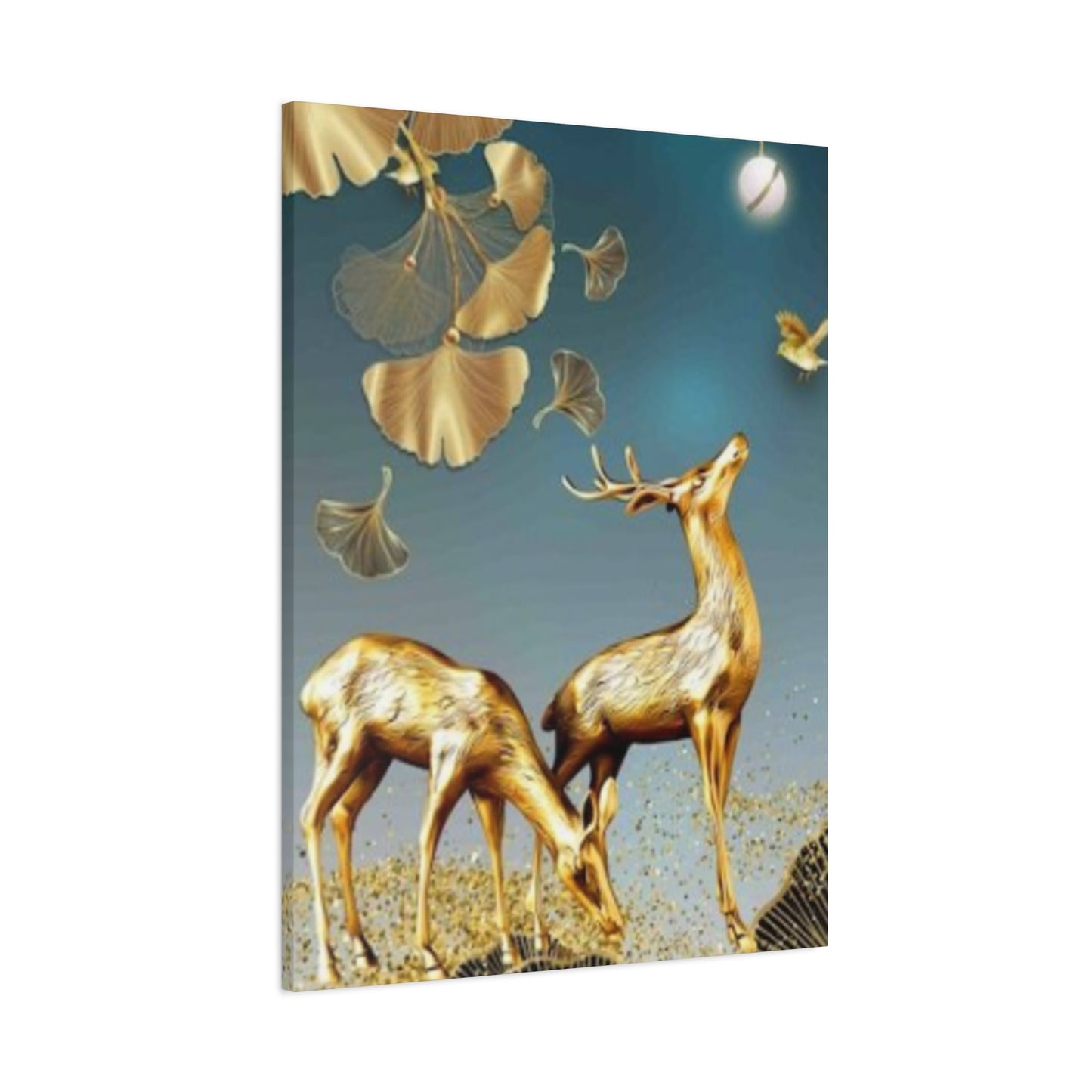
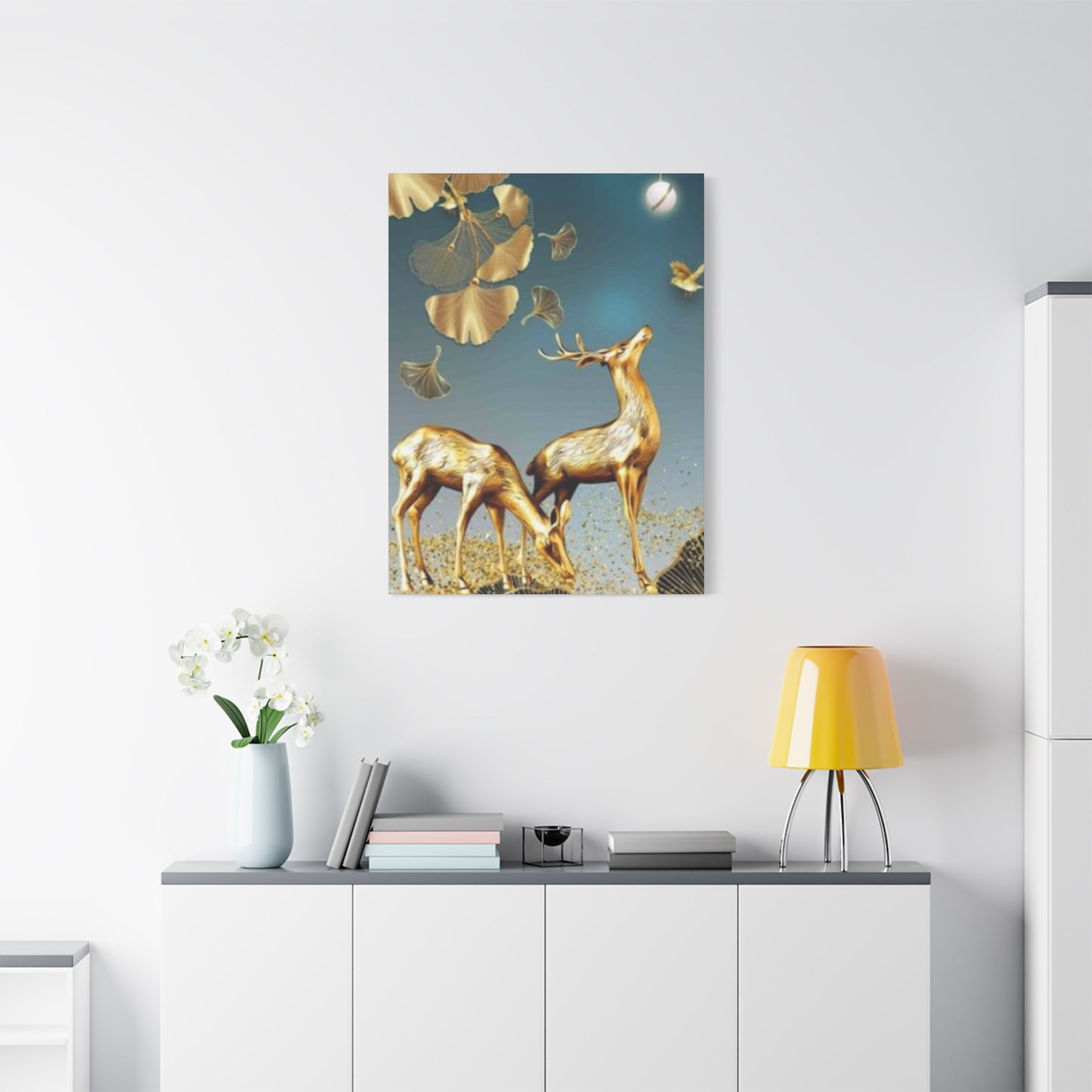
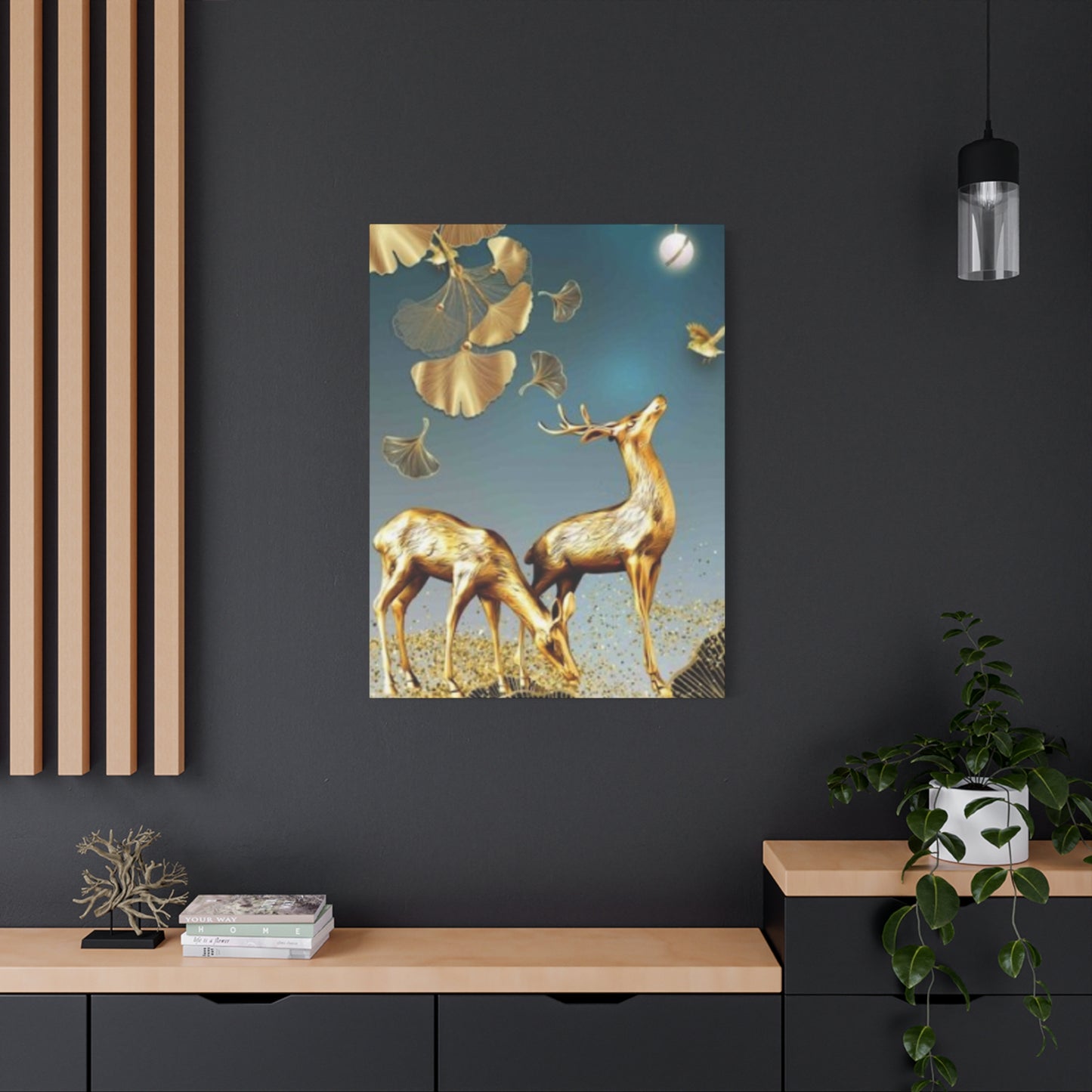
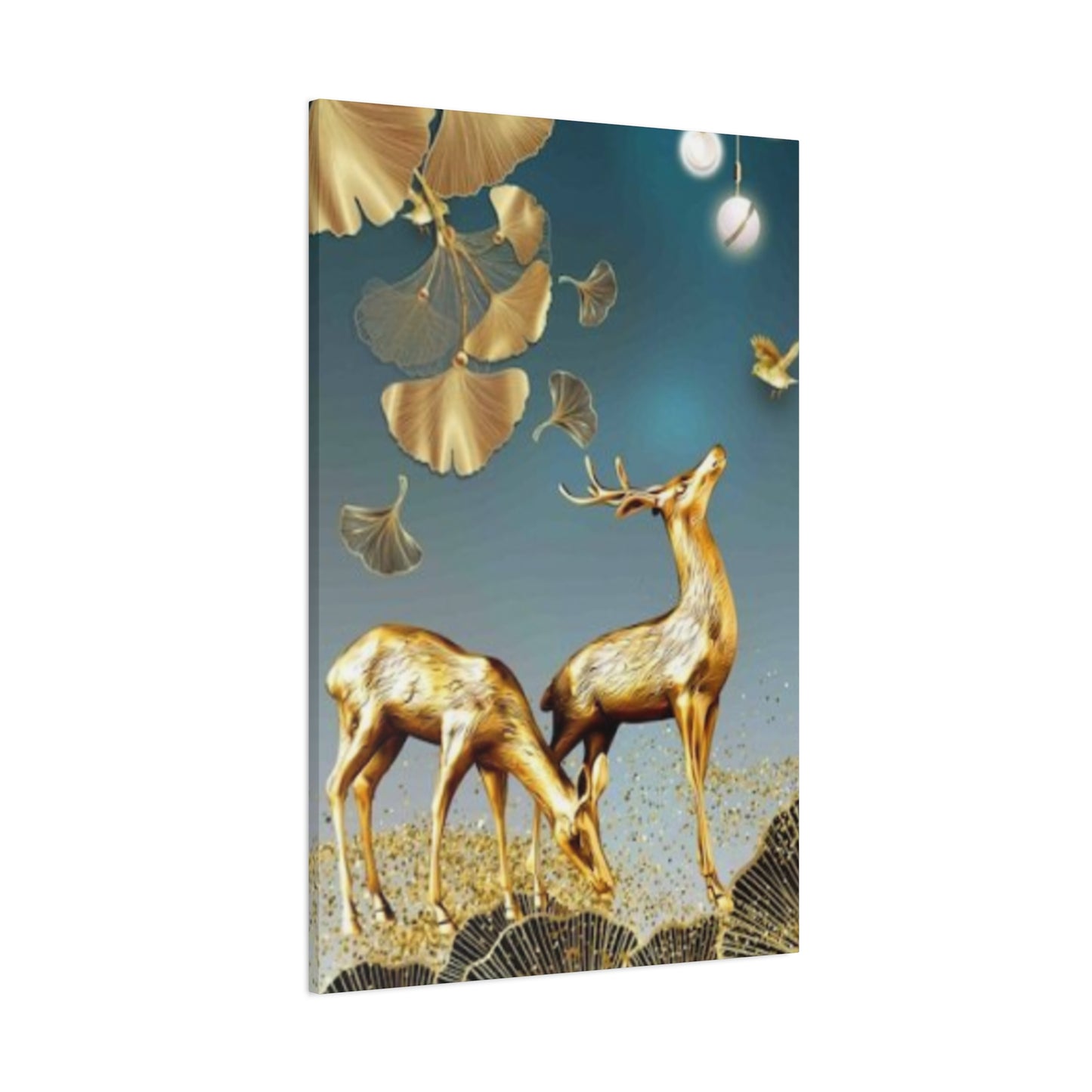
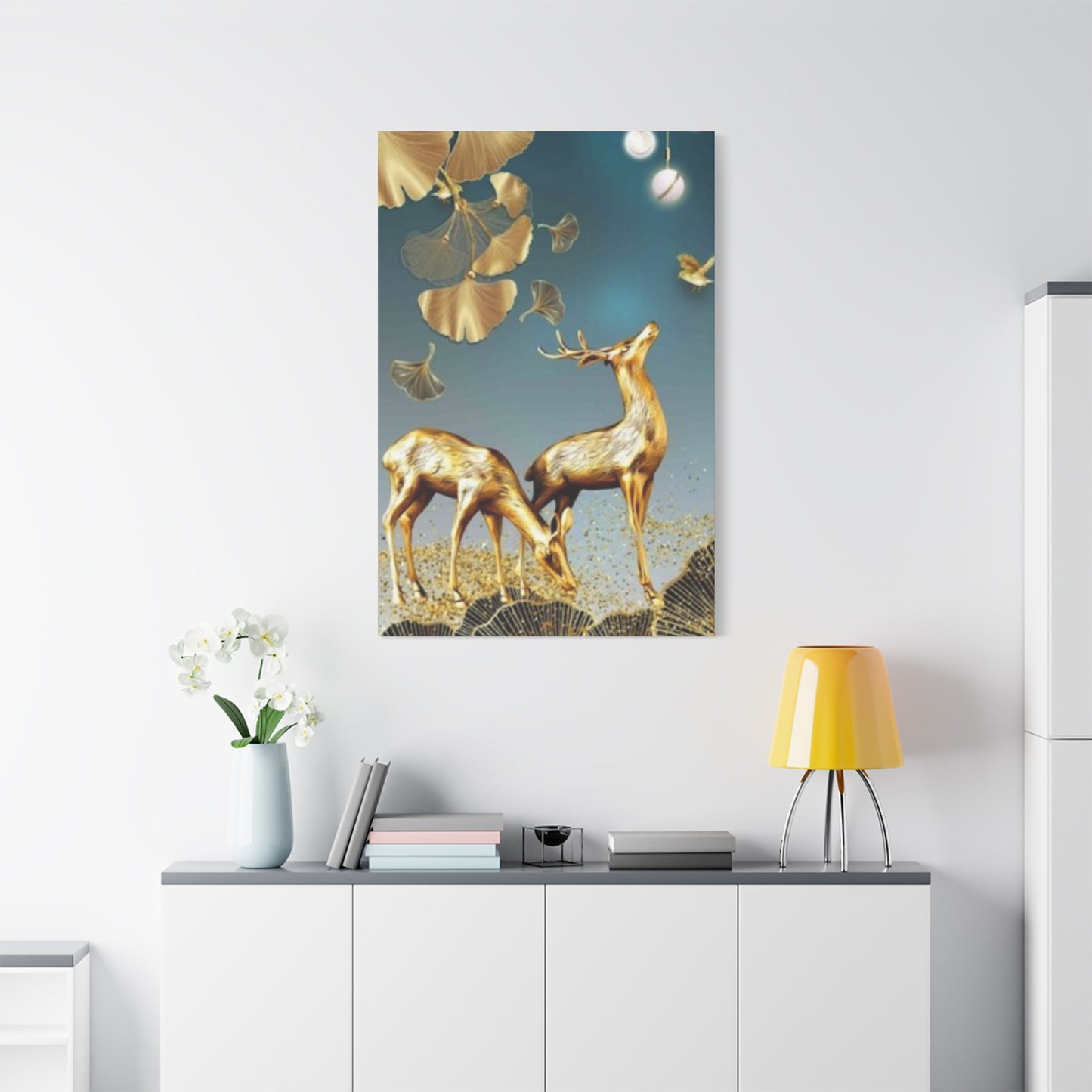
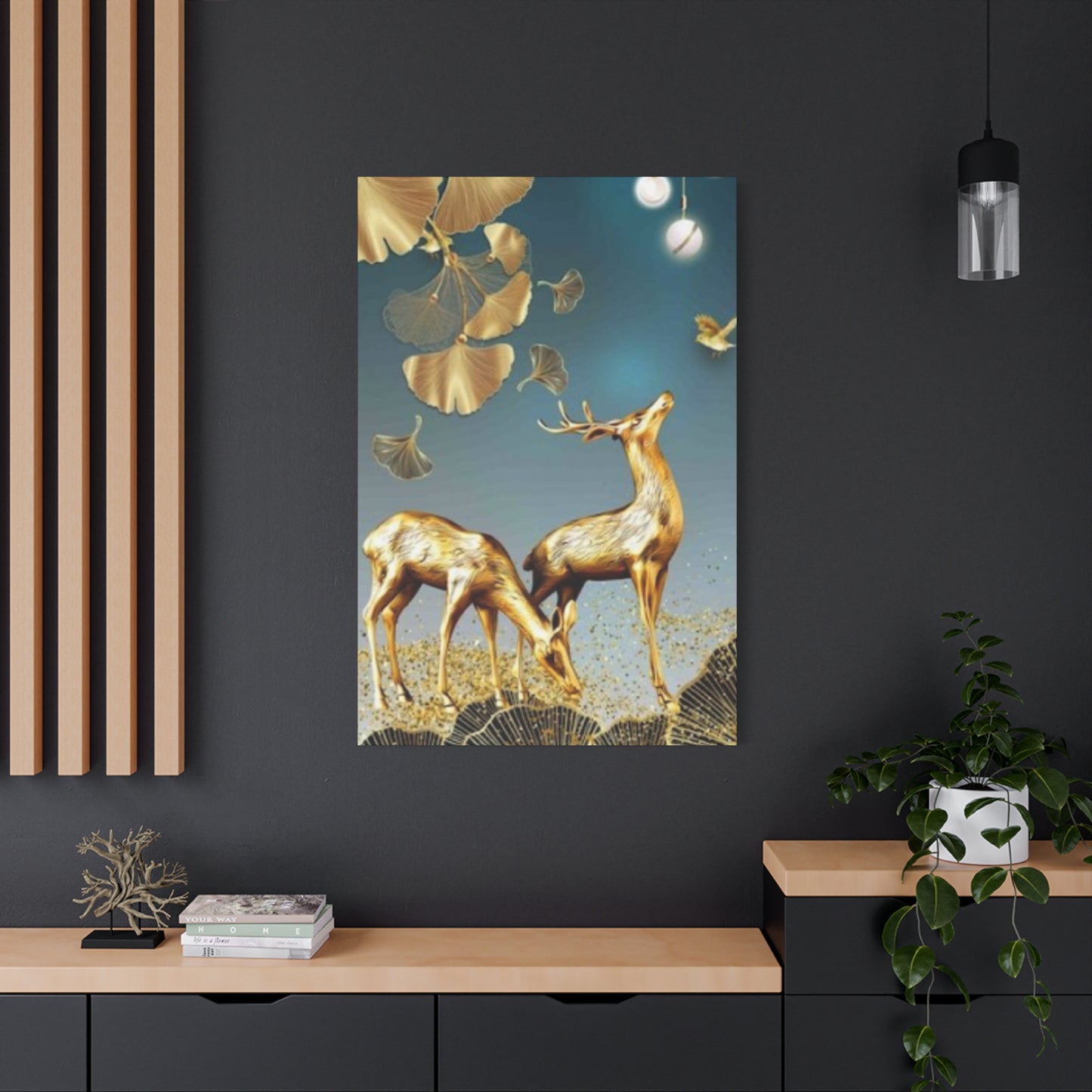
Golden Deer Wall Art & Canvas Prints
Golden Deer Wall Art & Canvas Prints
Couldn't load pickup availability
Discover the Timeless Elegance and Natural Beauty of Golden Deer Wall Art for Your Living Spaces
Golden Deer Wall Art represents a magnificent fusion of wildlife aesthetics and metallic sophistication that has captured the imagination of interior designers and homeowners across the globe. This stunning decorative element brings the majestic presence of one of nature's most graceful creatures into residential and commercial environments, creating focal points that command attention while maintaining an air of refined elegance. The golden finish applied to deer imagery elevates these pieces beyond simple wildlife representations, transforming them into luxurious statement pieces that can anchor entire room designs. Whether crafted from metal, canvas, wood, or mixed media, these artistic creations serve as bridges between the natural world and contemporary interior aesthetics, offering versatility that suits minimalist modern spaces as well as traditional, rustic, or eclectic design schemes.
The appeal of deer imagery in decorative arts spans millennia, with these noble animals symbolizing grace, gentleness, intuition, and natural beauty across numerous cultures. When rendered in golden tones, these symbolic associations are enhanced by connotations of prosperity, illumination, and timeless value. The metallic sheen catches and reflects light throughout the day, creating dynamic visual experiences that shift with changing illumination conditions. This interplay between static form and dynamic light reflection means that Golden Deer Wall Art never appears exactly the same twice, offering viewers continual visual interest and renewed appreciation with each viewing. The combination of organic subject matter with precious metal aesthetics creates a harmonious tension that appeals to both nature lovers and those drawn to more glamorous, sophisticated design elements.
The Artistic Heritage and Cultural Significance Behind Deer Representations in Decorative Arts
Throughout human civilization, deer have occupied prominent positions in artistic expression, appearing in cave paintings, ceremonial objects, royal heraldry, and contemporary fine art. Ancient petroglyphs dating back thousands of years feature deer as central subjects, indicating the enduring fascination these animals have held for creative minds. In European traditions, deer were associated with nobility and hunting privileges reserved for aristocracy, making their representation a symbol of elevated social standing. Asian artistic traditions, particularly in Chinese and Japanese aesthetics, have long celebrated deer as emblems of longevity, prosperity, and auspicious fortune, frequently incorporating them into paintings, sculptures, and decorative objects meant to bring blessings to households.
Native American traditions across numerous tribes regard deer as sacred beings embodying gentleness, compassion, and harmony with natural forces. Their appearance in tribal art carries spiritual significance beyond mere decoration, representing connections to ancestral wisdom and the living earth. Celtic mythology positioned deer as magical creatures associated with forest deities and threshold spaces between mortal and divine realms. This rich tapestry of cultural meanings provides contemporary Golden Deer Wall Art with layers of significance that resonate on subconscious levels, making these pieces feel simultaneously familiar and mysterious, comforting yet intriguing.
The choice to render deer in golden tones adds another dimension to this symbolic richness. Gold has universally represented illumination, divine presence, incorruptibility, and supreme value across virtually all human societies. Egyptian pharaohs adorned themselves with gold to signify their divine status; Buddhist and Christian religious art employs gold leaf to indicate sacred presence; alchemists sought gold as the perfected form of base metals. When applied to deer imagery, golden finishes suggest the elevation of natural beauty to its most refined expression, as though the essence of the creature has been distilled into its most precious form. This combination creates artwork that speaks to both earthly appreciation of wildlife and aspirations toward something transcendent and enduring.
Materials and Craftsmanship Methods Used in Creating Stunning Deer Wall Decorations
The production of Golden Deer Wall Art employs diverse materials and fabrication techniques, each contributing unique aesthetic qualities and practical considerations. Metal sculptures represent perhaps the most dramatic format, with artists shaping iron, steel, aluminum, or brass into dimensional representations that cast shadows and occupy physical space beyond the wall surface. These pieces may feature hammered textures that catch light irregularly, polished surfaces that act as mirrors, or intentionally oxidized areas that create contrast against gilded portions. The weight and substance of metal deer sculptures convey permanence and quality, making them suitable for high-traffic commercial spaces or homes where durability matters.
Canvas prints offer versatility and accessibility, allowing photographic or painted deer imagery to be reproduced at various scales while maintaining affordability. When enhanced with metallic gold pigments, foils, or embellishments, these prints gain dimensional interest despite their flat substrate. Gel medium applications can add texture that mimics brushstrokes or natural surfaces, while hand-applied gold leaf details elevate selected canvas pieces to unique artworks rather than mass-produced prints. The lightweight nature of canvas makes installation simple and flexible, allowing for easy repositioning as design preferences evolve.
Wooden substrates provide warmth and organic texture that complement deer subject matter particularly well. Artists may carve relief sculptures that emerge from wooden panels, paint deer imagery onto reclaimed barn wood for rustic authenticity, or create layered wooden silhouettes with golden finishes. The grain patterns in natural wood add visual complexity that interacts beautifully with metallic applications, creating rich surfaces that reward close examination. Wood also offers excellent acoustic properties, subtly affecting room ambiance in ways that harder materials cannot match.
Mixed media approaches combine multiple materials to achieve effects impossible with single-medium works. An artist might construct a deer form from wire or metal screening, then apply gold leaf in selected areas while leaving other sections raw to create contrast. Resin casting allows for incorporation of metallic powders, leaf fragments, or glitter into translucent or opaque forms that capture and refract light in complex ways. Some contemporary pieces incorporate LED lighting elements that illuminate golden deer from within or behind, creating dramatic effects especially suited to evening viewing. Three-dimensional assemblages might combine metal antlers with wooden bodies and painted backgrounds, offering multiple textural experiences within a single composition.
The application of golden finishes involves numerous specialized techniques. Traditional gold leafing requires painstaking preparation of surfaces, application of adhesive sizing, and careful placement of delicate gold sheets that tear easily and require expert handling. Metallic paints and powders offer more forgiving alternatives, though they typically lack the depth and luminosity of genuine gold leaf. Electroplating processes can deposit actual gold molecules onto conductive base materials, creating durable finishes with authentic metallic properties. Patination techniques intentionally age golden surfaces to suggest antique origins or create visual interest through varied tones ranging from bright yellow gold to deeper bronze and copper hues.
Exploring Different Artistic Styles and Design Approaches for Deer-Themed Wall Pieces
Golden Deer Wall Art manifests across an impressive spectrum of artistic styles, each offering distinct aesthetic experiences and suiting different interior design contexts. Realistic representations aim for anatomical accuracy and naturalistic detail, depicting deer as they appear in wilderness settings with careful attention to musculature, coat patterns, and characteristic poses. These pieces appeal to wildlife enthusiasts and those seeking connections to nature through art. When rendered in golden tones, realistic deer maintain their recognizability while gaining an otherworldly quality, as though glimpsed in magical light or transformed by some alchemical process.
Abstract interpretations reduce deer forms to essential elements—the curve of a neck, the branching pattern of antlers, the distinctive silhouette—rendered through geometric shapes, flowing lines, or expressionistic gestures. These stylized pieces integrate more seamlessly into contemporary minimalist interiors where literal wildlife imagery might feel incongruous. The abstraction allows golden elements to take precedence, with deer forms providing structure and subject recognition without demanding attention through realistic detail. Such pieces function as much through their formal qualities of line, shape, and color as through their representational content.
Geometric and polygonal styles have gained particular popularity in recent years, rendering deer through networks of triangular facets that suggest digital modeling or crystalline structures. These angular interpretations feel decidedly contemporary, bridging traditional subject matter with cutting-edge aesthetic sensibilities. The faceted surfaces catch light at multiple angles, creating complex reflections when finished in gold that multiply the visual impact. This style particularly appeals to younger demographics and those furnishing modern urban spaces where traditional wildlife art might feel out of place.
Silhouette approaches reduce deer to flat profiles, emphasizing their distinctive outlines while eliminating interior detail. These minimalist representations work effectively at large scales and from distances, making them suitable for focal walls in spacious rooms or commercial installations. Golden silhouettes against contrasting backgrounds create bold graphic impacts, while the simplicity of form allows the metallic finish to be the primary source of visual interest. Silhouette art also pairs well with other decorative elements without creating visual competition, making it versatile for layered design schemes.
Art Nouveau and organic styles embrace flowing, curvilinear forms that emphasize the graceful movement inherent in deer anatomy. These pieces often incorporate botanical elements, creating harmonious compositions where animals and plant life intertwine. The ornamental quality of Art Nouveau aesthetics complements golden finishes particularly well, as both emphasize beauty, craftsmanship, and decorative richness. Such pieces work beautifully in eclectic interiors that celebrate handcrafted quality and artistic detail.
Rustic and woodland styles present deer within forest contexts, often using weathered or reclaimed materials to suggest age and authenticity. Even when incorporating golden elements, these pieces maintain earthy character through material choices and compositional approaches that emphasize natural settings. This style appeals to those decorating cabins, lodges, or homes embracing farmhouse and cottage aesthetics, where deer imagery reinforces thematic consistency while golden accents add unexpected sophistication.
Cultural and folk art styles draw on specific artistic traditions, such as Scandinavian flat decorative painting, Native American ledger art, or Asian brush painting. These pieces carry cultural specificity that adds narrative depth, connecting viewers to particular artistic heritages. When executed with golden embellishments, traditional folk motifs gain contemporary relevance and luxury appeal while maintaining their cultural authenticity.
Strategic Placement Considerations for Maximizing Visual Impact in Various Room Settings
The effective placement of Golden Deer Wall Art requires thoughtful consideration of viewing angles, lighting conditions, surrounding elements, and spatial proportions. In living rooms, deer pieces often serve as focal points above sofas or fireplace mantels, where they anchor seating arrangements and establish thematic direction for the space. The height at which artwork hangs significantly affects its impact—generally, the center of the piece should align roughly with average eye level when standing, approximately 57 to 60 inches from the floor. However, when art hangs above furniture, leaving 6 to 12 inches between the furniture top and the artwork bottom creates appropriate visual connection between elements.
For particularly large-scale Golden Deer Wall Art, entire walls may be dedicated to a single piece, creating dramatic statements that define room character. Such installations work especially well on walls visible upon entering spaces, immediately establishing ambiance and design sensibility. The surrounding wall should remain relatively clear of competing elements, allowing the deer artwork to command attention without distraction. Color choices for these feature walls should either complement the golden tones—think deep navy, forest green, or charcoal—or provide neutral backgrounds like crisp white or warm gray that make metallic elements pop.
Dining rooms offer excellent opportunities for deer artwork, as these spaces traditionally embrace more formal decorative approaches where golden elements feel appropriate. Positioning pieces where they're visible to seated diners ensures regular engagement with the art during meals. The reflective properties of golden finishes interact beautifully with candlelight and pendant lighting typical in dining settings, creating warm, inviting atmospheres conducive to gathering and conversation.
Bedroom placement requires sensitivity to the emotional tone deer imagery and golden finishes create. Above bed headboards, deer art can establish serene, nature-connected atmospheres that promote relaxation, particularly when pieces emphasize gentle poses and soft color palettes beyond the gold. Alternatively, deer artwork might grace walls opposite beds, providing focal points visible upon waking. The calming associations with deer—gentleness, peace, natural harmony—make them psychologically suitable for sleep spaces, while golden finishes add touches of luxury that elevate everyday environments into retreats.
Home office spaces benefit from deer imagery that can symbolize goals, aspirations, and valued qualities. The alertness and grace of deer might represent desired professional attributes, while golden finishes suggest success and achievement. Positioning such pieces within sight lines from desks provides opportunities for brief visual breaks that rest eyes strained from screen work while offering contemplative focal points that support mental clarity.
Entryways and foyers require special consideration, as these transitional spaces receive shorter but more frequent viewings. Golden Deer Wall Art in entries makes immediate style statements, signaling to visitors the aesthetic sensibilities they'll encounter throughout the home. The durability of most deer art formats makes them suitable for these higher-traffic areas, while their symbolic associations with welcome and natural harmony create appropriate greeting messages.
Stairway walls present unique opportunities for vertical arrangements or series installations. Multiple smaller deer pieces can ascend alongside stairs, creating visual movement that complements physical progression through space. The changing viewing angles inherent in stairway passage allow dimensional pieces to reveal different aspects and profiles, maximizing the interest such pieces can generate.
Commercial spaces including restaurants, hotels, lodges, and corporate offices increasingly incorporate Golden Deer Wall Art to establish distinctive ambiances. In hospitality settings, deer imagery connects guests to regional wildlife and natural beauty, while golden finishes convey the quality and attention to detail guests expect. Corporate installations might use deer symbolism to represent company values like agility, awareness, or natural wisdom, with metallic finishes suggesting success and forward-thinking innovation.
Color Palette Coordination and Complementary Design Elements That Enhance Deer Artwork
Golden Deer Wall Art interacts complexly with surrounding color schemes, and understanding these relationships maximizes aesthetic impact. The warm metallic tones of gold naturally harmonize with earth-tone palettes including warm browns, burnt oranges, deep reds, and ochres. These combinations create cohesive, grounded environments that feel connected to natural landscapes. Such schemes work particularly well in spaces embracing rustic, lodge, or traditional design directions where warmth and comfort are priorities.
Cool color palettes create striking contrasts with golden deer pieces, making the artwork's warm tones appear even more vibrant through color theory principles. Deep navy blues provide particularly effective backgrounds, creating sophisticated, jewel-tone combinations reminiscent of twilight skies. Emerald and forest greens reference natural deer habitats while offering rich, saturated backdrops that make gold shimmer. Charcoal and slate grays provide neutral darkness that allows golden elements to glow without the starkness of pure black or the coldness of pure white.
Neutral schemes including whites, creams, taupes, and grays create versatile foundations that allow Golden Deer Wall Art to define color direction. Against neutral backgrounds, the artwork's hues become room accents that can be echoed through smaller decorative elements like throw pillows, vases, or textile accents. This approach offers flexibility for seasonal decoration changes or gradual style evolution, as the neutral base remains constant while accent elements rotate.
Metallic mixing, once considered problematic, has gained acceptance in contemporary design. Golden deer pieces can coexist beautifully with silver, bronze, copper, or mixed metallic accessories, provided the combinations appear intentional rather than accidental. Varying the finishes—pairing shiny gold with matte silver, for instance—helps different metals maintain distinct identities rather than competing. The key lies in distributing metallic elements throughout spaces rather than clustering them, which prevents any area from appearing overly busy or confused.
Textile selections significantly impact how Golden Deer Wall Art integrates into spaces. Luxurious materials like velvet, silk, and quality leather complement the refined character of golden finishes, while maintaining comfort and livability. Natural fibers including linen, cotton, and wool provide textural contrast to smooth metallic surfaces while reinforcing nature-inspired themes. Pattern choices should consider the visual complexity of the deer artwork—busier pieces pair best with solid or subtly textured fabrics, while simpler deer silhouettes can anchor spaces featuring bolder patterns.
Furniture styles and materials create important context for deer wall pieces. Wooden furniture, particularly in walnut, oak, or cherry finishes, echoes the organic nature of deer subjects while providing warm tones that harmonize with gold. Metal furniture frames in brass, bronze, or gold finishes create cohesive material stories, though care should be taken to avoid overwhelming spaces with too much metallic sheen. Upholstered pieces in leather or fabric introduce necessary softness that prevents rooms from feeling hard or cold despite metallic art elements.
Lighting design deserves careful attention when showcasing Golden Deer Wall Art, as the reflective properties of metallic finishes respond dramatically to light quality, direction, and intensity. Picture lights mounted directly above or below artwork can create theatrical emphasis, though they should use warm-spectrum bulbs to enhance rather than clash with golden tones. Track lighting offers flexibility for adjusting illumination as furniture arrangements change. Natural light throughout daily cycles creates ever-changing appearances, with morning and evening light casting particularly warm glows that intensify golden finishes.
Additional decorative elements should support rather than compete with deer artwork. Natural materials including stone, wood, horn, and leather reinforce wildlife themes. Botanical elements through houseplants or floral arrangements connect to deer habitats while introducing living elements that soften spaces. Book collections, particularly volumes on nature, wildlife, or art, provide intellectual resonance with artwork subjects. Personal collections of natural objects—interesting branches, stones, shells, or feathers—displayed on shelves or tables extend nature-inspired themes in subtle, personal ways.
Selecting the Perfect Scale and Proportions for Different Wall Dimensions and Room Sizes
Determining appropriate sizes for Golden Deer Wall Art requires careful assessment of wall dimensions, room proportions, viewing distances, and desired visual impact. As general guidance, artwork should occupy roughly two-thirds to three-quarters of the width of furniture pieces it hangs above. For a standard sofa measuring 84 inches wide, a single piece between 56 and 63 inches wide creates pleasing proportion, or alternatively, a grouping of multiple smaller pieces totaling that width achieves similar balance.
In rooms with high ceilings, vertical emphasis becomes important to prevent spaces from feeling bottom-heavy or to draw eyes upward, maximizing the sense of volume. Tall, narrow compositions featuring deer with upward-reaching antlers naturally emphasize verticality. Alternatively, multiple horizontal pieces can stack vertically to achieve height without sacrificing the width necessary for proper proportion on substantial walls.
Small spaces require restraint to avoid overwhelming limited square footage with oversized art. However, a single impactful piece often serves small rooms better than multiple smaller items, which can create visual clutter. A carefully chosen deer piece that relates properly to wall size while leaving adequate breathing room can make small spaces feel curated and intentional rather than cramped. The reflective qualities of golden finishes can actually benefit compact rooms by bouncing light and creating depth perceptions that expand spatial sensation.
Gallery wall arrangements allow multiple deer-themed pieces or combinations of deer art with complementary subjects to occupy larger wall areas while maintaining visual interest through varied sizes. When creating gallery walls, laying out arrangements on floors before committing to wall holes prevents frustrating rework. Maintaining consistent spacing between pieces—typically 2 to 3 inches—creates cohesion, while varying sizes and orientations generates dynamic energy. Including a dominant larger piece provides visual anchoring that prevents arrangements from appearing chaotic.
Viewing distance relationships affect optimal sizing—artwork viewed from across large rooms requires greater scale to maintain presence and readability, while pieces in intimate spaces can succeed at smaller scales since they'll be examined from closer proximity. Corporate lobbies, restaurant dining rooms, and hotel public areas typically demand large-scale installations that read clearly from 15 to 30 feet away, while residential bedrooms and home offices accommodate and often prefer more modestly sized pieces viewable from 6 to 10 feet.
Architectural features including windows, doorways, built-in shelving, and structural elements create boundaries and opportunities that affect art placement decisions. Artwork positioned between windows should respect the vertical lines those openings create, while pieces above doorways should maintain adequate clearance while relating to door width. Built-in bookcases offer opportunities for integrating smaller deer pieces among books and objects, creating layered vignettes rather than isolated art display.
The weight of artwork influences both practical installation concerns and visual perception. Substantial metal deer sculptures convey permanence and quality through their heft, but require secure mounting into wall studs or specialized anchoring systems. Lighter canvas or wooden pieces offer installation simplicity and flexibility for those who frequently refresh their spaces. Visual weight—the impression of heaviness or lightness regardless of actual physical weight—also matters, with dark, dense compositions appearing heavier than airy, light-toned pieces even when physically identical.
Symbolic Meanings and Spiritual Associations Connected to Deer in Various Belief Systems
Deer carry profound symbolic weight across diverse spiritual and philosophical traditions, and awareness of these associations enriches appreciation for Golden Deer Wall Art beyond surface aesthetics. In Buddhist thought, deer symbolize harmony, peace, and the first teaching of dharma, as Buddha delivered his first sermon in a deer park at Sarnath. Buddhist art frequently depicts deer flanking dharma wheels or resting peacefully beside enlightened beings, representing the gentleness and receptivity necessary for spiritual awakening. The golden finish applied to deer imagery in Buddhist-influenced pieces suggests the illumination of consciousness and the precious nature of spiritual teachings.
Celtic spirituality regarded deer, particularly white deer, as supernatural beings associated with Otherworld realms and fairy folk. They served as messengers between mortal and divine dimensions, appearing to guide seekers toward significant revelations or transformative encounters. The horned god Cernunnos, depicted with stag antlers, represented fertility, nature, and the wild masculine principle. Celtic-inspired Golden Deer Wall Art taps into these ancient connections between humanity and untamed natural forces, suggesting the sacred presence dwelling within wilderness.
Native American traditions across numerous tribes honor deer as teachers of gentleness, compassion, and unconditional love. Deer medicine in these contexts relates to the ability to move through life's obstacles with grace, to approach challenges with soft eyes rather than fear or aggression, and to maintain connection with innocent wonder despite life's hardships. Deer also represent intuition and the importance of trusting inner guidance when navigating life's pathways. The appearance of deer in dreams or visions often signals the need to approach situations with tenderness and to remember that gentle strength often achieves what force cannot.
Christian symbolism occasionally employs deer imagery, drawing on Psalm 42 which begins "As the deer pants for streams of water, so my soul pants for you, my God." In this context, deer represent spiritual longing and the soul's thirst for divine connection. Medieval and Renaissance religious art sometimes includes deer in Eden scenes or as symbols of the faithful soul seeking salvation. Golden deer within Christian-influenced artistic contexts might represent the soul illuminated by divine grace or the precious nature of spiritual seeking.
Chinese cultural traditions associate deer with longevity, prosperity, and official promotion. The word for deer, "lu," sounds similar to words meaning emolument or official salary, creating auspicious wordplay that makes deer popular subjects for artwork meant to bring career success. The legendary immortal riding a deer became a symbol of the wish for long life. Golden deer in Chinese-influenced decorative contexts carry these prosperity and longevity blessings, making them particularly appropriate for homes and offices where success and wellbeing are desired.
Japanese aesthetics appreciate deer for their gentle beauty and their sacred association with Kasuga Taisha shrine in Nara, where deer roam freely as messengers of the gods. The seasonal appearance of deer in autumn artwork connects to maple-viewing traditions and the poignant beauty of seasonal change. Japanese-influenced Golden Deer Wall Art often emphasizes refined elegance and the intersection of natural beauty with spiritual presence.
Modern spiritual and metaphysical interpretations continue evolving deer symbolism, often viewing these animals as spirit guides representing sensitivity, intuition, and the ability to navigate between worlds or states of consciousness. The gentleness of deer energy is seen as powerful in its own right—not weak but rather reflecting strength that doesn't need to dominate or control. Their alert awareness symbolizes the importance of staying attuned to subtle signs and energies in environments and relationships.
Practical Guidelines for Proper Mounting and Secure Installation Methods
The secure installation of Golden Deer Wall Art requires appropriate hardware selection, correct mounting techniques, and awareness of wall construction types. The primary consideration involves weight, as different pieces demand different support systems. Lightweight canvas prints under 10 pounds can typically hang from standard picture hooks or adhesive strips designed for walls. Medium-weight pieces between 10 and 50 pounds require mounting into wall studs using appropriate screws or robust wall anchors rated for the specific weight.
Heavy metal deer sculptures exceeding 50 pounds demand professional-grade installation with multiple mounting points secured directly into structural framing. French cleats—interlocking beveled pieces mounted to both wall and artwork back—provide excellent weight distribution for heavy pieces while allowing easy removal if relocation becomes necessary. These systems work particularly well for large metal or wooden deer installations where single-point hanging would create stress concentrations potentially leading to failure.
Wall composition significantly affects hanging approaches. Drywall, the standard in most modern construction, provides minimal holding strength without anchors or stud mounting. Stud finders locate the wooden or metal framing members behind drywall into which screws can securely fasten. When stud placement doesn't align with desired artwork positioning, various wall anchors provide solutions. Toggle bolts, expansion anchors, and modern plastic anchors each offer different weight capacities and installation characteristics suited to particular situations.
Plaster walls, common in older buildings, are denser and harder than drywall but also more brittle and prone to cracking if handled improperly. Pilot holes drilled with masonry bits prevent cracking during anchor installation. Plaster walls often have substantial thickness that can support significant weight when appropriate hardware is used, making them suitable for substantial deer installations despite their age.
Brick, stone, or concrete walls require masonry anchors and specialized drill bits. Tapcon screws, sleeve anchors, or expansion shields designed for masonry provide secure mounting points capable of supporting even the heaviest deer sculptures. The challenge with masonry involves the permanence of installations—removing anchors leaves visible holes that require patching, so positioning decisions should be made carefully before drilling.
Wire hanging systems offer flexibility for arrangements involving multiple pieces or for situations where exact positioning may need adjustment. Cable or track systems mounted to ceilings or upper wall areas allow artworks to suspend from adjustable hooks, permitting repositioning without creating new wall holes. These systems work particularly well in gallery settings or for collectors who regularly rotate displayed pieces.
Proper hanging height, as mentioned earlier, typically centers artwork at 57-60 inches from floor to the piece's center point. This standard accommodates average human eye level while standing. Exceptions arise when artwork relates to furniture, in which case maintaining 6-12 inches between furniture top and artwork bottom takes precedence over absolute height measurements. When hanging multiple pieces, maintaining consistent bottom edges or center alignments creates organized appearances, while intentionally varied heights can generate dynamic energy appropriate for eclectic design schemes.
Leveling artwork after installation ensures professional appearances. Small bubble levels held against frame tops while adjusting position prevent the frustrating crooked appearance that undermines even beautiful pieces. For particularly finicky installations, mounting small felt or rubber bumpers on bottom frame corners creates slight wall separation that prevents artwork from shifting after leveling.
Earthquake and vibration considerations apply in certain geographic regions or situations. Museum putty, earthquake-resistant hanging systems, or additional anchoring points prevent artwork from shifting, falling, or swinging during seismic events. Homes near railways, airports, or busy roads may experience sufficient vibration to gradually shift artwork, making periodic releveling necessary or warranting more secure mounting approaches.
Coordinating Deer Wall Art with Complementary Wildlife and Nature-Inspired Decor Elements
Golden Deer Wall Art can anchor comprehensive nature-inspired design schemes or serve as standalone focal points depending on surrounding choices. When building cohesive wildlife themes, selecting complementary species creates harmonious environments without redundancy. Birds, particularly raptors or songbirds, offer natural pairings representing different wilderness dimensions—aerial versus terrestrial, predatory versus prey. The vertical emphasis of many bird depictions provides compositional contrast to horizontal deer profiles.
Bear imagery introduces additional symbolic weight associated with strength, protection, and introspection, creating balanced masculine energy that complements deer's gentler presence. Wolf representations contribute pack mentality, loyalty, and wild freedom concepts. However, predator-prey relationships should be considered—some viewers might find combinations of deer with their natural hunters uncomfortable or thematically conflicting, while others appreciate the authentic wilderness dynamic such pairings represent.
Botanical elements extend nature themes through plant representations. Forest trees including birch, pine, aspen, or oak connect to deer habitats, while flowering plants add seasonal interest and softness. Botanical prints in vintage scientific illustration styles create sophisticated nature galleries when combined with wildlife art. Three-dimensional botanical elements through living houseplants, terrariums, or preserved specimens in glass domes bring literal nature indoors, enhancing the natural connection artwork suggests.
Landscape art featuring mountains, forests, streams, or meadows establishes environmental context for wildlife pieces. Deer artwork partnered with landscape pieces creates narrative suggestions—viewers imagine the deer inhabiting the depicted places, adding conceptual depth to both pieces. Landscape photography, particularly black and white or sepia-toned images, provides tonal variety when paired with golden deer pieces, preventing metallic finishes from overwhelming spaces.
Natural material accents throughout rooms reinforce organic themes. Wooden furniture, stone surfaces, leather upholstery, wool textiles, and horn or antler decorative objects create material stories that support deer artwork. Raw wood slices used as wall decor, serving pieces, or stands continue woodland themes. River stones displayed in clear vessels or incorporated into table arrangements bring literal wilderness fragments indoors.
Lighting fixtures inspired by natural forms extend thematic consistency. Antler chandeliers, though potentially too literal when combined with deer wall art, work if carefully balanced. Branch-like fixtures, organic forms, or rustic metal lanterns maintain nature connections without redundancy. Natural fiber lampshades in linen or grasscloth diffuse light beautifully while contributing texture.
Color scheme considerations become particularly important when building nature-inspired rooms. Earth tones provide safe foundations, but carefully chosen accent colors prevent spaces from feeling muddy or monotonous. Deep forest green, rust orange, or warm red accents against neutral bases create depth while maintaining natural associations. Unexpected pops of brighter colors—peacock blue, deep purple, or vibrant yellow—can energize nature schemes that might otherwise feel too subdued.
Seasonal decoration opportunities arise naturally with deer themes. Autumn brings obvious connections through harvest colors, natural material accents including acorns and leaves, and the deer mating season that makes them particularly active and visible. Winter holidays embrace deer imagery through reindeer associations, making existing Golden Deer Wall Art integrate seamlessly with seasonal decorations. Spring and summer allow lighter, fresher styling with flowering branches, lighter textiles, and brighter accent colors while deer art remains constant, demonstrating its year-round versatility.
Maintaining and Preserving the Beauty of Your Deer Wall Decorations Over Time
Proper care extends the life and beauty of Golden Deer Wall Art, with specific requirements depending on materials and construction. Dust accumulation represents the most common issue across all formats, dulling metallic finishes and obscuring details. Regular dusting using soft, lint-free cloths, microfiber dusters, or soft-bristle brushes prevents buildup that becomes increasingly difficult to remove over time. Dusting should proceed gently to avoid scratching delicate surfaces or dislodging applied elements like gold leaf.
Canvas pieces benefit from periodic careful cleaning using barely-damp soft cloths, though excessive moisture should be avoided as it can damage canvas material or cause paints to run. Commercial canvas cleaning solutions designed specifically for artwork provide safe alternatives to improvised cleaning methods. Any cleaning approach should be tested on inconspicuous areas before application to visible surfaces, ensuring the method won't cause damage, discoloration, or finish deterioration.
Metal deer sculptures can typically withstand more aggressive cleaning than canvas or painted pieces. Warm water with mild soap removes accumulated grime, though care should be taken around any painted or patinated areas that might be water-sensitive. Drying immediately after cleaning prevents water spots, particularly on polished surfaces. Specific metal types may benefit from specialized products—brass cleaners for brass elements, steel wool for steel components, or specialized patina preservers for intentionally aged finishes.
Gold leaf or gilded surfaces require delicate handling, as genuine gold leaf is extraordinarily thin and easily damaged. Dusting should use only the softest materials, with brushes specifically sold for gilding preferred over cloths that might catch and tear delicate leaf. Water should be avoided entirely on traditional water gilding, though some modern gilding methods produce water-resistant surfaces. Restoration of damaged gilding requires specialized skills, making prevention through gentle care the best approach.
Protective glazing for framed pieces prevents dust accumulation on artwork surfaces while providing barriers against environmental pollutants, moisture, and UV light. UV-filtering glass or acrylic protects artwork from sunlight damage that fades colors and degrades materials over time. Museum-quality glazing products offer maximum protection for valuable pieces, though they carry premium prices reflecting their superior performance. Regular glass cleaning using standard window cleaners keeps protective glazing transparent, though spray should be applied to cloths rather than directly on glass to prevent moisture infiltration around frame edges.
Environmental control significantly impacts artwork longevity. Excessive humidity encourages mold growth, metal corrosion, and material deterioration, while extremely dry conditions can crack paints and cause material shrinkage. Maintaining relative humidity between 40-60% protects most artwork. Temperature extremes and rapid fluctuations stress materials through expansion and contraction cycles, potentially causing paint cracking, frame warping, or adhesive failure. Positioning artwork away from heating vents, air conditioning outputs, fireplaces, and exterior doors minimizes temperature stress.
Sunlight exposure gradually fades colors, degrades materials, and causes finishes to deteriorate. Even artwork featuring metallic finishes can suffer from UV exposure through discoloration of base materials or breakdown of adhesives securing gold leaf or metallic applications. Positioning valuable deer pieces away from direct sunlight preserves their appearance. Window treatments including UV-filtering films, curtains, or shades protect artwork in sun-exposed rooms.
Inspection routines help identify developing problems before they become serious. Periodically examining pieces for loose elements, emerging cracks, discoloration, or pest damage allows early intervention. Small issues like loose frame corners can be addressed with wood glue and clamps before they progress to complete frame failure. Tightening hanging hardware prevents sudden falls that could catastrophically damage artwork.
Professional conservation services become appropriate for valuable or damaged pieces requiring expertise beyond typical homeowner capabilities. Conservators possess specialized knowledge of materials, aging processes, and restoration techniques that can address serious damage or undertake preventive measures for important pieces. While conservation services carry significant costs, they represent sound investments for irreplaceable or high-value artwork.
Conclusion
Sourcing authentic, well-crafted Golden Deer Wall Art requires navigating diverse marketplaces ranging from individual artist studios to mass-market retailers. Understanding the distinctions between these sources helps buyers make informed decisions aligning with their aesthetic preferences, budget constraints, and values regarding craftsmanship and originality.
Individual artists and craftspeople offer unique, often custom pieces reflecting personal artistic visions and handcrafted quality. These creators typically sell through personal websites, online platforms supporting independent artists, juried art fairs, gallery exhibitions, or studio open houses. Purchasing directly from artists ensures maximum financial support reaches creators while offering opportunities for customization, commissions, and personal relationships with the makers of cherished pieces. Original artworks and limited editions from individual artists carry inherent value through their uniqueness and the direct connection to creative sources.
Artist collectives and cooperative galleries feature curated selections from multiple creators, offering variety while maintaining standards through selective membership or juried acceptance processes. These venues often provide more affordable options than high-end commercial galleries while supporting artists more substantially than mass-market retail channels. Buyers gain access to diverse styles and approaches within single venues, simplifying the search for pieces matching specific preferences.
Small manufacturers and specialized studios producing limited runs of deer art pieces occupy middle ground between entirely handmade individual works and mass production. These operations might employ multiple craftspeople working from shared designs, creating pieces that maintain handcrafted quality while achieving economies of scale that reduce prices. Many specialize in particular formats—metal sculpture studios, custom canvas printers, or woodworking shops—developing deep expertise in their chosen medium.
Share