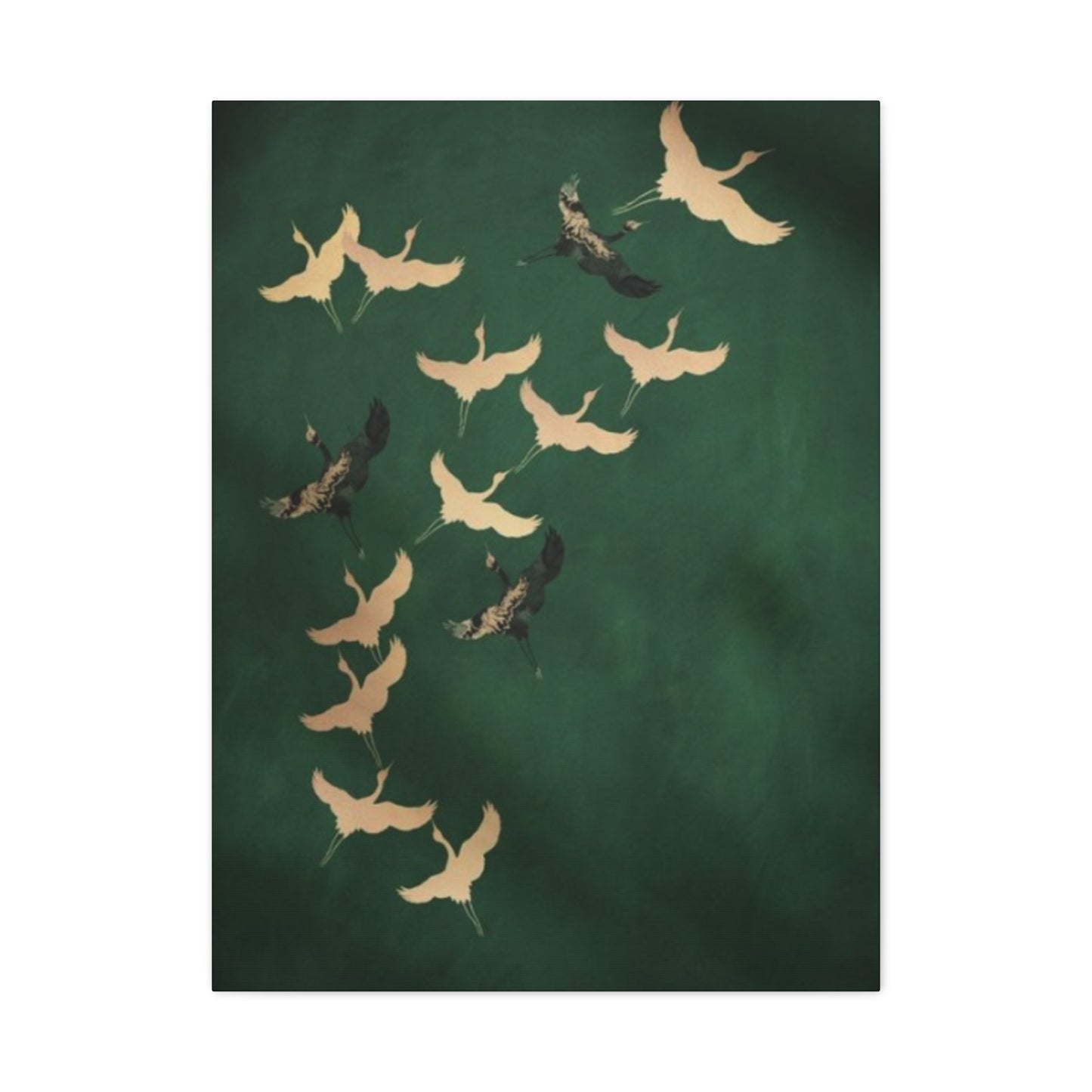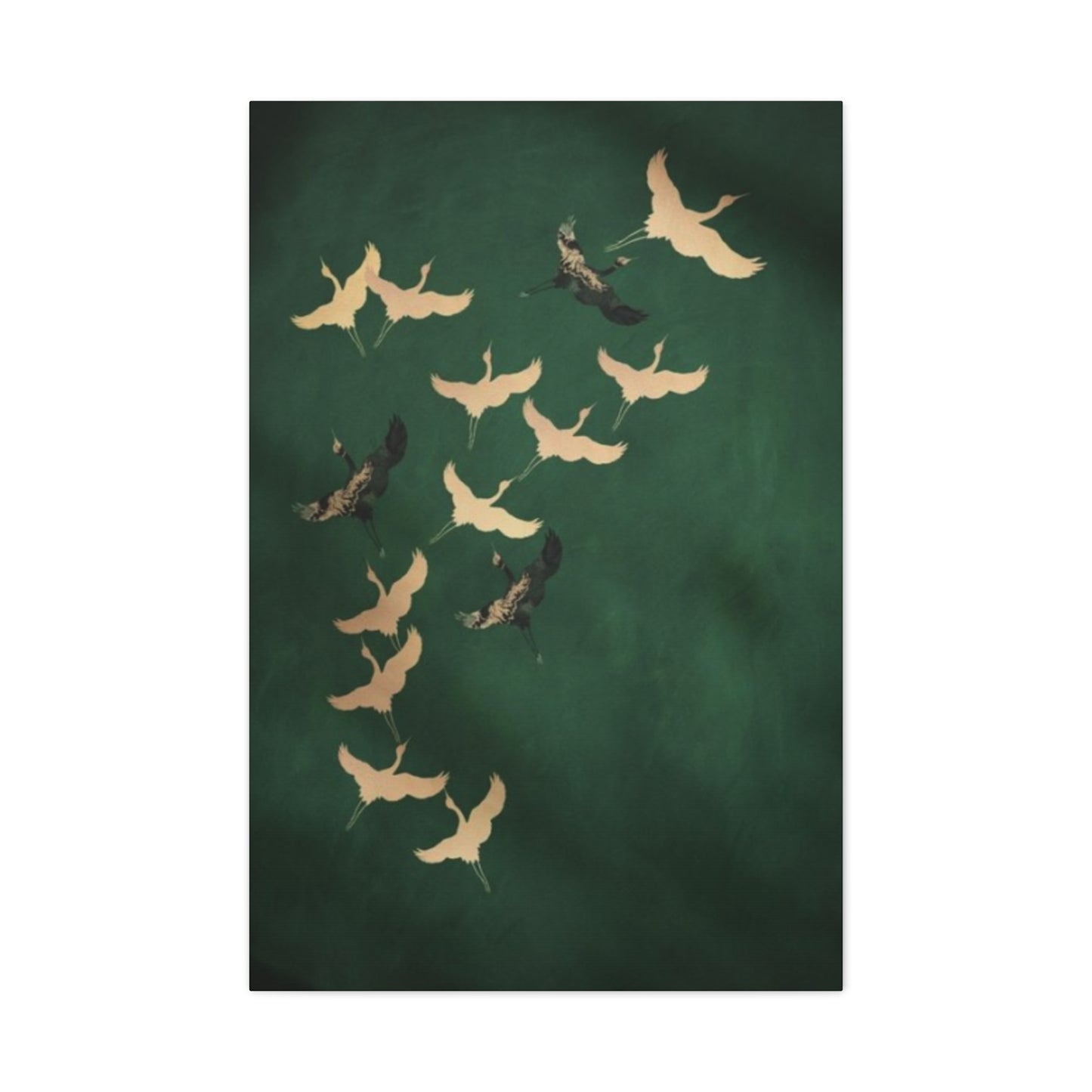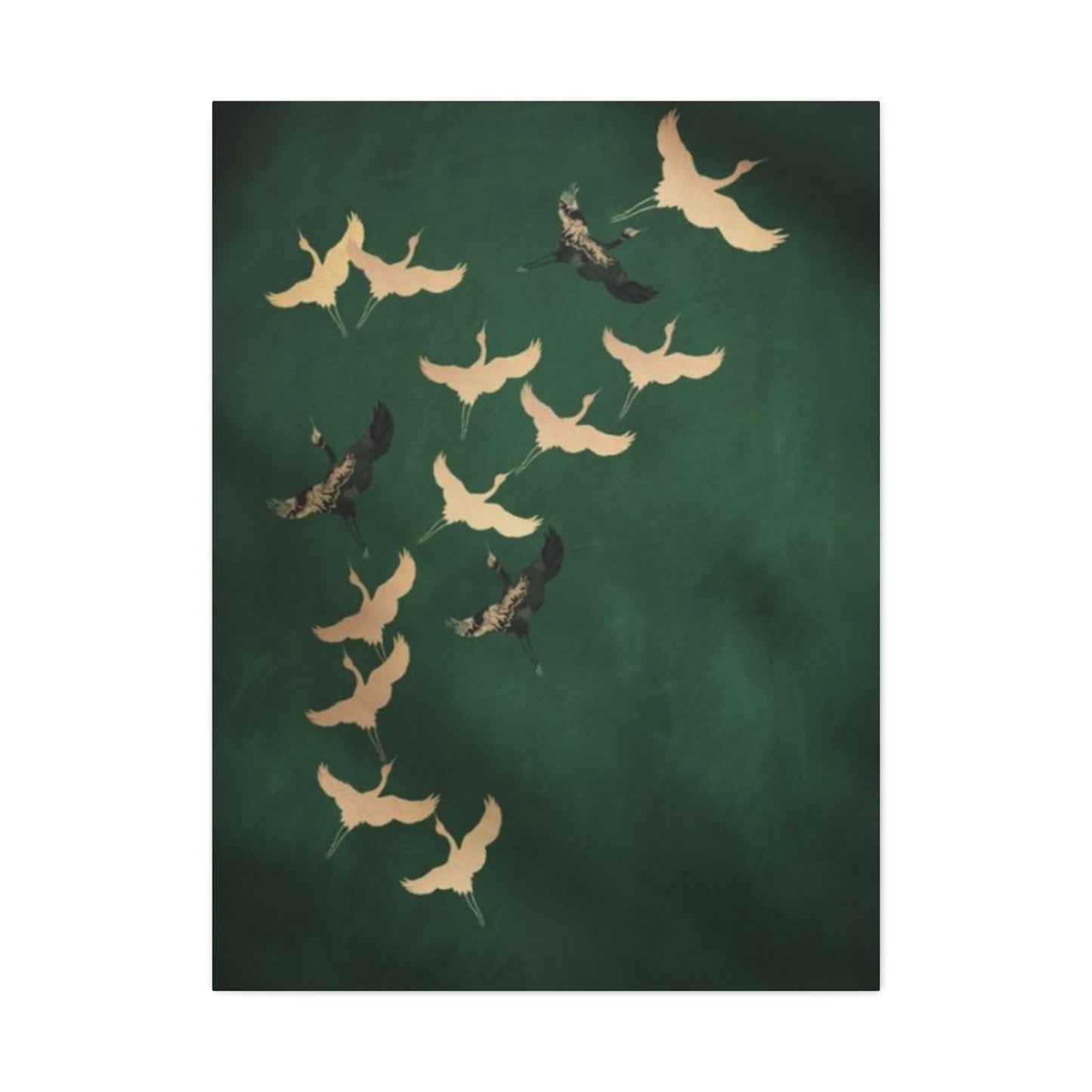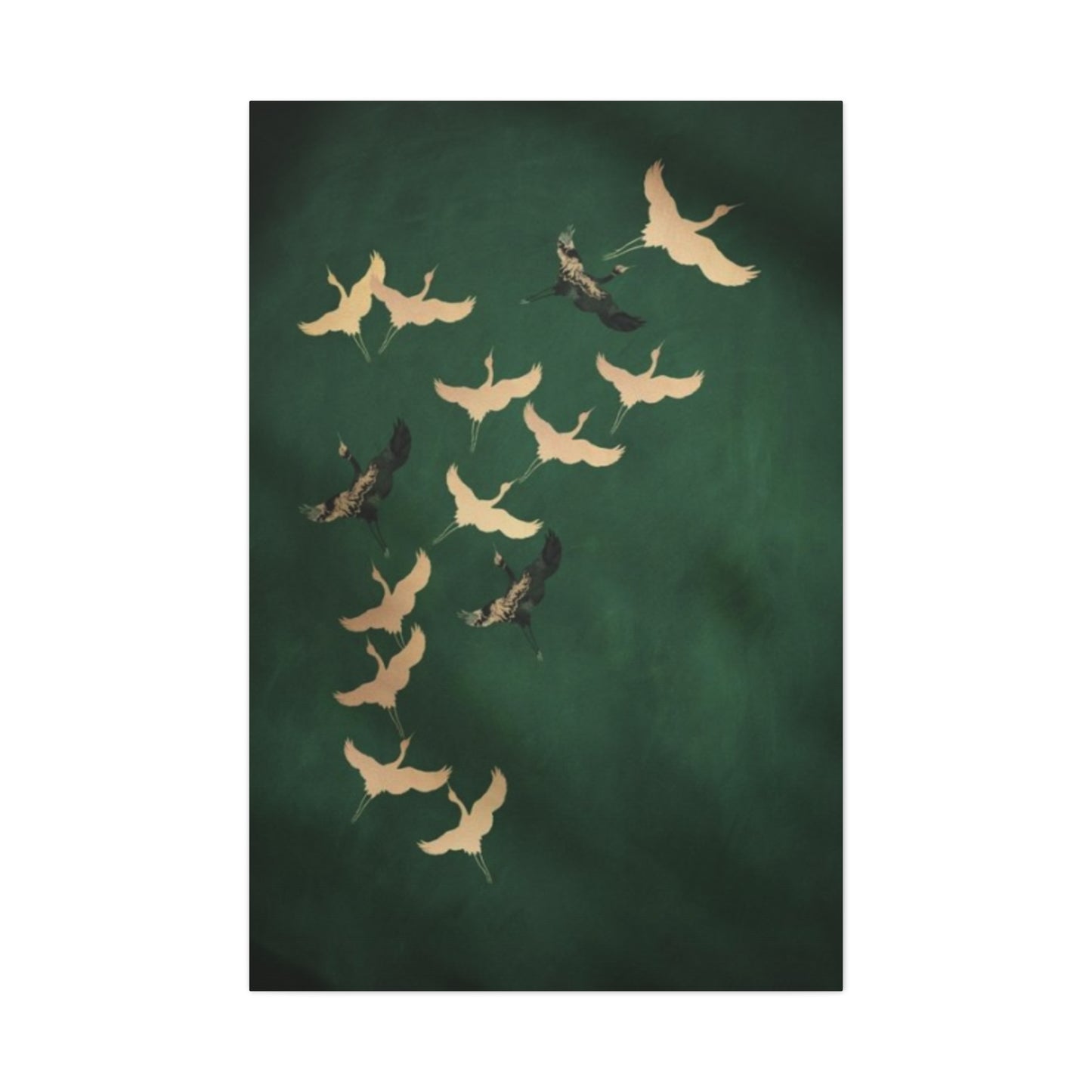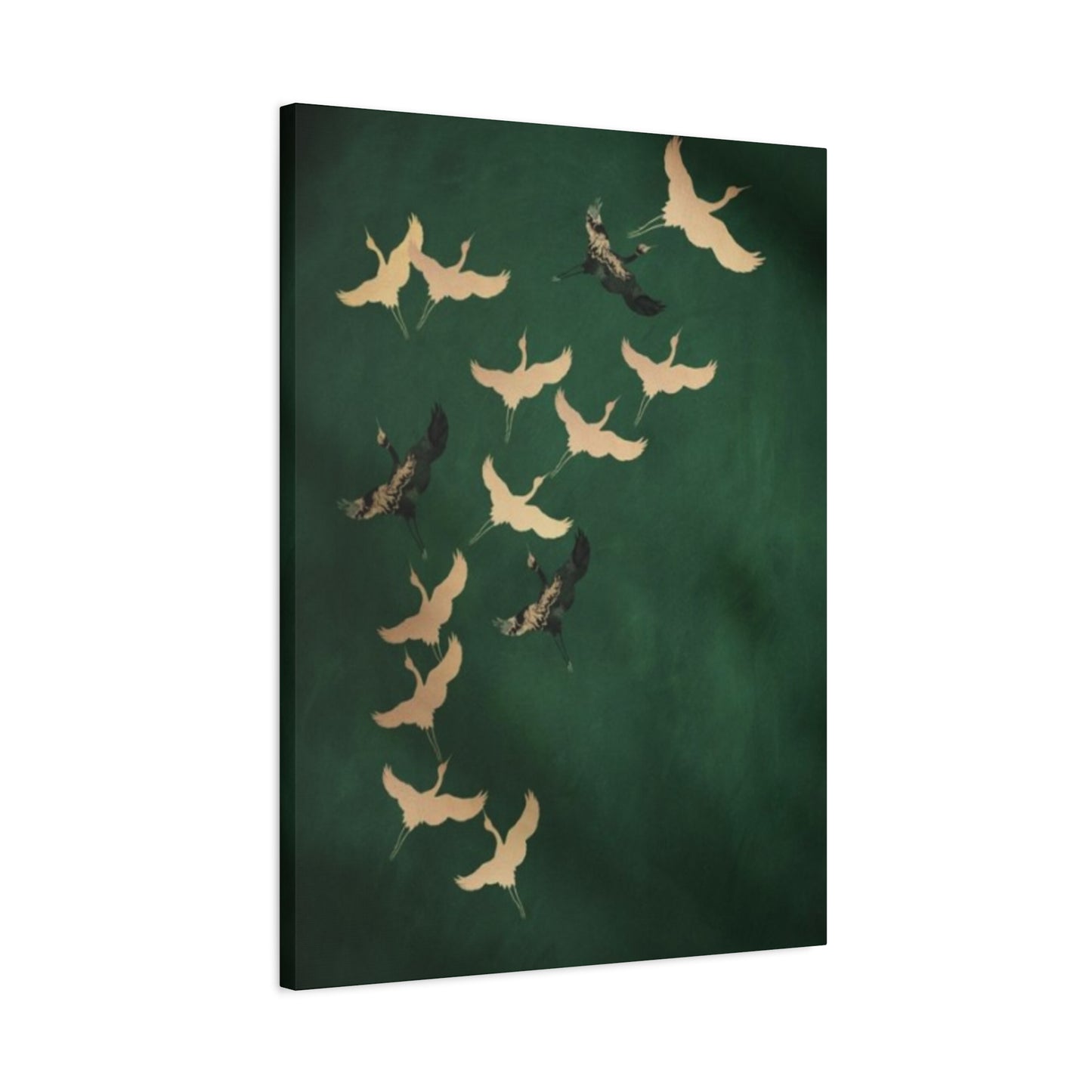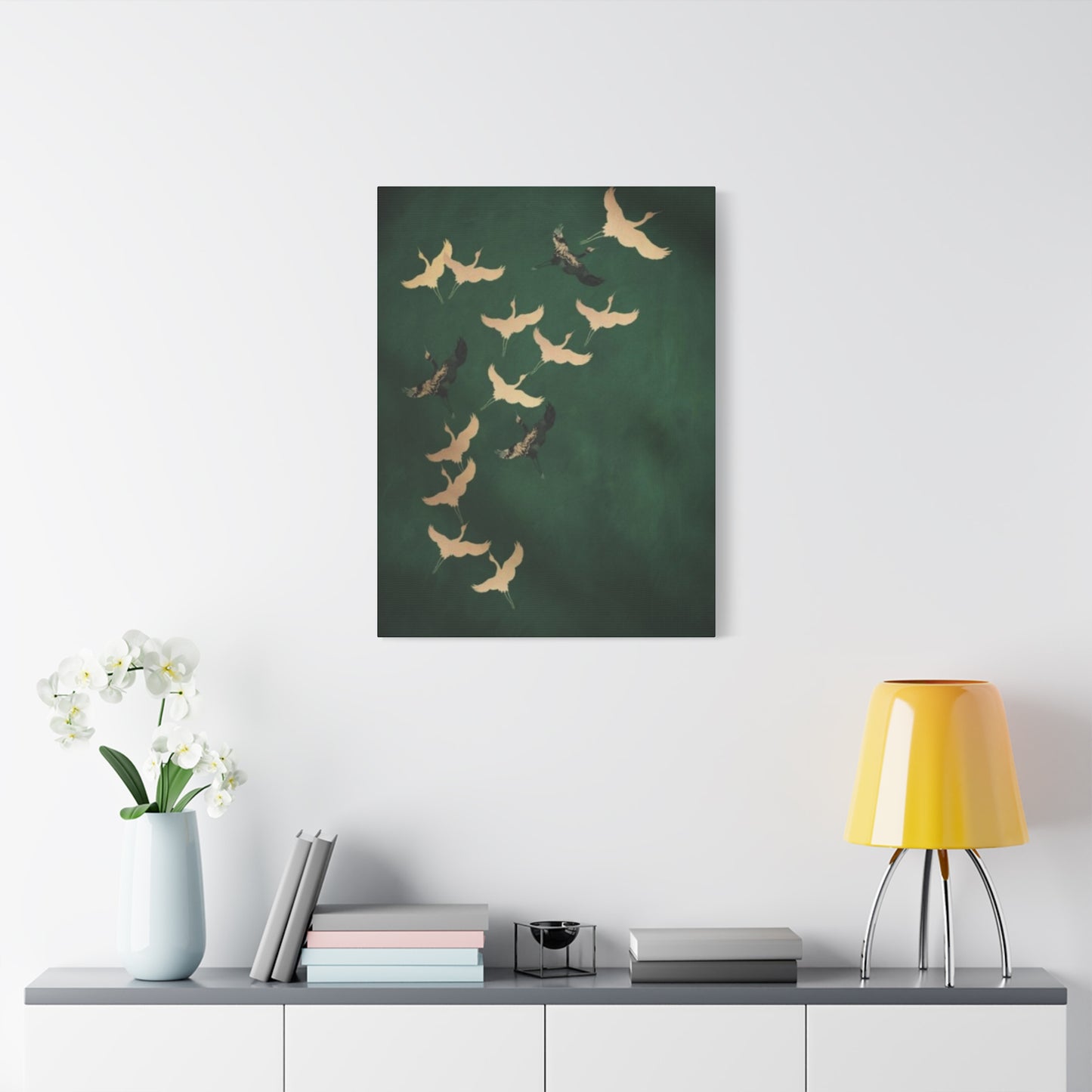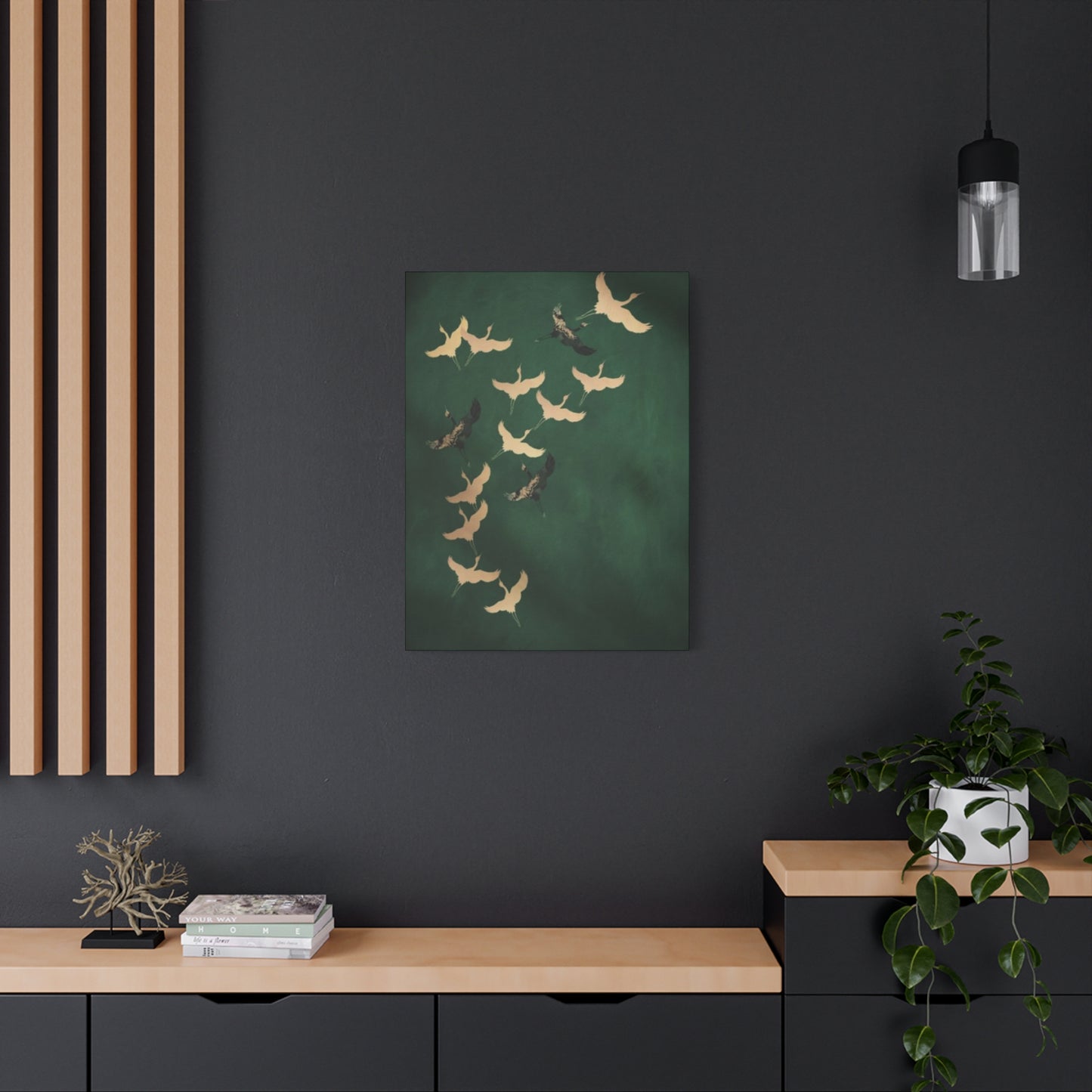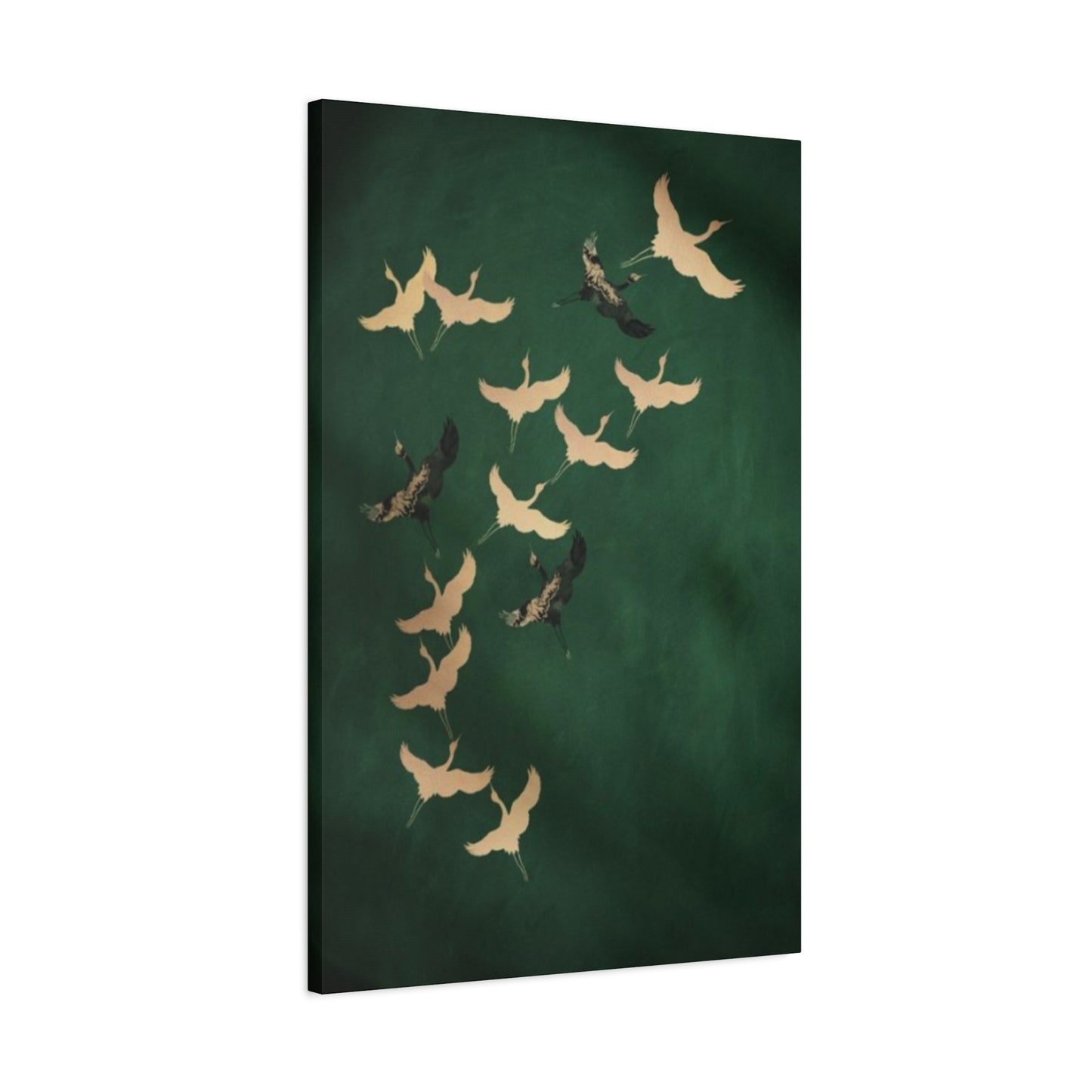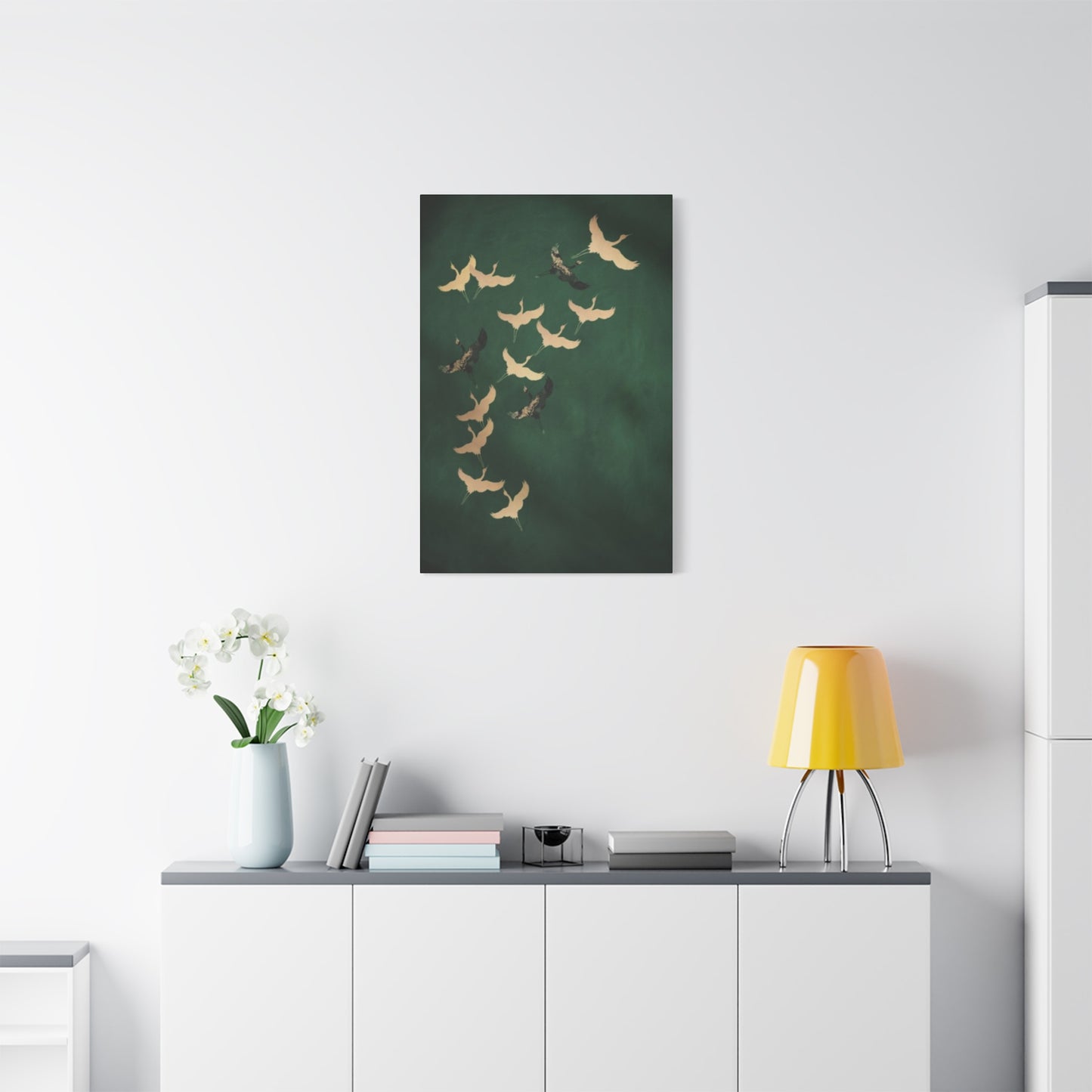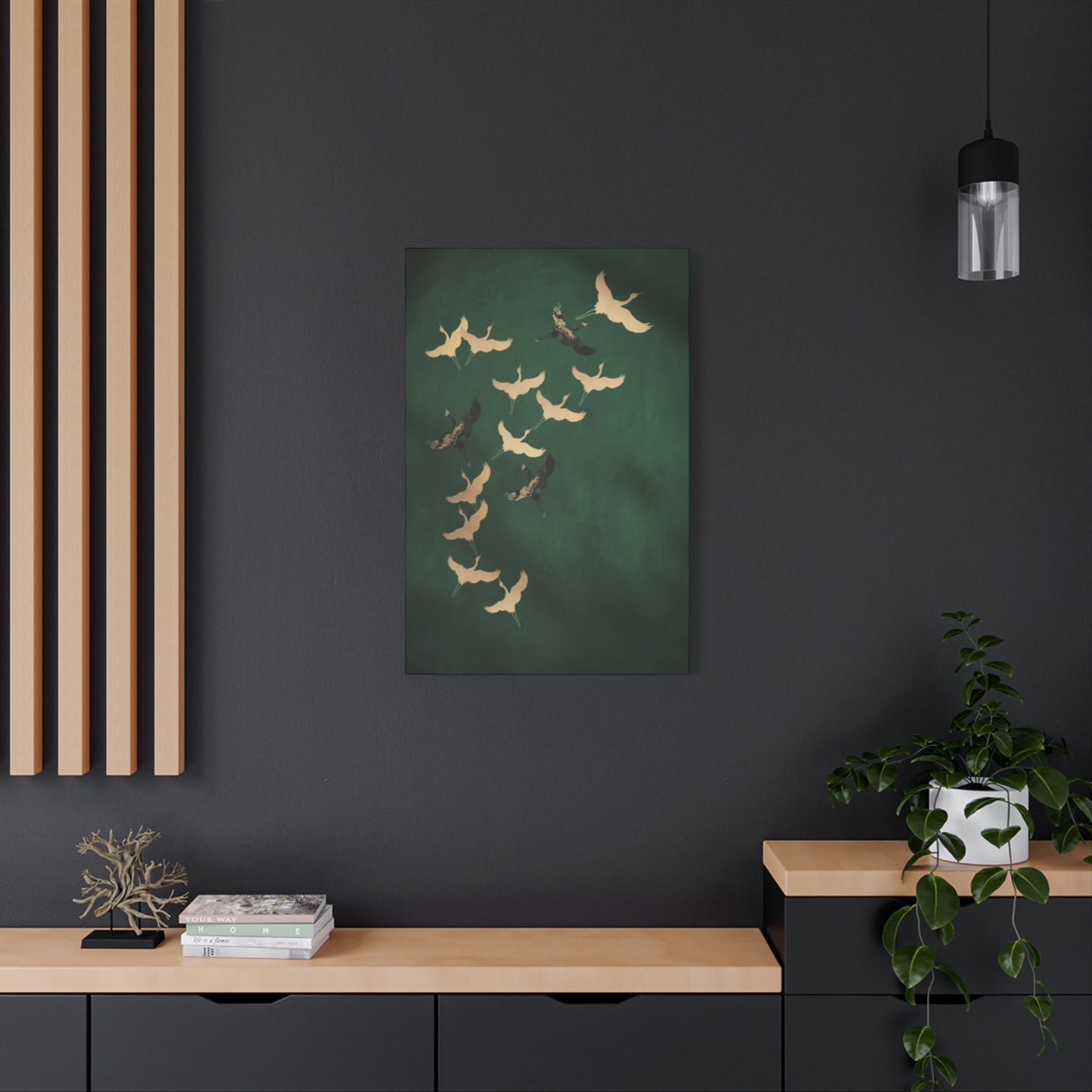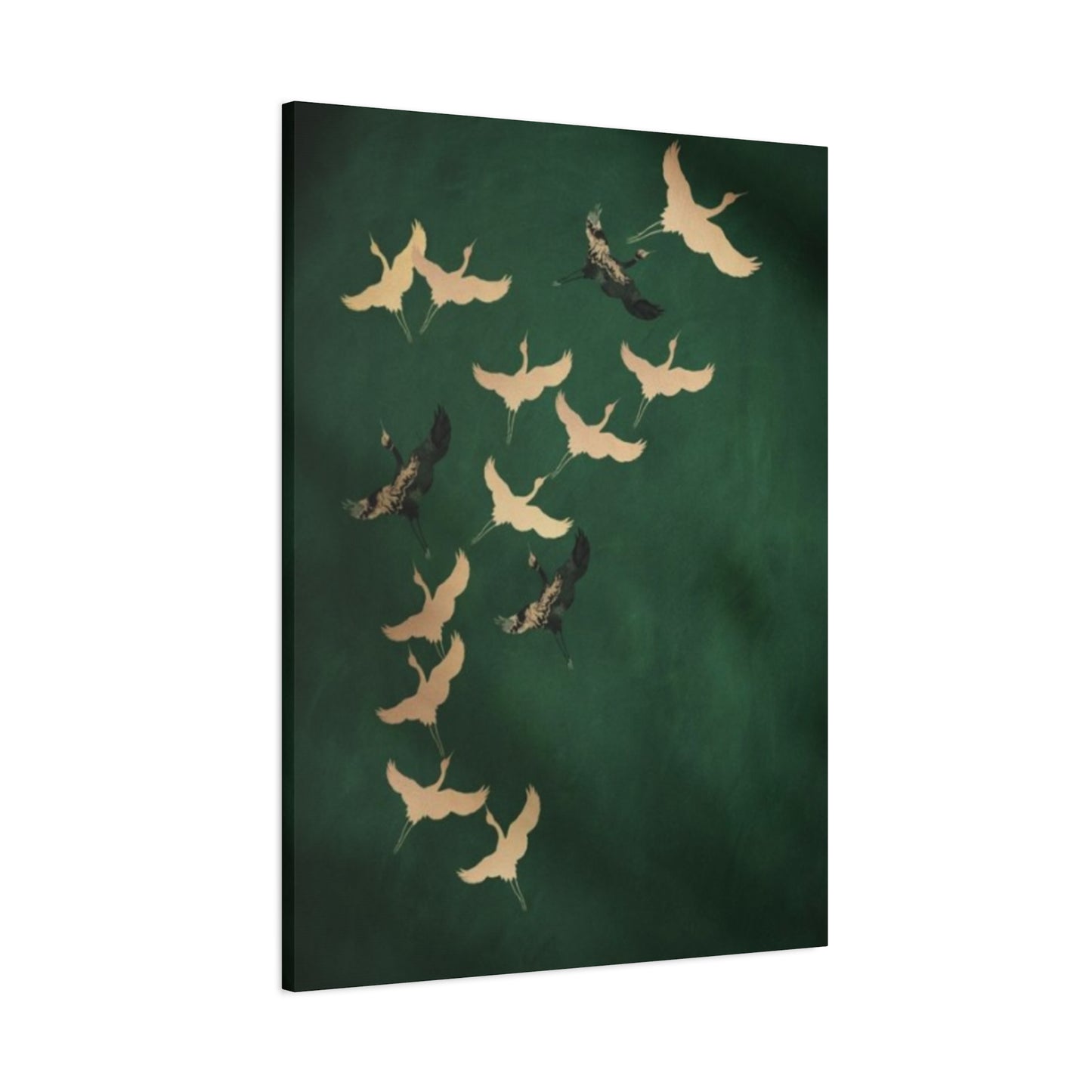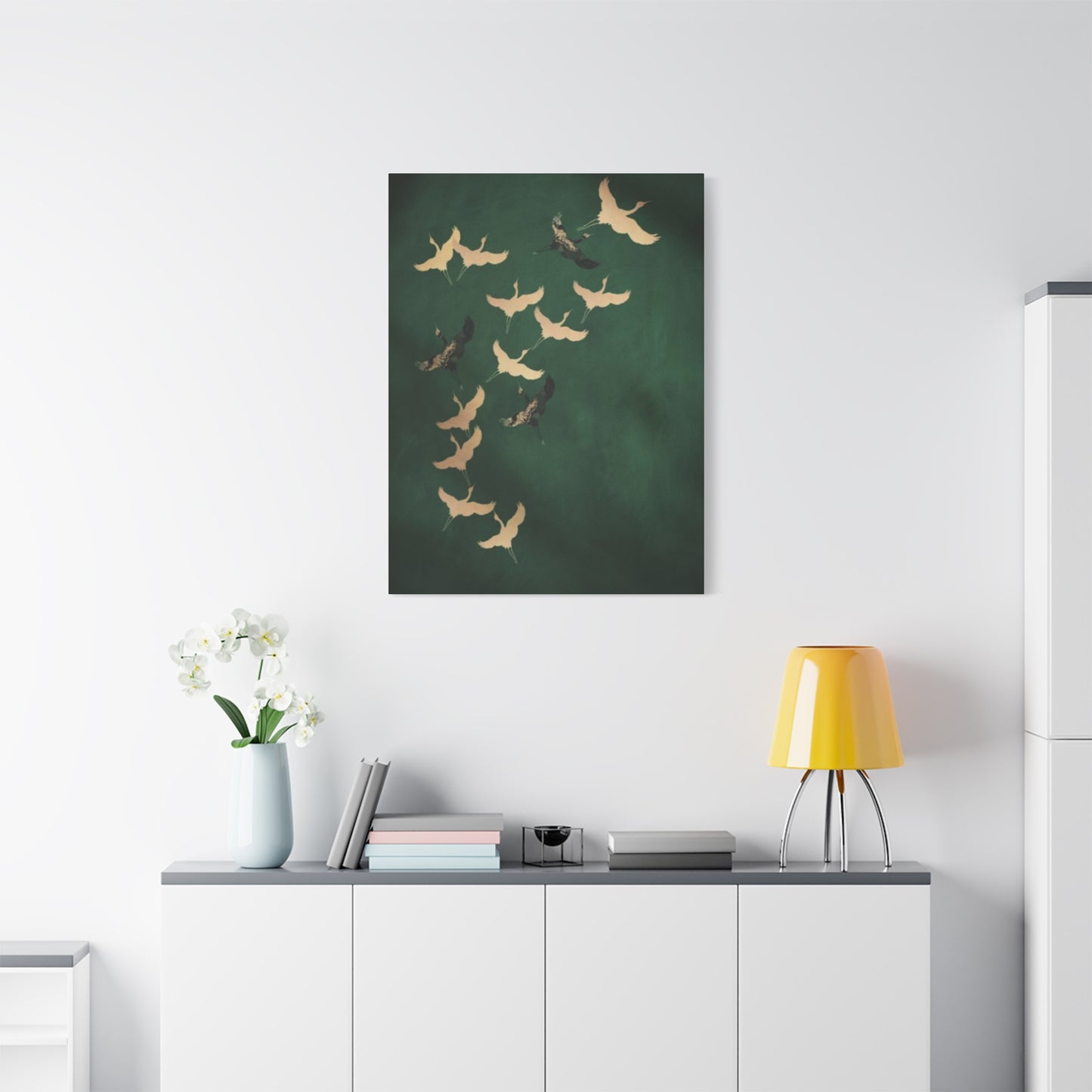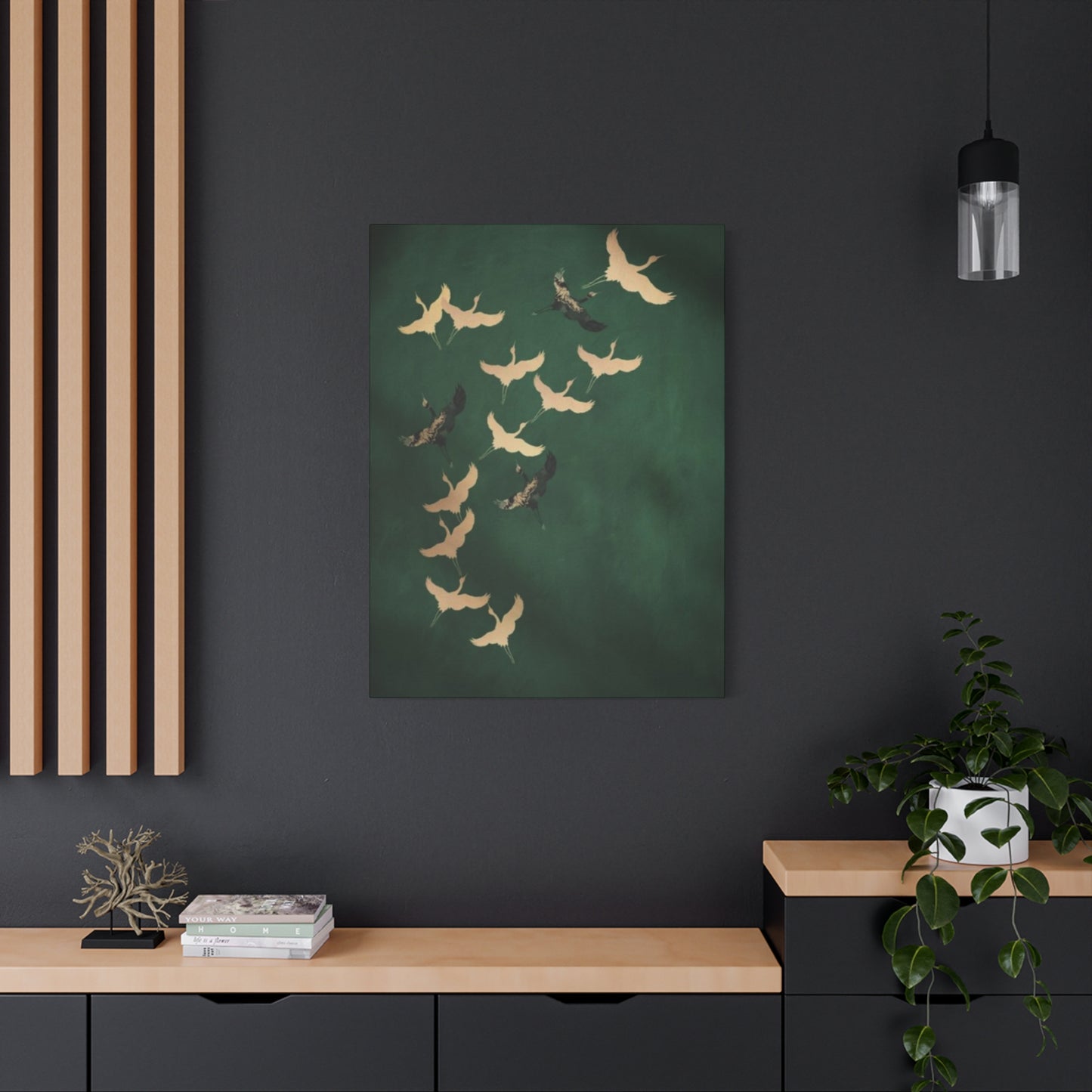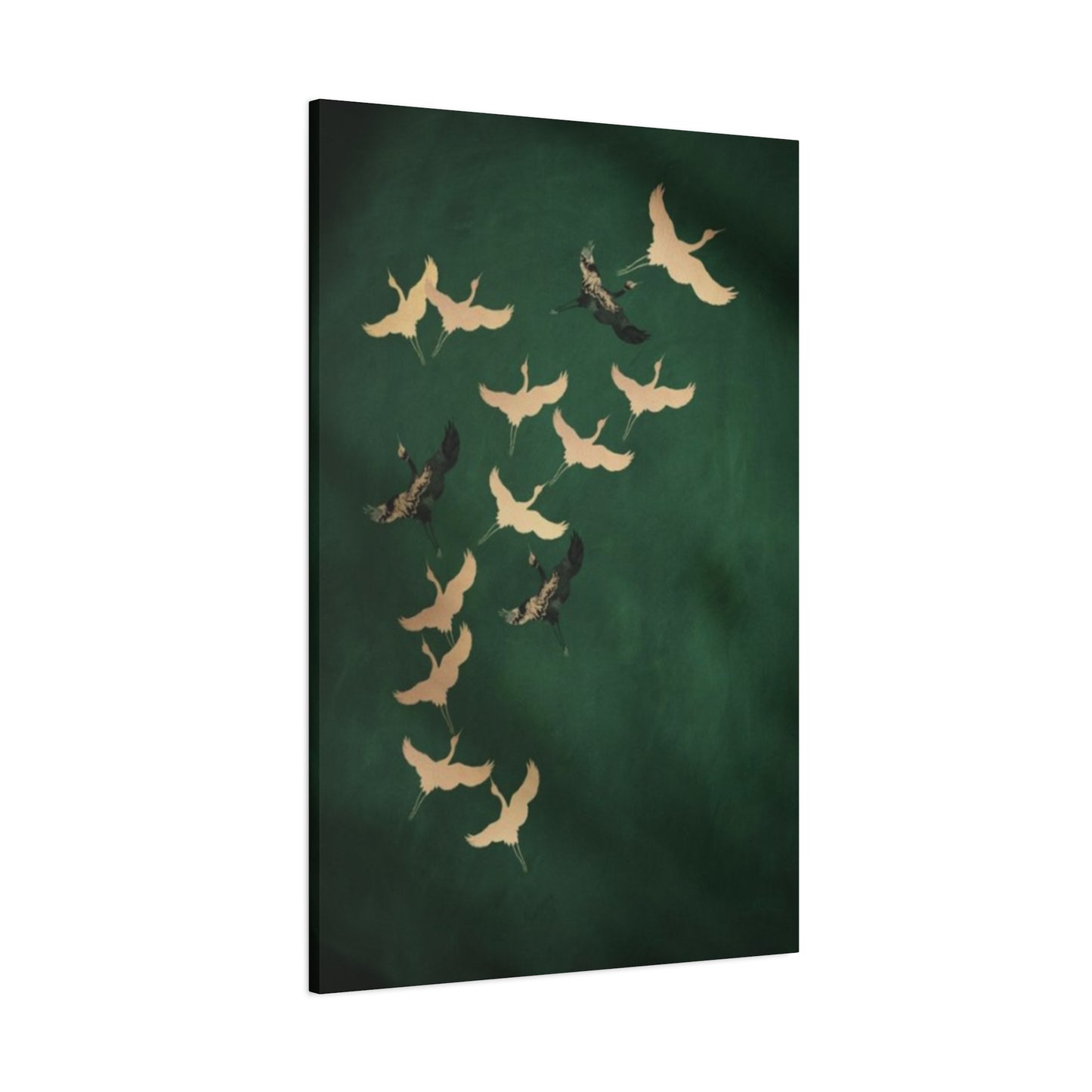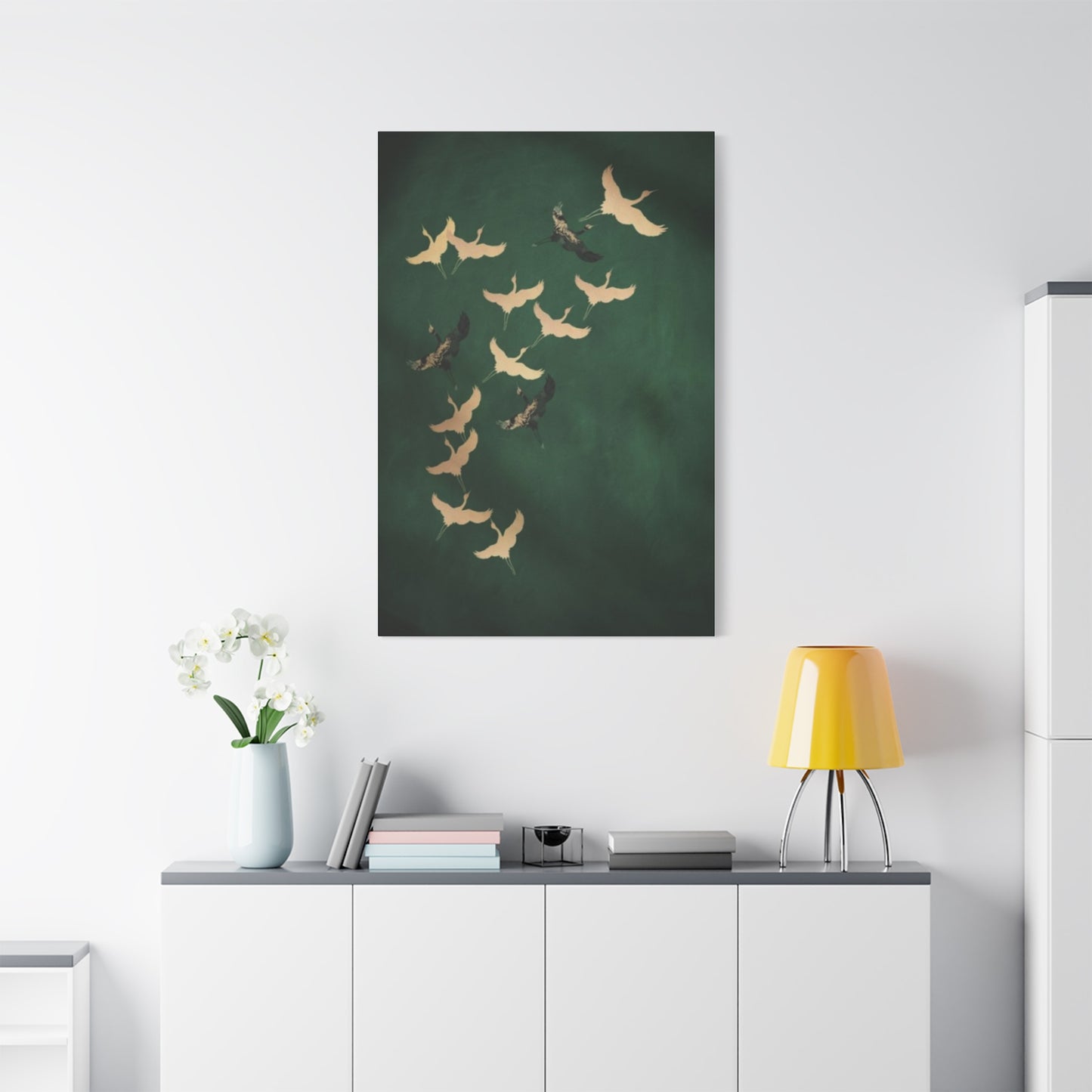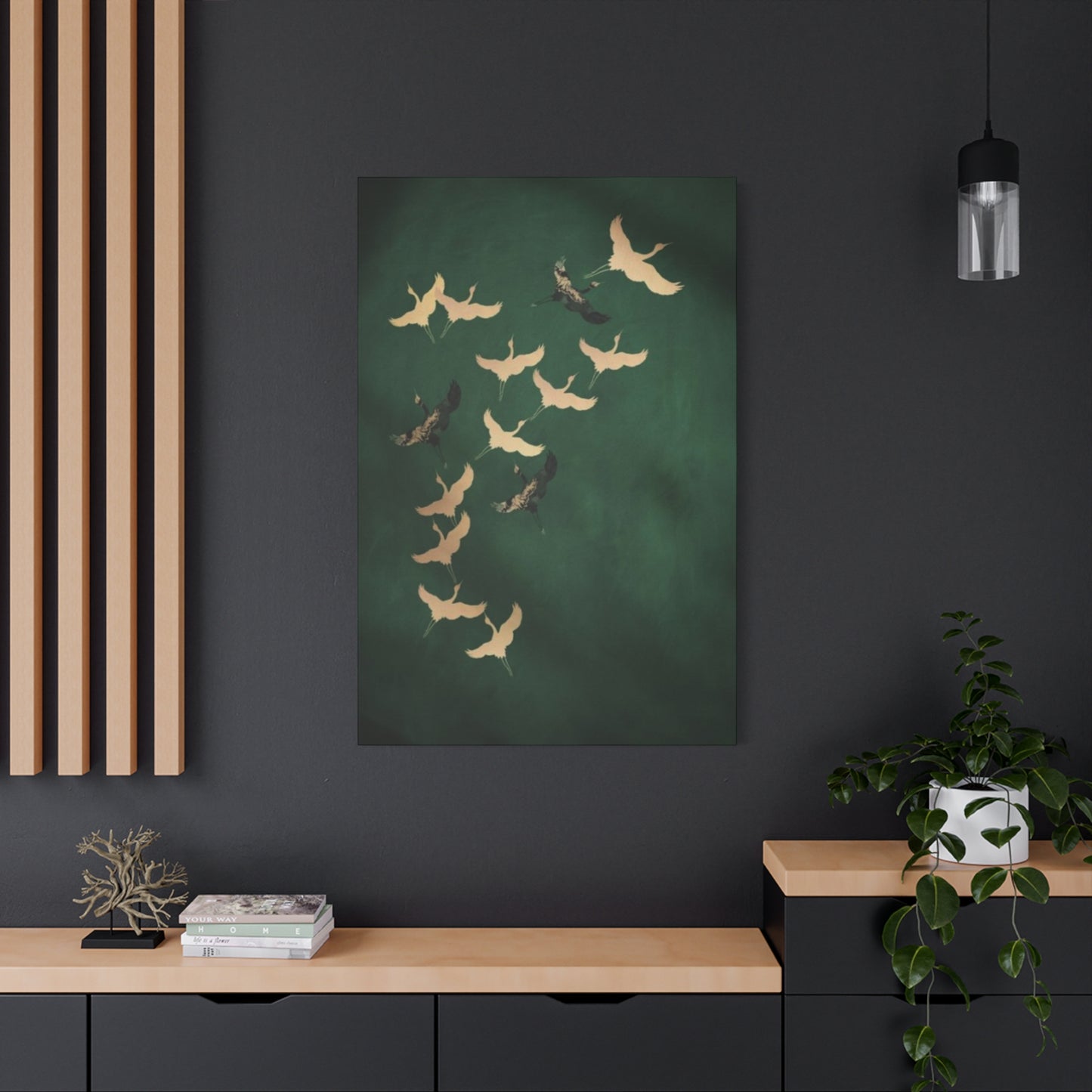
Golden Birds Flying Wall Art & Canvas Prints
Couldn't load pickup availability
The Captivating Beauty of Golden Birds Flying Wall Art: A Perfect Guide to Enhancing Your Home’s Style
The captivating allure of golden birds flying wall art has transformed countless living spaces into breathtaking sanctuaries of elegance and sophistication. These magnificent decorative pieces represent more than mere ornamentation; they embody freedom, grace, and the timeless beauty of nature captured in shimmering metallic splendor. When strategically positioned within residential or commercial environments, these artistic installations create focal points that draw the eye while simultaneously infusing spaces with warmth, movement, and visual intrigue.
The phenomenon of incorporating avian-themed decorative elements into interior design schemes traces back centuries, yet contemporary interpretations have revolutionized how we perceive and implement these aesthetic choices. Golden birds flying wall art specifically has emerged as a dominant trend within modern design circles, offering versatility that transcends conventional style boundaries. Whether adorning minimalist Scandinavian interiors, complementing bohemian eclectic arrangements, or enhancing traditional classical settings, these artistic expressions maintain their relevance across diverse design philosophies.
Homeowners and design enthusiasts increasingly recognize the transformative potential these pieces possess. The lustrous quality of golden finishes catches and reflects ambient lighting in ways that static artwork cannot replicate, creating dynamic visual experiences that shift throughout the day as natural and artificial light sources change. This inherent characteristic makes golden birds flying wall art particularly valuable for spaces that might otherwise feel flat or uninspiring.
Exploring the Multifaceted Dimensions of Avian-Inspired Decorative Elements
The realm of bird-themed wall décor encompasses an extraordinarily diverse spectrum of styles, materials, and artistic interpretations. From delicate wire sculptures that create ethereal silhouettes against walls to substantial three-dimensional metal compositions that project boldly into living spaces, the options available to consumers span an impressive range. Understanding these variations empowers individuals to make informed decisions that align with their aesthetic preferences, spatial constraints, and budgetary considerations.
Metal compositions crafted from iron, brass, copper, or aluminum form the foundation of most golden birds flying wall art collections. Each material brings distinct characteristics that influence both appearance and longevity. Iron pieces often feature robust construction with intricate detailing, while aluminum offerings provide lightweight alternatives suitable for mounting on less structurally sound walls. Brass and copper selections develop natural patinas over time, adding layers of visual complexity that synthetic finishes cannot replicate.
The dimensional aspect of these decorative elements varies considerably. Some designs present as nearly flat relief sculptures that barely protrude from wall surfaces, creating subtle shadows and maintaining minimal spatial footprints. Others embrace fully three-dimensional construction, with wings, tails, and bodies extending several inches outward, casting dramatic shadows and creating powerful visual statements. This dimensional variation allows designers to customize the prominence and impact of their selections based on specific spatial requirements and desired aesthetic outcomes.
Surface treatments and finishing processes dramatically influence the final appearance of golden birds flying wall art. Polished finishes create mirror-like reflections that amplify light and create sparkling highlights, while brushed or satin finishes offer more subdued elegance with reduced glare. Antiqued or distressed treatments impart vintage character that resonates with rustic or shabby chic design schemes. Some manufacturers employ electroplating processes that deposit genuine gold particles onto base metals, while others utilize specialized paints and powders that simulate golden appearances at more accessible price points.
Navigating the Selection Process for Avian-Themed Decorative Installations
Choosing appropriate golden birds flying wall art requires careful consideration of multiple factors that extend beyond simple aesthetic preferences. Spatial dimensions represent the primary concern, as disproportionate selections can overwhelm intimate spaces or appear insignificant in expansive rooms. Measuring wall areas and visualizing potential placements before purchasing prevents costly mistakes and ensures satisfactory outcomes.
The architectural characteristics of intended mounting locations influence suitability significantly. High ceilings accommodate vertical arrangements that draw the eye upward, enhancing perceived room height and creating dramatic visual journeys. Horizontal configurations work effectively above furniture pieces such as sofas, console tables, or beds, where they fill expansive wall areas without competing with ceiling fixtures or architectural details. Corner installations offer creative solutions for awkward spaces that resist conventional decorating approaches.
Color coordination extends beyond simply matching golden tones to existing décor elements. Consideration of undertones proves essential, as golden finishes range from warm yellow-golds reminiscent of pure metal to cooler champagne shades with silver undertones. These subtle variations must harmonize with wall colors, flooring materials, furniture upholstery, and accent pieces to create cohesive design schemes. Bringing paint samples, fabric swatches, or photographs of existing décor when shopping for golden birds flying wall art facilitates more accurate color matching.
The quantity and arrangement of individual bird elements within compositions deserves thoughtful evaluation. Single large-scale birds create bold statements suitable for minimalist aesthetics, while multiple smaller birds arranged in flight patterns generate movement and energy appropriate for more dynamic design approaches. Some collections offer modular sets that allow custom configurations, enabling homeowners to adjust arrangements according to evolving preferences or spatial changes.
Quality assessment requires examination of construction details, finish consistency, and included mounting hardware. Welded joints should appear smooth and secure, without visible gaps or rough edges that indicate hasty manufacturing. Finishes should demonstrate uniform coverage without bare spots, drips, or inconsistent coloration. Mounting provisions must provide adequate support for the piece's weight while remaining discreet enough not to detract from overall aesthetics.
Understanding Symbolic Meanings Embedded Within Avian Imagery
Birds have carried profound symbolic significance across virtually every human culture throughout recorded history. Their ability to soar through skies has inspired associations with freedom, transcendence, and spiritual elevation. Incorporating golden birds flying wall art into living environments invites these positive connotations into daily experience, creating spaces that feel uplifting and aspirational rather than merely functional.
Different bird species carry specific symbolic meanings that add layers of significance to decorative choices. Doves universally represent peace, love, and harmony, making them particularly appropriate for bedrooms, meditation spaces, or family gathering areas. Swallows symbolize loyalty, hope, and safe return, qualities that resonate within entryways or spaces associated with coming and going. Cranes embody longevity, wisdom, and good fortune in many Eastern traditions, offering auspicious energy to any environment they grace.
The directional orientation of birds within compositions communicates subtle psychological messages. Birds ascending upward suggest growth, aspiration, and positive momentum, while those descending might evoke gentleness, nurturing, or groundedness. Horizontally oriented formations create impressions of journey and progress, while circular or spiral arrangements suggest cycles, renewal, and continuity. Thoughtful consideration of these dynamics allows homeowners to select golden birds flying wall art that reinforces desired emotional atmospheres within specific spaces.
Flock formations versus solitary bird presentations each carry distinct implications. Multiple birds in coordinated flight suggest community, cooperation, and collective movement toward shared goals, making such arrangements particularly meaningful in family homes or collaborative workspaces. Individual bird presentations emphasize independence, self-reliance, and personal journey, resonating with private spaces dedicated to reflection or individual pursuits.
The golden coloration itself carries rich symbolic associations across cultures. Gold represents wealth, prosperity, and abundance in most societies, while also embodying qualities of illumination, wisdom, and divine essence. The warm luminosity of golden finishes creates psychologically comforting effects that promote feelings of security and well-being. When combined with bird symbolism, these golden hues amplify positive associations, creating decorative elements that function as visual affirmations of abundance and freedom.
Mastering the Practical Aspects of Mounting and Positioning
Successful installation of golden birds flying wall art demands more than simply driving nails into walls. Proper mounting ensures both safety and optimal visual presentation, protecting investments while maximizing aesthetic impact. Understanding wall construction types proves fundamental, as different materials require specific fastening approaches and can support varying weights.
Drywall, the most common interior wall surface in contemporary construction, requires special consideration when mounting heavier decorative elements. Standard picture hangers rated for appropriate weights work adequately for lighter pieces, but substantial metal sculptures necessitate anchors that distribute loads across larger surface areas. Hollow wall anchors, toggle bolts, or molly bolts provide superior holding power by expanding behind drywall surfaces, creating mechanical locks that resist pull-out forces. Always verify weight ratings on mounting hardware against the actual weight of golden birds flying wall art plus a safety margin.
Locating wall studs offers the most secure mounting option for heavier installations. Studs, the vertical wooden or metal framing members within walls, provide solid anchoring points capable of supporting substantial weights. Electronic stud finders simplify location processes, though traditional methods involving knocking and listening for density changes remain effective. Mounting directly into studs eliminates concerns about weight limits imposed by hollow wall anchors, though this approach constrains positioning flexibility to stud locations.
Plaster walls, common in older structures, present unique mounting challenges. These hard, brittle surfaces require pilot holes to prevent cracking during fastener insertion. Specialized plaster anchors distribute loads effectively while minimizing damage risks. Pre-drilling with appropriately sized bits prevents stress fractures that could propagate and compromise both mounting security and wall integrity. Extra caution during this process protects both the artwork and the architectural surfaces.
Brick, concrete, and masonry surfaces demand specific tools and techniques. Masonry bits capable of penetrating dense materials without dulling enable creation of mounting holes, while appropriate anchors designed for these substrates ensure secure attachment. Hammer drills or rotary hammers accelerate the drilling process while reducing physical strain. Sleeve anchors, wedge anchors, or specialized masonry screws provide reliable holding power in these challenging surfaces.
Positioning golden birds flying wall art at optimal viewing heights enhances visual impact and creates harmonious relationships with surrounding furnishings. Standard gallery hanging principles suggest centering artwork at approximately sixty inches from floor level, aligning pieces with average adult eye height. However, contextual factors may warrant deviations from this guideline. Artwork positioned above furniture should maintain proportional relationships with those pieces rather than adhering rigidly to standard heights.
The spatial relationship between multiple bird elements within compositions requires careful orchestration. Staggered heights and depths create three-dimensional layering effects that add visual complexity and interest. Maintaining consistent spacing between elements prevents cluttered appearances while preserving individual identity of each component. Templates created from paper or cardboard enable experimentation with arrangements before committing to permanent mounting, reducing errors and ensuring satisfaction with final configurations.
Lighting considerations profoundly influence how golden birds flying wall art appears within spaces. Natural light sources, particularly direct sunlight, create spectacular reflective effects that maximize the inherent beauty of metallic finishes. However, prolonged exposure to intense UV radiation may degrade certain finish types over time. Balancing dramatic lighting effects with preservation concerns requires thoughtful positioning that captures desirable illumination without subjecting pieces to continuous harsh exposure.
Artificial lighting strategies can dramatically enhance the visual presence of bird-themed wall décor. Directional spotlights or track lighting create focused illumination that emphasizes dimensional qualities and casts intriguing shadows. Uplighting from floor-based fixtures generates dramatic silhouettes against ceiling surfaces, while wall washers provide general illumination that showcases finishes without creating harsh contrasts. Adjustable lighting systems offer flexibility to modify presentations according to time of day or specific activities.
Maintaining the Pristine Appearance of Metallic Decorative Installations
Golden birds flying wall art requires periodic maintenance to preserve its lustrous beauty and structural integrity. Dust accumulation, environmental contaminants, and handling during cleaning can all impact appearance if not addressed properly. Establishing appropriate care routines protects these investments while minimizing effort required to maintain their visual appeal.
Regular dusting represents the primary maintenance requirement for most metal wall décor. Soft microfiber cloths or feather dusters effectively remove loose particles without scratching metallic surfaces. Gentle wiping motions following the contours of sculpted forms ensure thorough cleaning without applying excessive pressure that might damage delicate elements or loosen mounting hardware. Establishing consistent dusting schedules prevents buildup that becomes more difficult to remove over time.
Periodic deeper cleaning addresses accumulated grime that dusting alone cannot eliminate. Mild soap solutions created with pH-neutral dish detergents and warm water work effectively on most metal finishes. Dampened soft cloths applied with gentle pressure lift stubborn deposits without damaging protective coatings. Thorough drying immediately after washing prevents water spots that can mar metallic sheens. Avoiding harsh chemicals, abrasive cleaners, or rough scrubbing implements protects finishes from unnecessary wear.
Specific finish types may benefit from specialized care products. Polished metals respond well to metal polishes designed for their specific composition, restoring brilliance diminished by oxidation or environmental exposure. Application should follow manufacturer instructions, using soft applicators and buffing cloths to achieve desired results. Wax-based protective coatings create barriers against environmental factors that accelerate tarnishing, though these require reapplication at intervals determined by environmental conditions.
Monitoring for structural issues prevents minor problems from escalating into significant damage. Periodic inspection of mounting hardware ensures screws remain tight and anchors maintain secure grip. Loose components require prompt attention to prevent complete detachment that could result in falls causing damage to both artwork and surrounding surfaces. Checking for metal fatigue, particularly at welded joints or thin elements subjected to stress, allows early intervention before fractures occur.
Environmental control contributes significantly to preservation of golden birds flying wall art. Excessive humidity accelerates oxidation and corrosion processes that degrade metal surfaces and finishes. Maintaining moderate humidity levels through climate control systems or dehumidifiers protects investments in regions prone to moisture issues. Conversely, extremely dry conditions can affect certain finish types, making balanced environmental conditions ideal for long-term preservation.
Preventing physical damage requires awareness of potential hazards within spaces where bird-themed décor hangs. Doorways, hallways, and high-traffic areas pose increased risks of accidental contact that might dent, scratch, or dislodge mounted pieces. Strategic positioning considers traffic patterns and typical human movements to minimize exposure to inadvertent impacts. Protective spacing from frequently opened doors or moved furniture prevents common accident scenarios.
Incorporating Avian-Themed Décor Within Various Design Styles
The remarkable versatility of golden birds flying wall art enables successful incorporation across diverse interior design aesthetics. Understanding how these elements interact with different style characteristics empowers homeowners to create cohesive, intentional spaces that reflect personal taste while maintaining visual harmony.
Contemporary minimalist environments benefit from the clean lines and sculptural qualities of bird-themed wall décor. Selecting pieces with streamlined silhouettes and avoiding overly ornate details maintains the uncluttered aesthetic central to minimalist philosophy. Single large-scale birds or simple formations of a few elements provide visual interest without overwhelming sparse surroundings. The reflective qualities of metallic finishes add dynamic elements to otherwise static color palettes dominated by whites, grays, and neutral tones.
Bohemian eclectic spaces embrace the organic forms and symbolic richness that golden birds flying wall art naturally embodies. Within these creative, layered environments, bird décor complements collections of diverse artifacts, textiles, and found objects. Mixing different metal finishes, patinas, and styles creates the collected-over-time appearance fundamental to bohemian aesthetics. Positioning bird elements among botanical prints, macramé wall hangings, and colorful tapestries generates visual rhythms that feel intentionally curated rather than randomly assembled.
Traditional classical interiors incorporate bird-themed metalwork through careful consideration of scale, formality, and historical reference. Selecting pieces with more ornate detailing and refined craftsmanship aligns with the polished, sophisticated character of traditional spaces. Symmetrical arrangements honor the balanced compositions typical of classical design principles. Pairing golden bird installations with antique mirrors, oil paintings in gilded frames, and period furniture creates environments that feel timeless and graciously appointed.
Industrial loft spaces utilize the raw material qualities of metal bird sculptures to enhance urban, utilitarian aesthetics. Pieces featuring visible welds, rough finishes, or deliberately unrefined appearances complement exposed brick walls, concrete floors, and steel beam ceilings. The contrast between delicate avian forms and robust industrial surroundings creates visual tension that energizes these open-plan environments. Oversized scale appropriate to generous ceiling heights and expansive walls prevents pieces from appearing insignificant within voluminous spaces.
Coastal and nautical themes naturally accommodate bird imagery, as many species inhabit shoreline environments. Selecting seabirds such as gulls, pelicans, or sandpipers creates thematically appropriate connections. Pairing golden finishes with cool blues, soft whites, and natural textures like rope, driftwood, and sea grass establishes cohesive beachy atmospheres. The golden tones add warmth that prevents coastal schemes from feeling cold or stark, particularly in regions with limited natural sunlight.
Rustic farmhouse settings embrace the organic qualities of avian decorative elements while favoring finishes that suggest age and patina. Distressed or antiqued golden birds flying wall art complements weathered wood surfaces, vintage textiles, and repurposed furniture that characterize this style. Incorporating bird décor alongside botanical elements, agricultural artifacts, and handcrafted objects reinforces connections to natural rural environments. The golden accents provide elegant counterpoints to rough-hewn materials, preventing spaces from appearing overly utilitarian.
Creating Focal Points and Visual Balance Through Strategic Placement
Golden birds flying wall art functions most effectively when positioned to create intentional focal points that organize visual attention within rooms. Understanding compositional principles that govern spatial perception enables homeowners to maximize the impact of these decorative investments while creating balanced, harmonious environments.
Focal points serve as visual anchors that immediately capture attention upon entering spaces. Positioning golden birds flying wall art in prominent locations such as above fireplaces, behind dining tables, or facing entryways establishes clear design hierarchies. These primary focal points should receive emphasis through sizing, lighting, or surrounding negative space that prevents competing elements from diluting their impact. Secondary and tertiary focal points can be established through smaller groupings or individual pieces placed strategically throughout spaces.
The principle of visual weight governs how elements appear heavy or light within compositions. Darker colors, larger sizes, and complex details increase perceived weight, while lighter hues, smaller scales, and simpler forms appear lighter. Golden birds flying wall art typically possesses moderate visual weight due to its metallic nature and dimensional qualities. Balancing this weight requires thoughtful distribution of other elements throughout spaces to prevent lopsided appearances that feel uncomfortable despite being difficult to articulate.
Symmetrical arrangements create formal, serene atmospheres through mirrored compositions around central axes. Placing identical or similar bird groupings on either side of architectural features like windows, doorways, or fireplaces establishes classical balance that feels orderly and intentional. This approach suits traditional design styles and formal entertaining spaces where structured elegance takes precedence over casual spontaneity.
Asymmetrical balance achieves equilibrium through varied elements that equal each other in visual weight despite lacking mirrored placement. A large golden bird installation on one side of a room might be balanced by a combination of smaller artworks, furniture groupings, or architectural features on the opposite side. This approach feels more dynamic and contemporary while requiring more sophisticated spatial understanding to execute successfully. The key lies in ensuring that no single area appears significantly heavier or more important than others.
Vertical arrangements create upward visual movement that makes spaces feel taller and more expansive. Positioning bird elements in ascending formations draws eyes toward ceilings, emphasizing room height and creating aspirational feelings. This strategy proves particularly valuable in spaces with generous ceiling heights where horizontal arrangements might leave upper wall areas feeling empty and underutilized. Staggering sizes within vertical compositions enhances three-dimensional qualities and prevents monotonous repetition.
Horizontal compositions emphasize width and create grounding effects that make spaces feel more settled and stable. Arrangements that extend laterally across walls work particularly well above low, horizontal furniture pieces like sofas or credenzas, creating proportional relationships between décor and furnishings. These configurations suit rooms with expansive wall areas but limited height, where vertical arrangements might emphasize unflattering proportions.
Diagonal placements inject energy and movement into otherwise static environments. Positioning golden birds flying wall art along diagonal sight lines or in ascending/descending diagonal formations creates visual dynamism that guides eye movement through spaces. This approach suits contemporary aesthetics that embrace asymmetry and unconventional compositions. The key to successful diagonal arrangements lies in maintaining enough structure to prevent chaotic appearances while avoiding rigid formality.
Combining Multiple Decorative Elements for Layered Complexity
Sophisticated interior design rarely relies on single decorative elements operating in isolation. Creating rich, visually engaging environments requires layering multiple components that interact harmoniously while maintaining individual identity. Golden birds flying wall art integrates beautifully with various complementary elements that enhance overall impact.
Pairing bird sculptures with mirrors creates fascinating interplay between solid forms and reflective surfaces. Mirrors amplify the presence of golden birds flying wall art by reflecting images back into spaces, effectively doubling their visual impact. Strategic positioning allows reflections to appear alongside original pieces, creating complex compositions that engage viewers more thoroughly than either element alone. Antique mirrors with ornate frames complement traditional bird designs, while frameless contemporary mirrors suit modern interpretations.
Botanical elements provide natural companions to avian imagery, reinforcing connections to nature that bird décor inherently possesses. Live plants positioned near golden birds flying wall art create vibrant, living compositions that evolve with plant growth. Botanical prints, pressed flower arrangements, or nature photography amplify organic themes while providing color and textural variety. The golden tones of bird sculptures coordinate beautifully with green foliage, creating color combinations that feel fresh and balanced.
Textile wall hangings such as tapestries, macramé, or fabric panels offer textural contrasts to hard metallic surfaces. The soft, tactile qualities of fibers provide visual relief from the cool precision of metal sculptures, preventing spaces from feeling stark or uninviting. Layering golden birds flying wall art over or adjacent to textile elements creates dimensional complexity that flat installations cannot achieve. Color coordination between textiles and metallic finishes ensures cohesive rather than competing appearances.
Additional metalwork in complementary styles creates curated collections that feel intentionally assembled. Combining bird sculptures with metal sunbursts, geometric abstracts, or other nature-inspired metalwork establishes design themes that tie spaces together. Varying finishes between polished gold, antiqued bronze, and natural iron prevents monotony while maintaining material continuity. Consistent craftsmanship quality across pieces ensures professional rather than haphazard appearances.
Gallery wall arrangements incorporate golden birds flying wall art among diverse two-dimensional artworks, photographs, and memorabilia. Treating bird sculptures as three-dimensional gallery elements creates eclectic collections that showcase personal style and interests. Maintaining consistent framing colors or matting styles among two-dimensional pieces provides visual coherence that accommodates sculptural elements without appearing disjointed. Balancing quantities of each element type prevents any single category from dominating.
Architectural details such as moldings, wainscoting, or exposed beams interact significantly with wall-mounted décor. Golden birds flying wall art positioned to align with or intentionally contrast against these features creates sophisticated spatial relationships. Centering bird installations within panel sections created by moldings honors architectural integrity while providing natural boundaries for compositions. Alternatively, allowing elements to cross architectural divisions creates dynamic tensions that energize traditional spaces.
Addressing Common Challenges in Decorating with Metallic Wall Sculptures
Despite their numerous advantages, golden birds flying wall art presents certain challenges that require thoughtful solutions. Anticipating potential issues and understanding effective remedies enables homeowners to navigate these obstacles successfully, ensuring satisfying outcomes.
Weight considerations pose practical challenges, particularly with larger or more substantial pieces. Heavier installations demand robust mounting solutions that may prove complicated for individuals lacking construction experience. Consulting professionals for installation services eliminates risks of improper mounting that could result in falls or wall damage. For lighter pieces where professional help seems excessive, partnering with knowledgeable friends or family members who possess relevant skills provides practical alternatives.
Balancing metallic shine with surrounding elements prevents overwhelming spaces with excessive reflection and glare. Rooms with abundant natural light or numerous light fixtures may experience compounded reflective effects that create uncomfortable visual environments. Selecting pieces with matte or brushed finishes rather than high-polish surfaces mitigates excessive reflection while maintaining golden coloration. Alternatively, adjusting lighting positions or intensities modifies environmental conditions rather than compromising on preferred decorative choices.
Coordinating golden tones with existing color schemes challenges individuals unfamiliar with color theory. Gold appears warm or cool depending on its specific composition, and mismatched undertones create subtle discord that diminishes overall design cohesion. Obtaining small samples when possible allows testing compatibility before committing to purchases. Consulting with design professionals or utilizing digital visualization tools helps predict how golden birds flying wall art will interact with established palettes.
Scale miscalculations result in pieces that appear either insignificant within large spaces or overwhelming in intimate settings. Accurately assessing appropriate sizes requires understanding how dimensional objects relate to surrounding architecture and furnishings. Creating to-scale templates from cardboard or paper and temporarily mounting them on walls enables realistic previewing of how different sizes will appear. Photographing these mockups provides additional perspective that standing directly before walls cannot offer.
Style consistency proves challenging when attempting to blend bird décor with strongly defined aesthetic themes. Some design styles accommodate eclectic mixing more readily than others, making certain combinations feel jarring rather than intentionally diverse. Researching exemplary interiors within preferred styles reveals how designers successfully incorporate metallic elements without compromising stylistic integrity. When uncertainty persists, selecting neutral or transitional designs that bridge multiple styles offers safer approaches.
Budget constraints limit access to high-quality pieces, tempting purchases of inferior alternatives that disappoint. Inexpensive mass-produced items often feature poor construction, inconsistent finishes, and inadequate mounting hardware that fails prematurely. Viewing budget allocation as long-term investment rather than immediate expense justifies higher initial costs that yield superior satisfaction and durability. Alternatively, staging purchases over time allows gradual acquisition of quality pieces without financial strain.
Discovering Emerging Trends Shaping Avian-Themed Décor
The world of golden birds flying wall art continues evolving as designers, manufacturers, and consumers explore new possibilities. Remaining aware of emerging trends enables individuals to make selections that feel current and relevant while avoiding dated appearances that quickly feel stale.
Oversized statement pieces have gained prominence as homeowners seek bold expressions that command attention. Manufacturers now offer bird sculptures spanning several feet in multiple dimensions, creating dramatic installations suitable for contemporary homes with expansive wall areas. These large-scale works function as architectural elements rather than mere accessories, fundamentally shaping how spaces feel and function. The trend toward larger pieces reflects broader movements away from cluttered collections toward curated minimalism emphasizing fewer, more impactful items.
Mixed metal compositions combine multiple metallic finishes within single installations, creating visual complexity through material diversity. Golden elements might integrate with copper, silver, bronze, or iron components, generating color variations that add sophistication beyond single-finish pieces. This trend accommodates spaces featuring diverse metal fixtures and hardware, eliminating pressure to match every metallic element perfectly. The layered quality of mixed metal work aligns with current preferences for collected, personalized spaces over monolithic design schemes.
Kinetic elements introduce movement into traditionally static wall sculptures. Some golden birds flying wall art now incorporates balanced components that shift gently with air currents, creating subtle animations that bring installations to life. Solar-powered mechanisms or battery-operated motors drive more pronounced movements in premium pieces. This trend responds to increasing desires for interactive, engaging environments that stimulate multiple senses rather than serving purely visual functions.
Customizable modular systems allow homeowners to create personalized arrangements from collections of individual bird elements. Rather than purchasing fixed compositions, consumers select specific quantities and varieties of birds, arranging them according to personal preferences and spatial requirements. This approach maximizes flexibility while enabling easy modification as tastes evolve or living situations change. Modular systems particularly appeal to renters who anticipate future relocations requiring different configurations.
Sustainable and ethically sourced materials increasingly influence purchasing decisions as environmental consciousness grows. Manufacturers highlighting recycled metal content, responsible mining practices, or carbon-neutral production processes attract values-driven consumers. Artisan-crafted pieces created through traditional metalworking methods rather than mass production appeal to individuals seeking to support skilled crafts and small-scale producers. This trend reflects broader societal shifts toward consumption patterns that consider impacts beyond immediate aesthetic gratification.
Textured finishes that emphasize tactile qualities challenge the previously dominant preference for smooth, polished surfaces. Hammered, etched, or deliberately roughened surfaces create visual interest through light interaction while inviting physical engagement. These textured approaches align with broader design movements emphasizing sensory-rich environments that engage touch alongside sight. The resulting pieces feel more organic and handcrafted compared to factory-perfect alternatives.
Abstract interpretations of avian forms push beyond literal representations toward suggestive silhouettes and symbolic references. Rather than meticulously detailed birds, contemporary designers create flowing lines and geometric compositions that evoke flight and freedom without realistic depiction. These abstract approaches suit modern aesthetics while avoiding potentially kitsch associations with overly literal nature imagery. The interpretive quality invites personal meaning-making that representational work predetermines.
Exploring Cultural Influences on Bird-Themed Decorative Traditions
Understanding cultural contexts that have shaped avian imagery throughout human history enriches appreciation for golden birds flying wall art. Diverse civilizations developed unique relationships with birds, infusing them with meanings that continue resonating within contemporary decorative expressions.
Ancient Egyptian culture revered numerous bird species, incorporating them prominently in religious iconography and decorative arts. The falcon represented Horus, among the most significant deities, while the ibis symbolized Thoth, god of wisdom. These associations imbued bird imagery with divine significance that elevated it beyond mere natural observation. Golden materials further enhanced sacred qualities, as gold represented flesh of gods and eternal essence. Modern bird décor incorporating golden finishes unconsciously echoes these ancient connections between avian forms and transcendent realms.
Chinese artistic traditions feature birds extensively, particularly in combination with flowering branches representing seasonal cycles. Cranes symbolize longevity and wisdom, while phoenixes embody renewal and feminine power. Magpies traditionally represent joy and good fortune. These symbolic associations inform contemporary Asian-inspired interiors where golden birds flying wall art reinforces auspicious meanings. Understanding these cultural contexts enables more intentional selection of species and compositions that align with desired symbolic messages.
Native American cultures across both continents developed rich symbolic languages around local bird species. Eagles represented courage, strength, and connection to Creator in many traditions. Hummingbirds embodied joy, beauty, and tireless dedication. Ravens and crows served as trickster figures in mythology, while owls possessed wisdom and ability to perceive hidden truths. Contemporary bird décor referencing these species can honor indigenous traditions when approached respectfully and knowledgeably, though cultural appropriation concerns merit thoughtful consideration.
Japanese aesthetics emphasize natural forms observed with attentive detail and refined simplicity. Bird imagery appears in traditional arts from ukiyo-e woodblock prints to decorative screens and ceramic work. The concept of capturing essential spirit rather than photographic accuracy influences how birds are represented. Modern minimalist interpretations of golden birds flying wall art reflect this emphasis on distilled essence, presenting birds through elegant lines that suggest rather than exhaustively describe.
European decorative traditions, particularly during medieval and Renaissance periods, incorporated birds symbolically in illuminated manuscripts, tapestries, and architectural ornamentation. Peacocks represented immortality and renewal, while pelicans symbolized self-sacrifice and parental devotion. Doves carried Christian associations with Holy Spirit and divine peace. Gothic and Victorian revivals continued these symbolic uses. Contemporary traditional interiors incorporating golden bird décor connect with these historical lineages, creating design continuity across centuries.
Islamic art, constrained by prohibitions against representational imagery in sacred contexts, developed elaborate geometric and calligraphic traditions. However, secular arts including Persian miniatures featured birds extensively, often within garden settings representing paradise. Golden illumination in manuscripts created luminous effects that contemporary metallic finishes echo. Bird imagery in Islamic-influenced design typically appears more stylized than naturalistic, favoring decorative qualities over detailed representation.
Investigating the Craft Behind Creating Metal Bird Sculptures
Appreciating the skill and processes involved in creating golden birds flying wall art deepens understanding of these objects' value beyond mere aesthetic appeal. Traditional metalworking crafts combined with contemporary manufacturing techniques produce the diverse range of styles and qualities available in today's marketplace.
Forging represents one of the oldest metalworking methods, involving heating metal until malleable and shaping it through hammer strikes. Hand-forged bird sculptures bear marks of their creation process—subtle surface variations, hammer textures, and organic irregularities that distinguish them from mass-produced alternatives. This labor-intensive process results in unique pieces where no two are identical. Blacksmiths specializing in decorative metalwork often accept custom commissions, creating golden birds flying wall art tailored to specific dimensions, styles, or species preferences.
Welding joins separate metal components through heat fusion, enabling construction of complex three-dimensional forms from multiple pieces. Different welding techniques—MIG, TIG, arc, or oxy-acetylene—each produce characteristic appearances and suit different metals and project scales. Skilled welders create seamless joints that disappear within finished pieces, while some designers intentionally showcase welds as honest expressions of construction methods. The ability to combine metal rods, sheets, and cast elements through welding enables virtually unlimited formal possibilities.
Metal casting pours molten metal into molds, reproducing detailed forms through replication. Lost-wax casting creates particularly refined details, making this process suitable for elaborate bird sculptures requiring fine feather textures or delicate anatomical features. Sand casting offers more economical alternatives for simpler forms. Cast pieces often undergo finishing processes including grinding, filing, and polishing to remove mold marks and perfect surfaces. Multiple castings from single molds enable production of identical pieces, though hand-finishing ensures each retains individual character.
Laser cutting employs focused light beams to precisely cut sheet metal according to digital patterns. This computer-controlled process enables intricate silhouette designs and complex negative spaces impossible to achieve through manual methods. Flat-cut bird profiles might remain two-dimensional or be layered and bent to create dimensional effects. The precision and repeatability of laser cutting makes it economical for producing multiple identical pieces, though the process lacks the organic qualities of hand-forged work.
Metal spinning shapes flat metal discs into rounded forms through rotation against forming tools. While less commonly used for bird sculptures, this technique creates hollow bodies with smooth, continuous surfaces. Spun forms might be combined with other components to build complete birds. The process requires specialized equipment and considerable skill to prevent tearing or wrinkling during forming.
Surface finishing transforms raw metal into golden birds flying wall art through various treatments. Polishing with progressively finer abrasives creates mirror-like reflections that maximize metallic brilliance. Brushing produces linear patterns that soften reflections while maintaining metallic character. Patination chemically alters metal surfaces, creating colored oxide layers ranging from dark browns to blue-greens. Heat patinas applied through controlled torch work generate rainbow color progressions across surfaces.
Plating deposits thin layers of gold or gold-colored metals onto base materials through electrochemical processes. True gold plating creates lasting finishes with genuine precious metal content, though expense limits this to premium pieces. Gold-colored alloys or titanium nitride coatings provide similar appearances at accessible prices. Paint and powder coating offer the most economical approaches, with specialty metallic pigments convincingly simulating genuine metal finishes. Quality variations between finishing methods significantly impact both appearance and durability.
Examining How Bird Décor Influences Mood and Atmosphere
Golden birds flying wall art impacts environments beyond purely visual contributions. These decorative elements subtly shape emotional atmospheres and psychological responses to spaces, influencing how occupants feel and behave within them.
The color gold itself triggers specific emotional responses rooted in both biological and cultural factors. Warm yellow-gold tones stimulate feelings of optimism, energy, and happiness. These hues resemble sunlight, triggering associations with warmth, safety, and vitality that protected and nourished ancestors. Gold's historical associations with wealth, success, and achievement create subliminal connections to prosperity and accomplishment. Spaces featuring golden accents often feel more luxurious and refined than identical rooms without these touches.
Avian forms inherently suggest movement, freedom, and transcendence of earthly limitations. Even static representations of birds evoke flight through implied trajectories and dynamic poses. These qualities counterbalance the contained nature of interior spaces, providing psychological relief from potential feelings of confinement. The upward orientation of many bird sculptures encourages upward eye movement that subconsciously elevates mood and promotes aspirational thinking. This makes golden birds flying wall art particularly valuable in spaces where motivation and positive outlook matter.
Conclusion
Golden Birds Flying Wall Art is more than just a visual accent—it’s a gateway to creating a space filled with movement, freedom, and elegance. The ethereal depiction of birds in flight, rendered in shimmering gold, brings a sense of vitality and grace to any room. Whether you’re looking to add a touch of luxury to your living room, bring life to a neutral bedroom, or create an inspiring environment in a home office, this artwork offers the perfect blend of sophistication and symbolism. It elevates any space with a sense of divine beauty, while also capturing the profound essence of liberation, hope, and transformation.
One of the key elements that makes Golden Birds Flying Wall Art so captivating is the symbolic power of birds in flight. Birds are often associated with freedom, aspiration, and new beginnings. They represent the courage to soar above life’s challenges, the pursuit of dreams, and the beauty of unbound movement. When rendered in golden tones, these birds take on an even more enchanting quality, adding an element of luxury and lightness that is both uplifting and inspiring. The flight of these golden birds offers a visual reminder of the boundless opportunities in life, encouraging those who view the art to embrace their own journeys and aspirations.
The use of gold in the artwork further enhances its appeal. Gold has long been a symbol of wealth, beauty, and divine light, and it brings a sense of warmth and richness to the birds in flight. The reflective surface of gold catches and plays with light, creating a dynamic, ever-changing visual experience depending on the time of day or the lighting conditions in the room. This quality allows the artwork to feel alive—like the birds themselves, constantly in motion. Whether the piece is displayed against a dark or light background, the golden birds stand out, creating a stunning contrast that captures attention and elevates the space.
Golden Birds Flying Wall Art also offers tremendous versatility in modern interior design. The combination of graceful birds and shimmering gold makes this piece suitable for a wide range of décor styles, from contemporary to more traditional settings. In minimalist spaces, the sleek, golden silhouettes of birds add an elegant touch without overwhelming the room. In more eclectic or bohemian designs, the art can serve as a statement piece that pulls together a variety of colors, textures, and themes. The simple yet powerful image of birds in flight can blend seamlessly with different types of furniture, textiles, and wall colors, whether you prefer a calm, neutral palette or a more vibrant, dynamic environment.
In addition to its aesthetic appeal, golden birds flying wall art also introduces a sense of movement into the room. Unlike static images, the flying birds create an illusion of space, depth, and fluidity, making the room feel more open and expansive. This quality makes it particularly suitable for smaller spaces, where the sense of freedom and movement can help create the illusion of a larger, airier room. In larger rooms, the art can serve as a focal point that draws the eye and adds a dynamic visual element to the overall design.
Furthermore, golden birds flying wall art can be a meaningful addition to spaces where you seek inspiration, peace, or a sense of renewal. Its connection to the natural world, paired with its elegant and uplifting symbolism, makes it a perfect choice for spaces where you wish to foster creativity, reflection, and positive energy. In a home office, it can serve as a reminder to chase your ambitions; in a meditation space, it can evoke a sense of serenity and freedom; in a living room, it can add warmth and elegance to the overall atmosphere.
Golden Birds Flying Wall Art also makes a thoughtful and lasting gift. Whether for a birthday, anniversary, or housewarming, this artwork can symbolize the start of a new chapter in someone’s life or offer an uplifting message of hope and opportunity. Its timeless design and meaningful symbolism ensure that it will be appreciated for years to come, bringing both beauty and inspiration to its recipient’s home.
In conclusion, Golden Birds Flying Wall Art is the perfect way to infuse your home with elegance, freedom, and positive energy. The graceful portrayal of birds in flight, enhanced by the luxurious glow of gold, creates a stunning visual focal point that can transform any space. Whether you’re looking to inspire creativity, add a touch of sophistication, or simply create a sense of peaceful movement in your room, this artwork offers endless possibilities for enhancing your home décor. By choosing golden birds flying wall art, you’re not just adding a piece of decoration to your home—you’re inviting a sense of freedom, hope, and beauty that will resonate in your space for years to come.
Share