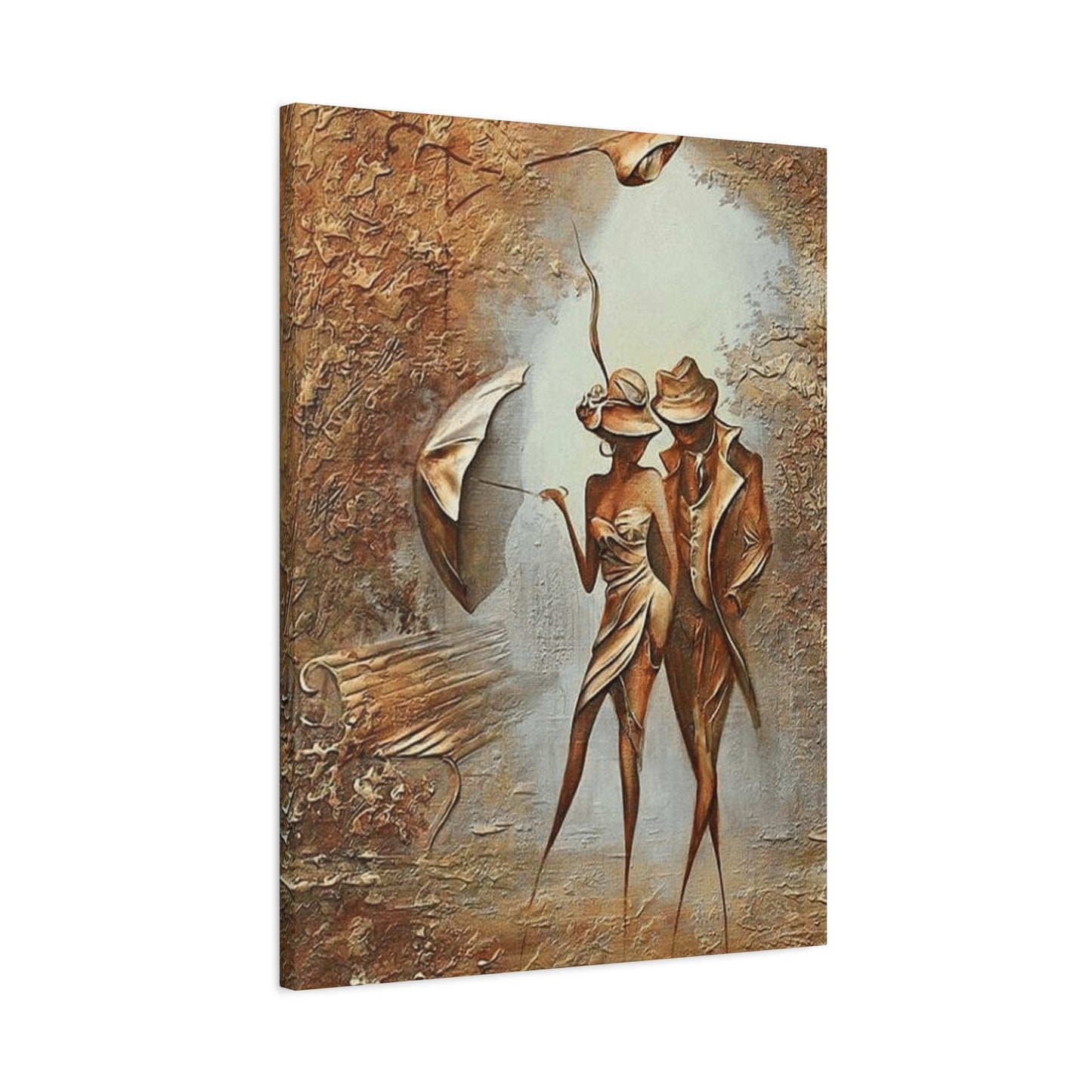
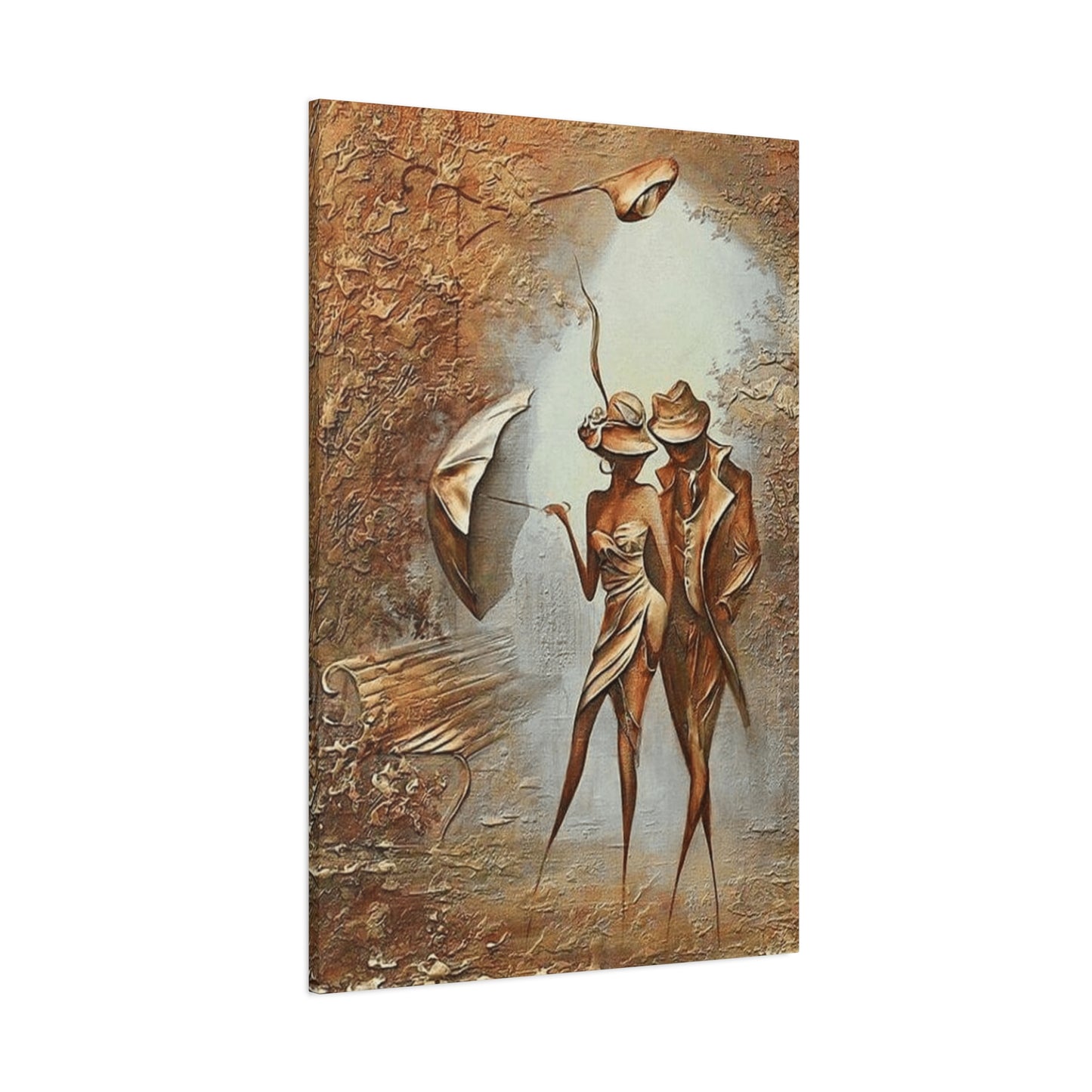
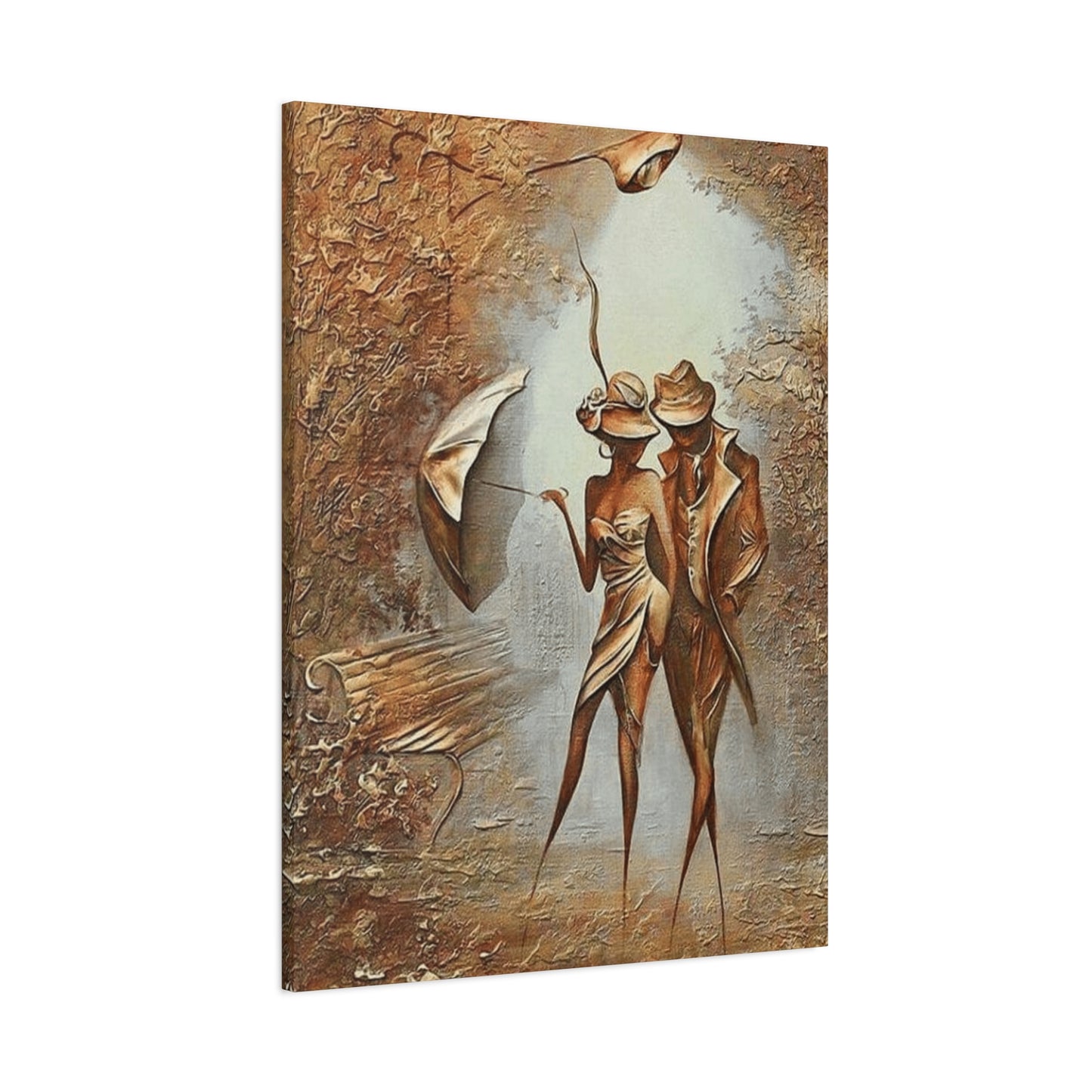
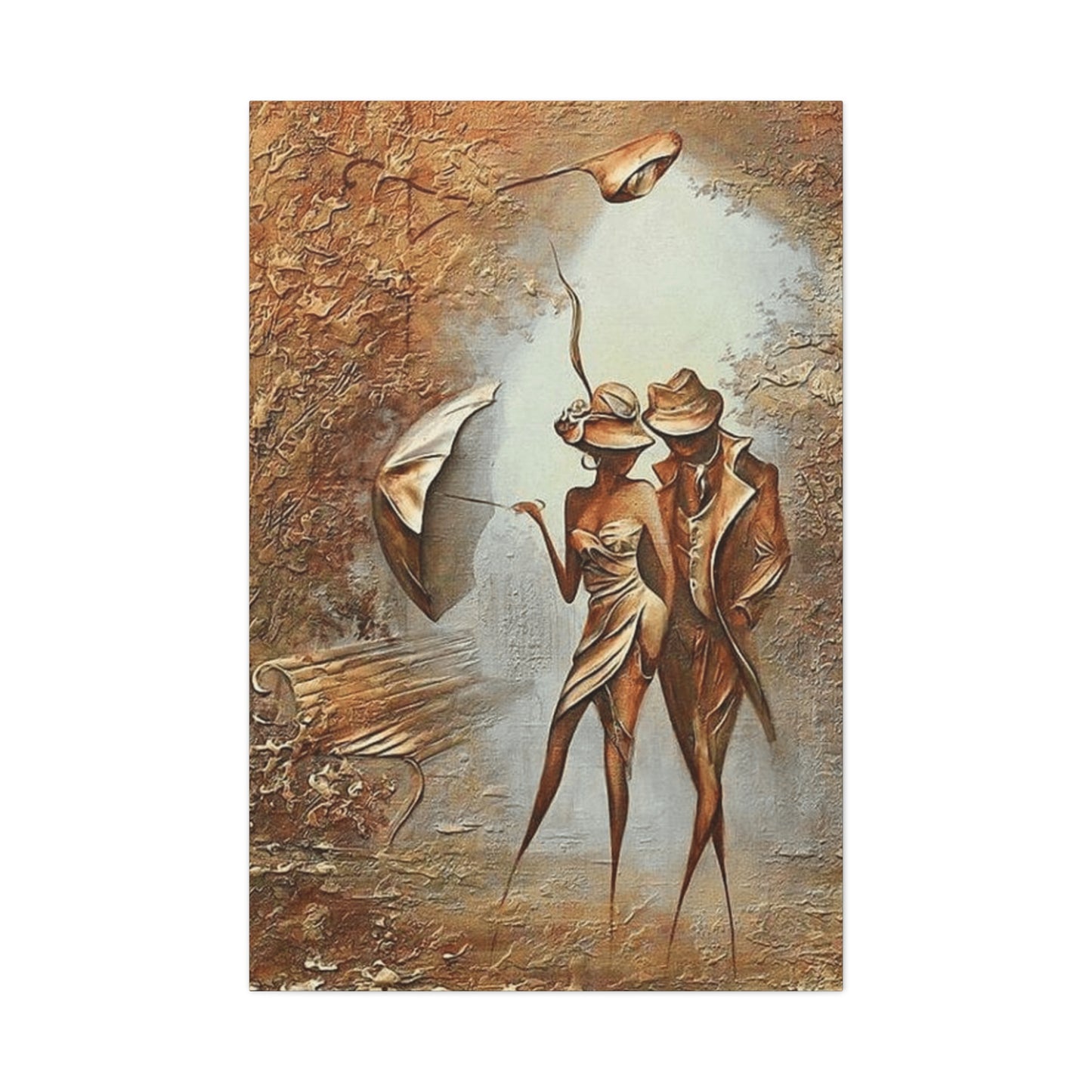
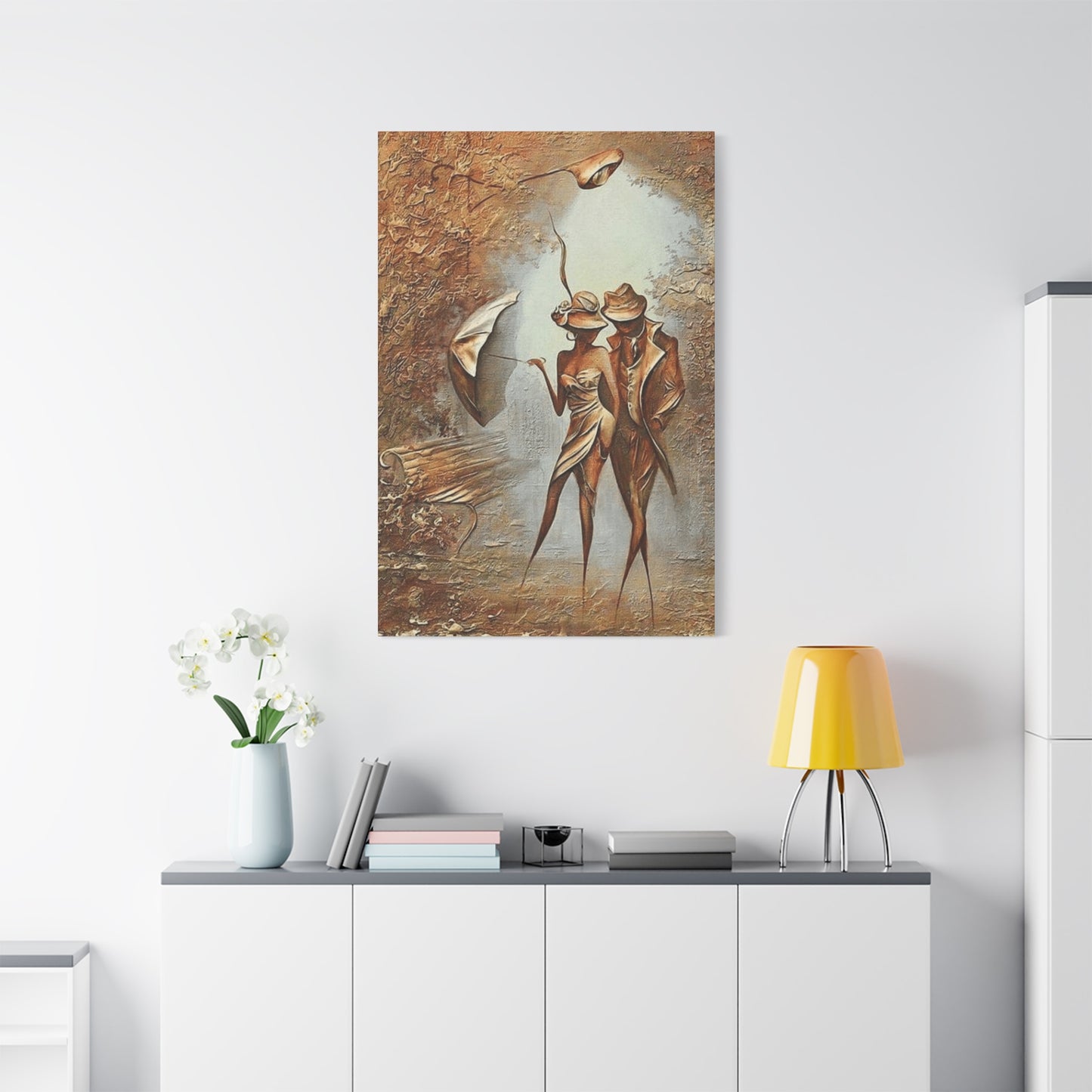
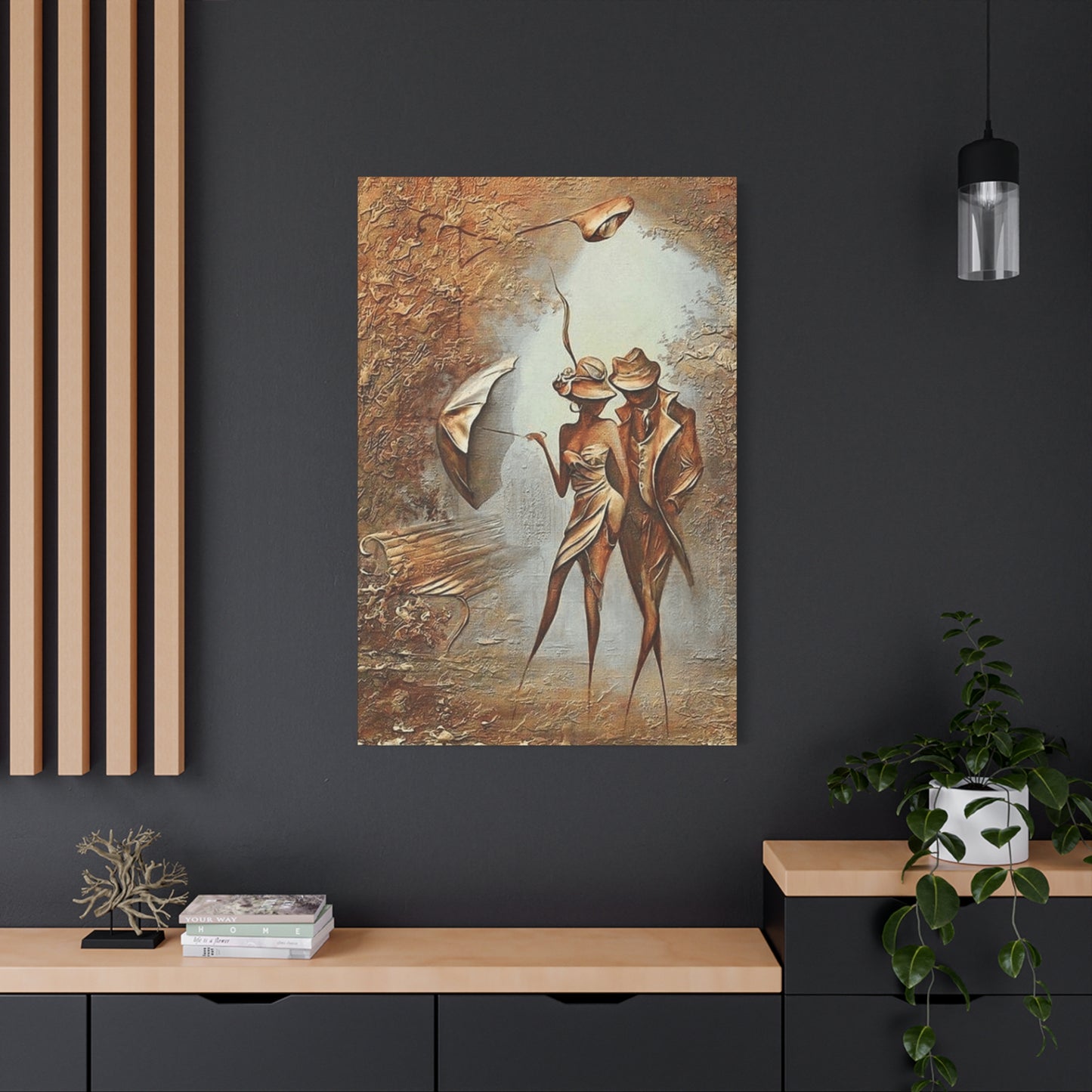
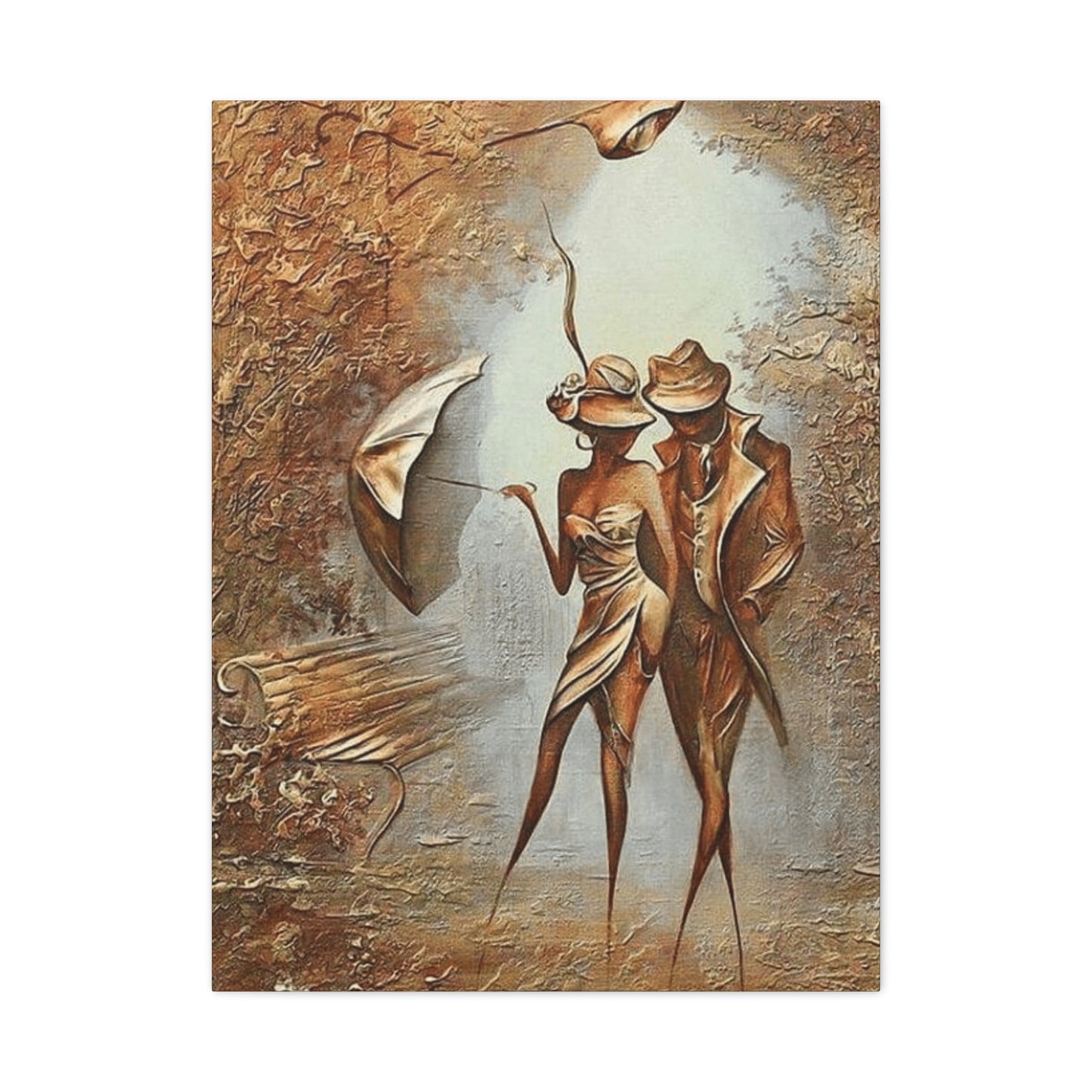
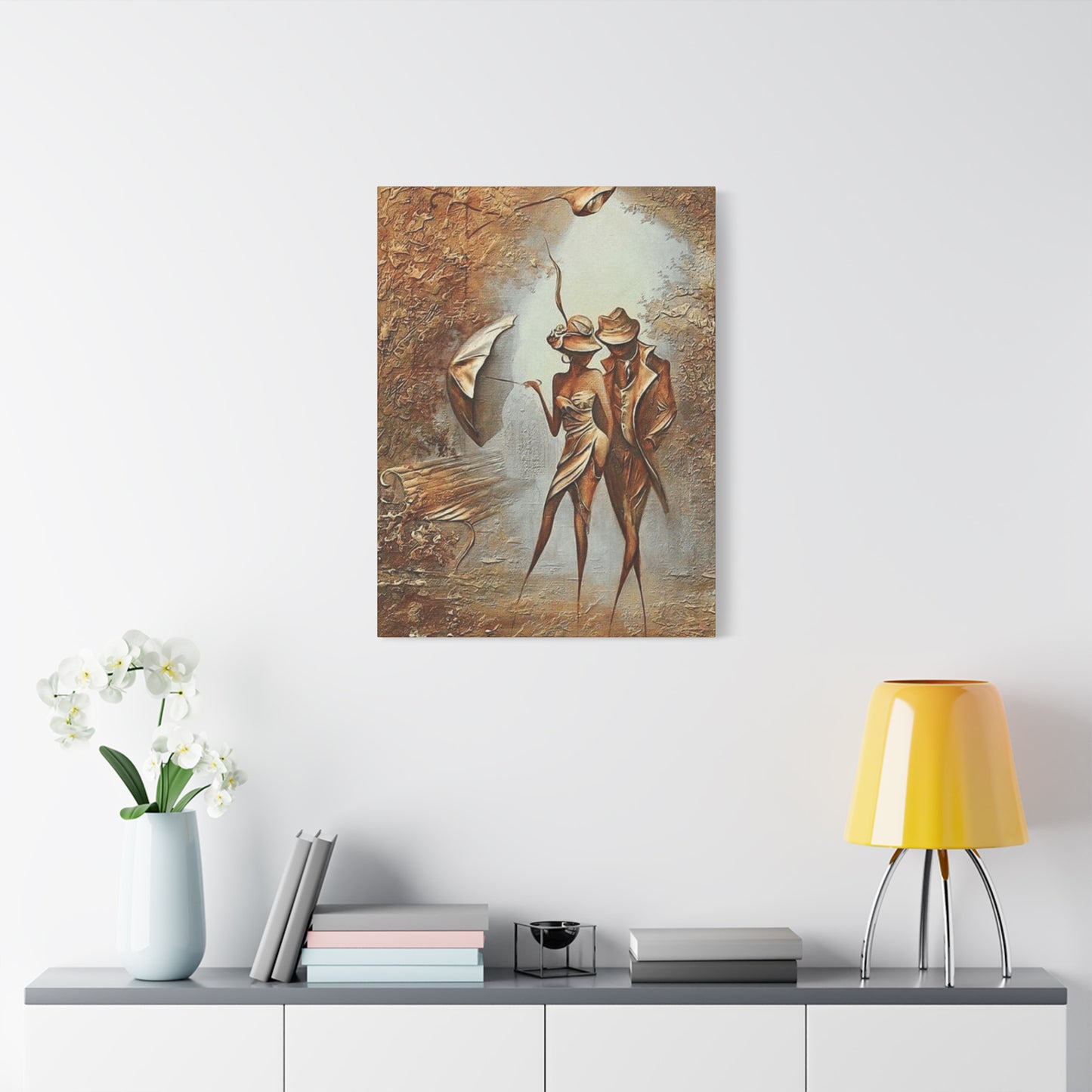
Gold Wall Art & Canvas Prints
Gold Wall Art & Canvas Prints
Couldn't load pickup availability
Stunning Gold Wall Art: Transforming Living Spaces with Luxurious Metallic Décor Elements
The allure of metallic embellishments in interior design has captivated homeowners and decorators for centuries, with gilded accents representing opulence, sophistication, and timeless elegance. Among the myriad ways to incorporate precious metal aesthetics into residential and commercial spaces, gilded decorative pieces stand out as particularly impactful choices that can dramatically alter the ambiance of any room. These shimmering adornments have evolved from exclusive palace decorations to accessible design elements that everyday enthusiasts can incorporate into their homes, offering versatility that spans from minimalist contemporary settings to ornate traditional environments.
The resurgence of metallic finishes in modern interior aesthetics has brought renewed attention to the transformative power of lustrous surfaces. Whether you're seeking to create a focal point in a dining area, add warmth to a bedroom sanctuary, or inject personality into a neutral living space, gilded decorative pieces offer unparalleled versatility. Their reflective qualities interact beautifully with natural and artificial lighting, creating dynamic visual experiences that change throughout the day. From abstract compositions to naturalistic representations, from geometric patterns to fluid organic forms, the breadth of available styles ensures that every design preference can find satisfaction in this category of embellishment.
The Enduring Appeal of Metallic Accents in Contemporary Living Spaces
Metallic finishes have maintained their prestigious position in interior design vocabularies across cultures and epochs, with gilded elements particularly cherished for their association with prosperity, achievement, and refined taste. The psychological impact of incorporating lustrous golden hues into living environments extends beyond mere visual appeal, tapping into deep-seated cultural associations that equate this precious metal with success, celebration, and permanence. When strategically placed, these decorative elements can elevate the perceived value of an entire room, creating impressions of luxury that far exceed their actual cost.
The versatility of gilded accents allows them to function effectively across diverse design philosophies. In minimalist settings, a single statement piece featuring golden tones can serve as the primary visual interest point, breaking up expansive neutral surfaces while maintaining the clean aesthetic that defines this approach. Conversely, in maximalist environments where layering patterns, textures, and colors creates visual richness, metallic elements provide unifying threads that tie disparate components together through their reflective consistency. The medium ground between these extremes offers perhaps the most common application, where several coordinated pieces create visual harmony without overwhelming the senses.
Contemporary designers have embraced metallic finishes as bridges between traditional and modern sensibilities, recognizing that golden tones possess an inherent timelessness that transcends fleeting trends. This quality makes investments in quality gilded pieces particularly sound, as they maintain relevance through changing decorative fashions. The warm undertones characteristic of gold harmonize exceptionally well with the earth-toned palettes that have dominated recent years, while simultaneously complementing the cooler grays and blues that remain perennial favorites. This chromatic flexibility ensures that metallic decorative elements remain relevant even as surrounding color schemes evolve.
Various Manifestations of Gilded Decorative Elements for Interior Enhancement
The marketplace for metallic decorative pieces has expanded dramatically, offering consumers an overwhelming array of choices that can satisfy any aesthetic preference or spatial requirement. Abstract compositions featuring geometric arrangements appeal to those drawn to contemporary design languages, with angular forms and clean lines creating visual interest through shape and shadow rather than representational imagery. These pieces often incorporate negative space strategically, allowing underlying surface colors to interact with the metallic finish in ways that create additional depth and complexity.
Naturalistic representations constitute another substantial category, with botanical motifs maintaining particular popularity. Leaves rendered in shimmering finishes, whether individual specimens or arranged in garlands and wreaths, bring organic vitality to interior spaces while maintaining the sophistication associated with metallic finishes. Floral compositions, ranging from realistic depictions to stylized interpretations, offer opportunities to introduce both the elegance of precious metals and the life-affirming qualities of nature into living environments. Animal representations, from graceful birds to majestic wildlife, provide focal points that combine the reflective beauty of metallic surfaces with the dynamic energy of living creatures.
Textural variations within metallic pieces create additional layers of visual interest beyond color and form. Hammered finishes produce surfaces that catch and scatter light in unpredictable patterns, generating sparkle and movement that polished surfaces cannot replicate. Brushed treatments create directional qualities that guide the eye along intended paths, while antiqued finishes introduce depth through intentional variation in tone. Patinated surfaces combine metallic brilliance with subdued areas that suggest age and character, appealing to those who appreciate vintage aesthetics or seek to add gravitas to newer constructions.
Three-dimensional pieces that project from mounting surfaces introduce sculptural qualities that flat compositions cannot achieve. These relief works create dramatic shadow plays that change dramatically with shifting light conditions, effectively making the piece itself dynamic rather than static. Fully sculptural pieces, though technically distinct from two-dimensional decorations, share many aesthetic qualities with their flatter counterparts and are often grouped together in design discussions. The dimensionality available in contemporary offerings allows decorators to select pieces that match not only their aesthetic preferences but also the architectural characteristics of their spaces, with low-relief options suiting rooms with limited depth and dramatic projections enhancing spaces with generous dimensions.
Selecting Appropriate Gilded Pieces for Specific Spatial Contexts and Design Objectives
The process of choosing metallic decorative elements requires thoughtful consideration of multiple factors that extend beyond simple aesthetic preference. Scale represents perhaps the most critical consideration, as incorrectly proportioned pieces can undermine entire design schemes. In compact spaces, oversized decorations overwhelm and make rooms feel even more confined, while diminutive pieces disappear in expansive areas, failing to provide intended visual impact. The relationship between piece dimensions and surrounding architectural features should guide selection, with doorways, windows, and furniture serving as reference points for appropriate sizing.
Color coordination extends beyond matching metallic finishes to surrounding palettes, encompassing considerations of undertone and saturation. Different formulations of golden finishes range from warm coppery hues to cool champagne tones, each creating distinct relationships with nearby colors. Spaces dominated by warm earth tones typically benefit from richer, more saturated metallic finishes that echo these temperatures, while rooms featuring cooler palettes often harmonize better with lighter, more reflective variations. The presence of other metallic elements in hardware, lighting fixtures, and accessories should inform these choices, with consistency across finishes creating cohesion while intentional mixing can generate compelling contrast when executed skillfully.
Thematic consistency ensures that decorative pieces enhance rather than conflict with existing design narratives. A space celebrating natural beauty through organic materials, botanical patterns, and earth-toned palettes finds natural companions in metallic pieces featuring leaves, branches, or landscape elements. Conversely, environments emphasizing geometric precision through angular furniture, grid-based layouts, and minimalist aesthetics benefit from metallic pieces that echo these qualities through abstract compositions and clean lines. The balance between harmonizing with existing elements and introducing contrasting notes requires careful judgment, as designs benefit from both unity and variety in appropriate measures.
Functional considerations occasionally influence selection processes, particularly in spaces where decorative elements might serve secondary purposes. In dining areas, for instance, metallic pieces might incorporate reflective surfaces positioned to amplify candlelight during evening meals, enhancing ambiance through strategic light manipulation. In entryways, gilded mirrors framed as decorative pieces rather than purely functional objects can serve dual purposes, providing visual interest while offering practical utility. These multipurpose approaches maximize value while maintaining aesthetic integrity, demonstrating how thoughtful selection processes yield solutions that satisfy multiple objectives simultaneously.
Strategic Positioning and Mounting Practices for Maximum Visual Impact
The location chosen for gilded decorative pieces dramatically influences their effectiveness, with certain positions naturally drawing attention while others allow pieces to recede into background roles. Above substantial furniture pieces like sofas, beds, and credenzas, decorative elements claim natural focal point status, particularly when sized appropriately relative to the furniture below. This traditional approach leverages the visual weight of furnishings to anchor decorative pieces, creating stable compositions that feel intentional rather than arbitrary. The relationship between decorative element width and underlying furniture dimensions generally follows the rule that decorations should span between two-thirds and three-quarters of the furniture width, though this guideline admits flexibility based on specific circumstances.
Fireplace mantels and their surrounding areas offer prime locations for metallic decorative pieces, as these architectural features already command attention in most rooms. Positioning gilded elements above mantels capitalizes on this existing focal point, creating cohesive compositions that feel natural and balanced. The height at which pieces are mounted relative to mantel surfaces requires consideration, with general recommendations suggesting spacing that allows the mantel and decoration to read as related but distinct components. In rooms lacking fireplaces, creating alternative focal points through strategic placement of metallic pieces on prominent surfaces becomes a priority, with large empty surfaces crying out for visual interest that gilded decorations can readily provide.
Gallery arrangements allow multiple smaller pieces to create collective impact equivalent to single large statements, offering flexibility that monolithic approaches cannot match. These groupings can follow formal grid patterns for contemporary sensibilities or organic asymmetrical arrangements for more relaxed aesthetics. The spacing between individual components significantly affects the overall impression, with tight arrangements creating unified compositions while generous spacing allows individual pieces to maintain distinct identities within the larger group. Planning gallery configurations before mounting prevents costly errors, with paper templates or digital visualization tools helping designers preview arrangements before committing to permanent installations.
Lighting considerations profoundly affect how metallic pieces perform in their intended locations, with both natural and artificial illumination requiring evaluation. Pieces positioned where direct sunlight strikes them create dazzling effects that can become overwhelming in certain contexts, while those in shadowed locations may fail to exhibit the reflective qualities that make metallic finishes desirable. Artificial lighting offers opportunities for dramatic enhancement, with directional spotlights creating theatrical effects and ambient illumination providing subtle shimmer. The interplay between decorative pieces and lighting should receive consideration during both selection and placement phases, ensuring that final installations achieve intended visual effects throughout varying lighting conditions.
Complementary Design Elements That Enhance Metallic Decorative Schemes
Successfully incorporating gilded pieces into cohesive design schemes requires attention to surrounding elements that either support or undermine these focal points. Textiles offer particularly powerful opportunities for reinforcement, with pillows, throws, and window treatments featuring metallic threads or complementary colors strengthening visual connections. Velvet fabrics in rich jewel tones create luxurious pairings with golden finishes, their depth and texture providing satisfying counterpoints to reflective surfaces. Linen and cotton in natural tones offer more subdued partnerships that allow metallic elements to shine without competition, appealing to those preferring understated elegance over dramatic statements.
Furniture selections influence how effectively metallic decorative pieces integrate into overall schemes. Dark wood tones, particularly those with warm undertones like walnut and mahogany, create classic pairings with gilded finishes that reference traditional design precedents while remaining accessible to contemporary sensibilities. Lighter woods and painted finishes in whites and creams provide contrast that makes metallic elements pop, particularly effective in spaces seeking bright, airy atmospheres. The occasional metallic accent in furniture hardware or leg finishes can create subtle echoes that tie decorative pieces to furnishings without requiring wholesale matching, a strategy that introduces cohesion while maintaining visual interest through variety.
Lighting fixtures present natural opportunities for metallic coordination, with pendants, chandeliers, and sconces available in finishes that complement decorative pieces. Perfect matching typically proves less effective than thoughtful coordination, as slight variations in metallic tones create depth while exact duplication can feel forced and unimaginative. Mixing metals has gained acceptance in contemporary design circles, with combinations of gold, brass, copper, and bronze creating layered, collected looks that suggest accumulation over time rather than single-purchase uniformity. This approach requires confidence and careful balancing to prevent chaos, but when executed successfully generates sophisticated environments with genuine character.
Accent pieces in compatible materials strengthen thematic coherence while introducing textural variety. Ceramic vessels with metallic glazes, glass objects with gilded accents, and decorative boxes with metal inlays create supporting roles that reinforce primary decorative statements without duplication. These smaller elements distributed throughout spaces create visual rhythms that guide eyes through environments, with metallic accents serving as waypoints in designed visual journeys. The cumulative effect of these coordinated but diverse elements produces spaces that feel intentionally composed rather than accidentally assembled, elevating overall design quality through attention to detail.
Diverse Stylistic Approaches to Incorporating Gilded Decorative Elements
The versatility of metallic finishes allows them to adapt to virtually any design philosophy, though certain approaches prove particularly well-suited to specific styles. In contemporary minimalist environments, single statement pieces featuring clean geometric forms and polished finishes create powerful focal points that respect the less-is-more ethos central to this aesthetic. The reflective qualities of metallic surfaces introduce visual interest without the complexity that patterns and multiple colors bring, maintaining the calm simplicity that defines successful minimalist spaces. Monochromatic color schemes common in these environments provide perfect backdrops for gilded accents, allowing the play of light on reflective surfaces to generate all necessary visual dynamics.
Bohemian and eclectic approaches embrace metallic elements as part of their characteristically diverse visual vocabularies. In these contexts, gilded pieces often feature organic forms, intricate patterns, and antiqued finishes that suggest global influences and collected aesthetics. Layering multiple metallic finishes becomes not only acceptable but desirable, with gold, brass, copper, and bronze coexisting harmoniously when united by common design threads. These environments celebrate abundance rather than restraint, with metallic decorative pieces contributing to overall richness through their inherent visual weight and cultural associations with prosperity and celebration.
Traditional and transitional spaces rely heavily on classical design principles that have long incorporated gilded elements as marks of refinement. In these contexts, ornate frames, detailed relief work, and representational imagery maintain their relevance, offering connections to design lineages stretching back centuries. The key to successfully incorporating these elements in contemporary traditional spaces lies in balancing reverence for precedent with awareness of current sensibilities, avoiding both sterile reproduction and thoughtless abandonment of valuable principles. Metallic decorative pieces in these environments often feature warmer tones and antiqued finishes that suggest age and patina, qualities that align with traditional aesthetics' appreciation for permanence and craftsmanship.
Industrial and urban design philosophies initially seem incompatible with the refinement typically associated with gilded decorations, yet thoughtful incorporation proves not only possible but surprisingly effective. Raw finishes, exposed structural elements, and utilitarian materials characteristic of industrial spaces benefit from the contrast that polished metallic accents provide, creating visual tension that prevents these environments from feeling unfinished or harsh. Geometric abstractions and minimalist forms in metallic finishes bridge the gap between industrial rawness and decorative refinement, introducing elegance without compromising the honest materiality that defines this aesthetic approach. The key lies in selecting pieces that respect the industrial vocabulary while introducing the warmth and human scale that purely structural elements sometimes lack.
Creating Harmonious Color Relationships with Metallic Decorative Accents
Understanding color theory principles enables more effective integration of gilded elements into diverse palette schemes. Metallic gold reads as a warm neutral with yellow undertones, creating natural harmonies with other warm hues including reds, oranges, and yellows. These combinations generate energetic, welcoming environments that feel particularly appropriate in social spaces like living rooms and dining areas. The intensity of surrounding colors influences how prominently metallic elements register, with saturated companions allowing golden finishes to claim attention while softer tones create more subtle, blended effects where metallic elements integrate rather than dominate.
Complementary color relationships offer opportunities for dramatic contrast that makes metallic elements truly sing. Purple and violet tones, sitting opposite yellow on the color wheel, create vibrant pairings with golden finishes that feel both luxurious and energetic. Deep eggplant and rich plum particularly excel in these combinations, their inherent sophistication matching the elegance that metallic finishes convey. These high-contrast pairings work best in environments seeking bold statements rather than subtle sophistication, appealing to confident designers comfortable with visual drama.
Analogous color schemes incorporating yellow, yellow-green, and yellow-orange create harmonious environments where metallic gold elements feel like natural extensions of surrounding palettes rather than contrasting accents. These approaches generate cohesive, flowing spaces that emphasize unity over variety, appealing to those who find comfort in consistency. The challenge in these monochromatic or near-monochromatic schemes lies in maintaining sufficient contrast to prevent visual boredom, typically addressed through textural variety and value differences that introduce visual interest without chromatic diversity.
Neutral backgrounds provide perhaps the most versatile contexts for metallic decorative elements, allowing gilded finishes to shine without chromatic competition. Whites, creams, grays, and beiges create canvases where metallic pieces claim natural focal point status, their warmth and reflectivity standing out against subdued surroundings. These pairings prove particularly popular in contemporary design, where neutral backdrops have become predominant. The specific temperature of neutral backgrounds influences how metallic finishes read, with warm neutrals like cream and beige creating cohesive pairings while cool grays generate contrast that makes golden tones appear even warmer and more luminous by comparison.
Properly Maintaining and Preserving Metallic Decorative Elements Over Time
The longevity and continued beauty of gilded decorative pieces depend significantly on appropriate preservation practices that protect finishes from degradation. Dust accumulation, though seemingly innocuous, can gradually dull reflective surfaces and, when combined with environmental moisture, create conditions for tarnishing and corrosion. Regular dusting using soft, dry cloths removes particulate matter before it can cause problems, with microfiber materials proving particularly effective due to their ability to trap rather than redistribute dust particles. Gentle motions prevent scratching of delicate finishes, particularly important for pieces with applied leafing or thin metallic coatings that can be abraded by aggressive cleaning.
Periodic deeper cleaning addresses buildup that regular dusting cannot eliminate, though the specific approach depends on the construction and finish of individual pieces. Genuine metal compositions can typically withstand slightly more aggressive cleaning than those featuring painted or applied metallic finishes. For most decorative pieces, solutions of warm water with small amounts of mild dish soap provide sufficient cleaning power without risking damage to finishes. Application with soft cloths rather than abrasive sponges or brushes protects surfaces, with thorough drying immediately following washing preventing water spots and mineral deposits that can mar appearances.
Environmental factors significantly influence the preservation requirements of metallic decorative elements. Humidity levels affect corrosion rates, with consistently high moisture encouraging tarnishing and degradation of certain finishes. In humid climates or during muggy seasons, dehumidifiers help maintain conditions that preserve metallic finishes. Conversely, extremely dry environments can cause issues with pieces incorporating mixed materials, particularly wood components that may crack or warp in low-humidity conditions. Direct sunlight exposure affects certain finishes, with prolonged UV radiation potentially fading or discoloring some applied coatings, making position selection relevant not only for aesthetic but also preservation considerations.
Chemical exposure from household products occasionally causes unexpected damage to metallic finishes. Aerosol sprays, including air fresheners and hair products, can leave residues that dull surfaces or, in some cases, react with finishes to cause permanent discoloration. Cleaning products containing harsh chemicals, particularly those with ammonia or bleach, can strip or damage decorative finishes when accidentally contacted. Awareness of these vulnerabilities informs both cleaning practices and general household routines, helping owners avoid inadvertent damage from seemingly unrelated activities conducted near valuable decorative pieces.
Seasonal and Occasional Styling Variations Using Metallic Decorative Elements
The inherent versatility of gilded decorative pieces allows them to adapt to seasonal decorating schemes while maintaining their presence during transitional periods. During autumn months, pairing metallic elements with rich harvest colors including burnt orange, deep burgundy, and warm brown creates cohesive schemes that celebrate the season's characteristic warmth. Natural materials like dried branches, pinecones, and gourds complement metallic finishes beautifully, their organic textures providing satisfying counterpoints to smooth reflective surfaces. These seasonal additions can cluster around permanent metallic decorative pieces, creating vignettes that acknowledge the calendar without requiring wholesale redecorating.
Winter holidays present abundant opportunities for metallic decorative elements to shine, as cultural traditions in many societies associate precious metals with celebration and festivity. Evergreen boughs and metallic decorations create classic pairings that feel both fresh and traditional, their combination referencing established conventions while remaining visually appealing. Candles in holders featuring finishes that complement permanent decorative pieces extend metallic themes through three-dimensional space, their flickering light creating dynamic interactions with reflective surfaces. The temporary nature of holiday decorating allows more dramatic expressions that might feel excessive in permanent installations, with layered metallic elements creating intentionally opulent displays.
Spring renewal brings opportunities to refresh spaces through lighter, brighter palettes that metallic elements support beautifully. Fresh flowers in metallic containers echo gilded decorative pieces, their organic vitality providing contrast to permanent fixtures' static nature. Pastel color palettes popular during spring months pair surprisingly well with golden finishes, their gentle tones softening metallic brilliance while benefiting from the warmth that gilded elements provide. Sheer fabrics in window treatments and textile accents allow increased natural light that showcases reflective finishes' light-catching properties, creating spaces that feel rejuvenated and alive.
Summer styling often emphasizes relaxed, casual aesthetics that might seem incompatible with the sophistication typically associated with metallic decorative elements. However, thoughtful approaches successfully incorporate gilded pieces into breezy seasonal schemes. Pairing metallic elements with natural fibers including jute, linen, and cotton creates balanced combinations where refinement and relaxation coexist. Coastal-inspired palettes featuring blues, aquas, and sandy neutrals provide unexpected but effective backdrops for golden finishes, their cooler temperatures allowing metallic warmth to shine while preventing overly formal impressions. These combinations demonstrate how versatile metallic elements truly are, adapting to diverse moods and seasonal expressions while maintaining their essential character.
Mixing Various Metallic Finishes Within Individual Spaces for Visual Richness
The once-rigid rule demanding consistency in metallic finishes has relaxed considerably in contemporary design practice, with mixing metals now recognized as a viable strategy for creating layered, sophisticated environments. Successfully combining different metallic finishes requires attention to proportion and distribution, with dominant finishes establishing overall tones while subordinate metals provide accent notes. In spaces where gilded decorative pieces serve as primary metallic elements, supporting finishes in lighting fixtures, hardware, and accessories should appear in smaller doses, creating harmony through controlled variety rather than uniformity through duplication.
Temperature relationships between mixed metals influence how successfully they cohabit spaces. Warm metals including gold, brass, and copper naturally harmonize due to their shared yellow undertones, making combinations of these finishes relatively straightforward. Introducing cooler metals like silver, chrome, or nickel creates more dynamic contrast that requires careful balancing to prevent visual discord. The key to successful mixing across temperature ranges lies in ensuring that no single area contains direct adjacencies of extremely contrasting finishes, instead distributing them through spaces so that intervening elements provide transition and separation.
Finish treatments offer another dimension along which metallic mixing occurs, with polished, brushed, hammered, and antiqued surfaces creating textural variety even when colors remain consistent. A space might feature polished brass lighting fixtures, brushed gold hardware, and an antiqued gilded decorative piece, creating richness through finish diversity while maintaining color family unity. These textural variations prove particularly effective in monochromatic or near-monochromatic environments where color diversity remains limited, introducing visual interest through surface quality differences rather than chromatic variety.
Proportion and scale considerations prevent mixed metallic schemes from appearing chaotic or unplanned. Establishing clear hierarchies where one metallic finish predominates while others provide supporting roles creates structure that guides perception. In a room featuring a substantial gilded decorative piece, smaller elements in complementary metallic finishes should read as intentional accents rather than competing focal points, their presence enriching rather than challenging the primary statement. This hierarchical approach to mixing metals creates sophisticated results that feel curated and intentional rather than accidentally assembled.
Exploring Various Surface Treatments and Finishes in Metallic Decorative Pieces
The surface treatment applied to metallic decorative elements dramatically affects their visual impact and suitability for different design contexts. High-polish finishes maximize reflectivity, creating mirror-like surfaces that dramatically interact with light sources. These treatments excel in contemporary settings where clean, modern aesthetics prevail, their unblemished surfaces aligning with minimalist principles. However, highly polished finishes also reveal every fingerprint and dust particle, requiring more frequent maintenance to preserve their pristine appearances. These practical considerations should inform selection decisions, particularly in high-traffic areas or homes with young children where constant perfection proves challenging to maintain.
Satin and brushed finishes introduce subtle texture while maintaining significant reflectivity, creating surfaces that catch light without the intense brilliance of polished treatments. These finishes hide minor imperfections and require less demanding preservation routines, making them practical choices for real-world living environments. The directional quality of brushed treatments creates visual movement that guides eyes along intended paths, a property that designers exploit when creating compositions with specific flow and hierarchy. Satin finishes, lacking strong directionality, provide more uniform appearances that suit pieces intended as grounding elements rather than dynamic accents.
Hammered and textured surfaces create dramatic light interactions that change dramatically with viewing angles and illumination directions. These treatments introduce dimensional complexity to flat surfaces, generating shadow patterns that add depth and visual intrigue. Hammered finishes particularly suit pieces intended to evoke handcrafted qualities or rustic aesthetics, their irregular surfaces suggesting individual artisan attention rather than industrial production. The play of light across these varied surfaces creates sparkle and movement that polished finishes cannot match, though at the cost of some of the formal elegance that perfectly smooth surfaces convey.
Antiqued and patinated finishes introduce intentional variation that suggests age and character, appealing to those drawn to vintage aesthetics or seeking to add gravitas to newer constructions. These treatments typically involve applying darker tones to recessed areas and details while leaving higher surfaces lighter, creating depth through artificial aging effects. The contrast between darker and lighter areas adds three-dimensionality that can make relatively flat pieces read as more sculptural. Antiqued finishes also provide practical advantages, disguising the minor scratches and dings that naturally accumulate over time within their intentionally imperfect surfaces, making them forgiving choices for pieces destined for active household areas.
Understanding Construction Methods and Material Compositions in Metallic Decorative Elements
The materials and manufacturing processes employed in creating gilded decorative pieces significantly affect their performance characteristics, longevity, and appropriate contexts. Solid metal constructions offer superior durability and authentic material presence, their weight and substance providing tactile satisfaction that lighter alternatives cannot match. These pieces typically command premium prices reflecting their material costs and manufacturing complexity, positioning them as investment purchases rather than disposable décor. The patina that genuine metals develop over time adds character that many owners appreciate, though others prefer the unchanging appearances that protective coatings or stable materials provide.
Metal-clad compositions feature base materials like wood or medium-density fiberboard wrapped or coated with thin metal layers, combining the appearance of solid metal with reduced weight and cost. These constructions balance aesthetic authenticity with practical considerations including easier mounting and lower price points. The durability of metal cladding varies considerably based on application method and material quality, with well-executed examples providing years of service while poorly manufactured alternatives may delaminate or wear prematurely. Close examination of construction quality helps distinguish superior products from inferior offerings within this category.
Painted and finished pieces simulate metallic appearances through surface treatments applied to various base materials. Modern paint formulations and finishing techniques achieve remarkably convincing metallic effects, with high-quality examples difficult to distinguish from genuine metal at casual viewing distances. These alternatives offer significant weight and cost advantages while providing design flexibility, as color adjustments and custom finishes become simpler without material constraints. The longevity of painted finishes depends heavily on initial quality, with premium products maintaining appearances for years while economy versions may chip, fade, or discolor relatively quickly. Understanding this quality spectrum helps consumers make informed decisions aligned with their budgets and expectations.
Resin and composite materials enable complex forms and fine details difficult or impossible to achieve in solid metal at reasonable costs. Modern casting techniques produce pieces with impressive detail and consistent quality, while material innovations yield products with remarkable durability and weather resistance. These materials particularly suit larger-scale pieces where solid metal weights would create mounting challenges and cost prohibitions. The trade-off involves some sacrifice in material authenticity and the unique aging characteristics that genuine metals exhibit, though for many contexts, these compromises prove entirely acceptable given the practical and economic advantages composites provide.
Designing Custom and Personalized Metallic Decorative Elements
Beyond mass-produced offerings, custom-designed metallic decorative pieces provide opportunities for perfect alignment with specific design visions and spatial requirements. Commissioning custom work allows precise control over dimensions, ensuring optimal scale relationships with surrounding architectural features and furnishings. This flexibility proves particularly valuable in spaces with unusual proportions or when seeking to fill specific niches that standard dimensions don't accommodate. Custom sizing also enables creation of pieces that span multiple surfaces or wrap corners, possibilities that prefabricated offerings rarely provide.
Personalized imagery and motifs create unique pieces that carry meaning beyond generic decorative statements. Family crests, meaningful symbols, or abstracted representations of significant places or events transform decorative elements into narrative objects that tell personal stories. These customized pieces become heirlooms with sentimental value transcending their material or aesthetic worth, creating connections between families and their environments that generic pieces cannot foster. The process of commissioning custom work often proves rewarding in itself, as collaboration with artisans and designers creates investment in outcomes that deepens appreciation of finished pieces.
Material and finish customization allows precise matching to existing elements or realization of unique aesthetic visions not represented in commercial offerings. Clients can specify exact metallic tones, select particular patination styles, or request mixed-material compositions that combine metals with stone, wood, or glass. This level of control ensures absolute harmony with existing design schemes or enables creation of truly unprecedented pieces that distinguish environments from conventional spaces. The additional cost and extended timelines associated with custom work represent necessary investments for achieving these highly specific outcomes.
Dimensional and sculptural complexity unrestricted by manufacturing economics enables custom pieces to achieve dramatic presence impossible in mass production contexts. Relief depths, projection distances, and overall scales can exceed what commercial viability permits in prefabricated lines, creating truly show-stopping installations that command attention and define spaces. These exceptional pieces often become identifying features of environments, the aspects that visitors remember and that owners cite when describing their homes. The investment required for such commissions reflects not only material and labor costs but also the unique value that singular, impossible-to-replicate pieces provide.
Incorporating Gilded Elements in Various Room Contexts and Functional Spaces
Living rooms and primary gathering spaces benefit enormously from carefully selected metallic decorative pieces that establish mood and reflect occupants' aesthetic sensibilities. Above seating arrangements, gilded pieces create focal points that anchor furniture groupings while providing conversation starters that facilitate social interaction. The reflective qualities of metallic surfaces interact beautifully with ambient lighting during evening gatherings, creating atmosphere that enhances these spaces' social functions. Scale considerations prove particularly important in living areas, as these often spacious rooms accommodate and indeed require substantial decorative statements that smaller pieces cannot provide.
Dining spaces offer ideal contexts for gilded decorative elements, as cultural associations between precious metals and celebration align perfectly with the social and ceremonial functions these rooms serve. Positioned where they catch candlelight during evening meals, metallic pieces enhance ambiance through their reflective properties, creating romantic or festive atmospheres as occasions demand. The formality traditionally associated with dining rooms harmonizes naturally with the refinement that metallic finishes convey, making these spaces particularly receptive to gilded embellishments. Thematic coordination between decorative pieces and table settings, including metallic elements in flatware, serving pieces, and candleholders, creates cohesive schemes that elevate everyday meals into special occasions.
Bedroom sanctuaries welcome metallic decorative elements that contribute to serene, luxurious atmospheres conducive to rest and rejuvenation. Above headboards, gilded pieces anchor sleeping spaces while introducing elegance that transforms purely functional furniture arrangements into designed compositions. The warm tones characteristic of golden finishes create inviting environments that feel comfortable rather than cold, important in spaces dedicated to relaxation. Considerations of reflectivity become relevant in bedrooms, as highly polished finishes might create unwanted light effects during sleep hours, suggesting satin or antiqued treatments as potentially preferable alternatives in these contexts.
Entryways and transition spaces benefit from metallic decorative elements that establish tone for entire homes while making positive first impressions on visitors. These often compact areas accommodate single statement pieces that command attention without overwhelming limited square footage. Gilded elements in entries can echo finishes in nearby lighting fixtures and hardware, creating immediate sense of design intention and attention to detail. The durability considerations relevant in these high-traffic areas suggest robust constructions and finishes that withstand incidental contact without showing damage, practical factors that should inform selection processes.
Conclusion
Achieving appropriate scale relationships between decorative pieces and their contexts represents one of the most critical yet challenging aspects of successful design. Undersized pieces disappear in expansive spaces, failing to provide intended visual impact and wasting both their aesthetic potential and financial investment. This common error often stems from difficulty judging scale in retail environments, where neutral backgrounds and favorable lighting make pieces appear more substantial than they prove in actual installation contexts. Requesting exact dimensions and visualizing these measurements in intended locations helps avoid this pitfall, with tools including cardboard mockups and digital visualization apps providing helpful previews.
Conversely, oversized pieces overwhelm spaces and can make rooms feel smaller and more cramped than their actual dimensions warrant. This error particularly affects compact spaces where enthusiasm for dramatic statements exceeds spatial reality. The psychological impact of overlarge decorations proves significant, creating discomfort that undermines relaxation and enjoyment of spaces. Restraint becomes essential when selecting pieces for limited areas, with multiple smaller elements often providing more satisfying results than single oversized statements in these contexts. The "less is more" principle proves especially relevant regarding scale, as appropriately sized pieces create elegance while outsized alternatives generate disharmony.
The relationship between decorative piece dimensions and surrounding architectural features provides guidelines for appropriate scaling. Pieces positioned between windows, for instance, should respect these openings' proportions, neither dwarfing nor being dwarfed by nearby architectural elements. Ceiling heights influence appropriate vertical dimensions, with taller spaces accommodating and indeed requiring larger-scale vertical pieces while more intimate room heights suggest horizontal orientations and more modest dimensions. Door openings, built-in features, and other permanent architectural elements all inform optimal sizing decisions, with harmony between mobile and fixed components creating cohesive environments.
Negative space considerations affect scale decisions, as successful compositions balance filled and empty areas. Japanese aesthetic principles regarding ma, or negative space, apply universally to good design, emphasizing the importance of empty areas in creating visual rest and allowing positive elements to register clearly. Decorative pieces sizing should account for necessary surrounding space, avoiding wall-to-wall coverage that eliminates breathing room. The silence between notes makes music comprehensible; similarly, empty surfaces between decorative elements allow individual pieces to shine rather than merging into undifferentiated visual noise.
Throughout human civilization, gold has maintained consistent associations with divinity, royalty, and transcendence that inform contemporary reactions to gilded decorative elements. Ancient Egyptian culture's extensive use of gold in religious contexts established patterns that influenced subsequent civilizations, with Byzantine mosaics, medieval illuminated manuscripts, and Renaissance altar pieces continuing these traditions. These accumulated associations mean that contemporary gilded decorative pieces carry cultural weight beyond their purely aesthetic qualities, tapping into deep-seated responses shaped by millennia of symbolic usage. Awareness of this resonance helps explain gold's enduring appeal and informs thoughtful incorporation into modern contexts.
Different cultural traditions assign specific symbolic meanings to gold that occasionally influence design choices. In many Asian cultures, gold represents prosperity, good fortune, and positive energy, making gilded elements particularly appropriate in contexts welcoming these qualities. Indian design traditions particularly embrace gold's auspicious associations, incorporating metallic elements generously in both religious and domestic contexts.
Share