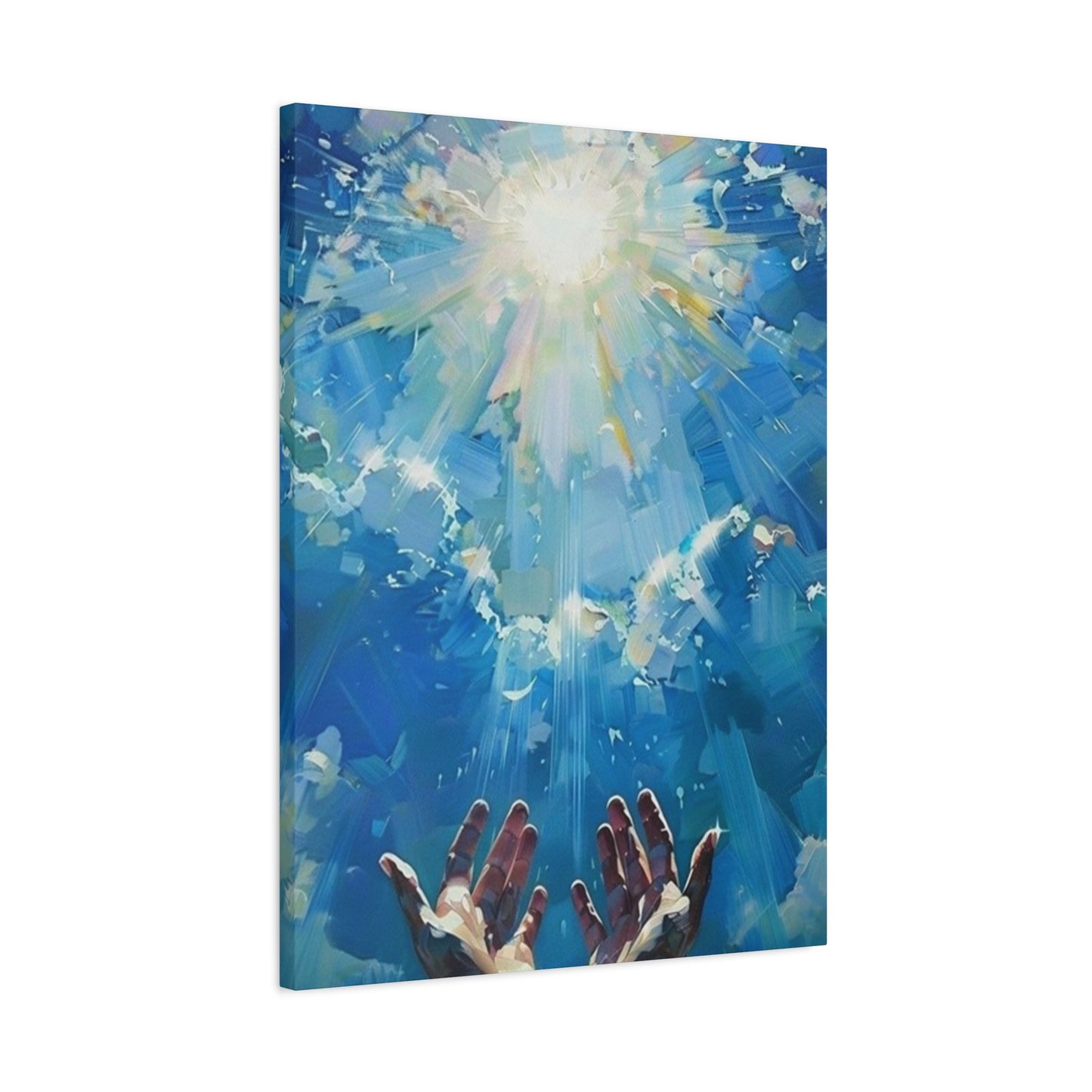
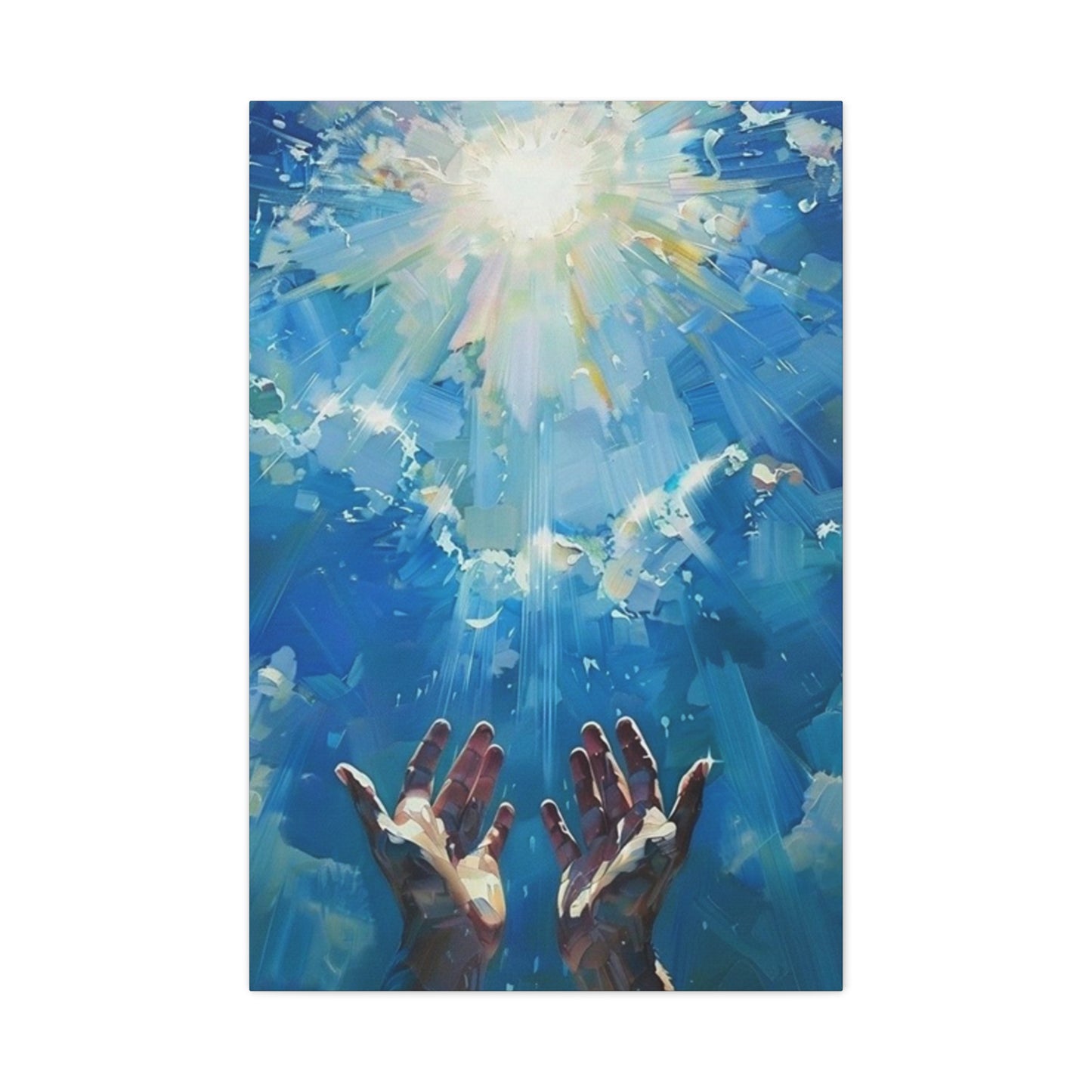
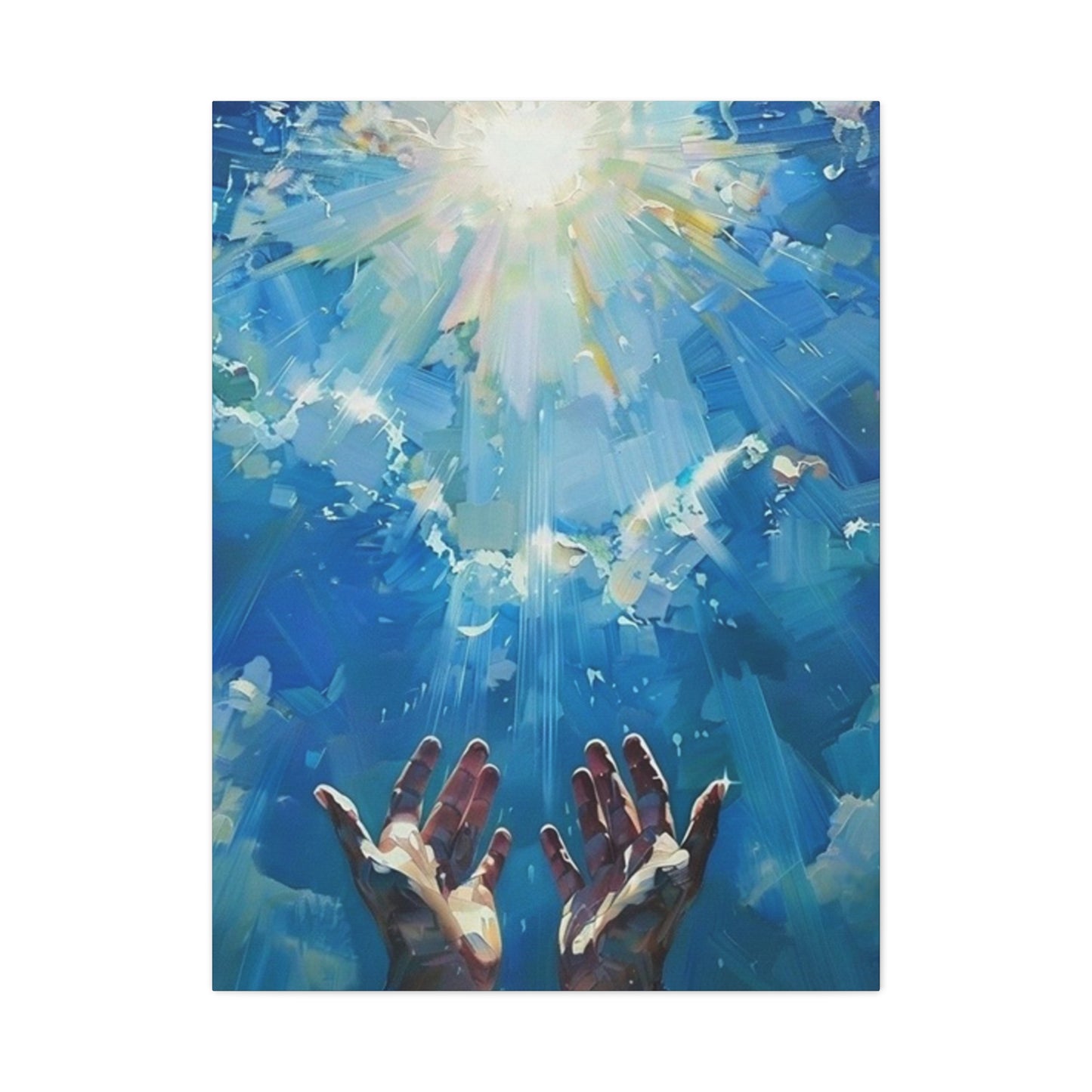
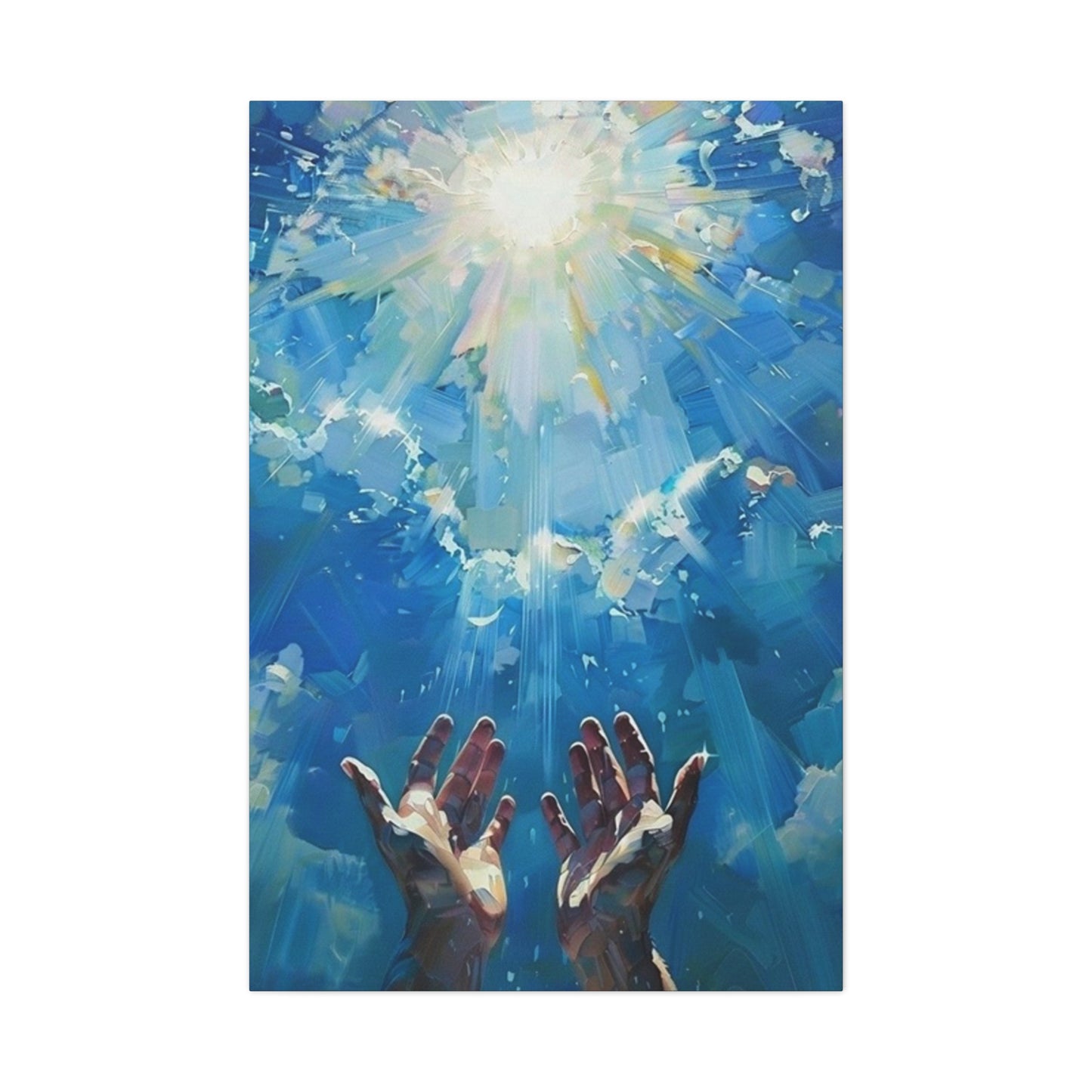
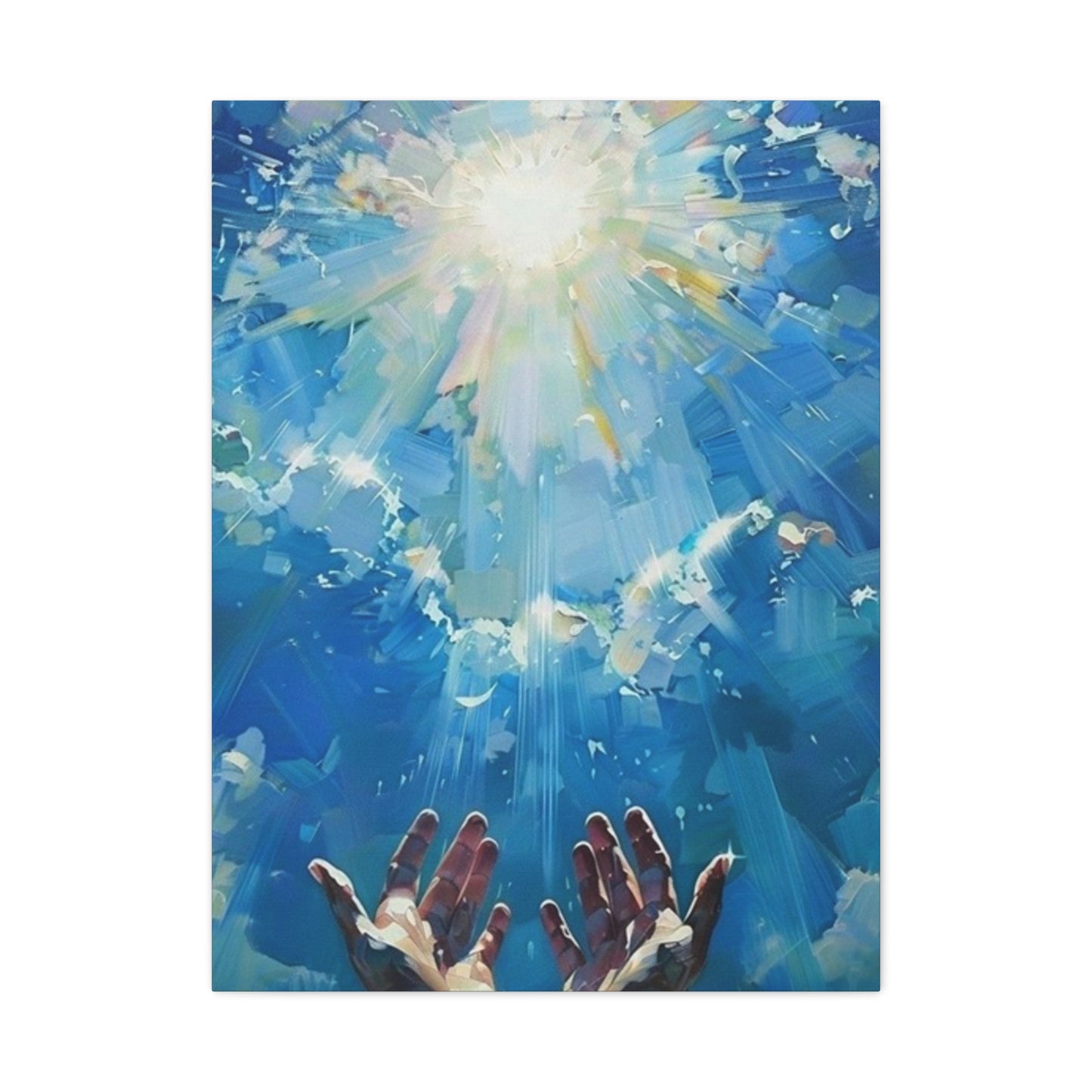
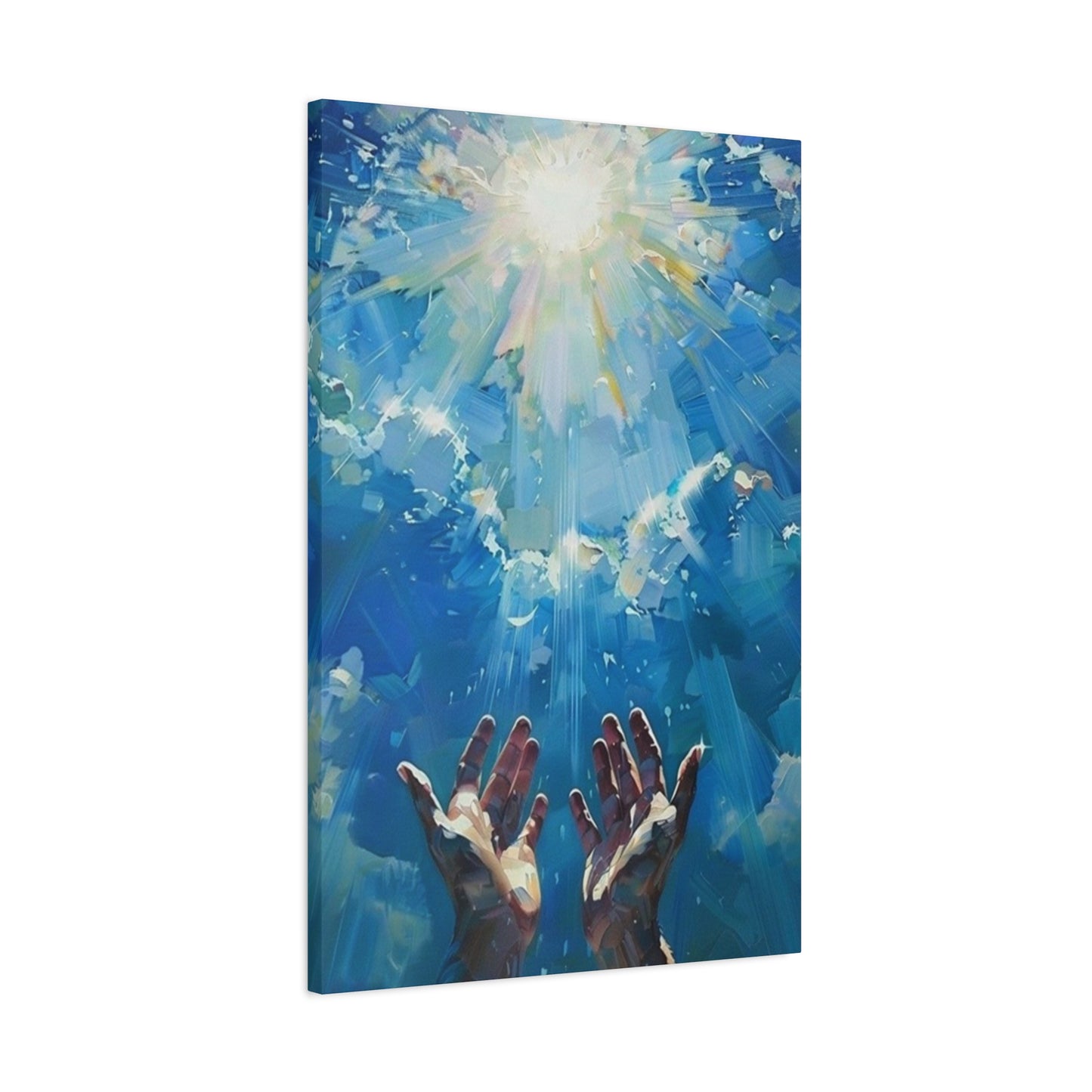
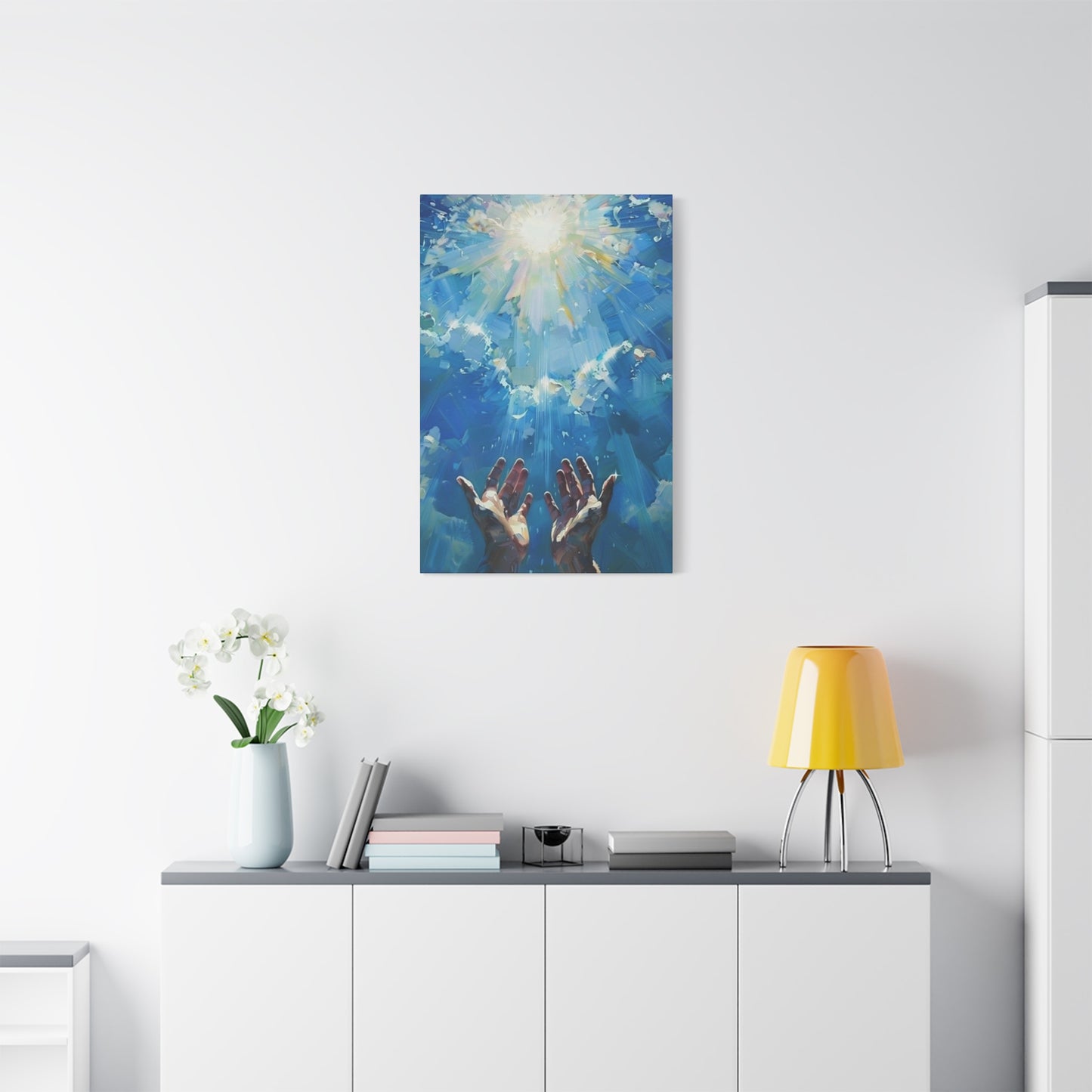
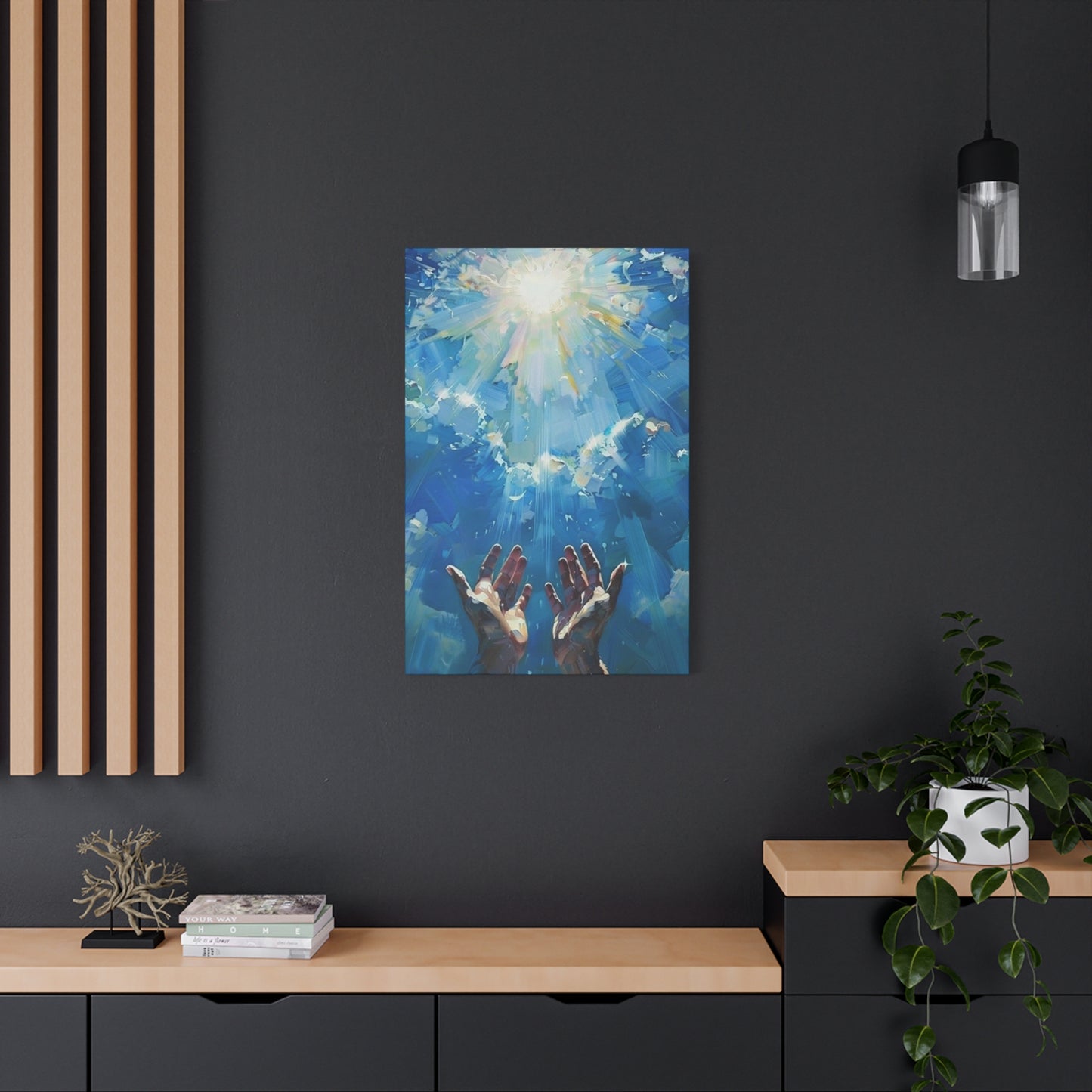
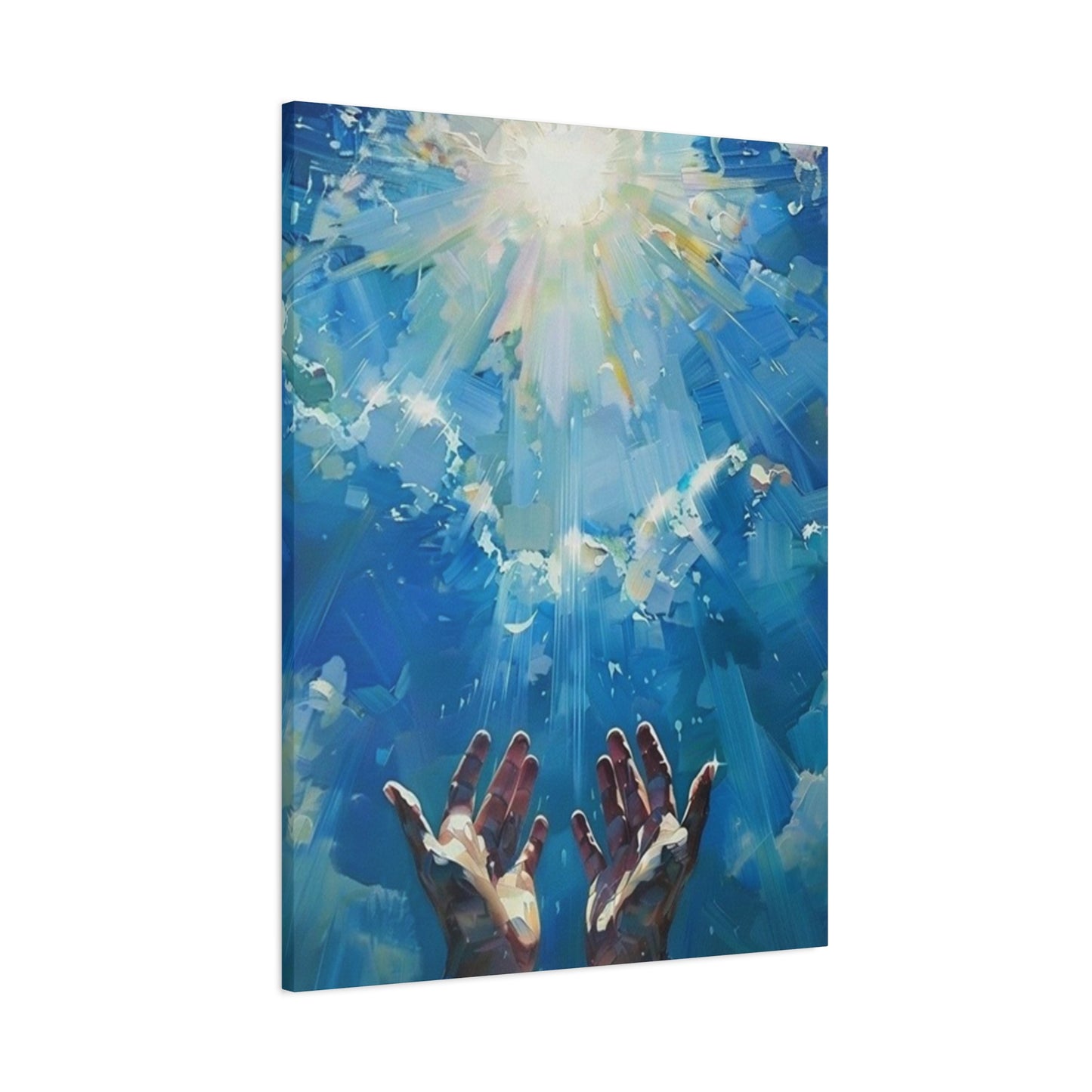
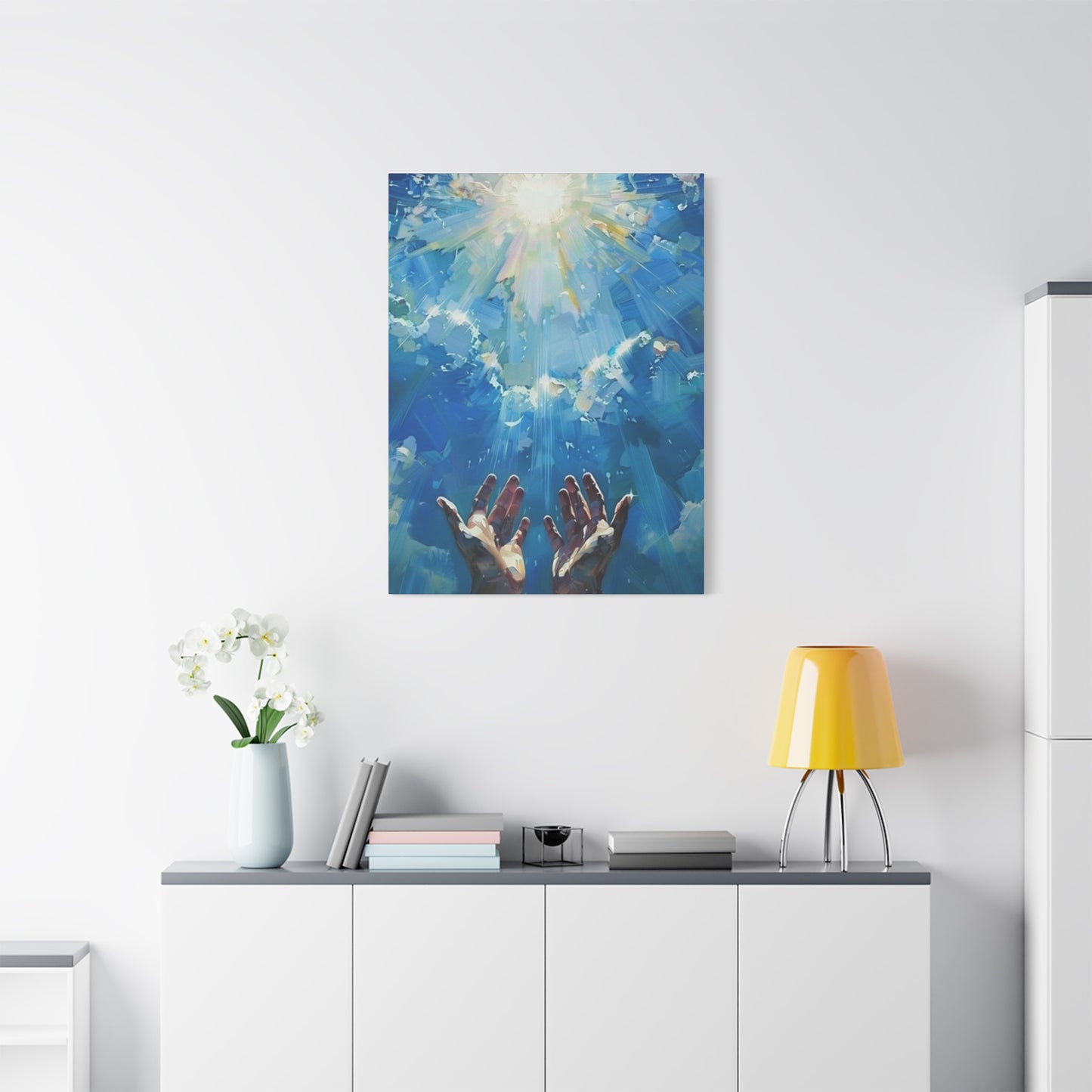
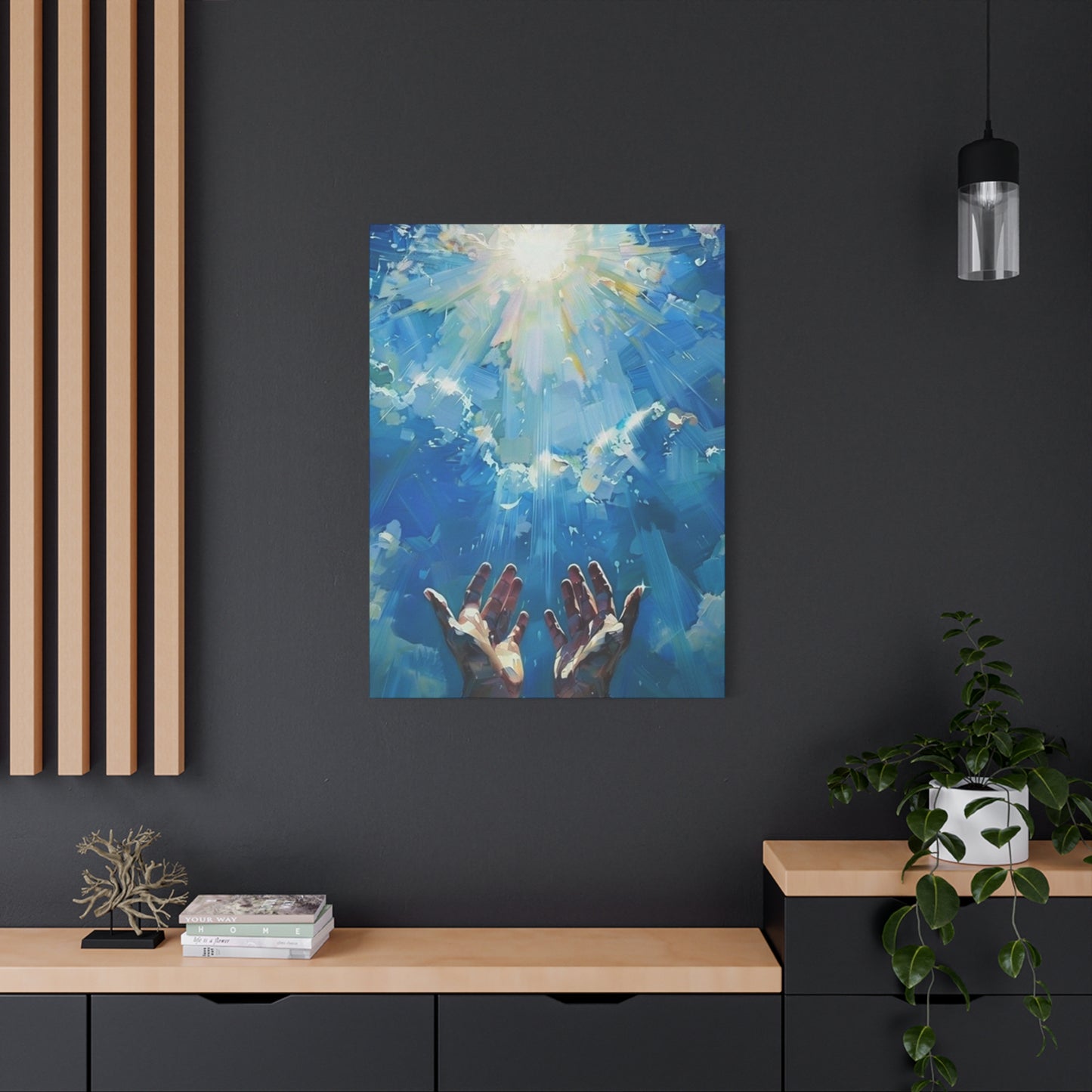
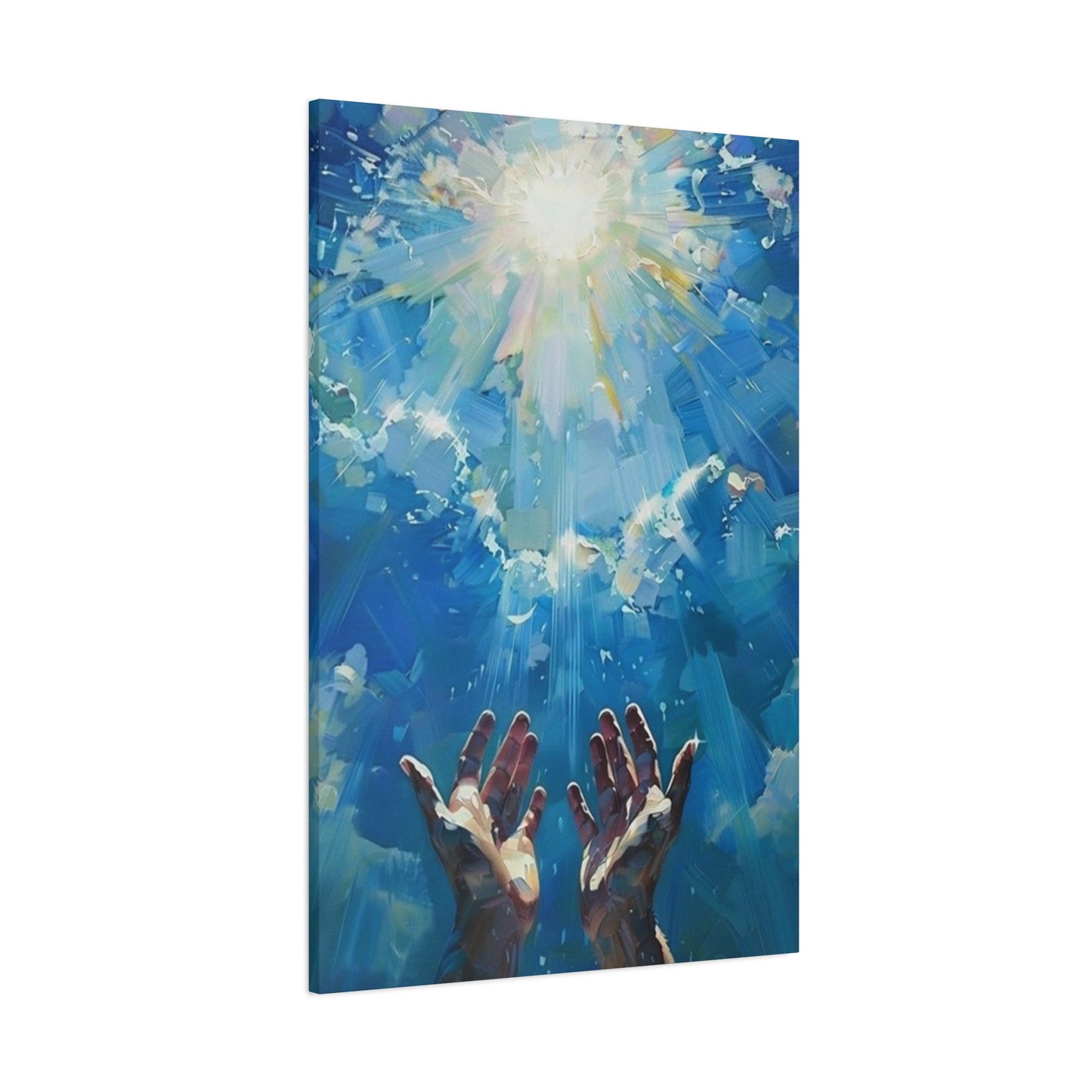
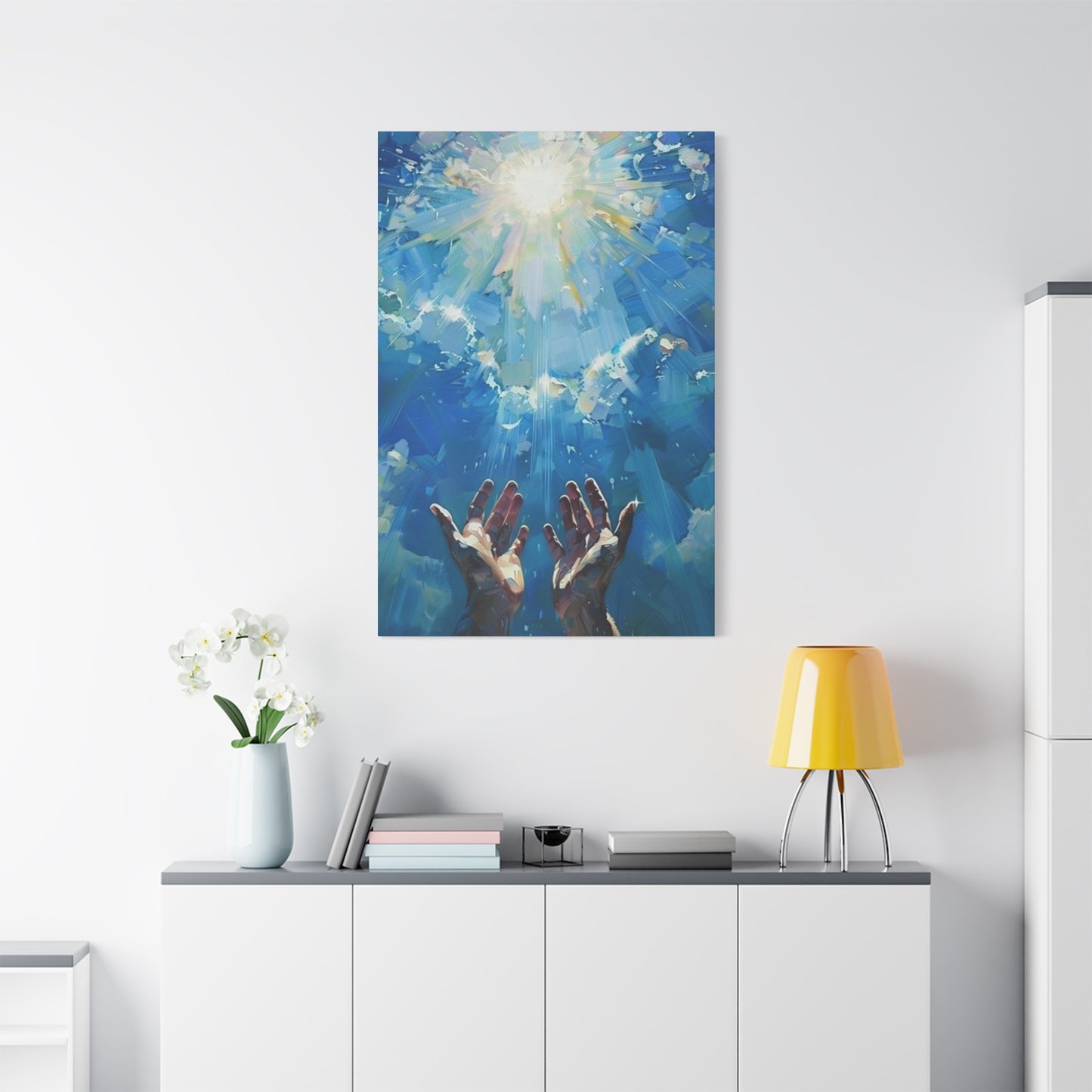
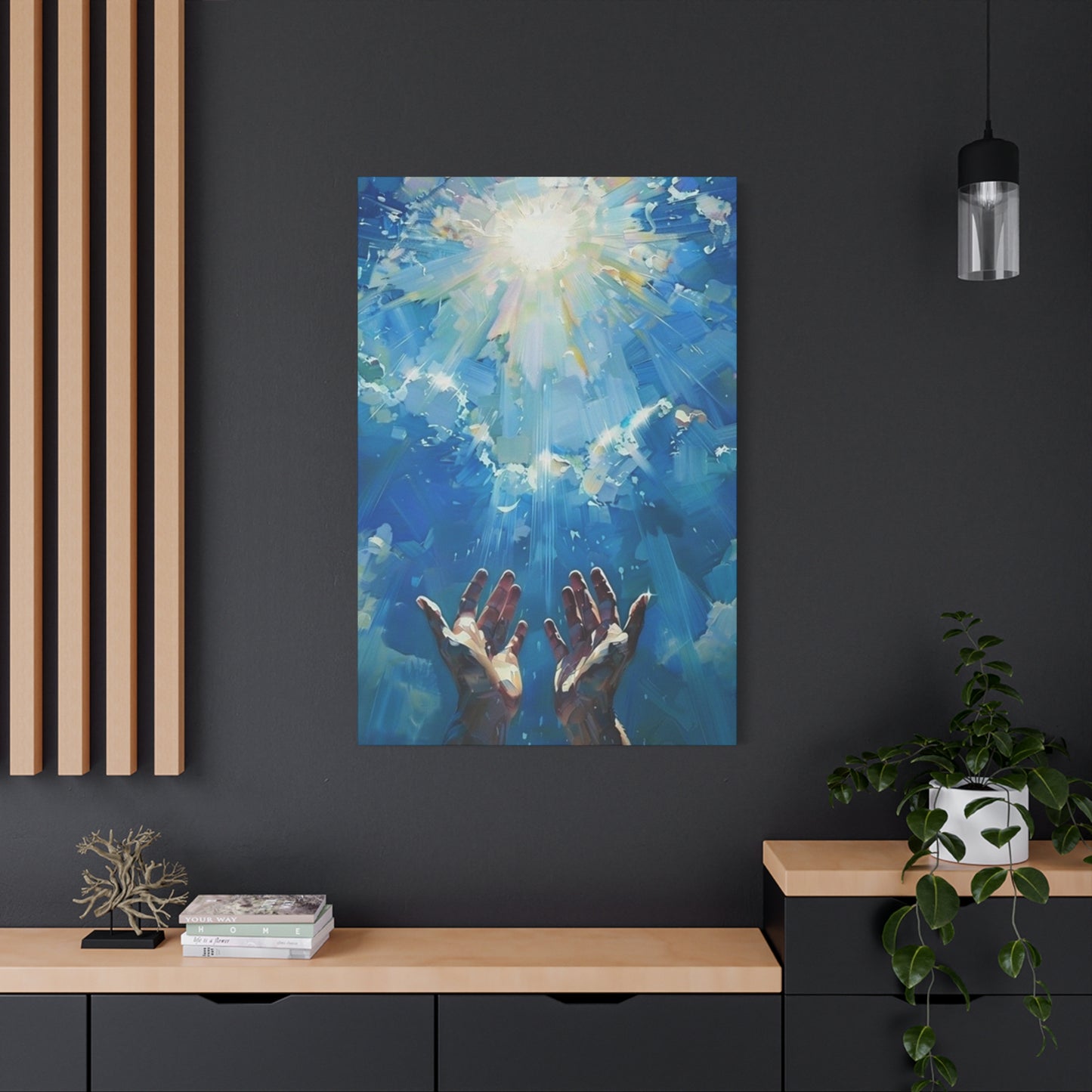
God Light Hope Wall Art & Canvas Prints
God Light Hope Wall Art & Canvas Prints
Couldn't load pickup availability
Divine Radiance Through Sacred Canvas: Bringing Celestial Illumination Into Your Living Spaces With God Light Hope Wall Art
The concept of incorporating spiritual elements into our living environments has been practiced across civilizations for millennia. When we speak of bringing divine presence into our homes through artistic expressions, we touch upon something profoundly personal yet universally resonant. The phenomenon of God Light Hope Wall Art represents more than mere decoration—it embodies a tangible connection between the ethereal realm and our physical surroundings, creating sanctuaries of peace within our daily lives.
Exploring The Profound Connection Between Sacred Imagery And Personal Sanctuary Creation
Every dwelling tells a story through the objects we choose to display on our walls. These selections reflect our values, aspirations, and deepest convictions. When someone deliberately selects pieces that depict celestial radiance, angelic beings, or divine illumination, they're making a conscious choice to surround themselves with reminders of something greater than everyday concerns. This practice transcends mere aesthetic preference; it becomes an act of faith made visible.
The human spirit has always sought representation of the intangible. Ancient cave dwellers painted their spiritual experiences on stone walls. Medieval artisans dedicated lifetimes to creating stained glass windows that would transform ordinary sunlight into kaleidoscopes of sacred color. Renaissance masters spent years perfecting techniques to capture the ineffable quality of divine presence on canvas. Today's creators continue this ancient tradition, utilizing contemporary methods to craft visual prayers that speak directly to the soul.
Research into environmental psychology reveals fascinating insights about how our surroundings influence mental states and emotional wellbeing. Spaces adorned with imagery that evokes transcendence, peace, and divine connection can significantly impact daily mindset. The morning ritual of waking to see a piece depicting heavenly radiance can set an entirely different tone than awakening to blank walls or purely decorative items. This isn't mysticism—it's the recognized principle that our external environment shapes internal experience.
Consider the transformative power of light itself. Across spiritual traditions worldwide, illumination serves as metaphor and reality for divine presence. From the pillar of fire guiding exodus wanderers to the enlightenment sought by meditation practitioners, from the halo surrounding sacred figures to the light described in near-death experiences, this recurring theme speaks to something fundamental in human spiritual consciousness. God Light Hope Wall Art captures this universal symbol, making it accessible in everyday living spaces.
The Multifaceted Symbolism Woven Throughout Celestial Artistic Expressions
Symbolism operates on multiple levels simultaneously. A single image can communicate different meanings to different observers, yet certain symbols possess nearly universal recognition. When examining pieces that depict divine radiance, several recurring motifs emerge, each carrying layers of significance accumulated across centuries of spiritual tradition.
The dove, appearing frequently in these artistic works, represents far more than a simple bird. This creature carries connotations of peace, purity, and the Holy Spirit across multiple faith traditions. When rendered in artwork alongside beams of celestial light, the dove becomes a messenger bridging earthly and heavenly realms. Its white plumage catches and reflects light, creating visual poetry that speaks without words.
Crosses illuminated by divine beams tell stories of sacrifice and redemption. The juxtaposition of this symbol with radiant light transforms what could be a somber reminder into a declaration of victory and resurrection. These pieces don't dwell on suffering but instead emphasize the triumph that follows, the dawn breaking after the darkest night, the joy that comes in the morning.
Angels serve as intermediaries in countless artistic representations. Their presence in God Light Hope Wall Art often depicts these beings as both magnificent and approachable, powerful yet benevolent. Whether shown with traditional wings or rendered in more abstract forms, angelic figures remind viewers of unseen assistance and protection. The light often surrounds or emanates from these beings, emphasizing their role as carriers of divine messages.
Landscapes bathed in extraordinary illumination capture moments when the natural world seems to reveal something beyond itself. A sunrise breaking through storm clouds, light rays piercing forest canopy, or the golden hour transforming ordinary scenery into something transcendent—these scenes resonate because many have witnessed such moments personally. They validate experiences of awe and wonder, confirming that the sacred can be encountered in everyday settings.
Navigating The Rich Variety Of Artistic Styles And Medium Choices Available
The marketplace offers extraordinary diversity in how creators interpret and present spiritual themes through visual art. Understanding this variety helps in selecting pieces that resonate personally and complement existing décor while maintaining their sacred significance.
Traditional religious artwork draws heavily from centuries of established iconography. These pieces often feature classical compositions, realistic human figures, and color palettes that reference historical paintings found in cathedrals and museums. Gold leaf accents might highlight halos or divine light rays, creating literal sparkle that catches the eye. These works appeal to those who find comfort in continuity with artistic traditions spanning generations.
Contemporary interpretations take bold approaches to timeless themes. Abstract representations might use color, shape, and texture to evoke spiritual experiences rather than depicting recognizable figures. Geometric patterns can suggest order and divine architecture. Minimalist pieces might reduce complex theology to essential elements—a simple cross, a single ray of light, carefully chosen text. These modern approaches resonate with individuals who appreciate artistic innovation while maintaining spiritual depth.
Photography-based pieces capture authentic moments when natural light creates effects that seem supernatural. Sunbeams breaking through clouds, often called crepuscular rays or colloquially "god rays," appear in stunning photographic prints. Light refracting through water droplets to create rainbows, aurora borealis displays painting night skies, or the particular quality of light during sacred seasons—all these can be preserved and displayed. The authenticity of photography adds another dimension, as viewers know these moments actually occurred.
Mixed media creations combine various materials and methods to produce complex, layered works. An artist might start with painted canvas, then add three-dimensional elements like sculpted rays extending outward, incorporate metallic materials that reflect room lighting differently than the base image, or even integrate LED elements that allow the piece to literally glow. These innovative approaches create focal points that change appearance throughout the day as ambient lighting shifts.
Digital artwork has opened entirely new possibilities. Artists can manipulate images with precision impossible in traditional media, creating surreal scenes that exist purely in imagination. Fractals and mathematical patterns reveal hidden orders that some interpret as glimpses into the architecture underlying reality. Digital pieces can be printed on various substrates from canvas to metal to acrylic, each lending different qualities to the final presentation.
Selecting Pieces That Resonate With Individual Faith Journeys And Personal Narratives
Choosing God Light Hope Wall Art involves more than matching colors to furniture. The selection process becomes an opportunity for introspection, a chance to clarify what spiritual truths matter most and how visual reminders might support daily practice.
Begin by considering which spiritual narratives hold the deepest personal meaning. Does the story of resurrection and renewal speak most powerfully? Perhaps pieces depicting sunrise, new growth emerging from darkness, or empty tombs radiant with celestial light would carry special significance. Do you find particular comfort in the concept of divine guidance? Images showing light illuminating pathways, hands reaching downward in assistance, or compasses surrounded by heavenly radiance might resonate.
Scripture passages that have provided comfort during difficult times can be incorporated into artwork selections. Many pieces feature beautifully rendered text overlaid on celestial imagery. Seeing these words daily reinforces their truth during both peaceful and turbulent seasons. The visual beauty attracts the eye, while the words nourish the spirit—a perfect combination.
Personal spiritual experiences can guide selections in powerful ways. Perhaps you've witnessed a particularly moving sunrise during a moment of prayer. Finding artwork that captures similar lighting and atmosphere brings that experience into your home, allowing you to revisit the emotions and insights gained during that sacred moment. These pieces become visual journals, marking significant points along your spiritual journey.
The emotional tone you wish to cultivate matters significantly. Some pieces emphasize joy and celebration, with bright colors and dynamic compositions suggesting movement and energy. Others focus on peace and contemplation, using softer palettes and calmer compositions that encourage quiet reflection. Consider which emotional states you want to nurture. A meditation space might benefit from serene imagery, while a family gathering area might shine with more exuberant expressions of faith.
Size considerations extend beyond merely fitting available wall space. Large statement pieces command attention and set the tone for entire rooms. They declare priorities and become conversation starters when guests visit. Medium-sized works can be grouped to create gallery walls that tell visual stories through their arrangement. Smaller pieces offer flexibility, suitable for intimate spaces like personal prayer corners or bedside tables.
Understanding Color Psychology Within Sacred Visual Narratives
Color wields remarkable power over human emotion and perception. When examining God Light Hope Wall Art, the color choices made by artists carry both aesthetic and symbolic weight, communicating messages that bypass intellectual analysis and speak directly to intuition.
Gold remains the traditional color of divinity across numerous spiritual traditions. This hue doesn't occur frequently in nature, lending it an otherworldly quality. Gold suggests preciousness, permanence, and glory. In sacred artwork, gold often represents divine light itself, the radiance that illuminates all creation. Pieces incorporating gold tones bring warmth and richness to spaces, creating immediate visual impact.
Blue carries associations with both heaven and water. Sky blue suggests the celestial realm, that vast expanse above where many traditions locate the divine dwelling place. Deeper blues evoke the mysterious depths of ocean and night sky, the infinite spaces where one feels simultaneously small and connected to something vast. Blue has calming properties, reducing heart rate and promoting peaceful contemplation—ideal for spaces dedicated to prayer or meditation.
White symbolizes purity, holiness, and the light itself. Pure white light contains all other colors within its spectrum, making it a perfect metaphor for divine completeness. White spaces in artwork create breathing room, preventing compositions from feeling cluttered or overwhelming. The strategic use of white allows other elements to stand out while maintaining overall harmony.
Purple has long been associated with royalty and spirituality. This color appears rarely in the natural world, historically making purple dyes extremely expensive and thus reserved for rulers and religious ceremonies. In sacred artwork, purple often appears in connection with penitence, preparation, and the mystery of divine presence. Its richness adds depth and sophistication to compositions.
Green represents life, growth, and renewal. This color dominates the natural world during seasons of flourishing. In spiritual artwork, green can symbolize the abundant life promised in scripture, the continuous growth expected in faith journeys, and the hope of restoration and healing. Green provides balance, being neither the excitement of warm colors nor the coolness of blues—it occupies a harmonious middle ground.
Red carries intense emotional weight, representing both love and sacrifice. The appearance of red in sacred artwork might reference blood shed in sacrifice, passionate devotion, or the fire of spiritual fervor. Used carefully, red creates focal points and dramatic emphasis without overwhelming other elements. It energizes spaces and draws attention.
Strategic Placement Principles For Maximizing Visual And Spiritual Impact
Where you position God Light Hope Wall Art significantly influences both its visibility and its effectiveness in creating sacred atmosphere. Thoughtful placement considers practical factors like lighting and traffic flow while honoring the spiritual significance of the pieces.
Entryways and foyers serve as transition zones between the outside world and home sanctuary. Placing meaningful artwork here sets immediate intention, reminding everyone crossing the threshold that they're entering a space where faith matters. These pieces offer silent welcome to guests while grounding household members as they return from daily activities. The first impression created by entryway art influences the entire experience of being in your home.
Living rooms and family gathering spaces benefit from artwork that reflects shared values. Since these areas host both family activities and social gatherings, the pieces displayed here make public declarations about what matters to the household. God Light Hope Wall Art in living spaces signals that faith isn't relegated to private corners but instead permeates family life. These pieces naturally prompt conversations, offering opportunities to share beliefs with visitors.
Bedrooms serve as personal retreats, making them ideal locations for artwork that addresses individual spiritual needs. The image you see last before sleeping and first upon waking significantly impacts subconscious processing and daily mindset. Choosing pieces that evoke peace, protection, or particular promises you're clinging to in current life seasons makes bedrooms more than just sleeping quarters—they become renewal chambers.
Home offices present unique opportunities, especially for those who work remotely. The modern blurring of work and home boundaries makes it even more important to maintain spiritual grounding during professional activities. Artwork visible from your workspace serves as frequent reminder that your labor has purpose beyond paychecks, that divine presence accompanies you even in mundane tasks, and that integrity matters in all endeavors.
Prayer or meditation spaces obviously benefit from carefully selected sacred imagery. These dedicated areas, whether entire rooms or small corners, become intensified zones of spiritual practice. The artwork here doesn't compete with other functions—it exists purely to support contemplation, prayer, and connection with the divine. Choose pieces that draw you inward rather than demanding attention, images that facilitate quiet rather than stimulating mental activity.
Dining areas hold special significance as places of communion, both with household members and in the spiritual sense. Breaking bread together has sacred connotations across traditions. Artwork in dining spaces can remind participants of blessings received, encourage gratitude, and emphasize the fellowship aspect of shared meals. These pieces subtly transform ordinary dinners into opportunities for connection at multiple levels.
Hallways and stairways are often neglected in decorating schemes, yet these transitional spaces offer perfect opportunities for creating progressive visual narratives. A series of pieces displayed along a hallway can tell a spiritual story, with each image building upon the previous one. This transforms utilitarian spaces into galleries that encourage contemplation during routine movements through your home.
Crafting Cohesive Visual Harmony Between Sacred Art And Existing Interior Environments
Incorporating spiritually significant artwork into homes doesn't require redecorating entire rooms. With thoughtful consideration of existing elements, God Light Hope Wall Art can enhance spaces while maintaining aesthetic cohesion.
Color coordination begins by identifying the dominant hues in your current décor. If your room features neutral tones—beiges, grays, whites—you have maximum flexibility in artwork selection. Pieces with bold colors will stand out dramatically, while softer palettes will blend more subtly. For rooms already featuring strong colors, you might choose artwork that echoes these hues or deliberately contrasts for visual interest. Many sacred pieces incorporate gold or metallic elements that coordinate beautifully with various color schemes.
Framing choices dramatically affect how artwork integrates with surroundings. Traditional ornate frames suit formal décor styles and classic religious imagery, adding gravitas and historical reference. Simple, clean-lined frames complement contemporary interiors, allowing the artwork itself to dominate attention. Floating frames create modern, gallery-like presentations. Frame colors should either match existing wood tones in furniture or deliberately contrast—the middle ground of almost-but-not-quite-matching often looks accidental rather than intentional.
Scale relationships between artwork and furniture matter significantly. A large sofa or bed requires substantial artwork behind it to avoid looking unbalanced—the piece should span roughly two-thirds to three-quarters of the furniture width. Conversely, small furniture groupings pair well with smaller pieces or collections of multiple works. When hanging pieces above furniture, maintain approximately six to eight inches of space between the furniture top and the artwork bottom.
Texture variety creates visual interest while maintaining unity. If your space features mostly smooth surfaces—leather furniture, painted walls, glass tables—artwork with visible texture adds dimension. Canvas pieces with heavy paint application, works incorporating wood or metal elements, or pieces behind textured glass all contribute tactile variety. Conversely, if your room already features significant texture through materials like exposed brick, woven fabrics, or rustic wood, smoother, more refined artwork provides balance.
Lighting considerations affect both visibility and ambiance. Artwork placed opposite windows receives natural illumination throughout the day, which beautifully enhances pieces depicting light themes. However, direct sunlight can damage certain materials over time, so consider UV-protective glass for valuable pieces. Track lighting, picture lights, or strategically placed lamps can spotlight artwork during evening hours, transforming how pieces appear after dark. Some artwork, particularly pieces with metallic elements, creates different effects under various lighting conditions.
Style consistency doesn't mean everything must match exactly, but there should be threads connecting various elements. A home decorated primarily in farmhouse style might incorporate sacred artwork featuring rustic crosses, pastoral scenes with heavenly light, or pieces with distressed finishes. Modern minimalist homes might feature abstract representations of spiritual themes, geometric interpretations, or single powerful images with plenty of surrounding white space. The key lies in respecting both the spiritual significance of the artwork and the aesthetic language already established in your space.
Materials And Production Methods Affecting Quality And Longevity
Not all God Light Hope Wall Art is created equal. Understanding the various production methods and materials helps in making informed purchases that will maintain their beauty and significance for years or even generations.
Canvas prints remain among the most popular options, offering several advantages. Canvas provides texture that resembles original paintings, adding depth compared to flat paper prints. Gallery-wrapped canvas, where the image extends around the frame edges, creates clean presentations without visible borders. Canvas accepts vibrant inks well, allowing for rich color reproduction. Quality canvas prints use archival inks resistant to fading, ensuring the piece maintains its visual impact over time. The flexibility of canvas makes it less susceptible to damage from minor impacts compared to rigid materials.
Metal prints represent a more contemporary option, producing stunning results particularly for photographs and images with strong contrast. The process involves infusing dyes directly into specially coated aluminum, creating images that appear to glow from within. Metal prints offer exceptional durability, resisting moisture, scratches, and fading far better than paper-based options. The reflective quality of metal adds luminosity especially appropriate for artwork depicting light themes. These pieces work particularly well in modern interiors.
Acrylic prints create luxurious, gallery-quality presentations. The image is printed on high-quality paper or directly onto acrylic, then mounted behind clear acrylic panels. The acrylic acts as both protective cover and depth creator, making images appear three-dimensional and extraordinarily vibrant. Light refracts through the acrylic, adding brilliance particularly effective for celestial imagery. Acrylic prints cost more than most alternatives but deliver impressive visual impact.
Wood prints offer rustic charm and organic warmth. Images are printed directly onto wood panels, allowing the wood grain to show through slightly, creating unique character in each piece. This method suits artwork with natural themes—light streaming through trees, pastoral scenes, or pieces where the organic quality of wood enhances the spiritual message. Wood prints work beautifully in homes featuring natural materials and earthy décor styles.
Paper prints, when produced with archival materials, remain viable options especially for those preferring traditional presentations. High-quality art paper displays fine details excellently and, when properly framed behind UV-protective glass, can last generations. Paper prints offer the most affordable option for collecting multiple pieces or frequently changing displays. The key to longevity lies in using acid-free papers and archival inks.
Original paintings represent the pinnacle of uniqueness and value. Whether oil, acrylic, watercolor, or other media, original artwork possesses qualities impossible to replicate—the texture of brushstrokes, the subtle variations in pigment application, the knowledge that the artist's hand directly created what you're viewing. Original pieces typically command higher prices but become potential heirlooms, carrying both monetary and sentimental value across generations.
Creating Personal Sacred Spaces Through Thoughtful Arrangement And Ritual
God Light Hope Wall Art becomes most powerful when integrated into intentional spiritual practices rather than merely serving decorative functions. Creating sacred spaces within your home transforms artwork from passive decoration into active participants in your faith journey.
Designating a specific area for prayer and reflection establishes physical space for spiritual practices. This doesn't require an entire room—a corner, a closet converted for the purpose, or even a specific chair with a small table beside it can serve. The key lies in consistency and intention. When you regularly return to the same location for spiritual activities, that space becomes charged with accumulated prayers and meditations. The artwork you select for this space should facilitate your particular practices. If you engage in meditative prayer, choose calming imagery that encourages stillness. If your prayer style is more exuberant, more dynamic pieces might better match your spiritual temperament.
Altar creation is practiced across numerous faith traditions, providing focal points for spiritual attention. A simple shelf or small table can hold sacred objects—scripture, candles, meaningful items from significant life events—alongside or beneath artwork that grounds the space thematically. The artwork serves as backdrop and anchor, tying together the various elements into cohesive sacred assemblage. Altars need not be elaborate; their power comes from intention and regular engagement rather than expensive components.
Lighting rituals add another dimension to spiritual spaces. Candles placed near God Light Hope Wall Art create dancing light that interacts with the images, bringing them alive in ways impossible with static lighting. The act of lighting candles itself becomes ritualistic, marking the transition from ordinary time into sacred time, from worldly concerns into spiritual focus. Safety considerations matter—never leave burning candles unattended, and ensure adequate space between flames and artwork.
Seasonal rotations maintain freshness and mark sacred calendar progressions. While you might maintain certain pieces year-round, rotating others according to liturgical seasons or personal spiritual cycles prevents spiritual spaces from becoming stale. Advent and Christmas imagery celebrating incarnation might give way to Easter pieces emphasizing resurrection, followed by ordinary time pieces focusing on growth and service. This practice mirrors natural cycles and religious traditions, connecting personal spiritual practice with broader communities of faith.
Journaling near meaningful artwork creates associations between visual and written spiritual processing. Positioning your journal space where you can view significant pieces allows the imagery to prompt reflection and insight. Over time, reviewing journal entries written in the presence of particular artwork reveals how pieces have accompanied and shaped your spiritual journey, documenting not just thoughts but the visual environment in which those thoughts emerged.
Group gatherings centered around sacred artwork deepen both community connections and personal faith. Inviting friends or family members to discuss what particular pieces mean to them, how the symbolism speaks to their journeys, or which elements they find most meaningful transforms artwork into conversation catalyst. These discussions often reveal surprising insights and perspectives you hadn't considered, enriching everyone's relationship with the pieces.
Investigating The Psychological Effects Of Sacred Imagery On Daily Wellbeing
Beyond spiritual significance, scientific research into environmental psychology and neurological responses to visual stimuli reveals measurable effects of surrounding ourselves with meaningful imagery.
Attention restoration theory suggests that certain types of visual stimuli restore depleted cognitive resources. Natural scenes particularly facilitate this restoration, and many God Light Hope Wall Art pieces incorporate natural elements—landscapes, skies, vegetation. Even abstract pieces that evoke natural phenomena can provide similar benefits. When mental fatigue sets in from sustained directed attention required by work or other demanding tasks, allowing your gaze to rest on restorative imagery helps replenish cognitive capacity. The spiritual significance adds another layer, offering not just mental restoration but emotional and spiritual renewal.
Stress reduction occurs measurably when individuals spend time in environments containing meaningful personal symbols. Heart rate decreases, blood pressure lowers, and stress hormone levels drop when people engage with imagery connected to their core values and beliefs. For those whose faith forms a central identity component, sacred artwork literally creates healthier physical environments by triggering these beneficial physiological responses. A moment spent in genuine contemplation of meaningful artwork can counteract some of the physical damage caused by daily stress.
Identity reinforcement happens continuously through environmental cues. We constantly assess "who we are" partly by observing our surroundings and noting what we've chosen to keep near. When someone fills their home with God Light Hope Wall Art, they're receiving constant subtle reinforcement of their spiritual identity. This matters particularly during seasons of doubt or difficulty when faith feels less certain. The physical presence of the artwork serves as external anchor, reminding us of commitments made during clearer moments.
Mood elevation results from exposure to uplifting imagery and symbolism. Pieces depicting light breaking through darkness, particularly when encountered during personal dark seasons, provide visual metaphors that make abstract hope more concrete. The brain processes visual information rapidly and emotionally; an image registers and affects mood before conscious thought engages. Starting your day by seeing imagery associated with hope, faith, and divine presence sets a different emotional baseline than beginning with no such visual input.
Mindfulness prompts emerge when meaningful artwork catches peripheral vision throughout the day. Unlike deliberate meditation or prayer, these brief moments of reconnection happen organically. Walking past a piece, catching sight of it while engaged in routine tasks, or noticing how afternoon light changes its appearance—all these small encounters serve as gentle reminders to return to present awareness and spiritual connection. The cumulative effect of dozens of these micro-moments throughout days and weeks proves substantial.
Comfort during grief and crisis comes partly from environmental stability and meaning. When life circumstances shake foundations and certainty crumbles, the physical objects in our environment—particularly those connected to enduring truths and beliefs—provide essential anchoring. Sacred artwork that has witnessed prayers during peaceful times continues bearing silent witness during storms, its presence a tangible reminder of continuity and the unchanging nature of divine love despite changing circumstances.
Examining Various Faith Traditions And Their Unique Artistic Expressions
While God Light Hope Wall Art encompasses work from many spiritual perspectives, understanding how different traditions approach sacred imagery enriches appreciation and helps in selecting pieces that align with personal beliefs.
Christian imagery draws from two millennia of artistic tradition, offering extraordinary diversity. Eastern Orthodox iconography follows strict theological and artistic guidelines, creating stylized images rich with symbolic meaning—particular colors, gestures, and proportions all carry significance. Catholic traditions produced countless masterpieces during the Renaissance and Baroque periods, emphasizing realism and emotional engagement. Protestant traditions, particularly those influenced by Reformed theology, historically approached religious imagery cautiously, leading to more symbolic, less representational art emphasizing text and abstract concepts. Contemporary Christian artists span this entire spectrum, from photorealistic paintings of Biblical scenes to completely abstract works evoking spiritual truths through color and form alone.
Jewish artistic traditions have historically emphasized text and symbolic representations rather than figurative imagery, partly due to interpretations of commandments against graven images. This led to rich traditions of illuminated manuscripts, decorative mezuzahs, and abstract designs. Contemporary Jewish artists create works incorporating Hebrew calligraphy as artistic element, symbolic representations like the menorah or Star of David, and imagery from the natural world reflecting creation themes. Light holds particular significance in Jewish tradition—the Hanukkah story, Sabbath candles, the pillar of fire—making light-themed artwork deeply appropriate.
Islamic artistic tradition developed sophisticated abstract and geometric art forms, along with breathtaking calligraphy, all stemming from religious prohibition against representing living beings. The intricate patterns found in Islamic art often evoke divine order and the infinite nature of creation. Arabic calligraphy transforms sacred text into visual beauty, with verses from the Quran rendered in flowing scripts that themselves become meditative. The emphasis on light in Islamic mysticism leads to artistic explorations of illumination as divine presence. While God Light Hope Wall Art in the Western market predominantly reflects Christian imagery, pieces drawing from Islamic artistic traditions offer stunning alternatives for those drawn to abstract and calligraphic approaches.
Hindu and Buddhist traditions offer rich visual vocabularies centered on enlightenment, divine manifestations, and spiritual journey. Imagery of deities, mandalas, lotus flowers, and particular colors all carry deep significance. The concept of light as enlightenment produces beautiful artistic explorations. While these traditions differ significantly from Abrahamic faiths, there's growing appreciation for interfaith dialogue and recognition of universal spiritual truths expressed through different cultural and religious frameworks. Some individuals appreciate imagery from multiple traditions, seeing varied paths toward the same ultimate reality.
Indigenous spiritual traditions worldwide maintain deep connections between natural world and spiritual realm. Artistic representations often feature animals, land formations, sky phenomena, and ancestors as intermediaries or manifestations of divine presence. Light appears in sun symbolism, fire rituals, and celestial navigation both literal and spiritual. Contemporary Native American, Aboriginal, African, and other indigenous artists create works that honor traditional spiritual understandings while employing modern materials and methods. These pieces offer particularly powerful connections between creation and creator for those drawn to earth-based spiritual expressions.
Supporting Artists And Ethical Sourcing In The Sacred Art Marketplace
Where and how we acquire God Light Hope Wall Art carries ethical implications worth considering. Supporting artists and companies whose values align with your own extends spiritual integrity beyond the artwork itself into the purchasing process.
Independent artists often create the most unique and spiritually authentic work, pouring personal faith experiences into their creations. Purchasing directly from artists ensures they receive fair compensation, enabling them to continue creating. Many artists maintain websites, social media presences, or online shops where you can view their portfolios and purchase directly. Building relationships with artists whose work resonates creates meaningful connections; you're not just buying products but supporting fellow travelers on spiritual journeys and enabling them to use their gifts in service of beauty and truth.
Artist cooperatives and faith-based organizations often serve as intermediaries, curating work from multiple creators while ensuring fair compensation and ethical practices. These organizations sometimes provide additional benefits—portions of proceeds supporting missions or charities, vetting of artists to ensure authentic faith commitments, or quality standards protecting purchasers from inferior products. The markup over buying directly from artists often proves worthwhile for the confidence that your purchase aligns with your values.
Reproduction rights and copyright considerations matter significantly. Some artists retain exclusive reproduction rights to their original work, while others license images to printing companies that produce affordable reproductions. When purchasing reproductions, ensure the seller has legitimate rights to the image. Unauthorized reproductions harm artists by depriving them of deserved income and potentially violating their legal rights. Legitimate reproduction companies should clearly indicate their relationship with original artists.
Print-on-demand services have democratized access to wall art, allowing anyone to display images they love affordably. However, this same convenience creates opportunities for copyright infringement. Images lifted from the internet and offered through print services often violate original artists' rights. Before purchasing, verify that the seller either created the image or has appropriate licenses. Supporting theft, even unknowingly, undermines the artistic ecosystem and contradicts the spiritual values many sacred artworks represent.
Sustainable and ethical production methods increasingly matter to conscious consumers. Printing processes can involve significant environmental impacts through chemical use, energy consumption, and waste generation. Some companies prioritize sustainability through vegetable-based inks, renewable energy in production facilities, recycled or sustainably sourced materials, and minimal packaging. Water-based coatings rather than chemical varnishes, locally sourced materials reducing transportation impacts, and carbon-offset programs all reflect commitment to stewardship of creation—a value deeply connected to spiritual worldviews emphasizing creation care.
Fair labor practices extend ethical considerations to human welfare. Artwork produced in facilities exploiting workers contradicts the spiritual messages the imagery conveys. Companies committed to ethical labor maintain transparent supply chains, ensure fair wages and safe working conditions, and often maintain relevant certifications. While investigating every company's labor practices before purchasing isn't practical, supporting businesses known for ethical commitments sends market signals that these practices matter to consumers.
Creating Gallery Walls That Tell Cohesive Spiritual Stories
Single powerful pieces make statements, but carefully curated collections create visual narratives that unfold gradually as viewers engage with multiple works. Gallery walls offer opportunities to explore spiritual themes with depth and nuance impossible in single images.
Thematic groupings organize multiple pieces around central concepts. You might create a gallery wall exploring the theme of divine guidance through varied images—a lighthouse beam cutting through fog, a shepherd leading sheep, hands reaching downward to help someone climbing, a path illuminated by golden light, and a compass with rays of light emanating from it. Though each piece stands alone, together they build a comprehensive meditation on how divine direction manifests in human life. Visitors to your home can contemplate each image individually while also grasping the overarching theme connecting them.
Chronological narratives tell stories with beginning, middle, and end. A gallery wall depicting spiritual journey might start with images suggesting darkness or confusion, progress through pieces showing seeking and searching, and culminate in images of light breaking through, breakthroughs, and joy. This visual storytelling makes abstract spiritual concepts concrete. For children especially, such visual narratives help understanding complex spiritual truths through accessible imagery.
Color progression creates visual flow across multiple pieces. You might arrange works moving from deep blues and purples through lighter blues and whites to warm golds and yellows, creating a visual "dawn" effect symbolizing spiritual awakening or hope emerging from darkness. Even when individual pieces aren't explicitly connected thematically, color progression creates unity and guides the eye naturally across the arrangement.
Size variation adds visual interest and hierarchy. Gallery walls need not feature uniformly sized pieces. Large central pieces establish focal points, with smaller works surrounding and supporting the main images. Asymmetrical arrangements often feel more dynamic and interesting than rigid grids, though symmetrical arrangements suit formal spaces and traditional décor. The key lies in maintaining visual balance—heavier visual weight on one side should be counterbalanced elsewhere, whether through size, color intensity, or quantity of pieces.
Mixed media combinations create texture and depth. Combining framed prints, canvas pieces, three-dimensional elements like crosses or sculptural pieces, and even small shelves holding sacred objects transforms flat walls into dimensional sacred spaces. These varied elements prevent monotony while allowing greater creative expression. The unifying factors—consistent color palettes, thematic connections, or unified framing treatments—prevent the arrangement from appearing chaotic.
Spacing and layout considerations significantly affect the overall impression. Pieces hung too far apart lack visual connection and read as separate rather than unified. Pieces crowded too closely compete for attention and create visual confusion. Generally, maintaining 2-4 inches between frames creates cohesive gallery walls while allowing each piece breathing room. Laying out the arrangement on the floor before hammering nails prevents costly mistakes and allows experimentation with different configurations.
Conclusion
Many God Light Hope Wall Art pieces combine imagery with text, creating layers of meaning that reinforce and expand each other. The intersection of word and image offers unique opportunities for spiritual engagement.
Typography choices significantly impact how text is received. Ornate, calligraphic fonts evoke tradition, formality, and timelessness, suiting scripture passages or classic prayers. Modern sans-serif fonts create clean, contemporary feels appropriate for personal spaces and current décor styles. Handwritten-style fonts add personal, intimate qualities, as though someone wrote the words specifically for you. The font should never overpower the message but rather enhance its reception.
Verse selection allows personalization of spiritual messages. Perhaps particular scripture sustained you through difficult seasons; displaying those words surrounded by appropriate imagery creates powerful personal monuments. Maybe certain promises bring particular comfort; seeing them daily reinforces faith. Inspirational phrases from spiritual writers, traditional blessings, or even your own prayer words can be elevated to art when combined with compelling visuals.
Language considerations matter in our increasingly multilingual world. For some, maintaining heritage languages in spiritual practice preserves cultural connections and honors ancestors' faith. Hebrew prayers, Latin hymns, Arabic phrases, or indigenous language blessings carry particular power for those connected to these linguistic traditions. Others appreciate encountering familiar scriptures in different languages, the unfamiliarity prompting fresh engagement with well-known passages.
Text placement within compositions affects emphasis and readability. Text centered on images becomes the obvious focal point, demanding attention. Text integrated more subtly along edges or in negative spaces creates secondary elements that reward closer inspection. Overlaying semi-transparent text on images creates layered effects where word and image interact. Each approach suits different purposes and spaces.
Scripture accuracy and translation choices merit careful attention. When selecting pieces featuring Biblical text, verify that verses are quoted accurately and attributed correctly. Translation selection reflects theological nuances—some prefer traditional translations for their poetic language, others value contemporary versions for clearer meaning. For pieces you'll view daily, choose translations that speak most powerfully to you personally rather than selecting based on what others might expect.
Multilingual presentations create opportunities for education and interfaith engagement. Displaying the same spiritual truth in multiple languages acknowledges the universal nature of divine truth while respecting diverse cultural expressions of faith. These pieces work particularly well in homes where family members come from different linguistic backgrounds or in spaces where diverse guests gather.
God Light Hope Wall Art makes profoundly meaningful gifts for occasions both celebratory and solemn. Selecting sacred artwork as gifts demonstrates thoughtfulness and spiritual investment in recipients' wellbeing.
Wedding gifts of sacred art help establish spiritual foundations for new households. Pieces emphasizing love, unity, divine blessing on marriages, or partnership under heaven offer beautiful reminders of commitments made. Unlike consumable or quickly outgrown gifts, meaningful artwork accompanies couples through marriage seasons, bearing witness to growth, challenges overcome, and joy accumulated. Choosing pieces that match couples' aesthetic preferences while carrying spiritual significance requires attention but yields gifts treasured for decades.
New baby gifts featuring guardian angels, blessings, or protective prayers demonstrate spiritual investment in children's lives. Parents often create nurseries with special care, and meaningful artwork contributes to these first sacred spaces.
Share