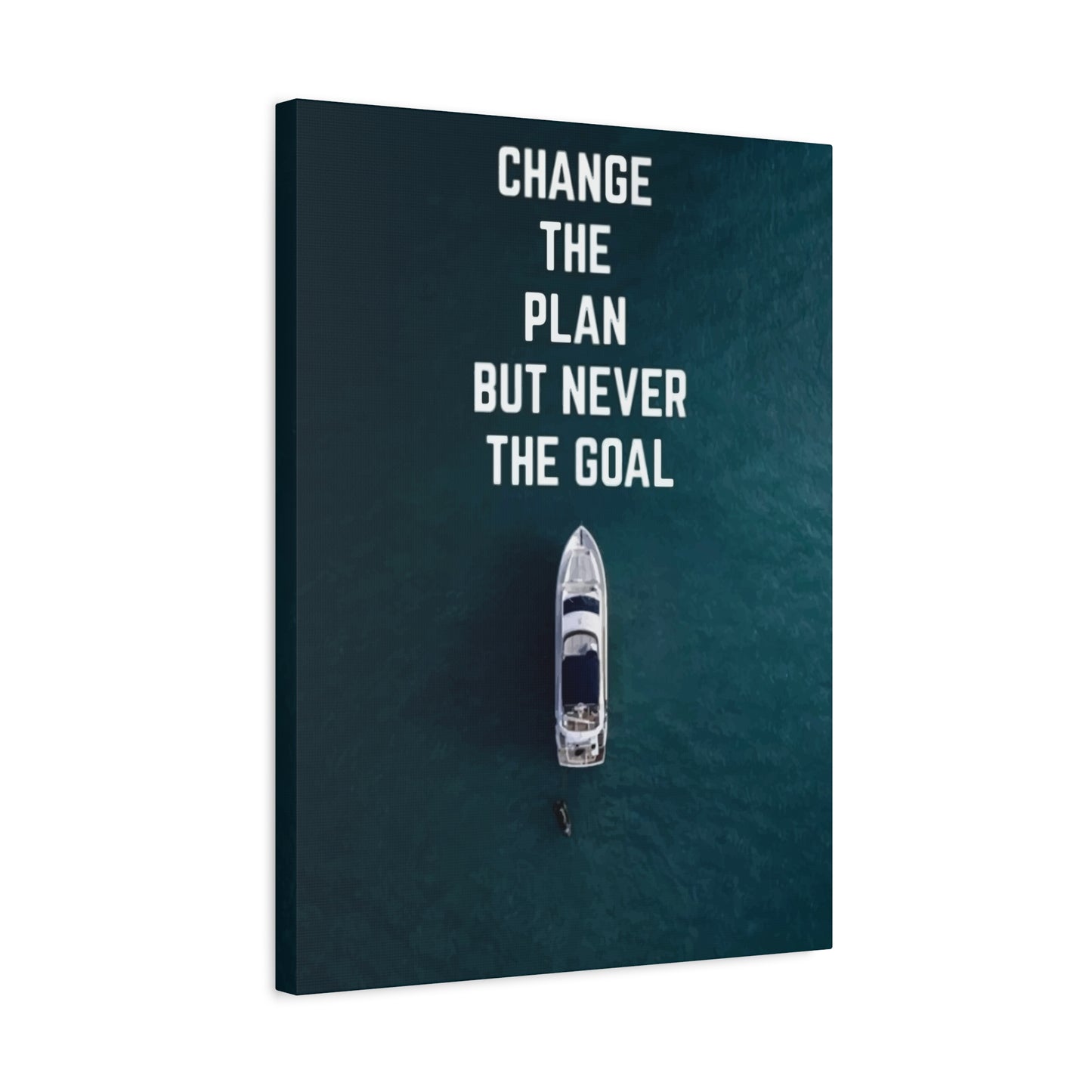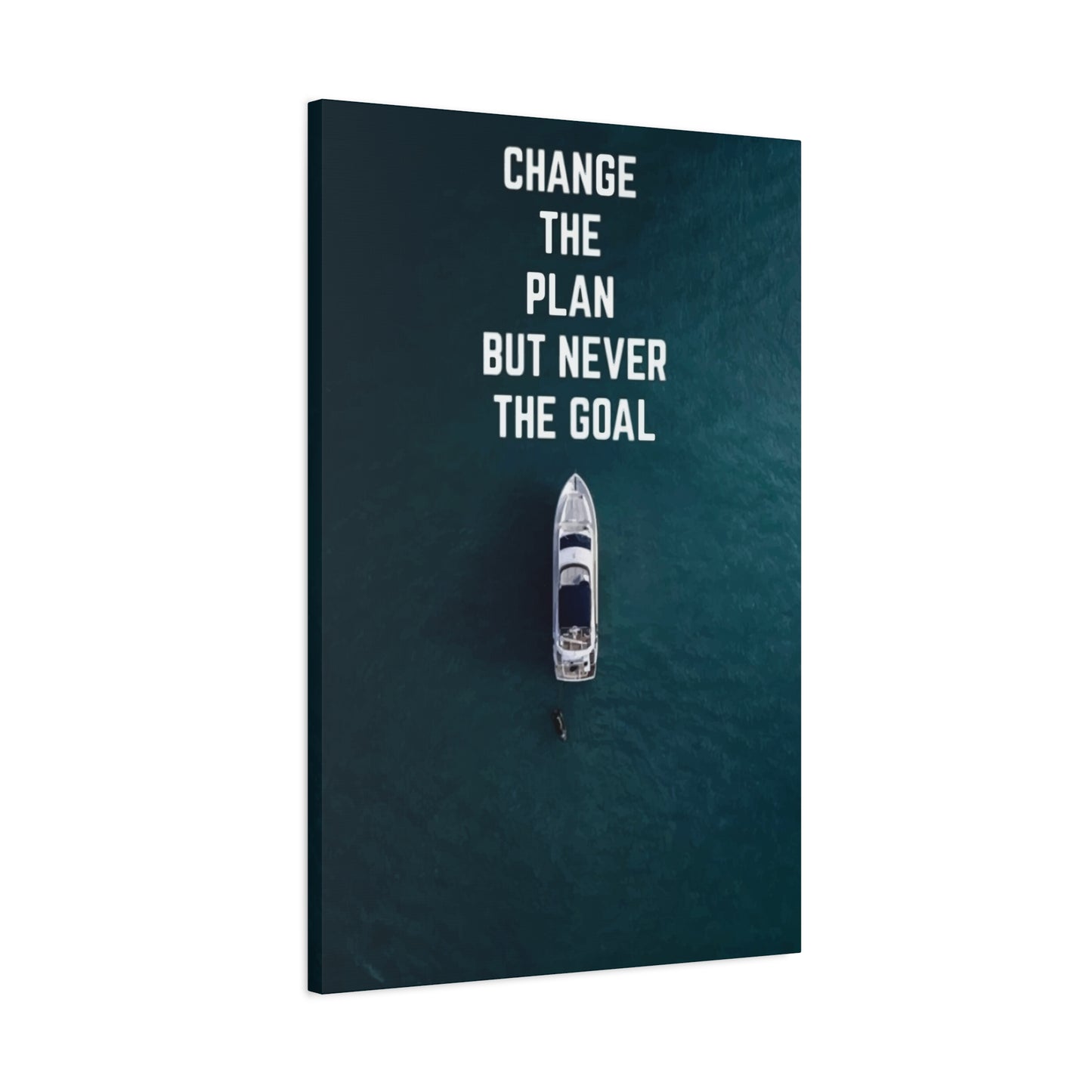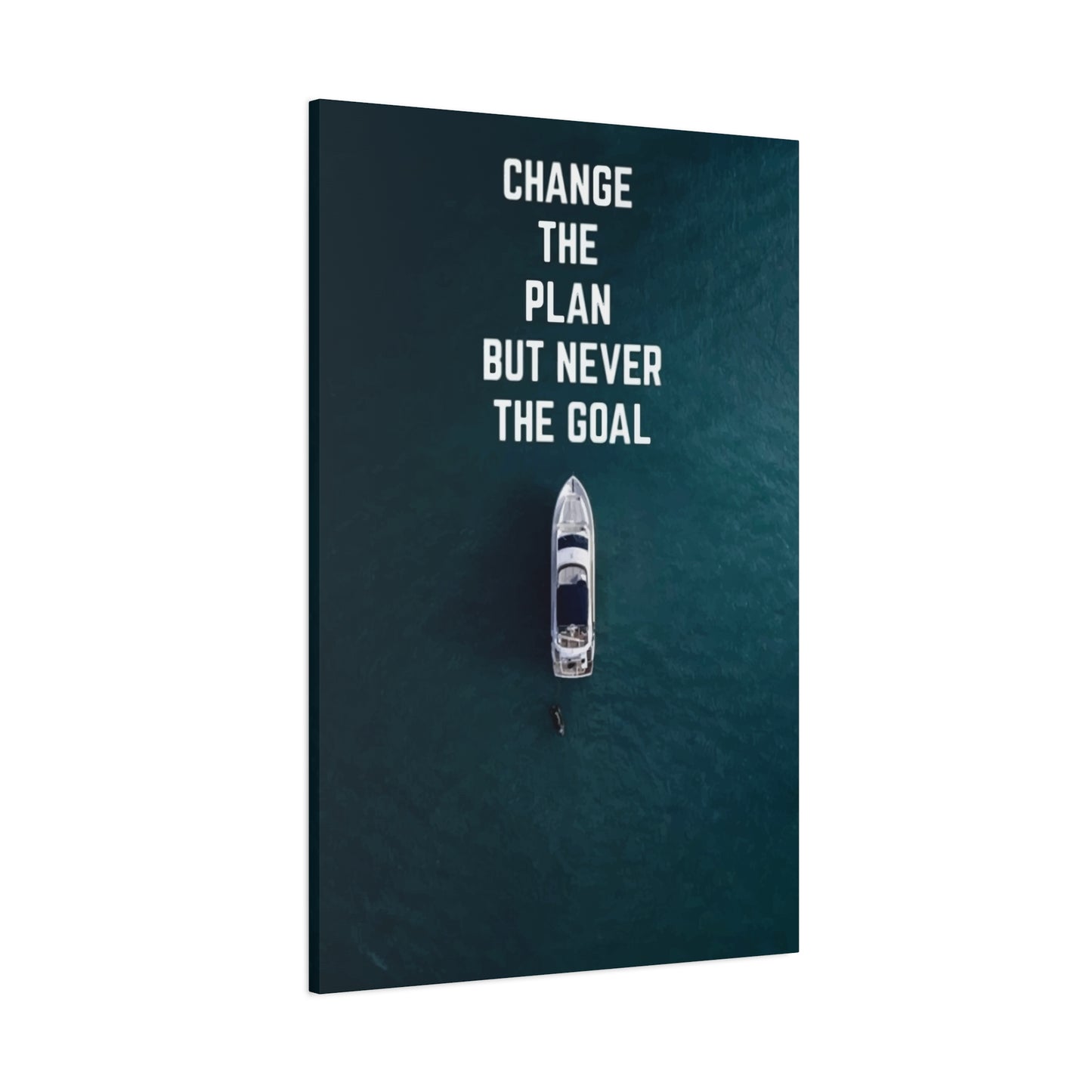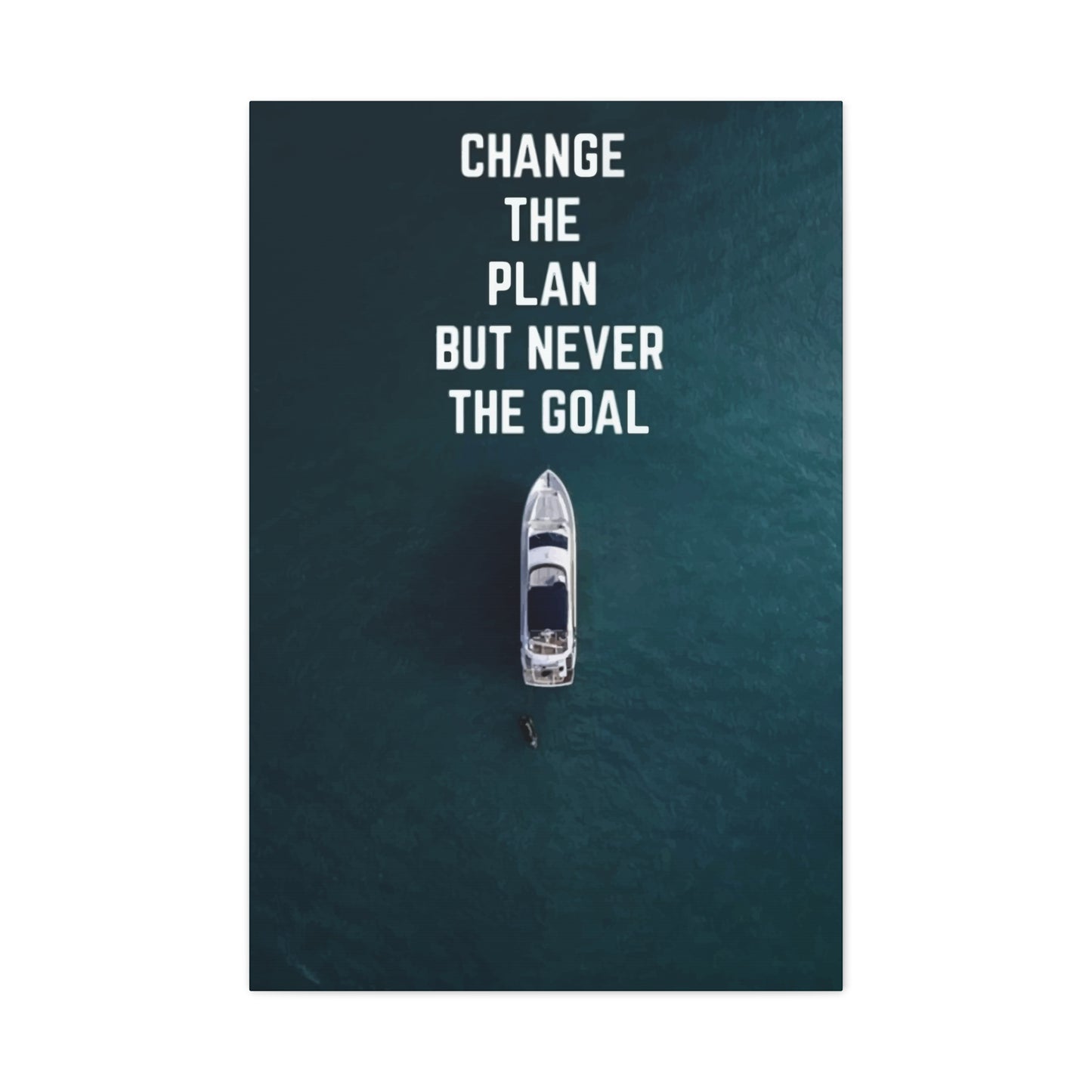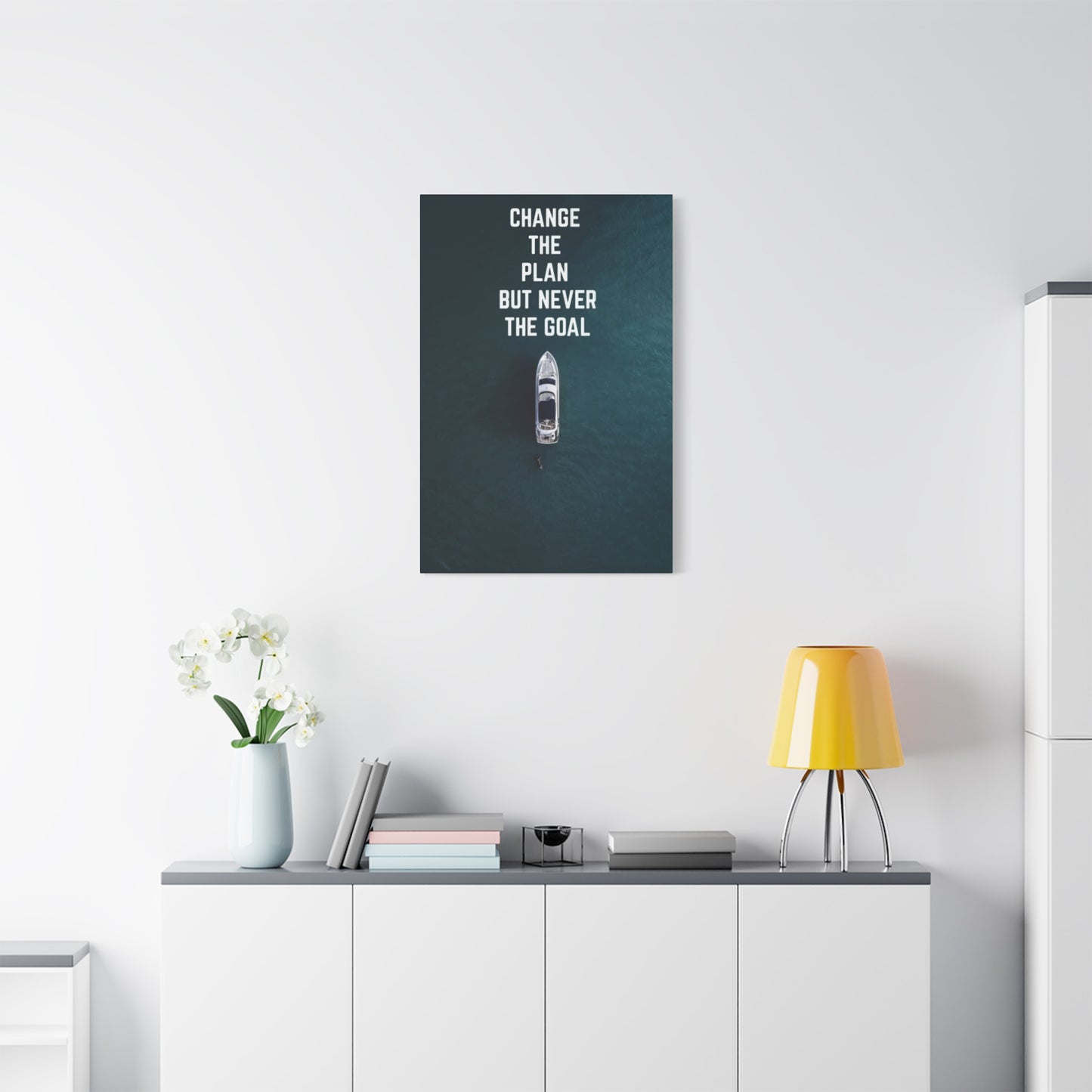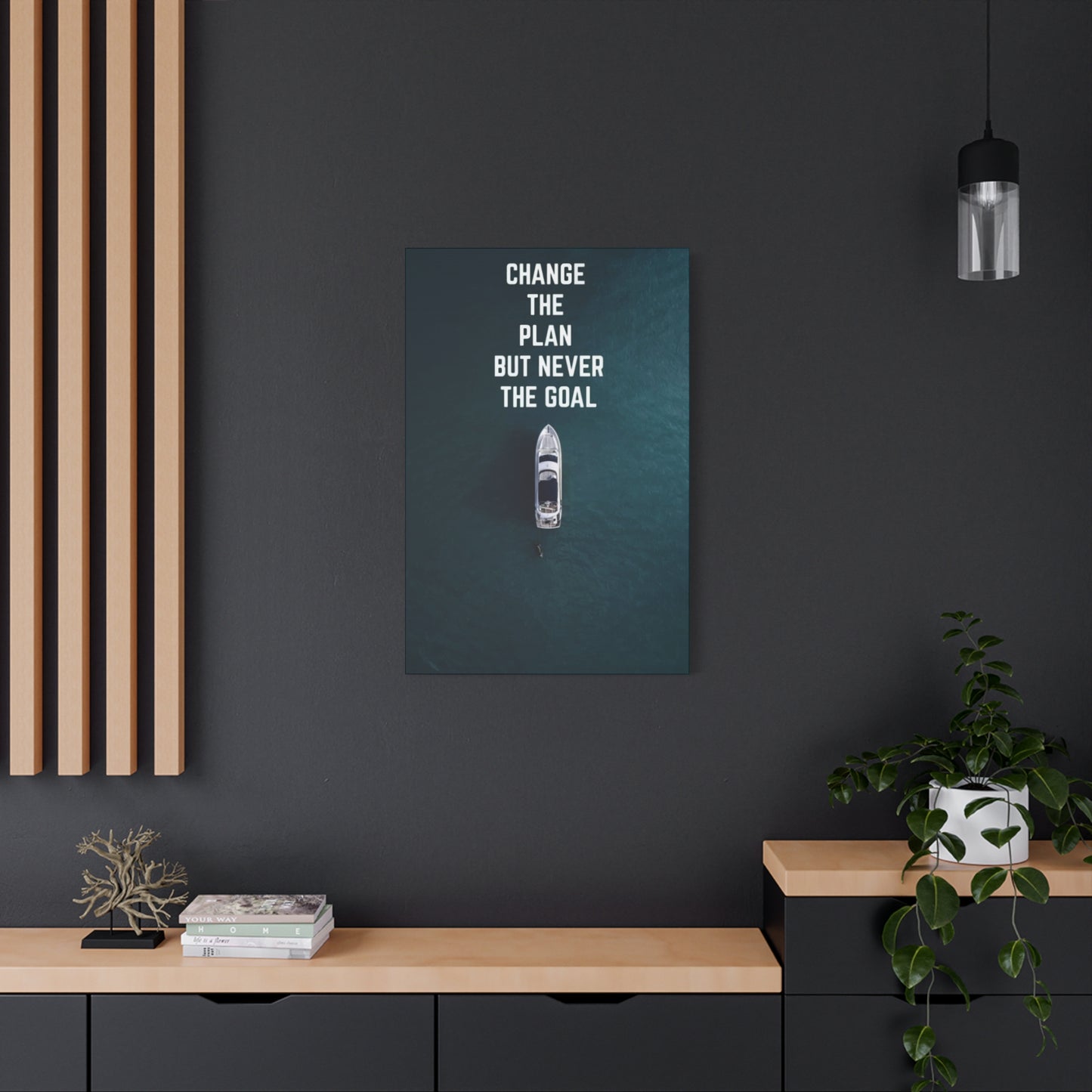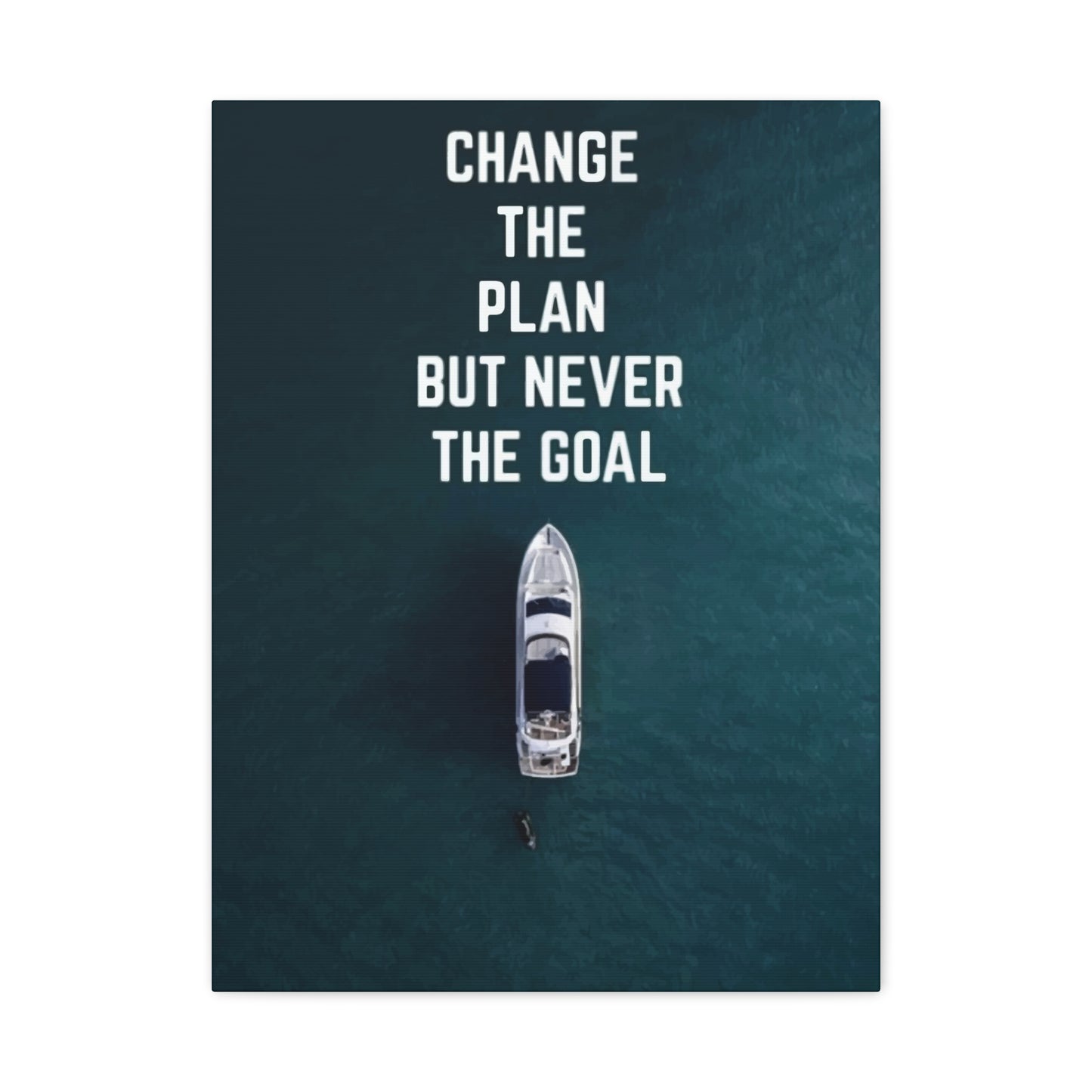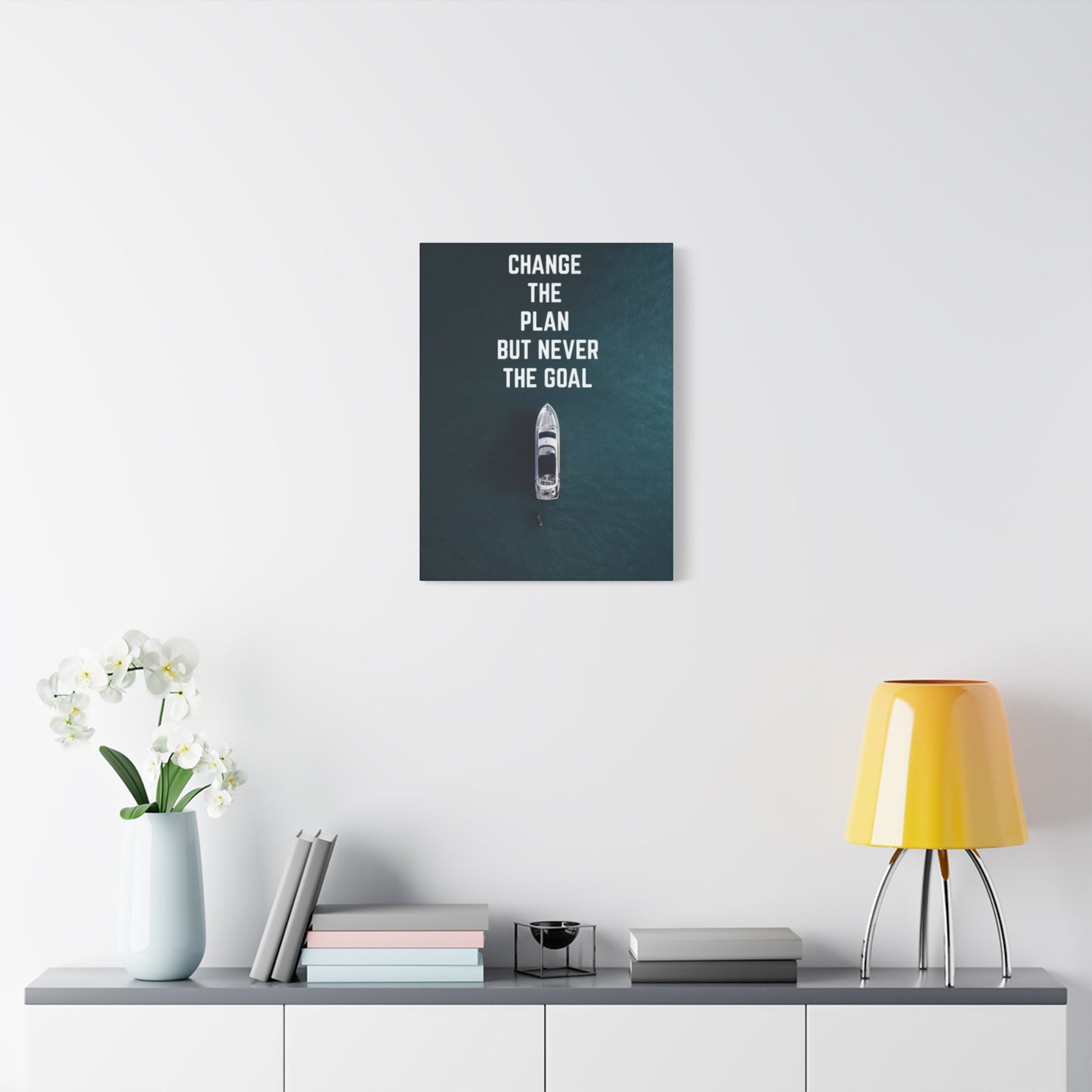


Goal Wall Art & Canvas Prints
Goal Wall Art & Canvas Prints
Couldn't load pickup availability
Creative Goal Wall Art Ideas to Inspire Your Daily Success Journey
The concept of displaying aspirations through visual reminders has become increasingly popular among individuals seeking motivation and clarity in their lives. Goal wall art represents a powerful intersection between aesthetic appeal and purposeful intention-setting, transforming ordinary spaces into environments that constantly reinforce personal ambitions and desired achievements.
Why Visual Reminders Matter for Achievement and Momentum
Human cognition responds remarkably well to visual stimuli, making the strategic placement of goal-oriented imagery throughout living and working spaces an exceptionally effective strategy for maintaining focus. When surrounded by carefully selected goal wall art, individuals experience consistent reinforcement of their objectives without requiring active effort or conscious thought processes.
The psychological mechanisms behind this phenomenon relate to how our subconscious mind processes environmental cues. Research in behavioral science demonstrates that repeated exposure to symbolic representations of desired outcomes creates neural pathways associated with achievement-oriented thinking. This neurological conditioning occurs gradually but produces measurable effects on motivation levels, decision-making patterns, and persistence when facing obstacles.
Visual goal representations serve multiple functions simultaneously. They act as constant reminders during moments of distraction or discouragement, provide concrete anchors for abstract aspirations, and create accountability through their persistent presence. Unlike digital reminders that can be dismissed or ignored, physical goal wall art maintains its influence through unavoidable visibility within frequently occupied spaces.
The effectiveness of visual goal setting extends beyond simple reminder functions. When properly designed and positioned, these artistic representations engage emotional responses that strengthen commitment to stated objectives. Colors, imagery, typography, and composition all contribute to the psychological impact of goal wall art, making selection and placement crucial considerations for anyone serious about achievement.
Selecting Meaningful Imagery That Resonates With Personal Ambitions
The process of choosing appropriate visual representations for aspirations requires thoughtful consideration of both conscious desires and deeper motivational drivers. Effective goal wall art speaks to fundamental values and long-term vision rather than superficial wants or temporary enthusiasms that may fade over time.
Begin by conducting honest self-assessment regarding authentic priorities and genuine aspirations. Distinguish between externally imposed expectations and internally generated desires. The most powerful visual reminders connect with core identity and personal definitions of success rather than societal standards or comparative measures of achievement.
Consider the emotional resonance of potential imagery selections. Visual representations should evoke feelings of excitement, determination, and possibility rather than anxiety, inadequacy, or obligation. The goal is to create positive associations that pull you toward desired outcomes rather than negative motivations that push through fear or shame.
Symbolic imagery often proves more effective than literal representations. Metaphorical visuals engage imagination and allow for broader interpretation as circumstances evolve, whereas overly specific depictions may become limiting or lose relevance as life situations change. Abstract representations of concepts like growth, strength, balance, or transformation provide flexibility while maintaining motivational power.
Personal photography and custom artwork offer unique advantages for goal wall art. Images capturing significant moments, meaningful locations, or representations of beloved people create emotional connections that mass-produced pieces cannot replicate. The investment of time and creative energy in developing personalized visual reminders also strengthens commitment through the creation process itself.
Color selection significantly influences the psychological impact of goal wall art. Warm tones like reds and oranges stimulate energy and action, while cool blues and greens promote calm focus and strategic thinking. Understanding color psychology principles allows for intentional selection that supports the emotional states most conducive to working toward specific objectives.
Typography-based designs offer another approach to visual goal representation. Carefully selected phrases, quotes, or single powerful words can distill complex aspirations into memorable mantras. The visual presentation of text through font selection, layout, and accompanying design elements transforms simple statements into compelling artistic pieces with significant motivational impact.
Designing Custom Pieces That Reflect Individual Vision
Creating personalized goal wall art provides opportunities for deep engagement with aspirations while producing unique pieces perfectly aligned with individual vision and aesthetic preferences. The design process itself serves as valuable reflection time, clarifying intentions and strengthening commitment through active participation in bringing visual representations to life.
Start with brainstorming sessions that explore various visual approaches to representing chosen objectives. Sketch multiple concepts without judgment or premature evaluation, allowing creative exploration to reveal unexpected possibilities. This generative phase should prioritize quantity and variety over refinement, creating raw material for subsequent selection and development.
Consider mixed media approaches that combine multiple artistic techniques and materials. Collage elements, painting, drawing, photography, and digital manipulation can be integrated to create layered compositions with visual depth and textual richness. The combination of diverse elements often produces more engaging results than single-technique approaches.
Scale and proportion deserve careful attention during the design phase. Oversized pieces create dramatic focal points that dominate spaces, while smaller works allow for gallery-style arrangements with multiple complementary images. Consider the viewing distance and context for intended placement when determining appropriate dimensions for goal wall art pieces.
Composition principles from fine art and graphic design inform effective visual arrangements. Balance, contrast, rhythm, and focal points guide viewer attention and create satisfying visual experiences. Even without formal artistic training, applying basic compositional guidelines significantly improves the aesthetic quality and communicative effectiveness of goal wall art.
Digital tools have democratized custom design creation, offering accessible options for those without traditional artistic skills. Graphic design platforms provide templates, stock imagery, and user-friendly interfaces that enable sophisticated results. These tools allow for experimentation with multiple variations before committing to final prints, reducing risk and material waste.
Physical creation methods offer tactile engagement and unique artistic qualities. Hand-painted pieces, drawn illustrations, and assembled collages possess character and authenticity that digital reproductions cannot fully capture. The imperfections and variations inherent in manual creation processes contribute warmth and personality to finished works.
Collaboration with artists and designers provides another avenue for obtaining custom goal wall art. Professional creators bring technical expertise, fresh perspectives, and refined aesthetic sensibilities to the interpretation of personal vision. Clear communication of objectives, preferences, and symbolic meanings ensures collaborative projects produce satisfying results aligned with original intentions.
Strategic Placement Throughout Living and Working Environments
The location of goal wall art significantly influences its effectiveness as a motivational tool. Strategic positioning ensures regular visual contact while creating environmental contexts that reinforce desired mindsets and behaviors associated with achievement.
Morning visibility provides powerful framing for daily activities and decisions. Positioning goal wall art in bedrooms, bathrooms, or breakfast areas ensures early exposure that sets positive tones for the day ahead. This temporal placement leverages the psychological principle of priming, where early stimuli influence subsequent thoughts and actions.
Workspace placement maintains focus during productive hours when concrete progress toward objectives occurs. Whether in home offices, corporate environments, or creative studios, goal wall art in work areas provides motivation during challenging tasks and reminds busy professionals why their efforts matter beyond immediate demands.
High-traffic areas maximize exposure frequency through repeated incidental viewing. Hallways, stairwells, and entryways receive regular passage, making them ideal locations for motivational imagery that accumulates influence through sheer repetition. These transitional spaces often go underutilized in decorative schemes despite their strategic value.
Relaxation spaces benefit from goal wall art that promotes reflection and reinforcement during downtime. Living rooms, reading nooks, and personal sanctuaries provide opportunities for contemplative engagement with visual reminders when minds are receptive and unhurried. This context allows for deeper processing and emotional connection with represented aspirations.
Consider sight lines and viewing angles when determining precise placement. Art positioned at natural eye level during typical activities receives more attention than pieces requiring deliberate head movement to view. Account for furniture arrangements, doorway approaches, and common standing or sitting positions within spaces.
Lighting conditions dramatically affect the visibility and impact of goal wall art. Natural light varies throughout the day and seasons, while artificial lighting provides consistent but potentially flat illumination. Consider both lighting sources and how they interact with specific pieces, adjusting placement or supplementing with directed lighting to ensure optimal presentation.
Grouping strategies allow for thematic arrangements that tell visual stories about interconnected objectives. Gallery walls featuring multiple related pieces create immersive environments dedicated to specific life areas or comprehensive vision statements. These curated collections provide richer context and more complex motivational messaging than isolated individual works.
Incorporating Typography and Powerful Messaging
Words possess unique motivational power when presented visually with intentional design. Typography-focused goal wall art transforms language into compelling imagery that combines semantic meaning with aesthetic impact, creating dual-channel communication that engages both analytical and emotional cognitive processes.
Quote selection requires discernment and personal relevance. Famous statements from admired figures provide credibility and wisdom, while original affirmations offer customized messaging precisely aligned with individual circumstances. The most effective textual goal wall art resonates on multiple levels, offering surface meaning and deeper implications upon reflection.
Font selection communicates subtle messages beyond literal word content. Serif typefaces convey tradition, authority, and timelessness, while sans-serif fonts suggest modernity, simplicity, and forward-thinking attitudes. Script and handwritten styles add personality and warmth, creating intimate connections with viewers. Matching font character to message content enhances overall coherence and impact.
Typographic hierarchy guides attention through size variation, weight differences, and strategic emphasis. Key phrases or individual power words can dominate compositions, with supporting text providing context or elaboration in secondary sizes. This visual prioritization mirrors natural reading patterns and ensures primary messages receive appropriate focus.
Letter spacing, line spacing, and overall layout affect readability and aesthetic appeal. Generous spacing creates elegant, sophisticated presentations suitable for contemplative environments, while tighter arrangements produce energetic, dynamic effects appropriate for action-oriented spaces. Experiment with various spacing approaches to achieve desired emotional tones.
Color application to typography introduces additional expressive dimensions. Monochromatic approaches emphasize form and layout, while selective color highlights draw attention to specific words or phrases. Background and text color relationships must provide sufficient contrast for easy legibility while supporting overall aesthetic objectives.
Combining text with imagery creates layered communications that reinforce messages through multiple channels. Words can overlay photographs, integrate with illustrations, or interact with abstract backgrounds. These hybrid approaches often prove more engaging than text-only presentations while avoiding the limitations of purely visual symbolism.
Multilingual presentations offer cultural richness and personal significance for bilingual individuals or those with heritage connections to multiple language traditions. Mixing languages within single compositions or creating paired pieces in different tongues acknowledges linguistic diversity while expressing universal human aspirations that transcend specific vocabularies.
Seasonal Rotation and Evolving Visual Narratives
Static goal wall art risks becoming invisible through overfamiliarity as habituation diminishes attention to constant environmental features. Strategic rotation maintains freshness and relevance while acknowledging the natural evolution of priorities and circumstances over time.
Quarterly changes align with seasonal rhythms and conventional goal-setting cycles. This frequency provides sufficient stability for meaningful impact while preventing staleness. Seasonal rotations can reflect changing priorities, celebrate achieved milestones, or introduce new aspirations as life circumstances develop.
Project-based rotation coordinates visual reminders with specific initiatives and finite objectives. Displaying relevant goal wall art throughout project durations maintains focus on immediate targets, with changes marking transitions to new endeavors. This approach creates clear visual distinctions between different phases of personal or professional development.
Achievement celebrations through temporary displays acknowledge completed objectives before moving forward. Dedicating wall space to commemorating successes reinforces positive associations with goal pursuit and provides motivational evidence that sustained effort produces results. These celebratory installations can remain visible for predetermined periods before transitioning to current objectives.
Storage systems for rotated pieces preserve investments in goal wall art while facilitating easy exchanges. Organized archives of previous motivational imagery document personal journeys and allow for nostalgic reflection on past priorities and achieved growth. Proper storage protects physical pieces and maintains digital files for potential reprinting or reuse.
Documentation of displayed goal wall art through photography creates visual journals of motivational evolution. These archives provide fascinating insights into changing priorities, achieved objectives, and personal development over extended periods. Review of historical goal imagery often reveals patterns, values, and themes that persist despite surface changes.
Flexible display systems accommodate rotation without requiring new installation hardware with each change. Gallery walls with uniform frames allow for simple content swaps, while clip systems, magnetic boards, and adjustable hanging arrangements facilitate frequent updates. Investing in adaptable mounting solutions removes friction from rotation processes.
Thematic progression sequences create intentional narratives through coordinated goal wall art changes. Visual storytelling across multiple installations can represent journeys, stages of development, or evolving perspectives on central themes. This approach adds depth and coherence to motivational imagery beyond individual piece impact.
Collaborative Spaces and Shared Vision Boards
Group environments benefit from collective goal wall art that represents shared objectives and community values. Collaborative visual displays strengthen team cohesion, establish common purpose, and create accountability through public commitment to collective aspirations.
Family goal walls unite household members around shared priorities while acknowledging individual contributions to common objectives. These displays might feature family vacation destinations, home improvement projects, relationship quality intentions, or wellness commitments that require cooperation. Involving all family members in creation processes builds investment and ensures diverse perspectives receive representation.
Workplace goal displays align teams around organizational objectives while maintaining individual motivation for personal professional development. Carefully designed visual reminders in shared spaces communicate company values, project targets, and team achievements. Public display of collective progress creates positive peer pressure and celebrates contributions.
Community spaces can feature goal wall art representing neighborhood aspirations, social causes, or collective improvement initiatives. Public art installations with motivational themes inspire broader audiences while building shared identity and purpose. These larger-scale projects often generate engagement and conversation that strengthens community bonds.
Partner or couple goal walls acknowledge relationship dimensions of personal aspirations while maintaining individual autonomy. These displays might feature shared relationship objectives alongside complementary personal ambitions, creating visual representations of how individual growth supports partnership thriving. Collaborative creation processes strengthen communication and mutual understanding.
Creation parties and group workshops transform goal wall art production into social activities that combine practical output with meaningful connection. Gathering friends or colleagues for collaborative artistic sessions generates energy, inspiration, and mutual support while producing motivational pieces. These events can become regular traditions that mark planning cycles or new beginnings.
Digital collaborative platforms enable geographically distributed groups to contribute to shared visual goal representations. Cloud-based design tools allow for asynchronous input from multiple participants, creating composite pieces that reflect diverse perspectives and collective vision. These virtual collaboration processes suit remote teams and distance relationships.
Public commitment through shared goal displays increases accountability and follow-through rates. When aspirations receive visible acknowledgment within communities, social dynamics create additional motivation beyond personal determination. This external accountability complements internal drive, particularly during challenging periods when personal resolve weakens.
Material Selection and Physical Production Methods
The physical characteristics of goal wall art influence both aesthetic qualities and practical considerations regarding durability, maintenance, and environmental impact. Thoughtful material selection ensures finished pieces suit intended contexts while aligning with personal values regarding sustainability and resource consumption.
Canvas prints offer classic presentation with significant visual presence. Stretched canvas creates gallery-worthy results suitable for formal environments, while rolled canvas provides economical alternatives for budget-conscious creators. The texture of canvas adds tactile interest and subdues reflective glare that can interfere with visibility under certain lighting conditions.
Paper-based prints span enormous quality ranges from basic inkjet output to museum-quality fine art reproductions. Archival papers with appropriate inks resist fading and deterioration, preserving goal wall art for extended periods. Framing behind glass protects paper prints from environmental damage while adding formal presentation polish.
Metal prints produce striking modern aesthetics with exceptional durability and vibrant color reproduction. The process infuses dyes into specially coated aluminum, creating weather-resistant pieces suitable for high-humidity environments like bathrooms or kitchens. Metal prints require no framing, offering clean contemporary presentation that suits minimalist design sensibilities.
Wood substrates provide natural warmth and organic character distinct from synthetic materials. Direct printing on prepared wood surfaces creates rustic artistic effects, while wood-backed prints offer stability and ecological appeal. The grain and color variations in natural wood contribute unique character to each piece, ensuring true originality.
Acrylic mounts create depth and luminosity through transparent layers that amplify colors and add dimensional interest. Face-mounted prints appear to float within clear acrylic blocks, producing luxurious presentations that catch light beautifully. These premium pieces suit high-end environments where goal wall art serves both motivational and decorative functions.
Fabric materials including tapestries and textile prints offer softness and acoustic benefits alongside visual appeal. Fabric wall hangings suit bohemian or cozy aesthetics while providing sound absorption in echo-prone spaces. These lightweight pieces install easily without heavy hardware and can be changed or cleaned more simply than rigid alternatives.
Sustainable and recycled materials appeal to environmentally conscious creators seeking alignment between personal values and physical possessions. Reclaimed wood, recycled metals, and eco-friendly inks minimize environmental impact while producing unique pieces with character and conscience. Supporting sustainable production methods extends value beyond immediate motivational purposes.
Handmade versus mass-produced pieces present different value propositions. Unique handcrafted goal wall art possesses authenticity and supports individual artists, while professional printing services offer consistency, convenience, and technical capabilities exceeding DIY options. The appropriate choice depends on budget, skill level, timeline constraints, and personal preferences regarding artistic involvement.
Budget-Friendly Approaches Without Sacrificing Quality
Effective goal wall art need not require substantial expenditure. Creative approaches and strategic resource allocation produce powerful motivational imagery within constrained budgets while maintaining visual appeal and psychological effectiveness.
Digital printing through online services provides exceptional value by leveraging industrial equipment and bulk pricing unavailable to individual consumers. Uploading digital designs and receiving professional-quality prints delivered directly costs a fraction of custom framing or handmade alternatives. Many services offer introductory discounts or volume pricing that further reduces per-piece costs.
DIY creation using available materials and accessible tools eliminates production costs while adding personal investment that strengthens emotional connections. Basic art supplies including paints, markers, paper, and adhesives enable expressive goal wall art creation without specialized equipment. The imperfections of amateur creation contribute authentic character that mass-produced pieces lack.
Digital displays using screens or projectors offer ultimate flexibility with minimal ongoing costs. Tablets, digital frames, or repurposed monitors become dynamic goal wall art platforms capable of displaying rotating imagery without physical materials. This approach suits temporary living situations or individuals preferring frequent changes without accumulation of physical objects.
Printable designs available through creative marketplaces and free resources provide professional templates ready for home printing. Thousands of artists share downloadable goal wall art files either free or at nominal costs, making high-quality designs accessible regardless of personal creative skills. Basic inkjet printers and standard paper produce adequate results for most applications.
Secondhand frames from thrift stores, estate sales, or online marketplaces cost pennies compared to new retail prices while offering vintage character and sometimes superior quality. Minor cleaning or refinishing transforms neglected frames into presentable mounting systems. Mismatched frame collections create eclectic gallery walls with personality and thrift-conscious charm.
Natural objects and found materials inspire sculptural goal wall art without purchase requirements. Stones, driftwood, pressed flowers, or other collected items arranged artistically create meaningful representations of aspirations connected to natural world values. These organic pieces age gracefully and maintain zero-waste credentials.
Collaboration and skill exchanges eliminate monetary costs through bartering arrangements. Trading services with artistic friends or offering other valuable skills in exchange for goal wall art creation builds community while accessing capabilities beyond personal abilities. These exchanges often produce pieces with added sentimental value through relationship connections.
Phased acquisition spreads costs across time, making quality goal wall art accessible within modest budgets. Starting with priority pieces and gradually expanding collections prevents overwhelming initial investments while allowing for thoughtful selection and evolving taste refinement. Patient accumulation often produces more satisfying results than rushed bulk purchases.
Psychological Principles Behind Visual Motivation Systems
Understanding the cognitive and emotional mechanisms underlying visual motivation effectiveness enables more strategic goal wall art selection and implementation. Evidence from neuroscience and behavioral research illuminates why these simple interventions produce measurable achievement impacts.
Priming effects occur when environmental cues activate associated mental concepts without conscious awareness. Goal wall art consistently present in living spaces primes achievement-oriented thinking patterns, making goal-consistent decisions and behaviors more likely during daily activities. This subconscious influence accumulates over time, subtly shaping choices and priorities.
Identity reinforcement through repeated exposure to aspirational imagery gradually incorporates desired characteristics into self-concept. Seeing representations of accomplished, healthy, or creative versions of oneself eventually shifts identity perceptions toward those qualities. As identity evolves, behaviors naturally align with updated self-understanding, creating positive cycles of growth.
Implementation intentions connect abstract goals to specific actions through concrete planning. Goal wall art can represent these action commitments rather than only end objectives, creating visual prompts for specific behaviors. Research demonstrates that specifying when, where, and how goal-related actions will occur significantly increases follow-through rates.
Approach motivation focuses attention on positive outcomes and opportunities rather than negative consequences or avoidance objectives. Effective goal wall art emphasizes desirable future states and rewarding aspects of achievement rather than depicting problems or failures to avoid. This positive framing produces more sustainable motivation than fear-based approaches.
Social accountability activates when visual goal displays exist in spaces visible to others. Public commitment creates reputational stakes that supplement personal determination, leveraging social psychology principles to strengthen resolve. Even anticipated future accountability influences present behavior when individuals know their progress may face external evaluation.
Concrete visualization bridges the psychological distance between current reality and desired futures. Abstract aspirations remain conceptually remote, while specific visual representations make goals feel tangible and achievable. This perceptual shift from theoretical to concrete improves confidence and initiates concrete planning processes.
Incremental progress recognition through visual markers celebrates small advances toward larger objectives. Goal wall art can incorporate tracking elements that display forward movement, providing regular reinforcement that sustains motivation through extended pursuit periods. Visible progress evidence combats discouragement during inevitable plateaus and setbacks.
Emotional conditioning associates positive feelings with goal-related stimuli through repeated pairing of visual reminders with pleasant experiences or internal states. Over time, merely viewing goal wall art triggers positive emotional responses that energize effort and reinforce commitment. This classical conditioning operates automatically once established through consistent associations.
Balancing Inspiration With Realistic Expectations
While visual motivation provides genuine benefits, maintaining realistic perspectives prevents disappointment and ensures sustainable long-term approaches to achievement. Balanced understanding recognizes both the power and limitations of goal wall art as one component within comprehensive success strategies.
Visual reminders complement but cannot replace action, planning, skill development, and persistent effort. Goal wall art creates supportive environments and maintains mental focus, yet actual progress requires concrete work beyond passive exposure to motivational imagery. Effectiveness depends on integration with substantive achievement strategies rather than substitution for them.
Perfectionism and comparison traps emerge when aspirational imagery generates feelings of inadequacy rather than inspiration. The goal is encouraging incremental progress, not establishing impossible standards that produce discouragement. Carefully selected goal wall art should energize rather than demoralize, reflecting personal definitions of success rather than external ideals.
Timeline expectations require realism regarding the pace of meaningful change and achievement. Sustainable progress unfolds gradually through consistent effort rather than dramatic overnight transformations. Goal wall art representing long-term aspirations should acknowledge developmental journeys rather than suggesting instant results that would discourage upon failing to materialize quickly.
Flexibility allows for revised objectives as circumstances change, new information emerges, or priorities evolve. Rigid attachment to outdated goals represented in wall art can become counterproductive when life naturally develops in unexpected directions. Regular evaluation ensures visual reminders remain relevant and aligned with authentic current aspirations rather than outdated plans.
Multiple life dimensions deserve representation in comprehensive motivational environments. Overemphasis on single goal categories like career achievement or physical appearance creates imbalance that undermines overall wellbeing. Thoughtful goal wall art selection addresses diverse life areas including relationships, personal growth, creativity, health, and community contribution.
Process orientation rather than outcome fixation creates more sustainable motivation patterns. Visual reminders can emphasize enjoyable aspects of pursuit and intrinsic satisfactions derived from growth rather than solely depicting end achievements. This process focus maintains motivation even when ultimate outcomes remain uncertain or delayed.
Self-compassion counterbalances achievement drive, preventing harsh self-judgment during inevitable setbacks and failures. Goal wall art might include reminders about patience, resilience, and learning from difficulties rather than exclusively depicting flawless success. Compassionate messaging supports psychological resilience crucial for long-term persistence.
Evidence evaluation maintains grounded perspectives on visual motivation effectiveness. Personal experience and subjective sense of benefit provide meaningful feedback, yet honest assessment distinguishes genuine impacts from placebo effects or wishful thinking. Realistic expectations preserve credibility and prevent disillusionment that might undermine commitment to otherwise valuable practices.
Artistic Styles and Aesthetic Movements for Inspiration
Diverse artistic traditions and design movements offer rich inspiration for goal wall art creation across stylistic preferences and personal taste variations. Understanding characteristic features of major aesthetic approaches enables informed selection and creative adaptation to motivational purposes.
Minimalist design emphasizes simplicity, restraint, and essential elements stripped of decorative excess. Clean lines, limited color palettes, and generous negative space create calm focused environments. Minimalist goal wall art suits modern sensibilities and reduces visual clutter that might compete for attention with other environmental stimuli.
Maximalist approaches embrace abundance, pattern, color, and ornamental richness. Layered imagery, bold combinations, and exuberant expression create energetic vibrant spaces. Maximalist goal wall art suits personalities drawn to stimulation and complexity, transforming walls into immersive motivational environments that surround viewers with inspiring content.
Vintage and retro styles evoke particular historical periods through characteristic design elements, color schemes, and cultural references. Mid-century modern aesthetics, Victorian ornament, or art deco geometry provide distinctive character while tapping nostalgic associations. Retro goal wall art can represent timeless values or acknowledge inspirational figures from history.
Bohemian or boho styles combine global influences, natural materials, and eclectic combinations that resist rigid rules. These free-spirited aesthetics embrace imperfection, handmade qualities, and personal expression over polished perfection. Bohemian goal wall art suits creative individuals and spaces emphasizing authenticity over convention.
Industrial design exposes raw materials, mechanical elements, and utilitarian forms typically concealed in refined presentations. Exposed concrete, metal, and unfinished wood create urban edgy environments. Industrial-styled goal wall art might incorporate typography reminiscent of signage or machinery aesthetics suggesting strength and functionality.
Scandinavian design balances minimalist restraint with warmth through natural materials, soft textures, and hygge comfort principles. Light colors, functional forms, and cozy atmospheres characterize this widely influential aesthetic. Scandinavian-inspired goal wall art creates motivating environments without sacrificing comfortable welcoming qualities.
Abstract expressionism prioritizes emotional content and spontaneous creation over representational accuracy. Bold gestures, expressive color, and ambiguous forms invite personal interpretation. Abstract goal wall art allows for fluid meaning that adapts as viewers evolve, maintaining relevance through interpretive flexibility.
Contemporary and modern movements encompass diverse current expressions unified by engagement with present contexts rather than historical revival. Clean aesthetics, innovative materials, and conceptual sophistication characterize much contemporary work. Modern goal wall art reflects current sensibilities while potentially incorporating cutting-edge production methods.
Incorporating Personal Symbols and Meaningful Icons
Symbolic imagery carries concentrated meaning that communicates complex concepts through simple visual forms. Thoughtfully selected symbols in goal wall art create powerful shorthand for aspirations while tapping deep psychological and cultural associations that enhance motivational impact.
Natural symbols including animals, plants, and elemental forces possess rich metaphorical significance across cultures. Eagles represent freedom and elevated perspective, while oak trees symbolize strength and endurance. Water suggests flow and adaptability, whereas mountains embody challenges and achievement. These nature-based symbols connect aspirations to larger natural patterns.
Cultural and spiritual symbols carry profound significance for individuals with particular heritage or belief connections. Mandalas, Celtic knots, or other tradition-specific imagery incorporate identity dimensions into goal wall art. These symbols often combine aesthetic beauty with deeper philosophical meanings that enrich motivational content.
Geometric forms possess psychological effects through their visual properties and symbolic associations. Circles suggest wholeness and cycles, triangles convey stability or aspiration depending on orientation, and spirals represent growth and evolution. Sacred geometry enthusiasts find particular power in specific proportions and relationships between shapes.
Personal symbols develop unique significance through individual experiences and associations. Objects, places, or imagery connected to formative moments, beloved people, or meaningful memories carry private meanings that may not communicate to others yet possess profound motivational power for creators. These intimate symbols add deeply personal dimensions to goal wall art.
Directional and journey symbols including paths, compasses, maps, and ascending imagery represent progress and navigation toward objectives. These visual metaphors for goal pursuit itself create meta-motivational content about the nature of striving and achievement beyond specific outcome representations.
Achievement symbols like laurel wreaths, trophies, or crowns directly represent success and recognition. While potentially cliché, these conventional markers can effectively remind viewers of desired accomplishments when incorporated with sufficient creativity to avoid triteness. Modern reinterpretations update classic achievement imagery.
Transformation symbols including butterflies, phoenixes, or seasonal imagery represent change processes central to personal growth aspirations. These transitional symbols acknowledge current states while emphasizing potential and inevitability of development. They suit goals involving significant personal change rather than external acquisition or accomplishment.
Abundance symbols address prosperity and sufficiency aspirations across material, relational, and experiential dimensions. Cornucopias, blooming gardens, or imagery suggesting plenitude represent desires for richness in various life areas. These symbols suit goals related to attracting positive circumstances and cultivating grateful mindsets.
Gallery Wall Arrangements and Compositional Strategies
Multiple goal wall art pieces arranged thoughtfully create greater impact than isolated individual works through cumulative visual effects and narrative relationships between elements. Strategic gallery wall planning maximizes both aesthetic appeal and motivational effectiveness.
Grid arrangements provide order and visual calm through regular spacing and aligned edges. Uniform frames and consistent matting create cohesive presentations suitable for minimalist aesthetics or formal environments. Grid layouts work particularly well with photographic series or thematically related pieces sharing visual characteristics.
Salon-style hanging embraces eclectic combinations and varied frame sizes in asymmetrical arrangements. This traditional approach accommodates diverse pieces while creating dynamic visual interest through contrast and unexpected juxtapositions. Salon walls suit collected works accumulated over time rather than matched sets.
Linear arrangements along horizontal axes create flowing sequences that guide viewer attention across multiple pieces. These arrangements suit narrative goal progressions or thematic journeys represented through successive images. Hallways and long walls provide ideal contexts for horizontal gallery sequences.
Vertical stacking emphasizes height and aspiration through upward arrangements. Tall narrow wall spaces accommodate vertical galleries that metaphorically represent ascending toward goals. Stairway walls provide natural contexts for these rising arrangements.
Symmetrical balanced arrangements create formal elegant presentations through mirrored or radially balanced compositions. Central focal pieces anchor symmetric galleries with surrounding elements distributed evenly. This approach suits traditional aesthetics and spaces where visual harmony takes priority over dynamic energy.
Asymmetrical balanced arrangements achieve equilibrium through varied visual weights rather than mirror symmetry. Larger pieces balance multiple smaller works, or dense groupings offset spacious areas. Asymmetric balance creates sophisticated informal aesthetics suited to contemporary design sensibilities.
Thematic zones within larger gallery walls dedicate sections to different goal categories or life areas. Spatial separation between themed clusters provides organizational clarity while maintaining overall visual unity. This approach works well for comprehensive life vision representations.
Layered arrangements incorporate depth through overlapping frames or three-dimensional elements projecting at varying distances from walls. This dimensional approach creates sculptural effects that transform flat wall space into more complex visual environments. Layering adds sophistication to standard gallery presentations.
Color Schemes and Palette Psychology for Maximum Impact
Color selections profoundly influence the emotional and psychological effects of goal wall art. Understanding color psychology principles enables strategic palette choices that support specific motivational objectives and complement environmental contexts.
Warm color palettes including reds, oranges, and yellows stimulate energy, enthusiasm, and action-oriented mindsets. These activating colors suit goal wall art for active spaces like home gyms, creative studios, or offices where productivity and energy matter. Warm palettes increase arousal and can energize viewers.
Cool color palettes featuring blues, greens, and purples promote calm, focus, and contemplative states. These soothing colors suit goal wall art for reflection spaces, bedrooms, or areas dedicated to strategic thinking and planning. Cool palettes reduce stress and facilitate mental clarity.
Monochromatic schemes using single color families create sophisticated cohesive aesthetics while offering psychological effects associated with chosen hues. Variations in saturation and value provide visual interest without color contrast complexity. Monochromatic goal wall art integrates easily into existing decor schemes.
Complementary color combinations pair opposites on color wheels for maximum contrast and visual vibration. These dynamic relationships create energetic exciting presentations that demand attention. Complementary schemes suit goal wall art intended to dominate spaces and maintain high visibility.
Analogous color schemes use adjacent wheel positions for harmonious related palettes. These subtle combinations create gentle sophisticated effects without jarring contrast. Analogous schemes suit goal wall art in relaxation spaces or environments where visual peace matters.
Triadic color schemes employ three equally spaced wheel positions for balanced complexity. These vibrant combinations provide variety while maintaining coherence through geometric color relationships. Triadic palettes suit creative personalities and playful environments.
Neutral foundations with color accents create flexible schemes that highlight specific elements without overwhelming compositions. Black, white, and gray bases allow strategic color placement to direct attention. This approach suits minimalist sensibilities while incorporating color psychology benefits.
Seasonal color associations leverage natural cycles and cultural connections. Spring pastels suggest renewal, summer brights convey vitality, autumn earth tones represent harvest and maturity, while winter palettes evoke clarity and introspection. Seasonal color choices can align goal wall art with natural rhythms.
Conclusion
Proper illumination dramatically affects the visibility, color accuracy, and overall impact of goal wall art. Thoughtful lighting design ensures motivational imagery receives appropriate emphasis while contributing to overall environmental quality.
Natural light provides ideal illumination with full spectrum color rendering and pleasing qualities. However, direct sunlight causes fading and potential damage to sensitive materials. Positioning goal wall art near windows requires consideration of sun angles, intensity variations throughout days and seasons, and potential protective measures.
Artificial ambient lighting from overhead fixtures provides general illumination but often creates flat presentations lacking depth or emphasis. Goal wall art may compete unsuccessfully for attention in spaces relying solely on ambient lighting without supplemental highlighting. Layered lighting approaches prove more effective.
Picture lights mounted above frames create focused illumination that emphasizes specific pieces while adding sophisticated gallery-quality presentation. These dedicated fixtures ensure consistent visibility regardless of ambient lighting conditions. Picture lights work particularly well for featured goal wall art pieces deserving special attention.
Track lighting offers flexible directional illumination that can highlight multiple pieces within gallery arrangements. Adjustable fixtures allow for precise aiming and intensity control. Track systems accommodate changing displays without requiring new electrical installations.
LED strip lighting mounted behind or around frames creates glowing halos that separate goal wall art from walls while providing indirect illumination. This modern approach produces dramatic effects suited to contemporary aesthetics. LED strips consume minimal energy while offering color-changing capabilities.
Accent lighting from strategically placed lamps supplements overhead sources while creating dimensional effects through multiple light angles. Floor lamps, table lamps, or sconces positioned to illuminate goal wall art add warmth and depth impossible with single-source lighting.
Color temperature affects mood and color perception. Warm lighting (lower Kelvin temperatures) creates cozy inviting atmospheres suitable for residential spaces, while cool lighting (higher temperatures) produces alert energized environments appropriate for work areas. Matching lighting temperature to space function optimizes goal wall art effectiveness.
Dimming capabilities provide lighting intensity control for different times and activities. Bright illumination emphasizes goal wall art during active periods, while subdued lighting during relaxation prevents visual intrusion. Dimmable fixtures offer maximum flexibility for varying needs.
Protecting investments in goal wall art through proper care ensures continued effectiveness over extended periods while maintaining aesthetic appeal. Different materials require specific maintenance approaches, yet general preservation principles apply across most pieces.
Dust accumulation diminishes visual clarity and can damage surfaces over time. Regular gentle dusting using soft dry cloths or specialized dusters prevents buildup. Framed pieces require attention to both glass or acrylic surfaces and frame materials. Unframed works need careful handling to avoid surface damage during cleaning.
Direct sunlight exposure causes irreversible fading and material degradation. UV-filtering glass or acrylic protects paper-based and photographic goal wall art from light damage while maintaining visibility. Alternatively, positioning pieces away from direct sun exposure provides simple protection without specialized materials.
Humidity control prevents warping, mildew, and adhesive failure. Extreme humidity fluctuations particularly damage paper and wood materials. Climate-controlled environments preserve goal wall art optimally, though moderate stable conditions sufficient for human comfort generally prove adequate for most pieces.
Handling practices during rotation or relocation affect longevity. Clean dry hands prevent oil transfer, while careful grip locations avoid pressure on fragile areas. Storing displaced goal wall art properly between display periods protects pieces from damage and facilitates future reuse.
Share