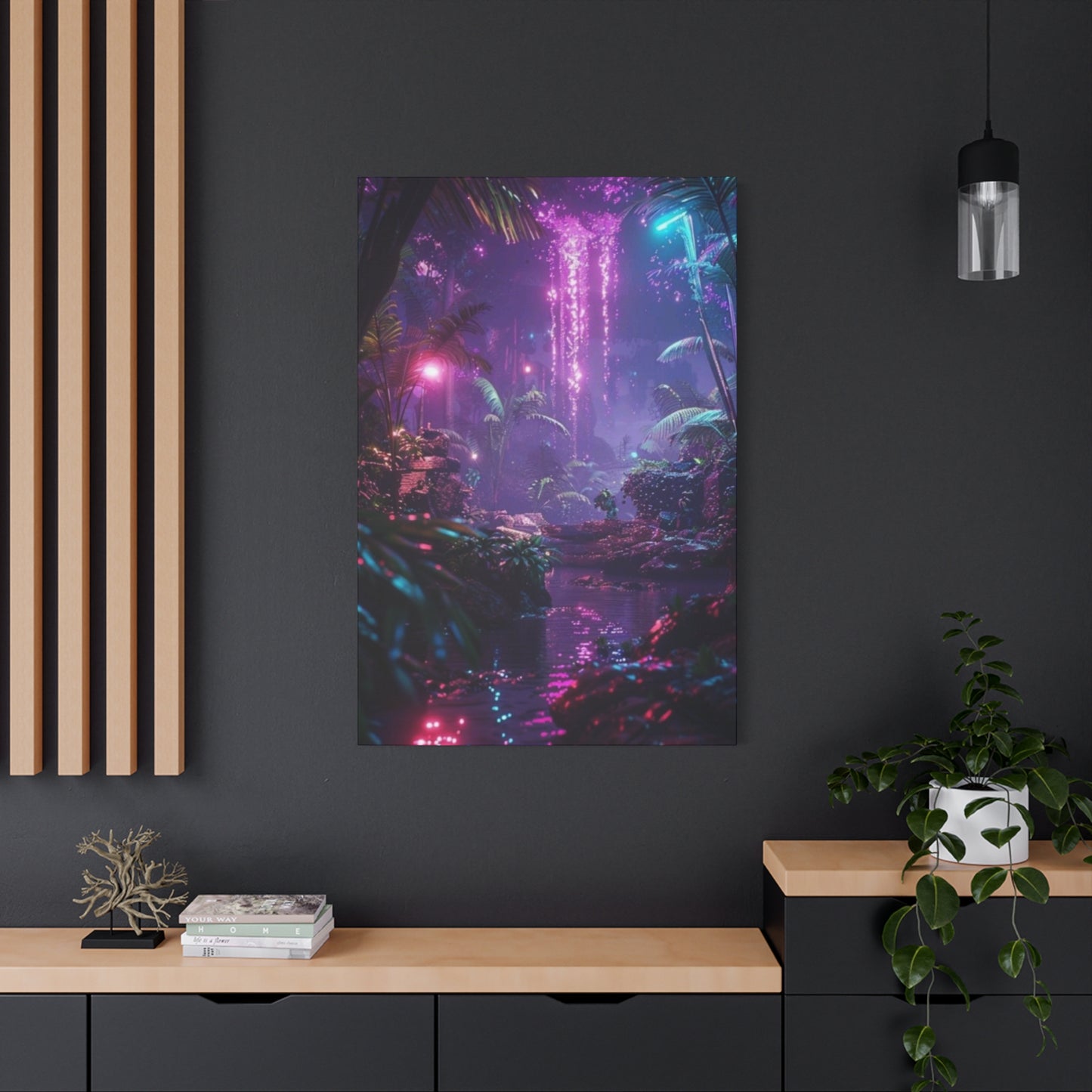
Glowing Wildlife Wall Art & Canvas Prints
Glowing Wildlife Wall Art & Canvas Prints
Couldn't load pickup availability
Breathtaking Glowing Wildlife Wall Art: Transform Your Living Space with Nature's Luminescent Beauty
Creating an enchanting atmosphere within your home has never been more accessible than with the revolutionary concept of illuminated nature-inspired decorative pieces. The modern homeowner seeks more than just static imagery; they desire dynamic, captivating focal points that breathe life into their surroundings. This comprehensive exploration delves into the mesmerizing world of luminescent animal artwork, examining how these extraordinary pieces can revolutionize interior aesthetics while connecting inhabitants with the natural world in unprecedented ways.
The Captivating Phenomenon Behind Illuminated Animal Artwork for Contemporary Interiors
The fascination with luminescent decorative pieces featuring fauna has surged dramatically in recent years, driven by humanity's innate connection to the natural realm and our collective appreciation for innovative design solutions. These remarkable creations transcend traditional boundaries between art and functional illumination, offering homeowners a unique opportunity to showcase their love for nature while simultaneously addressing practical lighting needs.
The appeal of these radiant pieces stems from their ability to evoke emotional responses that static artwork simply cannot match. When darkness falls and these creations begin their nightly transformation, they create an almost magical ambiance that captivates viewers and transforms ordinary rooms into extraordinary sanctuaries. The gentle emanation of light through carefully crafted designs featuring majestic creatures creates shadows and highlights that dance across walls, producing an ever-changing visual spectacle that never grows tiresome.
Contemporary consumers increasingly seek products that serve multiple purposes, and illuminated animal artwork perfectly satisfies this demand. These pieces function as conversation starters during social gatherings, mood-enhancing elements during quiet evenings, and educational tools for families with curious children eager to learn about different species. The versatility inherent in these creations makes them suitable for virtually any room, from bedrooms requiring subtle ambient lighting to living areas demanding bold statement pieces.
Diverse Categories and Styles of Luminescent Creature Representations
The marketplace offers an astounding variety of illuminated animal artwork, each category presenting unique characteristics and aesthetic qualities. Majestic predators such as wolves, lions, and eagles dominate many collections, their powerful forms rendered in materials that capture and transmit light in spectacular fashion. These apex creatures symbolize strength, courage, and freedom, making them particularly popular among individuals who identify with these qualities or wish to incorporate such symbolic elements into their living environments.
Marine life representations constitute another tremendously popular category, with dolphins, whales, sea turtles, and tropical fish providing serene, calming influences within spaces. The fluid forms of aquatic creatures lend themselves exceptionally well to luminescent treatments, as light seems to flow through their depictions much as sunlight filters through ocean waters. These pieces prove particularly effective in bathrooms, bedrooms, and meditation spaces where tranquility represents a primary design objective.
Avian subjects offer yet another dimension to this artistic movement, with everything from delicate hummingbirds to majestic owls available in radiant formats. Birds symbolize freedom, perspective, and transcendence across countless cultures, making them meaningful choices for individuals seeking deeper connections with their decorative selections. The intricate details of feathers, beaks, and wing structures provide artists with opportunities to create truly breathtaking pieces that reveal new details as lighting conditions change throughout the day and night.
Exotic creatures from distant lands captivate imaginations and transport viewers to faraway places without requiring actual travel. Elephants, giraffes, zebras, and big cats from African savannas bring elements of adventure and wanderlust into domestic settings. Similarly, creatures from rainforests, arctic regions, and mountain ranges allow homeowners to celebrate the incredible biodiversity of our planet while creating visually stunning focal points that guests will remember long after their visits conclude.
Materials and Manufacturing Processes That Bring Luminescent Animal Art to Life
The creation of high-quality illuminated animal artwork requires careful selection of materials and sophisticated manufacturing processes. Acrylic represents perhaps the most commonly utilized substrate for these pieces, offering exceptional clarity, light transmission properties, and durability. Premium acrylic sheets can be precisely cut using laser engraving equipment, allowing for intricate details that would prove impossible to achieve through traditional methods. The material's inherent resistance to yellowing and environmental degradation ensures that these pieces maintain their visual appeal for years or even decades with proper care.
Metal substrates provide alternative foundations for luminescent creature artwork, offering industrial aesthetics that appeal to contemporary design sensibilities. Aluminum and steel can be precisely cut and treated to create stunning silhouettes that seem to float against walls when backlit. The reflective properties of polished metals add another dimension to these pieces, creating interesting interactions between ambient light sources and the artwork itself during daylight hours while transforming completely when internal illumination activates after dark.
Wood materials bring warmth and organic textures to luminescent animal creations, creating pieces that feel more connected to nature than their synthetic counterparts. Carefully selected hardwoods can be carved, burned, or laser-cut to create intricate patterns, with light filtering through strategically placed apertures or translucent inlays. The natural grain patterns in wood add unique characteristics to each piece, ensuring that no two creations are identical even when produced from the same design template.
Resin casting has emerged as another popular manufacturing method, allowing artists to create three-dimensional forms with embedded lighting elements. This process enables the incorporation of multiple colors, textures, and effects within a single piece, producing results that appear almost holographic when illuminated. Resin works particularly well for creating realistic representations of translucent creatures such as jellyfish or for adding depth and dimensionality to any animal subject.
Illumination Technologies Powering Modern Luminescent Animal Artwork
The light sources embedded within or positioned behind these artistic creations play crucial roles in their overall effect and functionality. LED strips and modules have revolutionized this field, offering energy-efficient, long-lasting, and versatile illumination solutions. Modern LED systems can produce millions of colors, allowing owners to customize their artwork's appearance to match moods, occasions, or seasonal preferences. The minimal heat generation of LED sources protects delicate materials while reducing energy consumption to negligible levels compared to traditional lighting alternatives.
Fiber optic systems represent another sophisticated illumination approach, particularly effective for creating starfield effects, highlighting specific details, or producing subtle accent lighting within larger compositions. These systems channel light from a central source through thin, flexible fibers that can be routed to precise locations within the artwork. The result creates pinpoints of light that add sparkle and visual interest without overwhelming the overall composition.
Edge-lit designs utilize LED strips positioned along the perimeter of transparent or translucent panels, with light traveling through the material and escaping through etched or textured surfaces. This approach creates glowing effects that seem to emanate from within the artwork itself rather than being externally applied. Edge-lighting proves particularly effective for silhouette designs and creates remarkably uniform illumination across large surfaces.
Projection mapping represents an emerging frontier in luminescent animal artwork, where carefully calibrated projectors cast dynamic imagery onto three-dimensional forms. While more complex and expensive than other approaches, this method allows for animated effects, changing scenes, and interactive elements that respond to sound, motion, or other environmental inputs. Such pieces blur the lines between static art and performance, creating living displays that continually evolve.
Strategic Placement Considerations for Maximum Visual Impact in Your Home
Positioning luminescent animal artwork effectively requires thoughtful consideration of multiple factors including viewing angles, ambient light conditions, surrounding decor, and functional requirements. Living rooms typically benefit from larger statement pieces positioned as focal points above sofas, fireplaces, or entertainment centers. These locations naturally draw the eye and provide comfortable viewing distances for appreciating intricate details. The scale of pieces selected for these prominent positions should correspond appropriately to wall dimensions and furniture proportions to maintain visual harmony.
Bedroom installations demand different considerations, with emphasis placed on creating calming atmospheres conducive to relaxation and sleep. Smaller pieces positioned opposite beds or along adjacent walls provide gentle ambient lighting that can replace harsh overhead fixtures during evening hours. The dimming capabilities of modern LED systems allow residents to adjust brightness levels according to activities and times of day, creating versatile lighting solutions that enhance rather than compromise sleep quality.
Corridors and hallways often suffer from neglect in decorating schemes despite offering excellent opportunities for artistic expression. Long, narrow passages benefit tremendously from series of coordinated luminescent pieces that guide movement through spaces while adding visual interest to otherwise overlooked areas. The ambient light provided by these installations can reduce or eliminate the need for traditional hallway lighting, creating inviting pathways that welcome residents and guests alike.
Children's rooms present unique opportunities for incorporating whimsical, engaging luminescent animal artwork that serves both decorative and functional purposes. Gentle nightlights featuring friendly creatures ease bedtime anxieties while stimulating young imaginations. Educational elements can be incorporated by selecting pieces representing diverse species and using them as springboards for discussions about habitats, behaviors, and conservation. Adjustable brightness settings allow these pieces to grow with children, serving as nightlights during early years and mood lighting as they mature.
Bathrooms transform dramatically with the addition of well-chosen luminescent artwork, particularly pieces featuring aquatic themes that complement the room's functional purpose. Moisture-resistant materials and appropriate sealing ensure longevity in humid environments. Positioning artwork where it reflects in mirrors creates interesting depth effects and multiplies visual impact without requiring additional pieces.
Color Psychology and Emotional Resonance in Luminescent Animal Art Selection
The hues emanating from illuminated creature artwork profoundly influence the psychological and emotional effects these pieces produce. Warm tones including amber, gold, and soft orange create inviting, cozy atmospheres that encourage social interaction and relaxation. These colors prove particularly effective in spaces designed for gathering and conversation, as they subconsciously signal safety, comfort, and hospitality. Artwork featuring sunset scenes, desert creatures, or autumn themes naturally incorporates these warming hues.
Cool colors such as blue, teal, and purple generate completely different emotional responses, promoting calmness, introspection, and mental clarity. These tones work exceptionally well in bedrooms, meditation spaces, or any environment where stress reduction represents a priority. Marine creatures, nocturnal animals, and wintertime scenes typically feature these cooling hues, creating visual connections between color choices and subject matter that feel intuitively appropriate.
Green occupies a unique position in color psychology, being neither warm nor cool but instead representing balance, growth, and natural harmony. Luminescent artwork featuring forest dwellers, tropical creatures, or botanical elements naturally incorporates various green tones. These pieces work well in virtually any space but prove particularly effective in rooms where concentration, healing, or renewal represent desired outcomes.
Multi-chromatic pieces that cycle through various colors offer maximum versatility, allowing occupants to select hues matching their immediate moods or needs. These programmable systems can display soothing blues during evening wind-down periods, energizing ambers during morning routines, and dynamic color-changing sequences during social events. The flexibility inherent in these systems maximizes the investment value of luminescent artwork by ensuring pieces remain relevant and engaging over extended periods.
Sizing Parameters and Proportion Guidelines for Different Spaces
Selecting appropriately sized luminescent animal artwork requires careful assessment of available wall space, viewing distances, and surrounding architectural elements. Oversized pieces make bold statements and work exceptionally well in spacious rooms with high ceilings where they won't overwhelm proportions. These large-format works often become the defining features of their spaces, with entire rooms designed around them. Dimensions exceeding six feet in length or height fall into this category, demanding substantial wall space and confident design approaches.
Medium-sized pieces ranging from two to five feet in their longest dimensions offer versatility and accessibility for most residential settings. These works provide substantial visual presence without monopolizing wall space, allowing for easier integration with existing decor and leaving room for complementary elements. Collections of medium pieces can be arranged in gallery walls or dispersed throughout homes to create cohesive themes without repetition.
Small-scale luminescent artworks measuring under two feet serve as accent pieces, adding points of interest without dominating their surroundings. These compact creations work beautifully in powder rooms, reading nooks, office spaces, or anywhere that benefits from subtle enhancement rather than dramatic transformation. Their modest dimensions make them accessible to buyers with limited budgets or commitment levels, providing entry points into luminescent animal artwork without significant risk.
Proportion considerations extend beyond the artwork itself to relationships with surrounding furniture and architectural features. The classic guideline suggests decorative elements should span roughly two-thirds to three-quarters the width of furniture pieces they hang above, creating visual connections without exact matching that would feel contrived. Ceiling heights influence appropriate vertical dimensions, with taller rooms accommodating more vertical compositions while standard eight-foot ceilings often benefit from horizontal orientations.
Customization Options and Personalized Design Approaches
The growing demand for unique, personalized spaces has driven manufacturers and artists to offer extensive customization options for luminescent animal artwork. Custom sizing allows pieces to fit precisely within specific architectural features, awkward wall dimensions, or existing design schemes. This bespoke approach ensures perfect integration while accommodating individual preferences and requirements that off-the-shelf products cannot address.
Species selection represents another critical customization parameter, with many creators willing to depict virtually any creature that holds special significance for clients. Pet portraits rendered in luminescent formats memorialize beloved companions, creating lasting tributes that celebrate relationships between humans and animals. Endangered species representations raise awareness about conservation issues while showcasing rarely depicted creatures that help educate viewers.
Personal photographs can be transformed into luminescent artwork through specialized conversion processes, allowing individuals to incorporate meaningful images into functional lighting elements. Family photos taken during safari adventures, birdwatching expeditions, or aquarium visits become glowing reminders of special experiences. This fusion of personal history and artistic expression creates pieces with emotional resonance that generic artwork cannot match.
Color customization extends beyond simple RGB programming to include specific palette development matching existing interior schemes. Designers work with clients to identify exact hues that complement furnishings, accent colors, and overall aesthetic directions. Some manufacturers offer color-matching services where physical samples are analyzed to ensure perfect coordination between luminescent artwork and surrounding elements.
Inscription options allow meaningful quotes, dates, names, or other text elements to be incorporated into designs. These additions transform purely visual pieces into commemorative works marking significant life events, expressing philosophical perspectives, or honoring important relationships. The permanence of etched or carved text ensures these messages endure as long as the artwork itself.
Power Supply Configurations and Electrical Considerations
Understanding the electrical requirements and options for luminescent animal artwork helps buyers make informed decisions and ensures successful installations. USB-powered units offer maximum convenience and flexibility, drawing minimal current that standard computer ports, charging adapters, or battery packs can easily provide. These systems prove ideal for renters, temporary installations, or situations where traditional electrical access proves challenging. The ubiquity of USB power sources means these pieces can be relocated freely without concerns about outlet proximity.
Direct-wired installations provide permanent, professional solutions for built-in looks and uninterrupted operation. These configurations require basic electrical knowledge or professional assistance but deliver clean aesthetics without visible cords or adapters. Hard-wired pieces integrate seamlessly with home automation systems and wall switches, allowing control through existing electrical infrastructure. This approach works particularly well for new construction or renovation projects where electrical planning can incorporate these elements from inception.
Battery-powered options deliver true portability and eliminate cord clutter entirely, though at the cost of requiring periodic recharging or battery replacement. Modern rechargeable lithium systems provide hours of operation between charges while maintaining consistent brightness throughout discharge cycles. These portable units enable seasonal repositioning, outdoor use during suitable weather, or display in locations where permanent power access doesn't exist.
Solar-charged variants represent environmentally conscious alternatives, particularly suited for installations receiving adequate natural light during daytime hours. Integrated photovoltaic cells harvest solar energy to power nighttime displays, creating self-sufficient systems that operate without external power sources. While practical considerations limit these systems to locations with appropriate sun exposure, they exemplify sustainable design principles and minimize environmental impacts.
Maintenance Requirements and Longevity Factors
Proper care ensures luminescent animal artwork maintains its visual appeal and functional performance throughout extended service lives. Regular dusting using soft, lint-free cloths prevents accumulation that can diminish light output and dull surfaces. Microfiber materials work particularly well for this purpose, effectively capturing particles without scratching delicate finishes. Frequency requirements vary based on environmental conditions, with dust-prone areas necessitating weekly attention while cleaner environments may only require monthly maintenance.
Deep cleaning addresses more stubborn soiling and should be performed quarterly or as needed. Acrylic surfaces respond well to specialized cleaners formulated specifically for plastics, avoiding ammonia-based products that can cause crazing or cloudiness. Metal components benefit from appropriate cleaners matching their specific alloys, with aluminum requiring different treatments than steel or brass. Wood elements need conditioning to prevent drying and cracking, particularly in climate-controlled environments with low humidity levels.
LED lifespan typically exceeds 50,000 hours of operation, suggesting decades of service under normal residential usage patterns. However, improper voltage, excessive heat, or moisture exposure can dramatically shorten component life. Ensuring adequate ventilation around electronic components and protecting against environmental extremes maximizes longevity. Most quality manufacturers design their systems with thermal management features that protect sensitive electronics while maintaining optimal performance.
Troubleshooting common issues often involves simple checks before concluding that repairs are necessary. Flickering typically indicates loose connections that can be corrected by inspecting and reseating cable terminations. Complete failures may result from tripped breakers, discharged batteries, or failed adapters rather than the artwork itself. Systematic diagnostic approaches save time, money, and unnecessary frustration.
Environmental and Sustainability Considerations in Modern Luminescent Art
Growing environmental consciousness influences purchasing decisions across all consumer categories, including decorative lighting. LED-based luminescent artwork consumes remarkably little energy compared to traditional lighting alternatives, typically drawing only a few watts while providing substantial illumination. This efficiency translates to minimal environmental impact during operation and negligible effects on household energy budgets. Over typical lifespan, these efficient systems consume less total energy than traditional incandescent bulbs would use in months.
Material selection significantly impacts environmental footprints, with responsible manufacturers prioritizing recyclable substrates, non-toxic finishes, and sustainably sourced components. Acrylic, while petroleum-derived, offers excellent recyclability at end-of-life and doesn't leach harmful chemicals during normal use. Metal substrates can be recycled indefinitely without quality degradation, making them excellent choices from circular economy perspectives. Wood products certified by forestry organizations ensure harvesting practices don't contribute to deforestation or habitat destruction.
Packaging represents another often-overlooked environmental consideration. Excessive protective materials, non-recyclable foams, and oversized boxes contribute unnecessary waste streams. Progressive companies utilize minimal packaging designed from recycled content and engineered for easy recycling after unpacking. Some manufacturers implement take-back programs where they reclaim packaging materials for reuse, further reducing waste generation.
Longevity itself constitutes an environmental benefit, as durable products that provide years or decades of service avoid the resource consumption and waste generation associated with frequent replacements. The modular nature of many LED systems allows component-level repairs and upgrades, extending functional lives even further. This serviceability stands in stark contrast to disposable lighting products designed for brief service lives and complete replacement rather than repair.
Cost Analysis and Value Propositions Across Different Price Points
Entry-level luminescent animal artwork typically ranges from modest amounts to mid-range prices, offering accessible options for budget-conscious consumers or those uncertain about committing to more expensive pieces. These affordable works generally feature simpler designs, standardized sizing, basic LED illumination without color-changing capabilities, and less exotic materials. Despite their economical pricing, quality examples still provide attractive aesthetics and reliable performance, representing solid values for appropriate applications.
Mid-tier offerings expand dramatically in sophistication, incorporating premium materials, enhanced illumination systems with color control, larger dimensions, and more intricate detailing. Prices in this category reflect increased manufacturing complexity and material costs while remaining accessible to mainstream consumers. These pieces often represent sweet spots in value propositions, delivering substantial quality improvements over entry products without the exponential cost increases associated with luxury tiers.
Premium and luxury segments cater to discerning buyers seeking exceptional quality, unique designs, and often limited production runs or completely bespoke creations. Handcrafted elements, exotic materials, sophisticated control systems, and artist signatures justify elevated pricing in this category. These investment-grade pieces often appreciate in value, particularly works by recognized artists or limited editions that become collectible over time.
Value assessment extends beyond initial purchase prices to include operational costs, lifespan expectations, and emotional satisfaction. A modestly priced piece requiring frequent replacement may ultimately cost more than a premium product providing decades of reliable service. The joy, conversations, and daily pleasure derived from particularly meaningful or beautiful pieces often far outweigh their monetary costs, making them priceless additions to homes regardless of objective pricing.
Examining Various Artistic Styles and Design Movements
Realistic representations strive for accurate depictions of animal anatomy, coloration, and proportions, creating pieces that could serve educational purposes alongside their decorative functions. These works appeal to nature enthusiasts, science-minded individuals, and anyone appreciating faithful representations of the natural world. The challenge in creating realistic luminescent artwork lies in maintaining accuracy while incorporating lighting elements that might not exist in nature, requiring artistic sensitivity to balance authenticity with aesthetic enhancement.
Abstract interpretations liberate artists from representational constraints, allowing exploration of forms, colors, and compositions that evoke animals without literally depicting them. These pieces often emphasize emotional qualities or symbolic meanings associated with creatures rather than their physical appearances. Abstract luminescent works can be striking conversation pieces that complement modern, minimalist, or avant-garde interiors where realistic representations might feel out of place.
Geometric styles reduce animal forms to essential shapes, lines, and angles, creating clean, contemporary aesthetics that bridge representational and abstract approaches. These designs particularly suit spaces decorated in mid-century modern, Scandinavian, or industrial styles where simplified forms and functional aesthetics dominate. The interplay between hard-edged geometry and organic animal forms creates interesting visual tensions that engage viewers intellectually as well as aesthetically.
Silhouette designs strip subjects to their most basic outlines, relying on recognizable profiles to convey identity while maximizing dramatic contrast between illuminated and dark areas. These bold, graphic presentations work exceptionally well for edge-lit and backlit treatments where light sources create glowing halos around dark forms. Silhouettes offer timeless appeal that transcends temporary design trends, ensuring relevance across decades.
Folk art inspirations incorporate cultural decorative traditions into luminescent animal artwork, celebrating heritage while embracing modern technologies. These pieces might feature motifs from Native American, Scandinavian, Mexican, African, or other cultural design vocabularies, creating bridges between traditional crafts and contemporary lighting. Such works appeal particularly to individuals with cultural connections to these traditions or those who appreciate their aesthetic qualities.
Smart Home Compatibility and Control System Options
Modern luminescent animal artwork increasingly incorporates connectivity features allowing control through smartphones, voice assistants, and home automation platforms. Bluetooth-enabled pieces pair directly with mobile devices, enabling control through dedicated apps that offer features like scheduling, color selection, brightness adjustment, and scene programming. These wireless connections eliminate needs for separate control boxes or remotes while providing intuitive interfaces familiar to contemporary users.
WiFi connectivity expands capabilities beyond Bluetooth's range limitations, allowing control from anywhere with internet access. Remote operation enables homeowners to activate their luminescent art before arriving home, creating welcoming environments, or to check and adjust settings while traveling. Cloud-based platforms often include additional features like usage monitoring, firmware updates, and integration with other smart home devices.
Voice control through assistants like Amazon Alexa, Google Assistant, or Apple HomeKit transforms luminescent artwork into responsive elements within intelligent home ecosystems. Simple verbal commands adjust brightness, change colors, or activate programmed scenes without requiring physical interaction with apps or switches. This hands-free operation proves particularly valuable for individuals with mobility limitations or in situations where manual control would be inconvenient.
IFTTT (If This Then That) compatibility enables sophisticated automation scenarios where luminescent artwork responds to various triggers and conditions. Pieces might automatically adjust colors based on weather conditions, sync with music or television content, respond to security system states, or coordinate with other lighting throughout homes. These possibilities transform static art into dynamic, responsive elements that actively participate in daily life rather than passively decorating spaces.
Complementary Decor Elements That Enhance Luminescent Animal Artwork
Successful interior design requires thoughtful coordination between various elements within spaces. Luminescent animal artwork pairs beautifully with natural materials that echo themes of organic connection and environmental harmony. Wood furniture, stone accents, woven textiles, and plant life create cohesive narratives celebrating nature while providing textural contrasts against the smooth, illuminated surfaces of the artwork itself.
Color coordination between luminescent pieces and surrounding decor creates unified, intentional aesthetics. Monochromatic schemes using various values of single hues feel sophisticated and calming, while complementary color pairings generate visual excitement and energy. Analogous color harmonies using adjacent hues on color wheels strike balances between unity and variety. The programmable nature of modern LED systems allows single pieces to coordinate with multiple color schemes, adapting as rooms are redecorated or seasonal changes occur.
Textural variety adds depth and interest to spaces, preventing the visual monotony that occurs when all surfaces share similar characteristics. Pairing the smooth, light-emitting surfaces of luminescent artwork with rough stone, soft fabrics, glossy metals, or organic wood creates layered environments that engage multiple senses. These contrasts make luminescent pieces more prominent by providing clear distinctions between their refined surfaces and surrounding textures.
Lighting design extends beyond the artwork itself to include ambient, task, and accent lighting throughout rooms. Luminescent animal art typically provides ambient and accent illumination but may need supplementation for activities requiring brighter light. Coordinating color temperatures between various light sources ensures harmony rather than jarring contrasts. Warm white ambient lighting complements warm-toned luminescent artwork while cool lighting pairs well with cooler piece.
Safety Standards and Certification Requirements
Electrical safety represents paramount importance in any product incorporating lighting elements. Reputable manufacturers subject their luminescent animal artwork to rigorous testing by recognized certification bodies. UL (Underwriters Laboratories), ETL (Intertek), CE (Conformité Européenne), and similar marks indicate products meet stringent safety standards regarding electrical construction, heat management, and fire resistance. Consumers should verify these certifications before purchasing, particularly for directly-wired installations or pieces intended for continuous operation.
Low-voltage systems inherently pose minimal electrical hazards compared to line-voltage alternatives, making them preferable choices for households with children or pets. USB-powered pieces operating at five volts present virtually no shock risk even if damaged or improperly handled. This inherent safety allows more relaxed attitudes toward placement and usage compared to higher-voltage alternatives requiring greater caution.
Thermal management prevents overheating that could damage artwork, surrounding materials, or create fire hazards. Quality LED systems generate minimal heat compared to incandescent or halogen alternatives, but proper design ensures even this modest thermal output dissipates safely. Adequate ventilation around electronics, heat-sink incorporation, and thermal cutoff switches protect against failures that might otherwise create dangerous conditions.
Material safety extends beyond electrical considerations to include chemical emissions, flammability, and physical hazards. Low-VOC (Volatile Organic Compound) finishes and materials prevent indoor air quality degradation that could affect occupant health. Fire-resistant substrates and coatings limit flame spread in worst-case scenarios. Smooth edges, secure mounting systems, and shatter-resistant materials minimize injury risks from accidents or seismic events.
Seasonal and Holiday Variations in Luminescent Animal Artwork
The adaptability of modern luminescent pieces allows them to participate in seasonal decorating without requiring complete replacement. Winter themes featuring arctic animals like polar bears, penguins, snowy owls, or wolves create cozy, appropriate atmospheres during colder months. Programming these pieces to emit cool blue-white tones enhances wintry feelings while warmer amber settings create contrast suggesting warmth and shelter against harsh elements outside.
Spring celebrations benefit from artwork featuring creatures associated with renewal and rebirth. Butterflies emerging from chrysalises, birds building nests, baby animals, or amphibians herald seasonal transitions. Pastel color programming and increased brightness mirror lengthening days and intensifying solar energy. These seasonal adjustments help interiors reflect natural cycles occurring outside, maintaining connections with broader environments.
Summer calls for vibrant, energetic displays featuring tropical creatures, marine life, or animals active during warm months. Bright, saturated colors and dynamic programming with color shifts or animations reflect summer's exuberance. Outdoor-rated luminescent pieces extend living spaces into patios, decks, or gardens, creating magical twilight environments for entertaining or relaxation.
Autumn themes embrace harvest imagery, migratory species, and creatures preparing for winter. Rich amber, deep orange, and russet programming complements falling leaves and shortening days. Owls, ravens, foxes, and woodland creatures feel particularly appropriate during this transitional season. The warm illumination from autumn-programmed pieces provides psychological comfort as darkness arrives earlier each evening.
Holiday-specific programming allows luminescent animal artwork to participate in celebrations without requiring themed replacements. Halloween benefits from purple, orange, and green color schemes highlighting nocturnal creatures. Thanksgiving warm amber and gold tones complement harvest themes. Winter holidays accommodate any color preference from traditional red and green to blue and white, even coordinating with specific cultural or religious observances.
Commercial and Hospitality Applications Beyond Residential Settings
Restaurants and bars discover that luminescent animal artwork creates memorable atmospheres distinguishing their establishments from competitors. Themed venues particularly benefit from coordinated pieces reinforcing concepts. Seafood restaurants feature marine life, steakhouses might showcase cattle or western fauna, and tropical establishments display exotic birds and jungle creatures. The ambient lighting these pieces provide can supplement or even replace portions of traditional lighting systems, reducing energy costs while creating unique ambiances.
Hotels and resorts utilize luminescent animal art throughout properties, from lobby statements to guest room accents. These pieces reinforce brand identities, reflect local environments and fauna, and create Instagram-worthy moments that guests share across social media, generating organic marketing. The durability and low maintenance requirements of quality luminescent art suit commercial hospitality environments where reliability and longevity justify premium pricing.
Medical facilities including doctor's offices, dental practices, and hospitals deploy luminescent animal artwork to reduce patient anxiety and create calming environments. Pediatric areas particularly benefit from friendly, engaging animal representations that distract young patients from fears and discomfort. The gentle illumination can reduce reliance on harsh fluorescent lighting that exacerbates stress in medical settings.
Retail environments use luminescent animal art as attention-grabbing displays that draw customers into stores and create memorable shopping experiences. Pet stores naturally incorporate animal imagery while boutiques might use specific creatures aligned with brand personalities. The dynamic nature of illuminated pieces proves more engaging than static signage or traditional art, increasing dwell times and potentially boosting sales.
Corporate offices discover that luminescent animal artwork humanizes workspaces, making them more inviting and comfortable for employees and visitors. Biophilic design principles suggest that nature-inspired elements improve productivity, creativity, and wellbeing. Conference rooms, break areas, and reception spaces particularly benefit from these calming, attractive focal points.
Shipping and Packaging Challenges for Large Format Pieces
Transporting luminescent animal artwork, particularly large format pieces, requires specialized packaging protecting against multiple potential hazards. Vibration during transit can loosen electrical connections or cause physical damage to mounting hardware. Quality shippers employ foam inserts custom-cut to specific piece dimensions, cradling artwork securely while preventing movement within outer cartons. Multi-layer packaging systems use inner boxes surrounded by additional protective layers, creating crumple zones that absorb impacts without transmitting forces to the artwork itself.
Temperature and humidity fluctuations during shipping can affect sensitive materials and electronics. Thermal insulation materials buffer pieces against extreme temperatures in uncontrolled cargo areas. Desiccant packets absorb moisture preventing condensation that could damage electronics or cause corrosion. Vapor barriers seal packages against humidity ingress during transit through various climate zones.
Fragile labels, handling instructions, and orientation indicators help shipping personnel treat packages appropriately despite not knowing specific contents. "This End Up" markings prevent inversion that might stress mounting points or allow loose components to shift into vulnerable positions. Photographic documentation of pre-shipment condition provides essential evidence if damage claims become necessary.
Insurance coverage protects financial investments in valuable luminescent artwork against loss or damage during transit. Declared values should reflect replacement costs rather than original purchase prices, accounting for potential appreciation or increased manufacturing costs. Signature requirements upon delivery prevent packages from being left unattended where theft or weather exposure might occur.
International shipments introduce additional complexities including customs documentation, duties, tariffs, and varying electrical standards. Working with experienced shippers familiar with international protocols prevents delays and complications. Understanding destination country regulations regarding imported goods, electrical products, and decorative items avoids surprises when packages arrive at foreign customs facilities.
DIY Creation Methods for Hobbyists and Craft Enthusiasts
Individuals with creative inclinations and modest technical skills can construct personalized luminescent animal artwork at fraction of commercial costs. Basic projects might begin with pre-cut acrylic shapes available from craft suppliers, LED strip lighting from electronics retailers, and simple USB power supplies. Assembling these components requires minimal tools—typically just adhesive, wire cutters, and perhaps a soldering iron for more ambitious projects.
Laser cutting services accessible through maker spaces or online providers enable custom shapes and intricate details impossible to achieve manually. Digital design software creates vector files defining cuts and engravings, which are then transmitted to cutting facilities. Materials are shipped to customers who receive precisely fabricated components ready for assembly. This approach combines customization benefits with professional fabrication quality.
Router and scroll saw techniques allow woodworkers to create luminescent pieces from favorite hardwoods. Pattern templates guide cutting processes while Dremel tools carve details and create channels for light sources. Oil finishes, stains, and sealers protect wood while allowing light transmission through thinner sections or strategically placed apertures.
Resin casting opens possibilities for three-dimensional creations with embedded objects, color gradients, and unique optical effects. Silicone molds define shapes while mixed resin pours capture inclusions and integrate LED elements. Demolding reveals finished pieces after curing periods, with additional sanding and polishing refining final appearances.
Electronics experimentation enables ambitious creators to incorporate programmable controllers, sensors, and interactive features into their luminescent artwork. Arduino and Raspberry Pi platforms provide accessible entry points into physical computing, controlling LED arrays in response to sound, motion, time, or environmental conditions. Online communities offer code examples, troubleshooting assistance, and inspiration for increasingly sophisticated projects.
Conclusion
Wolves carry complex symbolic meanings across cultures, representing both feared predators and admired pack cooperators. Native American traditions often view wolves as teachers and pathfinders, while European folklore cast them as dangerous threats. Modern interpretations typically emphasize loyalty, family bonds, and wild freedom. Luminescent wolf artwork appeals to individuals identifying with these qualities or seeking reminders of humanity's ongoing relationship with wildness.
Owls symbolize wisdom, knowledge, and nocturnal mystery in countless traditions. Ancient Greek association of owls with Athena established enduring connections between these birds and intellectual pursuits. Modern owl imagery often emphasizes perception, seeing beyond obvious surfaces, and accessing hidden knowledge. Their luminescent representations work particularly well in studies, libraries, or anywhere intellectual work occurs.
Eagles embody power, freedom, and lofty perspective across many cultures. American national symbolism centers on bald eagles representing independence and strength. Roman legions carried eagle standards into battle while Native American traditions regard eagles as sacred messengers between earthly and spiritual realms. Luminescent eagle artwork resonates with individuals valuing freedom, courage, and transcendent perspectives.
Elephants represent memory, wisdom, and family bonds, particularly within African and Asian cultural contexts. Hindu traditions revere elephant-headed Ganesh as remover of obstacles while Buddhist stories emphasize elephants' roles in important religious narratives. Their gentle strength and complex social structures inspire admiration and make luminescent elephant art popular among those valuing family, memory, and measured power.
Dolphins suggest playfulness, intelligence, and aquatic grace. Ancient Greek and Roman mythology featured dolphins as helper animals saving endangered sailors or carrying gods across seas. Modern research confirming dolphin intelligence strengthens symbolic associations with mental acuity and communication. Luminescent dolphin art brings these qualities into homes while creating serene, aquatic atmospheres.
Share