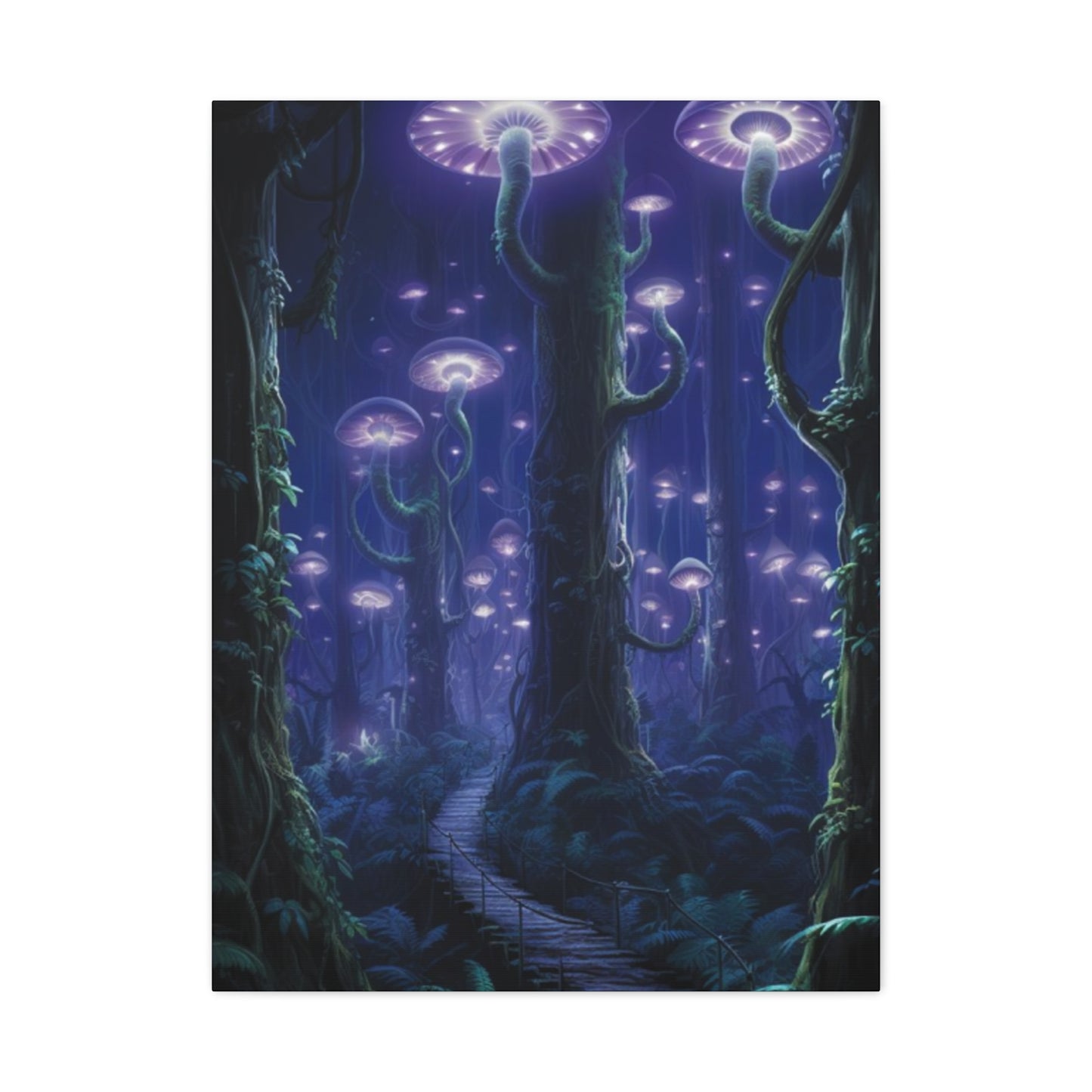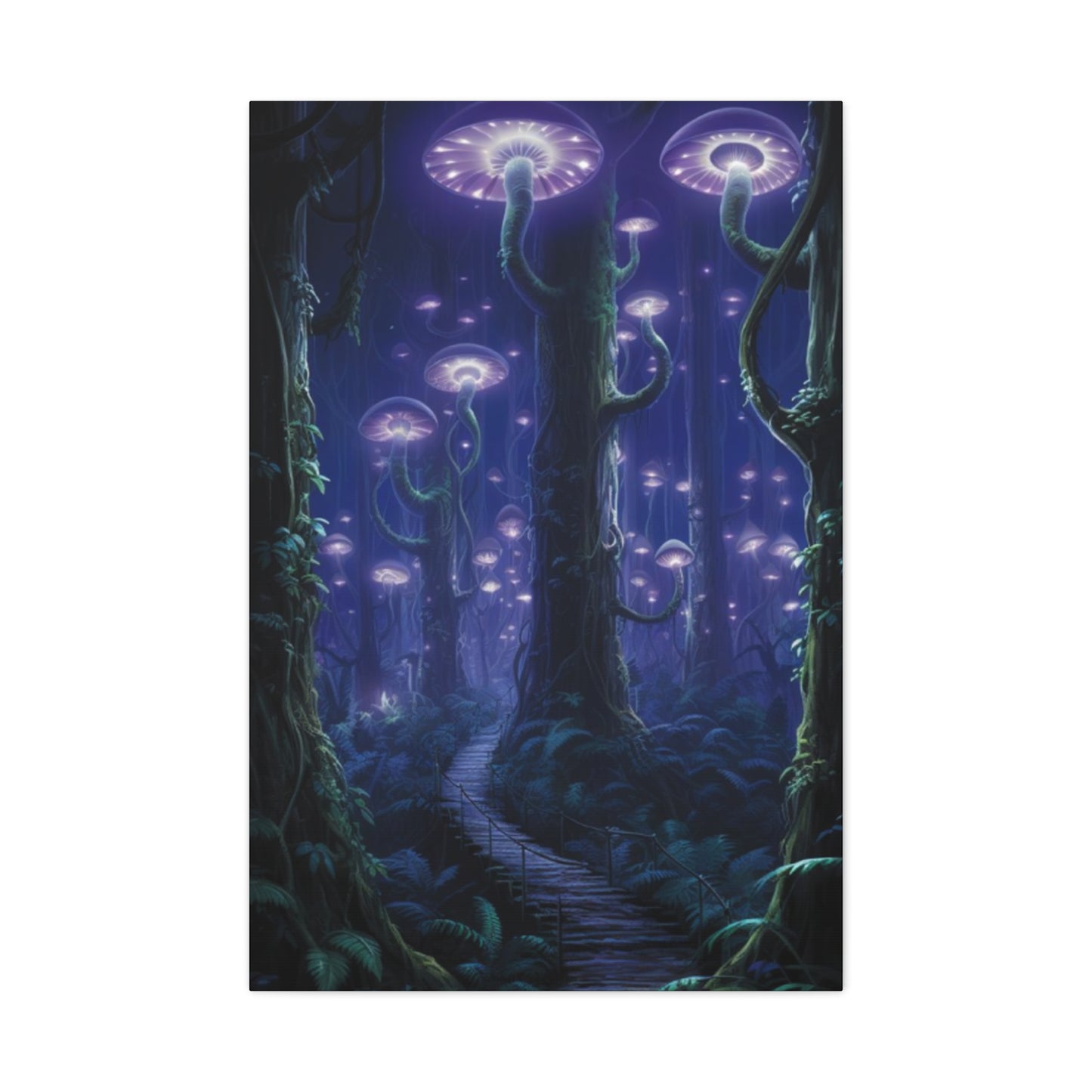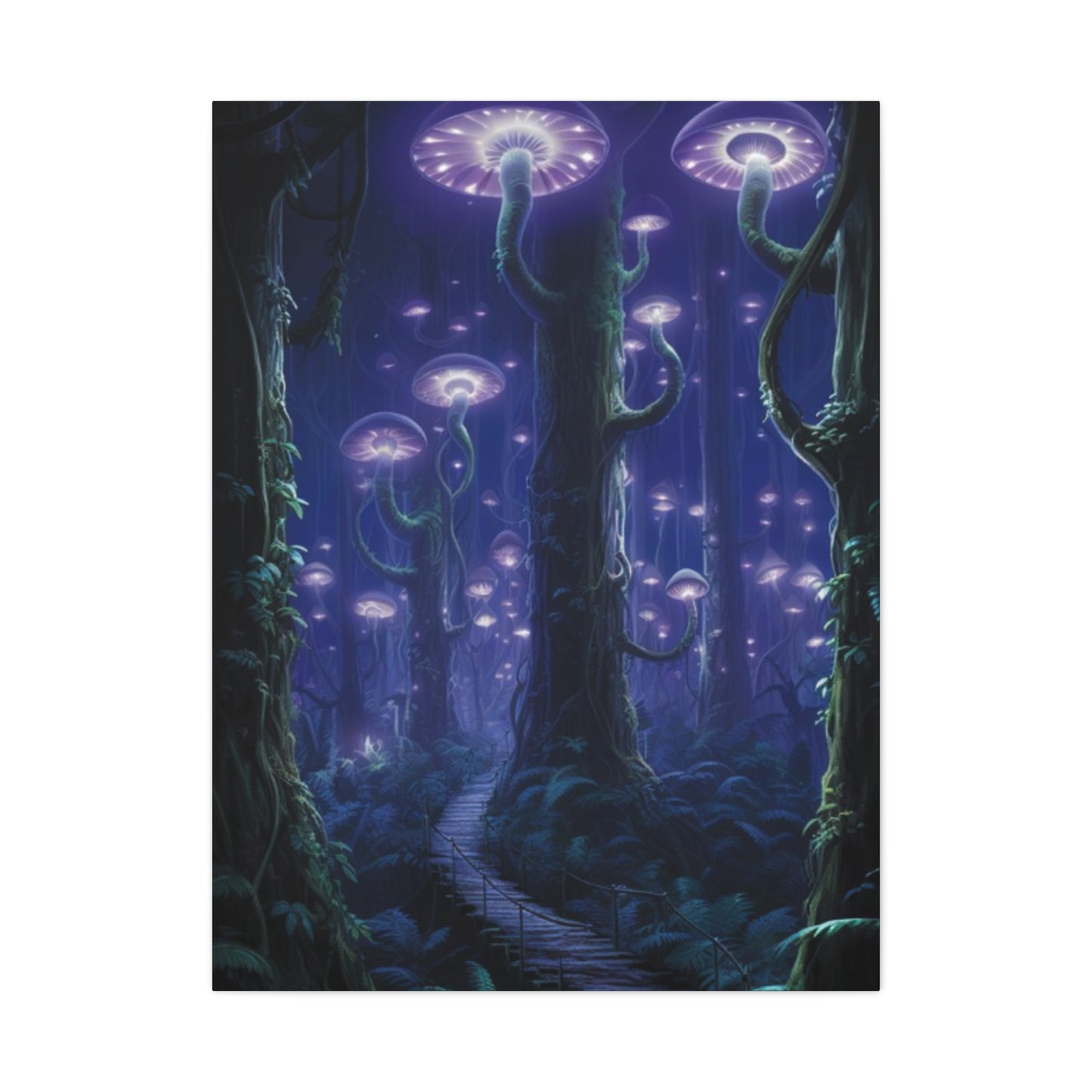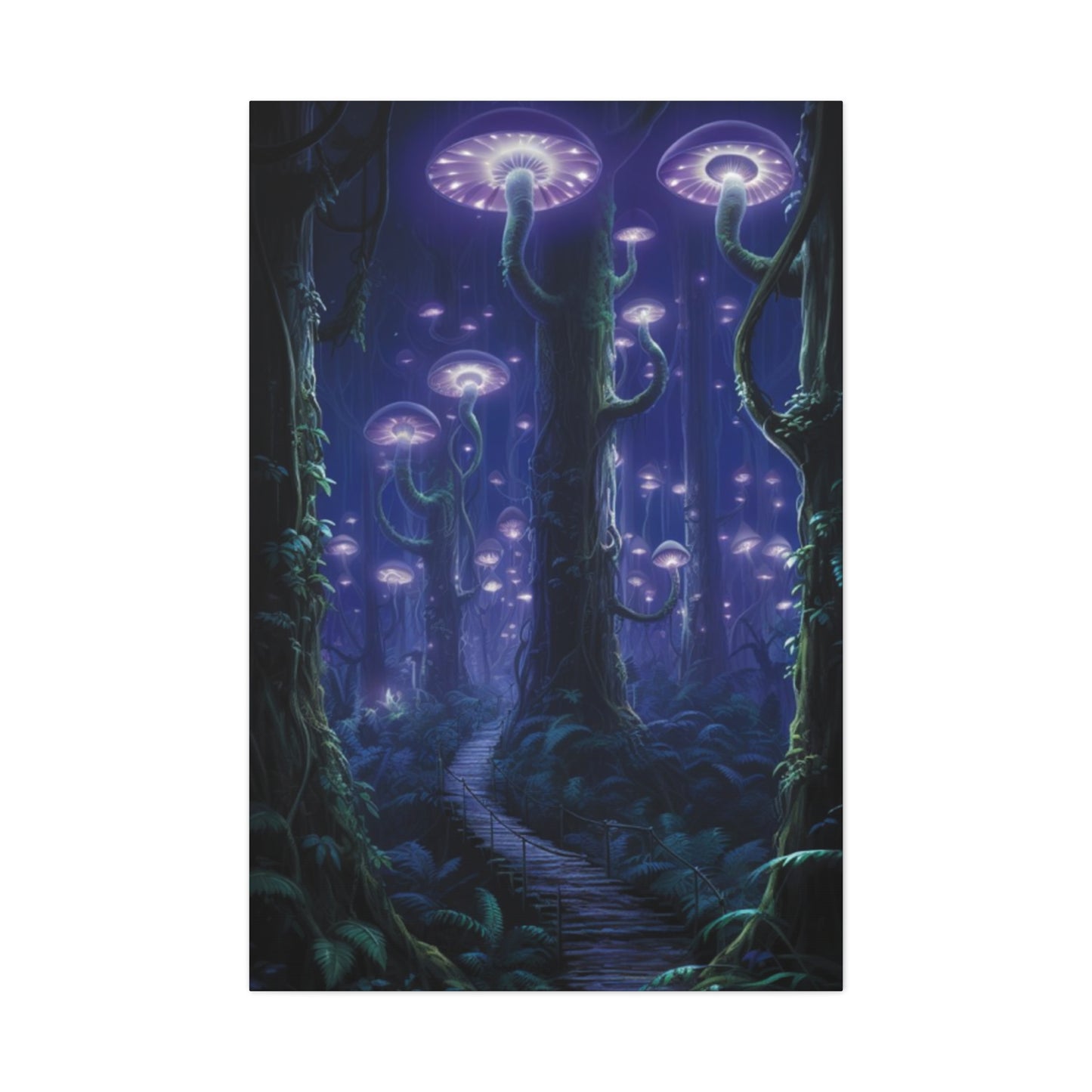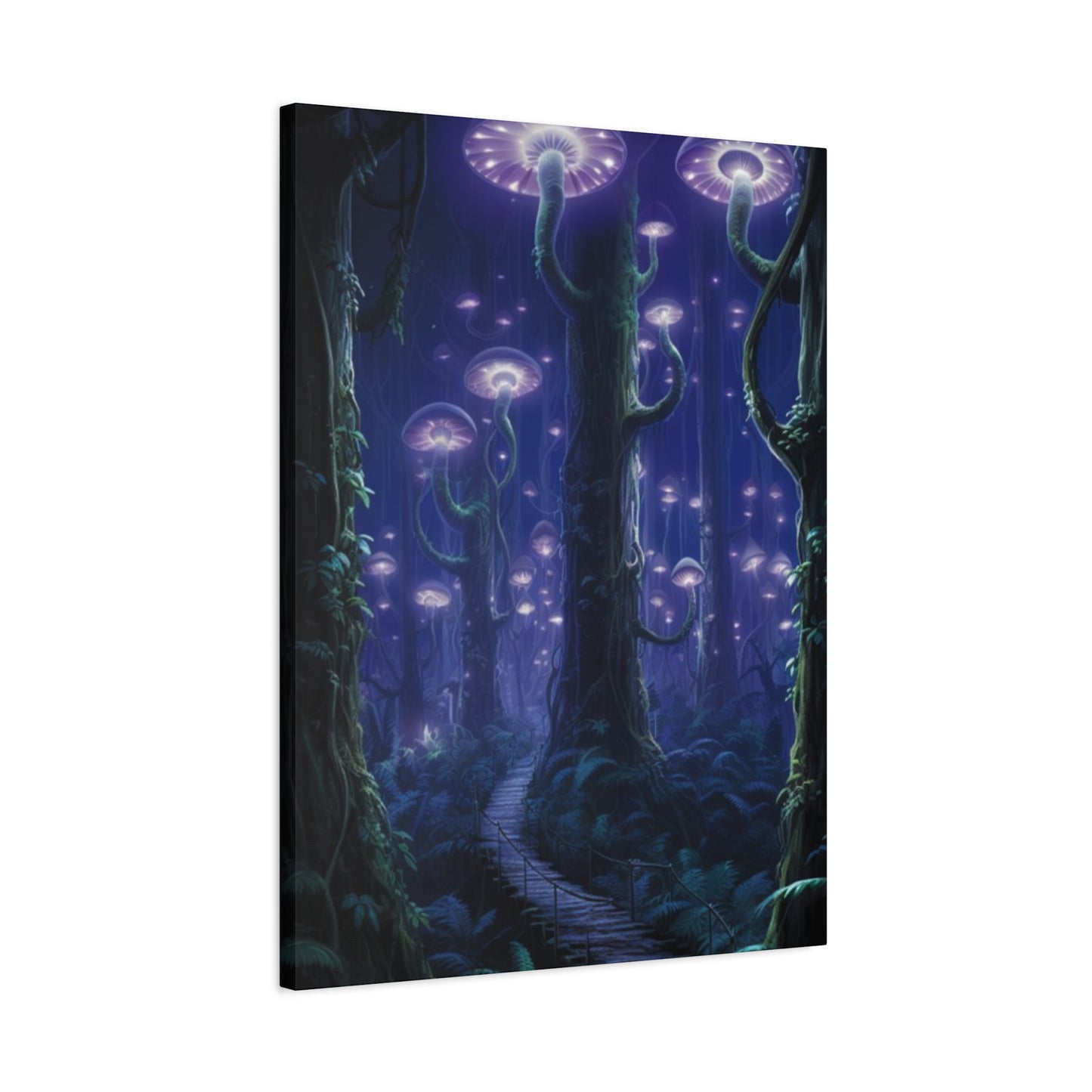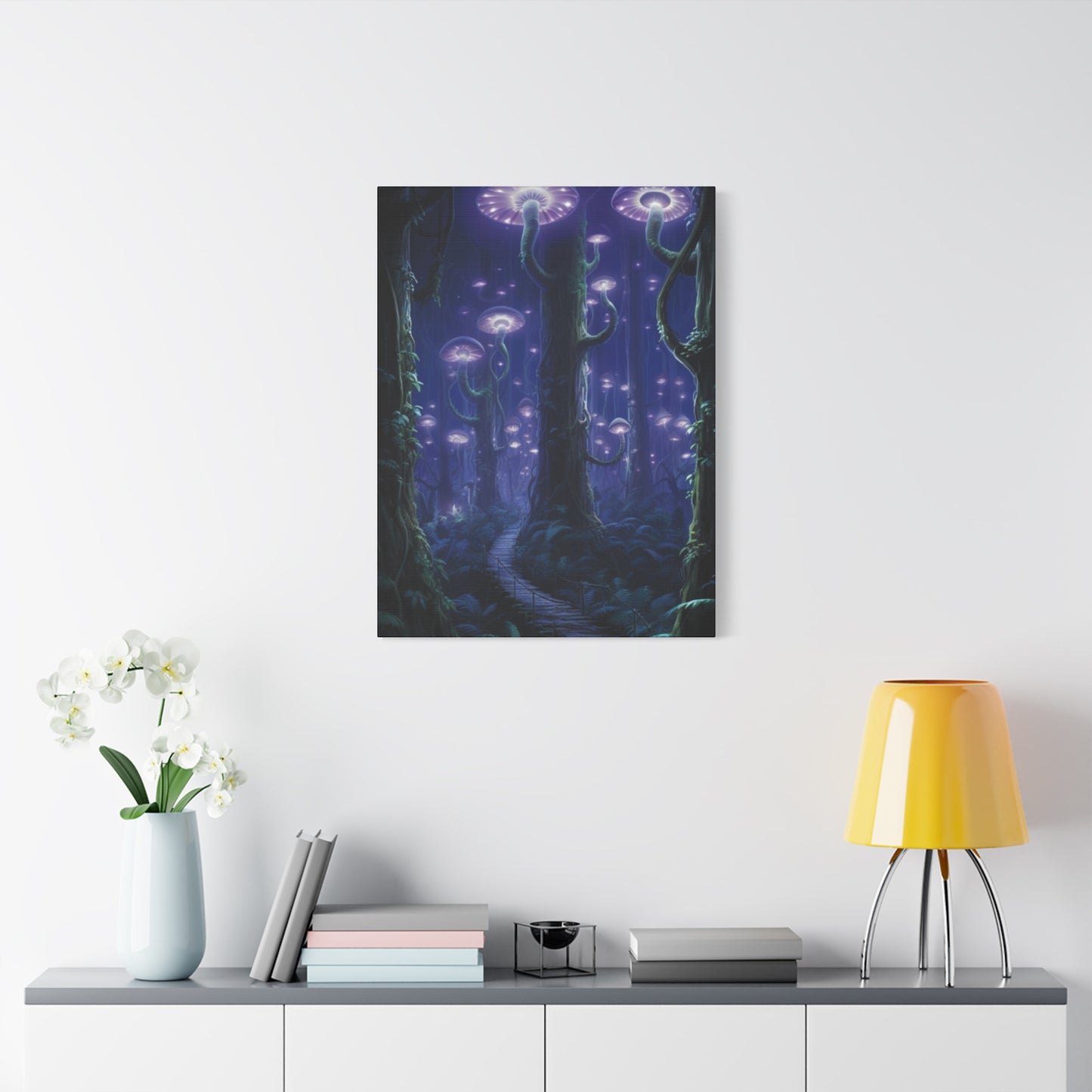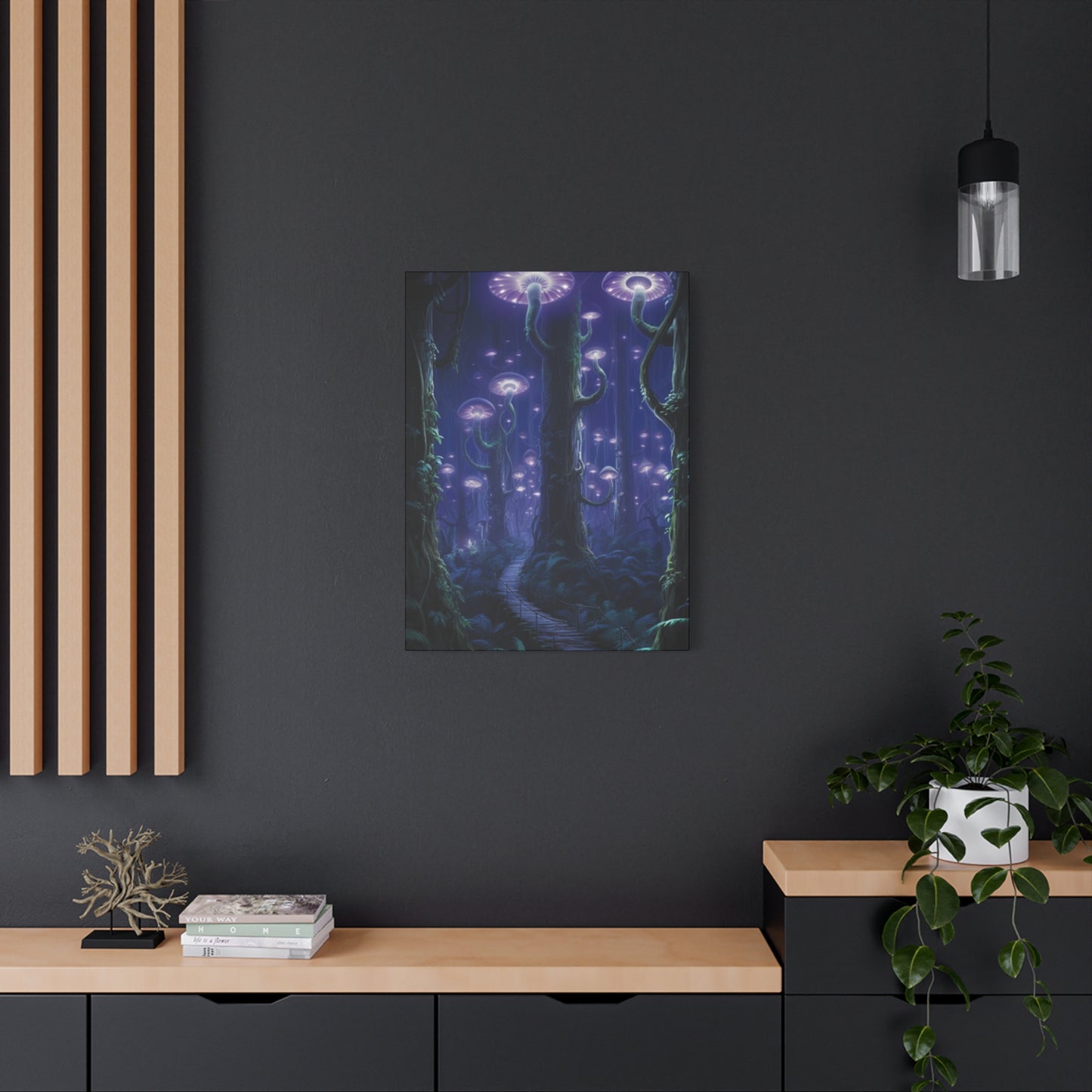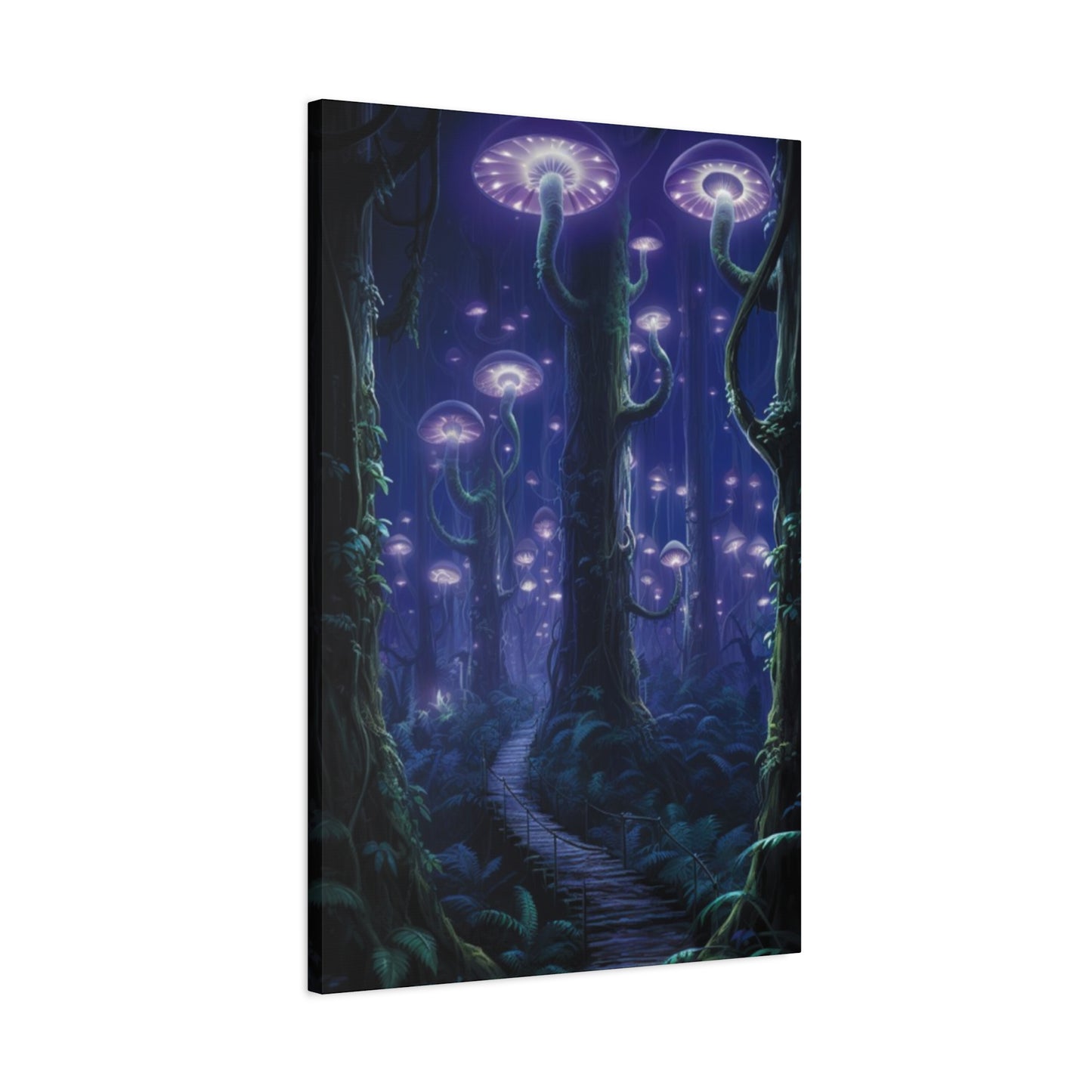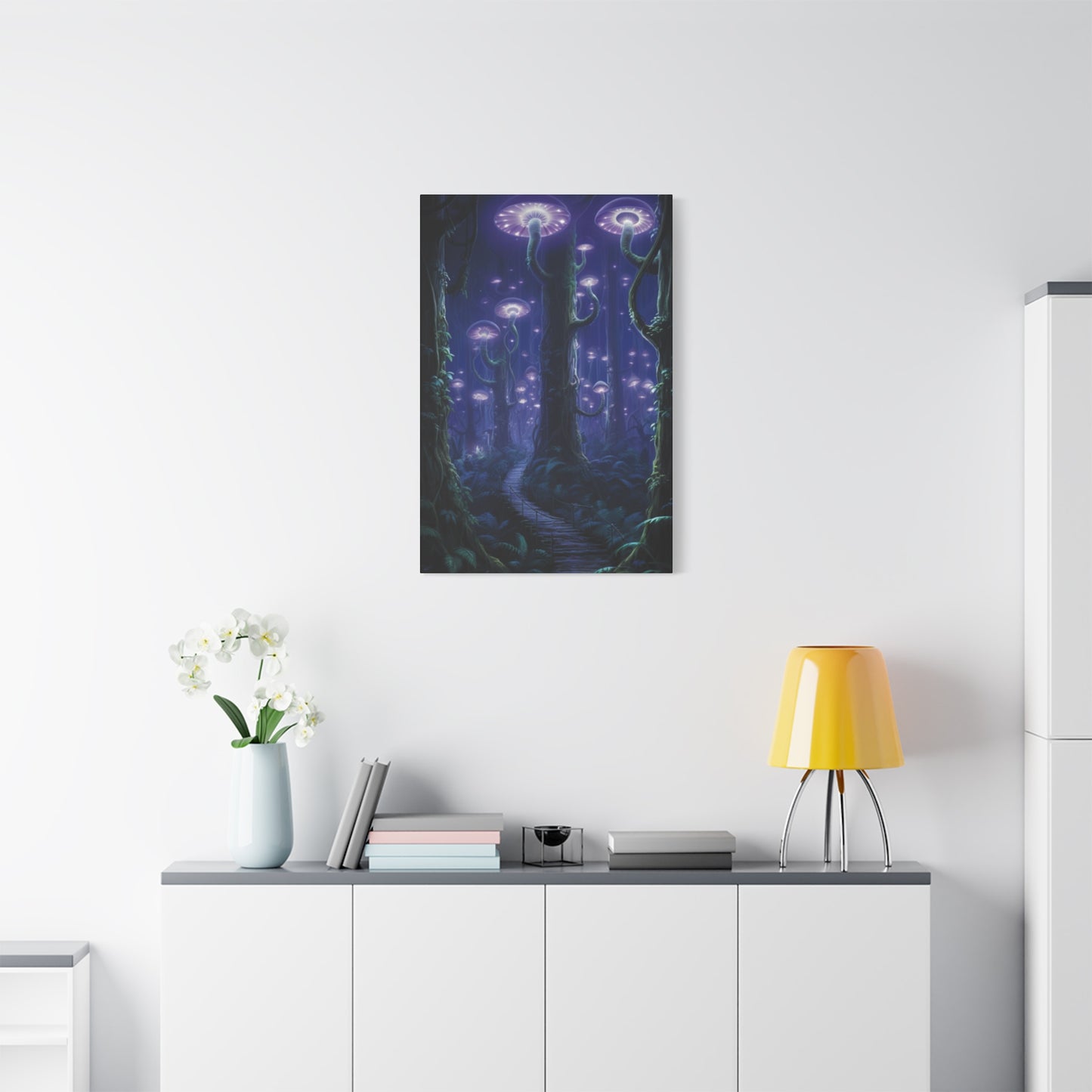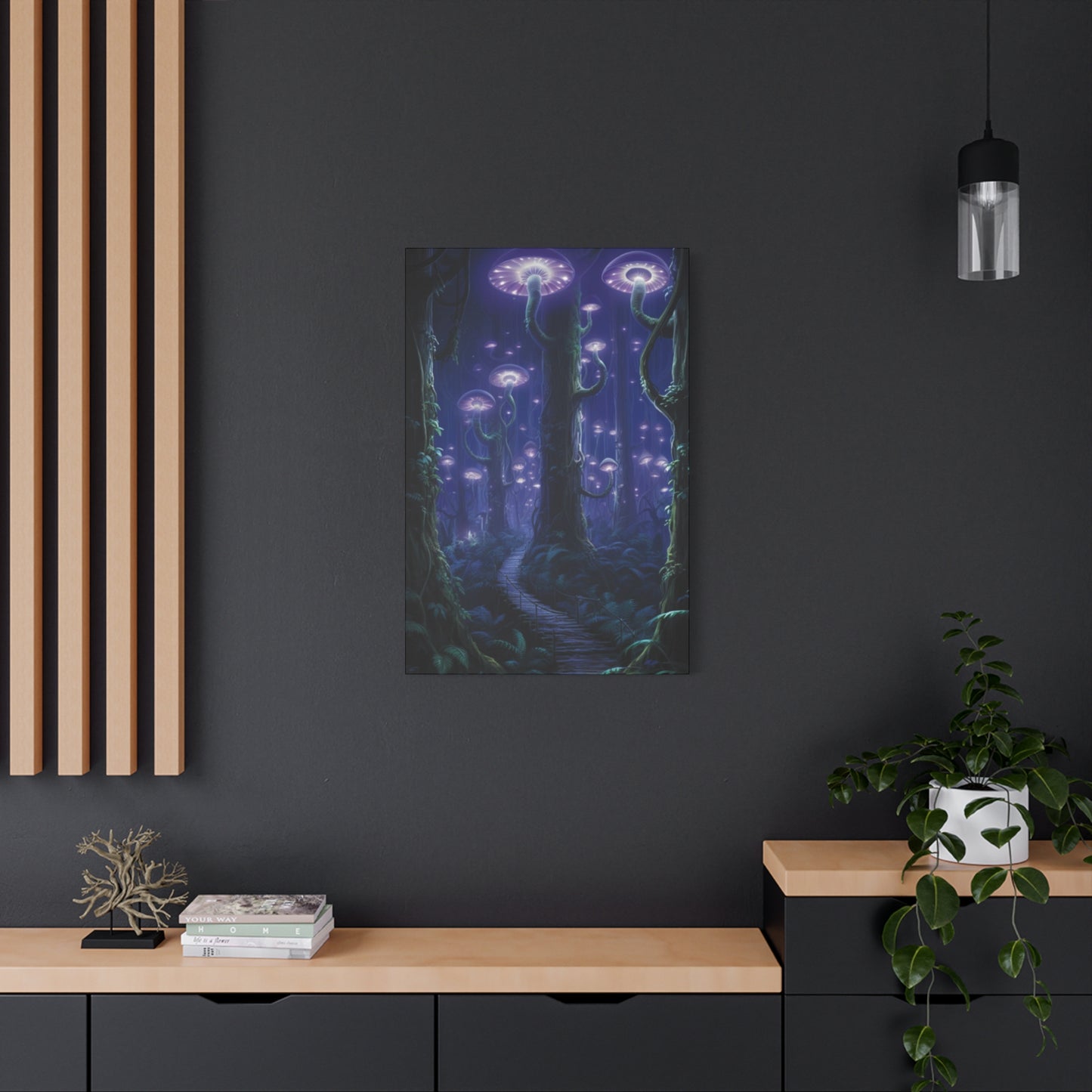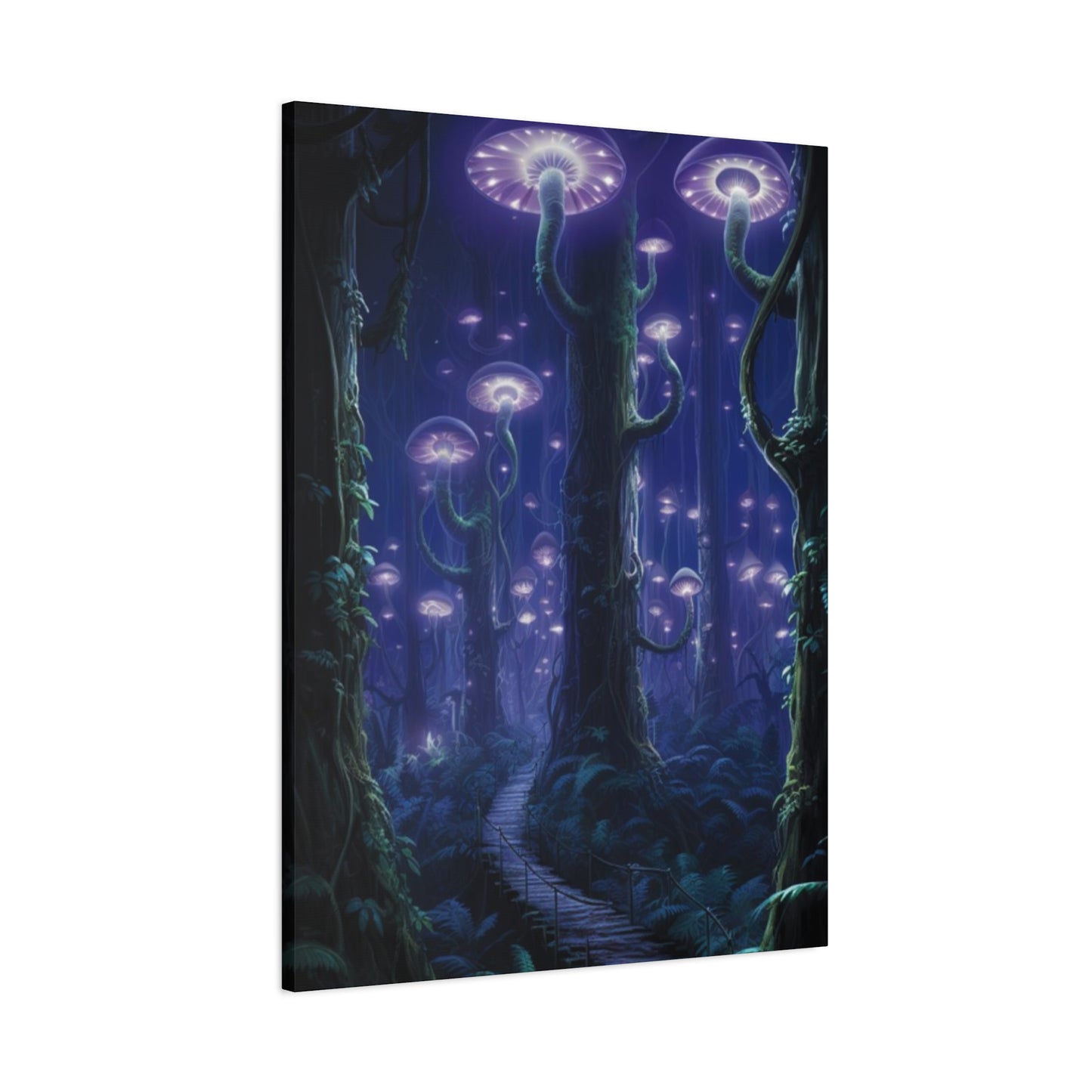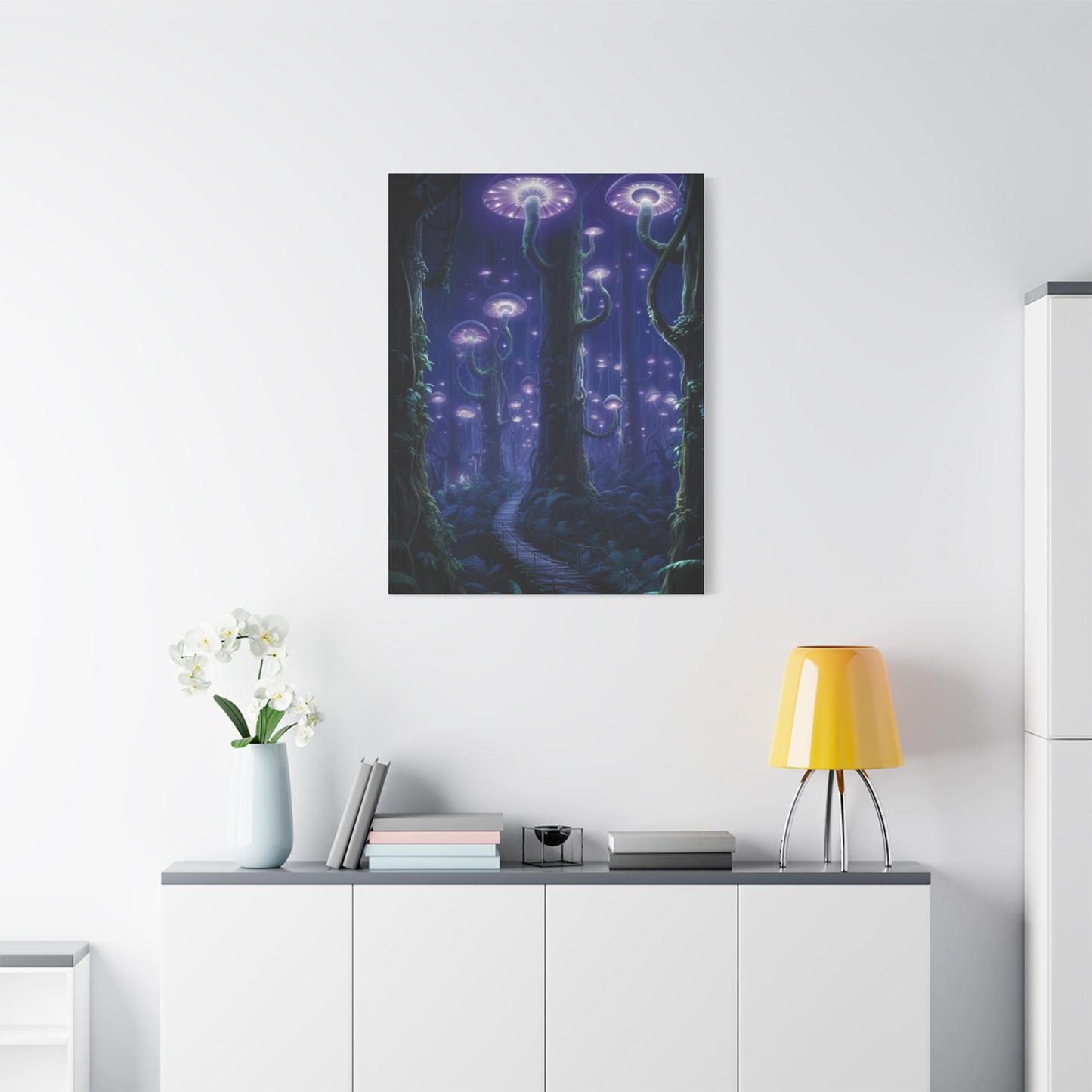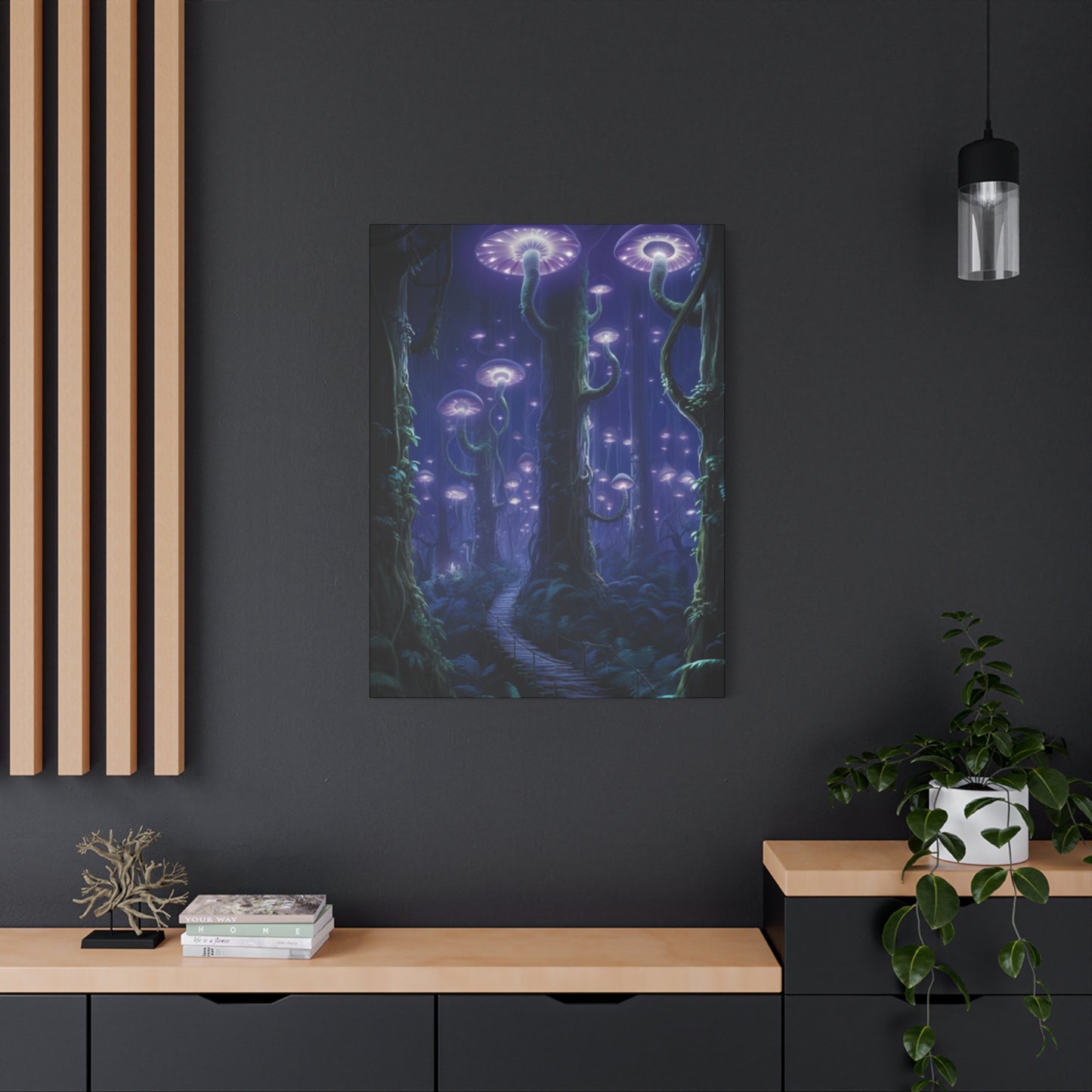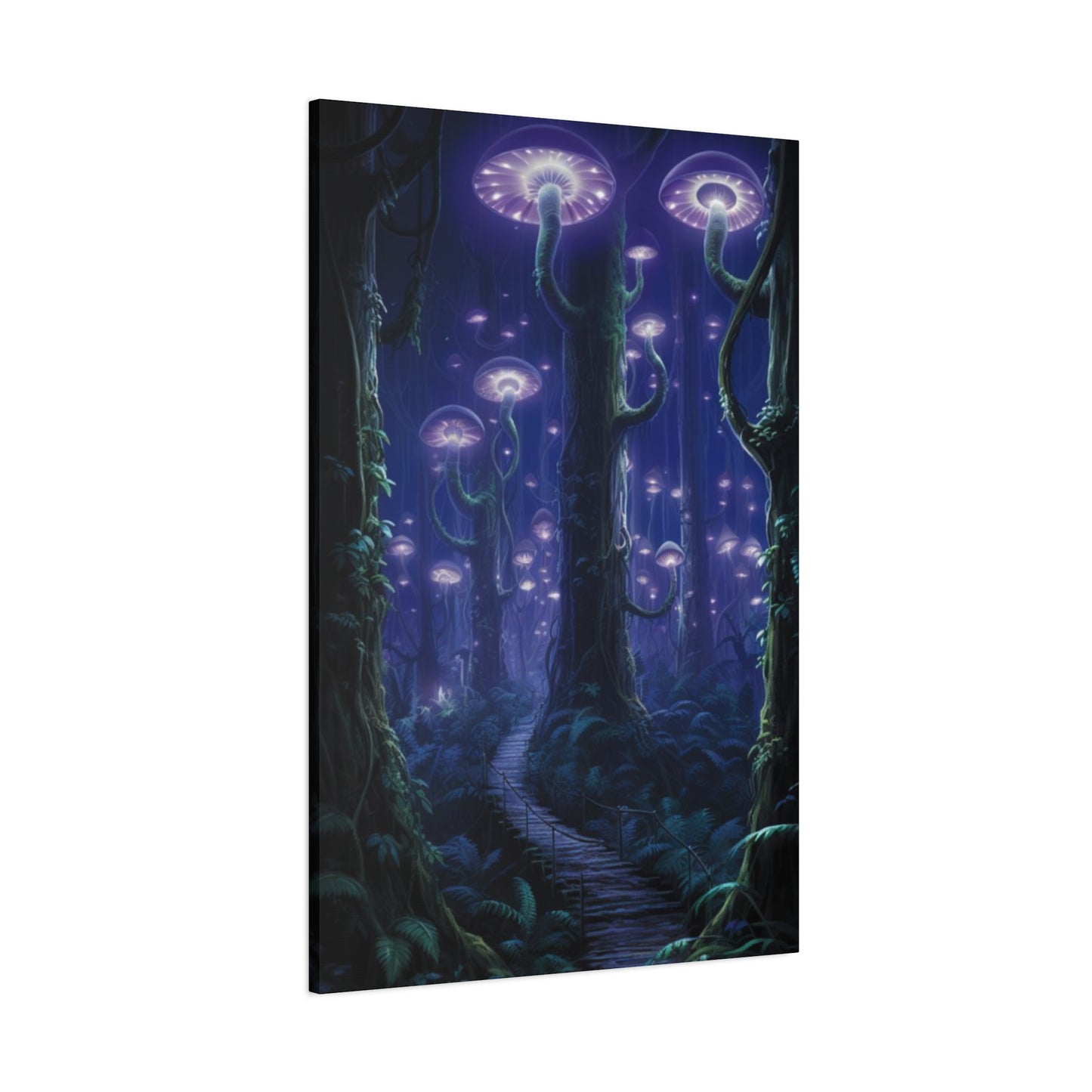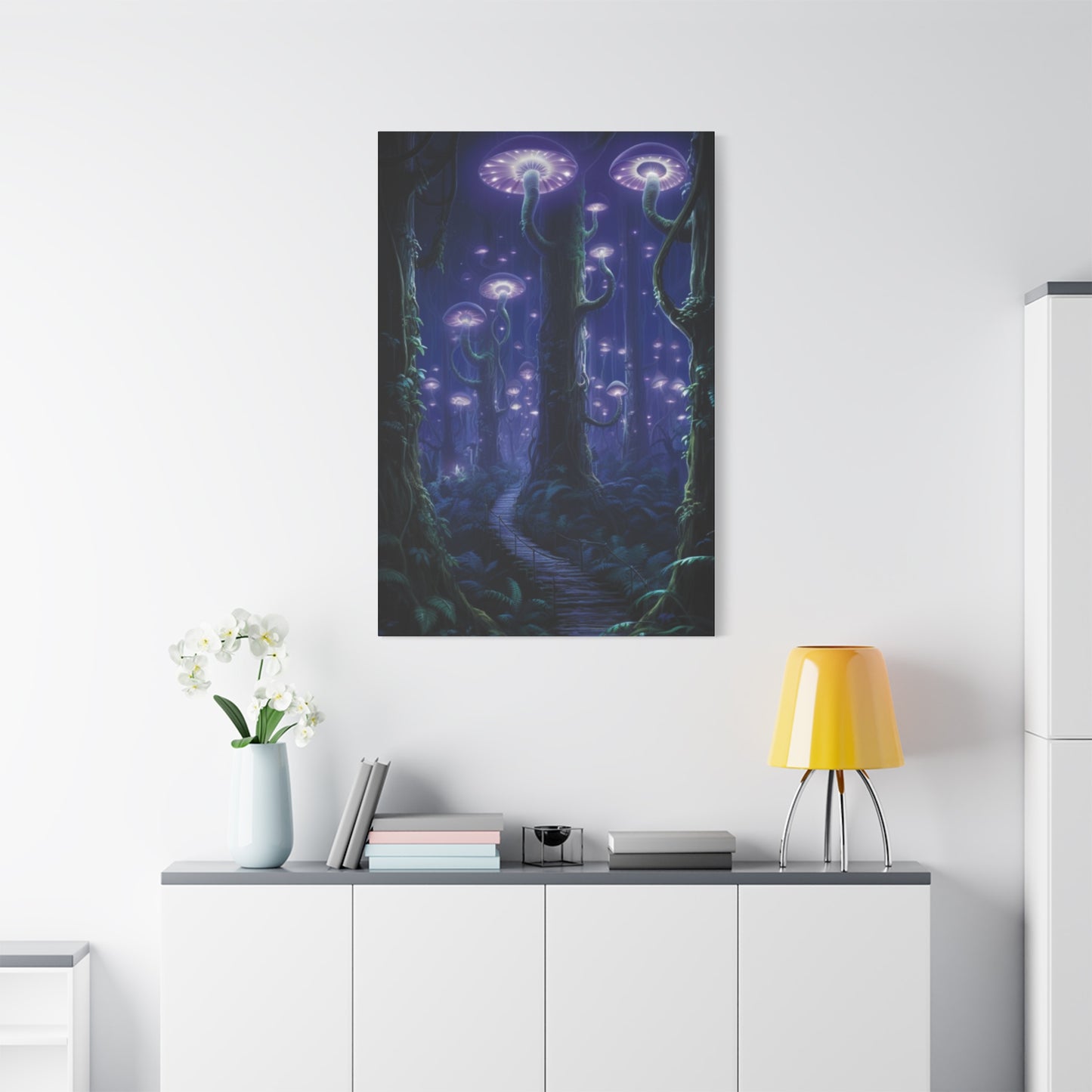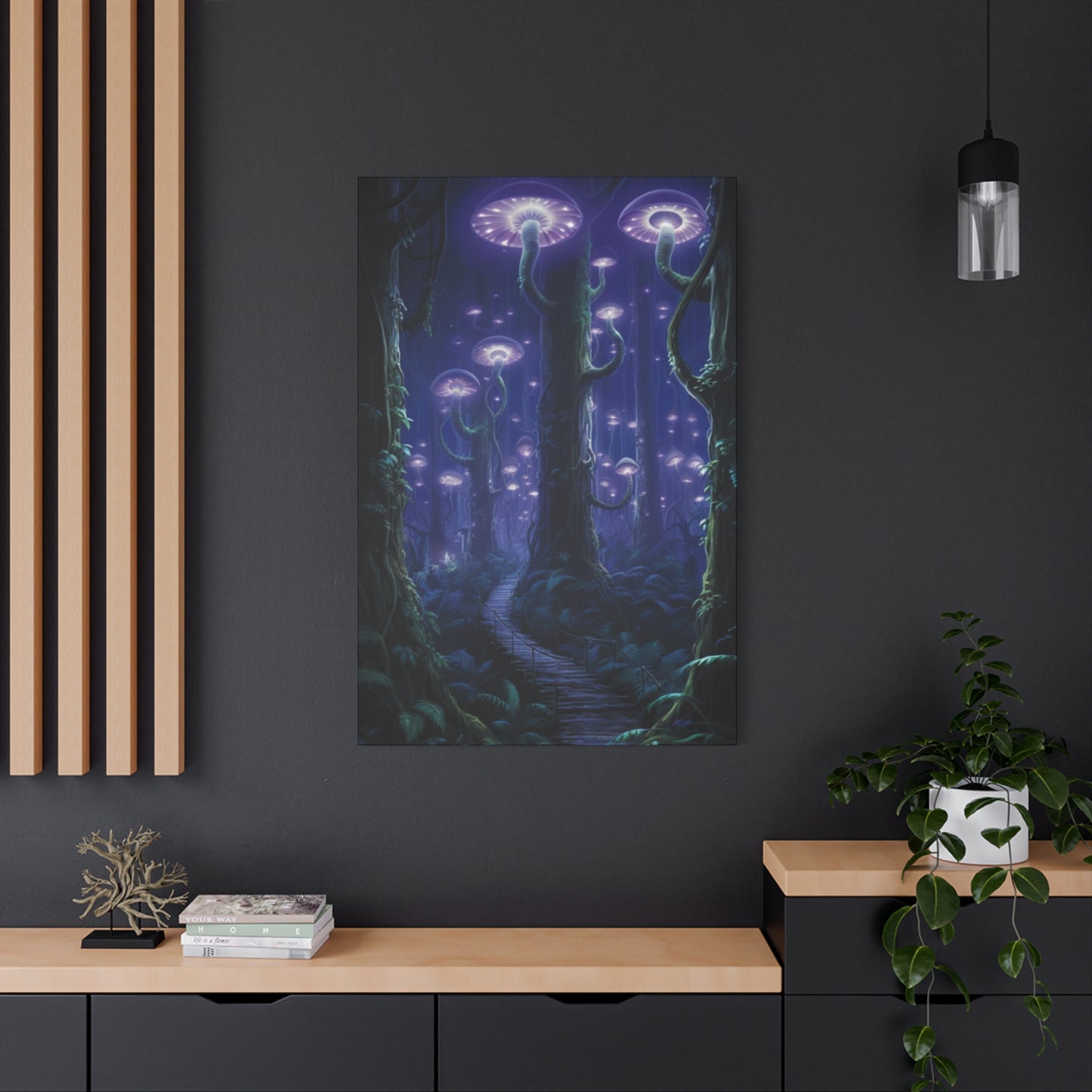


Glowing Mushroom Forest Wall Art & Canvas Prints
Glowing Mushroom Forest Wall Art & Canvas Prints
Couldn't load pickup availability
Finding the Ethereal Beauty of Glowing Mushroom Forest Wall Art for Your Living Spaces
The world of interior design has witnessed a remarkable surge in nature-inspired decorative elements that bring the mystique of enchanted woodlands directly into modern homes. Among these captivating trends, luminescent fungal landscape displays have emerged as extraordinary focal points that transform ordinary rooms into magical sanctuaries. These captivating pieces featuring bioluminescent mushroom scenery offer homeowners an unprecedented opportunity to infuse their living quarters with otherworldly charm while maintaining contemporary aesthetic sensibilities.
The Mesmerizing Phenomenon Behind Luminescent Fungal Displays in Contemporary Interior Design
Bioluminescence represents one of nature's most spellbinding spectacles, where living organisms produce and emit light through biochemical reactions. This natural phenomenon has inspired countless artistic interpretations, particularly in decorative panels that showcase phosphorescent mushroom habitats. The scientific foundation behind this luminosity involves specialized enzymes called luciferases that interact with light-emitting molecules known as luciferins, creating that characteristic ethereal radiance witnessed in certain fungal species throughout various ecosystems worldwide.
Within the realm of decorative furnishings, glowing mushroom forest wall art captures this biological marvel through various creative methods. Some pieces incorporate actual photoluminescent materials that absorb ambient light during daylight hours and subsequently release it slowly after darkness falls. Others utilize LED illumination systems strategically positioned behind translucent substrates to simulate the gentle pulsating luminescence characteristic of naturally occurring bioluminescent fungi. The resulting visual experience transports viewers into fantastical woodland realms where reality blends seamlessly with imagination.
The artistic renditions of these luminous fungal ecosystems typically feature diverse mushroom varieties arranged in compositions that evoke deep forest environments. Artists often depict slender-stemmed toadstools with delicate caps alongside broader bracket fungi clinging to weathered tree bark. Wispy spore dispersal patterns might float through the atmospheric composition, while scattered lichens and moss formations complete the woodland tableau. The interplay between shadow and radiance creates dimensional depth that draws observers into these miniature enchanted realms, offering visual escapism from conventional living spaces.
Exploring Various Manifestations of Luminescent Fungal Landscape Decorative Pieces
The marketplace presents numerous variations of glowing mushroom forest wall art, each employing distinct methodologies to achieve its characteristic ethereal ambiance. Canvas prints with photoluminescent ink treatments represent one popular category, where specialized printing processes embed light-storing compounds directly into the artwork's surface layers. These pieces charge through exposure to natural or artificial illumination, then radiate their stored energy throughout evening hours, creating subtle ambient lighting that enhances relaxation spaces.
Three-dimensional sculptural installations constitute another captivating category, where artists construct physical mushroom forms from materials like resin, fiberglass, or carefully shaped wood. These dimensional pieces often incorporate internal LED systems with programmable color-changing capabilities, allowing owners to customize the luminous effect according to mood or occasion. The shadows cast by these sculptural elements add another layer of visual interest, particularly when positioned strategically relative to existing lighting fixtures.
Metal cutout silhouettes backed by LED panels offer a more contemporary aesthetic interpretation. These designs feature precision-cut mushroom and forest motifs in materials ranging from brushed aluminum to powder-coated steel. The negative space created by the cutout patterns allows backlighting to shine through in controlled patterns, producing dramatic contrast between illuminated and shadowed regions. This approach works exceptionally well in modern minimalist interiors where clean lines and geometric precision take precedence.
Fiber optic installations represent the pinnacle of luminescent fungal artwork sophistication. These elaborate pieces incorporate hundreds or thousands of individual fiber strands, each capable of transmitting light to specific endpoints where mushroom caps or stem features appear. Advanced systems can program complex lighting sequences that simulate natural bioluminescent pulsing patterns, creating living artworks that seem to breathe with organic rhythm. The mesmerizing dance of light through these fiber networks produces hypnotic visual experiences particularly effective in meditation spaces or therapeutic environments.
Selecting Optimal Locations Throughout Your Home for Maximum Impact
Determining the ideal placement for glowing mushroom forest wall art requires careful consideration of multiple environmental factors. The chosen location profoundly influences both the artwork's visual effectiveness and its practical utility as ambient lighting. Living rooms typically offer excellent opportunities for larger statement pieces, particularly on walls opposite primary seating arrangements where the artwork becomes a natural focal point during evening gatherings. The soft illumination provided by these pieces creates welcoming atmospheres conducive to relaxation and conversation without overwhelming the space with harsh artificial lighting.
Bedroom environments represent perhaps the most natural habitat for luminescent fungal displays. The gentle radiance emitted by these pieces serves multiple beneficial purposes in sleeping quarters. First, they provide sufficient low-level illumination for safe nighttime navigation without disrupting circadian rhythms or interfering with melatonin production. Second, the calming organic imagery promotes mental relaxation, helping minds transition from the stimulation of daily activities toward restful states conducive to quality sleep. Positioning such artwork opposite the bed allows it to serve as a tranquil focal point during pre-sleep meditation or reflection.
Hallways and corridors, often neglected in lighting design strategies, transform dramatically with strategically positioned luminescent mushroom artwork. These transitional spaces benefit enormously from the ambient guidance provided by softly glowing decorative elements. Rather than relying solely on harsh overhead fixtures or energy-intensive nightlights, homeowners can create enchanting pathways that guide residents and guests through the home with natural-feeling illumination reminiscent of moonlit forest trails.
Children's rooms offer particularly fertile ground for imaginative luminescent fungal displays. Young minds naturally gravitate toward the magical qualities these pieces embody, and the gentle nighttime glow addresses common fears of complete darkness without creating sleep-disrupting brightness. The fantastical nature of the imagery stimulates creativity and wonder while providing practical functionality. Parents appreciate the dual-purpose nature of these decorative elements that serve aesthetic and practical needs simultaneously.
Bathroom spaces, particularly powder rooms and guest facilities, benefit from the unexpected whimsy that glowing mushroom forest wall art introduces. These typically utilitarian spaces transform into surprising sanctuaries when adorned with ethereal fungal landscapes. The moisture-resistant materials available in contemporary pieces make them suitable for these humid environments, and the soft ambient lighting enhances the spa-like atmosphere many homeowners desire in their personal care spaces.
Crafting Cohesive Interior Schemes Around Luminescent Fungal Artwork
Incorporating glowing mushroom forest wall art into existing decorative schemes requires thoughtful attention to complementary elements that enhance rather than compete with these striking focal points. Color palette selection plays a crucial role in this process. The natural hues typically associated with forest environments—deep greens, earthy browns, charcoal grays, and moss-covered stone tones—create harmonious foundations that allow the luminescent elements to command attention without visual conflict.
Textile choices throughout the space should echo the organic textures suggested by the woodland imagery. Natural fiber fabrics like linen, cotton, and wool in their undyed or minimally processed states reinforce the connection to natural environments. Velvet upholstery in deep forest green or midnight blue tones adds luxurious texture while maintaining thematic consistency. Throw pillows featuring subtle botanical prints or abstract patterns reminiscent of spore dispersal patterns extend the mycological theme without overwhelming the primary artwork.
Furniture selection benefits from maintaining organic lines and natural materials. Wooden pieces with visible grain patterns and live edges connect visually with the tree elements often depicted alongside the mushroom subjects. Wicker or rattan accent pieces introduce additional textural variety while maintaining the natural material palette. Metallic accents should lean toward warmer tones like brushed copper or antique brass rather than cool chromes, as these warmer metals better complement the typically warm-toned luminescence of the artwork.
Complementary lighting fixtures deserve special consideration when designing around luminescent fungal displays. Rather than competing with the artwork's glow, ambient lighting should enhance and support it. Dimmable fixtures offer flexibility to adjust overall illumination levels as natural daylight fades, allowing the glowing elements to gradually assume prominence. Warm color temperature bulbs (2700-3000K) maintain atmospheric cohesion better than cooler daylight-spectrum sources. Hidden LED strip lighting along crown molding or behind furniture pieces can create additional layered lighting effects that amplify the magical ambiance.
Botanical elements throughout the space strengthen thematic unity. Living plants, particularly shade-loving species like ferns, pothos, and peace lilies, echo the forest habitat suggested by the artwork. Terrariums housing miniature landscape compositions create fascinating counterpoints—living microcosms that dialogue with the artistic representations on the walls. Preserved moss panels or vertical gardens extend the woodland atmosphere across additional surfaces, enveloping inhabitants in comprehensive natural immersion.
Flooring materials and treatments contribute significantly to the overall effect. Natural wood floors in darker stains or distressed finishes suggest forest floor environments. Area rugs in organic patterns or solid earthy tones anchor seating arrangements while softening acoustics. For spaces where hard flooring isn't practical, carpet selections in moss green or deep charcoal create suitable foundations that ground the ethereal wall elements in tangible earthiness.
Practical Considerations for Acquiring Quality Luminescent Fungal Artwork
Navigating the marketplace for glowing mushroom forest wall art requires awareness of quality indicators that distinguish exceptional pieces from inferior alternatives. Material composition represents the primary consideration affecting both visual appeal and longevity. Canvas-based pieces should utilize heavyweight archival-grade fabric treated with UV-resistant coatings to prevent premature fading. The photoluminescent compounds incorporated into prints should be professional-grade materials capable of maintaining charge capacity through thousands of illumination cycles rather than novelty-grade substances that lose effectiveness within months.
For three-dimensional sculptural pieces, resin quality dramatically impacts both appearance and durability. High-grade epoxy resins maintain clarity indefinitely without yellowing or clouding, preserving the crisp appearance of embedded elements and maintaining optimal light transmission properties. Lower-quality polyester resins begin degrading within months, developing haziness that obscures details and diminishes luminous effects. Reputable artisans typically specify the resin varieties used in their work, and this transparency serves as a positive indicator of overall quality consciousness.
Electrical components in LED-enhanced pieces warrant careful scrutiny. Low-voltage systems utilizing quality LED modules offer superior reliability and energy efficiency compared to cheaply manufactured alternatives. Transformers and power supplies should carry relevant safety certifications for the intended market region. Cord and wiring quality often reveals manufacturing standards—premium pieces feature properly insulated conductors with strain relief at connection points, while budget products may employ undersized wires prone to overheating.
Mounting hardware significantly affects installation ease and long-term security. Quality pieces include appropriate hanging systems designed for their specific weight and configuration. Heavy sculptural works should incorporate robust French cleats or similar secure mounting solutions rather than simple picture wire that may fail under sustained load. Lighter canvas pieces benefit from sawtooth hangers or D-rings positioned for optimal weight distribution. The presence of thoughtfully engineered mounting solutions indicates attention to customer experience beyond mere artistic creation.
Warranty provisions and return policies provide insight into manufacturer confidence in their products. Reputable creators stand behind their work with reasonable guarantee periods covering manufacturing defects and normal wear. Clear return policies protect purchasers who find pieces unsuitable for their intended spaces. Absence of such protections should raise concerns about product quality and seller accountability.
Price positioning within the marketplace offers rough guidance, though correlation between cost and quality isn't perfectly linear. Extremely low-priced offerings almost invariably compromise on materials, craftsmanship, or both. However, premium pricing doesn't automatically guarantee superior results—brand positioning and marketing expenses can inflate costs beyond objective quality justification. Comparative shopping across multiple sources while examining detailed specifications helps identify appropriate value points.
Maintaining Luminescent Properties and Overall Appearance Through Proper Care
Preserving the enchanting qualities of glowing mushroom forest wall art requires understanding the specific needs of different material types and construction methods. Canvas-based pieces with photoluminescent properties need regular exposure to light sources for optimal charging. Positioning these works where they receive several hours of natural daylight or artificial illumination daily ensures maximum nighttime luminescence. However, direct prolonged sun exposure through unfiltered windows can degrade both the canvas substrate and printed pigments over time. Sheer window treatments that diffuse incoming light provide ideal compromise conditions.
Dust accumulation represents the primary maintenance concern for most decorative pieces. For flat canvas or panel surfaces, gentle dusting with microfiber cloths removes particles without abrading delicate surfaces. Compressed air dusters effectively clean intricate sculptural details where cloth access proves difficult. Feather dusters, despite their traditional association with fine art care, can actually scratch sensitive surfaces and should be avoided. Establishing regular cleaning schedules prevents buildup that becomes progressively harder to address and may eventually require more aggressive intervention risking damage.
Three-dimensional sculptural pieces with LED components require occasional technical attention. LED modules themselves typically offer extremely long service lives—often 25,000 to 50,000 hours of operation—but power supplies and control electronics may require earlier replacement. Monitoring for flickering, dimming, or color shifting in the luminous output helps identify developing issues before complete failure occurs. Many quality pieces feature modular electronics allowing straightforward component replacement without needing to return entire artworks.
Moisture poses particular threats to certain construction types. While some pieces specifically designed for humid environments incorporate appropriate protections, others require careful placement away from moisture sources. Bathroom installations should ensure adequate ventilation to prevent sustained high-humidity conditions that promote mold growth or electrical component corrosion. Kitchen placements near stoves or sinks risk grease accumulation or water splashing that can damage finishes or create fire hazards with electrical elements.
Environmental temperature extremes warrant consideration, particularly for pieces incorporating electronics or specialized materials. Excessive heat from fireplaces, heating registers, or intense direct sunlight can degrade adhesives, warp substrates, or prematurely age electronic components. Conversely, very cold conditions in unheated spaces might affect LED performance or cause some materials to become brittle. Maintaining stable moderate temperatures typical of comfortable living spaces prevents these stress factors.
For homes with curious pets, additional protective measures may prove necessary. Cats particularly might view three-dimensional mushroom sculptures as engaging climbing structures or scratching posts. Strategic placement beyond typical jumping reach protects both artwork and felines. Dogs with enthusiastically wagging tails pose risks to lower-mounted pieces in high-traffic areas. Assessing household dynamics before installation prevents unfortunate accidents requiring repair or replacement.
Creating Custom Luminescent Fungal Artwork for Truly Unique Spaces
Standard commercial offerings satisfy many decorative needs, yet some homeowners desire truly distinctive pieces reflecting personal visions. Custom glowing mushroom forest wall art commissions allow precise specification of dimensions, color schemes, compositional elements, and luminous characteristics. This bespoke approach ensures perfect harmony with existing surroundings while creating one-of-a-kind focal points impossible to replicate.
The custom creation process typically begins with collaborative discussions between clients and artists. Sharing photographs of intended installation locations helps creators understand spatial constraints, existing color palettes, and ambient lighting conditions. Describing desired emotional responses or specific atmospheres guides artistic choices regarding composition, intensity, and overall aesthetic direction. Some clients arrive with concrete visions requiring faithful execution, while others prefer providing general parameters then trusting artists' creative instincts.
Material selection discussions prove crucial in custom projects. Clients choosing canvas-based approaches might select from various substrate weights and surface textures, from smooth fine-art canvases to heavily textured linens. Photoluminescent compound types offer different color options—traditional green-blue glows versus newer compounds producing cyan, purple, or even multi-color effects. For sculptural commissions, material choices encompass wood varieties, resin types, metal selections, and numerous other possibilities each bringing distinct aesthetic and practical characteristics.
Dimensional specifications extend beyond simple height and width measurements. For three-dimensional works, projection depth affects how dramatically pieces extend from walls and how lighting interacts with their forms. Multiple-panel installations require careful planning of spatial relationships between components and consideration of how segmented compositions unify visually. Some custom projects incorporate irregular shapes conforming to architectural features like alcoves, sloped ceilings, or unusual wall configurations that standard rectangular formats cannot accommodate.
Illumination systems in custom LED-enhanced pieces offer extensive personalization possibilities. Simple on-off functionality suffices for some applications, while others benefit from dimming controls allowing adjustment from subtle accents to prominent lighting features. Color-changing RGB LED systems permit dynamic shifts across the entire visible spectrum, creating dramatically different moods through simple controller adjustments. Programmable systems can execute complex lighting sequences—gentle pulsing simulating natural bioluminescence, slow color transitions marking time passage, or even synchronized responses to music or ambient sound.
The timeline for custom commission completion varies considerably based on complexity and artist availability. Simple canvas-based pieces might require only days from concept approval to completion, while elaborate sculptural installations may necessitate months of careful fabrication. Establishing clear timeline expectations early prevents disappointment and allows proper planning around desired installation dates. Rush services may be available for premium fees when circumstances demand expedited delivery.
Investment requirements for custom work typically exceed standard commercial offerings, reflecting the intensive labor and specialized expertise involved. However, the resulting perfect alignment with personal preferences and spatial requirements often justifies additional expenditure for discerning collectors. Payment structures usually involve deposits securing artist commitment with remaining balances due upon completion before shipping or delivery.
Drawing Creative Inspiration from Natural Bioluminescent Fungal Species
The artistic representations found in glowing mushroom forest wall art draw direct inspiration from actual bioluminescent fungal species inhabiting forests worldwide. Understanding these natural marvels enhances appreciation for the artistic interpretations they inspire. Approximately eighty known fungal species possess bioluminescent capabilities, distributed across several taxonomic families. These remarkable organisms evolved their light-producing abilities independently multiple times throughout fungal evolutionary history, suggesting significant survival advantages in their respective ecological niches.
The honey mushroom (Armillaria mellea) represents one of the most widely distributed bioluminescent species across North American and European temperate forests. During optimal conditions, the mycelial networks of these fungi produce subtle greenish luminescence visible in complete darkness. While individual fruiting bodies rarely glow intensely enough for casual observation, the extensive underground mycelial mats these organisms form can create substantial illuminated areas in undisturbed forest locations.
Tropical and subtropical regions host the majority of dramatically bioluminescent species. The ghost fungus (Omphalotus nidiformis), native to Australian eucalyptus forests, produces particularly intense greenish-yellow luminescence clearly visible even under modest ambient light conditions. The ethereal glow emitted by clusters of these mushrooms creates genuinely magical scenes along forest floors and rotting logs, inspiring countless photographers and artists to document their otherworldly beauty.
In Southeast Asian rainforests, species like Mycena chlorophos produce brilliant green luminescence that indigenous peoples historically used as natural lighting during nighttime forest navigation. These delicate mushrooms colonize fallen palm fronds and other forest debris, transforming decomposing plant matter into constellations of emerald lights scattered across the dark forest floor. The visual effect resembles terrestrial stars fallen to earth, creating scenes of surreal beauty.
Brazilian rainforests harbor species including Neonothopanus gardneri, which local populations have historically called "flor de coco" or coconut flower. These large bioluminescent mushrooms emit such intense greenish light that local children traditionally collected them as natural lanterns. The mushrooms' common occurrence on coconut palm materials led to their distinctive local nomenclature despite their obvious fungal nature.
The precise biological mechanisms driving fungal bioluminescence remained mysterious until relatively recent scientific investigations. Research revealed that fungal light production involves the oxidation of a compound called luciferin catalyzed by the enzyme luciferase in the presence of oxygen. The resulting chemical reaction releases energy in the form of visible light without generating heat—a process termed "cold light" distinguishing it from incandescent emission. This efficiency explains how organisms can produce light without damaging their own cellular structures.
Ecological theories regarding why fungi evolved bioluminescence suggest several possibilities. One prominent hypothesis proposes that the light attracts nocturnal insects which then disperse fungal spores to new locations, facilitating reproduction. Alternative theories suggest the light might deter certain fungivorous predators or serve circadian regulation functions. No single explanation likely accounts for all cases, and different species may have evolved their luminescence serving different ecological roles.
The circadian rhythms exhibited by many bioluminescent fungi add another layer of fascinating complexity. Many species display peak luminescence during nighttime hours, with minimal or absent light production during daylight. This diurnal cycling suggests sophisticated biological clock mechanisms regulating the metabolically expensive process of light production, ensuring energy investment occurs when ecological benefits maximize.
Psychological and Emotional Effects of Luminescent Natural Imagery in Living Spaces
Beyond their obvious aesthetic appeal, glowing mushroom forest wall art produces measurable effects on human psychological states and emotional wellbeing. The gentle ambient lighting these pieces provide creates environments particularly conducive to relaxation and stress reduction. Research into circadian biology demonstrates that exposure to bright artificial lighting during evening hours disrupts natural sleep-wake cycles by suppressing melatonin production. The soft, warm-toned illumination typical of luminescent fungal artwork provides sufficient visibility for evening activities without triggering these disruptive hormonal responses.
The organic imagery itself contributes to psychological benefits through biophilic design principles. Biophilia describes the innate human affinity for natural environments and living systems—an evolutionary adaptation reflecting millions of years of human development in natural settings. Contemporary urban dwellers spend unprecedented amounts of time in artificial environments largely disconnected from natural systems, potentially contributing to various stress-related conditions. Incorporating natural imagery and elements into living spaces partially addresses this disconnect, providing subconscious reassurance and promoting mental restoration.
The fantastical quality of glowing mushroom imagery offers particular psychological advantages by stimulating imagination and wonder. Daily life increasingly demands logical, linear thinking focused on practical problem-solving and task completion. This cognitive mode, while necessary for productivity, can become mentally exhausting when maintained constantly. Encounters with whimsical, dreamlike imagery invite shifts into more playful, creative mental states that provide cognitive rest and restoration. The mysterious quality of bioluminescent scenes—simultaneously familiar as forest imagery yet alien in their luminous properties—creates productive cognitive dissonance that engages imagination without demanding analytical processing.
Color psychology plays significant roles in the emotional impacts of luminescent fungal artwork. The green-blue spectrum characteristic of many natural bioluminescent organisms generally promotes calming psychological effects. Green specifically associates with growth, renewal, and natural vitality across most cultures, while blue tones typically evoke serenity, tranquility, and emotional stability. The combination creates visual experiences that simultaneously energize and calm—refreshing mental states without inducing agitation.
For individuals experiencing sleep difficulties, the gentle illumination provided by these artworks can serve therapeutic functions. Many people find complete darkness unsettling, yet conventional nightlights often provide harsh illumination disrupting rather than supporting sleep. The soft, warm glow from quality luminescent pieces offers comfortable middle ground—sufficient light for comfortable orientation without brightness levels that trigger wakefulness. The organic subject matter provides appropriate mental content for the transitional state between wakefulness and sleep, lacking the stimulating quality of more dynamic imagery.
Children particularly benefit from the comforting presence these pieces provide. Fear of darkness represents a normal developmental stage for many young people, and addressing these concerns appropriately supports emotional wellbeing without encouraging dependency on problematic coping mechanisms. Glowing mushroom artwork offers age-appropriate magical imagery that validates children's rich imaginative lives while providing practical comfort. The pieces remain sufficiently subtle that they don't become distracting stimuli preventing sleep onset, yet they offer reassuring presence throughout nighttime hours.
The meditative quality of gently glowing organic imagery supports mindfulness practices many individuals employ for stress management. When attention focuses on the soft luminescence and flowing forms of mushroom compositions, the active thinking mind naturally quiets, allowing more relaxed contemplative states to emerge. This effect parallels the documented benefits of gazing at candle flames, flickering fires, or flowing water—gentle natural movements that provide focal points supporting meditative attention without demanding active cognitive engagement.
Combining Luminescent Fungal Art with Other Decorative Elements for Enhanced Impact
Glowing mushroom forest wall art achieves maximum impact when thoughtfully integrated with complementary decorative elements creating comprehensive atmospheric experiences. Layering multiple sensory inputs produces immersive environments that engage inhabitants more completely than single focal points, regardless of their individual quality. Strategic combinations transform rooms from spaces containing interesting objects into cohesive experiences enveloping occupants in carefully crafted ambiances.
Aromatic elements constitute particularly effective sensory companions to visual fungal imagery. Earthy scents reminiscent of forest environments—damp soil, fallen leaves, moss, aged wood—reinforce the woodland atmosphere suggested visually. Various botanical essential oils and incense varieties provide these olfactory notes. Cedarwood, pine, cypress, and fir oils evoke coniferous forests, while patchouli, vetiver, and oakmoss resins suggest deciduous woodland floors. Diffusing these fragrances subtly throughout spaces creates multisensory forest experiences extending beyond purely visual elements.
Soundscape elements offer another powerful layer of atmospheric enhancement. Ambient recordings of forest environments—rustling leaves, gentle rain on foliage, distant bird calls, flowing streams—provide auditory counterparts to the visual mushroom imagery. These natural sound environments demonstrate measurable stress-reduction effects documented across numerous studies. Modern streaming services and applications provide extensive libraries of nature soundscapes suitable for continuous background presence. When combined with glowing fungal artwork and appropriate scents, these sonic environments complete comprehensive sensory forest experiences within urban dwellings.
Complementary smaller decorative objects distributed throughout spaces extend thematic unity while adding dimensional interest. Wooden bowls containing dried moss, small clusters of preserved mushroom specimens under glass cloches, geode fragments exposing crystalline interiors, and naturally weathered branches create tactile connections to natural elements. These objects invite handling and close examination, providing intimate encounters with natural materials that balance the primarily visual experience of wall-mounted artwork.
Book selections displayed prominently contribute to thematic consistency while serving functional purposes. Field guides to mushrooms and forest ecosystems, illustrated botanical references, fairy tale collections featuring woodland settings, and nature photography volumes all reinforce the forest atmosphere while offering engaging content for quiet reading periods. The presence of these volumes signals to visitors the inhabitants' appreciation for natural environments and provides conversation starters around shared interests.
Furniture upholstery and textile patterns offer opportunities for subtle thematic reinforcement without overwhelming spaces with literal mushroom imagery. Fabrics featuring abstract organic patterns—flowing lines suggesting growth patterns, cellular structures, or dispersing spores—echo the artwork's subject matter in sophisticated ways. Solid fabrics in forest-floor color palettes create harmonious backgrounds allowing the luminescent focal pieces to command attention while maintaining overall cohesion.
Living plant companions selected to complement rather than compete with the artwork contribute vitality and authenticity to the forest theme. Shade-tolerant species appropriate for indoor cultivation include various fern varieties, pothos vines, snake plants, and ZZ plants. These specimens thrive in the moderate light conditions typical of spaces where luminescent artwork appears most effective. The living plants' slow growth and seasonal changes provide dynamic elements contrasting with the static artistic representations, creating dialogues between preserved artistic visions and ongoing natural processes.
Water features introduce additional sensory dimensions while reinforcing natural themes. Small tabletop fountains provide gentle trickling sounds reminiscent of forest streams while contributing humidity beneficial for both human comfort and indoor plants. The moving water creates subtle kinetic elements that draw attention without demanding it, providing restful focal points for contemplative moments. The reflective qualities of water surfaces also interact interestingly with the soft luminescence from nearby glowing artwork, creating rippling light patterns that enhance magical atmospheres.
Exploring Cultural and Folkloric Connections Between Mushrooms and Mysticism
The powerful fascination many people feel toward glowing mushroom forest wall art connects to deep cultural and folkloric traditions associating fungi with magical or mystical realms. Across numerous cultural traditions worldwide, mushrooms occupy unique positions—simultaneously mundane organisms growing commonly throughout nature yet bearing associations with transformation, hidden knowledge, and supernatural forces. Understanding these cultural resonances enriches appreciation for contemporary artistic expressions featuring fungal subjects.
European folklore particularly abounds with mushroom mythology. Fairy rings—circular patterns formed by certain mushroom species as their mycelial networks expand radially—feature prominently in Celtic and Germanic traditions. These natural formations were believed to mark supernatural boundaries where the normal world intersected with fairy realms. Entering these rings risked enchantment, transformation, or transportation to otherworldly domains. The circles supposedly formed where fairies danced at night, their movements stimulating mushroom growth. These traditions reflect genuine observation of unusual natural phenomena interpreted through prescientific worldviews attributing mysterious occurrences to supernatural agency.
The fly agaric mushroom (Amanita muscaria) with its iconic red cap dotted with white spots occupies particularly prominent places in European and North Asian cultural consciousness. This visually striking species contains psychoactive compounds that produce altered states of consciousness when consumed. Siberian shamanic traditions incorporated these mushrooms into spiritual practices, believing they facilitated communication with spirit realms and enabled soul flight experiences. The mushroom's association with reindeer, which deliberately consume them and exhibit intoxicated behavior, may contribute to some Christmas folklore elements—flying reindeer, chimney entry, the red-and-white color scheme of Santa Claus costumes.
Asian cultural traditions also feature rich mushroom symbolism, though often emphasizing different qualities than European folklore. Chinese traditions particularly venerate the lingzhi or reishi mushroom (Ganoderma lucidum) as a symbol of longevity, wisdom, and spiritual potency. This woody bracket fungus features prominently in traditional art, often depicted alongside Taoist immortals or growing from mystical mountains. The mushroom's rare occurrence and unusual appearance contributed to beliefs about its supernatural properties. Similar reverence appears in Japanese culture, where various mushroom species connect to themes of impermanence, hidden treasures, and the mysterious forces animating natural processes.
Indigenous Central and South American cultures developed sophisticated relationships with psychoactive mushroom species, incorporating them into religious ceremonies and healing practices. The Mazatec people of Oaxaca, Mexico maintained unbroken traditions of sacred mushroom use into modern times, viewing these fungi as divine flesh enabling communication with the sacred realm. The mushrooms were consumed during nocturnal ceremonies accompanied by chanting and prayer, producing visionary experiences believed to provide healing, divination, and spiritual guidance. These practices reflect worldviews understanding certain natural substances as gateways to expanded awareness rather than mere biological curiosities.
The recurring association between mushrooms and altered consciousness across disparate cultural traditions reflects genuine pharmacological properties of numerous species. Psilocybin-containing mushrooms grow naturally across every inhabited continent, and humans throughout history discovered their remarkable effects on perception and cognition. Contemporary research increasingly validates traditional uses of these substances, demonstrating therapeutic potential for various mental health conditions including depression, anxiety, and addiction. This convergence between ancient wisdom traditions and modern neuroscience adds contemporary relevance to longstanding mushroom mysticism.
The ephemeral nature of mushroom fruiting bodies contributes to their liminal symbolic status. Individual mushrooms appear suddenly, persist briefly, then dissolve back into the environment, creating impressions of magical materialization and dematerialization. This transitory quality made mushrooms perfect symbols for impermanence and transformation—concepts central to numerous philosophical and spiritual traditions. The visible mushrooms represent mere temporary expressions of vast invisible mycelial networks, suggesting themes of hidden dimensions underlying superficial appearances.
These deep cultural resonances explain much of the visceral appeal contemporary glowing mushroom forest wall art holds for modern audiences. Even individuals unfamiliar with specific folkloric traditions respond to archetypal associations between fungi and mystery, magic, and transformation. The artwork taps into collective unconscious imagery that transcends particular cultural programming, speaking to fundamental human fascinations with natural wonders and the boundaries between known and unknown realms.
Conclusion
Capturing the ethereal beauty of glowing mushroom forest wall art through photography presents unique challenges requiring specialized approaches. The subtle luminescence these pieces emit operates at intensity levels far below typical room lighting, necessitating careful attention to exposure settings, ambient light management, and post-processing techniques. Successfully documenting these works allows sharing their magic with others and provides records of how they transform spaces.
Camera equipment selection significantly influences photographic outcomes. While smartphone cameras continue improving and can produce acceptable results under favorable conditions, dedicated cameras with manual control capabilities offer superior flexibility for challenging lighting situations. Cameras featuring large sensors perform particularly well in low-light conditions, capturing subtle luminescence while minimizing digital noise that degrades image quality. Full-frame sensors generally outperform smaller formats in this regard, though quality micro four-thirds and APS-C sensor cameras also produce excellent results when properly configured.
Lens selection balances several considerations. Wider apertures (lower f-numbers like f/1.4, f/1.8, or f/2.8) gather more light, enabling shorter exposure times that prevent motion blur and allow handheld shooting. However, wide apertures also create shallow depth of field, potentially leaving portions of three-dimensional subjects soft. Balancing aperture selection against the dimensional depth of the subject and desired aesthetic effects requires experimentation. Prime lenses typically offer wider maximum apertures than zoom lenses at equivalent focal lengths, making them preferable for low-light situations despite reduced framing flexibility.
Tripod usage virtually becomes mandatory for optimal results. The long exposure times necessary to capture subtle luminescence exceed handheld stability limits even with image stabilization systems. Sturdy tripods eliminate camera movement during exposure, allowing perfectly sharp captures at extended shutter speeds. The time investment in proper tripod setup pays dividends in dramatically improved image quality. Remote shutter releases or camera self-timers further reduce vibration risks by eliminating the need to physically press shutter buttons during exposure.
Ambient light management represents perhaps the most critical factor in successfully photographing glowing artwork. The luminescence these pieces emit appears most dramatic in darkness, yet complete absence of ambient light renders surrounding context invisible. The ideal approach involves staged lighting that illuminates surroundings sufficiently for context while keeping overall brightness levels low enough that the glowing elements remain visually prominent. This might involve positioning subjects near windows during twilight hours, using very dim incandescent lamps, or employing candles providing warm ambient illumination.
Exposure settings require careful balancing across multiple parameters. Manual exposure mode provides complete control over shutter speed, aperture, and ISO sensitivity. Beginning with wider apertures (f/2.8 or similar) maximizes light gathering while maintaining reasonable depth of field. ISO settings around 800-1600 often provide acceptable noise characteristics on modern cameras while boosting light sensitivity. Shutter speeds then adjust to achieve proper exposure, potentially ranging from one second to thirty seconds depending on the artwork's luminescence intensity and desired ambient light inclusion.
White balance settings dramatically affect color rendering in final images. The typically warm-toned glow of photoluminescent materials or LED lighting may appear differently depending on white balance choices. Daylight white balance often produces pleasing results, maintaining the warm quality of the luminescence. Alternatively, shooting in RAW format allows complete white balance adjustment during post-processing without quality loss. This flexibility enables experimentation with different color interpretations without requiring multiple camera captures.
Post-processing techniques enhance captured images while maintaining natural appearance. Exposure adjustments may be necessary to properly render both the luminescent elements and surrounding context, sometimes requiring graduated adjustments or localized dodging and burning. Contrast adjustments help the glowing portions appear more prominent without completely crushing shadow details. Saturation modifications can enhance color vibrancy if desired, though restraint prevents artificial-looking results. Noise reduction algorithms in modern editing software effectively minimize graininess from elevated ISO settings while preserving important detail.
For three-dimensional sculptural pieces, multiple exposures captured from various angles document how lighting effects change with viewing perspective. Creating animated GIFs or short videos cycling through these perspectives allows viewers to appreciate dimensional qualities that single static images cannot fully convey. Time-lapse sequences showing how luminescence appears and intensifies as ambient light fades also create compelling documentation of the artwork's transformation between day and night presentations.
Share