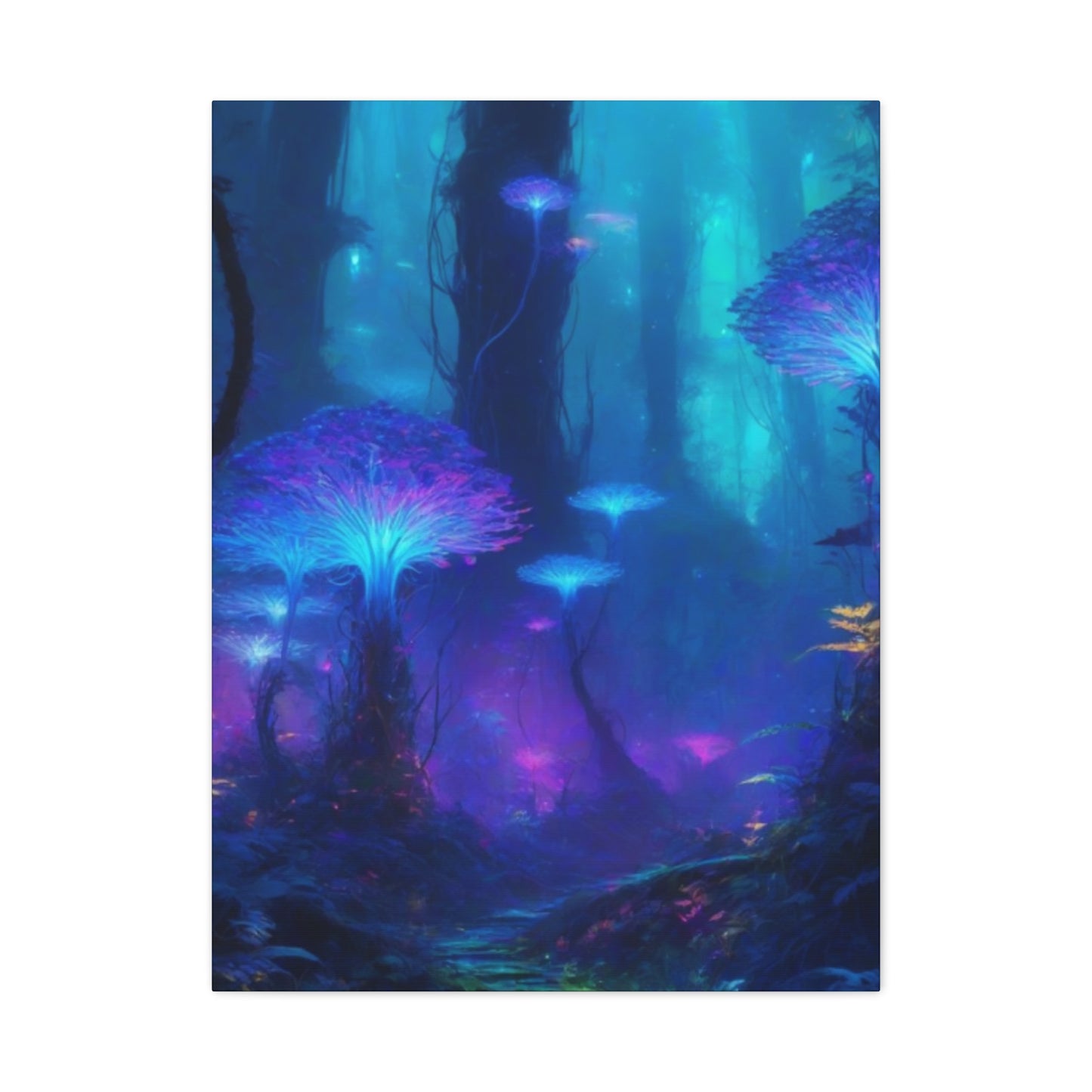
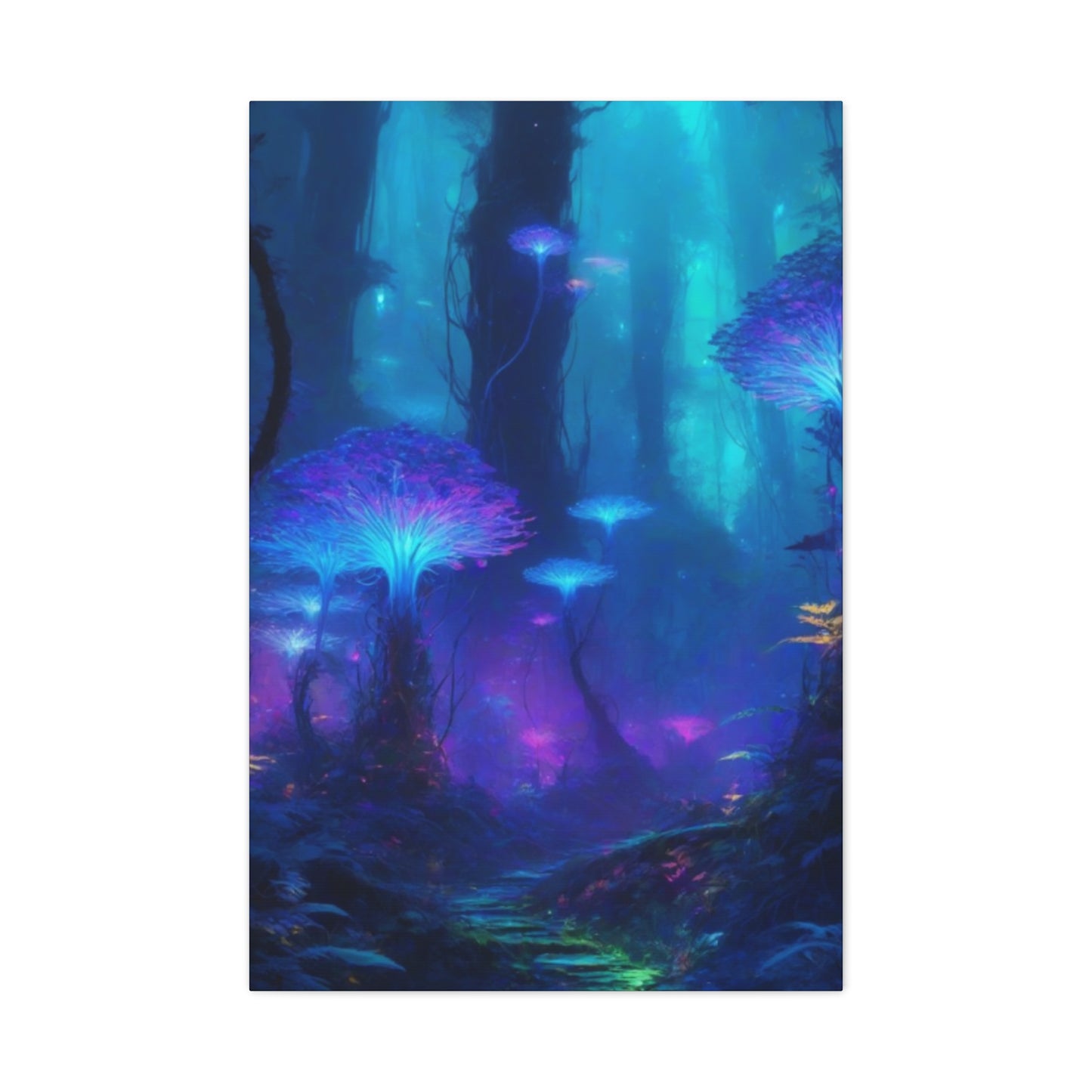
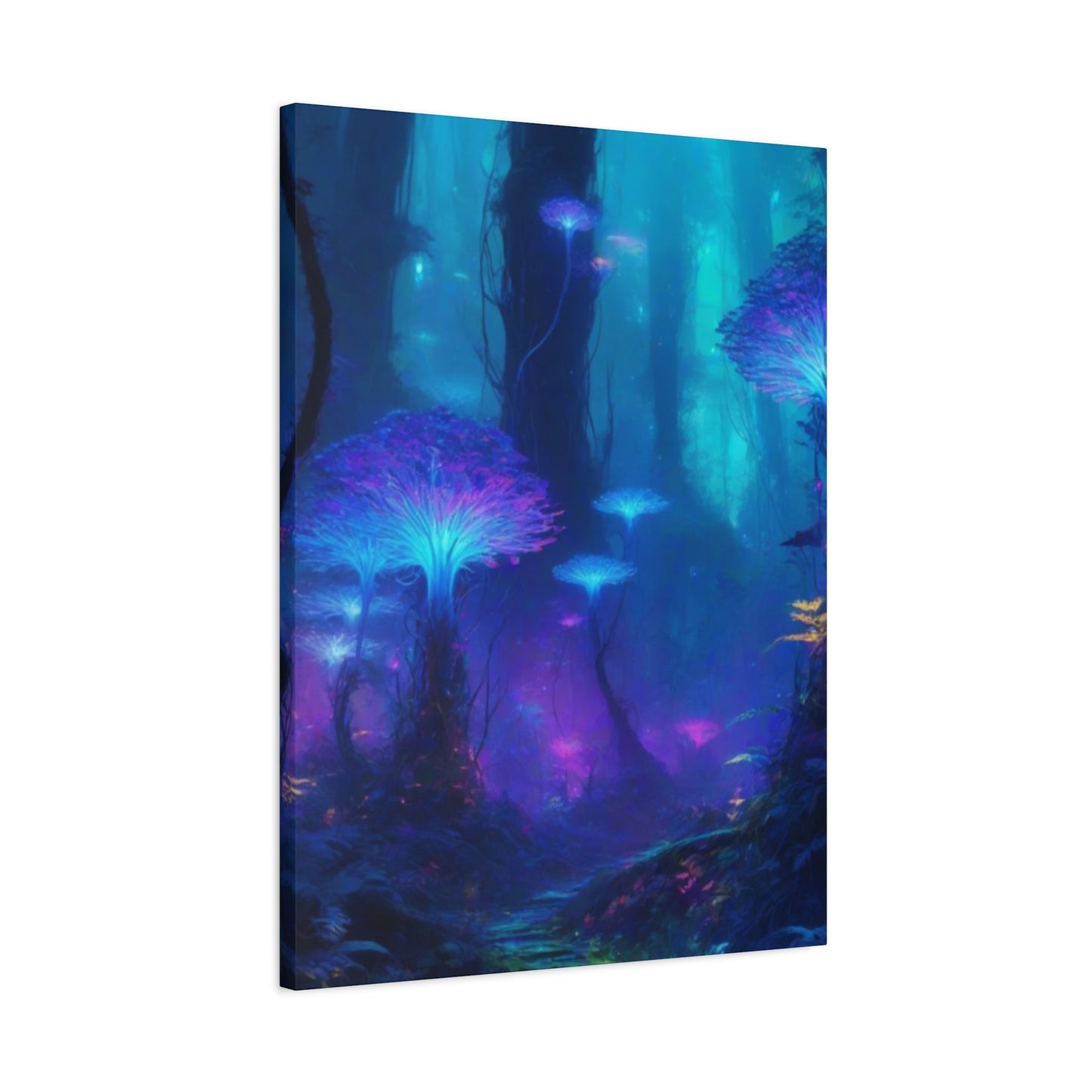
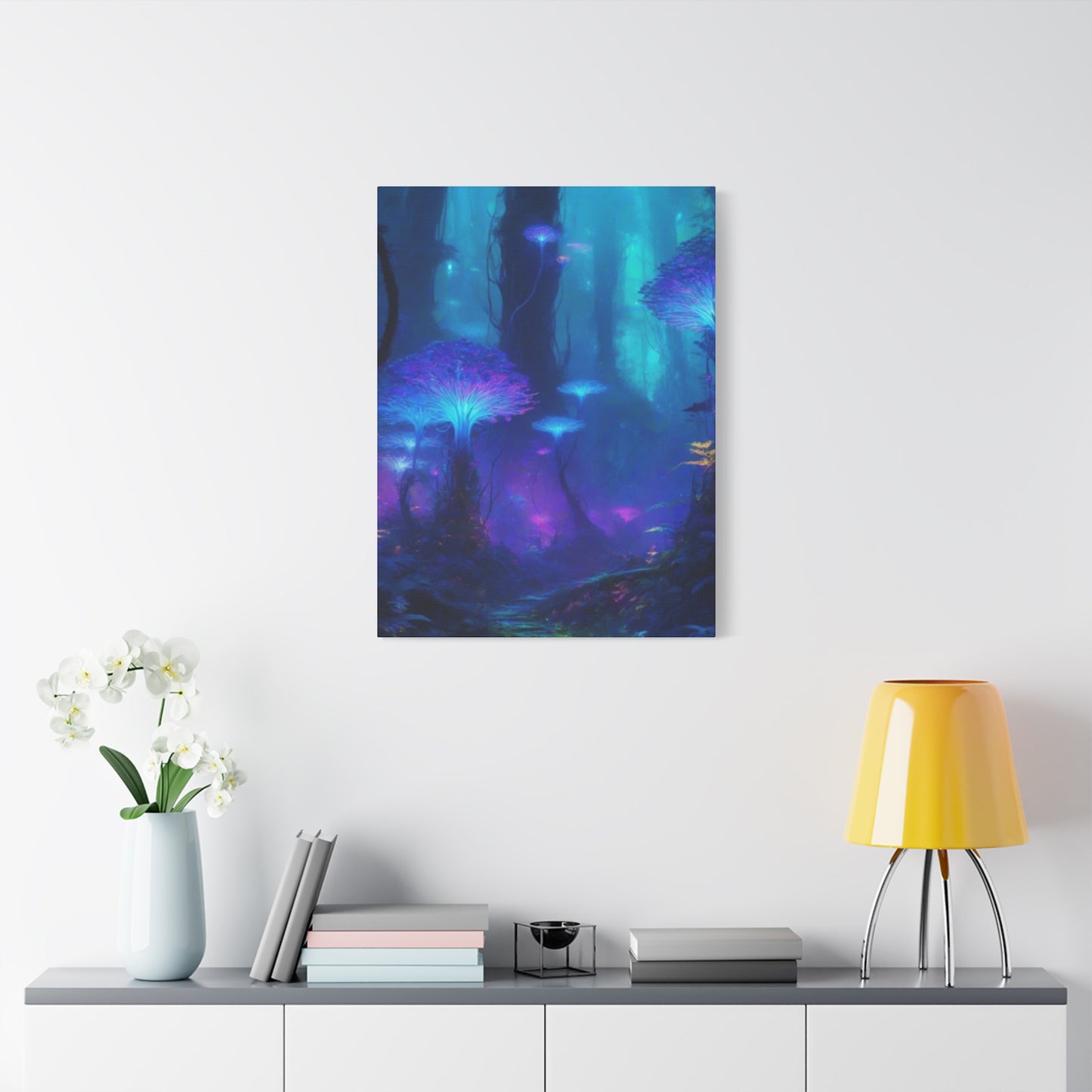
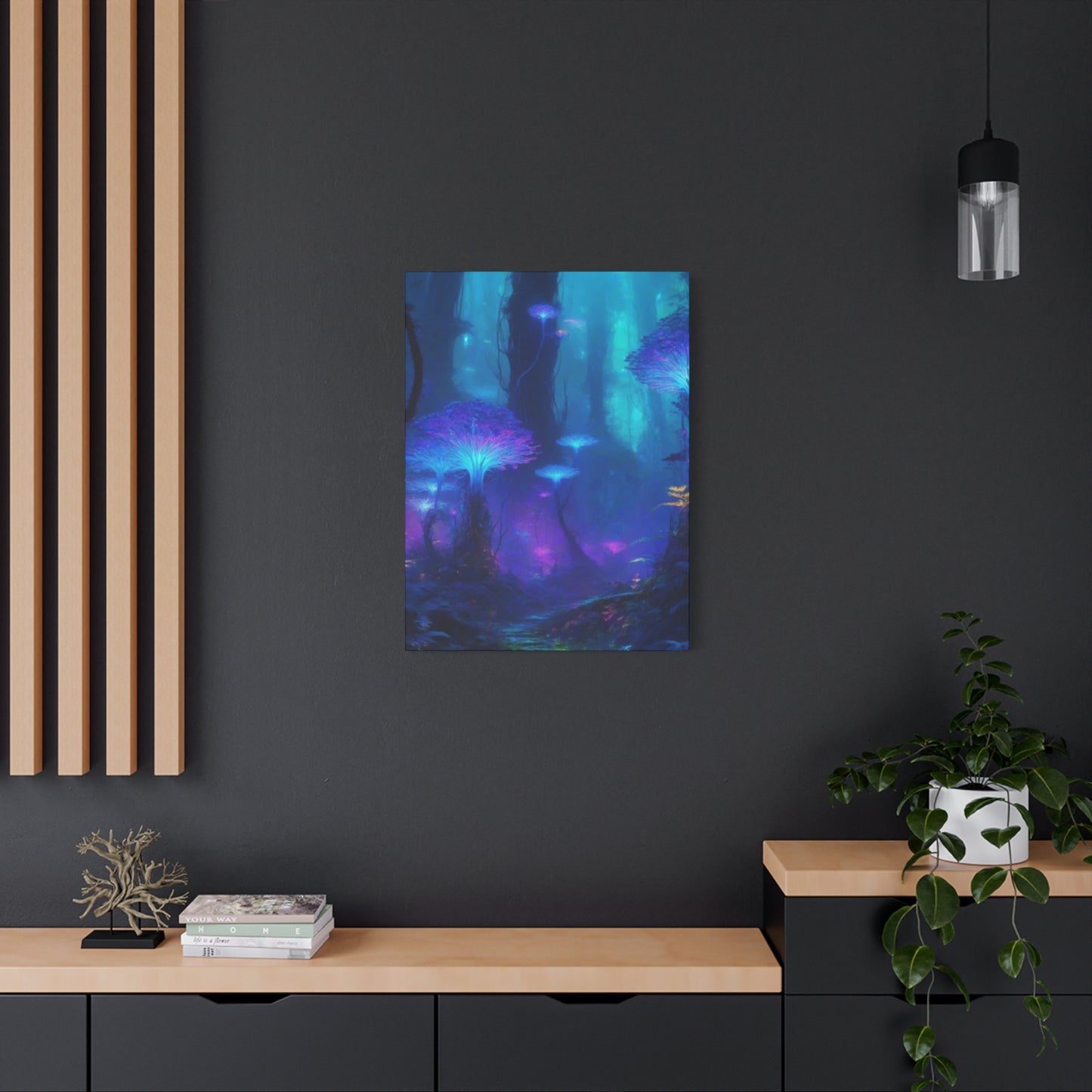
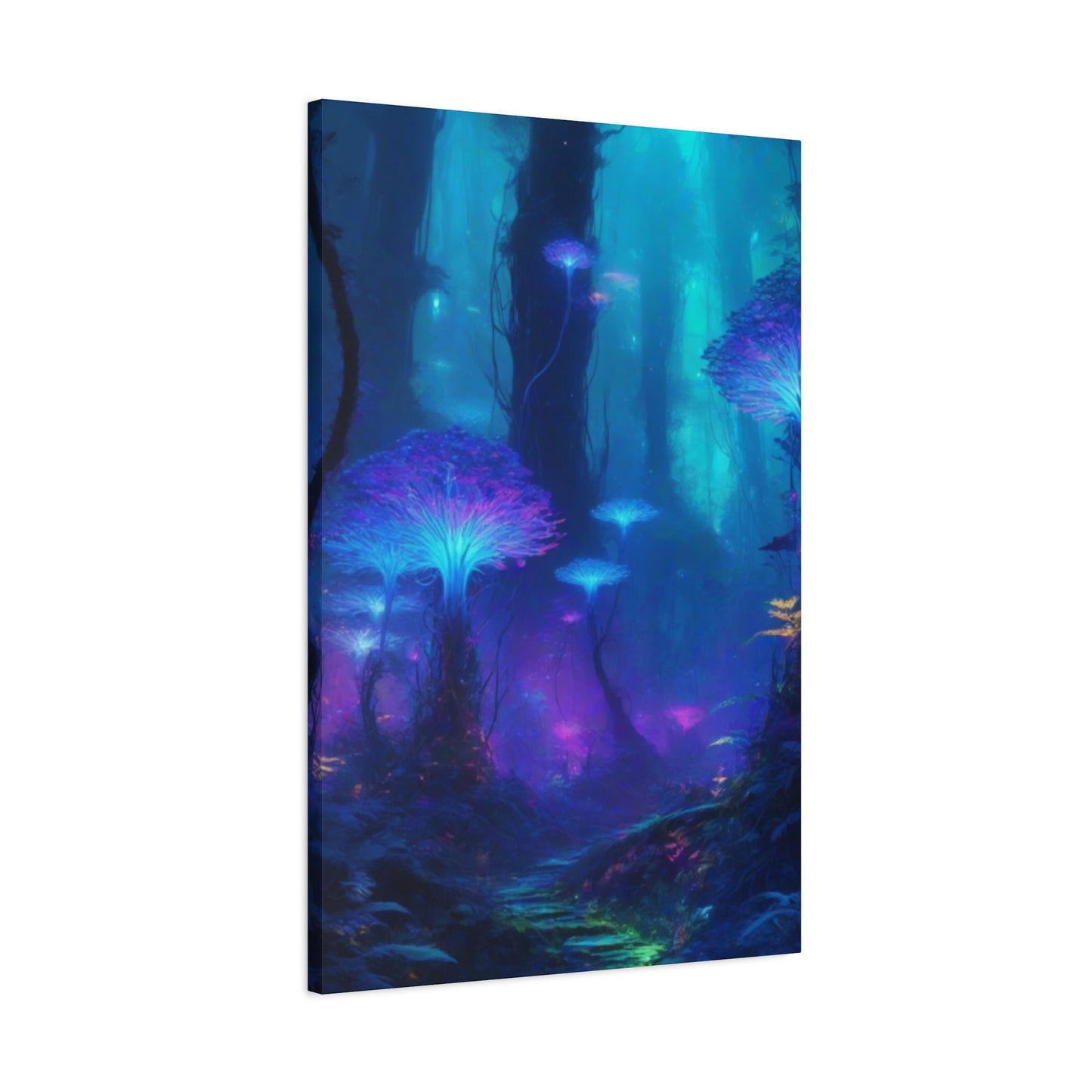
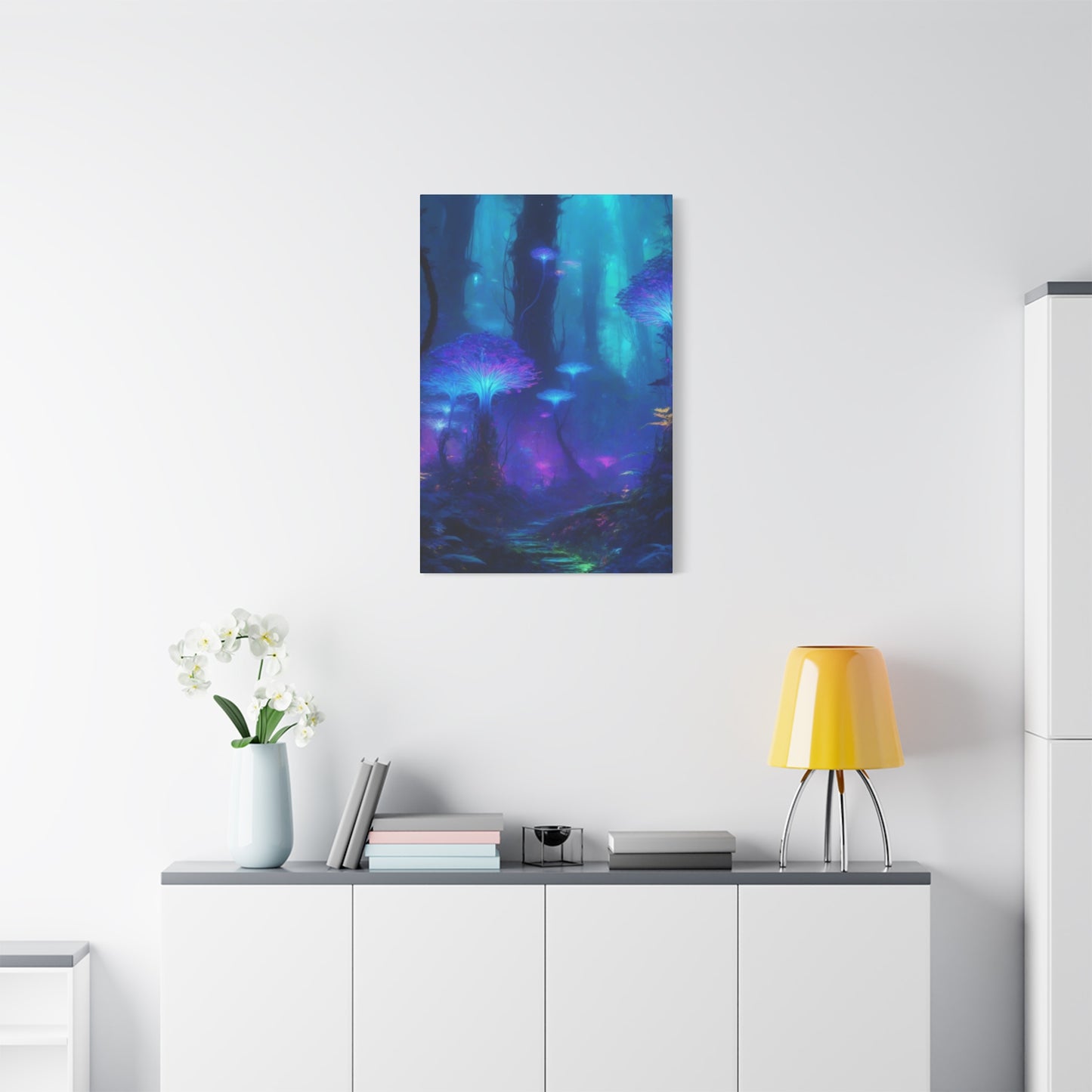
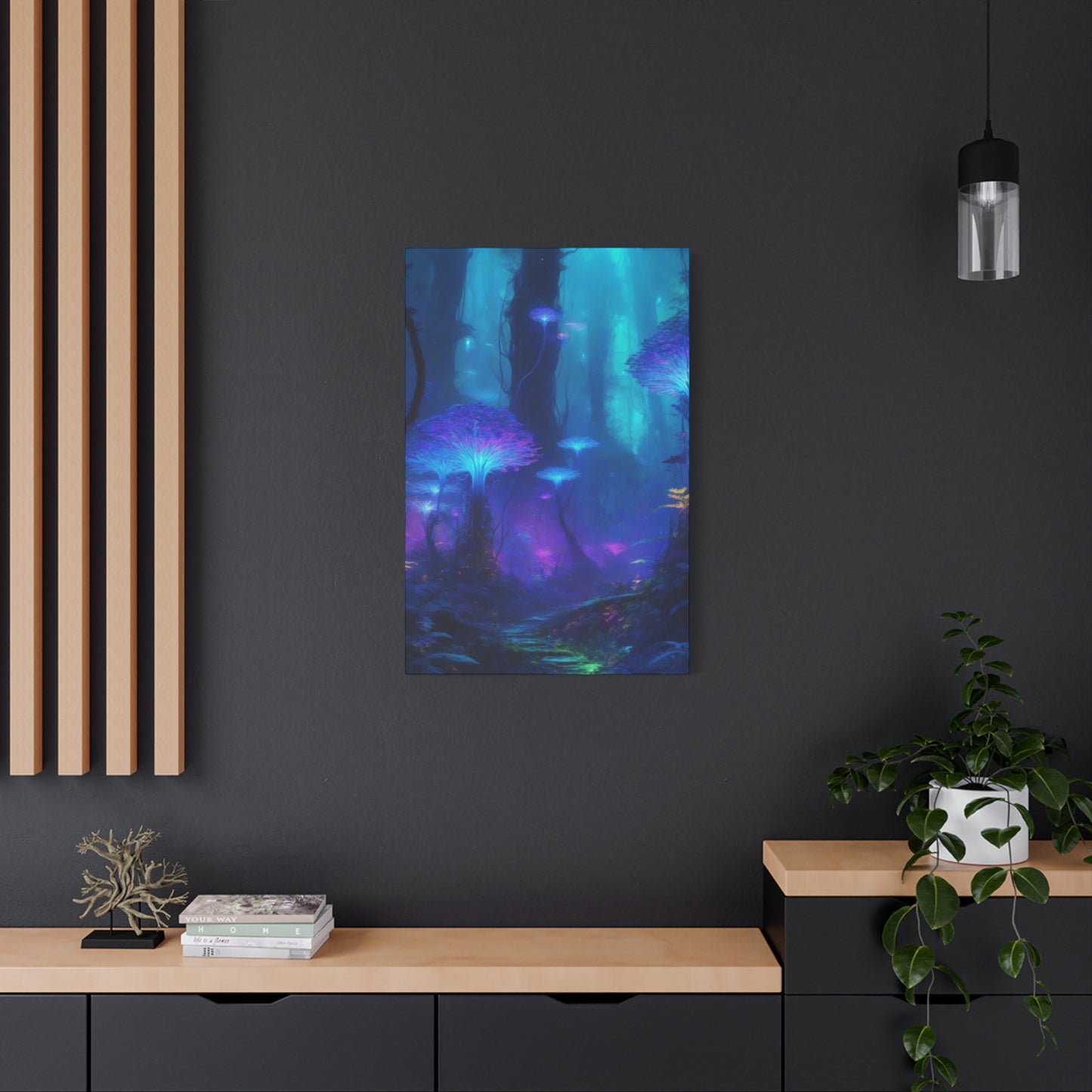
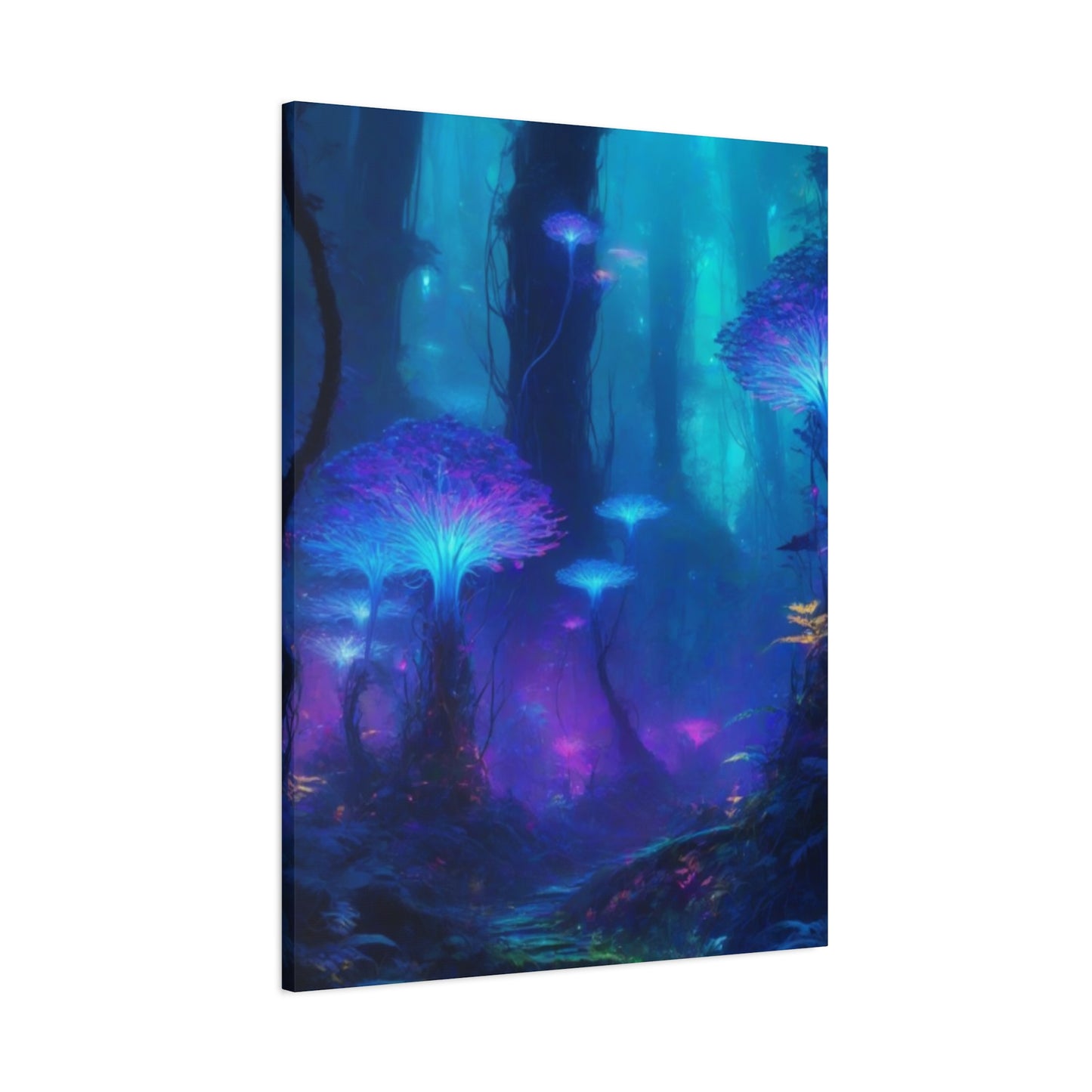
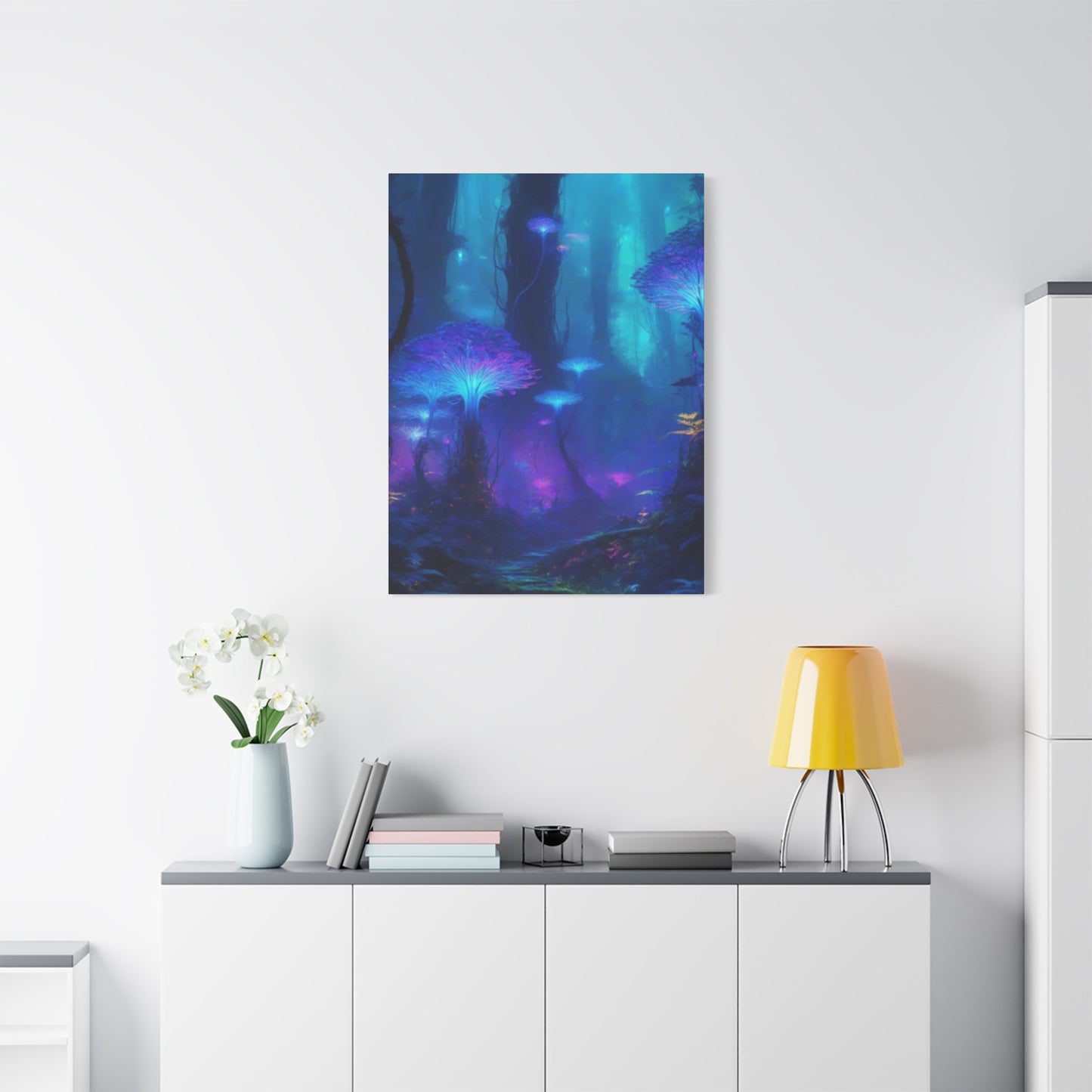
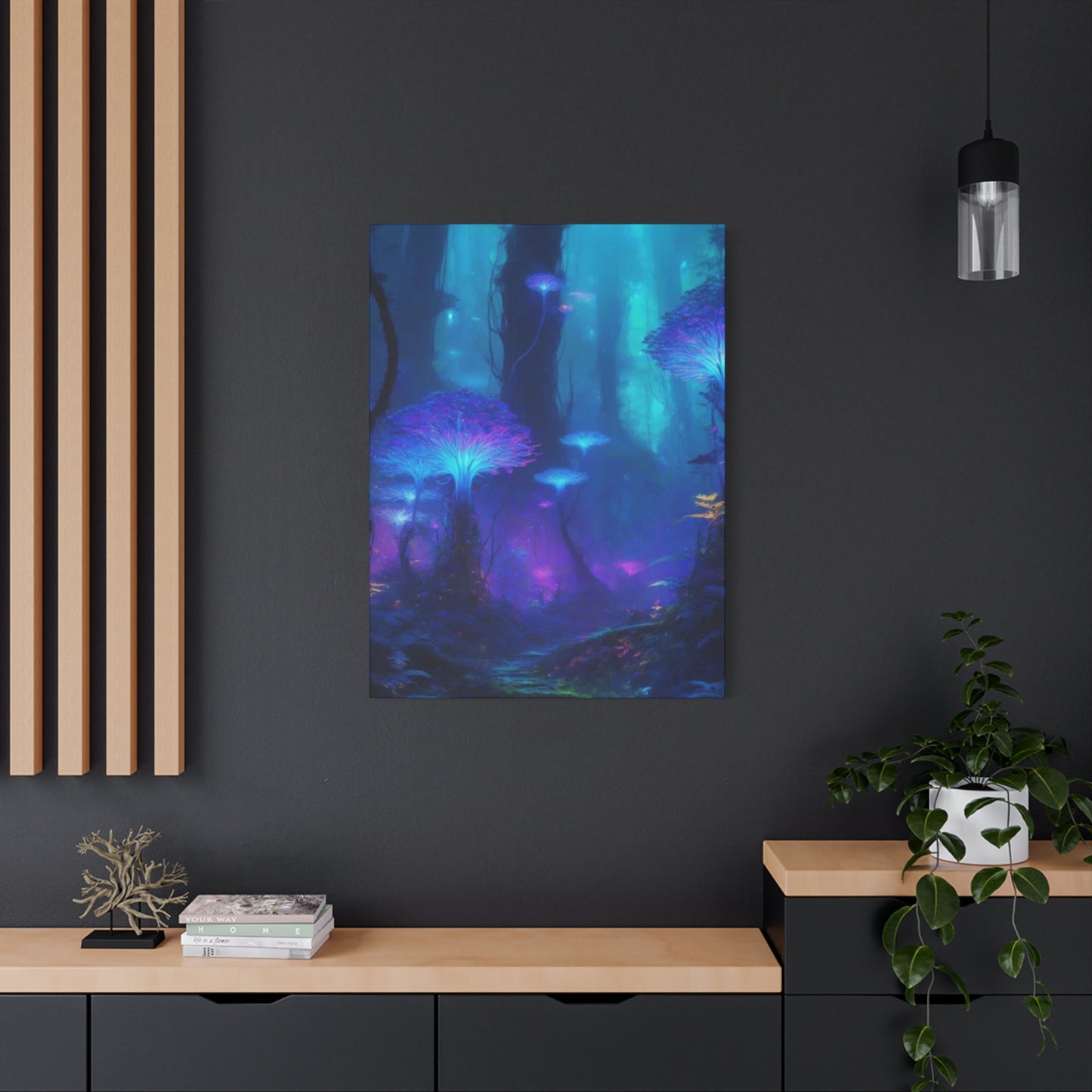
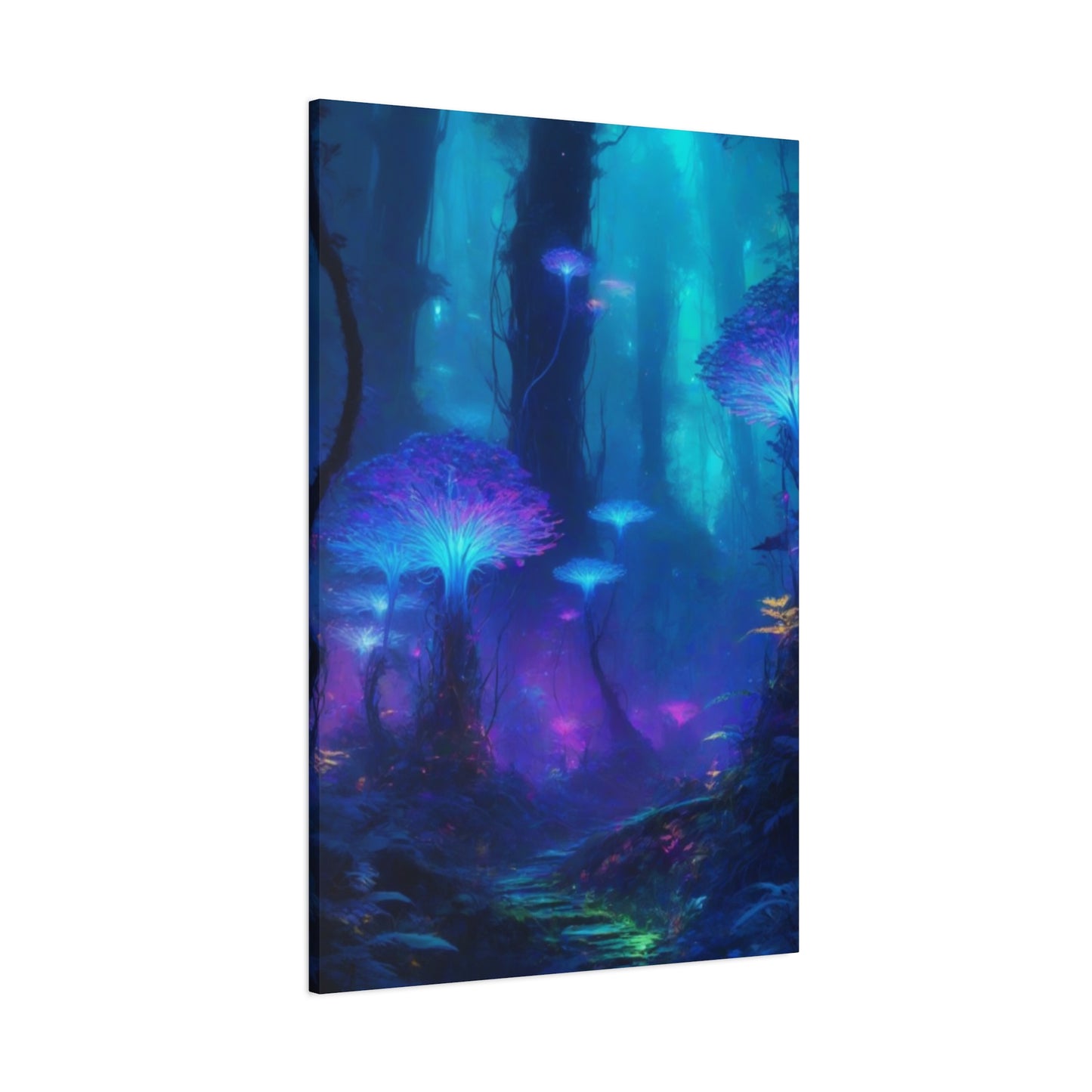
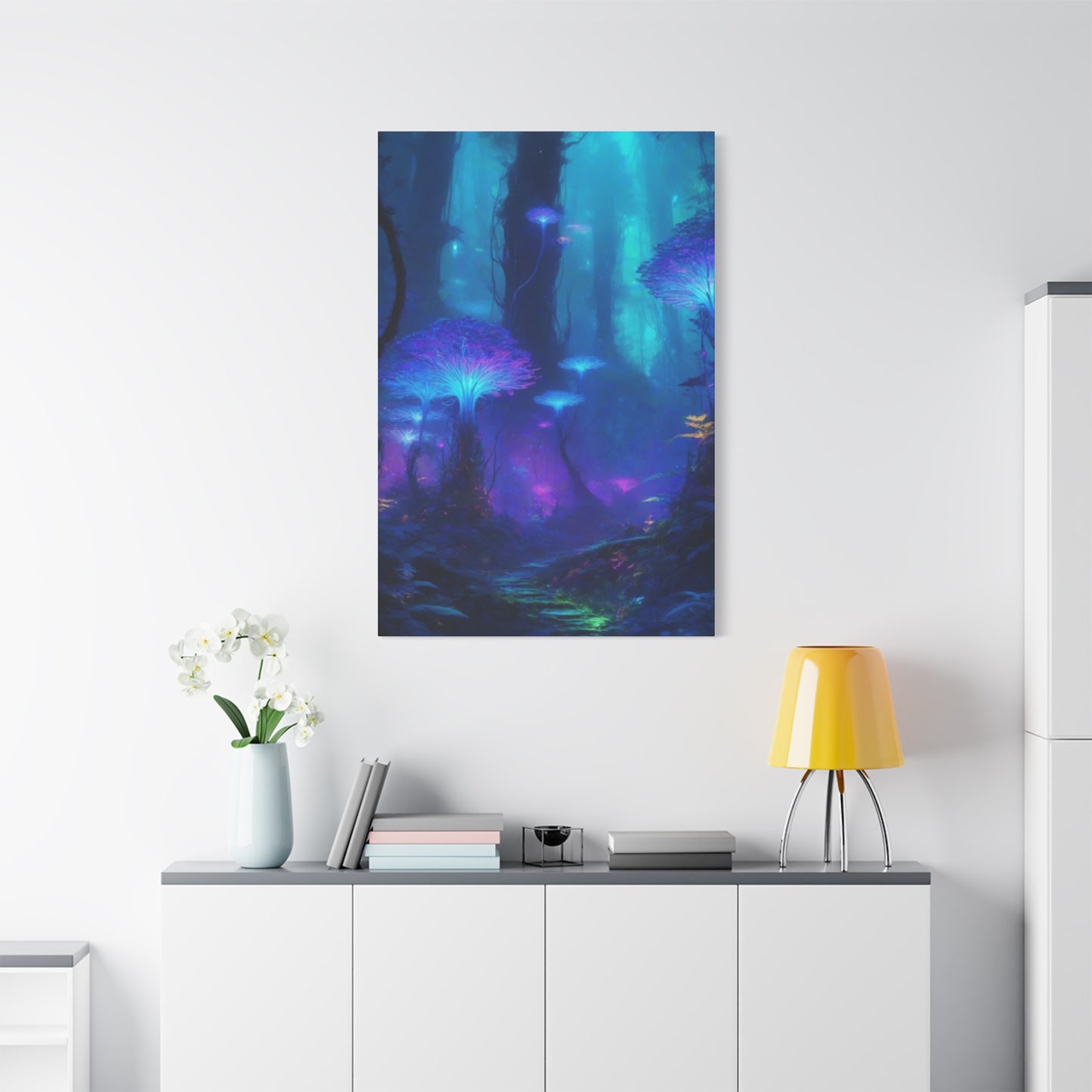
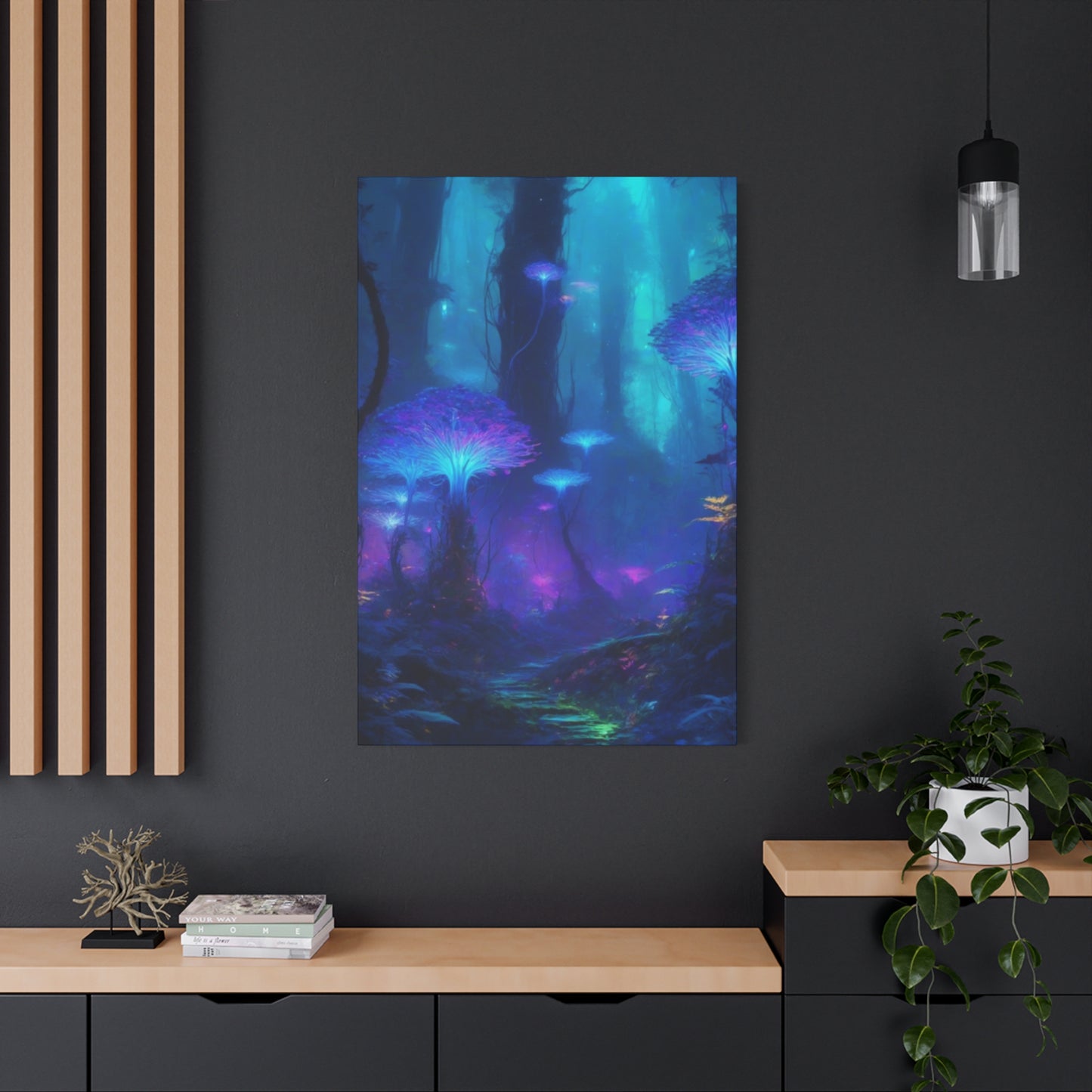
Glowing Forest Wall Art & Canvas Prints
Glowing Forest Wall Art & Canvas Prints
Couldn't load pickup availability
Luminous Woodland Canvas Prints: Creating Magical Spaces with Glowing Forest Wall Art
The enchantment of nature has always captivated human imagination, and few things embody this mystique more profoundly than forests bathed in ethereal light. Glowing forest wall art represents a convergence of artistic expression and natural wonder, transforming ordinary living spaces into sanctuaries of tranquility and visual splendor. This mesmerizing decor element has surged in popularity among homeowners, interior designers, and nature enthusiasts who seek to bring the serenity of woodland landscapes into their daily environments.
The allure of illuminated woodland imagery extends beyond mere aesthetics. These captivating pieces serve as focal points that command attention while simultaneously creating atmospheres of calm and contemplation. Whether depicting moonlit groves, bioluminescent forests, or sunbeam-dappled pathways through ancient trees, glowing forest wall art offers an escape into realms where natural beauty reigns supreme.
The Artistic Essence Behind Luminescent Woodland Imagery
Luminescent woodland artwork draws inspiration from countless sources found throughout nature's vast repertoire. Artists who specialize in creating these ethereal pieces often spend considerable time studying how light interacts with forest environments during various times of day and atmospheric conditions. The golden hour, when sunlight filters through leaves creating god rays, provides particularly rich inspiration for many creators. Similarly, the mysterious glow of fungi like foxfire mushrooms or the ethereal quality of fog-shrouded woodlands informs the mystical aesthetic that defines this genre.
The creative process behind producing glowing forest wall art involves multiple layers of conceptualization and execution. Artists must consider composition, color theory, light dynamics, and emotional resonance simultaneously. Many practitioners begin with photographic references gathered during forest expeditions, while others work purely from imagination, constructing idealized versions of woodland scenes that may not exist in reality but feel authentically natural nonetheless.
Color palettes in luminescent woodland artwork typically emphasize deep greens, rich browns, and dramatic contrasts between shadow and illumination. However, contemporary artists frequently experiment with unconventional color schemes, incorporating purples, teals, and even warm oranges to create surreal yet harmonious compositions. The interplay between cool forest tones and warm light sources generates visual tension that keeps viewers engaged, encouraging prolonged contemplation of the artwork.
Texture plays an equally crucial role in effective glowing forest wall art. Whether achieved through brushwork in paintings, printing techniques in reproductions, or material selection in mixed-media pieces, textural variation adds depth and tactile interest. Rough bark, delicate leaves, smooth stones, and misty atmosphere each require different textural approaches to convey their unique qualities convincingly.
Various Forms and Manifestations of Illuminated Woodland Decor
The marketplace offers glowing forest wall art in numerous formats, each with distinct characteristics suited to different preferences and spatial requirements. Canvas prints remain among the most popular choices, offering durability, visual impact, and versatility. These stretched canvas pieces provide a gallery-quality appearance without the prohibitive cost of original paintings. The canvas surface also lends itself well to reproduction of both photographic and painted imagery, maintaining fine details while offering a sophisticated matte finish that minimizes glare.
Framed prints constitute another significant category within this decor niche. These typically feature high-quality paper or photographic prints protected behind glass or acrylic, housed within frames ranging from minimalist metal designs to ornate wooden borders. Framed pieces offer easier customization of the surrounding aesthetic, allowing homeowners to match existing decor themes more precisely. The protective glazing also ensures longevity, shielding the artwork from environmental factors that might otherwise degrade its appearance.
Metal prints have emerged as a contemporary alternative that appeals particularly to those with modern sensibilities. This format involves infusing dyes directly into specially coated aluminum sheets, resulting in vibrant colors and exceptional durability. The metallic surface imparts a subtle sheen to glowing forest wall art that can enhance the luminous quality of the imagery. These pieces resist fading, moisture, and scratching far better than traditional prints, making them ideal for high-traffic areas or environments with challenging conditions.
Acrylic panels represent premium options that create stunning depth and vibrancy. When woodland imagery is mounted behind transparent acrylic, the colors appear intensified and the image seems to float within the clear material. Light passing through the acrylic enhances the glowing effect inherent in the artwork, making these pieces particularly suitable for spaces where the luminescent quality is paramount. The glossy finish catches and reflects ambient light, further amplifying the ethereal atmosphere.
Wooden panels offer rustic charm that complements the natural subject matter of glowing forest wall art. Printing or mounting imagery directly onto wood surfaces creates organic cohesion between the artwork and its substrate. The visible grain patterns add an extra dimension of texture and authenticity, reinforcing the connection to nature. These pieces work exceptionally well in cabins, lodges, or homes with rustic or farmhouse design aesthetics.
Tapestries and fabric-based wall hangings provide softer alternatives to rigid panels and frames. These textile versions of glowing forest wall art introduce warmth and acoustic benefits to spaces while maintaining visual impact. The fabric medium lends itself particularly well to larger installations where traditional materials might prove prohibitively heavy or expensive. Tapestries also offer portability and easy storage, making them practical for renters or those who frequently redecorate.
Selecting the Perfect Luminous Woodland Piece for Your Environment
Choosing appropriate glowing forest wall art requires careful consideration of multiple factors that influence both aesthetic harmony and practical functionality. Size represents perhaps the most critical consideration, as improperly scaled artwork can overwhelm small spaces or appear insignificant in expansive rooms. General guidelines suggest that wall art should occupy between sixty and seventy-five percent of the available wall space above furniture pieces, though these proportions may be adjusted based on personal preference and specific circumstances.
Room dimensions significantly impact ideal artwork size. In compact rooms with low ceilings, oversized pieces may create claustrophobic feelings, whereas appropriately scaled artwork can actually make spaces appear larger by drawing the eye and creating focal points. Conversely, large rooms with high ceilings accommodate and often require substantial pieces to avoid appearing empty or underdecorated. Multiple smaller pieces arranged in gallery walls sometimes serve as effective alternatives to single large installations.
Color coordination between glowing forest wall art and existing room elements ensures visual cohesion rather than jarring discord. While complementary colors create vibrant contrasts, analogous color schemes promote harmony and tranquility. Consider the dominant hues in furniture, flooring, window treatments, and accent pieces when selecting woodland artwork. Pieces featuring cool tones like blues and greens typically enhance relaxing spaces such as bedrooms and bathrooms, while warmer woodland scenes with golden light may energize living areas and offices.
Lighting conditions within the space dramatically affect how glowing forest wall art appears. Natural light from windows changes throughout the day, potentially altering the artwork's appearance and mood. South-facing rooms receive abundant warm light that may intensify warm tones in the artwork, while north-facing spaces receive cooler, more consistent illumination. Artificial lighting choices also matter considerably. Warm-toned bulbs enhance the cozy aspects of woodland scenes, whereas cool white lighting emphasizes details and creates more dramatic contrasts.
The intended emotional atmosphere of the space should guide artwork selection. Bedrooms benefit from serene, misty forest scenes that promote relaxation and peaceful sleep. Home offices might feature more dramatic compositions with strong light contrasts to inspire creativity and maintain alertness. Living rooms accommodate diverse styles, from subtle understated pieces that blend into the background to statement works that dominate attention. Meditation spaces or yoga rooms particularly suit ethereal, dreamlike woodland imagery that facilitates mental clarity and spiritual connection.
Personal resonance with the artwork matters immensely. Beyond all technical considerations, the piece should evoke positive emotions and maintain appeal over extended periods. Glowing forest wall art that sparks joy, nostalgia, wonder, or tranquility will continue providing satisfaction long after initial installation. Spend time with potential selections, observing them under different lighting conditions and from various angles before committing to purchase.
Strategic Placement and Arrangement of Woodland Wall Decor
Positioning glowing forest wall art effectively maximizes its visual impact while respecting the functional requirements of the space. Eye-level placement generally works best, with the center of the artwork positioned approximately fifty-seven to sixty inches from the floor—the standard gallery hanging height that accommodates average human sight lines. However, this guideline requires adjustment when artwork will be viewed primarily while seated, as in dining areas or above sofas, where lower positioning proves more appropriate.
Above furniture pieces, maintain proportional relationships that create visual balance. Standard recommendations suggest leaving six to twelve inches between the top of a sofa or headboard and the bottom of the artwork, though this spacing may expand for larger pieces or when creating intentional visual breathing room. Ensure that the artwork width measures between two-thirds and three-quarters of the furniture width below it to maintain pleasing proportions.
Gallery walls incorporating multiple pieces of glowing forest wall art require careful planning to achieve cohesive yet dynamic arrangements. Begin by laying out pieces on the floor, experimenting with various configurations before committing to wall mounting. Maintain consistent spacing between pieces—typically two to three inches for smaller works and four to six inches for larger ones—to create unified collections rather than scattered assemblages. Consider using paper templates taped to the wall to visualize arrangements before creating permanent holes.
Corner spaces often present challenging placement scenarios that many overlook. Glowing forest wall art can transform these typically underutilized areas into compelling focal points. Wrap-around corner installations using complementary pieces create immersive environments, while single dramatic pieces positioned strategically can visually expand cramped corners. Ensure adequate lighting reaches corner placements, as these areas frequently suffer from insufficient illumination that diminishes artwork visibility.
Hallways and transitional spaces benefit enormously from thoughtfully placed woodland wall decor. These often-neglected areas connect primary rooms and influence the overall flow and feeling of homes. Series of smaller glowing forest wall art pieces arranged linearly along hallway walls create visual continuity and guide movement through spaces. Alternatively, single impactful pieces at hallway endpoints provide destinations that draw residents and guests forward.
Bathroom environments, though sometimes overlooked for serious artwork, actually provide excellent opportunities for glowing forest wall art. The inherently relaxing nature of woodland imagery complements bathroom functions perfectly. Select moisture-resistant formats like metal or acrylic prints to withstand humid conditions. Position pieces where they can be enjoyed from the bathtub or vanity, transforming routine activities into more luxurious experiences.
Complementary Decor Elements That Enhance Woodland Aesthetics
Glowing forest wall art achieves maximum impact when supported by complementary decor elements that reinforce the natural theme without creating redundancy. Natural materials in furniture and accessories create harmonious relationships with woodland imagery. Wood furniture pieces, whether rustic reclaimed timber or refined hardwoods, echo the trees depicted in the artwork. Stone elements like granite countertops, slate coasters, or river rock displays strengthen connections to earth and wilderness.
Plant life introduces three-dimensional nature into spaces featuring glowing forest wall art. Strategic placement of potted trees, hanging plants, or tabletop greenery creates visual dialogue between the two-dimensional artwork and living specimens. Select plant varieties that complement rather than compete with the artwork—understated foliage works better than extremely colorful flowering plants that might distract from the wall pieces. Consider maintenance requirements carefully, ensuring that plants receive adequate light and care in their designated positions.
Lighting fixtures significantly influence how glowing forest wall art appears and feels. Picture lights mounted directly above or below artwork provide focused illumination that enhances visibility while creating dramatic effects. Track lighting offers flexibility to highlight multiple pieces independently. Ambient lighting from floor lamps, table lamps, and sconces contributes to overall atmosphere. Consider dimmable options that allow mood adjustment throughout the day and evening. Natural fiber lampshades or fixtures made from organic materials like rattan or bamboo reinforce the woodland theme.
Textile selections throughout the space should harmonize with glowing forest wall art. Curtains, throw pillows, blankets, and area rugs in complementary colors and natural textures enhance thematic cohesion. Linen, cotton, wool, and jute fabrics introduce tactile variety while maintaining organic authenticity. Patterns should be selected judiciously—subtle leaf motifs or organic abstracts work well, whereas busy prints might overwhelm the visual field.
Accent pieces and decorative objects provide opportunities to reinforce the woodland theme through carefully curated details. Wooden bowls, ceramic vases with natural glazes, brass candlesticks, and woven baskets introduce varied textures and materials that feel at home alongside forest imagery. Avoid overdoing thematic elements; a few well-chosen pieces prove more effective than cluttered arrangements of nature-themed knickknacks.
Color schemes extending beyond the glowing forest wall art itself require thoughtful consideration. Neutral backgrounds in whites, creams, grays, or taupes allow the artwork to command attention without competition. Accent walls in deep forest greens, rich browns, or slate grays can intensify the woodland atmosphere when executed tastefully. Avoid matching paint colors too precisely to specific tones in the artwork, as this often appears contrived rather than natural.
The Profound Impact of Woodland Imagery on Human Wellbeing
Scientific research increasingly validates what intuition has long suggested: exposure to natural imagery, including glowing forest wall art, produces measurable effects on human physiology and psychology. Studies examining stress reduction consistently demonstrate that viewing natural scenes lowers cortisol levels, reduces blood pressure, and slows heart rates. These physiological changes correspond with subjective feelings of relaxation and improved mood.
The phenomenon known as biophilia explains humans' innate affinity for nature and living systems. Evolutionary psychologists theorize that humans evolved in natural environments and consequently developed psychological mechanisms that respond positively to natural stimuli. In modern contexts where many people spend the majority of time indoors, disconnected from direct nature contact, representations like glowing forest wall art help satisfy biophilic needs, promoting mental health and emotional equilibrium.
Attention restoration theory provides another framework for understanding the benefits of woodland imagery. This concept distinguishes between directed attention, which requires mental effort and depletes cognitive resources, and involuntary attention, which occurs effortlessly when viewing certain stimuli. Natural scenes engage involuntary attention, allowing directed attention mechanisms to rest and recover. This process reduces mental fatigue and enhances subsequent cognitive performance.
Color psychology offers additional insights into why glowing forest wall art affects viewers as it does. Green, the dominant color in most woodland scenes, associates with growth, renewal, and tranquility. Studies indicate that green environments reduce anxiety and promote healing. Brown tones convey stability, reliability, and earthiness. The interplay of light and shadow in glowing forest imagery creates visual interest that holds attention without causing overstimulation.
Hospital and healthcare environments increasingly incorporate nature imagery, including woodland scenes, as part of evidence-based design practices aimed at improving patient outcomes. Research shows that patients with views of nature or nature-themed artwork experience faster recovery times, require less pain medication, and report higher satisfaction with care. These findings translate equally to residential settings, where glowing forest wall art can support overall wellness.
Workspaces benefit substantially from the presence of nature-inspired artwork. Employees working in environments featuring natural imagery report reduced stress, improved focus, and enhanced creativity compared to those in sterile environments devoid of natural elements. For home offices, glowing forest wall art provides an accessible means of improving the workspace atmosphere without extensive renovations.
Sleep quality responds positively to bedroom environments that incorporate calming natural imagery. The visual cues provided by serene woodland scenes help signal the brain to transition toward rest states. Combined with other sleep hygiene practices like reduced screen time and optimal lighting, glowing forest wall art in bedrooms contributes to more restorative sleep patterns.
Creating Authentic Experiences Through Personally Meaningful Selections
The most impactful glowing forest wall art often reflects personal experiences, memories, or aspirations rather than serving purely decorative functions. Individuals with strong connections to specific geographic regions might select artwork depicting local forest types—Pacific Northwest rainforests, Northeastern deciduous woodlands, Southern pine forests, or Rocky Mountain alpine groves. These location-specific pieces can evoke nostalgia for childhood homes, memorable vacations, or beloved natural areas.
Seasonal preferences also inform meaningful artwork selections. Spring forest scenes bursting with new growth and wildflowers appeal to those who cherish renewal and beginnings. Summer woodlands with lush canopies filtering bright sunlight attract people who thrive during warmer months. Autumn forests ablaze with color speak to those who appreciate change and transformation. Winter woodland scenes featuring bare branches and snow-covered ground resonate with individuals who find beauty in starkness and dormancy.
Time-of-day representations within glowing forest wall art carry distinct emotional qualities. Dawn forest scenes with soft, diffused light suggest new beginnings and hopeful anticipation. Midday woodland imagery conveys vitality and fullness. Twilight forests bathed in golden light evoke warmth and contentment. Nighttime scenes illuminated by moonlight or bioluminescence create mystery and wonder.
Particular tree species featured in artwork may hold personal significance. Oak trees symbolize strength and endurance. Birch trees represent new beginnings and cleansing. Willow trees evoke flexibility and grace. Redwoods and sequoias communicate ancient wisdom and perspective. Pine and evergreen trees suggest resilience and constancy. Selecting glowing forest wall art that features meaningful tree varieties adds layers of personal symbolism to spaces.
Wildlife elements within forest scenes introduce additional narrative dimensions. Deer appearing in woodland artwork often symbolize gentleness and vigilance. Owls represent wisdom and intuition. Bears convey strength and introspection. Birds suggest freedom and transcendence. The presence or absence of wildlife significantly impacts the mood and meaning of glowing forest wall art.
Abstract versus realistic approaches to woodland imagery suit different personality types and aesthetic preferences. Photorealistic representations appeal to those who appreciate precision and faithful nature documentation. Impressionistic interpretations attract individuals who value emotional resonance over literal accuracy. Abstract woodland pieces speak to people who prefer suggestion and interpretation over explicit depiction. Mixed approaches incorporating realistic and abstract elements offer middle ground that satisfies diverse preferences.
Caring for and Preserving Your Woodland Wall Decor Investment
Proper care ensures glowing forest wall art maintains its visual appeal and structural integrity over many years. Different formats require specific maintenance approaches, though some universal principles apply across categories. Regular dusting prevents accumulation of particles that dull appearance and potentially cause scratching. Use soft, lint-free cloths or specialized dusting tools designed for artwork. Avoid feather dusters, which can scratch delicate surfaces and often redistribute rather than remove dust.
Canvas prints benefit from gentle cleaning with slightly dampened cloths when necessary, though excessive moisture should be avoided. Never spray cleaning solutions directly onto canvas surfaces; instead, apply minimal product to the cloth and test in an inconspicuous area before proceeding. Avoid placing canvas pieces in locations exposed to direct sunlight, as UV radiation causes fading over time. Similarly, keep artwork away from heat sources like radiators or fireplaces that can damage materials.
Framed prints require careful attention to both the frame and the glazing material. Clean glass or acrylic with appropriate glass cleaners, spraying onto cloths rather than directly onto surfaces to prevent moisture seeping behind glazing. Wooden frames need occasional polishing with suitable wood care products to maintain finish quality. Check frame backing periodically for signs of pest activity or moisture damage, particularly in humid climates.
Metal prints demand minimal maintenance but benefit from occasional cleaning with non-abrasive cloths and mild soap solutions. The durable coating resists most common household chemicals, though harsh abrasives should still be avoided. These pieces tolerate moisture better than most other formats but should still be protected from prolonged direct water exposure.
Acrylic panels require special care to prevent scratching their glossy surfaces. Use only soft microfiber cloths and cleaners specifically formulated for acrylic materials. Static electricity can attract dust to acrylic surfaces, so anti-static treatments may prove beneficial in dry environments. Handle acrylic pieces by their edges when moving or cleaning to avoid leaving fingerprints on visible surfaces.
Environmental control significantly impacts artwork longevity. Maintain stable temperature and humidity levels, as dramatic fluctuations stress materials and accelerate degradation. Ideal conditions typically range from sixty-five to seventy-five degrees Fahrenheit with relative humidity between forty and fifty-five percent. Dehumidifiers help in excessively moist environments, while humidifiers prevent damage in arid climates.
Insurance considerations merit attention for valuable or irreplaceable glowing forest wall art. Standard homeowners or renters insurance may not adequately cover fine art, requiring additional riders or separate policies. Document artwork through photographs and retain purchase receipts to facilitate claims if necessary. Professional appraisals establish value for insurance purposes and estate planning.
Rotation strategies extend the effective lifespan of artwork collections while preventing visual fatigue. Periodically exchanging displayed pieces with those in storage keeps spaces feeling fresh and protects stored works from continuous light exposure. Climate-controlled storage areas preserve artwork optimally during rotation periods. Acid-free materials should be used for any direct contact with stored pieces to prevent chemical damage.
Commissioning Custom Woodland Artwork for Unique Personalization
For those seeking truly distinctive pieces, commissioning original glowing forest wall art from artists offers unparalleled personalization possibilities. This process allows specification of exact dimensions, color palettes, compositional elements, and stylistic approaches that perfectly match individual visions and spatial requirements. Though typically more expensive and time-consuming than purchasing ready-made pieces, commissioned artwork delivers uniqueness impossible to achieve otherwise.
Selecting appropriate artists requires research into various creators' portfolios, styles, and reputations. Online platforms and social media channels provide access to countless artists specializing in nature and woodland imagery. Examine multiple examples of each artist's work to ensure consistency and quality. Read client testimonials and reviews to assess reliability, communication skills, and satisfaction levels.
Initial consultations with prospective artists should cover expectations, timelines, pricing, and creative processes. Clearly communicate your vision while remaining open to artist input—experienced creators often contribute valuable insights that enhance final outcomes. Discuss reference materials you might provide, such as photographs from meaningful locations or examples of lighting effects you admire. Understand the artist's preferred working methods and typical project duration.
Contracts protect both parties by establishing clear terms regarding deliverables, payment schedules, revision policies, and ownership rights. Specify exactly what you will receive—original artwork, reproduction rights, digital files, or some combination. Outline the number of revision rounds included and costs for additional changes. Clarify shipping responsibilities and insurance coverage during transit. Address what happens if either party cannot fulfill their obligations.
Budget considerations for commissioned glowing forest wall art extend beyond the artist's fee. Factor in framing costs if applicable, shipping expenses, insurance, and potential installation charges for particularly large or heavy pieces. Artists' pricing structures vary widely based on experience, reputation, size, complexity, and medium. Established artists command premium prices, while emerging creators offer more accessible entry points. Balance budget constraints against the value of obtaining exactly what you envision.
Communication throughout the creation process ensures satisfaction with the final product. Most artists provide progress updates through photographs or video calls, allowing feedback at critical stages. Respond promptly to artist inquiries and provide clear, specific feedback rather than vague comments. Remember that artistic interpretation may deviate somewhat from your initial vision in ways that actually improve the work—trust the artist's expertise while advocating for your preferences.
Payment structures typically involve deposits to begin work, progress payments at designated milestones, and final payment upon completion or delivery. Never pay entire fees upfront unless working with extremely reputable, established artists. Conversely, respect that artists invest considerable time and materials, justifying substantial deposits. Payment platforms offering buyer protection provide security for online transactions with artists you haven't previously worked with.
Exploring Less Conventional Approaches to Woodland Wall Decor
Beyond traditional formats, innovative approaches to glowing forest wall art create distinctive statements that push creative boundaries. Projection mapping transforms entire walls or rooms into immersive forest environments through digital projectors displaying animated woodland scenes. These setups range from simple consumer projectors playing video loops to sophisticated systems with motion tracking and interactive elements. Though requiring technical setup and ongoing electricity, projection systems offer unmatched flexibility to change scenes according to mood or season.
Backlit panels elevate static woodland imagery through internal illumination. LED panels positioned behind printed translucent materials or carved designs create ethereal glowing effects impossible to achieve with traditional artwork. These pieces function as both art and light sources, serving dual purposes that justify their typically higher costs. Dimmable backlighting allows intensity adjustment to suit different times and activities.
Fiber optic embedded artwork incorporates tiny fiber optic strands into woodland scenes, creating starry effects, simulated fireflies, or accentuated light rays. These pieces blur boundaries between art and craft, between static and kinetic works. The subtle movement of light through optical fibers attracts attention and creates magical atmospheres, particularly in dim conditions where the effect becomes most visible.
Layered dimensional constructions build depth through multiple planes of material positioned at varying distances from the wall. These shadow box style pieces might incorporate real natural materials like bark, moss, or pressed leaves alongside printed or painted elements. The resulting three-dimensional dioramas create miniature forest worlds that invite prolonged examination and discovery of details.
Living walls or vertical gardens represent the ultimate integration of real nature into indoor spaces. While technically distinct from artwork, these installations of living plants arranged in artistic patterns create ever-changing organic displays. Maintenance requirements significantly exceed those of traditional glowing forest wall art, but the vitality and authenticity of living systems offer unique rewards. Some designs incorporate both living plants and artistic elements for hybrid approaches.
Recycled and upcycled woodland art appeals to environmentally conscious consumers. Artists working with reclaimed wood, recycled metals, or repurposed materials create pieces whose backstories add meaning and reduce environmental impact. Barn wood wall art featuring painted or burned forest scenes combines rustic textures with woodland imagery. Sculptures assembled from driftwood or fallen branches arrange natural forms into artistic compositions.
Digital screens displaying rotating collections of woodland imagery provide maximum variety while maintaining single installation points. High-quality digital frames with good color accuracy and anti-glare treatments can convincingly display artwork when programmed with quality images. Some systems sense room lighting and automatically adjust displayed imagery to suit ambient conditions—brighter scenes during daytime, moodier pieces after dark.
The Relationship Between Woodland Art and Broader Interior Design Movements
Glowing forest wall art intersects with numerous contemporary design movements, each interpreting natural themes through distinct philosophical and aesthetic lenses. The biophilic design movement explicitly centers on incorporating nature into built environments to enhance human wellbeing. Woodland artwork serves as a foundational element within this framework, bringing visual nature connection into spaces where direct access remains limited.
Scandinavian design embraces glowing forest wall art naturally, given the region's strong cultural connections to forests and nature. The characteristic minimalism of Nordic aesthetics allows woodland imagery to make powerful statements without competing against visual clutter. Color palettes dominated by whites, grays, and natural wood tones complement forest scenes beautifully. The concept of hygge—creating cozy, comfortable atmospheres—aligns perfectly with the warmth many woodland pieces convey.
Rustic design styles obviously pair well with glowing forest wall art, as both celebrate natural materials and outdoor themes. Log homes, mountain retreats, and farmhouse-style residences provide ideal contexts for woodland imagery. However, achieving sophistication within rustic frameworks requires restraint—too many nature-themed elements create kitsch rather than refined spaces. Select a few impactful pieces rather than saturating every surface with forest motifs.
Modern farmhouse design blends traditional rural elements with contemporary sensibilities, creating contexts where glowing forest wall art bridges old and new. The style's characteristic shiplap walls, industrial fixtures, and mixed metals provide interesting contrasts against organic woodland imagery. This juxtaposition creates visual tension that keeps spaces engaging while maintaining overall harmony.
Minimalist interiors benefit surprisingly well from carefully selected glowing forest wall art. Though minimalism emphasizes reduction and restraint, it doesn't demand complete absence of decoration. Single powerful woodland pieces can serve as focal points that define otherwise sparse spaces. The complexity and visual interest within quality forest imagery provides richness that prevents minimalist rooms from feeling cold or empty.
Maximalist approaches allow abundant expression of nature themes through collections of glowing forest wall art. Multiple pieces covering walls in salon-style arrangements create immersive environments that transport inhabitants into woodland realms. This approach requires careful curation to avoid visual chaos—pieces should relate through color, style, or theme even while contributing individual characters.
Bohemian and eclectic styles welcome woodland artwork as part of their characteristically diverse assemblages. The free-spirited nature of these design approaches accommodates varied interpretations of forest themes, from photorealistic to highly abstract. Mixing woodland pieces with other nature imagery, global textiles, and collected treasures creates personalized environments rich with meaning and memory.
Seasonal Rotation and Thematic Variation in Woodland Wall Decor
Strategic seasonal rotation of glowing forest wall art maintains visual freshness while reflecting natural cycles occurring outdoors. This practice requires building collections of pieces representing different seasons, then exchanging them several times yearly. Spring woodlands featuring emerging leaves, wildflowers, and soft green tones usher in feelings of renewal and growth. Display these pieces from March through May in temperate climates, adjusting timing based on local conditions.
Summer forest scenes dominated by lush canopies and deep green saturation celebrate abundance and vitality. These pieces work well from June through August, their richness reflecting the peak growing season. Images featuring sunlight filtering through dense foliage or forest streams provide cooling visual respite during hot months.
Autumn woodland artwork showcasing fall foliage creates spectacular visual impact during September through November. The dramatic color transformations occurring in deciduous forests provide endless inspiration, from subtle yellows to blazing reds and oranges. These pieces tend to be particularly popular, as fall foliage appreciation represents a widespread cultural tradition in many regions.
Winter forest scenes depicting snow-covered branches, bare trees against gray skies, or frozen woodland streams suit December through February displays. These pieces often convey quiet contemplation and stark beauty. Some viewers find winter woodland imagery depressing, while others appreciate its austere elegance—personal preference should guide whether to include winter pieces in rotation schedules.
Holiday-specific woodland artwork offers another rotation possibility. Winter scenes featuring evergreen trees decorated naturally with snow or ice can substitute for more explicitly holiday-themed decor, maintaining festive atmospheres while avoiding commercial overtones. Spring woodland imagery featuring blossoming trees works beautifully for Easter or renewal celebrations. Autumn forest scenes align with harvest and gratitude themes.
Rotation strategies needn't follow strict calendar schedules. Some people prefer changing artwork based on mood, energy levels, or life circumstances rather than seasons. This intuitive approach maintains flexibility while still providing variety and preventing visual stagnation. Keep alternative pieces accessible to enable spontaneous changes when inspiration strikes.
Storage considerations become important when maintaining rotation collections. Protect stored glowing forest wall art from environmental extremes, direct light, and physical damage. Acid-free materials should separate stacked pieces to prevent chemical reactions. Climate-controlled storage areas offer optimal conditions, though bedroom closets or under-bed storage often suffice for modest collections in stable environments.
The Interplay Between Real Forest Experiences and Artistic Representations
Glowing forest wall art gains profound meaning when informed by actual time spent in natural woodland environments. Direct forest experiences provide reference points that enhance appreciation of artistic interpretations. The sounds of rustling leaves, scents of damp earth and pine needles, physical sensations of rough bark and soft moss—these multisensory memories enrich viewing experiences of two-dimensional representations.
Recreational activities in forests create memories that resonate with woodland artwork. Hikers recall challenging trails, rewarding vistas, and moments of solitude or companionship. Campers remember evenings around fires, star-filled skies visible through tree canopies, and mornings greeted by birdsong. These experiences transform glowing forest wall art from mere decoration into vessels carrying personal narratives.
Seasonal forest changes observed over time deepen understanding of woodland cycles reflected in artwork. Witnessing spring's explosive growth, summer's mature abundance, autumn's dramatic transformation, and winter's dormancy provides context that enhances appreciation of how artists capture these phases. Regular visitors to particular forests develop intimate knowledge of specific places, potentially inspiring commission of artwork depicting beloved locations.
Photography excursions into forests serve dual purposes—creating personally meaningful experiences while generating reference materials for custom artwork or simply building deeper understanding of forest aesthetics. Learning to see forests through photographic lenses—considering composition, light quality, and color relationships—translates directly into more sophisticated artwork appreciation.
Conservation experiences foster emotional connections to forests that imbue woodland artwork with greater significance. Volunteering for trail maintenance, participating in tree planting initiatives, or supporting forest preservation organizations creates investment in forest health and sustainability. Glowing forest wall art then serves as daily reminder of these commitments and values.
Forest therapy or mindfulness practices conducted in natural settings generate associations between woodland imagery and intentional relaxation or spiritual practice. Japanese shinrin-yoku (forest bathing) traditions emphasize slow, contemplative immersion in forest environments. Practitioners who regularly engage these activities often find that glowing forest wall art helps access similar mental states even when actual forest visits aren't possible.
Educational forest experiences—guided nature walks, interpretive programs, or environmental science studies—provide intellectual frameworks that enhance artwork appreciation. Understanding ecological relationships, identifying tree species, or recognizing fungal structures visible in woodland imagery adds layers of meaning to visual experiences. This knowledge transforms passive viewing into active engagement with depicted ecosystems.
Conclusion
Developing meaningful collections of glowing forest wall art requires patience, discernment, and evolving taste. Rather than purchasing numerous pieces simultaneously, many collectors find greater satisfaction through gradual acquisition that allows relationships with individual works to develop. This approach also distributes costs over time, making higher-quality pieces more accessible than if entire collections required immediate completion.
Defining collection parameters helps guide acquisition decisions while preventing aimless accumulation. Some collectors focus on specific forest types, gathering pieces depicting exclusively deciduous woodlands or coniferous forests. Others organize around artistic medium, collecting only paintings or exclusively photographic works. Seasonal themes, color palettes, or emotional tones provide alternative organizing principles. These frameworks needn't be rigid—allowing occasional exceptions prevents collections from becoming monotonous.
Discovering emerging artists offers opportunities to acquire quality glowing forest wall art at accessible price points while supporting creative careers. Online platforms, local art fairs, and university exhibitions showcase talented creators before they achieve widespread recognition. Building relationships with developing artists sometimes yields opportunities to commission pieces or acquire works at preferential pricing.
Estate sales, auctions, and secondhand markets occasionally yield unexpected treasures at fractions of retail costs. These venues require patience and regular monitoring, as desirable woodland artwork appears unpredictably. Inspect pieces carefully for damage, fading, or authenticity concerns before purchasing. Consider restoration costs for damaged works—sometimes worthwhile for exceptional pieces, prohibitive for others.
Gallery relationships provide access to curated selections and expert guidance. Establishing rapport with gallery staff members who understand your preferences results in notifications when relevant pieces become available. Many galleries offer payment plans that make higher-priced artwork accessible. Supporting local galleries also strengthens community arts infrastructure.
Documentation practices help collections maintain value and organization. Photograph each piece, record acquisition dates and sources, note prices paid, and preserve any provenance information or certificates of authenticity. Digital inventory systems simplify collection management, particularly as holdings expand. This documentation proves invaluable for insurance purposes and estate planning.
Display rotation becomes essential as collections grow beyond available wall space. Rather than viewing this as a problem, embrace rotation as opportunity to regularly refresh environments and appreciate different pieces. Systematic rotation ensures all works receive display time rather than some remaining permanently stored.
Dedicated sanctuary spaces within homes offer retreats from daily pressures and overstimulation. Glowing forest wall art contributes significantly to these environments, helping establish atmospheres conducive to rest, reflection, and rejuvenation. Meditation rooms benefit particularly from carefully selected woodland imagery that facilitates mental quieting and inward focus. Pieces depicting misty forests, quiet streams, or subtle dawn light support contemplative practices.
Reading nooks transform into cozy escapes when surrounded by forest imagery that mentally transports readers into natural settings. The combination of comfortable seating, good lighting, and evocative woodland artwork creates ideal conditions for losing oneself in books. Select pieces with enough visual interest to be engaging but not so dramatic or busy that they distract from reading.
Prayer or spiritual practice spaces accommodate glowing forest wall art that resonates with individual belief systems. Many spiritual traditions recognize forests as thin places where divine presence feels more accessible.
Share