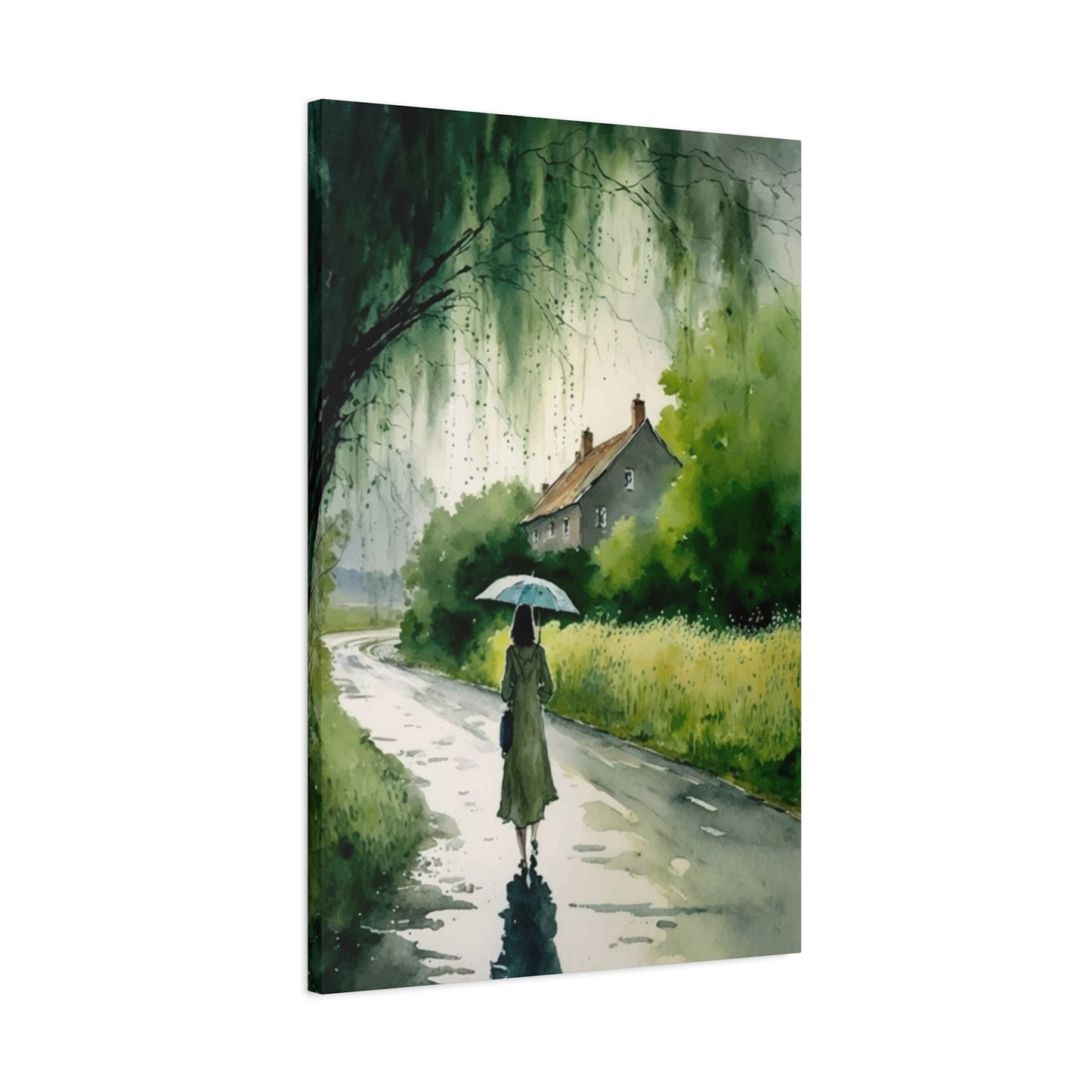
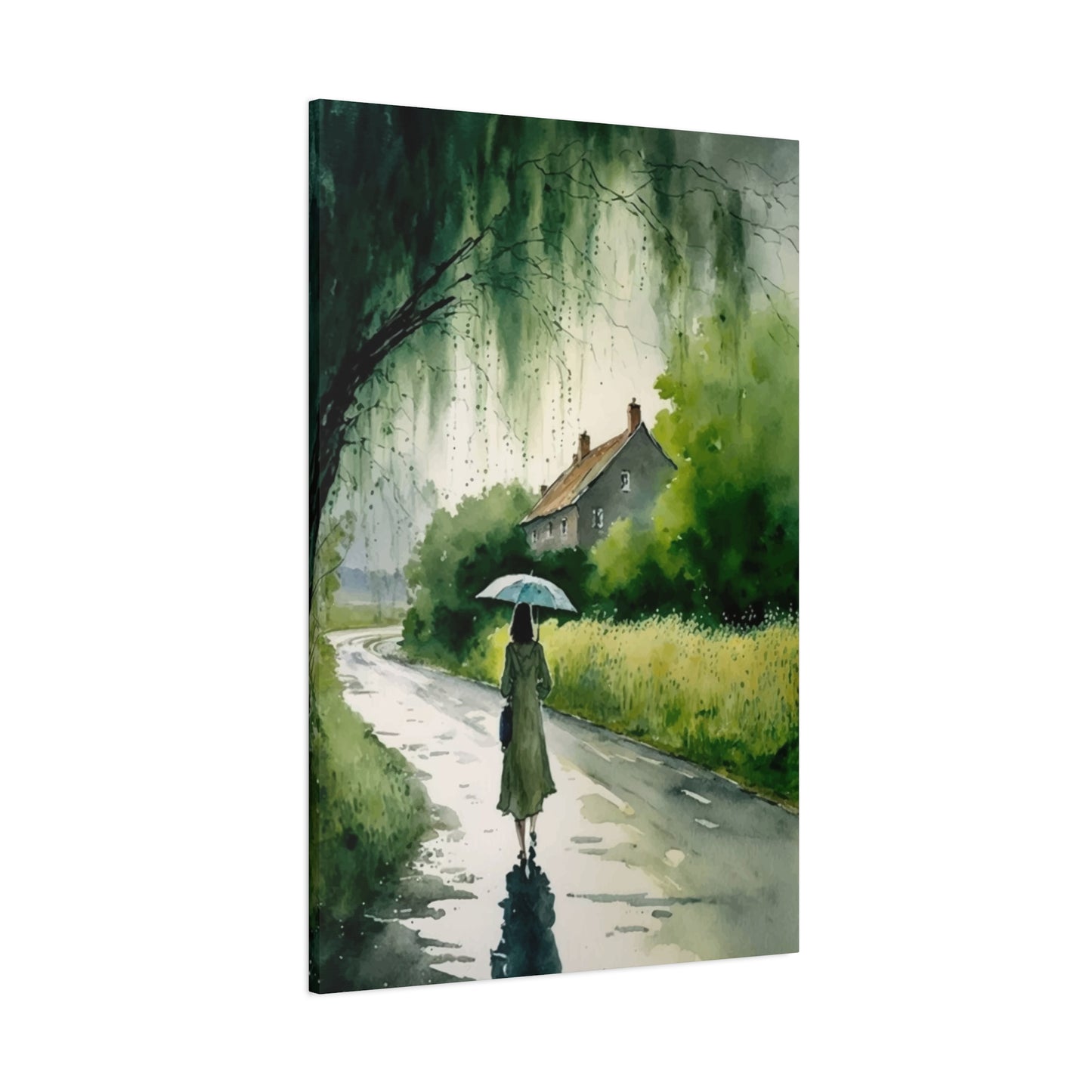
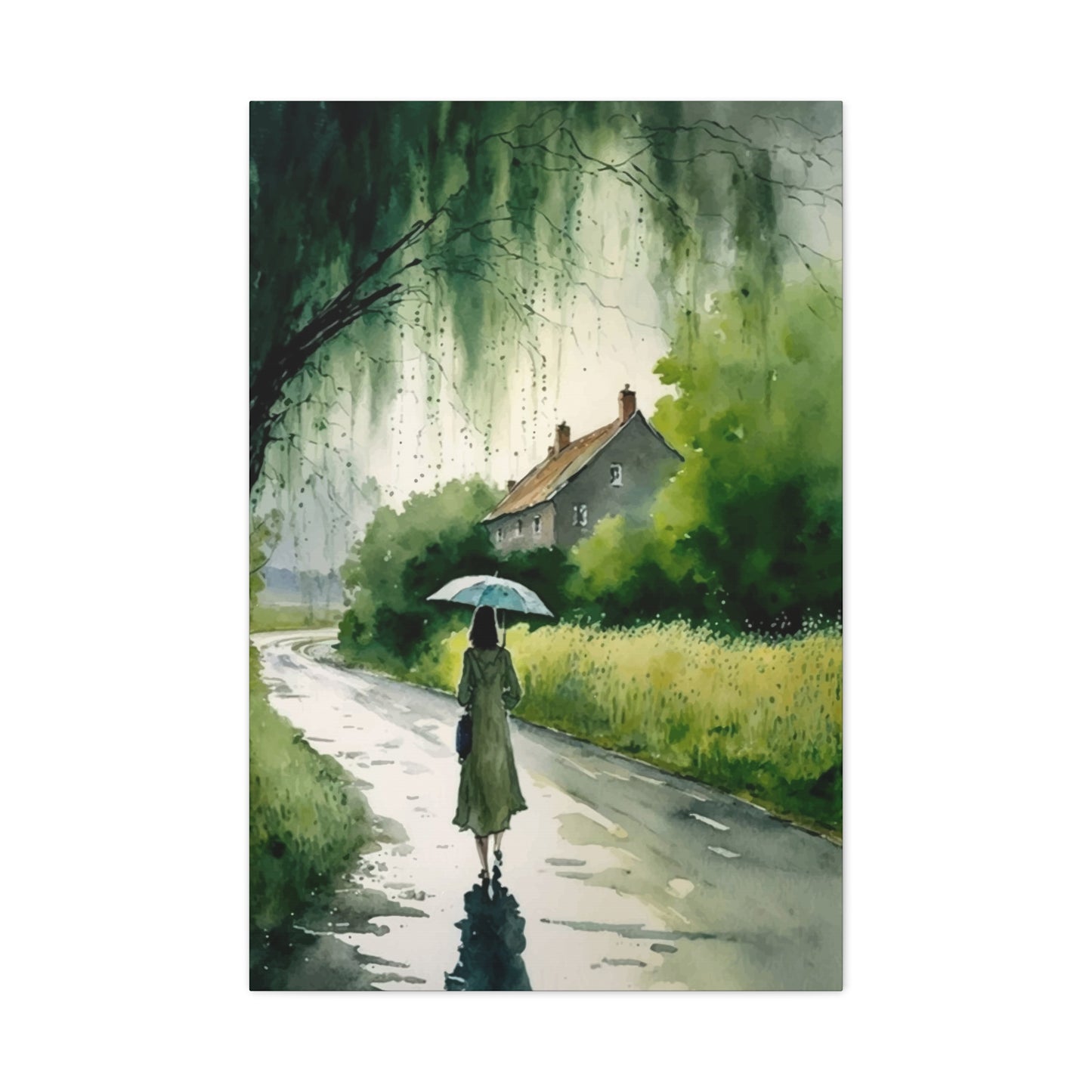
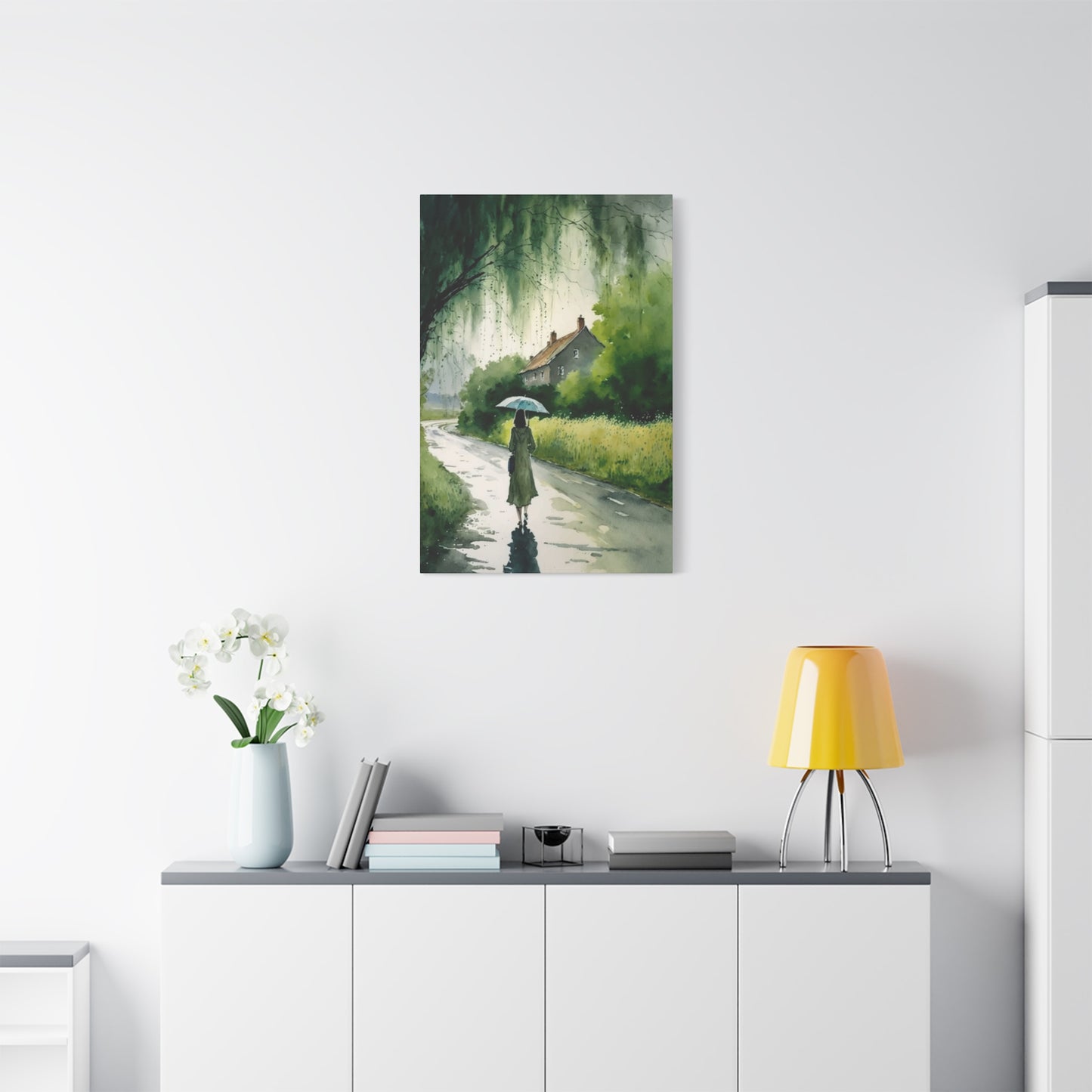
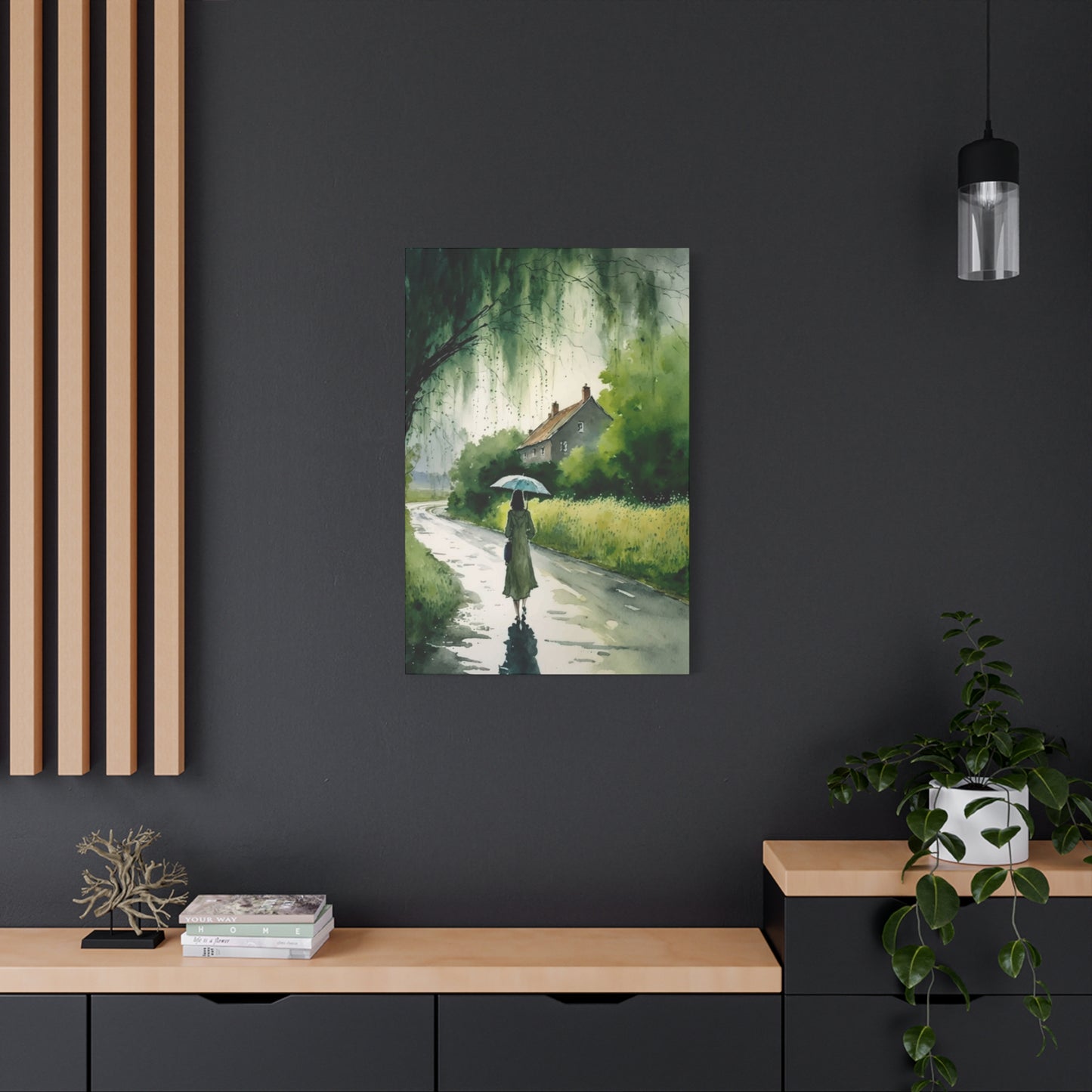
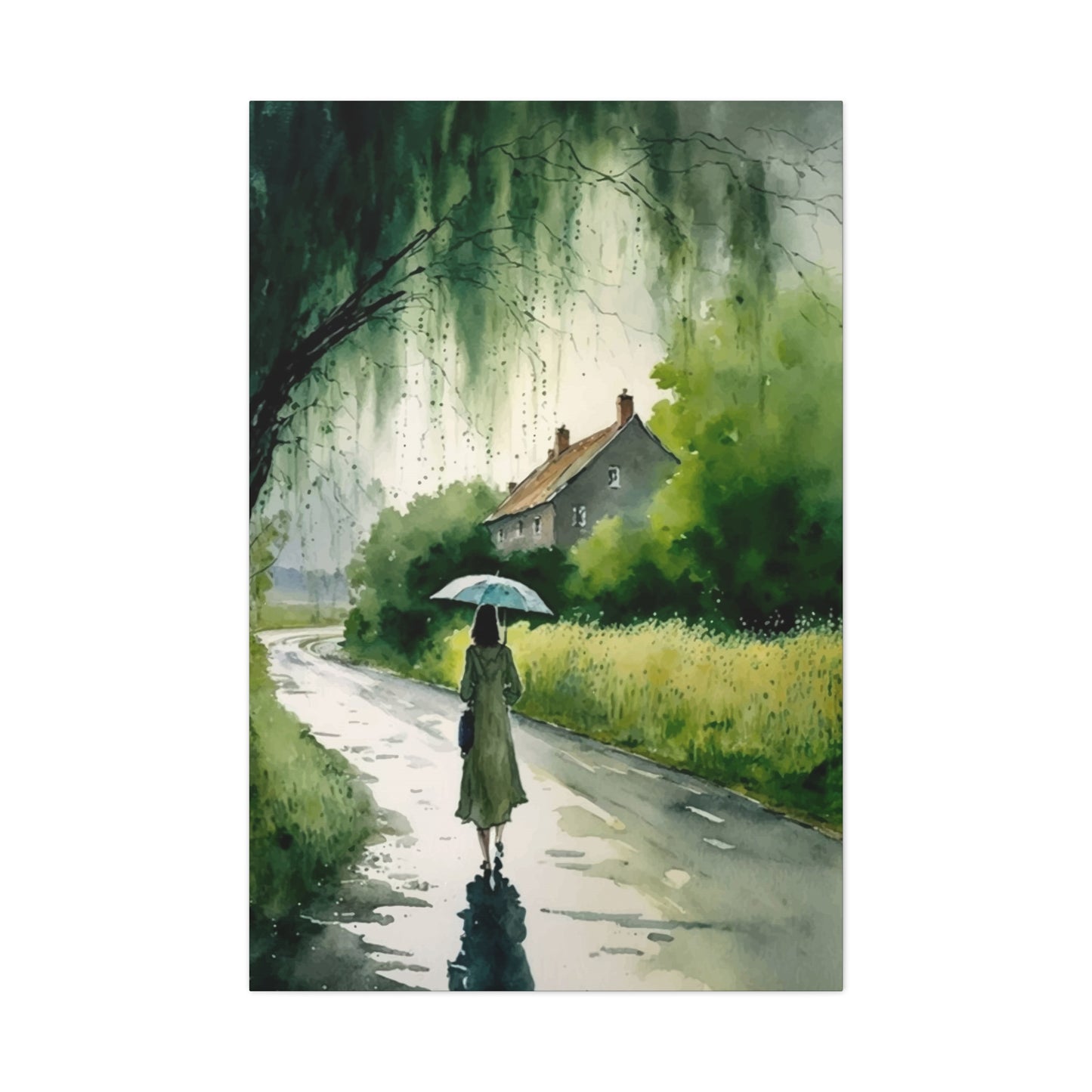
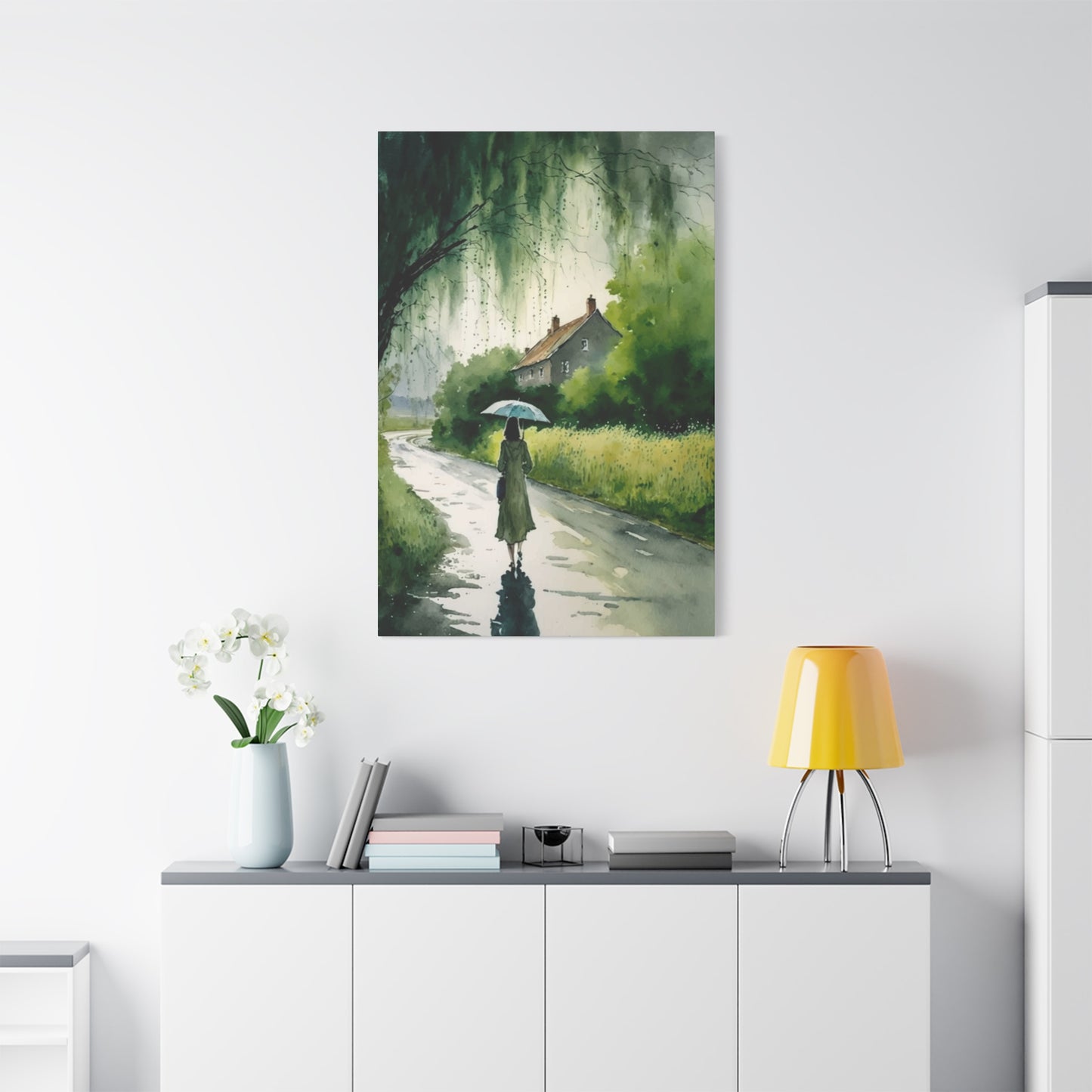
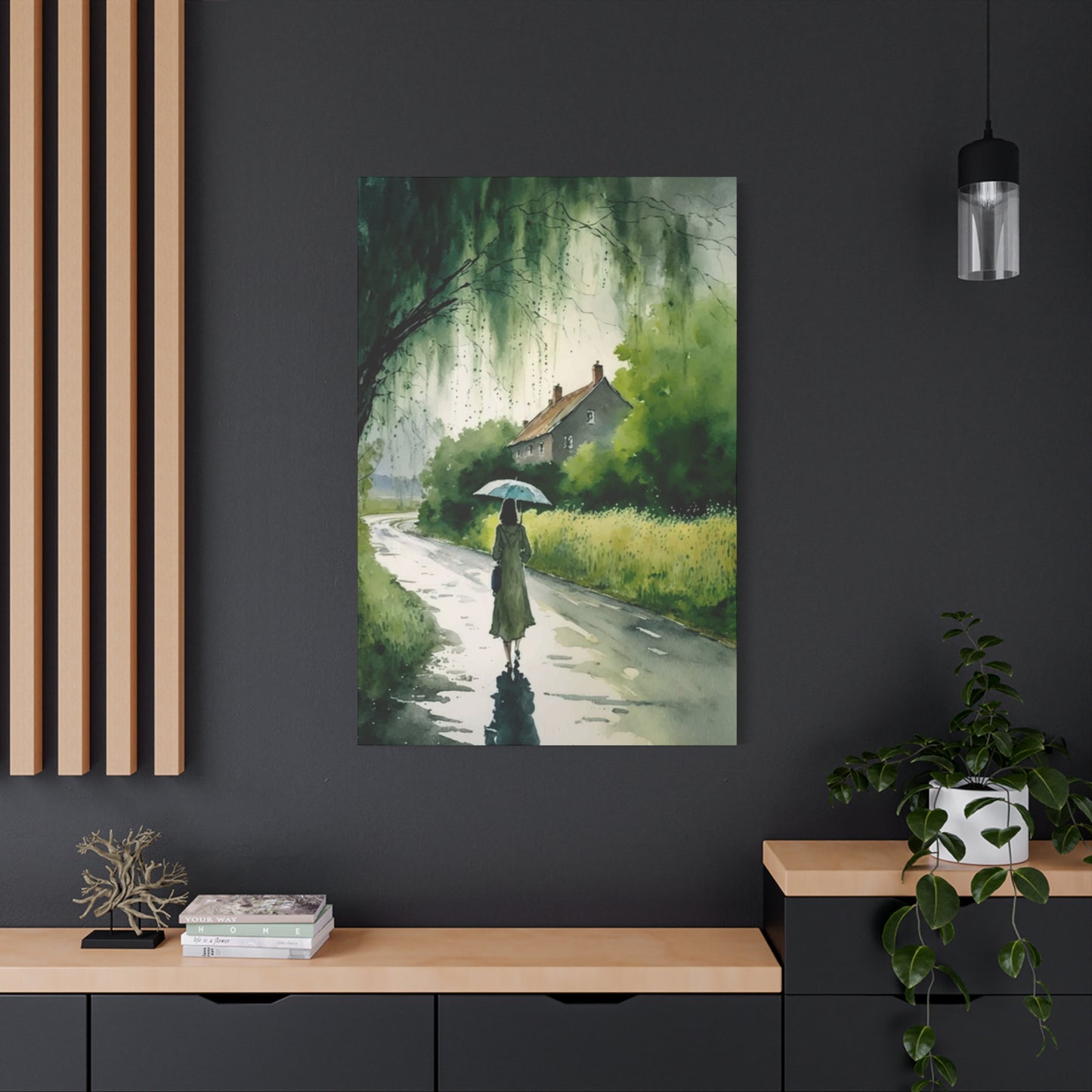
Girl In Rain Wall Art & Canvas Prints
Girl In Rain Wall Art & Canvas Prints
Couldn't load pickup availability
Capturing Emotion Through Girl In Rain Wall Art: A Deep Dive Into Modern Artistic Expression
The world of contemporary artistic decoration has witnessed a remarkable surge in demand for pieces that evoke profound emotional responses from viewers. Among the most captivating themes that have emerged in recent years, depictions featuring young women standing amidst rainfall have become incredibly sought-after additions to living spaces, offices, and creative environments. This particular aesthetic captures a unique intersection of melancholy, hope, resilience, and introspection that resonates deeply with diverse audiences across cultural boundaries.
Why Rainfall Imagery Creates Such Powerful Connections With Observers
Human beings possess an innate psychological relationship with weather patterns, particularly precipitation. When we observe visual representations of individuals experiencing rainfall, our minds immediately begin constructing narratives around the circumstances, emotions, and implications of that moment. The girl in rain wall art genre taps into this fundamental aspect of human cognition, offering viewers an opportunity to project their own experiences, memories, and feelings onto the canvas before them.
Rainfall itself carries multifaceted symbolism that varies across cultures yet maintains certain universal themes. For some observers, rain represents cleansing and renewal, washing away the accumulated dust and grime of difficult experiences. For others, it symbolizes sadness, tears, or periods of emotional turbulence that must be weathered before clearer skies emerge. Still others interpret precipitation as a symbol of abundance, fertility, and the life-giving properties that sustain our existence.
When a feminine figure is placed within this meteorological context, additional layers of meaning emerge. The vulnerability inherent in exposure to natural elements creates an immediate emotional connection. Viewers often perceive courage, resilience, or quiet acceptance in the posture and demeanor of the subject. Whether the depicted individual appears to be embracing the downpour, seeking shelter, or simply existing within the moment, each interpretation offers rich material for contemplation.
The aesthetic qualities of rainfall itself contribute significantly to the visual appeal of such artwork. Streaking droplets create natural lines and movement throughout compositions, guiding the eye and adding dynamic energy to otherwise static images. The way light interacts with falling water, creating luminous effects and subtle gradations of tone, provides artists with extraordinary opportunities for demonstrating technical skill while simultaneously evoking atmospheric moods.
Exploring Various Artistic Styles Within This Captivating Genre
The realm of girl in rain wall art encompasses an impressive spectrum of artistic approaches, each bringing distinctive qualities and appealing to different aesthetic preferences. Understanding these various styles helps collectors and enthusiasts make more informed decisions when selecting pieces for their environments.
Realistic Rendering Approaches That Emphasize Photographic Precision
Some artists dedicate themselves to creating hyperrealistic depictions that rival photographic accuracy. These works showcase extraordinary attention to detail, capturing individual water droplets with crystalline clarity, rendering fabric textures as they absorb moisture, and depicting the subtle changes in skin tone that occur when exposed to wet conditions. The technical mastery required for such pieces commands admiration and creates artwork that appears almost three-dimensional.
Viewers often find themselves drawn into these realistic compositions, feeling as though they could step through the frame and experience the rainfall themselves. The tactile quality of such renderings creates visceral responses, with observers sometimes reporting sensations of coolness or moisture simply from viewing the artwork. This level of immersive quality makes realistic rainfall pieces particularly effective in creating focal points within interior spaces.
Impressionistic Interpretations That Prioritize Mood Over Detail
Contrasting sharply with photorealistic approaches, impressionistic rainfall art emphasizes emotional atmosphere over precise detail. These works employ loose brushwork, strategic color placement, and suggestions of form rather than explicit rendering. The figure within the rain might appear as a silhouette or a collection of gestural marks that convey movement and presence without defining exact features.
This artistic philosophy aligns perfectly with the ephemeral nature of rainfall itself. Just as individual droplets become indistinguishable within a downpour, impressionistic artists blur boundaries and merge elements, creating cohesive atmospheric experiences. The resulting pieces often possess a dreamlike quality that invites prolonged contemplation and repeated viewing, with new details and relationships emerging each time.
Abstract Expressions That Transform Rainfall Into Pure Emotion
Moving further along the spectrum toward non-representational art, abstract interpretations of the girl in rain wall art theme distill the concept to its emotional essence. These works might feature color fields that suggest rain-soaked environments, gestural marks that evoke the energy of precipitation, or geometric compositions that reference the structure of rainfall patterns.
Abstract approaches challenge viewers to engage more actively with the artwork, bringing their own interpretations and emotional responses to complete the artistic experience. Without explicit figurative elements to guide understanding, observers must rely on their intuitive responses to color, composition, and mark-making. This open-ended quality makes abstract rainfall pieces particularly versatile, adapting to the psychological and emotional states of different viewers at different times.
Digital Creations That Expand Expressive Possibilities
Contemporary digital tools have opened remarkable new avenues for artists exploring rainfall themes. Digital painting software allows for effects and techniques impossible with traditional media, from perfectly symmetrical water droplet patterns to complex layering of atmospheric elements. Some digital artists create works that blend photographic elements with painted components, achieving hybrid results that transcend conventional categorical boundaries.
The reproducibility of digital art has democratized access to compelling rainfall imagery, making sophisticated pieces available to broader audiences at various price points. While some purists maintain preferences for unique physical artworks, digital prints have proven themselves capable of delivering powerful visual and emotional impact within residential and commercial environments.
Mixed Media Explorations That Add Dimensional Complexity
Adventurous artists increasingly combine multiple materials and methods to create girl in rain wall art pieces with remarkable physical presence. These works might incorporate actual water-damaged paper to suggest rainfall effects, resin layers that capture the glossy quality of wet surfaces, or embedded materials that create textural variety. Metal elements might be oxidized to suggest moisture exposure, while fabric components could be strategically distressed to appear rain-soaked.
The dimensional quality of mixed media pieces creates shifting visual experiences as lighting conditions change throughout the day. Shadows cast by raised elements, reflections from glossy surfaces, and the interplay of different material properties all contribute to artwork that remains visually engaging through extended exposure. For collectors seeking pieces with substantial physical presence, mixed media rainfall compositions offer compelling options.
The chromatic choices artists make when creating rainfall imagery profoundly influence the emotional character and visual impact of their work. Understanding how different color approaches affect perception helps viewers select pieces that align with their desired atmospheric qualities.
Cool Tonal Ranges That Emphasize Contemplative Qualities
Many rainfall pieces employ predominantly cool color schemes featuring various blues, grays, and violets. These choices align naturally with the visual qualities of overcast skies and water-saturated environments. Cool-toned pieces tend to evoke introspective moods, encouraging quiet reflection and contemplative states of mind.
Within cool palettes, subtle variations create significant perceptual differences. Steel blue compositions convey different emotional qualities than navy or cerulean schemes. Artists might introduce touches of warm accent colors to create visual tension or guide compositional focus, but the overall cool character remains dominant. These pieces work particularly well in environments where calm, focused energy is desired.
Warm Chromatic Approaches That Suggest Emotional Intensity
Less common but equally powerful are rainfall compositions that employ predominantly warm color palettes. These pieces might feature golden afternoon light breaking through storm clouds, orange and pink sunset colors reflecting in wet surfaces, or deliberate artistic choices to render rainfall in unexpected warm tones for expressive purposes.
Warm-toned rainfall art tends to convey more energetic, emotionally charged qualities. The juxtaposition of typically cool rainfall with warm color creates visual tension that commands attention. These pieces often suggest transformation, hope emerging from difficulty, or the passionate intensity of emotional experience. They work effectively as statement pieces in environments where dynamic energy is welcome.
Monochromatic Compositions That Emphasize Form And Contrast
Some of the most striking girl in rain wall art pieces employ monochromatic or near-monochromatic color schemes. Black and white rainfall imagery possesses timeless elegance and focuses viewer attention on compositional elements, tonal relationships, and the interplay of light and shadow without chromatic distraction.
Monochromatic works often evoke vintage photographic aesthetics, creating connections to documentary traditions and lending artwork a sense of authenticity or historical weight. These pieces integrate seamlessly with diverse interior color schemes since they don't introduce competing chromatic elements. For collectors seeking versatile artwork that maintains visual impact across changing decor preferences, monochromatic rainfall pieces offer excellent solutions.
Unexpected Color Choices That Challenge Conventional Expectations
Experimental artists sometimes employ deliberately unconventional color palettes when depicting rainfall scenes. These might include acid greens, vibrant purples, or neon-influenced schemes that transform familiar subjects into surreal, otherworldly visions. Such choices typically serve expressive or conceptual purposes, using color symbolically rather than descriptively.
These unconventional chromatic approaches appeal particularly to collectors who appreciate artwork that challenges expectations and generates conversation. The surprise element of seeing rainfall rendered in unexpected colors creates memorable viewing experiences and ensures the artwork maintains interest through repeated exposure.
Beyond subject matter and color choices, the way artists arrange elements within their compositions significantly affects how viewers experience and interpret rainfall imagery. Understanding common compositional approaches illuminates the craft behind effective girl in rain wall art pieces.
Vertical Formats That Emphasize Rainfall Direction And Figure Presence
Many rainfall compositions employ vertical orientations that align naturally with both falling precipitation and standing human figures. This format choice creates visual harmony between subject and context while also lending artwork an elegant, refined character. Vertical pieces work particularly well in spaces with limited horizontal wall area or where height needs emphasis.
Artists working in vertical formats often use the descending lines of rainfall to guide viewer attention toward the primary subject. The eye naturally follows vertical elements downward, creating movement through the composition. Strategic placement of the figure within this vertical structure determines whether the piece feels grounded and stable or dynamic and unstable.
Horizontal Arrangements That Suggest Expansive Environments
Horizontal compositions allow artists to emphasize the environmental context surrounding their subjects. These pieces might show extensive rain-soaked landscapes, city streets stretching into the distance, or atmospheric conditions extending across broader spatial contexts. The horizontal format invites viewers to imagine themselves within the depicted space rather than simply observing a figure.
Wide horizontal pieces work exceptionally well above furniture, mantels, or in spaces where they can anchor wall arrangements. The expansive quality of horizontal rainfall art can make rooms feel larger and more open, particularly when pieces feature atmospheric depth and recession into distance.
Centered Subjects That Create Formal, Contemplative Compositions
Traditional compositional approaches often place the primary subject at or near the composition's center, creating balanced, stable arrangements. Girl in rain wall art employing this strategy tends to feel formal, deliberate, and focused. The centered figure becomes an unmistakable focal point, demanding viewer attention and contemplation.
Centered compositions work effectively when the artist wants to emphasize the subject's psychological or emotional state rather than environmental context. The formal balance of such arrangements lends them a sense of intentionality and importance, suggesting that the depicted moment carries significant meaning.
Off-Center Arrangements That Introduce Dynamic Tension
Many contemporary artists prefer compositional strategies that place subjects off-center according to principles like the rule of thirds. These arrangements create dynamic visual tension, suggesting movement, instability, or narrative progression. The negative space surrounding an off-center subject becomes an active compositional element rather than mere background.
Off-center rainfall compositions often feel more cinematic and narrative-driven than centered alternatives. Viewers find themselves constructing stories about where the subject came from, where they might be going, or what circumstances led to this moment. This narrative quality makes off-center pieces particularly engaging for extended contemplation.
Close-Up Perspectives That Emphasize Intimacy And Emotion
Some of the most emotionally powerful rainfall pieces employ tight framing that brings viewers into close proximity with the subject. These compositions might focus on facial expressions, hands interacting with rain, or other details that convey emotional states. The intimacy of close perspectives creates immediate connections between viewer and subject.
Close-up girl in rain wall art tends to feel personal and emotionally direct. Without extensive environmental context, viewers focus entirely on the human element and the immediate experience of rainfall. These pieces work particularly well in private spaces where contemplative viewing is likely.
Wide-Angle Views That Contextualize Figures Within Broader Environments
Conversely, some rainfall compositions employ wide perspectives that show subjects as smaller elements within expansive settings. These pieces might depict tiny figures beneath vast storm systems, individuals walking through rain-swept urban canyons, or solitary forms in open natural landscapes. The scale relationship between figure and environment becomes a primary meaning-making element.
Wide-angle rainfall art often explores themes of isolation, vulnerability, or the relationship between humans and natural forces. The small scale of the human figure relative to environmental elements can evoke feelings of insignificance or, alternatively, courage in the face of overwhelming circumstances. These pieces tend to encourage philosophical contemplation about humanity's place within larger contexts.
While the basic concept of depicting a feminine figure experiencing rainfall provides the foundational theme, artists explore numerous variations that add diversity and nuance to this genre. Understanding these variations helps collectors find pieces that resonate with specific preferences or convey particular meanings.
Standing Figures That Convey Resilience And Presence
Perhaps the most common variation shows subjects standing upright within rainfall, facing the elements directly. These compositions typically convey strength, resilience, acceptance, or quiet dignity. The standing posture suggests the subject is neither fleeing nor cowering but rather experiencing the rain fully and consciously.
Artists make significant choices about whether standing figures face toward or away from viewers, whether their posture appears relaxed or tense, and how they physically interact with the rainfall. Some figures might extend hands to feel raindrops, while others stand with arms at sides, passively receiving the downpour. Each variation creates different emotional resonance.
Walking Or Moving Subjects That Suggest Narrative Progression
Rainfall compositions featuring figures in motion introduce strong narrative implications. Viewers naturally wonder where the subject is going, what circumstances prompted this journey, and what destination or resolution awaits. The directional movement creates visual dynamism and suggests that the depicted moment is part of a larger story.
Artists can manipulate the emotional tone of moving figures dramatically through subtle choices. A slow, measured walk suggests different qualities than a hurried run. Movement toward light versus darkness, toward populated versus isolated areas, or with purposeful versus aimless character all create distinct narrative implications.
Seated Or Resting Figures That Emphasize Contemplative States
Less common but equally powerful are rainfall compositions showing subjects seated or resting within wet environments. These pieces typically convey introspective, meditative, or melancholic moods. The decision to sit within rainfall rather than seek shelter suggests either surrender, contemplation, or a desire to fully experience the moment regardless of discomfort.
Seated figure compositions often feel more private and intimate than standing or walking alternatives. Viewers may feel they're witnessing a vulnerable moment not intended for observation, creating complex emotional responses involving empathy, concern, or recognition of shared emotional experiences.
Figures With Umbrellas That Introduce Symbolic Protection Elements
The inclusion of umbrellas adds rich symbolic dimensions to rainfall imagery. Umbrellas can represent self-protection, boundaries, preparedness, or attempts to maintain control within uncontrollable circumstances. Artists make meaningful choices about whether umbrellas are successfully deployed, partially effective, or abandoned.
Some compositions show figures holding umbrellas that clearly fail to provide adequate protection, suggesting the futility of certain defensive strategies against overwhelming circumstances. Others depict colorful umbrellas that create bright focal points within gray environments, symbolizing hope, individuality, or defiance. Still others show abandoned umbrellas, suggesting surrender or the decision to accept rather than resist.
Subjects Interacting Joyfully With Rainfall
While much rainfall art explores melancholic or contemplative themes, some pieces depict subjects engaging joyfully with precipitation. These compositions might show dancing, jumping in puddles, arms outstretched in celebration, or expressions of delight. Such pieces remind viewers that rain need not symbolize sadness but can represent playfulness, freedom, or connection with natural elements.
Joyful rainfall imagery tends to feel uplifting and life-affirming. These pieces work particularly well in environments where positive, energetic moods are desired. The juxtaposition of typically melancholic rainfall imagery with joyful expression creates memorable, distinctive artwork.
The environmental context surrounding subjects significantly influences the meaning and impact of girl in rain wall art. Artists carefully select settings that enhance their thematic intentions and create desired atmospheric qualities.
Urban Landscapes That Emphasize Modern Isolation
Many contemporary rainfall pieces situate subjects within city environments, using architectural elements, streets, and urban infrastructure to frame human figures. These compositions often explore themes of isolation within crowded spaces, the contrast between natural weather phenomena and built environments, or the particular quality of urban rainfall experiences.
Urban rainfall settings provide rich visual elements including reflective puddles on pavement, lights blurred by water-covered surfaces, geometric architectural forms contrasting with organic rainfall patterns, and the distinctive atmospheric quality of cities during storms. These elements create visually complex compositions with abundant detail for prolonged viewing.
Natural Environments That Connect Subjects With Elemental Forces
Conversely, some rainfall art places subjects within natural settings like forests, beaches, mountains, or open fields. These compositions typically explore relationships between humans and natural phenomena, suggesting themes of connection, exposure to elemental forces, or returns to essential experiences beyond urban complexity.
Natural setting rainfall pieces often employ more organic compositional structures, with less geometric order and more flowing, irregular forms. The color palettes tend toward earth tones, greens, and natural blues rather than the grays and artificial light qualities of urban pieces. These works appeal particularly to viewers who value connections with natural environments.
Minimal Or Abstract Backgrounds That Focus Attention On Figure
Some artists deliberately minimize or abstract environmental details, creating ambiguous spaces that could exist anywhere or nowhere in particular. These compositional choices focus viewer attention entirely on the figure and their relationship with rainfall, without the distraction or additional meaning layers that specific settings introduce.
Minimal background approaches create universal, timeless qualities. Without clear temporal or geographical markers, the artwork speaks to shared human experiences across contexts. This universality makes such pieces particularly versatile for diverse environments and viewer backgrounds.
Transitional Spaces Like Doorways Or Windows That Suggest Thresholds
Particularly metaphorically rich are compositions that place subjects in transitional spaces between interior and exterior environments. A figure standing in a doorway watching rain, someone visible through a rain-streaked window, or a subject on a threshold between covered and exposed spaces all introduce powerful symbolic dimensions.
Threshold imagery naturally suggests choices, transitions, or moments of decision. Is the subject about to enter the rain or retreat from it? Are they caught between two states, unable to commit fully to either? These ambiguities create psychologically complex viewing experiences that reward contemplation.
The physical dimensions of artwork dramatically affect its presence and impact within environments. Understanding how size relates to viewing distance, spatial context, and emotional effect helps in selecting appropriately scaled girl in rain wall art pieces.
Large-Scale Statement Pieces That Command Attention
Oversized rainfall art creates immediate visual impact, transforming into commanding focal points that define spaces. Large pieces allow artists to include substantial detail while maintaining visibility from viewing distances. The immersive quality of large-scale artwork can make viewers feel enveloped by the depicted rainfall environment.
Statement-sized pieces work best in spacious rooms with sufficient wall area and viewing distance. In appropriate contexts, they create dramatic effects that smaller works cannot achieve. However, large pieces in confined spaces can feel overwhelming or cramped, so spatial considerations are crucial.
Medium Dimensions That Balance Presence And Versatility
Mid-sized rainfall art offers excellent balance between visual impact and spatial versatility. These pieces establish clear presence without overwhelming spaces, working effectively in diverse environments from residential rooms to office settings. Medium dimensions allow for sufficient detail to reward close viewing while remaining coherent from conversational distances.
Many collectors find medium-sized pieces most practical for typical residential spaces. They create focal points without demanding extensive wall area or particular architectural features. The versatility of medium dimensions makes them popular choices for those uncertain about specific placement.
Small-Scale Intimate Pieces For Personal Spaces
Smaller rainfall compositions create intimate viewing experiences that invite close observation. These pieces work particularly well in personal spaces like bedrooms, studies, or reading nooks where viewers will experience them from nearby positions. Small scale encourages contemplative engagement rather than dramatic impact.
Small pieces also work effectively in gallery wall arrangements where multiple artworks create collective impact. A series of small rainfall compositions exploring variations on the theme can create more complex viewing experiences than single large pieces.
Diptychs And Triptychs That Create Expanded Narratives
Multi-panel rainfall compositions allow artists to explore sequential narratives, show different perspectives simultaneously, or create expansive horizontal or vertical presentations. A diptych might show before and after moments, contrasting experiences, or complementary perspectives. Triptychs can develop more complex progressions or present central subjects flanked by supporting imagery.
Multi-panel works create distinctive visual presence with formal qualities different from single-panel pieces. The divisions between panels become active compositional elements, and the relationship between sections engages viewers in meaning-making activities. These works particularly appeal to collectors interested in narrative complexity.
The physical materials and printing methods used to produce girl in rain wall art significantly impact both immediate visual qualities and long-term preservation. Understanding material considerations helps collectors make informed decisions that balance aesthetic preferences with practical concerns.
Canvas Prints That Provide Traditional Artistic Character
Canvas remains among the most popular substrates for rainfall art reproduction. The textile texture adds subtle visual interest while evoking associations with traditional painting. Canvas pieces typically feature gallery wrapping where the image continues around frame edges, creating finished appearances that don't require additional framing.
Quality canvas prints using archival inks provide excellent longevity when properly displayed away from direct sunlight and extreme conditions. The slight texture of canvas can enhance certain artistic styles, particularly impressionistic or painterly works, while potentially interfering with extremely fine photorealistic detail.
Fine Art Paper Options For Maximum Detail Reproduction
Various specialized art papers offer superior detail reproduction and color accuracy compared to canvas. These materials range from smooth, glossy surfaces that maximize sharpness to textured watercolor papers that add traditional media character. Paper prints typically require framing with protective glazing, adding complexity and cost but also providing superior protection.
Archival-quality art papers with pigment-based inks offer exceptional longevity, with estimates extending beyond a century under proper conditions. The crispness achievable with paper prints makes them ideal for artwork emphasizing fine detail or photographic qualities.
Metal Prints That Create Contemporary Luminous Effects
Printing directly onto aluminum panels creates distinctive visual qualities including enhanced color vibrancy, luminous highlights, and contemporary industrial character. Metal prints feature inherent rigidity requiring no additional support, along with excellent durability and moisture resistance. The reflective qualities of metal surfaces add dimensional characteristics as viewing angles and lighting change.
Metal prints work particularly well for rainfall imagery with strong lighting contrasts or where luminous, contemporary presentation is desired. The medium's inherent characteristics align naturally with urban rainfall scenes or modern interpretations. However, the reflective surface can create viewing challenges in brightly lit spaces with direct light sources.
Acrylic Face-Mounting For Gallery-Quality Presentation
Among the most premium presentation options, acrylic face-mounting involves bonding prints to rigid substrates and covering them with thick acrylic panels. This creates extraordinary depth, vibrant color saturation, and gallery-quality presentation. The acrylic layer provides superior UV protection while creating dimensional effects that make images appear to float.
Acrylic-mounted pieces command premium pricing but deliver unmatched visual impact. The depth and luminosity particularly benefit rainfall imagery, enhancing the wet, reflective qualities inherent in the subject matter. These pieces work exceptionally well in contemporary spaces where sophisticated presentation is valued.
Wood-Mounted Prints That Add Organic Warmth
Printing onto wood panels or mounting prints to wood substrates creates distinctive rustic or organic character. The wood grain either shows through as textural element or provides rigid support beneath opaque prints. Wood-mounted pieces evoke handcrafted qualities and connect contemporary imagery with traditional craftsmanship.
This presentation style works particularly well for rainfall art featuring natural settings or where warm, organic aesthetic qualities are desired. The material choice creates interesting dialogue between natural substrate and depicted natural phenomena.
For pieces requiring or benefiting from framing, numerous approaches offer different aesthetic and protective qualities. Understanding framing options helps collectors create presentations that enhance rather than compete with artwork.
Simple Floating Frames That Emphasize Contemporary Minimalism
Modern floating frames create minimal visual interruption while providing clean, contemporary presentation. These frames typically feature thin profiles with slight separation between artwork and frame, creating shadow lines that add subtle dimensional interest. The minimal aesthetic keeps focus on artwork rather than framing.
Floating frames work excellently with contemporary rainfall imagery and in spaces where clean, uncluttered aesthetics are preferred. The simplicity prevents framing from adding competing visual complexity while still providing finished, intentional presentation.
Traditional Matting And Frames For Classic Elegance
Conventional framing with mat boards surrounding artwork creates traditional, elegant presentation. Mats provide breathing room around images, preventing visual crowding and allowing eyes to rest. Mat colors can either recede neutrally or pick up accent colors from artwork, creating subtle connections.
Traditional framing works well for rainfall art with classical or romantic qualities, and in spaces decorated with traditional or transitional styles. The formality of mat-and-frame presentation lends artwork increased perceived value and importance.
Shadow Box Framing For Dimensional Mixed Media Pieces
Artwork with dimensional elements requires shadow box framing that provides depth between glazing and artwork surface. These frames protect raised elements while allowing them to cast shadows and maintain physical presence. Shadow boxes work exclusively with pieces featuring actual dimensional variation.
The depth of shadow box framing adds substantial visual presence to artwork, making pieces appear more substantial and commanding. For mixed media rainfall compositions, this framing approach is often essential for proper presentation and protection.
Frameless Edge Finishing For Modern Streamlined Appearance
Some prints, particularly those on rigid substrates like metal or wood, receive edge finishing without conventional frames. Edges might be painted, polished, or finished in ways that create clean conclusions without additional framing elements. This approach creates extremely contemporary, streamlined presentation.
Frameless finishing works best in modern or minimalist spaces where traditional framing would feel incongruous. The approach requires artwork with sufficient inherent visual weight to maintain presence without framing support.
Beyond selecting appropriate artwork, thoughtful placement dramatically affects how pieces integrate into environments and influence spatial qualities. Strategic placement considers viewing angles, lighting, surrounding elements, and intended effects.
Creating Focal Points In Living Areas
Girl in rain wall art works exceptionally well as focal point in living rooms, family rooms, or primary entertaining spaces. Placement above seating arrangements, centered on primary walls, or in positions visible upon entering rooms establishes artwork as central elements around which other design elements orbit.
Focal point placement should consider typical viewing positions and distances. Artwork should be positioned at heights allowing comfortable viewing from primary seating positions. The scale should be sufficient to command attention without overwhelming the space.
Enhancing Bedroom Atmospheres With Contemplative Imagery
Rainfall imagery's contemplative, introspective qualities make it particularly suitable for bedroom environments. Placed opposite beds or on walls visible from resting positions, such artwork creates opportunities for quiet contemplation before sleep or upon waking. The typically calming character of rainfall scenes promotes restful atmospheres.
Bedroom placement allows for more personal, intimate artwork selections since fewer viewers will experience the space. This privacy encourages choices based purely on personal resonance rather than consideration of diverse viewer reactions.
Establishing Sophisticated Tones In Professional Environments
Office and professional spaces benefit from artwork that establishes sophisticated, contemplative character without introducing controversial or intensely personal content. Rainfall imagery occupies an ideal middle ground—visually interesting and emotionally resonant without being confrontational or overly intimate.
Professional placement should consider how artwork will be experienced during working activities. Pieces should enhance rather than distract from productivity, providing visual interest during breaks without demanding constant attention.
Transforming Transitional Spaces Like Hallways And Entryways
Corridors, entryways, and other transitional spaces often receive less design attention than primary rooms, yet these areas significantly influence spatial experiences. Girl in rain wall art can transform bland hallways into gallery-like experiences, making movement through spaces more engaging.
In transitional spaces, consider whether viewers will primarily experience artwork while moving or while stationary. Highly detailed pieces requiring extended viewing work better in locations where pausing is natural, while stronger compositional works function effectively in areas of movement.
Creating Gallery Walls With Thematic Cohesion
Multiple rainfall pieces can be arranged in gallery wall configurations, creating visual impact through collective presence rather than single statement pieces. Successful gallery walls require careful consideration of how individual pieces relate compositionally, chromatically, and thematically.
Gallery wall arrangements allow collectors to explore variations within the rainfall theme, showing different artistic styles, color approaches, or compositional strategies while maintaining thematic unity. The arrangement itself becomes a creative act, with spacing, alignment, and relationships contributing to overall effect.
Even exceptional artwork fails to achieve full impact without appropriate lighting. Understanding how light affects visibility, color accuracy, and dimensional qualities helps create optimal viewing conditions.
Natural Light Benefits And Challenges
Daylight provides excellent color rendering and creates dynamic viewing experiences as conditions change throughout the day. However, direct sunlight poses serious conservation risks, causing fading and material degradation. Artwork in naturally lit spaces requires protection from direct sun exposure through strategic placement, UV-filtering glazing, or window treatments.
Indirect natural light offers ideal viewing conditions without conservation concerns. North-facing walls in northern hemisphere locations receive consistent indirect light without direct sun exposure, creating excellent conditions for artwork display.
Ambient Room Lighting That Creates General Visibility
General room illumination provides baseline visibility for artwork but rarely creates optimal viewing conditions alone. Standard overhead lighting often creates glare on glazed surfaces and fails to emphasize artwork's specific qualities. While ambient lighting prevents artwork from disappearing in darkness, dedicated accent lighting typically proves necessary for full appreciation.
When ambient lighting is the only option, positioning artwork to minimize glare while maximizing light reception becomes crucial. Matte finishes and non-reflective glazing help reduce glare problems in these situations.
Dedicated Picture Lights That Emphasize Individual Pieces
Traditional picture lights mounted above artwork frames direct illumination specifically onto pieces, creating emphasis and improving visibility. These fixtures work particularly well for traditionally framed pieces in classic interior settings. Modern picture lights using LED sources provide energy efficiency and reduced heat output compared to older technologies.
Picture lights require electrical access near artwork locations, limiting placement flexibility. However, battery-operated options now offer installation simplicity with acceptable illumination quality for smaller pieces.
Track And Recessed Lighting For Flexible Accent Illumination
Adjustable track or recessed spotlights provide flexible accent lighting without visible fixtures attached to artwork. These systems allow for precise positioning of light beams to optimize illumination while minimizing glare. The ability to adjust lighting as artwork changes makes these systems particularly valuable for collectors who rotate pieces.
Professional installation of track or recessed lighting represents significant investment but transforms artwork presentation quality. The clean aesthetic of ceiling-mounted lighting suits contemporary spaces particularly well.
LED Strip Lighting For Modern Dramatic Effects
LED strip lighting behind or around artwork creates contemporary halo effects that add drama and visual separation from walls. This approach works particularly well with frameless pieces or those mounted with standoffs creating space behind artwork. The indirect lighting creates striking effects while avoiding glare completely.
LED strips offer color temperature selection, allowing warm or cool lighting to enhance artwork's color qualities. Dimmable systems provide control over intensity, adapting to different times and moods.
Conclusion
Proper maintenance and environmental control preserve girl in rain wall art pieces, ensuring they remain attractive and structurally sound for decades. Understanding care requirements helps collectors protect their investments.
Temperature and humidity fluctuations pose significant risks to artwork, causing dimensional changes in substrates, promoting mold growth, or accelerating chemical degradation. Maintaining stable conditions between 65-75°F and 40-55% relative humidity provides ideal preservation environments.
Avoid placing artwork near heating vents, air conditioning registers, fireplaces, or other sources of temperature extremes and fluctuations. Similarly, avoid locations prone to moisture exposure like bathrooms or above humidifiers.
Ultraviolet radiation causes irreversible fading and material breakdown. Even pieces produced with fade-resistant materials suffer degradation under prolonged UV exposure. Never place valuable artwork in direct sunlight, regardless of window filtering or UV glazing.
When natural light exposure is unavoidable, use UV-filtering window films, protective glazing, or UV-filtering varnishes on unglazed pieces. Remember that even indirect daylight contains UV radiation, so time-limited exposure provides the only guaranteed protection.
Dust accumulation dulls appearance and can attract moisture that promotes mold growth. Regular gentle dusting with soft, clean, dry cloths maintains appearance and prevents buildup. For glazed pieces, microfiber cloths designed for glass cleaning work effectively without scratching.
Avoid feather dusters that can snag on frame details or canvas textures. Never use liquid cleaners unless specifically designed for art care, and then only after testing in inconspicuous areas. When in doubt, consult professional conservators rather than attempting aggressive cleaning.
Regular examination of artwork allows early detection of problems before they become severe. Look for changes in color vibrancy, surface appearances, frame integrity, or any signs of insect activity, mold growth, or physical damage. Catching problems early dramatically improves treatment prospects.
Create simple documentation through periodic photographs that provide baseline references for detecting subtle changes over time. This proves particularly valuable for high-value pieces or those with sentimental significance.
Significant damage or deterioration requires professional conservation expertise. Attempting amateur repairs often causes additional harm that increases restoration difficulty and cost. Professional conservators possess specialized knowledge, materials, and techniques unavailable to casual practitioners.
For valuable pieces, establishing relationships with conservation professionals before problems arise proves wise. Many conservators offer consultation services, providing advice about care and environmental conditions even when active treatment isn't needed.
Multiple acquisition paths exist for collectors seeking rainfall imagery, each offering distinct advantages, limitations, and considerations. Understanding these options facilitates finding pieces that meet specific needs and preferences.
Purchasing directly from artists provides access to original works, supports creators financially, and often allows for customization or commissioning. Direct relationships with artists enable collectors to understand creative processes, intentions, and the stories behind pieces. Many artists offer more favorable pricing when intermediaries are eliminated.
Finding artists requires effort through gallery exhibitions, art fairs, social media platforms, and artist websites. Building collections directly from artists creates more personal, meaningful relationships with artwork, though it requires more active engagement than purchasing through retail channels.
Commercial galleries provide professionally curated selections, typically featuring established artists with proven track records. Gallery staff offer expertise about artists, styles, and market values, helping collectors make informed decisions. The gallery environment provides appropriate viewing conditions for evaluating artwork.
Gallery purchases typically include premium pricing covering overhead and curation services. However, the confidence provided by professional vetting and the convenience of curated selection justify these costs for many collectors. Galleries also handle logistics like framing, delivery, and sometimes even artwork rotation services.
Share