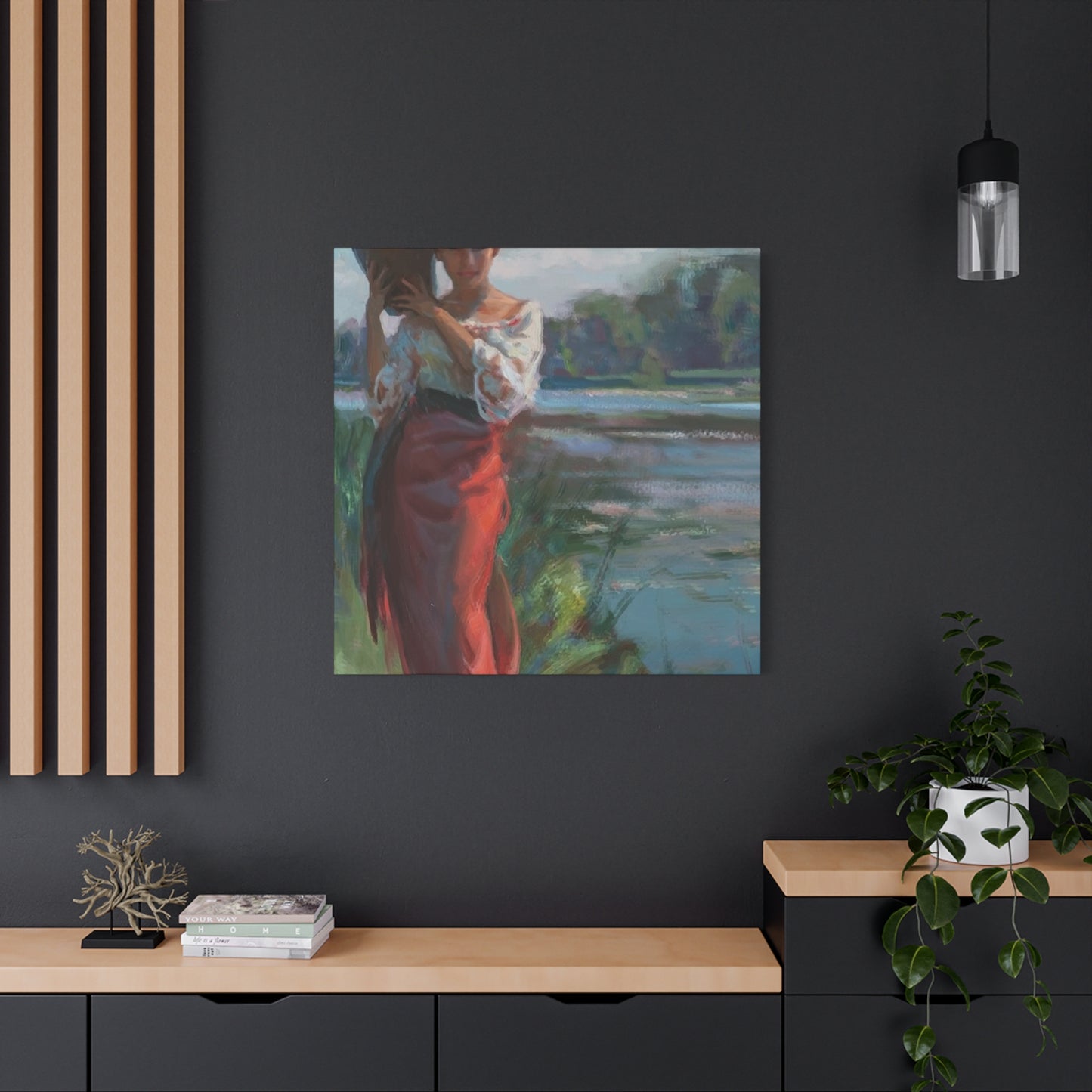
Girl Holding A Pot Wall Art & Canvas Prints
Girl Holding A Pot Wall Art & Canvas Prints
Couldn't load pickup availability
Girl Holding A Pot Wall Art: Enriching Living Spaces Through Timeless Ceramic Vessel Imagery
The artistic representation of a young woman gracefully carrying a ceramic container has captivated interior design enthusiasts and art collectors for generations. This particular genre of decorative imagery brings warmth, cultural richness, and human connection into residential and commercial environments. The visual narrative of a girl holding a pot speaks to universal themes of domesticity, tradition, and the simple beauty found in everyday activities that have sustained civilizations throughout human existence.
The Cultural Significance Behind Ceramic Vessel Imagery in Contemporary Decor
Throughout countless societies spanning different continents and eras, the act of carrying water vessels has represented far more than mere utility. This gesture embodies responsibility, community contribution, and the vital connection between human beings and natural resources. When we examine girl holding a pot wall art, we're witnessing artistic interpretations that honor these deeper meanings while transforming them into aesthetically pleasing compositions suitable for modern living spaces.
The pottery carrier motif resonates particularly strongly because it bridges ancient customs with contemporary sensibilities. In numerous traditional communities, young women and girls bore the responsibility of fetching water for their households, creating a visual scene repeated countless times across diverse landscapes. Artists who capture this moment recognize its inherent grace and dignity, translating centuries-old practices into imagery that speaks to viewers regardless of their cultural background.
This artistic theme connects viewers to fundamental human experiences that transcend geographical boundaries and temporal distances. The simple act of transporting a ceramic container becomes a meditation on perseverance, strength, and the beauty inherent in fulfilling essential duties. When incorporated into living spaces, such artwork serves as a gentle reminder of these enduring values while simultaneously functioning as an attractive focal point that draws the eye and sparks conversation.
Diverse Artistic Interpretations and Visual Styles Available in the Market
Contemporary creators approach the vessel-carrying maiden theme through remarkably varied lenses, resulting in an extensive spectrum of artistic expressions. Some artists favor photorealistic renderings that capture minute details with stunning precision, from the texture of the ceramic pot to individual strands of hair and fabric folds. These hyper-realistic pieces appeal to collectors who appreciate technical mastery and want artwork that resembles high-quality photography.
Conversely, many painters embrace impressionistic or abstract methodologies, suggesting the form of a female figure and her burden through bold brushstrokes, strategic color placement, and deliberate ambiguity. These interpretations invite viewers to complete the image through their imagination, creating a more participatory viewing experience. The looseness of such renderings can actually enhance their emotional impact, as the lack of rigid definition allows for broader personal interpretation and connection.
Minimalist approaches strip the subject down to essential lines and shapes, creating sophisticated compositions that complement streamlined interior design schemes. These pared-down versions maintain the recognizable silhouette of a maiden with her container while eliminating extraneous details, resulting in artwork that feels both timeless and decidedly modern. Such pieces work particularly well in spaces where visual restraint takes precedence over ornate decoration.
Traditional folk art styles bring their own distinct character to this subject matter, often incorporating vibrant color palettes, stylized figures, and cultural symbols specific to particular regions. African-inspired renditions might feature bold patterns and earth-toned backgrounds, while Asian interpretations could incorporate delicate linework and subtle tonal variations. Latin American versions frequently showcase vivid hues and expressive facial features that convey strong emotional narratives.
Color Palette Considerations and Their Psychological Impact on Interior Spaces
The chromatic choices within girl holding a pot wall art significantly influence how the piece interacts with its surroundings and affects viewer emotions. Warm tones like terracotta, burnt sienna, golden ochre, and deep amber create inviting atmospheres that evoke feelings of comfort, nostalgia, and earthiness. These hues reference the clay materials of traditional pottery while establishing visual warmth that makes spaces feel more welcoming and lived-in.
Cool color schemes featuring blues, greens, and purples offer entirely different aesthetic effects. Aquatic blues suggest the water traditionally carried in such vessels, while also promoting feelings of tranquility, cleanliness, and spaciousness. These cooler palettes work exceptionally well in smaller rooms where visual expansion is desired, as cool colors tend to recede optically, making walls appear farther away than they actually are.
Monochromatic and neutral presentations focus on tonal variations within a single color family, creating sophisticated, cohesive compositions. Black and white renderings emphasize form, contrast, and composition without the distraction of color, appealing to those who favor classic elegance and timeless design principles. Sepia-toned pieces evoke historical photography and vintage aesthetics, adding layers of temporal depth to the subject matter.
Jewel-toned versions featuring rich emeralds, sapphires, rubies, and amethysts transform the humble subject into something almost regal. These saturated colors inject energy and luxury into spaces while maintaining the inherent dignity of the figure. Such bold chromatic choices work particularly well in eclectic or maximalist interiors where visual drama is embraced rather than minimized.
Material Substrates and Printing Methods That Affect Longevity and Appearance
The physical foundation upon which imagery is printed or created dramatically impacts both the artwork's visual character and its durability over time. Canvas prints remain perennially popular due to their textured surface that mimics traditional painting, creating depth and visual interest that flat materials cannot replicate. Gallery-wrapped canvas, where the image extends around the frame edges, creates a polished, finished appearance without requiring additional framing, simplifying installation while maintaining professional presentation.
Metal prints represent a contemporary alternative that yields exceptional vibrancy and luminosity. The sublimation process fuses inks directly into specially coated aluminum surfaces, resulting in images with extraordinary color saturation and remarkable resistance to fading, moisture, and physical damage. These prints work particularly well in modern or industrial-themed spaces where sleek, unconventional materials enhance the overall aesthetic.
Acrylic face mounting involves bonding prints to transparent acrylic panels, creating remarkable depth and a glossy, glass-like finish that intensifies colors and adds dimensional quality to imagery. This premium presentation method commands attention and conveys sophistication, making it ideal for statement pieces in prominent locations. The reflective properties of acrylic also cause the artwork to interact dynamically with changing light conditions throughout the day.
Traditional paper prints on high-quality archival stock maintain their place in the art world, particularly when paired with museum-quality matting and protective glazing. Fine art papers come in various textures and finishes, from smooth hot-pressed surfaces to heavily textured cold-pressed varieties that add tactile dimension. When properly framed behind UV-protective glass or acrylic, these prints can last generations without significant deterioration.
Wooden substrates offer rustic appeal and organic warmth. Direct printing onto prepared wood surfaces preserves the natural grain patterns, which become integral elements of the final composition. These pieces suit farmhouse, cottage, and rustic design schemes particularly well, though they can also create striking contrast in more refined settings.
Strategic Placement Recommendations for Maximizing Visual Impact Throughout Your Home
Determining optimal locations for girl holding a pot wall art requires consideration of both aesthetic effect and practical viewing circumstances. Entry halls and foyers benefit tremendously from such artwork because these spaces set the tone for entire homes. A thoughtfully selected piece immediately conveys hospitality and cultural awareness to arriving guests while establishing the homeowner's aesthetic sensibilities.
Living rooms offer generous wall expanses ideal for larger statement pieces that become focal points around which furniture arrangements can be organized. Positioning artwork above sofas creates natural visual anchors, while placement above fireplaces taps into the traditional role of mantels as display locations for prized possessions. When hanging pieces in living areas, consider how the artwork relates to traffic patterns and seating arrangements—the best placement allows comfortable viewing from primary seating positions without requiring awkward neck angles.
Dining spaces provide excellent opportunities for artwork that celebrates domesticity and cultural heritage. The thematic connection between pottery vessels and dining rituals creates conceptual harmony that enhances the overall dining experience. Such imagery can spark meaningful conversations during meals, particularly when guests inquire about the artwork's origins or significance.
Bedroom placement requires more nuanced consideration, as these private spaces serve restorative functions. Calmer compositions with soothing color palettes work better than visually aggressive pieces that might interfere with relaxation. Positioning artwork opposite the bed allows it to be enjoyed upon waking, setting a contemplative tone for the day ahead.
Kitchens and informal dining nooks embrace this subject matter with particular appropriateness, given the connection between pottery and food preparation or service. The practical, domestic nature of the imagery complements these functional spaces without seeming pretentious or overly formal.
Unexpected locations like hallways, staircases, and even bathrooms shouldn't be overlooked. These transitional spaces often lack personality, and carefully chosen artwork transforms them from mere passages into integral components of the home's overall character. Just ensure that bathroom installations use properly sealed materials resistant to humidity and temperature fluctuations.
Complementary Decorative Elements That Enhance Overall Aesthetic Cohesion
Girl holding a pot wall art doesn't exist in isolation—it interacts with surrounding decorative elements to create unified design statements. Physical pottery displayed on shelves, mantels, or side tables establishes thematic resonance that reinforces the artwork's subject matter. Antique or artisan-crafted vessels add authenticity and three-dimensional interest that flat artwork cannot provide alone.
Textile selections significantly influence how artwork is perceived within its environment. Natural fiber materials like linen, cotton, and jute echo the earthiness of both pottery and traditional cultural imagery. Incorporating textiles with patterns reminiscent of the artwork's cultural origins—perhaps African mudcloth, Indian block prints, or Latin American woven fabrics—creates layered visual dialogue between different decorative elements.
Lighting deserves special attention, as improper illumination can diminish even exceptional artwork. Picture lights mounted above frames provide focused illumination that highlights artwork while creating dramatic shadows. Track lighting offers flexibility to adjust beam angles as needed, while integrated LED strips can create contemporary floating effects when mounted behind canvases or panels.
Furniture selections either complement or compete with artwork depending on their style, scale, and finish. Mid-century modern pieces with clean lines allow artwork to command attention without visual competition, while heavily ornamented furniture requires more visually assertive artwork to hold its own. Wood tones should be considered carefully—cooler artwork pairs well with lighter woods like maple or birch, while warmer pieces complement richer woods such as walnut or mahogany.
Botanical elements bring living energy that balances the stillness of artwork. Potted plants, particularly those with interesting vessel-like containers, reinforce the pottery theme while adding organic textures and natural color variations. Consider plants native to the cultural region depicted in the artwork for an extra layer of thematic authenticity.
Framing Strategies That Protect Investment While Enhancing Visual Presentation
Proper framing serves dual purposes: preserving artwork from environmental damage while enhancing its aesthetic impact. For traditional paper prints, acid-free matting prevents discoloration and creates visual breathing room between the image and frame, allowing the artwork to command attention without appearing cramped. Mat colors should be selected thoughtfully—neutral whites, creams, and grays maintain focus on the artwork itself, while colored mats can either harmonize with or contrast against the image's palette.
Frame materials and profiles dramatically alter artwork's character. Sleek metal frames convey modernity and work particularly well with contemporary or abstract interpretations. Ornate wooden frames with decorative molding suit more traditional or classical renderings, adding gravitas and formality. Rustic reclaimed wood frames complement folk art styles and farmhouse aesthetics, their weathered surfaces echoing the handmade quality of traditional pottery.
Float mounting creates the illusion that artwork hovers within its frame, casting subtle shadows that add dimensional interest. This presentation style works especially well with canvas and wood substrate pieces, emphasizing their physical depth. The technique also allows edge details to remain visible rather than being hidden behind frame rabbets.
Glazing choices impact both protection and appearance. Regular glass provides basic protection at modest cost but creates glare that can obscure artwork under certain lighting conditions. Museum glass with anti-reflective coatings virtually disappears from view, allowing unobstructed artwork appreciation regardless of viewing angle or illumination. Acrylic glazing weighs significantly less than glass, making it preferable for larger pieces or situations where safety is paramount.
Shadow box frames accommodate three-dimensional elements or textured surfaces that extend beyond flat picture planes. These deep-profile frames work beautifully when incorporating actual pottery fragments or related cultural artifacts alongside printed imagery, creating assemblage pieces that tell richer stories than single images alone.
The Marketplace Landscape for Acquiring Authentic and Reproduction Pieces
Navigating the diverse marketplace for girl holding a pot wall art requires understanding the distinctions between original creations, limited edition prints, and mass-produced reproductions. Original paintings or drawings represent unique artistic creations bearing the artist's direct hand, commanding premium prices commensurate with their singularity and investment potential. These one-of-a-kind works appeal to serious collectors seeking both aesthetic pleasure and potential value appreciation.
Limited edition prints occupy a middle ground, offering artistic merit and relative exclusivity at more accessible price points than originals. Artists typically produce numbered series—perhaps 50, 100, or 250 copies—each hand-signed and often accompanied by certificates of authenticity. Lower edition numbers generally command higher prices within the series, and once editions sell out, secondary market values may appreciate significantly.
Giclée prints on archival substrates represent high-quality reproductions suitable for discerning buyers who prioritize visual fidelity over investment potential. The term "giclée" refers to sophisticated inkjet printing utilizing archival pigment inks and museum-quality substrates, yielding reproductions that closely approximate original artwork in color accuracy and tonal range. These prints offer excellent value for decorators seeking specific imagery without the premium prices attached to limited editions or originals.
Mass-produced commercial prints serve the budget-conscious market, providing affordable decorative solutions without artistic pretension. While these pieces lack the cachet and investment potential of higher-tier alternatives, they fulfill the fundamental function of beautifying spaces. Many homeowners find satisfaction in decorating with commercially produced artwork that resonates with their aesthetic preferences, regardless of art world hierarchies.
Online marketplaces provide unprecedented access to global artwork sources, connecting buyers with creators worldwide. However, this convenience carries risks—reproduction quality varies wildly, and copyright infringement remains rampant. Purchasing from reputable vendors with clear return policies and customer reviews helps mitigate these concerns. Physical galleries and art fairs allow hands-on examination before purchase, eliminating uncertainty about colors, textures, and overall quality.
Cultural Authenticity Versus Artistic License in Contemporary Renderings
The tension between authentic cultural representation and artistic interpretation raises important considerations for both creators and consumers of girl holding a pot wall art. Artists from cultures where vessel-carrying traditions remain living practices bring insider perspectives that inform their work with nuanced understanding. Their renditions often incorporate culturally specific details in clothing, pottery designs, landscape elements, and even the carrying posture itself, reflecting lived experience rather than romanticized imagination.
Conversely, artists from outside these cultural traditions may approach the subject with fresh eyes unconstrained by cultural expectations, potentially yielding innovative interpretations that members of those cultures might never conceive. This cross-cultural artistic dialogue can produce fascinating hybrid works that blend multiple aesthetic traditions, though it also raises questions about cultural appropriation and respectful representation.
Thoughtful consumers consider these dynamics when selecting artwork for their spaces. Some prioritize supporting artists from the cultures depicted, viewing such purchases as both aesthetic choices and acts of cultural respect. Others focus primarily on visual appeal and conceptual resonance, regardless of the artist's background, believing that art's universal language transcends narrow cultural boundaries.
The most respectful approach combines aesthetic appreciation with cultural awareness. Understanding the historical and contemporary significance of pottery-carrying traditions enriches viewer engagement with the artwork while honoring the real people whose lives inspired these artistic representations. This doesn't require exhaustive ethnographic knowledge, but rather an openness to learning and an appreciation for cultural practices beyond one's immediate experience.
Decorative pieces that reduce complex cultural practices to simplistic or stereotypical imagery deserve scrutiny and perhaps rejection. Quality girl holding a pot wall art treats its subject with dignity, avoiding exoticization or condescension while celebrating the beauty inherent in everyday activities that sustained communities for generations.
Seasonal Rotation Strategies for Maintaining Fresh Visual Interest
While permanent artwork installations provide stability and familiarity, strategic seasonal rotations prevent visual stagnation and allow collections to be enjoyed more fully. Many collectors acquire more artwork than they can simultaneously display, creating rotation opportunities that refresh spaces without additional purchases. Changing artwork with seasons creates subtle environmental shifts that mark time's passage and prevent decorative monotony.
Spring rotations might emphasize lighter, brighter pieces reflecting renewal and growth. Girl holding a pot wall art featuring verdant backgrounds, flowering plants, or dawn lighting aligns with spring's optimistic energy. Cool color palettes with abundant whites and soft pastels complement seasonal sensibilities while allowing rooms to feel airier after winter's visual heaviness.
Summer selections can embrace warmth and vibrancy without restraint. Bold colors, sunny illumination, and energetic compositions match summer's abundant, expansive character. Artwork depicting outdoor scenes or suggesting movement and activity resonates with longer days and increased social interaction characteristic of warmer months.
Autumn invitations call for richer, deeper tones that mirror changing foliage and harvest abundance. Warm earth tones, burnt oranges, deep reds, and golden ambers create cozy atmospheres as daylight diminishes and indoor time increases. Imagery suggesting gathering, harvest, or preparation aligns thematically with autumn's transitional nature.
Winter displays might feature more contemplative, introspective pieces. Darker backgrounds, cooler color temperatures, and compositions emphasizing solitude or quiet dignity suit winter's reflective character. Alternatively, vibrant, warm-toned pieces can serve as visual countermeasures against seasonal dreariness, injecting much-needed color into gray winter months.
Beyond seasonal changes, rotating artwork prevents the habituation that occurs when we see the same images daily. Fresh installations capture attention anew, allowing rediscovery of details previously overlooked and maintaining engagement with our living environments.
Investment Potential and Value Appreciation for Quality Original Works
While most artwork is acquired primarily for aesthetic pleasure rather than financial gain, understanding investment dynamics informs smarter purchasing decisions. Original paintings and drawings by established artists with documented exhibition histories, critical recognition, and gallery representation possess genuine investment potential. Researching artists' career trajectories, auction records, and critical reception provides insight into likely value development over time.
Emerging artists represent higher-risk, higher-reward investment propositions. Acquiring works early in promising careers offers opportunities to secure pieces before prices rise with growing reputations. However, artistic careers are unpredictable, and most emerging artists never achieve significant commercial success or critical acclaim. Diversifying acquisitions across multiple emerging artists mitigates risk while supporting the broader artistic ecosystem.
Provenance documentation significantly impacts value—comprehensive records tracing ownership history, exhibition participation, and publication appearances enhance both monetary value and scholarly interest. Maintaining purchase receipts, certificates of authenticity, exhibition labels, and related documentation protects investment value and facilitates eventual resale should that become desirable.
Condition preservation directly affects long-term value. Artwork should be displayed away from direct sunlight, extreme temperatures, and high humidity—all of which cause deterioration. Regular gentle cleaning, proper framing with archival materials, and occasional professional conservation assessments help maintain condition and, consequently, value.
Market timing influences selling decisions. Art markets fluctuate with economic conditions, and patience often yields better returns than urgent sales during market downturns. However, holding artwork solely for investment purposes misses the fundamental pleasure that art provides—the daily enjoyment of living with meaningful, beautiful objects that enrich domestic life regardless of monetary value.
Creating Gallery Wall Arrangements That Tell Cohesive Visual Stories
Single artwork makes statements, but thoughtfully arranged gallery walls create narratives through visual dialogue between multiple pieces. Girl holding a pot wall art can anchor gallery walls while surrounded by complementary imagery that expands thematic exploration. Related pieces might include other domestic scenes, additional cultural imagery, botanical studies, or abstract works echoing the color palette or compositional elements of the central piece.
Symmetrical grid arrangements convey order, formality, and intentionality. Uniform spacing and frame sizes create visual harmony that suits traditional or minimalist interiors. This approach works particularly well when displaying multiple variations on a single theme—perhaps several interpretations of the pottery-carrier motif by different artists or in different media.
Asymmetrical salon-style arrangements feel more organic and collected-over-time, suggesting personality and individualism over rigid design adherence. These arrangements require careful planning despite their casual appearance—successful salon walls balance visual weight, color distribution, and negative space to avoid chaotic clutter. Starting with the largest piece and building outward often yields pleasing results.
Linear arrangements suit narrow wall spaces like hallways or above furniture pieces. Hanging artwork in horizontal rows at consistent eye level creates cohesive presentations that guide viewers through spaces. Varying frame sizes within the linear structure adds visual interest while maintaining overall coherence.
Clustered arrangements group related pieces tightly together, creating unified visual masses that function almost as single large-scale compositions. This approach works beautifully for collections of smaller pieces that might appear lost if distributed separately. Maintaining consistent or complementary framing helps unify clustered arrangements.
Template planning using paper cutouts or digital tools prevents wall damage from experimental hanging. Mapping arrangements on floor spaces before committing to wall installation allows easy rearrangement without countless nail holes. Many successful gallery walls undergo multiple iterations before achieving optimal balance and visual impact.
The Role of Scale and Proportion in Artwork Selection Decisions
Artwork dimensions dramatically affect spatial perception and emotional impact. Oversized pieces command immediate attention and can visually anchor entire rooms, establishing dominant focal points around which other design elements orbit. Large-scale girl holding a pot wall art works particularly well in spacious rooms with high ceilings, where smaller pieces might appear lost or insignificant.
Conversely, intimate smaller pieces reward close examination and suit spaces where contemplative viewing is possible. These works create invitations for personal engagement rather than commanding attention from across rooms. Smaller artwork works beautifully in reading nooks, home offices, or bedrooms where proximity allows appreciation of fine details.
Scale relationships between artwork and surrounding furniture require careful consideration. The common rule suggests wall art above sofas should span roughly two-thirds to three-quarters of the furniture width, creating visual balance without overwhelming or appearing insufficient. Similar proportional guidelines apply to artwork above beds, consoles, and other furniture pieces, though personal preference ultimately trumps rigid formulas.
Ceiling height influences optimal artwork proportions. Standard eight-foot ceilings accommodate most artwork sizes, but exceptionally tall pieces may appear cramped. Higher ceilings handle larger-scale works gracefully while potentially making smaller pieces feel lost. Vertical pieces emphasize ceiling height, while horizontal orientations broaden perceived room width.
Multiple smaller pieces arranged together can create collective visual impact equivalent to single large works while offering compositional flexibility that monolithic pieces cannot match. This approach suits rooms where single large artworks might overwhelm or spaces requiring decorative solutions that can adapt to future changes.
Lighting Conditions and Their Effects on Artwork Appearance Throughout Daily Cycles
Natural daylight constantly changes in intensity, direction, and color temperature throughout daily cycles, dramatically affecting artwork appearance. Morning light entering east-facing rooms casts cool, energizing illumination that emphasizes blues and greens while muting warmer tones. Girl holding a pot wall art featuring cooler palettes appears most vibrant in morning light, while warmer pieces may seem slightly subdued.
Midday sun provides bright, relatively neutral illumination that reveals artwork most accurately, though intense direct sunlight causes fading and should be avoided through window treatments or strategic placement. Diffused natural light from north-facing windows provides consistent, even illumination prized by artists and galleries for its color neutrality and lack of harsh shadows.
Afternoon light from western exposures grows progressively warmer and more golden, intensifying reds, oranges, and yellows while cooling blues and greens. This shifting illumination can dramatically transform artwork appearance, with warm-toned pieces becoming almost luminous while cool-toned works retreat visually.
Evening requires careful artificial lighting consideration. Incandescent bulbs cast warm yellow light that flatters warm color palettes but distorts cooler tones. LED lighting offers color temperature control ranging from warm white to cool daylight, allowing customization to complement specific artworks and desired ambiances. Color rendering index ratings indicate how accurately bulbs reproduce colors—higher CRI values reveal artwork more truthfully.
Adjustable lighting systems provide flexibility to accommodate changing preferences and occasions. Dimmer switches allow intensity modification, while track lighting with movable heads enables repositioning as artwork is rotated or replaced. Smart lighting systems can automatically adjust color temperature and intensity throughout the day, mimicking natural light progressions that benefit both artwork viewing and human circadian rhythms.
Cleaning and Preservation Protocols for Different Media and Substrates
Proper care extends artwork longevity while maintaining visual appeal. Canvas prints require gentle dusting with soft, dry microfiber cloths or specialized art dusting brushes. Avoid liquid cleaners unless specifically formulated for canvas, as moisture can damage sizing and cause paint lifting or canvas distortion. Stubborn marks warrant professional conservation rather than aggressive home intervention.
Framed pieces behind glazing need careful cleaning of glass or acrylic surfaces without allowing moisture to seep behind frames. Spray cleaning solutions onto cloths rather than directly onto glass to prevent liquid infiltration. Microfiber cloths clean effectively without scratching, while newspaper creates streak-free results through mild abrasiveness and absorption properties.
Metal prints tolerate more robust cleaning than canvas or paper. Slightly dampened soft cloths remove dust and smudges without damage, though abrasive cleaners or rough materials scratch protective coatings. The same applies to acrylic-mounted pieces, which require non-abrasive cleaning to maintain their glossy clarity.
Wooden substrate pieces need consideration of both the image and wood itself. Dusting regularly prevents accumulation that embeds into grain textures. Occasional treatment with wood conditioners appropriate for the specific finish type maintains wood health and appearance, though care must be taken not to contaminate image areas.
Environmental control prevents many preservation problems. Maintaining relative humidity between 30-50 percent prevents both desiccation cracking and mold growth. Stable temperatures around 70 degrees Fahrenheit suit most artwork, while avoiding dramatic fluctuations prevents expansion-contraction cycles that stress materials. Air circulation prevents stagnant conditions conducive to mold while filters remove particulates that accumulate as grime.
Professional conservation assessments every several years catch developing problems before they become severe. Conservators identify condition issues invisible to untrained eyes and recommend preventive measures or remedial treatments that preserve artwork for future generations.
Sourcing Artwork from Ethical Vendors Who Respect Artist Rights
The ease of online reproduction has unfortunately facilitated rampant copyright infringement, with countless vendors selling unauthorized copies of artists' works. Ethical purchasing supports creators while respecting intellectual property rights that sustain artistic livelihoods. Legitimate vendors clearly identify artists, provide biographical information, and often link to artists' own websites or social media presences.
Suspiciously low prices often indicate unauthorized reproduction. If prices seem implausibly cheap compared to similar offerings from established vendors, the artwork may be stolen. Legitimate prints, even mass-produced ones, require quality materials and proper licensing fees that prevent rock-bottom pricing.
Artist statements, technique descriptions, and creative process information suggest legitimate operations invested in artist relationships rather than mere product movement. Vendors who understand and communicate artwork stories typically maintain proper licensing arrangements and pay artists fairly.
Direct artist purchases eliminate intermediaries while ensuring creators receive full compensation. Many artists maintain online shops or participate in platforms specifically designed to connect artists with buyers. While these direct purchases may cost more than mass-market alternatives, they support sustainable artistic careers and often include personalization opportunities.
Licensing information should be readily available and clearly stated. Legitimate vendors disclose whether they've licensed reproduction rights or represent artist-authorized editions. Opacity regarding licensing suggests problematic sourcing that may involve copyright violation.
Return policies and customer service responsiveness indicate vendor legitimacy and confidence in their offerings. Established vendors stand behind their products and address concerns promptly and professionally. Difficulty contacting vendors or resistance to returns suggests questionable operations.
Pairing Artwork with Complementary Music and Ambient Soundscapes
Creating multisensory environments enhances artwork appreciation through carefully selected auditory accompaniments. Girl holding a pot wall art depicting specific cultural contexts pairs beautifully with traditional music from those regions. African-themed imagery gains depth when accompanied by recordings of indigenous instruments, rhythmic drumming, or vocal traditions, creating immersive cultural experiences.
Ambient and minimalist compositions provide unobtrusive backgrounds that enhance contemplative viewing without commanding attention themselves. Brian Eno's pioneering ambient works, Philip Glass's repetitive minimalism, or contemporary ambient producers create sonic atmospheres that deepen engagement with visual art by reducing external distractions while maintaining environmental interest.
Nature sounds connect indoor environments with outdoor world referenced in artwork. Recordings of rainfall, flowing streams, birdsong, or rustling vegetation complement imagery depicting outdoor scenes or natural elements. These organic sounds promote relaxation while reinforcing thematic connections between artwork and natural world.
Jazz and classical music suit more formal viewing contexts or when entertaining guests. These sophisticated genres provide cultural refinement without overwhelming conversation or visual focus. Selecting instrumental arrangements prevents lyrical distraction from visual contemplation.
Silence itself deserves consideration as an intentional choice rather than default absence. Deliberate quiet creates space for focused visual engagement and internal reflection undisturbed by auditory input. This approach particularly suits meditation spaces or private areas where restorative solitude is prioritized.
Incorporating Pottery-Carrying Imagery into Commercial and Hospitality Environments
Businesses seeking to create welcoming, culturally rich atmospheres find girl holding a pot wall art particularly effective. Hotel lobbies benefit from artwork that immediately establishes sense of place while conveying hospitality themes. Pieces depicting local or regional cultural practices create authentic connections between visitors and destinations, enriching guest experiences beyond mere lodging provision.
Restaurant environments naturally accommodate domestic and culinary imagery. Girl holding a pot wall art reinforces connections between dining, cultural heritage, and domestic traditions that resonate with diners seeking authentic, meaningful experiences rather than merely consuming calories. Such artwork distinguishes establishments from generic competitors while creating memorable atmospheric character.
Spa and wellness facilities benefit from artwork suggesting harmony, balance, and connection to traditional practices. Pottery-carrying imagery evokes primal relationships with natural elements—earth, water—central to wellness philosophies. The contemplative quality of such imagery promotes relaxation and mindfulness aligned with spa objectives.
Retail environments selling home goods, cultural products, or artisan crafts gain authenticity and thematic coherence through appropriate artwork. Displays become curated experiences rather than mere product presentations, engaging customers emotionally and encouraging longer dwell times that correlate with increased purchasing.
Corporate offices seeking to humanize workspaces find this imagery effective for conveying values around community, tradition, and human connection. Rather than sterile environments focused solely on productivity metrics, thoughtful artwork acknowledges employees as complete human beings with cultural identities and aesthetic sensibilities.
Waiting rooms in medical offices, legal practices, and other service providers benefit from artwork that reduces anxiety through its calm, contemplative character. Imagery depicting everyday activities performed with grace and purpose creates subtle reassurance that counteracts stress inherent in such visits.
Regional Variations in Pottery Styles and How They Influence Artistic Depictions
The specific vessels depicted in girl holding a pot wall art often reflect distinct regional pottery traditions, each with characteristic forms, decorative patterns, and cultural significance. African water vessels frequently feature spherical bodies with narrow necks and wide mouths, often balanced atop heads rather than carried in arms. These functional forms reflect the biomechanics of head-carrying while maximizing water capacity relative to weight and surface area.
Indian pottery traditions encompass enormous variety across the subcontinent, from simple terracotta vessels used for daily water storage to elaborately decorated ceremonial pieces. The iconic matka, with its distinctive round body and relatively narrow neck, appears frequently in artistic depictions due to its ubiquity in Indian domestic life and its aesthetically pleasing proportions.
Latin American pottery reflects pre-Columbian traditions adapted through colonial influences, resulting in distinctive hybrid forms. Large tinaja vessels with narrow bases widening to rounded midsections reflect both practical water storage needs and aesthetic preferences developed over centuries. Decorative elements often incorporate indigenous geometric patterns alongside Spanish-influenced motifs.
Mediterranean pottery traditions emphasize amphora forms with elegant proportions, dual handles, and pointed bases designed for embedding in sand or earth. While less common in contemporary use, these classical vessels appear in artistic representations connecting present to ancient civilizations that shaped Western culture.
Asian ceramic traditions encompass extraordinary diversity, from utilitarian stoneware to refined porcelain. Japanese pottery emphasizes natural glazes and asymmetrical beauty, while Chinese traditions highlight technical virtuosity and symbolic decoration. Korean celadon glazes achieve legendary subtlety, and Southeast Asian traditions incorporate vibrant colors and exuberant forms.
Contemporary artists sometimes blend multiple pottery traditions within single compositions, creating multicultural dialogues that reflect our increasingly interconnected world. These hybrid works can celebrate cultural exchange while raising questions about authenticity, appropriation, and the evolution of artistic traditions in global contexts.
The Interplay Between Figure and Background in Compositional Dynamics
Successful girl holding a pot wall art balances figure and background elements to create cohesive, visually engaging compositions. Some artists emphasize environmental context, situating figures within detailed landscapes that convey cultural and geographical specificity. Rendered backgrounds might include village architecture, cultivated fields, water sources, or natural vegetation characteristic of particular regions, creating narrative richness that extends beyond the central figure.
Minimalist backgrounds featuring abstract color fields or subtle tonal variations focus viewer attention exclusively on the figure and vessel. This approach eliminates distractions while creating almost iconic presentations that emphasize universal human qualities over specific cultural contexts. The simplification can increase emotional directness by removing competing visual elements.
Atmospheric perspectives using graduated tones and softened details in background areas create dimensional depth while maintaining focus on crisply rendered foreground figures. This classical technique guides viewer attention hierarchically while suggesting expansive space beyond the picture plane.
Pattern and texture in backgrounds add visual interest without competing for attention when executed with appropriate restraint. Suggested architectural details, distant vegetation, or abstract textures provide environmental context while remaining subordinate to primary subjects. The balance requires artistic skill—too much background detail creates visual competition, while insufficient background development can leave compositions feeling incomplete.
Negative space—areas of unoccupied background—provides visual breathing room that prevents claustrophobic overcrowding. Skilled artists use negative space as an active compositional element rather than merely empty areas, creating dynamic relationships between filled and open spaces that guide eye movement and establish visual rhythms.
Lighting within compositions creates mood and depth while directing attention. Strong directional light casting dramatic shadows adds sculptural dimensionality to figures while potentially creating symbolic interpretations—light versus darkness, knowledge versus ignorance, hope versus despair. Softer, more diffused illumination creates gentler, more contemplative atmospheres suited to meditative viewing.
Conclusion
Collectors often find satisfaction in building thematic collections rather than acquiring disparate unrelated pieces. Girl holding a pot wall art naturally anchors collections exploring water themes—its essential role in sustaining life, its spiritual and purifying associations across cultures, and its aesthetic qualities as an artistic subject. Additional works might depict water sources, aquatic landscapes, or other water-carrying or water-related activities.
Earth element themes connect pottery materiality with broader celebrations of terrestrial resources. Artworks depicting agricultural activities, geological formations, or earth-toned abstractions create conceptual resonance with pottery vessel imagery. This approach acknowledges humanity's fundamental dependence on earth's resources while celebrating artistic transformations of raw materials into useful and beautiful objects.
Domestic labor themes honor the often-underappreciated work that sustains households and communities. Collections might include depictions of food preparation, textile production, child-rearing, or other daily activities performed throughout human existence. Such collections make political and social statements by elevating overlooked labor to aesthetic prominence.
Cultural heritage collections bring together imagery from specific regions or traditions, creating immersive environmental experiences. A collection focused on Indian domestic life might include multiple works depicting different aspects of daily existence, creating cumulative cultural portraits more comprehensive than individual pieces achieve alone.
Female empowerment themes celebrate women's strength, grace, and essential contributions to community wellbeing. Girl holding a pot wall art depicting women performing responsible duties with dignity serves these thematic purposes beautifully, particularly when paired with other imagery of women in various capable roles.
Share