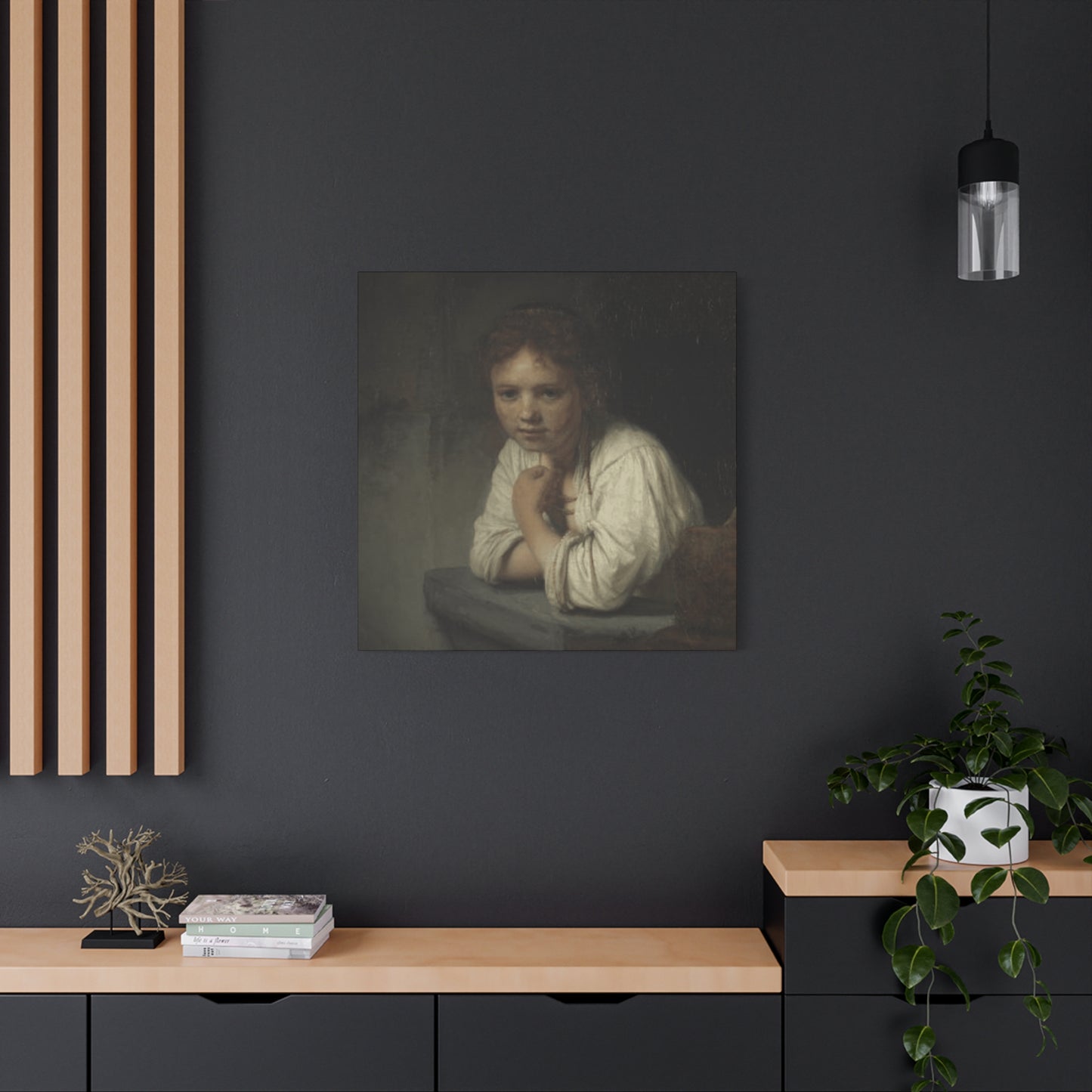
Girl At A Window Wall Art & Canvas Prints
Girl At A Window Wall Art & Canvas Prints
Couldn't load pickup availability
Exploring the Timeless Charm of Girl At A Window Wall Art: Bringing Classic Beauty into Modern Living Spaces
The captivating allure of Girl At A Window Wall Art has mesmerized art enthusiasts and interior decorators for generations, offering a perfect blend of classical sophistication and contemporary aesthetic appeal. This remarkable artistic representation captures a moment of quiet contemplation, creating an atmosphere of serenity and elegance within any living space. The delicate portrayal of a young woman gazing through a window frame symbolizes hope, dreams, and the human connection to the world beyond our immediate surroundings.
When we examine the profound impact of this particular artistic theme, we discover layers of meaning that resonate deeply with viewers across different cultures and time periods. The composition typically features soft lighting that filters through the window, illuminating the subject's features with a gentle radiance that speaks to the soul. This interplay of light and shadow creates dimensional depth that transforms a simple wall decoration into a conversation piece worthy of admiration.
The universal appeal of this artistic motif stems from its ability to evoke emotions that transcend language barriers and cultural boundaries. Whether displayed in a cozy bedroom, an elegant living room, or a sophisticated office space, Girl At A Window Wall Art brings a sense of refined taste and thoughtful introspection to the environment. The artwork serves as a visual anchor that draws the eye while maintaining a sense of understated elegance that never overwhelms the surrounding decor.
Discovering the Profound Symbolism Behind Window Gazing Portraits in Contemporary Home Decoration
The symbolic richness embedded within window gazing portraits extends far beyond mere aesthetic pleasure, touching upon fundamental aspects of human experience and philosophical contemplation. Throughout artistic traditions spanning centuries, the window has represented the threshold between interior consciousness and exterior reality, serving as a metaphorical gateway to possibility and transformation. When we observe a figure positioned at a window, we witness a moment suspended between two worlds—the safe, familiar interior space and the vast, unpredictable external realm.
This particular artistic theme resonates powerfully in our modern era, where many individuals feel disconnected from nature and genuine human interaction despite unprecedented connectivity through digital means. The contemplative pose of the subject invites viewers to pause their hectic routines and engage in meaningful reflection about their own relationship with the world around them. The window frame itself acts as a compositional device that focuses attention while simultaneously suggesting expansion beyond visible boundaries.
Art historians have long recognized that portraits featuring windows often convey themes of longing, anticipation, and introspective meditation. The direction of the subject's gaze—whether looking outward toward distant horizons or remaining absorbed in internal thoughts—adds layers of narrative possibility that engage the viewer's imagination. This ambiguity becomes a strength rather than a weakness, allowing each observer to project their own experiences and emotions onto the scene.
The psychological impact of displaying such imagery in residential or commercial spaces should not be underestimated. Studies in environmental psychology have demonstrated that artwork featuring natural elements or connections to the outdoors can significantly influence mood and mental wellbeing. Girl At A Window Wall Art fulfills this criterion while adding the human element that creates empathetic connection, making it particularly effective in spaces dedicated to relaxation, contemplation, or creative endeavors.
Selecting the Perfect Size and Placement for Maximum Visual Impact in Various Room Configurations
Determining the ideal dimensions and positioning for Girl At A Window Wall Art requires careful consideration of multiple factors including room proportions, furniture arrangement, lighting conditions, and the overall design scheme. A common mistake in art placement involves selecting pieces that are either too small, causing them to appear lost and insignificant, or too large, creating visual imbalance that disrupts the harmony of the space. The general principle suggests that artwork should occupy approximately two-thirds to three-quarters of the width of the furniture piece below it, though this guideline can be adjusted based on specific circumstances.
For expansive living rooms with high ceilings, a large-scale interpretation of the Girl At A Window theme creates a stunning focal point that commands attention without dominating the entire environment. The vertical orientation naturally complements standard wall proportions and can help to visually raise ceiling heights in rooms where such enhancement is desired. When positioning artwork in relation to seating arrangements, ensure that the center of the piece hangs at approximately eye level when viewers are seated, typically ranging between fifty-seven and sixty inches from the floor to the center of the artwork.
Bedroom environments present unique considerations for artwork placement, as these spaces prioritize restful atmospheres conducive to relaxation and rejuvenation. Girl At A Window Wall Art above the headboard creates a romantic, contemplative ambiance that encourages peaceful transitions into sleep and gentle awakenings. The soft, introspective nature of this artistic theme makes it particularly well-suited to private quarters where personal reflection and emotional comfort take precedence.
Dining areas benefit from artwork that stimulates conversation without distracting from social interaction. A medium-sized rendering of the window gazing motif positioned on a prominent wall provides visual interest that guests can appreciate between courses while maintaining the focus on interpersonal connection. The timeless quality of this subject matter ensures that it will not clash with seasonal table decorations or periodic updates to dining accessories.
Home offices and study spaces gain sophistication and inspiration from thoughtfully selected artwork. Girl At A Window Wall Art in these environments serves as a reminder to maintain perspective, take contemplative breaks, and remain open to new ideas flowing from beyond our immediate circumstances. Position the artwork where it can be seen during brief mental pauses but does not compete with primary work surfaces or computer screens for visual attention.
Hallways and transitional spaces often get overlooked in decorating schemes, yet these areas offer excellent opportunities for creating gallery-like experiences. A series of related window portraits or variations on the Girl At A Window theme can transform a simple corridor into an engaging artistic journey that guides visitors through the home while maintaining cohesive visual storytelling.
Exploring Various Artistic Styles and Interpretations Within the Window Portrait Genre
The Girl At A Window motif has been interpreted through countless artistic movements and stylistic approaches, each bringing unique characteristics that appeal to different aesthetic sensibilities and decorating philosophies. Classical realism captures every detail with photographic precision, celebrating the play of light across fabric textures and skin tones with meticulous accuracy. These highly detailed renderings appeal to collectors who appreciate traditional craftsmanship and time-honored painting methods that have endured for centuries.
Impressionistic interpretations take a distinctly different approach, using loose brushwork and vibrant color harmonies to capture the emotional essence rather than literal representation. These versions emphasize atmospheric qualities and the fleeting nature of light, creating artwork that feels alive with movement and energy despite the static subject matter. The softer focus and emphasis on color relationships make impressionistic window portraits particularly effective in spaces decorated with eclectic or bohemian influences.
Contemporary abstract variations push the boundaries of the traditional theme, deconstructing the recognizable elements into geometric shapes, bold color fields, or minimalist line drawings. These modern interpretations maintain the essential composition—figure, window, light—while reimagining them through current artistic sensibilities. Such pieces work exceptionally well in spaces with clean lines, neutral color schemes, and furniture featuring sleek, minimalist profiles.
Watercolor renderings bring a delicate, ethereal quality to the Girl At A Window theme, with translucent layers creating luminous effects that seem to glow from within. The inherent softness of this medium perfectly complements the contemplative mood of the subject matter, producing artwork that feels both substantial and weightless simultaneously. Watercolor versions particularly suit spaces decorated in cottage style, coastal themes, or romantic country aesthetics.
Mixed media approaches combine various materials and methods to create textured, multidimensional interpretations that engage viewers on multiple sensory levels. These pieces might incorporate fabric, paper collage, metallic accents, or three-dimensional elements that add physical depth beyond the flat picture plane. The tactile quality of mixed media artwork creates visual interest that rewards closer inspection while maintaining impact from across the room.
Digital art and photographic manipulations represent the newest frontations in this enduring theme, utilizing modern tools to create effects impossible through traditional media. These contemporary versions might feature surreal color palettes, impossible lighting scenarios, or composite imagery that blends multiple sources into cohesive new visions. Digital interpretations appeal to those seeking cutting-edge aesthetics while maintaining connection to classical compositional principles.
Understanding Color Psychology and How Different Palettes Influence Emotional Responses to Window Artwork
The color choices within Girl At A Window Wall Art profoundly affect the emotional resonance and psychological impact of the piece, making palette selection a crucial consideration when choosing artwork for specific spaces and purposes. Warm color schemes featuring reds, oranges, and golden yellows create energizing, passionate atmospheres that stimulate conversation and social interaction. These vibrant palettes work particularly well in gathering spaces like living rooms and dining areas where you want to encourage lively engagement among family members and guests.
Cool color palettes dominated by blues, greens, and purples generate calming, meditative environments that promote relaxation and mental clarity. Girl At A Window renderings in these cooler tones are ideally suited to bedrooms, bathrooms, and personal retreats where the primary goal involves unwinding from daily stresses and achieving peaceful states of mind. The association between blue tones and water, sky, and distance reinforces the contemplative nature of the window gazing pose.
Monochromatic color schemes using variations of a single hue create sophisticated, cohesive visual statements that feel both harmonious and intentional. Black and white or sepia-toned versions of the Girl At A Window theme evoke nostalgia and timelessness while easily coordinating with diverse decorating styles. These neutral interpretations offer maximum versatility, adapting seamlessly to changes in surrounding decor without requiring replacement or repositioning.
Complementary color schemes utilizing opposite positions on the color wheel—such as blue and orange or purple and yellow—generate dynamic visual tension that captures attention and maintains interest over extended viewing periods. These bold combinations work well in spaces where you want to make a strong design statement or create a focal point that anchors the entire room's aesthetic direction.
Analogous color schemes using adjacent hues on the color wheel produce gentle, harmonious effects that feel naturally cohesive and pleasing to the eye. A Girl At A Window painting featuring blues, blue-greens, and greens creates a serene, nature-inspired atmosphere, while one using reds, red-oranges, and oranges generates warmth and vitality without the jarring contrast of complementary schemes.
The intensity or saturation of colors also significantly impacts viewer response. Highly saturated, vibrant hues create energetic, youthful atmospheres suitable for playful, creative spaces, while muted, desaturated tones generate sophisticated, mature environments appropriate for formal settings. Girl At A Window Wall Art featuring soft, pastel colors evokes femininity, gentleness, and romantic sensibilities, making such versions popular for young women's bedrooms and shabby chic decorating schemes.
Examining Frame Selection and Matting Choices That Enhance Rather Than Distract From Artwork
The frame surrounding Girl At A Window Wall Art serves multiple functions beyond simple physical protection, acting as a transitional element between the artwork and the surrounding environment while contributing its own aesthetic impact to the overall presentation. Selecting an appropriate frame requires balancing several considerations including the style of the artwork itself, the decorating scheme of the space, and the desired level of visual emphasis you want to place on the piece.
Traditional ornate frames featuring intricate carved details, gilded finishes, and substantial profiles complement classical realistic renderings of the Girl At A Window theme, enhancing the old-world elegance and timeless quality of such interpretations. These elaborate frames work particularly well in formal spaces decorated with antique furniture, rich fabrics, and sophisticated color schemes. The substantial presence of an ornate frame elevates the artwork, signaling its importance as a valued possession worthy of special attention.
Contemporary minimalist frames with clean lines and simple profiles allow the artwork itself to take center stage without competing visual elements. Slim metal frames in brushed silver, matte black, or bronze finishes provide just enough boundary definition to separate the artwork from the wall while maintaining an understated presence. These modern frames suit contemporary interiors featuring sleek furniture, neutral palettes, and uncluttered spaces where every element serves a clear purpose.
Natural wood frames bring warmth and organic texture to Girl At A Window presentations, creating connections to nature that reinforce the outdoor vista typically visible through the depicted window. Light woods like maple, ash, or natural oak generate bright, airy feelings appropriate for cottage, coastal, or Scandinavian-inspired interiors, while darker woods such as walnut, mahogany, or espresso-stained pine create rich, substantial presences suitable for traditional or masculine-leaning spaces.
Matting—the border material placed between the artwork and the frame—provides both protective and aesthetic functions that significantly enhance presentation quality. A well-chosen mat creates breathing room around the image, preventing the frame from visually crowding the composition while adding an additional layer of color coordination opportunity. Standard white or off-white mats offer clean, classic presentations that work with virtually any artwork and decorating scheme, making them safe default choices when uncertain about bold alternatives.
Colored mats can either harmonize with tones present in the artwork or provide strategic contrast that makes specific elements pop with enhanced vibrancy. A mat in a soft blue tone might echo the sky visible through the window in a Girl At A Window painting, creating visual continuity that feels intentional and sophisticated. Conversely, a warm tan or cream mat might provide subtle contrast against cooler artwork tones, generating gentle visual interest without dramatic conflict.
Double matting using two layers in different colors or widths adds dimensional depth and museum-quality presentation sophistication. This technique works particularly well with valuable or meaningful pieces deserving special showcase treatment. The outer mat is typically wider than the inner mat, creating a tiered effect that draws the eye inward toward the artwork through successive visual layers.
Frameless presentations using gallery wraps or float mounting create contemporary, edgy aesthetics that feel fresh and current. Gallery-wrapped canvases extend the image around the sides of the stretcher bars, eliminating the need for frames entirely while creating sculptural depth as the artwork projects from the wall. Float mounting suspends the artwork slightly in front of the backing board, creating shadow gaps that generate dimensional intrigue.
Discovering Complementary Decor Elements That Create Cohesive Design Stories Around Window Portrait Artwork
Building a cohesive decorating scheme around Girl At A Window Wall Art involves selecting complementary furnishings, accessories, and design elements that reinforce the mood and aesthetic established by the artwork without creating redundant repetition or visual chaos. The key lies in establishing thematic resonance while maintaining enough variety to keep the space interesting and dynamic rather than monotonous or predictable.
Window treatments offer obvious thematic connections to Girl At A Window artwork, presenting opportunities to echo the frame-within-frame concept while serving practical light control purposes. Flowing curtains in soft, natural fabrics create romantic atmospheres that complement contemplative window portraits, particularly when arranged to catch natural light in ways that mirror the illumination depicted in the artwork. Avoiding overly coordinated matching between actual window treatments and those shown in the painting prevents the scheme from feeling too literal or costume-like.
Furniture selections should consider the era and style suggested by the Girl At A Window piece without creating museum-like period room recreations. A classical painting might inspire the inclusion of one or two antique or antique-style pieces mixed with contemporary items, creating collected-over-time eclecticism that feels authentic rather than staged. Modern interpretations of the window portrait theme pair naturally with mid-century modern or contemporary furniture featuring clean lines and organic shapes.
Textiles including throw pillows, area rugs, and upholstery fabrics provide excellent vehicles for color and pattern coordination with Girl At A Window artwork. Pull accent colors from less dominant hues in the painting to create subtle connections that feel sophisticated rather than obvious. If the artwork features a figure wearing a blue dress against warm neutral tones, incorporating blue accent pillows creates cohesion while allowing the painting's full color range to shine.
Additional artwork and decorative objects should be selected with an eye toward creating visual conversation rather than competition with the primary Girl At A Window piece. Smaller supporting artworks in different media—perhaps a small sculpture, a collection of vintage photographs, or botanical prints—add layers of interest without diminishing the impact of the main focal point. Maintaining variety in scale, subject matter, and presentation style prevents collections from appearing too uniform or deliberately matched.
Lighting fixtures serve both practical and decorative functions in spaces featuring Girl At A Window Wall Art, with opportunities to reinforce the light-focused themes inherent in window portraits. A sculptural table lamp positioned near the artwork can create interesting cross-lighting effects after dark, transforming the piece's appearance between day and evening hours. Picture lights mounted above the frame provide museum-quality illumination that enhances colors and details while signaling the artwork's importance.
Architectural elements including moldings, wainscoting, and built-in shelving can frame and contextualize Girl At A Window artwork within the broader physical space. A well-placed piece above a fireplace mantel gains additional prominence from the architectural framing, while artwork positioned within a wall niche benefits from the dimensional recess that creates natural highlighting. Painting the wall behind the artwork in a contrasting tone can create an impromptu mat effect that makes the piece stand out dramatically.
Natural elements like plants, flowers, and organic materials create living connections to the outdoor views typically visible through windows in these portrait compositions. A potted fiddle leaf fig positioned near Girl At A Window artwork echoes the natural world beyond the depicted window frame, creating spatial continuity between the artwork's narrative and the actual room environment. Fresh flowers in vases offer seasonal variation and organic beauty that complement rather than compete with painted or printed imagery.
Investigating Different Printing Methods and Materials for Reproductions of Window Portrait Themes
The production method used to create Girl At A Window Wall Art significantly affects its appearance, longevity, and appropriateness for various environments, making it essential to understand the characteristics of different printing and reproduction techniques when selecting pieces for your space. Original paintings naturally command premium prices due to their uniqueness and the direct connection to an artist's hand, but high-quality reproductions make beautiful artwork accessible to wider audiences while maintaining impressive visual impact.
Giclée printing represents the gold standard in fine art reproduction, utilizing archival inks and museum-quality substrates to create prints that rival original paintings in color accuracy and tonal range. The term "giclée" comes from the French word for "spray," referring to the microscopic ink droplets that inkjet printers deposit onto the surface to build up images. These sophisticated printers can reproduce subtle gradations and complex color relationships that simpler methods cannot capture, making them ideal for Girl At A Window artwork featuring nuanced lighting effects and delicate skin tones.
Canvas prints offer textured surfaces that mimic original paintings, adding dimensional interest and traditional artistic character to Girl At A Window reproductions. The woven texture of canvas catches light differently than flat paper surfaces, creating subtle visual variations as viewing angles change throughout the day. Gallery-wrapped canvas prints stretched over wooden frames provide ready-to-hang convenience while displaying the professional aesthetic of original artwork. The material's durability makes canvas suitable for high-traffic areas where artwork might be vulnerable to accidental contact.
Metal prints represent cutting-edge reproduction methods that infuse dyes directly into specially coated aluminum sheets, creating luminous, vibrant images with incredible depth and color saturation. The smooth, reflective surface of metal generates unique visual characteristics particularly well-suited to contemporary interpretations of Girl At A Window themes. These prints exhibit remarkable durability and water resistance, making them appropriate for bathrooms, kitchens, or commercial spaces where traditional paper prints might deteriorate from humidity or temperature fluctuations.
Acrylic prints sandwich printed images between clear acrylic sheets or mount them face-forward behind acrylic panels, creating glossy, dimensional presentations with remarkable color vibrancy. The transparency and thickness of acrylic add literal depth to the artwork, making colors appear more saturated and luminous than prints on opaque substrates. Girl At A Window artwork produced as acrylic prints gains a contemporary, gallery-worthy presence suitable for modern interiors seeking sophisticated focal points.
Traditional photographic prints on high-quality paper stocks offer matte or glossy surface options depending on the desired aesthetic effect. Matte papers reduce glare and provide subtle, sophisticated presentations appropriate for artwork featuring soft, diffused lighting, while glossy papers enhance color vibrancy and create more dramatic visual impact. Museum-quality photographic papers with archival ratings ensure that Girl At A Window prints maintain their appearance for decades when properly displayed and cared for.
Wood prints transfer images directly onto planks or panels of natural wood, allowing the wood grain to show through and interact with the printed image in unique ways. This method creates rustic, organic presentations particularly suitable for cottage, farmhouse, or nature-inspired decorating schemes. The natural variations in wood grain mean that each print possesses unique characteristics, adding individualized charm to Girl At A Window reproductions.
Analyzing Lighting Conditions and Their Impact on How Artwork Appears Throughout Different Times of Day
The lighting environment surrounding Girl At A Window Wall Art dramatically influences its appearance, with natural and artificial light sources creating varied effects that transform the same piece throughout daily cycles. Understanding these lighting dynamics helps you anticipate how artwork will perform in specific locations and informs decisions about supplemental illumination that might enhance the viewing experience.
Natural daylight streaming through windows creates the most dynamic lighting conditions, with intensity, color temperature, and angle constantly shifting according to time of day, season, and weather conditions. Morning light tends toward cooler, bluer tones that emphasize similar colors in Girl At A Window artwork while potentially muting warmer hues. Midday sun provides neutral, balanced illumination that renders colors most accurately but can create problematic glare if it strikes the artwork's surface directly. Afternoon and evening light shifts toward warmer, golden tones that enhance reds, oranges, and yellows while potentially dulling cooler colors.
Direct sunlight poses significant conservation concerns for any artwork, as ultraviolet radiation causes fading, discoloration, and material degradation over time. Position Girl At A Window pieces where they receive plenty of ambient natural light without sustained direct sun exposure, or use UV-filtering window films and glazing to protect artwork in sun-exposed locations. The irony of placing a window-themed artwork where it suffers from window-related damage should not be overlooked in positioning decisions.
Artificial lighting offers controllability and consistency that natural light cannot provide, allowing you to maintain preferred viewing conditions regardless of external factors. Ambient room lighting from ceiling fixtures and floor lamps provides general illumination that affects artwork indirectly, with warm incandescent bulbs creating cozy atmospheres and cooler LED bulbs generating more clinical, daylight-like conditions. The color rendering index of bulbs affects how accurately they reproduce colors compared to natural daylight, with higher CRI values indicating better color fidelity.
Dedicated picture lighting mounted directly above or angled toward Girl At A Window artwork provides focused illumination that highlights the piece while creating dramatic emphasis. Traditional brass picture lights offer classic elegance suitable for traditional interiors, while sleek LED strips and modern track lighting complement contemporary spaces. The positioning and intensity of picture lighting dramatically affect artwork appearance, with properly adjusted lighting revealing details and enhancing colors while poorly aimed lights create glare, uneven illumination, or distracting shadows.
Track lighting systems provide flexible illumination solutions for spaces displaying multiple artworks or frequently rearranged collections. Individual fixtures can be aimed precisely at each piece, with adjustable intensity controls allowing customization for different artwork characteristics and viewing preferences. Girl At A Window pieces with subtle tonal variations benefit from carefully calibrated lighting that reveals depth without creating harsh contrasts or washing out delicate details.
Wall washing techniques using uplights or angled ceiling fixtures create even illumination across entire walls, de-emphasizing individual pieces in favor of cohesive overall presentation. This approach works well for gallery wall arrangements where Girl At A Window artwork appears alongside other pieces in curated collections. The uniform lighting prevents any single piece from dominating while maintaining sufficient illumination for comfortable viewing of all elements.
Dimmer switches add versatility to any lighting scheme, allowing you to adjust intensity according to time of day, activity, and mood preferences. Brightly lit Girl At A Window artwork creates energizing focal points appropriate for daytime activities, while dimmed lighting in evening hours generates intimate, contemplative atmospheres. The ability to customize lighting levels prevents artwork from appearing overly prominent during quiet evening hours when subdued ambiance feels more appropriate.
Incorporating Girl At A Window Themes Into Different Interior Design Styles From Traditional to Contemporary
The remarkable versatility of Girl At A Window Wall Art allows it to enhance spaces across the full spectrum of decorating styles, though the specific interpretation and presentation must align with each style's defining characteristics and aesthetic priorities. Understanding how to adapt this timeless theme to different design philosophies ensures successful incorporation that feels intentional rather than forced or incongruous.
Traditional interiors characterized by formal furniture arrangements, rich color palettes, and classical architectural details naturally accommodate realistic Girl At A Window paintings with period-appropriate clothing and settings. Ornate gilded frames enhance the formal aesthetic while positioning artwork above mantels or between windows creates symmetrical arrangements typical of traditional design principles. Deep jewel tones and detailed rendering styles reinforce the sophisticated, timeless atmosphere that traditional spaces cultivate.
Transitional style bridges traditional and contemporary aesthetics, combining classical elements with cleaner lines and more neutral color schemes. Girl At A Window artwork in transitional spaces might feature softer, more impressionistic rendering styles with simplified details, presented in frames that split the difference between ornate traditional styles and stark contemporary minimalism. This balanced approach allows the artwork to feel both timeless and current, comfortable alongside both antique heirlooms and modern purchases.
Contemporary interiors emphasizing clean lines, neutral palettes, and uncluttered spaces benefit from simplified, stylized interpretations of the Girl At A Window theme. Abstract or minimalist versions using limited color palettes and geometric simplification maintain thematic recognition while aligning with contemporary aesthetic values. Frameless presentations or ultra-slim frames prevent the artwork from introducing visual complexity that conflicts with the streamlined character of contemporary design.
Modern farmhouse style blending rustic elements with contemporary sensibilities creates perfect contexts for Girl At A Window artwork featuring softer, more romantic interpretations. Natural wood frames complement the organic materials typical of farmhouse interiors, while the contemplative subject matter reinforces the peaceful, pastoral associations of rural living. Positioning such artwork among reclaimed wood accents, vintage-inspired accessories, and neutral color schemes creates cohesive stories about simpler times and authentic living.
Scandinavian design principles emphasizing functionality, natural light, and minimal ornamentation accommodate Girl At A Window themes that celebrate simplicity and the importance of connections to nature. Light wood frames, white or light gray mats, and compositions featuring abundant natural light through the depicted window align perfectly with Scandinavian values. The contemplative quality of window gazing resonates with the meditative, mindful approach to living that characterizes Nordic design philosophy.
Bohemian or eclectic interiors celebrating personal expression and curated collections can incorporate Girl At A Window artwork as part of layered, gallery-wall arrangements. Mixing different styles, sizes, and eras of window portraits creates visual interest while maintaining thematic coherence through the repeating motif. Colorful mats, unconventional frames, and asymmetrical arrangements reflect the free-spirited, rule-breaking character of bohemian style.
Coastal and beach-inspired spaces naturally align with Girl At A Window themes when the depicted views suggest seaside settings or when color palettes emphasize blues, whites, and sandy neutrals. Weathered wood frames or rope-wrapped edges reinforce nautical connections while the contemplative window gazing pose suggests peaceful contemplation of ocean vistas. These thematic links create narrative coherence between artwork and overall design direction.
Industrial style featuring exposed brick, metal elements, and raw materials might seem incompatible with the soft femininity typical of Girl At A Window artwork, yet the contrast can create compelling visual interest. Black metal frames or reclaimed wood backing boards bridge aesthetic differences while the artwork's delicate subject matter provides necessary softness to balance harder industrial elements. This juxtaposition demonstrates sophisticated design thinking that embraces unexpected combinations.
Examining the Emotional and Psychological Benefits of Displaying Contemplative Art in Living Spaces
The presence of Girl At A Window Wall Art in residential environments extends beyond mere decoration, offering genuine psychological and emotional benefits that enhance quality of life and support mental wellbeing. Research in environmental psychology and neuroaesthetics reveals that the images we surround ourselves with significantly influence mood, stress levels, cognitive function, and overall life satisfaction, making artwork selection more consequential than purely aesthetic considerations suggest.
The contemplative nature of window gazing portraits encourages viewers to pause their activities and engage in brief moments of reflection, effectively providing visual cues for mindfulness practice in the midst of busy daily routines. In our hyperconnected age characterized by constant digital stimulation and information overload, these reminders to slow down and turn attention inward serve valuable purposes in maintaining mental equilibrium. The peaceful demeanor typically displayed by figures at windows models the calm, centered presence that many people struggle to cultivate amid contemporary life's demands.
Images depicting connections to nature and outdoor environments, even when viewed indirectly through a window within the artwork, trigger restorative responses documented through extensive research on the benefits of nature exposure. When actual outdoor access is limited by urban living conditions, weather constraints, or mobility issues, artwork featuring natural elements provides important psychological compensation. Girl At A Window compositions that show glimpses of sky, trees, or gardens through the depicted window offer these benefits while maintaining the human element that facilitates emotional connection.
The soft, diffused lighting characteristic of many Girl At A Window interpretations creates visual environments that feel soothing rather than stimulating, contributing to stress reduction and relaxation. Harsh contrasts, aggressive colors, and chaotic compositions increase visual cortex activation and can subtly maintain elevated stress responses, while gentler images allow the nervous system to shift toward parasympathetic dominance associated with rest and restoration. Bedrooms and personal retreats particularly benefit from this calming influence as part of sleep hygiene and relaxation routines.
Representational artwork featuring human figures activates empathy circuits in the brain, creating emotional resonance through our natural tendency to imagine others' mental and emotional states. The ambiguous emotional presentation typical of contemplative portraits allows viewers to project their own feelings onto the subject, creating personalized emotional experiences that evolve with our changing internal states. This dynamic quality means Girl At A Window artwork can provide different forms of emotional support depending on the viewer's current psychological needs.
The presence of beautiful objects in living spaces enhances overall life satisfaction and sense of wellbeing through aesthetic pleasure that engages reward centers in the brain. This isn't superficial materialism but rather a recognition that humans are inherently aesthetic creatures who derive genuine benefits from surrounding themselves with things they find meaningful and beautiful. Girl At A Window Wall Art that resonates personally contributes to creating environments where residents feel nurtured, inspired, and emotionally supported.
Artwork selection and display offers valuable opportunities for self-expression and identity affirmation, communicating to ourselves and others what we value, what moves us, and how we see ourselves. Choosing Girl At A Window pieces reflects and reinforces values like thoughtfulness, appreciation for beauty, connection to artistic traditions, and respect for quiet contemplation. These identity statements matter for psychological wellbeing, helping us maintain clear senses of self in a world that often pushes toward conformity and distraction.
The symbolic threshold quality of windows depicted in these artworks can provide helpful metaphorical resources during life transitions and periods of change. The window represents both protection and openness, safety and possibility, the known present and unknown future. Girl At A Window artwork can serve as visual reminders to maintain this balance—remaining grounded while staying open to new experiences, maintaining boundaries while remaining receptive to growth.
Exploring Seasonal Styling Opportunities That Keep Girl At A Window Artwork Feeling Fresh Throughout the Year
One significant advantage of Girl At A Window Wall Art lies in its adaptability to seasonal decorating changes that keep living spaces feeling current and responsive to changing external conditions. Rather than becoming static background elements, these pieces can serve as year-round anchors around which seasonal accessories rotate, maintaining continuity while allowing refreshing updates that prevent decorating staleness.
Spring decorating schemes emphasizing renewal, growth, and fresh beginnings harmonize beautifully with Girl At A Window themes, particularly when the depicted scene suggests emerging warmth and lengthening days. Introduce pastel accent colors through throw pillows and accessories that complement softer tones in the artwork, while fresh flowers in nearby vases create living extensions of any botanical elements visible through the painted window. Lighter curtain fabrics replacing winter's heavier treatments echo the seasonal lightness while maintaining thematic window connections.
Summer styling can emphasize the light and warmth suggested by sunshine streaming through windows in Girl At A Window compositions. Brighter, more saturated accent colors reflect summer's vibrancy, while natural fiber accessories like jute, linen, and cotton reinforce the season's casual, relaxed character. If the artwork depicts any glimpses of blue sky or green landscape, pull these colors into summer arrangements through strategically placed accessories, creating seasonal cohesion without requiring artwork changes.
Autumn transitions offer rich opportunities for seasonal styling around Girl At A Window pieces, with warm color palettes of burnt orange, deep red, golden yellow, and chocolate brown creating cozy atmospheres. These colors often complement the warm skin tones and soft lighting typical of window portraits while reflecting fall foliage visible through actual windows. Textured fabrics like velvet, wool, and chenille add tactile warmth that complements the visual warmth of autumn colors, creating multisensory seasonal experiences.
Winter decorating around Girl At A Window artwork can emphasize either festive celebration or quiet introspection depending on personal preferences and the specific space's purpose. During holiday periods, metallic accents in gold, silver, or copper can pick up glowing light effects in the artwork while adding festive sparkle. Post-holiday winter styling might emphasize whites, creams, and pale blues that reflect snowy landscapes while maintaining the cool, reflective quality of winter light. Heavier textiles and layered arrangements create visual and actual warmth during cold months.
The perennial appeal of Girl At A Window themes means that core pieces can remain in place year-round while supporting cast members rotate seasonally. This approach offers decorating flexibility and freshness without requiring complete redesigns or significant financial investment. Small changes in accent colors, textile textures, and accessory groupings create surprisingly different overall effects while maintaining recognizable aesthetic continuity that makes a space feel cohesive rather than randomly redecorated.
Seasonal decorating also provides valuable opportunities to prevent adaptation and habituation—psychological processes through which we gradually stop noticing familiar elements in our environments. By periodically refreshing areas around Girl At A Window artwork, we restore our ability to see and appreciate the piece with renewed attention. This prevents valuable artwork from fading into visual background noise, maintaining its psychological and aesthetic benefits across extended ownership periods.
Photography enthusiasts might consider documenting how Girl At A Window artwork appears in different seasonal contexts, creating personal archives that reveal how lighting, surrounding colors, and decorative accessories transform the same piece throughout the year. These records develop appreciation for the dynamic relationship between artwork and environment while providing references for future seasonal styling decisions.
Conclusion
Even the most beautiful Girl At A Window Wall Art loses its impact when display challenges interfere with comfortable viewing, making it essential to identify and solve common presentation problems that diminish artwork's effectiveness. Many of these issues admit straightforward solutions requiring minimal expense or effort once properly diagnosed.
Glare from windows or lighting fixtures represents perhaps the most common artwork display problem, creating bright reflections that obscure portions of the image and force viewers into uncomfortable positions to see the piece properly. Glass-glazed frames are particularly vulnerable to glare issues, though even unglazed canvas and paper prints can develop distracting reflections under certain lighting conditions. The most effective solution involves repositioning either the artwork or the light source to eliminate direct angles that cause reflections, though this isn't always practical given room configuration constraints.
Non-reflective or museum-quality glazing materials significantly reduce glare while providing important protection for valuable Girl At A Window prints and works on paper. These specialized glass or acrylic products feature coatings that scatter reflected light, making it far less visible to viewers while maintaining excellent clarity and color transmission. Though more expensive than standard glazing, anti-reflective materials prove worthwhile for seriously problematic locations or particularly valued pieces.
Awkward spaces including narrow walls between windows, walls broken up by doors and architectural features, and spaces above furniture present sizing and positioning challenges that require creative problem-solving. Rather than fighting against these constraints, embrace them by selecting Girl At A Window artwork specifically suited to unusual proportions. Vertical pieces work beautifully in narrow spaces between windows, creating visual rhythm through repetition of vertical lines, while horizontal compositions can span spaces above sofas or buffets that would overwhelm with vertical orientations.
Share