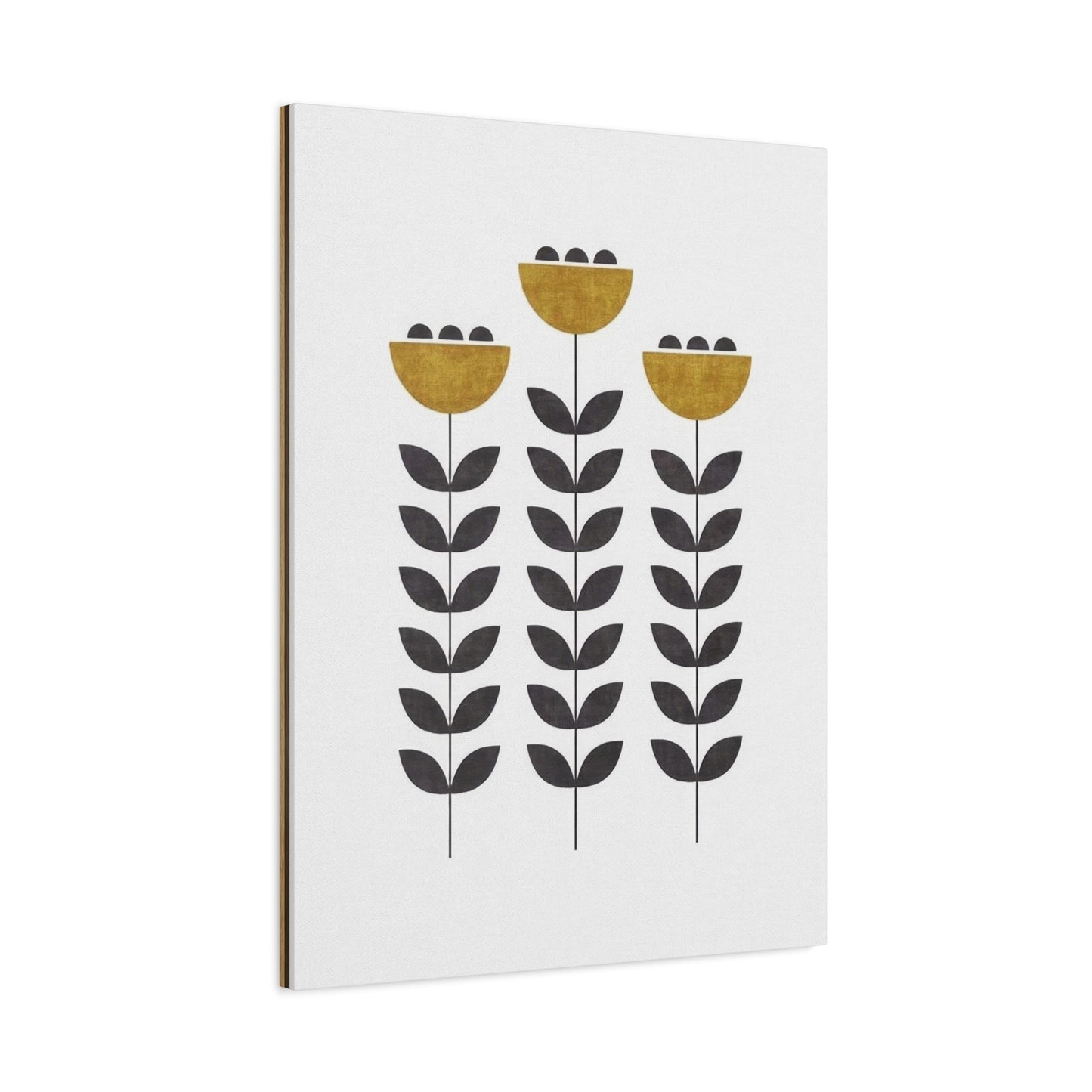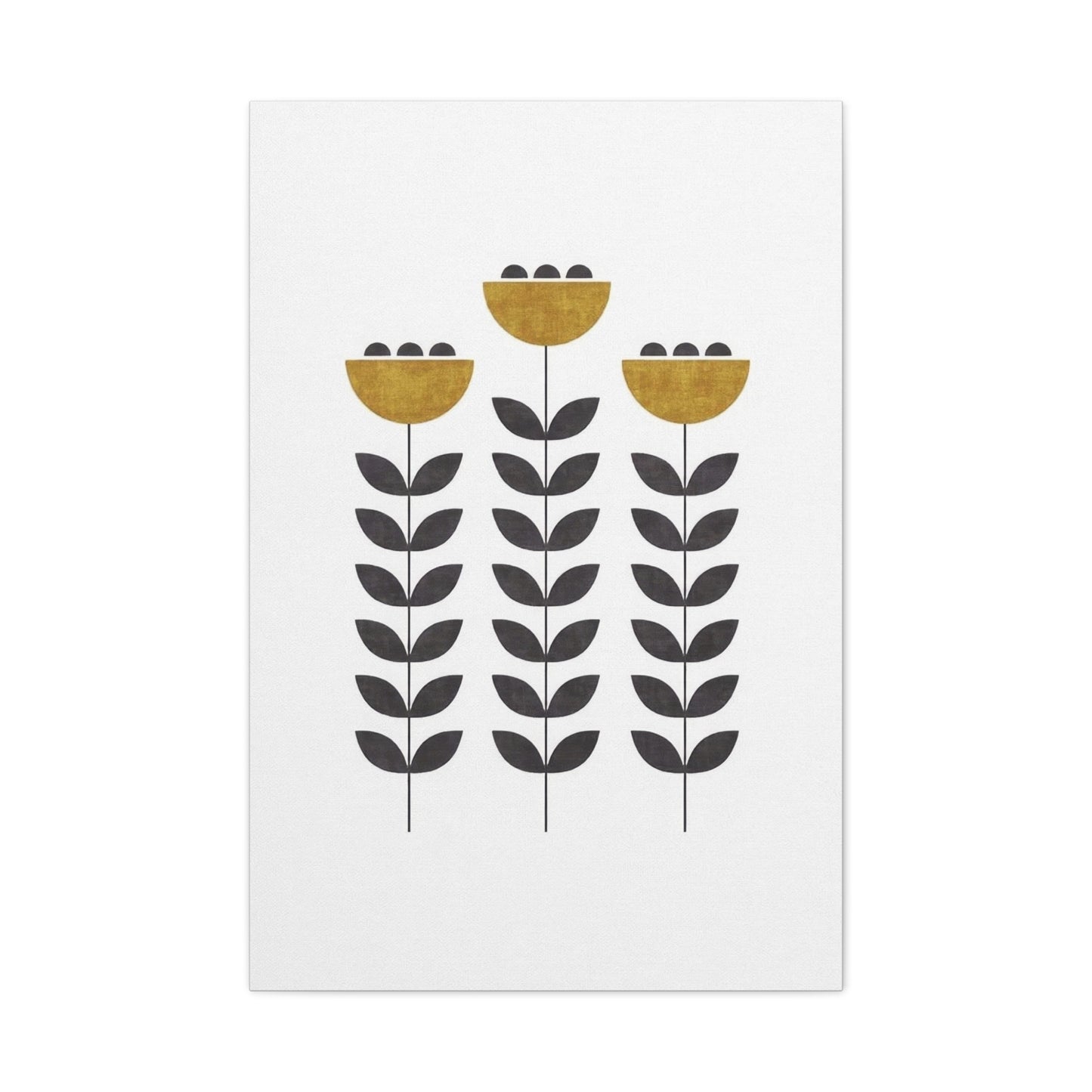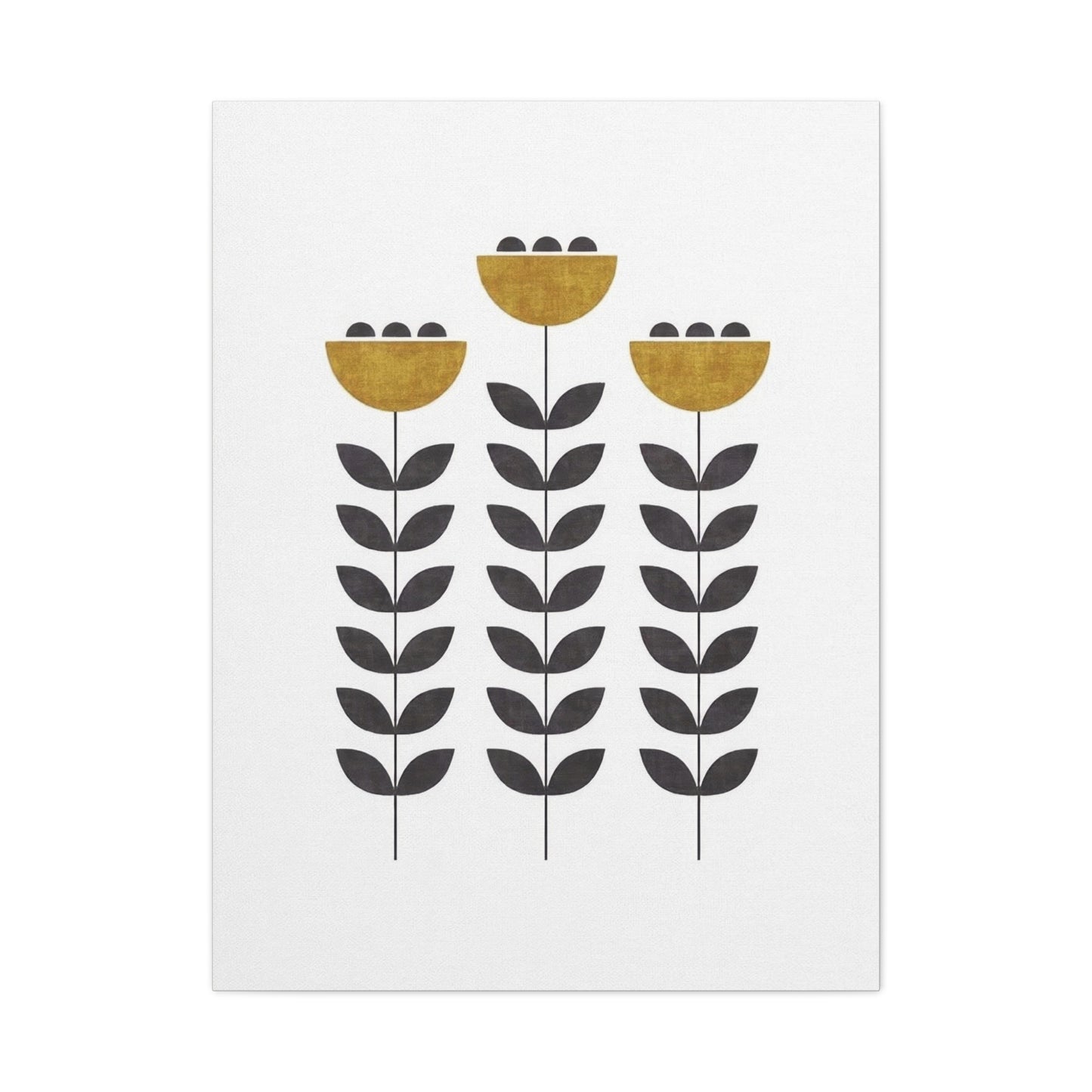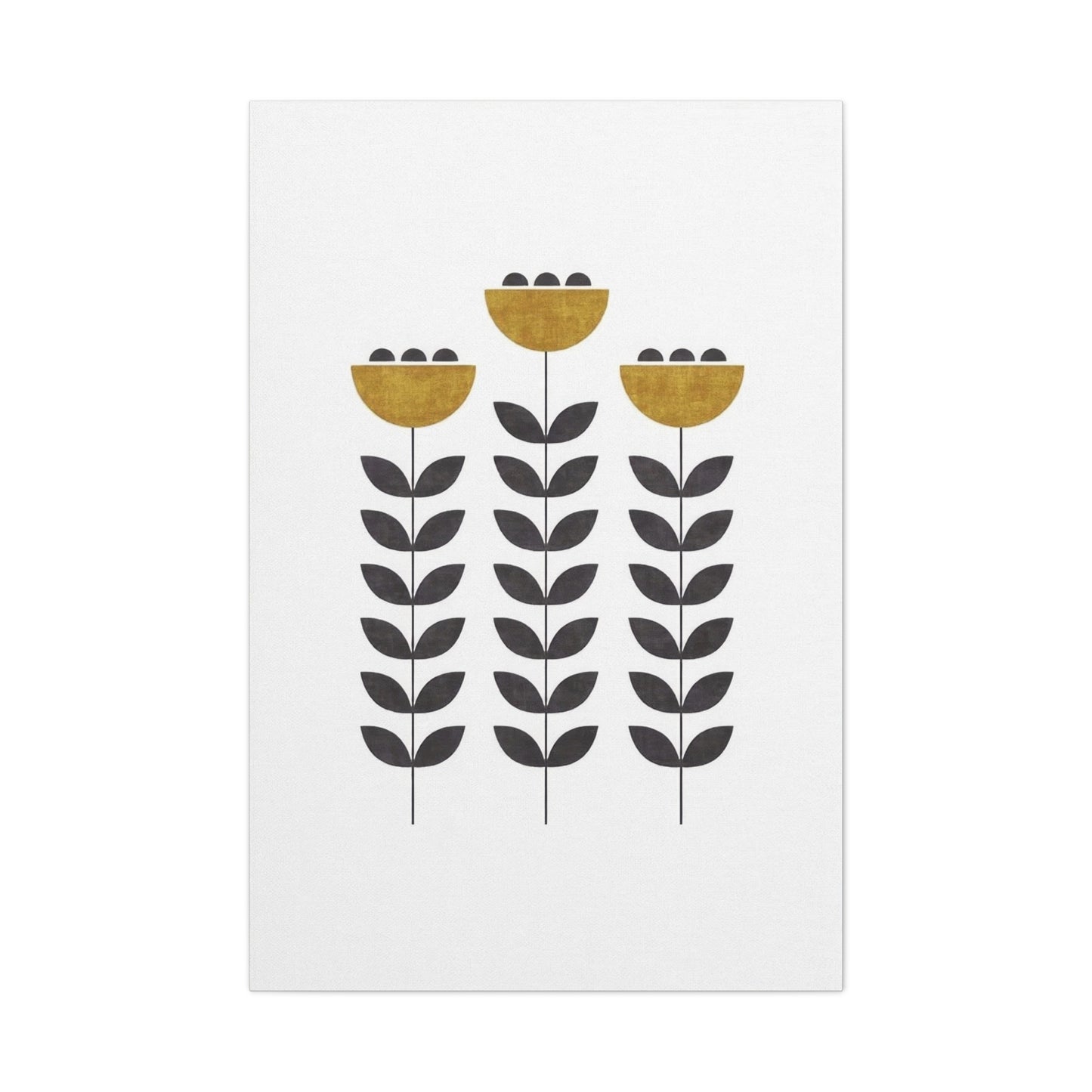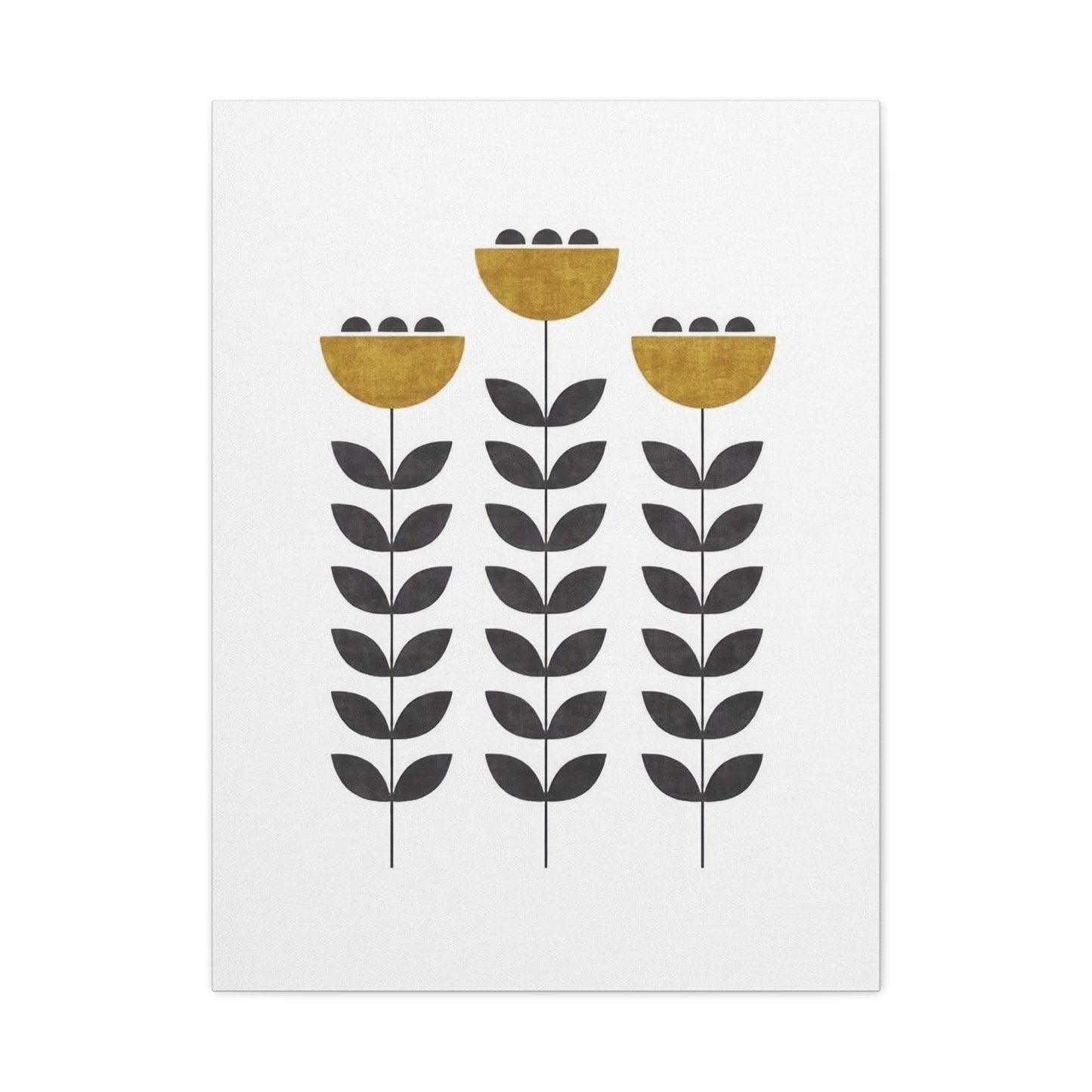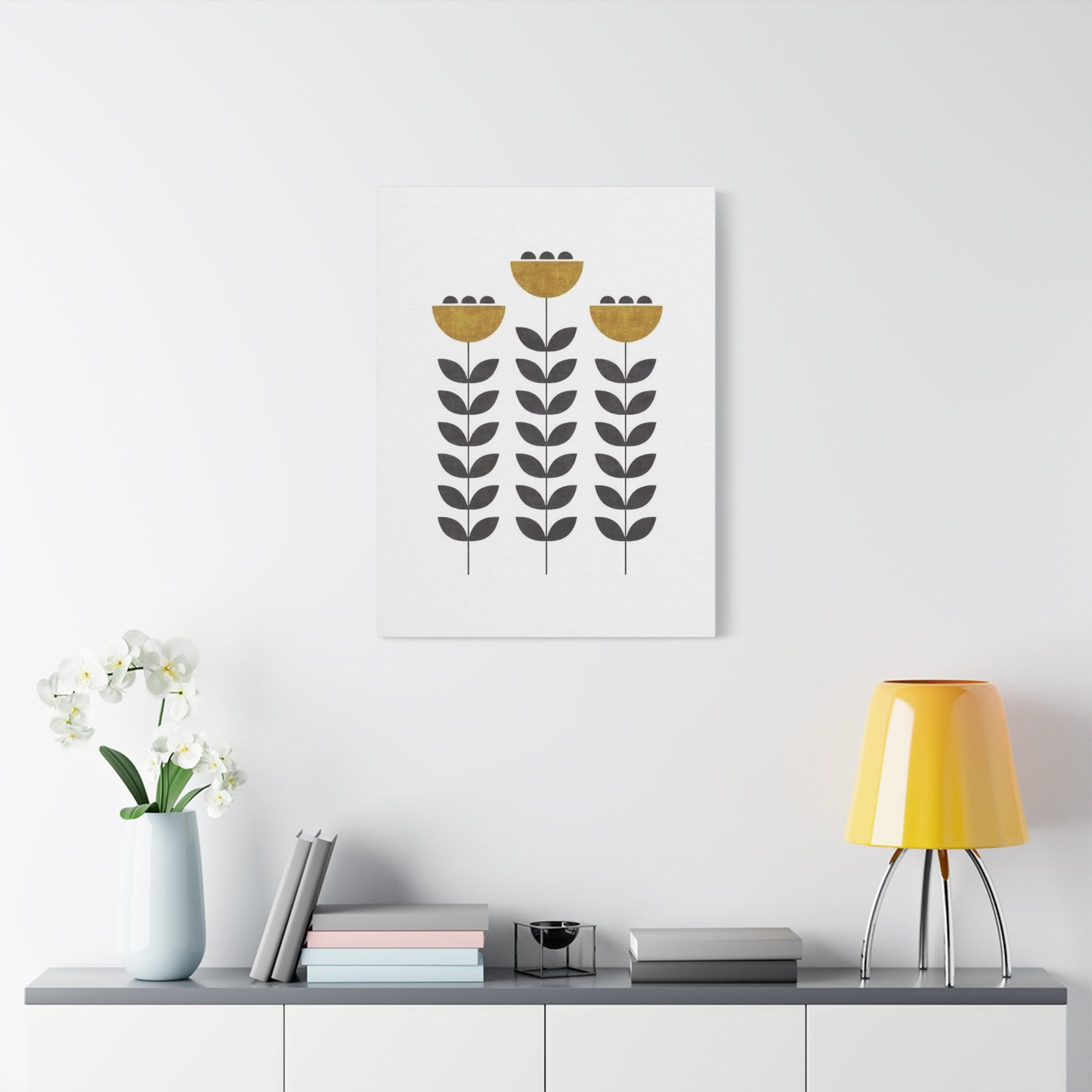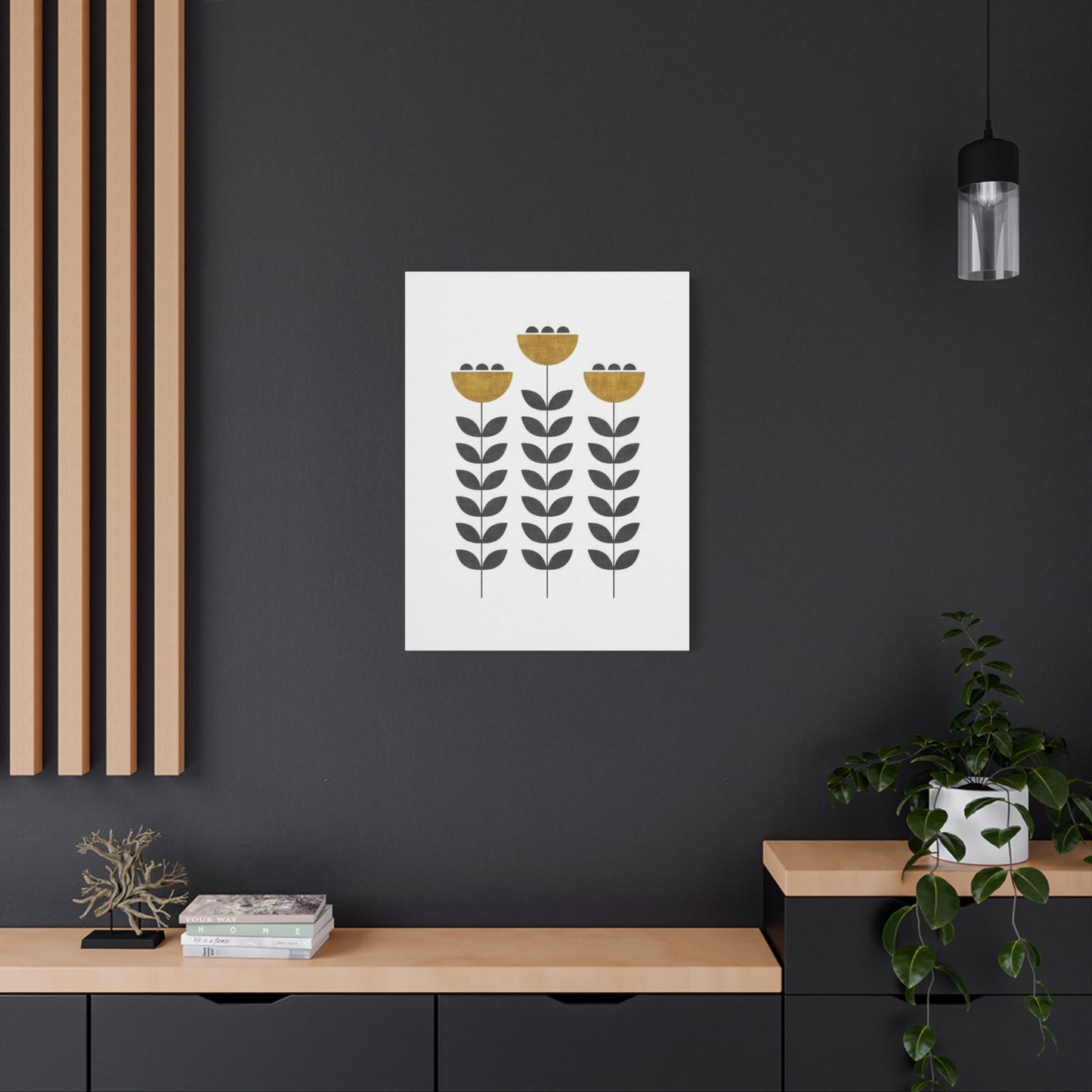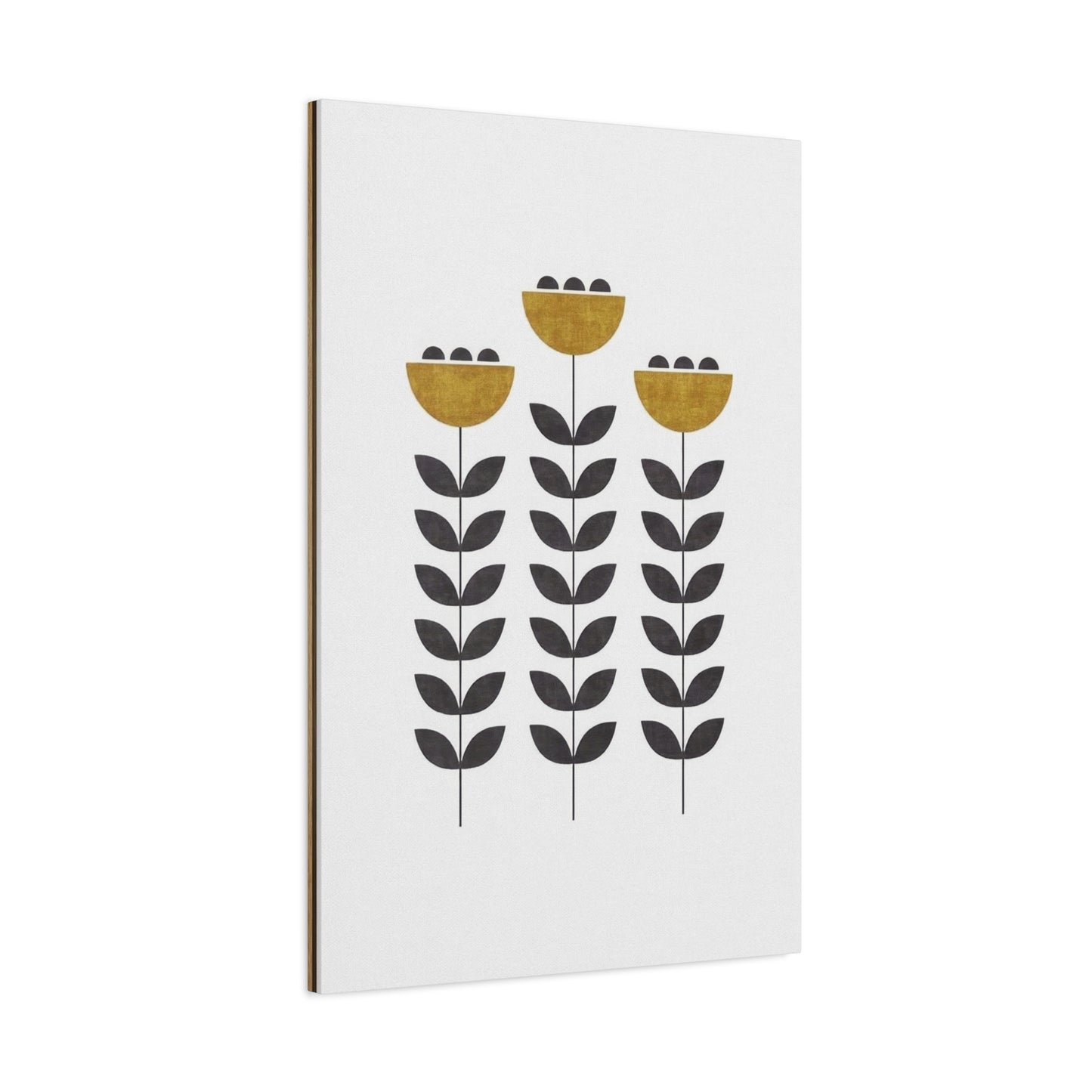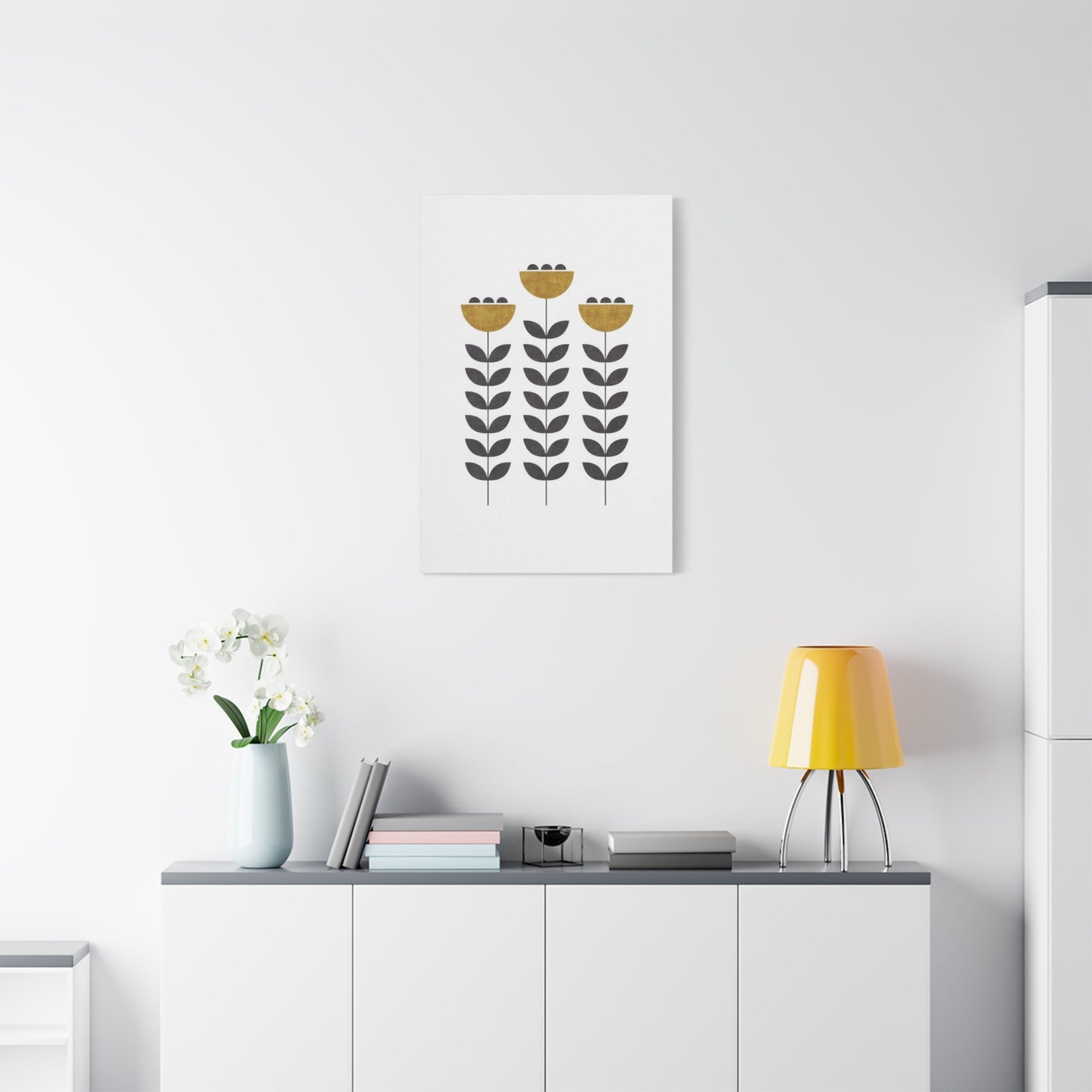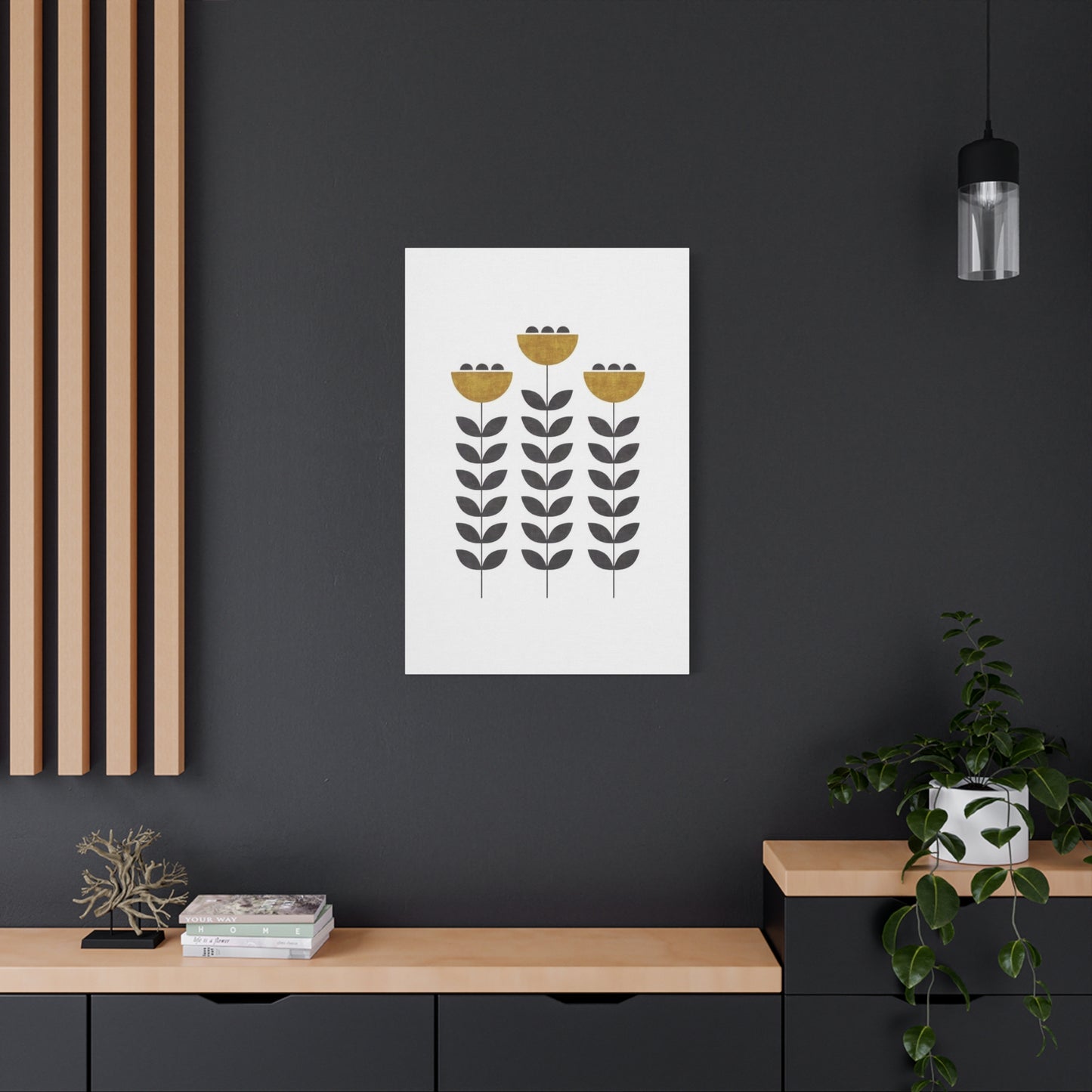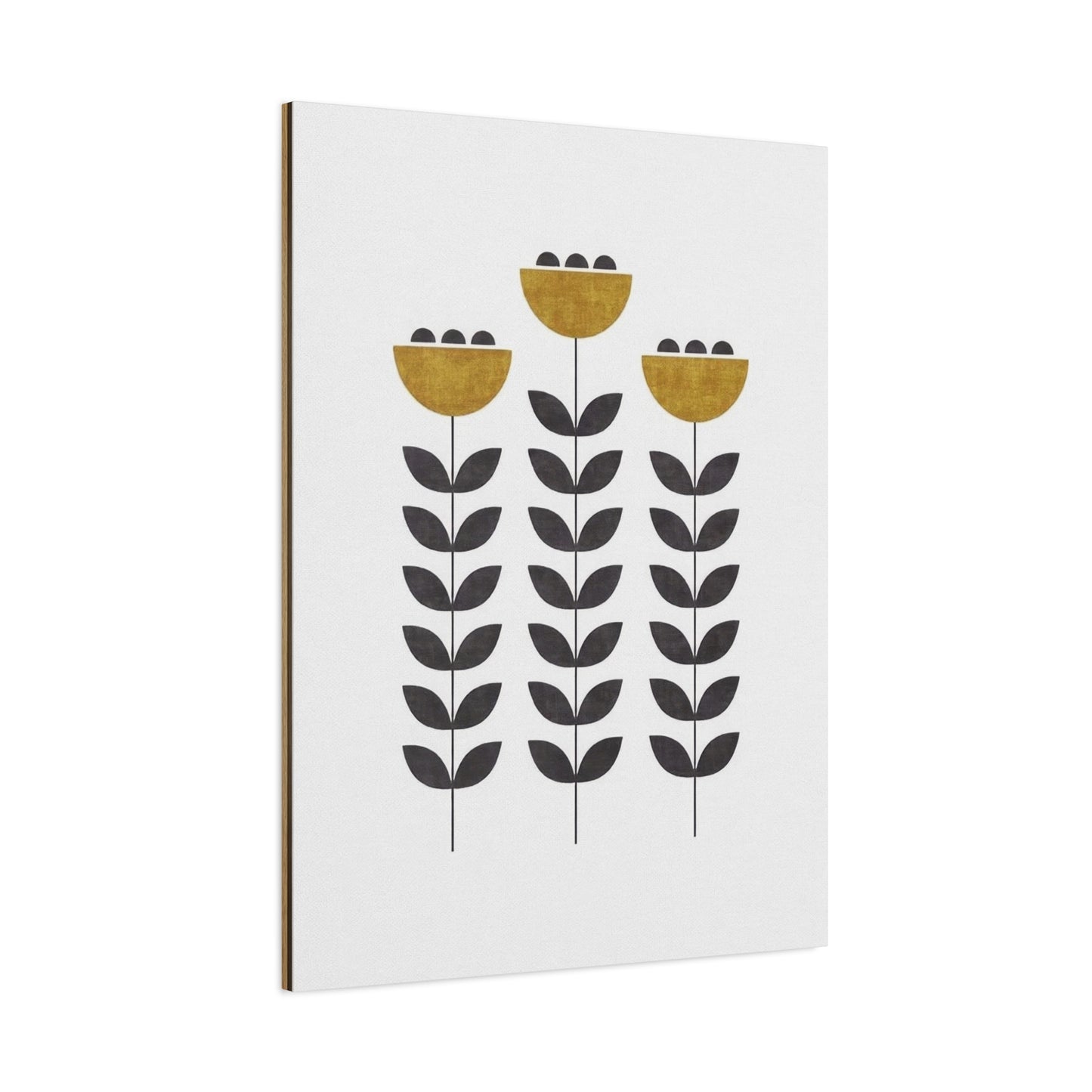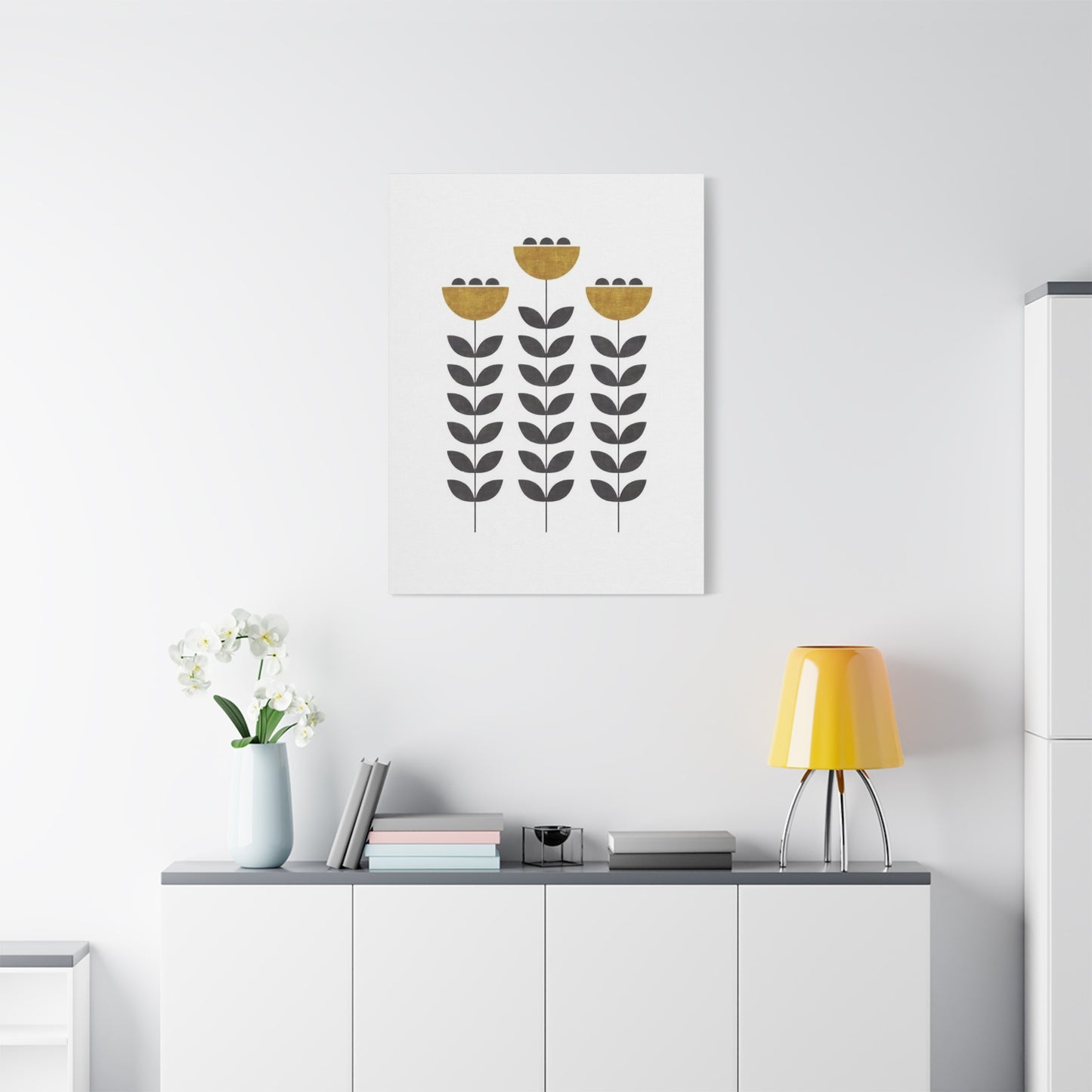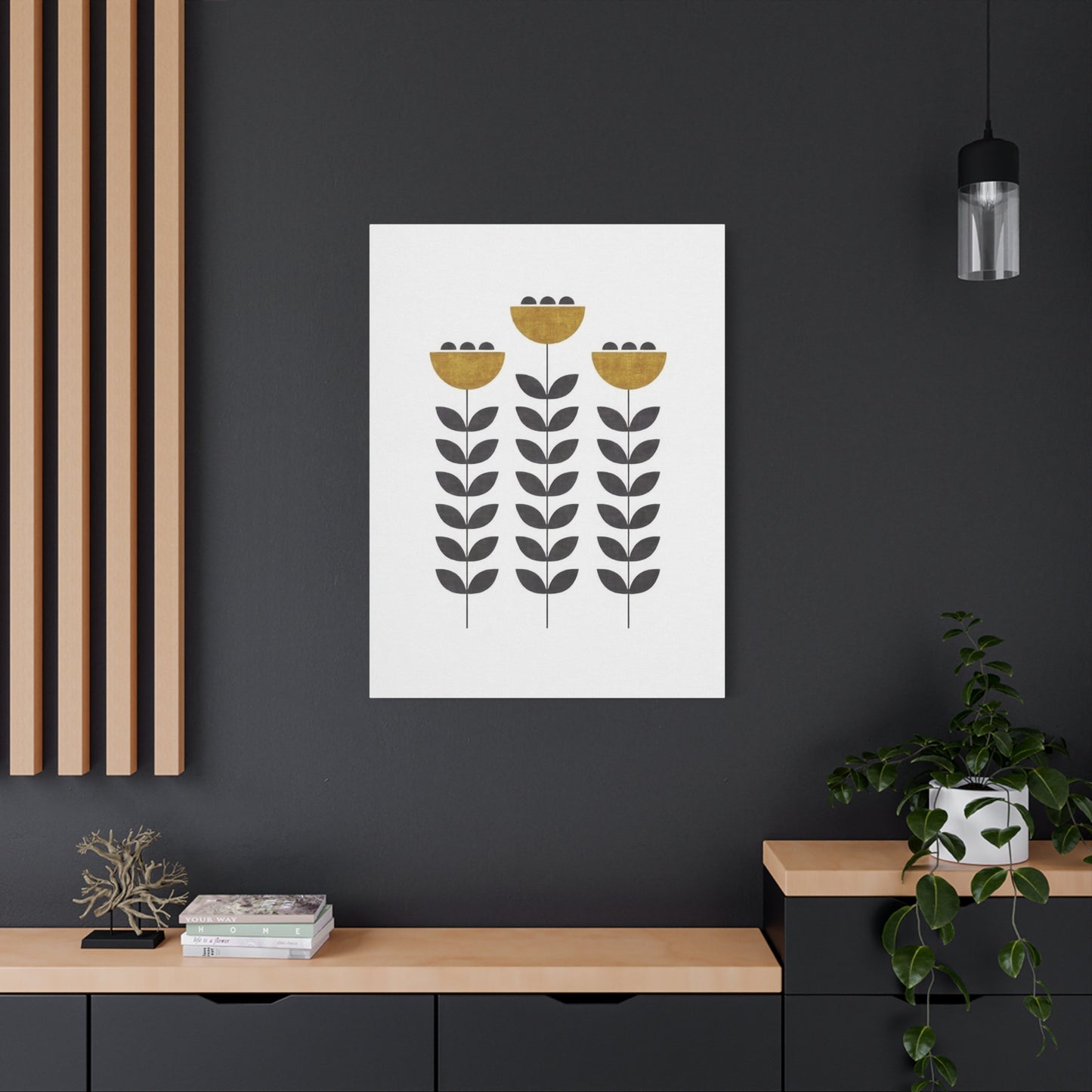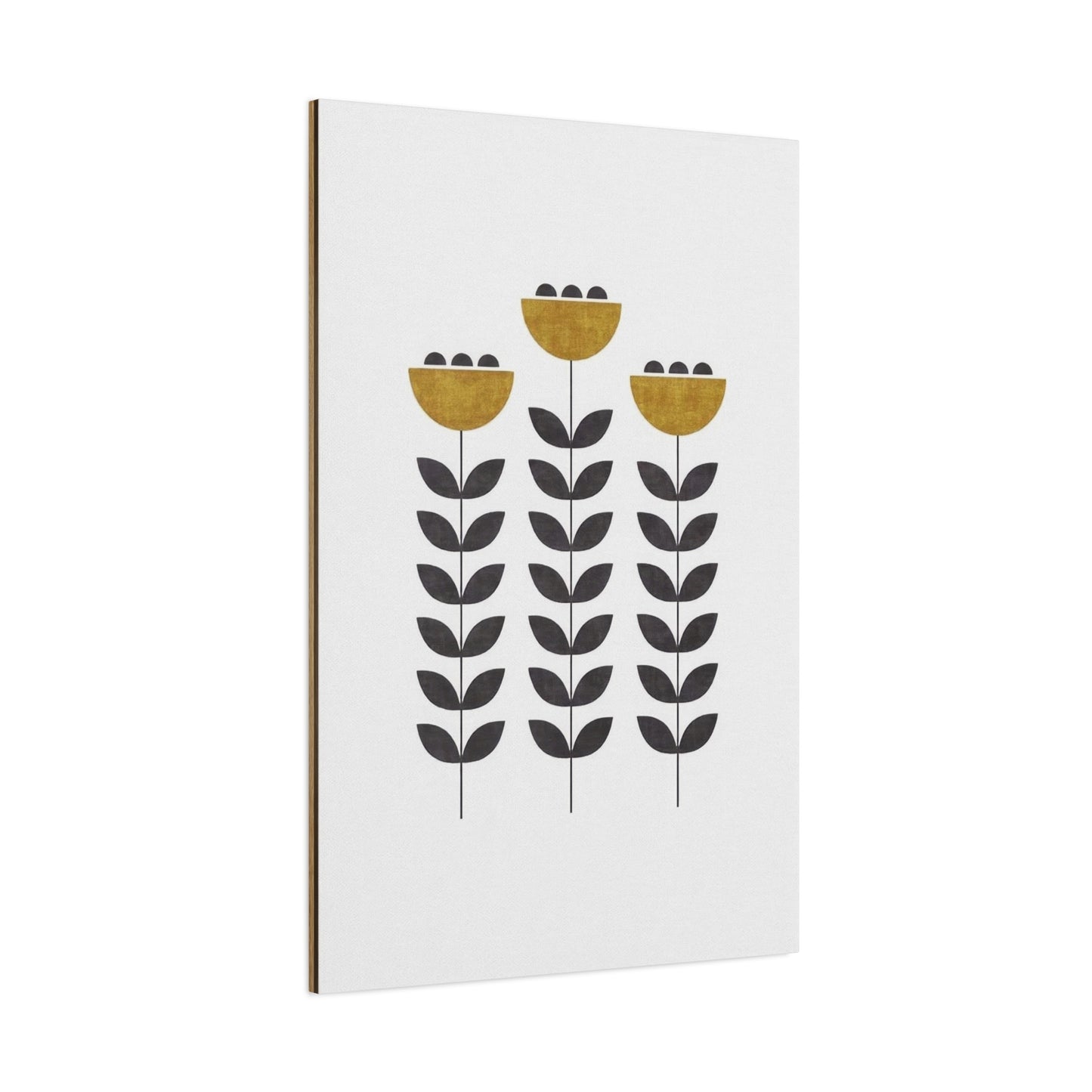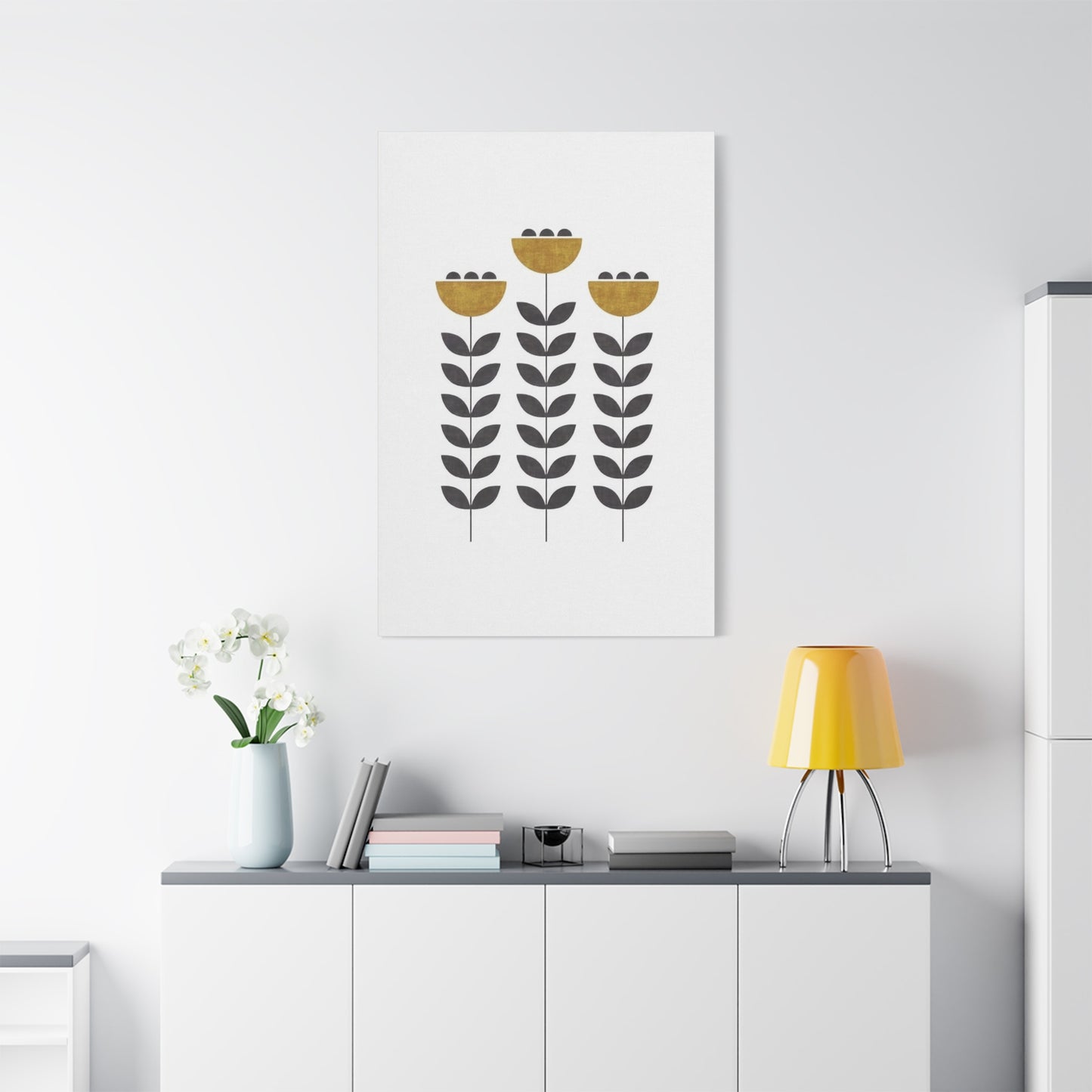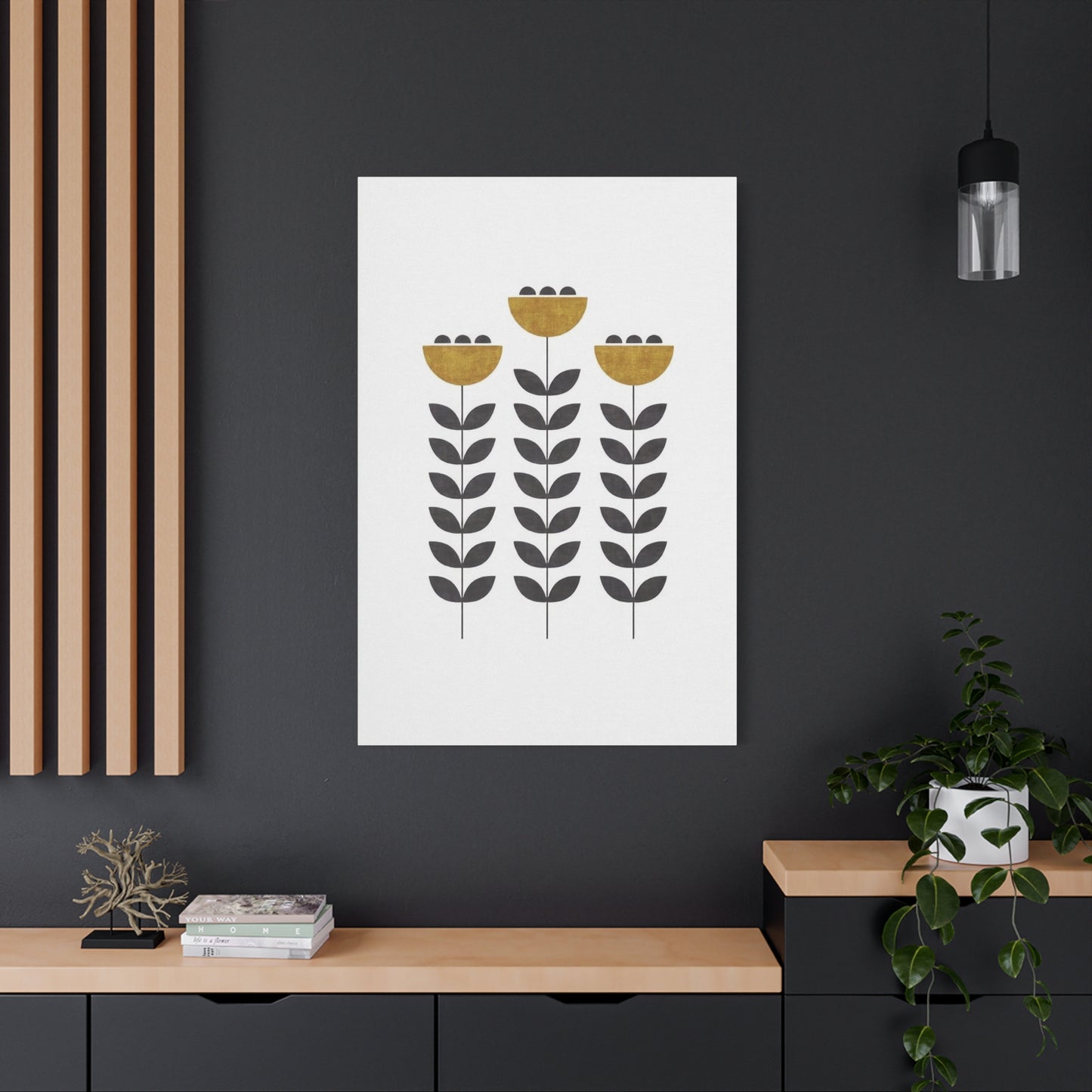


Geometric Flowers Wall Art & Canvas Prints
Geometric Flowers Wall Art & Canvas Prints
Couldn't load pickup availability
Discover the Beauty of Geometric Flowers Wall Art: A Comprehensive Exploration of Modern Botanical Decor for Your Living Spaces
Geometric flowers wall art represents a captivating fusion of nature's organic beauty with the precision and clarity of mathematical forms. This contemporary decorative approach has revolutionized how we perceive and incorporate botanical elements into our interior environments, creating striking visual statements that resonate with modern sensibilities while honoring the timeless appeal of floral imagery.
The marriage between geometric shapes and floral motifs produces artwork that transcends traditional boundaries, offering homeowners, designers, and art enthusiasts an innovative way to bring natural elegance into their spaces. These pieces capture the essence of blooms through angular lines, polygonal structures, and carefully calculated proportions, resulting in compositions that feel simultaneously organic and architectural.
The Fascinating Intersection Where Natural Forms Meet Mathematical Precision in Contemporary Artwork
The concept behind geometric flowers wall art stems from a profound appreciation of both nature's inherent patterns and humanity's drive to organize and understand the world through geometry. When we observe flowers closely, we discover that many already possess geometric qualities - the spiral arrangement of sunflower seeds, the pentagonal symmetry of rose petals, or the hexagonal structure of honeycomb patterns found in certain botanical formations.
Artists working in this medium take these naturally occurring geometric elements and amplify them, creating stylized representations that emphasize the mathematical underpinnings of floral beauty. The result is artwork that speaks to our logical minds while simultaneously appealing to our aesthetic sensibilities. These pieces often feature clean lines intersecting with curved petals, triangular leaf formations, and circular centers that draw the eye inward.
The popularity of this artistic style reflects broader cultural trends toward minimalism, modernism, and a desire for decor that feels both sophisticated and accessible. Unlike highly abstract art that might alienate some viewers, geometric floral designs remain recognizable and approachable while still offering artistic depth and visual complexity.
This decorative approach works exceptionally well in various interior design schemes, from Scandinavian minimalism to mid-century modern aesthetics, from industrial lofts to contemporary suburban homes. The versatility of geometric flowers wall art allows it to serve as either a bold focal point or a subtle complement to existing decor elements.
Exploring the Rich Visual Language of Angular Petals and Structured Botanical Forms
The visual vocabulary of geometric flowers wall art encompasses an extensive range of styles and interpretations. Some artists favor sharp, crystalline forms that transform petals into faceted surfaces reminiscent of origami or crystal formations. These works often feature stark contrasts between light and shadow, creating dimensional effects that make flat surfaces appear three-dimensional.
Other creators embrace softer geometric approaches, incorporating rounded shapes, gentle curves, and flowing lines that maintain geometric organization while preserving more of the flower's natural softness. These pieces might use overlapping circles to suggest petals, arcing lines to indicate stems, or radiating patterns to represent blooming flowers opening toward the sun.
Color plays a crucial role in how these pieces communicate their message. Some geometric floral artworks employ naturalistic color palettes that mirror actual flowers - deep reds for roses, sunny yellows for daisies, vibrant purples for lavender. Others take a more experimental approach, using unexpected color combinations like neon pinks against charcoal backgrounds, mint greens with copper accents, or monochromatic schemes that rely on tonal variations rather than contrasting hues.
The scale and complexity of geometric flowers wall art can vary dramatically. Some pieces feature single, large-scale blooms that command attention through their size and detail, with dozens of individual geometric segments creating intricate patterns within the overall flower form. Others present clusters or arrangements of multiple simplified flowers, creating rhythm and movement through repetition and variation.
Textural elements also contribute significantly to the appeal of these works. While many geometric floral pieces exist as prints or digital creations, others incorporate physical texture through layered materials, raised surfaces, metallic finishes, or mixed media approaches that combine painting with collage, woodwork, or fabric elements.
The Psychological Impact of Combining Natural Imagery with Ordered Structures in Decorative Pieces
Research into environmental psychology reveals that both natural imagery and geometric patterns affect human mood and cognition in measurable ways. Natural elements, including floral imagery, tend to reduce stress, promote relaxation, and create feelings of wellbeing - a phenomenon sometimes called biophilic response. Meanwhile, geometric patterns provide visual order and clarity that many people find calming and satisfying.
Geometric flowers wall art uniquely combines these two beneficial elements, potentially offering enhanced positive effects. The recognizable floral forms connect viewers to nature and living things, triggering positive associations with growth, beauty, and vitality. Simultaneously, the geometric organization provides structure and predictability that the brain processes efficiently, creating a sense of order and control.
This dual nature makes such artwork particularly valuable in spaces where people seek both inspiration and tranquility. In home offices, geometric floral designs can stimulate creativity while maintaining an organized atmosphere conducive to productivity. In bedrooms, these pieces can provide visual interest without overwhelming the senses, supporting restful environments. In communal spaces like living rooms or dining areas, they serve as conversation starters and aesthetic focal points that enhance social interactions.
The symbolic dimensions of flowers also contribute to the psychological resonance of geometric floral art. Throughout human history, flowers have represented concepts like love, remembrance, celebration, and renewal. By presenting these symbols through geometric frameworks, artists create pieces that feel contemporary and fresh while still tapping into these deep-rooted associations.
Different individuals respond to geometric flowers wall art based on their personal preferences and experiences. Those with analytical minds might appreciate the mathematical precision and problem-solving aspects of how shapes come together to form recognizable images. More visually oriented people might focus on color harmonies, compositional balance, and overall aesthetic impact. This multi-layered appeal contributes to the widespread popularity of this artistic genre.
Selecting the Perfect Geometric Floral Artwork to Complement Your Specific Interior Environment
Choosing appropriate geometric flowers wall art requires consideration of multiple factors related to your space, existing decor, and personal preferences. The process begins with assessing your room's characteristics, including size, lighting conditions, color scheme, and overall design aesthetic.
For smaller rooms or areas with limited wall space, consider pieces with lighter backgrounds and simpler compositions that won't overwhelm the environment. Larger spaces can accommodate more complex, detailed works or even multi-panel installations that span significant wall area. The scale of the artwork should feel proportionate to the wall and surrounding furniture - a common guideline suggests that wall art should occupy roughly two-thirds to three-quarters of the width of the furniture piece below it.
Lighting conditions significantly impact how geometric floral artwork appears. Spaces with abundant natural light can showcase pieces with subtle color gradations and delicate details that might get lost in dimmer environments. Rooms with primarily artificial lighting might benefit from bolder, higher-contrast designs that maintain their visual impact under varied lighting conditions. Consider how light changes throughout the day and ensure your chosen piece looks appealing under different circumstances.
The existing color palette in your space should guide your selection process. You might choose geometric flowers wall art that picks up accent colors already present in textiles, furniture, or accessories, creating cohesive visual connections throughout the room. Alternatively, you might select pieces in complementary or contrasting colors to create dynamic visual interest and prevent the space from feeling too monochromatic.
Your room's design style also influences appropriate choices. In spaces with minimalist aesthetics, geometric floral art with clean lines, limited color palettes, and ample negative space tends to work best. More eclectic interiors can accommodate busier, more colorful pieces that add to the layered, collected feel. Traditional spaces might benefit from geometric floral designs that incorporate classic flower types like roses or peonies, even if rendered in contemporary geometric styles.
Personal meaning and emotional resonance matter tremendously when selecting artwork for your home. Perhaps certain flowers hold special significance due to memories, cultural connections, or symbolic associations. Geometric representations of these meaningful blooms can serve as daily reminders of important people, events, or values in your life.
Consider also the mood you want to establish in different spaces. Energizing geometric floral pieces with vibrant colors and dynamic compositions might suit social areas like living rooms or kitchens. More subdued, contemplative works could better serve private spaces like bedrooms or reading nooks. Matching the emotional tone of the artwork to the intended use of the space enhances overall environmental coherence.
Various Formats and Mediums Through Which Geometric Botanical Designs Can Transform Wall Surfaces
Geometric flowers wall art manifests in numerous physical forms, each offering distinct advantages and aesthetic qualities. Understanding these various formats helps you select options that best suit your needs, budget, and installation preferences.
Canvas prints remain among the most popular formats for geometric floral artwork. These pieces feature images printed directly onto canvas material, which is then stretched over wooden frames. Canvas prints offer several benefits: they're relatively lightweight, don't require glass (eliminating glare issues), and have a artistic quality that mimics traditional painted works. Quality canvas prints can last for years without fading when properly cared for and kept away from direct sunlight.
Framed prints under glass provide another classic option. These works are typically printed on paper stock and protected behind glass or acrylic glazing. Framing adds visual weight and formality to artwork while protecting the print from environmental damage. The frame style itself becomes part of the overall aesthetic statement - sleek metal frames suit modern interiors, while wooden frames with various finishes can adapt to different design schemes.
Metal prints represent a more contemporary option where images are infused onto aluminum sheets, creating incredibly vibrant colors and sharp details. These pieces have a modern, almost luminous quality that works particularly well with geometric designs. Metal prints are extremely durable, resistant to moisture and fading, and easy to clean, making them suitable for kitchens, bathrooms, or other areas where traditional prints might be vulnerable.
Acrylic prints create stunning depth and dimension by mounting prints behind clear acrylic panels. The acrylic intensifies colors and creates a glossy, sophisticated appearance with a sense of three-dimensionality. These pieces work beautifully in contemporary settings and create impressive visual impact, though they tend to be more expensive than other options.
Wooden panels offer an organic substrate that complements the natural subject matter of floral artwork. Geometric flowers printed or painted on wood create interesting textural contrasts between the angular designs and the natural grain patterns visible through or around the imagery. These pieces often have a warm, handcrafted quality that appeals to those seeking artwork with tactile presence.
Three-dimensional wall sculptures move beyond flat imagery to create actual dimensional forms. These might include layered wood cutouts, metal constructions, or mixed media assemblages that project from the wall surface. Sculptural geometric floral pieces cast shadows and change appearance based on viewing angle and lighting, creating dynamic visual experiences.
Decals and removable wall stickers provide flexible, temporary options for renters or those who frequently refresh their decor. Quality vinyl decals can create impressive visual impact and allow for creative custom arrangements. While less permanent than other options, they offer unmatched flexibility and ease of installation.
Tapestries and fabric wall hangings bring softness and texture to geometric floral designs. These pieces work particularly well in spaces where hard surfaces dominate, adding acoustic benefits along with visual appeal. Fabric allows for large-scale artwork at more accessible price points than some other mediums.
Digital display frames represent an emerging option where high-resolution screens show rotating artwork collections. While requiring power sources and involving different aesthetic considerations than static pieces, they offer variety and the ability to change displayed images based on mood, season, or preference.
Creating Harmonious Arrangements with Multiple Geometric Floral Pieces Across Your Wall Spaces
Gallery walls and multi-piece arrangements allow you to create more complex, personalized displays using geometric flowers wall art. These arrangements transform individual artworks into cohesive installations that make bold design statements while allowing for creative expression.
Planning successful multi-piece arrangements begins with selecting artworks that share some unifying elements while also offering variety. This balance prevents displays from appearing either too monotonous or chaotically mismatched. Common unifying factors might include consistent color schemes, similar geometric styles, complementary frame choices, or thematic connections.
The traditional grid arrangement creates orderly, balanced displays where pieces are aligned in neat rows and columns with uniform spacing. This approach works well with identically sized and framed works, creating a structured, organized appearance that suits modern and minimalist interiors. Grid arrangements feel particularly cohesive when all pieces maintain similar visual weight and style.
Salon-style arrangements take a more organic, collected approach where artworks of various sizes are grouped together in seemingly casual but actually carefully planned configurations. These displays often start with a central anchor piece, with smaller works arranged around it. Despite appearing spontaneous, successful salon walls require considerable planning - many designers recommend arranging pieces on the floor first to test different configurations before committing to wall placement.
Symmetrical arrangements create formal, balanced displays by mirroring pieces on either side of a central axis. This approach works particularly well flanking focal points like fireplaces, beds, or sofas. Symmetry creates a sense of order and intentionality that suits traditional and transitional design schemes.
Linear arrangements place multiple pieces in horizontal or vertical rows, creating clean, contemporary displays. Horizontal arrangements can make walls appear wider, while vertical arrangements draw the eye upward, potentially making ceilings seem higher. These straightforward arrangements work well in hallways, above furniture, or in spaces with architectural features that emphasize particular orientations.
Staggered or stepped arrangements create visual movement by positioning pieces at varying heights in ascending or descending patterns. This dynamic approach adds energy to displays and works well on stairway walls or in spaces where you want to guide the eye through the room.
When planning any multi-piece arrangement, consider the negative space between artworks as carefully as the pieces themselves. Too little space creates cluttered, overwhelming displays, while too much can make pieces feel disconnected. Generally, spacing between 2-4 inches works well for most arrangements, though this can vary based on piece size, frame style, and overall aesthetic goals.
Color distribution across multi-piece displays significantly impacts overall success. Rather than clustering all similar colors together, consider distributing them throughout the arrangement to create visual balance and rhythm. The eye should move comfortably across the entire display without getting stuck on any single area or feeling that one section is heavier than others.
Creating templates from paper or cardboard before hanging artwork saves time and prevents wall damage from incorrect placement. Trace each piece onto paper, cut out the templates, and use removable tape to position them on the wall. This allows you to experiment with arrangements and ensure proper placement before making permanent holes.
Color Theory Principles That Elevate the Impact of Geometric Botanical Wall Decorations
Understanding color relationships enhances your ability to select and display geometric flowers wall art effectively. Color theory provides frameworks for understanding how different hues interact, influence mood, and create various visual effects.
The color wheel organizes hues into logical relationships that help predict how colors will appear when combined. Primary colors - red, blue, and yellow - cannot be created by mixing other colors. Secondary colors - orange, green, and purple - result from mixing two primaries. Tertiary colors emerge from mixing primary and secondary hues, creating nuanced shades like red-orange, yellow-green, or blue-purple.
Complementary color schemes use colors opposite each other on the color wheel, such as blue and orange, red and green, or yellow and purple. These combinations create high contrast and visual vibrancy. Geometric flowers wall art using complementary schemes tends to feel energetic and attention-grabbing, making these pieces effective focal points.
Analogous color schemes employ colors adjacent on the color wheel, like blue, blue-green, and green, or red, red-orange, and orange. These harmonious combinations feel naturally cohesive and are generally easier on the eyes than complementary schemes. Analogous palettes in geometric floral art create serene, unified appearances that work well in restful spaces.
Triadic color schemes use three colors evenly spaced around the color wheel, such as red, yellow, and blue, or orange, green, and purple. These schemes offer vibrancy and variety while maintaining balance. Geometric flowers wall art with triadic palettes tends to feel playful and dynamic without becoming overwhelming.
Monochromatic color schemes utilize various shades, tints, and tones of a single hue. These sophisticated palettes create cohesive, elegant effects that rely on subtle variations rather than contrasting colors. Monochromatic geometric floral pieces work particularly well in minimalist interiors and can showcase form and composition without color serving as a distraction.
Warm colors - reds, oranges, yellows - advance visually, appearing to come forward in space. Cool colors - blues, greens, purples - recede, seeming to move backward. This property allows geometric flowers wall art to create dimensional effects through color choices alone. Warm-colored pieces tend to energize spaces and create cozy, intimate feelings. Cool-colored works promote calm, spacious sensations and can make small rooms feel larger.
Color saturation refers to the intensity or purity of a hue. Highly saturated colors appear vivid and bold, while desaturated colors appear muted and subtle. Geometric floral artwork can use saturation levels to create different moods - highly saturated pieces feel contemporary and energetic, while desaturated works appear sophisticated and restrained.
Value refers to the lightness or darkness of colors. High-value contrast between very light and very dark elements creates drama and visual impact. Low-value contrast produces subtler, more nuanced effects. Many successful geometric flowers wall art pieces use value contrast to define forms and create depth, with darker values suggesting shadows and lighter values indicating highlights.
Color temperature affects perceived spatial qualities and emotional responses. In addition to the warm-cool distinction mentioned earlier, individual colors can lean warmer or cooler - bluish-reds versus orangish-reds, for instance. These subtle temperature variations influence how colors harmonize and the overall feel of artwork.
Cultural and personal associations with colors also matter. While some color responses appear universal or biological, others are culturally specific or individually acquired through experience. Red might symbolize passion in some contexts, danger in others, or good fortune in certain cultures. When selecting geometric flowers wall art, consider what colors mean to you personally and how they align with the mood you want to create.
The Role of Size and Proportion in Making Geometric Floral Artwork Work Within Your Room
Proper scaling of geometric flowers wall art relative to your space dramatically impacts visual success. Undersized pieces disappear on large walls, while oversized works overwhelm small spaces. Understanding proportion helps you select appropriately scaled artwork that enhances rather than detracts from your environment.
The relationship between artwork size and wall size represents the primary proportional consideration. As a general principle, artwork should occupy a substantial portion of available wall space without extending into areas where it would interfere with other elements or appear cramped. For walls above furniture, a common guideline suggests artwork width should equal roughly two-thirds to three-quarters of the furniture width.
Ceiling height influences appropriate artwork size and orientation. In rooms with standard 8-foot ceilings, horizontally oriented pieces often work better than tall vertical works, which can make ceilings feel lower. Spaces with higher ceilings can accommodate taller pieces that emphasize vertical space and prevent rooms from feeling bottom-heavy.
The viewing distance from which artwork will primarily be seen affects ideal sizing. Pieces in dining rooms, living rooms, or bedrooms are typically viewed from several feet away and can be larger without details becoming invisible. Artwork in hallways or other spaces where viewers pass closely should work well at close range, with details visible even from nearby positions.
Furniture scale relative to artwork matters considerably. Large, substantial furniture pieces need comparably sized artwork to maintain visual balance. Delicate, smaller-scale furniture pairs better with more modest artwork. A massive sectional sofa calls for large-scale geometric flowers wall art, while a petite reading chair might suit a smaller, more intimate piece.
Creating visual weight through factors beyond physical size allows smaller pieces to hold their own in larger spaces. Bold colors, high contrast, substantial frames, or multiple grouped pieces can make modest-sized artworks carry more visual weight than their dimensions alone would suggest. Conversely, large pieces in soft colors with minimal contrast can feel lighter and less dominant than their size might predict.
The relationship between figure and ground - the positive image versus negative space - affects perceived size and impact. Geometric flowers wall art with minimal negative space feels denser and potentially larger than pieces where the image occupies a smaller portion of the total surface, surrounded by significant empty space.
Considering the full three-dimensional room rather than just the wall helps ensure appropriate proportions. Artwork should relate not only to the wall it occupies but also to the overall volume and contents of the entire space. In sparsely furnished rooms, artwork can be more prominent. In furnished, decorated spaces, pieces should complement rather than compete with other elements.
Multiple smaller pieces can collectively function as a large-scale installation when properly arranged. Gallery walls or triptychs allow you to achieve the impact of large artwork while maintaining flexibility in arrangement and potentially reducing costs compared to single oversized pieces.
Methods for Displaying Geometric Botanical Designs Without Causing Damage to Wall Surfaces
Proper hanging methods ensure your geometric flowers wall art remains securely mounted while minimizing wall damage - particularly important for renters or anyone concerned about preserving wall surfaces. Various hanging systems suit different artwork types, weights, and wall materials.
Traditional picture hooks with nails work for lightweight to medium-weight pieces on drywall or plaster surfaces. The nail angles through the wall at approximately 45 degrees, reducing the visible hole size while providing holding strength. Using hooks rated for your artwork's weight prevents failures, and placing them into wall studs when possible increases security.
Wall anchors provide additional support for heavier pieces or when hanging from locations without stud backing. Various anchor types suit different needs - plastic expansion anchors work for light loads, while toggle bolts and molly bolts support heavier weights. Installing anchors requires drilling larger holes than simple nails, but they dramatically increase holding capacity.
Picture hanging systems using rails mounted near ceiling level allow you to suspend artwork on cables or rods without creating individual holes for each piece. These systems excel in spaces where you frequently rearrange artwork or want installation flexibility. Professional galleries commonly use rail systems, and residential versions are increasingly available.
Adhesive strips and hooks offer damage-free alternatives for lightweight pieces. These products use special adhesive formulations that bond securely to walls but remove cleanly without residue or damage. Weight capacities vary by product, so carefully verify that chosen adhesive options can safely support your specific artwork.
French cleats create secure mounting systems for heavier pieces and provide easy removal when needed. This system uses two interlocking beveled pieces - one mounted to the wall, one attached to the artwork back. The pieces hook together, distributing weight along the entire cleat length. French cleats work particularly well for large geometric flowers wall art or pieces with substantial weight.
Wire and D-ring hanging systems attached to artwork backs provide versatile hanging options. Wire allows for minor positioning adjustments even after hooks are installed, while D-rings offer precision placement. Using two hanging points rather than one prevents pieces from tilting or rotating on the wall.
Ensuring level, properly aligned artwork requires appropriate tools. Small bubble levels help verify that pieces hang straight, while laser levels assist with aligning multiple pieces or creating level arrangements across larger wall areas. Measuring carefully and marking positions lightly in pencil before installing hardware prevents mistakes.
For delicate walls or situations where any holes are unacceptable, consider leaning larger pieces on mantels, shelves, or the floor against walls. While this approach works only for certain spaces and artwork types, it eliminates wall damage entirely while creating casual, collected aesthetic effects.
Different wall materials require adapted approaches. Brick, concrete, or tile walls need masonry bits and appropriate anchors. Lath and plaster walls require gentler drilling to prevent cracking. Metal studs in commercial buildings need special anchors designed for metal rather than wood framing.
Illuminating Your Geometric Floral Pieces to Maximize Their Visual Appeal and Atmospheric Contribution
Lighting dramatically affects how geometric flowers wall art appears and contributes to overall room ambiance. Thoughtful illumination enhances colors, emphasizes details, reduces glare, and integrates artwork into broader lighting schemes.
Natural light provides beautiful illumination but requires careful management to prevent damage and unwanted visual effects. Direct sunlight can fade colors over time, particularly in prints using inks or dyes rather than archival pigments. Positioning geometric floral artwork away from direct sun exposure or using UV-filtering window treatments protects pieces while still allowing natural light to illuminate spaces.
The color temperature of light sources affects how artwork colors appear. Natural daylight has a cool, bluish quality measured around 5000-6500 Kelvin. Traditional incandescent bulbs produce warm, yellowish light around 2700-3000K. These temperature differences cause colors in artwork to shift appearance - blues may appear more vivid under cool lighting, while reds and yellows intensify under warm illumination.
Modern LED bulbs allow you to select specific color temperatures matching your preferences and artwork. Some advanced systems even allow temperature adjustment throughout the day, mimicking natural light progression. For geometric flowers wall art, neutral white light around 3500-4000K often provides balanced illumination that accurately represents colors without introducing strong warm or cool casts.
Accent lighting dedicated specifically to illuminating artwork creates gallery-like presentations and allows pieces to shine even in otherwise dim environments. Picture lights mounted directly above or below artwork provide focused illumination, while track lighting or adjustable recessed fixtures offer flexible options for highlighting multiple pieces.
The angle of illumination affects how artwork appears and whether problematic glare occurs. Light striking artwork at approximately 30 degrees from vertical generally provides good illumination while minimizing glare on glass or glossy surfaces. Adjustable fixtures allow you to fine-tune angles for optimal results.
Avoiding glare is crucial when displaying artwork under glass or with glossy finishes. Beyond adjusting light angles, consider using non-reflective or anti-glare glazing materials that maintain color vibrancy while reducing reflections. Matte finish prints naturally resist glare better than glossy versions.
Consistent, even illumination across artwork surfaces prevents hot spots and shadows that distort appearance. Single point light sources positioned too close to artwork create uneven lighting with bright centers and darker edges. Using multiple light sources or diffused lighting creates more uniform illumination.
Dimmer switches on artwork lighting allow you to adjust intensity for different times of day or activities. Bright illumination might suit daytime display and active room use, while softer lighting creates intimate evening ambiance. Dimmers also extend bulb life and reduce energy consumption.
Consider how artwork lighting integrates with overall room lighting schemes. Artwork shouldn't exist in isolated pools of light disconnected from surrounding illumination. Layer artwork accent lighting with ambient general lighting and task lighting for specific activities, creating cohesive environments where all lighting elements work together.
Color rendering index (CRI) measures how accurately light sources represent colors compared to natural sunlight. Higher CRI values (90+) reproduce colors more faithfully, making them preferable for illuminating geometric flowers wall art where accurate color perception matters. Most quality LED bulbs now offer high CRI options.
Exploring Different Design Movements That Inform Contemporary Geometric Botanical Artwork
Geometric flowers wall art draws inspiration from various artistic movements and design philosophies, creating a rich visual language that references multiple traditions while remaining contemporary. Understanding these influences enriches appreciation and informs selection decisions.
The Arts and Crafts movement of the late 19th century emphasized natural motifs, craftsmanship, and stylized rather than realistic representation of botanical subjects. William Morris and other movement figures created iconic floral patterns with organized, geometric qualities that prefigure modern geometric floral designs. Contemporary pieces often echo this balance between nature observation and decorative stylization.
Art Nouveau emerged around 1890, featuring organic, flowing lines inspired by plants and natural forms. While Art Nouveau emphasized curves rather than geometric angularity, its stylized botanical representations and emphasis on line quality influence modern geometric floral art. The movement's integration of fine and decorative arts also relates to contemporary appreciation for decorative wall art as legitimate artistic expression.
Art Deco, dominant in the 1920s and 1930s, brought geometric organization and streamlined forms to decorative arts. Art Deco floral motifs featured stylized, symmetrical arrangements with angular elements and bold colors. Modern geometric flowers wall art frequently references Art Deco sensibilities, particularly in pieces with metallic elements, strong symmetry, and emphasis on luxury materials.
Bauhaus, the influential German design school operating from 1919-1933, emphasized the unity of art, craft, and design through functional forms based on geometric shapes. Bauhaus principles - form following function, reduction to essentials, and geometric foundations - inform minimalist geometric floral designs that distill flowers to basic shapes and limited color palettes.
Cubism, pioneered by Picasso and Braque in the early 20th century, fragmented subjects into geometric planes and multiple perspectives. While Cubist still lifes sometimes included flowers, the movement's revolutionary approach to space and form influences how contemporary artists geometricize floral subjects, breaking them into facets and reassembling them in novel arrangements.
Abstract Expressionism and mid-century modern design both contribute to geometric floral aesthetics. Mid-century modern's clean lines, organic shapes, and bold patterns appear in geometric flowers wall art with similar qualities. The period's embrace of both natural and geometric forms creates precedent for combining these seemingly opposite approaches.
Minimalism's emphasis on reduction, simplicity, and essential forms informs geometric floral pieces that strip away decorative excess to reveal underlying structures. Minimalist approaches to geometric botanical art use limited elements - perhaps a single flower type, restricted color palette, or extremely simplified forms - to create maximum impact through restraint.
The Memphis Group, active in 1980s Milan, brought playful geometry, bold colors, and pattern mixing to furniture and decorative objects. Memphis aesthetics - combining geometric shapes with organic references, using unexpected color combinations, and embracing decorative excess - influence more maximalist geometric floral designs with complex patterns and vibrant palettes.
Contemporary digital art movements contribute techniques and aesthetics to geometric flowers wall art. Low-poly art, which renders subjects using minimal polygons, creates a distinctive faceted appearance. Voxel art, using three-dimensional pixels, produces blocky, architectural floral forms. These digital-native approaches bring fresh perspectives to botanical representation.
Creating Your Own Geometric Botanical Artwork Through Various Hands-On Creative Methods
Crafting your own geometric flowers wall art offers creative satisfaction, customization possibilities, and pieces with personal meaning. Multiple approaches suit different skill levels, from beginner-friendly projects to more challenging endeavors.
Paper construction provides an accessible entry point for creating geometric floral art. Using colored papers, cardstock, or specialty decorative papers, you can cut geometric shapes representing petals, leaves, and stems, then arrange and glue them onto background surfaces. This technique produces crisp, clean designs with actual dimensional qualities as layers overlap. Templates available online or created using geometric drawing software can guide your cutting.
Painting geometric flowers allows for completely custom color choices and compositions. Even without advanced painting skills, you can use masking tape to create clean geometric edges, painting shapes in sequence and removing tape to reveal sharp lines. Acrylic paints work well for this purpose, drying quickly and offering vibrant colors. Canvas panels or boards provide ready-made painting surfaces.
Mixed media approaches combine multiple materials and techniques. You might paint a background, add paper elements for dimensional flowers, incorporate fabric for texture, or include metallic leaf for highlights. Mixed media work embraces experimentation and allows you to develop unique personal styles.
String art creates geometric designs by wrapping thread or string around nails or pins arranged in patterns on wooden boards. For geometric floral designs, you might create the flower outline with pins, then wrap colored threads between them to fill shapes with geometric line patterns. This traditional craft technique produces striking, textured results.
Stenciling offers a way to reproduce complex geometric patterns with consistent results. You can purchase or create custom stencils, then use them to apply geometric floral designs to canvas, wood panels, or directly onto walls. Layering multiple stencils in different colors builds complex compositions.
Digital creation tools provide immense possibilities for those comfortable with computers. Vector graphics programs like Adobe Illustrator or free alternatives like Inkscape excel at creating precise geometric shapes and arrangements. You can design geometric flowers entirely digitally, then print them at home or through professional printing services. Digital creation allows unlimited experimentation without material costs.
Photography-based approaches start with floral photographs, then apply geometric treatments. Using photo editing software, you might apply polygon filters that transform photographic images into low-poly geometric representations. Alternatively, print photos, then use rulers and pencils to overlay geometric grids, painting or drawing to emphasize geometric structures within the original photograph.
Woodworking creates dimensional geometric floral pieces through cutting, staining, and assembling wood pieces. Simple designs might involve painting geometric flower shapes on wood panels or creating wood-burned patterns. More advanced projects could include layered wood cutouts creating dimensional compositions, different wood types providing color variations, or geometric intarsia work assembling small wood pieces into floral mosaics.
Fabric and fiber arts translate geometric floral designs into textile-based wall hangings. Quilting techniques can create geometric flower patterns through fabric piece assembly. Embroidery or cross-stitch allows for detailed geometric floral work on fabric backgrounds. Felt shapes create simple, bold geometric botanical designs suitable for children's spaces.
When creating your own geometric flowers wall art, begin with planning and sketching. Even rough preliminary drawings help you work out compositions, color schemes, and proportions before committing to final materials. Starting with simpler projects builds skills and confidence before attempting complex pieces.
Studying existing geometric floral artwork provides inspiration and instruction. Analyze pieces you admire - how many geometric elements compose each flower? What color relationships create impact? How does negative space function? This analysis develops your understanding of what makes effective compositions.
Conclusion
Flowers have carried symbolic meanings across cultures and throughout history. When rendered geometrically, these traditional associations persist while gaining contemporary resonance through modern aesthetic treatment. Understanding floral symbolism adds depth to selecting and displaying geometric flowers wall art.
Roses traditionally symbolize love, beauty, and passion, with color variations conveying specific messages - red for romantic love, white for purity, yellow for friendship, pink for admiration. Geometric rose artwork maintains these associations while adding modern sophistication. The angular treatment might emphasize strength and permanence of love rather than its fleeting, delicate nature.
Lotus flowers hold profound meaning in Eastern philosophies, representing spiritual enlightenment, purity rising from muddy waters, and rebirth. Geometric lotus designs often emphasize the flower's natural symmetry, with precisely rendered petals radiating from centered circles. These pieces work particularly well in meditation spaces, yoga studios, or areas devoted to contemplative practices.
Sunflowers symbolize adoration, loyalty, and longevity due to their sun-following behavior and association with solar imagery. Geometric sunflower art emphasizes the mathematical spiral patterns inherent in sunflower seed arrangements, celebrating both natural and mathematical order. These cheerful blooms bring warmth and positivity to spaces.
Cherry blossoms represent the transient nature of life in Japanese culture, embodying beauty, mortality, and living in the present moment. Geometric cherry blossom art balances the flowers' delicate ephemeral nature with geometric permanence, creating interesting philosophical tensions. These pieces often feature branches with multiple blooms, suitable for horizontal compositions.
Peonies symbolize prosperity, honor, romance, and happy marriage in Chinese culture, while representing compassion and bashfulness in Victorian flower language. Geometric peony designs showcase the flower's elaborate, many-petaled structure through layered geometric forms. The lush fullness of peonies translates well into complex geometric compositions with numerous angular segments.
Lavender represents calmness, serenity, purity, and devotion. The plant's spike-like flower clusters lend themselves naturally to geometric interpretation through repeated vertical elements and simplified forms. Geometric lavender artwork works beautifully in bedrooms, bathrooms, or any space where promoting relaxation is desired.
Daisies symbolize innocence, purity, and new beginnings. Their simple radial symmetry - a central disk surrounded by ray petals - provides an elementary geometric form. Geometric daisy art can be quite minimalist, distilling the flower to circles and radiating lines, or more complex, treating each petal as an individual geometric element.
Orchids represent luxury, beauty, strength, and love. Their complex, exotic forms challenge geometric interpretation but create striking results. Geometric orchid art often emphasizes the flower's bilateral symmetry and architectural qualities, resulting in sophisticated pieces suitable for elegant interiors.
Share