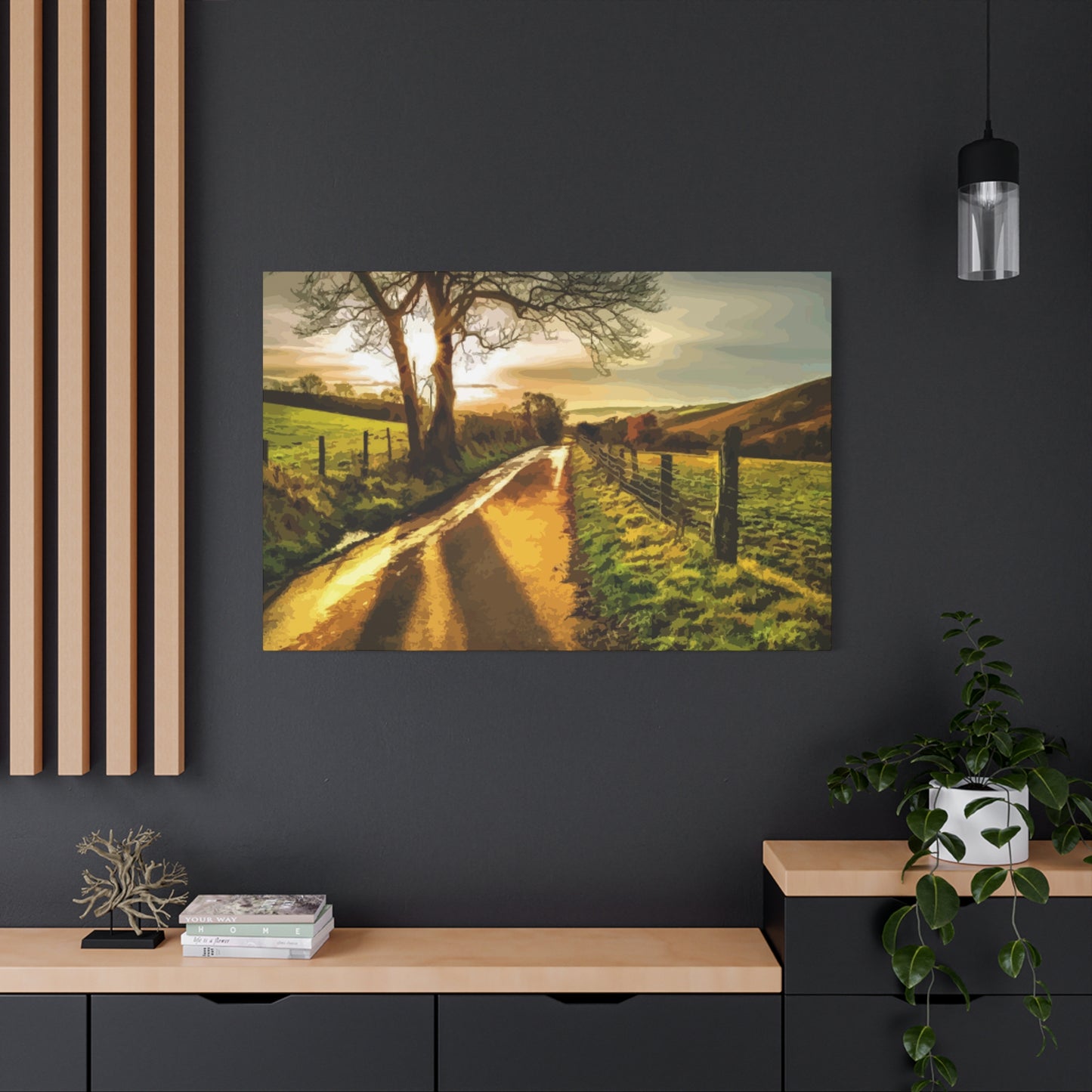


Gemmell's Wall Art & Canvas Prints
Gemmell's Wall Art & Canvas Prints
Couldn't load pickup availability
The Timeless Artistry of Gemmell’s Wall Art: An In-Depth Exploration of Its Decorative Masterpieces and Craftsmanship
The realm of interior decoration has witnessed countless transformations throughout the centuries, yet few elements possess the enduring charm and versatility found in carefully curated wall decorations. Among the myriad options available to homeowners and design enthusiasts, Gemmell's Wall Art stands as a testament to exceptional craftsmanship and artistic vision. This extensive exploration delves into every facet of these remarkable decorative pieces, examining their origins, construction methods, aesthetic principles, and the profound impact they can have on living spaces.
The Remarkable Journey of Artistic Expression Through Decorative Wall Pieces
Artistic expression through wall-mounted decorative elements traces its roots back to ancient civilizations, where cave paintings and hieroglyphics served both functional and aesthetic purposes. These early manifestations of human creativity laid the groundwork for what would eventually evolve into sophisticated forms of interior embellishment. Throughout medieval times, tapestries adorned castle walls, providing insulation while simultaneously displaying wealth and taste. The Renaissance period introduced framed paintings that became status symbols among European aristocracy.
The Victorian era brought about a democratization of wall decoration, as manufacturing advances made decorative pieces accessible to middle-class households. This period witnessed an explosion of ornamental styles, from intricate gilt frames to elaborate relief sculptures. The Arts and Crafts movement later rebelled against mass production, emphasizing handmade quality and natural materials. This philosophical approach resonates strongly with contemporary creators who value authenticity and craftsmanship.
Gemmell's Wall Art emerged from this rich tradition, drawing inspiration from various periods while establishing its own distinctive identity. The creators behind these pieces understood that modern consumers sought something beyond mere decoration—they desired meaningful objects that could transform their living environments into personalized sanctuaries. This understanding drove the creation of pieces that balance traditional craftsmanship with contemporary sensibilities.
The evolution of decorative wall pieces reflects broader societal changes in how people perceive their living spaces. No longer are homes simply functional structures; they have become extensions of personal identity and expressions of individual taste. This shift has elevated the importance of carefully selected decorative elements, making pieces like Gemmell's Wall Art essential components of thoughtful interior design.
Examining the Intricate Construction Processes Behind Exceptional Wall Decorations
The creation of superior wall decorations involves numerous stages, each requiring specialized knowledge and meticulous attention to detail. The process begins with conceptualization, where designers sketch preliminary ideas and explore various compositional arrangements. These initial drawings serve as blueprints, guiding subsequent steps while allowing flexibility for creative adjustments. The conceptual phase often involves extensive research into color theory, spatial relationships, and visual balance.
Material selection represents a critical juncture in the creation process. Gemmell's Wall Art typically incorporates premium substrates that ensure longevity and visual appeal. Wood panels undergo careful inspection for grain patterns and structural integrity. Metal components are evaluated for durability and finish quality. Canvas materials are chosen for their ability to hold pigments without degradation. Each material brings unique characteristics that influence the final appearance and tactile qualities of the finished piece.
The preparation stage involves treating raw materials to enhance their receptiveness to decorative elements. Wood surfaces might receive sanding, priming, and sealing treatments that create ideal conditions for subsequent layers. Metal pieces undergo cleaning and sometimes etching processes that improve adhesion. Canvas stretching requires precision to achieve uniform tension that prevents warping or sagging. These preparatory steps, though invisible in the final product, prove essential for achieving professional results.
Artisans then apply decorative elements through various methods, depending on the desired aesthetic outcome. Hand-painting techniques allow for unique variations and personal touches that distinguish each piece from mass-produced alternatives. Layering builds depth and complexity, with successive applications creating rich visual textures. Some pieces incorporate relief elements, adding three-dimensional aspects that engage viewers through both sight and shadow. Metallic accents might be applied through gilding or leafing processes that require steady hands and years of practice.
The finishing phase protects the completed work while enhancing its visual properties. Protective coatings shield surfaces from environmental factors such as moisture, dust, and ultraviolet radiation. These treatments can alter the sheen level, ranging from matte finishes that absorb light to glossy surfaces that create reflective qualities. The choice of finish affects not only durability but also how the piece interacts with ambient lighting conditions. Some creators deliberately select finishes that emphasize texture, while others prefer smooth, uniform surfaces.
Quality control measures ensure that each piece meets exacting standards before reaching consumers. Inspectors examine works for consistency in color application, structural soundness, and overall aesthetic coherence. Any imperfections trigger corrections or, in cases of significant flaws, complete reworking. This commitment to excellence distinguishes premium decorative pieces from inferior alternatives that prioritize quantity over quality.
Understanding the Diverse Stylistic Approaches Within Contemporary Wall Decoration
Contemporary wall decoration encompasses an astonishing variety of stylistic approaches, each appealing to different aesthetic sensibilities and complementing various interior design schemes. Understanding these diverse styles enables informed selection that harmonizes with existing decor while expressing personal preferences. The exploration of these categories reveals the breadth and depth available within the realm of wall decoration.
Minimalist designs embrace simplicity and restraint, featuring clean lines, limited color palettes, and uncluttered compositions. These pieces often employ negative space as a deliberate design element, creating visual breathing room that promotes calm and contemplation. Geometric shapes appear frequently, their precise edges and mathematical relationships conveying order and rationality. Monochromatic schemes dominate, though carefully selected accent colors occasionally punctuate the restrained palette. Gemmell's Wall Art offerings in this category demonstrate how minimalism need not sacrifice visual interest or emotional impact.
Abstract expressionism takes a dramatically different approach, prioritizing emotional intensity and spontaneous gesture over representational accuracy. Bold brushstrokes sweep across surfaces, conveying energy and movement. Color relationships become paramount, with hues interacting in ways that evoke specific moods or sensations. These pieces invite personal interpretation, as viewers project their own meanings onto ambiguous forms. The absence of recognizable imagery allows abstract works to complement diverse settings without clashing with other decorative elements.
Naturalistic representations bring the organic world indoors, featuring botanical subjects, landscapes, and animal imagery. These pieces satisfy deep-seated human connections to the natural environment, offering visual respite from urban surroundings. Careful attention to accurate details creates lifelike renditions that showcase both artistic skill and observational acumen. Color palettes typically draw from earth tones and natural hues, though stylized interpretations might employ more imaginative chromatic choices. Such works pair beautifully with biophilic design principles that emphasize natural materials and living elements.
Industrial aesthetics embrace raw materials and utilitarian forms, celebrating functional beauty and honest construction. Exposed metal components, distressed finishes, and mechanical imagery characterize this approach. The style resonates with converted loft spaces and urban environments where brick, concrete, and steel predominate. Rather than concealing structural elements, industrial designs highlight them as integral aspects of the overall composition. This approach aligns with broader architectural trends that value authenticity and material honesty.
Vintage and retro styles evoke specific historical periods, from Art Deco glamour to mid-century modern sophistication. These pieces tap into nostalgia while offering timeless appeal that transcends fleeting trends. Careful research ensures period-appropriate details that transport viewers to different eras. Color schemes, typography choices, and compositional strategies all reflect authentic historical precedents. Such works appeal to collectors and enthusiasts who appreciate the design legacy of particular decades.
Cultural and ethnic influences bring global perspectives into domestic spaces, featuring motifs, patterns, and imagery from diverse traditions. These pieces celebrate human creativity across geographical and temporal boundaries. Careful execution demonstrates respect for source cultures while adapting traditional elements for contemporary contexts. Such works can establish connections to personal heritage or express appreciation for unfamiliar artistic traditions. They introduce visual variety and cultural richness that expand the aesthetic vocabulary of interior spaces.
Selecting the Perfect Decorative Pieces for Your Specific Living Environment
Choosing appropriate wall decorations requires thoughtful consideration of multiple factors that influence both aesthetic harmony and practical functionality. The selection process goes beyond simple personal preference, encompassing spatial analysis, color coordination, scale relationships, and lifestyle considerations. A methodical approach ensures that chosen pieces enhance rather than detract from overall interior design schemes.
Spatial analysis begins with careful measurement of available wall surfaces, accounting for architectural features such as windows, doors, and built-in fixtures. The dimensions and proportions of wall spaces dictate appropriate sizes for decorative pieces. Oversized works can overwhelm small rooms, while undersized pieces disappear on expansive walls. The relationship between wall area and artwork dimensions follows general guidelines, though creative arrangements sometimes deliberately violate conventional wisdom for dramatic effect.
Ceiling height significantly influences perception of scale and proportion. Rooms with soaring ceilings accommodate vertical compositions that draw the eye upward, emphasizing architectural grandeur. Lower ceilings benefit from horizontal orientations that create the illusion of expanded width. The position of hanging points affects how pieces interact with furniture arrangements and traffic patterns. Standard hanging heights place the center of artwork at average eye level, though adjustments account for seating arrangements and viewing distances.
Color coordination ensures that new additions harmonize with existing palettes while potentially introducing fresh chromatic elements. Analogous color schemes employ adjacent hues on the color wheel, creating gentle transitions and unified atmospheres. Complementary approaches pair opposite colors for vibrant contrast and visual excitement. Monochromatic strategies explore variations in tone and saturation within a single hue family. Gemmell's Wall Art pieces span the chromatic spectrum, offering options that suit any color preference or design requirement.
The interplay between warm and cool tones affects perceived temperature and emotional atmosphere. Warm colors—reds, oranges, yellows—create energetic, welcoming environments suitable for social spaces. Cool hues—blues, greens, purples—promote calm and contemplation, working well in bedrooms and private retreats. Neutral tones provide versatile foundations that accommodate changing tastes and seasonal adjustments. Strategic color selection influences not only aesthetic appeal but also psychological responses to living spaces.
Lighting conditions dramatically affect how decorative pieces appear throughout daily cycles. Natural illumination changes with sun position, creating varying shadows and highlights. Artificial lighting systems require evaluation for color temperature and intensity. Some pieces thrive in bright conditions, their details becoming fully visible under strong illumination. Others reveal subtle qualities in softer, more diffused lighting. Consideration of existing and potential lighting scenarios prevents disappointing surprises after installation.
Furniture arrangements dictate logical placement zones for wall decorations. Pieces positioned above seating areas create focal points that anchor conversational groupings. Dining room installations often center above tables, their dimensions proportionate to the furniture below. Bedroom decorations typically appear above headboards, their subjects and color schemes promoting restful atmospheres. Hallway arrangements might form gallery-style groupings that guide movement through transitional spaces.
Personal lifestyle factors influence practical considerations beyond pure aesthetics. Households with young children might avoid delicate pieces vulnerable to damage from active play. Pet owners consider the potential for curious animals to interact with low-hanging elements. Individuals with allergies might prefer smooth surfaces that resist dust accumulation. Those who frequently redecorate appreciate versatile pieces that adapt to changing schemes. These practical concerns ensure that selected decorations remain enjoyable rather than becoming sources of anxiety or maintenance burden.
The Profound Psychological Impact of Thoughtfully Curated Interior Decorations
The environment people inhabit exerts powerful influences on mood, behavior, and overall wellbeing. Decorative elements contribute significantly to these effects, operating through multiple sensory and cognitive channels. Understanding these mechanisms reveals why careful curation of wall decorations represents far more than superficial beautification—it constitutes an investment in mental and emotional health.
Color psychology examines how different hues trigger specific emotional responses and physiological reactions. Research demonstrates that color perception involves both universal biological mechanisms and culturally conditioned associations. Red increases heart rate and stimulates appetite, explaining its prevalence in dining establishments. Blue promotes calm and lowers blood pressure, making it popular in healthcare settings. Yellow stimulates mental activity and optimism, though excessive exposure can provoke anxiety. Gemmell's Wall Art pieces leverage these principles, offering color selections that align with desired atmospheric qualities.
The psychological concept of biophilia suggests that humans possess an innate affinity for natural elements and imagery. This evolutionary predisposition explains why botanical motifs and landscape scenes consistently appeal across cultural boundaries. Exposure to nature-themed decorations reduces stress markers, improves concentration, and accelerates recovery from mental fatigue. Even abstract interpretations of natural forms can trigger these beneficial responses, as the human brain recognizes fundamental patterns associated with organic environments.
Visual complexity affects cognitive engagement and emotional response. Highly detailed works reward extended viewing, revealing new elements upon repeated examination. This quality encourages contemplation and sustained attention, counteracting the fragmented focus characteristic of contemporary digital culture. Conversely, simpler compositions provide visual rest, preventing overstimulation in already cluttered environments. The optimal complexity level varies based on room function and individual preferences, with active spaces tolerating greater visual density than restful retreats.
Personal significance amplifies the emotional impact of decorative pieces. Works that reference meaningful experiences, cultural heritage, or cherished memories create deeper connections than generically appealing images. This principle explains why travel souvenirs and family photographs hold special places in home decoration despite potential aesthetic limitations. Gemmell's Wall Art offerings that allow personalization or selection from diverse themes enable consumers to establish these meaningful connections while maintaining superior aesthetic quality.
Spatial perception influences how decorative elements affect the perceived character of rooms. Light colors and reflective surfaces create impressions of expanded space, beneficial in compact environments. Dark hues and matte finishes produce intimate, cozy atmospheres suitable for private areas. Vertical compositions emphasize ceiling height, while horizontal arrangements stress width. Strategic placement of decorative pieces can visually correct problematic proportions, making awkward spaces feel more balanced and harmonious.
The concept of visual weight describes how certain elements draw attention and establish hierarchical relationships within composed spaces. Large objects, dark colors, complex patterns, and central positions all increase visual weight. Effective decoration balances these factors, preventing any single element from dominating while ensuring adequate focal points. Gemmell's Wall Art pieces are designed with consideration for visual weight, allowing them to command appropriate attention without overwhelming surrounding elements.
Aesthetic experiences trigger reward centers in the brain, releasing dopamine and other neurotransmitters associated with pleasure. This neurological response explains why exposure to beautiful objects genuinely improves mood beyond mere distraction from problems. Regular interaction with aesthetically pleasing environments builds psychological resilience and contributes to overall life satisfaction. The cumulative effect of many small positive experiences with decorative elements creates significant impacts on subjective wellbeing.
Examining Various Materials and Their Unique Characteristics in Wall Decoration
The materials employed in creating wall decorations profoundly influence their appearance, durability, maintenance requirements, and environmental impact. Each substrate and medium brings distinctive properties that suit different aesthetic goals and practical considerations. Comprehensive understanding of material characteristics enables informed decisions that align with specific needs and values.
Natural wood substrates offer warmth, texture, and organic appeal that synthetic alternatives struggle to replicate. Different species exhibit unique grain patterns, color variations, and working properties. Hardwoods like oak and maple provide dense, stable foundations resistant to warping and damage. Softer woods such as pine and cedar offer easier workability and distinctive aromatic qualities. Reclaimed wood introduces character through weathering and previous use, creating one-of-a-kind surfaces with stories embedded in their patina. Gemmell's Wall Art wood-based pieces showcase the natural beauty of carefully selected lumber.
Wood's hygroscopic nature means it responds to humidity fluctuations by expanding and contracting. This characteristic necessitates proper sealing and finishing to minimize dimensional changes. Different grain orientations exhibit varying stability, with quarter-sawn cuts demonstrating superior resistance to movement. The sustainability of wood sources raises environmental considerations, with certified sustainable forestry operations offering ecologically responsible options. Bamboo emerges as a rapidly renewable alternative, achieving maturity in just a few years compared to decades for traditional hardwoods.
Metal substrates introduce industrial aesthetics and exceptional durability. Aluminum offers lightweight strength and natural corrosion resistance, requiring minimal maintenance. Steel provides superior rigidity and magnetic properties, though it demands protective finishes to prevent rust. Copper develops attractive patinas over time, its surface evolving through oxidation processes. Brass combines visual warmth with antimicrobial properties and excellent workability. Each metal accepts different finishing techniques, from powder coating to chemical patination, expanding creative possibilities.
Canvas remains a traditional favorite for painted works, its woven structure providing ideal tooth for paint adhesion. Linen canvas offers superior durability and stability compared to cotton alternatives, though at higher cost. The weave density affects surface texture, with finer weaves producing smoother results suitable for detailed work. Canvas stretching techniques influence the final appearance, with gallery wraps eliminating visible edges by continuing the image around frame sides. Proper priming prevents paint absorption and ensures longevity.
Acrylic panels introduce contemporary aesthetics through transparency and light transmission. These synthetic materials resist shattering better than glass while offering comparable clarity. Various thicknesses accommodate different structural requirements and visual effects. Surface treatments can modify optical properties, creating frosted, tinted, or textured appearances. Acrylic accepts printed imagery and painted decoration while remaining lightweight and easy to mount. Its scratch susceptibility demands careful handling but responds well to polishing treatments.
Paper-based substrates encompass a vast range from delicate rice papers to heavy watercolor sheets. Fiber content influences texture, durability, and archival properties. Cotton rag papers offer superior longevity compared to wood-pulp alternatives, resisting yellowing and degradation. Surface sizing affects how media interact with fibers, with hot-pressed papers providing smooth surfaces and cold-pressed options offering texture. The weight, measured in pounds or grams per square meter, indicates thickness and rigidity.
Composite materials combine multiple components to achieve properties unavailable in single substances. Medium-density fiberboard provides smooth, stable surfaces at economical prices, though it lacks the character of solid wood. Plywood layers minimize expansion and contraction while maintaining natural wood aesthetics on outer veneers. Aluminum composite panels sandwich polyethylene cores between metal skins, creating rigid lightweight sheets. These engineered solutions often provide optimal performance for specific requirements.
Glass substrates enable unique effects through transparency, reflectivity, and light manipulation. Tempered glass offers safety advantages through its shattering behavior, breaking into small granules rather than dangerous shards. Various tinting and coating options modify color rendering and UV transmission. Back-painted glass creates vibrant, easy-to-clean surfaces with luminous color saturation. Textured glass introduces pattern and privacy while diffusing light. The fragility and weight of glass demand secure mounting systems and careful handling.
Fabric materials extend beyond canvas to include diverse textiles with varying textures and visual qualities. Silk provides luxurious sheen and fine detail capability. Linen offers rustic texture and excellent durability. Synthetic fabrics resist fading and moisture damage while offering consistent properties. Textile-based decorations introduce softness that contrasts pleasingly with hard surfaces predominating in contemporary interiors. The flexibility of fabrics allows creative three-dimensional treatments including pleating, gathering, and draping.
Proper Methods for Installing and Displaying Wall Decorations Safely and Effectively
Correct mounting ensures that decorative pieces remain secure while minimizing potential damage to both the artwork and wall surfaces. Various hanging systems suit different combinations of wall types, piece weights, and aesthetic preferences. Understanding these options prevents common installation mistakes that compromise safety or appearance.
Traditional picture hooks provide simple, economical solutions for lightweight pieces on drywall. These devices angle into walls, supporting weight through leverage rather than shear strength alone. The hook angle distributes forces across larger areas, reducing localized stress. Size selection corresponds to rated weight capacity, with larger hooks accommodating heavier pieces. Proper placement requires locating studs or using wall anchors in hollow areas. Hammer-driven hooks leave minimal holes, simplifying future repositioning.
Expandable wall anchors suit heavier pieces in drywall and plaster applications. These devices feature sleeves that expand behind wall surfaces when screws are driven, distributing loads across larger areas. Various designs include plastic, metal, and toggle configurations, each with specific weight ratings and installation requirements. Toggle bolts provide superior holding power by spreading loads across entire wall cavities. Proper sizing ensures anchors grip securely without oversizing holes unnecessarily.
D-rings and wire hanging systems offer flexibility in positioning and leveling. D-rings attach to frame backs at calculated positions, typically one-third down from tops. Picture wire spans between rings, its length determining hanging height and angle. The wire's gauge and material affect strength, with braided steel offering superior security. Wire systems accommodate minor adjustments during leveling without requiring remounting. However, they provide less precise control than rigid mounting methods.
French cleat systems deliver exceptional security for heavy pieces through interlocking beveled strips. One cleat attaches to wall surfaces, ideally secured to multiple studs. The corresponding cleat mounts on the artwork back. When engaged, gravitational force locks the pieces together while allowing easy removal for cleaning or relocation. The system distributes weight across entire cleat lengths, providing redundant security. This professional approach suits valuable or particularly heavy installations.
Adhesive strips and hooks provide damage-free alternatives for temporary installations or rental situations. Command strips and similar products use removable adhesive technology that releases cleanly when pulled correctly. Weight ratings vary by product, with some suitable for surprisingly heavy pieces. Surface preparation proves critical, requiring clean, smooth, dry substrates for proper bonding. Temperature and humidity conditions during installation affect adhesive performance. These systems excel in situations where wall preservation takes priority.
Rail hanging systems introduce gallery-level flexibility through tracks mounted near ceiling lines. Adjustable cables or rods suspend from rails, allowing precise vertical positioning. This approach facilitates frequent rearrangement without additional wall penetrations. Multiple pieces can hang from single rails, creating salon-style groupings. The hardware remains visible but can complement industrial or contemporary aesthetics. Rail systems represent significant initial investments but provide unmatched versatility for serious collectors.
Proper leveling ensures professional appearance and prevents distracting tilts that draw attention away from artwork itself. Bubble levels provide accurate horizontal references, though digital alternatives offer increased precision. The leveling process should occur before final tightening, allowing minor adjustments. Stepped installations of multiple pieces require careful planning to maintain consistent spacing and alignment. Laser levels project visible reference lines that simplify complex arrangements.
Height considerations affect viewing comfort and spatial perception. The standard guideline places artwork centers at fifty-seven to sixty inches above floors, approximating average eye level. Adjustments account for seating arrangements, with pieces above couches positioned slightly higher relative to seat heights. Hallway installations might hang lower to accommodate passing views. Dining room pieces often center lower to remain visible above tables. These guidelines provide starting points, subject to modification based on specific circumstances.
Wall surface preparation prevents installation failures and protects both walls and artwork. Hollow walls require anchor usage or stud location to provide adequate support. Stud finders identify framing members behind finished surfaces, enabling secure mounting. Plaster walls demand careful drilling to prevent cracking or crumbling. Masonry surfaces require specialized drill bits and anchors designed for concrete or brick. Testing small inconspicuous areas helps determine appropriate techniques for unfamiliar wall types.
Consideration for existing infrastructure prevents damage to concealed utilities. Electrical wiring typically runs vertically from outlets and switches, occupying zones that should be avoided. Plumbing lines follow predictable paths between fixtures and water sources. HVAC ducts and vent pipes occupy specific regions within walls and ceilings. Electronic stud finders often detect metal and live wiring in addition to framing members. Consulting building plans or using inspection cameras eliminates guesswork when infrastructure locations remain uncertain.
Maintaining and Preserving Decorative Wall Pieces for Lasting Beauty
Proper care extends the lifespan of wall decorations while maintaining their aesthetic appeal. Different materials require specific maintenance approaches that address their unique vulnerabilities. Regular attention prevents minor issues from developing into serious damage requiring expensive restoration or replacement.
Dust accumulation represents the most common maintenance challenge, affecting virtually all decorative pieces. Fine particles settle on horizontal surfaces, combining with airborne oils and moisture to form stubborn films. Regular dusting with appropriate tools prevents buildup that becomes increasingly difficult to remove. Soft brushes with natural bristles gently dislodge particles without scratching delicate surfaces. Microfiber cloths capture rather than redistribute dust, their electrostatic properties attracting particles effectively.
Dusting frequency depends on environmental conditions and piece locations. High-traffic areas with forced-air heating systems require more frequent attention than protected spaces with minimal air movement. Seasonal variations affect dust levels, with winter heating and summer air conditioning both increasing airborne particles. Establishing regular schedules prevents forgotten maintenance tasks. Some collectors designate specific calendar dates for comprehensive cleaning sessions that address all decorative elements systematically.
Cleaning beyond basic dusting occasionally becomes necessary when pieces accumulate stubborn grime or localized soiling. The appropriate cleaning method depends on substrate and surface treatment specifics. Glass and acrylic surfaces tolerate gentle cleansers applied with soft cloths, though abrasive materials must be avoided. Wood pieces with sealed finishes accept slightly damp cloths, immediately followed by thorough drying. Unfinished or oil-treated wood requires dry cleaning methods only, as moisture raises grain and promotes mold growth.
Canvas and fabric decorations present special cleaning challenges due to their porous, delicate nature. Surface cleaning with dry methods should be attempted first, reserving wet treatments for situations where dry approaches prove inadequate. When liquid cleaning becomes necessary, testing inconspicuous areas reveals potential problems before addressing visible regions. Blotting rather than rubbing prevents fiber damage and color spreading. Professional conservation services should handle valuable pieces requiring aggressive cleaning.
Metal decorations develop various surface changes depending on composition and protective treatments. Sealed metals require only gentle cleaning to maintain protective coatings. Exposed metals like copper and brass develop patinas through oxidation, with some owners appreciating the aged appearance while others prefer original luster. Polishing removes patina but requires careful technique to avoid scratching. Specialized metal cleaners target specific materials, with products formulated for copper proving unsuitable for aluminum and vice versa.
Light exposure represents perhaps the most insidious threat to long-term preservation. Ultraviolet radiation fades pigments, yellows papers, and degrades many materials through photochemical reactions. The damage accumulates gradually, often going unnoticed until significant deterioration has occurred. Prevention through thoughtful placement away from direct sunlight preserves colors and materials. Window treatments filter harmful wavelengths while still allowing enjoyable illumination. UV-filtering glazing and protective coatings provide additional defense for vulnerable pieces.
Humidity control prevents moisture-related damage including mold growth, warping, and corrosion. Excessive humidity promotes these problems, while extreme dryness causes cracking and embrittlement. Ideal conditions maintain relative humidity between forty and sixty percent, though specific materials have different optimal ranges. Dehumidifiers and humidifiers regulate moisture levels in problematic climates. Proper ventilation prevents localized humidity concentrations in enclosed spaces. Monitoring devices track conditions, alerting owners to concerning trends.
Temperature extremes and rapid fluctuations stress materials through differential expansion and contraction. Pieces located near heating vents or air conditioning outlets experience particularly harsh conditions. Thermal cycling accelerates aging processes and mechanical failures. Maintaining stable, moderate temperatures throughout living spaces benefits both decorative pieces and human occupants. Avoiding placement against exterior walls minimizes exposure to outdoor temperature variations transmitted through insufficient insulation.
Periodic inspection identifies developing problems before they require major intervention. Close examination reveals loose mounting hardware, developing cracks, lifting paint, and other concerns. Addressing issues promptly prevents escalation and limits damage. Written or photographic documentation tracks condition changes over time, helping distinguish normal aging from problematic deterioration. This archival approach proves especially valuable for pieces with significant monetary or sentimental worth.
Professional conservation services provide specialized care beyond typical owner capabilities. Trained conservators assess condition, recommend treatments, and execute complex procedures using materials and techniques that preserve long-term value. Services range from simple cleaning to comprehensive restoration of severely damaged pieces. The cost of professional care must be weighed against piece value, though irreplaceable sentimental items often justify significant expenditure regardless of market worth.
Creating Harmonious Arrangements with Multiple Decorative Pieces
Combining multiple wall decorations creates opportunities for visual impact exceeding what single pieces achieve. However, successful groupings require careful planning to avoid cluttered, chaotic appearances. Various arrangement strategies provide frameworks for creating cohesive, aesthetically pleasing compositions.
Gallery wall arrangements assemble diverse pieces into unified compositions through thoughtful spacing and alignment. This approach accommodates varied sizes, subjects, and frame styles while maintaining overall coherence. The composition process typically begins with laying out pieces on floors, allowing experimental arrangement without wall damage. Photographing successful layouts provides reference during actual installation. The spacing between pieces affects perceived relationships, with tighter groupings creating cohesive units and wider gaps establishing independence.
Grid arrangements impose geometric order through consistent spacing and alignment. This format suits collections with similar frame sizes and proportions, creating clean, contemporary appearances. The regularity of grid patterns provides visual rest through predictability, contrasting with more complex surrounding elements. Precise measurement ensures accuracy, as slight deviations become glaringly obvious in rigid grids. This style complements minimalist aesthetics and orderly personalities.
Salon-style hanging embraces density and variety, covering walls with closely spaced pieces of diverse sizes and orientations. This traditional approach originated in eighteenth-century Paris salons where artists displayed numerous works in available spaces. Modern interpretations maintain the spirit while adapting to contemporary tastes. Success requires balancing visual weights across the composition, preventing any single quadrant from dominating. The informal arrangement creates energetic, collected atmospheres suitable for eclectic interiors.
Linear arrangements align pieces along horizontal or vertical axes, creating orderly progressions. Horizontal sequences draw eyes laterally, emphasizing width and creating narrative progressions. Vertical stacks emphasize height while occupying minimal width, suiting narrow wall sections. Consistent spacing maintains rhythm, while varied intervals create syncopated effects. This straightforward approach works well for series of related pieces or collections with common themes.
Asymmetrical balance creates dynamic compositions through careful distribution of visual weight without mirror symmetry. This sophisticated approach requires developed spatial intuition and often benefits from experimental adjustment. Achieving successful asymmetry demands considering multiple factors including size, color intensity, visual complexity, and positioning. The resulting arrangements feel energetic yet stable, avoiding both boring predictability and unsettling chaos.
Themed groupings unite pieces through common subjects, color schemes, or stylistic approaches. This strategy creates focused collections that reinforce specific atmospheres or concepts. Nature-themed arrangements might combine botanical prints, landscape photography, and organic textures. Monochromatic schemes explore variations within single hue families. Period-specific groupings assemble pieces from particular eras. Thematic coherence provides organizational logic that viewers intuitively grasp, enhancing appreciation for individual pieces and overall compositions.
Negative space utilization recognizes that empty wall areas contribute actively to visual compositions. Rather than viewing bare walls as wasted opportunity, sophisticated arrangements employ emptiness strategically. Negative space provides visual breathing room, prevents overwhelming density, and establishes hierarchical relationships through selective placement. This principle applies particularly to minimalist aesthetics but benefits arrangements across stylistic spectrums.
Furniture relationships anchor wall arrangements within larger room contexts. Pieces positioned above seating groups should relate proportionally to furniture dimensions. The combined width of grouped decorations typically approximates two-thirds to three-quarters of underlying furniture width. This guideline creates visual connection without exact matching that might appear contrived. Adjustments account for specific circumstances, with some designers deliberately violating conventions for dramatic effect.
Color distribution throughout arrangements affects perceived balance and harmony. Concentrating intense hues in single areas creates focal points but risks unbalanced compositions. Distributing colors across arrangements promotes unity and visual flow. Repeating specific hues establishes rhythmic patterns that guide viewer attention. Complementary color placement creates vibrant contrasts, while analogous schemes produce gentler transitions. These chromatic strategies operate alongside compositional factors in determining overall success.
Lighting design enhances arranged pieces while mitigating problematic shadows and glare. Track lighting or individual picture lights provide focused illumination that highlights specific works. Ambient lighting establishes overall visibility without harsh contrasts. The interplay between light and shadow adds dimensionality to relief surfaces and textures. Lighting angles affect reflection and glare, particularly on glazed pieces. Thoughtful illumination transforms good arrangements into exceptional displays.
Exploring Contemporary Trends Shaping Current Wall Decoration Preferences
Design trends constantly evolve, reflecting broader cultural shifts, technological capabilities, and changing aesthetic sensibilities. Awareness of current directions informs purchasing decisions and inspires creative approaches. While trend-following shouldn't dictate all choices, understanding contemporary movements provides valuable context.
Sustainable and eco-conscious design increasingly influences material selection and production methods. Consumers prioritize pieces created from recycled, reclaimed, or rapidly renewable resources. Production processes that minimize waste, toxic emissions, and energy consumption gain favor. This movement extends beyond environmental concerns to encompass ethical labor practices and fair compensation for artisans. Gemmell's Wall Art responds to these values through responsible sourcing and transparent production practices.
Maximalist approaches challenge the minimalist dominance that characterized recent decades. This shift embraces abundance, pattern mixing, and bold color combinations previously dismissed as excessive. The style celebrates personal expression over restrained good taste, encouraging fearless decorative choices. However, successful maximalism requires sophisticated understanding of visual principles to avoid descending into chaotic clutter. The approach particularly appeals to younger demographics seeking to establish distinctive personal styles.
Handcrafted and artisanal qualities gain appreciation as reactions against mass production and digital saturation. Consumers value visible evidence of human touch, including slight irregularities that attest to manual creation. This preference drives interest in pieces showcasing traditional techniques and individual craftsmanship. The movement connects with broader cultural interest in authenticity and meaningful material culture. Buyers willingly pay premiums for pieces that tell stories through their making.
Biophilic design principles bring nature indoors through organic forms, natural materials, and living elements. This approach recognizes human evolutionary connections to natural environments and seeks health benefits through nature contact. Wall decorations incorporating botanical motifs, landscape imagery, and natural textures satisfy these inclinations. Even abstract interpretations of natural patterns can trigger positive biophilic responses. The movement particularly influences workplace design, where nature contact reduces stress and improves productivity.
Mixed media approaches combine diverse materials and techniques within single pieces, creating rich, layered compositions. These works might integrate painting, collage, textile elements, and three-dimensional objects. The variety engages viewers through multiple sensory and intellectual channels. Creation requires versatility across different media and understanding how materials interact. The resulting complexity rewards extended viewing and repeated examination.
Oversized statement pieces make bold impacts through sheer scale, commanding attention and defining spatial character. Large works suit spacious contemporary interiors with expansive wall surfaces. Their size creates immediate focal points that anchor entire rooms. However, successful implementation requires careful proportional consideration to avoid overwhelming spaces. The trend reflects cultural appreciation for dramatic gestures and confidence in strong design choices.
Textural emphasis engages tactile senses beyond purely visual appreciation. Relief surfaces, woven elements, and dimensional construction create interplay between light and shadow. These physical qualities add interest that smooth, flat works cannot achieve. Textured pieces particularly suit contemporary interiors where hard, reflective surfaces predominate. The dimensional variation introduces organic complexity that softens austere environments.
Geometric and mathematical patterns appeal through their inherent order and visual rhythm. These designs range from simple repeated shapes to complex tessellations and fractal compositions. The precision suggests rationality and control, creating calm through predictable structure. Many viewers find mathematical beauty intellectually satisfying in addition to visually pleasing. These patterns transcend stylistic boundaries, appearing in contexts from minimalist to maximalist.
Nostalgic and vintage aesthetics reference past eras, from mid-century modern to nineteen-eighties postmodernism. These movements reflect cyclical fashion dynamics where yesterday's dated styles become tomorrow's retro cool. Each generation rediscovers aesthetic movements from decades prior, interpreting them through contemporary sensibilities. The appeal lies partly in familiarity and partly in rejection of dominant current trends. Vintage approaches offer accessible entry points for younger buyers developing their tastes.
Customization and personalization services allow consumers to modify standard offerings, creating unique pieces that reflect individual preferences. Options range from simple color selection to completely bespoke commissions. This trend acknowledges that mass-produced goods, however well-designed, cannot satisfy everyone's specific needs. Personalization capabilities represent competitive advantages for smaller producers competing against industrial manufacturers. The resulting pieces possess special significance through buyer involvement in their creation.
Conclusion
Discovering the timeless beauty and craftsmanship behind Gemmell's Wall Art is an invitation to explore a world where artistic vision meets exceptional craftsmanship. Known for its intricate details, vibrant colors, and emotional depth, Gemmell's collection of wall art offers a range of decorative masterpieces that speak to both the soul and the eye. Whether you’re drawn to the delicate brushstrokes of a serene landscape, the rich textures of an abstract composition, or the depth of a figurative portrait, Gemmell’s art captures a blend of timeless tradition and contemporary expression that resonates with art lovers across generations.
One of the most compelling aspects of Gemmell’s work is the artist's ability to create a dialogue between the natural world and the human experience. His pieces often evoke feelings of nostalgia, peace, and introspection, while also capturing the energy and vibrancy of modern life. The use of color, form, and composition in his works reflects a deep understanding of both visual harmony and emotional impact, allowing each piece to transcend its medium and become a part of the viewer’s emotional landscape.
The craftsmanship behind Gemmell’s wall art is a testament to the artist’s dedication to perfection. From the selection of premium materials to the meticulous attention to detail in every brushstroke, his works are created with a level of care and precision that ensures both longevity and lasting impact. This commitment to quality means that each piece is more than just a decoration; it’s an investment in artistry, a legacy of skilled craftsmanship that will continue to enrich your living space for years to come. Whether displayed in a home, office, or gallery, Gemmell’s art brings an unparalleled sense of sophistication, grace, and creativity to any environment.
Gemmell's pieces are not only decorative but also serve as a window into the artist’s personal vision and the larger world he seeks to capture. His work often explores themes of nature, human emotion, and the complexities of our cultural and personal experiences. Through his art, Gemmell invites us to pause and reflect on the beauty that surrounds us and the deeper meanings behind the images we encounter in our everyday lives. His use of light and shadow, texture, and color all contribute to an experience that is both intellectually engaging and visually captivating.
Moreover, Gemmell’s ability to connect with audiences on an emotional level is part of what sets his art apart. His works possess a universality that allows them to resonate with a wide range of people, regardless of their background or life experiences. Whether it’s the vibrant hues that evoke a sense of joy or the more subdued tones that suggest introspection and quietude, each piece invites personal interpretation, making it easy for viewers to form their own emotional connection with the work.
The versatility of Gemmell’s wall art further enhances its appeal. With a style that ranges from more traditional landscapes and still life to more abstract and contemporary compositions, there is a Gemmell piece for virtually every taste and décor style. Whether you’re looking to create a focal point in your living room, add character to a hallway, or bring warmth to a bedroom, Gemmell’s art complements a wide variety of design themes, from modern minimalism to classic elegance. His works seamlessly integrate with diverse interior styles, adding layers of depth and beauty to any room.
Incorporating Gemmell’s wall art into your space is more than just a design choice—it’s a way to introduce a lasting source of inspiration and reflection. Each piece invites you to experience a moment of beauty, whether through a quiet glance at a peaceful landscape or an engaging exploration of color and form in an abstract design. With Gemmell’s art, you’re not just decorating your home—you’re infusing it with meaning, emotion, and the timeless beauty of true craftsmanship.
In conclusion, Gemmell's Wall Art represents the perfect marriage of timeless beauty and exceptional craftsmanship. Each piece offers an opportunity to enrich your living space with art that is both visually captivating and deeply meaningful. Through its intricate design, emotional resonance, and high-quality execution, Gemmell’s work transcends the typical boundaries of decorative art, becoming an experience that connects the viewer to the artist’s vision and to the larger world around us. Whether as a focal point or a subtle accent, Gemmell’s wall art is sure to leave a lasting impression, transforming any room into a space of beauty, reflection, and inspiration.
Share