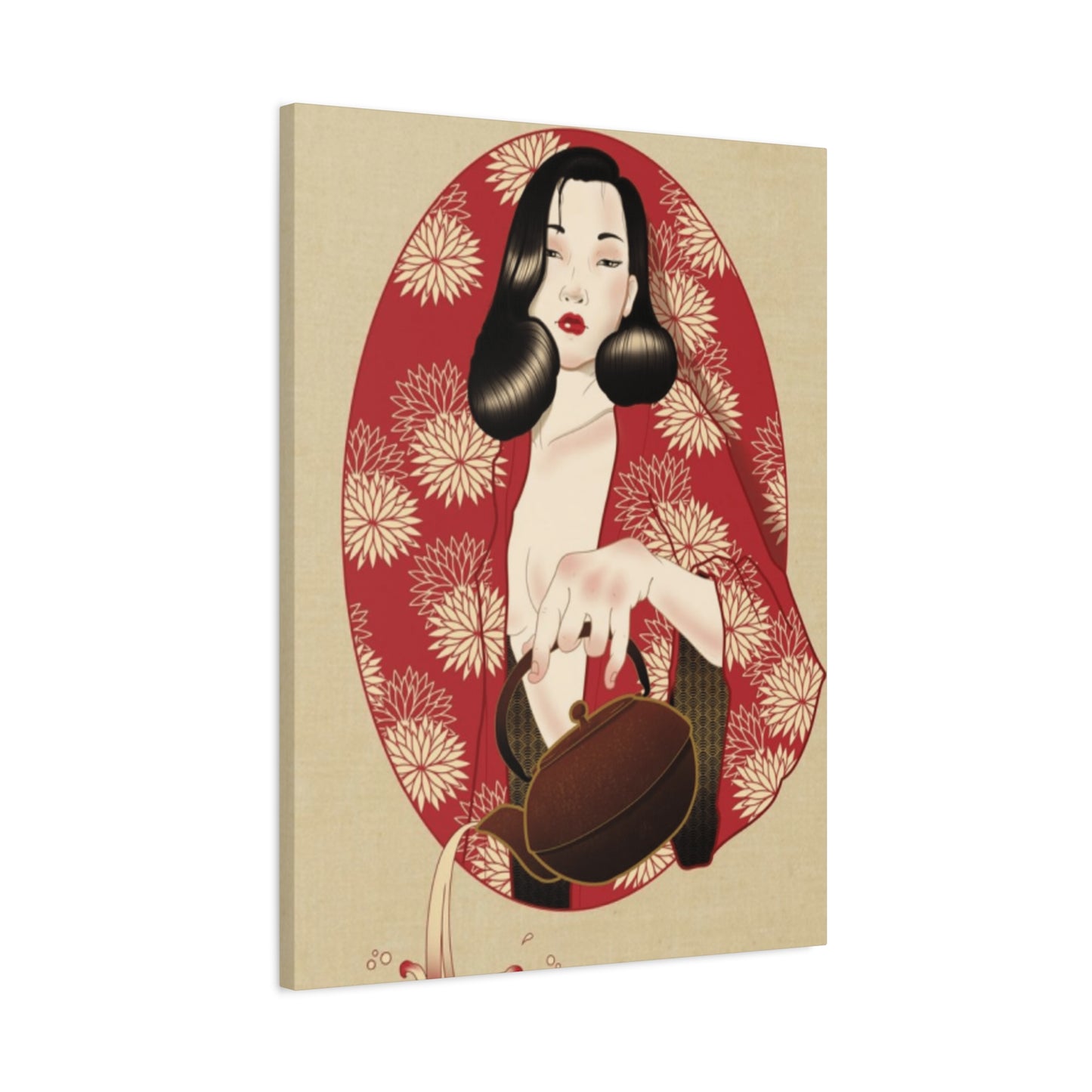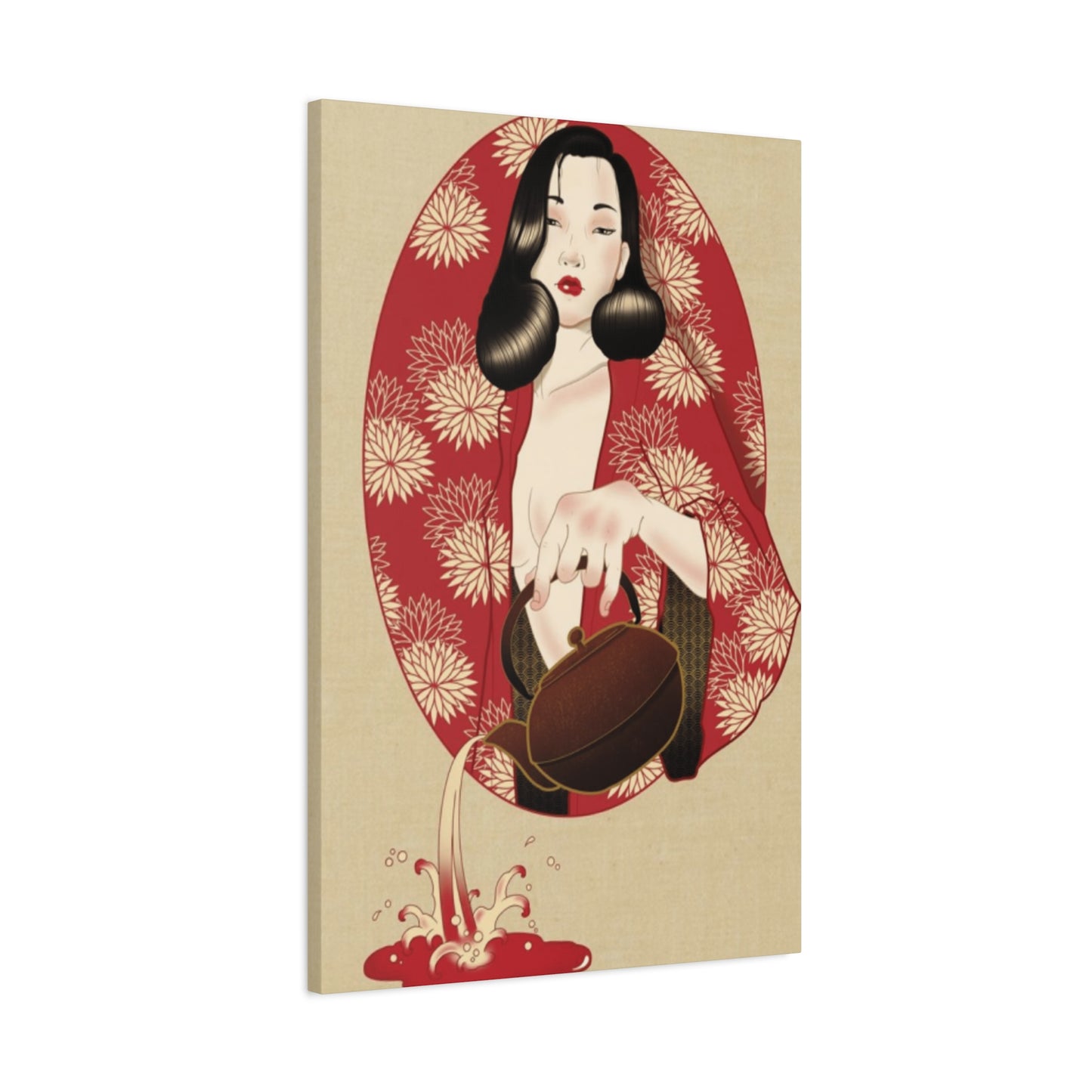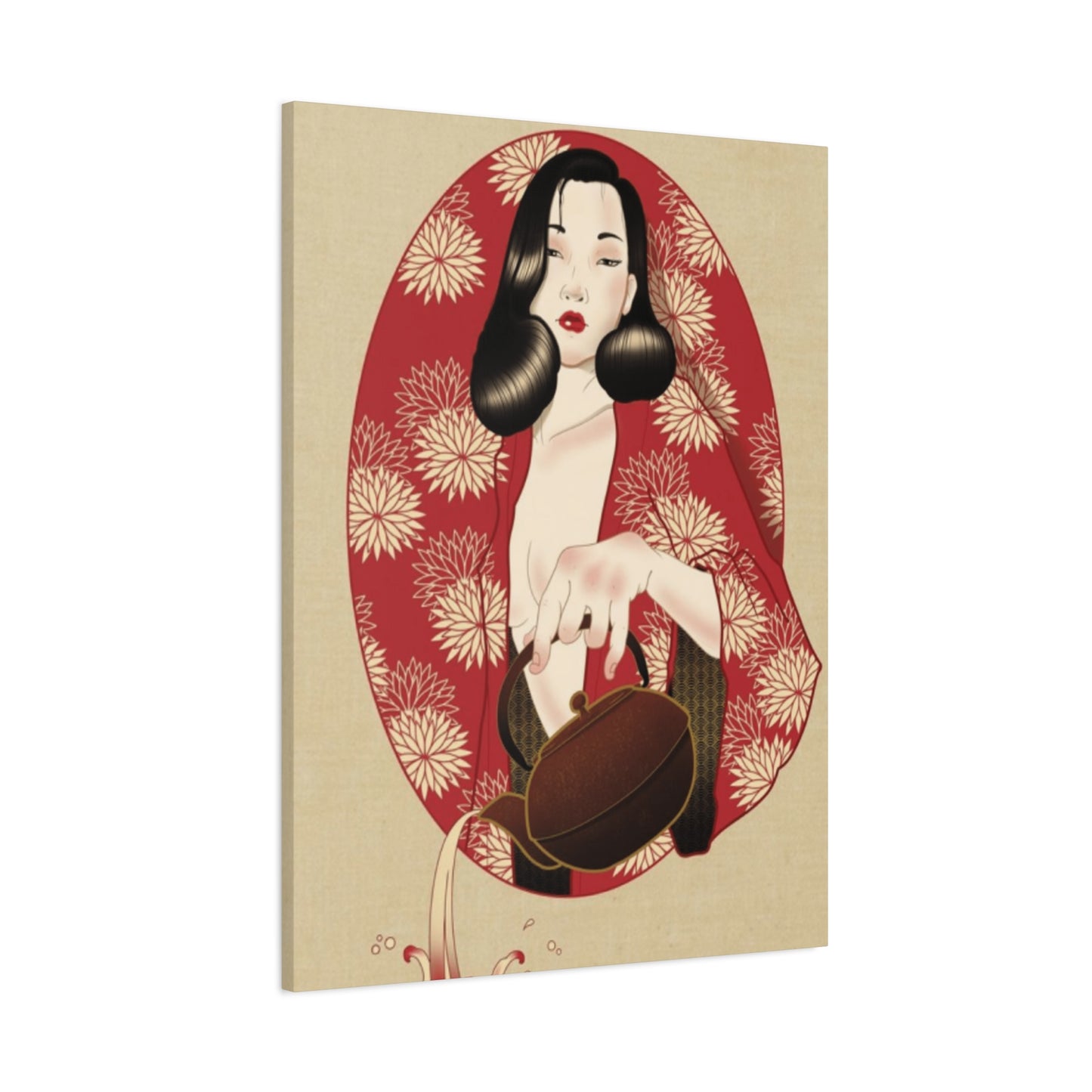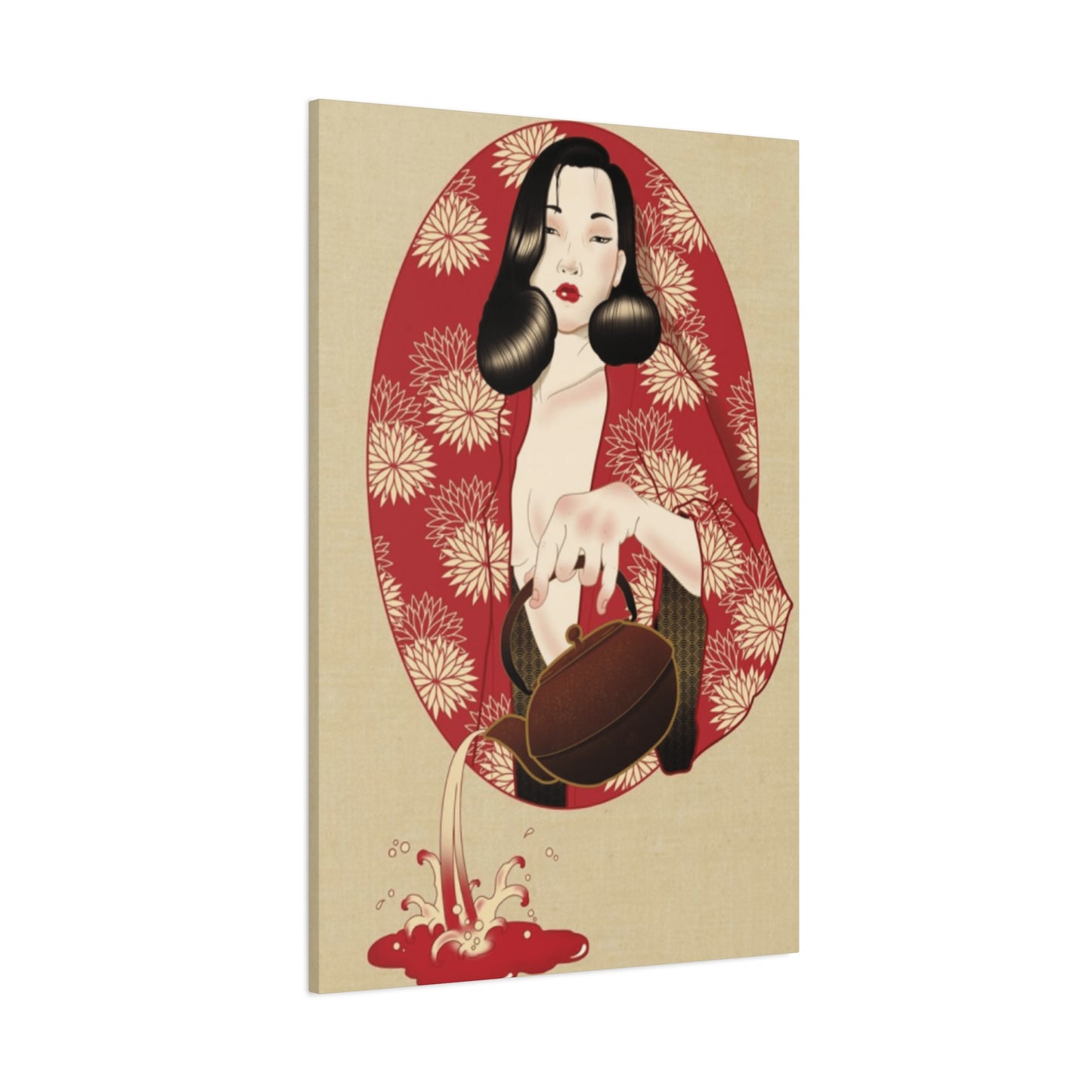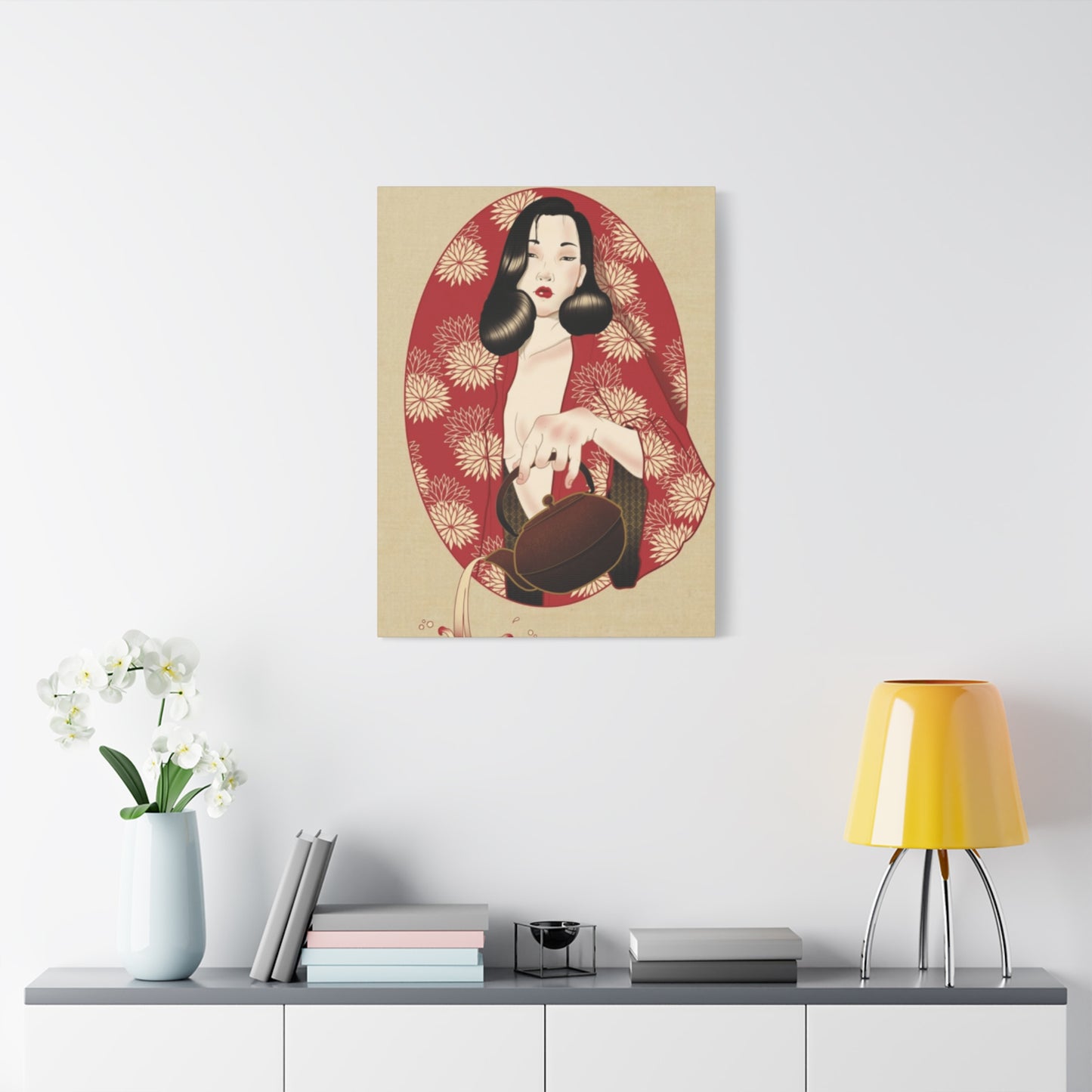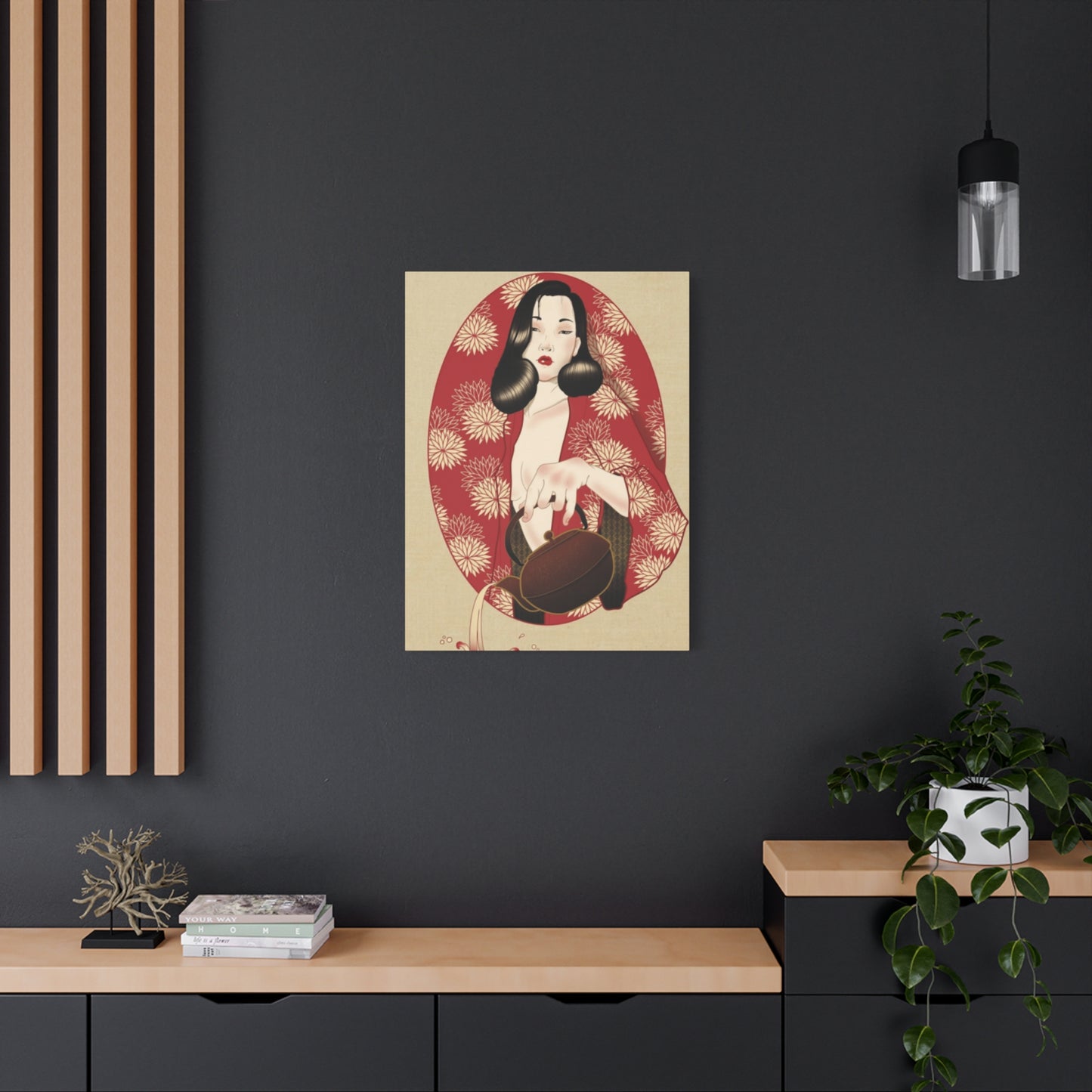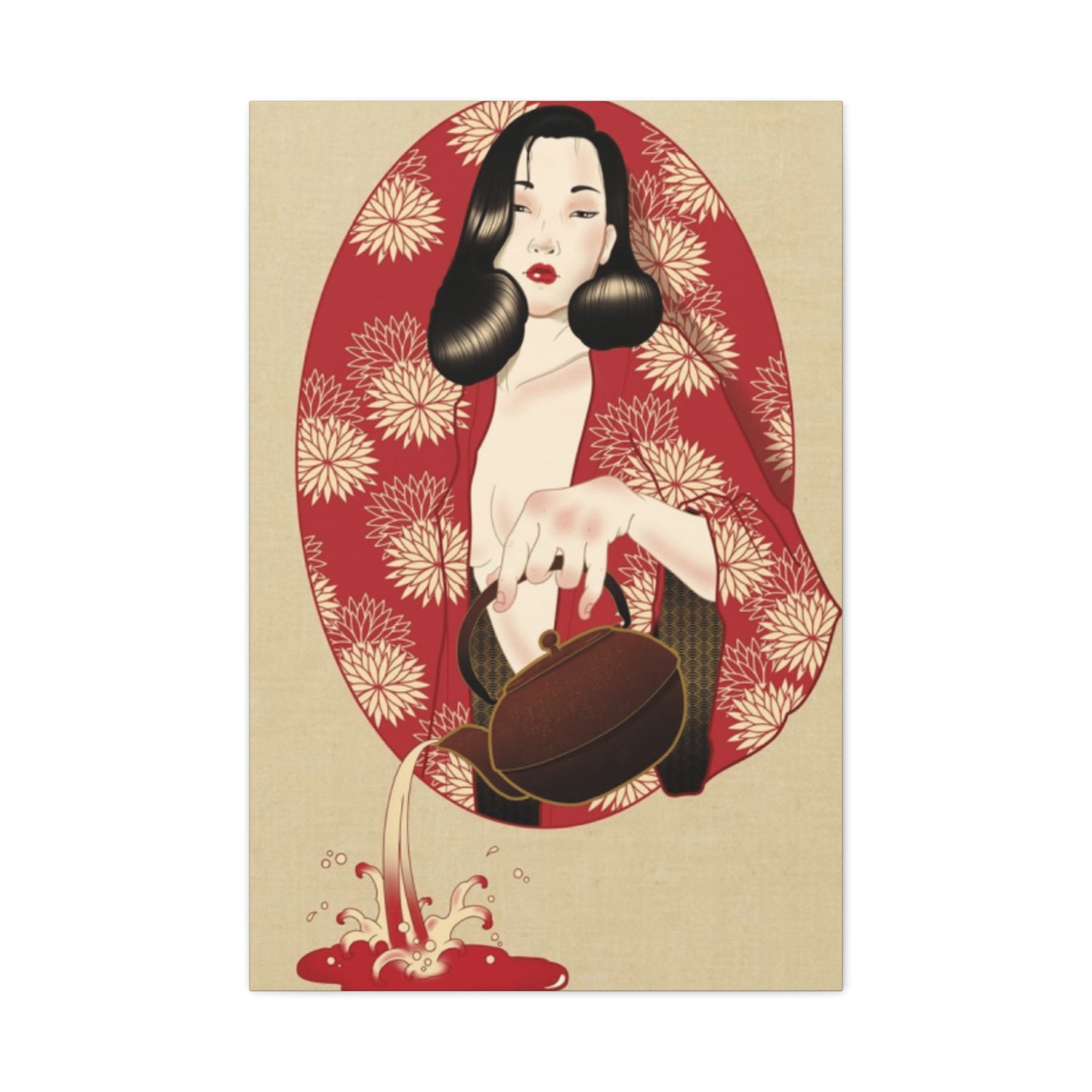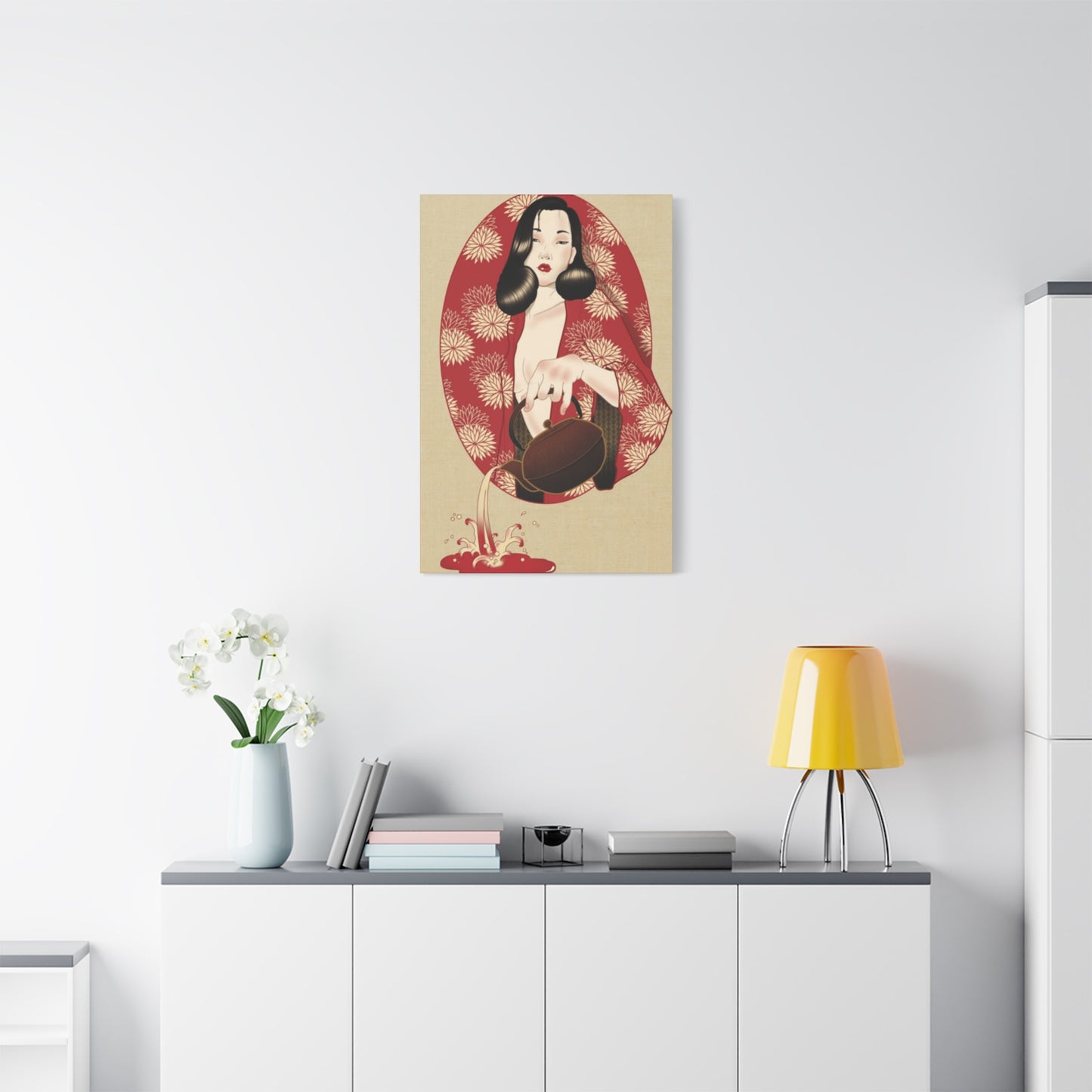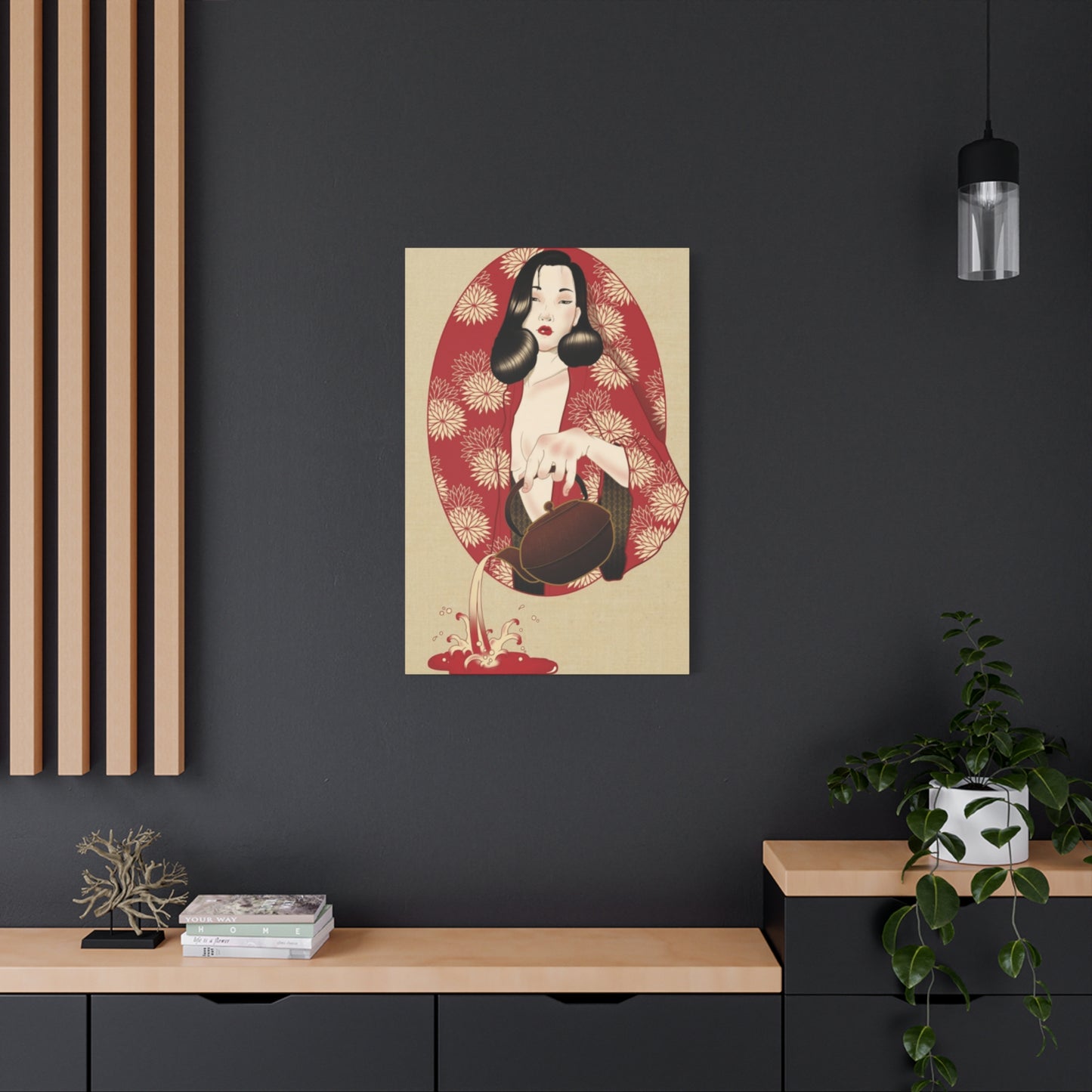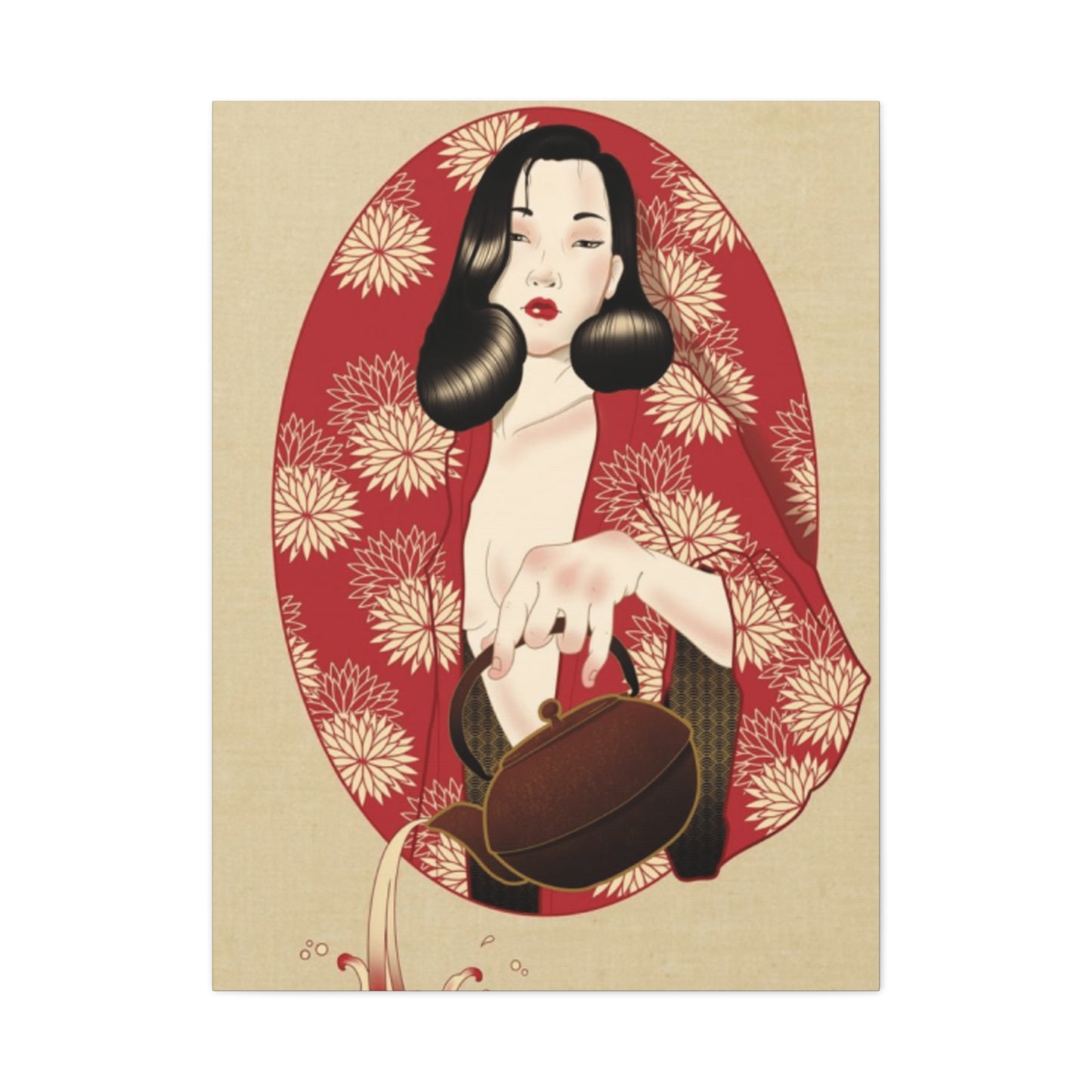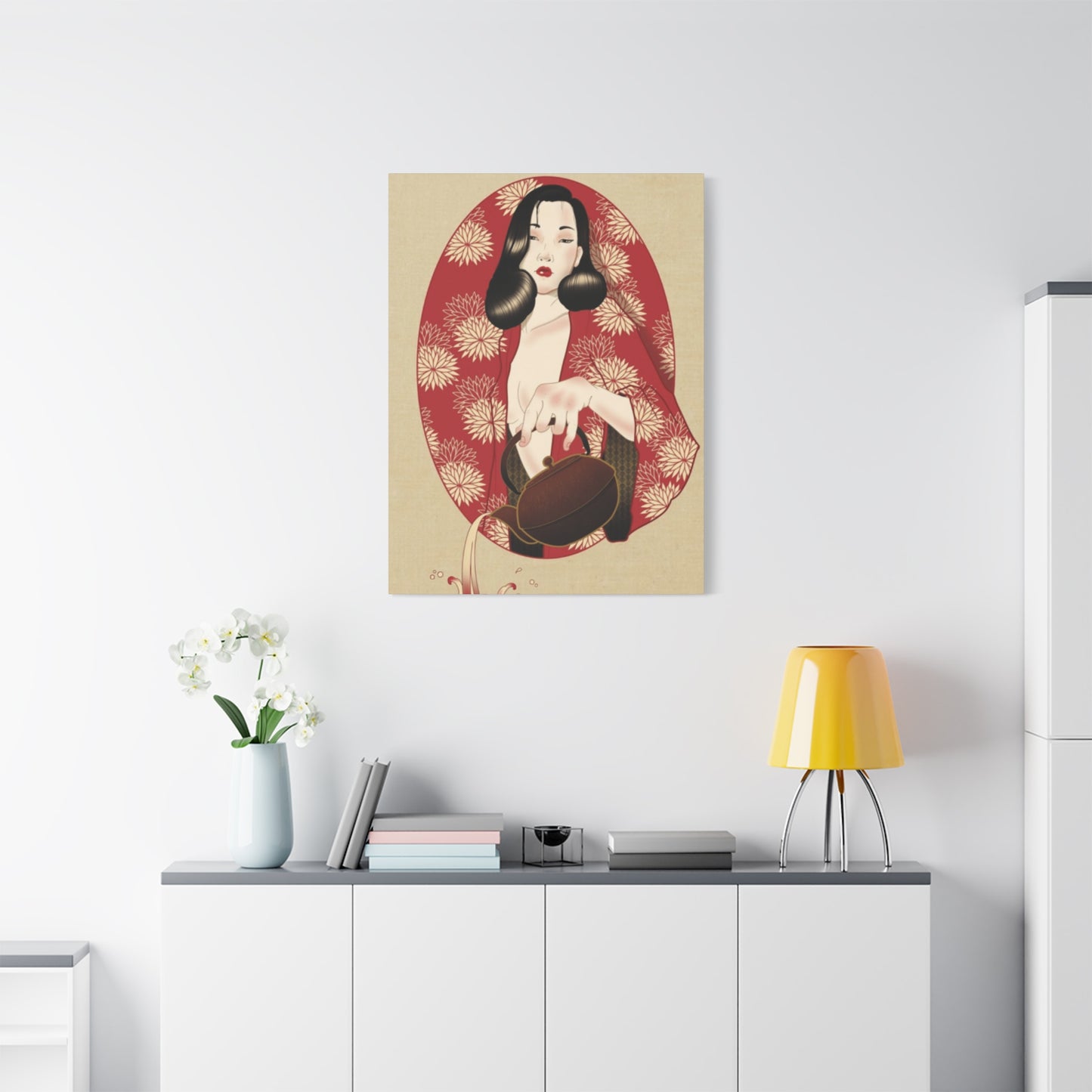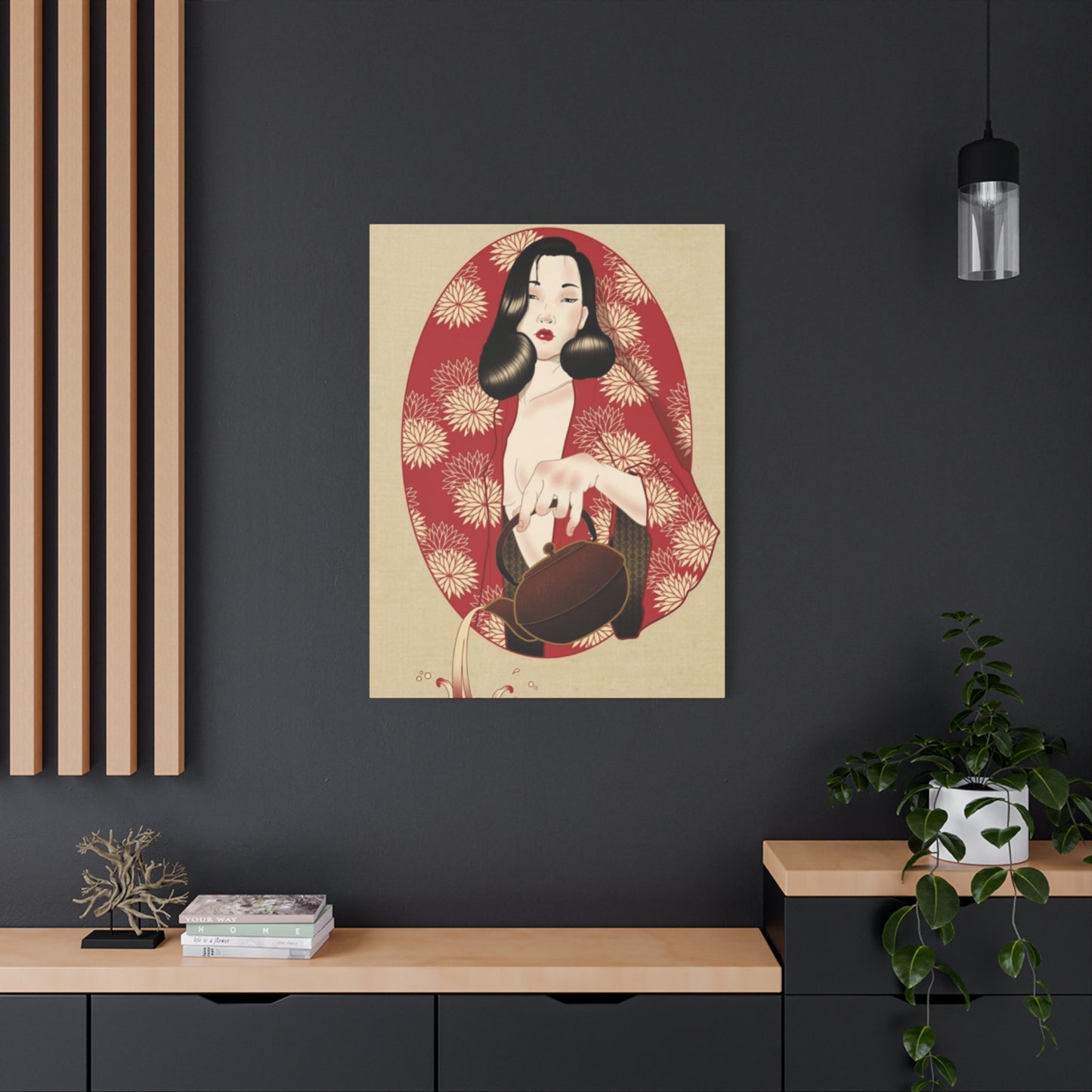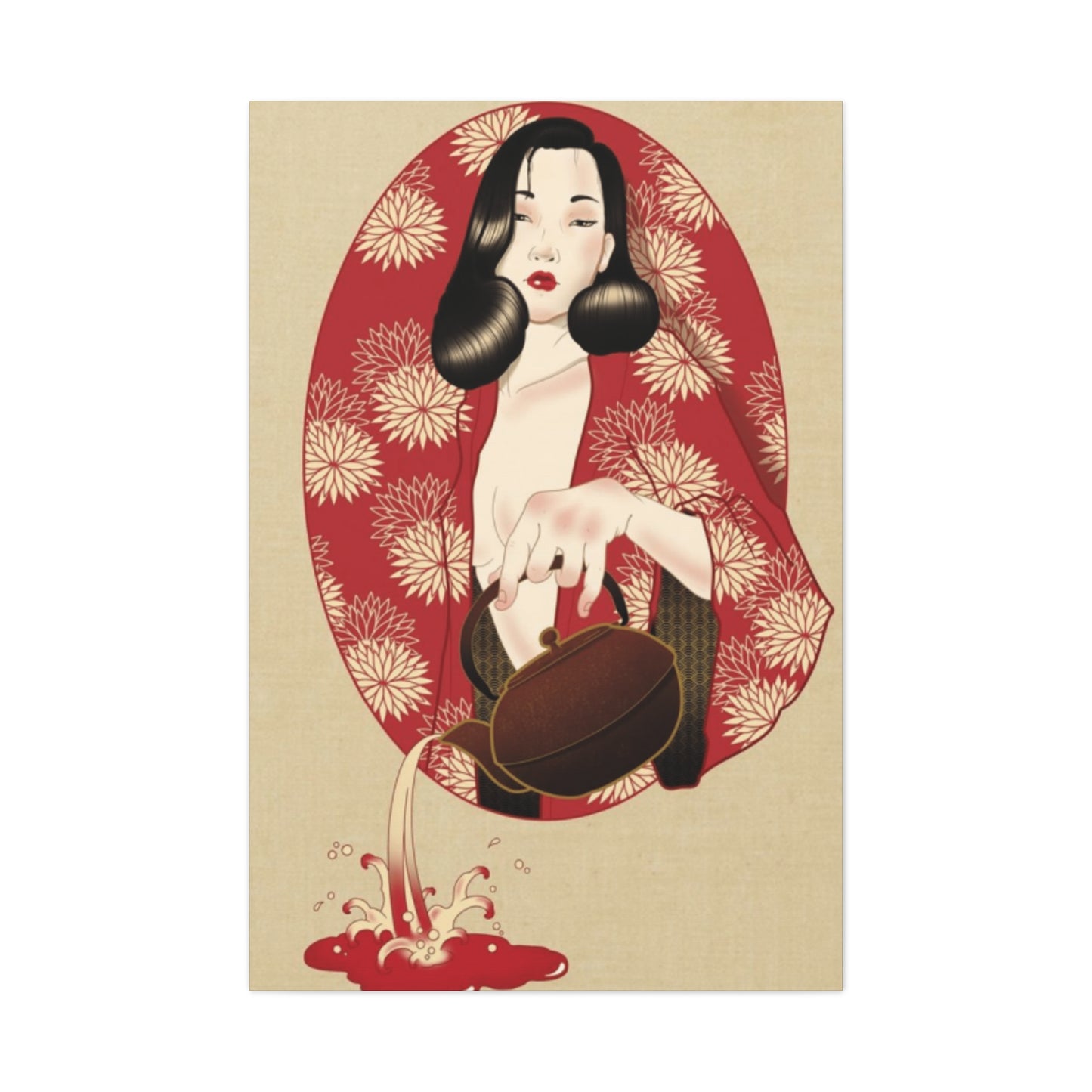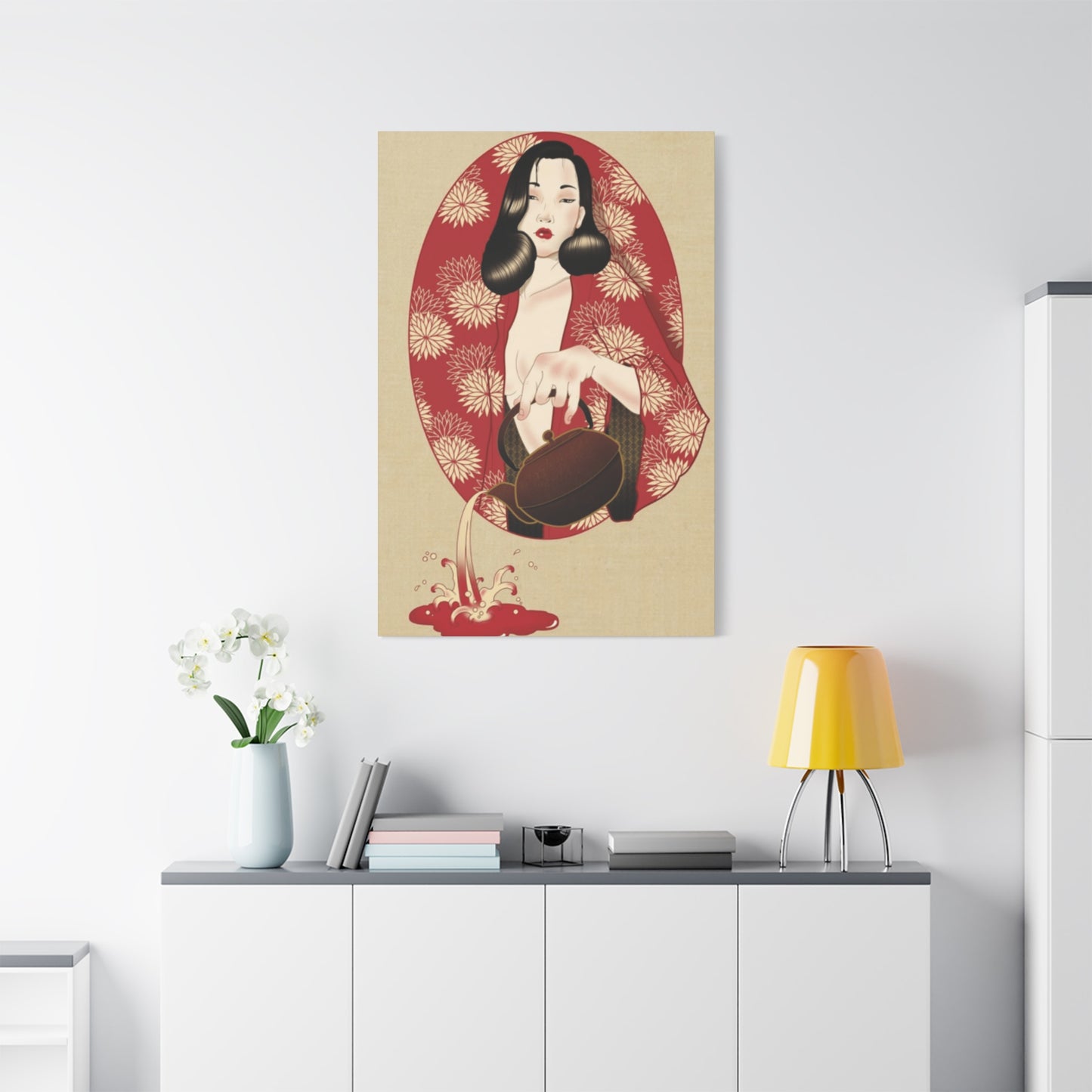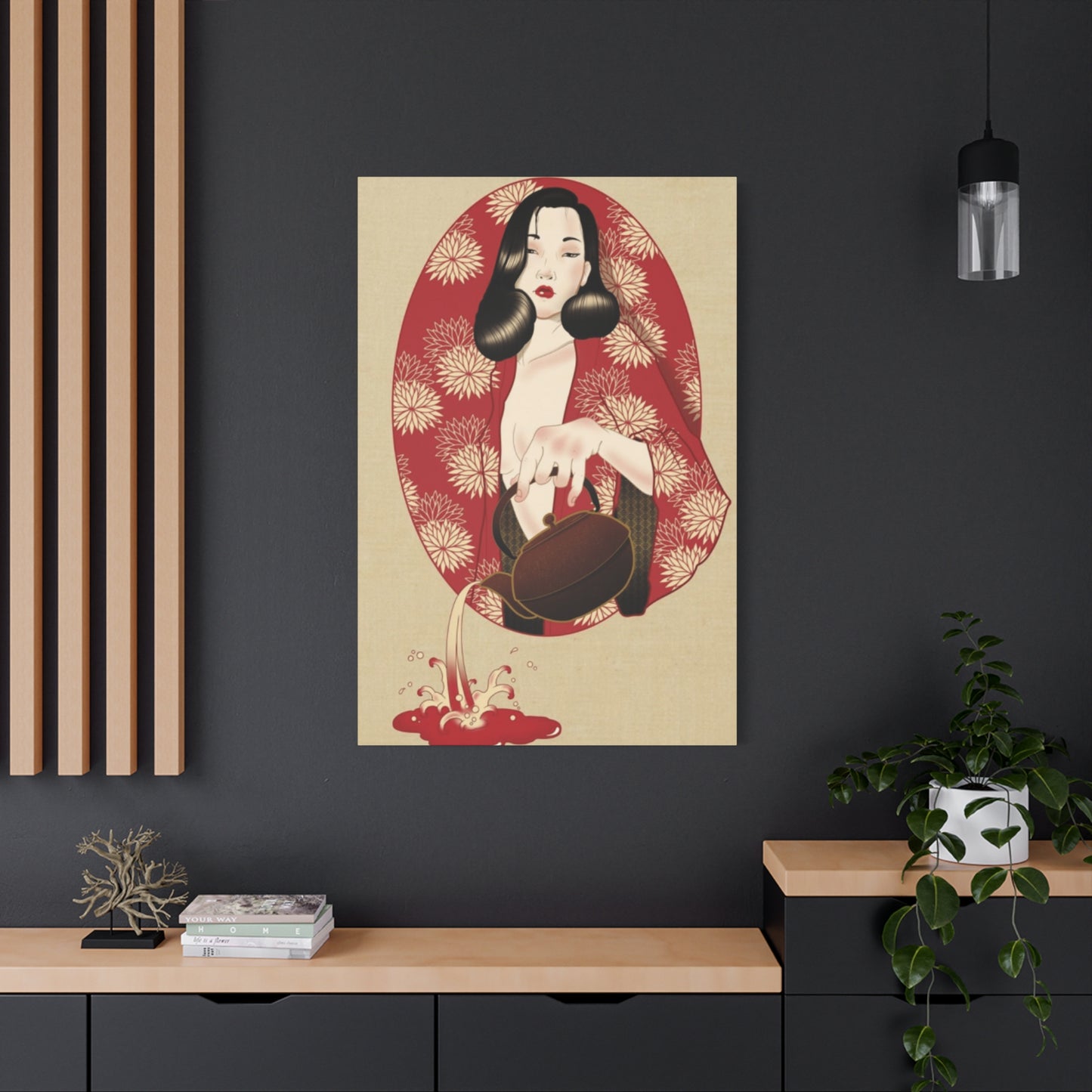


Geisha Portrait Wall Art & Canvas Prints
Geisha Portrait Wall Art & Canvas Prints
Couldn't load pickup availability
Timeless Beauty and Cultural Elegance: How Geisha Portrait Wall Art Transforms Your Living Space Into a Sanctuary of Japanese Heritage
The world of interior decoration has witnessed a remarkable surge in the appreciation for authentic cultural artwork, with traditional Japanese aesthetics leading this transformative movement. Among the most captivating choices for discerning collectors and design enthusiasts stands the mesmerizing realm of geisha portrait wall art, which brings centuries of refinement, grace, and storytelling into contemporary homes. These stunning visual representations serve as more than mere decorative pieces; they function as windows into a sophisticated cultural legacy that has captivated global audiences for generations.
When you incorporate authentic geisha imagery into your residential or commercial environment, you're not simply hanging a picture on your wall. You're inviting a profound narrative of feminine strength, artistic mastery, and cultural preservation into your daily surroundings. The delicate features, elaborate kimono patterns, and subtle expressions captured in these portraits carry within them the essence of a tradition that has survived and flourished through centuries of societal transformation. Each brushstroke, color choice, and compositional element speaks to a deeper understanding of beauty that transcends temporal boundaries and geographical limitations.
The remarkable versatility of geisha portrait wall art allows it to complement an extensive range of interior design philosophies, from minimalist Scandinavian aesthetics to richly layered bohemian spaces. This adaptability stems from the inherent balance and harmony embedded within traditional Japanese artistic principles, which emphasize negative space, natural elements, and restrained elegance. Whether you're furnishing a meditation room, adorning a master bedroom, or creating a sophisticated atmosphere in a professional office setting, these portraits offer a focal point that commands attention while maintaining a sense of tranquil composure.
The Profound Cultural Significance Behind Traditional Japanese Geisha Imagery and Its Enduring Appeal
The geisha tradition represents one of the most misunderstood yet fascinating aspects of Japanese cultural heritage. Contrary to common misconceptions perpetuated by superficial representations, these accomplished performers dedicated their entire lives to mastering an extraordinary array of artistic disciplines. Their training encompassed classical dance forms, traditional musical instruments such as the shamisen, elaborate tea ceremony protocols, sophisticated conversational arts, and the intricate rituals surrounding formal entertaining. This comprehensive artistic education required decades of devoted practice, beginning in childhood and continuing throughout their professional careers.
Geisha portrait wall art captures this multifaceted expertise through carefully composed imagery that highlights specific aspects of their craft. The positioning of hands might reference particular dance movements, while the angle of the head could suggest the poised attentiveness required during formal gatherings. The elaborate hairstyles depicted in these portraits weren't merely decorative choices but rather communicated specific information about the wearer's status, experience level, and even the season or occasion being commemorated. Understanding these subtle visual languages enriches your appreciation for the artwork adorning your walls and provides endless conversational opportunities when guests inquire about your decorative selections.
The symbolism embedded within geisha portraiture extends far beyond the figure herself. Background elements frequently incorporate seasonal flowers, each carrying distinct meanings within Japanese cultural consciousness. Cherry blossoms evoke the fleeting nature of existence and the beauty found in impermanence. Chrysanthemums represent longevity and rejuvenation. Plum blossoms symbolize perseverance and hope, blooming courageously through late winter's harshness. These carefully selected botanical elements transform each portrait into a complex visual poem that speaks to fundamental aspects of the human experience.
The color palettes employed in traditional geisha artwork follow sophisticated aesthetic principles developed over centuries of refinement. The Japanese concept of "iki" describes a particular type of understated elegance characterized by subtle sophistication rather than ostentatious display. This philosophy manifests in the restrained yet rich color combinations found in authentic geisha portraits, where deep indigos might contrast with warm coral tones, or soft grays provide the perfect backdrop for vibrant crimson accents. These thoughtfully balanced color relationships create visual harmony that soothes the eye while maintaining sufficient interest to warrant repeated viewing.
Exploring the Diverse Styles and Artistic Expressions Available in Contemporary Geisha Portrait Wall Art
The market for geisha-themed artwork encompasses an impressive spectrum of artistic interpretations, ranging from historically accurate recreations to boldly contemporary reimaginings. Traditional woodblock printing techniques, known as ukiyo-e, represent one of the most authentic and historically significant styles available to collectors. These prints employ multiple carved wooden blocks, each applying a different color layer, to build up complex and richly detailed final images. The characteristic flat areas of color, bold outlines, and distinctive perspective found in ukiyo-e prints create immediately recognizable aesthetic that has influenced countless artists across multiple generations and cultures.
Watercolor renditions of geisha subjects offer an entirely different visual experience, characterized by soft edges, translucent color layers, and a dreamlike quality that emphasizes the ethereal nature of the subject matter. Skilled watercolor artists can capture the delicate textures of silk kimono fabric, the subtle gradations of carefully applied makeup, and the gentle play of light across elaborate hairstyles with a fluidity impossible to achieve through other mediums. These pieces often convey a sense of intimacy and immediacy, as though the viewer has been granted a private glimpse into a quiet moment of contemplation or preparation.
Contemporary digital artists have embraced geisha imagery as a vehicle for exploring the intersection between traditional cultural forms and modern artistic sensibilities. These creators might combine photographic elements with painted details, overlay traditional patterns with geometric abstractions, or reimagine the geisha figure through surrealist lenses that challenge conventional perceptions. Such innovative approaches attract collectors who appreciate cultural traditions but desire artwork that speaks more directly to contemporary aesthetic preferences and conceptual concerns. The resulting pieces can bridge generational gaps and spark conversations about cultural evolution, artistic innovation, and the ongoing relevance of historical traditions.
Mixed media creations represent another exciting category within the geisha portrait wall art landscape. These works might incorporate actual fabric samples, metallic leaf accents, three-dimensional sculptural elements, or embedded objects that add tactile dimension to the visual experience. The layered complexity of mixed media pieces rewards close examination, revealing new details and relationships with each viewing. This type of artwork particularly suits spaces where visitors will have extended opportunities for contemplation, such as waiting areas, reading nooks, or intimate dining spaces.
Photographic interpretations of geisha subjects offer yet another avenue for bringing this cultural tradition into contemporary spaces. Some photographers collaborate with actual geisha or maiko (apprentice geisha) to create stunning documentary-style portraits that capture authentic details with crystalline clarity. Others stage conceptual photo shoots that draw inspiration from geisha aesthetics while incorporating modern fashion sensibilities, creating images that exist in the fascinating liminal space between historical reference and contemporary commentary. The hyper-realistic quality of photography provides an entirely different viewing experience compared to painted or printed alternatives, offering viewers the sensation of direct connection with the portrayed subject.
Strategic Placement Considerations for Maximizing the Visual Impact of Your Geisha Portrait Wall Art
The location where you display your geisha portrait significantly influences its overall effect within your space. These artworks generally command attention and benefit from prominent positioning where they can serve as focal points rather than competing with other strong visual elements. In living rooms, the wall behind your primary seating arrangement often provides ideal placement, allowing the artwork to anchor the space and provide a sophisticated backdrop for social gatherings. The height at which you hang the piece matters considerably; the center of the artwork should typically align with average eye level, approximately 57 to 60 inches from the floor, ensuring comfortable viewing from both seated and standing positions.
Bedroom environments offer particularly appropriate settings for geisha portraits, as the contemplative and refined nature of these images complements spaces dedicated to rest and personal reflection. Positioning such artwork above a headboard creates a stunning visual statement while maintaining the room's intimate atmosphere. The gentle expressions and serene compositions characteristic of quality geisha portraits can actually promote relaxation and mental calm, making them functionally beneficial beyond their aesthetic contributions. Consider how natural and artificial lighting interacts with the piece throughout the day; morning light streaming through windows might illuminate different aspects compared to evening lamplight, creating an evolving visual experience.
Hallways and transitional spaces frequently suffer from decorative neglect, yet they present excellent opportunities for displaying meaningful artwork. A carefully selected geisha portrait can transform a mundane corridor into a gallery-like experience, encouraging household members and visitors to slow down and appreciate beauty during their daily movements through the space. The vertical orientation common to many geisha portraits suits the proportions of hallway walls particularly well, and the cultural sophistication these pieces convey establishes an elevated tone for your entire home environment.
Home offices and study areas benefit tremendously from the presence of culturally significant artwork that stimulates creativity and provides visual respite during intensive work periods. The balanced compositions and harmonious color relationships found in quality geisha portraits can actually reduce eye strain and mental fatigue when you glance up from computer screens or paperwork. Additionally, the historical association between geisha and various artistic and intellectual pursuits creates thematically appropriate connections for spaces dedicated to professional and creative endeavors.
Dining areas represent another strategic location for geisha portrait wall art, particularly given the historical role these entertainers played in formal dining contexts. A substantial portrait positioned where it can be appreciated by seated diners adds cultural depth to meal experiences and provides endless conversational material for dinner parties. The sophisticated aesthetic aligns perfectly with the elevated experience many people seek when creating dedicated dining environments distinct from casual kitchen eating areas.
Bathrooms, particularly master bathrooms designed as spa-like retreats, can accommodate smaller-scale geisha portraits that reinforce themes of ritual, refinement, and self-care. The traditional geisha morning routine involved elaborate preparation and grooming protocols that transformed ordinary hygiene into something approaching ceremony. Subtle artwork referencing these practices can elevate your own daily routines and encourage a more mindful approach to personal care activities.
Selecting the Perfect Geisha Portrait Wall Art That Resonates With Your Personal Aesthetic Vision
The process of choosing geisha portrait wall art requires consideration of multiple factors beyond simple visual appeal. Size proportions represent your first practical concern; artwork that's too small for its designated wall space will appear lost and diminished, while pieces that overwhelm their surroundings create visual imbalance and discomfort. A useful guideline suggests that artwork should occupy approximately two-thirds to three-quarters of the available wall width, though this varies depending on ceiling height, surrounding furniture, and overall room proportions. Multiple smaller pieces arranged in thoughtful groupings can achieve visual weight equivalent to a single large work while adding compositional complexity.
Color coordination demands careful attention, though not necessarily in the literal sense of exact matching. Rather than seeking artwork that precisely replicates your existing color scheme, look for pieces that introduce complementary or harmoniously contrasting hues. A room dominated by cool grays and blues might benefit enormously from a geisha portrait featuring warm coral and gold tones, creating visual excitement through controlled contrast. Conversely, a space already rich with color might find perfect balance through artwork emphasizing neutral tones and subtle variations. The key lies in creating dialogues between the artwork and its environment rather than redundant echoes.
The emotional resonance of the portrait deserves equal consideration alongside aesthetic factors. Geisha portraits span an emotional spectrum from joyful exuberance captured mid-dance to contemplative serenity to melancholic introspection. The mood conveyed by your selected artwork influences the atmosphere of the entire space, so align this choice with your intentions for the room. Social spaces might benefit from more animated, engaging expressions, while private retreats might call for quieter, more meditative countenances.
Authenticity and artistic quality separate truly valuable pieces from mass-produced reproductions of limited merit. When evaluating potential purchases, examine the technical execution closely. Do brushstrokes show intentionality and skill? Are color transitions smooth and controlled? Does the composition demonstrate understanding of traditional principles or merely mimic surface appearances? Research the artist or publisher when possible, seeking creators with genuine knowledge of and respect for Japanese cultural forms rather than those simply capitalizing on popular trends. The difference between thoughtful, informed artwork and superficial appropriation becomes apparent through careful examination and comparison.
Frame selection significantly impacts how your geisha portrait wall art presents within its environment. Traditional Japanese framing styles often feature simple, refined approaches that avoid distracting from the artwork itself. Natural wood frames in warm tones complement the organic elements frequently found in geisha imagery, while black lacquer frames provide sophisticated contrast that makes colors appear more vibrant. Contemporary spaces might call for sleeker metal frames that bridge traditional subject matter with modern presentation aesthetics. Mat boards, when used, should enhance rather than compete with the artwork; neutral tones generally serve this purpose best, though subtle colors can be effective when carefully coordinated.
The Intricate Symbolism and Hidden Meanings Embedded Within Authentic Geisha Portrait Wall Art
Understanding the symbolic vocabulary employed in geisha portraiture dramatically enhances your appreciation for these sophisticated artworks. The kimono itself functions as a canvas for meaning, with pattern selections conveying information about season, occasion, and the wearer's personal circumstances. Flowing water motifs might represent adaptability and life's constant movement, while geometric patterns suggest order and discipline. Animal imagery carries specific connotations; cranes symbolize longevity and good fortune, while butterflies represent transformation and the ephemeral nature of beauty. These layered meanings transform each portrait into a text that can be read and interpreted, offering intellectual engagement beyond mere visual pleasure.
Hair ornaments and accessories depicted in geisha portraits constitute another rich symbolic system. The kanzashi, or decorative hairpins, varied according to incredibly specific protocols governing which designs suited particular occasions, seasons, and career stages. Cherry blossom kanzashi appropriately appeared only during the brief spring blooming season, while certain elaborate designs remained exclusively reserved for formal performances or significant celebrations. Modern viewers might simply appreciate these ornaments as beautiful decorative elements, but recognizing their deeper significance adds profound dimensions to your engagement with the artwork.
Facial expressions and postures in traditional geisha portraits follow subtle conventions that communicated specific messages to knowledgeable observers. A slightly averted gaze might suggest modesty and respectfulness, while a direct gaze indicated confidence and mastery. The positioning of hands referenced particular dance movements or social gestures, each carrying distinct meanings within the elaborate behavioral codes governing formal interactions. The tilt of the head, the placement of feet, even the precise angle of a fan—all these details contributed to a visual language that sophisticated viewers could interpret with precision.
Background elements frequently include architectural details that provide context clues about the depicted scene. Sliding shoji screens suggest interior domestic or teahouse settings, while glimpses of gardens or landscapes indicate outdoor performances or travel between venues. The inclusion of specific objects—musical instruments, sake vessels, seasonal flowers—helps establish the narrative context and might reference particular performances, celebrations, or cultural occasions. These carefully selected details reward attentive viewing and encourage viewers to construct stories around the frozen moment captured in the portrait.
The concept of "ma," or negative space, plays a crucial role in Japanese aesthetic philosophy and appears prominently in well-composed geisha portraits. Rather than filling every available space with detail, skilled artists understand the power of emptiness and restraint. These unpainted or lightly treated areas provide visual rest, allow the eye to move comfortably through the composition, and create emphasis on rendered elements through contrast with simplicity. This sophisticated approach to composition distinguishes truly accomplished artwork from overcrowded, visually exhausting alternatives.
Caring for and Preserving Your Valuable Geisha Portrait Wall Art for Lasting Enjoyment
Proper care ensures your geisha portrait wall art retains its beauty and value throughout decades of display. Light exposure represents the primary threat to artwork longevity, with both natural sunlight and certain artificial lighting sources causing gradual fading and discoloration. Position valuable pieces away from direct sunlight, particularly the intense afternoon light that streams through west-facing windows. If your desired placement unavoidably receives significant natural light, consider installing UV-filtering window films or protective glazing on framed pieces to minimize photochemical damage. Rotating artwork seasonally between different locations allows even exposure distribution and prevents disproportionate aging.
Humidity fluctuations pose serious risks, particularly for pieces created using traditional paper-based methods. Excessive moisture encourages mold growth, causes paper to warp and cockle, and can damage adhesives used in mounting and framing. Conversely, extremely dry conditions make paper brittle and prone to cracking. Maintain relative humidity between 40-50% for optimal preservation, using humidifiers or dehumidifiers as necessary to achieve stable conditions. Avoid hanging valuable artwork in bathrooms or kitchens where humidity levels fluctuate dramatically, or in exterior walls where temperature differentials promote condensation.
Temperature stability matters almost as much as humidity control. Significant temperature swings cause materials to expand and contract at different rates, potentially leading to cracking, warping, or delamination. Position artwork away from heating vents, radiators, fireplaces, and air conditioning outlets where direct airflow creates localized temperature fluctuations. Maintain consistent ambient temperatures between 65-75°F when possible, recognizing that stability matters more than achieving a specific target temperature.
Regular dusting prevents particle accumulation that can abrade surfaces and attract moisture. Use soft, clean brushes or microfiber cloths to gently remove dust from frames and protective glazing, working from top to bottom to avoid redistributing particles across cleaned areas. Never apply cleaning solutions directly to artwork; if glass or acrylic glazing requires cleaning beyond dry dusting, lightly dampen a lint-free cloth with distilled water or specialized art glass cleaner, then wring thoroughly before gently wiping the surface. Avoid commercial glass cleaners containing ammonia or other harsh chemicals that might damage frame finishes or seep behind glazing to contact the artwork itself.
Professional conservation assessment becomes advisable if you notice signs of deterioration such as discoloration, foxing (brown spots), mold growth, tears, or lifting of printed or painted layers. Attempting DIY repairs on valuable artwork typically causes more harm than good, as improper materials and methods can permanently damage pieces or compromise future conservation efforts. Qualified conservators possess specialized training and materials necessary to stabilize deteriorating artwork and can often reverse damage that appears catastrophic to untrained eyes.
Combining Geisha Portrait Wall Art With Complementary Decorative Elements for Cohesive Interior Design
Creating harmonious relationships between your geisha portrait wall art and surrounding decorative elements elevates your entire space beyond the sum of individual components. Textile selections offer excellent opportunities for establishing thematic connections; cushions featuring Japanese-inspired patterns, throws incorporating similar color palettes, or window treatments utilizing natural fibers and simple designs all reinforce the aesthetic established by your artwork. Avoid overly literal matching—you're not attempting to recreate a traditional Japanese interior unless that's explicitly your goal. Instead, seek pieces that share underlying design principles such as refined simplicity, natural materials, and attention to craftsmanship quality.
Furniture choices should complement rather than compete with your focal artwork. Clean-lined pieces in natural wood finishes generally harmonize beautifully with geisha portraits, as do items featuring simple geometric forms and minimal ornamentation. Mid-century modern furniture often shares aesthetic principles with Japanese design despite their different cultural origins, making these pieces natural partners. Avoid excessively ornate or heavily carved furniture that creates visual chaos and distracts from the refined elegance of your portrait.
Lighting design dramatically influences how your geisha portrait wall art presents and how effectively it functions within your space. Picture lights mounted directly above or below framed pieces provide focused illumination that highlights details and creates dramatic visual impact during evening hours. Alternatively, strategically positioned track lighting or recessed spotlights can achieve similar effects while maintaining cleaner sight lines. Avoid lighting arrangements that create glare on protective glazing or produce harsh shadows that obscure portions of the image. Dimmable fixtures offer flexibility to adjust intensity according to time of day, activity, and desired ambiance.
Botanical elements provide natural companions for geisha portrait wall art, referencing the strong connection between traditional Japanese aesthetics and the natural world. Ikebana-style arrangements featuring dramatic branching elements and restrained floral selections echo the sophisticated simplicity found in quality portraiture. Bonsai trees offer living sculpture that reinforces themes of patient cultivation and refined beauty. Even simpler approaches like a single statement orchid or carefully arranged pussy willow branches can establish powerful visual dialogues with your artwork without overwhelming the space.
Secondary artwork and decorative objects should be selected with careful consideration for how they relate to your primary geisha portrait. Rather than creating a cluttered gallery wall, allow your main piece sufficient visual breathing room to command attention. If incorporating additional Japanese-themed elements, vary the medium and scale to create interest through contrast rather than monotonous repetition. A small ceramic bowl, a delicate netsuke carving, or a vintage bamboo basket might provide subtle reinforcement of your aesthetic direction without creating redundancy.
Color echoes throughout the room create sophisticated connections that unify disparate elements. Identify two or three prominent colors from your geisha portrait, then incorporate these hues through accessories, textiles, or accent furniture. These references need not be exact matches; in fact, slight variations often create more dynamic and interesting relationships than perfect replication. A throw pillow might pick up the coral tones from a kimono depicted in your portrait, while a ceramic vase echoes the deep indigo background, creating visual threads that guide the eye through the space.
The Enduring Influence of Geisha Imagery on Contemporary Art Movements and Popular Culture
The aesthetic vocabulary established through centuries of geisha portraiture continues to exert powerful influence across contemporary artistic practices. Numerous modern painters, illustrators, and digital artists draw inspiration from traditional geisha imagery while infusing their work with current sensibilities and concerns. This ongoing dialogue between historical forms and contemporary expression creates exciting hybrid styles that honor tradition while asserting relevance to modern viewers. Such works often explore themes of identity, femininity, cultural exchange, and the tension between preservation and evolution—all issues that resonate strongly in our increasingly interconnected yet culturally complex world.
Fashion designers regularly reference geisha aesthetics in their collections, adapting kimono silhouettes, obi-inspired belts, elaborate hair ornaments, and traditional makeup techniques for contemporary wear. These sartorial explorations bring geisha visual vocabulary into everyday consciousness and demonstrate the ongoing vitality of these cultural forms. High-fashion interpretations particularly favor the dramatic color contrasts, luxurious textiles, and architectural proportions characteristic of traditional geisha attire, translating these elements into garments that command attention on runways and red carpets worldwide.
Film and theatrical productions have long recognized the visual potency of geisha imagery, incorporating these aesthetics into memorable cinematic moments and stage designs. The dramatic makeup, elaborate costumes, and graceful movements associated with geisha create immediately impactful visual sequences that communicate cultural specificity and emotional depth without requiring verbal explanation. These media representations, while sometimes criticized for accuracy issues, have undeniably raised global awareness of geisha cultural significance and fueled interest in authentic artifacts and artwork.
Graphic designers and brand identity specialists frequently draw upon the refined elegance and cultural sophistication associated with geisha imagery when creating visual identities for businesses in hospitality, wellness, and luxury sectors. The clean lines, balanced compositions, and sense of timeless quality found in traditional geisha artwork translate effectively into logos, packaging, and marketing materials that seek to convey similar attributes. This commercial appropriation raises important questions about cultural respect and authenticity that thoughtful consumers and designers increasingly consider when making creative and purchasing decisions.
The tattoo community has embraced geisha imagery with particular enthusiasm, with countless individuals selecting these designs for permanent body artwork. Traditional Japanese tattoo artists, or horishi, bring deep cultural knowledge and exceptional skill to their renditions, creating pieces that honor authentic aesthetic principles while adapting to the human body as canvas. The popularity of these tattoos reflects a desire to carry cultural beauty and symbolism as part of one's personal identity, though it also raises complex questions about cultural appreciation versus appropriation that continue to generate important conversations.
Sourcing Authentic and Ethically Produced Geisha Portrait Wall Art From Reputable Vendors
The marketplace for geisha-themed artwork includes a wide spectrum of quality, authenticity, and ethical consciousness. Identifying reputable sources requires research and discernment, but the effort ensures you acquire pieces of genuine value that support legitimate artists rather than exploitative production systems. Artist-direct purchasing offers the most straightforward path to ethical acquisition; many talented painters, printmakers, and photographers maintain websites or social media presences where they showcase and sell their work. This approach ensures maximum financial benefit flows to the creator while allowing you to learn about their process, training, and cultural knowledge.
Reputable galleries specializing in Asian art provide curated selections from established and emerging artists, with gallery staff offering expertise to guide your selection process. These establishments typically verify authenticity, provide proper documentation, and ensure fair compensation for artists. While gallery purchases generally carry premium pricing reflecting their curation services and overhead costs, the assurance of quality and legitimacy justifies the additional expense for serious collectors. Look for galleries with long operational histories, transparent business practices, and staff members possessing relevant expertise and credentials.
Online marketplaces have democratized art acquisition but require extra vigilance regarding quality and authenticity. Platforms specifically dedicated to fine art generally implement some verification procedures for sellers, though standards vary considerably. Carefully examine artist profiles, customer reviews, return policies, and any available information about production methods before committing to purchases. Be particularly cautious of suspiciously low prices, generic descriptions, watermarked photos, or sellers offering implausibly large inventories of "original" works—all potential indicators of mass-produced reproductions being misrepresented as higher-value pieces.
When considering print reproductions rather than original artwork, seek publishers employing high-quality production methods and proper licensing agreements with artists or their estates. Giclée prints produced on archival papers using pigment-based inks offer the best quality and longevity for reproductions, closely approximating the appearance of original paintings or drawings. Limited edition prints with proper documentation of edition size and artist involvement hold significantly more value than open-edition reproductions produced in unlimited quantities. Legitimate publishers clearly disclose edition information and provide certificates of authenticity with each print.
Antique and vintage markets occasionally yield remarkable discoveries of historical geisha portraiture, including original woodblock prints, paintings, and early photographs. Successfully navigating these markets requires substantial knowledge or professional guidance to distinguish authentic period pieces from later reproductions or outright forgeries. Condition assessment becomes crucial when evaluating older works; minor age-appropriate wear may be acceptable or even desirable, but serious damage, poor repairs, or aggressive restoration can dramatically reduce value. Consult with specialized dealers or appraisers before investing significantly in pieces purported to be historical.
Ethical considerations extend beyond simple authenticity questions to encompass cultural respect and appropriate representation. Avoid artwork that reduces geisha to exotic stereotypes, sexualized imagery, or superficial orientalist fantasies bearing little relationship to actual cultural traditions. Seek instead pieces created with genuine understanding and appreciation, whether by artists working within Japanese cultural traditions or by outsiders who have undertaken serious study and demonstrate respectful engagement. This distinction separates meaningful cultural exchange from exploitative appropriation, allowing you to build a collection that honors rather than diminishes the traditions it represents.
Creating Themed Gallery Walls and Artistic Collections Featuring Multiple Geisha Portraits
For enthusiasts wishing to go beyond a single statement piece, curated collections of multiple geisha portraits offer opportunities to explore themes, styles, and narratives with greater depth. Themed collections might focus on seasonal representations, showing how kimono patterns, activities, and settings change throughout the year. Alternatively, you might assemble works depicting different aspects of geisha artistry—dance, musical performance, tea ceremony, and social entertaining—creating a comprehensive visual survey of their multifaceted profession. Such thematic approaches provide intellectual coherence while allowing aesthetic variety through different artistic styles, periods, or mediums.
Size and proportion relationships require careful planning when arranging multiple pieces. One common approach uses a dominant large central piece flanked by smaller complementary works, creating visual hierarchy while maintaining balance. Alternatively, a grid arrangement of uniform-sized pieces creates orderly rhythm and allows each work equal visual weight. More dynamic asymmetrical arrangements can achieve compelling results but demand more sophisticated compositional sense to avoid appearing random or chaotic. Mock up arrangements using paper templates before committing to nail holes, experimenting with various configurations until achieving satisfying visual flow.
Spacing between multiple pieces significantly impacts overall appearance. Generally, maintain consistent intervals between frames, typically 2-4 inches for most residential installations. Closer spacing creates cohesion and makes separate pieces read as unified installations, while wider spacing emphasizes individual works and creates a more relaxed, casual feel. The relationship between artwork groupings and surrounding architectural features also matters; centered arrangements above furniture pieces provide satisfying symmetry, while off-center or asymmetrical groupings can energize spaces and complement other design elements.
Matting and framing consistency helps unify multiple pieces into cohesive collections. Identical frames throughout create strong visual unity, allowing the artwork itself to provide variety. Alternatively, frames in complementary styles or finishes can work if they share underlying design language—similar proportions, matching finishes, or coordinated details. Mat colors and widths should typically remain consistent across a gallery wall installation to avoid fragmented appearance, though creative variations can work when executed with careful attention to overall balance and harmony.
Lighting multiple pieces requires planning to achieve even illumination without glare, shadows, or dark spots. Track lighting systems offer flexibility to adjust individual fixtures for optimal coverage. Consider the entire wall as a composition when planning illumination, avoiding dramatic inconsistencies that draw attention to technical execution rather than the artwork itself. Dimmable systems again prove valuable, allowing you to adjust intensity for different times of day and varying moods.
Evolving your collection over time allows sustained engagement and prevents decorative stagnation. Budget constraints rarely allow assembling complete collections immediately, and gradual acquisition actually offers advantages. Adding pieces individually provides time to live with each work, understand its qualities, and make thoughtful decisions about complementary additions. Your tastes and understanding will deepen through extended exposure, likely improving the quality of later selections. Leave some wall space for future additions when initially planning arrangements, avoiding the need to completely reconfigure installations when acquiring new pieces.
Understanding the Various Printing and Reproduction Methods Used for Geisha Portrait Wall Art
Original artwork represents one end of the value and price spectrum, but high-quality reproductions make beautiful imagery accessible to broader audiences. Understanding production methods helps you evaluate quality, longevity, and fair pricing for different reproduction types. Giclée printing has become the gold standard for fine art reproductions, using specialized inkjet printers that spray microscopic dots of archival-quality pigment inks onto various substrates. The term "giclée" comes from French, meaning "to spray or squirt," and distinguishes this process from lower-quality printing methods. Quality giclée prints on archival cotton rag papers can remain stable for 100+ years under proper conditions, offering longevity approaching that of traditional printmaking methods.
Traditional lithography continues to be used for some artistic reproductions despite being largely supplanted by digital methods. This process involves creating images on smooth limestone or metal plates using oil-based materials, then using the chemical properties of oil and water repulsion to transfer ink from treated areas onto paper. Lithography can produce beautiful results with distinctive qualities, but requires specialized equipment and expertise, making it relatively rare and expensive for contemporary reproduction work. When encountered, lithographic prints of geisha subjects often carry both artistic and technical interest.
Offset printing represents the mass production end of the spectrum, used for producing large quantities of identical images at low per-unit costs. While offset printing technology has improved dramatically and can produce quite acceptable results, it generally cannot match the color accuracy, tonal subtlety, and longevity of giclée or traditional printmaking methods. Offset prints on standard papers fade relatively quickly with light exposure and have minimal collector value. However, they provide affordable access to imagery for temporary or less critical display purposes where investment in higher-quality pieces isn't justified.
Screen printing or serigraphy offers distinctive aesthetic qualities that appeal to certain collectors and artists. This method forces ink through mesh screens onto paper or other substrates, building up images layer by layer. Each color requires a separate screen, making the process labor-intensive but capable of producing bold, graphic results with rich, saturated colors and distinctive textures. Contemporary artists sometimes choose screen printing specifically for its characteristic appearance, creating limited edition geisha portraits that embrace rather than disguise the technical process.
Canvas transfers represent a popular category for decorative artwork, involving printing images onto canvas fabric for mounting on stretcher frames. Quality varies enormously within this category. Museum-grade canvas prints using archival materials and proper stretching techniques can serve as acceptable fine art reproductions, while cheap canvas prints often suffer from poor color accuracy, weak ink adhesion, and sloppy finishing. The texture of canvas substrate suits certain artistic styles better than others; impressionistic or painterly works often translate well to canvas, while precise, detailed images might display better on smooth paper.
Direct-to-substrate printing technologies can now place images on metal, acrylic, wood, and various other materials, offering creative display options beyond traditional paper-and-frame presentations. These alternative substrates each impart distinct visual characteristics—metallic surfaces create vibrant, almost luminous color, while wood grain adds textural interest that becomes part of the final image. Such contemporary presentation methods work particularly well for modern interpretations of geisha subjects, creating interesting tensions between traditional subject matter and cutting-edge display formats.
Conclusion
Color choices in geisha portrait wall art profoundly influence mood, atmosphere, and psychological effect beyond their obvious aesthetic qualities. Understanding fundamental color theory principles helps you select pieces that will generate desired emotional responses and complement your space psychologically as well as visually. Warm colors—reds, oranges, and yellows—tend to energize, stimulate, and create feelings of warmth and welcome. Geisha portraits emphasizing these hues often convey celebration, joy, or festive occasions, making them appropriate for social spaces where you want to encourage animation and interaction.
Cool colors—blues, greens, and purples—generally produce calming, contemplative, or serene effects. Portraits dominated by these color families often suit private spaces intended for rest, meditation, or focused work. The cool palette creates psychological distance and encourages introspection rather than outward engagement. Many traditional geisha portraits employ predominantly cool color schemes, reflecting the composed restraint valued in traditional Japanese aesthetics. These pieces bring tranquility to environments while maintaining sufficient visual interest to prevent sterility or coldness.
Neutral colors—grays, browns, beiges, and blacks—provide grounding and sophistication without strong emotional pushing in particular directions. Geisha portraits rendered primarily in neutral tones project timeless elegance and refined understatement. These pieces integrate easily into diverse decorative schemes since they avoid strong chromatic commitments that might clash with existing palettes. The subtlety of neutral-dominant artwork rewards close attention, revealing nuanced relationships and delicate transitions that might be overwhelmed in more chromatically intense pieces.
Saturation levels—the purity or intensity of colors—significantly impact visual energy and emotional effect independently from hue selection. Highly saturated colors appear vivid and demand attention, creating dynamic, energetic visual experiences. Desaturated or muted colors feel more restrained and sophisticated, suggesting subtlety and refinement. Traditional Japanese aesthetics often favored controlled saturation, considering overly bright colors somewhat crude or unsophisticated. Many authentic geisha portraits reflect this preference, employing rich but not garish colors that achieve presence without aggressive intensity.
Contrast levels—the degree of difference between lightest and darkest values—affect readability, visual impact, and mood. High-contrast images with dramatic value differences create bold, graphic effects that read clearly from a distance and make strong visual statements. Low-contrast images with subtle value relationships require closer viewing and create quieter, more intimate effects. Consider both the viewing distance and the desired atmospheric effect when evaluating contrast levels in potential artwork purchases. Statement pieces for large rooms might benefit from higher contrast, while artwork for intimate spaces might work better with gentler tonal relationships.
Color harmony principles drawn from music theory provide useful frameworks for evaluating how colors interact within individual artworks and between art and environment. Analogous harmonies use colors adjacent on the color wheel, creating gentle, cohesive relationships without dramatic contrast. Complementary harmonies pair opposites from across the color wheel, generating energetic tension and visual excitement. Triadic harmonies employ three equidistant colors, offering variety while maintaining balance. Recognizing these relationships helps you articulate why certain color combinations please while others feel discordant or unsettled.
The phenomenon of simultaneous contrast causes colors to appear differently depending on their surrounding context. A medium gray appears lighter against dark backgrounds and darker against light backgrounds. Similarly, a given hue shifts apparent temperature when surrounded by different colors—the same green might appear warm against blue or cool against yellow. This perceptual relativity means you cannot fully evaluate how artwork colors will perform until seeing them in your specific environmental context. Whenever possible, view potential purchases in your actual space or at least in lighting conditions similar to those where the piece will ultimately hang.
Share