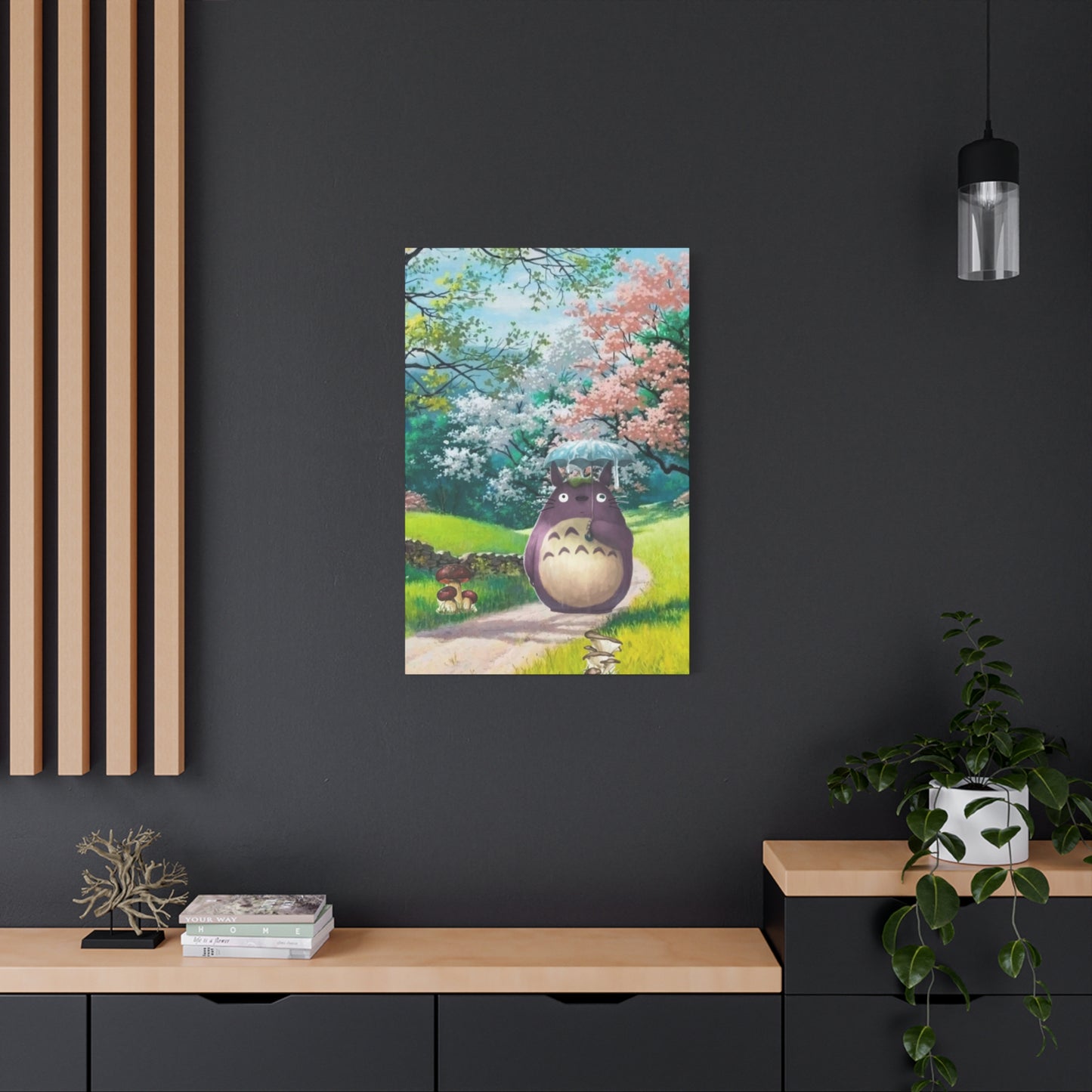
Garden Wall Art & Canvas Prints
Garden Wall Art & Canvas Prints
Couldn't load pickup availability
Add Style and Flair to Your Outdoors with Creative Garden Wall Art: Innovative Inspirations for Every Space
When you step into a garden, what captures your attention first? Is it the vibrant flowers, the lush greenery, or perhaps something entirely different—those captivating decorative elements adorning the walls and fences that frame your outdoor sanctuary? Garden wall art has emerged as a revolutionary way to transform ordinary outdoor spaces into extraordinary havens of beauty and personal expression.
The concept of adorning exterior walls with artistic elements dates back centuries, when ancient civilizations recognized the power of visual embellishments to create atmospheres of tranquility and wonder. Today, this practice has evolved into a sophisticated art form that combines aesthetic appeal with functional design, offering homeowners countless possibilities to express their unique style while enhancing the natural beauty of their gardens.
Unlike interior decoration, outdoor embellishments must withstand the rigors of nature—scorching sunshine, pelting rain, freezing temperatures, and everything in between. This resilience requirement has sparked incredible innovation in materials, designs, and mounting systems, creating a marketplace brimming with options that cater to every taste, budget, and environmental condition.
The transformation that occurs when you introduce carefully selected decorative pieces to your garden walls is nothing short of magical. Blank brick surfaces suddenly become canvases for artistic expression. Weathered wooden fences gain new life through strategic placement of sculptural elements. Even concrete barriers, often considered eyesores, can become focal points of admiration when dressed with the right artistic touches.
Discovering Various Styles and Materials for Enhancing Exterior Wall Surfaces
The diversity of options available for decorating outdoor walls has expanded exponentially in recent years. From traditional wrought iron scrollwork to contemporary geometric designs, from rustic reclaimed wood pieces to sleek stainless steel sculptures, the choices reflect the full spectrum of artistic movements and personal preferences.
Metal compositions stand among the most popular choices for exterior wall decoration. Wrought iron pieces, with their classic elegance and exceptional durability, have adorned gardens for generations. These timeless creations often feature intricate scrollwork, botanical motifs, or abstract patterns that cast fascinating shadows as sunlight filters through their openwork designs. The natural patina that develops on iron over time adds character and depth, creating a living artwork that evolves with your garden.
Copper and bronze alternatives offer similar longevity while introducing warm, earthy tones that complement natural garden settings beautifully. These metals develop distinctive verdigris finishes as they age, transitioning through shades of brown, green, and turquoise that many gardeners find irresistibly attractive. The chemical reaction that creates this patina actually protects the underlying metal, ensuring these pieces remain beautiful for decades.
Stainless steel and aluminum compositions bring contemporary flair to outdoor spaces. Their resistance to rust and corrosion makes them particularly suitable for coastal environments or areas with high humidity. Modern manufacturing processes allow artisans to create intricate laser-cut designs, polished reflective surfaces, or powder-coated finishes in virtually any color imaginable. These materials excel at catching and reflecting light, creating dynamic visual effects that change throughout the day.
Ceramic and mosaic creations introduce color and texture that metal cannot match. Glazed ceramic tiles arranged in patterns or pictorial compositions can withstand weather extremes while maintaining their vibrant hues indefinitely. Mosaic works, assembled from fragments of glass, tile, stone, or pottery, create textured surfaces that sparkle when moisture catches the light. These pieces often serve as stunning focal points, drawing the eye and becoming conversation starters during garden gatherings.
Wooden elements bring organic warmth to exterior walls. Reclaimed barn wood, driftwood sculptures, or carved panels create rustic charm that feels at home in garden settings. While wood requires more maintenance than metal or ceramic, proper treatment with weather-resistant finishes can extend its lifespan significantly. Many contemporary artisans combine wood with metal elements, creating mixed-media pieces that balance natural and industrial aesthetics.
Stone and concrete compositions offer permanence and gravitas. Carved stone plaques, cast concrete sculptures, or assembled stone mosaics create substantial visual impact while requiring minimal upkeep. These heavy materials work particularly well for larger walls or as anchoring elements in expansive garden designs.
Mirrored surfaces serve dual purposes—decorating blank walls while creating illusions of expanded space. Strategically placed mirrors can make small gardens feel more spacious, reflect beautiful plantings, and bounce natural light into shadowy corners. Weather-resistant acrylic mirrors provide safer alternatives to glass while maintaining impressive reflective qualities.
Living walls and vertical gardens blur the line between decoration and planting. These systems support growing plants directly on vertical surfaces, creating lush green tapestries that change with seasons. While requiring more maintenance than static decorative pieces, living walls offer unmatched dynamism and environmental benefits, including improved air quality and natural cooling effects.
Selecting the Perfect Decorative Elements That Complement Your Garden's Character and Theme
Choosing appropriate wall decorations for your outdoor space involves far more than simply purchasing items that catch your eye. The most successful garden designs achieve harmony between decorative elements, architectural features, and plantings through thoughtful selection guided by clear aesthetic principles.
Begin by assessing your garden's existing character. Does it lean toward formal symmetry or informal naturalism? Are clean lines and geometric shapes dominant, or do curves and organic forms prevail? Understanding your garden's inherent personality helps you select decorations that enhance rather than conflict with its established identity.
Scale relationships deserve careful consideration. Oversized pieces on small walls create overwhelming visual weight, while tiny decorations on expansive surfaces appear insignificant and lost. Measure your available wall space and envision how various sizes would fill that canvas. As a general guideline, wall decorations should occupy roughly one-third to one-half of the available vertical surface to achieve pleasing proportions without overcrowding.
Color coordination significantly impacts overall aesthetics. Consider whether you want your wall decorations to blend harmoniously with surrounding elements or provide dramatic contrast. Cool metallic tones—silvers, grays, and blues—recede visually, making walls appear more distant and spaces feel larger. Warm tones—reds, oranges, yellows, and golds—advance visually, creating intimacy and drawing attention. Earth tones—browns, greens, and tans—integrate seamlessly with natural garden elements, while bright primary colors create vibrant focal points.
Thematic consistency strengthens design coherence. If your garden embraces coastal themes, consider nautical motifs, weathered finishes, and colors inspired by sea and sky. For Mediterranean-style gardens, terracotta tones, mosaic patterns, and classical design elements reinforce the aesthetic. Cottage gardens benefit from whimsical, romantic touches, while modern minimalist spaces call for clean-lined, abstract compositions.
The architectural style of your home influences appropriate choices for garden wall art. Colonial homes pair beautifully with traditional wrought iron pieces or classical medallions. Contemporary residences welcome sleek geometric designs and bold sculptural statements. Craftsman-style architecture harmonizes with nature-inspired motifs and handcrafted details. Creating visual dialogue between house and garden through consistent design language produces cohesive, professionally finished landscapes.
Lighting conditions dramatically affect how decorative elements appear throughout the day. Items placed in full sun throughout the afternoon may bleach or create harsh shadows, while those in constant shade might disappear visually. Consider how morning light differs from evening illumination, and imagine how your chosen pieces will interact with these changing conditions. Reflective surfaces maximize light in darker areas, while textured pieces create interesting shadow plays when positioned to catch angled sunlight.
Durability requirements vary based on your climate zone and specific exposure conditions. Coastal gardeners need materials that resist salt spray corrosion. Those in regions with temperature extremes should select items rated for their specific climate. Areas with intense ultraviolet exposure require fade-resistant finishes. Matching material capabilities to environmental demands ensures your decorations maintain their beauty for years rather than deteriorating quickly.
Personal meaning adds depth to garden spaces. Items that reflect your interests, heritage, or experiences create gardens with genuine character rather than generic prettiness. Perhaps you collect pieces from travels, display family heirlooms adapted for outdoor use, or commission custom works from local artisans. These personally significant elements transform gardens from mere landscapes into autobiographical spaces that tell your unique story.
Strategic Positioning and Mounting Systems for Maximum Visual Impact and Structural Security
The placement of decorative elements determines whether they enhance your garden effectively or simply clutter exterior surfaces. Thoughtful positioning creates focal points, guides movement through spaces, and establishes rhythm and visual flow that makes gardens feel cohesive and intentional.
Focal point creation represents one of the primary functions of garden wall art. These attention-grabbing elements anchor compositions and provide destinations for the eye to travel toward. Position major decorative pieces where sightlines naturally lead—at the terminus of paths, centered in spaces viewed from frequently occupied areas like patios or windows, or at intersections where multiple garden zones meet. A single striking piece positioned strategically often creates more impact than multiple smaller items scattered randomly.
Height placement significantly influences viewer perception. Items hung too high float disconnectedly above garden spaces, while those positioned too low get lost among plantings. As a general principle, center decorative pieces at approximate eye level when viewed from primary viewing locations. For seated viewing areas, this means positioning items lower than you might for spaces primarily viewed while standing. Remember that plantings will grow and potentially obscure lower decorations, so account for mature plant sizes when determining placement heights.
Grouping strategies affect visual rhythm and energy. Odd-numbered clusters—three or five related pieces—create dynamic, interesting arrangements that feel more natural than even-numbered groupings. When creating collections, vary sizes while maintaining thematic consistency. Arrange items in triangular configurations rather than linear rows to achieve more sophisticated compositions. Allow adequate spacing between pieces so each maintains its individual impact while contributing to the collective statement.
Background considerations influence visibility and impact. Decorative elements stand out most effectively when placed against contrasting backgrounds. Dark pieces pop against light-colored walls, while light items shine against dark surfaces. Heavily planted wall sections might overwhelm intricate decorations, while bare surfaces showcase detailed work effectively. Sometimes strategic pruning or selective planting adjustments can create ideal backdrops for showcasing cherished pieces.
Mounting systems must balance security with aesthetic considerations. Heavy metal sculptures require robust mounting hardware capable of supporting substantial weight through various weather conditions. Masonry walls accommodate expansion anchors or masonry screws that grip securely. Wooden fences and structures accept wood screws or bolts, though you must locate studs or blocking to ensure adequate support rather than fastening only into thin surface boards.
Weather resistance demands attention during mounting. Use stainless steel, galvanized, or coated hardware that won't rust and stain walls or decorations. Ensure mounting points allow drainage rather than creating pockets where water accumulates and causes deterioration. For items without built-in mounting hardware, specialist outdoor adhesives designed for your specific material combinations provide alternatives, though mechanical fastening generally offers superior reliability.
Spacing away from wall surfaces matters for several reasons. Adequate clearance allows air circulation that prevents moisture accumulation and promotes drying after rain, reducing rust, rot, and mildew issues. Standoffs also create interesting shadow effects as sunlight angles change throughout the day. Spacers as simple as washers between mounting brackets and walls provide sufficient gaps for most circumstances.
Removability might become important for seasonal displays, storm preparations, or when painting or repairing walls. Consider mounting systems that allow relatively easy removal and reinstallation rather than permanent adhesive bonding. Hooks on secure wall anchors provide flexibility for changing displays while maintaining structural security.
Level and plumb alignment ensures decorations appear intentionally placed rather than carelessly hung. Use bubble levels and measuring tools to position items precisely. Mark mounting points carefully before drilling, and step back frequently to verify appearance from actual viewing distances and angles. What looks centered from inches away might appear off-kilter from across the garden.
Creating Harmonious Relationships Between Wall Decorations and Living Plants
The interplay between decorative elements and plantings creates gardens that feel complete and thoughtfully designed. Rather than treating these components as separate entities, skilled garden designers weave them together into unified compositions where each element enhances the others.
Complementary color relationships strengthen visual connections. Echo wall decoration colors in nearby flower selections or foliage tones. A copper sculpture gains emphasis when surrounded by plants with burgundy, bronze, or chartreuse foliage that picks up metallic tones. Blue-toned metal pieces pair beautifully with silver-leaved plants and blue or purple flowers. Warm-toned decorations harmonize with golden, orange, or red blooms and warm-hued foliage.
Textural contrasts create interest through tactile variety. Smooth, polished decorative surfaces gain emphasis when juxtaposed against feathery grasses or bold-leaved hostas. Rough, weathered pieces seem more dramatic beside plants with glossy leaves or delicate flowers. Playing with these contrasts throughout garden compositions prevents monotony while maintaining coherent design.
Scale relationships between decorations and plantings require careful orchestration. Diminutive wall pieces disappear behind vigorous perennials or sprawling shrubs, while massive sculptures overpower delicate groundcovers. Consider mature plant sizes when positioning decorations, and be prepared to relocate items or adjust plantings as gardens mature and relationships change.
Framing techniques use plantings to showcase wall decorations effectively. Flanking a decorative piece with matching evergreen shrubs creates a living frame that draws attention to the artwork while providing year-round structure. Arching perennials can create natural upper frames, while lower groundcovers establish visual bases. These framing plantings should complement rather than compete with decorations, serving supporting rather than starring roles.
Seasonal succession extends the period of interest. If wall decorations provide primary visual interest during winter when plantings are dormant, select pieces with strong sculptural presence that shine when unobscured. For gardens that peak during growing seasons, decorations might play subtler supporting roles, adding vertical interest that complements rather than dominates floral displays.
Vine compatibility deserves consideration if you enjoy climbing plants. Some gardeners deliberately position decorative elements to serve as supports for lightweight vines, creating living sculptures that combine manufactured forms with natural growth. Others prefer to keep decorations entirely separate from plantings to maintain their distinct visual identity. If combining decorations with vines, choose lightweight climbers like clematis or annual vines rather than heavy woody specimens that might damage decorative elements or mounting systems.
Lighting plants and decorations together amplifies after-dark impact. Uplighting positioned to illuminate both wall pieces and nearby plantings creates dramatic nighttime compositions. Plants with interesting shadows enhance sculptural decorations when lit from strategic angles. Solar-powered accent lights offer easy ways to highlight favorite combinations without complex wiring.
Mulch and groundcover choices affect how decorations relate to lower garden layers. Dark mulches create neutral backdrops that allow colorful decorations and plants to shine. Light-colored stone mulches reflect light upward, brightening shadowy areas and reducing harsh contrast. Living groundcovers soften transitions between vertical elements and horizontal garden floors, creating naturalistic flow.
Maintaining Beauty and Longevity Through Proper Care and Seasonal Adjustments
Garden wall art endures challenging conditions that accelerate deterioration if proper maintenance isn't practiced. However, most pieces require only modest efforts to maintain their beauty and structural integrity for decades.
Regular inspection catches small problems before they become major issues. Walk your garden monthly, examining decorative elements for loose mounting hardware, developing rust, cracking finishes, or structural damage. Addressing minor concerns immediately prevents progressive deterioration that might eventually necessitate replacement.
Cleaning schedules depend on materials and environmental conditions. Most metal pieces benefit from gentle washing with mild soap and water two to three times yearly, removing accumulated dirt, pollen, and pollutants that can harbor moisture and promote corrosion. Soft brushes work well for textured surfaces, while smooth items accept cloth or sponge cleaning. Rinse thoroughly to remove all soap residue, which can leave spots or films.
Wooden elements require more frequent attention. Inspect annually for signs of moisture damage, insect activity, or finish deterioration. Reapply appropriate sealants or weather-resistant finishes as needed to maintain protection, typically every one to three years depending on exposure and product quality. Clean wooden pieces gently to avoid damaging protective coatings or the wood itself.
Ceramic and mosaic works generally need only occasional washing to remove dirt and maintain their vibrant appearance. Check grout lines for cracks or gaps where moisture might penetrate, and repair promptly with weather-resistant grout to prevent further damage. Glazed surfaces typically resist staining and weathering better than unglazed materials.
Rust prevention protects metal pieces, particularly those of iron or steel. At first signs of rust, remove corrosion with wire brushes or rust-removing products, then clean thoroughly and apply rust-converting primers or rust-preventive paints. Many gardeners embrace natural patinas on metals like copper or weathering steel, but understanding the difference between protective patina and destructive corrosion helps you make informed decisions about when to intervene.
Storm preparations protect vulnerable pieces during severe weather. In areas prone to hurricanes or tornadoes, remove and store lightweight decorations when threatening weather approaches. For pieces too large or permanently mounted to remove, ensure mounting hardware remains secure and consider temporary reinforcement if necessary. Heavy storms can transform decorative elements into dangerous projectiles, so err on the side of caution.
Winter care varies by climate. In regions with freezing temperatures, water trapped in crevices can expand and crack or split materials. Ensure ceramic and concrete pieces have adequate drainage to prevent destructive ice formation. Consider storing particularly valuable or vulnerable items indoors during winter months. Other pieces might benefit from protective coverings during the harshest weather, though ensure covers allow some air circulation to prevent condensation-related problems.
Painting and refinishing breathe new life into tired pieces. Metal items can be repainted with specialty outdoor metal paints formulated to withstand weathering. Clean and sand surfaces thoroughly before repainting, removing loose paint and rust, and apply appropriate primers for best adhesion and longevity. Some gardeners enjoy periodically updating colors to refresh garden schemes without purchasing entirely new decorations.
Hardware maintenance ensures decorations remain securely mounted. Periodically check that screws, bolts, and anchors remain tight, as thermal expansion and contraction cycles can gradually loosen fasteners. Tighten as needed, and replace any corroded hardware with fresh stainless or galvanized fasteners. Apply thread-locking compounds to fasteners on pieces subject to vibration from wind.
Professional restoration services exist for valuable or severely deteriorated pieces worth saving. Skilled craftspeople can repair damaged metalwork, restore finishes, replace broken components, or stabilize weakened structures. While professional services represent additional expense, they often cost far less than replacing cherished or high-quality pieces.
Exploring Cost-Effective Alternatives and Creative Do-It-Yourself Projects
Garden wall art need not strain budgets. Numerous affordable alternatives and creative projects allow any gardener to enhance exterior walls regardless of financial constraints.
Flea markets, estate sales, and salvage yards yield treasures waiting for outdoor adaptation. Vintage architectural elements, old farm equipment, discarded metal signs, or weathered wooden pieces often cost far less than items marketed specifically as garden decorations. With cleaning, rust treatment, and appropriate mounting hardware, these finds become unique conversation pieces with character mass-produced items cannot match.
Repurposing household items sparks creativity while saving money. Old shutters mounted on walls create cottage charm, particularly when painted in garden-friendly colors. Vintage mirrors, properly sealed and mounted, expand visual space while adding reflective interest. Collections of old tools, hung artfully, celebrate gardening heritage. Even humble items like colanders, old funnels, or vintage kitchen utensils can become whimsical wall displays when grouped creatively.
DIY mosaic projects offer artistic satisfaction and complete customization. Broken tiles, dishes, pottery shards, or glass fragments become raw materials for personalized creations. Create simple geometric patterns or elaborate pictorial compositions, working directly on weather-resistant backings like cement board or wooden panels sealed for outdoor use. While time-intensive, mosaic work requires minimal financial investment beyond adhesives and grout.
Paint transforms ordinary surfaces into decorative elements. Stencil designs onto wooden fence sections using exterior paints. Create faux finishes that mimic stone, rust, or verdigris on smooth surfaces. Paint murals directly onto walls, treating entire sections as canvases for artistic expression. Even simple painted patterns—stripes, diamonds, or polka dots—add visual interest at minimal cost.
Found natural materials connect gardens to surrounding landscapes while costing nothing. Driftwood, interesting branches, attractive stones, or shells collected during walks become artistic elements when assembled thoughtfully. Create shadow boxes or frames to display these treasures, or mount particularly striking individual pieces as sculptural elements.
Metal crafting projects suit those comfortable with basic tools. Copper wire weaves into decorative spirals, garden markers, or abstract sculptures. Sheet metal cuts into custom shapes, then painted or left to develop natural patinas. Salvaged metal components—old gears, springs, or chain—assemble into industrial-chic compositions. Welding skills open even more creative possibilities, though simpler projects using mechanical fasteners or adhesives also yield impressive results.
Woodworking projects range from simple to complex. Carved panels, constructed frames, assembled pallet art, or cut silhouettes create decorative elements at lumber and hardware costs. Reclaimed wood adds character while reducing material expenses. Even basic carpentry skills suffice for many projects, while more experienced woodworkers can create elaborate carved reliefs or intricate joinery pieces.
Photography and printmaking translate personal images into outdoor displays. Weather-resistant photo printing services create permanent images on metal, acrylic, or specially treated canvas suitable for protected outdoor locations. Display favorite garden photographs, travel images, or family memories in formats designed to withstand environmental exposure. While professional printing services cost more than standard photo processing, they remain affordable compared to original artwork.
Concrete casting enables creation of custom plaques, tiles, or sculptural elements. Pre-mixed concrete, molds (purchased or handmade), and basic coloring additives represent modest investments with substantial creative potential. Cast stepping stones, decorative tiles, or three-dimensional forms, then mount on walls as desired. Textural additions like pressed leaves, embedded glass, or carved designs personalize pieces.
Collaborative projects with young gardeners create memories alongside decorations. Children enjoy painting wooden shapes, creating handprint tiles, or assembling simple mosaics. While kid-created pieces might lack sophistication, they carry emotional value and encourage horticultural engagement across generations. Display these treasures proudly, celebrating creativity and family involvement rather than polished perfection.
Community resources sometimes offer assistance or materials. Tool lending libraries provide access to equipment for temporary use. Community education programs teach skills like welding, woodworking, or mosaic creation at minimal costs. Garden clubs sometimes organize group projects where members contribute skills and ideas collectively. These resources make ambitious projects accessible even without personal ownership of specialized tools or extensive experience.
Understanding How Different Climate Conditions Affect Material Selection and Longevity
Geographic location and specific site conditions dramatically influence which materials perform satisfactorily outdoors. Understanding these relationships helps you select decorations likely to thrive in your particular circumstances rather than deteriorating quickly.
Coastal environments present special challenges through salt spray exposure. Sodium chloride corrodes many metals rapidly, limiting viable options for beachfront properties. Stainless steel, aluminum, copper, and bronze resist salt corrosion effectively, while iron and regular steel rapidly rust in these conditions unless protected by substantial barrier coatings requiring frequent renewal. Ceramics and mosaics withstand salt exposure well, as do synthetic materials like PVC or composite compositions. Even weather-resistant woods succumb faster to decay in salt air, requiring more frequent maintenance.
Desert climates impose different stresses. Intense ultraviolet radiation bleaches pigments and degrades organic materials. Temperature extremes—scorching days and surprisingly cold nights—create expansion and contraction cycles that stress materials and mounting systems. Select fade-resistant coatings for painted items, and recognize that some plastics become brittle under prolonged UV exposure. Metals generally perform well in arid conditions since moisture-driven corrosion processes slow dramatically. Unglazed ceramics might absorb atmospheric moisture during cool nights then experience surface spalling as that moisture evaporates rapidly when sun strikes.
Humid subtropical and tropical regions accelerate organic deterioration. Wood, unless treated extensively or naturally rot-resistant species, decays relatively quickly. Mold and mildew colonize porous surfaces readily in consistently moist conditions. Metals corrode faster when consistently damp. Synthetic materials and ceramics generally outperform organic options in these climates. When using wood, select naturally durable species like teak, cedar, or cypress, and maintain protective finishes rigorously.
Cold temperate zones with freeze-thaw cycles damage materials differently. Water infiltration followed by freezing can crack concrete, ceramic, and stone as expanding ice generates tremendous internal pressures. Ensure these materials have adequate drainage to prevent water accumulation. Metal pieces generally handle cold well, though abrupt temperature changes combined with moisture can promote corrosion. Some plastics become brittle in extreme cold, potentially cracking from impacts that wouldn't damage them in warmer conditions.
Wet maritime climates without extreme cold still challenge certain materials. Constant moisture promotes rust on ferrous metals and encourages organic growth on many surfaces. Mold, mildew, algae, and lichen colonize porous materials, creating maintenance demands and potentially degrading substrates. Excellent drainage and air circulation become critical. Regular cleaning prevents biological colonization from gaining footholds.
High altitude locations experience intense solar radiation and temperature extremes. UV exposure rivals or exceeds desert conditions, demanding fade-resistant finishes. Wide temperature swings between day and night stress materials. Lower humidity levels generally benefit wooden elements compared to lower elevation humid regions, but frozen precipitation and strong winds create other challenges. Secure mounting becomes particularly important where high winds occur regularly.
Microclimates within individual properties create location-specific conditions. Southern exposures in northern hemisphere gardens (northern exposures in southern hemisphere) receive maximum solar radiation, intensifying UV damage and heat stress. Northern exposures (southern in southern hemisphere) remain cooler and often moister, potentially favoring biological growth. Western exposures often experience afternoon heat intensity, while eastern exposures might collect morning condensation. Observe how conditions vary across your property and position materials according to their tolerances.
Sheltered versus exposed locations dramatically affect durability. Items positioned under roof overhangs or beneath tree canopies gain protection from direct precipitation and intense sun. Those on unprotected walls or fences endure full environmental exposure. Consider positioning more delicate or valuable pieces in naturally protected spots while reserving exposure locations for particularly weather-resistant items.
Urban versus rural settings create different atmospheric conditions. Urban areas often experience higher pollution levels that can soil or corrode materials. Particulate matter carried on air settles on surfaces, requiring more frequent cleaning. However, urban heat island effects might moderate temperature extremes slightly compared to rural areas. Rural properties might experience less pollution but potentially greater wildlife interactions—birds perching on decorations, insects nesting behind pieces, or larger animals rubbing against items.
Illuminating Your Outdoor Decorations to Create Enchanting Evening Atmospheres
Strategic lighting transforms garden wall art from daytime features into evening focal points, extending enjoyment hours and creating entirely different atmospheric qualities after darkness falls.
Uplighting creates dramatic effects through contrast. Positioning lights at ground level, aimed upward toward wall decorations, produces strong shadows and highlights that emphasize dimensional qualities. This technique works particularly well for sculptural pieces with interesting profiles or openwork designs that create shadow patterns. Use narrow beam spotlights for accent lighting on specific pieces, or wider flood-style fixtures to wash larger wall sections with illumination.
Backlighting produces mysterious silhouettes and halos. Mounting lights behind translucent or open-work decorations creates glowing effects that appear magical after dark. Colored gels or filters transform ordinary white light into dramatic hues that shift garden moods. Blue lighting creates cool, calming environments, while amber tones warm spaces invitingly. Green lighting integrates with plantings naturally, while purple or red create more theatrical effects.
Grazing techniques emphasize texture. Positioning lights to shine across textured surfaces at very shallow angles accentuates every bump, groove, and dimensional variation through the shadows created. This technique transforms relatively flat-appearing items into dramatically textured features after dark. Brick, stone, stucco, and heavily textured decorative pieces respond particularly well to grazing light.
Shadowing uses decorations themselves as light-blocking elements. Positioning lights to shine through openwork designs, such as laser-cut metal patterns or framework sculptures, projects those patterns as enlarged shadows onto walls or surrounding plantings. As light sources or vegetation sway in breezes, these shadows dance, creating living artwork that captivates attention.
Solar-powered fixtures offer installation simplicity. These self-contained units require no wiring, drawing power from integrated photovoltaic panels that charge during daylight hours. While solar lights typically produce less intense illumination than wired fixtures, technology improvements have substantially increased their output and reliability. Position solar panels where they receive adequate sunlight, which sometimes means separating lights from panels if decoration locations remain shady. Solar technology works best in sunny climates but can disappoint in consistently overcast regions or heavily shaded gardens.
Low-voltage wired systems provide stronger, more reliable illumination. Operating on twelve volts rather than standard household current, these systems offer excellent safety while delivering sufficient power for effective lighting. Transformers step down voltage from standard outlets, feeding electricity to multiple fixtures through buried cables. While requiring more complex installation than solar units, low-voltage systems produce consistent results unaffected by weather or seasonal sunlight variations.
LED technology has revolutionized outdoor lighting. Light-emitting diodes consume minimal electricity compared to incandescent or halogen bulbs while lasting exponentially longer—often twenty years or more. Initial costs exceed older technologies, but operational savings and elimination of frequent bulb replacements make LEDs economically advantageous over time. LEDs produce minimal heat, preventing potential damage to heat-sensitive materials positioned nearby.
Color-changing RGB systems enable dynamic lighting schemes. These programmable fixtures can produce virtually any color on demand, either through manual selection or automated programs that cycle through color sequences. Some systems sync with music or respond to movement, creating interactive effects. While perhaps excessive for traditional garden aesthetics, color-changing lights suit contemporary designs or special event entertaining.
Motion-activated lighting balances enjoyment with energy conservation and security. Fixtures remain dark until motion triggers illuminate them, conserving power while startling potential intruders. These systems work well for sections of gardens visited intermittently rather than observed constantly. Adjust sensitivity to avoid triggering from small animal movements or wind-blown vegetation unless you want lights activating frequently.
Dimming capabilities allow atmospheric adjustment. Control intensity according to mood, season, or specific activities. Brighter settings suit active entertaining, while softer lighting creates intimate romantic ambiance. Programmable systems can automatically adjust brightness levels according to time, gradually brightening at dusk then dimming late evening.
Strategic lighting placement prevents glare while maximizing effect. Position fixtures where light falls on intended targets without shining directly toward primary viewing locations, which creates uncomfortable glare that defeats aesthetic purposes. Shield light sources behind decorations, within plantings, or using specialized fixtures with integral glare guards. Well-designed lighting illuminates subjects without calling attention to fixtures themselves.
Seasonal adjustments maintain optimal effects as sun angles and foliage density change. Winter sun positions and bare branches might require different lighting angles than summer conditions with full canopies. Periodically reassess lighting effectiveness, adjusting fixtures as needed to maintain desired effects throughout the year.
Incorporating Recycled and Sustainable Materials to Support Environmental Values
Growing environmental awareness inspires many gardeners to select decorations aligned with ecological principles, choosing items created from sustainable sources or recycled materials.
Salvaged architectural elements rescue beautiful pieces from landfills while preserving craftsmanship from earlier eras. Vintage shutters, ornate ironwork, decorative brackets, or carved wooden panels removed during building renovations gain second lives as garden ornaments. These pieces carry authentic patinas and character that new items cannot replicate. Architectural salvage yards stock diverse selections, though prices vary enormously depending on rarity and condition.
Reclaimed wood sourced from demolished buildings, old barns, or discarded pallets provides character-rich material for projects. Weathered surfaces, nail holes, and natural aging create instant vintage aesthetics. Because this lumber has already undergone decades of curing, it often exhibits greater stability than freshly milled wood. Ensure reclaimed wood receives thorough cleaning and inspection for hidden fasteners before working with it, and apply appropriate sealers to extend outdoor lifespan.
Recycled metal content features in many contemporary decorations. Steel, aluminum, copper, and other metals recycle efficiently, requiring far less energy than producing virgin material from ore. Many manufacturers now highlight recycled content percentages in their products. While recycled metals perform identically to newly produced materials, choosing them reduces environmental impact associated with mining and primary production.
Upcycled household items transform waste into whimsy. Old bicycle wheels become decorative spirals or planting supports. Vintage watering cans, colanders, or kettles hang as sculptural groupings. Broken ceramics mosaic into colorful compositions. This creative reuse prevents functional items from entering waste streams while expressing personal style through unexpected applications. The key to successful upcycling lies in sufficient transformation—simply hanging random junk on walls creates cluttered eyesores, while thoughtfully curated and arranged collections become charming displays.
Sustainable wood species harvested from responsibly managed forests allow wood decoration without contributing to deforestation. Look for Forest Stewardship Council certification or similar verification of sustainable forestry practices. Bamboo represents rapidly renewable alternatives to traditional lumber, growing to maturity far faster than most tree species. Many bamboo products now feature weather-resistant treatments suitable for outdoor applications.
Natural materials require no industrial processing. Stones, branches, driftwood, shells, or seed pods collected from your property or public lands (where permitted) provide zero-impact decorative elements. When collecting from nature, practice restraint and follow all regulations governing what can be removed from where. Beach stones from Pacific shores cannot be legally removed, while shells from many beaches can be gathered in reasonable quantities. Know and respect local rules.
Plant-based materials offer biodegradable alternatives to synthetic products. Woven willow or reed panels create natural-looking screens or decorative surfaces. Bamboo screening provides privacy and textural interest. While these materials require eventual replacement as they decompose, this very biodegradability makes them environmentally friendly choices for gardeners uncomfortable with permanent synthetic materials.
Non-toxic finishes protect wooden and metal elements without releasing harmful chemicals into gardens. Water-based sealers, natural oils, and low-VOC paints minimize environmental impact while providing adequate weather protection. Linseed oil, tung oil, or specialized exterior wood oils preserve wood naturally. Avoid finishes containing heavy metals, particularly lead-based paints still found on some vintage items.
Local sourcing reduces transportation impacts. Selecting decorations created by regional artisans or manufactured nearby cuts fossil fuel consumption associated with long-distance shipping. Local purchases also support community economies and often provide opportunities to meet artists and understand their creative processes. Many regions host artisan cooperatives, craft fairs, or studio tours where you can purchase directly from creators.
Longevity itself represents environmental virtue. Selecting durable, high-quality pieces that last decades rather than cheap items requiring frequent replacement reduces cumulative environmental impact. Quality materials properly maintained serve multiple generations, while throwaway decorations become repeated waste. Consider purchases as long-term investments rather than temporary measures.
Addressing Common Problems and Finding Effective Solutions
Even carefully selected and properly maintained garden wall art sometimes develops issues requiring intervention. Understanding common problems and effective remedies keeps decorations looking beautiful.
Rust formation on iron and steel pieces represents the most frequent concern. Surface rust appears as reddish-brown staining and occurs when protective finishes fail and moisture reaches bare metal. Address promptly before rusting penetrates deeply. Remove surface rust using wire brushes, sandpaper, or chemical rust removers. Once bare metal appears, clean thoroughly with degreaser, allow to dry completely, apply rust-converting primer, then finish with exterior metal paint. For pieces where natural patina appeals, distinguish between surface rust that protects underlying metal and aggressive rusting that weakens structures. Clear sealants can arrest rust development while preserving weathered appearances.
Conclusion
Creative expressions through decorative garden wall art provide a fantastic opportunity to transform your outdoor living spaces into a reflection of your personal style while embracing the beauty of nature. Whether you’re cultivating a peaceful retreat, enhancing your patio, or adding visual interest to your garden walls, the right art pieces can elevate your outdoor environment and create an atmosphere of relaxation, elegance, and joy. The outdoor spaces we spend time in deserve to be as thoughtfully curated as our interiors, and decorative garden wall art plays a key role in achieving that.
One of the greatest benefits of garden wall art is its versatility in adding texture, color, and personality to a variety of outdoor settings. Whether you opt for bold, modern sculptures or delicate, nature-inspired paintings, art can become the defining element of your outdoor décor. For example, metal wall hangings that shimmer in the sunlight, wood-carved panels that evoke the rustic charm of the countryside, or mosaic art that catches the light in intricate ways all bring unique beauty and depth to a garden. The possibilities are endless—creating anything from a tranquil zen garden to a vibrant, tropical paradise.
Incorporating nature-themed art, such as botanical prints, animal sculptures, or celestial designs, can seamlessly tie your garden into the surrounding landscape. These pieces, often crafted from durable materials like weather-resistant metal, stone, or ceramic, not only enhance your outdoor aesthetic but also withstand the elements, ensuring their longevity. A pair of elegant birds perched on a wall, a cascading vine of flowers made from metal, or a series of whimsical butterflies fluttering across a garden wall can turn a simple corner into a stunning focal point.
Color plays a crucial role in how garden wall art interacts with its surroundings. Brightly colored pieces, like sunflowers or abstract nature-inspired art, can serve as cheerful accents that draw the eye, creating a lively and dynamic atmosphere. On the other hand, muted, earthy tones work beautifully with more understated, natural surroundings, promoting a sense of calm and harmony. This balance of color in art can tie together various elements in your outdoor space, such as furniture, plants, and textiles, creating a cohesive and inviting environment.
Another creative avenue for garden wall art is incorporating functional design elements, such as decorative planters or trellises with built-in art. This way, your wall art can serve a dual purpose—adding visual interest while also supporting plant growth. A wrought-iron trellis adorned with climbing vines, or a decorative planter that also functions as an art piece, creates a perfect blend of form and function, bringing nature directly into the artwork.
Beyond the visual, the sensory experience of garden wall art can also play a role in creating a more immersive outdoor environment. Art that features elements like water features, like fountains with artistic sculptures, or even pieces that integrate light—such as illuminated wall art—can add an extra dimension to your space. Imagine the tranquil sound of water cascading from a wall-mounted sculpture or the soft glow of LED-lit art pieces transforming your outdoor ambiance as evening sets in. These thoughtful additions can enrich your outdoor living experience, making your garden a true sanctuary for both the eyes and the soul.
Ultimately, outdoor garden wall art has the power to evoke a sense of connection to nature while also expressing your individual style. Whether you’re looking to cultivate an urban oasis, a rustic retreat, or a bohemian escape, the art you choose can help define the mood of your outdoor sanctuary. From soothing landscapes and abstract forms to whimsical, nature-inspired pieces, there’s something for every taste and design preference. As you explore these options and bring creative expressions to your outdoor living spaces, you'll find that garden wall art is an essential tool for turning any outdoor area into a vibrant, harmonious extension of your home.
In conclusion, decorative garden wall art is more than just a design choice—it’s an invitation to experience your outdoor living spaces in a new way. By infusing your garden or patio with creative and thoughtfully chosen artwork, you create a space that feels both personal and connected to the natural world. Whether enhancing the tranquility of a private garden nook or adding energy to an entertaining area, wall art helps transform your outdoor environment into a place where art, nature, and creativity come together in perfect harmony.
Share