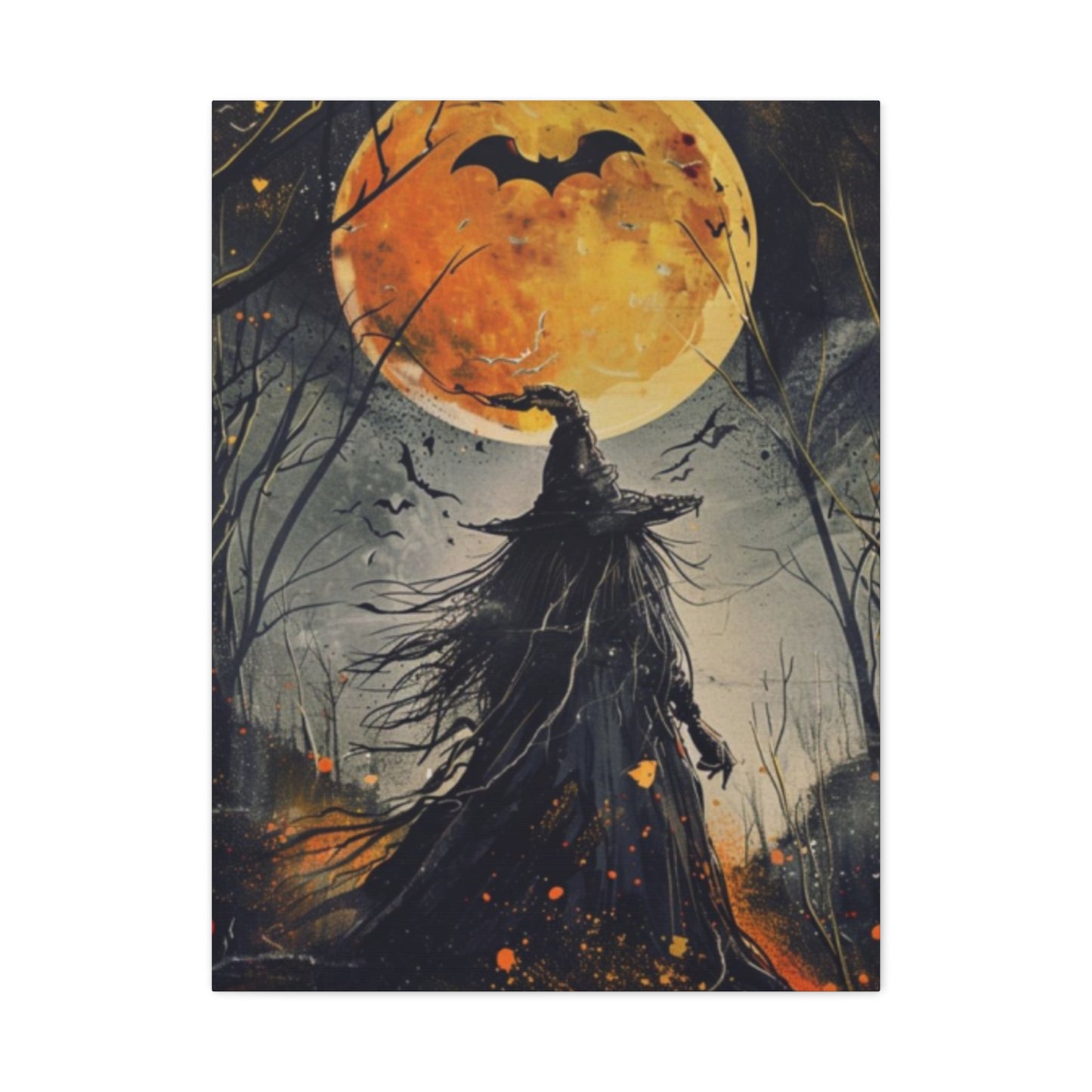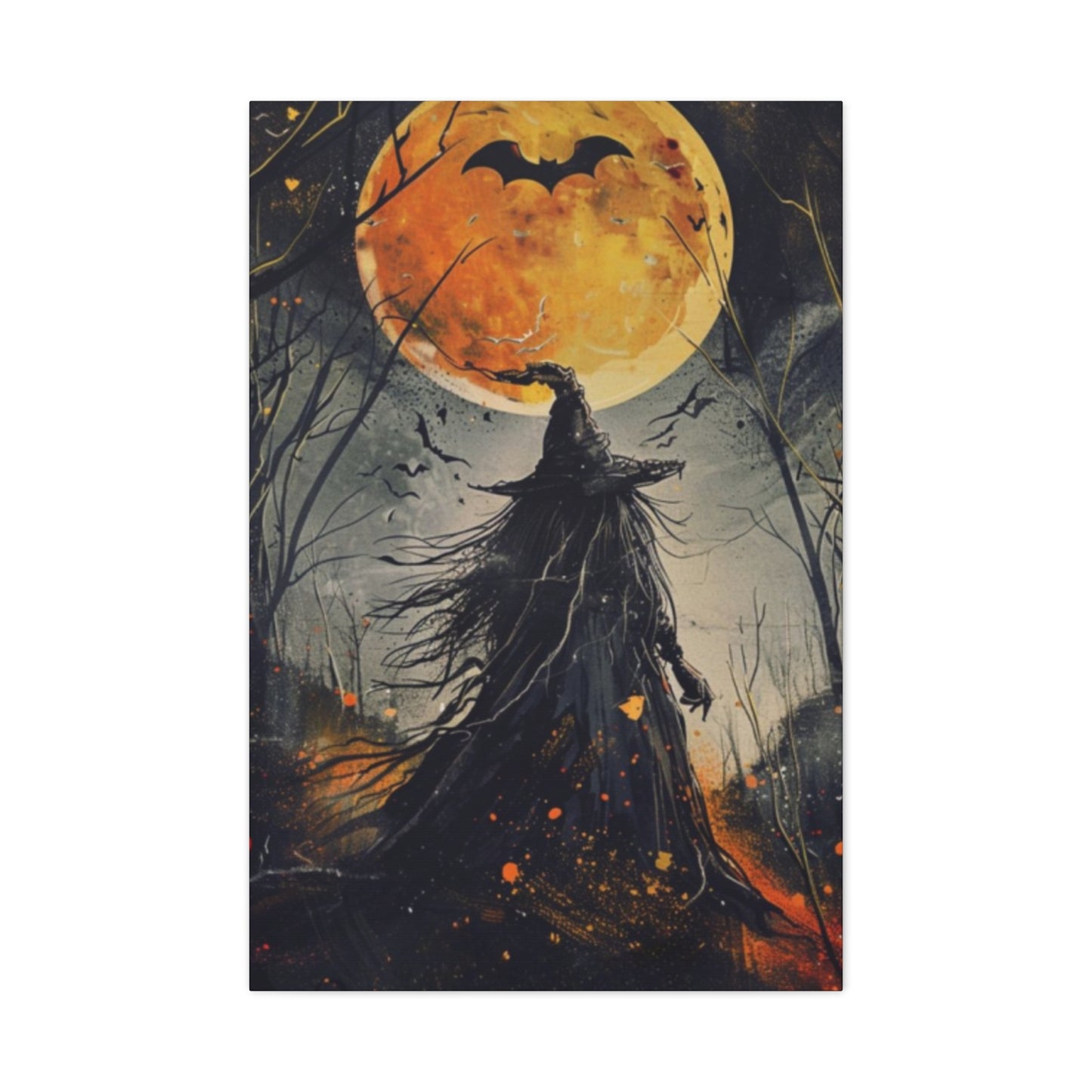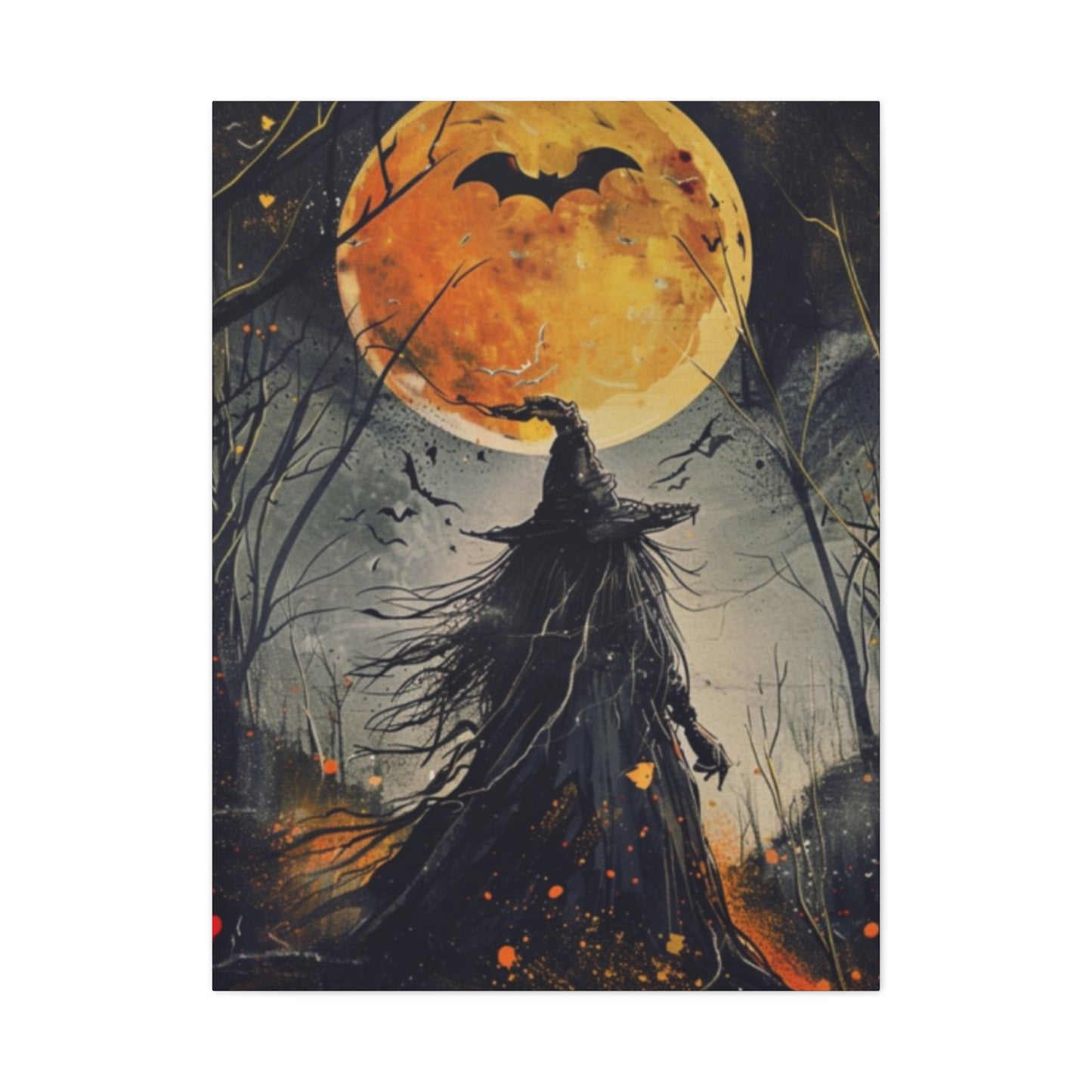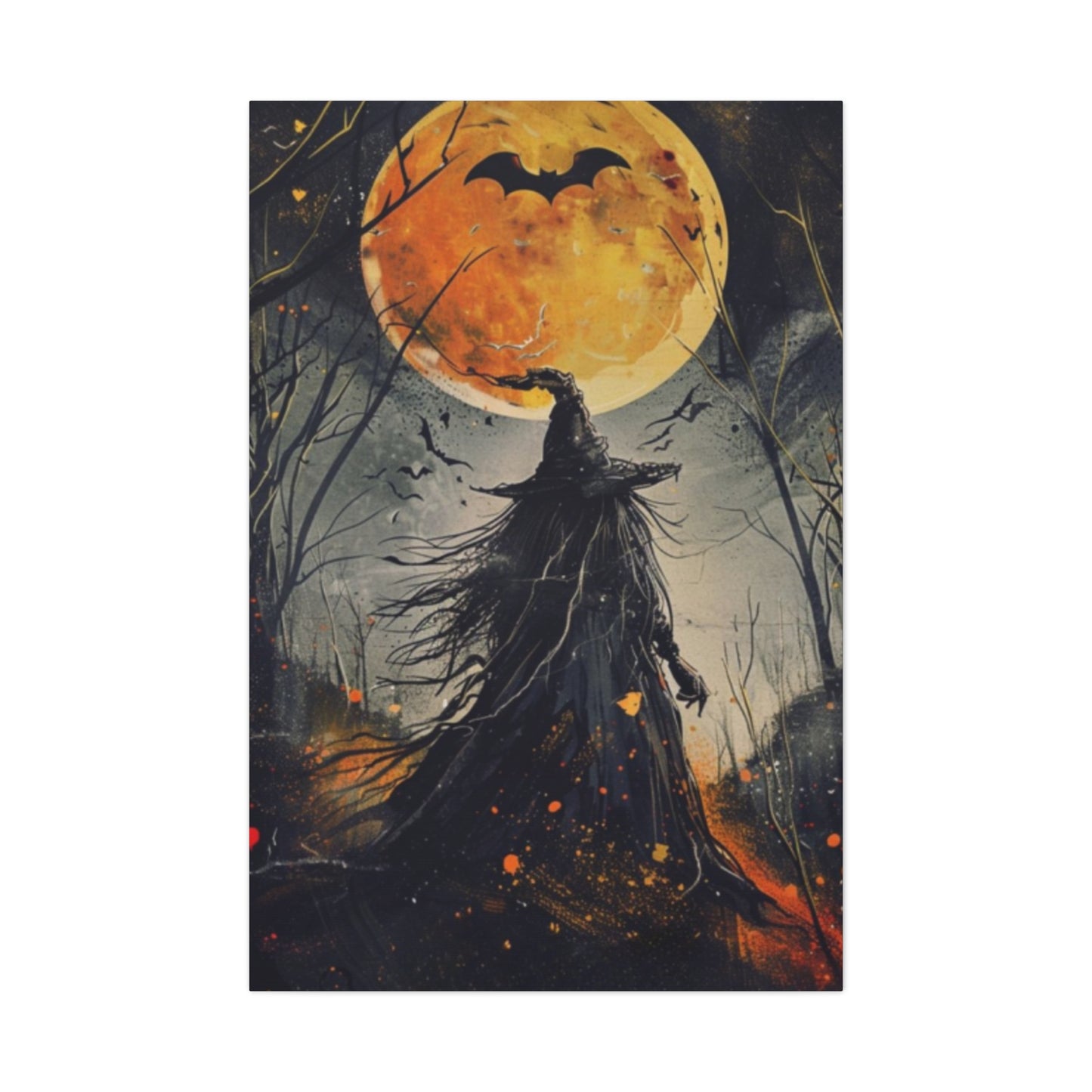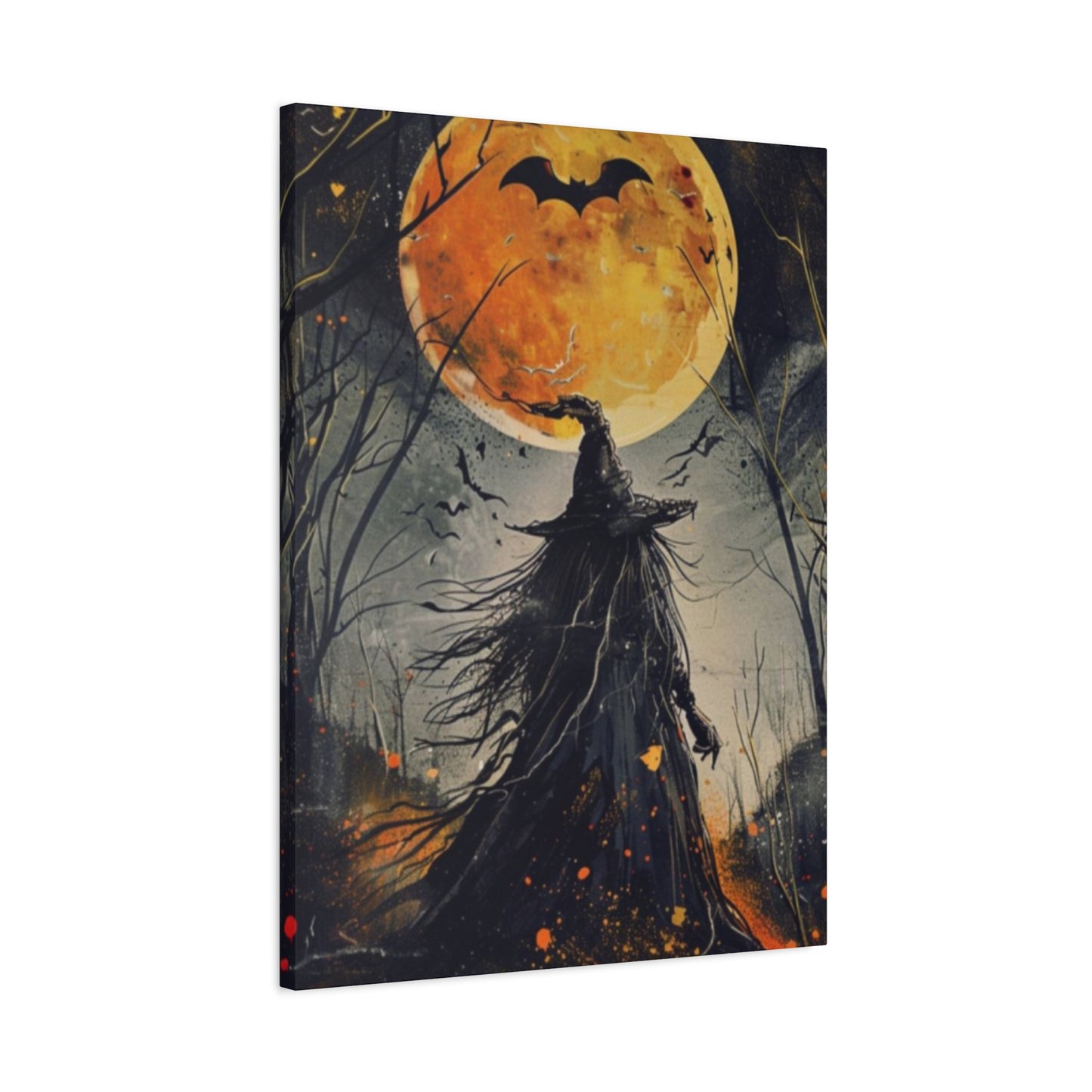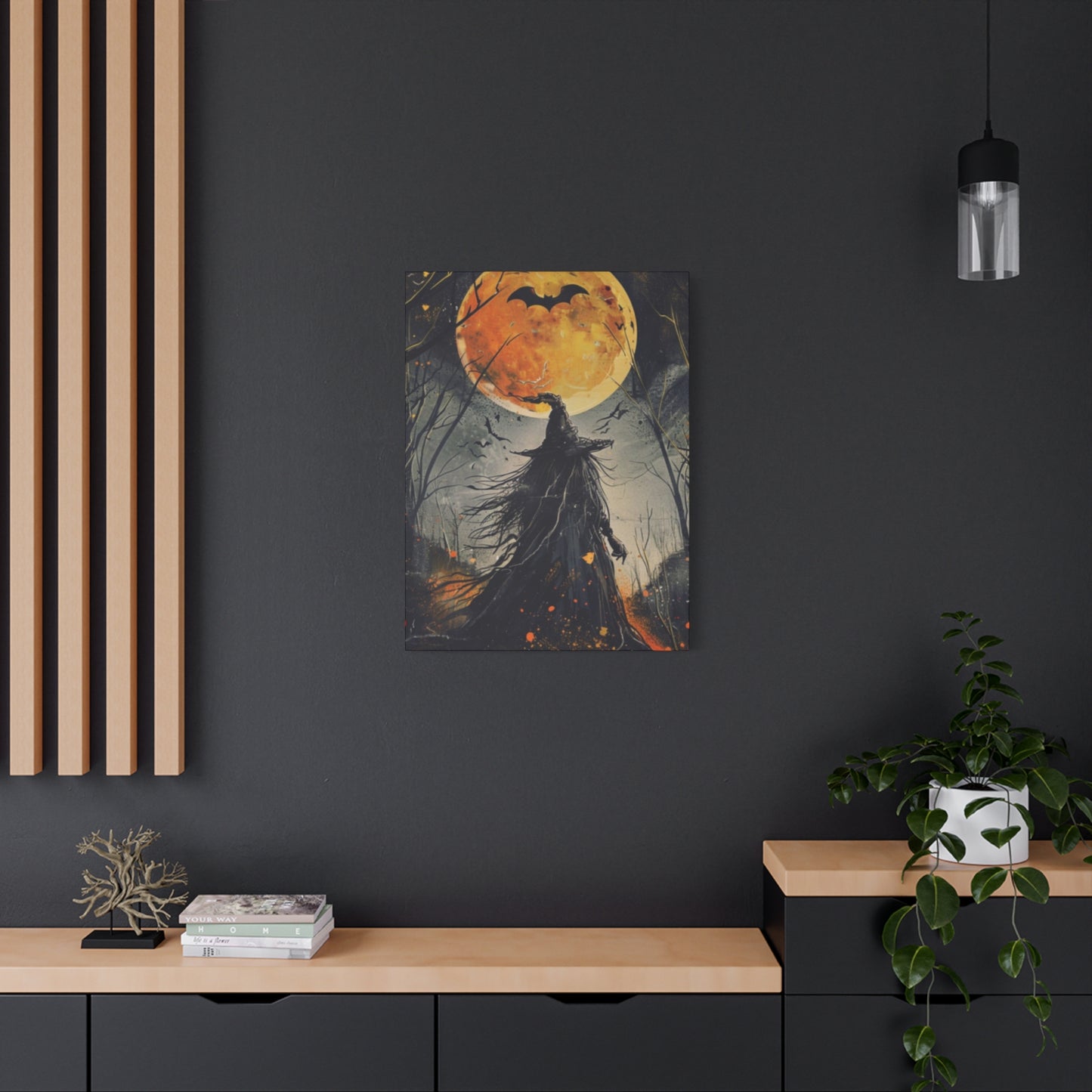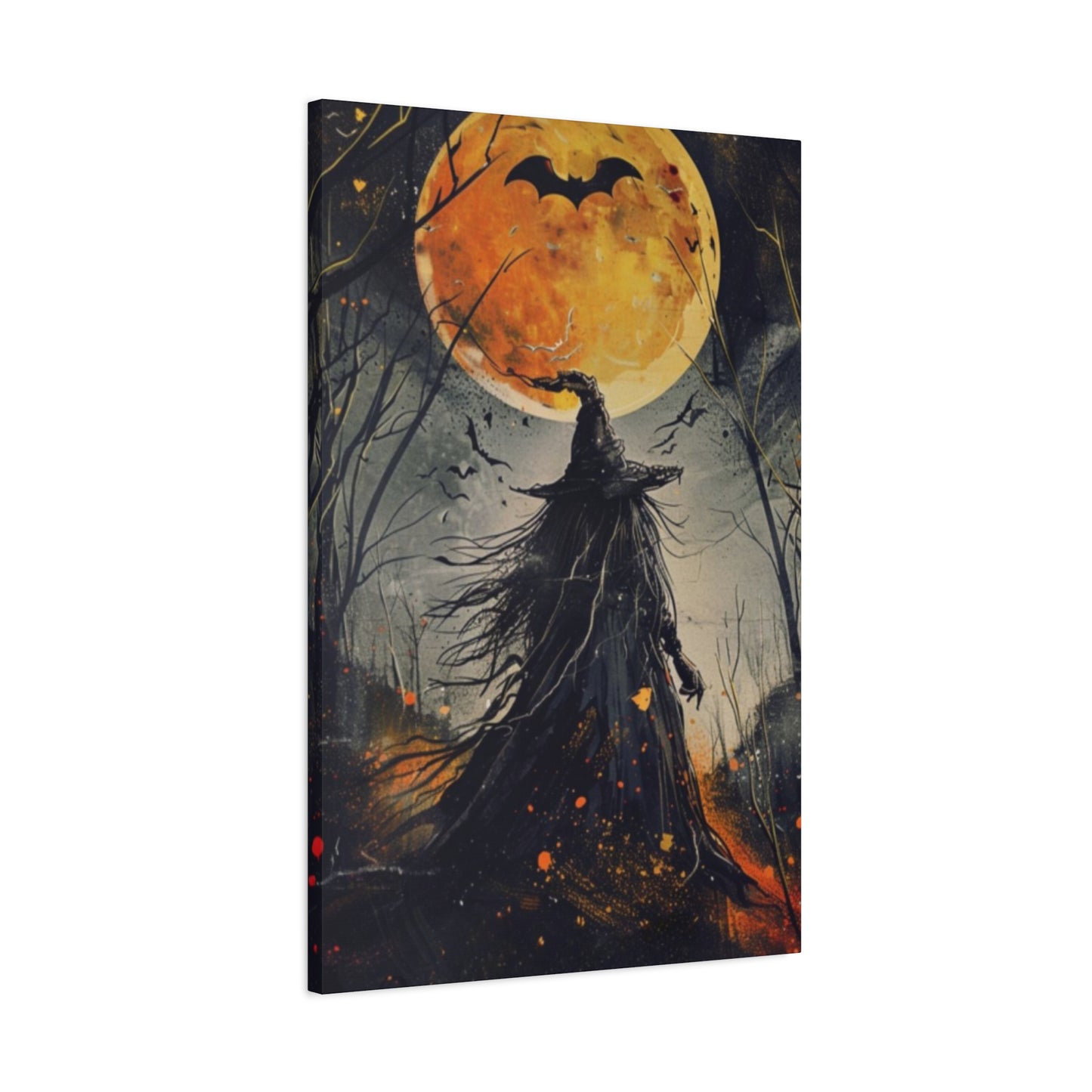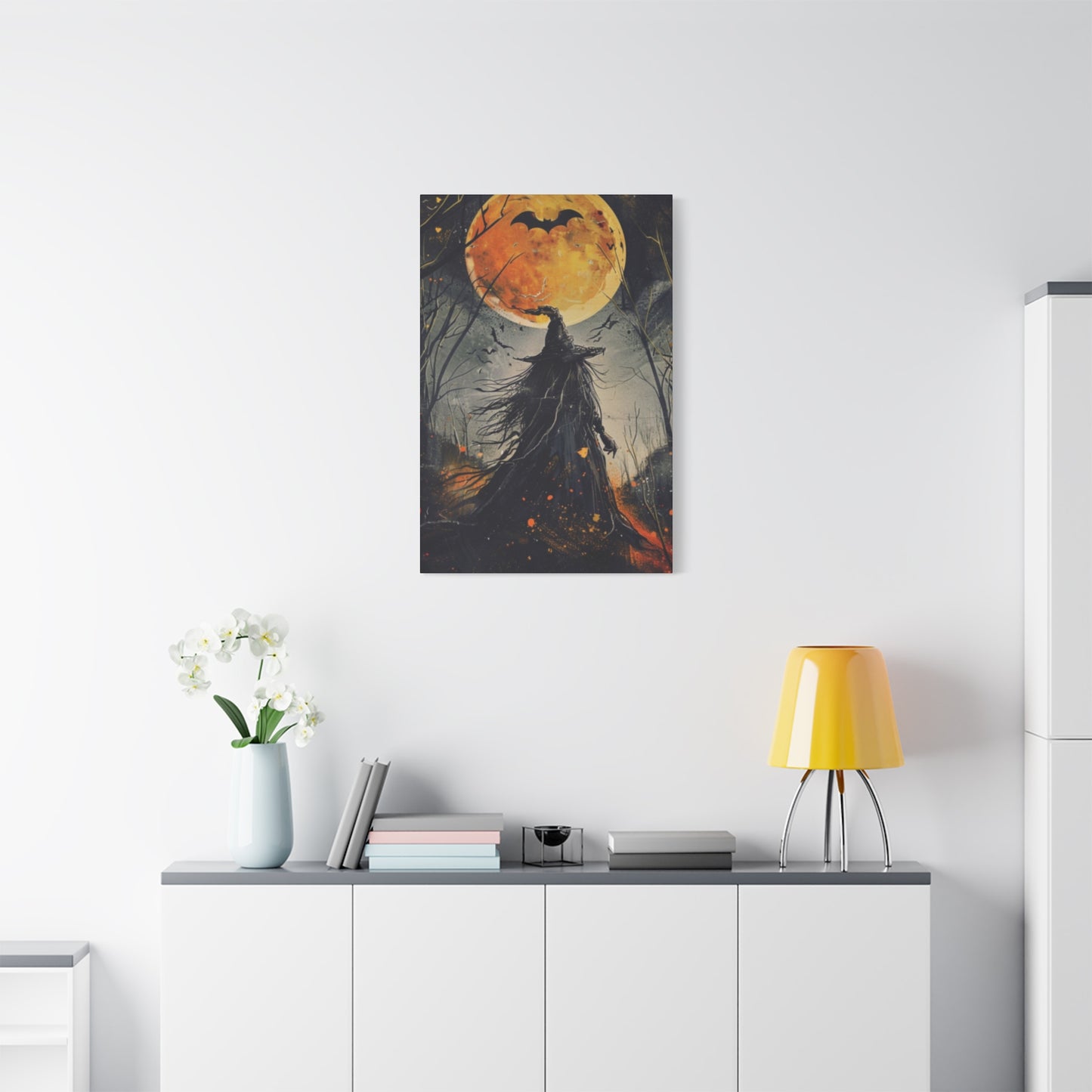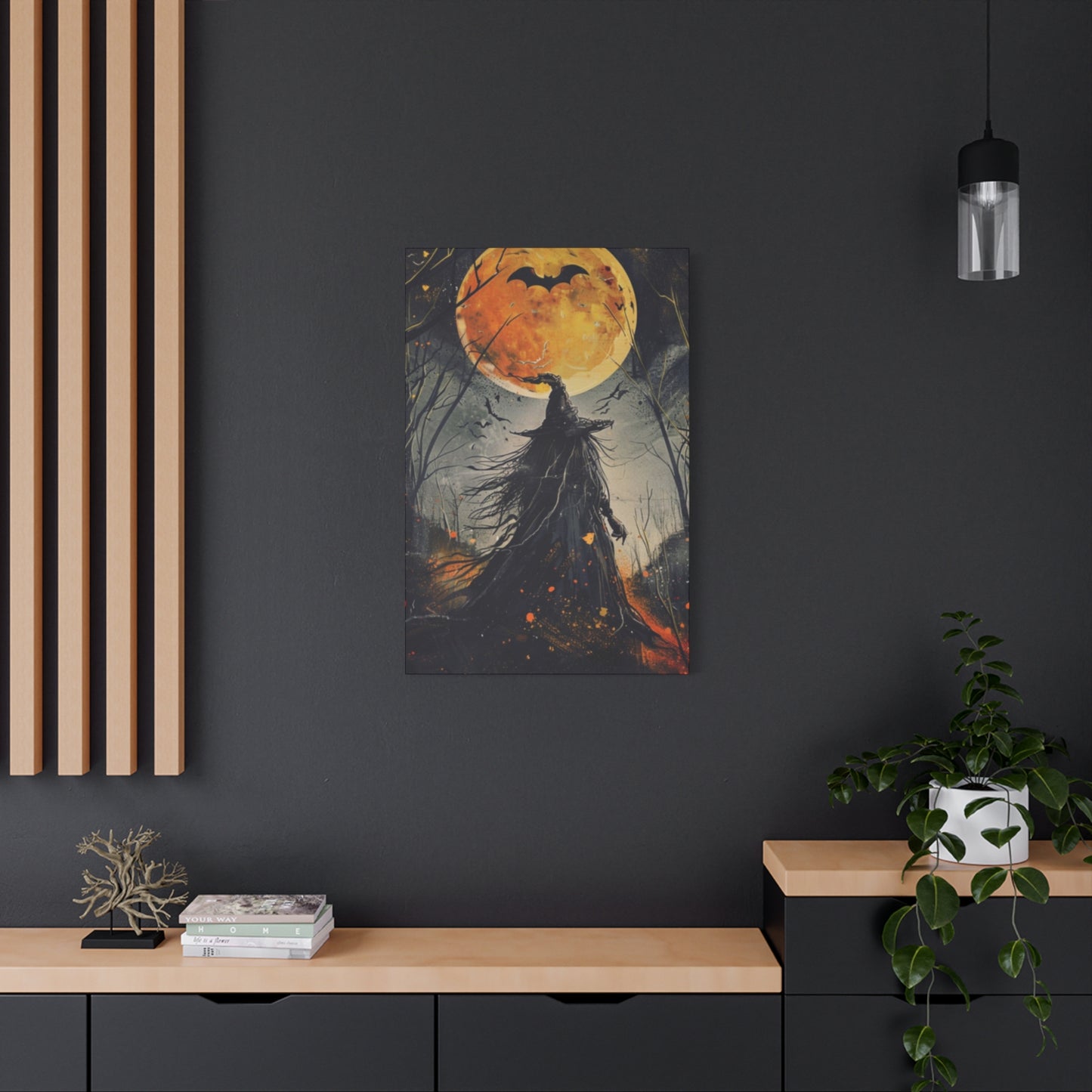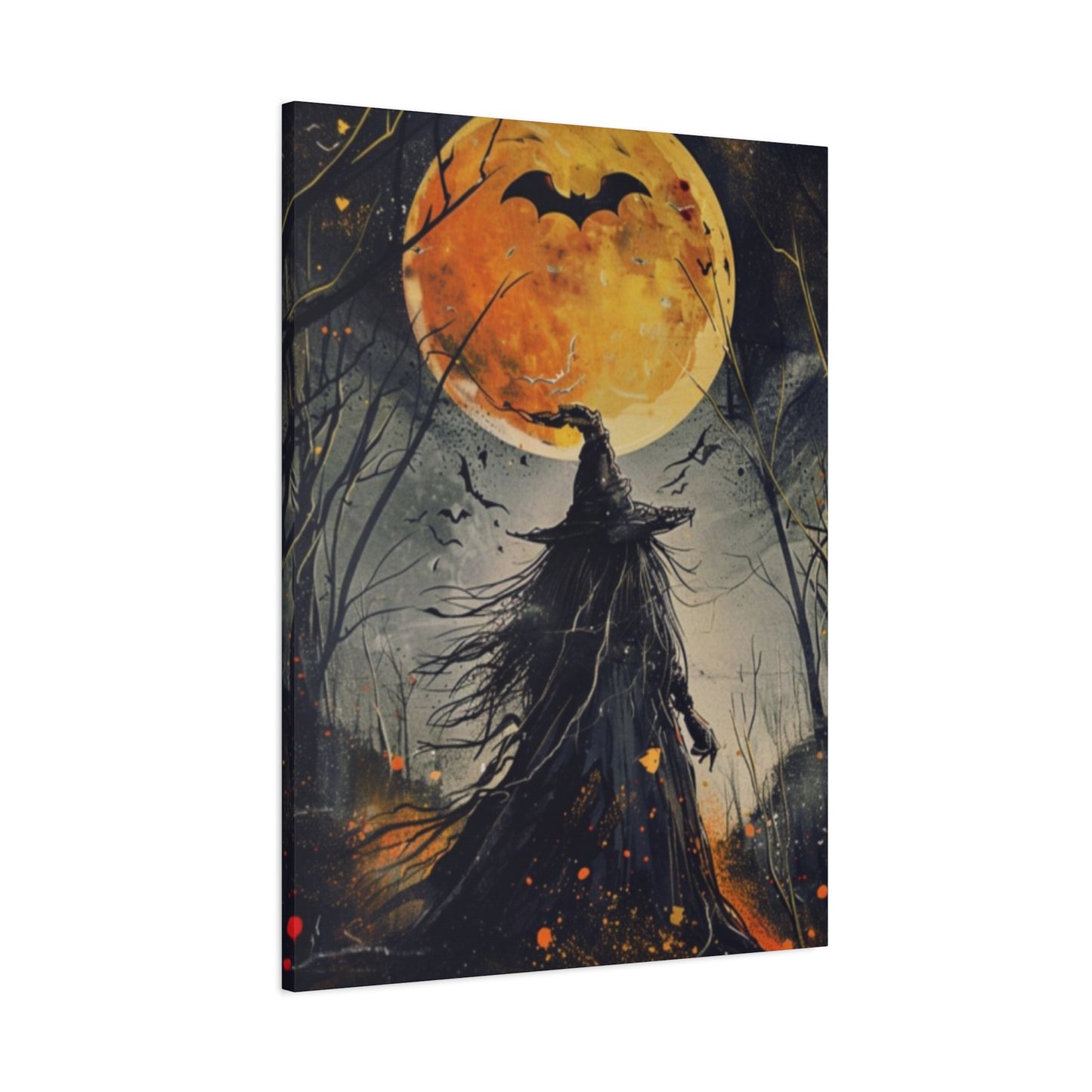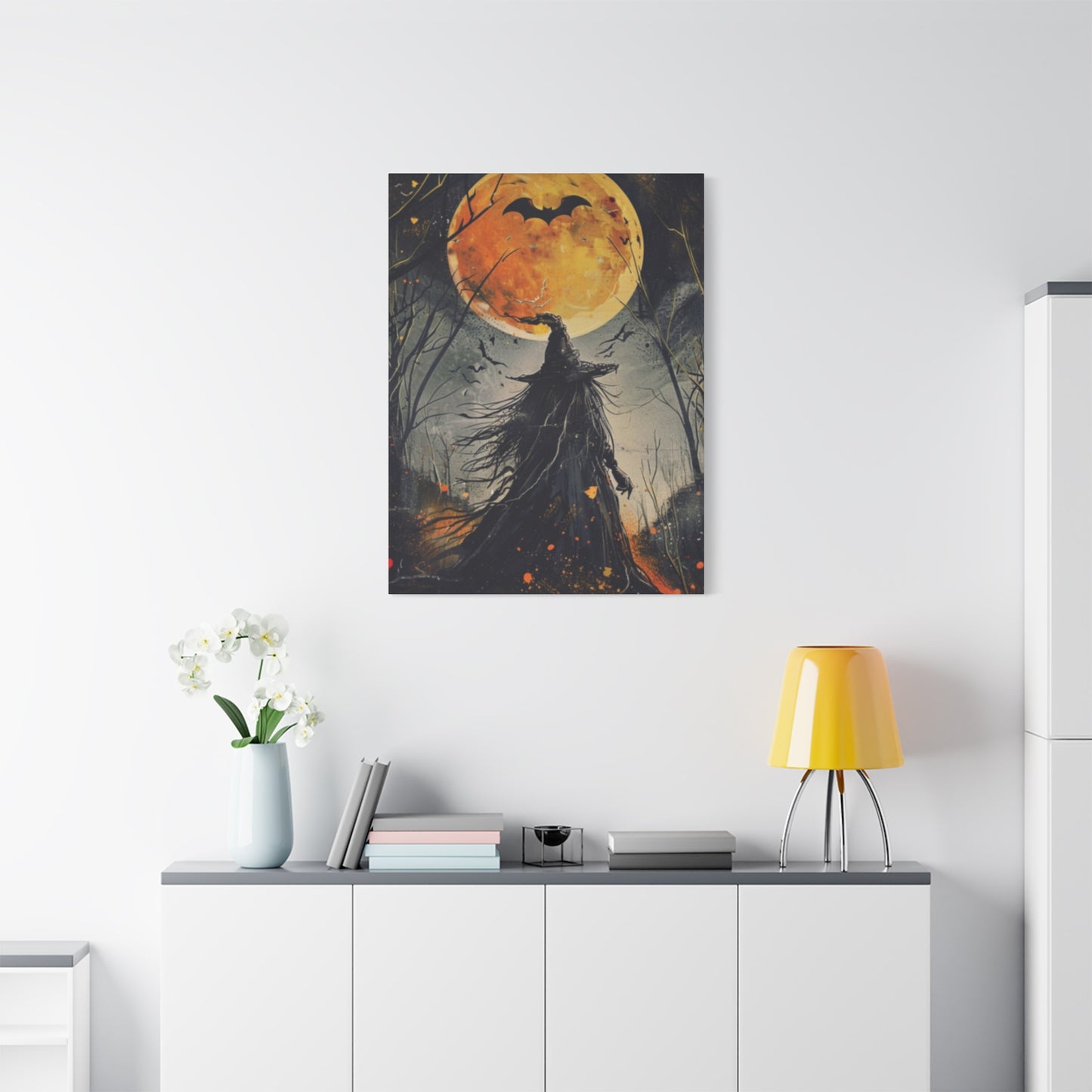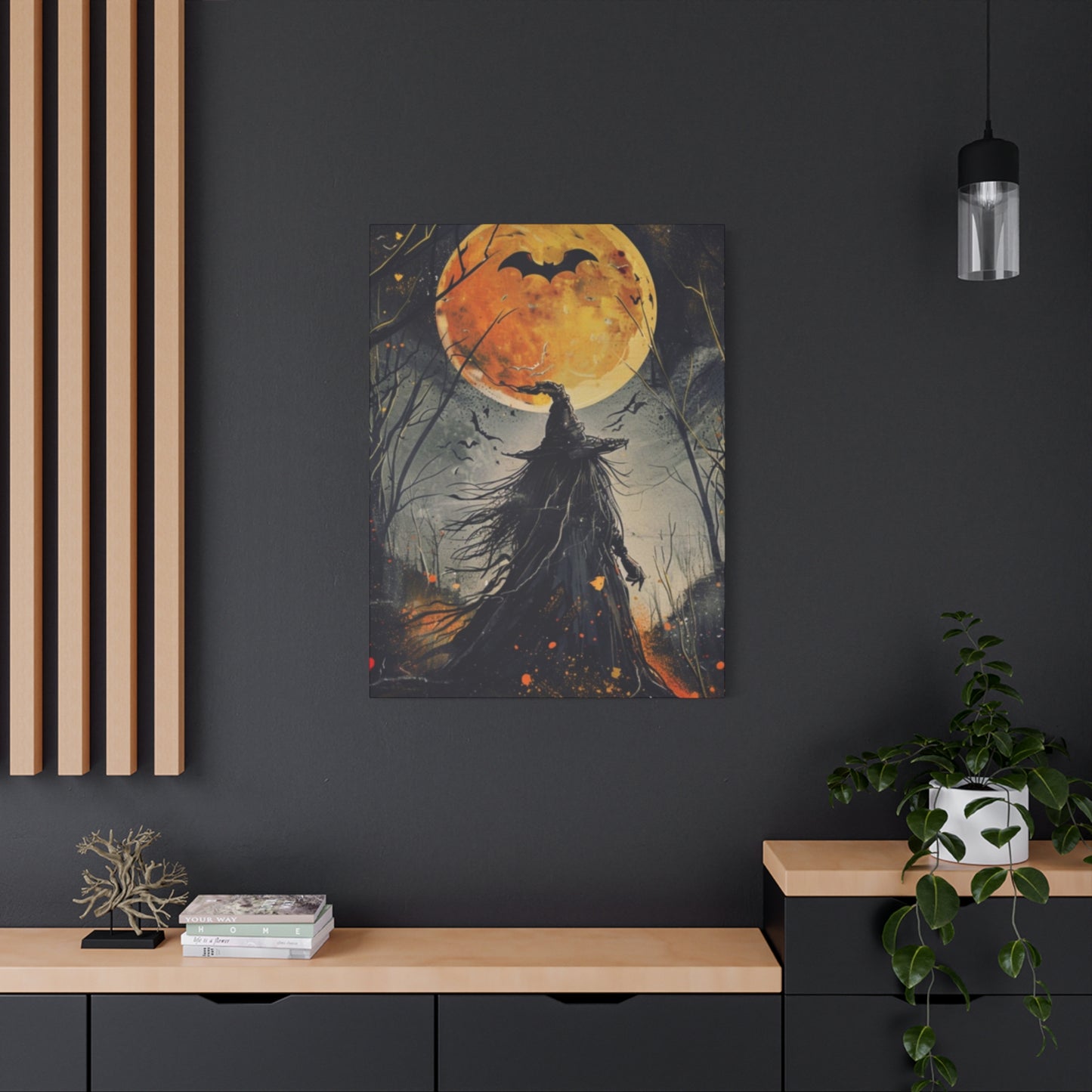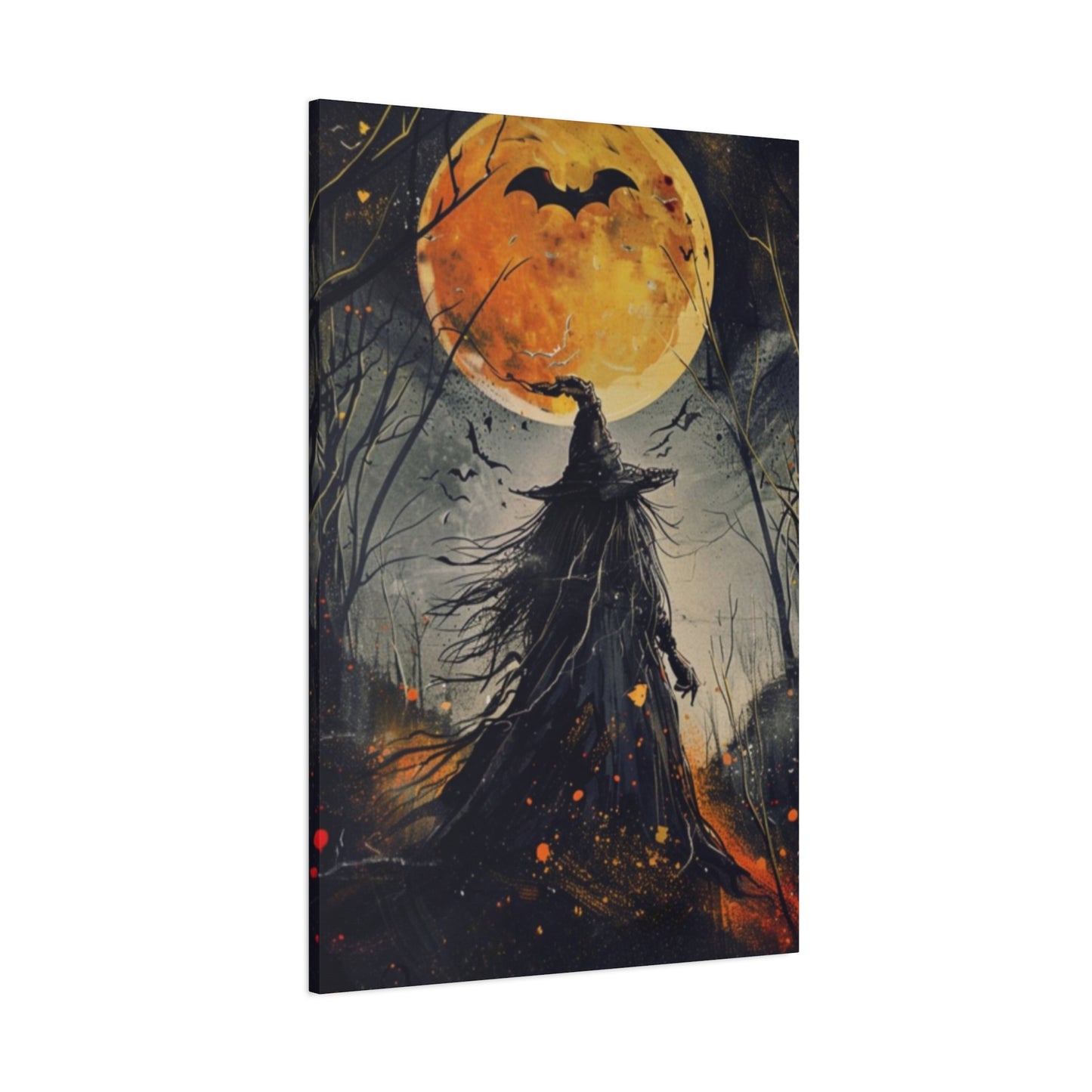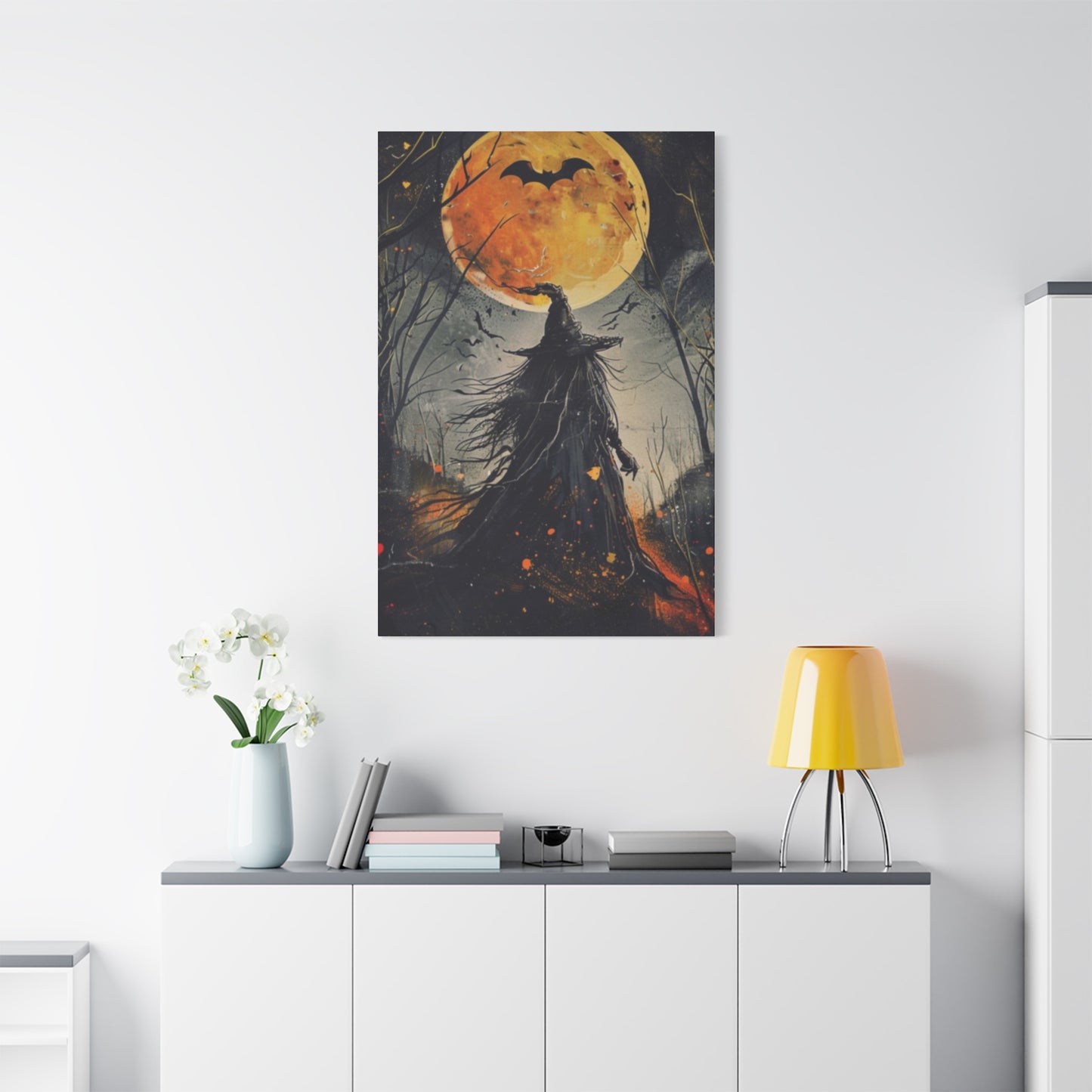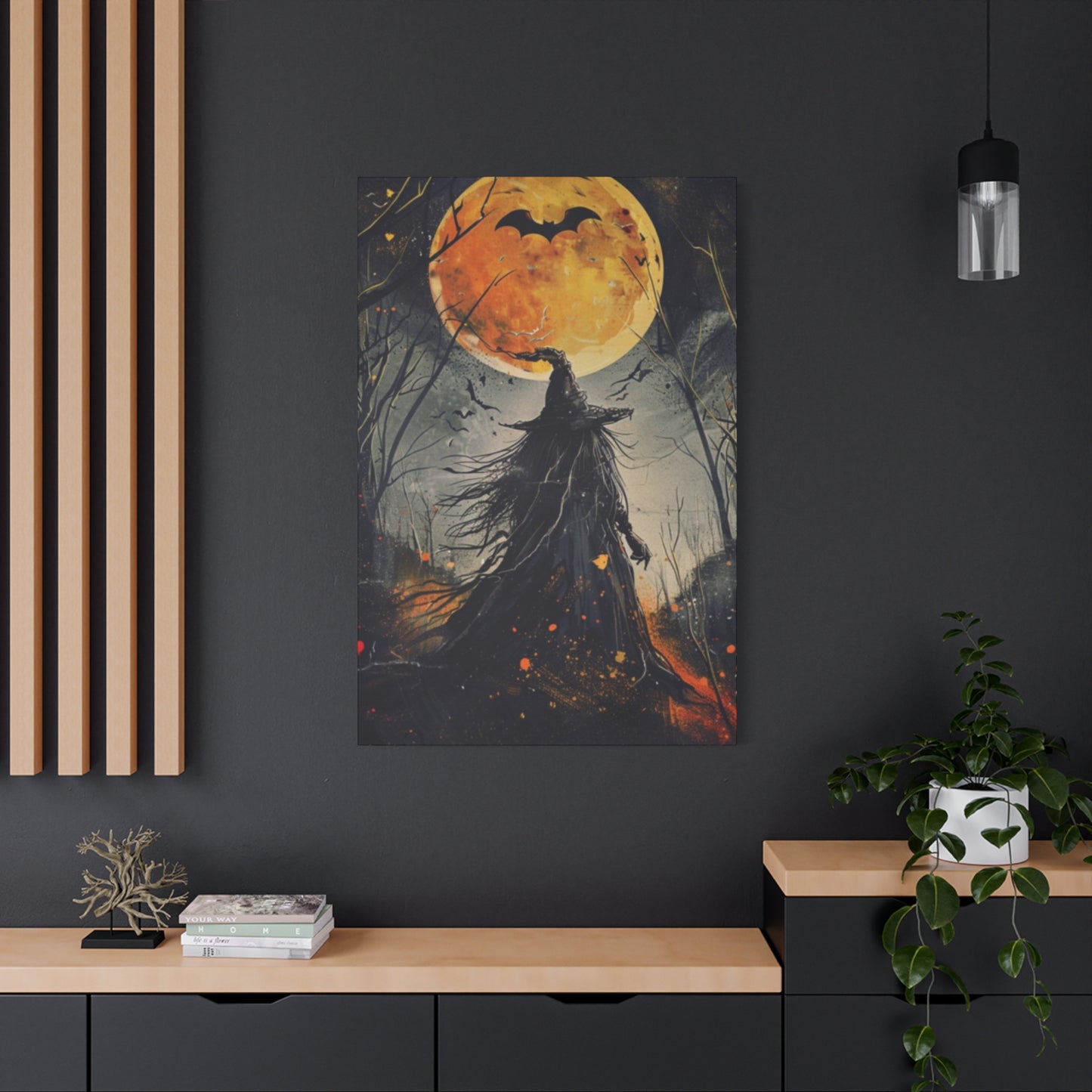


Full Moon Halloween Painting Wall Art & Canvas Prints
Full Moon Halloween Painting Wall Art & Canvas Prints
Couldn't load pickup availability
Captivating Full Moon Halloween Painting Wall Art: Everything You Need to Know About Creating and Displaying Spooky Seasonal Masterpieces
When October arrives and darkness descends earlier each evening, homeowners and decorating enthusiasts seek ways to transform their living spaces into haunting sanctuaries that celebrate the mystical essence of autumn's most bewitching holiday. Among the myriad decorative elements available, few capture the eerie enchantment quite like carefully selected artwork featuring lunar imagery combined with classic Halloween motifs. The allure of celestial bodies paired with seasonal symbolism creates an atmosphere that resonates deeply with those who appreciate both aesthetic beauty and spine-tingling ambiance.
Full moon Halloween painting wall art represents more than mere decoration; it embodies a connection to ancient traditions, folklore, and the mysterious forces that have captivated human imagination for millennia. These artistic creations serve as portals to otherworldly realms, reminding viewers of the thin veil between the mundane and the supernatural that supposedly grows thinnest during this particular time of year.
Why Lunar-Themed Seasonal Artwork Holds Such Powerful Visual Appeal
The combination of celestial elements with Halloween imagery taps into primal human responses to both natural phenomena and cultural symbolism. Throughout human existence, the full moon has represented mystery, transformation, and hidden powers. When this potent symbol merges with Halloween iconography, the result creates visual narratives that speak to something fundamental in human consciousness.
Artwork featuring these themes often depicts scenarios where moonlight illuminates haunted landscapes, casting shadows that suggest movement and life where none should exist. The silvery glow of a full moon serves as the perfect backdrop for silhouetted figures, whether they be twisted tree branches, flying witches, prowling cats, or architectural ruins. This interplay between light and shadow creates depth and dimension that draws the eye repeatedly, revealing new details with each viewing.
From a design perspective, these pieces offer versatility that extends beyond strict seasonal display. While unmistakably appropriate for autumn decoration, the artistic merit and atmospheric qualities of well-crafted lunar Halloween artwork allow for year-round appreciation by those who embrace gothic aesthetics or simply appreciate the marriage of natural beauty with imaginative storytelling.
The color palettes typically employed in these creations—deep purples, midnight blues, charcoal blacks, and luminous silvers—complement a wide range of interior design schemes. Whether your home features modern minimalism, rustic farmhouse charm, Victorian elegance, or eclectic bohemian style, carefully selected pieces can enhance rather than clash with existing décor elements.
Different Artistic Styles That Bring Moonlit Halloween Scenes to Life
The world of Halloween-themed lunar artwork encompasses an impressive range of artistic approaches, each offering distinct visual experiences and emotional resonances. Understanding these variations helps collectors and decorators select pieces that align with their personal tastes and the specific atmosphere they wish to create.
Realistic painted interpretations attempt to capture actual lunar appearances with scientific accuracy while incorporating Halloween elements in believable ways. These works might show a geologically accurate moon rising over a genuinely possible landscape that happens to include a Victorian mansion or cemetery. The realism grounds the spooky elements in tangible reality, making the overall scene feel like something one might actually encounter on an autumn evening.
Impressionistic renditions take a looser approach, prioritizing mood and emotional impact over precise detail. Brushstrokes become visible and deliberate, colors blend in unexpected ways, and the overall effect suggests rather than explicitly depicts. This style allows viewers' imaginations to fill in details, making each person's experience of the artwork uniquely personal.
Gothic illustrations draw from centuries of dark romantic tradition, featuring sharp contrasts, dramatic compositions, and symbolic elements that reference literature, legend, and lore. These pieces often include ravens, bats, wrought iron gates, gargoyles, and other elements associated with gothic aesthetics, all illuminated by an otherworldly lunar glow.
Abstract interpretations completely reimagine traditional Halloween imagery, using shape, color, and texture to evoke feelings associated with the season rather than depicting recognizable objects. A full moon might be suggested through circular forms in luminous paint, while the spookiness of Halloween emerges through jagged lines, unsettling color combinations, or unusual compositional choices.
Vintage-inspired artwork mimics the aesthetic of early 20th-century Halloween postcards and decorations, featuring folk art styling, limited color palettes reminiscent of old printing methods, and charming rather than terrifying interpretations of Halloween motifs. The moon in these pieces often has an anthropomorphic quality, sometimes featuring a face that watches over the Halloween festivities below.
Contemporary digital creations leverage modern tools to achieve effects impossible in traditional media, including impossible lighting scenarios, surreal combinations of elements, and hyper-detailed rendering. These pieces can range from photorealistic composites to stylized graphics that feel fresh and current while still honoring Halloween traditions.
Materials and Mediums That Elevate Lunar Halloween Artwork
The substrate and materials used in creating Halloween moon artwork significantly impact both the visual effect and longevity of the piece. Each medium brings particular qualities that can enhance certain aspects of the imagery while presenting unique considerations for display and preservation.
Canvas remains the most popular choice for painted works, offering texture that adds depth to brushstrokes while providing durability for long-term display. The woven surface catches light in ways that flat paper cannot, creating subtle shifts in appearance as viewers move around the piece or as lighting conditions change throughout the day. Gallery-wrapped canvas, where the painting continues around the edges of the frame, provides a modern, ready-to-hang option that eliminates the need for additional framing.
Watercolor paper showcases the delicate, ethereal qualities possible with water-based media. The translucent layers of watercolor paint create luminous effects particularly suited to depicting moonlight and fog, two elements frequently featured in Halloween scenes. The soft edges and flowing color gradations possible with this medium lend themselves to dreamy, atmospheric interpretations.
Wood panels offer an unexpected substrate that adds rustic character to Halloween artwork. The grain of the wood can be incorporated into the composition itself, perhaps becoming the texture of tree bark or the weathered surface of an old fence. Paintings on wood possess a folksy, handcrafted quality that appeals to those seeking authentic, artisanal decoration.
Metal prints represent a modern option where images are infused directly into specially coated aluminum sheets. The result is a luminous, almost glowing appearance particularly effective for moon imagery. The metallic surface reflects light in ways that make the moon appear to genuinely illuminate the scene, creating a dimensional effect that shifts as viewers change position.
Textured acrylic works incorporate thick application of paint or mixed media elements that create actual physical dimension on the surface. Heavy impasto technique can make the moon appear to genuinely rise from the canvas, while added materials like fabric, paper, or found objects can enhance the tactile and visual interest of the piece.
Framed prints under glass protect delicate works while adding elegance through the framing itself. The glass can be standard, anti-reflective, or even UV-protective, with each option offering different benefits. Matting adds a buffer between the artwork and frame while drawing the eye inward toward the image. Frame style dramatically affects the overall presentation, with ornate vintage frames enhancing gothic aesthetics while simple black frames lend contemporary sophistication.
Selecting the Perfect Size for Maximum Visual Impact
Choosing the appropriate dimensions for Halloween moon artwork requires careful consideration of the display location, viewing distance, and the role the piece will play in the overall room design. An artwork that overwhelms a small space can feel oppressive, while a piece too diminutive for its location may fail to register visually or get lost among other decorative elements.
Statement pieces measuring three feet or larger in any dimension command attention and establish themselves as focal points within a room. These substantial works suit spacious living rooms, dining areas, or entryways where they can be viewed from adequate distance. A large-scale painting of a massive full moon rising over a haunted landscape becomes the centerpiece around which other decorative choices revolve. The scale allows for intricate detail that rewards closer inspection while maintaining visual impact from across the room.
Medium-sized works ranging from eighteen to thirty-six inches function versatilely in various settings. These pieces work beautifully above sofas, beds, or mantels, providing visual interest without overwhelming the space. They pair effectively with other decorative elements, allowing for layered displays that include candles, seasonal botanicals, or complementary smaller artwork. This size category represents the sweet spot for many decorators, offering sufficient presence while remaining manageable for rearranging or seasonal rotation.
Smaller pieces under eighteen inches shine when displayed in groupings or gallery wall arrangements. A collection of several small paintings featuring different lunar phases or various Halloween characters creates visual interest through repetition and variation. These compact works suit tight spaces like hallways, bathrooms, powder rooms, or awkward wall sections that larger pieces cannot accommodate. They also work wonderfully on shelves, mantels, or easels as part of styled vignettes.
Vertical orientations suit narrow wall spaces such as those between windows, in hallways, or flanking doorways. A tall, narrow composition might show a full moon at the top with a Gothic tower or tall trees reaching upward toward it, creating a sense of height and drama that enhances the vertical quality of the space itself.
Horizontal landscapes fit naturally above furniture pieces and work particularly well for scenes depicting expansive haunted horizons with the moon positioned within a broader environmental context. These pieces enhance the perceived width of spaces and create calming visual flow through their orientation.
Square formats offer versatility and contemporary appeal, working equally well alone or in grouped arrangements. The equal dimensions create a sense of balance and stability that can anchor a display while the content provides the visual excitement.
Popular Subjects and Scenes That Capture Halloween Moon Magic
The creative possibilities within lunar Halloween artwork span an remarkable breadth of subject matter, each variant offering distinct narrative and atmospheric qualities. Understanding the common themes helps viewers identify what resonates personally while inspiring those creating displays to seek complementary pieces.
Haunted mansion scenes place imposing Victorian or Gothic revival architecture against moonlit skies, with illuminated windows suggesting ghostly inhabitants and overgrown gardens hinting at long neglect. The full moon typically sits prominently in the composition, its light casting long shadows and creating silhouettes that emphasize the building's dramatic features—turrets, weathervanes, and steep gabled roofs. These scenes evoke stories of family secrets, restless spirits, and the passage of time.
Witch silhouettes show the iconic image of a witch in profile, flying across the face of the moon on her broomstick, often accompanied by a black cat. This instantly recognizable motif taps into centuries of folklore while maintaining a lighthearted quality that appeals across age groups. Variations might show multiple witches, different flying poses, or additional details like trailing cloaks and pointed hats laden with personality.
Cemetery landscapes feature tombstones, mausoleums, and monuments bathed in lunar glow, often with wisps of fog creeping between the markers and gnarled trees creating twisted silhouettes. These compositions balance macabre subject matter with genuine beauty, as moonlight lends dignity and poetry to these resting places. Distant churches or chapel ruins often appear in the background, while ravens or owls might perch on headstones as silent witnesses.
Enchanted forest scenes depict dense woodlands transformed by moonlight, where ordinary trees become threatening presences and every shadow might conceal something supernatural. Eyes might peer from the darkness between trunks, and the forest floor disappears into mysterious depths. The moon filters through branches creating dappled patterns and illuminating clearings where anything might occur. These works tap into primal responses to wilderness and darkness.
Black cat portraits focus on feline subjects posed against or beneath full moons, emphasizing their traditional association with witchcraft and superstition. The cats might sit atop fences, prowl along rooftops, or stare directly at viewers with knowing expressions. The stark contrast between black fur and luminous moon creates striking visual impact while celebrating these misunderstood animals.
Pumpkin patch panoramas show fields of jack-o'-lanterns glowing under moonlight, their carved faces creating a sea of flickering expressions. The moon illuminates the scene from above while the pumpkins provide warm, contrasting light from below. Harvest elements like corn shocks, hay bales, and weathered farm structures complete these pastoral yet spooky compositions.
Skeletal figures appear in various contexts—dancing, playing instruments, or simply existing in moonlit scenes. These representations range from genuinely eerie to whimsically cartoonish, depending on artistic style. The skeletal form allows for dramatic poses and interesting shadow play when illuminated by lunar light.
Raven and crow gatherings feature multiple birds clustered in leafless trees or swooping through moonlit skies. These intelligent corvids carry rich symbolic weight, representing mystery, magic, and the connection between earthly and spiritual realms. The contrast of black feathers against the pale moon creates bold graphic impact.
Vampire motifs place these nocturnal beings in moonlit settings, perhaps as silhouettes in castle windows, bat transformations against the lunar disc, or elegant figures emerging from crypts. The full moon's association with supernatural activity makes it the perfect backdrop for these iconic monsters.
Werewolf imagery capitalizes on the legendary connection between lunar phases and lycanthropic transformation. Compositions might show the moment of transformation, a fully changed wolf howling at the moon, or the silhouette of a beast prowling through moonlit wilderness. The full moon serves both as atmospheric element and narrative catalyst in these dramatic works.
Incorporating Lunar Halloween Artwork Into Various Room Designs
The placement and presentation of Halloween moon artwork significantly influences both its visual impact and the overall atmosphere of a space. Thoughtful positioning allows these pieces to enhance rather than overwhelm a room while maximizing their decorative and narrative potential.
Living room displays benefit from large-scale pieces positioned above sofas or mantels where they establish themselves as natural focal points. The artwork becomes a conversation piece and sets the atmospheric tone for the entire space. When positioning above furniture, ensure the bottom of the frame sits approximately six to twelve inches above the back of the sofa or mantel surface, creating visual connection while maintaining distinct separation. Flanking the main piece with smaller complementary works or seasonal decorations creates a cohesive vignette.
Bedroom installations create intimate, atmospheric sleeping quarters when positioned above the bed as a headboard alternative. The moon imagery particularly suits bedrooms given the celestial association with night and dreams. A lunar Halloween piece in a bedroom allows enthusiasts to indulge their love of spooky aesthetics in private spaces. Consider the view from the bed—the artwork should be positioned to be easily enjoyed while lounging. Complementary elements like dark bedding, candles, and mood lighting enhance the overall effect.
Dining room presentations create memorable settings for Halloween gatherings and autumn dinners. A substantial piece positioned on the main wall becomes a backdrop for meals, setting a festive yet sophisticated tone. The artwork provides a topic for conversation while establishing the seasonal theme without requiring extensive additional decoration. The formality of dining spaces often suits more refined artistic interpretations rather than overly cartoonish renditions.
Entryway installations immediately establish the home's seasonal aesthetic as guests arrive. First impressions matter, and a striking Halloween moon piece signals to visitors that they've entered a space where attention to atmosphere and seasonal celebration matters. Entryways often feature limited space, so vertical orientations or smaller pieces work particularly well. Pairing the artwork with a console table styled with candles, seasonal botanicals, and small decorative objects creates a complete welcoming tableau.
Home office displays allow those working from home to enjoy seasonal atmosphere throughout their workday. A carefully selected piece provides visual breaks during long hours at the computer while infusing the workspace with personality. For video calls, consider what will appear in the background—a tasteful Halloween moon painting demonstrates personal style without appearing unprofessional.
Hallway galleries transform transitional spaces into interesting destinations rather than mere passages between rooms. Narrow hallways suit vertical orientations or series of smaller pieces arranged in linear fashion. A progression of moon phase paintings interspersed with Halloween imagery creates visual rhythm and encourages movement through the space. Gallery walls featuring an eclectic mix of sizes and frame styles add collected, personalized character.
Bathroom sanctuaries might seem unconventional locations for Halloween artwork, but powder rooms and guest bathrooms offer opportunities for playful seasonal decoration. Smaller pieces work well in these compact spaces, adding unexpected personality. The private nature of bathrooms allows for more daring or quirky selections that might be too bold for public spaces.
Stairway arrangements utilize wall space often left bare, transforming the vertical journey between floors into a visual experience. Arrange pieces ascending the stairway wall, following the angle of the stairs to create dynamic diagonal lines. Mix sizes and orientations for visual interest while maintaining a cohesive color palette or theme that ties the collection together.
Lighting Considerations That Enhance Moonlit Halloween Artwork
The illumination of Halloween moon artwork dramatically affects its visual impact, mood, and how colors and details present themselves. Thoughtful lighting choices can elevate a good piece into a stunning display while poor lighting can diminish even the finest artwork.
Natural daylight provides the most accurate color rendering and changes throughout the day, creating an evolving relationship with the artwork. Position pieces where they receive indirect natural light rather than direct sunlight, which can fade colors over time. North-facing walls in the Northern Hemisphere receive consistent, indirect light ideal for artwork display. Morning light tends cooler in tone, emphasizing blues and silvers in moon paintings, while afternoon sun brings warmer tones that can enhance orange pumpkins and autumn foliage.
Picture lights mount directly to frames or walls above artwork, directing focused illumination specifically onto the piece. These fixtures create gallery-quality presentation while adding functional task lighting to the room. LED picture lights offer energy efficiency and generate minimal heat, protecting artwork from potential damage. The warm or cool temperature of the LED bulbs affects color appearance—warmer tones (2700-3000K) create cozy ambiance while cooler temperatures (4000-5000K) provide cleaner, more neutral illumination.
Track lighting allows for adjustable positioning and direction, enabling precise control over how artwork is illuminated. Multiple track heads can highlight several pieces while the adjustability accommodates future changes in artwork or arrangement. This flexibility particularly suits those who seasonally rotate displays. Positioning track lights at thirty-degree angles from the wall minimizes glare while providing even illumination across the surface.
Recessed ceiling lights create clean, architectural illumination without visible fixtures cluttering the design. Eyeball-style recessed lights can be angled toward artwork, providing focused illumination similar to track lighting but with a more integrated appearance. This option works beautifully in modern spaces where clean lines matter. Dimmer controls allow adjustment of intensity based on time of day and desired atmosphere.
Wall sconces positioned flanking artwork create symmetrical, traditional presentation while adding ambient light to the room. This approach suits formal spaces and period-appropriate settings. Choosing sconces that complement the artwork's aesthetic—Gothic iron fixtures for darker pieces, elegant brass for refined works—creates cohesive design. Sconces with adjustable arms allow fine-tuning of light direction.
Floor lamps and table lamps provide indirect illumination that creates overall ambiance while gently highlighting nearby artwork. This softer approach suits spaces where harsh, focused lighting feels too dramatic. Positioning lamps to cast light upward toward artwork creates subtle emphasis without overwhelming the piece. This method works particularly well in cozy, intimate settings.
Backlighting creates dramatic effect by positioning light sources behind translucent or semi-translucent materials. While less common for traditional paintings, this technique works beautifully with certain prints, especially those on metal or backlit LED frames. The moon in the artwork can appear to genuinely glow, creating stunning atmospheric effect that enhances the supernatural quality of Halloween imagery.
Colored lighting adds theatrical flair particularly appropriate for Halloween season. Purple, orange, or green LED bulbs in nearby fixtures bathe the artwork and surrounding area in seasonal hues. Smart bulbs allow color changes via smartphone, enabling different lighting scenes for various occasions. Exercise restraint—subtle washes of color enhance while heavy-handed application can appear garish.
Candlelight provides the most atmospheric option, with flickering flames creating movement and mystery that electric lighting cannot replicate. Real candles require supervision and should never be left unattended, positioned away from flammable materials. Battery-operated LED candles offer safer alternatives with increasingly realistic flicker effects. Placing candles near Halloween moon artwork creates authentic period ambiance while their warm glow complements the seasonal subject matter beautifully.
Creating Gallery Wall Collections Around Lunar Halloween Themes
Curating a collection of multiple pieces creates richer, more layered displays than single artworks can achieve alone. Gallery walls allow expression of enthusiasm for lunar Halloween aesthetics while accommodating pieces of varying sizes, styles, and price points collected over time.
Thematic cohesion establishes the conceptual thread connecting individual pieces. A collection might explore moon phases, showing progression from new to full and back, each phase paired with appropriate Halloween imagery. Alternatively, focus on a single Halloween character—cats, witches, or ravens—depicted in various artistic styles but always accompanied by lunar elements. The unifying theme allows diversity in execution while maintaining visual coherence.
Color palette consistency helps disparate pieces feel related even when they differ in subject or style. Limiting the collection to works that share a similar color scheme—perhaps silver, black, purple, and orange—creates harmony regardless of specific content. This approach particularly suits eclectic collections incorporating various artistic styles. Matting and framing choices can reinforce the palette, with frame colors echoing dominant tones in the artwork.
Size variation prevents monotony and creates visual rhythm through contrasting scales. Anchoring the arrangement with one or two larger pieces surrounded by smaller works provides structure while smaller pieces add detail and interest. The largest piece often, though not always, occupies the central position with other works arranged around it. Asymmetrical arrangements feel dynamic and modern while symmetrical layouts offer traditional elegance.
Frame diversity adds personality and collected character when executed thoughtfully. Mixing vintage ornate frames with simple modern ones creates eclectic interest, though maintaining some consistency—perhaps all frames are black, or all have wood tones—prevents chaos. Mismatched frames suit bohemian, artistic, or maximalist aesthetics while uniform framing appears more formal and contemporary.
Strategic spacing influences whether the collection reads as a unified installation or as individual pieces that happen to share wall space. Tighter spacing—two to three inches between frames—creates cohesive gallery impact with the eye moving easily between pieces. Wider spacing emphasizes individual works while maintaining relationship through proximity. Using paper templates taped to the wall before hanging allows experimentation with arrangement without damaging walls.
Layered placement adds dimensional depth by leaning smaller framed pieces against or in front of larger hung works, particularly on mantels, shelves, or wide ledges. This casual, collected approach feels personally curated rather than formally decorated. Items can be easily rearranged, allowing the display to evolve as new pieces are acquired or seasonal rotations occur.
Accent elements beyond framed artwork enhance gallery collections when incorporated judiciously. Small sculptural objects, decorative boxes, candles, or botanical specimens interspersed among artworks add textural variety and dimensional interest. These three-dimensional elements break up the flat plane of wall-hung pieces while reinforcing the overall theme.
Balance, though not necessarily symmetry, ensures the arrangement feels intentional and pleasing. Visual weight should distribute relatively evenly across the display area, with darker or larger pieces balanced by groupings of smaller lighter works. Stepping back and viewing the entire arrangement from normal viewing distance reveals whether the collection achieves equilibrium or feels lopsided.
DIY Methods for Creating Personal Lunar Halloween Masterpieces
Creating original artwork offers deeply personal satisfaction while ensuring completely unique pieces tailored to specific aesthetic preferences and spatial requirements. Various approaches accommodate different skill levels, from beginners attempting their first painting to experienced artists seeking new challenges.
Acrylic painting provides forgiving, versatile medium suitable for beginners while offering sufficient complexity to challenge advanced painters. Acrylics dry quickly, allowing layering and corrections without long waiting periods. Starting with pre-sketched canvas or using projectors to transfer designs eliminates the intimidation of drawing freehand. The moon can be created using circular stencils or even traced from plates or bowls. Painting the background sky first, then adding the moon and finally silhouetted foreground elements provides a logical progression that builds confidence through visible progress.
Watercolor techniques create ethereal, atmospheric effects perfect for misty moonlit scenes. The translucent quality of watercolors allows layers to show through each other, creating depth and luminosity. Masking fluid protects the white paper where the moon will appear while surrounding areas are painted. Once the sky is complete and dry, the masking fluid is removed, revealing the bright moon. Watercolors require quality paper and patience as the paint dries, but the results possess delicate beauty difficult to achieve with other media.
Mixed media approaches combine multiple materials for rich textural interest. Beginning with a painted background, artists might collage vintage Halloween images, add fabric elements like cheesecloth for ghostly effects, or incorporate paper printed with vintage text. Metallic foils can create glowing moon effects while dimensional paint adds touchable texture. This approach particularly suits those who enjoy assemblage and layered working methods.
Stenciling offers accessible entry point for those intimidated by freehand painting. Commercial stencils featuring moons, bats, haunted houses, and other Halloween motifs can be combined in original compositions. Using stencils with spray paint creates clean, graphic results while brushing or sponging paint through stencils provides softer effects. Layering multiple stencils builds complexity while keeping the process manageable.
Block printing and linocut create bold, graphic images with distinctive handmade character. The design is carved into linoleum or wood blocks, then inked and pressed onto paper or fabric. This process produces strong contrasts perfect for moonlit silhouettes. While requiring specialized tools and some learning curve, the ability to produce multiple prints from a single carved block appeals to those wanting several copies or gifts.
Digital creation using drawing tablets or software like Procreate or Photoshop provides ultimate flexibility and experimentation without material waste. Digital works can be refined endlessly, saved at various stages, and reprinted at different sizes. Those comfortable with devices but lacking confidence in traditional media find digital creation liberating. Finished works are printed on fine art paper, canvas, or other substrates for display.
Silhouette cutting creates dramatic pieces through careful scissor work. Black paper is cut to create detailed silhouettes—Gothic buildings, twisted trees, flying witches—which are then mounted on painted or printed backgrounds featuring prominent moons. This Victorian-era craft produces elegant results and suits those with patience for detailed hand work. Modern plotters or electronic cutting machines can execute designs for those seeking precision without hand cutting.
Collage assembly from magazines, vintage books, and printed materials creates rich, layered compositions. This approach suits those who enjoy collecting interesting images and seeing connections between disparate elements. Halloween-themed ephemera combined with moon photographs or illustrations builds original scenes. Decoupage medium seals and protects the finished work while adding subtle sheen.
String art constructs images by winding thread or string around nails hammered into boards in specific patterns. This dimensional approach creates glowing moon effects when metallic thread catches light. The technique combines craftsmanship with geometry, appealing to those who enjoy precise, meditative work. Finished pieces possess textural interest that flat paintings cannot achieve.
Framing Choices That Complement Spooky Lunar Artwork
The frame surrounding Halloween moon artwork significantly impacts overall presentation, either enhancing the piece's inherent qualities or detracting from them through poor compatibility. Frame selection represents an opportunity to reinforce aesthetic themes while providing physical protection.
Black frames offer timeless versatility that suits virtually any Halloween moon artwork while emphasizing the darkness associated with both night and the holiday itself. Simple black frames with clean lines provide contemporary sophistication that doesn't compete with the artwork. More ornate black frames with decorative molding add Gothic elegance appropriate for Victorian-inspired or traditional pieces. The neutrality of black allows vivid colors in the artwork to command attention while providing strong definition against light-colored walls.
Silver and metallic frames echo the luminous quality of moonlight depicted in the artwork, creating thematic resonance. These frames catch and reflect light in the room, adding dimensional interest to the display. Antique silver finishes provide vintage character while polished chrome delivers modern sleekness. Metallic frames particularly complement artwork with significant silver or white elements, though they also create striking contrast against dark, moody pieces.
Wood frames in dark finishes—ebony, espresso, or walnut—add warmth and natural texture. The organic quality of wood suits artwork depicting outdoor scenes with natural elements like trees and landscapes. Distressed wood finishes enhance rustic or vintage aesthetics while smooth, simple profiles maintain contemporary cleanness. Wood grain visible through stain adds subtle visual interest without overwhelming the artwork.
Ornate vintage-style frames suit Gothic imagery, Victorian architecture scenes, and traditionally rendered artwork. These frames feature decorative corners, intricate molding, and substantial profiles that announce the importance of the artwork they contain. Finishes might include aged gold, verdigris, or antiqued silver. While these frames make strong statements, they beautifully complement artwork with similar aesthetic sensibilities.
White frames create unexpected contrast that can make dark, moody artwork pop dramatically. This bold choice works particularly well in bright, airy spaces where dark frames might feel heavy. White frames lend contemporary, gallery-like presentation while the contrast with typical Halloween color schemes creates memorable visual impact. This approach suits those seeking less conventional presentations.
Orange frames embrace seasonal color boldly, though this choice carries risks of feeling too themed rather than timelessly decorative. Deep burnt orange or rust tones prove more versatile than bright pumpkin orange. This approach works best for lighthearted, whimsical pieces rather than serious, atmospheric works. The vivid frame should be balanced by more neutral surrounding décor to prevent visual chaos.
Purple frames reference another classic Halloween color while offering more unexpected, sophisticated alternative to orange. Deep plum, eggplant, or royal purple frames complement the mystical, magical qualities of Halloween while providing unusual frame color rarely seen. This choice suits artwork with purple tones while creating striking contrast with pieces dominated by orange, silver, or green.
Floating frames hold canvas or panel artwork between clear glass or acrylic sheets, creating dimensional shadow effect around the piece. This modern presentation emphasizes the artwork itself while the floating effect creates contemporary, gallery-worthy presentation. The dimensional gap allows light to cast subtle shadows that add interest and emphasize the artwork as object, not just image.
Shadow box frames accommodate dimensional elements, allowing framing of not just artwork but also sculptural embellishments or collections of themed objects. A painting might be surrounded by dried autumn leaves, vintage Halloween decorations, or small curiosities that expand the narrative. The depth of shadow boxes transforms the frame from simple border into extension of the artwork itself.
Preserving and Protecting Lunar Halloween Artwork Investments
Quality artwork represents both financial and sentimental investment deserving proper care to ensure longevity and sustained beauty. Understanding basic preservation principles protects pieces from common damage while maintaining their visual impact for years or decades.
Light exposure, particularly direct sunlight, poses perhaps the greatest threat to artwork longevity. Ultraviolet rays fade pigments, yellow paper, and degrade materials over time. Positioning artwork away from windows receiving direct sun prevents the most severe damage. When desirable display locations include direct light, UV-filtering glass or acrylic in frames provides significant protection. UV-filtering window films on windows near artwork offer additional defense. Even artificial lighting should be considered—halogen bulbs emit more UV than LEDs, making LED illumination safer for artwork.
Humidity fluctuations cause expansion and contraction of materials, leading to warping, buckling, and degradation of adhesives. Maintaining relatively stable humidity levels between forty and fifty-five percent protects artwork. Dehumidifiers in damp climates and humidifiers in dry environments help maintain appropriate levels. Avoid displaying artwork in bathrooms where humidity spikes during showers, or above fireplaces where heat and dryness concentrate.
Temperature extremes and fluctuations similarly stress artwork materials. Maintain rooms where valuable pieces hang between sixty-five and seventy-five degrees Fahrenheit. Avoid exterior walls in very cold or hot climates, as these experience greater temperature variations. Attics and basements, unless climate-controlled, prove poor storage locations for artwork not actively displayed.
Dust accumulation dulls surface appearance and can be acidic, potentially damaging artwork over time. Regular gentle dusting with soft, dry microfiber cloths keeps surfaces clean. For framed works under glass, the glass surface can be cleaned with appropriate cleaners, but avoid moisture near frame edges where it might seep behind the glass. Unframed paintings require extra caution—very soft brushes designed for artwork dusting prove safer than cloths that might catch on paint texture.
Smoke and airborne contaminants from cooking, fireplaces, and tobacco discolor and damage artwork. Adequate ventilation and air filtration in homes protects pieces while eliminating specific pollution sources near artwork proves most effective. Avoid hanging valuable pieces in kitchens or near fireplaces where exposure to smoke and grease is inevitable.
Physical damage from impacts, scratches, or mishandling threatens artwork. Hanging pieces securely with appropriate hardware prevents falls. Picture-hanging wire, D-rings, or sawtooth hangers should be robust enough for the weight. Wall anchors provide security for heavier pieces or when hanging on drywall rather than studs. Maintaining clearance between furniture and walls prevents accidental bumps. When moving artwork, handle by frames rather than canvas or painting surfaces.
Acid migration from poor-quality framing materials damages artwork over time. Acid-free mats, mounting boards, and backing boards prevent this invisible threat. Papers and boards marketed as "conservation quality" or "museum quality" indicate acid-free composition. Even frames themselves should be sealed on the back with acid-free backing paper to prevent environmental contaminants from entering.
Insect damage rarely affects painted artwork but threatens paper-based pieces. Silverfish, beetles, and other paper-eating insects can destroy drawings and prints. Maintaining clean, dry conditions discourages infestations while regular inspection catches problems early. Professional conservation treatment may be needed if insect damage occurs.
Professional appraisal and documentation of valuable artwork serves practical and insurance purposes. Photographs of each piece from multiple angles, documentation of provenance, and professional appraisals establish value for insurance claims should damage or theft occur. Store this documentation separately from the artwork itself, perhaps digitally in cloud storage for ultimate security.
Restoration and conservation of damaged artwork should be left to professionals rather than attempted at home. DIY repairs often cause additional damage that increases restoration costs. Professional conservators possess training, materials, and equipment necessary for proper treatment. For particularly valuable pieces, consult multiple conservators and obtain detailed treatment proposals before proceeding.
Conclusion
Many households display Halloween-specific artwork only during autumn, storing pieces the remainder of the year. Developing systems for safe storage and efficient rotation protects investments while making seasonal transitions manageable rather than burdensome.
Storage location selection balances accessibility with environmental appropriateness. Climate-controlled spaces—finished basements, bedroom closets, or dedicated storage rooms—maintain stable conditions year-round. Avoid attics and garages where temperature and humidity fluctuate dramatically. Dark storage prevents light exposure during the off-season. Accessibility matters for those frequently rotating displays—storage that requires significant excavation discourages seasonal changes.
Protective wrapping prevents damage during storage and handling. Acid-free tissue paper provides first layer of protection for unframed pieces. Bubble wrap offers cushioning for framed works, though the bubbles should face outward to prevent texture from transferring to artwork. Cardboard corners protect frame edges from chips and dents. Never wrap artwork in regular newspaper or colored tissue, as ink can transfer.
Storage containers keep pieces organized and protected from dust and pests. Archival-quality boxes sized appropriately for artwork pieces prevent bending and crushing. Clearly labeling boxes with contents saves time during rotation. Flat storage prevents warping that can occur with vertical storage of unframed pieces. Avoid stacking too many pieces together, as weight can damage lower items.
Documentation systems track collection pieces, storage locations, and any condition notes. Simple spreadsheets or dedicated apps can log each artwork's title, dimensions, storage location, condition observations, and photograph. This information proves invaluable for insurance purposes while preventing pieces from being forgotten in storage.
Share