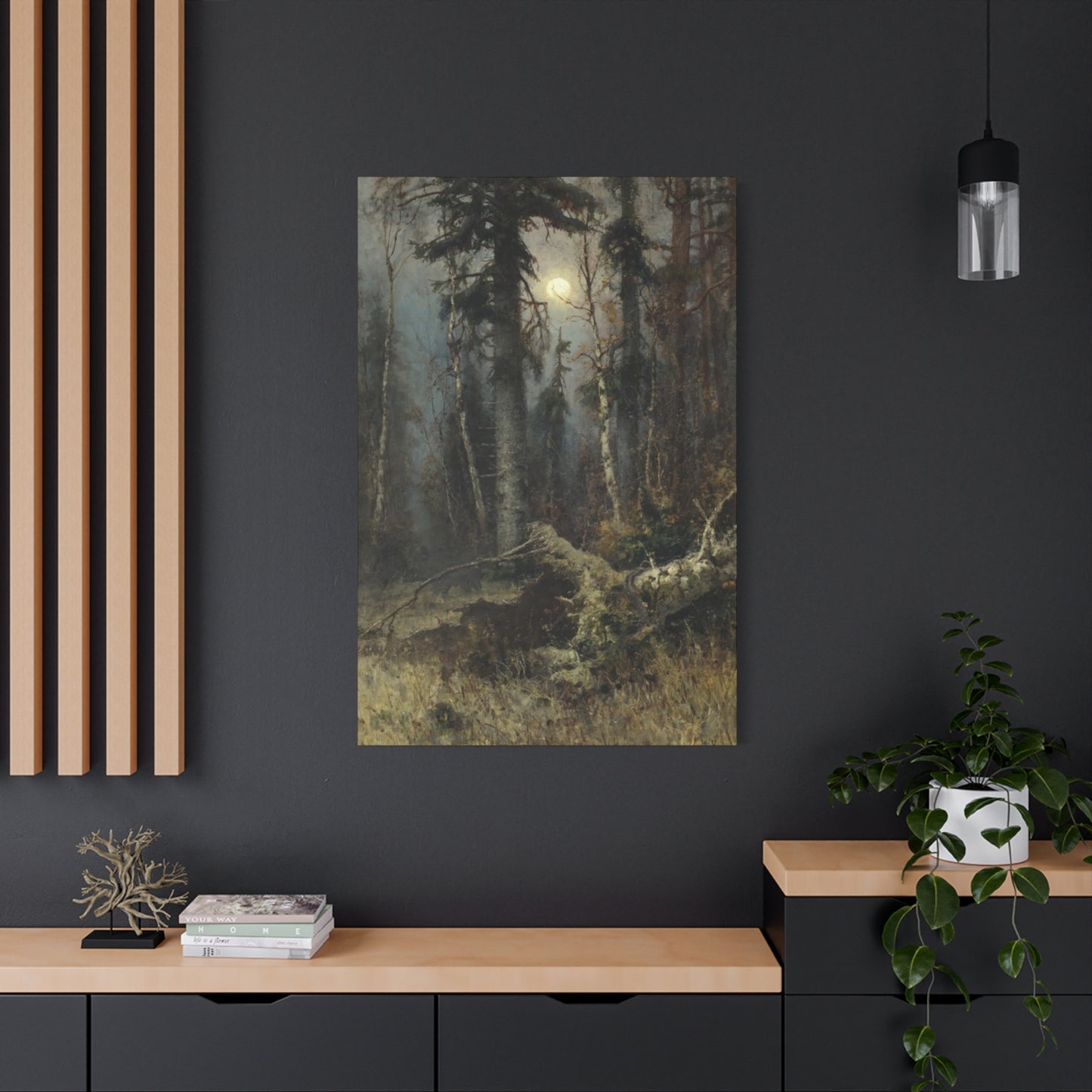
Full Moon Forest Wall Art & Canvas Prints
Full Moon Forest Wall Art & Canvas Prints
Couldn't load pickup availability
Exploring the Enchanting World of Full Moon Forest Wall Art: A Comprehensive Journey into Nature-Inspired Interior Design
The celestial beauty of a luminous moon casting its silvery glow through dense woodland canopy creates an atmosphere that resonates deeply with human emotions and aesthetic sensibilities. Full moon forest wall art captures this mesmerizing phenomenon, bringing the tranquil essence of moonlit wilderness directly into living spaces. This artistic genre has experienced remarkable growth in popularity, transforming ordinary rooms into sanctuaries that evoke wonder, contemplation, and connection with the natural world.
The Captivating Allure of Moonlit Woodland Imagery in Contemporary Home Decoration
The magnetic appeal of full moon forest wall art stems from its ability to bridge the gap between indoor comfort and outdoor majesty. These artistic pieces serve as windows to another realm, where towering trees reach skyward beneath a radiant orb of light. The interplay between darkness and illumination creates dramatic visual tension that draws the eye and stimulates imagination.
Contemporary homeowners increasingly seek artwork that transcends mere decoration, desiring pieces that contribute meaningful ambiance and emotional resonance to their environments. Full moon forest wall art fulfills this desire by incorporating elements that humans instinctively find compelling: the mystery of nocturnal landscapes, the gentle power of moonlight, and the enduring strength of ancient forests.
Research into environmental psychology reveals that nature imagery significantly impacts mood, stress levels, and overall wellbeing. When individuals surround themselves with representations of natural scenes, particularly those featuring calming elements like moonlight filtering through trees, they often experience reduced anxiety and enhanced mental clarity. This connection explains why full moon forest wall art has become more than a passing trend, evolving into a staple of thoughtful interior design.
The symbolic significance of both forests and full moons across cultures adds layers of meaning to these artworks. Forests represent growth, mystery, protection, and the unconscious mind in various traditions. Meanwhile, the full moon symbolizes completion, enlightenment, feminine energy, and cyclical renewal. Together, these elements create imagery rich with symbolic potential that speaks to viewers on multiple levels.
Diverse Artistic Styles and Interpretations of Moonlit Forest Scenes
Full moon forest wall art manifests in numerous artistic styles, each offering distinct aesthetic qualities and emotional tones. Realistic interpretations attempt to capture the precise details of moonlight's effect on forest environments, depicting accurate tree bark textures, atmospheric perspective, and the subtle color shifts that occur in nocturnal settings. These pieces appeal to nature enthusiasts who appreciate botanical accuracy and photographic fidelity.
Impressionistic approaches to full moon forest wall art emphasize mood and atmosphere over precise detail. Artists working in this style use loose brushwork, vibrant color palettes, and abstracted forms to convey the emotional experience of standing in a moonlit forest rather than documenting its exact appearance. The resulting artworks often feature dreamlike qualities that invite prolonged contemplation and personal interpretation.
Abstract representations push the concept further, distilling moonlit forest imagery into essential elements of shape, color, and composition. These pieces might reduce the scene to geometric forms, color fields, or textural explorations that suggest rather than depict the subject matter. Abstract full moon forest wall art works particularly well in modern and minimalist spaces where literal representations might feel incongruous.
Surrealistic interpretations blend realistic rendering with impossible or fantastical elements, creating moonlit forest scenes that transcend ordinary reality. These artworks might feature moons of impossible size, trees with unusual properties, or mysterious elements that transform familiar forest landscapes into portals of imagination. Such pieces serve as conversation starters and focal points that challenge viewers' perceptions.
Digital art has opened new frontiers for full moon forest wall art, enabling artists to create scenes with luminous qualities impossible in traditional media. Digital techniques allow for precise control of lighting effects, creating moonlight that seems to genuinely glow or cast realistic shadows. Some digital artists combine photographic elements with painted or illustrated components, producing hybrid works that leverage the strengths of multiple approaches.
Materials and Mediums That Bring Moonlit Forest Visions to Life
The physical medium through which full moon forest wall art is expressed significantly influences its visual impact and suitability for different spaces. Canvas prints remain among the most popular options, offering texture, depth, and a traditional artistic quality that many collectors appreciate. High-quality canvas reproductions can faithfully capture the nuances of original paintings while providing durability and accessibility.
Metal prints have gained considerable traction for full moon forest wall art, particularly for pieces emphasizing the luminous quality of moonlight. The smooth, reflective surface of metal enhances bright areas, creating eye-catching contrast with darker forest elements. These prints also offer exceptional longevity and resistance to environmental factors, making them suitable for spaces where humidity or temperature fluctuations might damage other media.
Acrylic prints provide another contemporary option, sandwiching the image between clear acrylic layers that create remarkable depth and vibrancy. The glossy finish intensifies colors and creates a luminous quality particularly suited to moonlit scenes. When light strikes an acrylic print of full moon forest wall art, the piece seems to come alive with internal illumination.
Wood-mounted prints offer rustic appeal that complements the natural subject matter of forest imagery. Artists print directly onto wood surfaces or mount prints on wooden substrates, allowing the grain and texture of the wood to interact with the image. This approach works especially well for cabin-style interiors or spaces embracing organic, earth-connected aesthetics.
Framed photographic prints deliver classic elegance and protective enclosure for full moon forest wall art. The frame selection dramatically affects the piece's overall impression, with options ranging from ornate traditional frames that emphasize the artwork's prestige to clean, minimal frames that keep focus on the image itself. Matting choices further customize the presentation, creating breathing room around the image or drawing the eye inward.
Textile-based wall hangings represent another avenue for full moon forest wall art, particularly tapestries woven or printed with moonlit woodland scenes. These soft, textured pieces introduce warmth and acoustic benefits while displaying the desired imagery. Tapestries work wonderfully in bohemian, eclectic, or cozy spaces where traditional hard-surface art might feel too formal.
Three-dimensional sculptural approaches transform full moon forest wall art from flat representation into layered, shadowbox-style pieces. Artists construct these works using multiple layers of cut material, creating actual depth that enhances the scene's dimensionality. When properly lit, these sculptural pieces cast shadows that become part of the artwork itself, changing subtly with ambient lighting conditions.
Selecting the Perfect Full Moon Forest Wall Art for Your Unique Space
Choosing the right piece of full moon forest wall art requires consideration of multiple factors that ensure the artwork enhances rather than clashes with its environment. Room size fundamentally influences appropriate artwork dimensions; larger spaces accommodate and even require substantial pieces that command attention and fill visual space proportionally. Conversely, smaller rooms benefit from moderately sized artworks that create focal interest without overwhelming the limited square footage.
Wall color and texture interact dramatically with full moon forest wall art, either complementing or competing with the piece. Light-colored walls provide neutral backgrounds that allow artwork to stand prominently, while dark walls can create dramatic framing effects, making luminous moon imagery appear even more radiant. Textured walls add another dimension to consider, as heavily textured surfaces may interfere with viewing smooth, detailed artwork.
Existing furniture and decor establish a visual context into which full moon forest wall art must harmoniously integrate. Pieces should dialogue with rather than duplicate existing elements. If a room already contains substantial natural wood furniture, full moon forest wall art with prominent tree imagery reinforces the nature theme without becoming redundant, especially when rendered in a contrasting style or color palette.
Lighting conditions dramatically affect how full moon forest wall art appears throughout the day. Natural window light changes constantly, revealing different aspects of artwork at various times. Dedicated picture lighting or strategically placed lamps can emphasize specific elements, create dramatic effects, or ensure the piece remains visible and impactful during evening hours when natural light fades.
The room's intended mood and function should guide artwork selection. Bedrooms typically benefit from calming, serene versions of full moon forest wall art that promote relaxation and peaceful sleep. Living rooms might accommodate more dramatic or conversation-provoking pieces that stimulate discussion and create memorable impressions. Home offices can leverage artwork that balances inspiration with focus, avoiding pieces so captivating they become distracting.
Personal emotional response ultimately determines whether a particular piece of full moon forest wall art belongs in your space. Beyond all technical considerations of size, color, and style compatibility, the artwork should resonate with you on an intuitive level. Stand with the piece, observe your reactions, and trust whether it sparks joy, contemplation, or connection. Artwork that fails to move you will never truly succeed in your space, regardless of how perfectly it matches design criteria.
Creating Harmonious Gallery Walls with Multiple Moonlit Forest Pieces
Gallery wall arrangements offer exciting possibilities for displaying multiple pieces of full moon forest wall art, creating immersive environments that surround viewers with nature imagery. Successful gallery walls require thoughtful planning regarding spacing, arrangement, and piece selection to achieve cohesion without monotony.
Thematic consistency helps unify gallery walls featuring full moon forest wall art, but variation within the theme prevents redundancy. Consider combining different seasons, times of night, forest types, or artistic styles while maintaining the central moonlit forest concept. This approach creates visual interest through diversity while preserving overall coherence.
Size variation adds dynamic energy to gallery walls, guiding the eye through the arrangement in deliberate patterns. Anchor the display with one or two larger pieces, then surround them with smaller works that support without competing. Asymmetrical arrangements often feel more organic and engaging than rigidly symmetrical layouts, particularly for nature-themed content like full moon forest wall art.
Spacing between pieces significantly influences the gallery wall's overall effect. Tighter spacing creates a unified, tapestry-like impression where individual pieces merge into a larger whole. Generous spacing allows each piece to breathe and be appreciated individually while maintaining connection to neighboring works. Most designers recommend consistent spacing between all pieces, typically ranging from two to six inches depending on artwork sizes and desired effect.
Color coordination across gallery wall pieces creates visual harmony even when styles vary. Full moon forest wall art naturally tends toward cooler color palettes dominated by blues, silvers, and deep greens, but warm accent colors in some pieces can add vitality. Ensure that dominant colors appear in multiple pieces throughout the arrangement, creating rhythmic visual connections that guide the eye.
Frame consistency offers another tool for unifying diverse pieces within a gallery wall. Using identical or complementary frames across all works creates coherence even when the artwork itself varies considerably. Alternatively, deliberately varied frames can work if color, finish, or proportional relationships create subtle connections between disparate frame styles.
The Psychological and Emotional Impact of Forest and Moon Imagery in Living Spaces
The presence of full moon forest wall art in residential environments produces measurable effects on occupants' psychological states and emotional wellbeing. Environmental psychology research demonstrates that nature imagery activates neural pathways associated with relaxation, reducing cortisol levels and promoting parasympathetic nervous system activity that counteracts stress responses.
Biophilia, the inherent human tendency to seek connections with nature, partly explains the powerful appeal of full moon forest wall art. When urban living and modern lifestyles separate people from regular nature contact, representational imagery helps satisfy this fundamental need. Even viewing nature scenes activates similar brain regions as actual nature exposure, providing psychological benefits that improve mood and cognitive function.
The specific combination of forest and moonlight imagery carries particular psychological potency. Forests evoke feelings of protection, mystery, and connection to something larger than oneself. The enclosed yet expansive quality of forest spaces creates psychological safety while suggesting adventure and discovery. Moonlight adds elements of tranquility, romance, and nocturnal magic that transform ordinary forest scenes into extraordinary experiences.
Color psychology contributes significantly to full moon forest wall art's emotional impact. The cool blues and silvers predominant in moonlit scenes promote calmness and mental clarity. Deep greens connect viewers to growth, renewal, and vitality. The contrast between dark shadows and luminous highlights creates visual drama that stimulates without overwhelming, maintaining engagement while supporting relaxation.
Archetypal symbolism embedded in full moon forest wall art speaks to unconscious aspects of human psychology. Jungian analysis suggests forests represent the unconscious mind itself, with its hidden depths and untamed aspects. The full moon symbolizes consciousness, illumination, and cyclical completeness. Together, these elements depict the relationship between conscious and unconscious realms, creating imagery that resonates at profound psychological levels.
Seasonal affective patterns influence how people respond to full moon forest wall art throughout the year. During darker winter months, luminous moon imagery can partially compensate for reduced daylight exposure, potentially alleviating mild seasonal mood disturbances. The reminder of natural cycles and celestial constancy provides psychological grounding when weather limits outdoor activity.
Commissioning Custom Full Moon Forest Wall Art from Talented Artists
Commissioning original full moon forest wall art allows for personalized pieces that perfectly match specific visions, spaces, and emotional intentions. This process begins with identifying artists whose existing work demonstrates styles, techniques, and sensibilities aligned with your preferences. Online portfolios, galleries, and artist platforms provide excellent resources for discovering creators specializing in nature and moonlit imagery.
Communication establishes the foundation for successful commissioned artwork. Clearly articulate your vision for the full moon forest wall art, including preferred mood, color palette, size requirements, and any specific elements you want incorporated. Visual references help immensely; gather images that capture aspects of what you envision, even if no single reference represents your complete vision.
Budget discussions should occur early and openly in the commission process. Original artwork pricing reflects not just materials and time but also the artist's experience, reputation, and the unique value of owning an original creation. Understanding what drives pricing helps set realistic expectations and facilitates productive negotiations that respect both parties' interests.
Timeline clarification prevents misunderstandings and disappointments. Original full moon forest wall art requires substantial time for conception, creation, and completion. Rushed work rarely achieves the quality that makes commissioned pieces worthwhile. Discuss realistic timelines that allow the artist adequate creative space while meeting any deadline requirements you might have.
Revision policies warrant clear definition before work begins. Most commission agreements include specified revision rounds where you can request adjustments to the evolving artwork. Understanding how many revisions the agreement includes, what constitutes a revision, and any additional costs for extra changes prevents later conflicts and ensures you receive a finished piece you'll treasure.
Contract formalization protects both commissioner and artist, documenting agreed-upon terms regarding specifications, pricing, timeline, revisions, delivery method, reproduction rights, and payment schedule. Written agreements prevent miscommunication and provide recourse if problems arise, making them essential for commissions involving significant investment.
Collaborative flexibility during the creation process often yields superior results. While clear initial direction is important, allowing artists some creative freedom frequently produces full moon forest wall art that exceeds initial expectations. Artists bring expertise and creative insights that can enhance your vision in ways you might not anticipate, so balance specific requirements with openness to professional suggestions.
Caring for and Preserving Your Full Moon Forest Wall Art Investment
Proper care ensures full moon forest wall art maintains its beauty and value for decades. Different media require specific maintenance approaches, but general principles apply broadly across most artwork types. Understanding these guidelines protects your investment and preserves the piece's ability to enhance your space.
Light exposure represents the primary threat to most full moon forest wall art. Ultraviolet radiation causes fading, color shifts, and material degradation over time. Minimize direct sunlight exposure by positioning artwork away from windows or using UV-filtering window treatments. Artificial lighting should also be considered; LED bulbs emit minimal UV radiation compared to incandescent or fluorescent options, making them safer for illuminating artwork.
Humidity and temperature fluctuations damage artwork through various mechanisms. Excessive humidity promotes mold growth, warping, and material degradation, particularly problematic for canvas, paper, and wood-based pieces. Very low humidity causes brittleness and cracking. Similarly, temperature extremes and rapid changes stress materials, leading to expansion, contraction, and eventual structural failure. Maintain stable conditions, ideally between 40-55% humidity and 65-75°F temperature.
Dust accumulation obscures artwork and can cause abrasion when cleaning is eventually attempted. Regular gentle dusting prevents buildup that becomes difficult to remove. Use soft, clean brushes or microfiber cloths designed for delicate surfaces, working gently to avoid scratching or scuffing. Never use household cleaners or water on artwork without confirming the specific piece can tolerate such treatment.
Physical protection prevents accidental damage from impacts, scratches, or other mechanical injury. Position full moon forest wall art in locations with adequate clearance from doors, furniture, and traffic patterns. For pieces in vulnerable locations, consider protective glazing or strategic placement that minimizes exposure to potential hazards. When handling artwork, always support it properly and avoid touching image surfaces directly.
Framing quality significantly influences long-term preservation for works on paper or canvas. Acid-free mats and backing materials prevent chemical degradation that causes yellowing and brittleness. UV-filtering glazing provides crucial protection while maintaining visibility. Professional framing may seem expensive initially but dramatically extends artwork lifespan, making it worthwhile for pieces you intend to keep long-term.
Professional conservation services become necessary when full moon forest wall art shows signs of deterioration or damage. Conservators possess specialized knowledge and materials for treating artwork problems that exceed layperson capabilities. Attempting amateur repairs on valuable pieces often causes irreversible additional damage, so consult qualified professionals when problems arise.
Incorporating Full Moon Forest Wall Art into Various Interior Design Styles
The versatility of full moon forest wall art allows integration into diverse interior design schemes, each leveraging the imagery differently to support the overall aesthetic vision. Understanding how moonlit forest pieces function within various styles helps achieve cohesive, intentional spaces.
Scandinavian design embraces full moon forest wall art naturally, as this style prioritizes nature connections, simplicity, and serene atmospheres. Choose pieces with clean compositions, limited color palettes, and minimalist sensibilities. The artwork should feel like a quiet observation of nature rather than a dramatic statement, complementing the Scandinavian emphasis on understated elegance and functional beauty.
Bohemian interiors welcome full moon forest wall art as part of their eclectic, layered approach to decoration. In these spaces, the artwork can be more elaborate, colorful, or fantastical, mixing with textiles, plants, and collected objects to create rich visual environments. Bohemian settings allow more experimental presentations, such as unframed canvas pieces or mixed-media works that blur boundaries between artwork and decoration.
Rustic and cabin-style spaces find natural alignment with full moon forest wall art, as the subject matter directly reflects the nature-immersed lifestyle these interiors celebrate. Wood-mounted prints, pieces featuring regional tree species, or artwork emphasizing the raw, untamed aspects of forests work particularly well. The artwork reinforces the connection between indoor comfort and surrounding wilderness.
Modern interiors can incorporate full moon forest wall art by selecting pieces with strong graphic qualities, abstract elements, or unusual presentations like metal prints. The key is choosing artwork that balances nature content with contemporary formal qualities, preventing the piece from feeling nostalgic or traditional in ways that clash with modern design's forward-looking sensibility.
Minimalist spaces demand careful selection when including full moon forest wall art, as the style's restraint allows few decorative elements. The chosen piece must be genuinely exceptional and perfectly scaled to the space. In minimalist contexts, a single powerful work of full moon forest wall art can serve as the entire decorative program, providing visual interest and nature connection without compromising the style's essential simplicity.
Transitional design, which bridges traditional and contemporary sensibilities, accommodates full moon forest wall art readily. These spaces can embrace pieces with classical composition or rendering techniques presented in contemporary formats, or vice versa. The artwork helps negotiate the dialogue between past and present that transitional interiors embody.
Industrial spaces gain warmth and humanity through the inclusion of full moon forest wall art, softening hard surfaces and mechanical elements with organic imagery. The contrast between nature content and industrial context can be particularly striking, creating unexpected tension that makes both elements more impactful than either would be alone.
Exploring the Symbolism and Cultural Significance of Moons and Forests
Full moon forest wall art draws power from the deep symbolic meanings humans have attributed to both moons and forests across cultures and throughout time. Understanding these symbolic dimensions enriches appreciation for the artwork and its potential significance in personal spaces.
Lunar symbolism encompasses themes of cycles, change, feminine power, intuition, and hidden knowledge. The full moon specifically represents culmination, completion, and the fullest expression of lunar energy. Many cultures associate the full moon with heightened emotions, clarity, and liminal states where ordinary boundaries blur. Displaying full moon forest wall art can serve as a reminder of life's cyclical nature and the value of honoring completion and fruition.
Forest symbolism tends toward mystery, transformation, testing, and connection to primal or wild aspects of existence. Forests appear in countless myths and fairy tales as places where protagonists face challenges, undergo transformation, or discover hidden truths. The forest represents the unknown territory we must sometimes enter to grow, change, or find what we seek. Full moon forest wall art captures this threshold quality, suggesting spaces of both danger and possibility.
In Eastern traditions, moon contemplation serves as a meditative practice promoting wisdom and enlightenment. The moon's reflection in water symbolizes how phenomena reflect ultimate reality, with the moon representing absolute truth and the reflection representing our perception of it. Full moon forest wall art can serve similar contemplative purposes, providing a focal point for meditation on transience, beauty, and the relationship between observer and observed.
Celtic traditions venerated both forests and moons as sacred entities. Ancient forests served as temple spaces where spiritual practices occurred, while lunar cycles governed agricultural and ceremonial calendars. The combination of these elements in full moon forest wall art resonates with these ancient traditions, potentially connecting modern viewers to ancestral ways of relating to nature and cosmos.
Native American traditions often ascribe specific meanings to each month's full moon, creating a calendar of lunar names like Wolf Moon, Snow Moon, or Harvest Moon. These names connect celestial events to earthly cycles and natural phenomena. Full moon forest wall art can evoke these connections, reminding viewers of the intimate relationship between sky, land, and seasonal rhythms.
Japanese aesthetic traditions find particular beauty in moonlit scenes, with moon-viewing (tsukimi) being a celebrated cultural practice. The combination of moonlight and natural elements like forests exemplifies concepts like mono no aware (the pathos of things) and yugen (profound grace and subtlety). Full moon forest wall art can embody these aesthetic principles, offering spaces for contemplating beauty's transient nature.
Psychological symbol systems, particularly Jungian analysis, interpret forests as representations of the unconscious mind and the full moon as consciousness or awareness illuminating those depths. This interpretation suggests that full moon forest wall art depicts the relationship between known and unknown aspects of self, with moonlight revealing what otherwise remains hidden in shadow.
The Role of Color Theory in Effective Full Moon Forest Wall Art
Color relationships within full moon forest wall art significantly influence the piece's emotional impact, visual coherence, and effectiveness in specific environments. Artists working in this genre navigate complex color decisions that determine whether their work merely depicts a moonlit forest or truly captures its essence.
The cool color dominance characteristic of moonlit scenes creates innate calmness and serenity. Blues, silvers, and gray-greens prevail in authentic moonlight rendering, as the moon's reflected sunlight skews toward cooler wavelengths. These colors trigger psychological responses associated with tranquility, introspection, and spaciousness, making full moon forest wall art naturally suited to relaxation-focused spaces.
Value contrast between the luminous moon and dark forest surroundings creates the dramatic visual impact that makes these pieces compelling. High contrast draws attention, guides the eye, and creates focal emphasis. Artists must carefully balance this contrast to maintain interest without creating harsh, jarring relationships that undermine the scene's inherent tranquility.
Color temperature variations add subtlety and depth to full moon forest wall art. While the overall palette may lean cool, introducing warmer notes in specific areas creates visual interest and prevents monotony. A hint of warm light on certain tree trunks might suggest distant campfires or the memory of sunset warmth, adding narrative complexity to the scene.
Atmospheric perspective utilizes color shifts to create depth illusion in full moon forest wall art. Distant elements appear lighter, cooler, and less saturated than foreground elements, mimicking how atmosphere scatters light in actual landscapes. Skillful application of atmospheric perspective makes two-dimensional artwork suggest deep, traversable space.
Complementary color accents provide visual vitality without overwhelming the dominant cool palette. Small touches of orange, amber, or gold create vibrant contrast against prevailing blues and greens. These accents might appear in scattered autumn leaves, distant lights, or selective highlighting where moonlight strikes certain surfaces.
Monochromatic or limited palette approaches can heighten the ethereal, dreamlike qualities of full moon forest wall art. Working within restricted color ranges forces artists to develop value and temperature variations more subtly, often resulting in sophisticated, harmonious pieces that feel unified and contemplative.
Color psychology considerations should inform both artwork creation and selection. Blue promotes calmness and concentration, making it excellent for workspaces or bedrooms. Green connects to nature, growth, and balance, supporting wellness-focused environments. Silver and gray suggest sophistication, mystery, and timelessness, working well in spaces seeking elegant, understated aesthetics.
Seasonal Variations in Full Moon Forest Wall Art Imagery
Full moon forest wall art can capture any season, each offering distinct aesthetic qualities and emotional resonances. Understanding seasonal variations helps in selecting pieces that either harmonize with changing seasons or provide year-round consistency.
Winter moonlit forests present stark, minimalist beauty with bare tree branches creating intricate silhouettes against luminous skies. Snow amplifies available light, creating scenes of surprising brightness and visual clarity. These pieces evoke stillness, purity, and the crystalline quality of cold nights. Winter full moon forest wall art works beautifully in modern or minimalist spaces that appreciate restrained elegance.
Spring moonlit forests capture awakening and renewal, with emerging foliage, blossoming trees, and the sense of nature stirring back to life. The moon illuminates delicate new growth, creating scenes of gentle beauty and hopeful energy. Spring-themed full moon forest wall art brings refreshing, optimistic qualities to spaces, particularly appropriate for areas dedicated to new beginnings or creative endeavors.
Summer moonlit forests offer lush, abundant imagery with full canopies creating dramatic plays of light and shadow. The thick foliage fragments moonlight into dappled patterns while fireflies might add points of warm light. These pieces feel rich, vital, and alive with nocturnal activity. Summer full moon forest wall art suits spaces seeking energy, abundance, and celebration of nature's fullness.
Autumn moonlit forests present perhaps the most dramatic color opportunities, with fall foliage introducing warm tones that contrast beautifully with cool moonlight. The transitional quality of autumn adds poignancy and reflection to these scenes. Falling leaves, bare patches appearing in canopies, and the sense of approaching change create emotionally complex imagery. Autumn full moon forest wall art works well in contemplative spaces or areas where transition and transformation are honored.
Seasonal rotation offers an engaging approach to full moon forest wall art, maintaining a core collection representing different seasons and rotating them throughout the year. This practice keeps the living space fresh and dynamic while creating meaningful connections between interior environment and natural cycles occurring outside.
Timeless or ambiguous seasonal representations avoid specific seasonal markers, creating full moon forest wall art that remains appropriate year-round. These pieces focus on universal forest qualities rather than seasonal specifics, emphasizing the enduring presence of trees and the moon's constant cycle regardless of season.
The Relationship Between Full Moon Forest Wall Art and Other Nature-Themed Decor Elements
Full moon forest wall art rarely exists in isolation; it typically shares space with other decorative elements that either complement or compete with it. Understanding these relationships ensures cohesive, intentional interior spaces where all elements work harmoniously.
Living plants create obvious connections with full moon forest wall art, bringing actual nature into spaces alongside its artistic representation. However, this combination requires thoughtful execution to avoid redundancy or visual confusion. Differentiate living plants from artwork through scale, placement, or type; for example, pairing forest artwork with succulents or tropical plants rather than trees creates complementary contrast rather than repetition.
Natural materials in furniture and architectural elements dialogue with full moon forest wall art through shared thematic content. Wood furniture, stone accents, or fiber textiles reinforce nature connections without duplicating the specific imagery. These materials provide tactile experiences that artwork cannot, creating multisensory nature engagement.
Other nature artwork can coexist with full moon forest wall art when pieces complement rather than compete. Varying the subject matter prevents redundancy; forest artwork might pair well with ocean, mountain, or desert scenes, creating a broader nature narrative. Alternatively, maintaining the forest theme while varying composition, scale, or style creates unity through repetition with variation.
Color coordination between full moon forest wall art and soft furnishings unifies spaces visually. Pull accent colors from the artwork into throw pillows, blankets, or curtains, creating rhythmic visual connections that guide the eye and establish coherence. This approach works particularly well in rooms where the artwork serves as the color palette foundation.
Lighting fixtures can echo themes present in full moon forest wall art, reinforcing the nocturnal, luminous qualities of the imagery. Moon-shaped lights, fixtures resembling branches, or lamps that cast intricate shadows create thematic resonance. The lighting should enhance rather than compete with the artwork, supporting its visibility and impact.
Decorative objects with nature themes can accumulate accidentally, creating visual clutter that diminishes full moon forest wall art's impact. Curate these elements carefully, selecting only pieces that genuinely contribute to the space's overall intention. Sometimes less is more; a single exceptional piece of full moon forest wall art may be more effective than that piece plus numerous small nature trinkets.
Creating Immersive Environments with Large-Scale Full Moon Forest Wall Art
Large-scale or mural-sized full moon forest wall art transforms spaces dramatically, creating immersive environments that transcend traditional artwork's decorative function. These substantial pieces demand different considerations than smaller artworks while offering unique opportunities for powerful spatial transformation.
Scale selection for large full moon forest wall art should consider both absolute dimensions and proportional relationships to the room. The artwork might occupy an entire wall, creating a window-like effect that visually expands the space into moonlit wilderness. Alternatively, it might dominate one wall while leaving other walls relatively plain, creating clear focal emphasis and directional energy in the room.
Viewing distance significantly impacts how large-scale full moon forest wall art functions. Pieces designed for close viewing require refined detail that rewards examination, while works intended for appreciation from across the room can employ broader, more impressionistic techniques. Consider how the space will actually be used; artwork in a room where people typically stand or move past needs different qualities than pieces in spaces where people sit and gaze for extended periods.
Architectural integration distinguishes the most successful large-scale full moon forest wall art installations. The piece should acknowledge and ideally interact with architectural features like windows, doorways, built-in shelving, or ceiling lines. Rather than fighting these elements, exceptional installations incorporate them into the overall composition, creating unified environments rather than artwork applied to spaces.
Lighting design becomes crucial for large-scale pieces, as uneven or inadequate lighting undermines the work's impact. Consider dedicated lighting systems that illuminate the entire piece evenly, or embrace dramatic lighting that emphasizes specific areas while allowing others to recede into shadow. The lighting approach should align with the artwork's inherent qualities and the space's intended mood.
Installation complexity increases with scale, often requiring professional expertise to ensure safety and optimal presentation. Large pieces can be unexpectedly heavy, requiring appropriate mounting systems and possibly structural reinforcement. Professional installers understand these challenges and possess the tools and experience to handle substantial artworks safely and effectively.
Financial investment in large-scale full moon forest wall art typically exceeds smaller pieces substantially, reflecting increased material costs, artistic labor, and installation complexity. However, the transformative power of these pieces often justifies the investment for individuals seeking dramatic spatial experiences that cannot be achieved through conventional artwork.
The Intersection of Photography and Painting in Full Moon Forest Wall Art
Full moon forest wall art exists at the intersection of photographic and painted traditions, with each medium offering distinct advantages and challenges. Understanding these differences helps in both creating and selecting pieces that align with specific preferences and spaces.
Photographic full moon forest wall art captures actual moments when moonlight illuminated real forests, offering documentary authenticity and the unique aesthetic qualities of photographic media. Long-exposure techniques allow photographers to record scenes exceeding human vision's capabilities, gathering light over extended periods to reveal details invisible to the naked eye. This approach creates ethereal, dream-like imagery that faithfully represents actual locations while transforming them through photographic technique.
Technical challenges facing photographers creating full moon forest wall art include limited light requiring long exposures, potential motion blur from wind-moved foliage, difficulty achieving proper exposure for both bright moon and dark forest, and timing requirements to capture specific conditions. Overcoming these challenges demands significant technical skill and often considerable patience waiting for ideal conditions.
Painted full moon forest wall art frees artists from reality's constraints, allowing pure creative vision to guide composition, lighting, color, and atmospheric effects. Painters can perfect every element, creating idealized scenes impossible to encounter or photograph in nature. This freedom enables stronger emotional expression and symbolic content than documentary approaches typically achieve.
Hybrid approaches combine photographic foundations with painted or digital enhancements, leveraging both media's strengths. An artist might photograph an actual forest, then digitally paint enhanced moonlight, add atmospheric effects, adjust colors for emotional impact, or incorporate impossible elements. These hybrid pieces offer photographic grounding with artistic embellishment.
Digital manipulation has blurred boundaries between photography and painting in full moon forest wall art, enabling photographers to adjust their images extensively post-capture. Questions arise about where enhanced photography ends and digital painting begins, challenging traditional medium classifications. These debates matter less than the resulting artwork's quality and impact, though some collectors prefer clearly defined mediums.
Collector preferences regarding photographic versus painted full moon forest wall art often relate to broader aesthetic orientations and values. Those valuing authenticity, documentary qualities, or connection to actual places tend toward photographic work. Those prioritizing emotional expression, symbolic content, or imaginative freedom lean toward paintings. Many collectors appreciate both approaches for different reasons and in different spaces.
Conclusion
Full moon forest wall art can serve meaningful roles in children's and young people's spaces, supporting development, encouraging imagination, and creating environments conducive to rest and reflection. Age-appropriate selection and thoughtful integration make these pieces valuable additions to youth-oriented spaces.
Nursery applications of full moon forest wall art typically emphasize gentle, soothing qualities that promote calm and sleep. Softer color palettes, simplified compositions, and reassuring rather than mysterious atmospheres work best for infants and toddlers. The artwork should create a peaceful environment without stimulating excessive visual interest that might interfere with rest.
Children's bedroom artwork can embrace more imaginative, story-suggesting qualities as kids develop narrative thinking and imaginative play. Full moon forest wall art that hints at adventures, magical elements, or friendly creatures invites storytelling and creative engagement. These pieces can spark bedtime stories, imaginary games, or simply provide comforting companionship through the night.
Educational aspects of full moon forest wall art include introducing children to nocturnal environments, lunar cycles, forest ecology, and artistic interpretation of nature. Parents and educators can use the artwork as springboards for discussions about these topics, turning decoration into learning opportunities that build nature literacy and scientific curiosity.
Adolescent spaces benefit from full moon forest wall art that respects increasing sophistication while maintaining nature connections increasingly absent from digital-focused lifestyles. Teenagers often appreciate moodier, more dramatic interpretations that reflect their developing emotional complexity and aesthetic preferences. The artwork can provide grounding and natural beauty in spaces otherwise dominated by screens and academic pressures.
Developmental appropriateness considerations include avoiding imagery that might frighten young children, such as extremely dark or ominous forests, while recognizing that some mystery and drama become developmentally appropriate and even appealing as children mature. Adjusting artwork selections as children grow maintains relevance and engagement through different life stages.
Quality standards matter especially in children's spaces, as developing aesthetic sensibilities benefit from exposure to genuinely good artwork rather than cheap, thoughtless decoration. Investing in quality full moon forest wall art demonstrates that children's environments deserve the same aesthetic consideration as adult spaces, sending positive messages about their value and importance.
Share