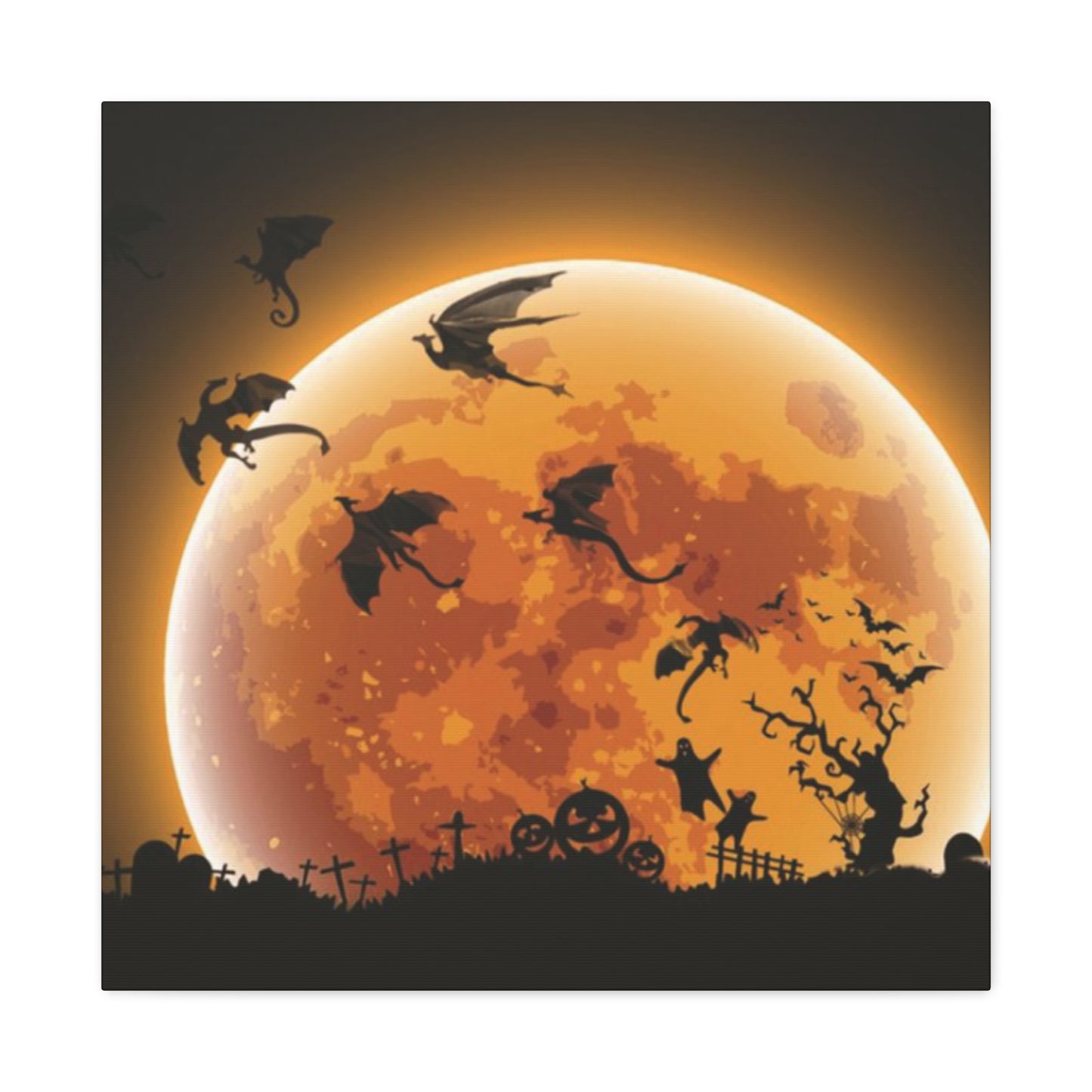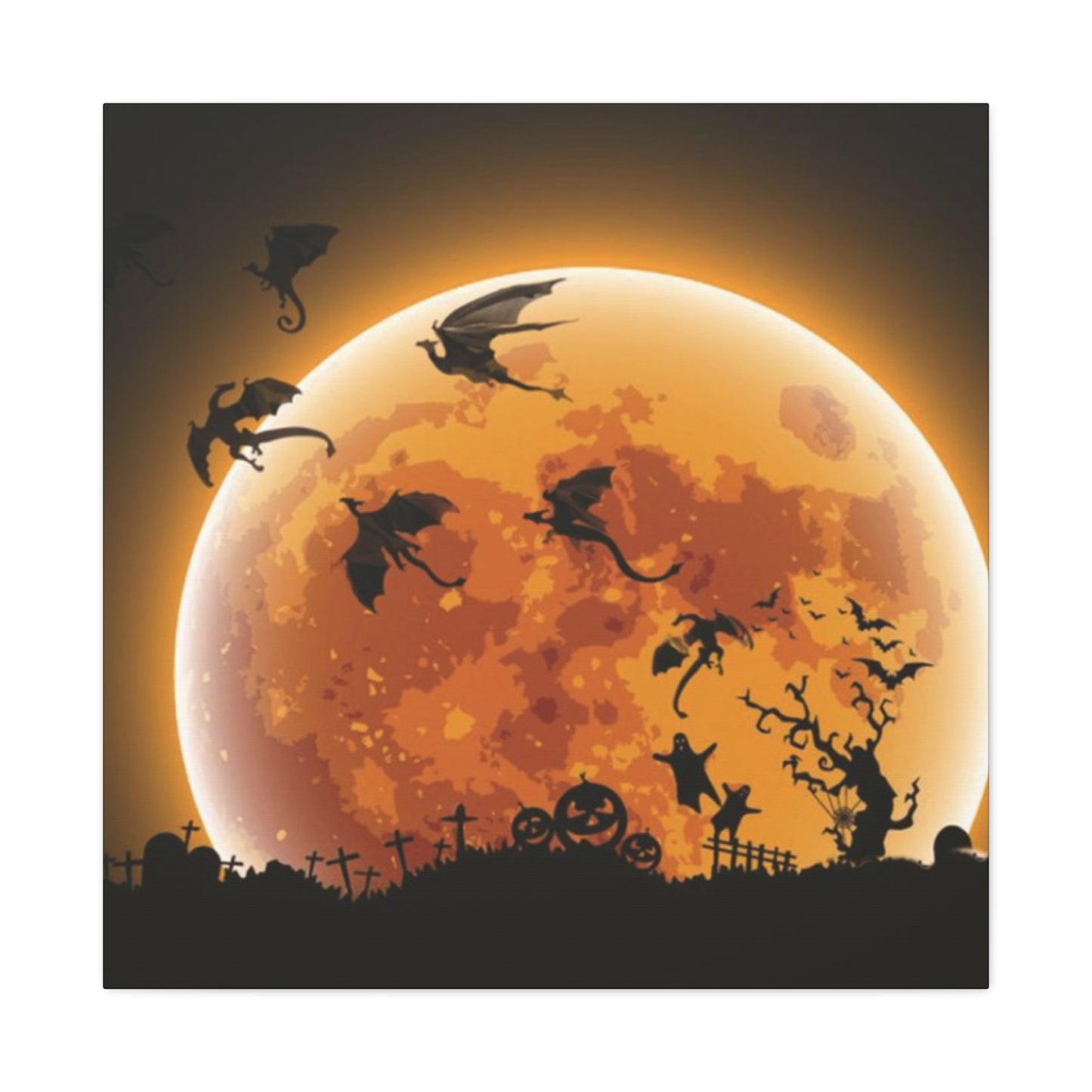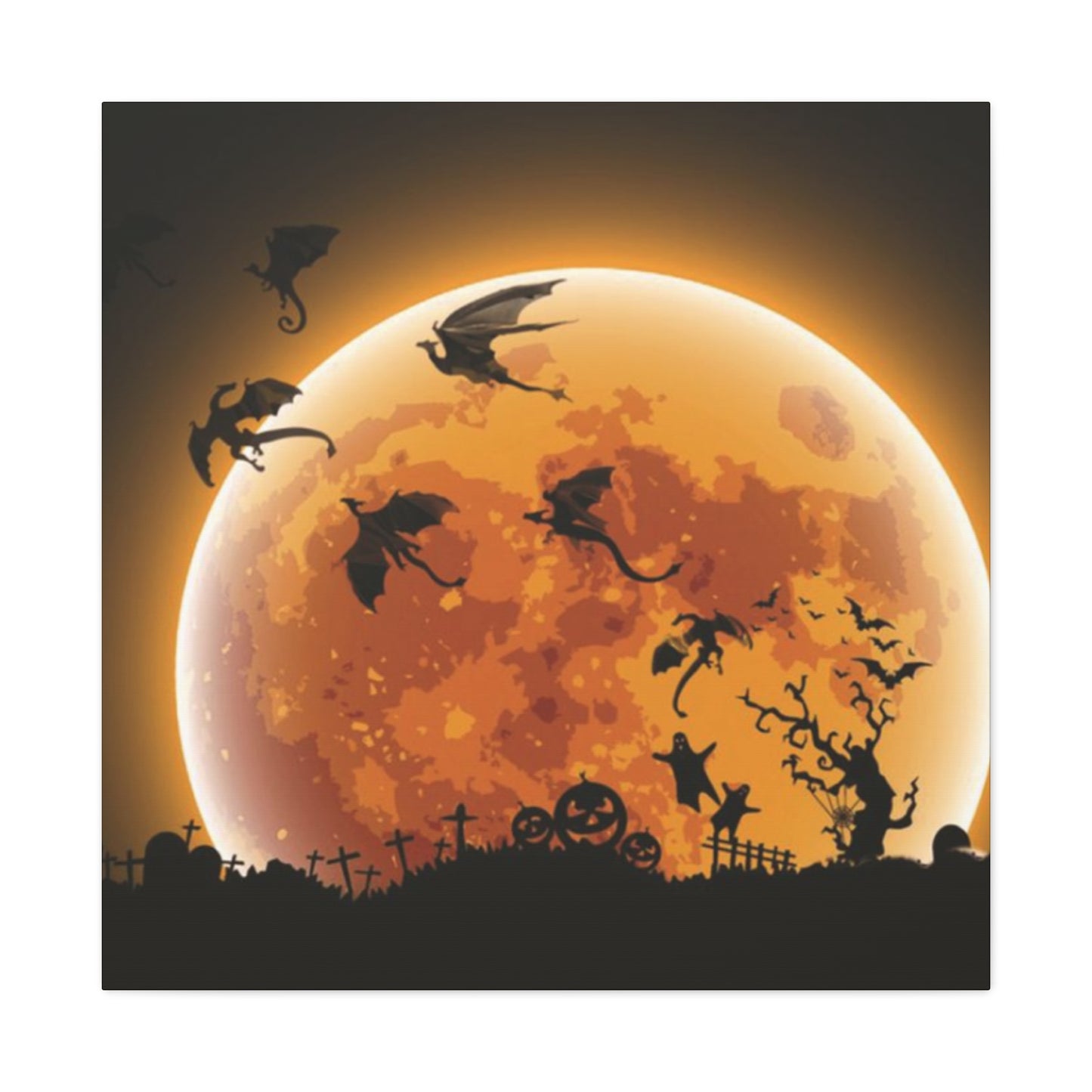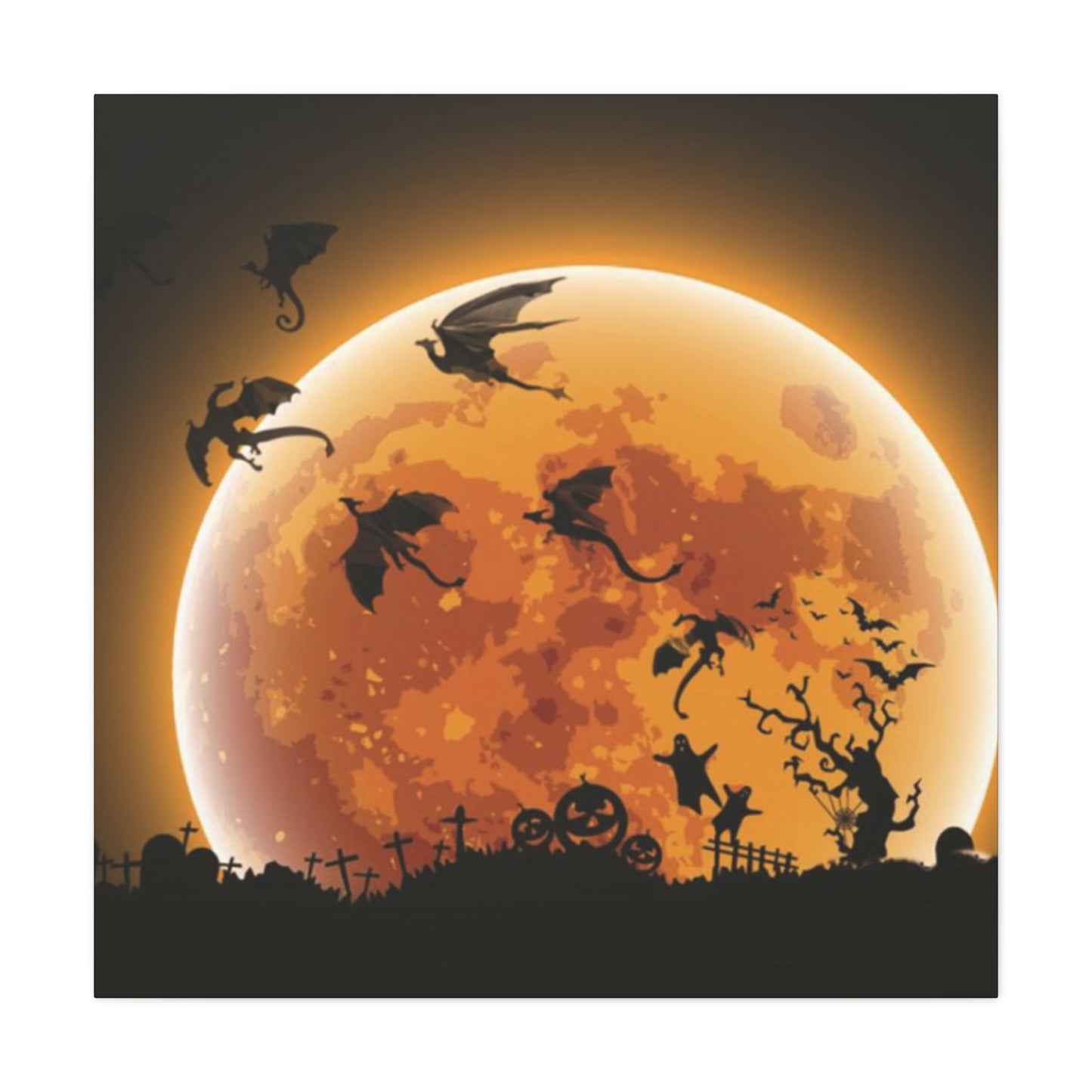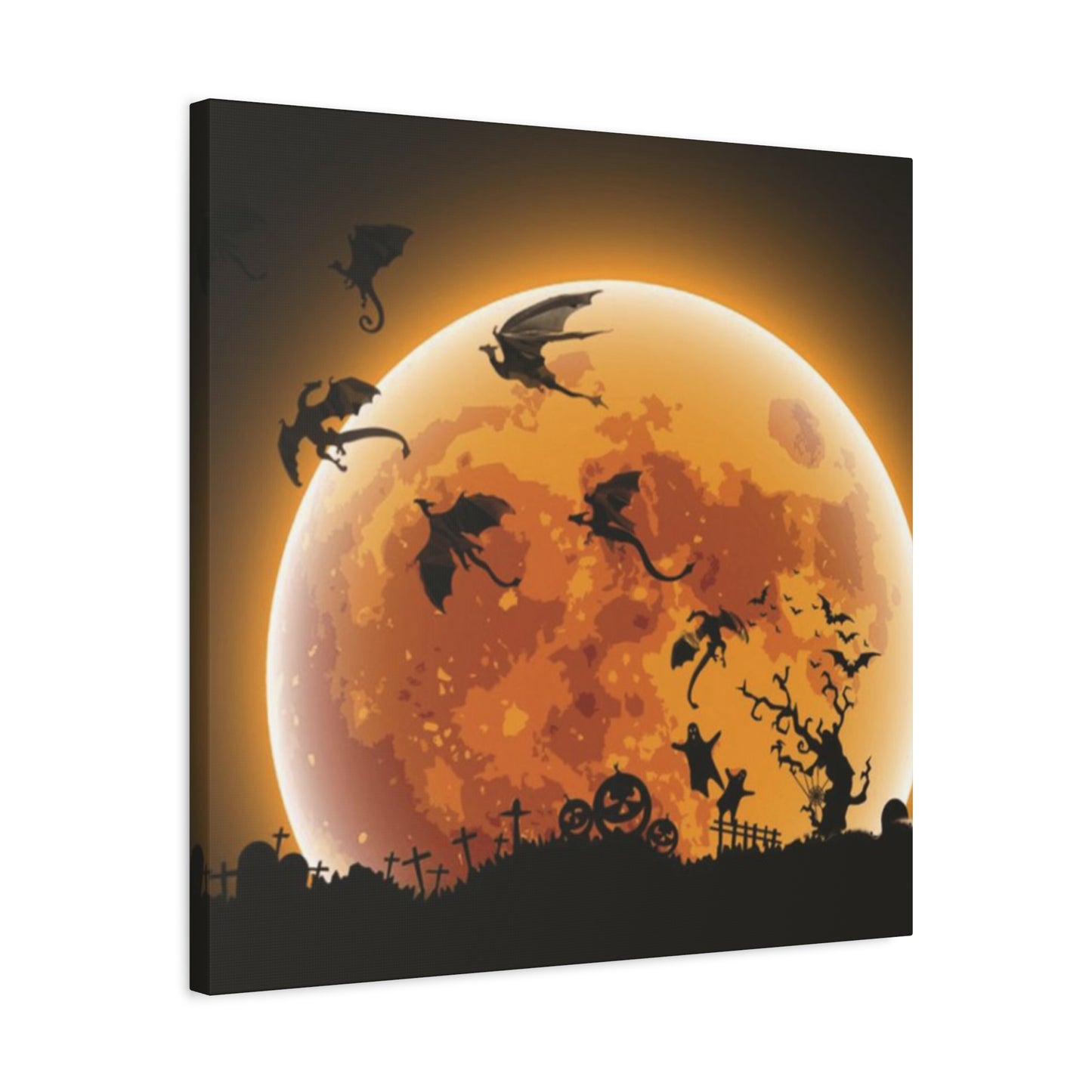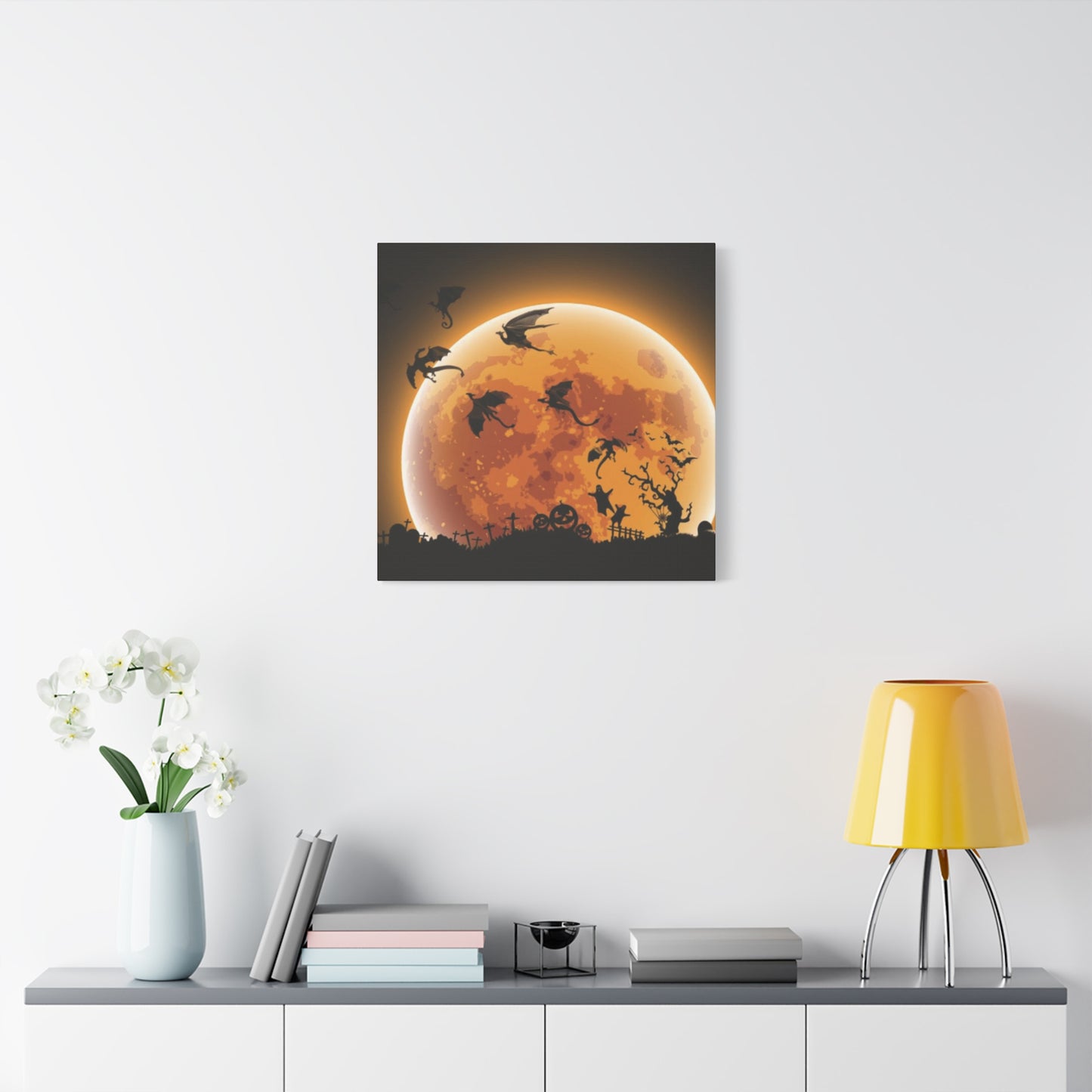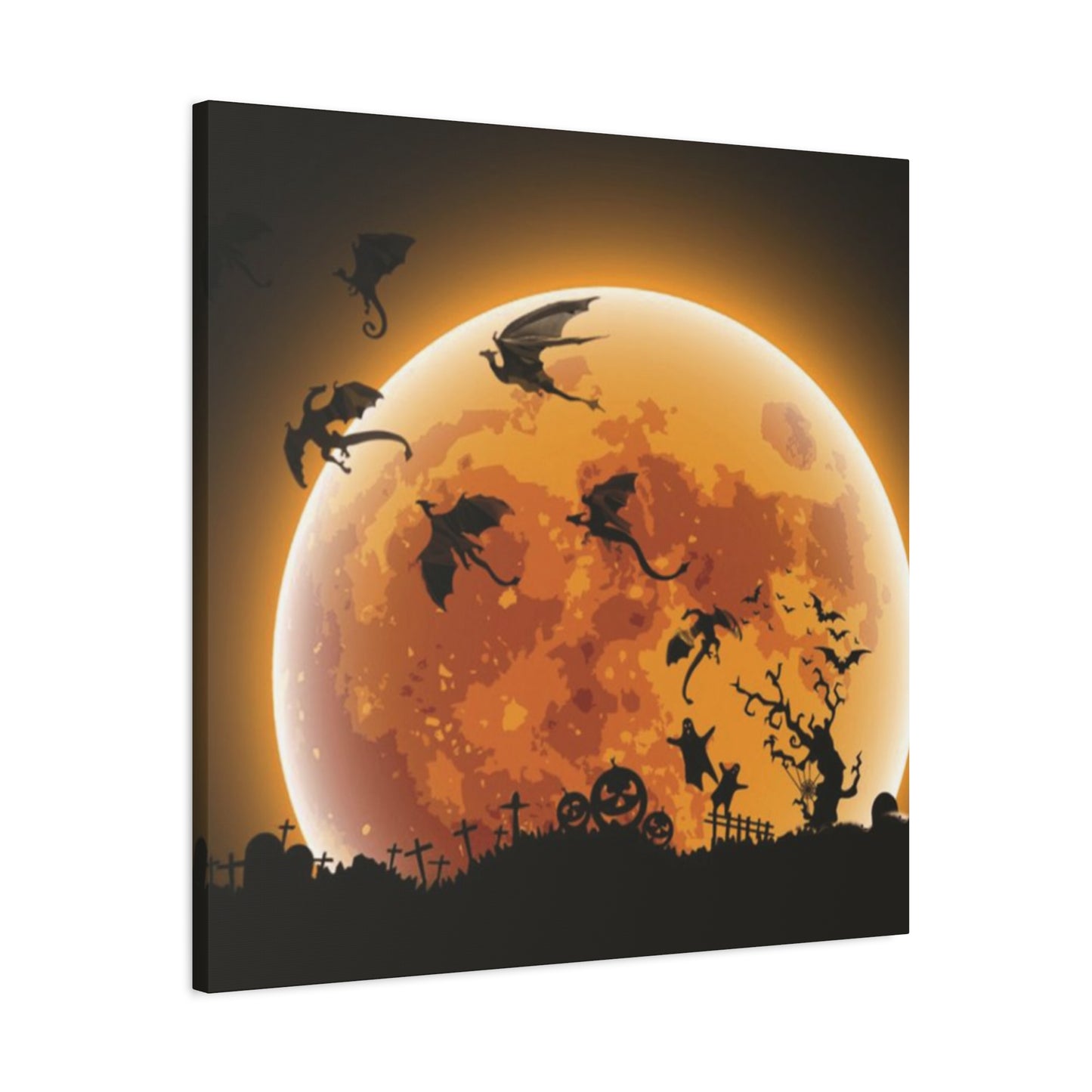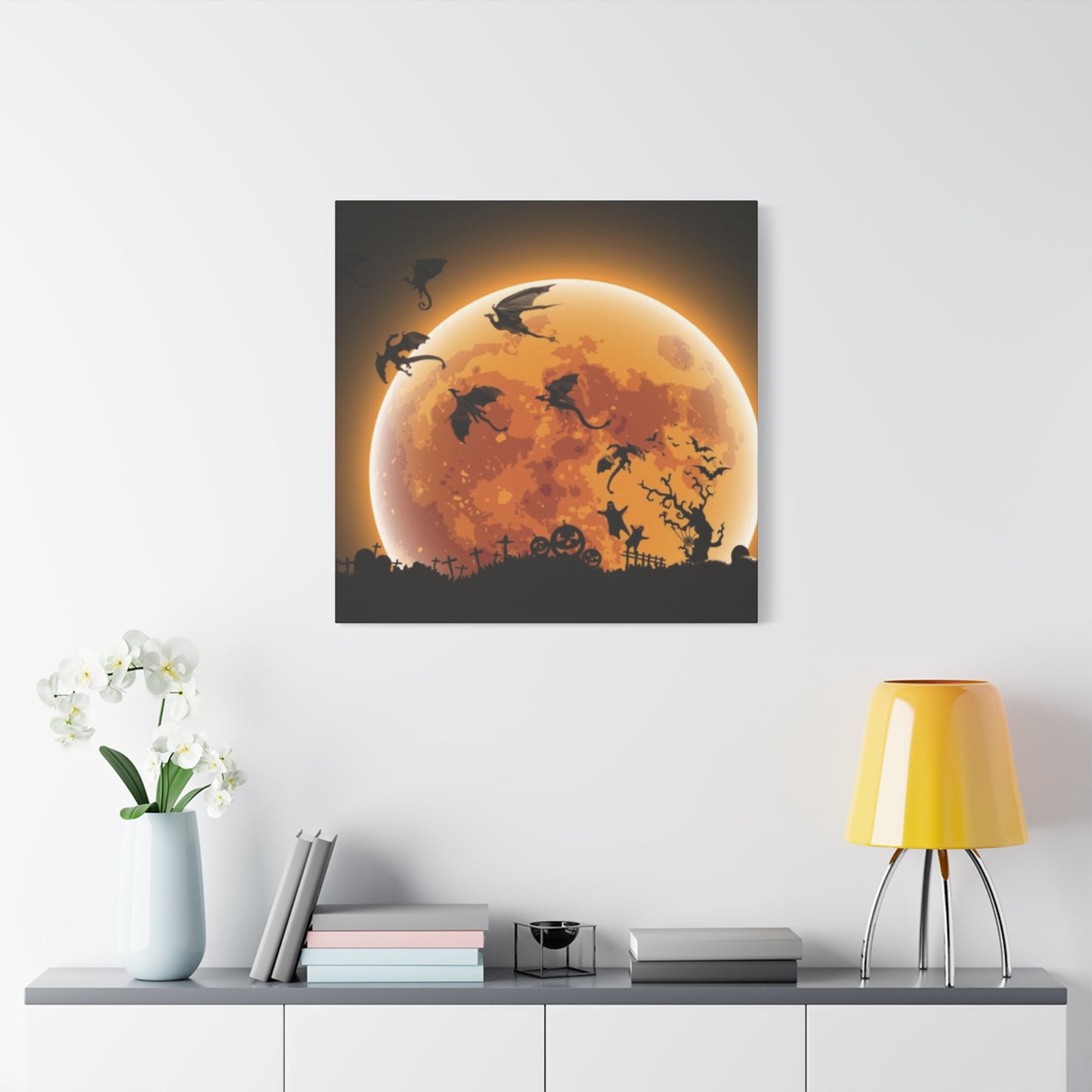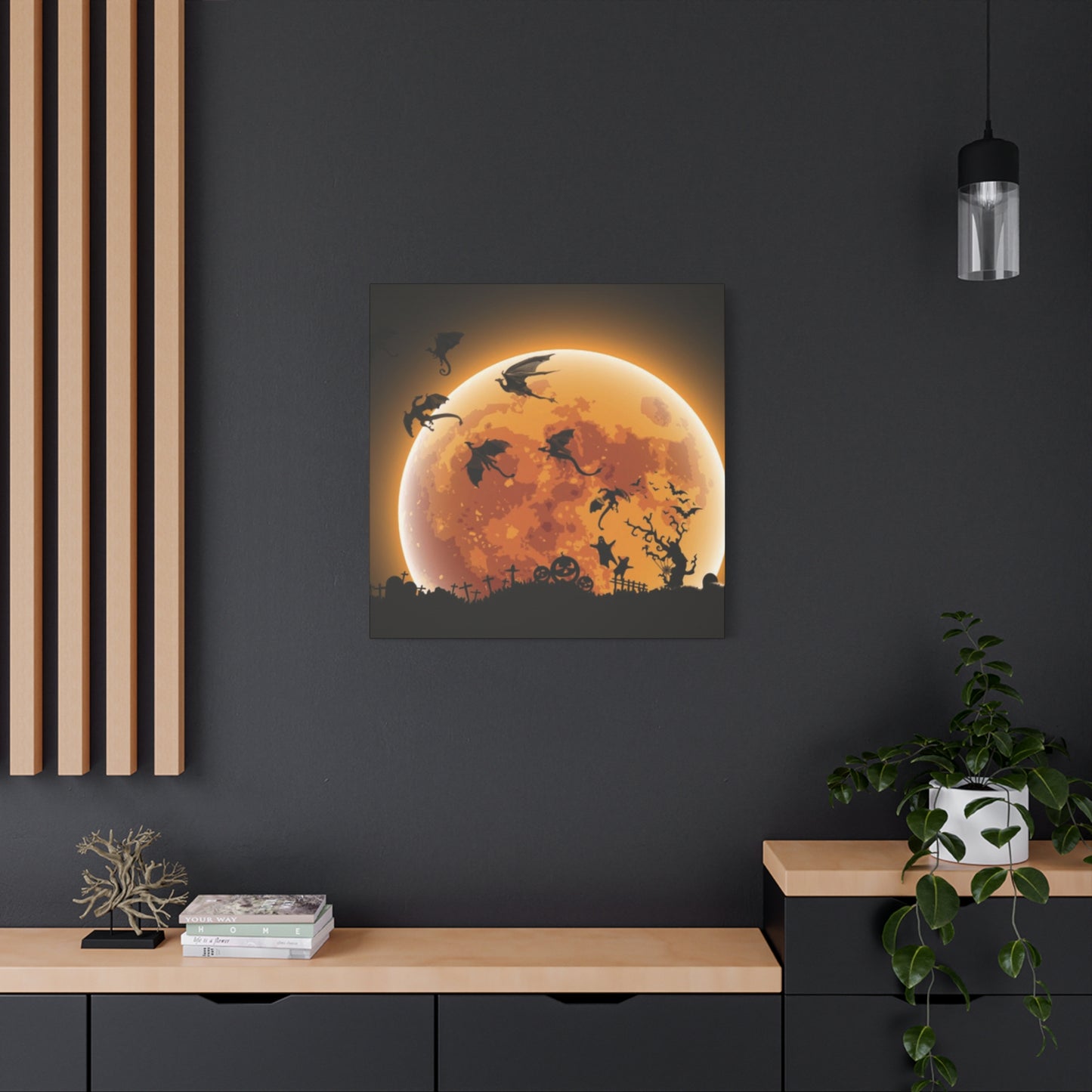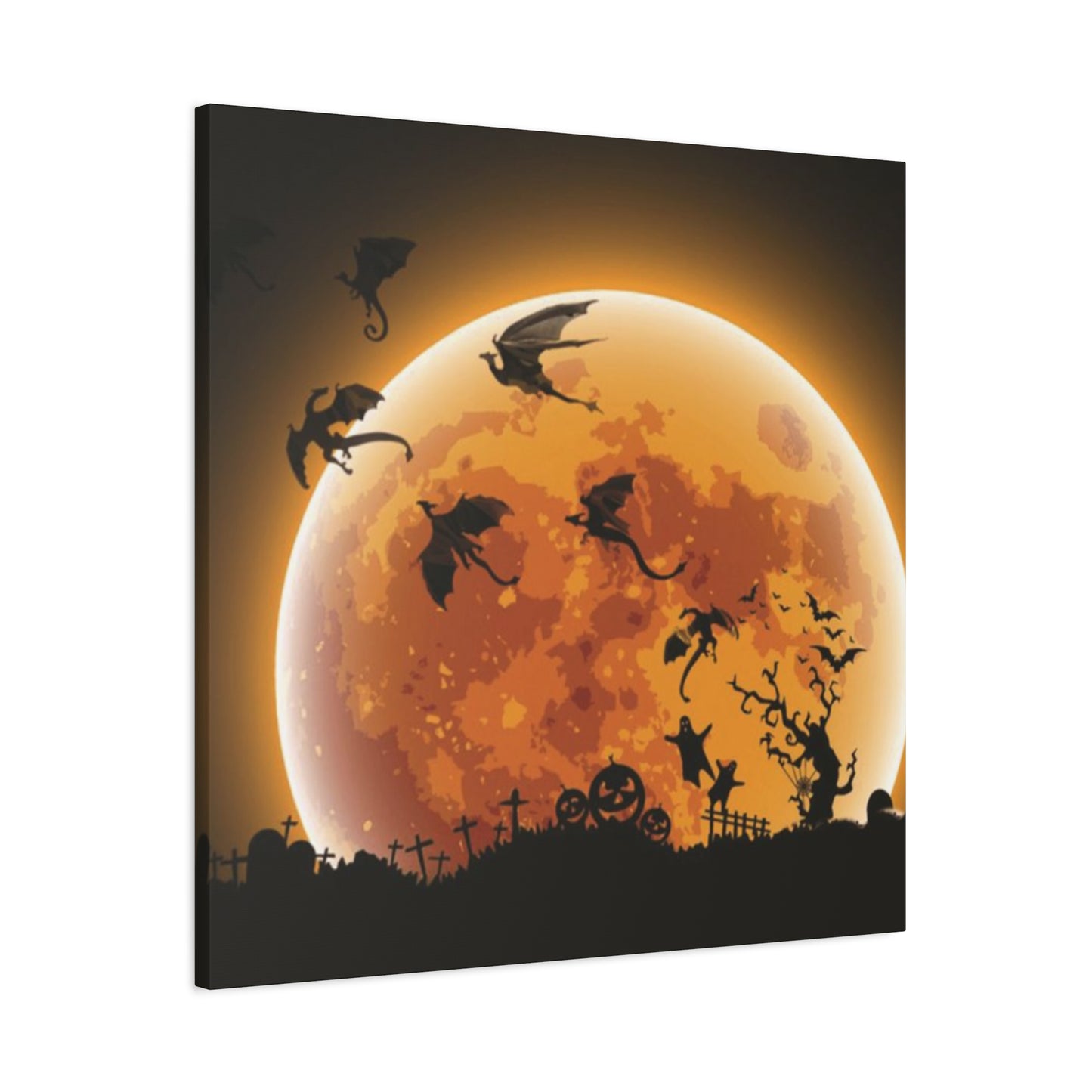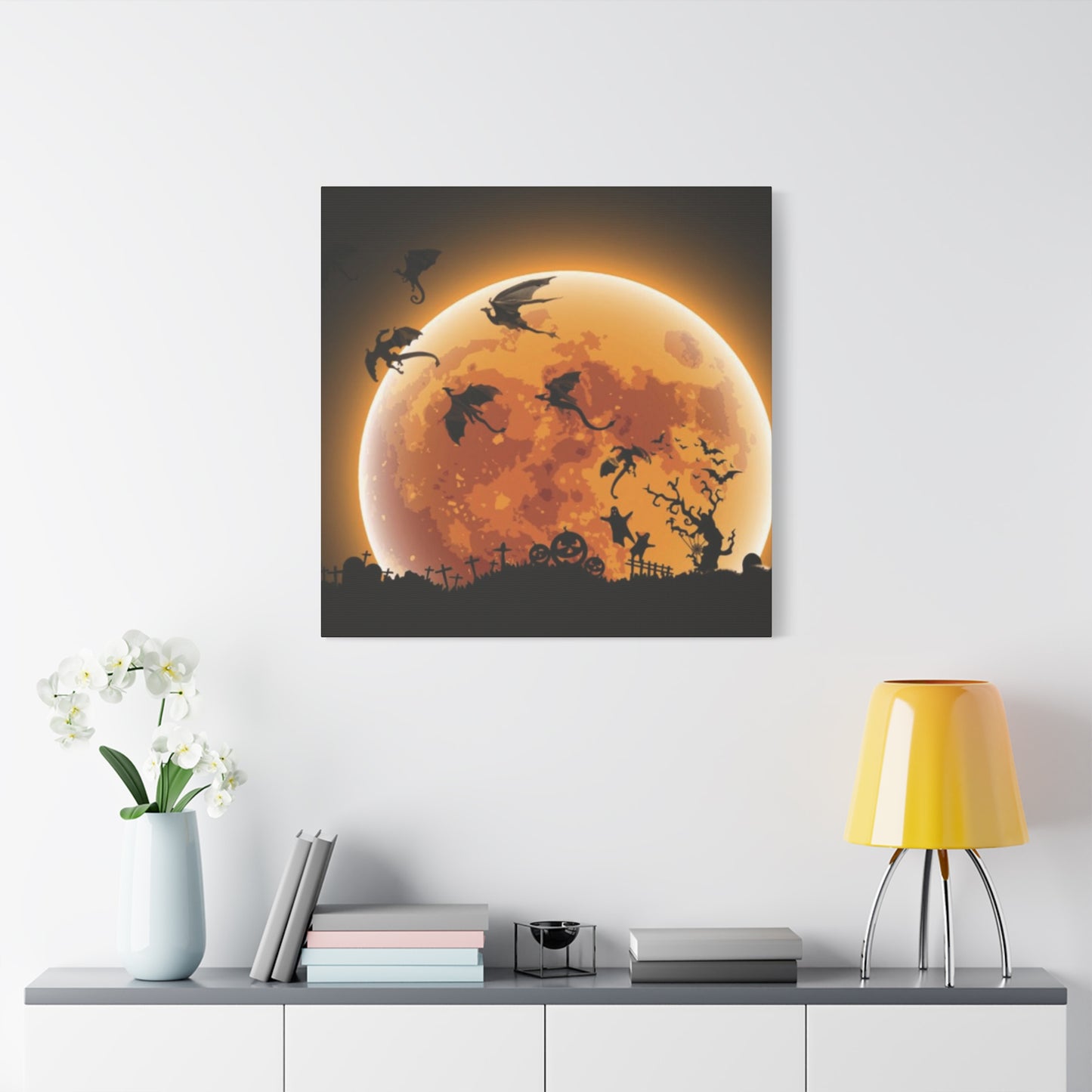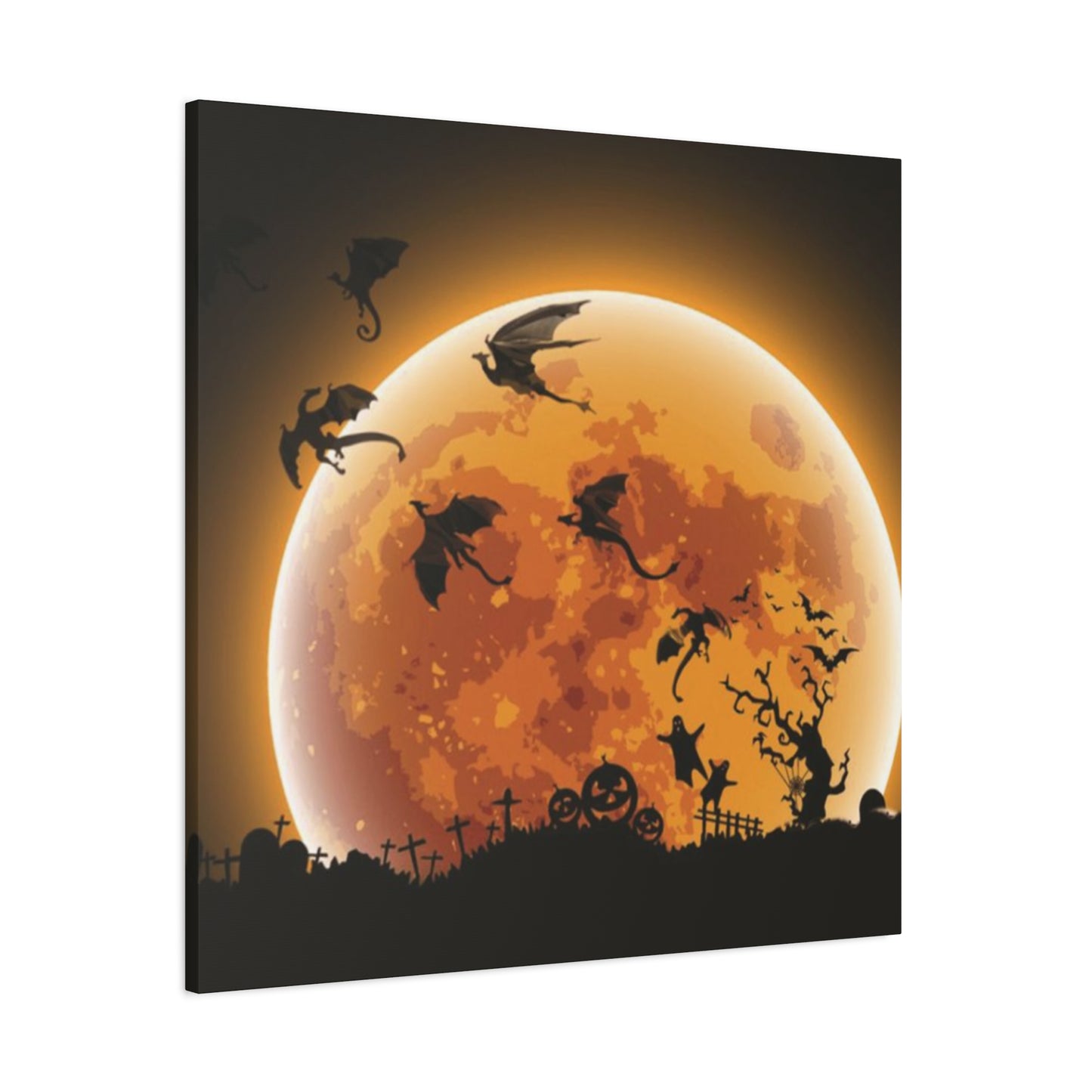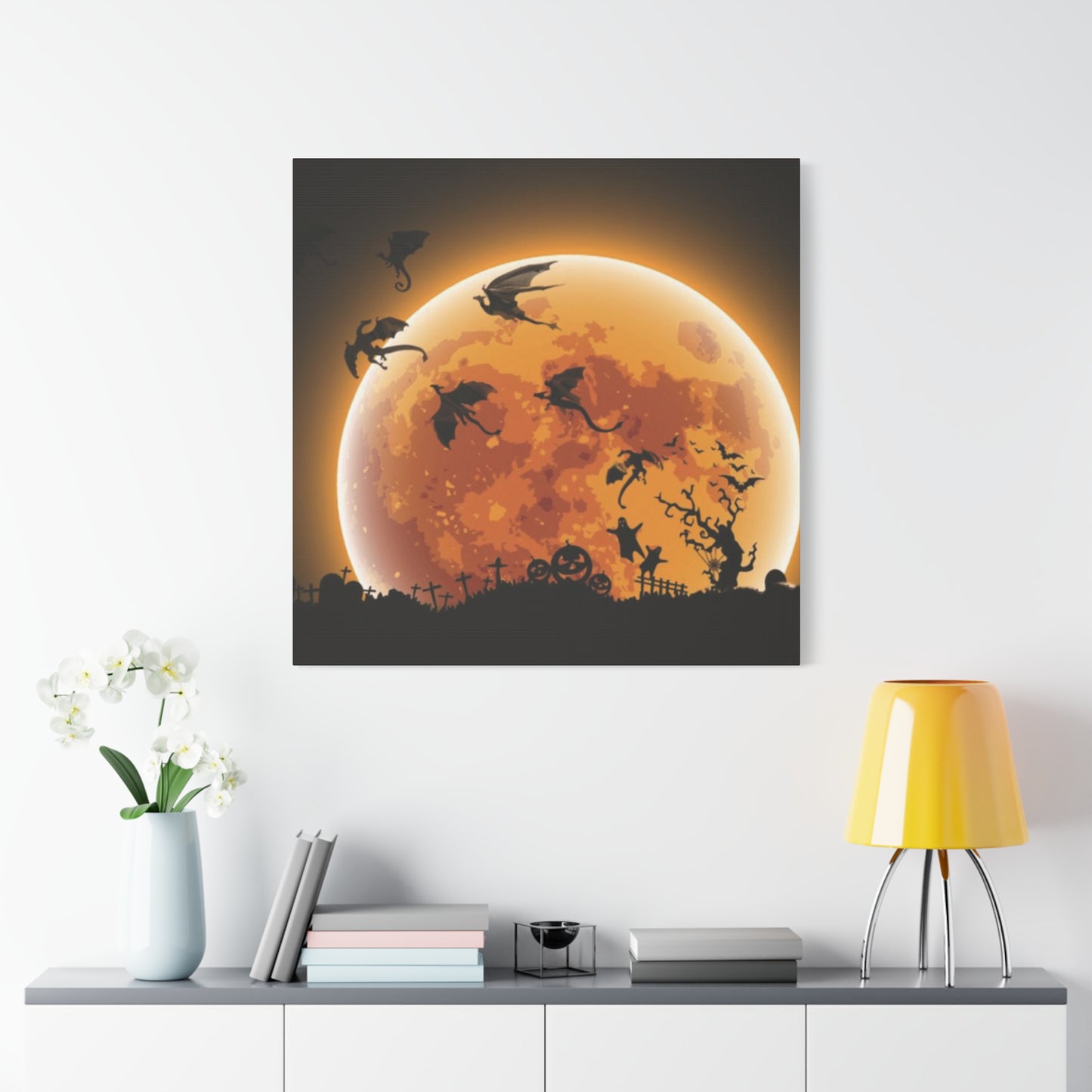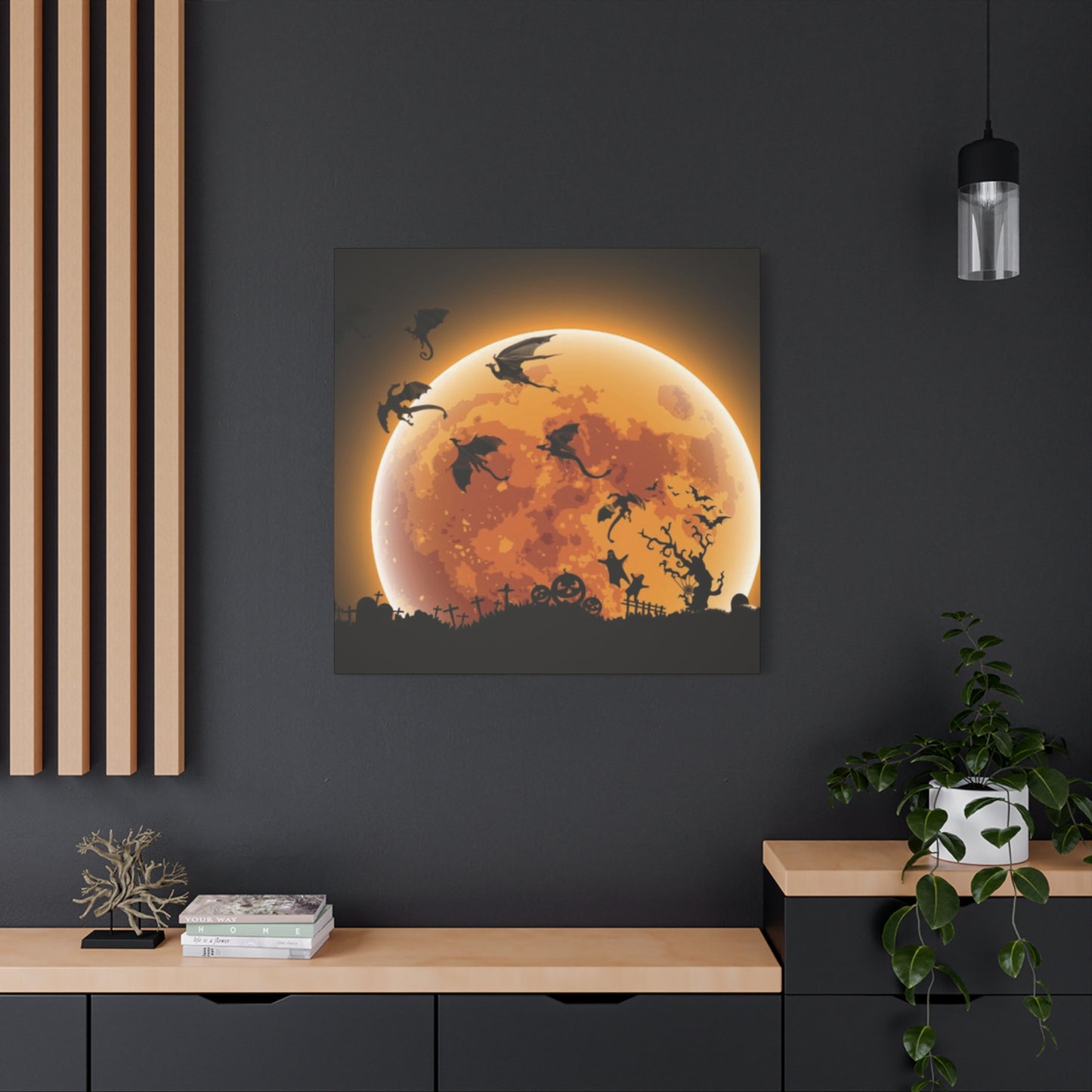


Full Moon Dragon Halloween Wall Art & Canvas Prints
Full Moon Dragon Halloween Wall Art & Canvas Prints
Couldn't load pickup availability
Full Moon Dragon Halloween Wall Art: Mythical Creature Décor That Brings Gothic Fantasy Into Your Living Space
The intersection of fantasy artwork and seasonal decoration has created a thriving market for supernatural-themed wall pieces, particularly those featuring majestic winged beasts set against lunar backdrops. Full Moon Dragon Halloween Wall Art represents more than mere ornamental objects; these pieces embody centuries of folklore, gothic aesthetics, and the human fascination with creatures that exist beyond our reality. This comprehensive exploration delves into every facet of dragon-themed wall décor, examining how these magnificent pieces transform ordinary spaces into realms of enchantment while celebrating the mystique of October's most celebrated holiday.
Discovering the Captivating Allure Behind Dragon-Themed Wall Decorations for Seasonal Festivities
Dragons have occupied a unique position within human mythology across virtually every culture spanning millennia. From the serpentine celestial beings of Eastern traditions to the fearsome fire-breathing monsters of Western medieval tales, these creatures captivate our collective imagination. When combined with the haunting beauty of a luminous full moon and the gothic atmosphere of Halloween, these artistic representations become powerful focal points within any interior design scheme.
The appeal of Full Moon Dragon Halloween Wall Art stems from multiple psychological and aesthetic factors. These pieces tap into our primal fascination with power, mystery, and the unknown. The dragon symbolizes strength, wisdom, and supernatural ability, while the full moon evokes transformation, hidden truths, and the liminal space between day and night. Together, they create a visual narrative that speaks to something deep within the human psyche—our desire to believe in magic, our respect for forces beyond our control, and our appreciation for the beautiful darkness that exists alongside light.
Contemporary artists working within this genre draw inspiration from various sources including medieval manuscripts, Asian scroll paintings, fantasy literature, cinema, and modern digital art movements. The resulting pieces range from hyper-realistic renderings that showcase every scale and sinew to stylized interpretations that emphasize mood and atmosphere over anatomical precision. This diversity ensures that collectors and decorators can find pieces perfectly suited to their personal aesthetic preferences and existing décor schemes.
Exploring Diverse Artistic Styles Within Dragon and Moonlit Imagery for Home Embellishment
The world of dragon-themed wall décor encompasses an astonishing variety of artistic approaches, each offering distinct visual experiences and emotional resonances. Understanding these different styles helps enthusiasts make informed decisions when selecting pieces for their collections or decorating projects.
Realistic renderings attempt to portray dragons as though they were actual biological creatures that might exist within our world. These pieces feature meticulously detailed scales, anatomically plausible wing structures, and lifelike textures that make the mythical seem tangible. Artists working in this style often study reptilian anatomy, bird flight mechanics, and predator behavior to create convincing representations. When combined with accurately rendered lunar landscapes and atmospheric effects, these pieces achieve a remarkable sense of presence that can dominate a room's visual hierarchy.
Gothic and dark fantasy interpretations embrace the sinister and mysterious aspects of dragon lore. These pieces typically feature dramatic lighting, deep shadows, and ominous color palettes dominated by blacks, deep purples, crimson reds, and silver moonlight. The dragons themselves often appear menacing, with glowing eyes, bared fangs, and aggressive postures that suggest barely contained power. Architectural elements such as crumbling castles, twisted forests, or desolate mountain peaks frequently appear in backgrounds, enhancing the medieval gothic atmosphere.
Eastern-influenced designs draw from Chinese, Japanese, and other Asian artistic traditions where dragons hold more benevolent and auspicious meanings. These interpretations often feature elongated serpentine bodies, flowing whiskers, and graceful curves rather than the bulky musculature of Western dragons. The full moon in such pieces might appear alongside clouds, cherry blossoms, or traditional architectural elements, creating a fusion of seasonal Western Halloween themes with timeless Eastern aesthetics.
Abstract and contemporary approaches deconstruct traditional dragon imagery, presenting these creatures through geometric patterns, bold color blocking, or minimalist linework. These pieces appeal to those who appreciate mythological themes but prefer modern design sensibilities. A dragon might be suggested through flowing curves and strategic color placement rather than literal representation, while the full moon could appear as a simple circle of luminous color against a textured background.
Steampunk and mechanical interpretations reimagine dragons as constructs of gears, pistons, and Victorian-era machinery. These pieces combine fantasy with industrial aesthetics, presenting dragons as clockwork wonders or steam-powered automatons. Against a full moon rendered with similar mechanical precision, these artworks appeal to enthusiasts of both fantasy and alternative history genres.
Understanding Various Material Compositions Used in Crafting Dragon-Themed Decorative Wall Pieces
The physical composition of Full Moon Dragon Halloween Wall Art significantly impacts its appearance, durability, maintenance requirements, and suitability for different display environments. Each material offers distinct advantages and considerations that influence both aesthetic outcomes and practical performance.
Canvas prints represent one of the most popular formats for dragon-themed artwork. High-quality canvas provides a textured surface that enhances visual depth and creates a traditional artistic appearance reminiscent of oil paintings. Modern printing processes can reproduce artwork with exceptional color accuracy and detail, while the fabric substrate offers flexibility and resistance to minor impacts. Gallery-wrapped canvas, where the image continues around the edges of the stretcher frame, creates a polished, museum-quality presentation that requires no additional framing.
Metal prints have gained considerable popularity for their contemporary appearance and remarkable durability. This process infuses ink directly into specially coated aluminum sheets, creating images with exceptional vibrancy, contrast, and three-dimensional depth. The metallic surface naturally enhances lunar elements within dragon artwork, making moonlight appear genuinely luminous. These prints resist fading, moisture, scratches, and other environmental damage, making them particularly suitable for high-traffic areas or spaces with challenging conditions.
Wooden panels offer rustic charm and natural texture that complements certain artistic styles beautifully. Artists can print directly onto prepared wood surfaces or mount canvas onto wooden backing boards. The visible grain pattern adds organic character that particularly enhances medieval or fantasy themes. Lightweight wooden composites provide easier hanging options while maintaining the aesthetic benefits of natural wood.
Acrylic prints create stunning visual impact through their glossy, glass-like surfaces and remarkable depth. This format involves mounting images behind thick acrylic sheets, which magnify colors and create the impression that the artwork floats within the material itself. The clarity and brilliance of acrylic make it particularly effective for dragon artwork featuring dramatic lighting effects and the luminosity of a full moon. These pieces serve as conversation starters and focal points within contemporary interiors.
Fabric tapestries and textile wall hangings provide softness and flexibility that other formats cannot match. These pieces can range from simple printed fabrics to complex woven creations featuring multiple layers and textures. Tapestries work particularly well in spaces where acoustic dampening is desirable, and their portability makes them excellent choices for those who frequently rearrange their décor or move between residences.
Examining Dimensional Considerations When Selecting Dragon Artwork for Different Room Environments
Choosing appropriate dimensions for Full Moon Dragon Halloween Wall Art requires careful consideration of room size, viewing distance, surrounding elements, and intended visual impact. The relationship between artwork size and spatial context dramatically affects how pieces function within overall design schemes.
Small-format pieces ranging from eight to sixteen inches in any dimension work beautifully as accent elements within gallery walls or as components of larger compositional arrangements. These sizes allow collectors to display multiple related pieces together, creating narrative sequences or stylistic progressions. In intimate spaces such as home offices, reading nooks, or powder rooms, smaller dragon artworks provide visual interest without overwhelming limited wall space.
Medium-sized works spanning sixteen to thirty-six inches occupy a comfortable middle ground suitable for most residential applications. These dimensions provide sufficient presence to serve as focal points above furniture pieces such as sofas, beds, or console tables while remaining proportional to typical room scales. A dragon portrayed against a full moon at this size offers enough detail to reward close examination while maintaining visual coherence when viewed from typical conversational distances.
Large-scale pieces exceeding forty inches in any dimension make bold statements that anchor entire rooms around their presence. These commanding works suit spacious environments such as great rooms, formal dining areas, or double-height entryways where their grandeur can be properly appreciated. When selecting oversized dragon artwork, consideration must be given to ceiling height, available wall space, and the visual weight of surrounding furnishings to maintain balanced compositions.
Vertical orientations emphasize the soaring nature of dragons in flight, with the full moon positioned either above or behind the creature. These formats complement tall, narrow wall spaces such as those flanking windows, between doorways, or in stairwell areas. The upward visual movement created by vertical dragon imagery can make rooms feel more spacious and draw attention toward architectural details near ceiling lines.
Horizontal compositions allow for more elaborate scenic backdrops, with dragons positioned within expansive landscapes beneath sprawling lunar skies. These formats suit placement above seating arrangements, headboards, or mantels where their width reinforces the horizontal lines of furniture below. Panoramic dragon scenes create immersive environments that transport viewers into fantasy realms.
Multi-panel installations, whether diptychs, triptychs, or larger arrangements, offer dynamic alternatives to single-piece formats. These configurations allow for storytelling across connected images, creating visual rhythms through repetition and variation. A dragon's flight path might progress across multiple panels, or different aspects of dragon lore could be explored in related but distinct compositions united by consistent styling and the recurring motif of the full moon.
Discovering Strategic Placement Locations Throughout Your Home for Maximum Visual Impact
The positioning of Full Moon Dragon Halloween Wall Art within your living spaces significantly influences both its aesthetic effectiveness and how it interacts with daily life patterns. Thoughtful placement considers factors including natural and artificial lighting, traffic flow, viewing angles, and relationships with existing décor elements.
Living room installations benefit from positions that allow the artwork to serve as conversational focal points without competing with other dominant features such as fireplaces or entertainment centers. Above a sofa or seating area, dragon artwork creates a backdrop that enhances the social atmosphere while providing visual interest for guests. When positioned opposite seating, the piece becomes a natural focal point during conversations and relaxation. Consider sightlines from entry points—first impressions matter, and a dramatic dragon silhouetted against a full moon makes memorable introductions to your space.
Bedroom placements require sensitivity to the piece's emotional tone and its impact on the room's atmosphere. A fierce, action-oriented dragon scene might energize morning routines when placed opposite the bed, providing an inspiring sight upon waking. Alternatively, calmer interpretations featuring contemplative dragons beneath serene lunar skies can enhance restful environments when positioned where they're visible from the bed. Avoid placing overly stimulating imagery directly above sleep areas, as this can subconsciously interfere with relaxation.
Dining areas offer excellent opportunities for conversation-starting dragon artwork. Positioned where it's visible to seated guests, a well-chosen piece provides endless topics for discussion during meals. The theatrical nature of dragon imagery enhances the ceremonial aspects of gathering around the table, particularly during October when Halloween themes naturally arise in conversation. Ensure that whatever you select complements your dining furniture's style and the room's color scheme rather than clashing with them.
Home office environments benefit from the symbolic associations dragons carry—wisdom, power, focus, and mastery. Positioning Full Moon Dragon Halloween Wall Art within your workspace can serve as daily inspiration and visual reminder of your aspirations and capabilities. The mythical nature of dragons encourages creative thinking, while their fierce reputation can bolster confidence during challenging projects. Place artwork where you can easily see it during breaks without it becoming a distraction during focused work periods.
Entryway and hallway installations make powerful first impressions on visitors while efficiently utilizing often-underdecorated transitional spaces. A striking dragon silhouette against a glowing full moon immediately establishes your home's personality and your appreciation for fantasy aesthetics. In narrow hallways, consider vertical orientations that draw the eye upward, making the space feel less confined. Multiple smaller pieces can create gallery-style progressions that guide movement through the space.
Stairwell walls present unique opportunities for dynamic dragon installations. The changing viewing angles as one ascends or descends stairs allow for layered visual experiences with artwork revealing different aspects at various heights. Consider how the piece will appear from both the bottom and top of the stairs, and potentially select compositions that work effectively from multiple perspectives.
Bathroom spaces, particularly powder rooms designated for guests, provide unexpected canvases for whimsical or dramatic dragon imagery. The private nature of these spaces allows for bolder choices that might overwhelm other areas. A dragon emerging from misty clouds beneath a full moon can transform a utilitarian room into a brief escape into fantasy.
Investigating Color Palette Strategies That Enhance Dragon-Themed Seasonal Decorations
The chromatic choices within Full Moon Dragon Halloween Wall Art profoundly influence mood, spatial perception, and compatibility with existing interior design schemes. Understanding color theory and its psychological impacts enables more sophisticated selection and placement decisions.
Traditional Halloween palettes emphasize oranges, purples, blacks, and greens—colors deeply associated with autumn, mystery, and the supernatural. Dragon artwork incorporating these hues seamlessly integrates with seasonal décor while maintaining year-round relevance through the universal appeal of mythical creatures and lunar imagery. Deep pumpkin oranges can appear in background skies during sunset or sunrise scenes, while purple tones enhance mystical atmospheres. Rich forest greens might dominate dragon scales or natural settings, creating organic connections to autumn landscapes.
Monochromatic schemes featuring variations of single colors create sophisticated, cohesive looks. Black and white dragon artwork with dramatic contrasts offers timeless elegance that suits virtually any décor style from minimalist modern to classic traditional. Sepia-toned pieces evoke vintage illustration styles reminiscent of ancient manuscripts and aged documents, adding historical gravitas to fantasy subjects. Single-color approaches with varying saturation and value levels create depth without relying on chromatic diversity.
Cool color palettes dominated by blues, silvers, purples, and greens establish calm, mysterious, or otherworldly atmospheres. These tones naturally complement moonlight, making them particularly effective for Full Moon Dragon Halloween Wall Art. Icy blues suggest frozen mountain peaks where ancient dragons dwell, while deep indigos evoke midnight skies. Silver and white highlights capture moonlight's ethereal quality, making the celestial body appear genuinely luminous within compositions.
Warm color schemes featuring reds, oranges, golds, and browns create dramatic, energetic, or comfortable feelings depending on their specific implementation. Fiery dragons breathing flames against darkened skies benefit from these heated tones, which convey power and danger. Amber and bronze hues can suggest ancient treasure hoards or autumn landscapes, while rust and terra cotta shades ground fantasy subjects with earthy realism.
Complementary color combinations pair opposites on the color wheel—such as blue and orange or purple and yellow—creating maximum visual contrast and vibrancy. A dragon rendered in cool blues positioned against a warm orange harvest moon creates dynamic tension that energizes the entire composition. These high-contrast approaches work particularly well in contemporary spaces where bold statements align with design philosophies.
Analogous color schemes use neighboring colors on the wheel, such as blue, blue-purple, and purple, creating harmonious, unified appearances. These approaches feel naturally cohesive and restful, making them suitable for spaces prioritizing calm or contemplation. A dragon depicted in varying shades of blue and teal against a turquoise-tinted moon creates a cohesive underwater or ice-cave atmosphere.
Accent color strategies employ mostly neutral tones with strategic pops of vibrant color drawing focus to specific elements. A predominantly grayscale dragon scene might feature blazing orange eyes or a single splash of crimson blood, creating memorable focal points that guide viewer attention. This approach offers flexibility for changing seasonal décor, as neutral artwork easily accommodates various accent colors in surrounding furnishings and accessories.
Analyzing Frame and Mounting Options That Complement Dragon Mythology Artwork
The presentation framework surrounding Full Moon Dragon Halloween Wall Art significantly impacts both its aesthetic character and physical longevity. Appropriate framing and mounting choices enhance artistic vision while providing necessary protection and structural support.
Traditional wooden frames offer warmth and classic appeal that suits a wide range of dragon artwork styles. Dark walnut or ebony frames provide gothic elegance that enhances medieval and fantasy themes, their rich tones framing the artwork without competing for attention. Lighter woods such as oak or maple can brighten compositions and work particularly well with artwork featuring warm color palettes or rustic themes. Ornate carved frames featuring decorative motifs such as Celtic knotwork, gothic arches, or nature-inspired elements can reinforce thematic connections to dragon mythology.
Modern metal frames deliver sleek, contemporary presentations that emphasize artwork over ornamental framing. Thin profiles in matte black, brushed silver, or bronze finishes provide clean boundaries that focus attention inward while offering substantial protection. Metal framing particularly complements artwork featuring steampunk dragons, futuristic interpretations, or abstract designs. The industrial character of metal suits modern and transitional interior styles.
Floating frames create the illusion that artwork hovers within the frame, with visible space between the image and the frame's inner edge. This presentation style adds dimensionality and modern sophistication while allowing the artwork's edges to remain visible and appreciated. Floating frames work beautifully with canvas prints and panels, emphasizing their materiality while providing elegant containment.
Shadow box frames offer depth for dimensional pieces or those incorporating three-dimensional elements. These deeper frames can accommodate canvas with pronounced texture, wooden panels with significant relief, or artworks featuring attached embellishments. The recessed presentation creates dramatic shadows that enhance the artwork's physical presence.
Frameless mounting systems using clips, standoffs, or other minimalist hardware create contemporary presentations that emphasize the artwork itself with virtually no visual competition from framing elements. Acrylic or metal prints particularly benefit from this approach, their inherent rigidity requiring no additional structural support from traditional frames. The unencumbered edges of frameless pieces suit modern spaces where architectural elements provide sufficient visual structure.
Gallery-style hanging systems using picture rails, cables, or rod systems offer flexibility for those who frequently rotate artwork or create evolving displays. These systems simplify rearrangement without requiring new wall penetrations for each configuration change. For collectors building dragon-themed galleries, such systems facilitate seasonal rotations that emphasize Halloween pieces during October while showcasing other acquisitions throughout the year.
Mat board selections for traditionally framed pieces require consideration of color, texture, and proportions. Mats create visual breathing room between artwork and frame while providing archival protection. Black mats enhance drama and suit gothic dragon imagery, while cream or off-white options brighten compositions and work with lighter color schemes. Textured or fabric-wrapped mats add tactile interest, while double or triple matting creates sophisticated layered effects.
Unveiling the Symbolism and Mythological Significance Embedded Within Dragon Imagery
Dragons occupy unique positions within human consciousness, representing concepts and archetypes that transcend individual cultures and historical periods. Understanding the symbolic weight these creatures carry adds depth to appreciation of Full Moon Dragon Halloween Wall Art and informs more meaningful selection of pieces that resonate with personal values and aspirations.
In Western traditions, dragons typically embody chaos, danger, greed, and the forces of nature that humans must overcome or appease. Medieval Christianity cast dragons as representations of Satan or sin itself, with dragon-slaying saints symbolizing spiritual victory over evil. This tradition created the heroic narrative of knight versus dragon, where conquering the beast represents humanity's triumph over bestial nature. However, this singular interpretation has expanded in contemporary fantasy literature and visual arts, with many Western dragons now portrayed as wise, ancient beings possessing knowledge and power beyond human comprehension.
Eastern dragons, particularly within Chinese and Japanese cultures, traditionally represent benevolent forces associated with wisdom, longevity, power, and good fortune. These serpentine celestial beings control weather, water, and natural phenomena, acting as intermediaries between earthly and divine realms. Eastern dragons symbolize imperial power, with the dragon serving as the emblem of Chinese emperors and representing the cosmic force of yang. Their appearance in art brings blessings rather than danger, fundamentally different from Western dragon symbolism.
The full moon carries its own rich symbolic traditions across cultures. It represents completion, illumination, heightened awareness, and the peak of lunar power. In many traditions, the full moon marks times of harvest, celebration, ritual, and magic when the veil between worlds grows thin and supernatural forces strengthen. The combination of dragon and full moon creates a potent symbolic fusion—supernatural power revealed in full illumination, mythical forces at their zenith, and the intersection of earthly and cosmic realms.
Halloween's association with both subject connects to the holiday's origins in ancient Celtic festivals marking the end of harvest and the beginning of winter's dark half of the year. The festival of Samhain recognized this transitional time when boundaries between living and dead, natural and supernatural, became permeable. Dragons and full moons both inhabit these liminal spaces, making them perfect symbols for a holiday celebrating mystery, transformation, and encounters with the otherworldly.
Alchemical traditions viewed dragons as symbols of prima materia, the base matter that must be transformed through the Great Work. The dragon devouring its tail—the ouroboros—represents cyclical nature, eternal return, and the unity of all things. In psychological terms, Carl Jung interpreted dragon symbolism as representing the shadow self, unconscious forces, and the challenging aspects of psyche that must be confronted and integrated for personal wholeness.
Contemporary fantasy literature and gaming culture have created new dragon mythologies that blend traditional symbolism with modern concerns. Dragons represent environmental forces, ancient wisdom threatened by industrial modernity, or alternative intelligences fundamentally different from human consciousness. These evolving interpretations keep dragon symbolism vital and relevant to contemporary audiences while maintaining connections to ancient archetypes.
Exploring Complementary Décor Elements That Enhance Dragon-Themed Wall Artwork
Full Moon Dragon Halloween Wall Art achieves its greatest impact when thoughtfully integrated within broader decorative schemes rather than existing in isolation. Strategic selection of complementary elements creates cohesive environments where each component reinforces overall thematic intent.
Lighting design dramatically influences how dragon artwork appears and functions within spaces. Dedicated picture lights mounted above or below artwork create gallery-quality illumination that highlights details while establishing the piece as a focal point. Adjustable spotlights or track lighting allow precise control over intensity and angle, permitting customization based on time of day or desired mood. Color-changing LED systems can shift the artwork's appearance throughout the day, perhaps casting cool moonlit hues during evening hours while providing warmer illumination during daytime.
Sculptural elements featuring dragons or related mythological subjects create three-dimensional extensions of wall art's thematic content. Small dragon figurines arranged on shelves or mantels beneath dragon artwork establish visual conversations between two and three-dimensional representations. Bookends, candle holders, or decorative boxes featuring dragon motifs scatter thematic reinforcement throughout spaces without overwhelming them with repetitive imagery.
Textile selections including throw pillows, blankets, curtains, and area rugs offer opportunities to incorporate colors, patterns, or textures that complement dragon wall art. A throw pillow featuring scales or medieval patterns echoes visual elements from the artwork while adding tactile interest. Curtains in deep jewel tones or metallic fabrics can frame windows and artwork simultaneously, creating cohesive color stories. Area rugs with geometric patterns or organic textures ground furniture groupings while connecting to artistic styles present in the wall décor.
Botanical elements provide organic counterpoints to mythical subjects while connecting fantasy themes to natural world. Plants with dramatic foliage such as monstera, bird of paradise, or dracaena—literally "female dragon" in Latin—create living sculptures that complement dragon imagery. Dried branches, particularly those with twisting forms reminiscent of dragon limbs or tails, add gothic atmosphere when arranged in tall vases. During Halloween season, incorporating carved pumpkins, gourds, and autumn foliage creates seasonal bridges between permanent dragon artwork and temporary holiday décor.
Furniture selection influences how dragon artwork integrates within overall design schemes. Dark wood furniture with gothic or medieval styling reinforces period themes present in fantasy dragon art. Leather upholstery, particularly in rich browns or oxblood reds, evokes the texture of dragon hide while providing durable, sophisticated seating. Metal accents through furniture legs, hardware, or decorative elements connect to metal prints or steampunk-style dragon interpretations.
Mirror placement strategically positioned to reflect dragon artwork doubles its visual presence while adding spatial depth to rooms. An ornate mirror hanging opposite or adjacent to a dragon scene creates interesting doubled views and can make smaller spaces feel more expansive. The reflective surface itself can suggest water, adding environmental context to dragon imagery.
Candle arrangements create atmospheric lighting that particularly suits gothic and medieval dragon themes. Clustered pillar candles of varying heights on mantels beneath dragon artwork establish ritual-like displays. Candlelight's warm flicker animates static artwork, making scales seem to shimmer and flames appear to dance. Battery-operated LED candles provide similar atmospheric benefits without fire risk, particularly important around textile wall hangings.
Book displays featuring fantasy literature, mythology references, or art collections create intellectual context for dragon artwork while demonstrating the owner's broader interests. Antique or leather-bound volumes particularly suit gothic and medieval themes, while modern fantasy novels indicate contemporary tastes. Open books displaying dragon illustrations create visual dialogues with wall art.
Understanding the Distinction Between Original Artwork and Reproduction Pieces
The marketplace for Full Moon Dragon Halloween Wall Art includes both original works created directly by artists and reproductions manufactured from those originals. Understanding the differences between these categories enables informed purchasing decisions aligned with budget constraints, collecting goals, and personal values regarding art ownership.
Original artwork encompasses paintings, drawings, or mixed media pieces created by hand as unique objects. No identical duplicate exists, making originals inherently valuable through their singularity. Original paintings featuring dragons and full moons may utilize oils, acrylics, watercolors, or other traditional media applied to canvas, paper, wood, or other surfaces. The artist's hand is directly evident in brushstrokes, pencil marks, or other application methods, creating intimate connections between creator and viewer. Original works command premium prices reflecting the time, skill, and creative vision invested in their creation, along with their irreplaceable nature.
Limited edition prints represent a middle ground between originals and mass-produced reproductions. Artists create a predetermined number of prints from original artwork, typically ranging from fewer than ten to several hundred copies. Each print in the edition is numbered—for example, "37/100" indicates the thirty-seventh print in an edition of one hundred—and often signed by the artist. Once the edition sells out, no additional prints are produced, creating scarcity that maintains value. Limited editions may use various printing techniques including lithography, serigraphy, giclée printing, or etching, each offering distinct aesthetic characteristics.
Giclée prints utilize high-resolution digital scans and archival-quality inkjet printing to reproduce artwork with exceptional fidelity. The term "giclée" derives from French meaning "that which is sprayed," referencing the fine ink spray used in printing. When produced according to established standards using archival inks and substrates, giclée prints offer color accuracy, detail resolution, and longevity comparable to traditional printmaking methods. Many artists produce and sell giclée prints of their work, either as open editions available indefinitely or limited editions with production caps.
Standard reproductions or poster prints represent the most accessible price point for dragon artwork. These pieces are mass-produced without artificial scarcity, making them widely available and affordable. Quality varies dramatically based on production methods, with better reproductions using higher-resolution source files and superior printing processes. While lacking the exclusivity and investment potential of originals or limited editions, quality reproductions make exceptional artwork accessible to broader audiences and serve decorative purposes admirably.
Digital art presents unique considerations regarding originality and reproduction. Works created entirely within digital environments exist initially as computer files rather than physical objects. Artists may sell ownership of original digital files, offer limited edition prints of digital artwork, or license images for various uses. Non-fungible tokens have emerged as a method for establishing ownership and scarcity for digital art, though their applicability and value remain subjects of ongoing debate.
Commissioned custom artwork allows patrons to collaborate with artists in creating personalized dragon pieces tailored to specific preferences, dimensions, or thematic requirements. Commissioners might request specific dragon species, poses, color schemes, or environmental settings, resulting in truly unique pieces reflecting individual vision. The commission process typically involves consultations, preliminary sketches, revisions, and final execution, with costs reflecting the bespoke nature of the work.
Investigating Pricing Factors Across the Spectrum of Dragon-Themed Wall Décor
The cost of Full Moon Dragon Halloween Wall Art varies dramatically based on numerous factors including artistic reputation, medium, size, production method, and market positioning. Understanding these pricing influences enables realistic budgeting and recognition of value within different price tiers.
Artist reputation represents one of the most significant pricing factors. Established artists with strong followings, gallery representation, exhibition histories, or published works command substantially higher prices than emerging or unknown creators. Collectors pay premiums for recognizable names, both for aesthetic reasons and potential investment value. However, lesser-known artists often produce exceptional work at more accessible prices, offering opportunities for those prioritizing artistic merit over name recognition.
Medium and materials directly impact pricing through both material costs and the labor intensity required for different creative processes. Oil paintings require expensive pigments and extended drying times between sessions, contributing to higher prices. Watercolors may use less costly materials but demand exceptional skill due to their unforgiving nature. Prints involve different cost structures based on printing technology, substrate quality, and edition sizes, with giclée prints on archival materials costing more than standard poster prints.
Physical dimensions influence pricing in generally straightforward relationships, with larger pieces commanding higher prices due to increased material costs and creation time. However, this relationship isn't strictly linear—a piece twice the size doesn't necessarily cost exactly twice as much. Very large works may command premiums beyond simple size calculations due to their dramatic impact and the additional challenges of working at larger scales.
Complexity and detail affect pricing particularly for original works and commissioned pieces. A dragon composition featuring intricate scale patterns, elaborate backgrounds with multiple environmental elements, atmospheric effects, and careful lighting requires substantially more time to execute than simpler designs. This additional investment of artistic labor justifies higher pricing.
Frame and presentation quality add significant costs beyond the artwork itself. Custom hardwood frames with ornate carving, museum-quality glass with UV protection, acid-free matting, and professional mounting substantially increase total investment. Alternatively, unframed pieces or those with simple mounting solutions offer considerable savings, with purchasers able to select their own framing to match budgets and preferences.
Marketplace positioning influences pricing through different retail channels. Gallery representation typically adds significant markup over artist-direct pricing, compensating galleries for overhead, curation, promotion, and sales efforts. Online marketplaces featuring independent artists often offer more direct pricing but require purchasers to navigate larger selections without curatorial guidance. Mass-market retailers selling reproductions focus on volume sales at lower price points, making dragon artwork accessible to budget-conscious consumers.
Seasonal demand affects pricing for Halloween-themed items including dragon artwork featuring appropriate aesthetic qualities. Prices may increase during autumn months when demand peaks, while off-season purchases might offer better values. However, truly collectible pieces maintain consistent pricing regardless of season, with only mass-market items showing significant seasonal fluctuation.
Discovering Where to Source Quality Dragon and Lunar-Themed Wall Decorations
Locating Full Moon Dragon Halloween Wall Art that meets specific quality standards, aesthetic preferences, and budget parameters requires familiarity with various marketplaces and retail channels, each offering distinct advantages and considerations.
Online marketplaces specializing in independent artists provide direct connections between creators and collectors. These platforms allow artists to maintain control over their work while reaching global audiences. Purchasers benefit from often lower prices compared to gallery sales while supporting artists directly. These marketplaces typically offer extensive search and filtering options, enabling buyers to specify size, price range, medium, and stylistic preferences to narrow vast selections to manageable options. Customer reviews and artist ratings help assess reliability and quality before purchase.
Print-on-demand services offer remarkable variety and customization options, producing artwork only after orders are placed. This model eliminates inventory costs, often resulting in competitive pricing. Buyers can select from millions of designs uploaded by artists worldwide, then specify exact sizes, materials, and framing options. Quality varies among service providers, making research into production methods, material specifications, and customer experiences essential before purchase.
Art galleries, both physical locations and online venues, provide curated selections vetted by professionals with expertise in artistic merit and market value. Gallery purchases often include certificates of authenticity, artist information, and professional framing. The personalized service and expert guidance available through galleries benefit those new to art collecting or seeking investment-grade pieces. However, gallery markup increases prices substantially compared to direct-from-artist purchases.
Craft fairs and artist markets provide opportunities to meet creators in person, examine works directly before purchase, and discuss customization possibilities. These events foster personal connections between artists and patrons while supporting local creative communities. The ability to see actual colors, textures, and details before buying eliminates uncertainties inherent in online shopping. Many artists offer special pricing or payment plans at such events.
Fantasy and gaming conventions frequently feature artist alleys where illustrators and painters display their work, much of it featuring dragons and related mythological subjects. Convention atmospheres attract artists specializing in fantasy themes, creating concentrated marketplaces for genre-specific artwork. Limited convention editions or event-exclusive pieces appeal to collectors seeking rare items.
Home décor retailers ranging from mass-market chains to specialty boutiques stock wall art including dragon-themed pieces, particularly during Halloween season. These venues offer immediate availability without shipping delays and allow in-person assessment of size, color, and quality. Return policies provide risk mitigation if pieces don't work within intended spaces. However, selections tend toward mass-produced reproductions rather than original or limited edition works.
Auction sites facilitate both new and secondary market purchases, with sellers ranging from artists to collectors liquidating portions of their holdings. Auctions can yield exceptional values when demand for particular pieces is limited, though competitive bidding drives prices upward for desirable works. The auction format requires careful attention to timing, condition descriptions, return policies, and seller ratings.
Commission-based arrangements directly between patrons and artists yield custom works tailored to precise specifications. Commissioners work with artists to develop concepts, review preliminary sketches, and guide the creative process toward desired outcomes. This approach guarantees perfect size, coloration, and thematic execution for specific spaces while supporting artists directly through patronage relationships.
Conclusion
Proper illumination dramatically enhances the visual impact of Full Moon Dragon Halloween Wall Art while protecting pieces from light-related degradation. Strategic lighting choices consider both aesthetic enhancement and preservation concerns.
Natural daylight provides beautiful illumination that changes throughout the day, creating dynamic viewing experiences as shifting angles and intensity reveal different aspects of artwork. However, sunlight contains ultraviolet radiation that causes fading, discoloration, and material degradation over time. Artwork displayed in direct sunlight suffers accelerated aging, with colors losing vibrancy and materials becoming brittle. UV-filtering window films, curtains, or blinds mitigate damage while maintaining natural light benefits. Positioning artwork away from direct sun exposure, perhaps on walls perpendicular to windows rather than opposite them, provides compromise solutions.
Picture lights mounted directly above or below artwork provide focused illumination specifically designed for art display. These fixtures come in various styles from traditional brass picture lights to modern LED strips, with adjustable arms allowing precise positioning. LED picture lights offer particular advantages including minimal heat output that won't damage artwork, excellent color rendering that displays colors accurately, and energy efficiency for continuous operation. Battery-operated wireless picture lights provide installation flexibility without requiring electrical modifications.
Track lighting systems deliver adjustable, directional illumination suitable for highlighting multiple artworks or creating focused displays. Individual fixtures slide along mounted tracks and pivot to aim at specific targets, providing flexibility for changing displays. Modern LED track systems offer dimming capabilities and color temperature adjustment, allowing customization of lighting character from warm ambient glow to cool focused illumination. Installing track lighting on separate switches or dimmers provides control over when and how intensely artwork is lit.
Recessed spotlights offer clean, architectural lighting solutions that illuminate artwork from above without visible fixtures competing for attention. These lights integrate seamlessly into ceilings, directing beams downward at adjustable angles. Narrow beam spreads create dramatic focused illumination, while wider floods provide more even coverage across larger pieces. Recessed lighting requires professional installation and planning during construction or renovation but provides the most refined permanent solution.
Accent lighting using table lamps, floor lamps, or decorative fixtures can illuminate artwork while serving other functional purposes. Positioning lamps to cast light across dragon artwork creates multi-functional lighting schemes.
Share