Skip to product information
1 of 13

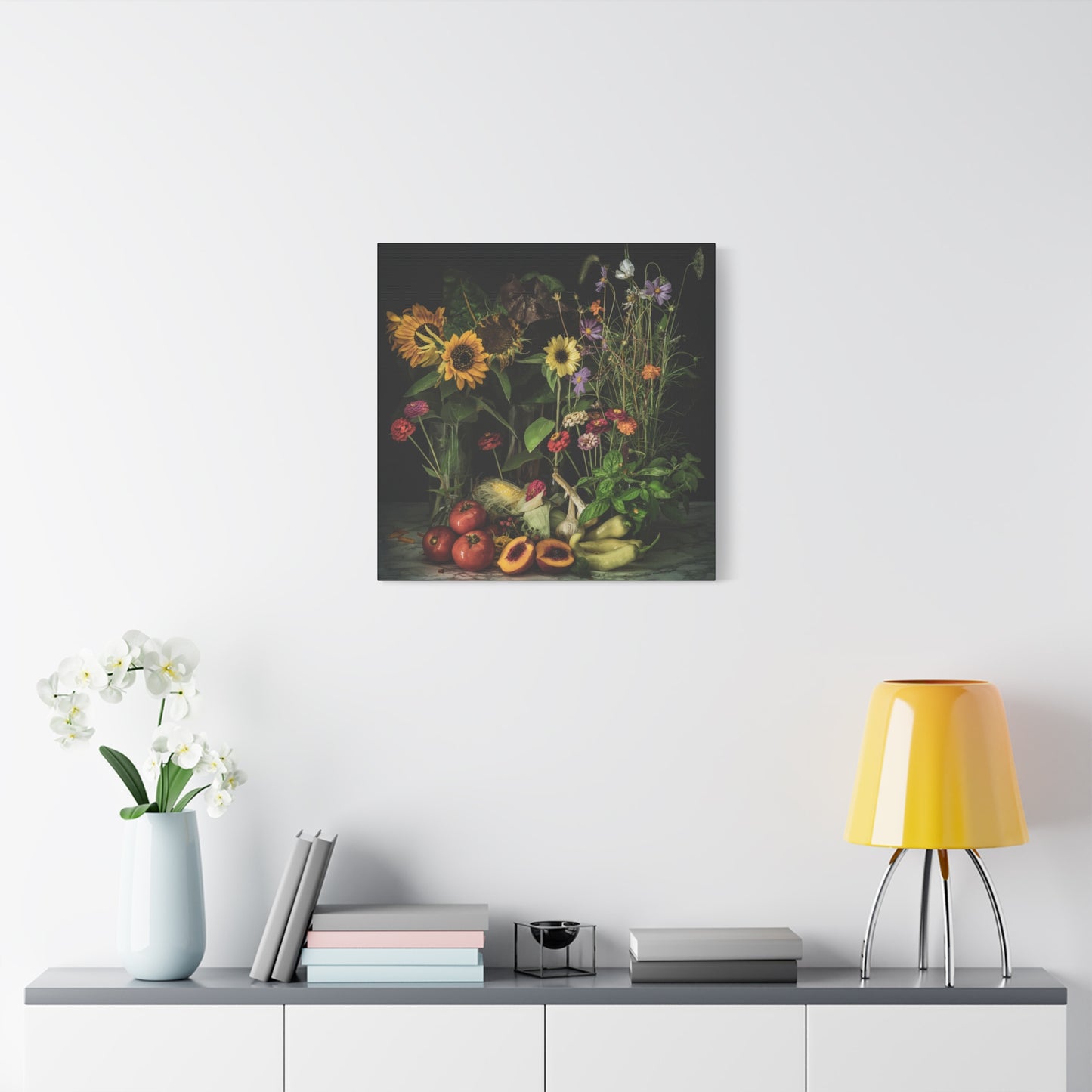
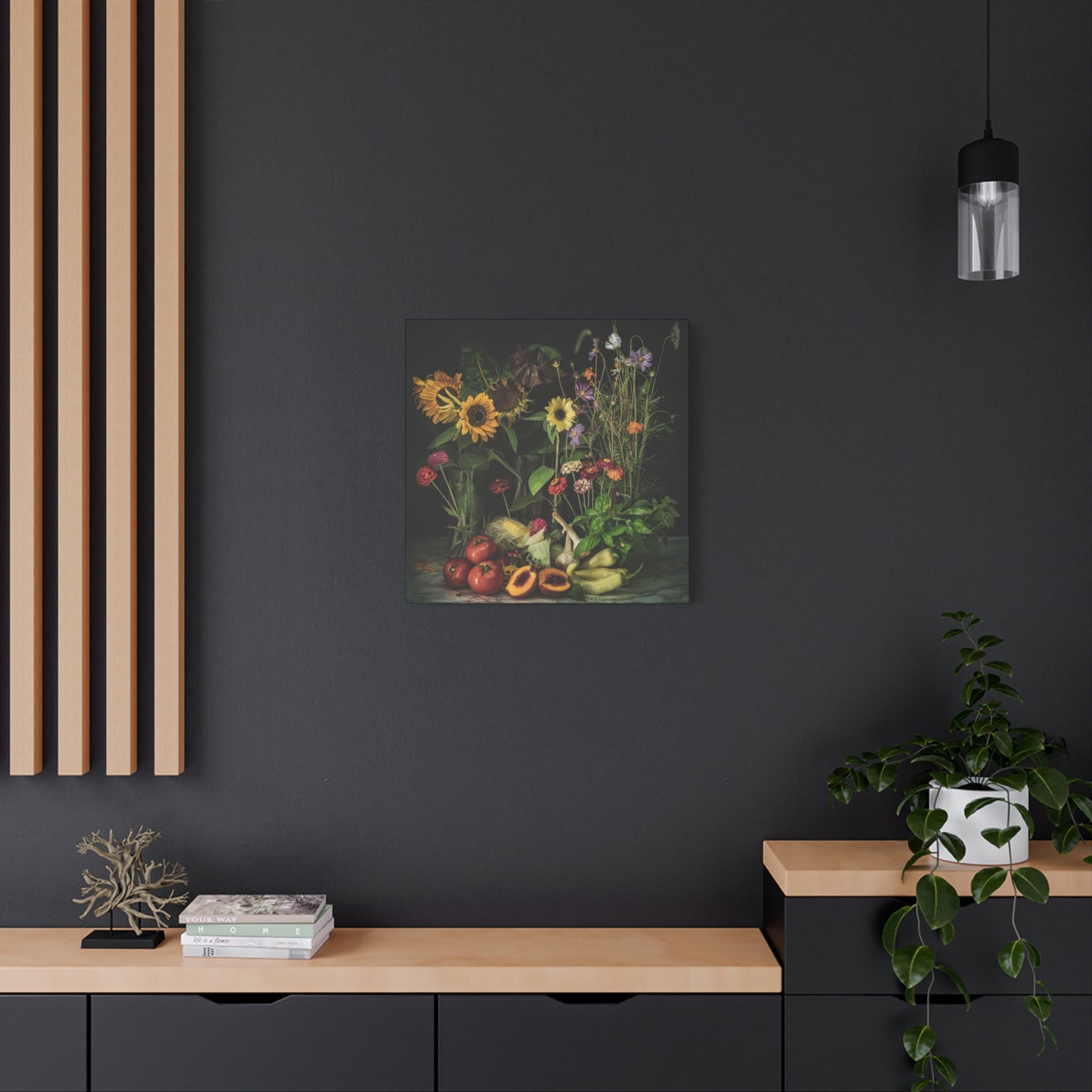
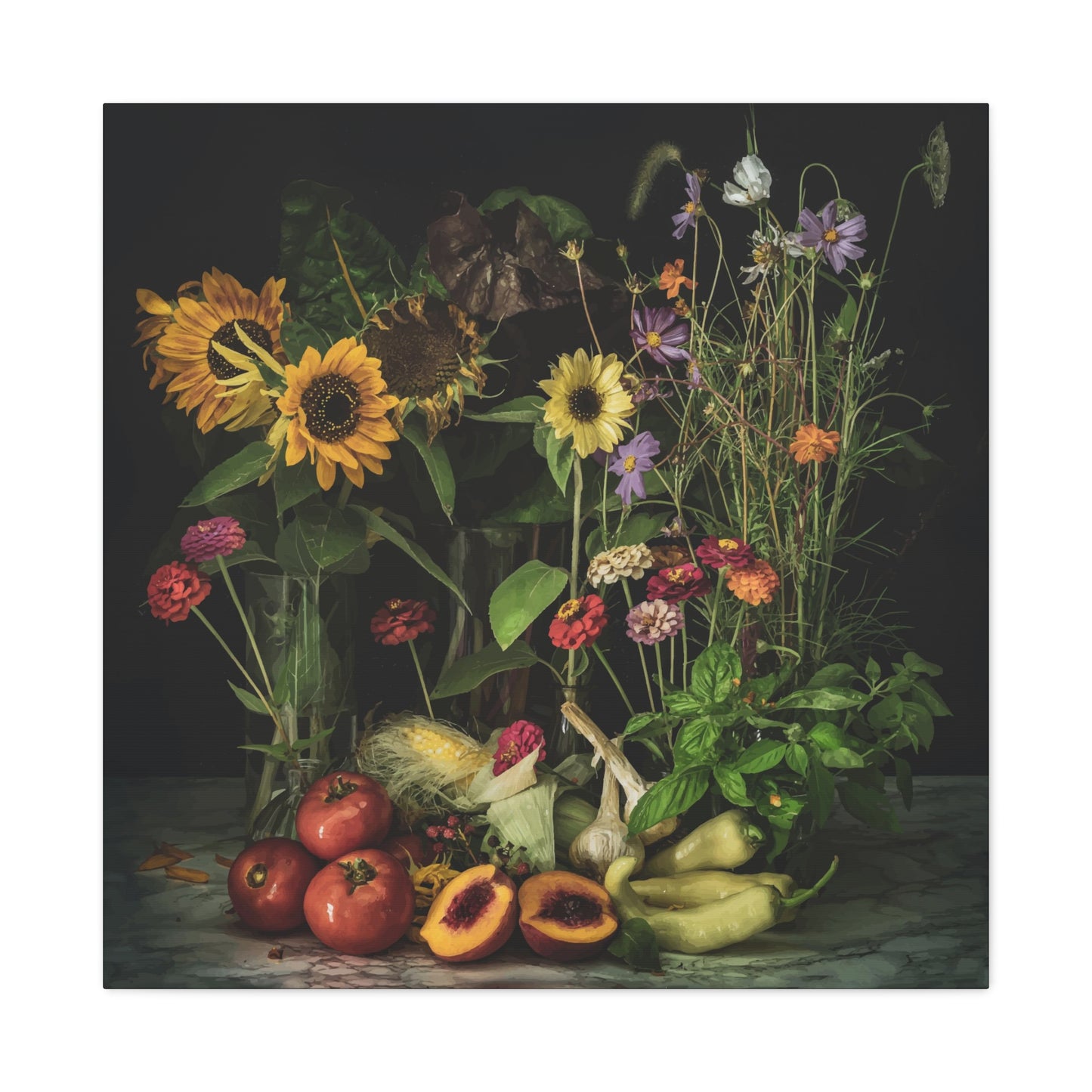
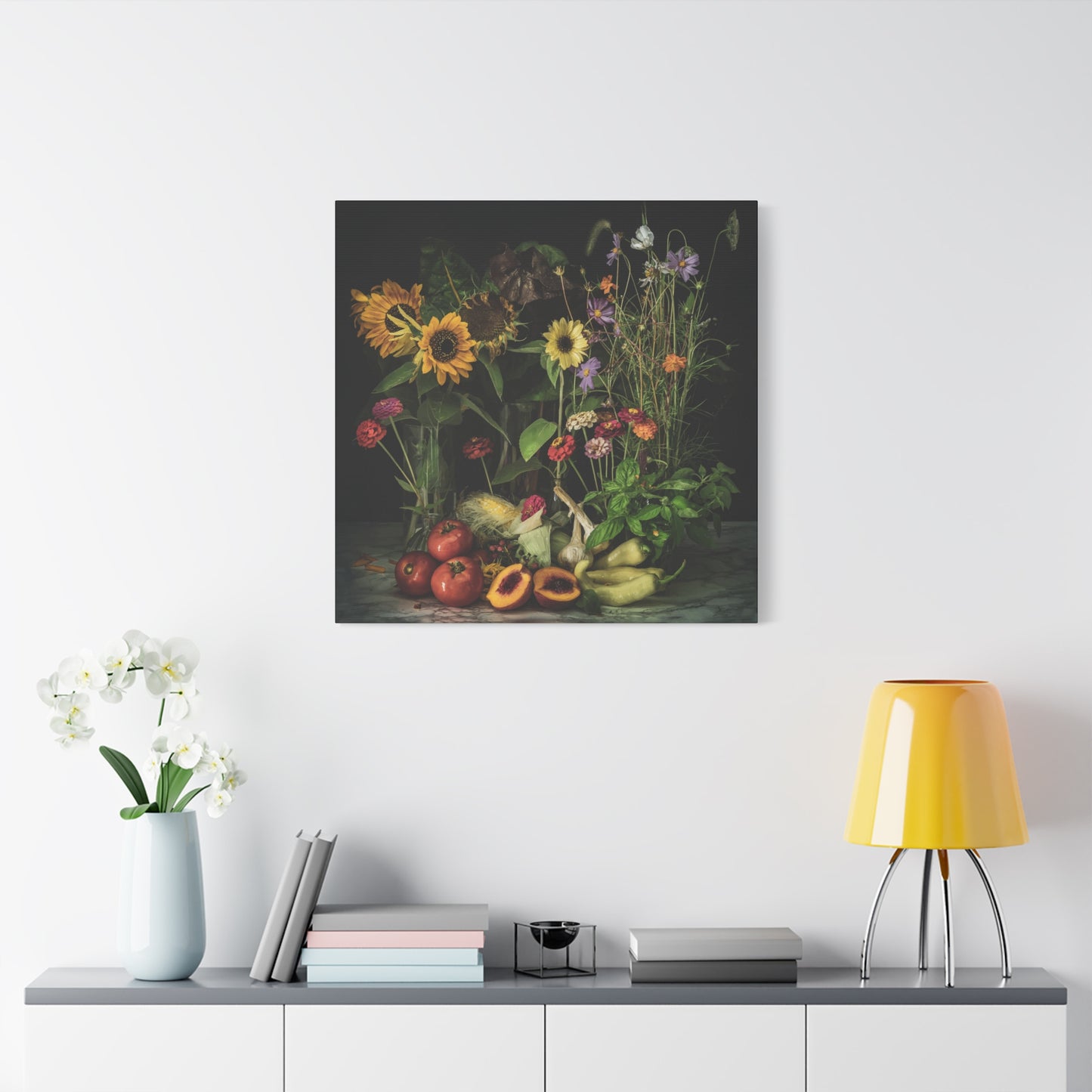
Fruits Wall Art & Canvas Prints

Fruits Wall Art & Canvas Prints

Regular price $141.50 USD
Regular price Sale price $141.50 USD
Sale Sold out
Size
Depth

Celebrate the Beauty of Nature’s Harvest with Fruits Wall Art: A Journey Through Colorful, Fruit-Inspired Design

The incorporation of nature-inspired decorative elements into interior spaces has witnessed a remarkable surge in popularity over recent decades. Among these naturalistic embellishments, depictions of fresh produce have emerged as particularly compelling choices for homeowners, designers, and art enthusiasts seeking to infuse their environments with vitality and warmth. The appeal of such imagery transcends mere aesthetic consideration, touching upon deeper human connections to sustenance, abundance, and the cyclical rhythms of natural growth.

Fruits wall art represents far more than simple decoration. These visual representations carry profound symbolic weight across countless cultures, evoking associations with prosperity, hospitality, and the generous gifts of earth. When skillfully selected and thoughtfully positioned, such pieces can fundamentally transform ordinary rooms into extraordinary sanctuaries that nourish both body and spirit. The spectrum of possibilities extends from photorealistic captures of glistening berries to abstract interpretations that reduce produce to essential forms and colors.

Why Botanical Produce Imagery Creates Such Powerful Visual Impact in Modern Interiors

The human eye naturally gravitates toward organic forms and natural hues. Scientific research has demonstrated that exposure to nature-themed imagery can reduce stress hormones, lower blood pressure, and promote feelings of tranquility. Fruits wall art leverages these innate responses, bringing the calming influence of orchards and gardens into spaces where actual plants might prove impractical.

The chromatic richness inherent in produce provides unmatched decorative versatility. Crimson strawberries burst with passionate energy. Golden citrus fruits radiate warmth and optimism. Deep purple plums suggest mystery and sophistication. Emerald limes inject spaces with refreshing vitality. This natural palette offers designers an extraordinary range of emotional tones to work with, each capable of dramatically altering the psychological atmosphere of a room.

Beyond color, the textural variety found in fruit subjects adds dimensional interest to flat wall surfaces. The dimpled surface of an orange, the fuzzy exterior of a peach, the glossy sheen of a cherry—these tactile qualities translate visually even in two-dimensional representations, creating implicit texture that adds depth and complexity to interior environments. This perceived texture engages viewers on multiple sensory levels, making spaces feel more dynamic and alive.

The symbolic associations carried by specific fruits add layers of meaning to decorative choices. Pomegranates have represented fertility and abundance since ancient times. Apples carry connotations of knowledge, temptation, and discovery. Grapes evoke Bacchanalian celebration and the pleasures of the table. Pineapples have long served as symbols of hospitality and welcome. By selecting particular produce subjects, homeowners can embed specific messages and intentions into their living spaces.

Exploring the Remarkable Diversity of Artistic Styles Available for Produce-Themed Decorations

The market for fruits wall art encompasses an astonishing range of artistic approaches, each offering distinct aesthetic advantages and suiting different interior design philosophies. Understanding these stylistic categories enables more informed selection that aligns with personal taste and existing decor schemes.

Photographic realism captures produce in stunning detail, often employing macro perspectives that reveal textures and colors invisible to casual observation. These pieces work particularly well in contemporary spaces where clean lines and honest materials dominate. The scientific precision of such imagery appeals to those who appreciate documentary authenticity and natural beauty unmediated by artistic interpretation.

Watercolor representations offer softer, more romantic interpretations of fruit subjects. The medium's characteristic bleeding and blending create ethereal, dreamlike qualities that suit cottagecore, farmhouse, and shabby chic aesthetics. These pieces often feature deliberately imprecise edges and translucent color washes that suggest rather than explicitly define forms, inviting viewers to complete the image imaginatively.

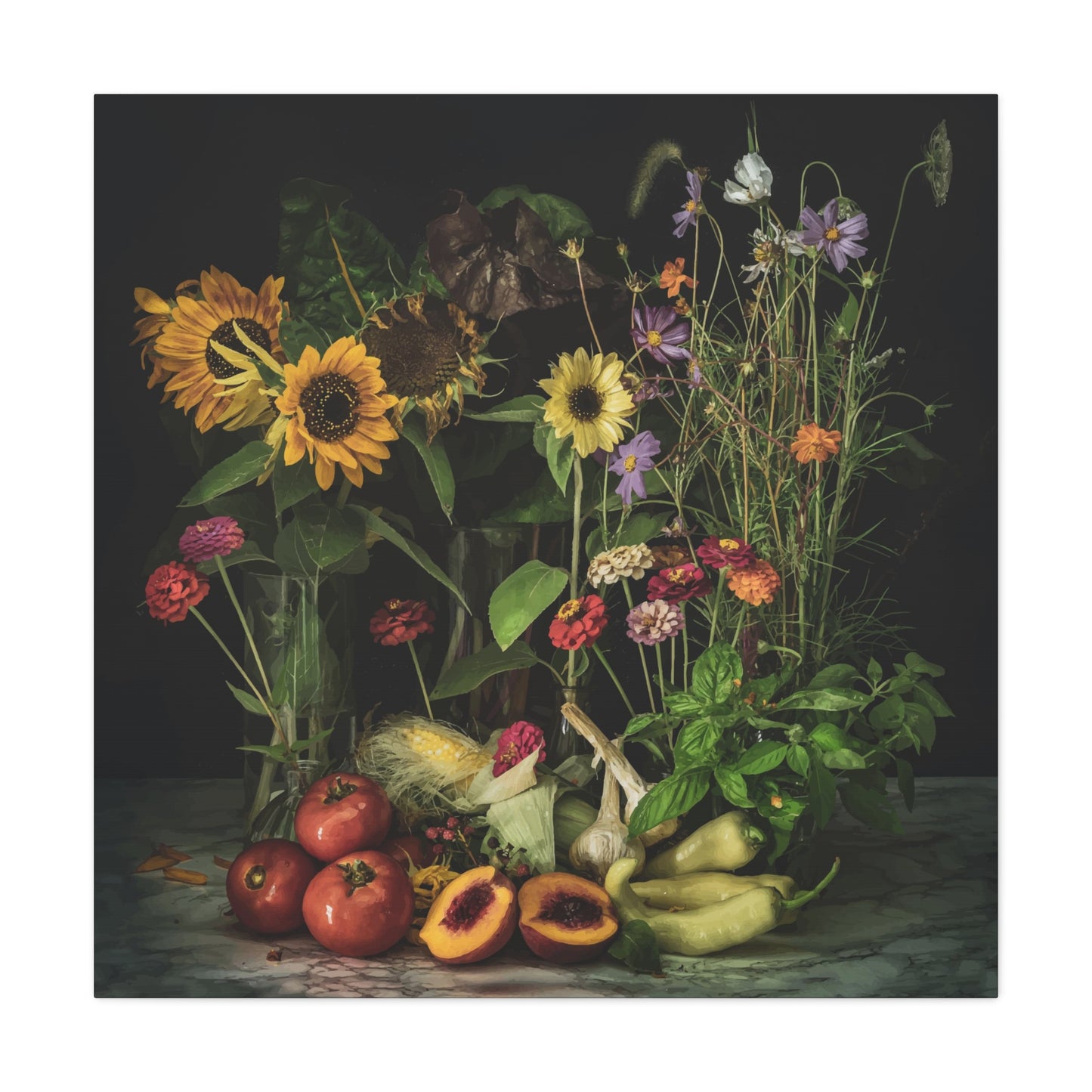
Oil painting traditions bring centuries of artistic authority to produce subjects. From Dutch Golden Age still lifes with their dramatic chiaroscuro lighting to impressionist orchards dappled with broken color, oil-based works offer gravitas and timeless sophistication. These substantial pieces often serve as focal points around which entire rooms are designed, commanding attention through both scale and technical mastery.

Vintage botanical illustrations combine scientific precision with decorative charm. These works, often reproduced from nineteenth-century horticultural texts, feature meticulously rendered specimens accompanied by Latin nomenclature and cross-sectional details. Such pieces appeal to collectors with naturalist sensibilities and those drawn to the intersection of art and science.

Abstract interpretations reduce fruits to essential geometric forms, bold color blocks, or energetic gestural marks. These contemporary approaches work splendidly in minimalist or modern settings where representational art might feel overly traditional or cluttered. The conceptual distance from literal depiction allows these pieces to function more as color and form studies than as straightforward subject matter.

Pop art approaches embrace commercial aesthetics, often featuring produce in bold, flat colors with hard edges reminiscent of advertising graphics. These playful pieces inject humor and irreverence into spaces, celebrating the everyday object elevated to iconic status through artistic attention.

Selecting the Perfect Produce Artwork to Complement Your Unique Living Environment

The process of choosing fruits wall art requires consideration of multiple factors, each contributing to whether a piece will enhance or detract from its intended setting. Room function, existing color schemes, architectural features, and personal associations all influence which selections will prove most satisfying over time.

Kitchen environments naturally welcome produce imagery, as the thematic connection between food preparation spaces and fruit subjects creates cohesive, intuitive design logic. However, the best selections avoid overly literal or obvious choices in favor of pieces that add unexpected elements. Rather than standard bowl-of-fruit compositions, consider unusual perspectives—overhead views of halved citrus, extreme close-ups of berry clusters, or arrangements that incorporate unexpected elements like vintage utensils or textured fabrics.

Dining rooms benefit from more formal, composed arrangements that evoke classical still life traditions. These spaces, dedicated to communal eating and celebration, suit larger-scale works that can hold their own against substantial furniture pieces. Compositions featuring abundant arrangements suggest generosity and plenty, reinforcing the hospitable nature of shared meals.

Living areas offer flexibility for more personal, eclectic selections. These multipurpose spaces can accommodate experimental or conversation-starting pieces that might feel too bold for more functionally specific rooms. Gallery walls featuring varied produce subjects in different styles create visual interest and demonstrate curatorial sophistication.

Bedroom environments benefit from calmer, more contemplative fruit imagery. Soft-focus photography, watercolor interpretations, or monochromatic studies create restful atmospheres conducive to relaxation. Symbolic selections might include pomegranates for couples (suggesting fertility), or peaches (representing longevity and immortality in certain cultural traditions).

Bathrooms, often overlooked as candidates for meaningful art, actually provide excellent opportunities for produce-themed decoration. The inherent freshness and cleanliness associated with fruit makes thematic sense in these hygienic spaces. Water-resistant prints behind glass or protected frames ensure longevity in humid conditions.

Office and workspace environments gain energy from the right fruit selections. Citrus imagery, with its associations of vitamin C and morning refreshment, can mentally prepare occupants for productive work. The natural vibrancy of such pieces counterbalances the potentially sterile quality of work equipment and provides visual relief during screen breaks.

Understanding How Scale and Proportions Dramatically Affect the Visual Presence of Produce Artwork

Size matters enormously in determining how effectively fruits wall art will function within a given space. Undersized pieces disappear into their surroundings, failing to make sufficient visual impact, while oversized selections can overwhelm rooms and make spaces feel cramped or claustrophobic.

For substantial walls, particularly those in living rooms or dining areas, consider statement pieces measuring at least thirty-six by forty-eight inches. These commanding dimensions ensure the artwork registers as a deliberate focal point rather than an afterthought. Such large-scale pieces work best when positioned above significant furniture items—sofas, credenzas, or dining buffets—where they can anchor the arrangement and create vertical visual interest.

Medium-sized works, ranging from twenty to thirty-six inches in their longest dimension, offer versatility for various applications. These pieces work well in gallery wall arrangements, paired in symmetrical hanging schemes, or as standalone elements on smaller walls. Their moderate proportions make them manageable for most spaces without requiring the commitment of larger installations.

Smaller pieces, under twenty inches, excel in creating curated collections or filling awkward spaces that larger works couldn't accommodate. Narrow walls between windows, areas above light switches, or small alcoves all benefit from appropriately scaled smaller works. Multiple small pieces arranged thoughtfully often create more dynamic compositions than single larger selections.

The relationship between artwork dimensions and wall size follows general proportion guidelines. As a rule, wall art should occupy approximately two-thirds to three-quarters of the available wall width when hung above furniture. Floating on empty walls, pieces should relate to nearby architectural features—aligning with door or window edges, centering on the wall section, or creating deliberate asymmetry that balances other room elements.

Vertical versus horizontal orientation significantly impacts spatial perception. Horizontally oriented fruits wall art emphasizes width, making narrow rooms appear broader. Vertical orientations draw the eye upward, increasing perceived ceiling height—particularly valuable in rooms with lower ceilings. Square formats offer neutral, balanced energy that works in diverse settings.

Mastering the Craft of Proper Placement and Hanging Positions for Maximum Visual Effectiveness

Even the most exquisite fruits wall art fails to achieve its full potential when improperly positioned. Understanding sight lines, lighting conditions, and compositional balance ensures artwork enhances rather than merely decorates spaces.

Eye-level positioning remains the fundamental guideline for art placement. In residential settings, this typically means centering pieces approximately fifty-seven to sixty inches from the floor to the artwork's center point. This standard derives from gallery conventions and accounts for average human height, ensuring comfortable viewing without neck strain. However, this guideline flexes based on room function and viewer positions—seated areas require lower placements, while spaces where people primarily stand allow higher installations.

When hanging produce artwork above furniture, maintain approximately six to eight inches of clearance between the furniture top and the frame's bottom edge. This spacing creates visual connection between the artwork and furniture while preserving each element's independence. Closer spacing risks making the art appear to sit on the furniture rather than float above it; greater distances can make pieces seem disconnected from their surroundings.

Lighting dramatically affects how fruits wall art appears. Natural illumination changes throughout the day, altering colors and visibility. Morning light tends toward cool blue tones, while afternoon sun warms toward gold and amber. Consider how these shifts will affect artwork appearance at different times. Pieces with significant color saturation may appear overly intense in bright direct light, while subtle works might disappear in dimmer conditions.

Artificial lighting offers more control but requires thoughtful implementation. Picture lights mounted directly on frames provide focused illumination ideal for creating gallery atmospheres. Track lighting or adjustable can lights allow precise directional control, highlighting specific pieces while leaving surroundings dimmer. Avoid lighting schemes that create glare on glass-covered works, which obscures rather than reveals imagery.

Grouping multiple pieces of fruits wall art requires attention to spacing and arrangement logic. When creating gallery walls, maintain consistent spacing between frames—typically two to three inches works well. Arrange pieces before hanging by laying them on the floor or using paper templates on walls. Seek balanced arrangements where visual weight distributes evenly, even when using varied sizes. The overall arrangement should form a cohesive shape—rectangular, oval, or organic—rather than appearing randomly scattered.

Symmetrical arrangements suit formal spaces and traditional aesthetics. Two identical or similar fruits wall art pieces flanking a central element like a mirror or window create orderly, calming compositions. Asymmetrical arrangements offer more contemporary, dynamic energy but require careful balancing—pairing a large piece on one side with several smaller works on the other, for instance.

Investigating the Rich Palette of Color Harmonies Present in Produce-Based Decorative Pieces

Color represents perhaps the most immediately impactful aspect of fruits wall art, capable of establishing mood, altering spatial perception, and either harmonizing with or deliberately contrasting against existing interior schemes.

Warm-toned fruit imagery—featuring reds, oranges, yellows, and warm pinks—energizes spaces and creates welcoming, sociable atmospheres. These hues advance visually, making them excellent choices for larger rooms where creating intimacy proves challenging. A vivid depiction of blood oranges, persimmons, or strawberries can inject necessary vitality into neutral spaces dominated by beiges, grays, or whites.

Cool-toned selections featuring blues, greens, purples, and cool pinks promote calm and contemplation. These receding colors work beautifully in smaller spaces, as they create illusions of greater depth and airiness. Blueberry compositions, grape clusters, or lime arrangements suit bedrooms, bathrooms, and other retreats where relaxation takes priority over stimulation.

Monochromatic fruit artwork explores tonal variations within single color families. These sophisticated pieces suit minimalist aesthetics and allow focus on form and composition rather than chromatic variety. Black-and-white photographs of produce emphasize shape, shadow, and texture, creating timeless elegance that transcends trendy color schemes.

Complementary color schemes, pairing opposites on the color wheel, create maximum visual vibration and energy. Oranges against blue backgrounds, red strawberries with green leaves, or yellow lemons with purple shadows deliver dynamic impact. These bold combinations work best as accent pieces rather than dominant elements, providing visual excitement without overwhelming.

Analogous color schemes employ colors adjacent on the wheel—yellows, oranges, and reds, for instance. These harmonious combinations feel naturally unified and restful, lacking the tension of complementary schemes. Fruits wall art featuring autumn harvest themes or tropical fruit medleys often employs analogous palettes to great effect.

Triadic color schemes use three equidistant wheel colors—red, yellow, and blue, for example. These balanced yet vibrant combinations offer chromatic interest without the intensity of complementary schemes. Fruit arrangements featuring diverse produce—perhaps lemons, strawberries, and blueberries—demonstrate this approach.

Exploring Various Materials and Production Methods That Bring Fruit Imagery to Life

The substrate and production method employed for fruits wall art significantly impacts its appearance, longevity, and appropriateness for different settings. Understanding these variables enables more informed purchasing decisions.

Canvas prints offer textured, painterly qualities that suit contemporary and transitional spaces. The fabric surface provides slight give and dimensionality absent from flat paper. Gallery-wrapped canvases, where the image continues around the sides, create finished edges requiring no framing—a clean, modern presentation. Canvas durability resists tearing better than paper, though UV exposure can still cause fading over extended periods.

Paper prints encompass enormous quality variation. Museum-grade archival papers printed with pigment-based inks offer exceptional color fidelity and longevity, potentially lasting centuries under proper conditions. Standard photographic papers prove less permanent but cost significantly less. Watercolor papers suit reproductions of painted works, while smooth glossy papers enhance photographic crispness.

Metal prints represent cutting-edge production methods where images infuse directly into specially coated aluminum sheets. The resulting pieces display extraordinary color vibrancy, depth, and luminosity. The rigid, lightweight substrate resists damage and requires no protective glazing. Metal prints suit ultra-contemporary spaces and outdoor installations where weather resistance matters.

Acrylic prints suspend images behind clear acrylic sheets, creating depth and dimensionality through the transparent layers. These sleek, modern presentations offer glass-like clarity with reduced weight and breakage risk. The high-gloss surface intensifies colors and creates almost three-dimensional effects, particularly effective for photographic fruits wall art.

Wood prints transfer images onto natural wood surfaces, preserving visible grain that becomes part of the aesthetic. These rustic presentations suit farmhouse, industrial, and natural bohemian styles. The organic substrate adds warmth and texture, creating unique pieces where no two are identical due to wood grain variations.

Framed works require additional consideration regarding frame style, mat selection, and glazing options. Frame molding—the decorative profile—should complement both the artwork and room style. Traditional gold or silver leaf frames suit classical still lifes; clean-lined black or natural wood frames better serve contemporary pieces. Mats create visual breathing room between image and frame while providing crucial protection from glass contact. Conservation-grade glazing protects from UV damage while reducing glare; museum glass eliminates virtually all reflection but costs significantly more.

Discovering Where to Source Exceptional Produce-Themed Artwork That Elevates Your Space

The marketplace for fruits wall art has expanded dramatically, offering consumers unprecedented selection across price points, styles, and quality levels. Knowing where to look ensures finding pieces that satisfy both aesthetic preferences and practical requirements.

Independent artist platforms allow direct purchase from creators, often enabling custom commissions tailored to specific needs. These sources frequently offer unique, one-of-a-kind works unavailable through mass-market channels. The ability to communicate directly with artists regarding size, color adjustments, or subject preferences provides tremendous value. Supporting independent creators also aligns with values-conscious consumption that prioritizes craft and individuality over mass production.

Print-on-demand services provide affordable access to vast image libraries, printing selected designs on various substrates. These platforms democratize art ownership by eliminating inventory costs and allowing single-unit purchases. Quality varies considerably between providers, so scrutinizing printing methods, materials, and customer reviews proves essential before purchasing.

Local galleries and art fairs offer opportunities to view fruits wall art in person before purchasing—an enormous advantage over online shopping. The ability to assess actual colors, textures, and scale eliminates uncertainty inherent in screen-based shopping. Gallery staff often provide valuable guidance regarding framing, placement, and care. Relationships with local galleries can yield alerts when new works matching your interests arrive.

Vintage and antique shops offer treasures for those drawn to aged patina and historical provenance. Original lithographs, botanical prints, and painted works carry stories and character impossible to replicate in new production. These sources require patience and regular browsing, as inventory constantly changes, but discoveries can prove extraordinary.

Museum shop reproductions provide access to masterworks from institutional collections. Many renowned museums license their holdings for high-quality printing, allowing ownership of images from Caravaggio fruit baskets to Cezanne apple arrangements. These reproductions often include scholarly information about the original works, adding educational dimensions to decorative purposes.

Examining How Different Fruit Subjects Carry Distinct Symbolic Meanings Across Cultures

The specific fruits depicted in wall art carry layered symbolic associations accumulated over millennia of human culture. Understanding these meanings allows more intentional selection that reinforces desired qualities within spaces.

Apples appear throughout mythology and folklore, most famously in the Biblical creation narrative but also in Greek legends of discord and Norse tales of immortality. In decorative contexts, apples suggest knowledge, temptation, love, and abundance. Their round forms and jewel-like colors make them perennial favorites for fruits wall art across all styles.

Pomegranates feature prominently in Mediterranean and Middle Eastern cultures, symbolizing fertility, prosperity, and resurrection. Their crown-like calyxes and jewel-seed interiors create visually stunning subjects. In Greek mythology, Persephone's consumption of pomegranate seeds bound her to the underworld, making the fruit emblematic of life-death-rebirth cycles.

Grapes carry strong associations with wine production and thus with celebration, abundance, and Bacchanalian pleasure. In Christian iconography, grapes represent the blood of Christ and redemption. Their clustering growth habit and range of colors—green, red, purple, black—provide tremendous compositional versatility.

Pineapples emerged as hospitality symbols in colonial America, when these exotic imports commanded premium prices. Hosts displaying pineapples demonstrated both affluence and generous welcome. This symbolism persists, making pineapple fruits wall art particularly suitable for entryways and guest areas.

Peaches represent longevity and immortality in Chinese culture, where the fruit of immortality grows in the gardens of Xi Wangmu, Queen Mother of the West. The fruit's soft, sensuous form also carries romantic and erotic associations. Georgia's designation as the Peach State adds American regional identity connections.

Citrus fruits—lemons, oranges, limes—evoke freshness, cleanliness, and vitamin-rich health. Their bright colors inject optimism and energy. Mediterranean associations link these fruits to sunshine, warmth, and leisurely coastal living.

Cherries, often depicted in pairs, carry romantic and sensual connotations. Their deep red color and glossy appearance create luxurious, indulgent impressions. In some Asian cultures, cherry blossoms (rather than fruits) symbolize the ephemeral nature of beauty and life.

Strawberries represent perfection and righteousness in medieval Christian art, where their trefoil leaves suggested the Holy Trinity. The fruit's red color and heart-like shape also connect to love and passion. Their accessibility and popularity make strawberry imagery feel approachable and cheerful.

Incorporating Seasonal Variations Through Strategic Produce Artwork Rotation Practices

Just as nature cycles through seasons, rotating fruits wall art throughout the year maintains visual freshness and aligns interior spaces with natural rhythms. This practice prevents decorative stagnation while allowing greater collection diversity within budget constraints.

Spring celebrations benefit from imagery featuring early-season produce—strawberries, cherries, apricots. These delicate fruits in blossom pink, soft red, and warm gold tones capture the season's gentle reawakening. Watercolor or pastel interpretations particularly suit spring's ethereal quality.

Summer abundance calls for exuberant, saturated imagery featuring peak-season produce—peaches, plums, berries, melons. Bold, bright compositions reflecting summer's uninhibited energy work beautifully. Photographic or pop-art approaches capture the season's intensity and vitality.

Autumn harvest themes embrace deeper, richer tones—burgundy pomegranates, purple grapes, golden pears. Compositions suggesting abundance and preservation suit the season of gathering and preparation. Oil painting styles with warm, glowing light qualities evoke autumn's particular luminosity.

Winter calls for more austere, contemplative selections. Preserved citrus slices, quince, or even bare fruit tree branches maintain produce themes while acknowledging seasonal austerity. Monochromatic or minimalist approaches reflect winter's stripped-down essence.

Rotation practices needn't involve complete replacement. Changing a single prominent piece while maintaining supporting elements creates noticeable freshness without requiring wholesale redesign. Storing rotated pieces in acid-free materials in climate-controlled environments ensures preservation for future seasons.

Creating Cohesive Gallery Walls That Showcase Multiple Fruit-Themed Pieces Harmoniously

Gallery walls transform collections of individual fruits wall art pieces into unified compositions greater than their parts. Successful execution requires planning, patience, and attention to relationships between elements.

Thematic unity provides the foundation. While pieces needn't match precisely, some connecting thread—similar color palettes, shared stylistic approaches, consistent framing, or related subject matter—should link disparate works. A gallery wall might feature various fruits in similar watercolor styles, diverse botanical illustrations uniformly framed, or monochromatic photographs of different produce.

Size variation creates visual interest and dynamic rhythm. Combining larger anchor pieces with medium and smaller supporting works prevents monotony while establishing hierarchy. The largest piece typically serves as the focal point, positioned at eye level in a central or slightly off-center location, with smaller works clustered around it.

Shape diversity adds complexity. Mixing horizontal, vertical, and square orientations creates engaging compositions. Round or oval frames introduce curved elements that soften the geometry of rectangular arrangements.

Color distribution requires attention to prevent unintended clustering of similar hues. Step back frequently during arrangement to ensure colors spread evenly across the composition rather than concentrating in single areas.

Spacing consistency matters enormously. Maintaining uniform gaps between frames—typically two to three inches—creates cohesive unity regardless of size variations. This regular spacing distinguishes deliberate galleries from haphazard assemblages.

Template planning prevents wall damage from experimental hanging. Creating paper templates cut to frame sizes allows arrangement testing with painter's tape before driving nails. Photograph arrangements for reference during actual installation.

Understanding How Produce Imagery Functions Within Various Interior Design Movement Philosophies

Different design movements embrace fruits wall art in characteristic ways that reflect their underlying aesthetic philosophies. Recognizing these patterns enables selection that genuinely suits your stylistic preferences.

Farmhouse and cottage styles embrace produce imagery enthusiastically, viewing fruit subjects as natural extensions of their back-to-land, agrarian ethos. These movements favor vintage botanical prints, painted wooden signs with fruit motifs, and nostalgic imagery suggesting roadside fruit stands and old-fashioned kitchens. Distressed frames, muted colors, and folk art interpretations align with these styles' deliberate rusticity.

Scandinavian design's commitment to natural materials, simplicity, and connection to the outdoors accommodates fruits wall art through minimalist interpretations. Clean-lined photography, simple line drawings, and watercolors in muted palettes suit this aesthetic. White or light wood frames maintain the style's characteristic brightness and airiness.

Bohemian eclecticism enthusiastically embraces fruit imagery, particularly exotic or tropical varieties. Lush, saturated colors and mixed media approaches align with boho's rejection of matching sets and conventional coordination. Vintage fruit crate labels, botanical illustrations, and folk art interpretations layer effectively in bohemian gallery walls.

Industrial chic incorporates produce imagery through unexpectedly refined counterpoint to raw, utilitarian elements. Sleek acrylic or metal prints of fruit subjects soften exposed brick, concrete, and steel while maintaining contemporary edge. Black and white photography or high-contrast graphic interpretations work particularly well.

Coastal and nautical themes naturally accommodate certain fruit imagery, particularly tropical and citrus subjects. Key limes, coconuts, and pineapples reinforce beachy, vacation atmospheres. Watercolor treatments in aqua, coral, and sand tones suit these sun-bleached, relaxed aesthetics.

Maximalist approaches celebrate fruits wall art as opportunities for bold color and pattern. Wallpaper featuring large-scale fruit motifs, oversized painted pieces in saturated hues, and dense gallery walls all suit maximalism's more-is-more philosophy. Ornate vintage frames and jewel-toned color schemes amplify the deliberately excessive quality.

Examining How Fruits Wall Art Influences Psychological States and Emotional Wellbeing

The impact of visual environments on human mood and behavior has been extensively documented. Fruits wall art participates in this environmental influence through multiple mechanisms.

Biophilic responses represent our innate attraction to nature and living systems. Even representations of natural subjects trigger these responses, producing measurable reductions in stress markers. Fruits wall art essentially brings outdoors inside, satisfying deep-seated needs for nature connection particularly acute in urban environments where direct nature access proves limited.

Color psychology explains how different hues affect emotional states. Warm fruit colors—reds, oranges, yellows—stimulate appetite and conversation, making them ideal for kitchens and dining areas. Cool fruit colors—blues, purples, greens—promote calm and focus, suiting bedrooms and work spaces. The full-spectrum colors present in produce imagery provide balanced stimulation.

Nostalgia activation occurs when fruit imagery connects to personal memories—grandmother's kitchen, summer vacations picking berries, farmers market visits. These positive associations transfer to present environments, imbuing spaces with comforting, reassuring qualities.

Appetite stimulation represents a specific response to food imagery. Restaurant and food service environments deliberately employ produce imagery to encourage consumption. In residential settings, this effect can prove either desirable (in kitchens where inspiring cooking proves beneficial) or counterproductive (in spaces where appetite suppression might be preferred).

Seasonal affective responses improve when environments reflect current seasons or compensate for their absence. During dark winters, bright citrus imagery can provide cheerful compensation for missing sunlight. Conversely, cool berry imagery might offer psychological relief during oppressive summer heat.

The abundance symbolism inherent in fruit subjects contributes to feelings of security and prosperity. Humans instinctively respond positively to signs of plentiful food resources. Spaces displaying abundant fruit arrangements unconsciously signal safety and sufficiency.

Implementing Proper Care Regimens That Preserve Artwork Quality Over Decades

Fruits wall art represents an investment deserving protection through appropriate care. Understanding deterioration factors allows implementation of preventive measures that extend lifespan dramatically.

Light damage represents the primary threat to artwork longevity. Ultraviolet radiation breaks down pigments and substrates, causing fading, yellowing, and brittleness. Direct sunlight proves especially damaging but even artificial light causes cumulative harm. Position artwork away from windows receiving direct sun. For unavoidable bright locations, use UV-filtering glazing on framed pieces or UV-protective coatings on prints. LED lighting generates less damaging radiation than incandescent or fluorescent alternatives.

Humidity fluctuations cause dimensional changes in substrates—paper expands and contracts, canvas tightens and loosens. These movements stress materials, eventually causing cracking, warping, or delamination. Maintain relatively stable humidity between forty and fifty percent. Avoid hanging artwork directly above heating vents, radiators, or in bathrooms without adequate ventilation.

Temperature extremes accelerate chemical deterioration processes. High heat speeds pigment breakdown while cold can make materials brittle. Avoid installing artwork near fireplaces, ovens, or exterior walls subject to temperature transfer.

Pollutants including dust, cooking oils, smoke, and aerosols deposit on surfaces, attracting moisture and promoting mold growth while discoloring materials. Regular gentle dusting with soft, dry cloths prevents accumulation. Never use cleaning chemicals on artwork without professional consultation.

Physical damage from impacts, abrasions, or mishandling causes immediate harm. When moving framed pieces, carry by the frame rather than pulling on hanging hardware. Use felt pads between frames and walls to prevent abrasion. Secure hanging hardware appropriately rated for artwork weight.

Insect pests including silverfish, cockroaches, and beetles consume paper and adhesives. Regular inspection allows early detection. If infestation occurs, consult conservation professionals for treatment options.

Professional conservation addresses deterioration beyond routine care capabilities. Reputable conservators can repair tears, remove stains, stabilize flaking media, and restore damaged pieces. Many problems prove more easily and affordably addressed when caught early, making regular professional assessment worthwhile for valuable works.

Storage practices matter for rotated pieces. Wrap in acid-free tissue or glassine rather than plastic which traps moisture. Store flat rather than rolled when possible. Climate-controlled environments prevent the temperature and humidity fluctuations that plague basements, attics, and garages.

Crafting Custom Produce Artwork Through DIY Creation and Personal Photography Projects

While purchasing fruits wall art offers convenience, creating original pieces provides deeply personal satisfaction and ensures absolute uniqueness. Several approachable methods suit various skill levels and budgets.

Photography requires only a smartphone or camera to begin. Compose arrangements of fresh produce with attention to lighting, background, and composition. Natural window light often produces beautiful results without specialized equipment. Experiment with angles—overhead shots, extreme close-ups, side lighting that emphasizes texture. Edit images using free applications to adjust brightness, contrast, and saturation. Print through professional services or home printers on quality paper.

Painting and drawing allow complete creative control regardless of artistic training. Abstract approaches focusing on color and shape prove accessible even for beginners. Watercolors suit fruit subjects beautifully, as the medium's fluidity captures produce's organic qualities. Acrylics offer versatility and forgiveness for revisions. Even simple line drawings possess artistic merit when thoughtfully executed.

Collage techniques assemble cut or torn paper, fabric, or found materials into compositions. Vintage fruit crate labels, seed packet graphics, botanical book pages, and decorative papers combine into unique mixed-media works. This forgiving method requires no drawing skills while allowing tremendous creative expression.

Pressed fruit techniques create actual botanical specimens suitable for framing. Slice citrus thinly, arrange on parchment, and press under weight until completely dried. These fragile materials require careful handling and UV-protected glazing but offer ethereal, translucent beauty. Combine multiple varieties for compositional interest.

Digital illustration using tablets and styluses democratizes graphic art creation. Numerous applications offer drawing tools mimicking traditional media. Vector programs create clean, graphic interpretations while raster programs allow painterly effects. Digital creation enables unlimited revision and perfect reproduction.

Transfer methods apply printed images to canvas, wood, or other surfaces using special mediums. This technique allows reproduction of found images—vintage illustrations, personal photographs, or purchased graphics—onto unique substrates with handcrafted character.

Embroidery and needlework translate fruit subjects into textile arts. Simple running stitches outline forms while complex shading techniques create dimensional realism. Framed needlework carries folk art charm and demonstrates impressive craftsmanship.

Analyzing How Produce Imagery Appears Across Various Global Artistic Traditions

Fruits wall art draws from rich cross-cultural traditions spanning continents and centuries. Examining these varied approaches enriches appreciation and informs contemporary selections.

European still life painting reached extraordinary heights during the Dutch Golden Age when artists including Jan Davidsz de Heem and Abraham Mignon created technically brilliant compositions. These works often carried symbolic meanings—wilting flowers and overripe fruit reminded viewers of mortality, while lavish spreads demonstrated wealth. The dramatic lighting and meticulous rendering continue influencing contemporary fruit imagery.

Japanese art traditions employ fruit subjects with characteristic restraint and aesthetic refinement. Persimmons appear frequently in minimalist compositions that emphasize negative space and asymmetric balance. The Rinpa school's decorative approach abstracts fruit forms into patterns suitable for screens and textiles. These restrained compositions offer alternatives to Western abundance.

Chinese brush painting treats fruit subjects with calligraphic economy, suggesting forms through minimum brushstrokes. Persimmons, lychees, and pomegranates appear in works where symbolic meaning often outweighs decorative intent. The literati tradition viewed painting as spiritual practice rather than mere representation.

Mexican folk art traditions embrace fruit with characteristic exuberance. Painted ceramics, tin work, and papel picado feature bright tropical produce—mangoes, papayas, pineapples. The bold, saturated palettes and stylized forms reflect indigenous artistic heritage merged with Spanish colonial influence.

Indian miniature painting traditions occasionally depict fruit within narrative scenes or ornamental borders. Mangoes, held sacred in Hindu tradition, appear frequently. The precise, jewel-like quality and rich colors characteristic of these works translate beautifully into decorative prints.

Mediterranean cultures from Morocco to Turkey to Greece incorporate fruit motifs into textiles, ceramics, and architectural decoration. Pomegranates, figs, and olives—staples of regional agriculture—appear as repeating patterns with geometric stylization reflecting Islamic artistic prohibitions against representational imagery.

African artistic traditions vary enormously across the continent but frequently incorporate fruit into utilitarian objects—decorated gourds, carved wooden bowls—that blur boundaries between functional items and art. Contemporary African artists increasingly explore fruit subjects through photography and painting that addresses themes of colonialism, trade, and cultural identity.

Investigating Emerging Trends Reshaping Contemporary Produce-Themed Decorative Arts

The fruits wall art market continuously evolves as artists explore new subjects, techniques, and conceptual approaches. Awareness of current directions helps identify pieces likely to remain visually relevant.

Tropical and exotic fruits increasingly replace traditional temperate subjects. Dragon fruit, passion fruit, persimmons, and lychees appear more frequently as global food systems expand available produce and multicultural influences broaden aesthetic preferences. These less familiar fruits offer fresh visual interest and suggest cosmopolitan sophistication.

Oversized scale creates dramatic impact. Single fruits rendered at enormous proportions—a three-foot-wide raspberry, a five-foot lemon—command attention and make bold statements. This approach works particularly well in minimalist spaces requiring singular focal points.

Botanical accuracy combines artistic appeal with scientific documentation. Contemporary artists reference historical botanical illustration traditions while incorporating modern sensibilities. These works appeal to nature enthusiasts and collectors appreciating the intersection of art and natural science.

Sustainability themes explore relationships between humans, food systems, and environmental impact. Artists address heirloom varieties, food waste, monoculture agriculture, and climate change through produce imagery. These conceptual works invite reflection beyond purely aesthetic appreciation.

Conclusion

Discovering the vibrant world of fruits wall art is an exciting way to bring nature’s colorful bounty into your home, adding energy, vitality, and a refreshing sense of natural beauty to any space. Fruits, with their vivid hues, unique textures, and symbolic connections to abundance, health, and pleasure, make perfect subjects for art that transforms your living spaces into vibrant, cheerful environments. Whether you opt for bold, contemporary depictions or more traditional, still-life renditions, fruit-inspired wall art offers an invitation to celebrate the beauty and richness of nature in a way that feels both luxurious and accessible.

One of the most striking elements of fruit wall art is its ability to instantly brighten a room with its vibrant colors and lively energy. The deep reds of ripe apples, the sunny yellows of bananas, the rich purples of grapes, and the fresh greens of limes create an immediate visual appeal. These colors can transform dull walls into stunning backdrops, adding warmth and vibrancy to kitchens, dining rooms, living rooms, and even offices. The boldness of fruit-themed art complements various interior styles, from modern and minimalist to rustic farmhouse or bohemian chic. Its versatility ensures that it can find a place in nearly any room, infusing the space with life and a sense of natural abundance.

Beyond their aesthetic qualities, fruits also carry deeper symbolic meanings. Historically, fruits have represented abundance, fertility, health, and vitality—ideas that resonate with many homeowners. Displaying fruit-themed art in your home can evoke a sense of abundance and nourishment, both physically and spiritually. Fruits are not just food; they are also symbols of the seasons, cycles, and the earth’s generosity. Whether it’s the first apples of autumn, the bursting citrus of summer, or the rich harvests of late fall, fruit wall art can bring the natural rhythm of the seasons into your living space, serving as a reminder of the world’s cycles and the beauty of each phase.

Fruit-inspired art also provides a sensory experience that goes beyond the visual. For many, fruits evoke not just sight, but taste and smell. These artworks can trigger memories of a fresh summer harvest, family gatherings around a table laden with seasonal produce, or the simple pleasure of biting into a juicy piece of fruit. The connection between the visual appeal of fruit art and its sensory associations enhances the overall experience, creating an atmosphere that feels alive and welcoming.

The variety of styles in which fruits are depicted also offers endless opportunities for customization. From realistic, highly detailed portraits of fruits that showcase every texture and detail, to more abstract interpretations that focus on shapes, colors, and patterns, there’s something to suit every taste. For those who appreciate the fine art of still-life painting, fruit art can provide a timeless, sophisticated touch to your home. Alternatively, more modern and playful styles of fruit art can inject a youthful, quirky energy into your space, making it feel fresh and contemporary.

Additionally, fruit wall art can work wonderfully as part of a curated collection of natural or botanical-themed pieces, or as a standalone focal point. The textures and contrasts in fruit art, whether focusing on a single piece of fruit or a colorful arrangement, create visual interest and balance in a room. A large, bold fruit canvas can command attention, while smaller, clustered prints can add harmony and continuity to a gallery wall. This flexibility allows fruit art to fit into a variety of spaces and formats, adapting to your personal style and the mood you want to create.

Moreover, fruit wall art offers an opportunity to celebrate local and seasonal produce. With global markets providing an abundance of fruits year-round, choosing art that celebrates seasonal fruits can be an opportunity to align with nature’s cycles, creating a sense of mindfulness and connection to the earth. Pieces that showcase exotic fruits or celebrate a specific region’s harvest can bring an element of cultural exploration into your space, adding layers of meaning and depth to your décor.

In conclusion, fruit wall art brings the vibrant colors, textures, and abundance of nature directly into your home, transforming your space into a lively and invigorating environment. Whether you are drawn to the bright colors of a modern pop-art piece or the subtle elegance of a traditional still life, fruit-inspired art offers a joyful and refreshing addition to any room. It not only enhances your décor but also adds layers of meaning—symbolizing abundance, health, and connection to nature. By integrating fruit wall art into your home, you create a space that celebrates the beauty of the natural world, all while infusing your living areas with a sense of vibrancy and life.

View full details