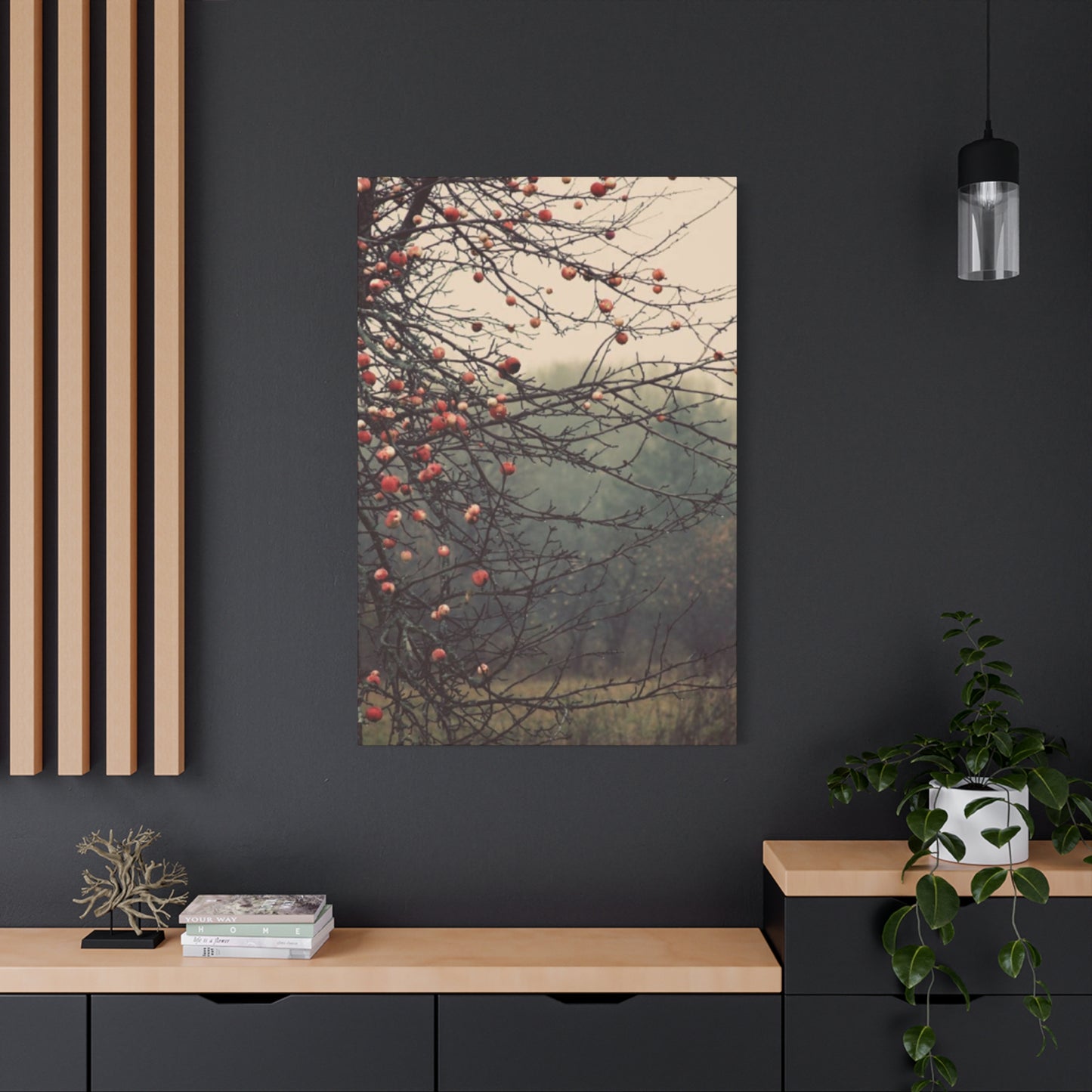
Fruit Tree Fine Wall Art & Canvas Prints
Fruit Tree Fine Wall Art & Canvas Prints
Couldn't load pickup availability
Discovering the Enchanting World of Fruit Tree Fine Wall Art: A Complete Journey Through Botanical Expression in Home Decor
The allure of bringing nature's bounty indoors has captivated homeowners, designers, and art enthusiasts for centuries. When we talk about incorporating natural elements into living spaces, few subjects capture the imagination quite like depictions of fruit-bearing branches, blossoming orchards, and the rich symbolism of harvest. Fruit tree fine wall art represents a sophisticated intersection where horticultural beauty meets artistic expression, creating pieces that transform ordinary walls into celebrations of abundance and natural splendor.
This comprehensive exploration delves into every facet of this captivating art form, examining how artists throughout generations have interpreted the magnificence of orchards, the delicate beauty of fruit blossoms, and the satisfying fullness of ripened harvests. Whether you're a collector seeking to understand the nuances of this genre, a decorator looking to enhance residential or commercial spaces, or simply someone who appreciates the visual poetry of nature rendered through artistic mediums, this extensive guide offers insights into selection, placement, preservation, and appreciation of these remarkable works.
The Timeless Appeal of Orchard Imagery in Contemporary Spaces
Throughout human civilization, the depiction of fruit-bearing trees has held profound significance across multiple cultures and artistic movements. These representations carry layers of meaning beyond mere decoration, symbolizing prosperity, fertility, the cyclical nature of seasons, and humanity's enduring connection to the land. In contemporary interior design, fruit tree fine wall art bridges the gap between classical botanical illustration and modern aesthetic sensibilities.
The visual impact of these artworks stems from their unique ability to convey both delicate beauty and robust vitality simultaneously. A painting capturing apple blossoms in their ephemeral spring glory communicates fragility and renewal, while a print depicting heavy-laden cherry branches speaks to abundance and the rewards of patience. This duality makes such artwork remarkably versatile, fitting seamlessly into various decorating schemes from farmhouse rustic to urban contemporary.
The color palettes inherent in orchard scenes provide natural versatility for interior coordination. Spring blossoms offer soft pinks, whites, and subtle greens that complement neutral and pastel color schemes. Summer foliage presents rich emerald tones and vibrant yellows. Autumn harvest scenes bring warm coppers, deep reds, and golden ambers that create cozy, inviting atmospheres. Even winter depictions of bare branches against pale skies offer minimalist elegance suitable for modern spaces.
Beyond aesthetic considerations, there's a psychological dimension to why people gravitate toward these images. Research in environmental psychology suggests that representations of natural abundance and growth environments can reduce stress, enhance mood, and create feelings of wellbeing. When you place fruit tree fine wall art in a space, you're not merely decorating but creating an environment that subconsciously communicates growth, nourishment, and natural harmony.
The popularity of such artwork has surged in recent years as more people seek to establish connections with nature despite increasingly urbanized lifestyles. This biophilic design principle recognizes humans' innate attraction to nature and natural processes. Artwork depicting orchards, fruit trees, and botanical subjects satisfies this deep-seated need, providing daily visual reminders of the natural world's rhythms and beauty.
Exploring Diverse Artistic Styles and Interpretations of Fruit-Bearing Trees
The spectrum of artistic approaches to rendering fruit trees is remarkably broad, spanning from photorealistic precision to abstract impressionism. Understanding these various styles helps collectors and decorators make informed choices that align with their personal tastes and existing decor.
Realism and hyperrealism represent one end of this spectrum, where artists meticulously capture every detail of bark texture, leaf venation, and fruit surface characteristics. These works often resemble high-resolution photographs, celebrating the intricate complexity of nature with almost scientific precision. Such pieces work exceptionally well in traditional settings, studies, libraries, and spaces where appreciation of detail and craftsmanship takes precedence.
Impressionistic interpretations take a different approach, emphasizing light, color, and atmosphere over precise detail. Artists working in this style capture the essence and feeling of an orchard scene rather than its exact appearance. Soft, blended brushstrokes convey the dappled sunlight through leaves, the hazy warmth of a summer afternoon among the trees, or the gentle movement of blossoms in a spring breeze. These works bring emotional warmth and visual softness to spaces, making them ideal for bedrooms, dining areas, and gathering spaces.
Contemporary and abstract approaches deconstruct fruit tree imagery into its fundamental elements of form, color, and composition. These pieces might reduce a laden branch to bold geometric shapes, explore color relationships through stylized fruit arrangements, or use mixed media to create textured representations that engage multiple senses. Such works appeal to collectors with modern sensibilities and complement minimalist, industrial, or eclectic interior designs.
Watercolor renderings offer a distinctive delicacy particularly suited to fruit tree subjects. The medium's inherent transparency and fluidity capture the ethereal quality of blossoms, the translucence of ripening fruit, and the gentle interplay of light and shadow among branches. Watercolor fruit tree fine wall art brings an air of refinement and gentility to spaces, working beautifully in bedrooms, powder rooms, and intimate seating areas.
Vintage botanical illustration style has experienced a renaissance in recent years. These pieces echo the scientific precision of Victorian-era botanical studies while maintaining artistic appeal. They typically feature detailed renderings of specific fruit varieties, often including blossoms, leaves, and cross-sections showing interior fruit structure. Such pieces add intellectual interest to spaces, making them perfect for home offices, reading nooks, and traditionally styled rooms.
Japanese and Asian-influenced styles bring centuries of artistic tradition to fruit tree depictions. Cherry blossoms hold particular significance in Japanese culture, representing the transient nature of life. Artwork in this tradition often employs simplified forms, careful composition following established principles, and a restrained color palette that emphasizes the subject's essential character. These pieces bring contemplative serenity to spaces and pair beautifully with both Eastern and Western design aesthetics.
Folk art interpretations offer charm and approachability, often featuring simplified forms, bright colors, and whimsical elements. These pieces celebrate fruit trees through a lens of domestic comfort and rural tradition rather than academic precision or sophisticated technique. Folk art depictions work wonderfully in kitchens, breakfast nooks, country-style homes, and spaces seeking a welcoming, unpretentious atmosphere.
Understanding the Various Mediums and Production Methods Behind Exceptional Artwork
The medium through which an artwork is created significantly impacts its visual characteristics, longevity, and suitability for different spaces. When selecting fruit tree fine wall art, understanding these distinctions helps ensure your choice meets both aesthetic preferences and practical requirements.
Original oil paintings represent the pinnacle of traditional artistic media. The rich, luminous quality of oil paint creates depth and vibrancy unmatched by other mediums. Oil paintings of fruit trees can capture subtle gradations of color in ripening fruit, the complex play of light through leaves, and textural details of bark and blossoms with remarkable fidelity. These works command premium prices but offer heirloom quality that can be preserved and appreciated across generations. The thick application of paint, known as impasto, can add dimensional quality that makes the artwork almost sculptural.
Acrylic paintings offer versatility and vibrant color saturation. While lacking oil paint's subtle translucency, acrylics dry quickly, resist yellowing over time, and maintain color brilliance. Many contemporary artists prefer acrylics for their flexibility, ability to be applied in various techniques, and durability. Acrylic fruit tree fine wall art typically costs less than comparable oil paintings while still offering original, one-of-a-kind appeal.
Original watercolors possess an ethereal quality perfectly suited to capturing the delicate beauty of fruit blossoms and the atmospheric quality of orchard scenes. The medium's transparency creates luminous effects as white paper shows through layers of pigment. However, watercolors require careful preservation, as they're particularly susceptible to light damage and moisture. These works should be framed under UV-protective glass and displayed away from direct sunlight.
Limited edition prints democratize access to exceptional artwork by allowing multiple copies of an original piece to be produced. Artists or publishers create a predetermined number of prints, each numbered and typically signed, before destroying the printing plates or digital files. This scarcity maintains value while making quality artwork more accessible. Giclée printing, using archival-quality inks on fine art papers or canvas, produces prints virtually indistinguishable from originals to the untrained eye.
Canvas prints have gained popularity for their affordability and ready-to-hang convenience. Digital reproduction onto canvas material creates texture similar to original paintings. While lacking the investment value of originals or limited editions, quality canvas prints of fruit tree imagery provide excellent decorative impact at accessible price points. When produced with fade-resistant inks and properly sealed, these prints can maintain appearance for many years.
Metal prints represent a contemporary approach to displaying botanical imagery. High-resolution images are infused directly into specially coated aluminum sheets, creating vibrant, luminous artwork with exceptional durability. The medium's inherent resistance to moisture, UV rays, and physical damage makes metal prints ideal for kitchens, bathrooms, and high-traffic areas where traditional framed pieces might be impractical. The sleek, modern presentation complements contemporary spaces beautifully.
Wood-mounted prints bring organic warmth to fruit tree depictions. Images printed on or transferred to wood surfaces preserve the natural grain, which becomes part of the artwork's visual appeal. This rustic presentation style works particularly well with orchard imagery, reinforcing the natural, earthy themes inherent in the subject matter. Wood-mounted pieces suit farmhouse, cottage, and casual contemporary styles.
Mixed media works combine multiple materials and techniques to create unique visual experiences. An artist might incorporate actual pressed leaves or blossoms, use fabric or paper collage elements, add metallic leaf, or combine painting with printmaking. These innovative approaches produce fruit tree fine wall art that engages viewers through unexpected combinations and textural variety. Each piece is inherently unique, offering collectors something truly distinctive.
Selecting Artwork That Perfectly Complements Your Living Environment
Choosing appropriate artwork involves balancing personal preferences with practical considerations of space, lighting, existing decor, and intended atmosphere. When specifically seeking fruit tree fine wall art, several factors deserve careful consideration to ensure your selection enhances rather than overwhelms or conflicts with its environment.
Scale relationships fundamentally impact visual success. A common mistake involves selecting pieces too small for their intended space, creating a disconnected, "floating" appearance. Conversely, oversized work in confined spaces can overwhelm. For large walls, consider substantial pieces or gallery arrangements of multiple smaller works. A general guideline suggests artwork should occupy roughly two-thirds to three-quarters of the available wall width above furniture pieces. In open wall areas, the piece should fill enough space to create visual anchor without dominating the entire wall.
Color coordination requires examining both the artwork's dominant hues and subtle accent colors. While fruit tree imagery naturally incorporates greens, browns, and seasonal colors, individual pieces vary dramatically in palette. Spring blossom scenes tend toward soft pastels and whites. Summer orchard views feature rich greens with pops of red, yellow, or orange from ripening fruit. Autumn harvest depictions showcase warm earth tones. Winter scenes might emphasize cool grays and whites. Select pieces that either complement your existing color scheme or provide desired contrast. Sometimes an artwork can serve as the foundation for an entire room's palette.
Room purpose influences appropriate imagery and style. Dining spaces benefit from harvest scenes that subconsciously communicate abundance and nourishment. Bedrooms might favor the serene beauty of blossoms or the quiet contemplation of autumn orchards. Home offices and studies can showcase more formal botanical illustration styles. Kitchens naturally accommodate vibrant, cheerful fruit tree depictions. Living areas offer flexibility for statement pieces that reflect homeowner personality and style preferences.
Lighting conditions dramatically affect artwork appearance. Natural light brings artwork to life but can cause fading over time, particularly with watercolors, photographs, and prints. South-facing windows provide intense light requiring UV-protective glazing. North-facing exposures offer consistent, cooler light ideal for viewing art. Artificial lighting allows control but requires thoughtful placement to avoid glare and properly illuminate pieces. Picture lights, track lighting, or strategically placed lamps can enhance artwork display while protecting from damaging effects of direct sunlight.
Existing architectural elements provide cues for artwork selection. Traditional moldings, wainscoting, and period details often pair beautifully with classical or vintage botanical styles. Clean, modern architecture typically suits contemporary interpretations or minimalist compositions. Rustic exposed beams and natural materials complement folk art or impressionistic orchard scenes. Rather than fighting architectural character, select fruit tree fine wall art that harmonizes with your space's inherent qualities.
Personal connection matters more than following trends or rules. Artwork you genuinely love will bring lasting satisfaction, while pieces selected purely for decorative coordination often feel hollow. Perhaps a particular fruit tree holds childhood memories, a specific season resonates with personal significance, or an artistic style speaks to your aesthetic sensibilities. These emotional connections transform artwork from mere decoration into meaningful expressions of identity and values.
Room dimensions and ceiling height influence appropriate artwork proportions. Rooms with high ceilings can accommodate vertically oriented pieces or arrangements that draw the eye upward. Low ceilings benefit from horizontal compositions that emphasize width rather than height. Square rooms offer flexibility for either orientation. Consider the artwork's relationship to windows, doors, and architectural features rather than viewing the wall in isolation.
Creating Compelling Gallery Arrangements and Display Configurations
Single statement pieces offer dramatic impact, but arranged groupings create visual interest through variety, rhythm, and narrative flow. When working with multiple pieces of fruit tree fine wall art, thoughtful arrangement transforms individual works into cohesive installations greater than their separate parts.
Symmetrical arrangements provide formal balance and classical appeal. This might involve flanking a central large piece with smaller works of identical size, creating mirror-image compositions on either side of a central axis. Symmetry works particularly well in traditional settings, formal dining rooms, and spaces where order and elegance are priorities. When using fruit tree imagery symmetrically, consider pairing complementary subjects like blossoms and harvest, or depicting the same tree in different seasons.
Asymmetrical arrangements offer dynamic visual interest and contemporary appeal. These compositions achieve balance through varied sizes, colors, and positioning rather than mirror repetition. An asymmetrical gallery wall might feature one large focal piece surrounded by smaller complementary works at different heights and distances. This approach suits casual spaces, eclectic interiors, and situations where visual energy and movement are desired over formal calm.
Grid arrangements bring order to multiple small pieces, creating impact through repetition and consistency. Uniform spacing between identically sized and framed works produces clean, modern installations particularly effective in contemporary settings. A grid of botanical prints depicting different fruit varieties, various stages of bloom, or seasonal progressions tells visual stories while maintaining sophisticated restraint. This approach works exceptionally well in hallways, stairwells, and long walls where horizontal emphasis is beneficial.
Salon-style gallery walls embrace organized chaos, mixing various sizes, frame styles, and even medium types. This traditional European approach creates collections that appear to have evolved organically over time. When incorporating fruit tree fine wall art into salon walls, consider themes or color palettes that unify disparate pieces. Perhaps all works relate to orchards, gardens, or botanical subjects despite varying styles and sizes. The casual sophistication of salon walls suits living rooms, family rooms, and creative spaces.
Linear horizontal arrangements work beautifully above sofas, beds, credenzas, and other furniture pieces. These configurations might feature three to five pieces in graduating or varying sizes hung in a straight line. Horizontal emphasis draws eyes across the wall, making spaces feel wider. When depicting fruit trees in linear arrangements, consider narrative progressions like seasonal changes, fruit development from blossom to harvest, or different orchard varieties.
Vertical stacking creates height and drama, particularly effective in spaces with high ceilings or narrow wall sections. Stacked arrangements might ascend staircases, flank windows, or fill tall, narrow walls. This configuration works well for telling stories that naturally progress upward, perhaps depicting tree growth from sapling to mature specimen, or following seasons from ground-level blossoms to high-branch fruit.
Layered arrangements add dimensional interest by overlapping frames or leaning smaller pieces against larger ones. This casual approach suits mantels, shelves, and console tables where artwork shares space with decorative objects. Layering allows flexibility to change arrangements seasonally or as new pieces join collections. The relaxed feel complements cottage, farmhouse, and bohemian styles particularly well.
Matting and framing choices significantly impact overall presentation. Consistent framing throughout a gallery arrangement creates cohesion even when featuring varied artwork. Conversely, varied frames might share common elements like similar wood tones, matching metallic finishes, or comparable profile styles. Matting provides breathing room around artwork, preventing crowded appearance and protecting pieces from touching glazing. Double or layered matting adds depth and refinement, particularly effective with botanical subjects. Mat colors should complement rather than compete with artwork, with neutral tones typically offering greatest versatility.
Proper Preservation Methods to Maintain Artwork Beauty for Generations
Quality fruit tree fine wall art represents both financial investment and aesthetic enrichment. Proper care ensures these pieces maintain their beauty and value over decades. Understanding conservation principles protects artwork while allowing continued enjoyment.
Environmental control forms the foundation of artwork preservation. Temperature fluctuations cause materials to expand and contract, potentially damaging canvases, warping frames, or cracking paint. Relative humidity significantly impacts organic materials like paper, canvas, and wood. Ideally, maintain consistent temperatures between 65-70 degrees Fahrenheit and relative humidity around 45-55 percent. Avoid hanging artwork near heating vents, air conditioning returns, fireplaces, or exterior walls in poorly insulated homes.
Light exposure represents the most significant threat to artwork longevity. Ultraviolet radiation causes pigments to fade, paper to yellow and become brittle, and materials to deteriorate. Natural daylight contains high UV levels, making sun-exposed walls particularly problematic. Even without direct exposure, ambient daylight gradually affects sensitive media. Never hang watercolors, photographs, or prints in direct sunlight. For valuable pieces, use UV-filtering glazing in frames, which blocks harmful wavelengths while maintaining clarity. Consider rotating seasonal displays, giving particularly light-sensitive pieces periodic rest in dark storage.
Proper hanging methods prevent physical damage and ensure security. Heavy frames require substantial support beyond simple picture hooks. Use appropriate hardware rated for the piece's weight, anchoring into wall studs whenever possible. Toggle bolts or wall anchors designed for hollow walls provide necessary support when studs aren't available. Position hanging hardware so weight distributes evenly. For very large or heavy pieces, consider professional installation. Ensure artwork hangs level and flush against walls, as tilting increases stress on hanging systems and looks unprofessional.
Regular gentle cleaning prevents accumulated dust and grime from causing gradual deterioration. For framed pieces behind glass, wipe glazing with lint-free microfiber cloths slightly dampened with plain water or glass cleaner specifically designed for artwork. Avoid commercial window cleaners containing ammonia, which can damage frames. Never spray cleaning solutions directly onto artwork, as liquid might seep behind glazing. For unframed canvas or painted surfaces, use soft, clean brushes to gently remove dust. Never apply liquids or cleaning products to painted surfaces without professional guidance.
Addressing minor issues promptly prevents escalation into serious problems. Loose frames should be repaired before joints separate completely. Small scratches on frames can be touched up with appropriate materials. However, artwork conservation requires specialized knowledge and experience. Any damage to the artwork itself, including tears, stains, flaking paint, or fading should be addressed by qualified conservators rather than attempting amateur repairs. Many museums and galleries can provide referrals to reputable conservation professionals.
Appropriate storage for pieces not currently displayed protects them until rotation. Store artwork in climate-controlled spaces away from temperature and humidity extremes. Attics, basements, and garages typically offer poor storage environments. Keep pieces upright rather than flat when possible, as stacking risks damage to lower pieces. Use acid-free materials for any surfaces contacting artwork. Wrap pieces in glassine paper or acid-free tissue before covering with protective materials. Never use newspaper, bubble wrap, or plastic sheeting directly against artwork, as these materials can cause damage over time.
Documentation and record-keeping support both preservation and potential resale. Maintain files including purchase information, provenance, certificates of authenticity, condition reports, and photographs documenting the piece's state at acquisition and subsequently. Note any conservation work performed, including dates, conservators, and treatment details. This documentation enhances value and aids future conservation decisions. Digital photographs stored in multiple locations provide insurance documentation in case of loss or damage.
Insurance considerations deserve attention for valuable pieces. Standard homeowners or renters policies typically include some coverage for artwork, but limits may not reflect actual value. Scheduled personal property riders specifically listing valuable pieces provide comprehensive coverage at relatively modest cost. Professional appraisals document current market value for insurance purposes. Update appraisals periodically, as artwork values fluctuate with market conditions. Coverage should include not only replacement cost but also restoration expenses if damage occurs.
Discovering Sources for Exceptional Fruit Tree Imagery Artwork
Locating quality fruit tree fine wall art that meets specific tastes and requirements involves knowing where to look and how to evaluate options. The marketplace offers diverse sources, each with particular advantages and considerations.
Local galleries provide opportunities to view artwork in person before purchasing, allowing assessment of colors, textures, and scale that photographs cannot fully convey. Many galleries represent local and regional artists, offering unique pieces unavailable elsewhere. Gallery staff typically possess extensive knowledge about represented artists, can discuss provenance and authenticity, and might facilitate commissioned custom works. Building relationships with gallery owners can lead to previews of new acquisitions and notifications when pieces matching your interests become available. However, gallery representation adds markup reflecting their operational costs and expertise.
Art fairs and festivals offer concentrated opportunities to encounter numerous artists and styles in single venues. These events often feature works at various price points, from affordable prints to investment-quality originals. The casual atmosphere encourages conversation with artists about their processes, inspirations, and custom possibilities. Many artists offer festival-specific pricing, making these events excellent opportunities for discovering emerging talents before their work commands premium prices. Take business cards and portfolio information for later consideration, as rushed festival purchases sometimes disappoint upon installation in home environments.
Artists' studios provide intimate encounters with creators and their work. Studio visits allow seeing pieces in-progress, discussing custom commissions, and understanding artistic vision directly from its source. Many artists working in botanical and nature subjects maintain working studios in rural or semi-rural settings surrounded by the landscapes inspiring their work. These visits can be delightful experiences beyond mere shopping. Artists selling directly eliminate gallery middlemen, often resulting in more favorable pricing. However, finding studio artists requires research through local arts organizations, studio tour events, and online artist directories.
Online marketplaces have revolutionized artwork accessibility, connecting collectors with artists and galleries worldwide. These platforms offer vast selections searchable by subject, style, medium, size, color, and price range. Detailed photographs, often including close-ups showing texture and technique, help evaluate quality. Customer reviews and seller ratings provide confidence indicators. However, screen representations inevitably differ from physical reality. Colors particularly may not match exactly. Shipping costs for large or heavy pieces can be substantial. Return policies vary, with some sellers refusing returns on custom orders. When purchasing fruit tree fine wall art online, carefully review all policies and specifications before committing.
Auction houses handle both contemporary works and important historical pieces. Major auction houses conduct prestigious sales where investment-quality artwork changes hands for substantial sums. Regional auction houses offer more accessible entry points, often including estate liquidations where interesting pieces emerge. Auction buying requires understanding bidding processes, buyer's premiums, and conditions of sale. Previewing items before auction is essential, as pieces typically sell "as is" without warranty. Competition can drive prices beyond prudent limits, so establish maximum budgets before bidding begins.
Interior designers and art consultants offer professional guidance in selecting and sourcing artwork. These professionals maintain extensive networks of galleries, artists, and resources. They understand spatial relationships, color theory, and how artwork integrates into overall design schemes. For significant projects or substantial budgets, professional guidance can prevent costly mistakes and provide access to resources unavailable to public. Services might be included in comprehensive design packages or charged as standalone consultation fees.
Estate sales and antique shops occasionally yield wonderful discoveries, particularly for those interested in vintage botanical illustrations and period pieces. These venues require patient hunting and willingness to look through numerous uninteresting items to find gems. Prices often reflect general antique values rather than specific artwork market, sometimes allowing savvy buyers to acquire valuable pieces below market rates. However, condition issues common in older pieces may require professional restoration. Authentication can be challenging with older works lacking clear provenance.
Direct commissions from artists create opportunities for perfectly customized pieces tailored to specific preferences, color schemes, sizes, and subjects. Commissioning allows collaboration between collector and artist, resulting in unique works with personal significance. The process typically begins with discussing vision, style preferences, and practical requirements. Artists then provide sketches or compositional studies for approval before proceeding. Commission costs generally exceed comparable ready-made works, reflecting the custom nature and artist's time investment. However, the resulting piece exactly meets requirements rather than representing compromise.
Print-on-demand services offer affordable options for decorating on budgets or temporary situations like rental housing. These services allow selecting from vast digital image libraries, then printing chosen designs at specified sizes on various materials. While lacking originality and investment value, quality print-on-demand artwork provides decorative impact at minimal expense. This approach suits those who enjoy frequently refreshing decor or want artwork in high-risk locations like children's rooms or vacation properties.
Exploring Cultural Meanings and Symbolism Embedded in Orchard Imagery
Throughout human cultures and artistic periods, fruit trees have carried rich symbolic meanings extending far beyond their practical agricultural value. Understanding these symbolic dimensions adds depth to appreciation of fruit tree fine wall art, revealing how seemingly simple natural subjects communicate complex ideas about human existence, spirituality, morality, and cultural values.
Apple trees hold particularly complex symbolic associations across Western culture. Biblical traditions identify apples with forbidden knowledge and humanity's fall from grace, though the specific fruit is never actually named in scripture. This association imbues apple imagery with connotations of temptation, knowledge, and the loss of innocence. Conversely, apples also symbolize health, vitality, and earthly abundance in numerous cultural traditions. Celtic mythology associated apples with immortality and the otherworld. In Greek mythology, golden apples grew in the garden of Hesperides, representing divine favor and eternal life. This rich, sometimes contradictory symbolism allows apple tree artwork to convey multiple nuanced meanings depending on artistic treatment and viewer interpretation.
Cherry blossoms, particularly in Japanese culture, represent the ephemeral nature of existence and the poignant beauty of transience. The brief period when cherry trees bloom in spectacular clouds of pink and white flowers, followed by rapid petal fall, serves as metaphor for life's brevity and the importance of appreciating momentary beauty. This concept, called mono no aware, represents bittersweet awareness of impermanence. Cherry blossom viewing, or hanami, is celebrated with festivals, gatherings, and artistic expressions throughout Japan. Consequently, cherry blossom artwork often carries contemplative, philosophical overtones, inviting viewers to consider time's passage and beauty's fleeting nature.
Pomegranates carry powerful symbolic weight across Mediterranean, Middle Eastern, and Asian cultures. The fruit's numerous seeds crowded within its leathery rind have symbolized fertility, abundance, and prosperity since ancient times. Jewish tradition incorporates pomegranates into religious symbolism, with some believing the fruit contains exactly 613 seeds representing the Torah's commandments. Greek mythology tells of Persephone's consumption of pomegranate seeds binding her to the underworld, creating winter's cycle. Christian imagery sometimes depicts pomegranates representing the church or resurrection. This dense symbolic history makes pomegranate tree artwork particularly rich in interpretative possibilities.
Olive trees symbolize peace, wisdom, and endurance across Mediterranean cultures. These remarkable trees can live for centuries, continuing to produce fruit even in harsh conditions and after severe damage. Ancient Greek tradition held olive trees sacred to Athena, goddess of wisdom. Olive branches have represented peace and reconciliation since ancient times, appearing in diplomatic contexts and religious traditions. The tree's silvery-green foliage and gnarled, sculptural trunk make distinctive artistic subjects, while the symbolic associations add layers of meaning to depictions.
Fig trees appear throughout religious and cultural traditions worldwide. Biblical references are numerous, from Adam and Eve fashioning clothing from fig leaves to Jesus cursing a barren fig tree. Buddhist tradition holds that Siddhartha achieved enlightenment beneath a Bodhi tree, a species of fig. The tree's large, distinctive leaves and unusual fruiting pattern make visually interesting subjects, while symbolic associations with knowledge, enlightenment, and abundance add conceptual depth.
Citrus trees, particularly oranges and lemons, symbolize prosperity, good fortune, and domestic happiness in various cultural traditions. Chinese New Year celebrations often feature orange trees as symbols of good luck. In European Renaissance painting, citrus fruits frequently appeared in domestic scenes, representing wealth and exotic trade connections. The bright colors and distinctive forms of citrus fruits make visually appealing artistic subjects, while associations with sunshine, warmth, and vitality create cheerful, optimistic moods.
Pear trees carry symbolic associations with longevity and immortality in Chinese culture, where the word for pear sounds similar to words meaning "long" or "separate," creating complex linguistic symbolism. European traditions sometimes associated pears with sensuality and feminine beauty. The elegant form of pear blossoms and the fruit's graceful shape make aesthetically pleasing subjects for artistic interpretation.
Peach trees symbolize immortality, longevity, and springtime renewal in Chinese culture, where peaches appear frequently in artwork associated with celebrations and well-wishes. The brief but spectacular blooming period and the fruit's short season create associations with cherished but fleeting experiences. Japanese traditions also value peach blossoms, incorporating them into seasonal celebrations and protective rituals.
Understanding these symbolic dimensions allows viewers to engage with fruit tree fine wall art on multiple levels simultaneously. The visual beauty of form, color, and composition remains accessible to anyone, while symbolic literacy adds conceptual richness. An artwork depicting apple blossoms can be appreciated purely for its delicate beauty, or understood within traditions associating apples with knowledge, temptation, health, or immortality. This layered interpretative possibility contributes to enduring appeal across diverse audiences and cultural contexts.
Contemporary artists working with fruit tree subjects often consciously engage with these symbolic traditions, either embracing, subverting, or reinterpreting them. Some create work specifically referencing symbolic meanings, using visual vocabulary informed by cultural traditions. Others approach subjects purely from formal or aesthetic perspectives, allowing viewers to supply their own associations. This interplay between inherent symbolism and individual interpretation creates rich viewing experiences where meaning emerges from collaboration between artist intention and viewer reception.
Examining Influential Artists Who Have Shaped Botanical and Orchard Artwork
Throughout art periods, numerous painters have created extraordinary works depicting fruit trees, orchards, and botanical subjects. Examining these artists and their contributions provides context for appreciating contemporary work while understanding how this artistic tradition has evolved.
The Dutch Golden Age of the 17th century produced remarkable botanical and horticultural artwork. Artists like Jan van Huysum created incredibly detailed still life paintings featuring fruits, flowers, and natural objects with astonishing precision. While primarily known for cut fruit arrangements, many Golden Age painters also depicted fruit trees in various contexts. Their work established standards for botanical accuracy combined with artistic beauty that influence artists today. The technical mastery and attention to detail in these works remains unsurpassed in many respects.
Japanese printmakers, particularly during the Edo period, created iconic fruit tree imagery that has influenced global artistic consciousness. Artists like Katsushika Hokusai and Utagawa Hiroshige produced woodblock prints depicting cherry blossoms, plum blossoms, and other flowering trees with remarkable economy of line and sophisticated composition. Their work demonstrated how seemingly simple subjects could convey profound aesthetic experiences through careful attention to negative space, color relationships, and seasonal references. These principles continue influencing contemporary artists working with fruit tree subjects.
Pierre-Auguste Renoir and other Impressionist painters occasionally depicted orchards and fruit trees as subjects perfectly suited to their interest in capturing light, atmosphere, and color. Renoir's paintings of sun-dappled trees and flowering branches demonstrate how fruit tree subjects lend themselves to explorations of pure visual sensation rather than symbolic or narrative concerns. The Impressionist emphasis on capturing momentary visual experience resonates with contemporary approaches to botanical subjects.
Paul Cézanne's paintings of fruit and trees in Provence revolutionized artistic understanding of form and spatial relationships. His analytical approach to depicting natural objects, breaking them down into essential geometric components, influenced countless subsequent artists. While more famous for his still life fruit arrangements, Cézanne also painted trees and landscape scenes that demonstrated his unique visual philosophy. His work bridges 19th-century naturalism and 20th-century modernism, showing how familiar subjects could become vehicles for innovative artistic thinking.
Vincent van Gogh created memorable paintings of blossoming fruit trees during his time in Arles and Saint-Rémy. Works like "Almond Blossoms" demonstrate his ability to transform botanical subjects into vehicles for expressing emotional and spiritual states through bold color, distinctive brushwork, and dynamic composition. Van Gogh's fruit tree paintings show how these subjects can transcend mere botanical documentation to become powerful personal expressions.
Georgia O'Keeffe, though more famous for her flower close-ups and desert landscapes, created memorable works depicting fruit trees around her New Mexico home. Her distinctive style of magnifying and abstracting natural forms brought fresh perspectives to familiar subjects. O'Keeffe's work demonstrates how fruit tree imagery can be treated with modernist sensibilities, reducing forms to essential shapes and emphasizing abstract qualities while maintaining connection to natural sources.
Contemporary botanical illustrators and artists continue this tradition while incorporating modern perspectives and techniques. Artists working today benefit from photographic references, digital tools, and global awareness of artistic traditions unavailable to earlier generations. Yet the fundamental challenge remains unchanged: finding fresh ways to depict familiar subjects while honoring both botanical truth and artistic vision.
Understanding this artistic lineage helps contemporary collectors appreciate how artists working today position themselves within ongoing dialogues about representation, abstraction, and the relationship between art and nature. When selecting fruit tree fine wall art, recognizing these influences and traditions adds depth to appreciation while helping evaluate how individual artists contribute to this rich history.
Conclusion
One distinctive advantage of fruit tree subjects is their inherent seasonal variation, allowing artists to depict the same subject transformed through yearly cycles. Understanding and incorporating these seasonal dimensions creates opportunities for dynamic interior environments that evolve throughout the year.
Spring blossom imagery captures renewal, promise, and delicate beauty. Paintings depicting apple, cherry, peach, or pear trees in full bloom convey optimism and fresh beginnings. The predominantly white and pink palette, often set against clear blue skies or soft green emerging foliage, brings airy, uplifting qualities to spaces. Spring blossom artwork works beautifully in spaces where energizing, hopeful atmosphere is desired. Consider displaying spring blossom pieces during actual spring months, then rotating to different seasonal imagery as the year progresses.
Early summer foliage scenes show trees thick with leaves and developing fruit. The dominant greens range from bright lime to deep forest shades, often punctuated by small green fruits gradually swelling toward maturity. These images communicate growth, vitality, and the productive middle period between dramatic spring blooming and abundant harvest. Summer orchard artwork brings lushness and natural vitality to interior spaces, particularly effective in rooms used for active living rather than quiet contemplation.
Late summer and harvest imagery depicts trees laden with ripened fruit, branches bending under the weight of apples, pears, plums, or cherries in their full glory. The palette shifts toward reds, oranges, yellows, and purples set against deeper green foliage. These images communicate abundance, fulfillment, and the satisfying culmination of nature's productive cycle. Harvest scenes create warm, welcoming atmospheres particularly appropriate for dining spaces and gathering areas where notions of bounty and nourishment resonate.
Autumn and fall depictions show trees after harvest, with foliage turning brilliant golds, oranges, and reds before dropping. Some pieces might include a few remaining fruits, emphasizing the transition between abundance and dormancy. The warm earth tones predominating in autumn imagery create cozy, contemplative atmospheres particularly appealing during cooler months. These works often carry nostalgic or reflective qualities, suitable for spaces encouraging introspection and comfort.
Share