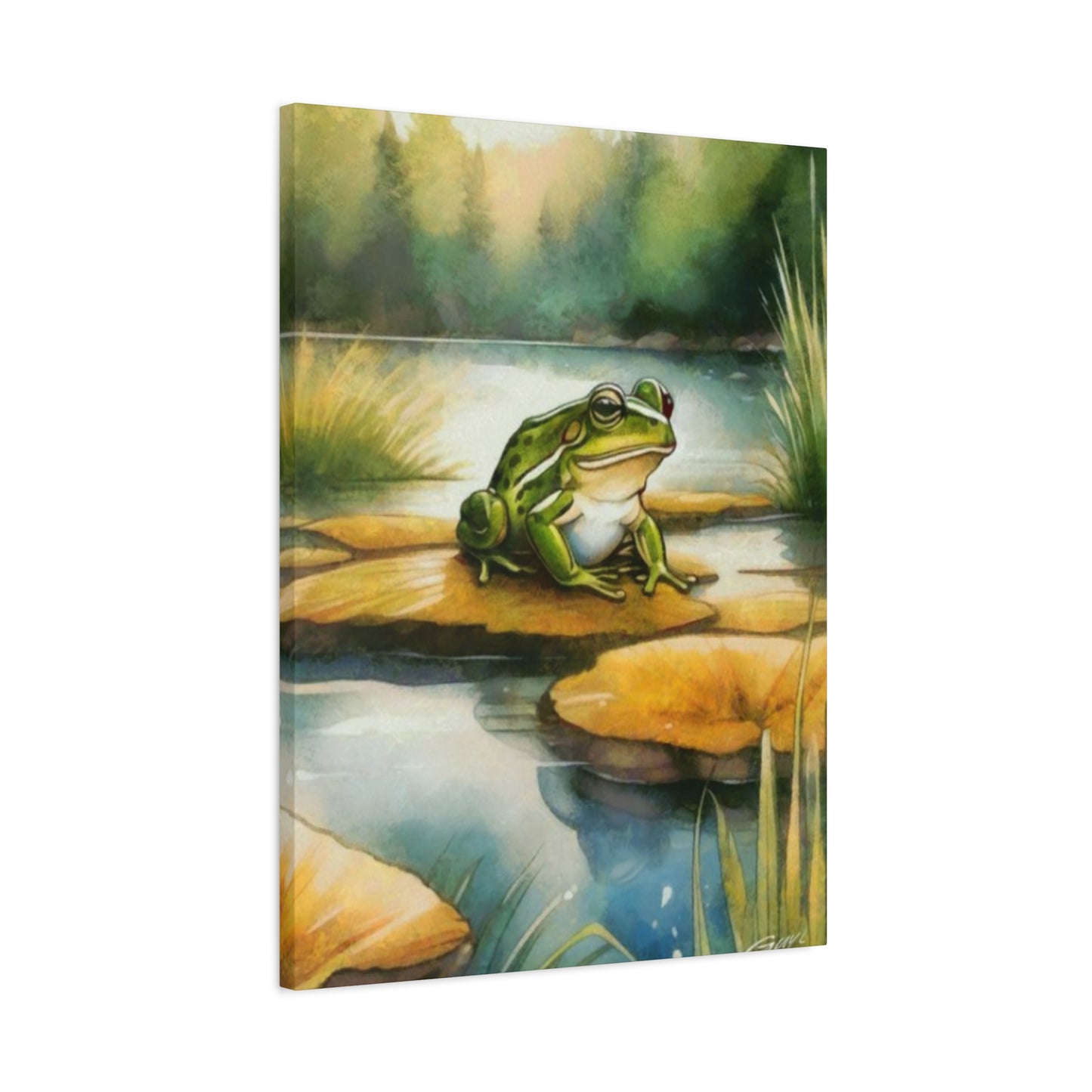
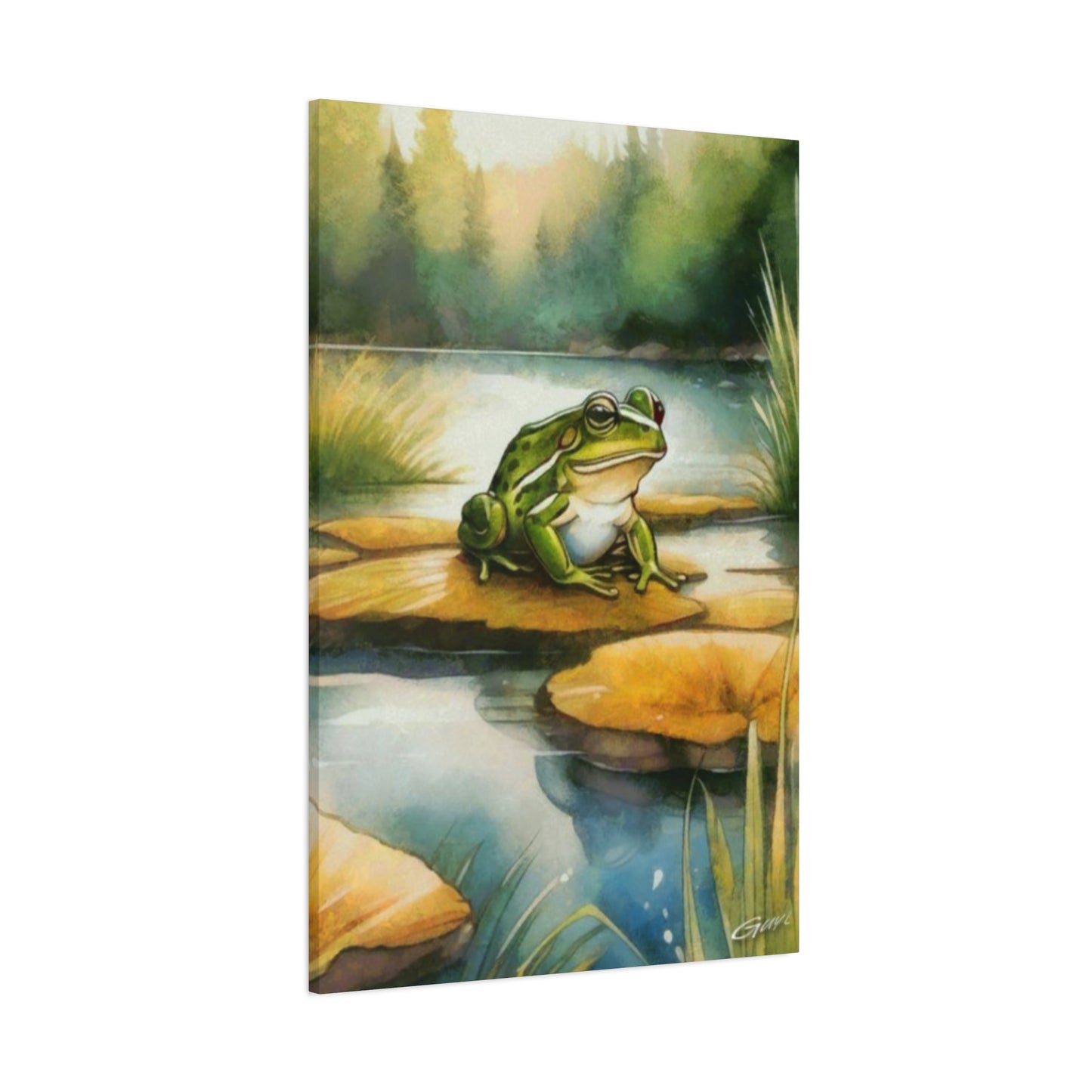
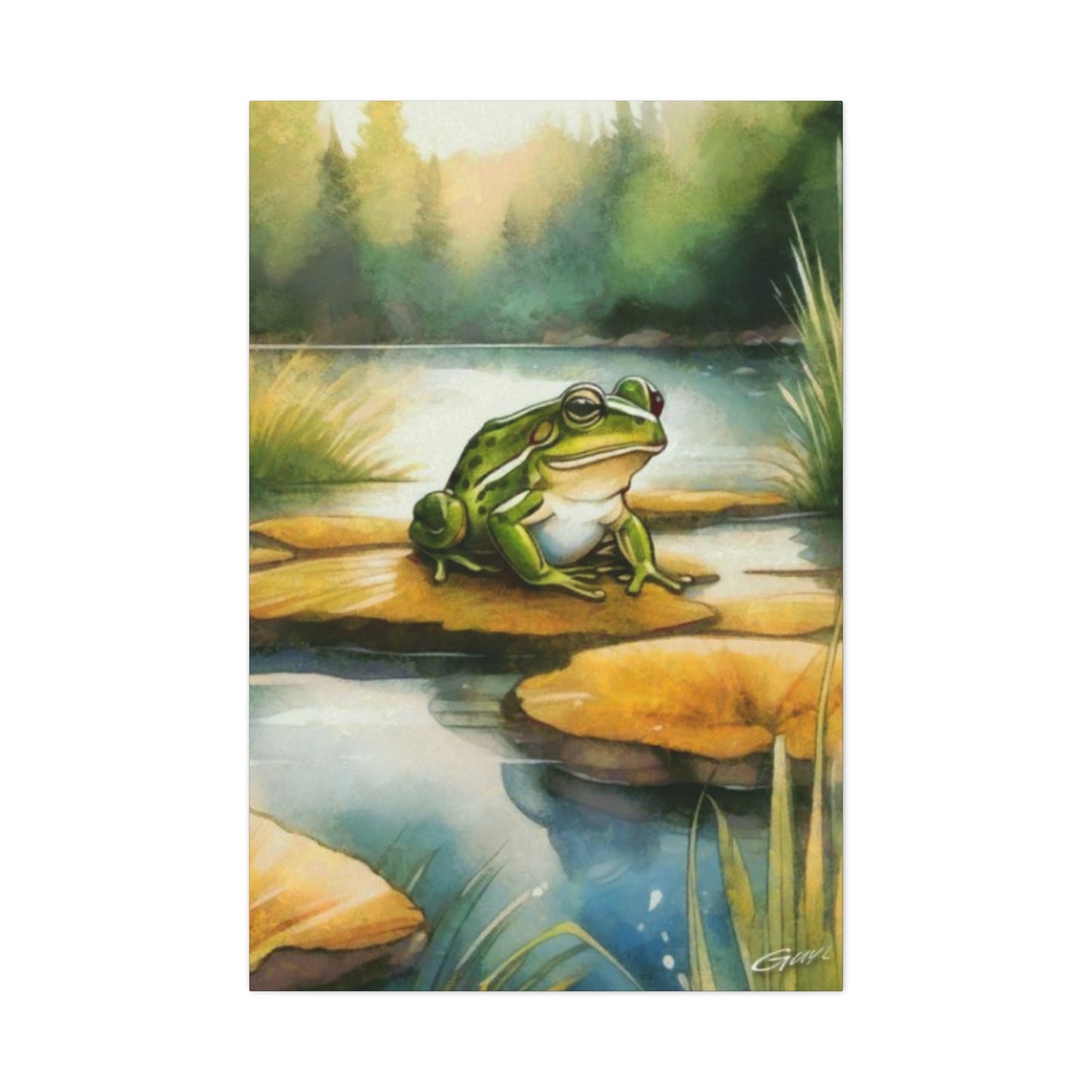
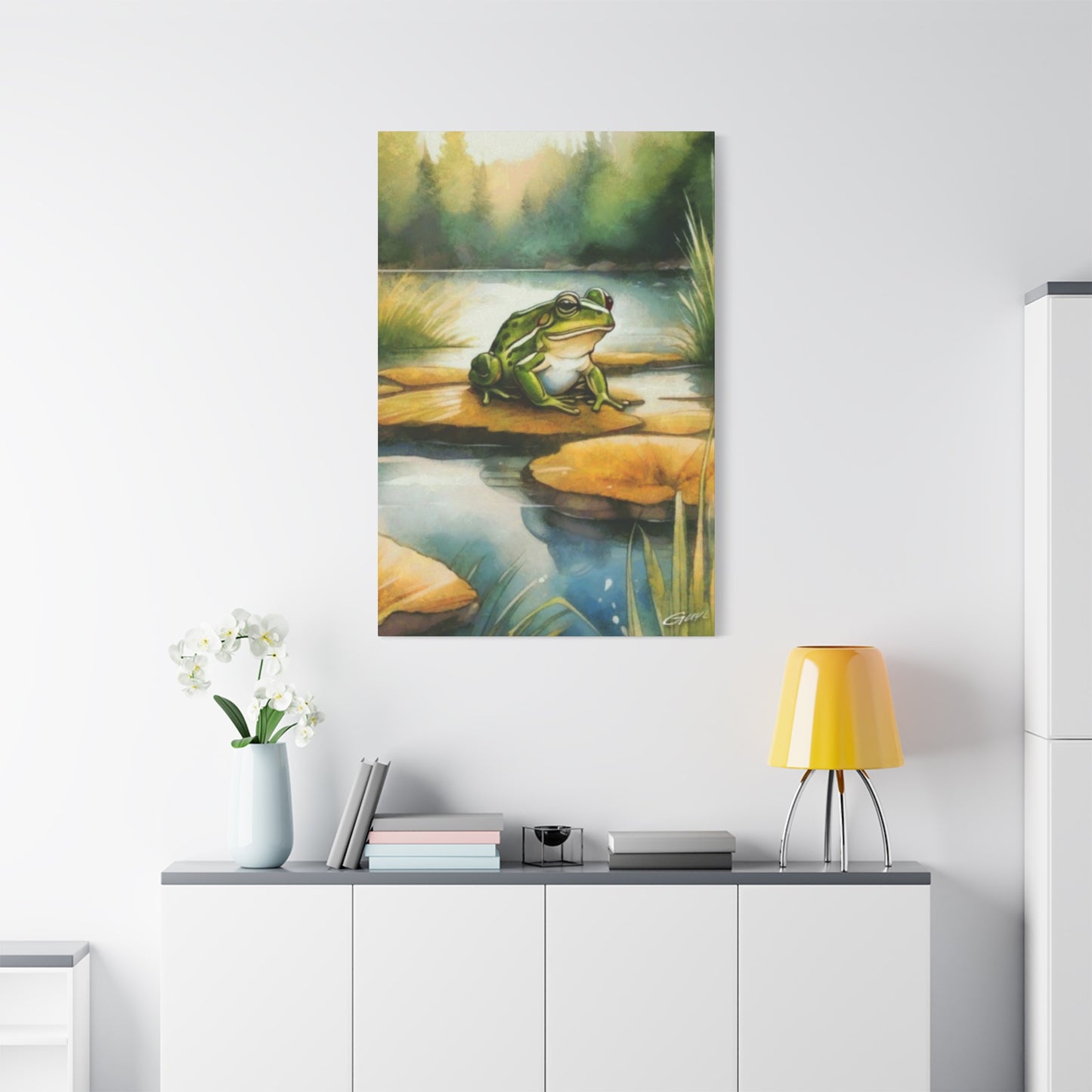
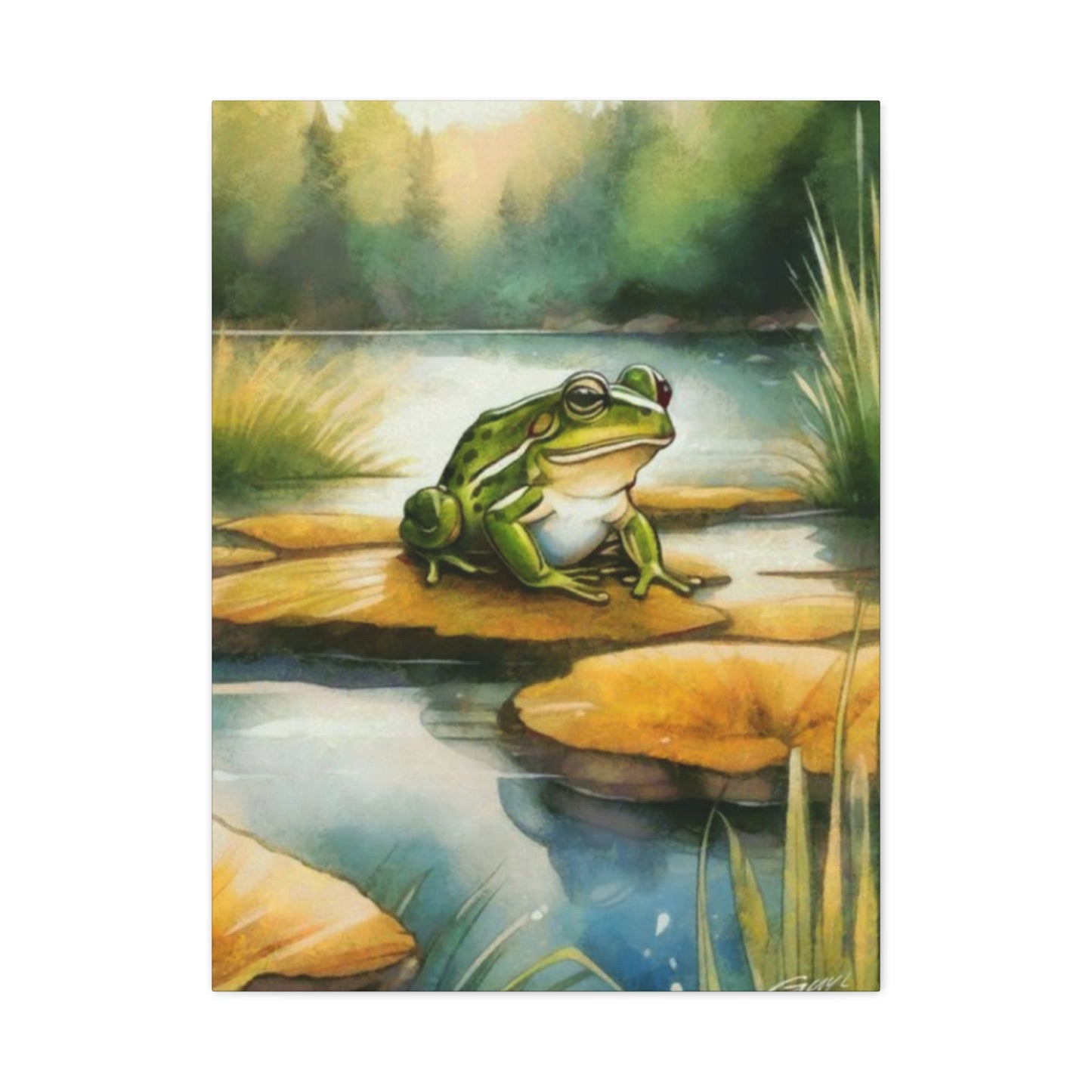
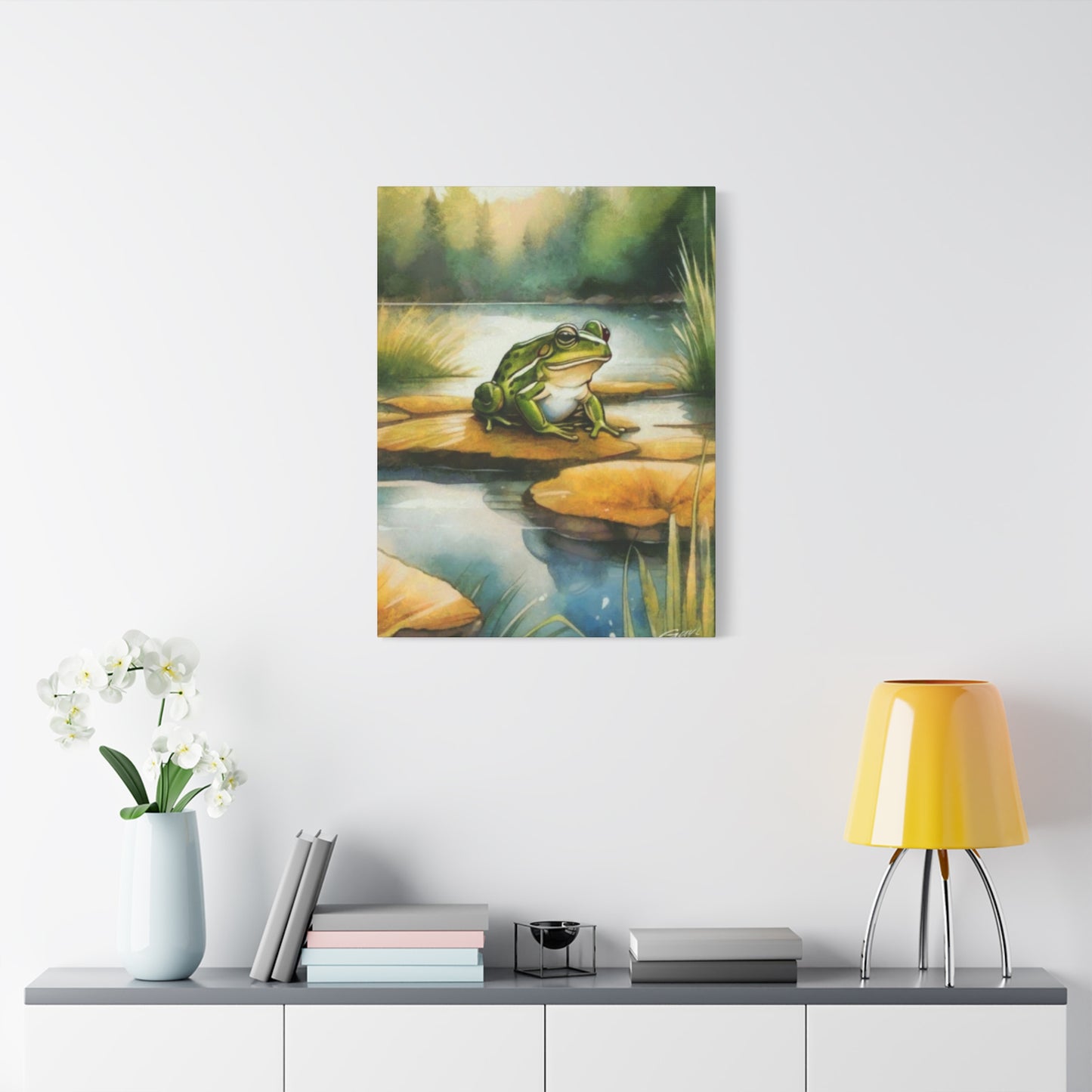
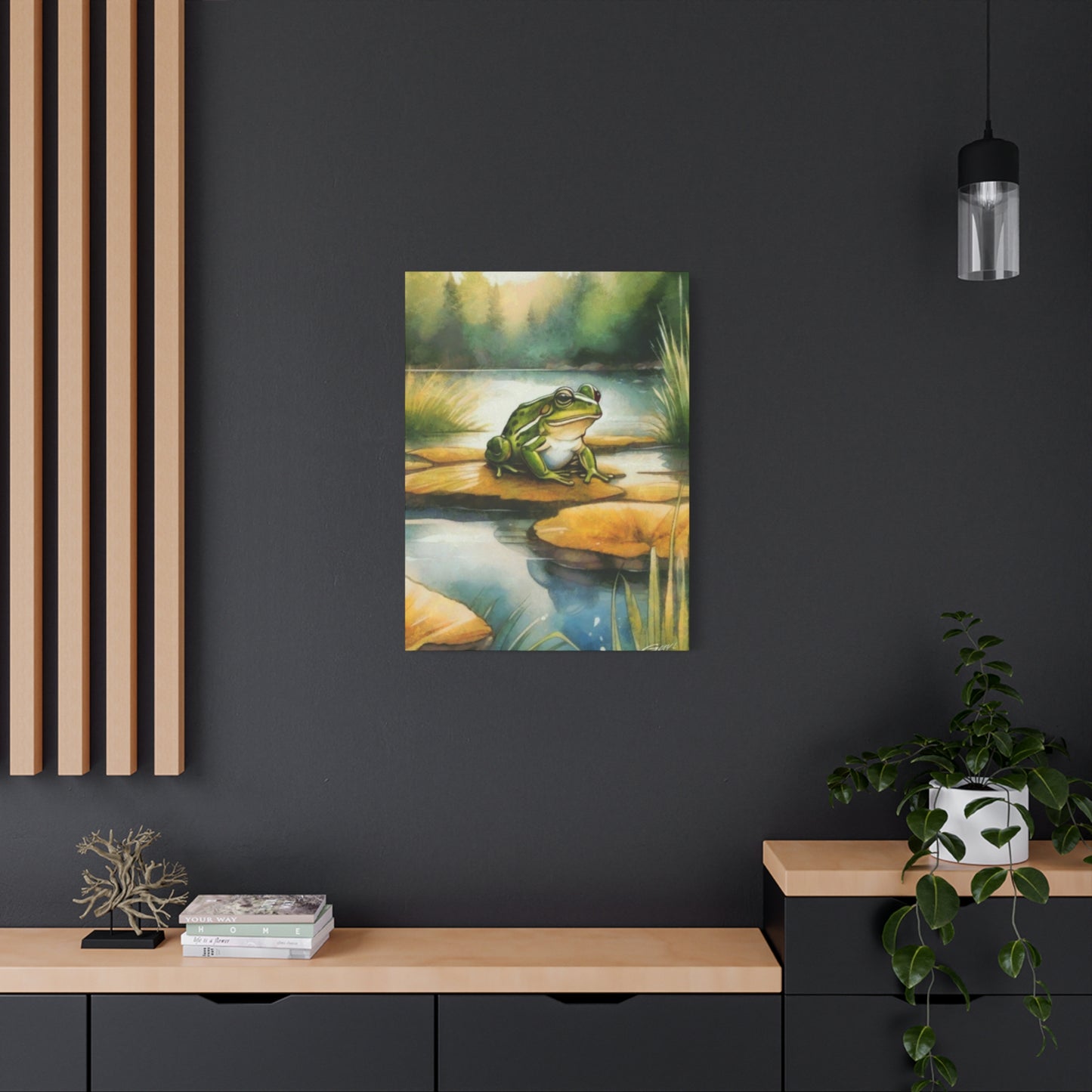
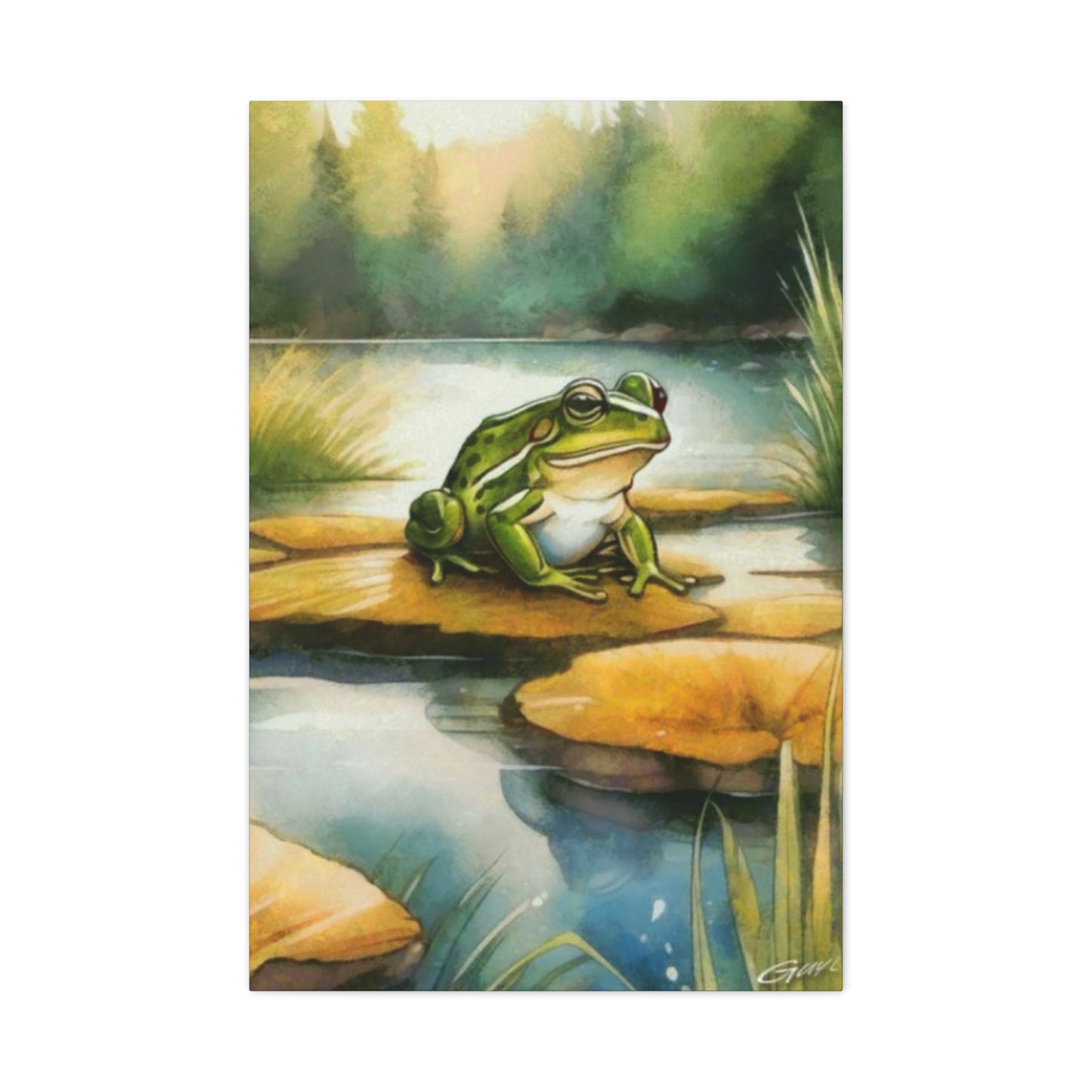
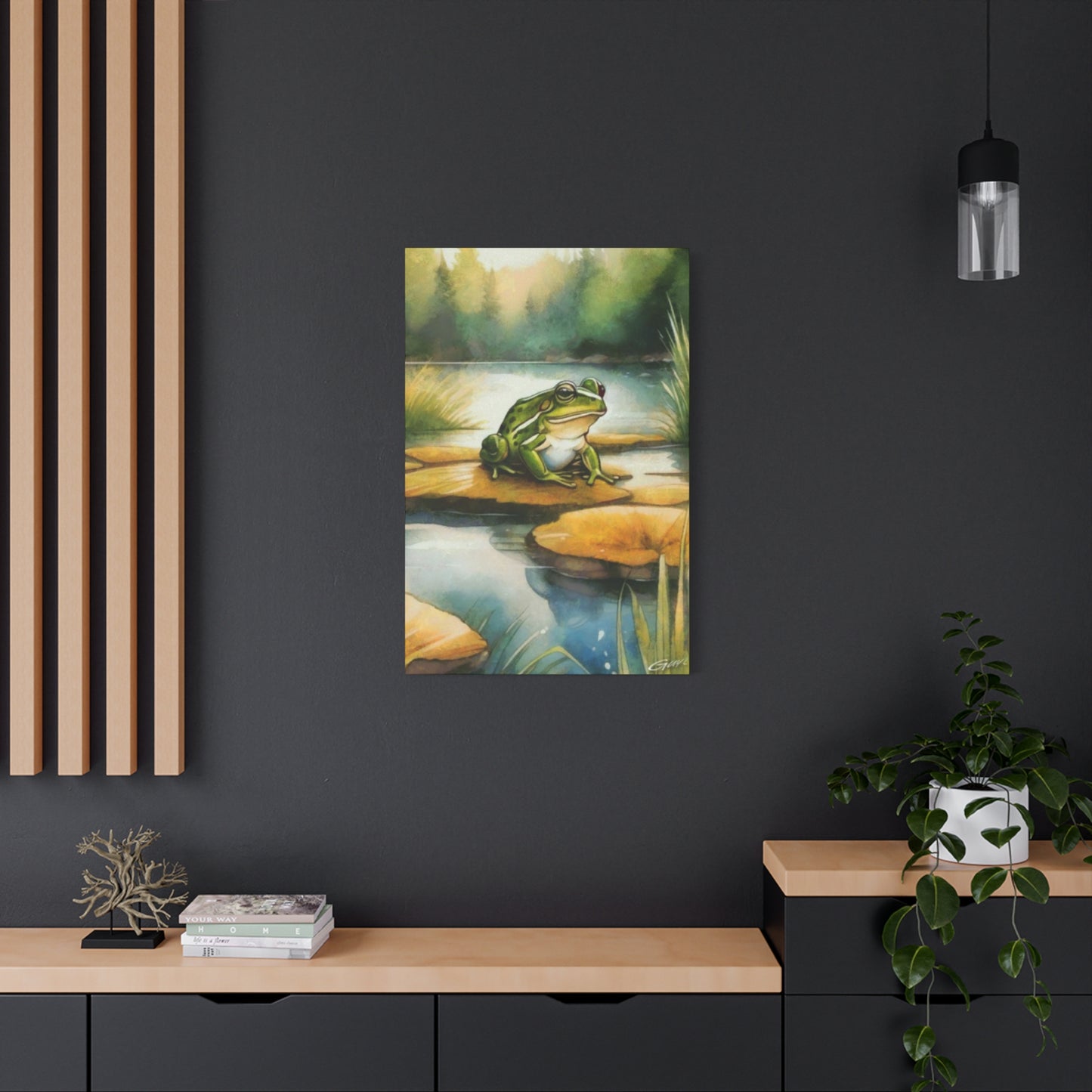
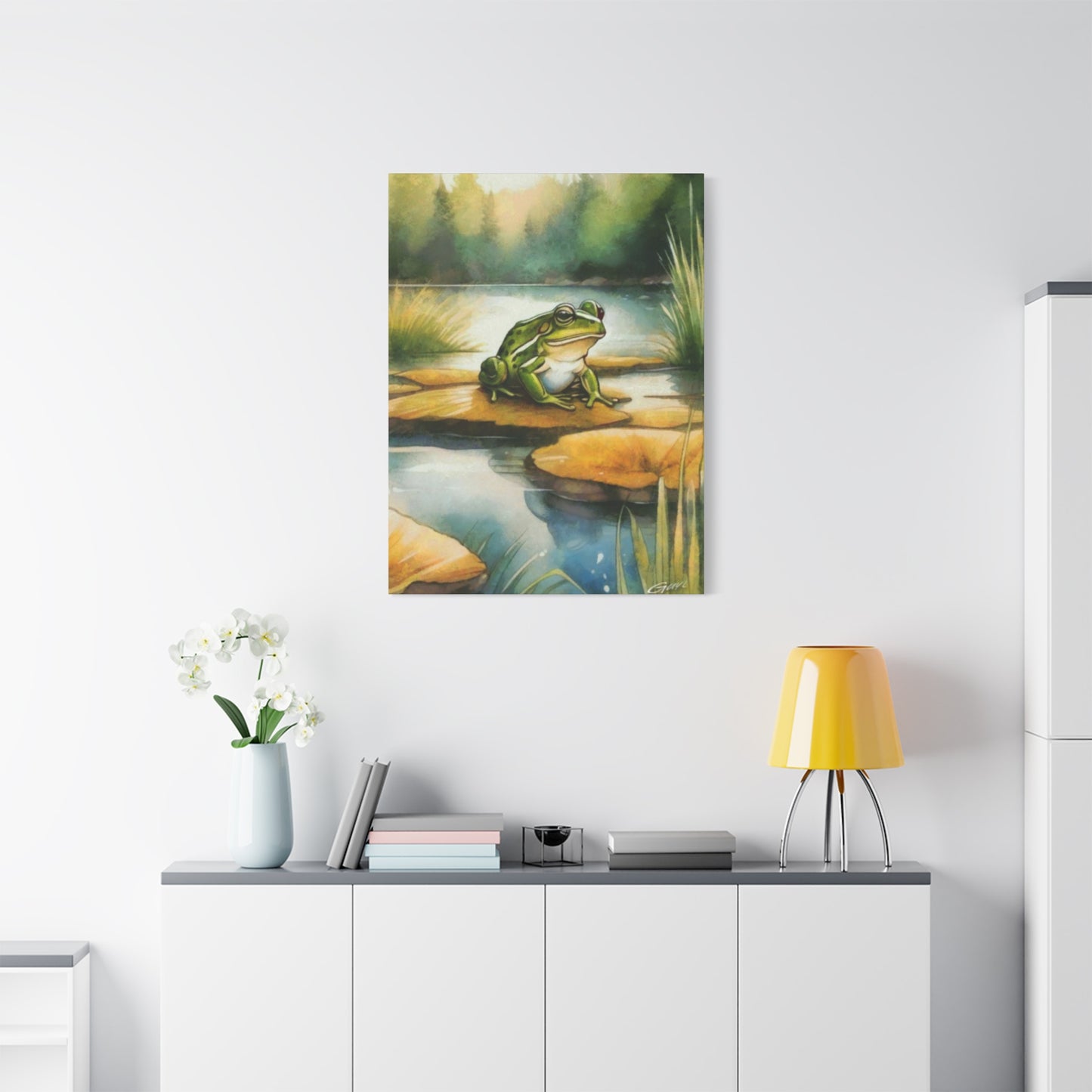
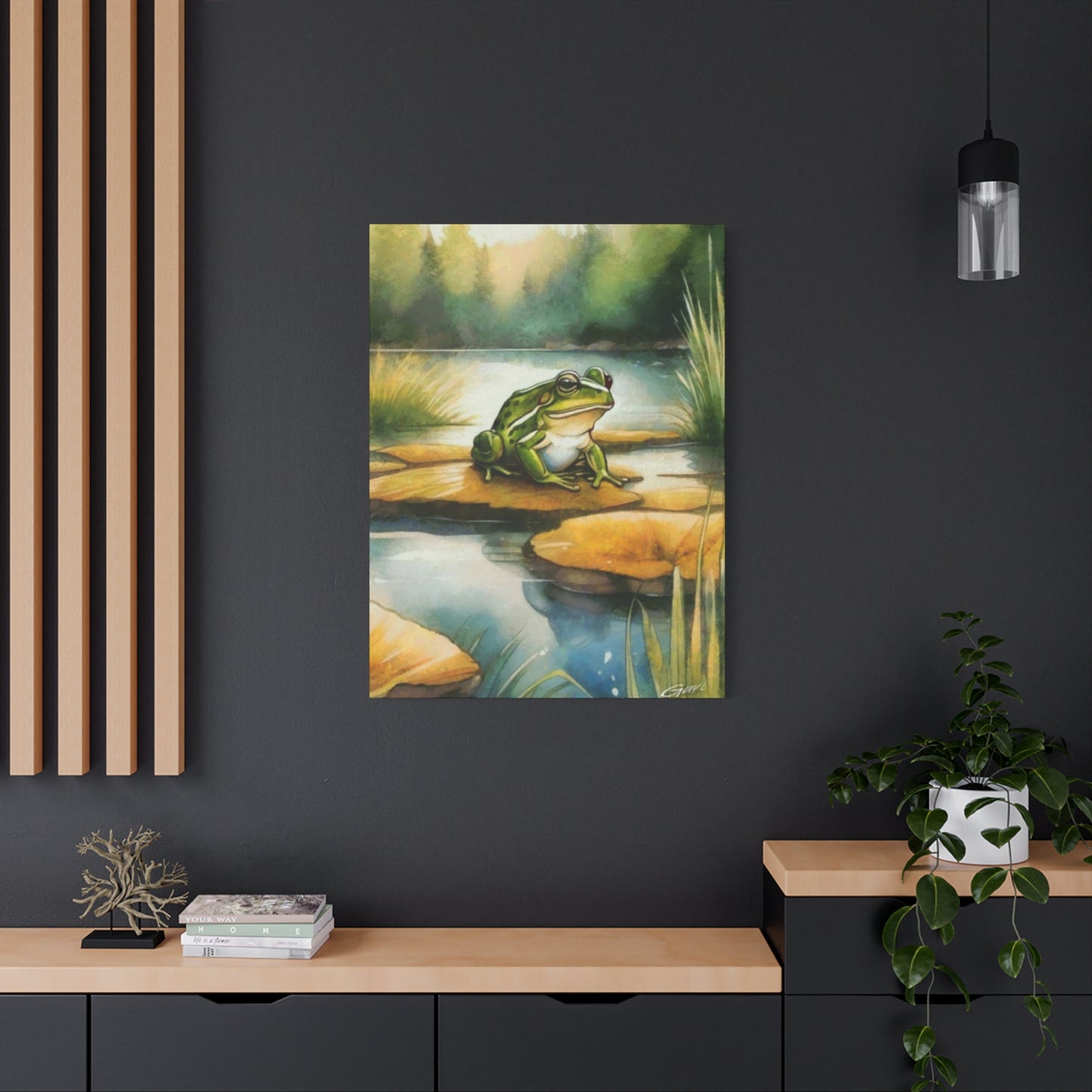
Frog on Leaf Pad Wall Art & Canvas Prints
Frog on Leaf Pad Wall Art & Canvas Prints
Couldn't load pickup availability
Experience the Serene Beauty of Frog on Leaf Pad Wall Art: A Comprehensive Guide to Nature and Amphibian Wall Décor
The world of interior decoration has witnessed a remarkable surge in nature-inspired artwork, with amphibian imagery emerging as a captivating choice for homeowners and design enthusiasts. Among these natural motifs, depictions of frogs perched gracefully on verdant leaf pads have captured the imagination of countless individuals seeking to infuse their living spaces with organic tranquility. This extensive examination delves into every conceivable aspect of incorporating frog on leaf pad wall art into residential and commercial environments, offering unprecedented insights into selection, placement, aesthetic considerations, and the profound impact such decorative elements can exert upon spatial atmospheres.
Exploring the Captivating Allure of Amphibian Imagery in Contemporary Interior Decoration
The fascination with amphibian subjects in decorative arts stems from humanity's enduring connection with the natural realm. Frogs, particularly those depicted resting upon lily pads or similar aquatic vegetation, evoke sensations of serenity, ecological balance, and the unhurried rhythms of wetland ecosystems. These creatures have inhabited our planet for approximately 265 million years, surviving multiple extinction events and adapting to diverse environments across every continent except Antarctica. Their remarkable resilience and biological distinctiveness make them compelling subjects for artistic interpretation.
When translated into wall-mounted decorative pieces, frog imagery carries multifaceted symbolic resonance. In numerous cultural traditions spanning Asia, Europe, and the Americas, these amphibians represent transformation, prosperity, cleansing, and renewal. The metamorphic journey from tadpole to mature frog serves as a powerful metaphor for personal growth and adaptation. Consequently, homeowners who select frog on leaf pad wall art often seek to cultivate atmospheres that encourage contemplation, relaxation, and appreciation for natural phenomena within their domestic sanctuaries.
Contemporary interpretations of amphibian subjects in decorative artwork range from hyperrealistic photographic reproductions to abstract stylizations that capture the essence rather than precise anatomical details. Some artists employ vibrant chromatic palettes that accentuate the brilliant greens, yellows, and blues found in exotic species like poison dart frogs, while others favor muted, naturalistic tones that mirror the camouflage adaptations of common pond-dwelling varieties. This diversity ensures that individuals with varying aesthetic preferences can discover frog-themed artwork that harmonizes with their existing decorative schemes.
The leaf pad component of these artistic compositions holds equal significance. Lily pads and similar aquatic vegetation symbolize purity, enlightenment, and the delicate balance between terrestrial and aquatic realms. In Buddhist iconography, the lotus flower—which emerges from similar pad structures—represents spiritual awakening and the ability to maintain purity despite surrounding turbidity. Even when depicted without accompanying blooms, leaf pads convey notions of floating tranquility, natural platforms, and the interconnectedness of ecosystems.
Examining Various Artistic Styles and Mediums for Amphibian-Themed Decorative Pieces
The marketplace for nature-inspired wall decorations offers an impressive array of artistic approaches and material compositions. Understanding these variations empowers purchasers to make informed selections that align with their spatial requirements, aesthetic sensibilities, and budgetary parameters.
Photographic representations constitute one prominent category. High-resolution imagery captured by wildlife photographers documents frogs in their natural habitats with stunning clarity. These pieces often showcase intricate details such as the texture of amphibian skin, the translucent quality of webbed feet, water droplets clinging to leaf surfaces, and the subtle gradations of color that occur across a frog's body. Such realistic portrayals appeal to nature enthusiasts, biology aficionados, and individuals who appreciate documentary-style artwork. The production methods for photographic pieces typically involve printing onto canvas, metallic substrates, or archival-quality paper, each offering distinct visual characteristics and longevity properties.
Painted interpretations provide another substantial category. Artists working in acrylics, oils, watercolors, or mixed media create unique renditions that infuse personal vision into amphibian subjects. Some painters adopt impressionistic approaches that emphasize atmospheric qualities and emotional resonance over anatomical precision. Others pursue surrealistic directions, placing frogs within fantastical contexts or exaggerating proportions for dramatic effect. Commissioned paintings allow buyers to specify particular species, color schemes, compositional arrangements, and dimensional specifications, resulting in truly bespoke decorative elements.
Digital artwork represents a rapidly expanding frontier. Graphic designers and digital artists manipulate photographic elements, create entirely computer-generated imagery, or combine various techniques to produce striking visual effects unattainable through traditional methods. These creations might incorporate geometric patterns, gradient backgrounds, layered transparencies, or typographic elements integrated with amphibian subjects. Digital artwork can be reproduced efficiently across multiple substrates and sizes while maintaining exceptional detail resolution, making it an economically accessible option for consumers seeking contemporary aesthetics.
Sculptural relief panels offer three-dimensional alternatives to flat imagery. These pieces feature amphibian figures and foliage elements that project outward from backing surfaces, creating dynamic interplay between light and shadow throughout daily illumination cycles. Materials employed in relief sculptures include wood, resin composites, metal alloys, ceramics, and even recycled materials fashioned into artistic forms. The tactile dimension of relief artwork appeals to individuals who appreciate tangible depth and the craftsmanship evident in hand-sculpted or carefully molded pieces.
Textile-based wall hangings constitute yet another avenue. Woven tapestries, embroidered fabric panels, and quilted compositions depicting amphibian scenes introduce softness and textural variety to interior spaces. These fiber arts often incorporate traditional crafting methodologies passed through generations, connecting contemporary decorative choices with ancestral artistic practices. Textile pieces excel in environments where acoustic dampening is desirable, as fabric surfaces absorb sound waves more effectively than rigid materials.
Navigating the Selection Process for Amphibian-Themed Decorative Wall Pieces
Choosing appropriate frog on leaf pad wall art requires thoughtful consideration of multiple interrelated factors. The decision-making process extends beyond simple aesthetic preference to encompass spatial dynamics, contextual appropriateness, quality assessment, and long-term satisfaction potential.
Dimensional proportionality stands paramount. An artwork's physical measurements must correspond appropriately to the wall area designated for display. Oversized pieces risk overwhelming modest spaces, while diminutive artworks may appear lost on expansive wall surfaces. Interior designers commonly recommend that wall art occupy approximately two-thirds to three-quarters of available furniture width when positioned above seating arrangements, credenzas, or similar furnishings. For standalone wall placement, artwork should fill sufficient area to serve as a focal point without encroaching excessively into adjacent architectural features or competing decorative elements.
Color coordination represents another crucial consideration. The chromatic palette within amphibian artwork should either complement or deliberately contrast with existing wall colors, furniture upholstery, window treatments, and accessory items. Harmonious color relationships create cohesive, restful environments, while strategic contrast can energize spaces and draw attention to particular zones. Individuals uncertain about color coordination might photograph their spaces and use digital editing software to preview how different artwork options would appear within actual contexts before committing to purchases.
Species selection merits attention for those concerned with accuracy or symbolic meaning. Hundreds of frog species exist worldwide, each exhibiting distinctive coloration, markings, and behavioral characteristics. Red-eyed tree frogs convey tropical vibrancy with their electric green bodies and striking ocular features. American bullfrogs embody robust simplicity and familiar pond associations. Poison dart frogs communicate exotic danger through brilliant warning coloration. White's tree frogs project endearing charm through their corpulent forms and perpetually pleasant expressions. Researching species characteristics enables buyers to select representations that resonate with personal experiences, travel memories, or symbolic intentions.
Frame and mounting considerations influence final presentation. Framed pieces offer polished, gallery-quality appearances and provide protective barriers against environmental factors. Frame materials range from traditional wood in various finishes to contemporary metals, lucite acrylics, or minimalist floating mounts that create the illusion of artwork hovering before wall surfaces. Frameless presentations, such as gallery-wrapped canvases or metal prints with concealed hanging systems, deliver modern, streamlined aesthetics that emphasize imagery over presentation apparatus.
Quality assessment protocols help ensure satisfactory purchases. For printed artwork, examination should include verification of resolution clarity, color accuracy, substrate durability, and fade resistance. Archival-quality materials and UV-protective coatings significantly extend artwork longevity, particularly in spaces receiving direct sunlight exposure. Original paintings warrant scrutiny of paint application techniques, surface preparation, protective varnishing, and signature authenticity. Sculptural pieces require inspection for structural integrity, finish consistency, and secure mounting provisions. Reputable vendors provide detailed specifications, return policies, and sometimes authentication certificates for higher-value acquisitions.
Strategic Placement Considerations for Maximizing Visual Impact and Spatial Harmony
The location chosen for displaying frog on leaf pad wall art profoundly influences both the artwork's perceptual impact and the overall atmosphere of inhabited spaces. Strategic positioning leverages architectural features, lighting conditions, and functional zones to optimize decorative effectiveness.
Living rooms and family gathering areas represent prime locations for amphibian-themed artwork. These communal spaces benefit from conversation-stimulating decorative elements that reflect inhabitants' interests and values. Positioning frog imagery above sofas, mantels, or entertainment centers establishes visual anchors that organize surrounding furnishings and accessories. In open-concept floor plans, strategically placed wall art helps delineate functional zones—differentiating lounging areas from dining spaces or reading nooks—without requiring physical barriers that might disrupt spatial flow.
Bedroom environments particularly suit serene frog on leaf pad compositions. The tranquil associations of amphibians resting peacefully on aquatic vegetation align perfectly with sleep and relaxation objectives. Placement opposite the bed ensures artwork becomes the first visual element encountered upon waking, potentially setting contemplative tones for entire days. Alternatively, positioning beside beds creates focal points visible from reclined positions, facilitating meditation or reflection practices before sleep.
Bathroom spaces offer thematically appropriate venues for water-associated amphibian imagery. The natural affinity between frogs and moisture-rich environments creates logical decorative coherence. Smaller powder rooms benefit from single statement pieces that command attention without overwhelming compact dimensions. Master bathrooms with generous wall areas can accommodate gallery-style arrangements featuring multiple complementary amphibian artworks in varied sizes and orientations.
Home office and study environments gain character through nature-inspired decorative choices. Frog imagery introduces organic counterpoints to electronic devices, standardized furniture, and the potentially sterile atmospheres of productive workspaces. Research suggests that visual access to natural elements—even representations rather than actual views—can reduce stress, enhance creativity, and improve concentration duration. Positioning amphibian artwork within the peripheral vision field of workstation users provides these benefits without causing distracting focus diversion.
Hallways and transitional passages transform from neglected thoroughfares into engaging gallery spaces through thoughtful artwork placement. Linear arrangements of multiple frog-themed pieces in consistent framing create cohesive visual narratives that guide movement through homes. Alternatively, single dramatic amphibian artworks positioned at corridor terminations provide rewarding destinations that justify traversing otherwise purely functional spaces.
Kitchen and dining areas welcome whimsical or vibrant frog depictions that stimulate appetite and conversation. The unexpected juxtaposition of amphibian subjects within food-preparation and consumption zones can prompt delightful discussions and memorable impressions upon guests. For households with children, strategically positioned frog artwork in meal areas might spark interest in natural sciences, environmental conservation, or artistic pursuits.
Understanding the Profound Influence of Lighting on Amphibian Artwork Perception
Illumination dramatically affects how frog on leaf pad wall art appears and emotionally registers with viewers. Thoughtful lighting design enhances artwork visibility, accentuates desirable features, and contributes to overall spatial ambiance.
Natural daylight represents the gold standard for color-accurate artwork viewing. Positions receiving ample indirect natural illumination showcase artwork's true chromatic qualities without the color-shifting effects common to artificial light sources. However, direct sunlight exposure poses significant conservation risks. Ultraviolet radiation causes pigment degradation, substrate yellowing, and accelerated material deterioration. Artwork positioned near windows requires protective measures such as UV-filtering glazing, window films, or adjustable coverings that block harsh midday sun while admitting softer morning or evening light.
Artificial lighting systems offer controllable alternatives. Track lighting with adjustable fixtures enables precise beam direction onto artwork surfaces while minimizing glare and unwanted shadows. Picture lights—narrow fixtures mounted directly above or below framed pieces—provide dedicated illumination that highlights artwork regardless of ambient lighting conditions. LED technology offers particular advantages, generating minimal heat that could damage artwork while consuming less energy than incandescent or halogen alternatives. Color temperature selection matters substantially; warm-toned LEDs (2700-3000 Kelvin) complement traditional interiors and enhance earthy colors, while neutral or cool-toned options (3500-5000 Kelvin) suit contemporary spaces and accurately render aquatic blues and vibrant greens common in amphibian imagery.
Accent lighting creates dramatic focal points through strategic contrast. Positioning lights to graze artwork surfaces from oblique angles emphasizes textural details in relief sculptures or canvas weave patterns. Backlighting—illumination placed behind or around artwork perimeters—generates ethereal halo effects that visually separate pieces from wall surfaces. Programmable smart lighting systems enable dynamic presentations, automatically adjusting intensity, color temperature, or highlighting patterns throughout days or in response to activities.
Shadow consideration deserves equal attention to direct illumination. Poorly positioned lights cast distracting shadows across artwork surfaces, potentially from viewers themselves when approaching pieces. Multiple light sources positioned at complementary angles eliminate harsh shadows while producing even, professional-quality illumination. Diffusing lampshades, frosted bulbs, or translucent panels soften harsh light sources, creating gentler illumination more conducive to relaxed viewing.
Investigating Color Psychology and Emotional Resonance in Amphibian-Themed Artwork
The colors predominating in frog on leaf pad wall art significantly influence psychological responses and spatial atmospheres. Understanding chromatic psychology assists in selecting pieces that cultivate desired moods and behavioral patterns.
Green dominates most amphibian artwork, reflecting both biological reality and symbolic associations. Psychologically, green represents nature, growth, renewal, harmony, and safety. Exposure to green hues has been linked with reduced anxiety, enhanced calmness, and improved focus capabilities. Various green shades convey distinct nuances: lime and chartreuse project energetic vibrancy; sage and olive evoke sophisticated restraint; emerald and forest green communicate richness and depth. For spaces designated for relaxation, study, or stress reduction, green-dominant frog artwork provides chromatic support for intended purposes.
Blue elements frequently appear in amphibian artwork, particularly in water backgrounds, atmospheric effects, or colorations of certain species. Blue engenders feelings of tranquility, stability, and spaciousness. Lighter blue tones evoke airiness and expansion, making spaces feel larger and more open. Deeper blues suggest profundity, contemplation, and evening serenity. Artwork incorporating significant blue components suits bedrooms, meditation areas, or any environment where calmness takes precedence.
Yellow and warm accent colors inject cheerfulness, optimism, and energy. Many frog species exhibit yellow markings, eyes, or ventral surfaces that artists emphasize. Small doses of yellow within predominantly green compositions prevent monotony while stimulating mental alertness and positive affect. However, excessive yellow can provoke anxiety or agitation, necessitating balanced application. Artwork featuring golden yellows rather than harsh lemon tones tends to feel warmer and more inviting.
Earth tones including browns, tans, and ochres ground compositions and enhance naturalistic authenticity. These colors reference soil, bark, decaying vegetation, and other organic materials within amphibian habitats. Psychologically, earth tones communicate stability, reliability, and connection to fundamental natural processes. Interiors emphasizing rustic, traditional, or organic design philosophies particularly benefit from frog artwork incorporating substantial earth-tone elements.
Contrasting colors generate visual excitement and command attention. Artwork depicting poison dart frogs or other brilliantly colored species introduces dramatic chromatic intensity. These pieces function effectively as statement focal points but require careful integration to avoid clashing with existing color schemes. Surrounding such vibrant artwork with neutral furnishings and wall colors allows the piece to command deserved attention without overwhelming spaces.
Monochromatic and muted compositions offer sophisticated alternatives to colorful representations. Black-and-white photography, sepia-toned prints, or paintings in restricted palettes communicate artistic refinement and timeless elegance. These approaches suit minimalist interiors, professional environments, or spaces where understated sophistication takes precedence over decorative exuberance.
Exploring Diverse Species Representations and Their Unique Visual Characteristics
The incredible diversity within the amphibian order Anura provides artists with thousands of potential subjects, each offering distinctive visual properties suitable for decorative interpretation. Familiarity with popular species depicted in frog on leaf pad wall art enhances appreciation and selection precision.
Red-eyed tree frogs rank among the most frequently portrayed species. Native to Neotropical rainforests spanning southern Mexico through northern South America, these striking creatures exhibit bright green dorsal surfaces, blue-and-yellow flanked sides, orange feet, and their namesake crimson eyes with vertical pupils. Their photogenic qualities and vivid coloration make them ideal subjects for artwork intended to inject tropical vibrancy into interiors. Depictions typically show these frogs clinging to broad leaves with their adhesive toe pads clearly visible, sometimes with partially concealed body coloration revealed through strategic posing.
American bullfrogs embody familiarity and nostalgic pond associations for North American audiences. These robust amphibians can reach substantial sizes, with some individuals exceeding eight inches in body length. Their olive-green to brown coloration, prominent tympanic membranes, and powerful hind limbs translate into artwork conveying strength and connection to local ecosystems. Bullfrogs depicted on lily pads often appear mid-vocalization, with inflated vocal sacs, or in alert postures scanning for prey, communicating vitality and ecological presence.
White's tree frogs, also called dumpy tree frogs, have gained popularity through their endearing appearance characterized by corpulent bodies, perpetually smiling expressions, and gentle dispositions. These Australian natives exhibit pale green to bluish-green coloration, sometimes with white or cream-colored ventral surfaces. Their plump, seemingly content appearance translates into artwork that radiates contentment and approachability. Such representations suit children's spaces, family areas, or any environment where lighthearted charm is desirable.
Poison dart frogs encompass numerous species exhibiting some of nature's most spectacular coloration patterns. Though tiny—most species measure less than two inches—these Central and South American amphibians display electric blues, brilliant yellows, vivid reds, and contrasting black patterns serving as aposematic warnings regarding their toxic skin secretions. Artwork featuring poison dart frogs typically emphasizes their jewelry-like qualities, often depicting them on or near bromeliad leaves within rainforest contexts. These pieces communicate exotic danger, tropical biodiversity, and the concentrated intensity found in small packages.
European common frogs represent another frequently depicted species, particularly in artwork targeting European markets or those appreciating temperate biodiversity. These moderately sized amphibians exhibit variable coloration ranging from olive green through brown, yellow, or reddish tones, often with darker spotting or marbling. Their adaptability to diverse habitats and widespread distribution makes them emblematic of resilient natural populations persisting alongside human activities. Artwork featuring common frogs often adopts naturalistic approaches emphasizing seasonal changes, breeding behaviors, or peaceful coexistence within garden ponds.
Glass frogs present unique visual opportunities through their semi-transparent ventral surfaces that reveal internal organs and egg masses. These Central and South American species inhabit montane cloud forests, typically resting on leaves overhanging streams. Their lime-green dorsal surfaces combined with the startling transparency of their undersides create visually arresting subjects. Artwork capitalizing on this distinctive feature often positions frogs to showcase both opaque and transparent areas, celebrating the wondrous biological diversity found in nature.
Examining Material Substrates and Their Impact on Artwork Presentation and Longevity
The physical material upon which frog on leaf pad imagery is printed or created substantially affects visual presentation, tactile qualities, durability, and appropriateness for specific environments. Comprehensive understanding of substrate options enables informed purchasing decisions.
Canvas remains the most traditional and widely employed substrate for reproduced artwork. Cotton or linen canvas stretched over wooden frames provides textured surfaces that lend paintings or prints an authentic artistic quality. Gallery-wrapped canvas—where images extend around frame edges—eliminates need for separate framing while creating dimensional presence. Canvas accepts various printing technologies including giclée processes that deposit microscopic ink droplets for exceptional detail and color gradation. Properly prepared and sealed canvas exhibits excellent longevity, particularly when protected from moisture and direct sunlight. Its slight flexibility makes canvas relatively forgiving during shipping and handling compared to rigid alternatives.
Metal substrates, particularly aluminum, deliver contemporary aesthetics with exceptional durability. Images printed or infused into metal surfaces exhibit remarkable depth, vibrant colors, and luminous qualities as light reflects through ink layers. Metal prints resist moisture, fading, and physical damage far better than paper or canvas alternatives, making them suitable for bathrooms, kitchens, or commercial environments with higher traffic and potential hazards. The sleek, modern appearance of metal substrates particularly complements minimalist, industrial, or contemporary design schemes. However, metal's weight requires secure mounting hardware, and some viewers find the reflective qualities distracting under certain lighting conditions.
Acrylic panels provide another modern alternative. Images mounted behind thick acrylic sheets gain remarkable depth and saturation as light refracts through transparent layers. The glossy finish enhances colors and creates almost three-dimensional appearances. Acrylic offers excellent scratch resistance and visual clarity superior to glass, though it can accumulate static electricity that attracts dust. Like metal, acrylic suits moisture-prone environments and high-traffic areas. The substantial weight of large acrylic pieces necessitates robust mounting systems, and premium acrylic artwork typically commands higher price points than comparable canvas or paper pieces.
Wood panels serve as substrates for both printed images and original paintings. Birch plywood, bamboo, or reclaimed wood provides rigid surfaces with inherent natural beauty. Images printed directly onto wood retain visibility of grain patterns and natural coloration, creating organic hybrid presentations blending photography with raw materials. Artists painting on wood panels achieve different effects than on canvas, with less texture and more controlled brush strokes. Wood substrates communicate rustic authenticity and environmental consciousness, particularly when sourced from sustainable forestry or reclaimed materials. Proper sealing is essential to prevent moisture absorption that could cause warping or image degradation.
Paper and archival prints maintain relevance for traditional framed presentations. Museum-quality cotton rag papers or acid-free photographic papers provide excellent color reproduction and archival stability when properly manufactured and protected. Framing under UV-filtering glass or acrylic shields paper from environmental damage while allowing display. Paper substrates typically cost less than alternatives, making them accessible options for budget-conscious buyers or those preferring easily changeable decorative elements. However, paper's fragility necessitates careful handling and makes it unsuitable for unframed display or high-risk environments.
Textile substrates including tapestry fabric, canvas cloth, or specialty printing fabrics offer unique textural dimensions. Images printed or woven into textiles introduce softness and warmth often absent from rigid substrates. Fabric hangings can be mounted on rods, stretched over frames, or suspended from decorative hardware. Their acoustic properties beneficially absorb sound in spaces with hard surfaces that might otherwise cause echoes. Fabric requires protection from moisture, fading, and requires more complex cleaning procedures than wipeable hard substrates.
Mastering Proper Hanging Methods and Hardware Selection for Secure Artwork Display
Correct mounting techniques ensure artwork remains securely positioned while preventing wall damage or safety hazards. Expertise in hanging methodologies varies with artwork weight, wall construction, and desired adjustability.
Weight assessment forms the foundation of appropriate hardware selection. Small lightweight pieces under five pounds can typically hang from simple picture hooks or adhesive strips without issue. Medium-weight artwork between five and twenty pounds requires more substantial support such as wall anchors, toggle bolts, or mounting to wall studs. Heavy pieces exceeding twenty pounds demand robust mounting systems potentially including French cleats, heavy-duty anchors rated for substantial loads, or professional installation services. Artwork weight usually correlates with size and substrate density—small canvas prints remain relatively light while large metal or acrylic pieces can reach considerable weights.
Wall composition significantly influences hanging methods. Drywall, the most common interior wall material, requires anchors or hollow-wall fasteners for secure mounting, except when fastening directly into wooden studs behind drywall surfaces. Plaster walls provide more holding power than drywall but can crack if improper techniques are employed. Masonry walls including brick, concrete, or stone necessitate specialized masonry anchors and drilling with appropriate bits. Tile or similar finished surfaces require careful planning to avoid visible damage and may benefit from adhesive mounting systems that avoid drilling. Stud finders, available at modest cost from hardware retailers, locate wooden framing members within walls, providing optimal anchor points for heavier pieces.
French cleat systems offer exceptional security and easy adjustment for substantial artwork. These systems employ two interlocking wooden or metal strips—one mounted to the wall and one affixed to artwork backs—that hook together when artwork is positioned. French cleats distribute weight across extended horizontal spans and allow effortless leveling and repositioning. This approach particularly suits large pieces or gallery walls where multiple artworks might be rearranged periodically. Professional framers and installers often prefer French cleats for valuable or irreplaceable pieces requiring maximum security.
Wire hanging systems with two-point suspension provide stability and adjustability. Installing two hooks spaced appropriately across artwork width and suspending from wire attached to frame backs prevents tilting and allows minor adjustments. Wire should be rated for substantially more than artwork weight, as the angular forces created during suspension can multiply effective loads. Braided picture wire provides superior strength and durability compared to thin monofilament options. D-rings, sawtooth hangers, or other frame-back hardware should be securely attached with appropriate screws into solid frame members rather than thin backing boards.
Adhesive mounting systems have evolved considerably, with modern formulations capable of supporting substantial weights without nails or screws. Command strips and similar products employ removable adhesives that release cleanly from walls when properly employed. These systems excel for temporary displays, rental properties where wall damage must be minimized, or situations where drilling is impractical. However, adhesive mounting requires pristine surface preparation, specific temperature and humidity conditions during installation, and may not prove reliable for valuable pieces or permanent displays. Weight limits must be scrupulously observed, and multiple strip sets may be necessary for heavier artwork.
Gallery rail systems mounted near ceiling lines provide ultimate flexibility for evolving displays. Suspended cables or rods descend from mounted rails, allowing artwork to hang at any height and be repositioned without wall penetration beyond the initial rail installation. This approach suits spaces where frequent rearrangement is desired or where wall surfaces must be preserved. Commercial galleries universally employ such systems, and residential versions have become increasingly accessible and aesthetically refined.
Investigating Complementary Decorative Elements and Styling Strategies
Frog on leaf pad wall art rarely exists in isolation; surrounding elements either enhance or detract from overall presentations. Skilled styling integrates amphibian-themed pieces within cohesive decorative narratives.
Furniture placement establishes foundational relationships. Artwork positioned above seating arrangements creates natural focal points for conversation areas while protecting wall space from furniture scuffing. The recommended clearance between furniture tops and artwork bottom edges ranges from six to twelve inches—sufficient separation for visual distinction while maintaining compositional unity. Console tables, credenzas, or mantels beneath artwork provide opportunities for complementary three-dimensional accessories that extend decorative themes vertically and add layered interest.
Botanical elements forge natural connections with amphibian subjects. Living plants near frog artwork reinforce ecological themes and introduce actual organic life into spaces. Species selection might reference depicted habitats—tropical plants for rainforest frog imagery, water-loving varieties for pond scenes. Even artificial plants can contribute if quality replicas are employed and maintained cleanly. Vases displaying cut foliage or dried botanical specimens offer another avenue for vegetative integration. Some enthusiasts extend the theme by establishing aquariums or vivariums housing live frogs, though this represents substantial commitment beyond simple decoration.
Complementary artwork creates gallery walls or thematic collections. Multiple amphibian pieces in varied sizes and orientations arranged across wall areas generate dynamic visual interest exceeding single isolated pieces. Successful gallery arrangements typically employ consistent framing or matting to unify disparate images while varying sizes and orientations prevent monotony. Template layouts—arranging pieces on floor before hanging—ensure satisfactory compositions. Thematic expansion might include other pond life such as dragonflies, water lilies, or aquatic birds, building cohesive natural narratives.
Textile coordination extends color palettes and softens hard visual elements. Throw pillows incorporating green tones or amphibian motifs tie artwork to furnishings. Curtains, area rugs, or upholstered pieces in harmonious colors create enveloping environments where artwork feels integrated rather than arbitrarily positioned. Textural variety—combining smooth walls, plush fabrics, and potentially rough wood or stone elements—engages multiple senses and prevents visual monotony.
Lighting fixtures can reinforce stylistic directions. Contemporary track lighting complements modern frog imagery, while traditional picture lights suit classical presentations. Fixture finishes—brushed nickel, aged bronze, matte black—should coordinate with other metallics within spaces. Decorative lamps positioned on furniture below artwork might incorporate natural materials like driftwood, stone bases, or linen shades that echo organic themes.
Sculptural objects introduce three-dimensional interest. Small frog figurines, ceramic pieces, or carved representations placed on nearby surfaces create thematic consistency without overwhelming. Quality and restraint matter greatly—excessive tchotchkes appear cluttered and diminish rather than enhance wall art. Select fewer, higher-quality objects with clear aesthetic merit rather than accumulating numerous mediocre pieces.
Color accent distribution guides visual movement throughout spaces. If frog artwork contains prominent blue elements, strategically placing blue accessories elsewhere—perhaps a throw blanket or decorative bowl—creates rhythmic color repetition that produces cohesion. However, avoid excessive matching that feels contrived; subtle echoes rather than exact duplication feel more sophisticated and naturally evolved.
Negative space deserves respect in styling decisions. Not every wall area requires filling, and surrounding frog artwork with breathing room often produces more powerful presentations than crowding. In minimalist or contemporary settings, single dramatic pieces floating within generous empty wall space communicate intentionality and allow artwork to command full attention. Only in spaces specifically designed as eclectic galleries or maximalist environments does dense arrangement feel appropriate.
Delving Into Symbolic Meanings and Cultural Significance Across Global Traditions
Frogs carry profound symbolic weight across numerous cultural traditions, religious systems, and folklore narratives spanning human history. Understanding these associations adds interpretive depth to decorative choices and can inform selection of particular species or compositional elements.
Ancient Egyptian civilization revered Heqet, a frog-headed goddess associated with fertility, childbirth, and regeneration. Amulets depicting frogs were commonly placed with deceased individuals to ensure rebirth in afterlife. The annual flooding of the Nile that brought life-sustaining silt also brought masses of frogs, creating associations between these amphibians and renewal, abundance, and the cycles sustaining civilization. Modern individuals drawn to Egyptian symbolism might select frog artwork to represent creative fertility, new beginnings, or connection with ancient wisdom.
Native American traditions across numerous tribal groups incorporate frog symbolism. Many Pacific Northwest nations view frogs as bringers of spring rains, cleansing storms, and abundance. The frog's song heralds seasonal changes and the return of life after winter dormancy. Some tribes associate frogs with healing, emotional cleansing, and the washing away of negativity. Artwork depicting frogs within contexts of water and vegetation might appeal to individuals seeking emblems of emotional healing or environmental stewardship aligned with indigenous perspectives.
East Asian cultural systems, particularly in China and Japan, assign frogs multifaceted symbolic roles. The three-legged money frog Jin Chan represents prosperity, wealth attraction, and financial success in Chinese tradition. Conventional frogs symbolize happiness, good fortune, and successful travel. Japanese culture associates frogs with safe returns, as the word "kaeru" means both frog and return. Travelers traditionally carried frog amulets ensuring safe homecomings. The famous haiku poet Basho immortalized frogs in Japanese literary consciousness with his renowned composition about a frog jumping into an old pond. These associations might attract individuals seeking symbols of prosperity, safe passage, or literary-aesthetic refinement.
Celtic and European folklore presents ambivalent frog symbolism. Some traditions view frogs as shape-shifted witches or harbingers of rain and storms. The widespread fairy tale motif of frog princes speaks to transformation, seeing beyond superficial appearances, and the redemptive power of acceptance. Medieval European herbalism employed frog iconography in healing contexts, though sometimes mixed with more sinister connotations. Modern interpretations typically emphasize positive transformative aspects while acknowledging historical complexity. Frog artwork might appeal to individuals interested in folklore, transformation narratives, or reclaiming misunderstood creatures.
Australian Aboriginal Dreamtime stories feature frogs as significant totemic beings. The Tiddalik tale describes an enormous frog drinking all Earth's water, requiring other animals' trickery to make him laugh and release stored water back to the world. This narrative addresses drought, water conservation, and community cooperation themes deeply relevant to Australian environments. Indigenous Australian art frequently depicts frogs in distinctive dot-painting and cross-hatching styles. Non-Aboriginal individuals appreciating this artwork should approach with cultural sensitivity and preference for pieces created by actual Aboriginal artists rather than mere stylistic imitation.
Central and South American civilizations including Maya and Aztec cultures incorporated frog imagery into religious art and mythology. Some creation myths describe primordial beings with amphibian characteristics. The association between frogs and rain, crucial to agricultural societies in regions with pronounced wet-dry seasonality, elevated these creatures to religious significance. Modern individuals of Latin American heritage or those appreciating Mesoamerican aesthetics might select frog artwork connecting with ancestral cultural roots.
Contemporary environmental movements have adopted amphibians as indicator species representing ecosystem health. Frogs' permeable skin and dual aquatic-terrestrial life cycles make them vulnerable to pollution, habitat loss, and climate change. Global amphibian declines serve as warning signals for broader environmental degradation. Frog artwork in this context symbolizes ecological consciousness, conservation commitment, and interconnected planetary health. Environmentally motivated individuals might select such pieces as daily reminders of stewardship responsibilities.
Analyzing Size Considerations and Proportional Relationships in Artwork Selection
Physical dimensions dramatically influence how frog on leaf pad wall art functions within spaces. Systematic approach to sizing decisions prevents common mistakes and optimizes visual impact.
Absolute measurements provide starting parameters. Small artworks typically measure under sixteen inches in any dimension, functioning as accent pieces or gallery wall components rather than standalone focal points. Medium pieces range from roughly sixteen to forty inches, suitable for above furniture placement or as primary visual anchors in modest rooms. Large artworks exceed forty inches and can dominate substantial wall areas, though pieces over sixty inches may pose transportation and installation challenges while commanding premium prices. Understanding available wall dimensions and intended viewing distances helps narrow appropriate size ranges.
Proportional relationships matter equally to absolute measurements. Artwork width should generally correspond to furniture width below, typically occupying sixty to seventy-five percent of that dimension. For a sixty-inch sofa, artwork measuring thirty-six to forty-five inches wide creates appropriate visual balance. Artwork significantly narrower appears lost and disconnected; substantially wider risks overwhelming furnishings and appearing unanchored. When hanging artwork without underlying furniture, consider architectural features like window widths, door frames, or adjacent built-in elements as proportional references.
Conclusion
Discovering natural beauty through frog on leaf pad wall art offers a refreshing and captivating way to infuse your living spaces with the charm and serenity of the natural world. Frogs, often symbolic of transformation, vitality, and connection to the environment, bring a lively yet peaceful energy to any room. When these amphibians are depicted resting on lush, green leaf pads—surrounded by delicate foliage and serene water—this art style captures the essence of harmony between land, water, and sky. This type of wall art goes beyond mere decoration; it’s a visual celebration of nature’s intricate beauty and its ability to inspire calm, wonder, and reflection.
One of the most appealing aspects of frog on leaf pad wall art is its ability to evoke a sense of tranquility and quietude. Frogs are often associated with calmness, as they are creatures that thrive in peaceful, watery environments. Their connection to the leaf pad, which serves as both a resting place and a symbol of growth, creates a scene full of natural harmony. The soft curves of the leaf, the delicate webbing of the frog’s limbs, and the tranquil reflection of water all come together to convey a soothing and gentle ambiance, making it perfect for creating a relaxing atmosphere in living rooms, bedrooms, or meditation spaces.
The imagery of a frog perched on a leaf pad offers a beautiful juxtaposition of natural elements—the grounded leaf, symbolizing stability and growth, alongside the agile and playful frog, which represents adaptability and transformation. This balance of stillness and motion makes the art feel dynamic and alive, adding visual interest while simultaneously invoking feelings of peace. It’s a gentle reminder of the simple, yet profound beauty found in the natural world, perfect for those who appreciate wildlife, nature conservation, or simply the quiet grace of amphibians in their natural habitats.
Frog on leaf pad wall art also has the power to transport you into the heart of a peaceful aquatic landscape. Whether portrayed in vivid, realistic detail or through a more stylized, abstract interpretation, these artworks allow you to experience nature from a fresh perspective. The delicate shades of green, earthy browns, and soft blues often found in these pieces evoke the soothing ambiance of ponds, marshes, and wetlands, bringing a sense of outdoor tranquility into your home. The beauty of these scenes lies in their ability to create a mental escape—a moment of connection to nature’s calm and rejuvenating energy.
In addition to their aesthetic appeal, frog-themed art also carries a deeper symbolic meaning. Frogs are often associated with positive change, adaptability, and renewal. Their life cycle—from tadpole to adult frog—represents growth and transformation, making them a perfect metaphor for personal change and the fluidity of life. For those drawn to these themes, frog on leaf pad wall art can serve as a reminder of resilience, adaptability, and the importance of embracing the ebb and flow of life.
These decorative pieces also provide an ideal way to incorporate nature into a variety of interior styles. Whether you lean toward a bohemian aesthetic filled with plants, a rustic, nature-inspired theme, or a more modern, minimalist space, frog on leaf pad wall art can seamlessly blend into your décor. Its colors, natural imagery, and organic forms pair well with both vibrant and neutral palettes, making it versatile enough to complement any room in the home. The peaceful and organic quality of this art style adds a touch of nature’s serenity to your surroundings, fostering a peaceful environment that feels balanced and restorative.
Furthermore, frog on leaf pad wall art can be a conversation starter, sparking curiosity about wildlife and the importance of preserving natural habitats. For those passionate about environmental conservation, these pieces serve as a subtle yet effective way to raise awareness and appreciation for amphibians, many of which are endangered or at risk due to habitat loss, pollution, and climate change.
In conclusion, frog on leaf pad wall art is more than just an ornamental piece—it’s an invitation to embrace the natural beauty, peace, and transformation that these enchanting amphibians represent. With their symbolic connection to water, growth, and renewal, frogs bring a sense of calm, vitality, and connection to nature into your home. Whether you are drawn to their playful spirit, their graceful beauty, or their deeper symbolism, frog-themed art provides a unique way to celebrate life’s natural rhythms. Through its vibrant, peaceful imagery, frog on leaf pad wall art will continue to bring the calming, rejuvenating presence of the natural world into your living spaces for years to come.
Share