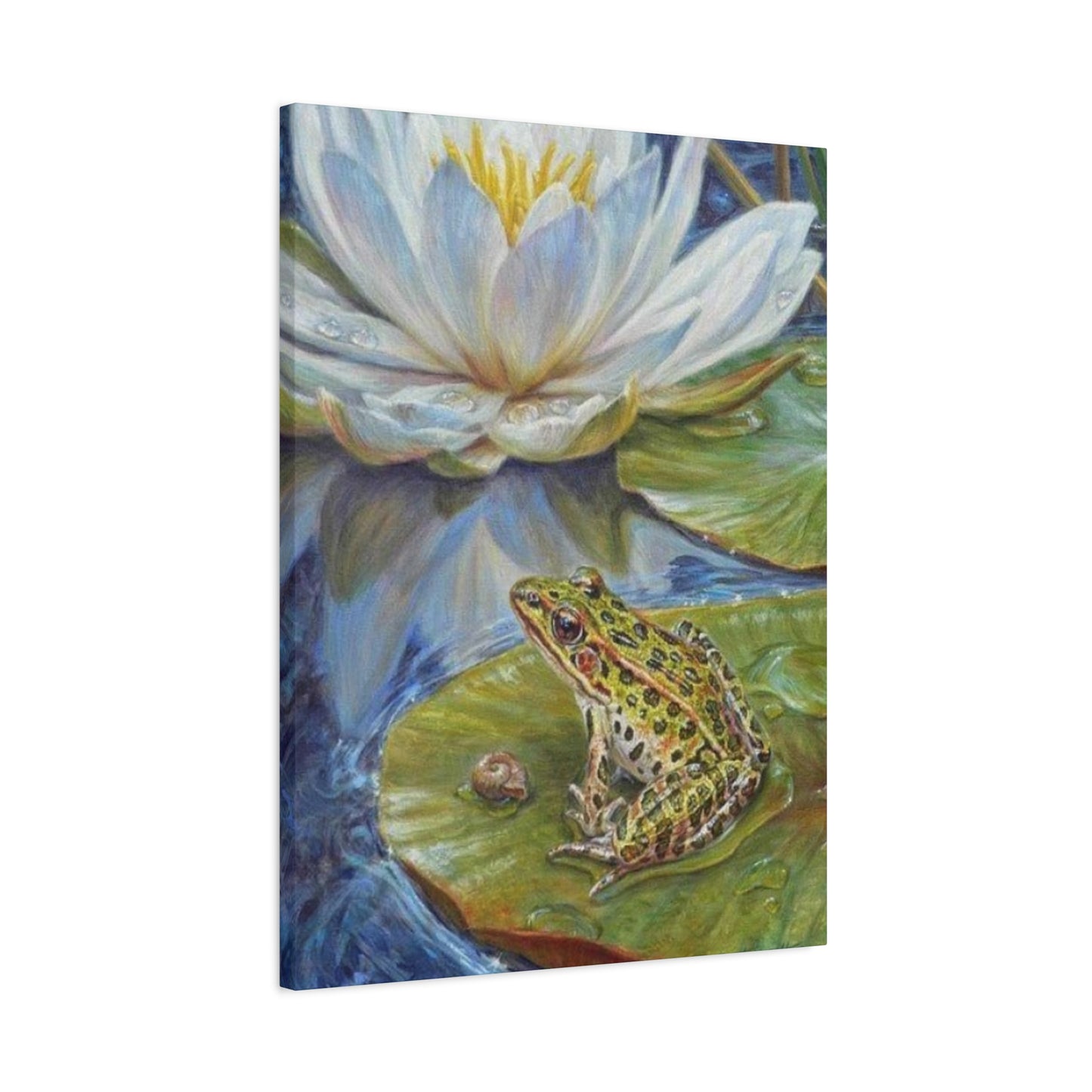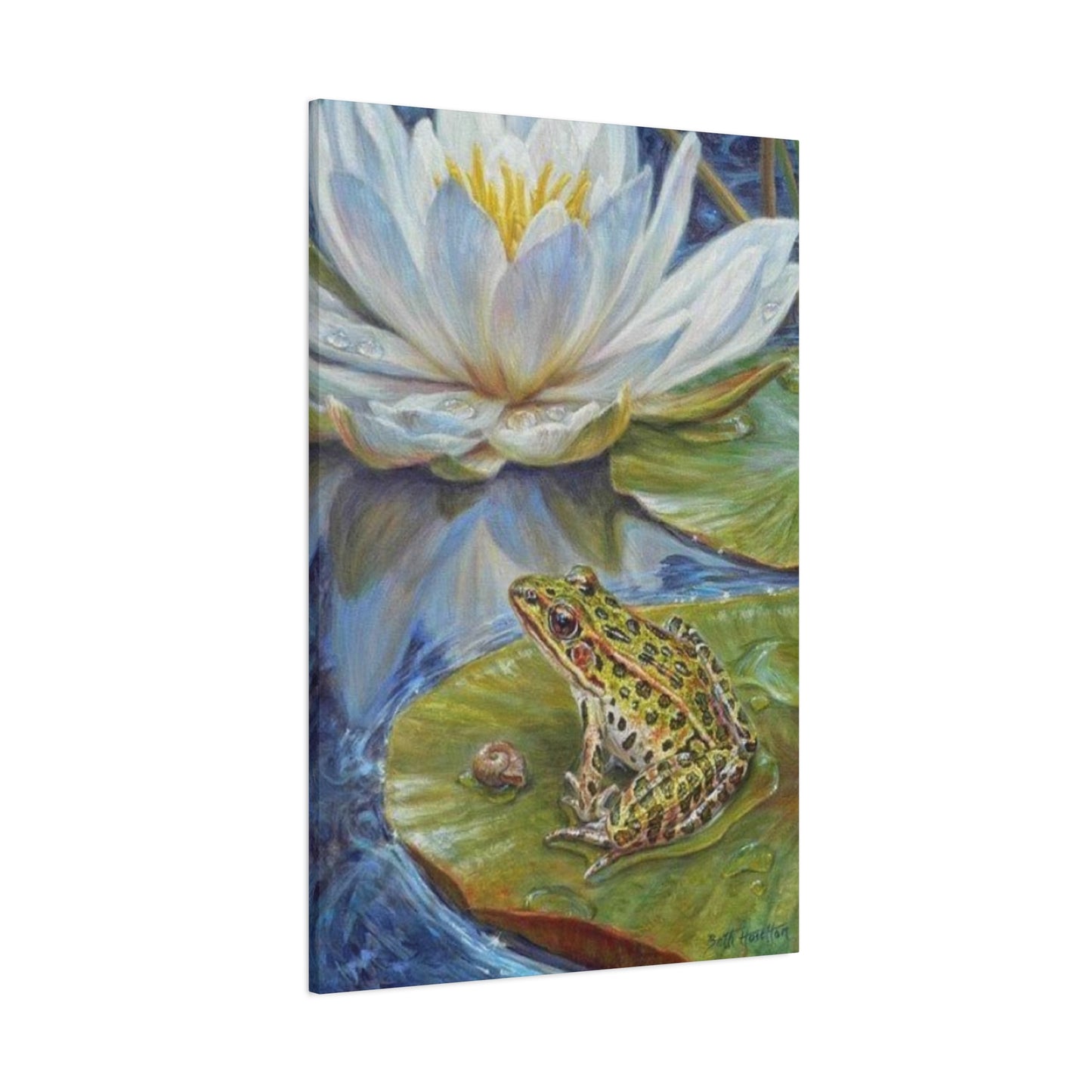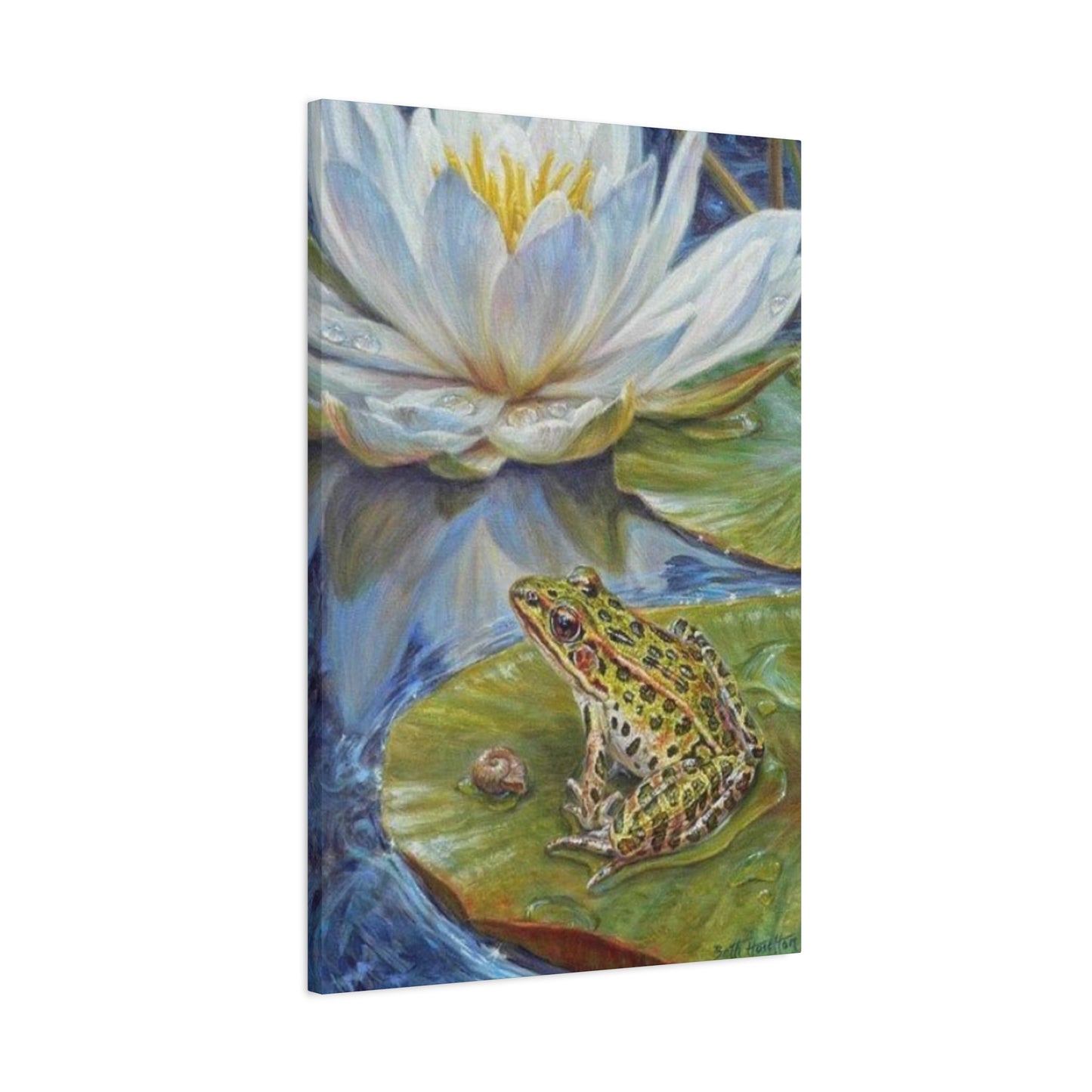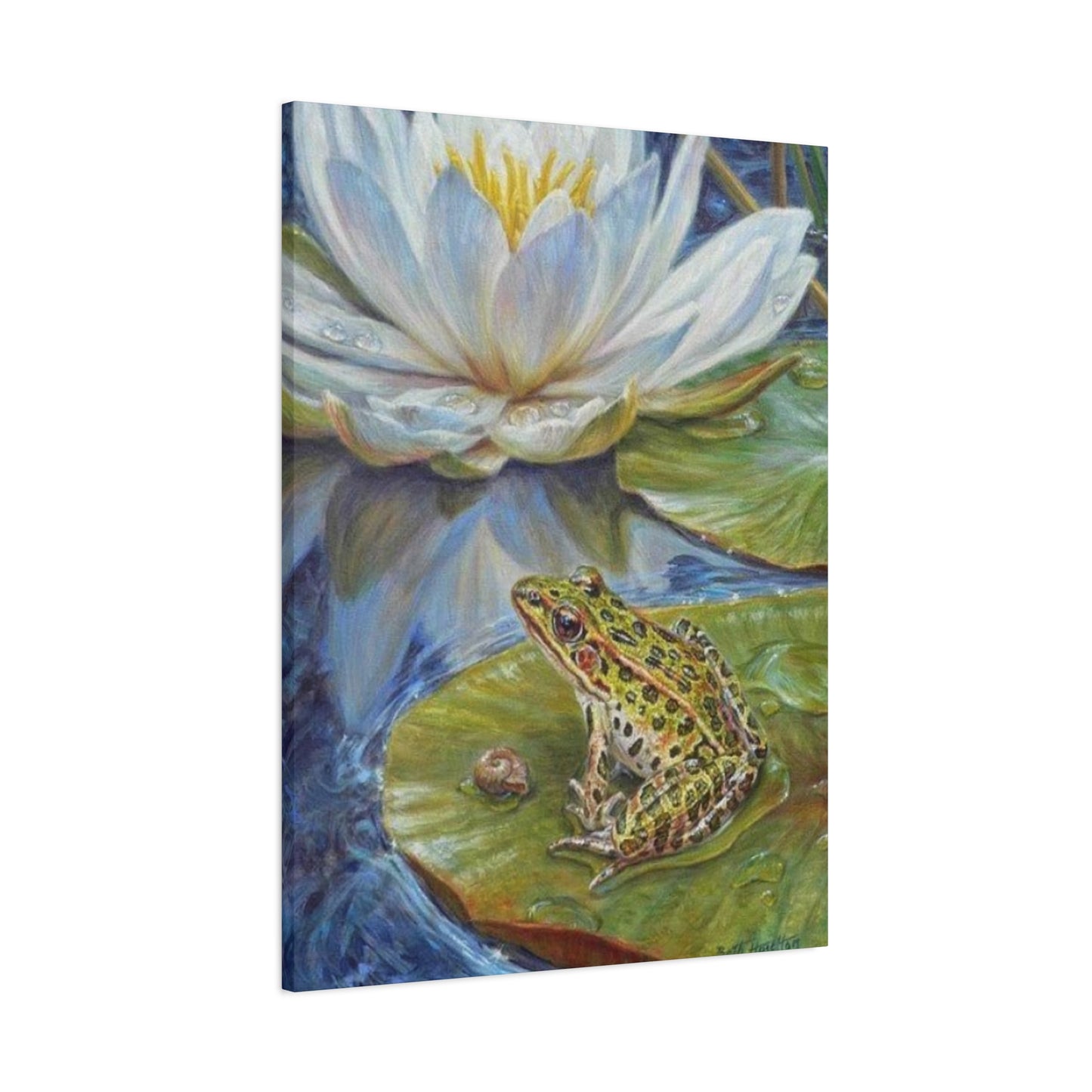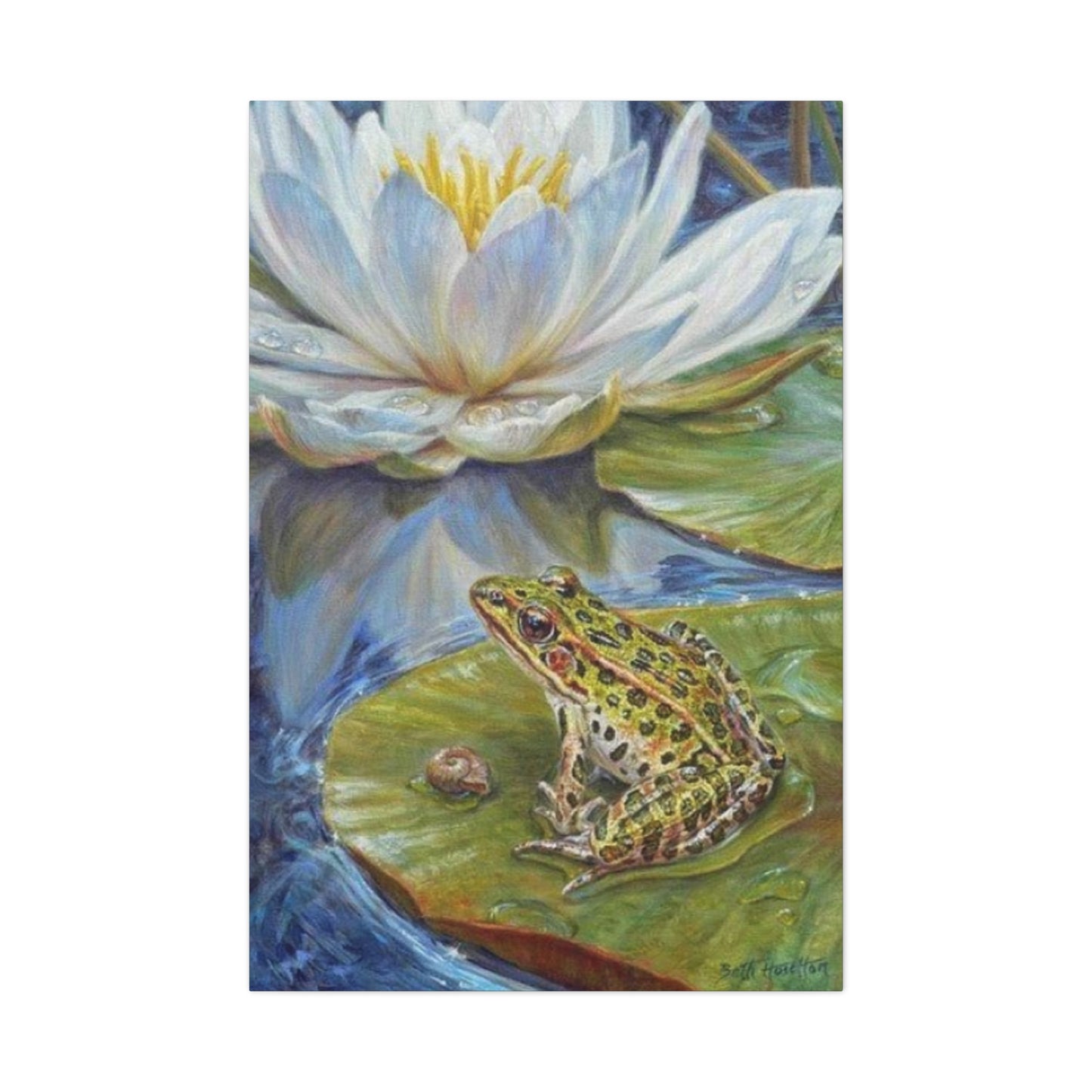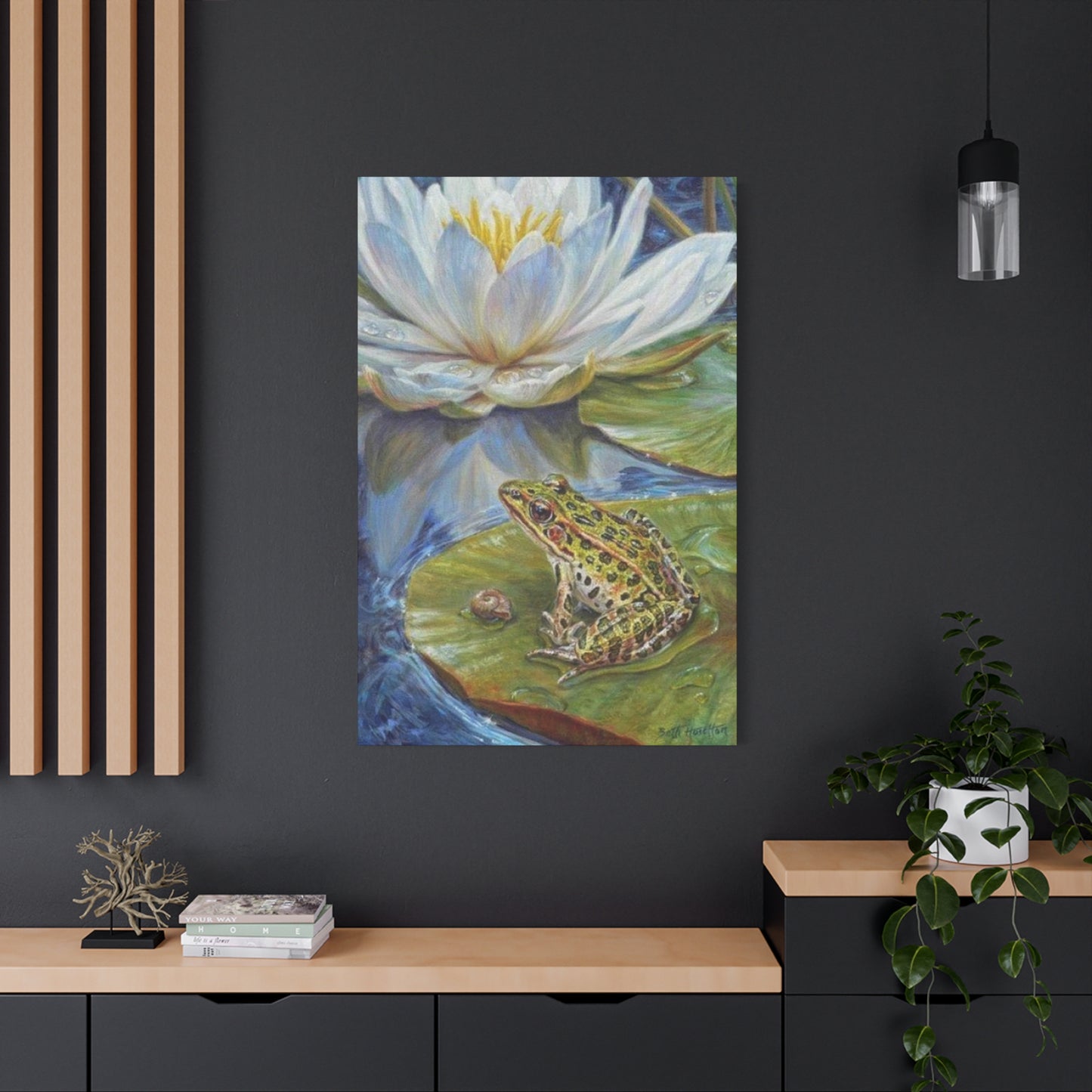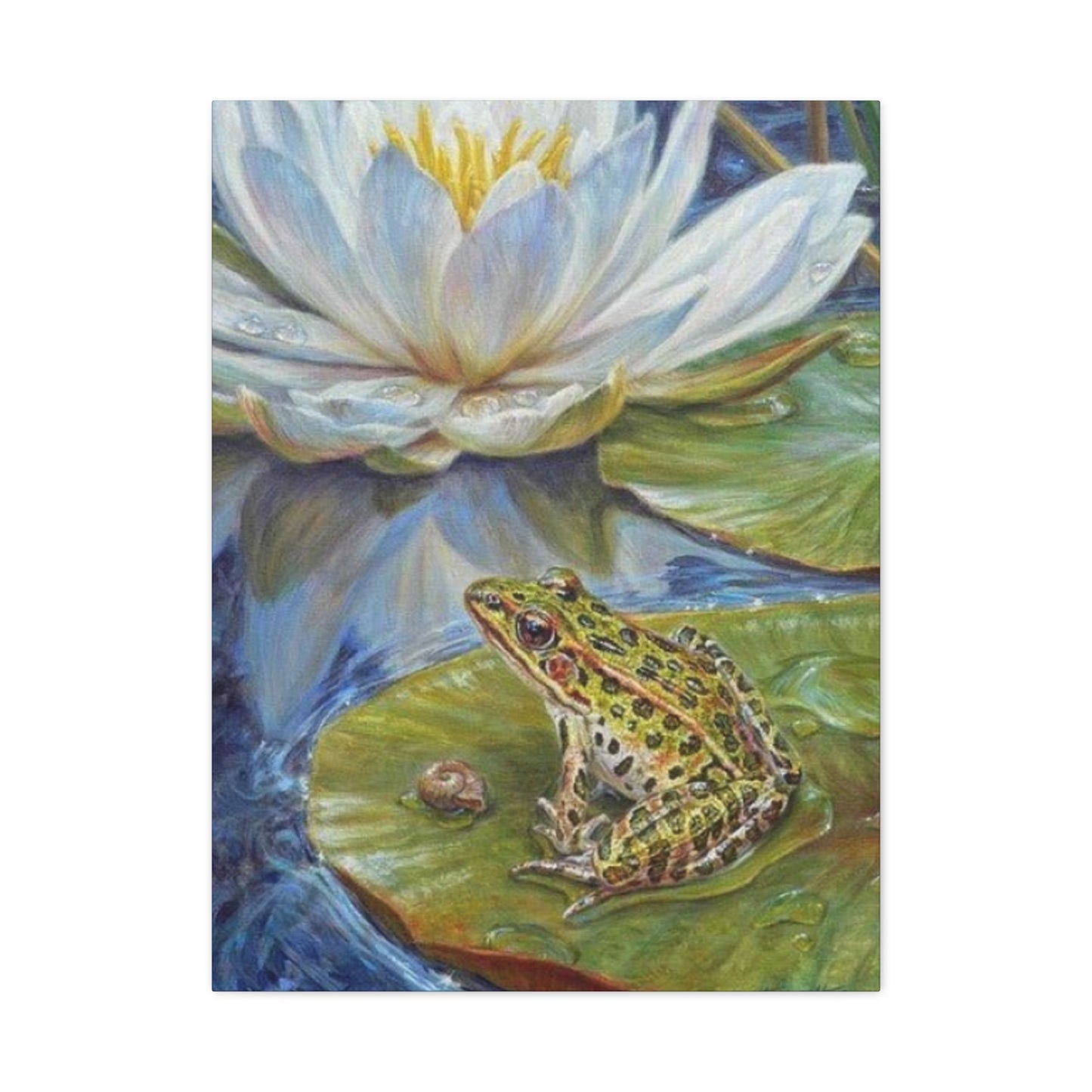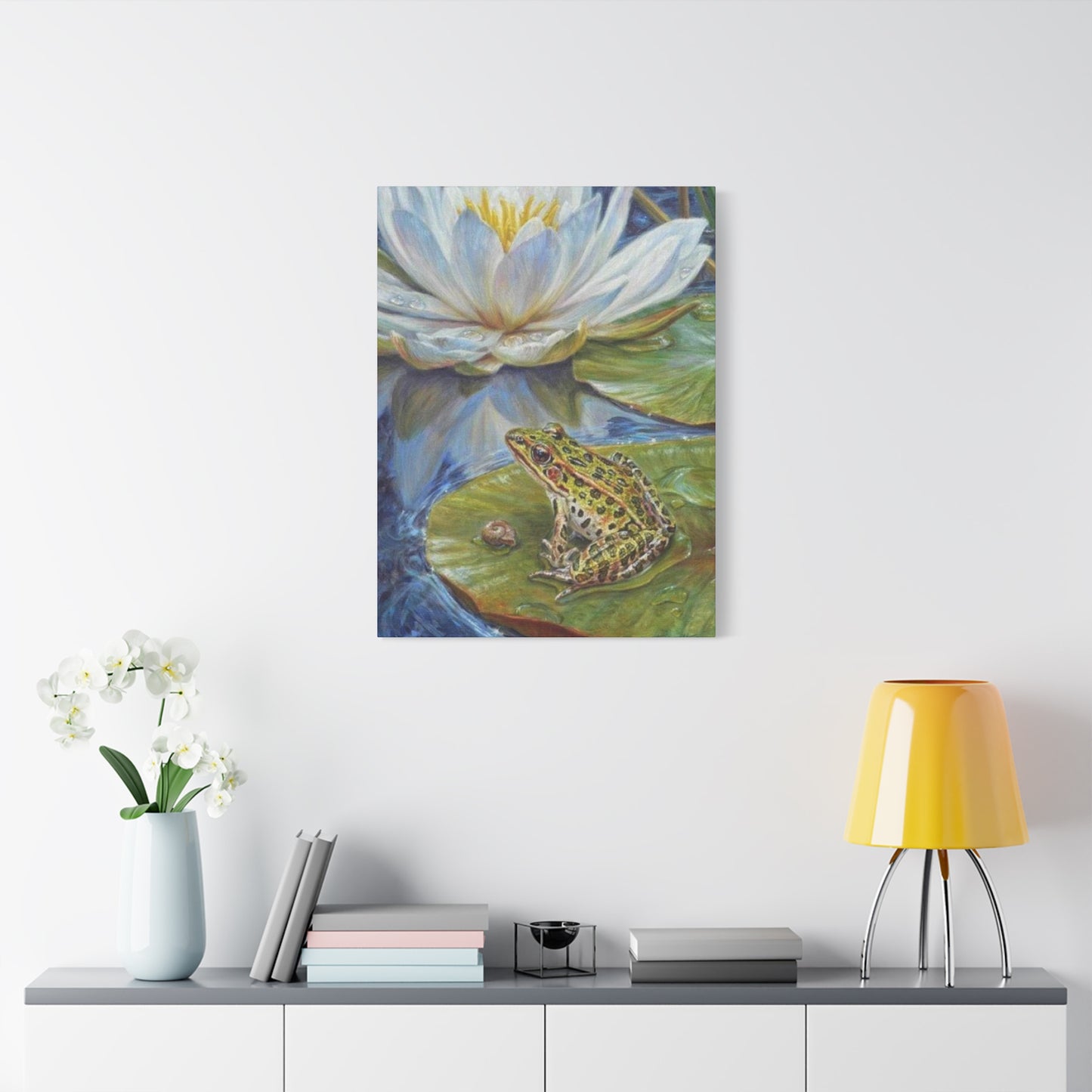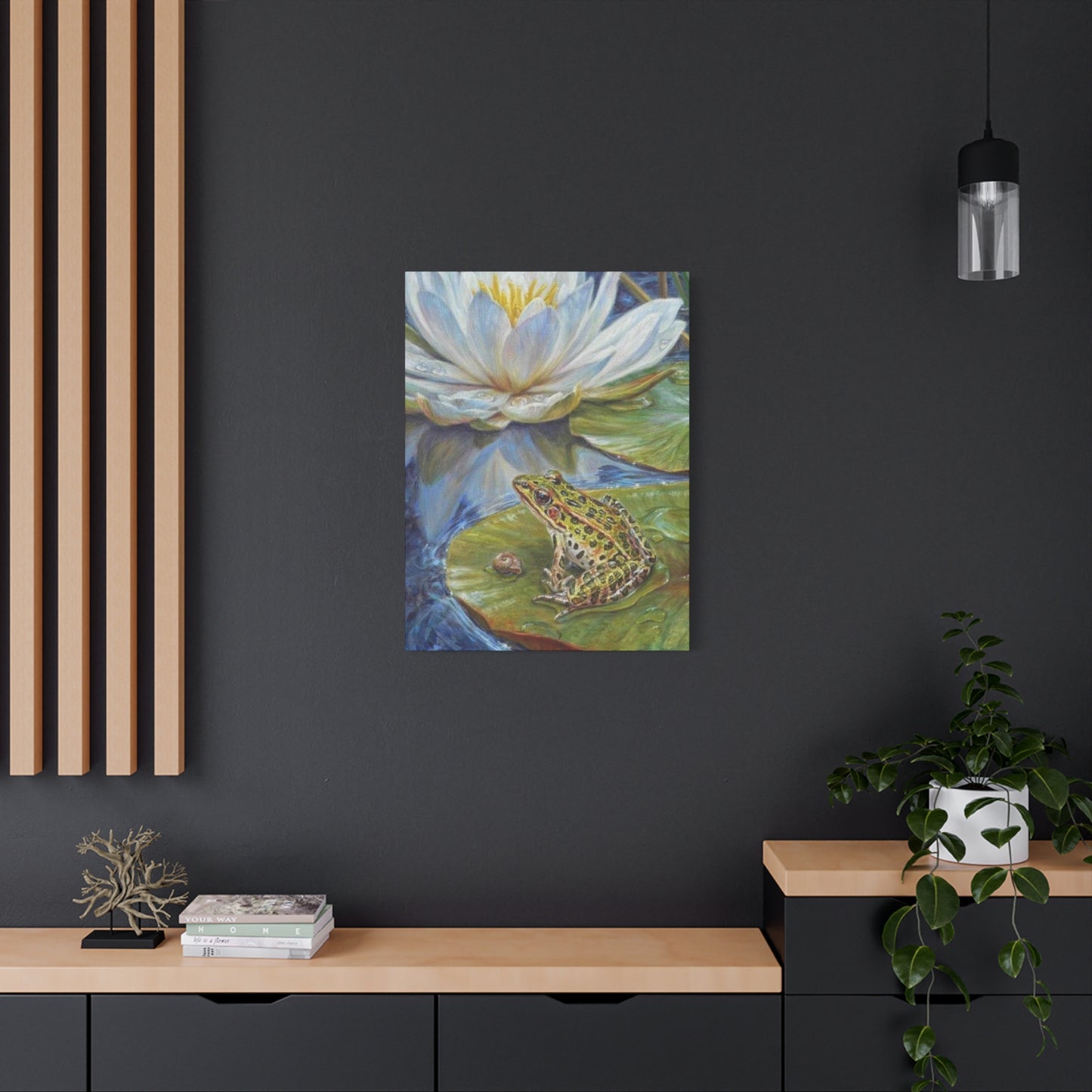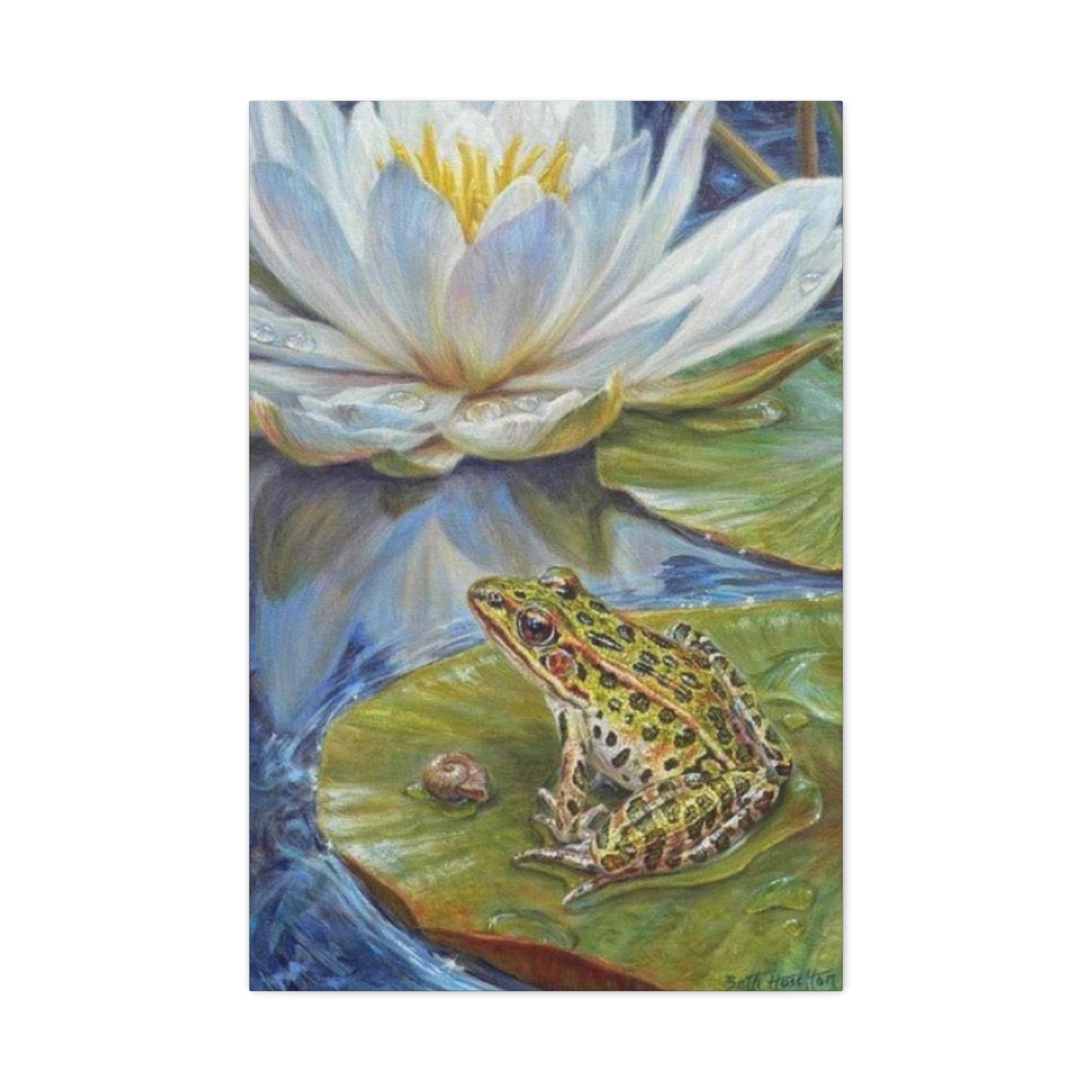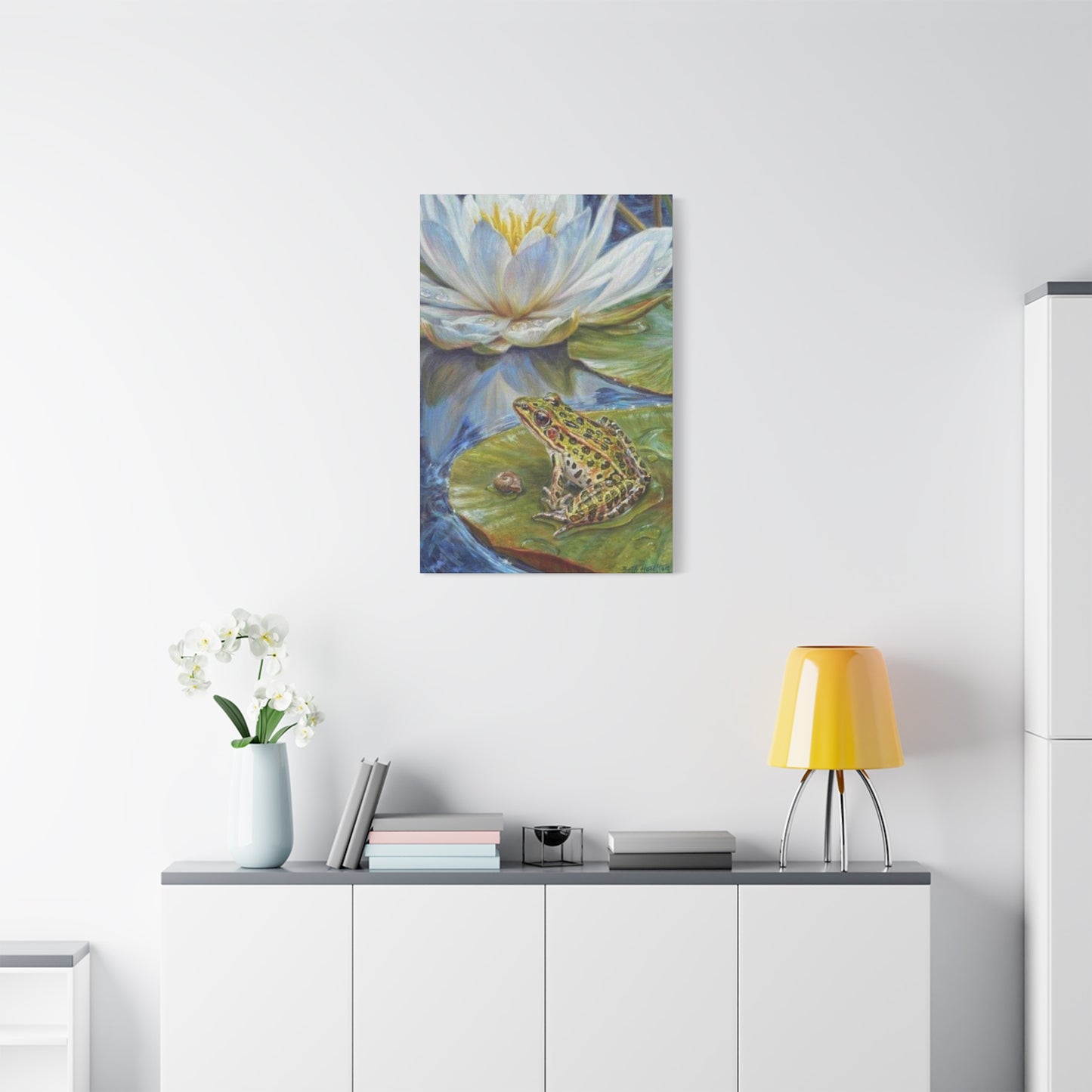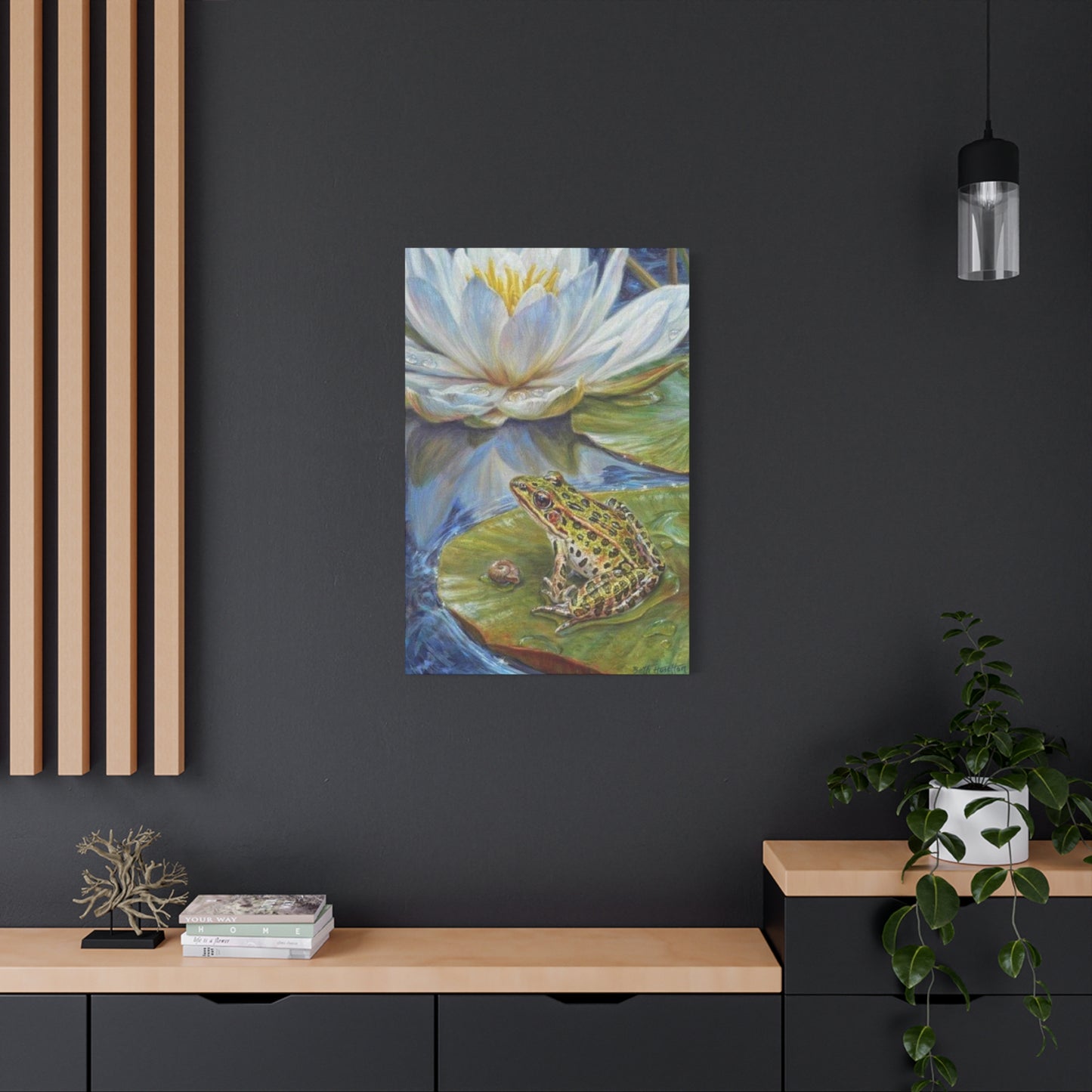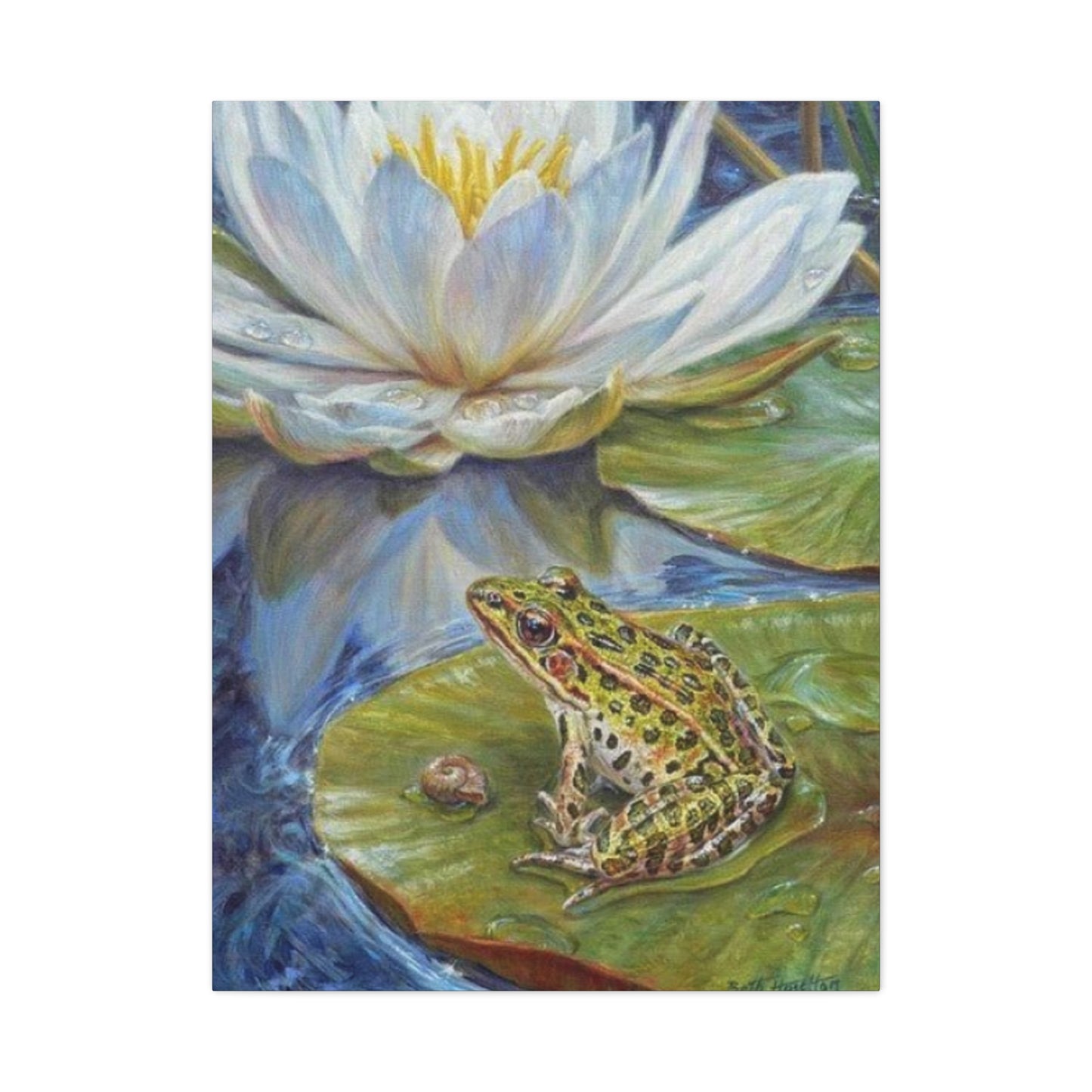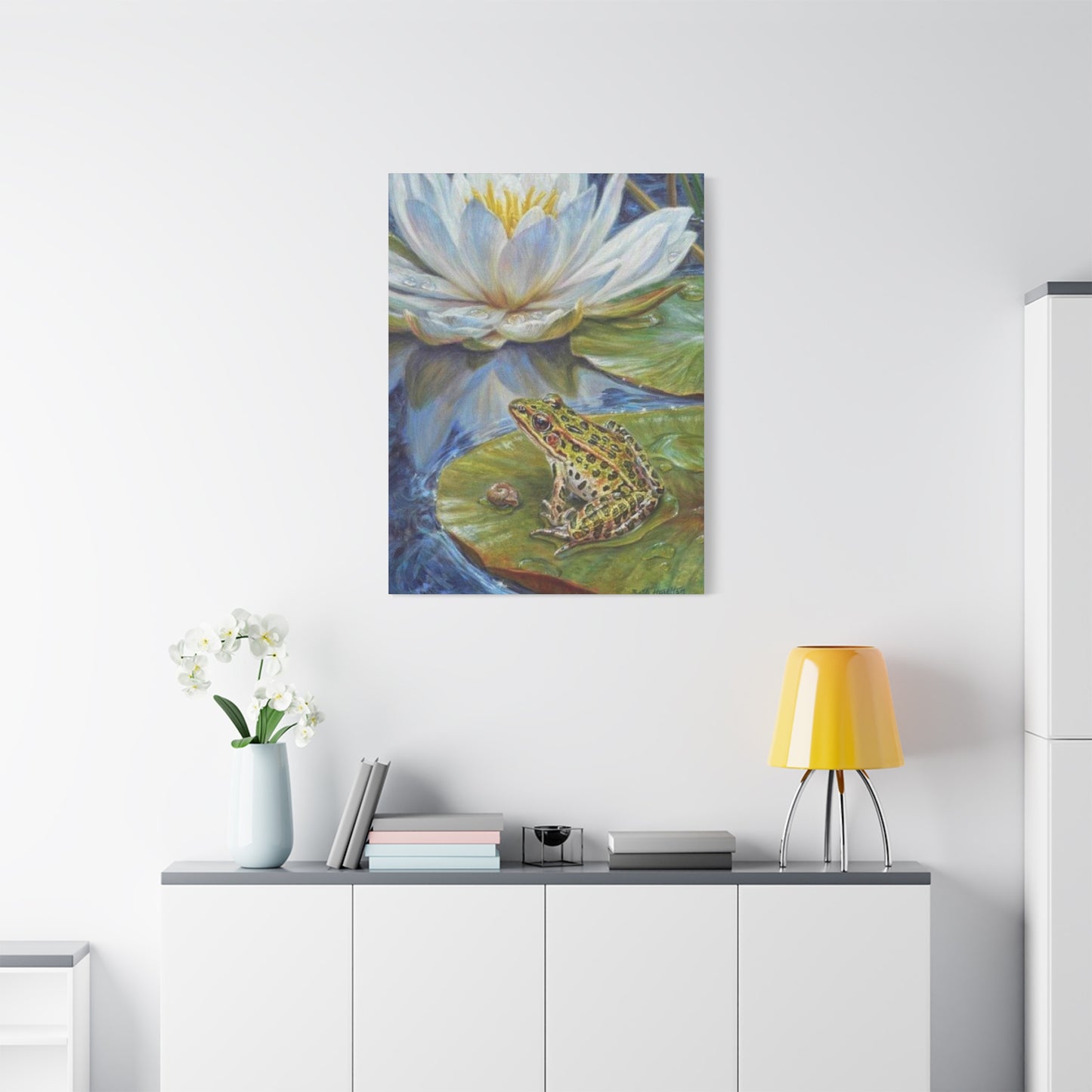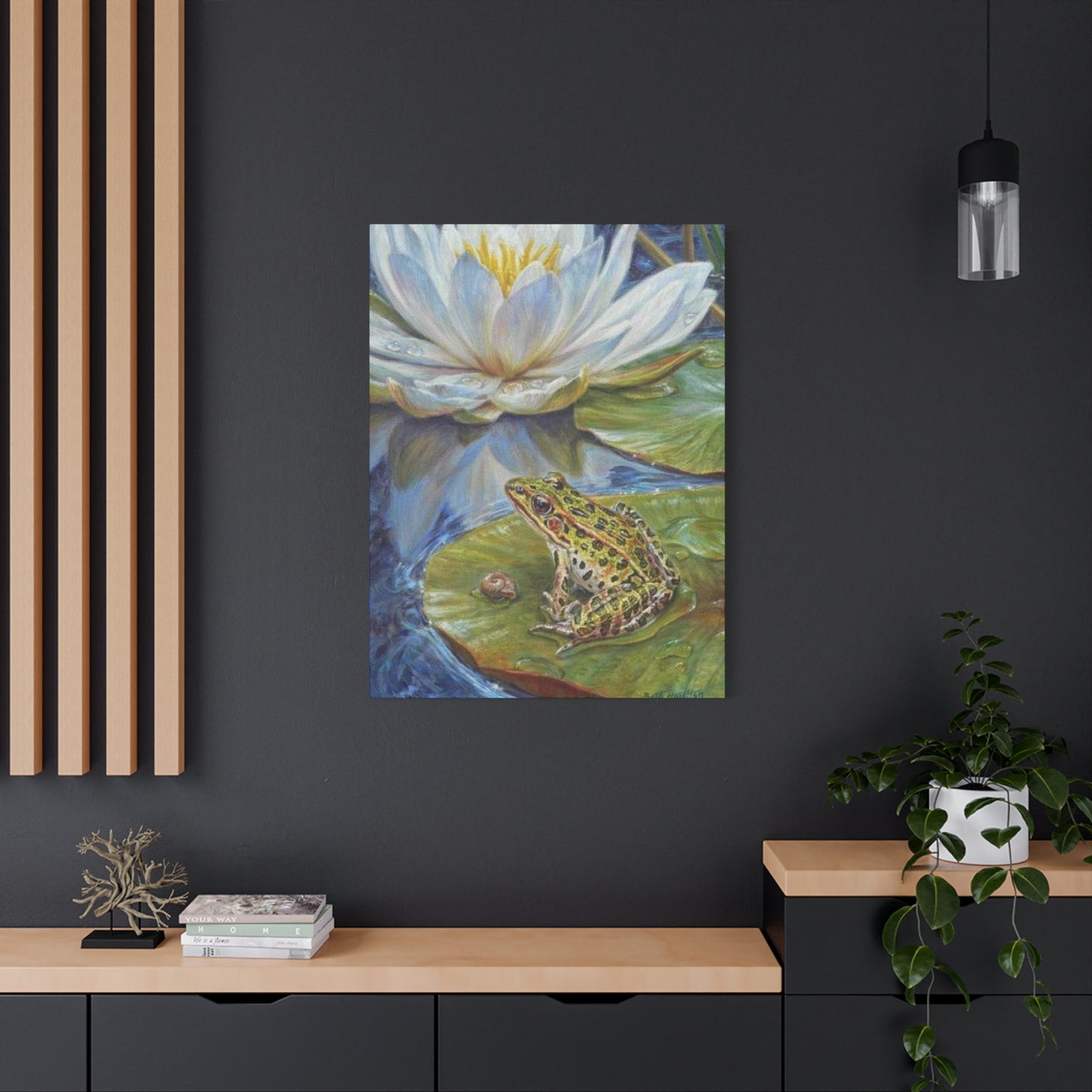


Frog in Pond Wall Art & Canvas Prints
Frog in Pond Wall Art & Canvas Prints
Couldn't load pickup availability
Handcrafted Frog in Pond Wall Art: Bringing Natural Serenity and Aquatic Beauty Into Your Living Spaces
Creating a tranquil atmosphere within your home requires thoughtful selection of decorative elements that resonate with nature's calming essence. Among the myriad choices available for interior embellishment, artwork depicting amphibians in their natural aquatic habitats has emerged as a captivating trend that bridges the gap between wildlife appreciation and sophisticated home styling. The timeless appeal of these creatures resting peacefully among lily pads and reflective waters offers homeowners an opportunity to infuse their spaces with serene imagery that speaks to both the soul and the aesthetic sensibilities.
The growing fascination with natural motifs in contemporary interior design stems from humanity's innate connection to the environment. When you incorporate imagery showcasing these small amphibians dwelling contentedly within their wetland sanctuaries, you're not merely hanging a picture on your wall—you're inviting the essence of pristine ecosystems into your daily life. This particular form of artistic expression has transcended mere decoration to become a statement about one's values, appreciation for biodiversity, and desire to maintain harmony between indoor living and the natural world.
Discovering the Profound Appeal of Aquatic Amphibian Imagery for Modern Residential Decoration
The magnetic pull toward decorative pieces featuring these small creatures in their watery domains reflects a deeper human yearning for connection with unspoiled wilderness. Throughout centuries of artistic endeavor, painters, sculptors, and craftspeople have found endless inspiration in the simple elegance of amphibian life. The sight of a small creature perched atop a floating leaf, its reflective eyes gazing outward, evokes feelings of peace, patience, and the unhurried rhythm of natural cycles.
When selecting frog in pond wall art for your residence, you're embracing imagery that carries multiple layers of symbolic meaning. These creatures have represented transformation, renewal, and adaptability across numerous cultures spanning millennia. Their lifecycle—from aquatic beginnings to terrestrial exploration—mirrors our own journeys through change and growth. This metaphorical richness adds depth to any space, transforming ordinary rooms into contemplative sanctuaries that encourage reflection and mindfulness.
The visual composition of such artwork typically features elements that naturally soothe the human psyche. Water surfaces catching sunlight, verdant vegetation surrounding tranquil pools, and the stillness of a creature perfectly adapted to its environment all contribute to a sense of equilibrium. Research in environmental psychology has consistently demonstrated that exposure to nature imagery reduces stress hormones, lowers blood pressure, and enhances overall wellbeing. By positioning such artwork strategically throughout your home, you create pockets of visual respite that offer momentary escapes from the demands of contemporary existence.
Moreover, the color palettes typically associated with these aquatic scenes—deep greens, soft blues, earthy browns, and occasional splashes of vibrant floral hues—work harmoniously with diverse interior design schemes. Whether your aesthetic leans toward minimalist modernism, rustic farmhouse charm, eclectic bohemian flair, or classic traditional elegance, representations of these creatures in their natural settings possess sufficient versatility to complement your existing decor while adding a distinctive focal point that sparks conversation.
Exploring the Diverse Materials and Craftsmanship Behind Amphibian-Themed Decorative Pieces
The market for nature-inspired artwork has evolved considerably, offering consumers an impressive array of materials, production methods, and artistic styles. Understanding these variations empowers you to make informed decisions that align with your aesthetic preferences, budgetary considerations, and values regarding sustainability and craftsmanship.
Canvas prints remain among the most popular choices for displaying aquatic scenes. High-quality canvas reproduction captures intricate details while providing texture that adds dimension to the artwork. The fabric's durability ensures longevity, and proper stretching over wooden frames creates a gallery-worthy presentation suitable for any room. Many artists and manufacturers now offer canvas prints using eco-conscious inks and sustainably sourced materials, appealing to environmentally aware consumers who wish their purchasing decisions to reflect their values.
Metal prints represent a contemporary alternative that has gained considerable traction among design enthusiasts. This process involves infusing dyes directly onto specially coated aluminum sheets, resulting in vibrant colors, exceptional clarity, and remarkable durability. The sleek, modern appearance of metal prints makes them particularly suitable for minimalist spaces, offices, or rooms with industrial design elements. The lightweight nature of these pieces simplifies installation, while their resistance to moisture makes them viable for bathrooms or kitchens where humidity might damage traditional canvases.
Wood-mounted artwork offers another compelling option that emphasizes natural materials and organic aesthetics. Images printed directly onto wooden planks or panels create rustic charm that resonates with farmhouse, cottage, or cabin-inspired interiors. The grain patterns visible through the imagery add uniqueness to each piece, ensuring that no two items are identical. This production method particularly suits those who appreciate handcrafted qualities and the warmth that natural wood brings to living spaces.
Handpainted originals occupy the premium segment of the market, offering collectors the opportunity to own truly unique pieces created by individual artists. These works showcase personal interpretation, distinctive brushwork, and the subtle imperfections that distinguish human creativity from mechanical reproduction. Investing in original artwork supports working artists while acquiring pieces that may appreciate in value over time. The emotional connection fostered by owning a one-of-a-kind creation adds immeasurable value beyond mere aesthetic appeal.
Sculptural representations provide three-dimensional alternatives that extend beyond flat wall surfaces. Ceramic, bronze, resin, or mixed-media sculptures depicting these amphibians can be wall-mounted or displayed on shelves, mantels, or tables. These pieces introduce textural variety and create dynamic visual interest through their physical depth. Sculptural works particularly appeal to those who appreciate tactile experiences and wish to engage with their decor beyond visual observation.
Selecting the Perfect Amphibian Artwork to Complement Your Specific Room Environments
Each room in your home serves distinct functions and generates particular moods, requiring thoughtful consideration when choosing decorative elements. The versatility of frog in pond wall art makes it suitable for virtually any space, though certain considerations can help you maximize both aesthetic impact and atmospheric enhancement.
Living rooms function as gathering spaces where families relax, entertain guests, and unwind after demanding days. Larger-scale pieces depicting serene pond scenes create commanding focal points above sofas or fireplaces, drawing the eye and establishing the room's visual hierarchy. Consider compositions that balance detailed foreground elements—such as a creature resting on a lily pad—with softer, more abstract backgrounds suggesting distant shorelines or reflective water surfaces. This layering creates visual depth that prevents the space from feeling flat or monotonous.
Bedrooms demand particular attention to creating restful atmospheres conducive to quality sleep and relaxation. Artwork featuring these gentle creatures in peaceful aquatic settings reinforces the tranquility essential for restorative rest. Opt for pieces with softer color palettes—muted greens, gentle blues, and neutral tones—that won't overstimulate the senses before sleep. Position artwork at eye level from the bed's perspective, creating a pleasant view that greets you upon waking and serves as a calming focal point before sleep.
Bathrooms present unique opportunities for incorporating water-themed artwork, as the thematic connection between the imagery and the room's function creates cohesive design logic. The moisture-resistant properties of metal prints or properly sealed wooden pieces make them particularly suitable for these environments. Smaller-scale works positioned near mirrors or above towel racks add personality to spaces often overlooked in decorating schemes. The presence of aquatic imagery in bathrooms reinforces the spa-like atmosphere many homeowners seek when renovating or redecorating these personal sanctuaries.
Home offices and study spaces benefit from carefully selected artwork that promotes concentration without creating distraction. Nature imagery has been shown to enhance cognitive function, creativity, and problem-solving abilities. A thoughtfully chosen piece depicting a solitary creature in quiet contemplation mirrors the focused mindset conducive to productive work. Position such artwork within your peripheral vision rather than directly in your line of sight, allowing it to provide gentle visual relief during breaks without competing for attention during concentrated tasks.
Children's rooms offer delightful opportunities to introduce nature appreciation early in life. Whimsical interpretations of pond life—perhaps featuring stylized creatures with friendly expressions or vibrant color schemes—appeal to younger sensibilities while fostering curiosity about natural ecosystems. These pieces can grow with children, transitioning from simple decoration in early childhood to springboards for conversations about biology, environmental conservation, and the interconnectedness of living systems as they mature.
Hallways and transitional spaces often receive insufficient attention in decorating schemes, yet these areas offer excellent opportunities for creating gallery-style displays. A series of smaller pieces depicting various aspects of pond life—different species, seasonal variations, or varying times of day—can transform a forgotten corridor into an engaging visual journey. This approach allows you to explore the theme more comprehensively while maintaining cohesion throughout your home's design narrative.
Understanding the Symbolic Significance and Cultural Resonance of Amphibian Imagery Throughout Human Civilization
The relationship between humans and these small amphibians extends far beyond mere aesthetic appreciation, encompassing rich symbolic traditions that span continents and millennia. Exploring these deeper meanings enhances your connection with the artwork you display, transforming decoration into meaningful cultural participation.
Ancient Egyptian civilization revered certain amphibian species as symbols of fertility, rebirth, and the annual flooding of the Nile that sustained their agricultural society. Goddess Heqet, depicted with amphibian features, presided over childbirth and resurrection, linking these creatures to life's most profound mysteries. This association between amphibians and renewal persisted through subsequent cultures, appearing in Roman mosaics, medieval bestiaries, and Renaissance paintings.
Eastern philosophies, particularly those rooted in Chinese and Japanese traditions, attribute numerous positive qualities to these creatures. In feng shui practice, imagery depicting them near water symbolizes prosperity, transformation, and the flow of abundance into one's life. The creature's ability to transition between aquatic and terrestrial realms represents adaptability and the capacity to thrive in multiple environments—qualities highly valued in both personal growth and commercial success. Japanese art, particularly the ukiyo-e woodblock prints of the Edo period, frequently featured these amphibians as subjects, celebrating their presence in rice paddies and gardens as auspicious signs of healthy ecosystems.
Native American traditions across various tribes incorporated amphibian symbolism into creation myths, healing rituals, and seasonal ceremonies. The creature's distinctive voice marking the transition between seasons made it a natural herald of change, while its connection to both earth and water elements positioned it as a mediator between different realms of existence. Rain-calling ceremonies in arid regions sometimes invoked these creatures, recognizing their appearance as harbingers of precipitation essential for survival.
European folklore presented more ambiguous representations, sometimes viewing these creatures through superstitious lenses while simultaneously recognizing their ecological value. Medieval herbalists and healers studied them for medicinal properties, while their prominence in gardens was appreciated for pest control benefits. The fairy tales and folk stories of Celtic, Germanic, and Slavic traditions often featured amphibians undergoing magical transformations, reinforcing themes of hidden potential and the deceptive nature of surface appearances.
Contemporary environmental movements have elevated these creatures to indicator species status, recognizing their sensitivity to ecological disruption. Declining populations serve as warnings about habitat destruction, water contamination, and climate change impacts. Displaying artwork celebrating these creatures thus becomes a subtle statement about environmental awareness and commitment to conservation principles, aligning your decorative choices with broader ethical concerns about planetary stewardship.
Mastering the Practical Aspects of Hanging and Positioning Your Nature-Themed Artwork
The visual impact of any decorative piece depends not only on the artwork itself but also on its placement within the space. Strategic positioning maximizes aesthetic appeal while ensuring the piece functions harmoniously within the room's overall design scheme.
Eye-level positioning represents the fundamental principle of artwork placement, though the specific height varies depending on the room's function and how occupants typically experience the space. For living rooms where people primarily sit, position the center of the artwork approximately fifty-two to fifty-seven inches from the floor. In dining rooms or hallways where people predominantly stand, slightly higher placement—centered around fifty-seven to sixty inches—creates more comfortable viewing angles. These measurements serve as starting points rather than rigid rules; trust your visual judgment and make adjustments based on the specific piece's proportions and your ceiling height.
Furniture relationships significantly influence optimal artwork positioning. When hanging pieces above sofas, beds, or console tables, maintain proportional balance by selecting artwork that spans approximately two-thirds to three-quarters of the furniture's width. The bottom edge of the frame should hover six to eight inches above the furniture top, creating visual connection without crowding. This spacing establishes relationship between elements while maintaining sufficient breathing room for both pieces to shine independently.
Lighting considerations can make or break artwork presentation. Natural light offers the most flattering illumination for most pieces, though direct sunlight poses risks of fading, particularly for canvas prints and watercolors. Position artwork perpendicular to windows when possible, allowing indirect natural light to illuminate the piece without causing glare or UV damage. For evening viewing or spaces lacking natural illumination, picture lights or strategically positioned track lighting can dramatically enhance the artwork's impact. LED bulbs with high color-rendering indices provide excellent illumination without generating heat that might damage the piece over time.
Grouping strategies offer creative possibilities for those possessing multiple pieces or wishing to create more complex visual narratives. Gallery wall arrangements allow you to combine various sizes and formats around a unifying theme—in this case, pond ecosystems and amphibian life. Start by arranging pieces on the floor to experiment with different configurations before committing to wall placement. Maintain consistent spacing between frames, typically two to three inches, to create cohesion while allowing each piece individual presence. Balance the arrangement by distributing visual weight evenly—mixing larger and smaller pieces, varying frame styles, and alternating between detailed and simpler compositions.
Architectural features provide natural opportunities for artwork placement. The wall space above a fireplace mantel serves as a traditional focal point, demanding substantial pieces that can hold their own against the hearth's visual weight. Alcoves and recessed spaces offer opportunities to create intimate vignettes where artwork becomes the undisputed star. Staircase walls, often challenging to decorate due to angled ceiling lines, can accommodate stepped arrangements that follow the staircase trajectory, creating dynamic visual flow that complements the space's geometry.
Caring for and Preserving Your Amphibian-Themed Decorative Pieces Through Proper Maintenance Practices
Investing in quality artwork merits corresponding attention to preservation, ensuring your pieces maintain their beauty and value throughout years of display. Different materials require specific care approaches, though some principles apply universally across formats.
Canvas prints benefit from regular dusting using soft, dry microfiber cloths or specialized art-cleaning brushes with natural bristles. Avoid feather dusters, which can snag on canvas texture and potentially damage the surface. Never apply liquid cleaners directly to canvas, as moisture can compromise the material's integrity and cause colors to run or fade. If canvas becomes soiled with something beyond dust, consult professional art conservators rather than attempting aggressive cleaning that might cause irreversible damage. Maintain consistent indoor conditions, avoiding extreme temperature fluctuations or humidity variations that can cause canvas to expand, contract, or develop moisture-related issues like mildew.
Metal prints require minimal maintenance, their durable surfaces resisting most environmental challenges. Clean them periodically using slightly damp soft cloths, wiping gently to remove dust and fingerprints. For stubborn marks, a small amount of glass cleaner applied to the cloth—never directly to the print—can restore pristine appearance. The scratch-resistant coating on quality metal prints protects against minor abrasions, though sharp objects should obviously be kept away. These pieces tolerate humidity better than canvas or paper, making them low-maintenance choices for challenging environments.
Wood-mounted pieces demand respect for the natural material's characteristics. Avoid excessive moisture exposure, as wood can warp, split, or develop fungal growth when subjected to sustained dampness. Dust gently using dry cloths, following the wood grain to avoid scratching. Occasionally treat unfinished or lightly finished wood with appropriate wood conditioners to prevent drying and cracking, though test any products on inconspicuous areas first. Position these pieces away from heating vents, radiators, or other heat sources that might cause wood to dry excessively.
Original paintings require the most cautious care, as irreplaceable artwork demands professional-level preservation attention. Never touch painted surfaces, as oils from skin can damage pigments over time. Dust only when absolutely necessary, using the softest brushes and gentlest touch possible. Avoid hanging valuable originals in spaces prone to temperature extremes, high humidity, or direct sunlight. Consider professional cleaning every several years by trained conservators who can safely remove accumulated grime without harming delicate surfaces. Insurance appraisals for valuable originals provide documentation for potential claims while establishing provenance.
Frame maintenance extends the life of any artwork. Check hanging hardware annually, ensuring wires, D-rings, and wall anchors remain secure. Examine frames for loose corners, chipped finish, or damaged glazing. Replace cracked or broken glass or acrylic glazing promptly to maintain protection for the artwork. For pieces behind glass, check for condensation accumulation, which might indicate poor ventilation or excessive humidity. If condensation appears regularly, consider relocating the piece to a drier area or improving room ventilation.
Exploring the Diverse Artistic Styles Available in Amphibian-Themed Decorative Works
The spectrum of artistic approaches applied to pond life imagery offers something for every aesthetic preference, from classically realistic renderings to boldly abstract interpretations. Understanding these stylistic categories helps you articulate your preferences when shopping and ensures your selections align with your existing decor sensibilities.
Photorealistic representations strive for maximum fidelity to observable reality, capturing minute details with precision that rivals or exceeds photography. These works showcase the artist's technical skill while celebrating the intricate beauty of nature itself. Viewers can observe individual skin textures, the translucency of webbed feet, water droplets clinging to leaves, and subtle color gradations in surrounding vegetation. This style particularly appeals to nature enthusiasts, biology educators, and those who appreciate meticulous craftsmanship. Photorealistic pieces work beautifully in traditional interiors, studies, and spaces where quiet sophistication takes precedence over bold statement-making.
Impressionistic approaches prioritize capturing the essence and emotional atmosphere of pond scenes over literal accuracy. Visible brushstrokes, strategic color placement, and looser compositional structures create dreamlike qualities that emphasize feeling over form. These pieces often feature softer edges, harmonious color palettes, and an overall gentleness that enhances their calming properties. Impressionistic works suit romantic, cottage-style, or shabby-chic interiors where softness and warmth dominate the aesthetic. They also work well in bedrooms and relaxation spaces where their soothing qualities contribute to the desired atmosphere.
Contemporary stylized interpretations reimagine pond life through modern design sensibilities, often simplifying forms, limiting color palettes, or incorporating graphic design elements. These pieces might feature bold outlines, flat color blocks, geometric patterning, or unexpected color combinations that transform familiar subjects into fresh visual experiences. Stylized works appeal to those with modern or eclectic tastes who appreciate art that makes clear statements while maintaining accessibility. They particularly suit urban lofts, mid-century modern homes, or any space where clean lines and intentional simplicity reign.
Abstract representations move furthest from literal depiction, using pond life as inspiration for explorations in color, form, and composition. These works might suggest amphibian forms through shape and hue rather than detailed rendering, or they might capture the essence of watery environments through texture and movement while abandoning representational accuracy entirely. Abstract pieces appeal to sophisticated collectors and those who enjoy interpretive engagement with artwork. They function particularly well in contemporary spaces where they can serve as conversation starters and vehicles for personal interpretation.
Folk art and naive styles embrace intentional simplicity, often featuring flattened perspective, disproportionate scales, and cheerful color schemes. These charming pieces radiate warmth and accessibility, celebrating the joy of creation over technical virtuosity. Folk-style amphibian artwork suits country homes, cottages, casual family spaces, and anywhere a sense of whimsy and approachability enhances the desired atmosphere. They particularly appeal to those who value handmade qualities and authentic, unpretentious artistic expression.
Asian-inspired works draw from rich traditions of nature depiction in Chinese and Japanese art, incorporating elements like calligraphy, negative space usage, and specific compositional principles. These pieces often emphasize harmony, balance, and the interplay between subject and environment. The restraint and mindfulness characteristic of Eastern artistic traditions create contemplative works that encourage meditation and reflection. They suit zen-inspired interiors, minimalist spaces, or anywhere occupants seek to cultivate mindfulness and tranquility.
Incorporating Amphibian Artwork Into Broader Nature-Themed Design Schemes
Individual pieces gain enhanced impact when integrated into cohesive design narratives that extend throughout your living space. Creating thematic consistency while maintaining visual interest requires balancing repetition with variety, allowing your chosen motif to resonate without overwhelming.
Color coordination represents the most straightforward approach to creating cohesion. Extract dominant hues from your frog in pond wall art—perhaps deep forest greens, serene water blues, earthy browns, or sunset golds—and echo these colors throughout the room in textiles, accessories, and accent pieces. Throw pillows, area rugs, curtains, and decorative objects that share the artwork's color palette create visual dialogue that ties disparate elements into a unified whole. This doesn't require exact color matching; subtle variations in shade and tone actually add depth and prevent the space from feeling overly coordinated or staged.
Material connections extend thematic resonance beyond color alone. If your artwork features wooden elements—perhaps a wood-mounted print or carved frame—incorporate additional wood tones throughout the space in furniture, flooring, or architectural details. Natural fiber textiles like linen, cotton, or jute reinforce organic themes, while stone or ceramic accessories echo the earthiness of pond environments. This layering of natural materials creates multisensory coherence that makes spaces feel thoughtfully composed rather than haphazardly decorated.
Companion artwork expands your nature theme beyond single pieces. Consider assembling collections that explore various aspects of wetland ecosystems—birds, fish, aquatic plants, dragonflies, and other pond inhabitants—creating a comprehensive celebration of these vital habitats. Varying sizes and formats while maintaining thematic unity creates dynamic gallery walls or distributed arrangements that guide the eye through spaces. This approach particularly suits larger homes or those with significant wall space seeking cohesive decoration that avoids monotony.
Botanical elements bridge the gap between artwork and living decoration. Potted plants, particularly those with aquatic associations or moisture-loving characteristics, create literal connections to the themes depicted in your artwork. Consider incorporating ferns, peace lilies, bamboo, or even small desktop fountains that introduce the sound of moving water. These living elements add dimension, improve air quality, and reinforce your commitment to bringing natural elements indoors. For those without strong horticultural inclinations, high-quality artificial plants now offer realistic alternatives that require no maintenance while still contributing visual organic elements.
Textural variety prevents nature-themed spaces from feeling flat despite their thematic coherence. Smooth ceramic glazes, rough-hewn wood, soft fabric, cool metal, and woven natural fibers create tactile interest that engages multiple senses. Layer these textures thoughtfully, ensuring each element contributes to the overall atmosphere without competing destructively for attention. A chenille throw draped over a leather sofa, positioned before a sisal rug and near a glazed ceramic vase, creates richness that plain surfaces cannot achieve.
Lighting design dramatically influences how spaces feel and how artwork presents. Layered lighting schemes incorporating ambient, task, and accent illumination offer flexibility for different times of day and activities. Dimmer switches allow you to adjust brightness according to mood and need. Warm-toned bulbs generally complement nature imagery better than cool-toned alternatives, creating cozy atmospheres that enhance the welcoming quality of your space. Consider salt lamps, candles, or other softer light sources for evening ambiance that reinforces tranquility.
Discovering Sources for Acquiring Quality Amphibian-Themed Artwork and Supporting Artists
The marketplace for nature-inspired decoration has expanded dramatically with the growth of online retail, offering unprecedented access to artists and craftspeople worldwide. Navigating this abundance requires understanding various acquisition channels and their respective advantages.
Independent artists selling directly through personal websites or studios offer opportunities to commission custom pieces tailored to your specific requirements. This approach ensures absolute uniqueness while fostering direct relationships with creators. Discuss your vision, room dimensions, color preferences, and desired mood with artists whose existing work resonates with your aesthetic. Commission work typically requires patience, as quality creation demands time, but the resulting piece will possess meaning and personalization impossible to achieve with mass-produced alternatives.
Online marketplaces specializing in handmade and artisan goods connect consumers with creators offering smaller production runs or one-of-a-kind pieces. These platforms often feature artist profiles, customer reviews, and detailed product descriptions that help you make informed decisions. The range of prices, styles, and materials available through these channels accommodates virtually any budget and aesthetic preference. Many artists on these platforms welcome custom order inquiries, offering semi-custom work that balances personalization with the efficiency of established production methods.
Art festivals, craft fairs, and outdoor markets provide opportunities to view pieces in person before purchasing while meeting the artists behind the work. This direct engagement allows you to assess quality, ask questions about materials and methods, and often negotiate prices. The social aspect of these events—supporting local creative communities while discovering unique treasures—adds value beyond the artwork itself. Many communities host regular art walks or gallery nights where multiple venues showcase local talent, creating efficient opportunities to explore diverse offerings in concentrated timeframes.
Gallery representation elevates established artists whose work commands premium prices commensurate with their reputation and skill. Purchasing through galleries often includes certificates of authenticity, provenance documentation, and sometimes investment potential if the artist's career trajectory continues upward. Gallery staff can provide educated guidance about selecting pieces, caring for investments, and building cohesive collections. The curated nature of gallery offerings means you're viewing pre-vetted work meeting certain quality standards, streamlining the selection process for those intimidated by vast online marketplaces.
Print-on-demand services offer budget-friendly access to designs from around the world, allowing consumers to select from extensive image libraries and specify printing parameters. These services suit those seeking specific subjects, sizes, or formats unavailable through other channels. While lacking the uniqueness of original or limited-edition work, quality print-on-demand offerings using archival materials and professional printing processes produce attractive results at accessible price points. This approach particularly benefits renters, students, or anyone decorating temporarily who values affordability over investment potential.
Antique shops, estate sales, and secondhand markets occasionally yield vintage or vintage-inspired pieces with character impossible to replicate in contemporary production. These treasure hunts appeal to those who enjoy the search as much as the discovery, and the stories behind found objects add layers of meaning to decoration. Vintage pieces often feature craftsmanship and materials no longer economically viable in contemporary production, offering quality that exceeds their purchase prices. However, assessing condition, authenticity, and value requires some expertise or willingness to research, making this acquisition channel somewhat more challenging for novices.
Understanding How Amphibian Artwork Influences Mood and Atmosphere Within Living Spaces
The artwork we display profoundly impacts how spaces feel and consequently how we experience our time within them. Recognizing these influences empowers intentional design choices that support desired moods and activities.
Biophilic design principles—which posit that humans possess innate tendencies to seek connections with nature—explain why nature imagery so effectively enhances wellbeing. Displaying scenes of healthy ecosystems satisfies deep-seated psychological needs for environmental connection even when our lifestyles keep us predominantly indoors. Studies measuring physiological responses to nature imagery consistently demonstrate reduced stress markers, lowered blood pressure, and decreased cortisol levels. The presence of frog in pond wall art thus functions therapeutically, contributing to mental and physical health in measurable ways beyond aesthetic pleasure.
Color psychology illuminates how specific hues influence emotional and cognitive states. The greens predominant in pond scenes associate with growth, renewal, balance, and harmony. Green environments have been shown to enhance creativity and concentration while promoting calm alertness—a state of relaxed focus ideal for both productive work and restful leisure. Blues present in water depictions evoke tranquility, trust, and contemplation, making them particularly suitable for spaces dedicated to relaxation and sleep. Earth tones grounding many pond scenes—browns, tans, and muted yellows—provide stability and comfort, creating psychological foundations upon which other design elements can build.
Compositional elements within artwork subtly guide viewer responses. Symmetrical compositions generally feel more formal, ordered, and calm, while asymmetrical arrangements create dynamic energy and visual interest. Horizontal orientations emphasize expansiveness and rest, making them ideal for bedrooms and relaxation spaces. Vertical formats draw the eye upward, creating feelings of aspiration and grandeur suitable for entryways or rooms with high ceilings. Understanding these subtle cues helps you select pieces whose compositional structures support each room's intended function.
Focal point establishment directs attention and creates visual hierarchy within spaces. A substantial piece of amphibian artwork positioned prominently establishes itself as the room's anchor, with other elements arranged in supporting roles. This intentional direction prevents visual chaos while creating satisfying structure that feels neither overly rigid nor haphazardly arranged. In rooms serving multiple functions—like living rooms accommodating both entertaining and relaxation—strong focal points help unify disparate furniture groupings and activity zones.
Personal resonance amplifies artwork's impact beyond universal design principles. Pieces connecting to personal memories, values, or aspirations generate emotional responses that generic decoration cannot match. Perhaps childhood summers spent exploring ponds foster nostalgia and joy when viewing amphibian imagery. Maybe environmental conservation concerns make such artwork feel like meaningful statements about priorities. These personal connections transform decoration into self-expression, ensuring your space authentically reflects your identity rather than simply following trends.
Navigating the Considerations of Scale and Proportion When Selecting Pond Life Artwork
The physical dimensions of artwork significantly influence its impact and appropriateness for specific spaces. Developing intuition about scale and proportion ensures your selections enhance rather than overwhelm or underwhelm their intended environments.
Large-scale pieces—those exceeding forty inches in any dimension—make bold statements that demand attention. These commanding works function best in spacious rooms with sufficient wall area and viewing distance. A substantial piece hung in a cramped space feels oppressive, while one positioned in a generous room achieves impressive impact. Consider sight lines when hanging large pieces, ensuring viewers can step back far enough to appreciate the work in its entirety. Living rooms, master bedrooms, dining rooms, and home offices typically accommodate large-scale artwork successfully, provided furniture arrangements maintain adequate viewing distance.
Medium-sized pieces—roughly twenty to forty inches—offer versatility suitable for most standard residential rooms. These adaptable dimensions work above furniture, in gallery arrangements, or as standalone features depending on the space's characteristics and your design goals. Multiple medium pieces can be combined to create impact rivaling single large works while offering compositional flexibility impossible with one solid unit. This size range represents the sweet spot for most consumers, balancing presence with practicality.
Small-scale pieces—those under twenty inches—excel in intimate spaces or as components of larger arrangements. Don't dismiss diminutive artwork as insignificant; thoughtfully positioned small pieces create charming moments of visual interest that reward closer inspection. Powder rooms, small hallways, breakfast nooks, and reading corners benefit from appropriately scaled artwork that doesn't overwhelm limited square footage. Small pieces also work beautifully in groupings, allowing you to create eclectic gallery walls that tell complex visual stories.
Proportion between artwork and surrounding elements deserves equal attention to absolute size. The relationship between picture dimensions and wall space influences whether pieces feel balanced or awkward. On large, empty walls, undersized artwork appears lost and ineffectual. Conversely, oversized pieces on limited wall space feel cramped and claustrophobic. A useful guideline suggests leaving at least four to six inches of visible wall space around all sides of the artwork, though exact spacing depends on ceiling height, room size, and personal preference.
Furniture relationships influence perceived proportion. Above sofas or beds, artwork spanning two-thirds to three-quarters of the furniture width creates pleasing visual balance. Narrower pieces appear skimpy, while those exceeding the furniture width can feel top-heavy and unstable. Vertical pieces above tall furniture like cabinets or armoires should maintain similar proportional relationships, with heights roughly two-thirds to three-quarters of the furniture's vertical dimension.
Ceiling height impacts comfortable artwork size. Rooms with standard eight-foot ceilings accommodate smaller pieces better than those with ten-foot or higher ceilings, which demand larger-scale artwork to avoid appearing insignificant. In rooms with exceptionally high ceilings, consider hanging artwork lower than typical eye-level recommendations to maintain accessible viewing angles, or create stacked vertical arrangements that utilize the generous height without positioning pieces uncomfortably high.
Exploring Seasonal and Temporal Variations Within Pond Life Artistic Representations
The cyclical nature of wetland ecosystems offers artists rich opportunities to explore how seasons transform familiar environments. Understanding these variations helps you select pieces resonating with your climate, personal seasonal preferences, or desire for year-round thematic consistency.
Spring representations overflow with rebirth and renewal imagery. Newly emerged vegetation, breeding choruses, freshly deposited eggs, and the general explosion of life following winter dormancy create optimistic, energetic scenes. Color palettes emphasize fresh greens, delicate florals, and crystalline water reflecting clear skies. Spring-themed pieces suit nurseries, breakfast nooks, or anywhere you wish to cultivate feelings of new beginnings and positive momentum.
Summer scenes showcase peak vitality with lush vegetation, fully mature creatures, and often more vibrant color saturation. The languid heat of summer ponds creates dreamy atmospheres where time seems suspended. Dragonflies hover, lily pads carpet water surfaces, and amphibians bask contentedly in dappled sunlight. These representations work beautifully in spaces dedicated to leisurely activities—patios, sunrooms, or family rooms—where their unhurried mood complements relaxation and casual socializing.
Autumn interpretations capture the poignant beauty of seasonal transition. Falling leaves accumulating on water surfaces, cooling temperatures triggering pre-winter preparations, and changing foliage colors create richly hued scenes celebrating impermanence and change. Warm golds, deep oranges, russet reds, and burnished browns dominate these pieces, making them natural companions for traditional autumn decorating schemes. Autumn-themed pond artwork suits spaces where you gather during cooler months, reinforcing seasonal rhythms and encouraging acceptance of natural cycles.
Winter scenes present sparse elegance emphasizing stillness and dormancy. Ice-rimmed pond edges, bare branches reflected in dark water, and occasional creatures waiting patiently beneath frozen surfaces create contemplative images celebrating winter's quiet beauty. Muted palettes featuring grays, whites, deep blues, and stark browns suit minimalist aesthetics while providing visual rest from busier seasonal displays. Winter representations work particularly well in meditative spaces or minimalist interiors where their restraint feels intentional rather than stark.
Temporal variations beyond seasons offer additional creative possibilities. Dawn scenes capture ethereal quality as mist rises from water surfaces and early light paints everything in soft pastels. These gentle compositions suit bedrooms where their quiet beauty creates peaceful morning atmospheres. Midday representations showcase full illumination revealing every detail in crystalline clarity. Dusk pieces emphasize warm, golden-hour lighting and lengthening shadows that add drama and romance. Nocturnal scenes featuring creatures under moonlight or starlight create mysterious, magical atmospheres appealing to those drawn to nighttime's transformative qualities.
Combining Amphibian Artwork With Complementary Nature Motifs for Cohesive Environmental Themes
While frog in pond wall art creates impact independently, thoughtfully combining it with related nature imagery builds comprehensive environmental narratives that deepen thematic resonance throughout your home.
Aquatic plant imagery provides natural companion subjects that extend pond themes without redundancy. Water lilies, lotus blossoms, cattails, reeds, and submerged vegetation appear in contexts similar to amphibian habitats while offering different compositional opportunities. Floral elements introduce additional colors and forms that create variety within thematic consistency. These botanical subjects work particularly well in kitchens, bathrooms, or anywhere you wish to maintain water associations while varying the specific subject matter.
Conclusion
Handcrafted frog in pond wall art offers a unique and captivating way to introduce the serene beauty of nature into your living spaces. The delicate craftsmanship and intricate details of these pieces elevate the simplicity of a frog’s life in its natural habitat, transforming it from a simple wildlife subject into a stunning work of art. Featuring frogs nestled among lily pads or perched on smooth rocks near a tranquil pond, this kind of wall art brings a sense of peaceful calm and aquatic beauty to your home, creating an atmosphere that feels both refreshing and restorative.
What makes handcrafted frog in pond art so enchanting is its ability to capture the essence of the pond ecosystem in its purest form. Frogs, often associated with renewal and transformation, embody the delicate balance of nature, thriving in environments where water and life intersect. This vibrant, yet tranquil world is masterfully recreated through handcrafted art, making each piece a testament to the artist’s connection to the natural world. The gentle ripples of water, the lush greens of the pond’s vegetation, and the playful yet peaceful presence of the frog work together to convey a sense of harmony, stillness, and natural beauty that can easily be appreciated in any living space.
These handcrafted artworks offer more than just a visual delight; they also evoke a deep sense of tranquility and connection to the environment. Ponds are often considered symbols of peace, calm, and quiet contemplation. The imagery of a frog, quietly resting in or near the water, invites viewers to pause and reflect, allowing a moment of respite from the fast-paced nature of modern life. This peaceful aura is perfect for bedrooms, bathrooms, meditation spaces, or any corner of your home that seeks to foster relaxation and mindfulness.
The handcrafted aspect of these pieces also adds a layer of artistry and uniqueness to your home décor. Each piece is typically created with attention to detail, using materials and techniques that ensure no two artworks are exactly alike. Whether it’s a hand-painted canvas or a mixed-media sculpture, these pieces are designed to evoke a sense of authenticity and craftsmanship that mass-produced prints simply can’t replicate. By choosing handcrafted frog in pond wall art, you're not only adding beauty to your home but also supporting the artistry and creativity of skilled artisans who take pride in bringing nature’s wonders to life.
In addition to their aesthetic appeal, these artworks are versatile in their ability to complement a wide range of interior styles. From rustic, nature-inspired rooms to modern, minimalist spaces, frog in pond wall art blends seamlessly into your home’s décor. The soothing tones of the pond’s water and the rich greens of the surrounding plants can harmonize with a variety of color palettes, while the natural subject matter lends itself perfectly to environments where relaxation and connection to nature are prioritized. Whether displayed in a living room, kitchen, or hallway, this type of wall art serves as a beautiful focal point, drawing the eye and inviting a deeper appreciation of the natural world.
For those who value environmental sustainability and the beauty of aquatic ecosystems, handcrafted frog in pond art also holds an additional layer of meaning. Frogs are vital indicators of environmental health, and their presence in art can remind us of the importance of preserving these habitats for future generations. By incorporating this kind of art into your home, you're not just bringing nature indoors—you’re subtly advocating for the preservation of our planet’s most vulnerable ecosystems, including those rich in aquatic life.
In conclusion, handcrafted frog in pond wall art brings a touch of natural serenity and aquatic beauty to any living space. Its intricate design, calming imagery, and connection to the delicate balance of nature make it a perfect addition to your home, offering a peaceful retreat and a deeper appreciation of the natural world. Whether displayed as a statement piece in a prominent area or as a subtle accent in a more private space, these artworks are bound to add elegance, tranquility, and a timeless sense of beauty to your home, fostering an atmosphere that feels both refreshing and restorative.
Share